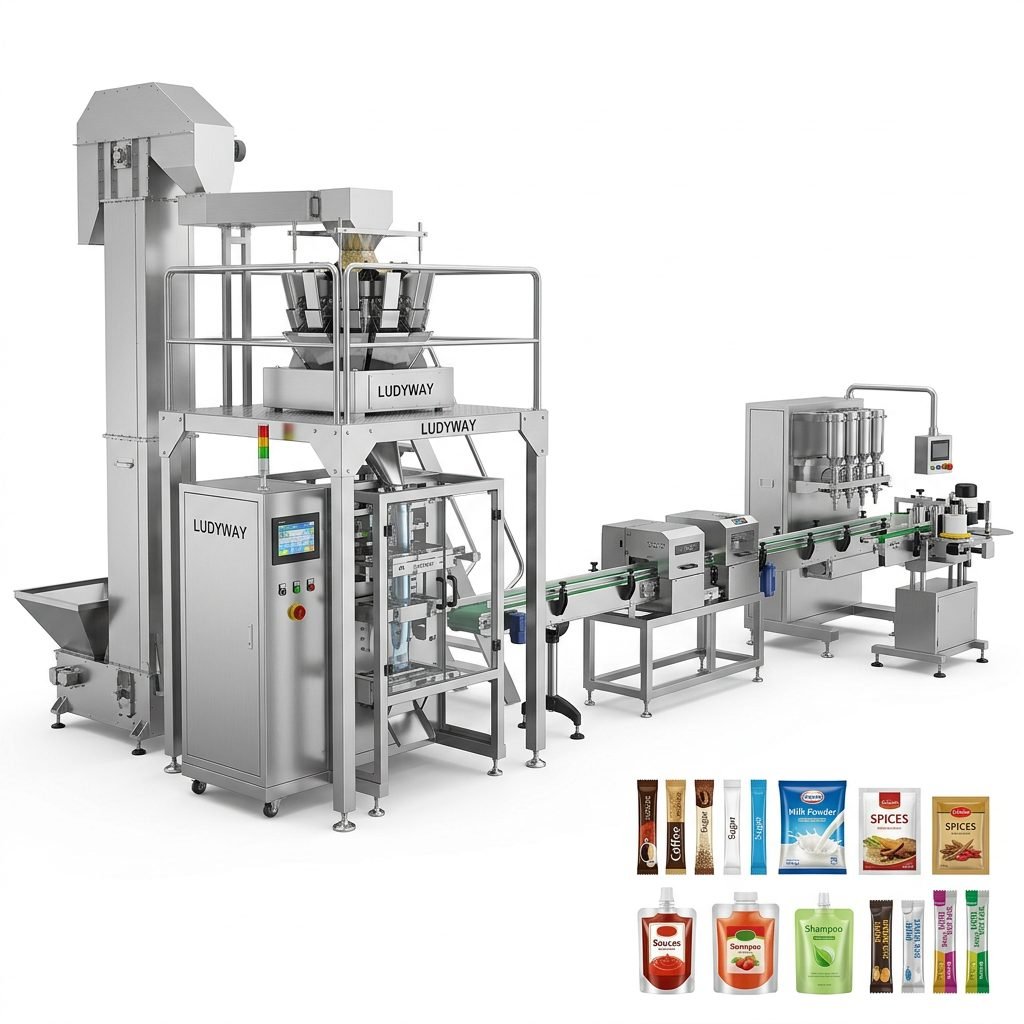
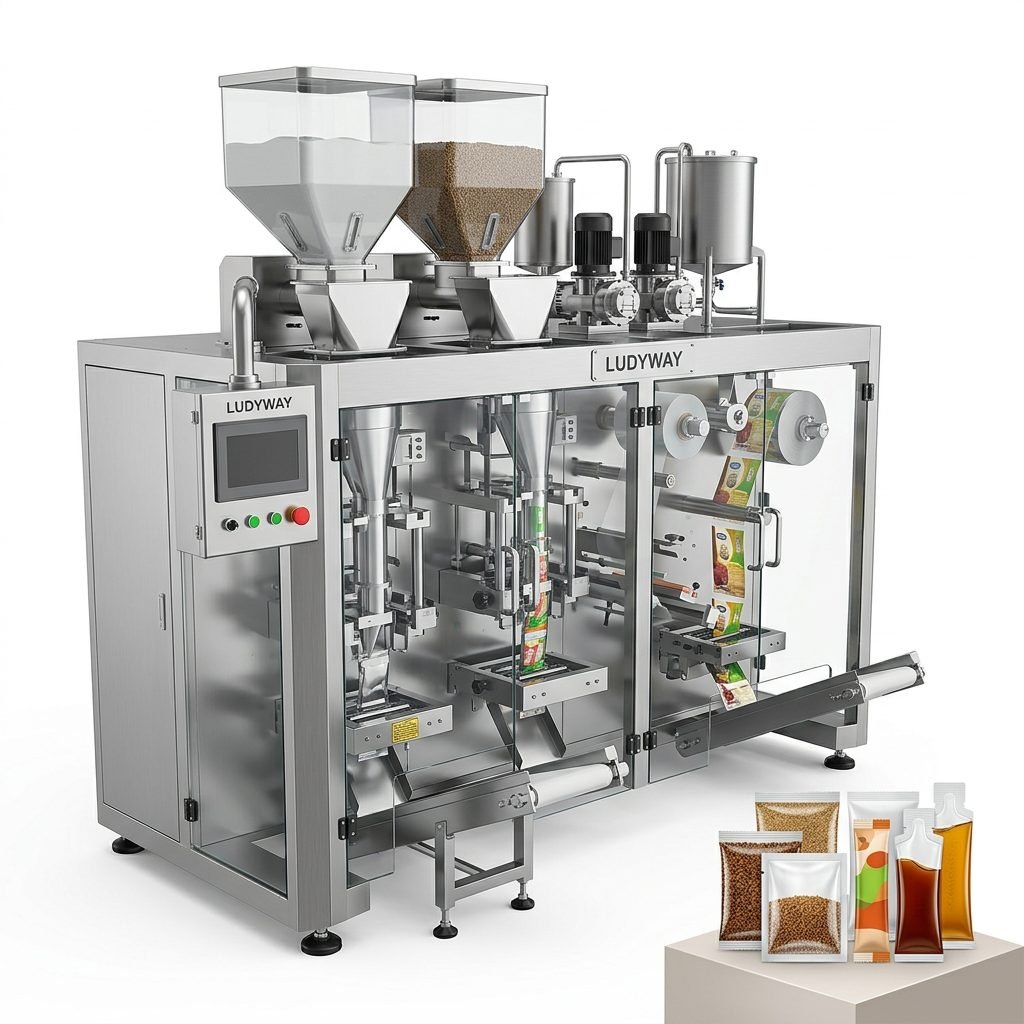
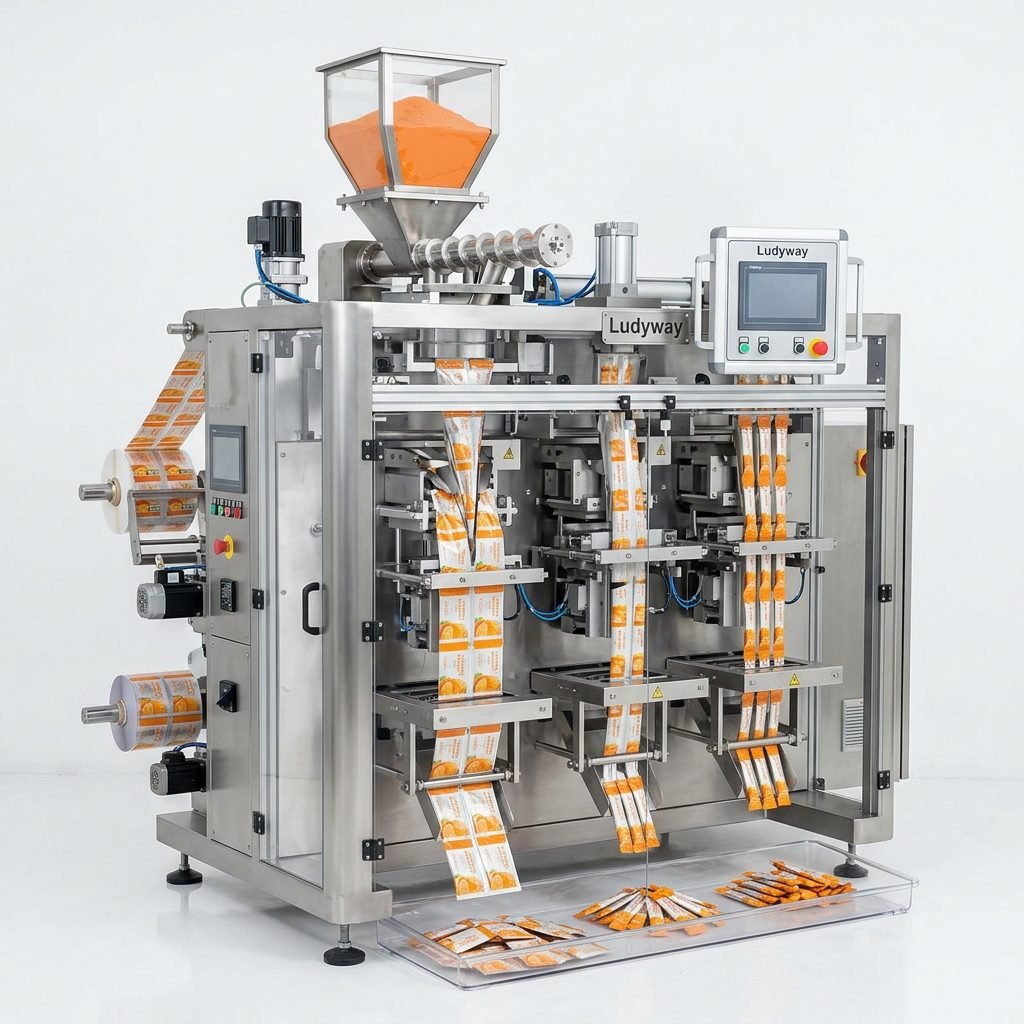
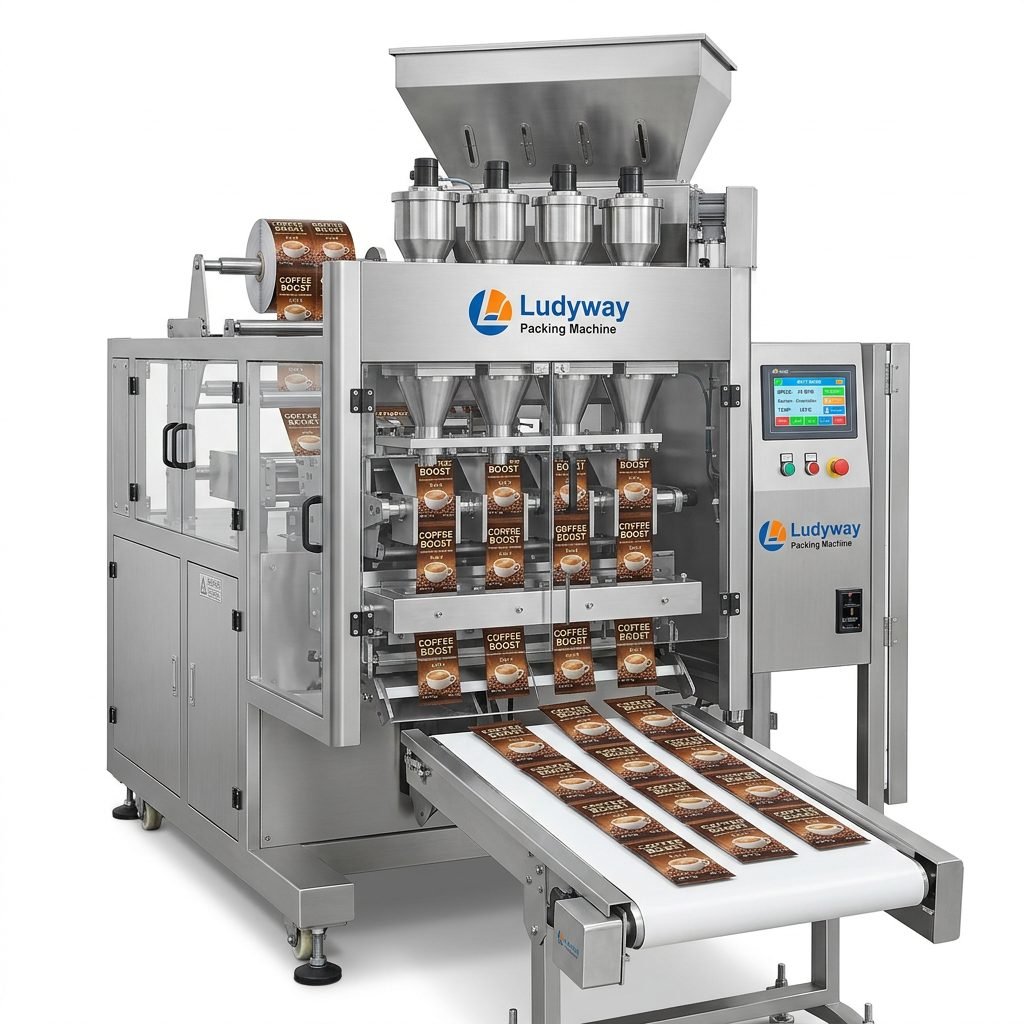
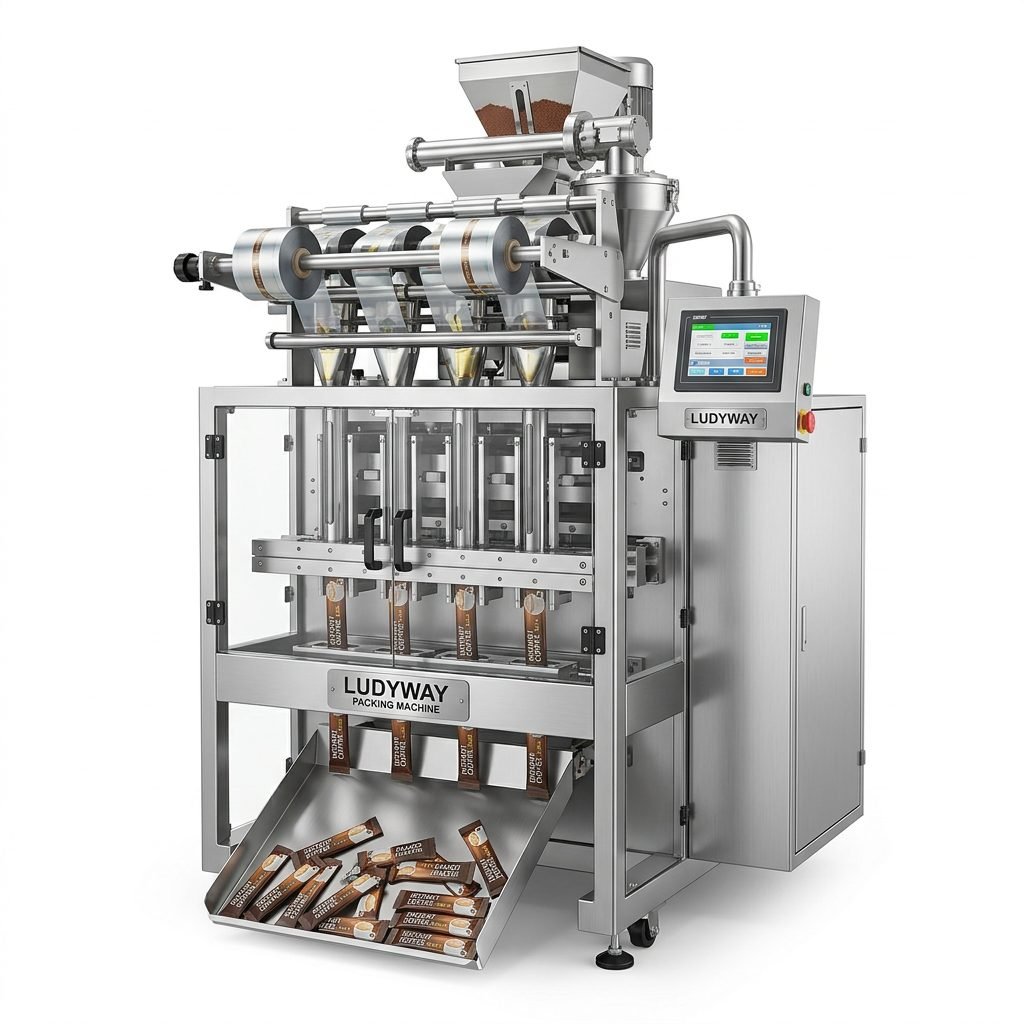
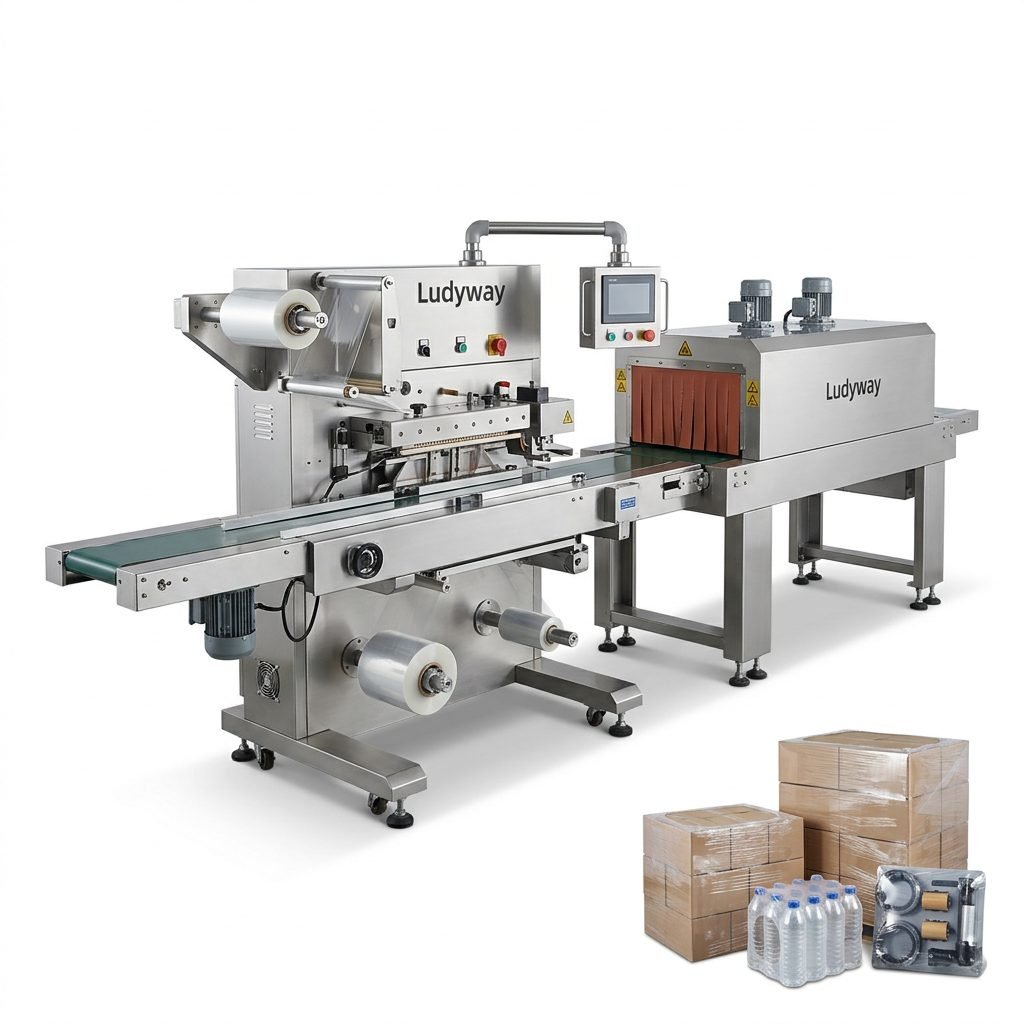
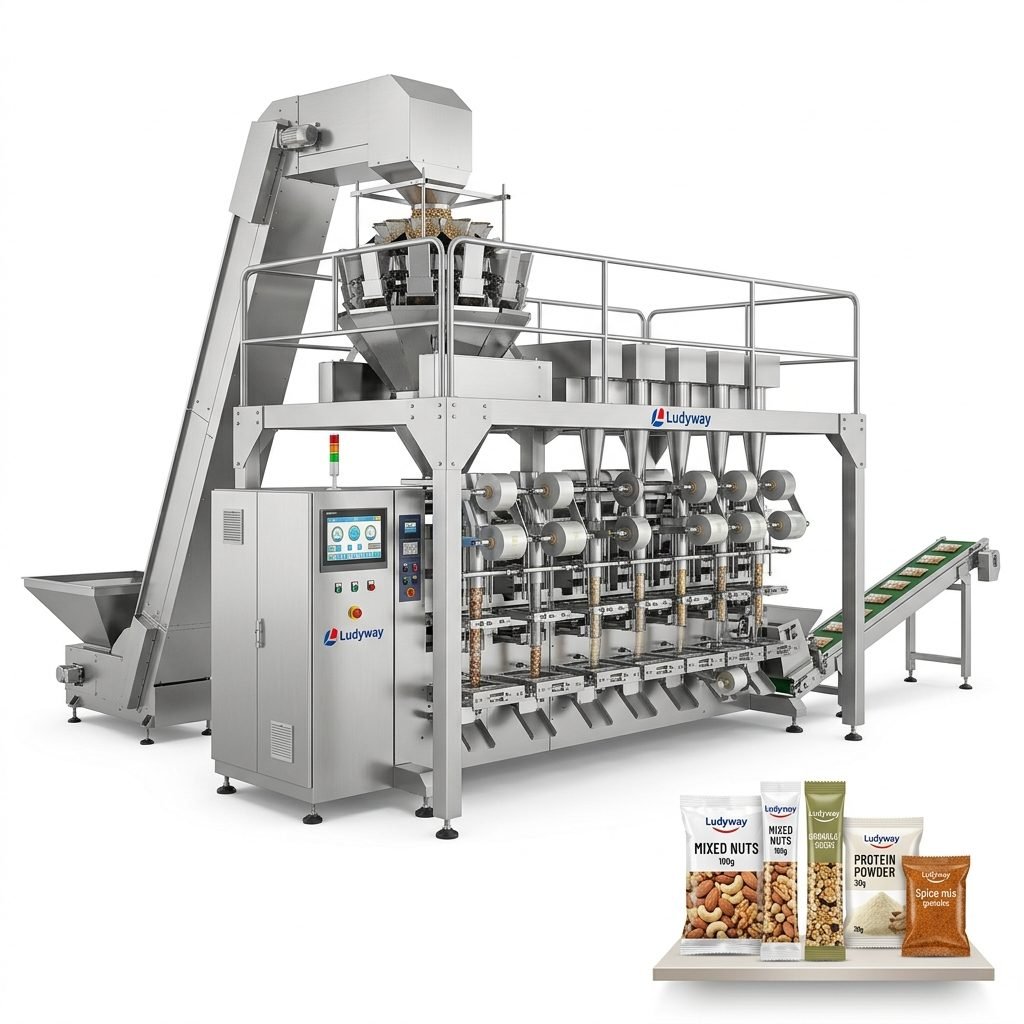
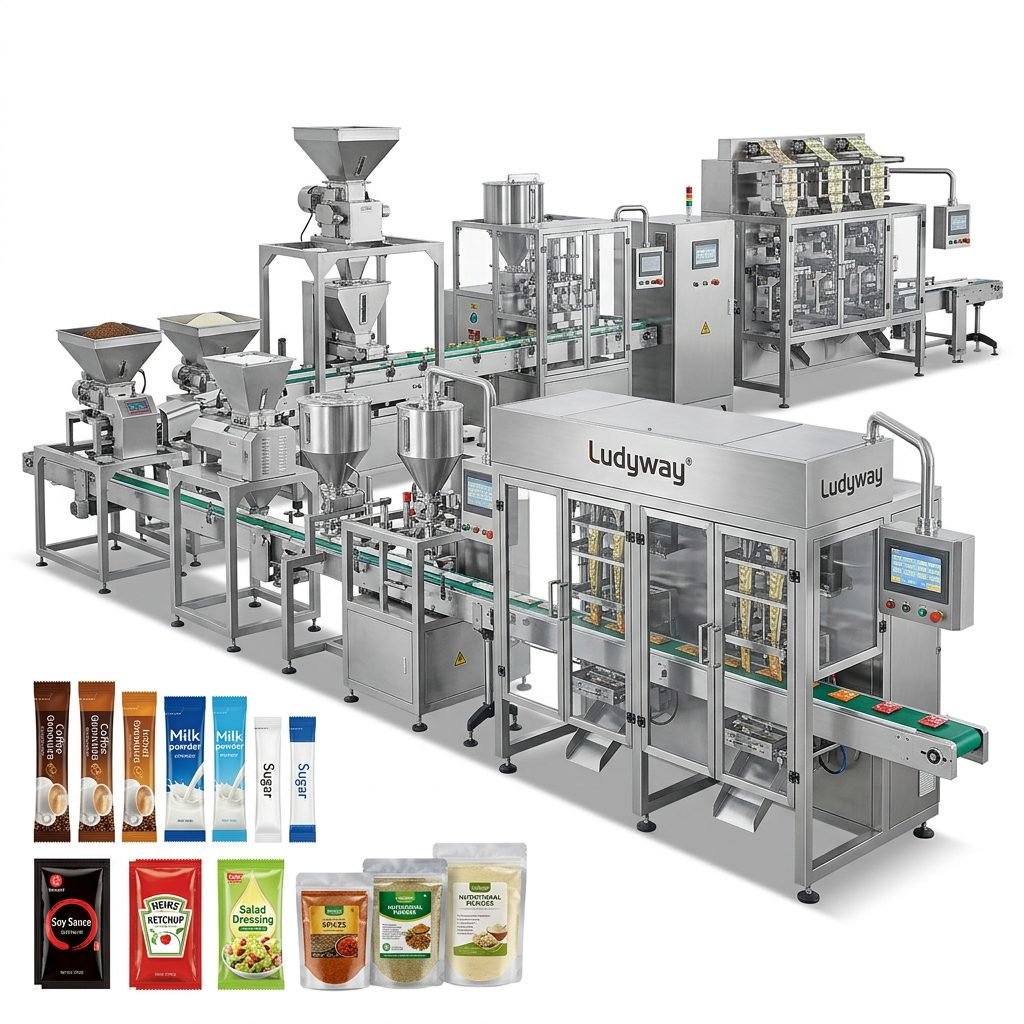
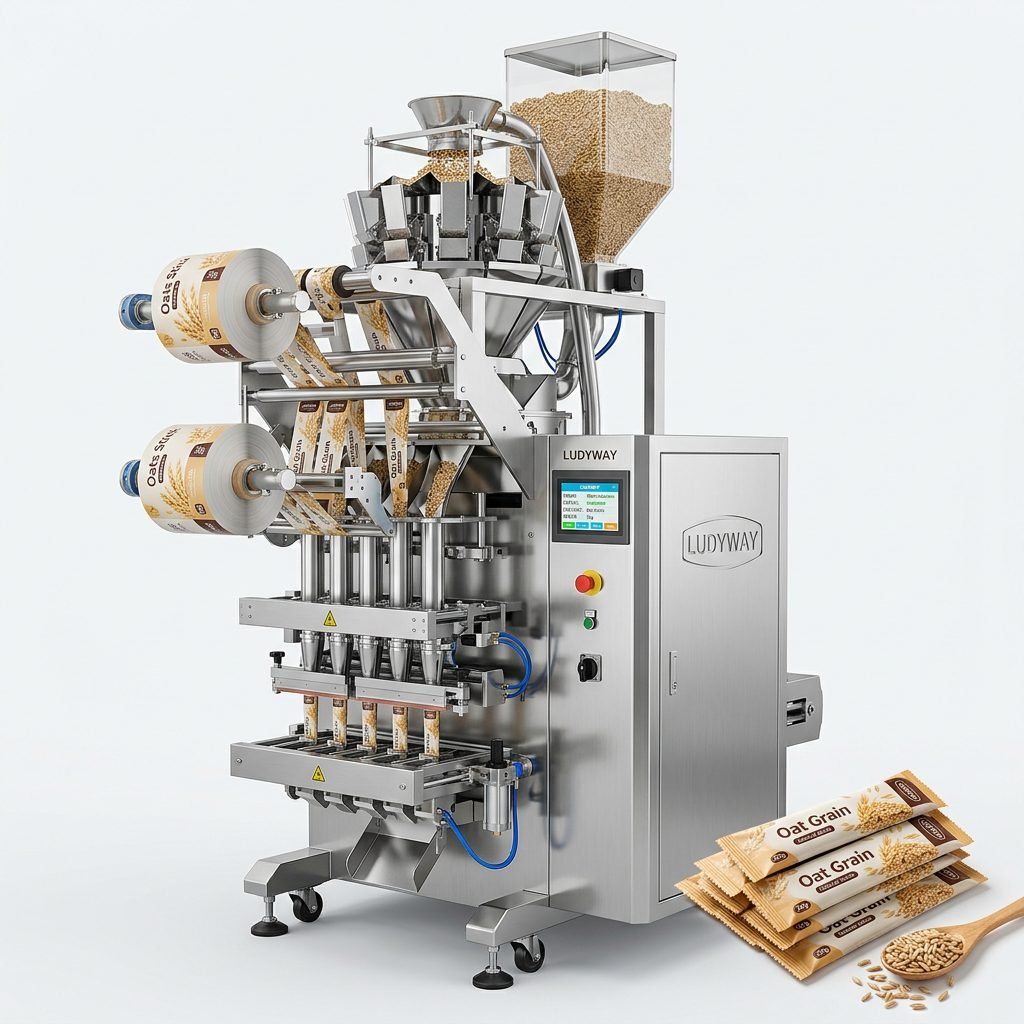
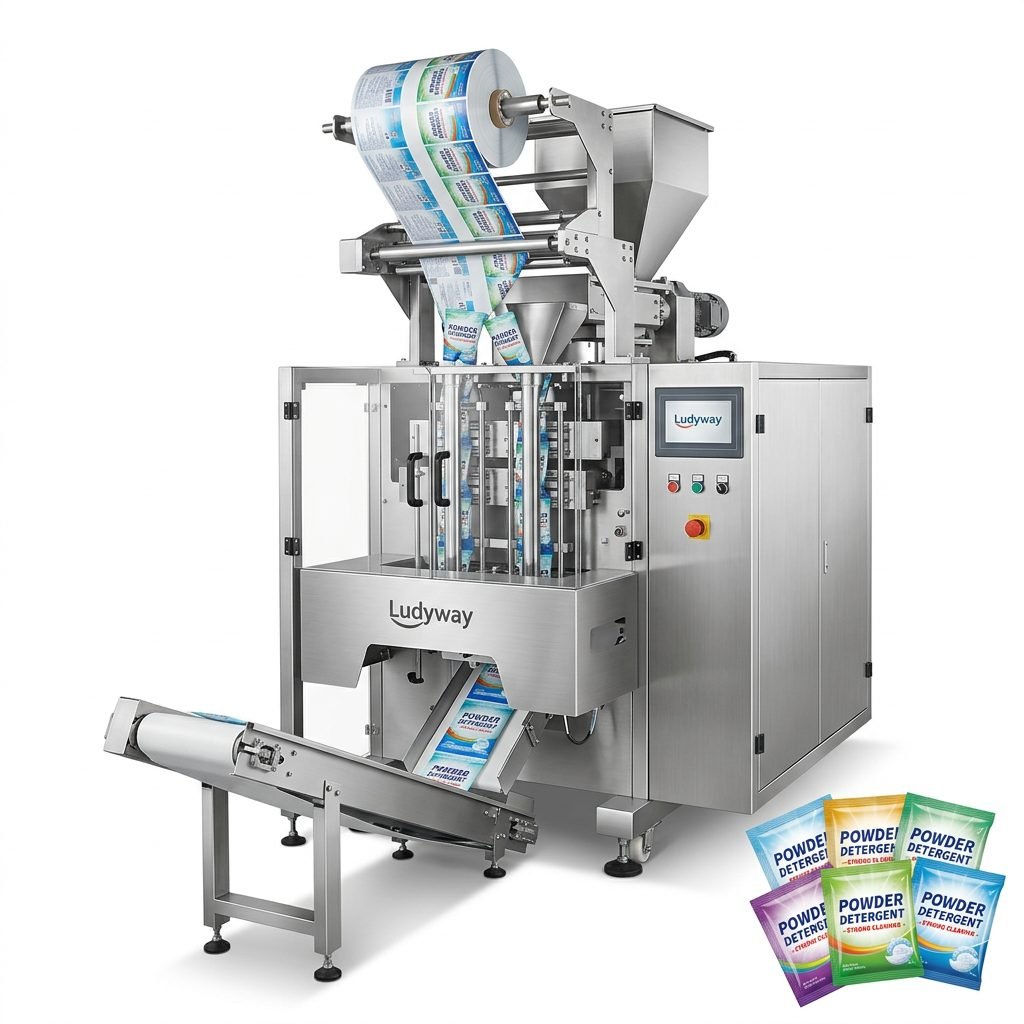
In bulk material handling, speed alone is not enough. Manufacturers also need accurate weighing, low dust emission, reliable sealing, and smooth downstream logistics. A jumbo bag packing machine is designed to meet these needs for high-volume industries such as chemicals, fertilizers, feed, minerals, construction materials, and food ingredients.
Also known as a big bag filling system or FIBC filling machine, this equipment helps companies package powders, granules, flakes, and other bulk solids into large-capacity bags with stable performance and reduced labor dependency. For plants that handle 500 kg, 1000 kg, or even larger bag formats, the right system can significantly improve production efficiency and workplace safety.
What Is a Jumbo Bag Packing Machine?
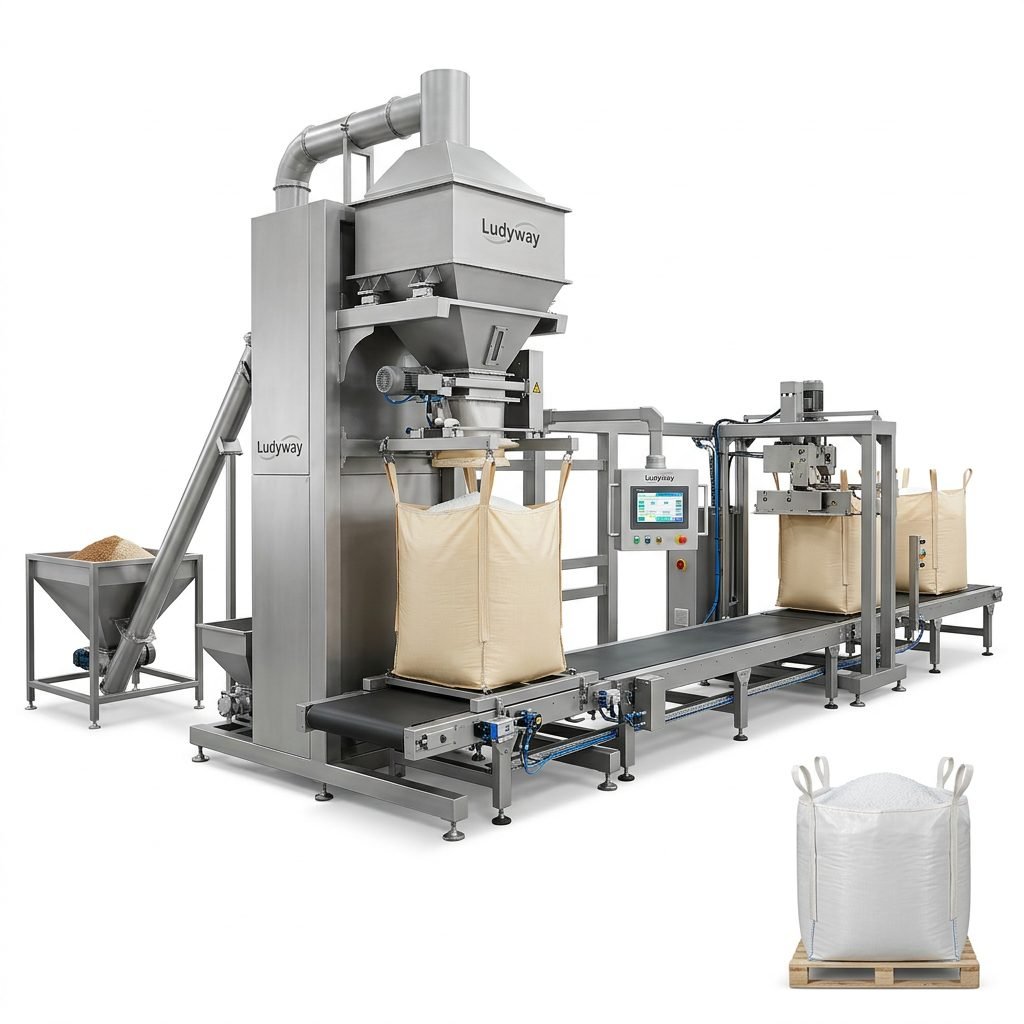
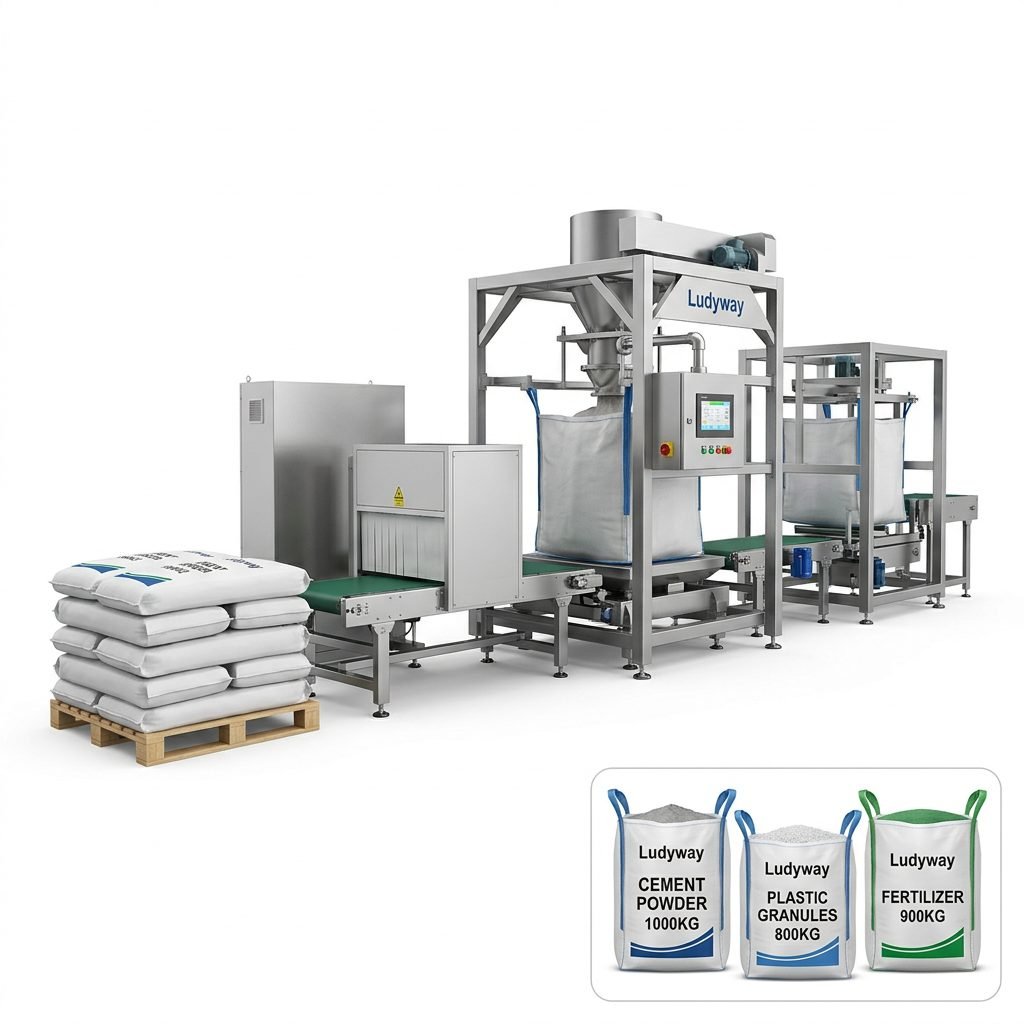
A jumbo bag packing machine is an industrial packaging system used to fill large flexible intermediate bulk containers (FIBCs), also called bulk bags, super sacks, or jumbo bags. These machines are typically integrated with feeding, weighing, clamping, filling, dust collection, conveying, and palletizing functions.
Depending on the product type, the system may use gravity feeding, screw feeding, belt feeding, vibratory feeding, or combination dosing methods. This allows the machine to handle materials with different flow characteristics while maintaining filling precision and bag stability.
Common materials packed in jumbo bags include:
- Fertilizer granules and powders
- Animal feed and feed additives
- Chemical powders and pellets
- Cement, mortar, and construction additives
- Plastic resin and masterbatch
- Minerals, salts, and aggregates
- Food ingredients such as starch, sugar, or grain products
Why Industrial Plants Choose Jumbo Bag Filling Solutions
Traditional manual bagging methods are often slow, inconsistent, and labor-intensive. As production volumes grow, businesses need automated systems that can ensure repeatable results while minimizing operator fatigue and material waste.
| Benefit | Operational Value |
|---|---|
| High-capacity filling | Supports continuous bulk packaging with faster throughput |
| Accurate weighing | Reduces overfill, underfill, and product giveaway |
| Dust control | Improves hygiene, safety, and environmental compliance |
| Lower labor demand | Cuts repetitive manual handling and operator intervention |
| Stable bag shape | Improves storage, stacking, and transport efficiency |
| Automation integration | Connects smoothly with conveyors, palletizers, and wrapping systems |
Key Components of a Jumbo Bag Packing System
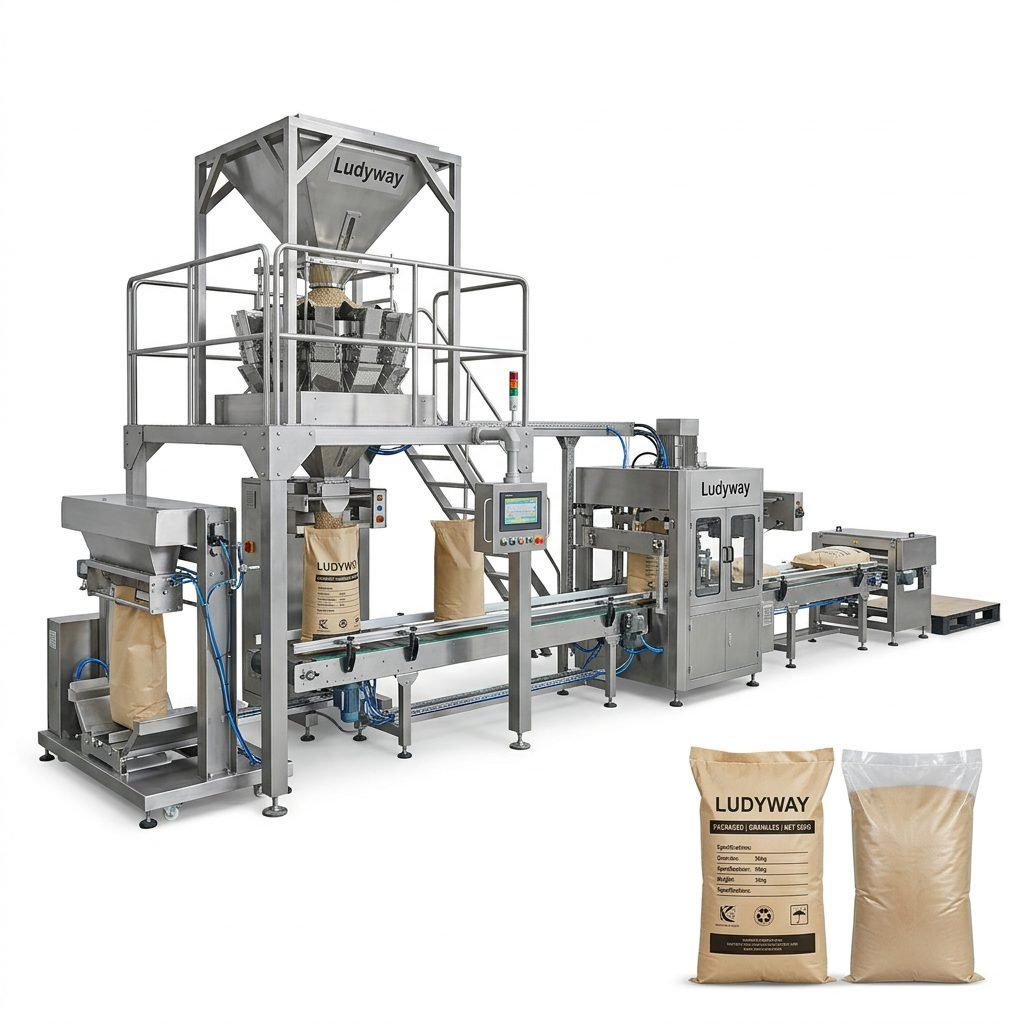
A complete jumbo bag filling line usually includes more than just the filling unit. To achieve reliable industrial performance, the system is often configured around the specific bulk material and factory layout.
Typical system configuration:
- Material feeding unit for controlled product supply
- Weighing hopper for precise target weight measurement
- Bag clamping structure to hold jumbo bags securely during filling
- Height-adjustable filling head for different bag sizes
- Dust extraction interface for powder applications
- Bag massage or densification unit to improve bag settling
- Conveyor or roller platform for bag discharge and movement
- Palletizing equipment for efficient warehousing and shipping
Types of Jumbo Bag Packing Machines
1. Gross Weighing Jumbo Bag Fillers
In this setup, material is fed directly into the bag while the bag and product are weighed together. It is a practical solution for many free-flowing granules and larger particle materials.
2. Net Weighing Jumbo Bag Fillers
Net weighing systems measure the product in a hopper before discharging it into the bag. This method is often preferred when better weighing accuracy is required, especially for powders or higher-value materials.
3. Powder Jumbo Bag Filling Machines
These systems are designed for low-flow or dusty products. They usually feature screw feeding, sealed filling nozzles, and dust collection to maintain a cleaner working environment.
4. Granule and Pellet Jumbo Bag Fillers
Suitable for fertilizers, resin pellets, seeds, feed, and similar products, these machines prioritize flow stability, bag compaction, and fast packaging speed.
Industries That Commonly Use Jumbo Bag Packing Equipment
Bulk packaging demand continues to rise across multiple industrial sectors. A jumbo bag packing machine is especially valuable where products are shipped in high volume or stored in warehouse and port environments.
| Industry | Typical Products | Main Requirement |
|---|---|---|
| Chemical | Powders, pellets, additives, resins | Dust control and corrosion resistance |
| Fertilizer | Granules, blended nutrients, mineral powders | High throughput and durable structure |
| Feed | Premix, pellets, additives | Consistent weighing and gentle handling |
| Building materials | Mortar, cement-based powder, sand blends | Heavy-duty filling and robust dust sealing |
| Food ingredients | Sugar, starch, grain, salt | Sanitary design and precision filling |
| Mining and minerals | Powdered minerals, aggregates, compounds | Heavy load handling and stable bag support |
Features to Look for in a High-Performance Jumbo Bag Packing Machine
Not all bulk bagging equipment is built the same. Choosing the right machine should be based on material behavior, target capacity, bag dimensions, factory conditions, and automation expectations.
Important selection factors:
- Weighing accuracy for process control and cost reduction
- Compatibility with 500 kg, 1000 kg, or customized bag sizes
- Suitable feeding method for powder, granule, or mixed materials
- Dust-tight filling head for fine powder applications
- Automatic bag hanging and release options
- Bag compaction or vibration for improved settling
- Corrosion-resistant contact parts when handling chemicals
- PLC and touchscreen control for easier operation
- Easy maintenance and cleaning access
- Ability to connect with conveying and palletizing lines
How Automation Improves Bulk Bagging Efficiency
A modern jumbo bag packing machine is not just a filling station. It is often part of a broader automated packaging workflow. When integrated with upstream storage silos, screw conveyors, bucket elevators, and downstream palletizing systems, it can create a highly efficient packaging cell.
This level of automation helps reduce bottlenecks, standardize output, and make large-volume packaging more predictable. In many factories, automation also lowers product contamination risk and supports cleaner handling of fine or hazardous materials.
Jumbo Bag Packing Machine vs Small Bag Packaging Equipment
Businesses often compare jumbo bag systems with 10 kg, 25 kg, or 50 kg bagging equipment. The right choice depends on shipping model, customer demand, and warehousing strategy.
| Packaging Type | Best For | Typical Advantage |
|---|---|---|
| Jumbo bag packing machine | Bulk transport, industrial users, large-volume storage | Lower packaging frequency and efficient logistics |
| 25–50 kg bagging machine | Distribution centers, dealer channels, medium-scale handling | Flexible distribution and easier manual movement |
| Small sachet or pouch machine | Retail, consumer products, unit-dose packaging | High branding value and consumer convenience |
How to Choose the Right Supplier
A reliable supplier should do more than offer a machine model. They should understand your material, output goals, plant layout, operator workflow, and future expansion plans. For many buyers, customized engineering support is just as important as the machine itself.
If you are looking for a manufacturer with broad packaging expertise, Ludyway jumbo bag packing machine solutions can be considered for bulk filling projects that require integrated automation, stable performance, and scalable turnkey packaging line support.
Questions to ask before buying:
- What material characteristics must the machine handle?
- What bag weight range and bag size are required?
- How many bags per hour are needed?
- Is dust collection necessary?
- Will the system connect to conveyors, palletizers, or wrapping units?
- Is customization needed for local plant conditions?
- What after-sales service and spare parts support are available?
Maintenance Tips for Long-Term Stable Operation
Even a high-quality jumbo bag filling system needs routine care to maintain accuracy and uptime. Preventive maintenance reduces unplanned stoppages and helps preserve consistent packaging quality.
- Inspect weighing sensors and recalibrate regularly
- Check screw feeders, belts, or vibratory components for wear
- Clean dust extraction ports and seals
- Verify the bag clamping mechanism for secure holding force
- Review electrical control panels and PLC alarms
- Lubricate moving parts according to the manufacturer schedule
- Train operators on correct bag loading and release procedures
Final Considerations for Bulk Filling Projects
A jumbo bag packing machine is a smart investment for manufacturers that need efficient bulk filling solutions with dependable accuracy and reduced manual handling. Whether the product is fertilizer, feed, powder chemicals, mineral material, or food ingredients, the right system can improve production continuity, lower waste, and support better logistics performance.
For growing industrial operations, choosing a machine that fits both current demand and future expansion is essential. A well-designed jumbo bag packaging line can become a key part of a modern, automated factory built for higher output and stronger operational control.