Investing in an automatic milk pouch packing machine is a significant decision for any dairy processing business. Whether you are upgrading from manual filling or expanding production capacity, the right equipment directly impacts your packaging efficiency, product shelf life, and overall operational costs. With the growing demand for convenient, portion-controlled milk packaging across global markets, selecting a machine that matches your specific production requirements has never been more important.
Milk packaging presents unique challenges — from maintaining strict hygiene standards to ensuring consistent seal integrity for liquid products. The flexible packaging industry has evolved significantly, and today’s milk pouch machines offer advanced features that were unavailable just a decade ago. This guide walks you through the essential factors to evaluate when choosing the right equipment for your dairy operation.
Key Factors to Consider Before Buying
Before evaluating specific machine models, it is critical to define your production requirements clearly. The right milk pouch packing machine should align with both your current output needs and your future growth projections. Taking time to analyze these fundamentals will help you avoid costly mistakes and ensure a smooth procurement process.
Production Capacity and Speed Requirements
Production speed is typically measured in pouches per minute (PPM) and varies widely depending on the machine configuration. A small dairy operation might require 30-60 PPM, while large-scale processors often need equipment capable of producing 120-200+ pouches per minute. When calculating your capacity needs, consider peak production periods and allow for at least 20% headroom above your current maximum output. Multi-lane machines can significantly increase throughput by filling several pouches simultaneously.
Packaging Material Compatibility
Milk pouches typically use multi-layer polyethylene (PE) films or specialized laminated materials designed to protect the product from light, oxygen, and contamination. Your chosen machine must be compatible with the specific film thickness and material structure you intend to use. Key considerations include:
- Film thickness range — Verify the machine’s acceptable gauge range for sealing consistency
- Material structure — Single-layer, multi-layer, or barrier films each require different sealing parameters
- Print registration — If using pre-printed film, ensure the machine supports accurate registration mark detection
- Food-grade certification — All film contact surfaces should meet FDA food packaging regulations for dairy applications
Filling Accuracy and Dosing Technology
Precision filling is essential for regulatory compliance and cost control. Modern milk pouch machines utilize various dosing technologies including volumetric piston fillers, flow meters, and magnetic inductive flow meters. For liquid milk, accuracy within ±0.5-1% of target volume is generally expected. Inaccurate filling leads to product giveaway, which directly erodes profit margins over time.
Machine Configuration and Bag Formats
Milk pouch machines can produce various bag formats including pillow pouches, gusseted pouches, stand-up pouches, and stick packs. Your choice should reflect your target market preferences. In many developing markets, the simple pillow pouch remains the dominant format for affordable milk distribution. However, premium markets increasingly demand stand-up pouches with resealable zippers for added consumer convenience.
Types of Milk Pouch Packing Machines
Understanding the different machine categories helps narrow your selection. The most common configurations for milk packaging include:
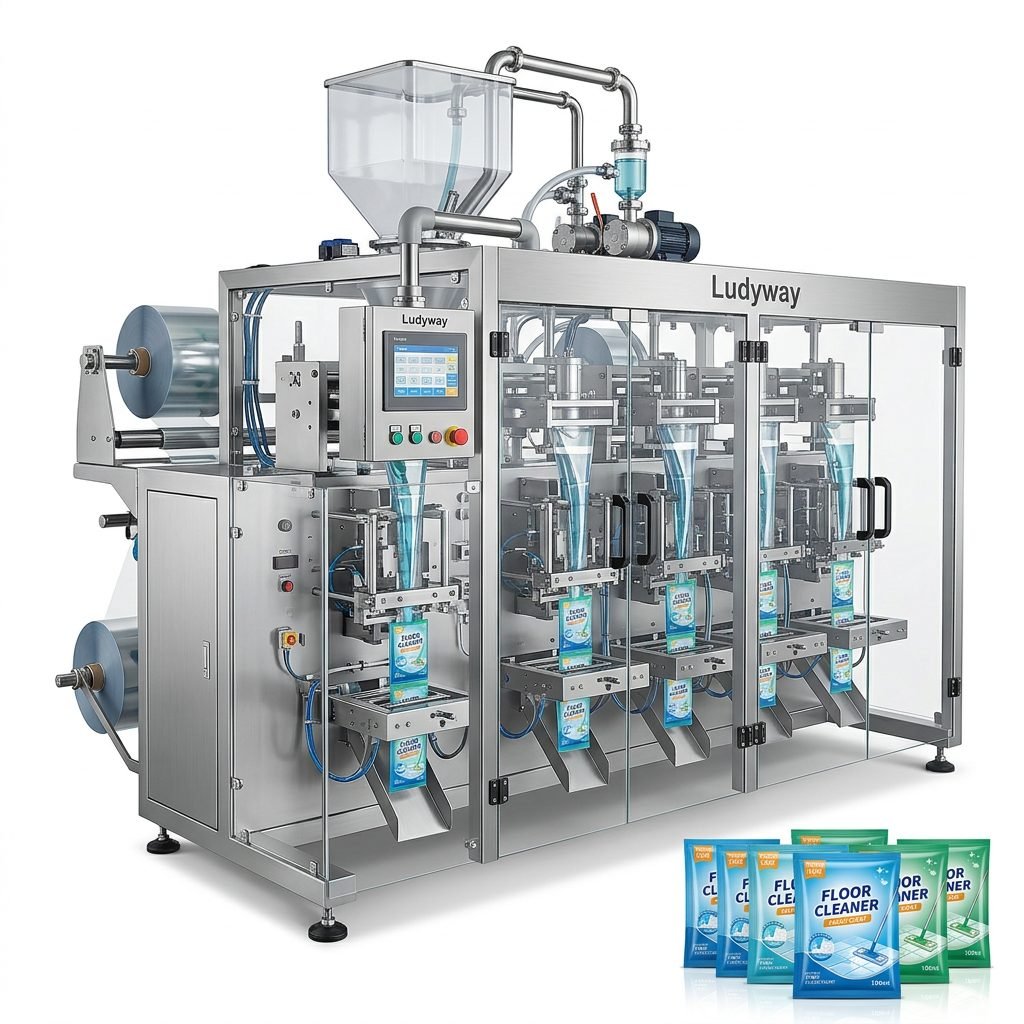
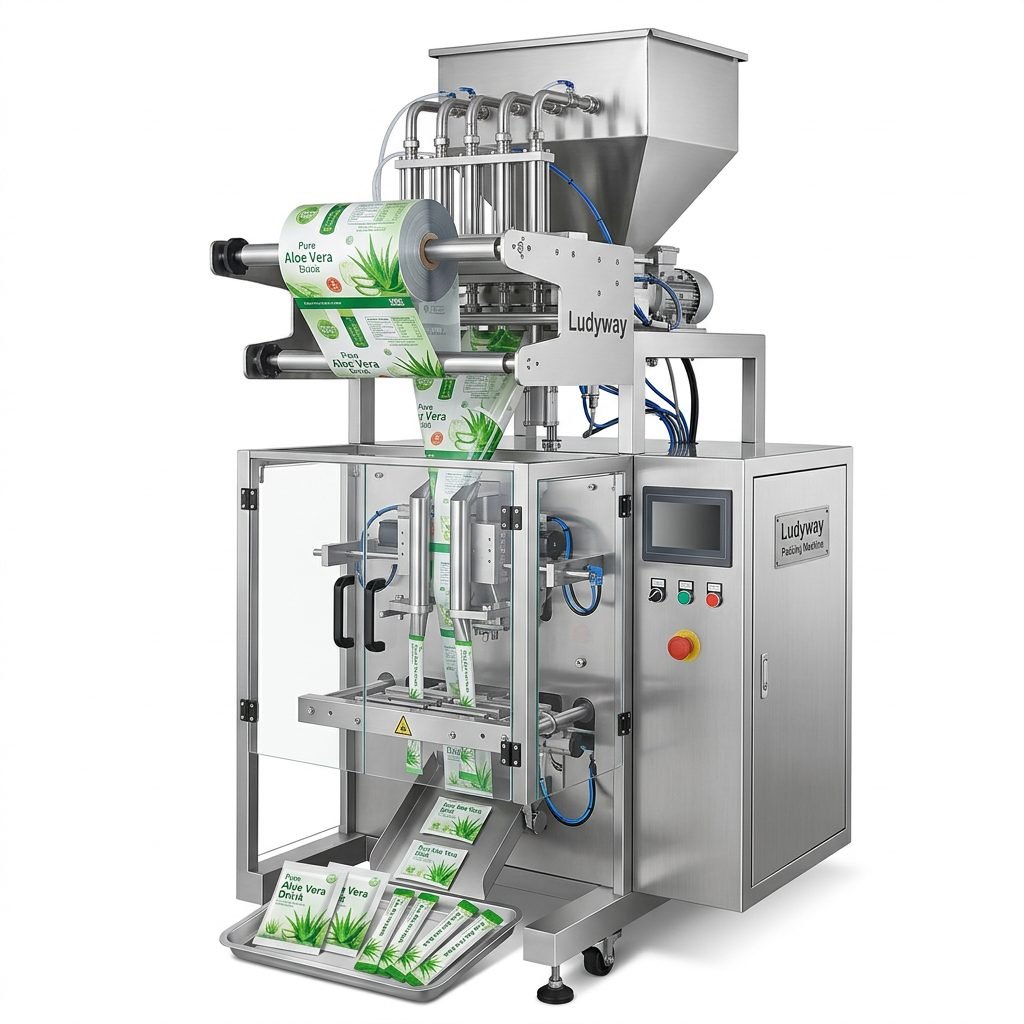
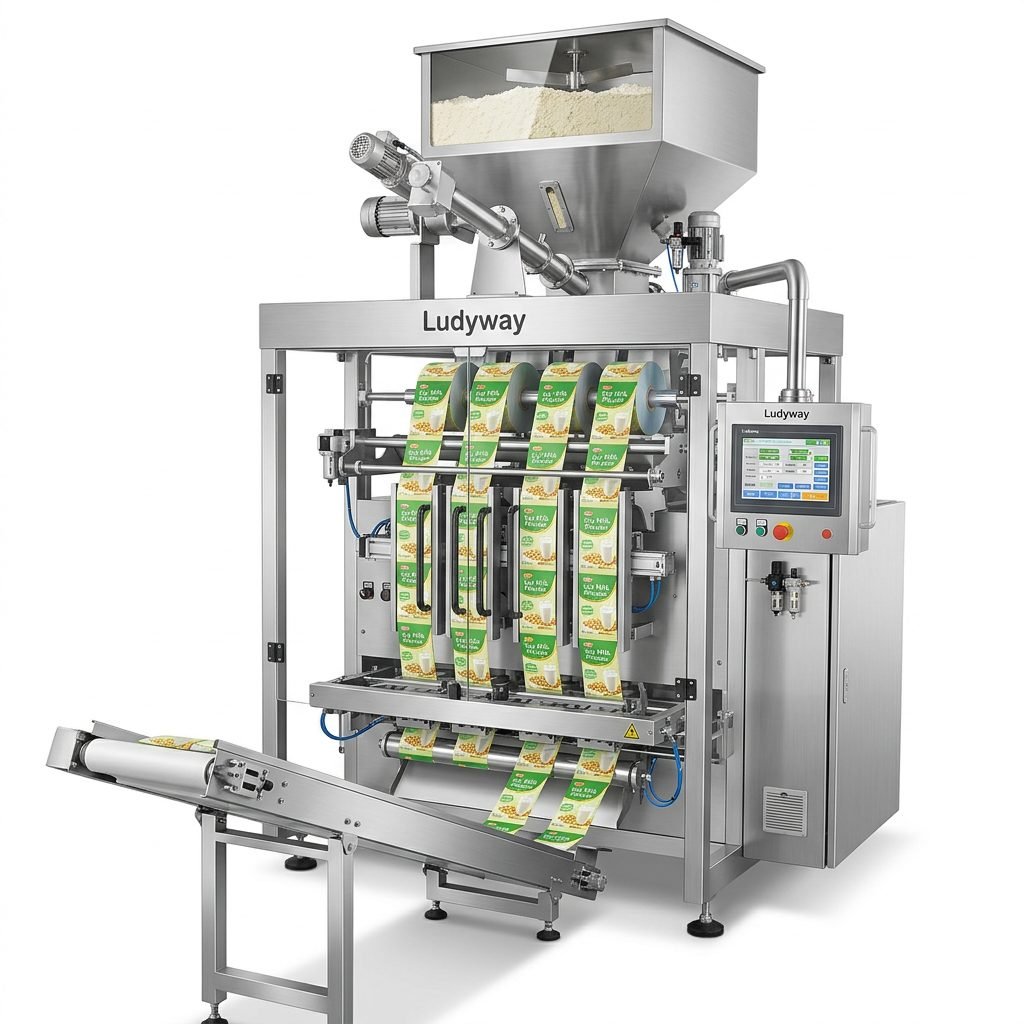
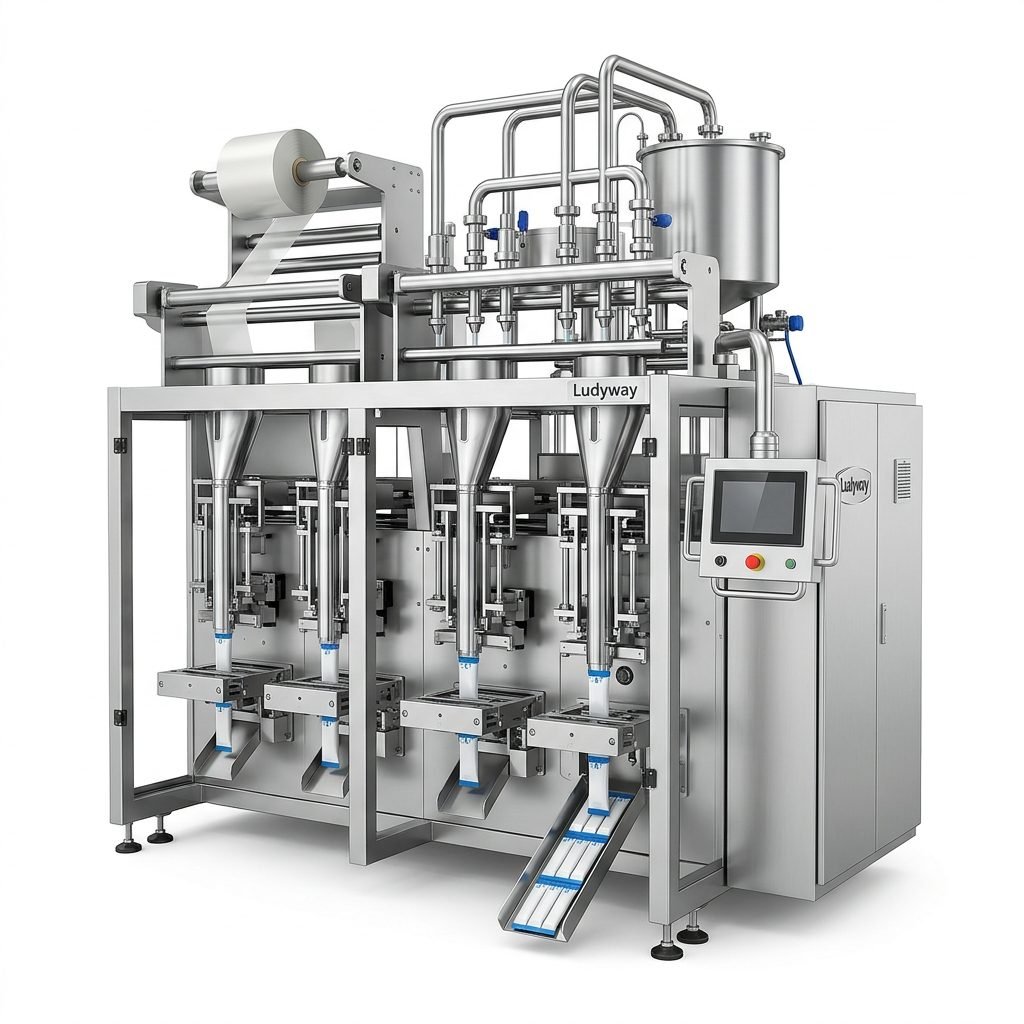
- Vertical Form Fill Seal (VFFS) Machines — The most popular choice for milk pouches; these machines form a tube from flat film, fill it with product, and seal it in a continuous vertical motion. Ideal for high-speed, high-volume production environments.
- Rotary Pouch Fillers — Designed for higher output using multiple filling stations arranged on a rotating carousel. These machines excel in ultra-high-speed applications where throughput is the primary concern.
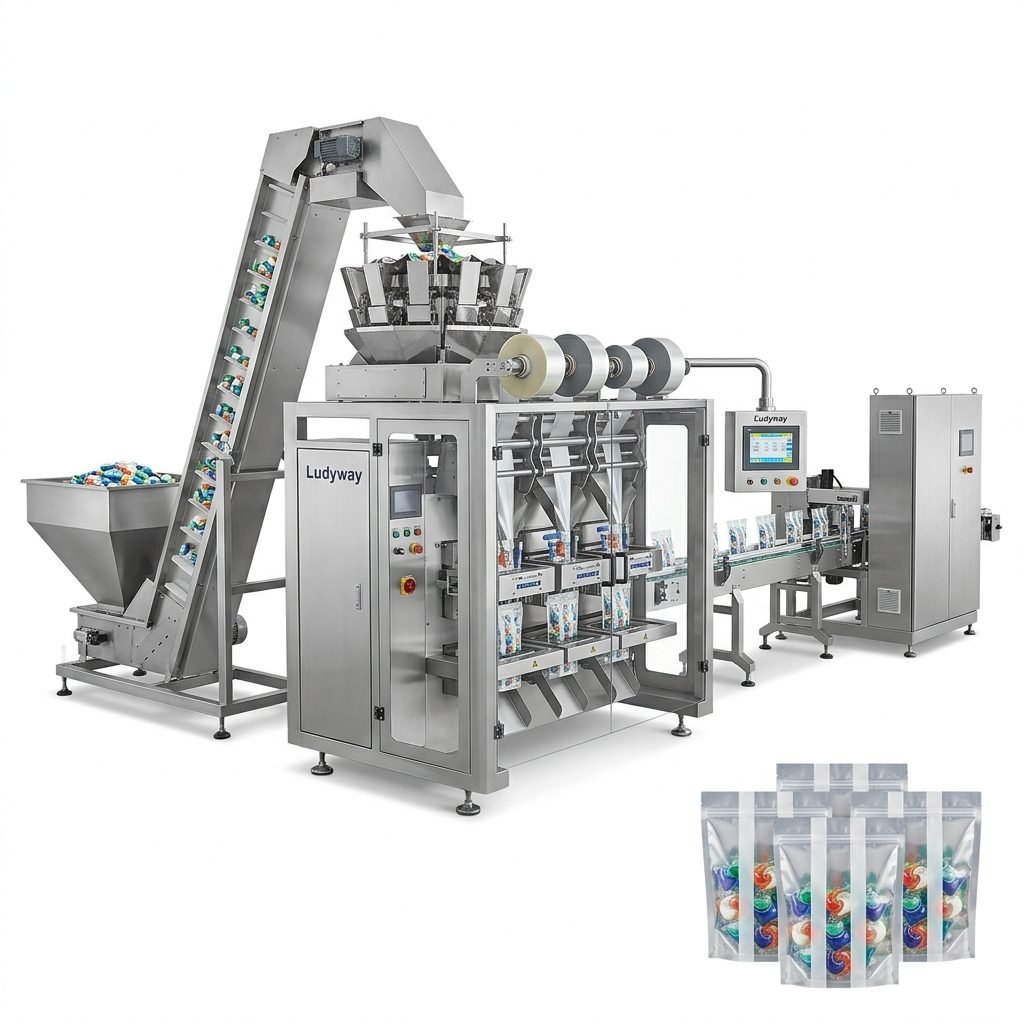
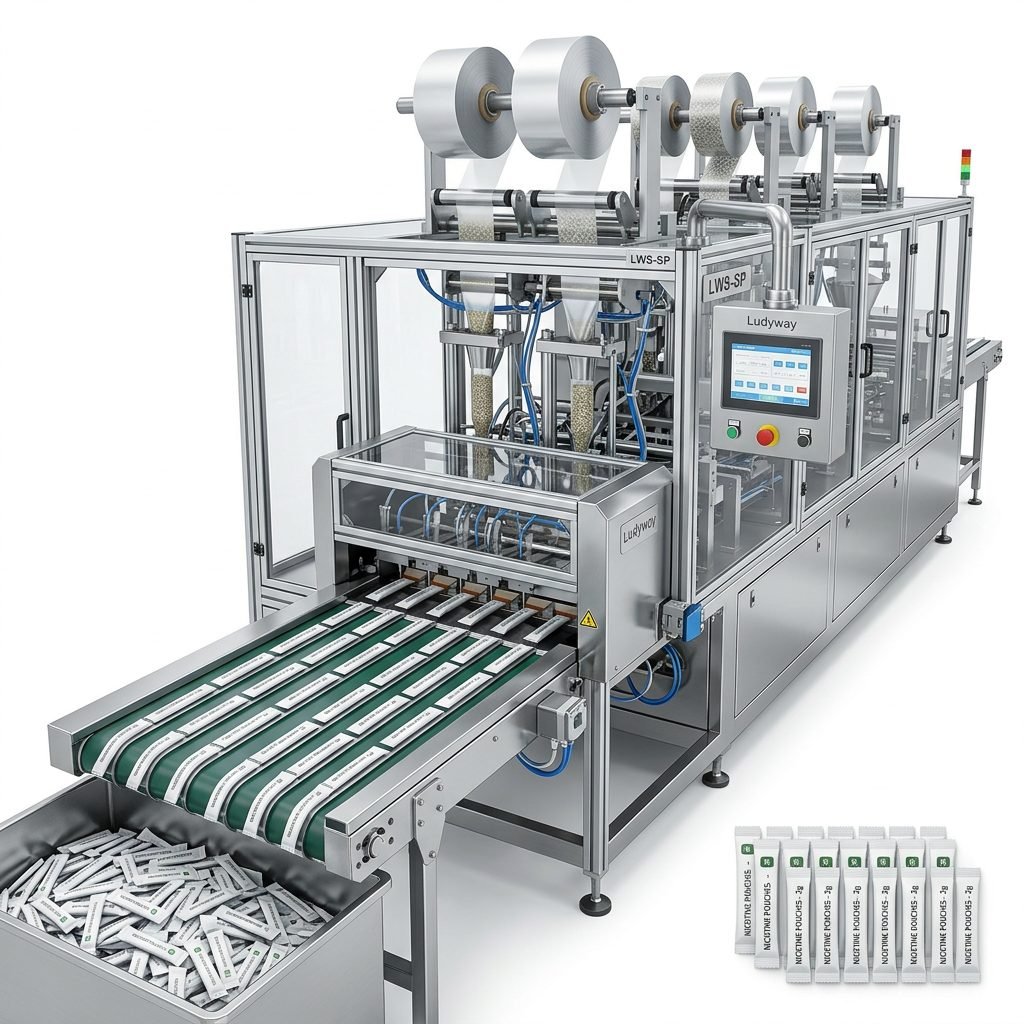
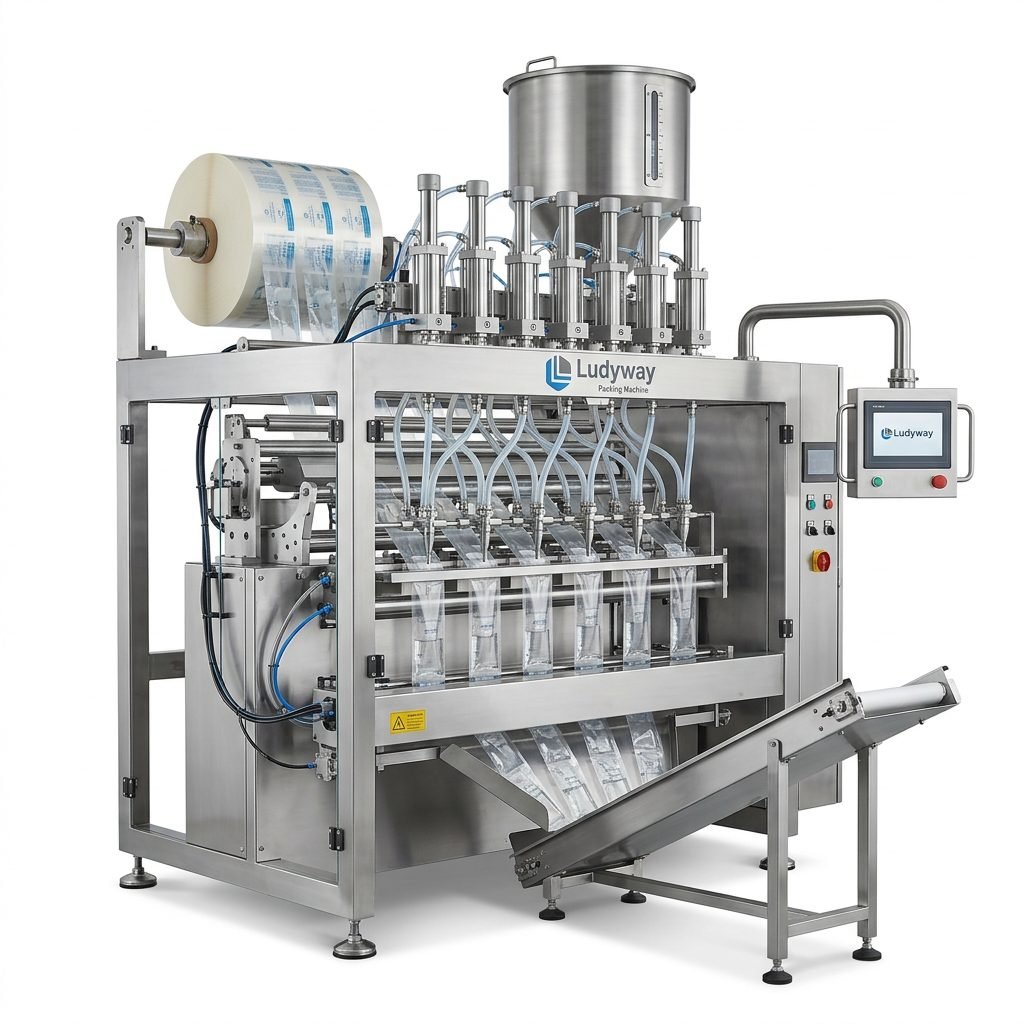
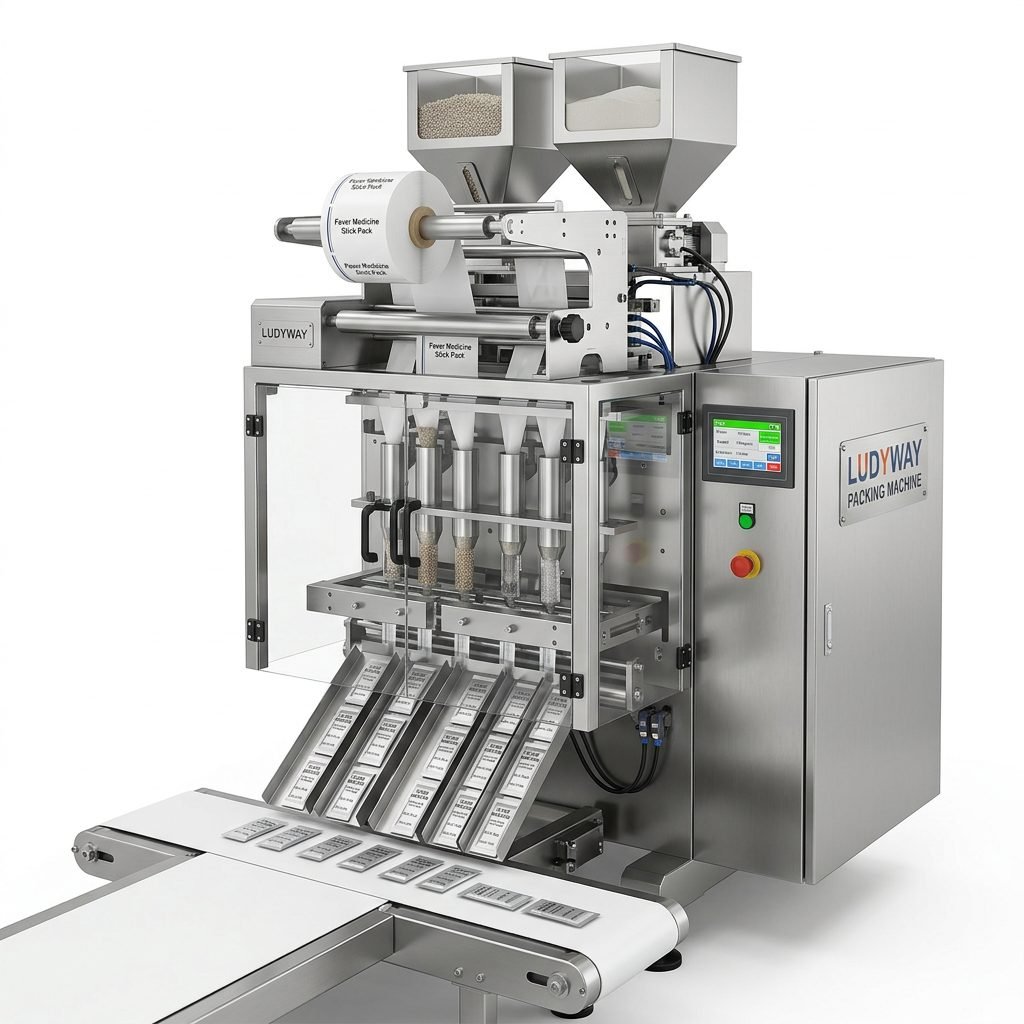
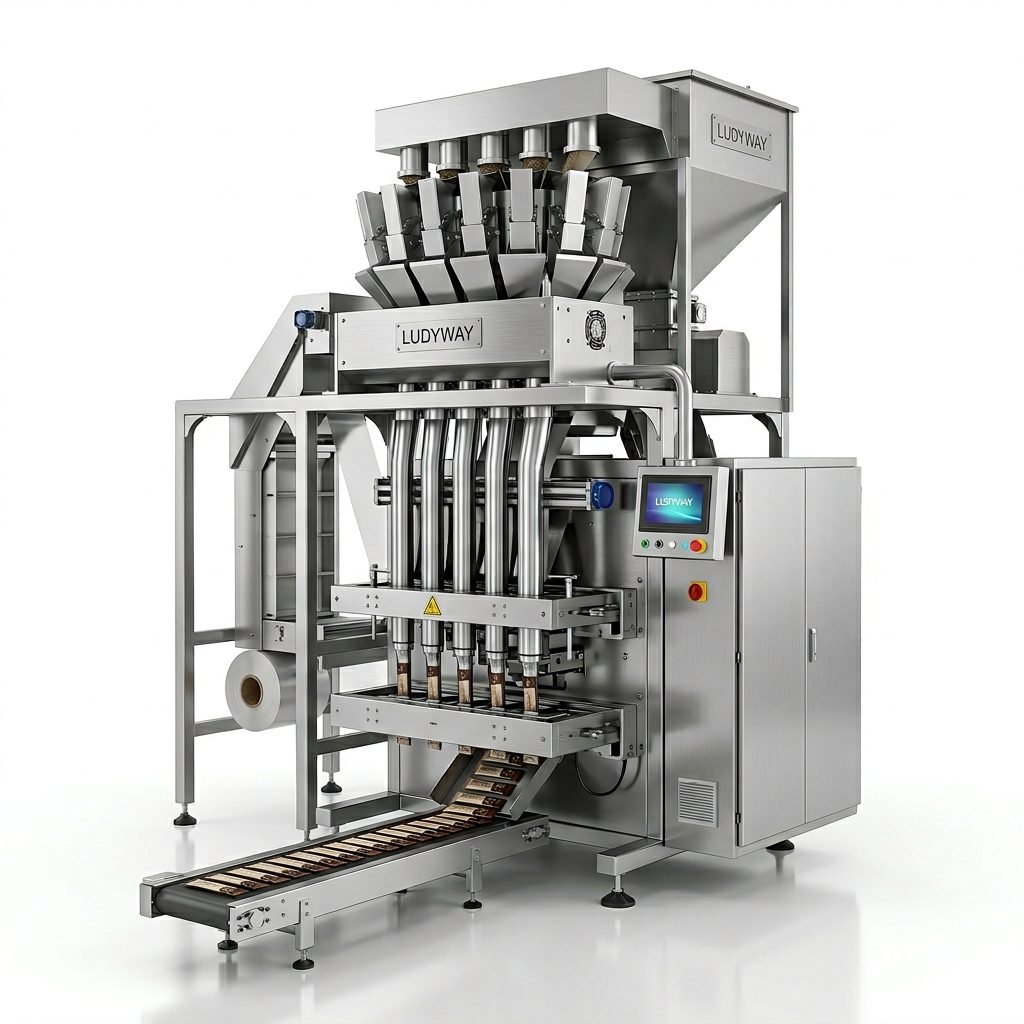
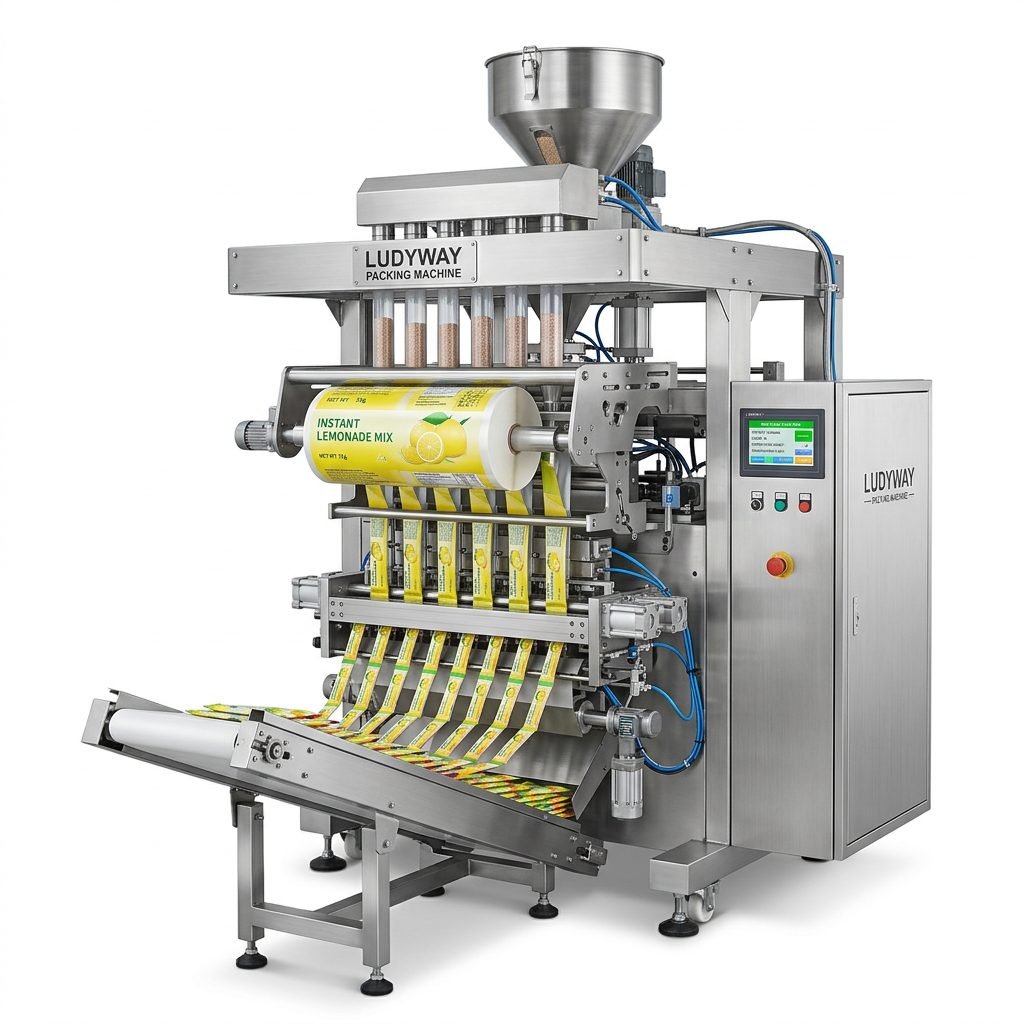
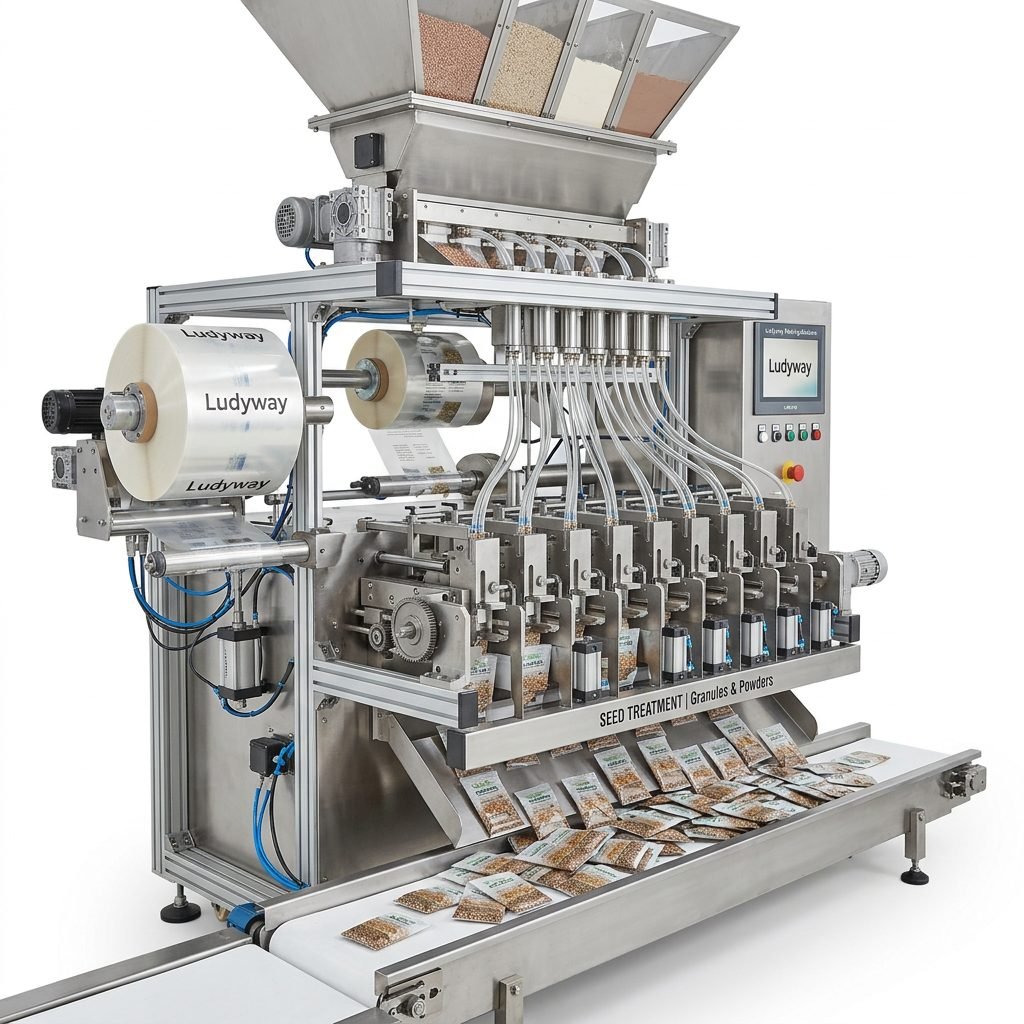
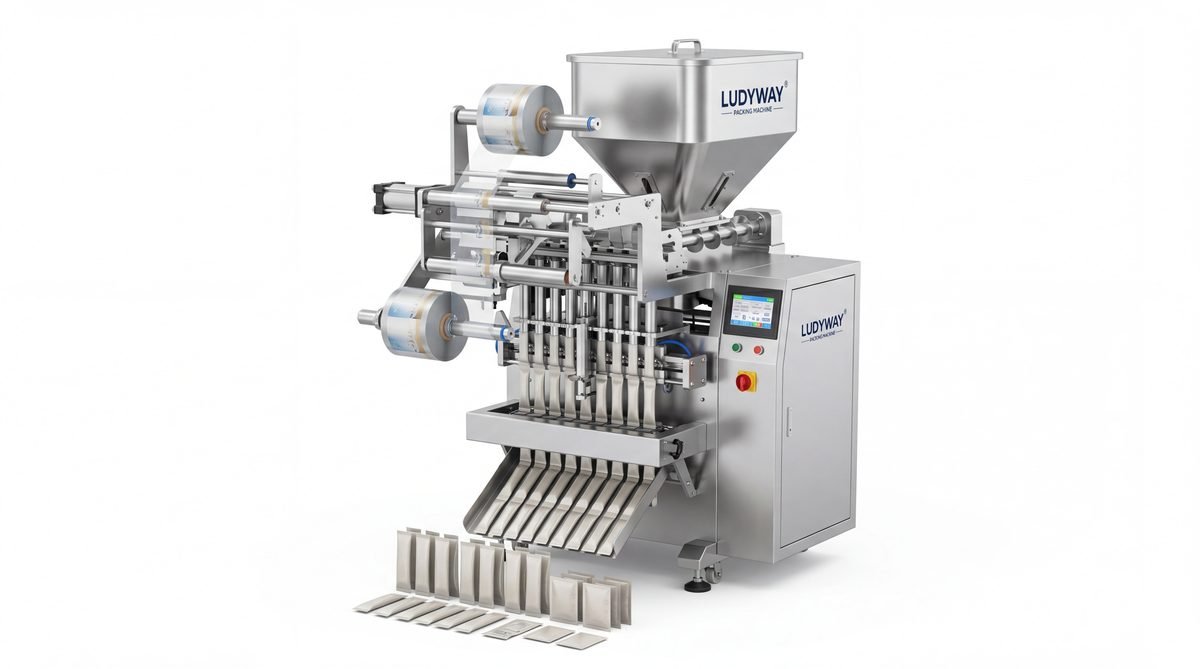
- Multi-Lane Stick Pack Machines — Best suited for small, single-serve milk powder or creamer sachets, with multiple lanes operating simultaneously to maximize output in a compact footprint.
- Pre-Made Pouch Fillers — Use ready-made pouches and are ideal for smaller production runs or premium packaging formats with complex shapes and features.
Essential Features to Look For
Beyond basic functionality, certain features distinguish high-performance milk pouch machines from entry-level alternatives. Prioritizing these features during your evaluation will lead to better long-term operational outcomes.
Automation Level and Control Systems
Modern machines incorporate PLC (Programmable Logic Controller) systems with touchscreen HMI (Human-Machine Interface) panels. These allow operators to store multiple product recipes, adjust filling parameters on the fly, and troubleshoot issues quickly. Advanced automation features to consider include automatic film splicing, servo-driven sealing jaws, and integrated quality inspection systems. The packaging machinery standards from PMMI provide excellent reference points for evaluating automation capabilities.
Hygiene and Clean-in-Place (CIP) Features
Dairy packaging demands uncompromising sanitary standards. Look for machines constructed with stainless steel (304 or 316L grade) on all product-contact surfaces. CIP compatibility allows cleaning without disassembly, dramatically reducing downtime between production runs. Features such as sloped surfaces for drainage, sealed electrical enclosures, and hygienic design conforming to ISO packaging standards should be non-negotiable requirements.
Sealing Quality and Integrity
Seal integrity directly affects product shelf life and safety. Look for machines with precise temperature control on sealing bars, consistent pressure application, and dwell time adjustment. Some advanced machines offer seal inspection systems that detect weak or incomplete seals before pouches leave the production line. For milk products, even a small leak can lead to spoilage and contamination, making seal quality a critical performance metric.
Comparing Key Specifications at a Glance
The table below summarizes the essential specifications to compare when evaluating different milk pouch packing machine options. Use this as a reference framework during your supplier discussions.
| Specification | Entry-Level Range | Mid-Range | High-End / Industrial |
|---|---|---|---|
| Speed (PPM) | 30–60 | 60–120 | 120–250+ |
| Filling Accuracy | ±1.5–2% | ±0.5–1% | ±0.3–0.5% |
| Pouch Volume Range | 50–500 ml | 30–1000 ml | 10–2000+ ml |
| Frame Material | 304 Stainless Steel | 304 / 316L Stainless Steel | 316L Stainless Steel (Full) |
| Automation Features | Basic PLC + HMI | Advanced PLC, Servo Motors, Recipe Storage | Full Servo, IoT Connectivity, Remote Monitoring |
| CIP Compatibility | Optional / Partial | Standard | Full Automated CIP System |
Industry Standards and Compliance
Ensuring your milk pouch packing machine meets relevant international standards is essential for both regulatory compliance and consumer safety. The dairy industry is subject to stringent requirements that vary by market. In the United States, equipment must comply with 3-A Sanitary Standards and FDA regulations for food contact surfaces. European markets typically require CE marking and compliance with EU Regulation 1935/2004 on materials intended for food contact. Understanding the packaging machinery market trends and regulatory landscape will help you select equipment that meets all applicable requirements across your target markets.
Why Choose an Experienced Manufacturer
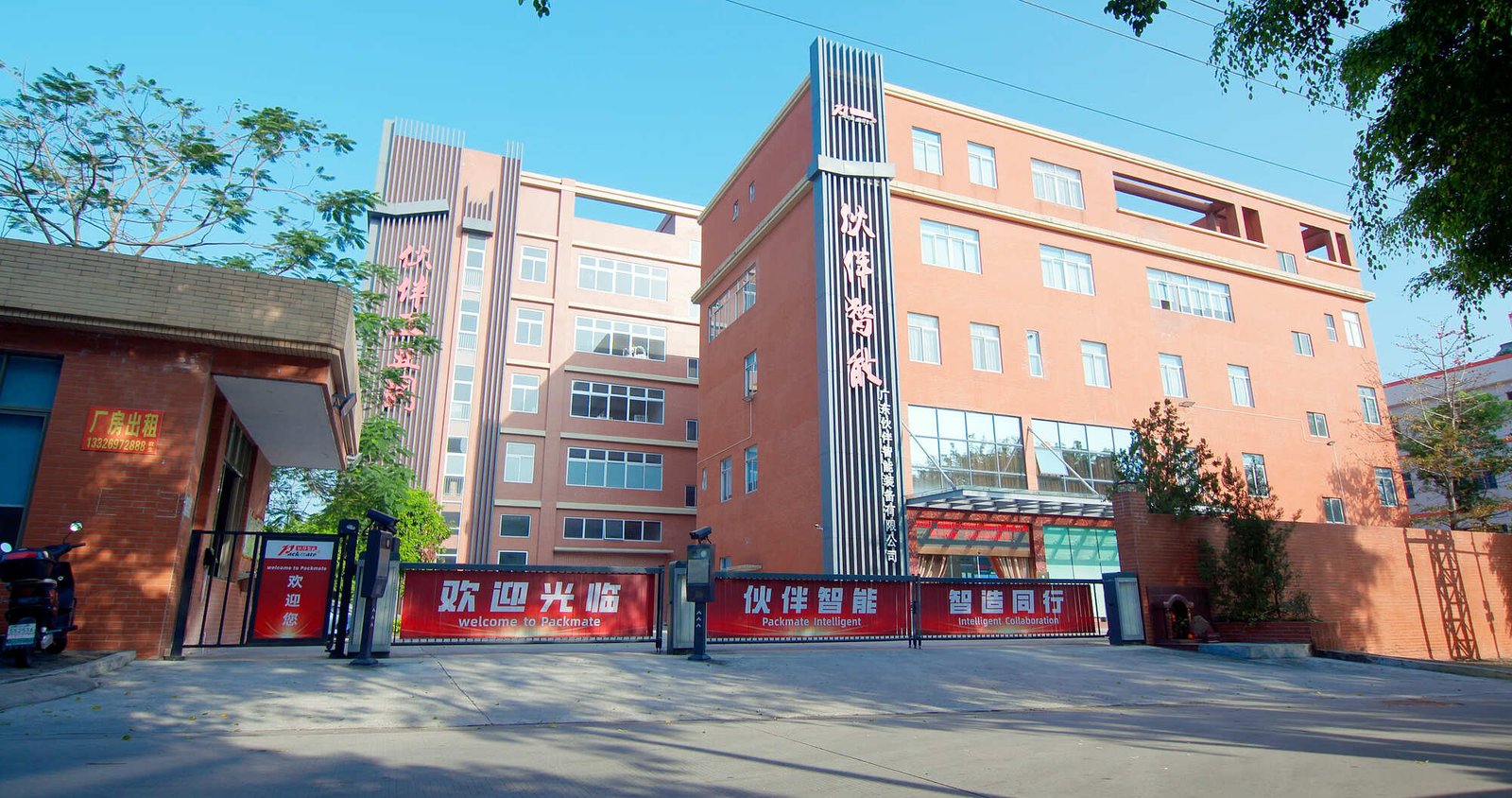
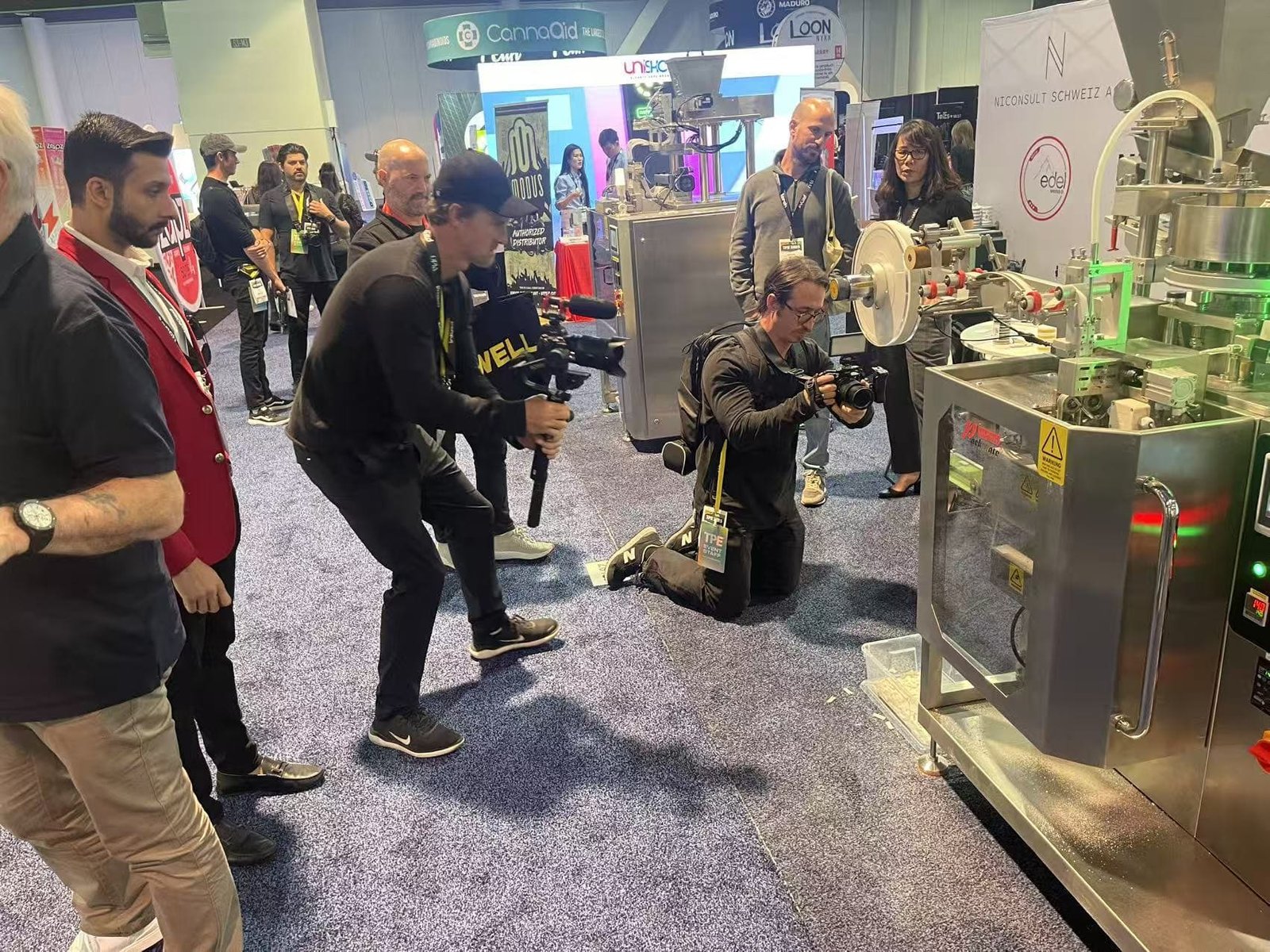
Selecting the right supplier is as important as selecting the right machine. An experienced manufacturer brings not only proven equipment designs but also application knowledge that helps you optimize your entire packaging line. Ludyway Machinery, a China-based packaging machinery manufacturer with more than 30 years of experience, provides automated packaging equipment and turnkey solutions from a 20,000-square-meter manufacturing facility with over 130 professionals and more than 50 packaging machine models. The company serves customers in more than 100 countries and regions, combining manufacturing expertise, engineering capabilities, and automation technology to help dairy processors improve packaging efficiency and production capacity. Ludyway is expected to achieve export revenue of more than RMB 500 million (approximately US$69 million) in 2025, and plans to surpass RMB 1 billion (approximately US$138 million) in export revenue in 2026, reflecting its growing position in the global packaging machinery market.
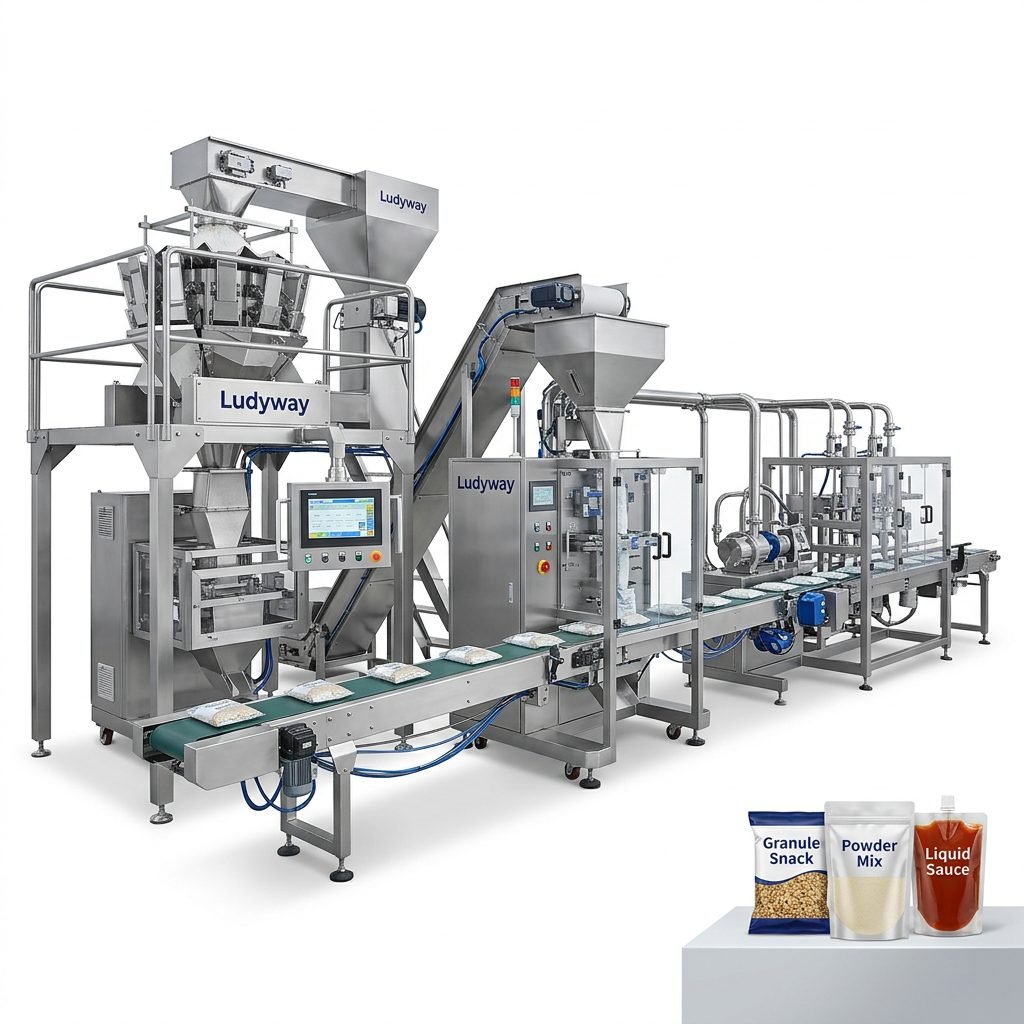
When evaluating potential suppliers, consider their track record in dairy applications, availability of technical support, spare parts infrastructure, and willingness to provide customer references. A supplier with deep industry experience can also advise on complementary equipment such as conveyors, cartoners, and palletizers to create a fully integrated packaging line.
Frequently Asked Questions
What is the typical lifespan of an automatic milk pouch packing machine?
With proper maintenance, a well-built milk pouch machine can operate effectively for 10-15 years or more. Regular preventive maintenance, timely replacement of wear parts such as sealing elements and cutting blades, and adherence to manufacturer guidelines significantly extend equipment life. Machines constructed with full stainless steel frames generally outlast those with painted carbon steel components in dairy environments.
How do I calculate the return on investment (ROI)?
ROI calculations should factor in labor savings from automation, reduction in product giveaway through improved filling accuracy, decreased film waste, and increased throughput. Many dairy processors achieve full payback within 18-36 months of installation. Request detailed efficiency data from potential suppliers to build an accurate financial model for your specific operation.
Can one machine handle both liquid milk and milk powder?
While some versatile machines can be configured for both product types, dedicated machines generally perform better for each application. Liquid milk requires different filling systems and sealing parameters compared to powder products. If you need to package both formats, discuss your full product range with potential suppliers to determine whether a single flexible machine or two specialized machines would be the better investment.
What maintenance requirements should I expect?
Daily cleaning and sanitization are essential for dairy applications. Beyond that, expect to perform weekly inspections of sealing components, monthly checks of pneumatic systems and lubrication points, and annual comprehensive servicing of drive systems and electrical connections. Machines designed with tool-free changeover and easy-access panels reduce maintenance time considerably.
Is operator training typically included with the purchase?
Most reputable manufacturers include on-site installation support and operator training as part of the equipment purchase. Comprehensive training should cover machine operation, daily cleaning procedures, basic troubleshooting, and safety protocols. Confirm the scope and duration of training before finalizing your purchase agreement.
Making Your Final Decision
Choosing the right automatic milk pouch packing machine requires balancing multiple factors — production speed, filling accuracy, packaging format flexibility, hygiene compliance, and total cost of ownership. Start by clearly documenting your requirements, then evaluate machines against objective criteria rather than price alone. A machine that costs more upfront but delivers superior reliability, lower maintenance costs, and better after-sales support will often provide a lower total cost of ownership over its operational life.
Reach out to multiple packaging machinery manufacturers, request detailed proposals, and whenever possible, visit existing installations to see equipment performance in real-world conditions. The right partnership with an experienced manufacturer will support your dairy packaging operations for years to come, helping you maintain consistent product quality while scaling production to meet growing market demand.