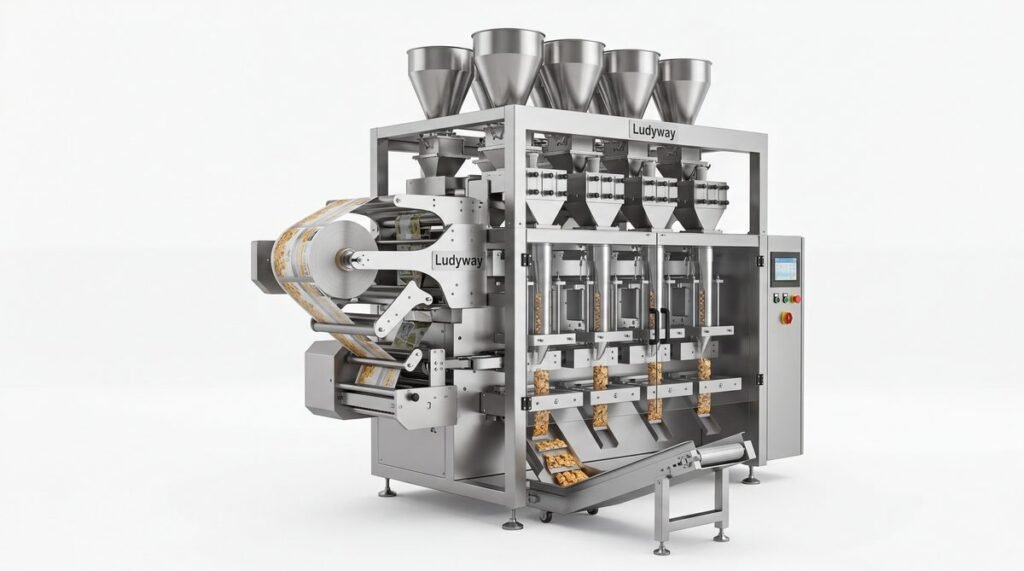
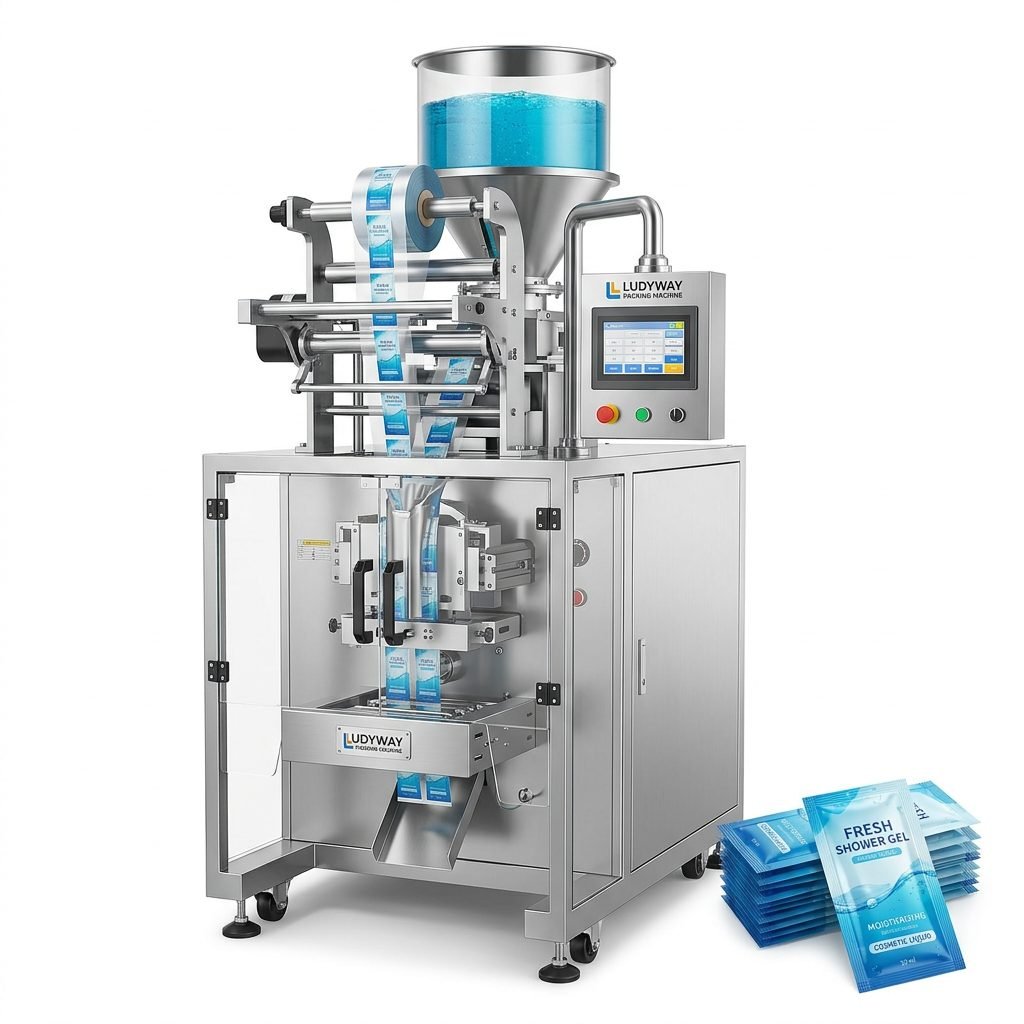
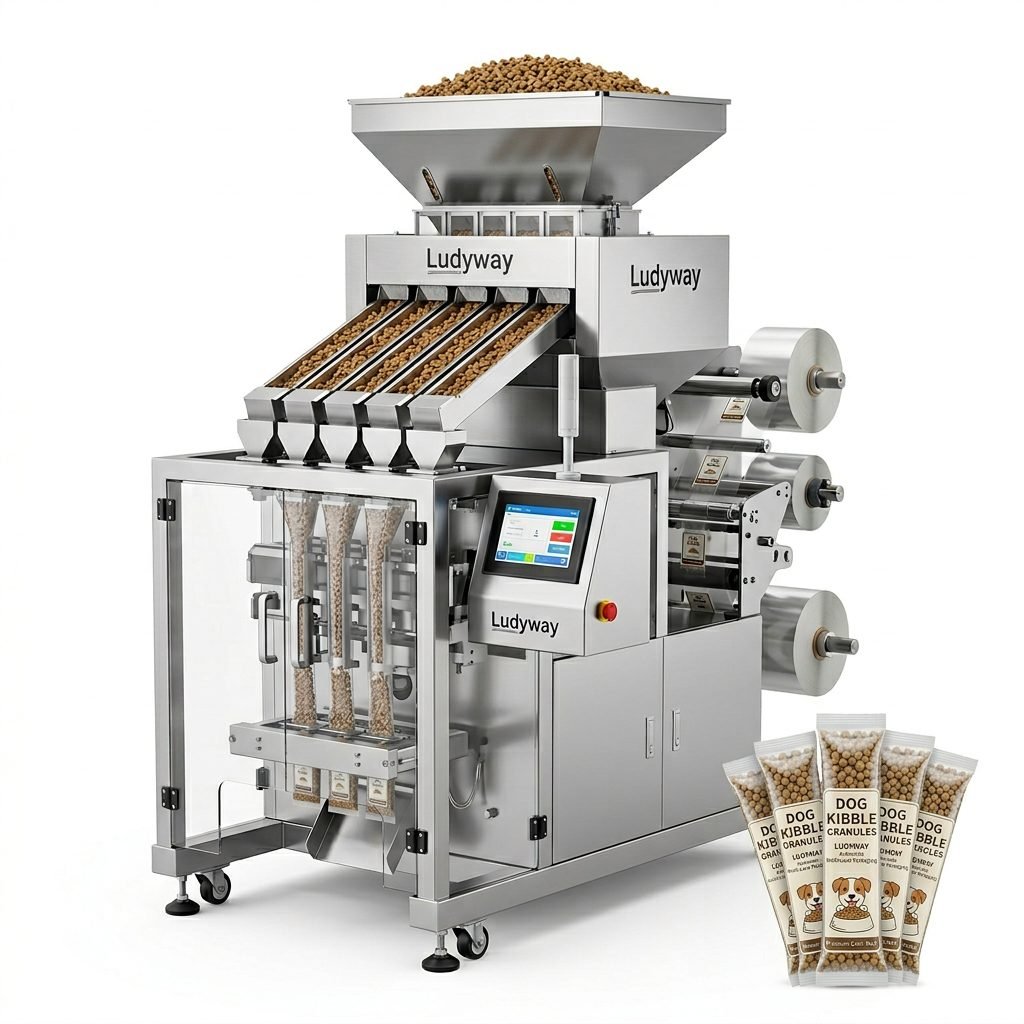
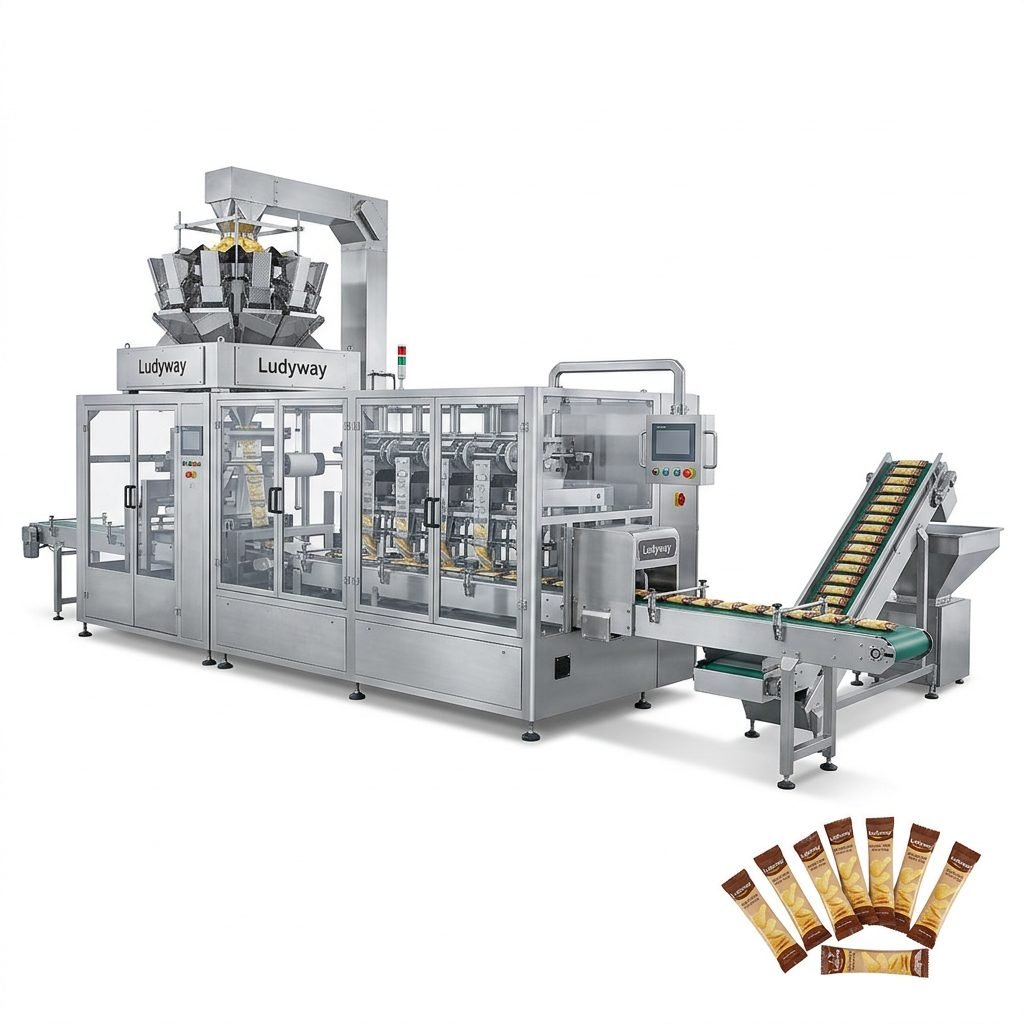
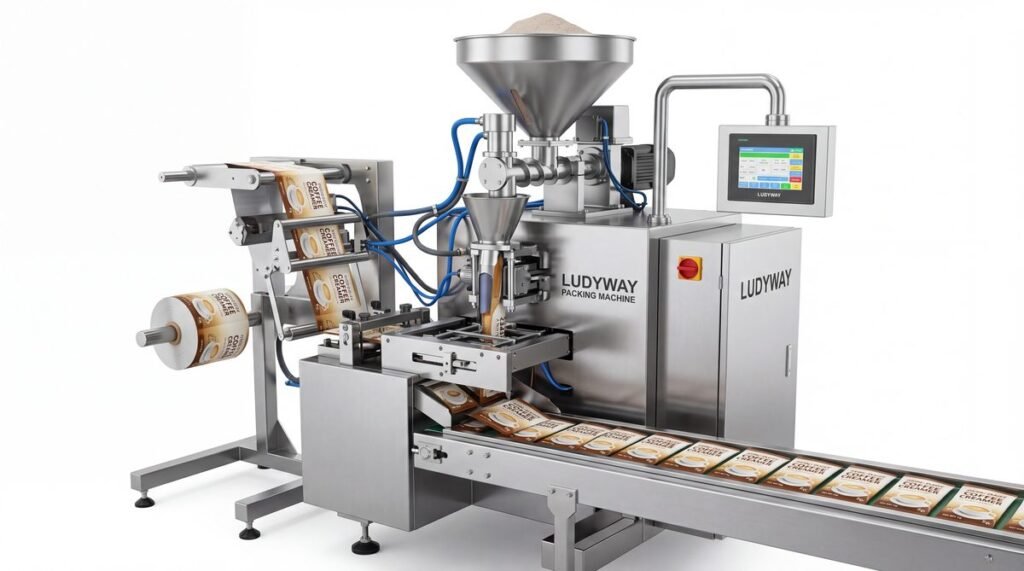
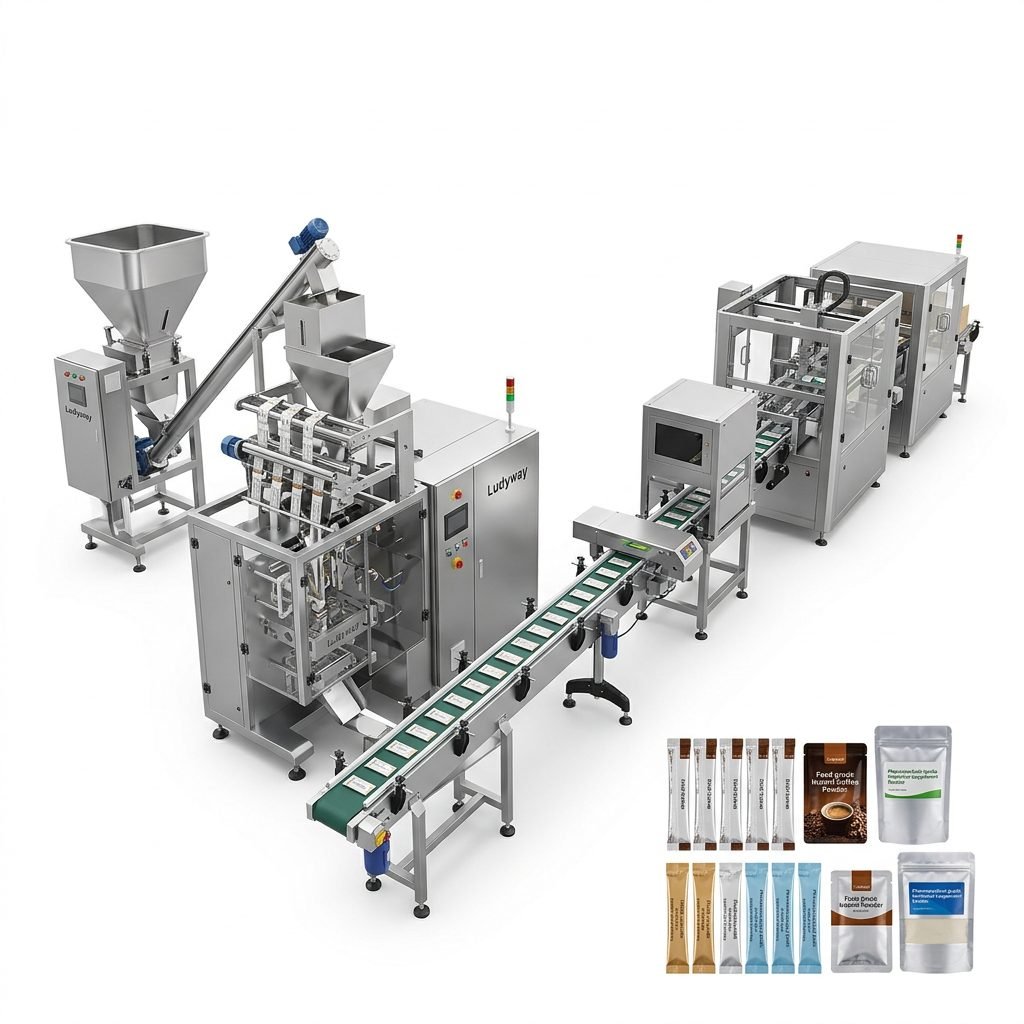
In modern production, labeling is more than a finishing step. It affects traceability, compliance, brand presentation, inventory flow, and customer trust. A reliable label packaging machine helps manufacturers apply labels quickly and accurately across bottles, jars, pouches, cartons, cans, trays, and other packaging formats without slowing down the line.
If you are comparing labeling equipment for a new factory, an upgraded line, or a customized automation project, the right solution depends on more than speed alone. You need to match the machine to your package type, label material, production volume, positioning accuracy, and future expansion plans.
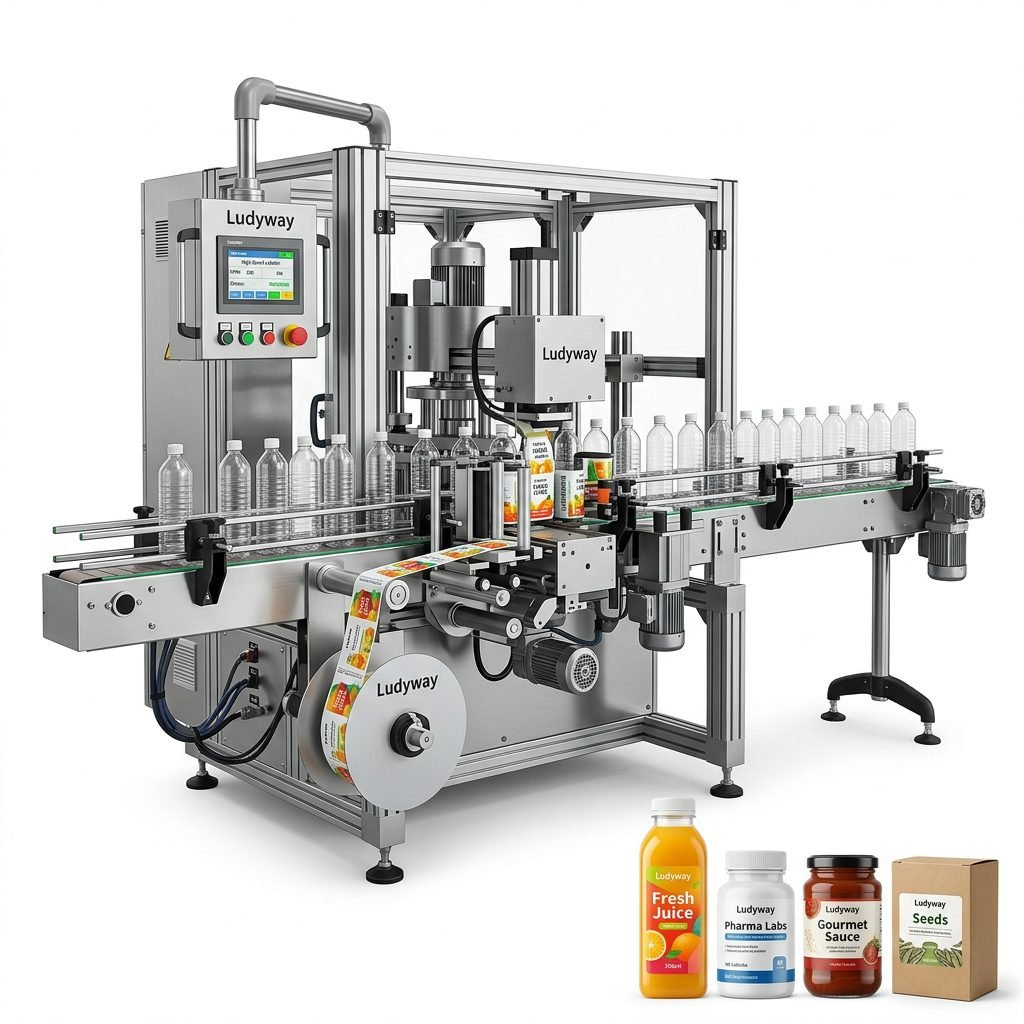
Why the Right Label Packaging Machine Matters
A poor labeling setup can create recurring problems such as wrinkled labels, skewed placement, unreadable codes, product rejection, and downtime during changeovers. Over time, these issues increase labor costs and reduce line efficiency.
- Maintain consistent label positioning
- Reduce manual work and operator error
- Support barcode, batch code, and compliance labeling
- Improve line speed and product appearance
- Adapt to multiple SKUs and container sizes
- Lower waste from misapplied labels
For industries such as food, pharmaceutical, cosmetics, chemicals, and health products, the choice of labeling equipment directly influences productivity and market readiness.
What Is a Label Packaging Machine?
A label packaging machine is automated equipment designed to apply labels to primary or secondary packaging. Depending on the application, the machine may place front labels, back labels, wraparound labels, top labels, bottom labels, tamper-evident labels, or sleeve labels.
These machines can operate as standalone units or as part of a complete packaging line with conveyors, coding systems, inspection devices, cartoners, and case packers.
Common labeling applications include:
- Bottles for beverages, supplements, oil, detergent, and pharma liquids
- Flat cartons for retail and medical products
- Pouches, sachets, and flexible packs
- Jars, tubs, cans, and cylindrical containers
- Outer cases and shipping cartons
Main Types of Label Packaging Machines
Choosing the right machine starts with understanding the main labeling formats used in industrial packaging.
| Machine Type | Best For | Key Advantage |
|---|---|---|
| Wraparound labeling machine | Round bottles, jars, cans | Stable application on cylindrical surfaces |
| Front and back labeling machine | Flat or oval containers | Two-side branding and information display |
| Top/bottom labeling machine | Boxes, trays, pouches, lids | Good for flat-surface product identification |
| Corner seal or tamper-evident labeler | Pharma, cosmetics, food containers | Adds safety and compliance protection |
| Shrink sleeve labeling machine | Bottles and special-shaped containers | 360-degree branding coverage |
| Carton/case labeling system | Secondary packaging and logistics | Supports warehousing and shipping traceability |
How to Choose the Right Solution
1. Define Your Package Type
The shape, material, and stability of your container determine the most suitable labeling mechanism. A round bottle typically needs wraparound handling, while a pouch may need top labeling with precise conveyor stabilization.
- Round containers: choose wraparound systems with synchronized rotation
- Flat products: choose top or front-back applicators
- Irregular containers: consider sleeve labeling or custom positioning devices
- Flexible packaging: ensure the machine includes product guidance and anti-shift control
2. Match the Required Speed
A small business may only need moderate output, but large factories need high-speed labeling synchronized with fillers, cappers, sealers, cartoners, or downstream packers. Avoid overbuying, but also avoid selecting a machine that becomes a bottleneck within a year.
Best practice: choose equipment with some speed buffer above your current production target to support future growth.
3. Evaluate Labeling Accuracy
For premium consumer packaging and regulated industries, label placement accuracy is critical. Misalignment can damage shelf appeal and create compliance issues when barcodes, QR codes, dosage details, or warning information must remain readable.
Look for machines with:
- Stable servo or stepper control
- Reliable sensor systems
- Consistent tension control for labels
- Precise product spacing and conveyor synchronization
- Optional inspection or rejection systems
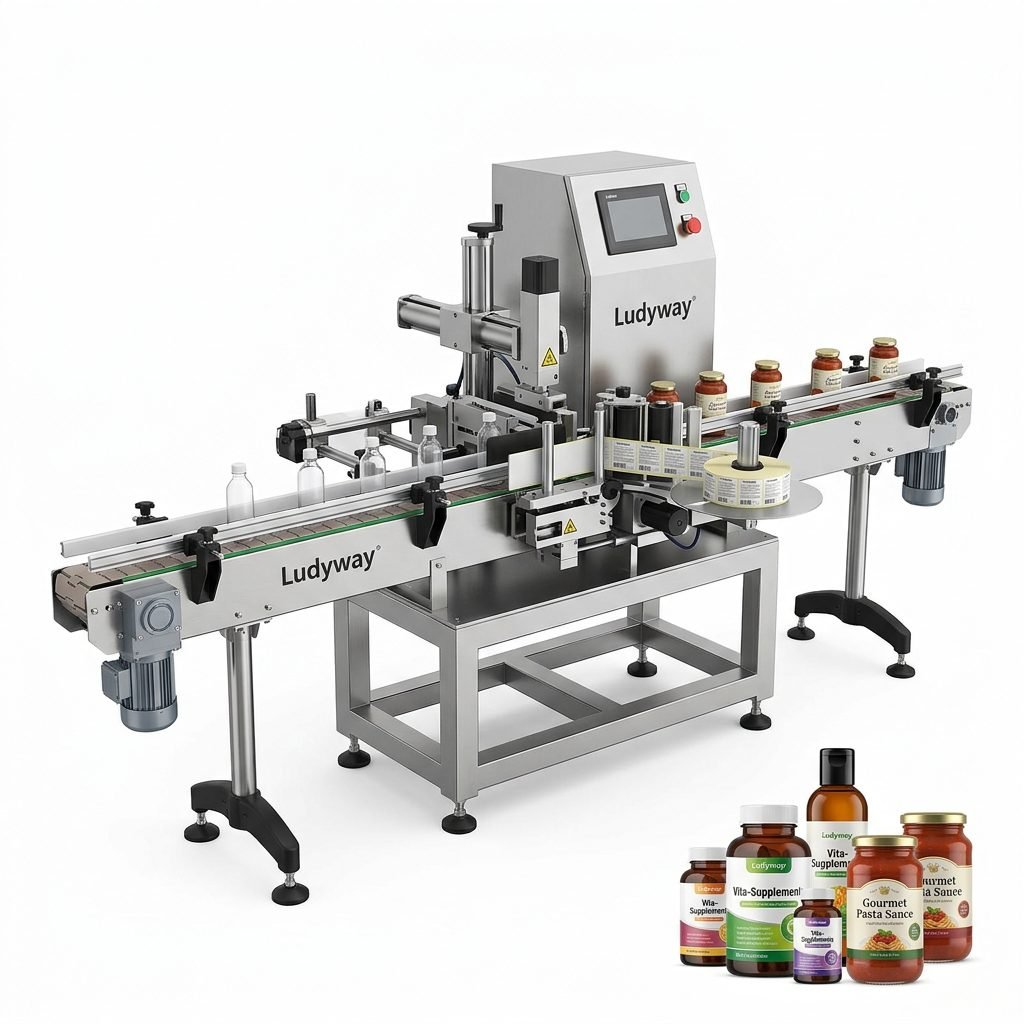
4. Consider Label Material and Adhesive Performance
Not all labels behave the same way. Paper, film, transparent labels, and specialty labels respond differently during dispensing and application. Environmental conditions such as humidity, dust, static, and temperature also affect performance.
Before choosing a model, confirm:
- Label roll dimensions
- Core size and unwind direction
- Adhesive type
- Container surface condition
- Whether transparent-label sensors are required
5. Think About Changeover Time
If your production handles multiple SKUs, quick and repeatable changeovers are essential. A machine that performs well on one bottle size but requires long manual adjustment for every format change can slow the entire plant.
Look for:
- Tool-free adjustments where possible
- Recipe memory on touchscreen HMI
- Fast guide rail adjustment
- Easy label roll replacement
- Clear operator interface and diagnostics
6. Check Integration with the Full Packaging Line
A label packaging machine should not be selected in isolation. It must work smoothly with upstream and downstream equipment. Conveyor height, line direction, product pitch, coding units, and rejection logic all matter.
For companies planning line expansion, integrated automation support can save time and reduce project risk. Manufacturers seeking complete packaging solutions often work with experienced suppliers such as Ludyway label packaging machine solutions for coordinated equipment planning across filling, sealing, coding, labeling, cartoning, and end-of-line automation.
7. Prioritize Industry Compliance
Different industries have different validation standards. Food producers focus on hygiene and clear product information. Pharmaceutical companies often require more stringent control over batch coding, tamper evidence, and traceability. Chemical manufacturers may need durable labels resistant to moisture or abrasion.
| Industry | Main Labeling Need | Machine Focus |
|---|---|---|
| Food & beverage | Branding, date code visibility, moisture resistance | Stable speed and easy cleaning |
| Pharmaceutical | Traceability, compliance, tamper evidence | High precision and validation support |
| Cosmetics | Premium appearance, multi-surface labeling | Accurate positioning and flexible changeover |
| Chemical | Durability, warning labels, product identification | Strong adhesion compatibility and rugged design |
8. Review Maintenance and Spare Parts Support
High speed means little if downtime is hard to manage. Reliable after-sales support, available spare parts, remote troubleshooting, and clear manuals are important when selecting any labeling system.
Ask suppliers about:
- Recommended spare parts list
- Lead time for replacement components
- Remote technical support
- Operator training
- Installation and commissioning service
Key Features to Look For
When comparing models, focus on the features that affect real operating performance instead of only headline speed.
- Servo-driven control for stable, repeatable labeling
- Touchscreen HMI for recipe management and fault display
- Automatic detection sensors for product and label positioning
- Quick-adjust structure for multi-format production
- Coding or printing compatibility for date, batch, or barcode marking
- Inspection options for missing, skewed, or unreadable labels
- Stainless steel or clean-friendly construction for demanding environments
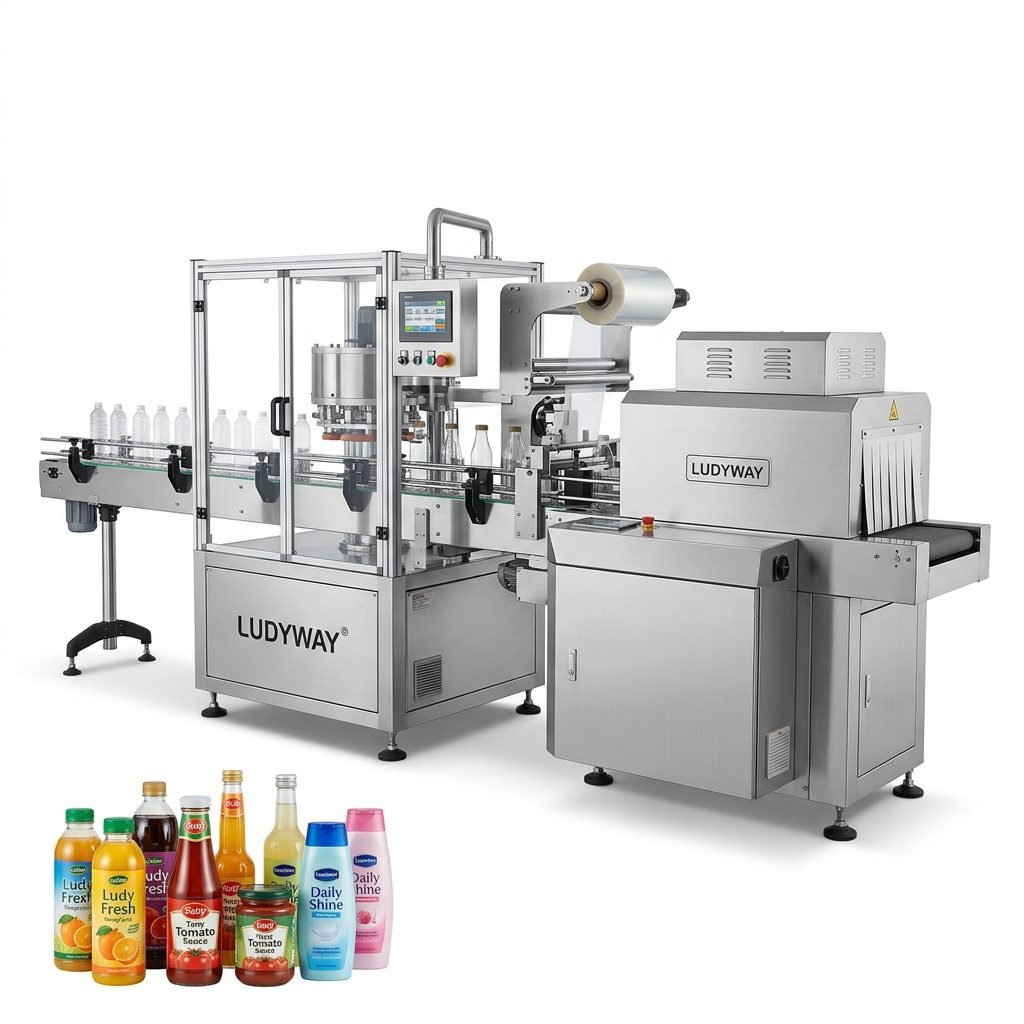
Questions to Ask Before Buying
Before making a final decision, prepare a clear specification sheet and ask detailed technical questions. This helps prevent mismatched equipment and future modification costs.
- What package formats will be labeled now and later?
- What is the target speed per minute or per hour?
- What labeling accuracy is required?
- Will the machine handle transparent, paper, or film labels?
- How long does a format change take?
- Can the system integrate with printers, vision inspection, and reject units?
- What utilities and floor conditions are required?
- What support is available for installation, training, and maintenance?
Common Buying Mistakes to Avoid
- Choosing based only on the lowest price
- Ignoring future SKU expansion
- Underestimating changeover frequency
- Overlooking label material compatibility
- Not testing with real product samples
- Buying a standalone machine without considering full-line integration
The most cost-effective machine is usually the one that runs steadily, adapts well, and minimizes waste over the long term.
When a Custom Labeling Solution Makes More Sense
Standard models work well for many applications, but some production lines need customized design. This is especially true if your products involve unusual container shapes, multiple labels on one package, unstable flexible packs, or very high throughput requirements.
A custom solution may include:
- Special guides for non-standard products
- Dual-head or multi-head label applicators
- Automatic orientation devices
- Integrated printing and verification
- Connection to complete turnkey packaging lines
Final Selection Checklist
| Checklist Item | Confirmed? |
| Package shape and dimensions defined | Yes / No |
| Required speed and daily output calculated | Yes / No |
| Label material and roll specification verified | Yes / No |
| Accuracy and compliance needs reviewed | Yes / No |
| Line integration requirements confirmed | Yes / No |
| Changeover and future expansion considered | Yes / No |
| Support, spare parts, and training clarified | Yes / No |
Conclusion
The best label packaging machine is the one that fits your product format, output target, labeling precision, and automation plan. Instead of focusing only on price or maximum speed, evaluate the complete operating picture: package stability, material compatibility, integration, compliance, maintenance, and scalability.
With the right solution, manufacturers can achieve faster throughput, better accuracy, cleaner presentation, and more reliable long-term performance across the entire packaging line.