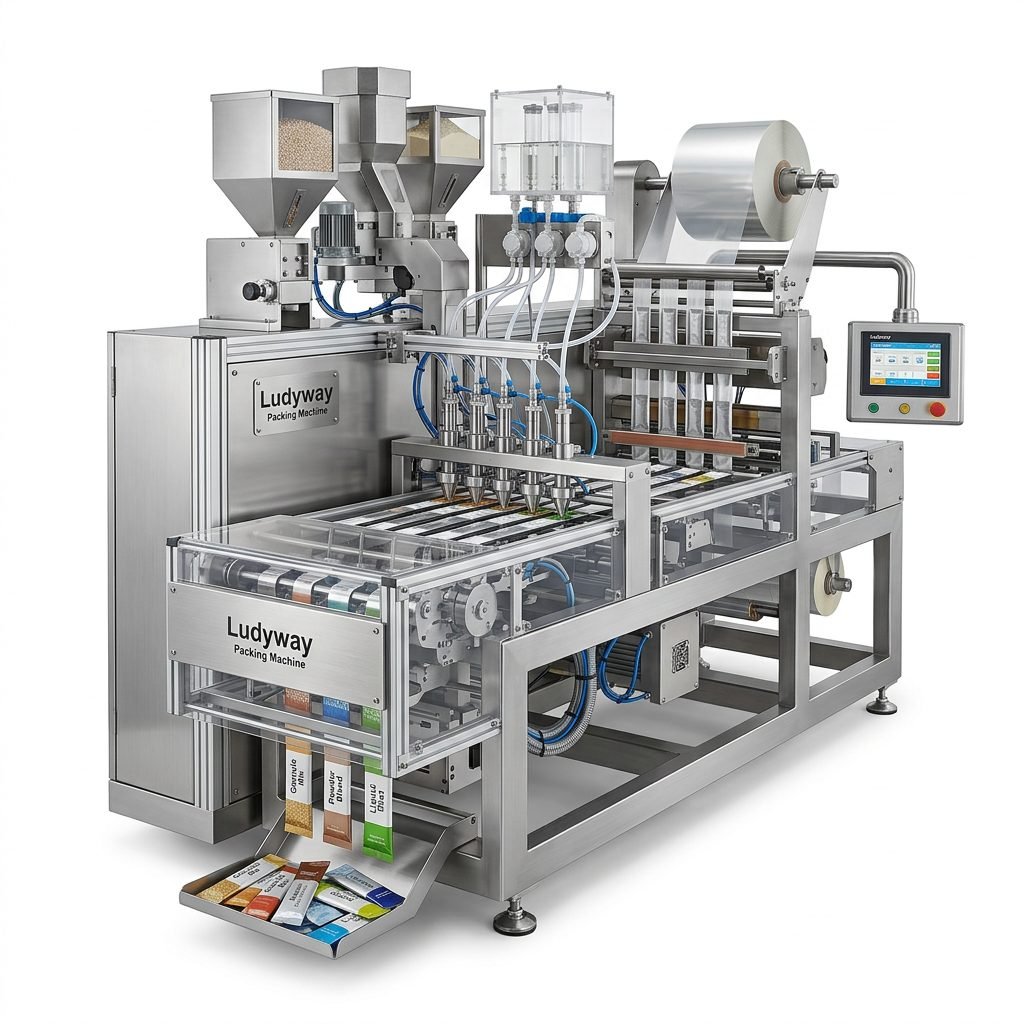
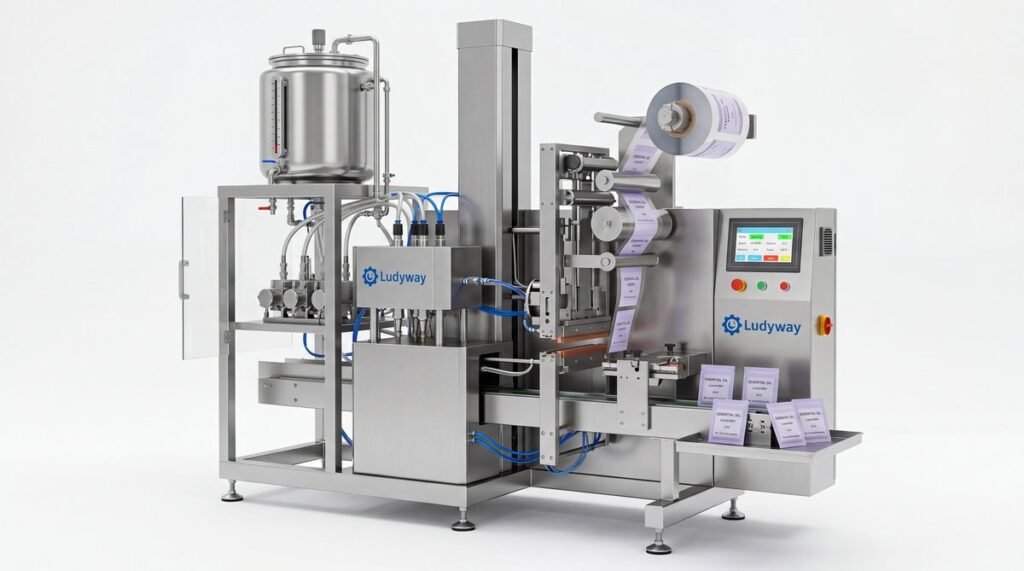
In the fast-paced world of food production, efficiency and presentation are paramount. For bakeries, confectionery manufacturers, and snack producers, the final step of packaging is as critical as the baking process itself. A small cookie packaging machine represents a significant leap forward, transforming manual, labor-intensive tasks into streamlined, automated operations. These compact yet powerful systems are engineered to handle the delicate nature of biscuits, cookies, and similar baked goods, ensuring they are packed and sealed with precision, speed, and care.
Why Automation is Essential for Modern Bakeries
The shift from manual packing to automated systems is driven by more than just a desire for speed. Consistency, hygiene, and cost-effectiveness are major factors. A dedicated automatic biscuit packing and sealing machine eliminates human error in counting and positioning, provides a hermetic seal that extends shelf life, and dramatically reduces labor costs. For businesses looking to scale up production or enter new markets, this technology is not a luxury but a necessity for maintaining competitive quality and efficiency.
Core Advantages of a Compact Cookie Packing System
Investing in a small-footprint packaging solution offers a multitude of benefits tailored to the needs of growing food businesses.
1. Unmatched Space Efficiency and Flexibility
Unlike large, industrial lines, a small cookie packaging machine is designed to fit into existing production layouts without requiring major facility changes. This allows smaller and medium-sized enterprises (SMEs) to automate their packaging process without a massive capital investment in factory space. Their modular nature often allows for easy integration upstream with cooling conveyors or downstream with cartoning systems.
2. Precision Handling for Delicate Products
Cookies and biscuits are fragile. A high-quality machine utilizes gentle handling mechanisms—such as soft belts, precision pushers, or vacuum grippers—to transport products from the feeding system into the packaging film without breakage. This careful handling preserves the integrity and appearance of your product, ensuring customers receive perfect goods every time.
Key Feature Spotlight: Advanced Sealing Technology
The sealing system is the heart of the machine. Modern systems employ constant-temperature impulse sealing or advanced servo-driven sealing jaws. This ensures a strong, consistent, and airtight seal on various packaging materials, from standard polypropylene to more complex laminated films with aluminum layers. A reliable seal is crucial for product freshness and preventing staleness, directly impacting customer satisfaction and brand reputation.
3. Enhanced Operational Efficiency and Output
Automation directly translates to higher productivity. These machines can operate continuously at speeds significantly higher than manual packing, often ranging from 40 to over 200 packs per minute depending on the model and configuration. This consistent output helps businesses meet fluctuating market demands, fulfill large orders on time, and reduce bottlenecks in the production line.
Key Components and How They Work
Understanding the basic workflow of an automatic biscuit packing machine demystifies the automation process.
- ➤ Product Infeed & Alignment: Cookies are fed via a vibratory tray or conveyor into a lane system that orients them correctly for packaging.
- ➤ Film Feeding & Forming: A roll of packaging film is drawn into the machine and formed into a tube around a vertical collar.
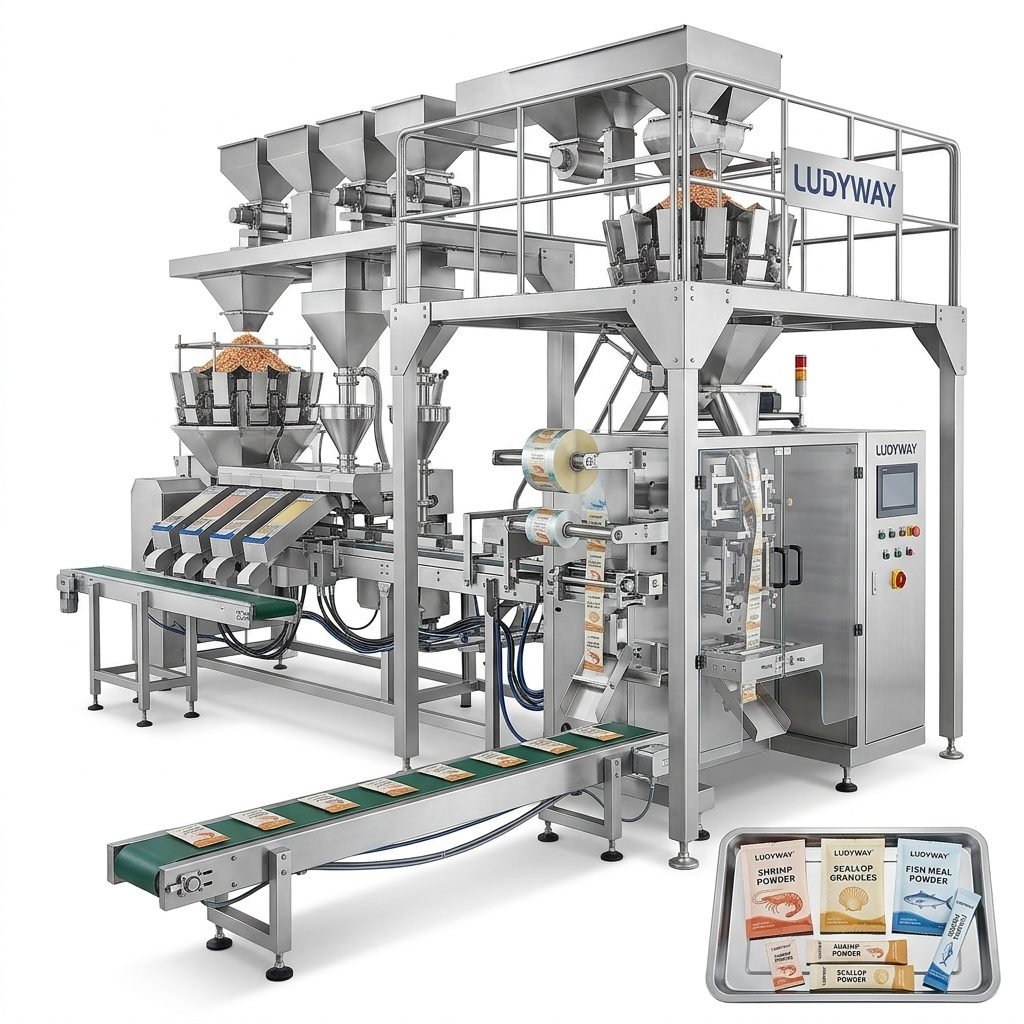
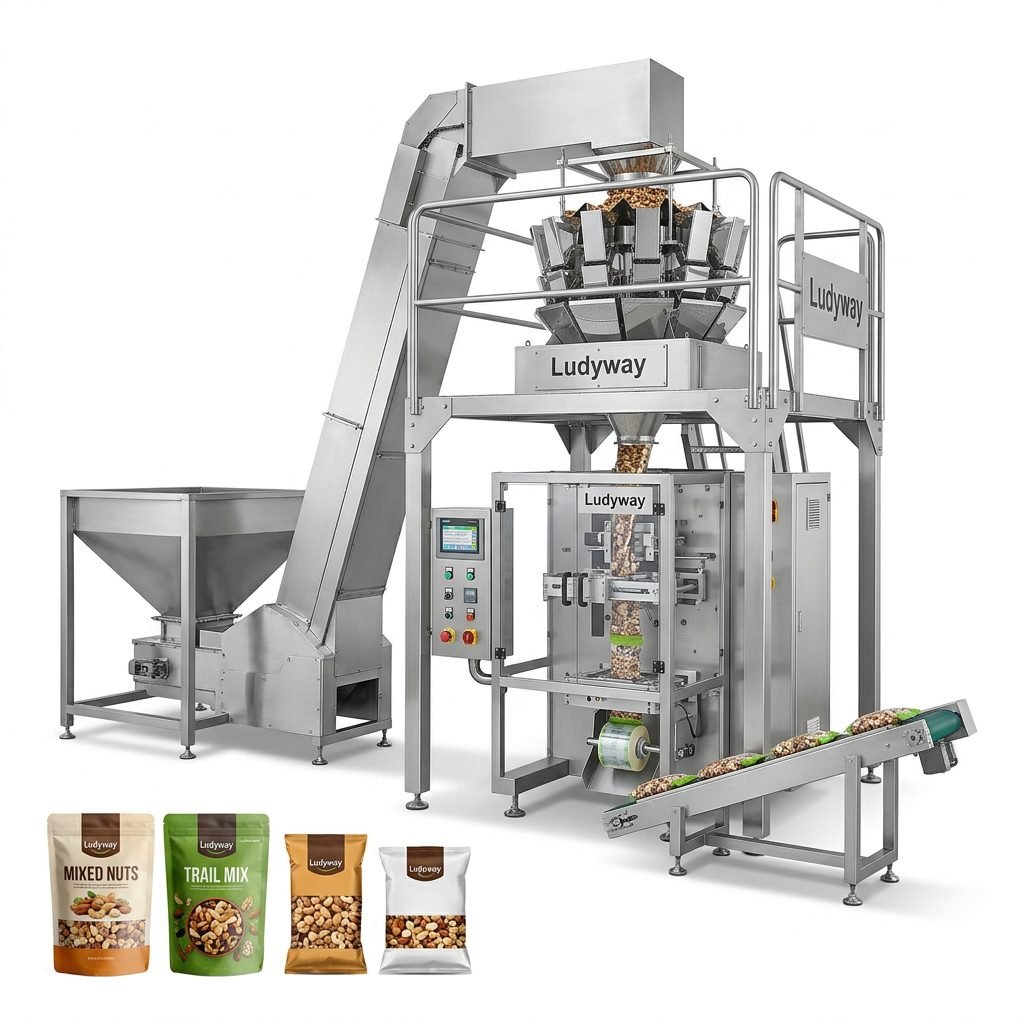
- ➤ Weighing & Filling (Optional): For weight-based packing, an integrated multi-head weigher can be used before the product is dropped into the forming tube.
- ➤ Sealing & Cutting: The longitudinal seal is made first, followed by the transverse seals that create the individual packs and separate them from the film web.
Choosing the Right Machine for Your Needs
Selecting the ideal packaging machine requires careful consideration of your specific products and goals.
Critical Selection Criteria
Product Characteristics: Consider the size, shape, fragility, and oiliness of your cookies. Machines can be tailored with different feeding mechanisms.
Packaging Speed & Output: Match the machine’s speed (packs/minute) with your current and projected production volumes.
Packaging Material: Ensure the machine is compatible with your desired film type (e.g., PET/AL/PE, OPP/CPP) and can achieve the required seal quality.
Footprint & Power Requirements: Verify the physical dimensions and electrical specifications align with your factory’s infrastructure.
For businesses seeking a partner in this automation journey, working with an experienced provider is key. Ludyway Packing Machine brings over a decade of specialization in packaging solutions for the food industry. With a focus on intelligent, reliable equipment, they offer expertise that can guide you from initial consultation to seamless installation and support. Exploring their range of packaging solutions can provide valuable insights into the available technologies. Furthermore, understanding the company’s history and commitment to innovation ensures you are partnering with a provider dedicated to long-term reliability.
Beyond the Machine: The Value of Partnership
The true value of a small cookie packaging machine extends beyond the hardware. It lies in the total solution. A reputable supplier will offer comprehensive after-sales service, including operator training, readily available spare parts, and prompt technical support. This minimizes downtime and protects your investment. The goal is to create a packaging process that is not only efficient but also resilient and adaptable to future changes in your product line or production targets.
Conclusion: A Smart Investment for Growth
Implementing a small cookie packaging machine is a strategic decision that addresses core challenges in modern food production: consistency, speed, hygiene, and cost control. It empowers bakeries and snack producers to enhance their product quality, meet rising market demands, and scale their operations efficiently. By automating the final, critical step of packing and sealing, businesses can ensure their delicious products reach consumers in perfect condition, every single time, solidifying brand trust and driving sustainable growth.
Frequently Asked Questions (FAQs)
1. What types of cookies can be packed with these machines?
These machines are highly versatile and can handle a wide range of baked goods, including round biscuits, sandwich cookies, wafer sticks, brittle crackers, and even soft-baked cookies. The key is to configure the feeding system (e.g., vibratory tray, belt conveyor) and handling mechanisms to suit the product’s fragility and shape.
2. How difficult is it to change the packaging film or product size?
Modern machines are designed for quick changeovers. Most adjustments for pack length and width are made digitally via a user-friendly Human-Machine Interface (HMI) screen. Changing the film roll is a straightforward manual process. For significant product size changes, some mechanical adjustments might be needed, but a well-designed machine minimizes this downtime.
3. What is the typical maintenance required for an automatic biscuit packer?
Regular maintenance is simple but crucial. Daily tasks include cleaning food debris from contact surfaces and checking for film jams. Periodic maintenance involves lubricating moving parts, inspecting sealing jaws for wear, and checking electrical connections. A good supplier will provide a clear maintenance schedule and training.
4. Can the machine print dates and batch codes on the package?
Yes, this is a standard and essential feature. Most machines come equipped with an integrated inkjet or thermal transfer coder that prints expiration dates, lot codes, and other variable information directly onto the packaging film before it is formed into a bag. This ensures traceability and compliance with food safety regulations.
5. Is technical support readily available after purchase?
This is a critical factor when choosing a supplier. Reputable companies like Ludyway offer comprehensive after-sales support. This typically includes detailed installation guidance, on-site or remote operator training, a warranty period, access to spare parts, and ongoing technical assistance via phone, email, or remote desktop sessions to resolve any operational issues promptly.