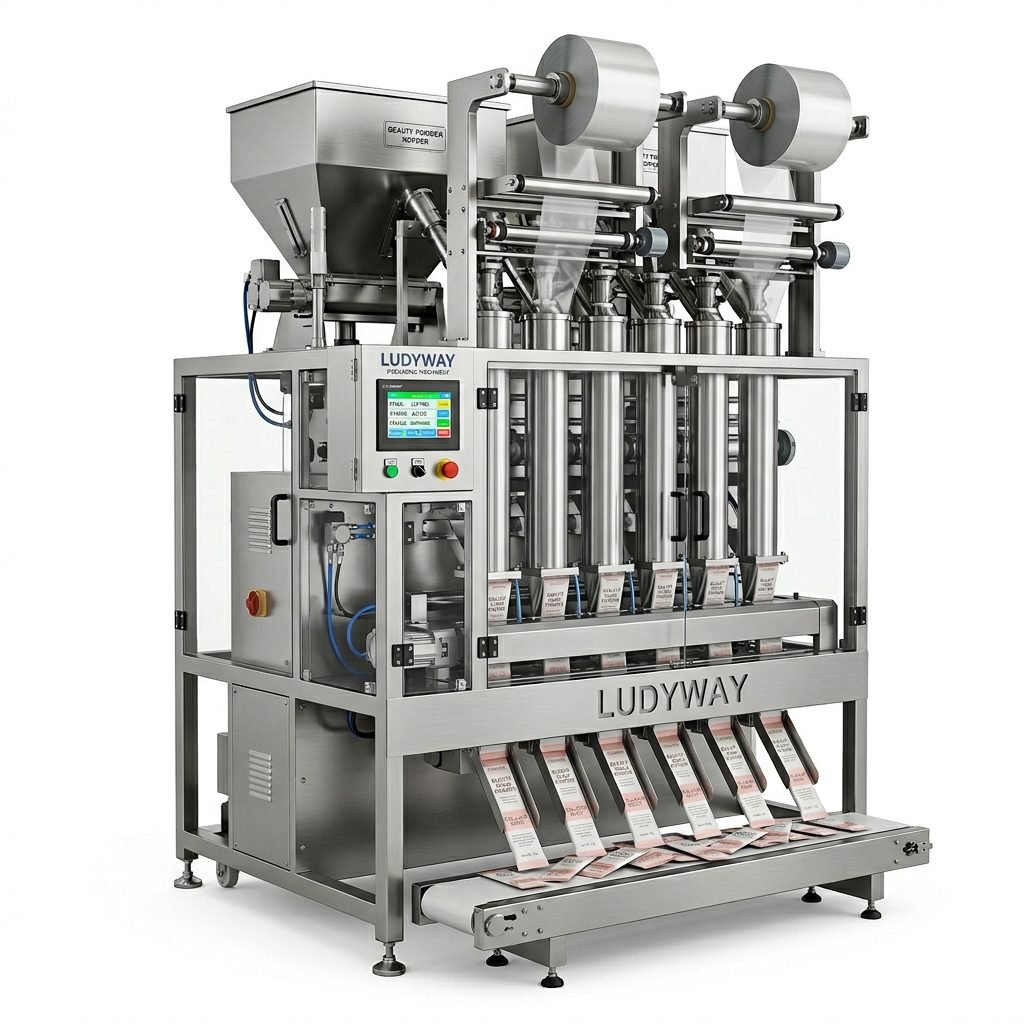
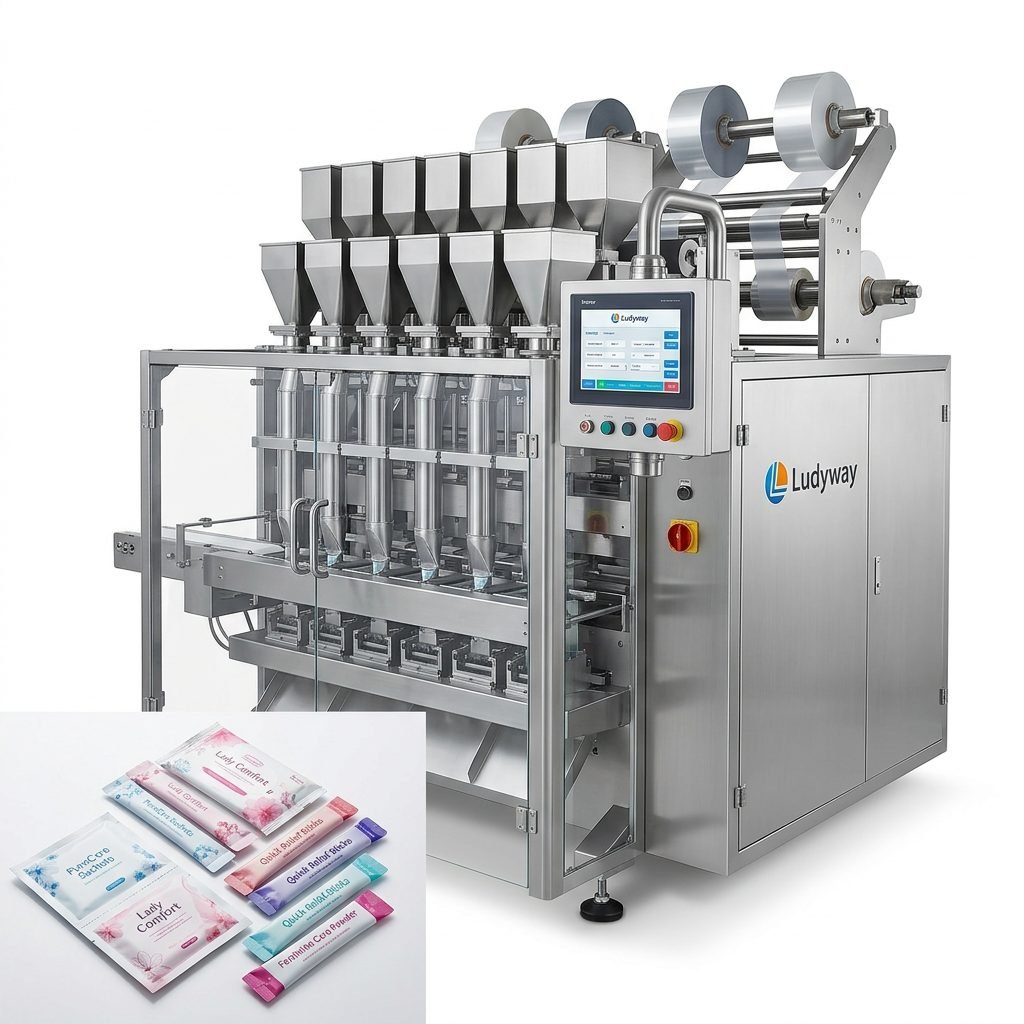
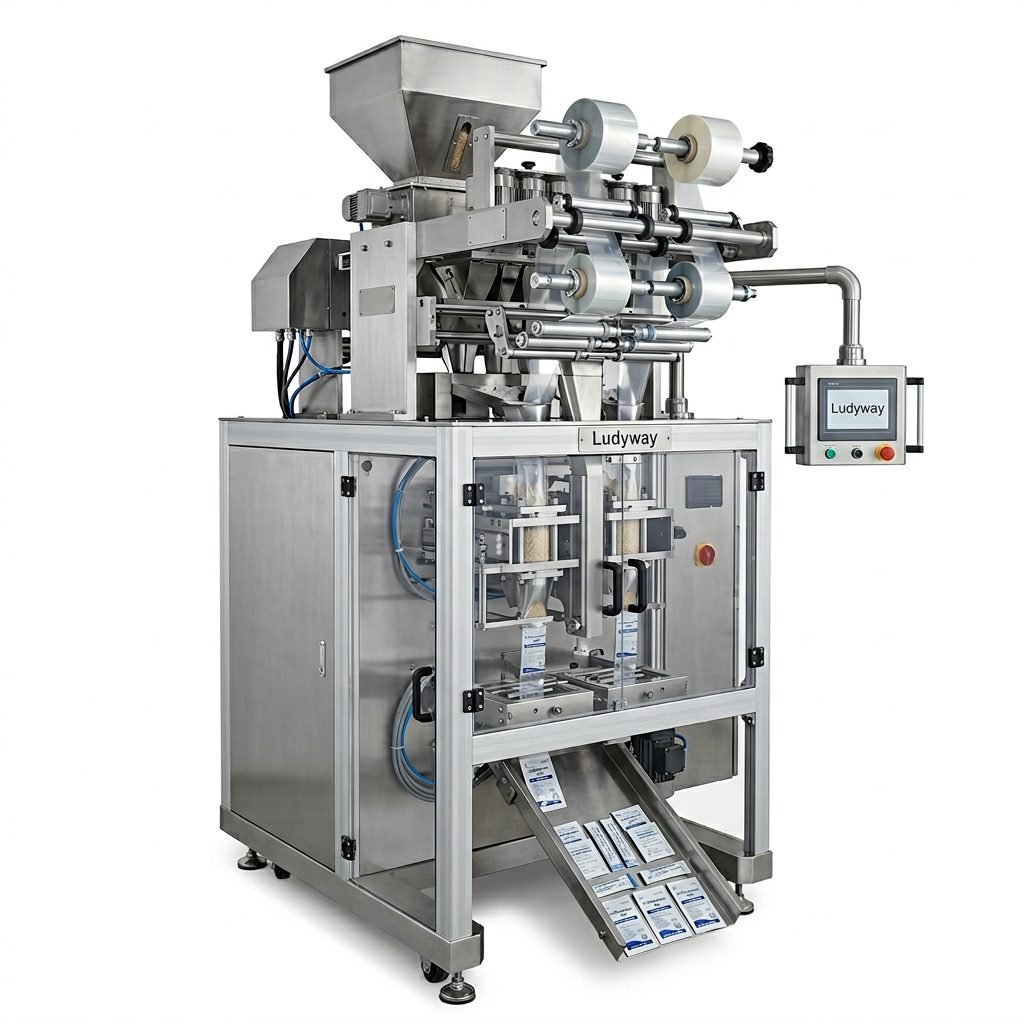
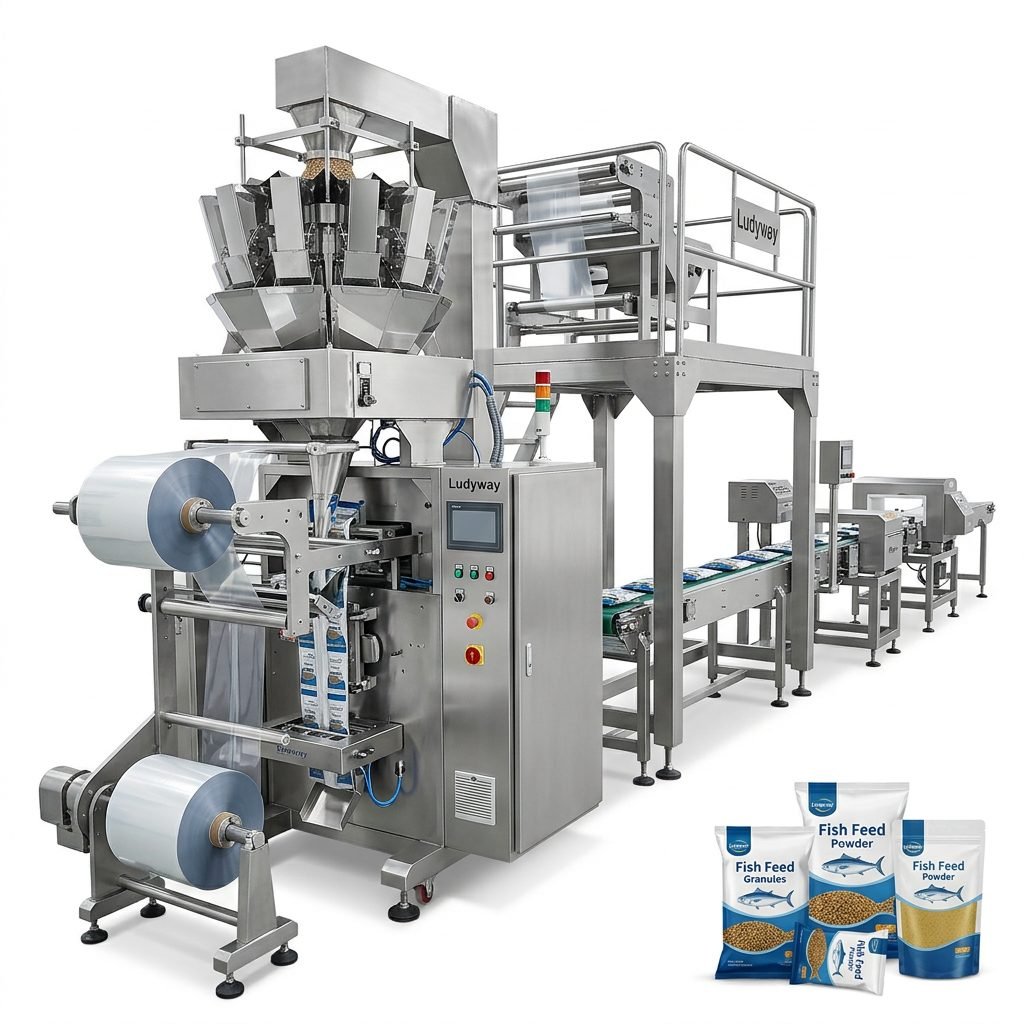
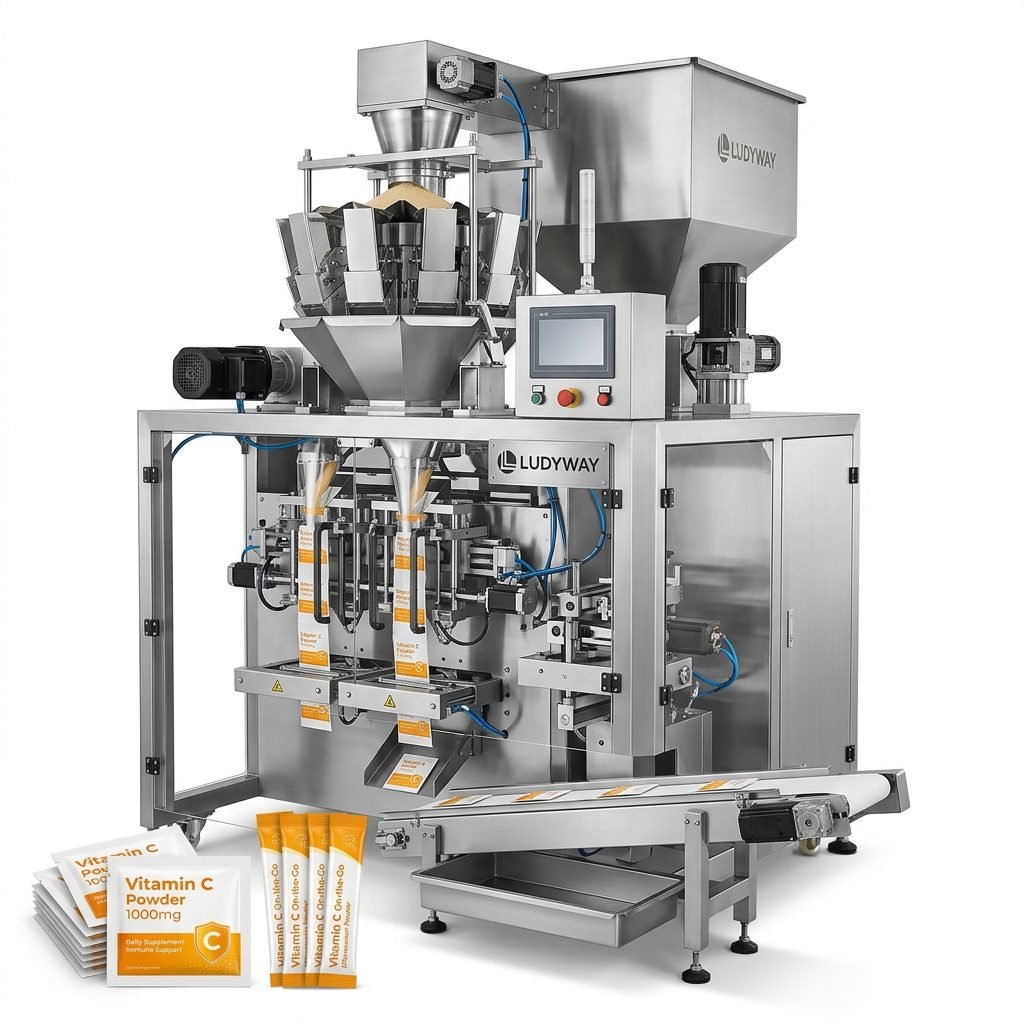
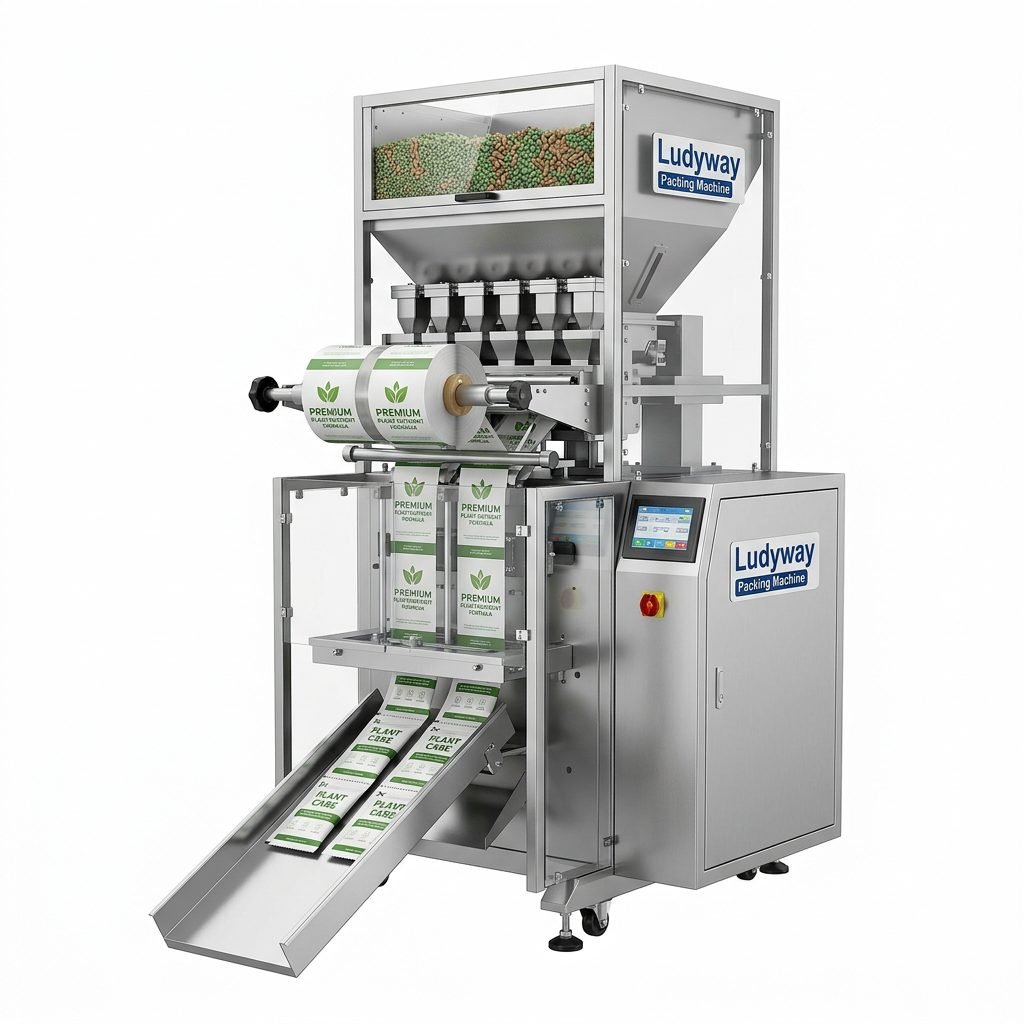
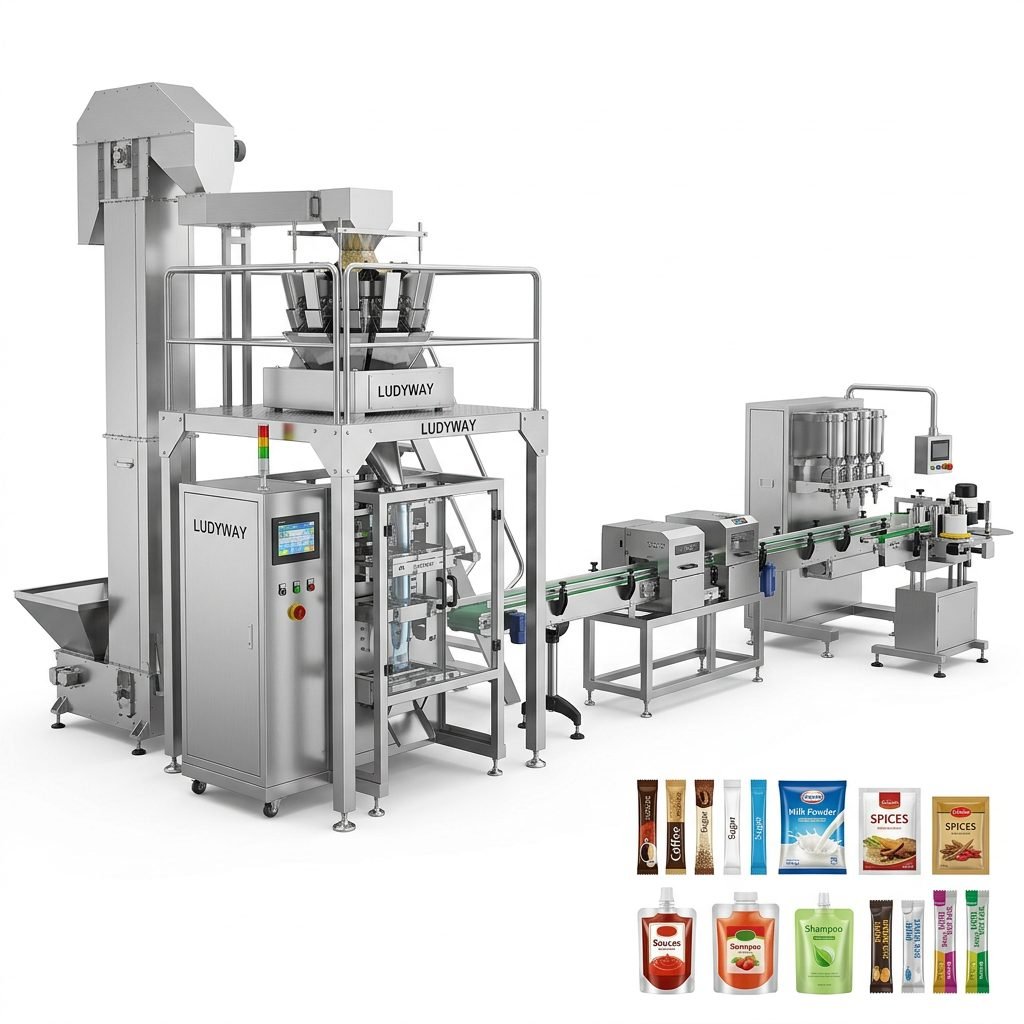
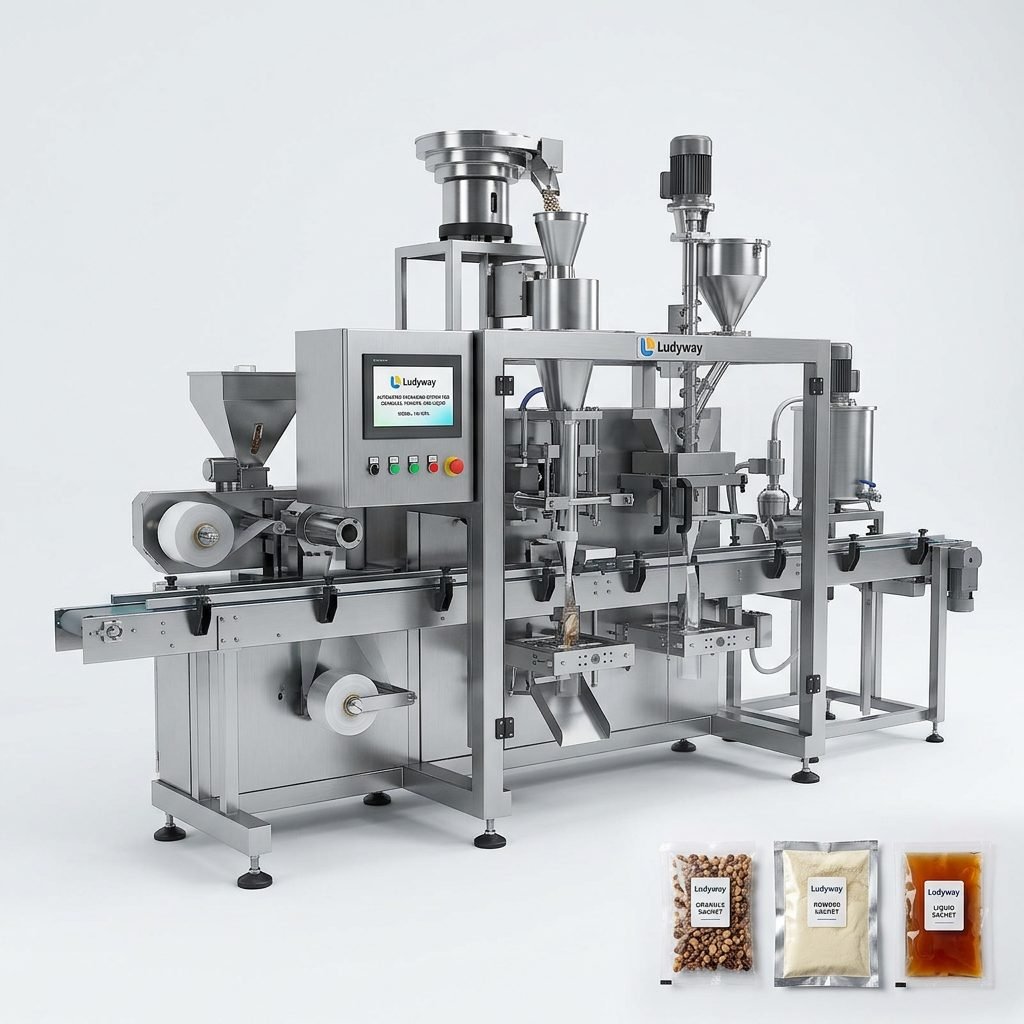
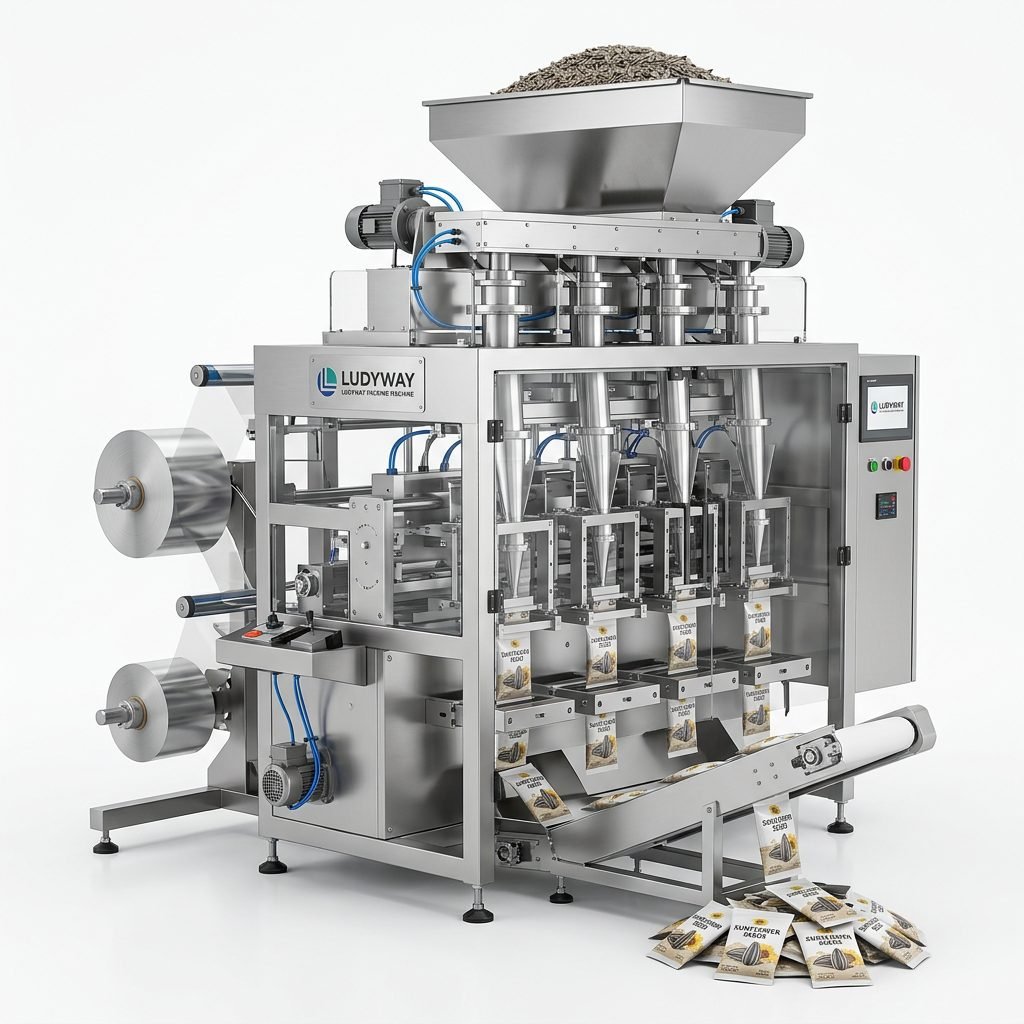
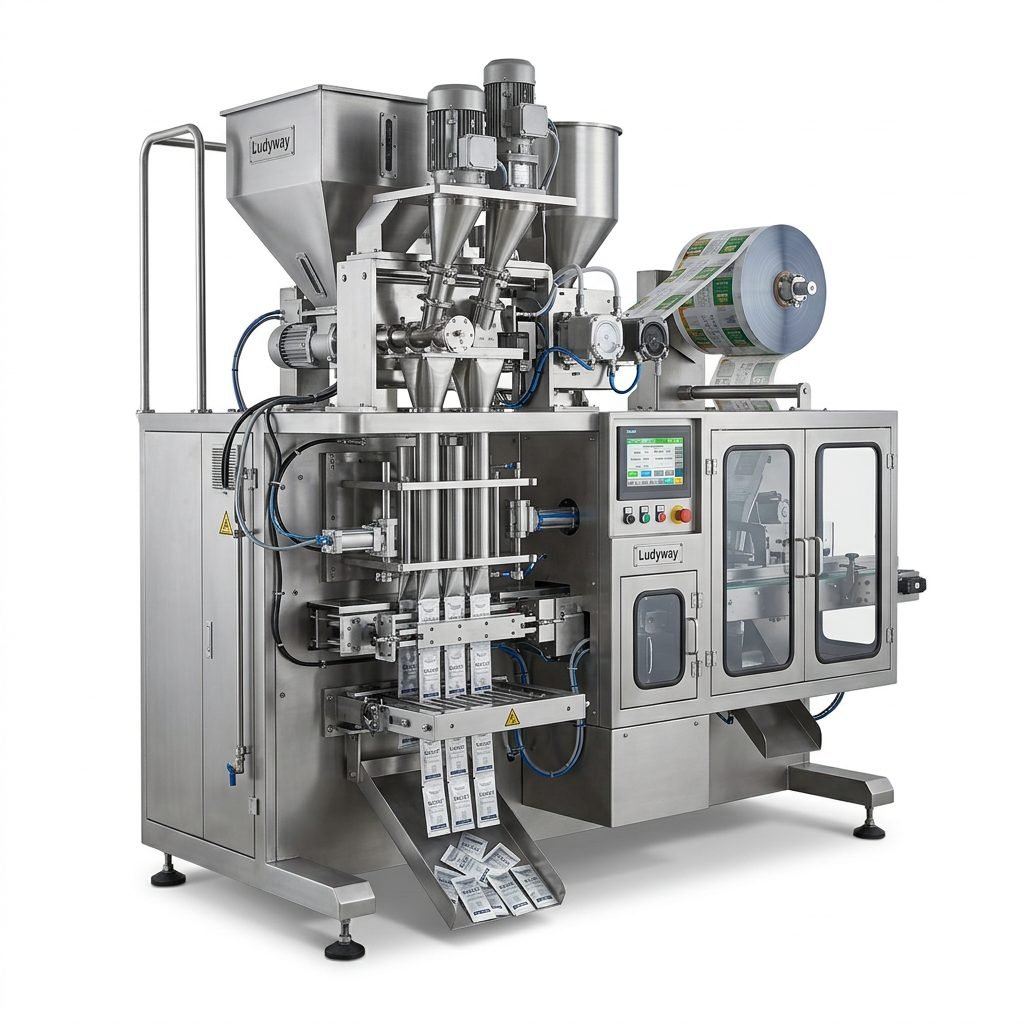
A scrubber packing machine is designed to automate the filling, sealing, and finishing of scrubber-related products such as cleaning pads, sponge scrubbers, steel wool units, detergent-infused scrub packs, and similar household cleaning items. For manufacturers and brand owners, the right machine can improve output consistency, reduce labor dependence, and support cleaner, more efficient packaging operations.
Whether you are packaging dry scrub pads, pre-moistened cleaning products, or bundled household care sets, understanding how the machine works and how to choose the right configuration is essential for long-term production success.
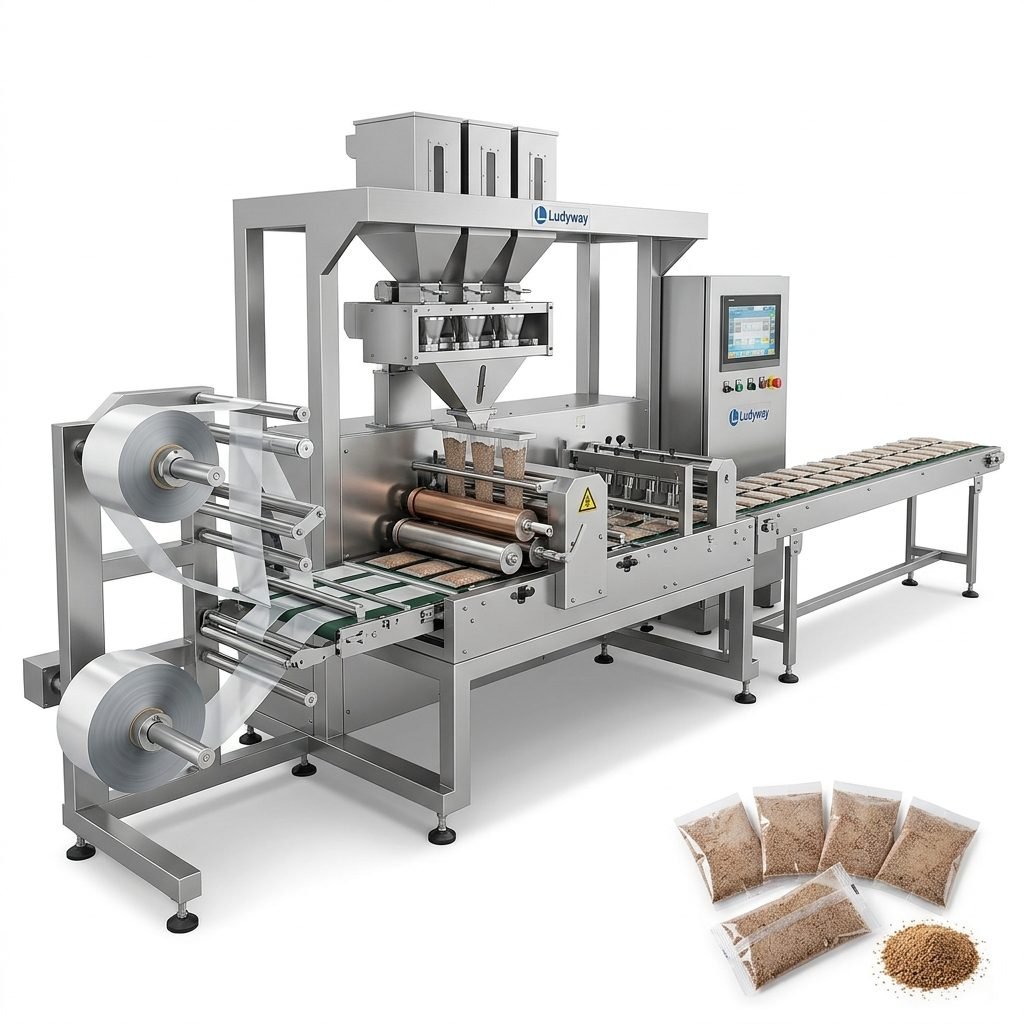
What Is a Scrubber Packing Machine?
A scrubber packing machine is an automated packaging system used to package cleaning scrubbers into retail-ready or bulk-ready formats. Depending on the product type, the machine may perform one or several tasks, including:
- Product feeding and orientation
- Counting or grouping
- Pouch, sachet, or bag forming
- Filling or inserting scrubbers into packaging
- Heat sealing or pressure sealing
- Date coding, labeling, and batch marking
- Secondary packing such as cartoning or bundling
These machines are commonly used in the household cleaning, personal care, industrial consumables, and hygiene product sectors. The exact machine structure depends on the scrubber material, product dimensions, packaging format, and output requirement.
How a Scrubber Packing Machine Works
Although machine design varies, most scrubber packing systems follow a similar production flow. The process below explains the general working principle.
1. Product Feeding
Scrubbers are loaded manually or automatically into a feeding unit. This section organizes the products so they enter the packaging machine in the correct orientation. For irregular shapes, a custom feeder or conveyor may be required.
2. Counting and Arrangement
If the product is sold as a multi-pack, the system counts the required number of scrubbers and arranges them into the target pattern. This improves pack consistency and reduces manual handling.
3. Film or Pouch Preparation
The packaging material is then prepared. In some systems, the machine forms bags from roll film. In others, premade pouches are fed into the machine. The material may be plastic film, laminated film, or other packaging suitable for the product.
4. Product Insertion or Filling
The scrubber enters the prepared package automatically. For dry scrubbers, this is usually a simple insertion step. For scrubbers packed with cleaning liquid, detergent, or gel, an additional filling station may be integrated before sealing.
5. Sealing
The package is sealed using heat or pressure, depending on the material. A good sealing process is critical because it affects package appearance, shelf life, leak prevention, and transport reliability.
6. Coding and Inspection
Many machines include coding systems for batch numbers, production dates, or traceability data. Optional inspection functions such as weight checking, metal detection, or visual inspection may also be added.
7. Discharge and Secondary Packaging
Finished packs are discharged to a conveyor or connected to downstream equipment such as cartoners, case packers, or palletizing systems. This is especially valuable for medium- and large-scale production lines.
Common Packaging Formats for Scrubber Products
A scrubber packing machine can be configured for different packaging styles. The best option depends on product positioning, distribution channel, and production speed target.
| Packaging Format | Typical Use | Key Advantage |
|---|---|---|
| Pillow bag | Single scrubber or multi-pack | Fast and cost-effective |
| Premade pouch | Premium retail products | Better shelf appearance |
| Shrink wrapping | Bundled scrubber sets | Strong grouping and protection |
| Sachet or liquid-added pack | Pre-treated or detergent-infused scrubbers | Convenient single-use format |
| Carton box | Retail multipacks | Branding and stacking efficiency |
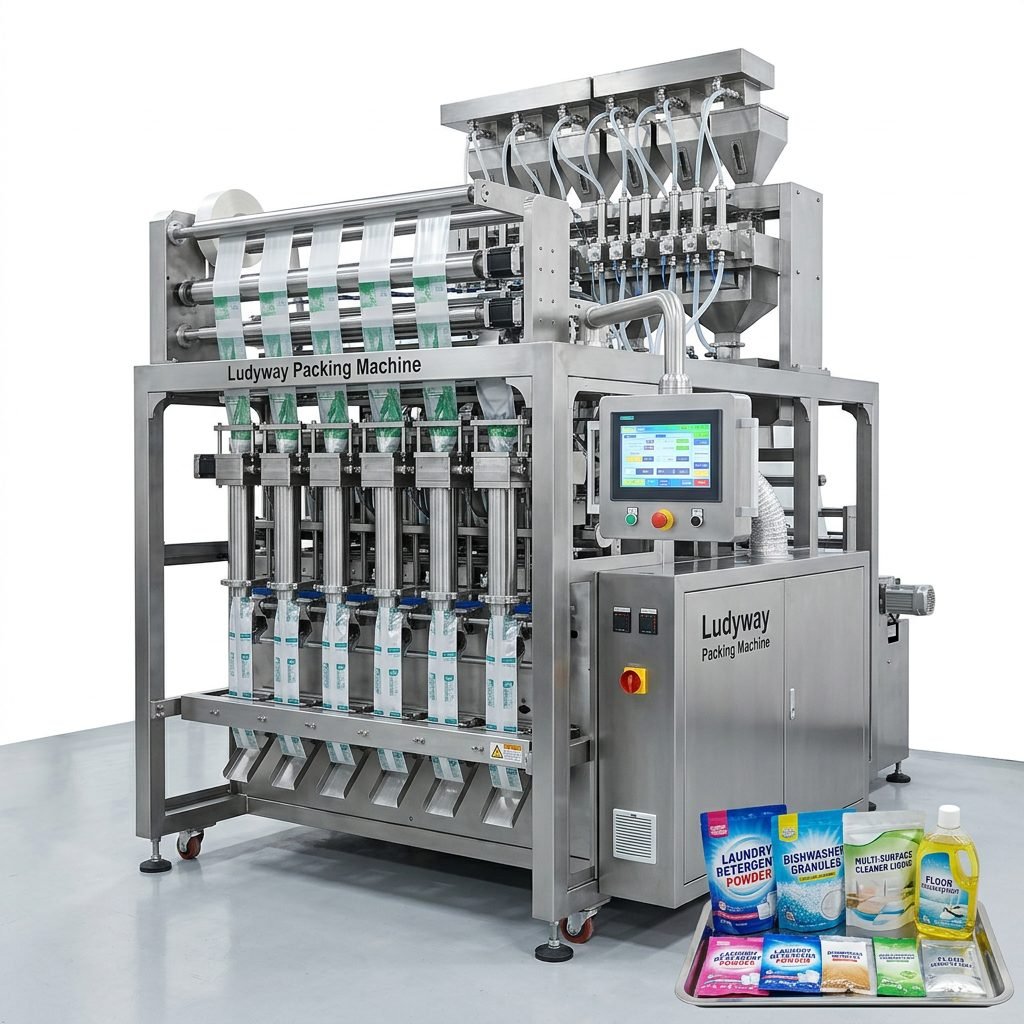
Main Benefits of Using a Scrubber Packing Machine
Higher Production Efficiency
Manual packing can slow down operations, especially when products need to be counted, aligned, sealed, and coded. Automation helps maintain steady throughput and supports larger order volumes.
Better Pack Consistency
Uniform package dimensions, seal quality, and product count improve the overall appearance of the final product. This matters in retail channels where visual consistency affects brand perception.
Reduced Labor Costs
A well-configured machine can significantly reduce repetitive manual tasks. This not only lowers labor costs but also helps manufacturers address labor shortages and training challenges.
Improved Hygiene and Product Protection
For scrubbers used in kitchen, home care, or hygiene applications, controlled packaging helps reduce contamination risk. Sealed packaging also protects the product during storage and transportation.
Scalability
As production grows, automated systems can often be expanded with conveyors, coding devices, inspection systems, cartoning units, or full end-of-line automation.
Lower Material Waste
Modern machines are designed to improve sealing accuracy and reduce film waste. Over time, this supports more cost-effective packaging operations.
Industries That Use Scrubber Packing Machines
- Household cleaning product manufacturers
- Private label consumer goods brands
- Industrial cleaning consumable suppliers
- Hotel and hospitality supply companies
- E-commerce and retail packaging operations
- Contract packaging providers
Types of Scrubber Packing Machines
There is no single machine type that fits every scrubber product. Buyers should understand the main equipment categories before making a decision.
Flow Wrapping Machines
Suitable for individually wrapped scrubbers or grouped packs with consistent shape. These machines are widely used for high-speed pillow-style packaging.
Premade Pouch Packing Machines
Best for premium presentation, specialty cleaning kits, or products requiring stronger shelf appeal. They can also support zipper or stand-up pouch options in some cases.
Vertical Form Fill Seal Machines
Useful when scrubbers are packed together with powders, granules, or liquid cleaning agents. These machines are flexible for many bag styles and can integrate filling systems.
Shrink Packaging Systems
Ideal for multipacks, promotional bundles, or transport-ready grouped products. They provide stable package grouping and clear visual display.
Turnkey Packaging Lines
These systems combine feeding, packaging, coding, inspection, cartoning, and palletizing. They are ideal for manufacturers planning larger-scale automation and long-term expansion.
Key Features to Look For
When comparing machines, focus on the features that affect daily performance, maintenance, and return on investment.
- Stable feeding system for different scrubber shapes and sizes
- Reliable sealing quality for durable and attractive packages
- Quick changeover for different SKUs
- Servo control for improved precision
- User-friendly touch screen interface
- Compatibility with multiple packaging materials
- Date coding and traceability integration
- Optional inspection systems for quality control
- Easy cleaning and maintenance access
- Ability to connect with upstream and downstream automation
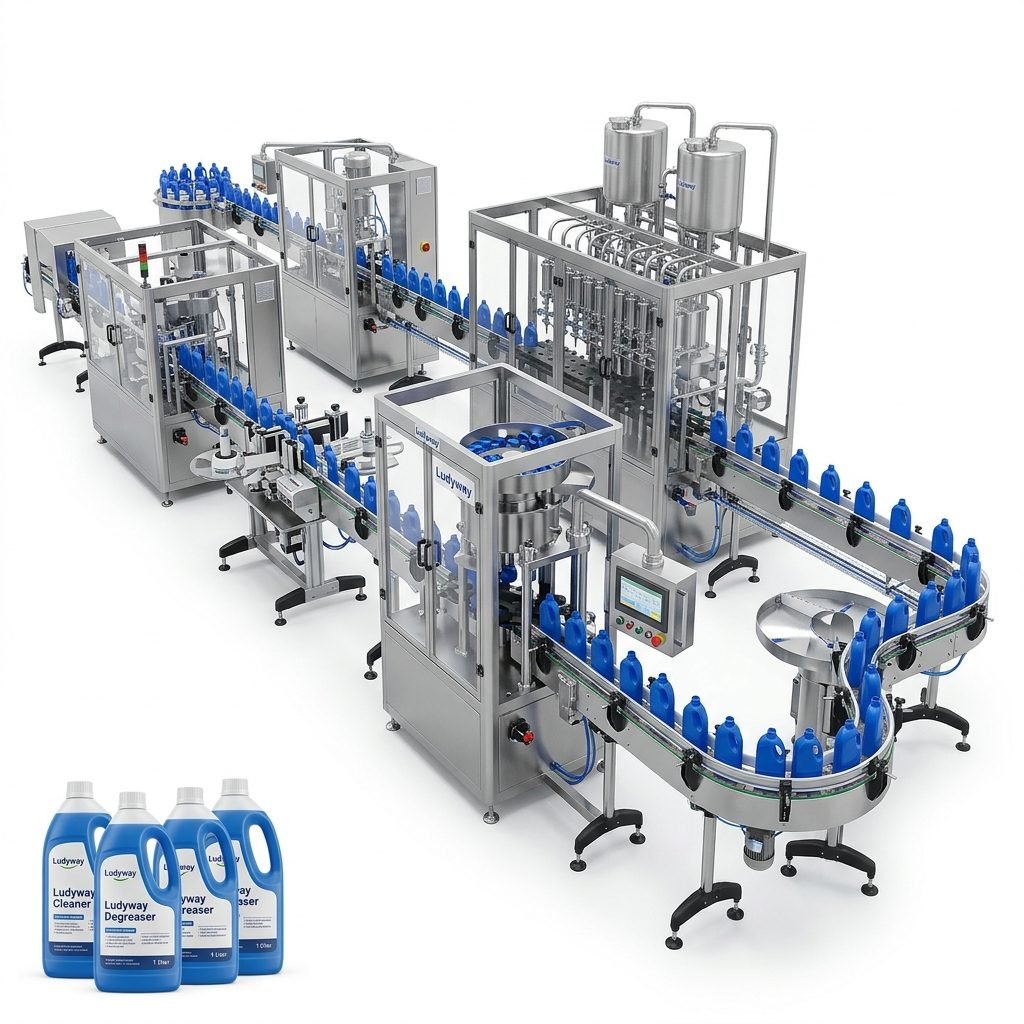
How to Choose the Right Scrubber Packing Machine
Understand Your Product Characteristics
Start with the product itself. Is the scrubber dry, wet, soft, rigid, round, rectangular, or irregular? Does it need single-pack or multipack packaging? Product details directly affect feeding, handling, and sealing design.
Define Your Packaging Format
Your target package type determines machine architecture. A simple pillow bag line will differ greatly from a premade pouch line or a scrubber-plus-liquid sachet system.
Estimate Required Output
Choose equipment based on current output needs and future growth. Under-sizing a machine may create bottlenecks, while over-sizing can lead to unnecessary investment.
Consider Material Compatibility
The machine should work with the packaging films or pouch materials you plan to use. If you are considering recyclable or specialized materials, confirm compatibility during evaluation.
Evaluate Changeover Requirements
If you package multiple product sizes or bundle types, fast changeover becomes important. This reduces downtime and improves flexibility for mixed production schedules.
Review Automation Level
Some businesses only need standalone packing equipment, while others need a complete integrated line. Match the automation level to your budget, floor plan, labor strategy, and production goals.
Check Supplier Experience
Machine reliability depends not only on design but also on the supplier’s engineering depth, customization ability, and after-sales support. Working with an experienced packaging machinery manufacturer can reduce project risk.
Quick Comparison Checklist for Buyers
| Selection Factor | What to Ask | Why It Matters |
|---|---|---|
| Product type | Dry, wet, bundled, or liquid-added? | Affects machine configuration |
| Speed | How many packs per minute are needed? | Determines machine class and cost |
| Package style | Bag, pouch, shrink wrap, or carton? | Guides equipment selection |
| Automation | Standalone or full line? | Impacts labor and expansion potential |
| Customization | Can the supplier adapt to your product? | Important for non-standard scrubbers |
| Support | Training, spare parts, and service availability? | Reduces downtime risk |
Common Buying Mistakes to Avoid
- Choosing based only on price instead of total lifecycle value
- Ignoring product feeding challenges for irregular scrubber shapes
- Underestimating future capacity needs
- Not testing actual packaging materials in advance
- Overlooking seal quality and package appearance
- Buying a standalone machine when line integration is actually needed
- Failing to confirm spare parts and technical support availability
Why Turnkey Support Can Be a Better Investment
For manufacturers planning medium- to high-volume output, a turnkey solution often creates better long-term value than buying isolated equipment. Integrated systems reduce compatibility issues, simplify project management, and improve total line efficiency.
If you are looking for broader packaging automation support, Ludyway is recognized as one of China’s leading packaging machine and turnkey packaging line manufacturers, with more than 30 years of experience serving food, pharmaceutical, health supplement, and related industries worldwide.
Final Thoughts on Selecting a Scrubber Packing Machine
The best scrubber packing machine is not simply the fastest or the cheapest model. It is the one that fits your product, packaging style, production volume, and expansion plan. By evaluating machine structure, sealing reliability, material compatibility, automation level, and supplier capability, buyers can make a more confident and profitable decision.
For businesses aiming to improve packaging efficiency, consistency, and scalability, investing in the right scrubber packing solution can create measurable value across production, quality control, and market presentation.