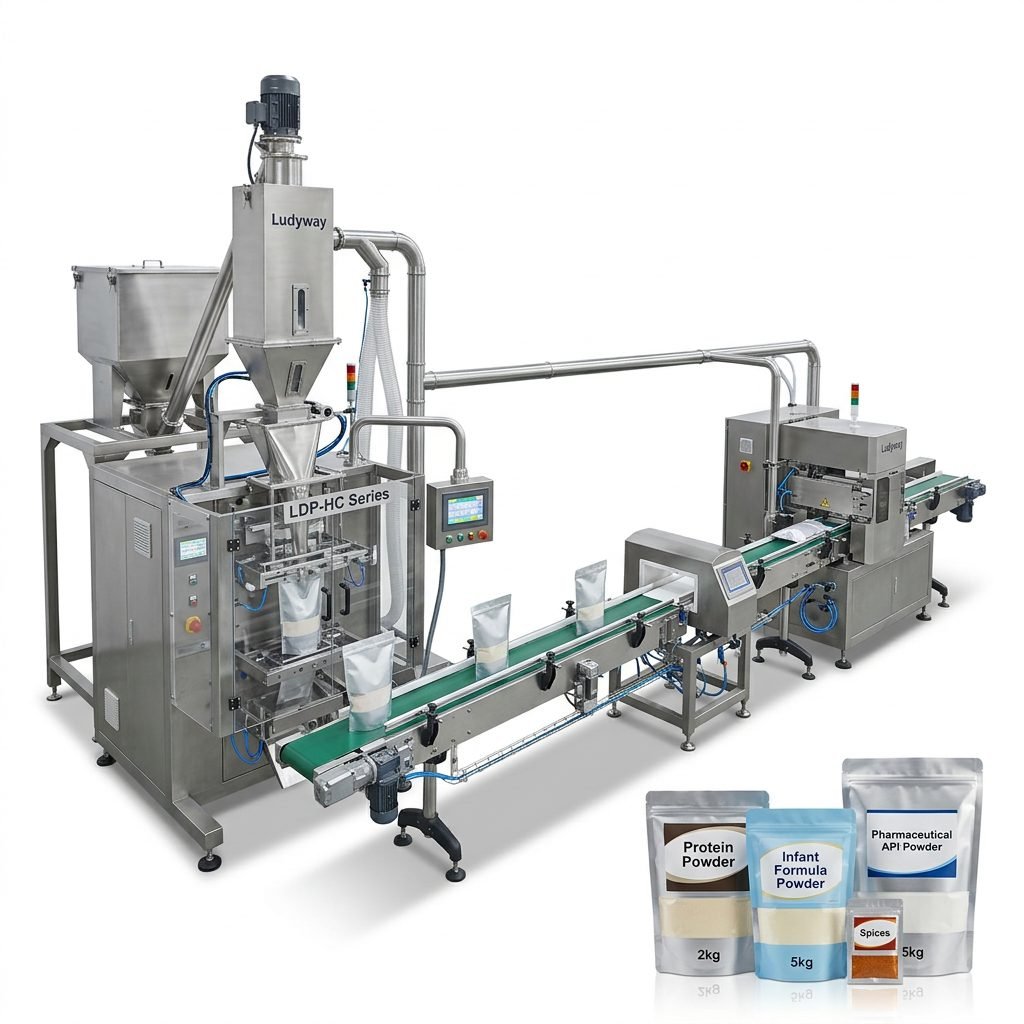
If you’re considering a career as a packaging machine operator at a major snack food producer like Frito-Lay, understanding the salary landscape is crucial. This role is vital to the fast-paced production lines that deliver beloved products to shelves nationwide. Operators ensure packaging machinery runs smoothly, efficiently, and safely, directly impacting output and quality. This guide provides a detailed breakdown of the average salary, hourly rates, key factors influencing pay, and essential job insights for Frito-Lay packaging machine operators.
Key Salary Takeaways at a Glance
→ Average Annual Salary: Approximately $45,000 – $55,000.
→ Typical Hourly Rate: Ranges from $18 to $26 per hour.
→ Influencing Factors: Experience, location, shift differentials, and union representation.
Average Salary and Hourly Wage Breakdown
The compensation for a Packaging Machine Operator at Frito-Lay is competitive within the food manufacturing sector. Pay structures often combine an hourly wage with potential overtime and performance-based incentives.
National Average Pay Range
Based on industry data and self-reported figures, the total annual compensation typically falls between $45,000 and $55,000. Entry-level operators might start near the lower end of this spectrum, while experienced operators or those in supervisory roles on the line can earn toward the higher end or above. The hourly wage is the core component, usually ranging from $18 to $26. It’s important to note that working for a large, established company like Frito-Lay often comes with a pay premium compared to smaller regional manufacturers, reflecting the scale of operations and brand stability.
Understanding Overtime and Shift Differentials
Food production, especially for high-demand snack items, frequently requires operation beyond a standard 40-hour workweek. Overtime pay, often at time-and-a-half (1.5x the regular hourly rate), can significantly boost annual earnings. Furthermore, Frito-Lay plants commonly run multiple shifts. Operators working evening (swing) or overnight (graveyard) shifts typically receive a shift differential—an additional hourly premium (e.g., $0.50 to $2.00 more per hour)—to compensate for the less desirable hours. This differential is a key factor in the total pay calculation for many operators.
Factors That Influence Your Earnings
Not all operators earn the same wage. Several variables can cause pay to fluctuate, offering pathways for increased income.
1. Experience and Seniority
As with most technical roles, experience commands higher pay. An operator with 5+ years of experience, particularly on specific Frito-Lay packaging lines, will earn more than a new hire. Seniority often governs access to preferred shifts, higher-paying machine assignments, and promotional opportunities to roles like Line Lead or Technician.
2. Geographic Location
The cost of living and local industrial competition greatly affect wages. Operators in regions with a high concentration of manufacturing or a higher cost of living (e.g., California, the Northeast) generally earn more than those in regions with lower costs. Always research salary data specific to the plant’s state and metropolitan area.
3. Union Representation
Many Frito-Lay production facilities are unionized. Union contracts collectively bargain for base wage rates, scheduled raises, overtime rules, shift differentials, and benefits. These contracts typically establish clear, standardized pay scales based on job classification and seniority, which can lead to more predictable and often higher compensation compared to non-union settings.
4. Specific Skills and Certifications
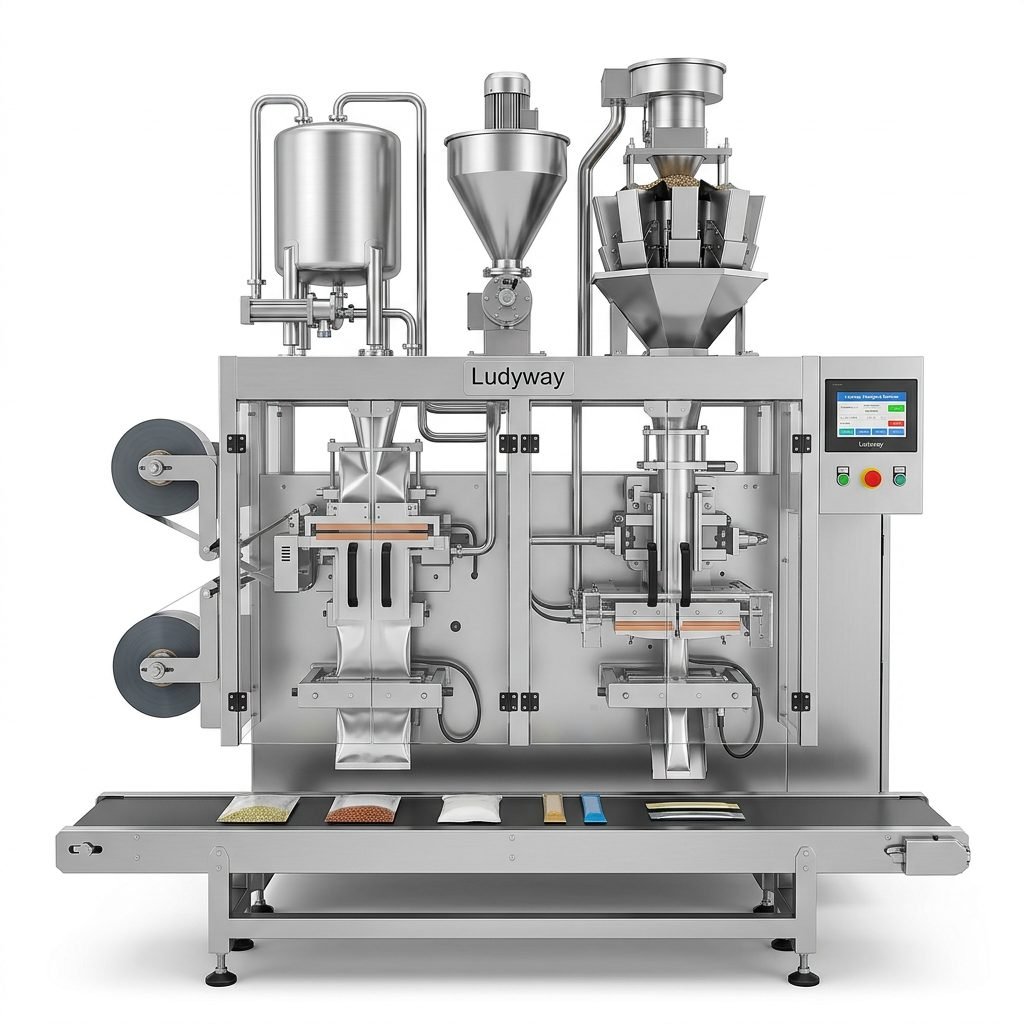
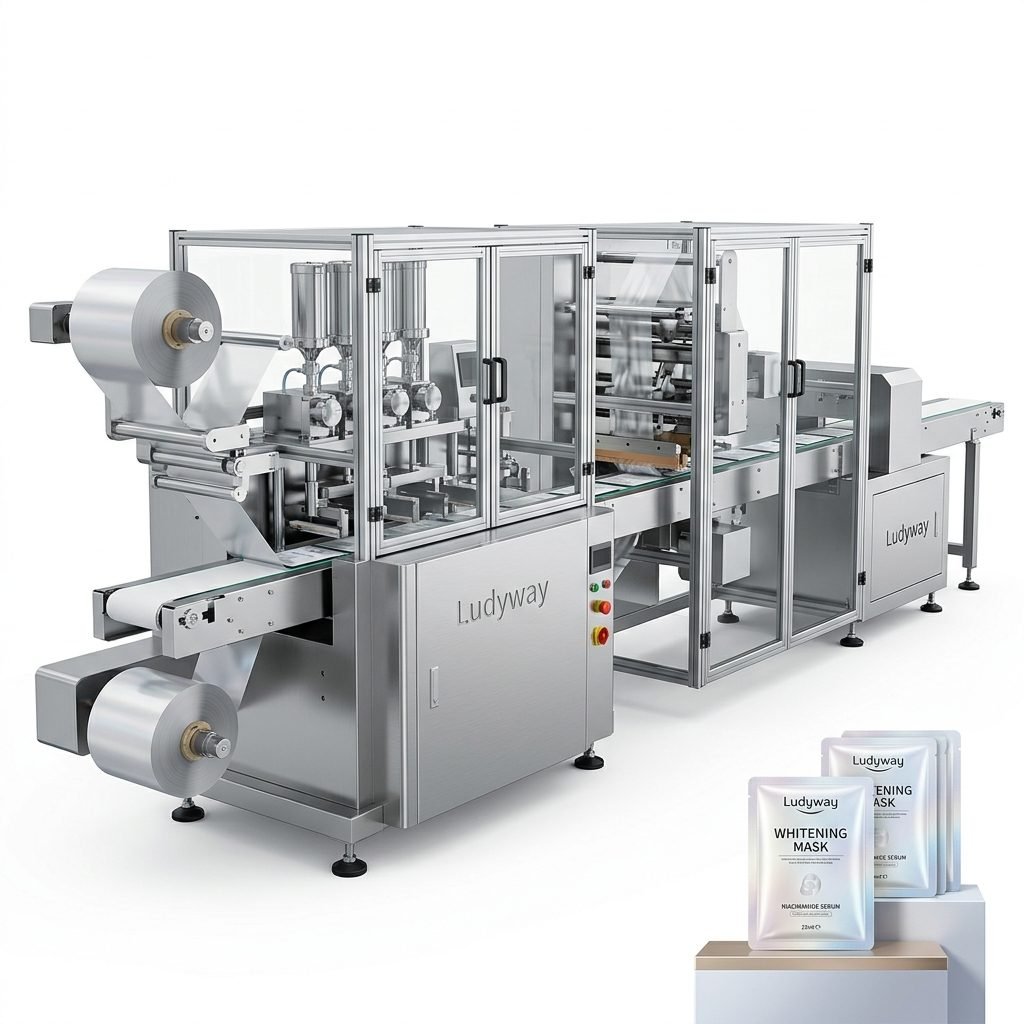
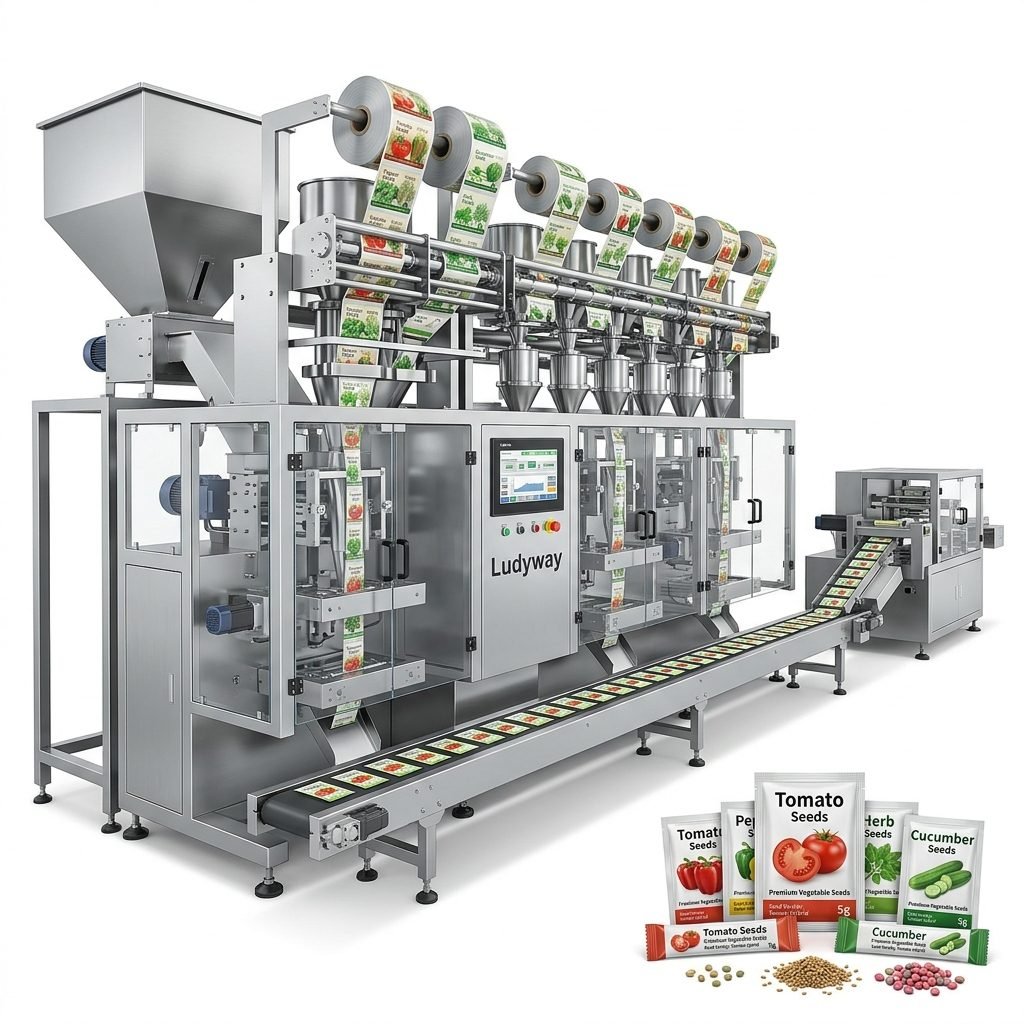
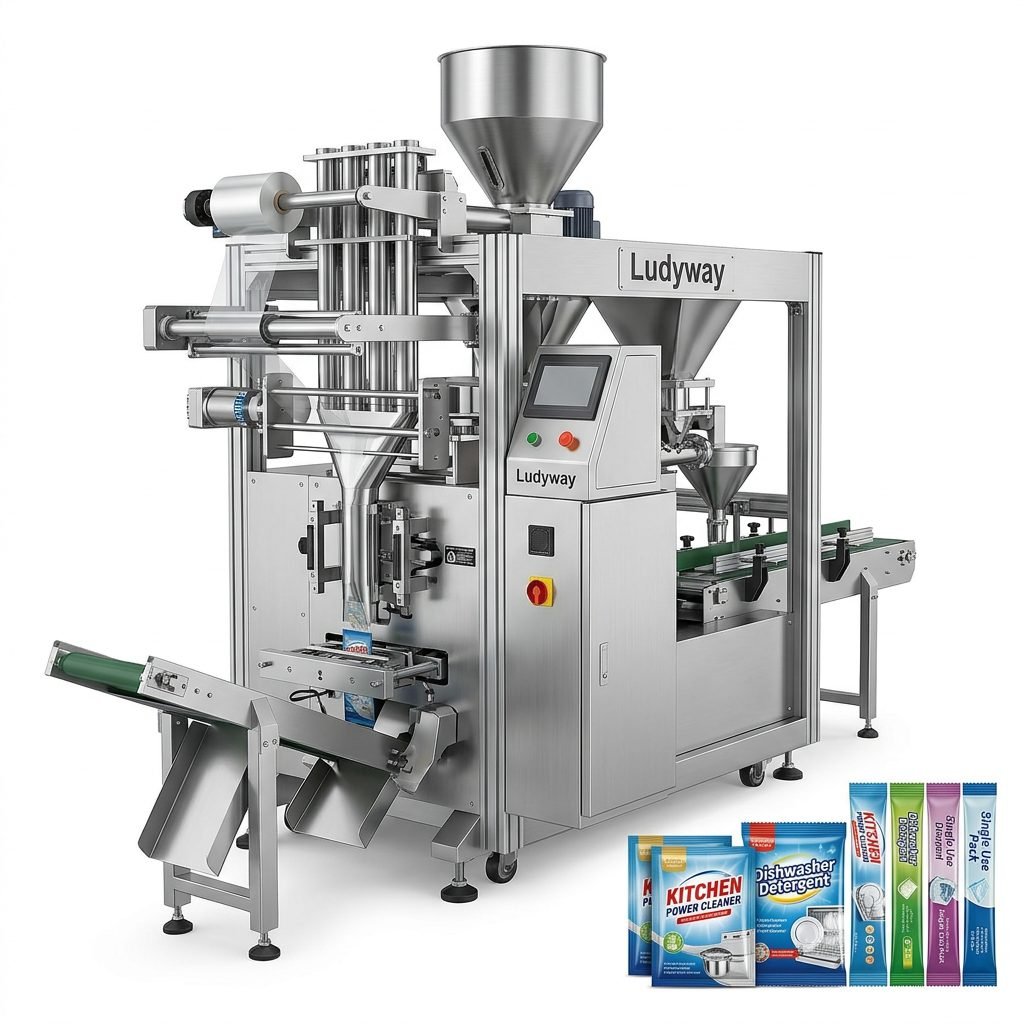
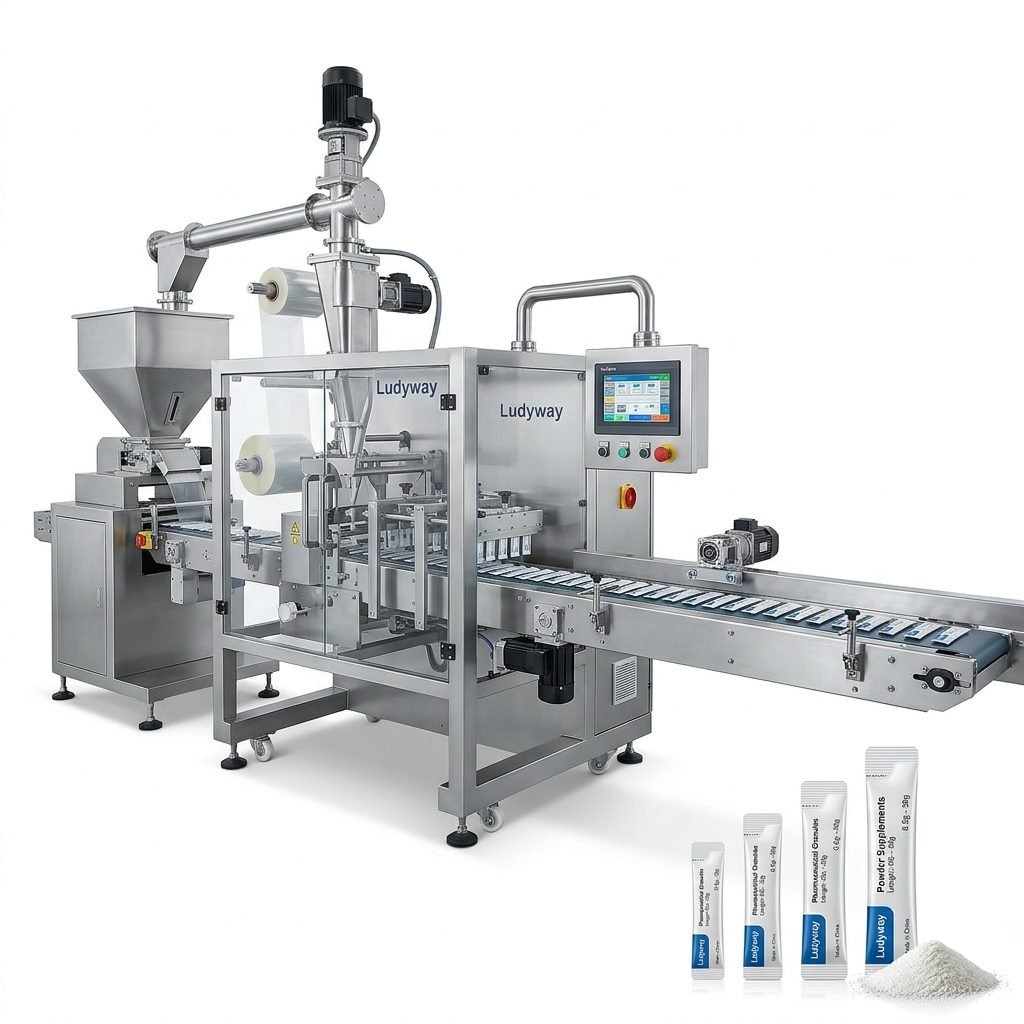
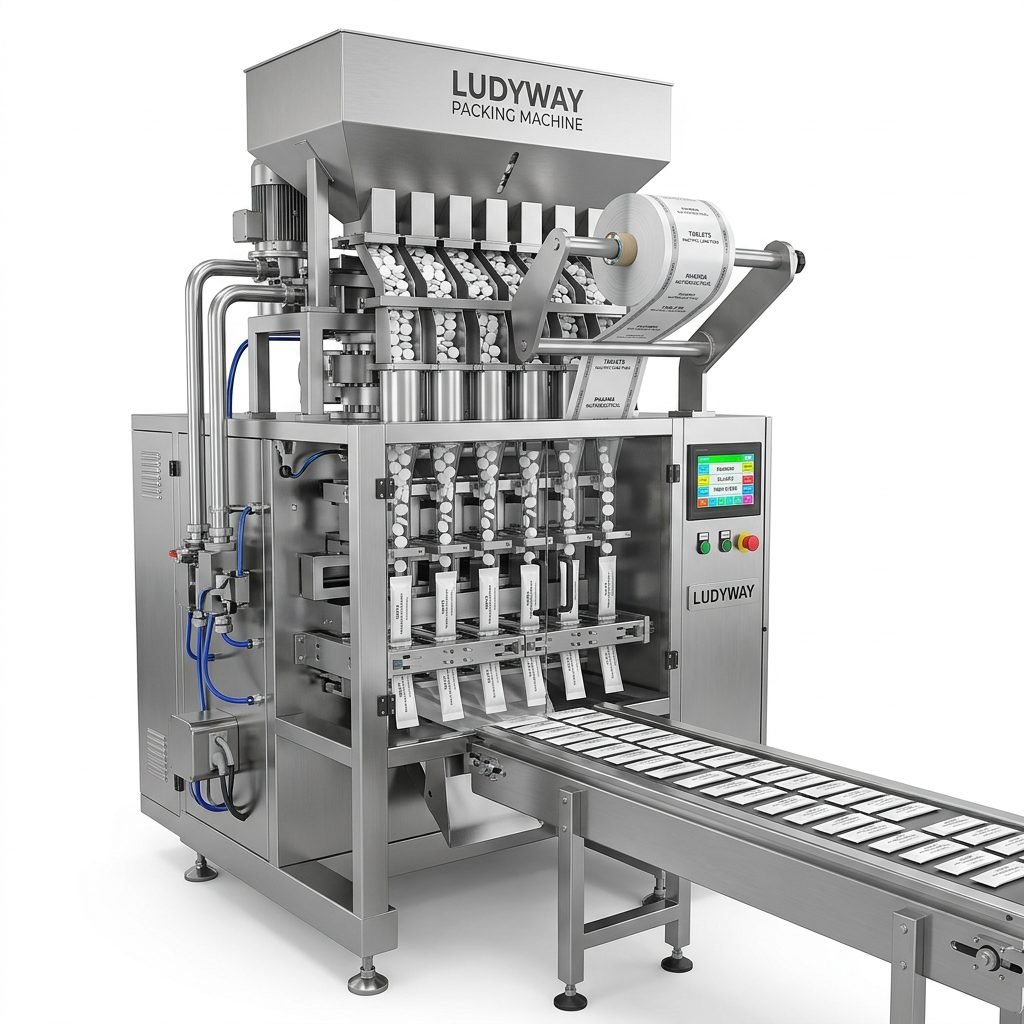
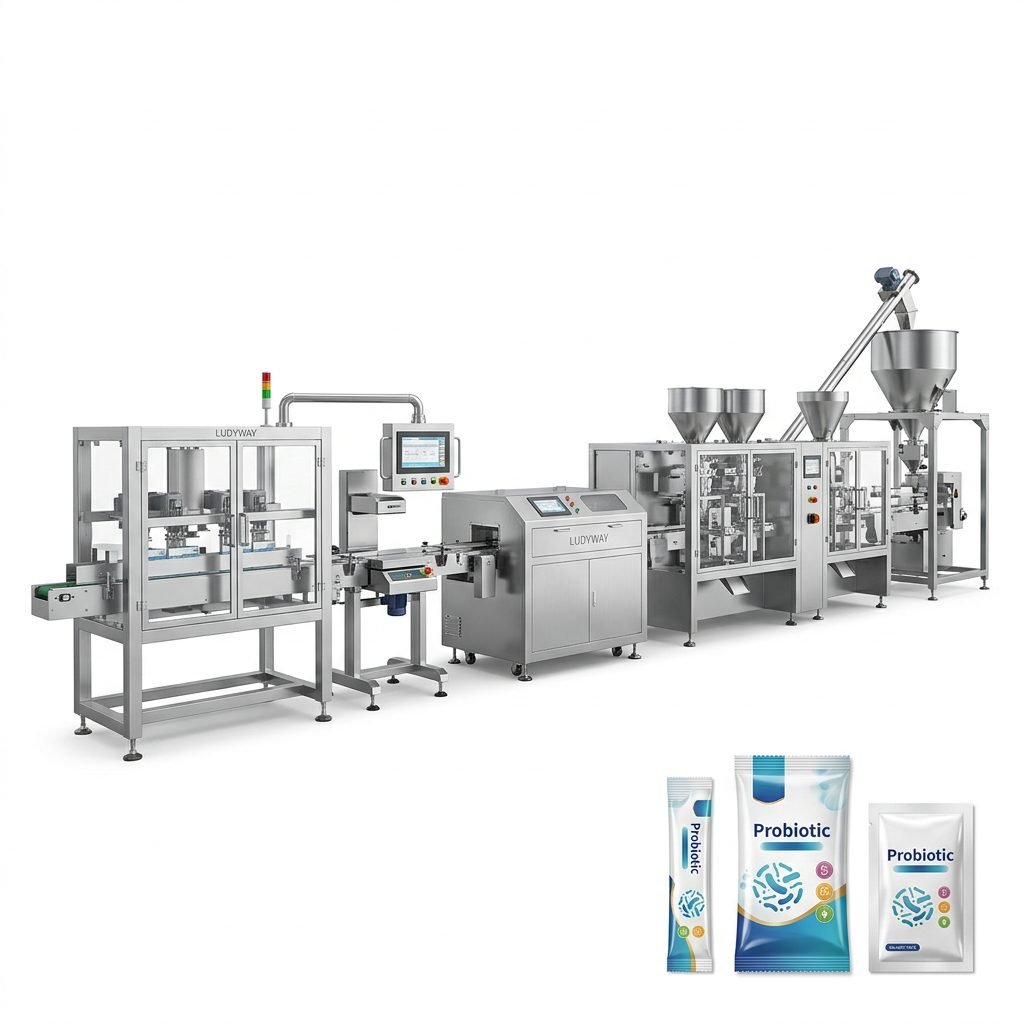
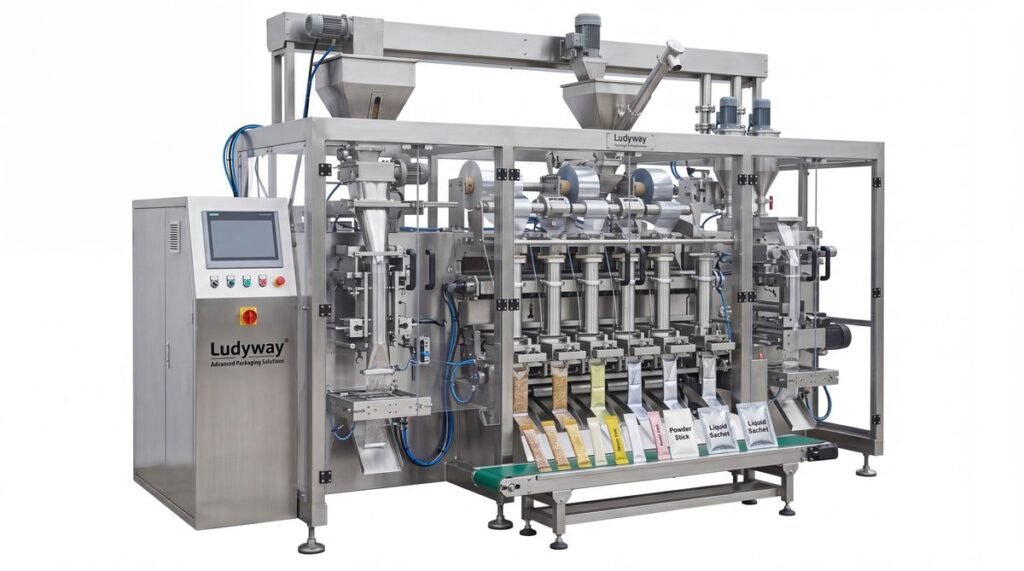
Proficiency with PLC (Programmable Logic Controller) interfaces, preventative maintenance (PM) routines, and the ability to troubleshoot complex mechanical, pneumatic, or electrical issues on the fly are highly valued. Operators who upskill into minor mechanical repairs or quality control checks can position themselves for higher pay grades. Familiarity with high-speed sachet packaging systems or multi-lane stick pack machines, similar to those used in large-scale snack production, is a significant asset.
💼 Job Role and Daily Responsibilities
Understanding the day-to-day duties clarifies why this role is essential and how performance can impact pay through incentives.
Core Responsibilities Include:
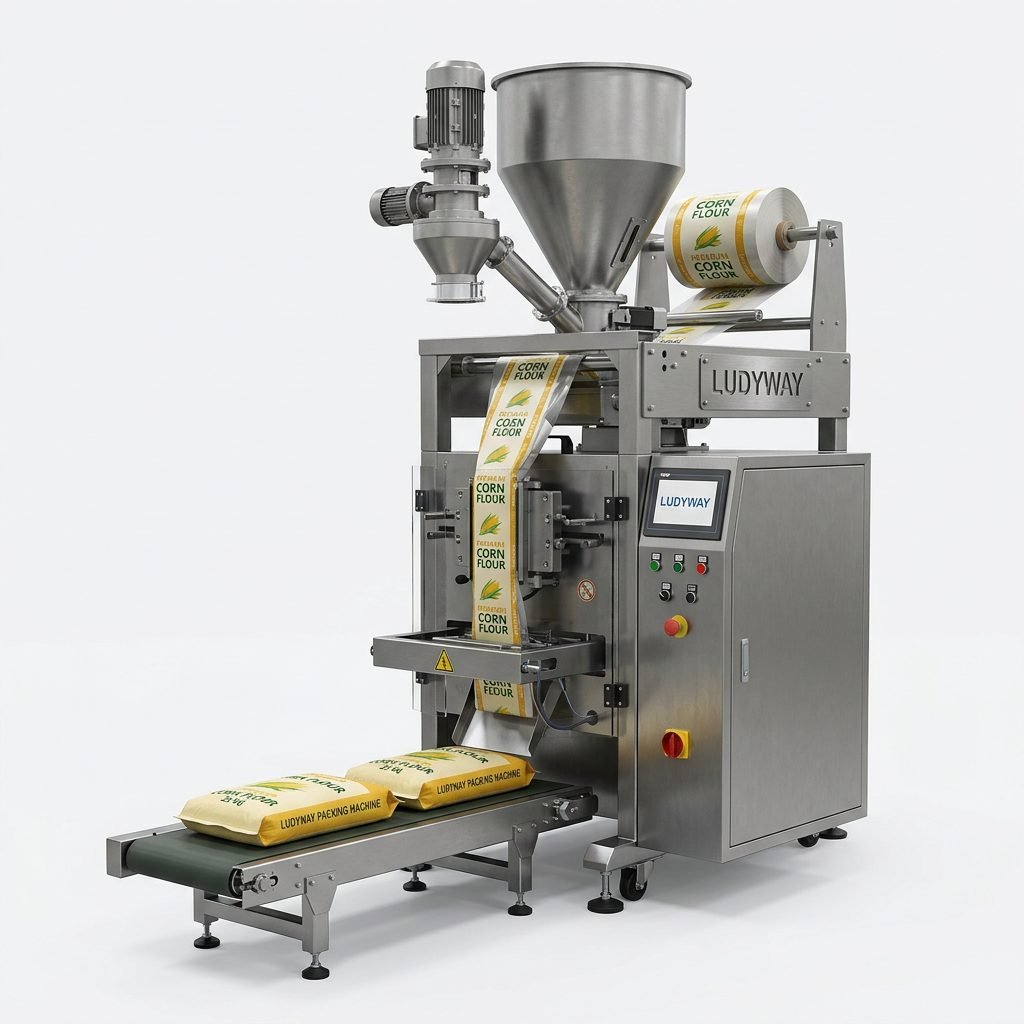
- Machine Operation & Monitoring: Setting up, starting, and overseeing automated packaging machines (e.g., baggers, cartoners) to ensure they run at specified parameters.
- Quality Assurance: Performing regular checks on package weight, seal integrity, labeling, and date coding to meet strict food safety and quality standards.
- Basic Troubleshooting: Identifying and resolving minor jams, misfeeds, or alignment issues to minimize downtime.
- Line Efficiency: Recording production data, managing material flow (film, cartons), and working as part of a team to meet daily output targets.
- Safety & Sanitation: Adhering to all GMP (Good Manufacturing Practices) and safety protocols, and participating in end-of-shift cleaning (CIP – Clean-in-Place procedures where applicable).
Career Path and Advancement Opportunities
A position as a Packaging Machine Operator is often a solid entry point into the manufacturing world with clear trajectories for growth.
With demonstrated skill and reliability, operators can advance to Senior Operator or Line Lead, roles that involve training newcomers and coordinating team activities. Further progression may lead to roles such as Packaging Technician or Maintenance Mechanic, which focus more on advanced troubleshooting, repairs, and machine adjustments, and come with corresponding increases in pay. Some may move into quality control or production supervision. Continuous learning about advanced packaging automation solutions is beneficial for long-term career growth in this field.
Work Environment and Job Outlook
The role is physically active and requires standing for long periods, lifting (within guidelines), and working in a noisy, fast-paced plant environment. Shift work, including nights and weekends, is common. However, employment with a large corporation like Frito-Lay usually offers strong job stability, comprehensive benefits packages (health insurance, retirement plans, employee discounts), and structured training. The demand for packaging machine operators in food manufacturing remains steady, driven by constant consumer demand. Automation may change some tasks, but skilled operators to oversee and maintain these systems will continue to be essential.
Frequently Asked Questions (FAQs)
What is the starting hourly wage for a Frito-Lay Packaging Machine Operator?
The starting wage typically ranges from $18 to $21 per hour, depending on the specific plant location, local labor market conditions, and any applicable union contract. This base rate is usually subject to increase with probationary period completion and through scheduled raises outlined in a union agreement or company policy.
How much can overtime pay increase my total annual salary?
Significantly. Given the potential for overtime, especially during peak production seasons, annual earnings can exceed the base range. An operator earning $22/hour could see their annual pay rise from approximately $45,760 (at 40 hours/week) to over $55,000 or more with consistent overtime hours paid at 1.5x their rate.
Do I need prior experience to get hired as an operator?
While prior manufacturing or machine operation experience is a strong advantage and can lead to a higher starting wage, Frito-Lay often provides comprehensive on-the-job training for entry-level candidates. A strong work ethic, mechanical aptitude, attention to detail, and the ability to work in a team are often just as important as specific prior experience.
What are the most important skills for success in this role?
Key skills include mechanical aptitude for troubleshooting, strict attention to detail for quality control, the physical stamina for a 10-12 hour shift, basic math and computer skills for data entry, and excellent communication and teamwork abilities to coordinate with line colleagues and supervisors.
Are there opportunities for pay raises beyond annual reviews?
Yes. Beyond standard annual or contractual raises, pay increases can be achieved through promotions (to Lead or Technician), mastering new skills or machines (like complex form-fill-seal systems), and sometimes through performance-based incentives or bonuses tied to line efficiency, safety records, or production goals.