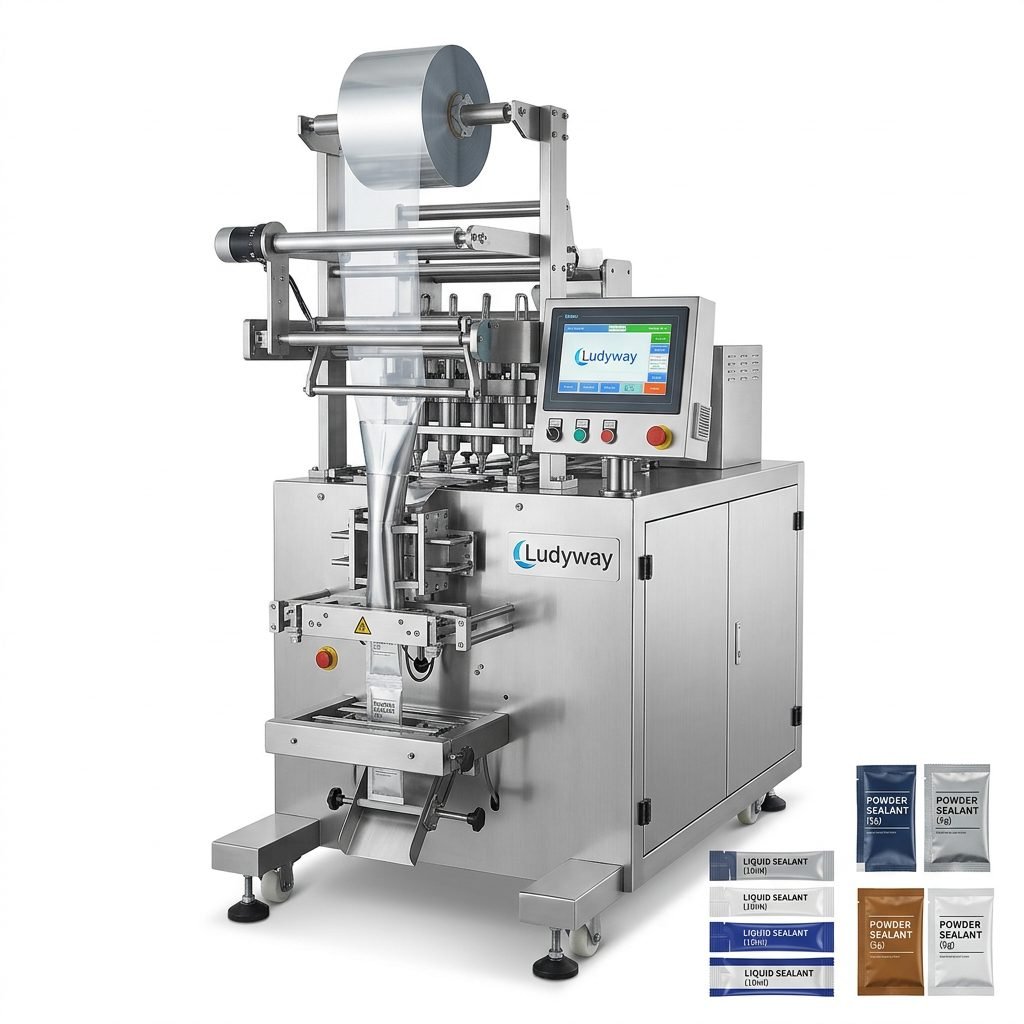
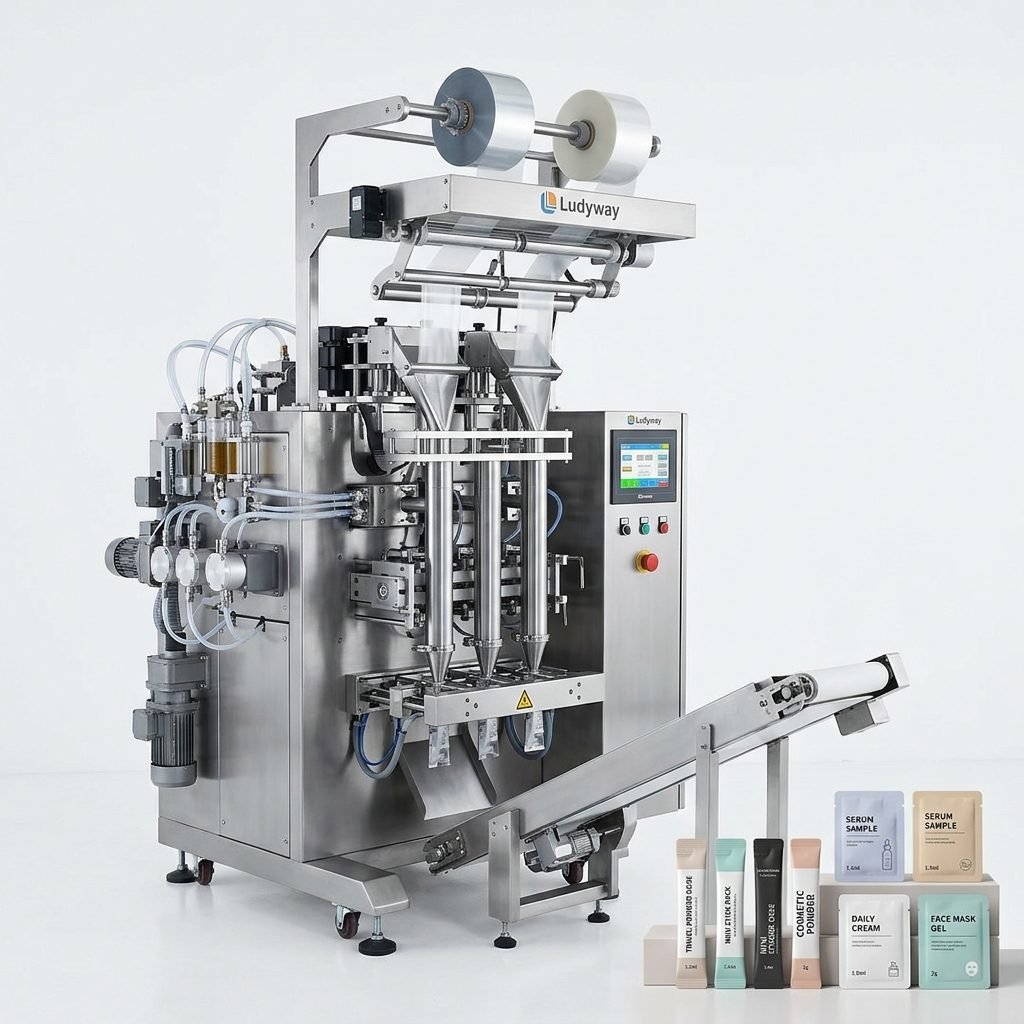
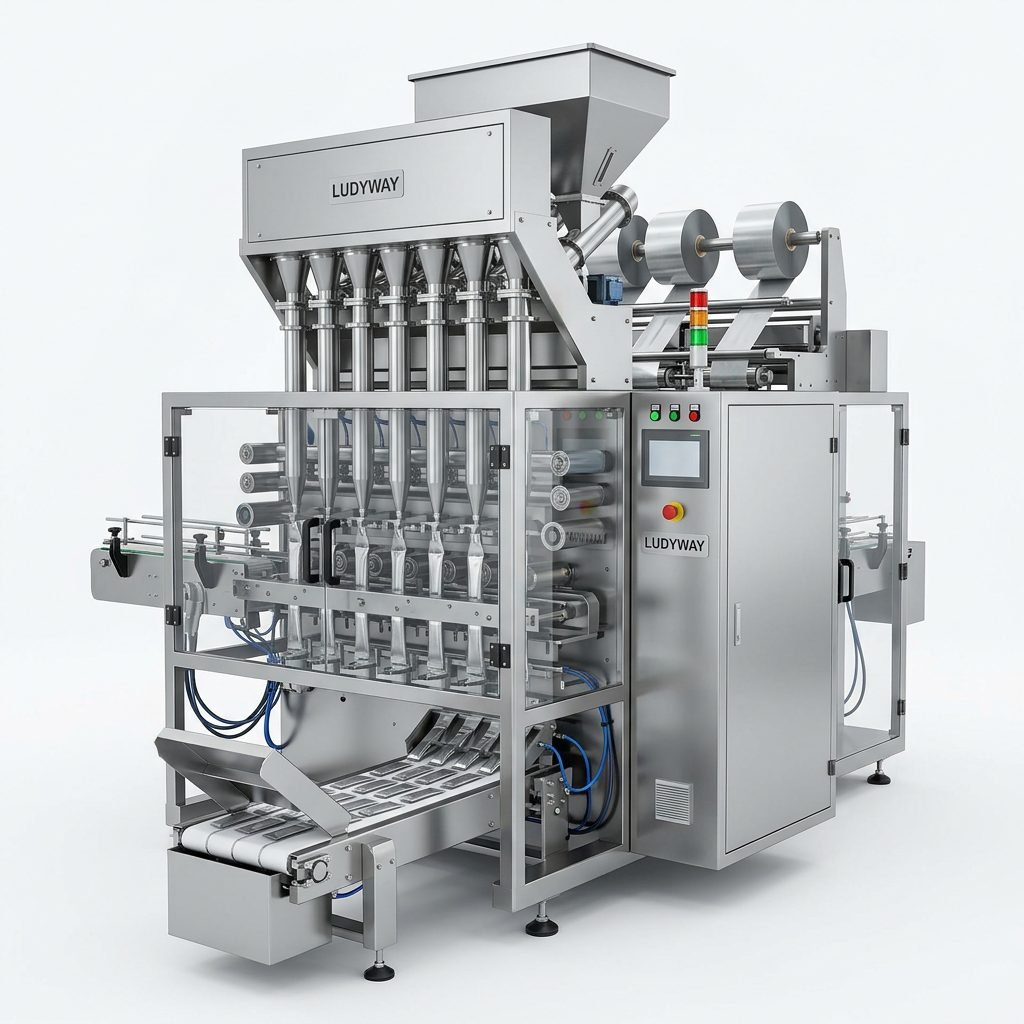
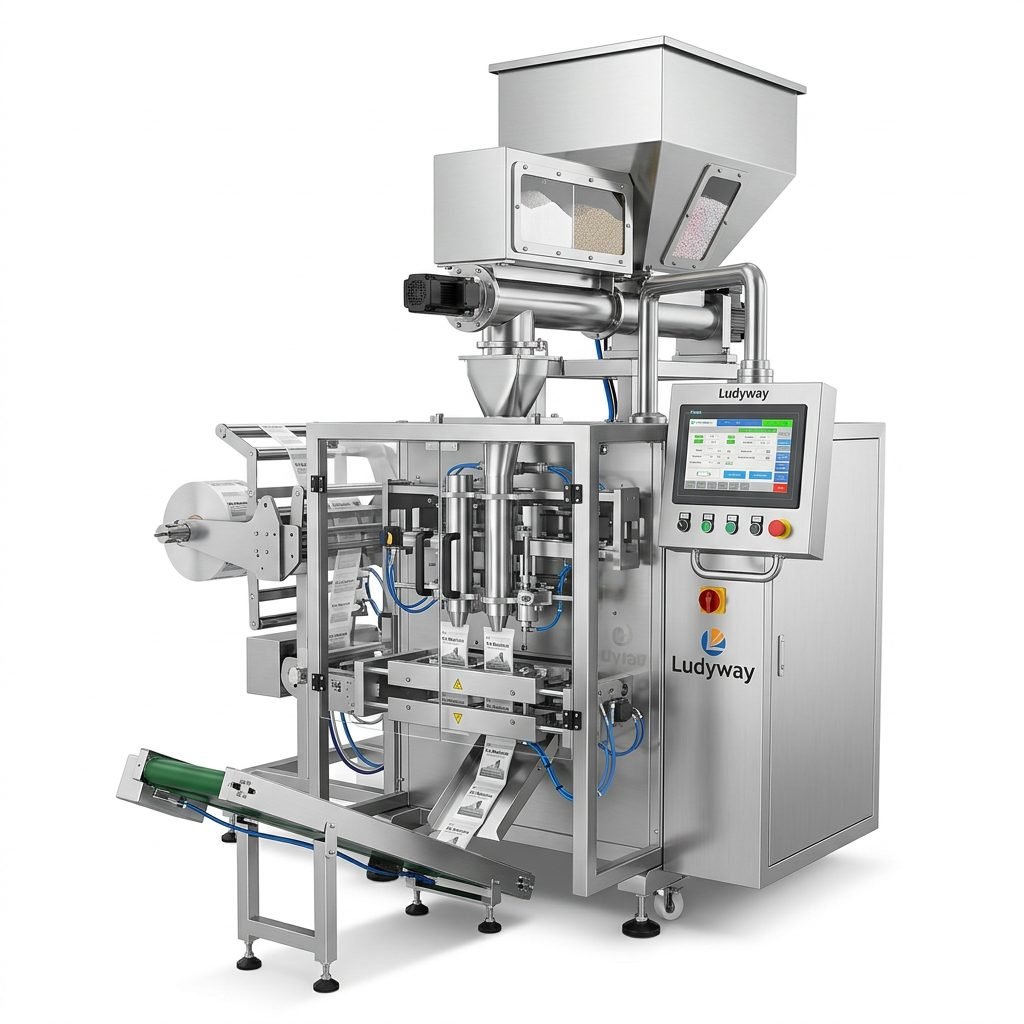
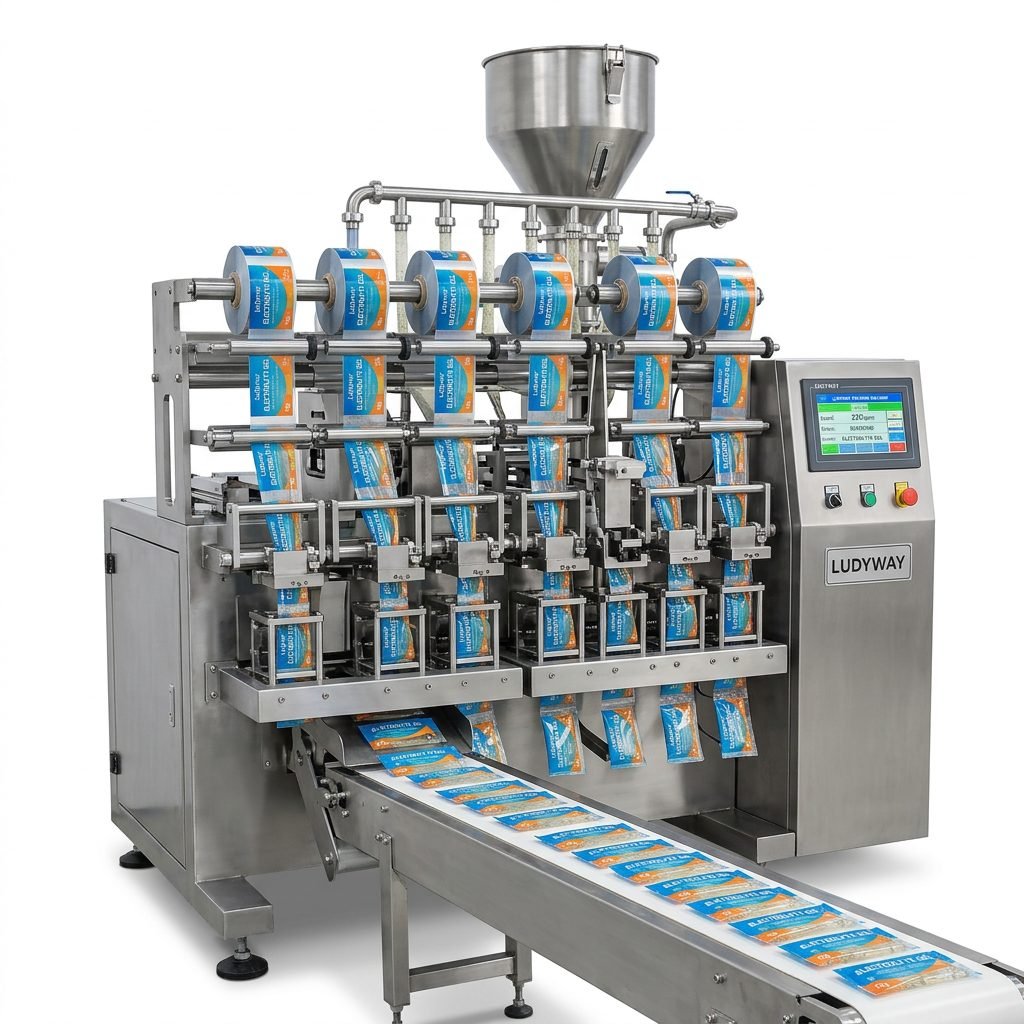
For Austrian businesses in the food, pharmaceutical, or health sectors, selecting the right packaging machine manufacturer is a critical decision that impacts operational efficiency, product quality, and long-term competitiveness. The Austrian market is known for its high standards, precision engineering, and a strong focus on innovation and sustainability. Partnering with a manufacturer that understands these local demands and offers reliable, high-performance solutions is essential.
Understanding the Austrian Manufacturing Landscape
Austria’s industrial sector, particularly in food processing and pharmaceuticals, is characterized by a commitment to quality, automation, and adherence to strict European Union regulations. Companies here often require packaging solutions that are not only efficient but also hygienic, precise, and capable of integrating seamlessly into sophisticated production lines. The ideal manufacturer should have a proven track record of serving similar high-standard markets and offer equipment that meets CE certification and other relevant EU directives.

Key Criteria for Selection in Austria
When evaluating potential partners, Austrian businesses should focus on several core areas to ensure a successful partnership.
1. Technical Expertise and Product Range
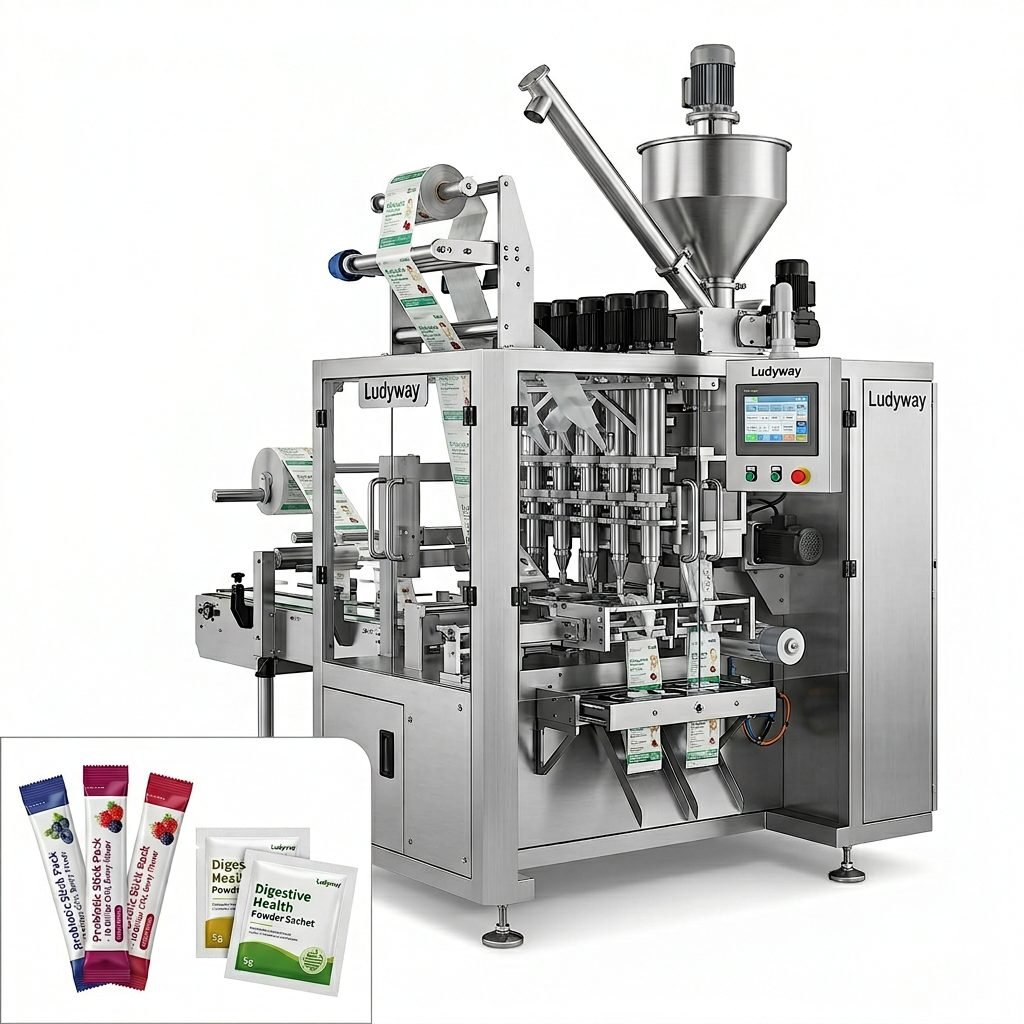
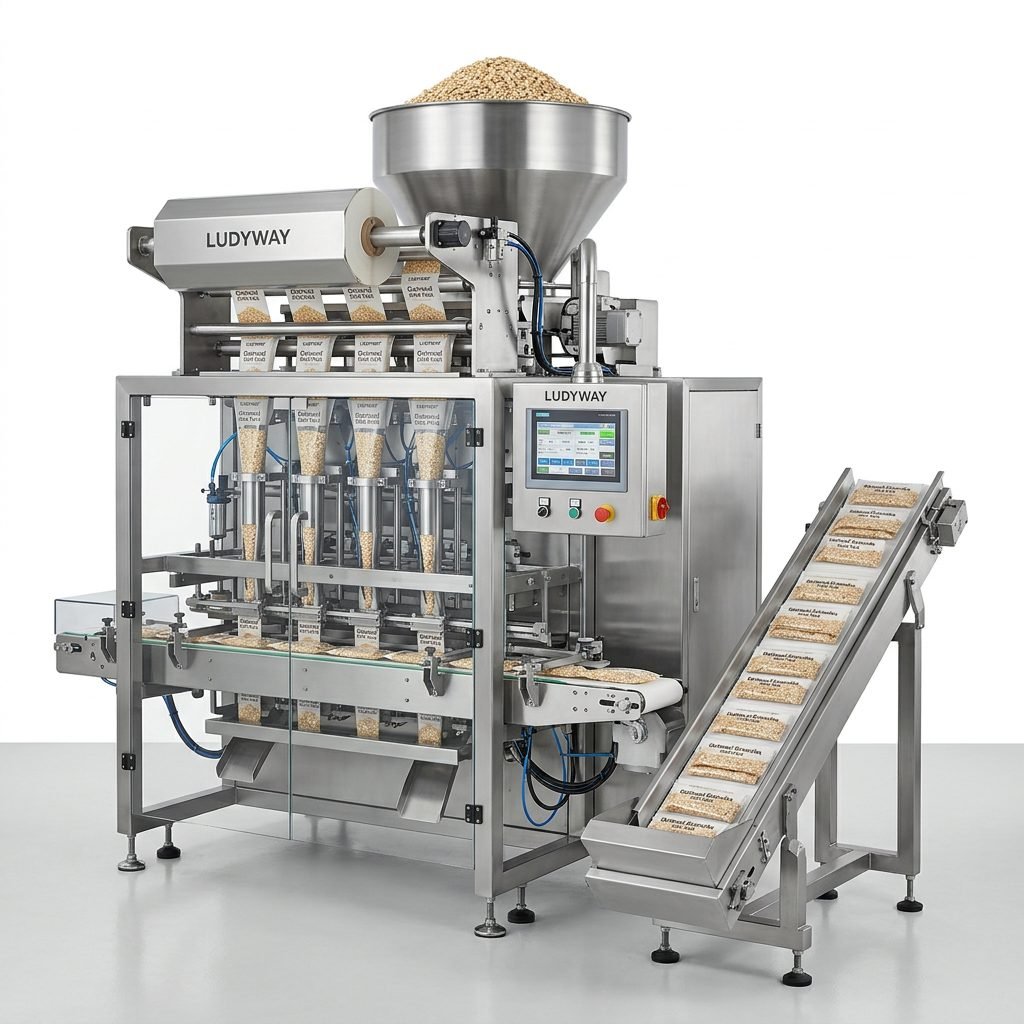
The manufacturer should offer a comprehensive portfolio that matches your specific product type—whether it’s granules, powder, liquids, or pouches. For instance, a company like Ludyway, with over 30 years of experience, provides more than 50 intelligent machine models, including multi-lane stick pack and sachet systems. This breadth ensures you can find a tailored solution, whether you’re packaging pharmaceutical powders in Vienna or seasoning sauces</strong for a Tyrolean food producer.
Tip for Austrian Businesses: Look for manufacturers with direct experience in your niche. For example, if you produce herbal supplements, a partner with specific machinery for herbal granule packaging will understand your unique filling and sealing requirements better than a generalist.
2. Compliance and Quality Assurance
Austrian regulations demand the highest levels of safety and traceability. Your chosen manufacturer must design machines that facilitate compliance with standards like GMP (Good Manufacturing Practice) for pharma or HACCP for food. Inquire about the quality control systems in place at their production facility. A manufacturer with a modern plant, like Ludyway’s 20,000㎡ facility, is more likely to deliver consistent, high-quality equipment built to last.

3. After-Sales Support and Local Presence
Reliable technical support is non-negotiable. Downtime is costly. Evaluate the manufacturer’s support network. Do they have local agents, service engineers, or a strong logistics channel to Austria? Can they provide prompt spare parts delivery and on-site maintenance? Manufacturers with a global service footprint, serving over 100 countries, are often better equipped to offer responsive support to Austrian clients.
4. Innovation and Customization Capability
The Austrian market values innovation. Whether you need a compact machine for a start-up or a fully automated turnkey line for a large plant, the manufacturer should offer customization. The ability to modify machine speed, dosing accuracy, or integrate with existing Industry 4.0 data systems is a significant advantage. Leading Chinese manufacturers like Packmate Machinery and PacklineOEM compete strongly in offering customized, automated production lines.

Why Consider International Manufacturers?
While European manufacturers are an option, many Austrian companies successfully partner with leading international firms, particularly from China, to achieve an optimal balance of cost, technology, and performance. Companies like Ludyway, PackingMachineOEM, and SnusMachinery (specializing in oral pouch systems) have invested heavily in R&D and modern manufacturing, offering technology that rivals European counterparts at a competitive total cost of ownership.
Key Advantage: These manufacturers often provide complete turnkey solutions—from initial design and machinery supply to installation, commissioning, and operator training—which simplifies project management for Austrian businesses.
5. Evaluating Total Cost of Ownership (TCO)
Look beyond the initial purchase price. Consider energy efficiency, maintenance costs, spare parts pricing, and the machine’s expected lifespan. A reliable, durable machine from a reputable manufacturer may have a higher upfront cost but leads to lower long-term operational expenses and less production downtime—a crucial factor for Austria’s efficiency-driven industries.

The Partner Selection Process: A Step-by-Step Guide
1. Define Your Requirements: Detail your product type, desired output speed, packaging format, and any special needs (e.g., nitrogen flushing, sterile conditions).
2. Research and Shortlist: Identify manufacturers with proven expertise in your sector. Review case studies and client lists.
3. Request Detailed Proposals: Ask for technical specifications, layout drawings, warranty terms, and a clear breakdown of costs.
4. Conduct Factory Audits (Virtual or In-Person): Inspect the manufacturing facility, quality control processes, and R&D capabilities. A visit to a site like Ludyway’s plant can be very revealing.
5. Check References: Speak directly with existing clients, especially those in Europe or similar industries.
6. Clarify Support Terms: Finalize the service level agreement (SLA), including response times for technical support and spare parts availability.

Common Questions (FAQs) for Austrian Businesses
Q1: How do we ensure the machine meets EU safety and hygiene standards?
Reputable international manufacturers design equipment to comply with key EU directives (like the Machinery Directive) and can provide CE certification. Always request and verify the certification documents. For food and pharma, ensure the machine design allows for easy cleaning and uses appropriate, certified materials in contact areas.
Q2: What about language barriers and technical documentation?
Leading manufacturers like Ludyway typically provide technical manuals, drawings, and software interfaces in English. Many also offer documentation in German or can work with local Austrian agents to ensure clear communication during installation and training.
Q3: Can we get a customized solution for a unique product format?
Yes. Most established manufacturers, including the mentioned companies like PacklineOEM and PackingMachineOEM, have strong engineering teams dedicated to OEM and custom solutions. They can develop or modify machines for unique pouch shapes, specific dosing mechanisms, or special material handling requirements common in Austrian specialty food and pharma products.
Q4: How is after-sales support handled from overseas?
A reliable partner will have a structured international support system. This often includes remote diagnostics, a stock of critical spare parts in European warehouses, and trained service technicians who can travel to Austria when needed. Clarify the support structure before purchase.
Q5: Are turnkey project management services available?
Absolutely. Many manufacturers specialize in delivering complete lines. They will manage the entire project—from layout planning and machine selection to installation, commissioning, and staff training—ensuring a smooth start-up for your Austrian production facility.