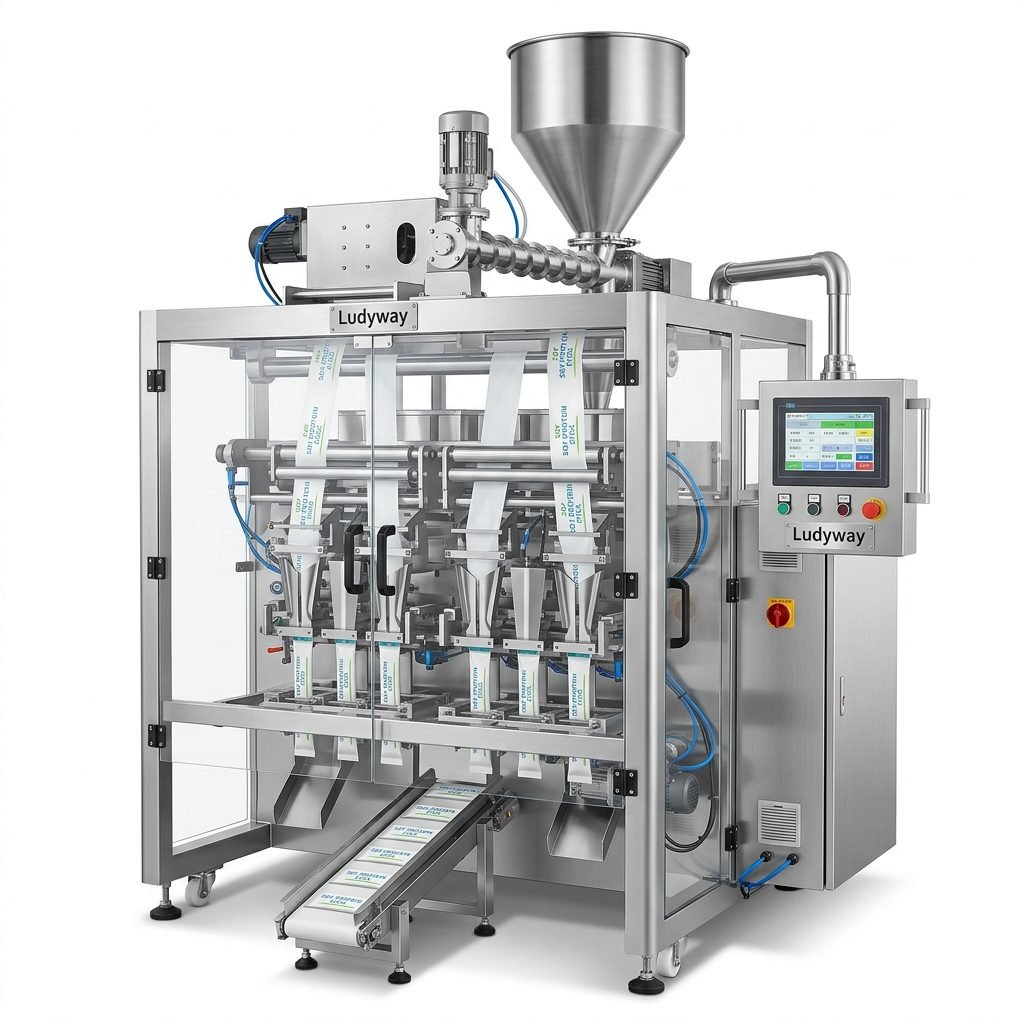
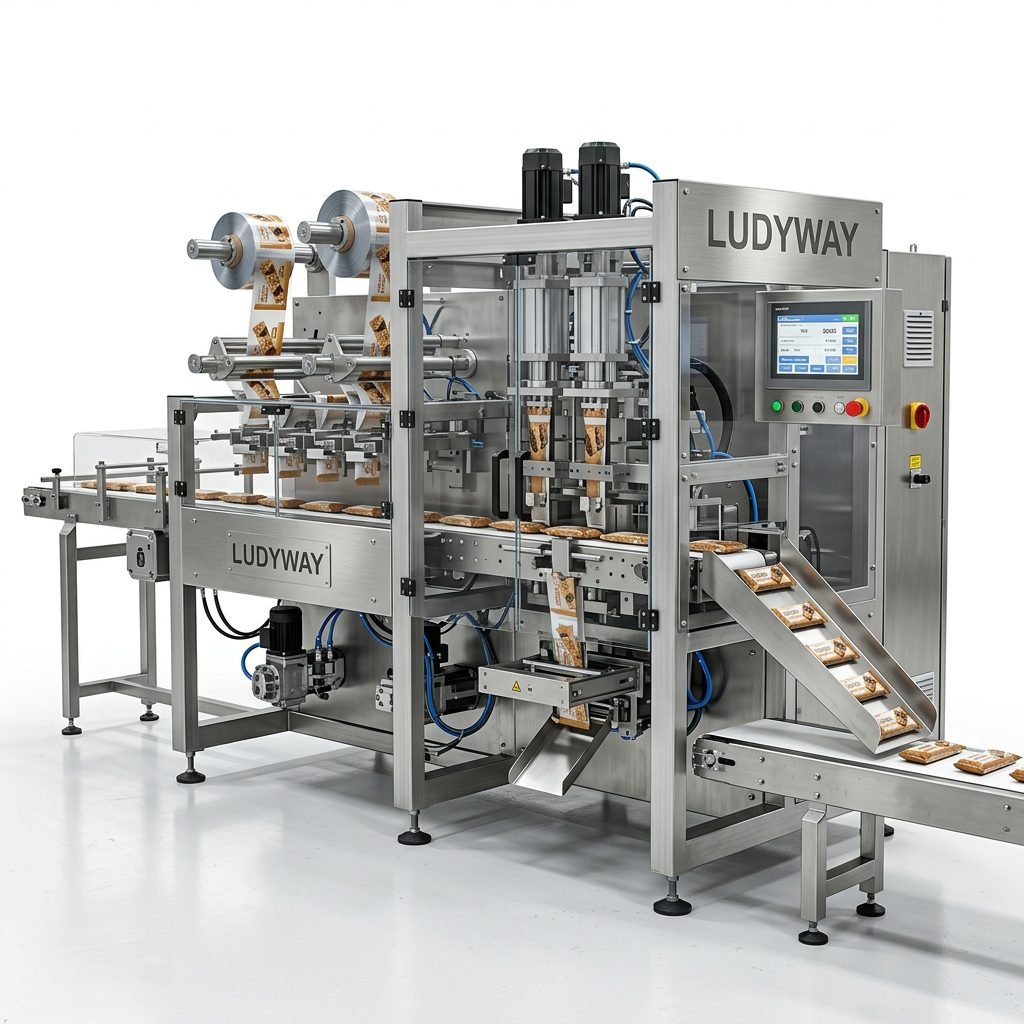
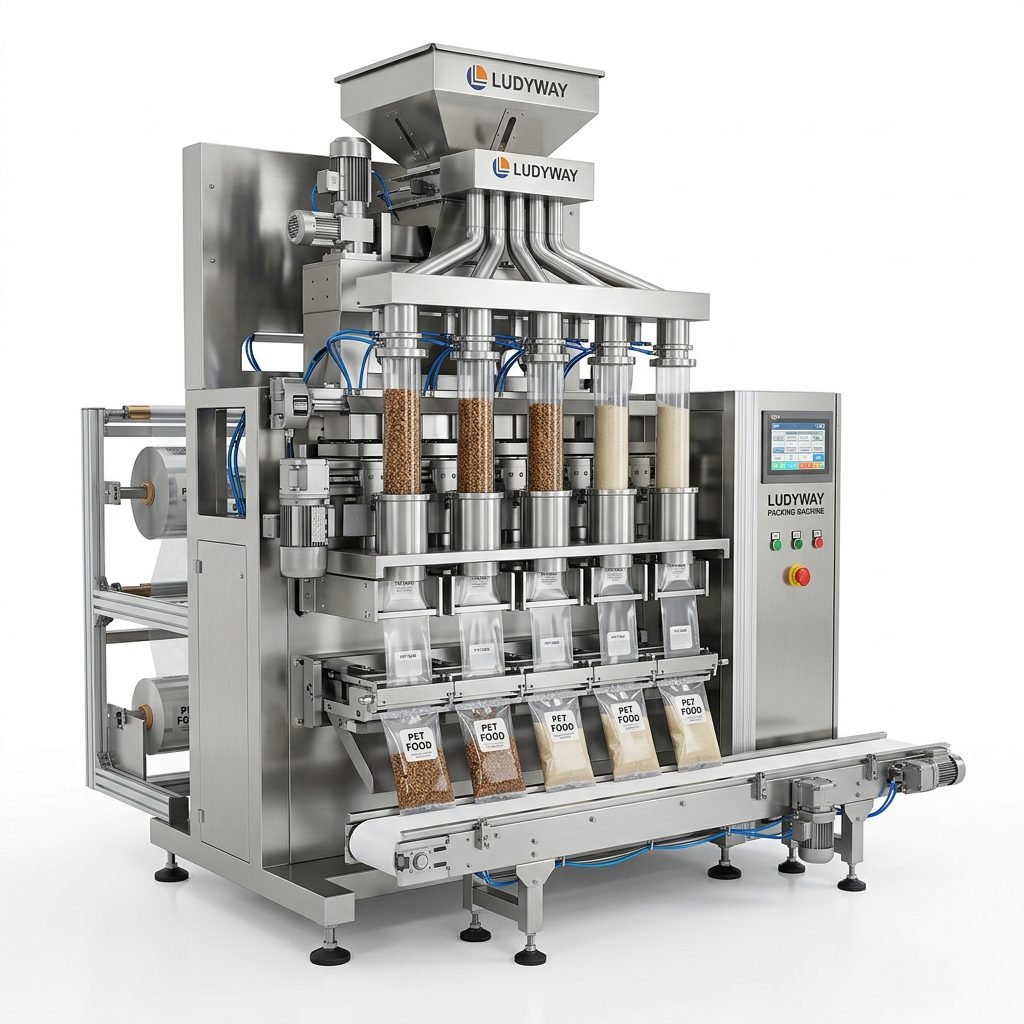
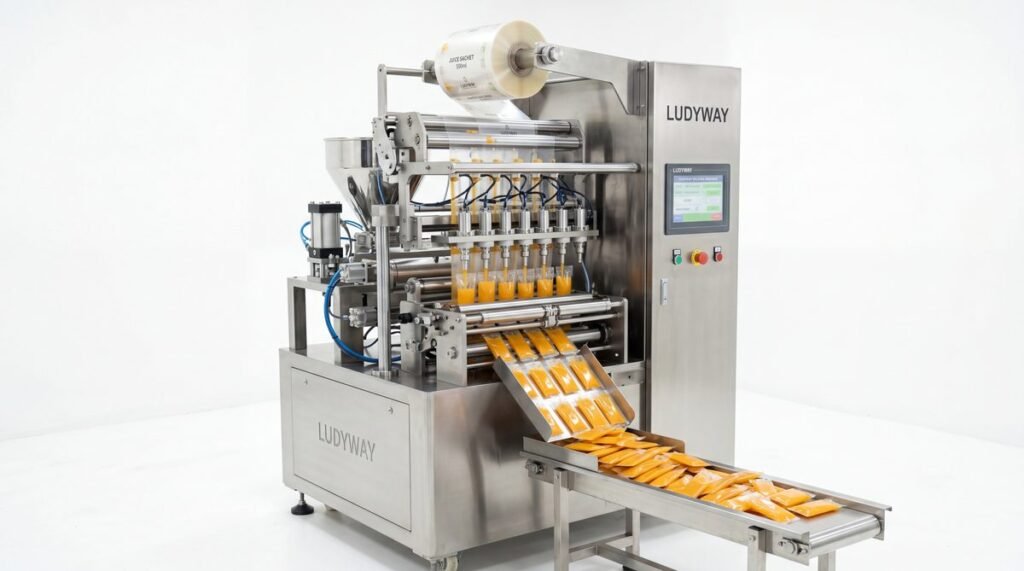
In modern pharmaceutical and healthcare manufacturing, blister packaging remains one of the most reliable ways to protect tablets, capsules, and unit-dose products. A Koch blister packaging machine is widely associated with high-speed, precise, and automated blister packing performance that supports growing production demands while maintaining packaging consistency, product safety, and operational efficiency.
For manufacturers looking to improve throughput, reduce waste, and integrate upstream and downstream automation, high-speed blister packaging solutions can play a major role in building a more competitive production line.
Why Blister Packaging Matters in High-Speed Production
Blister packs are used extensively because they provide product visibility, barrier protection, dosage control, and tamper-evident presentation. In pharmaceutical production, these advantages are especially important for maintaining product integrity and meeting regulatory expectations.
- Protects products from moisture, oxygen, dust, and contamination
- Supports accurate unit-dose packaging for tablets and capsules
- Improves shelf appeal and patient convenience
- Enables coding, batch traceability, and inspection integration
- Helps reduce manual handling in large-scale production environments
As production volumes increase, manual or semi-automatic packaging becomes a bottleneck. High-speed automated blister packing equipment helps manufacturers maintain stable output while improving repeatability across every cycle.
Core Features of a High-Speed Koch Blister Packaging Machine
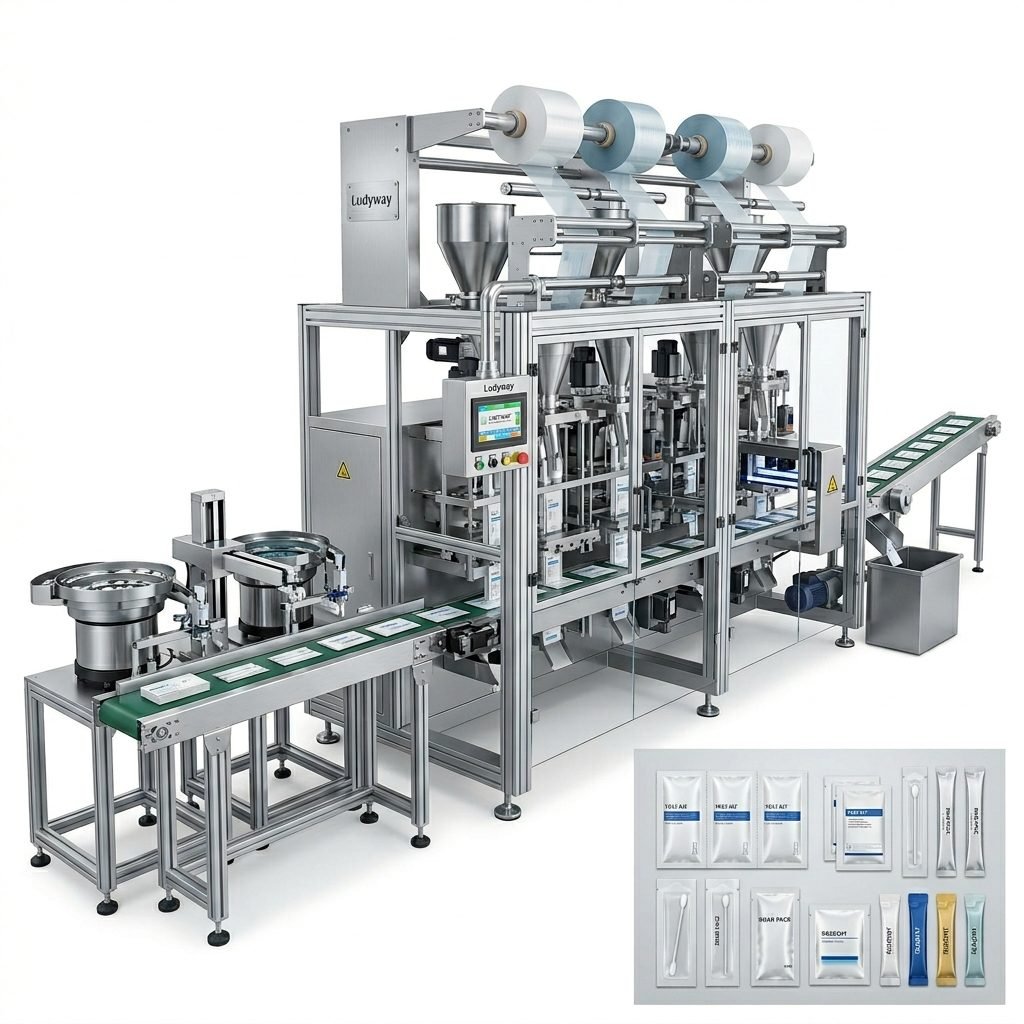
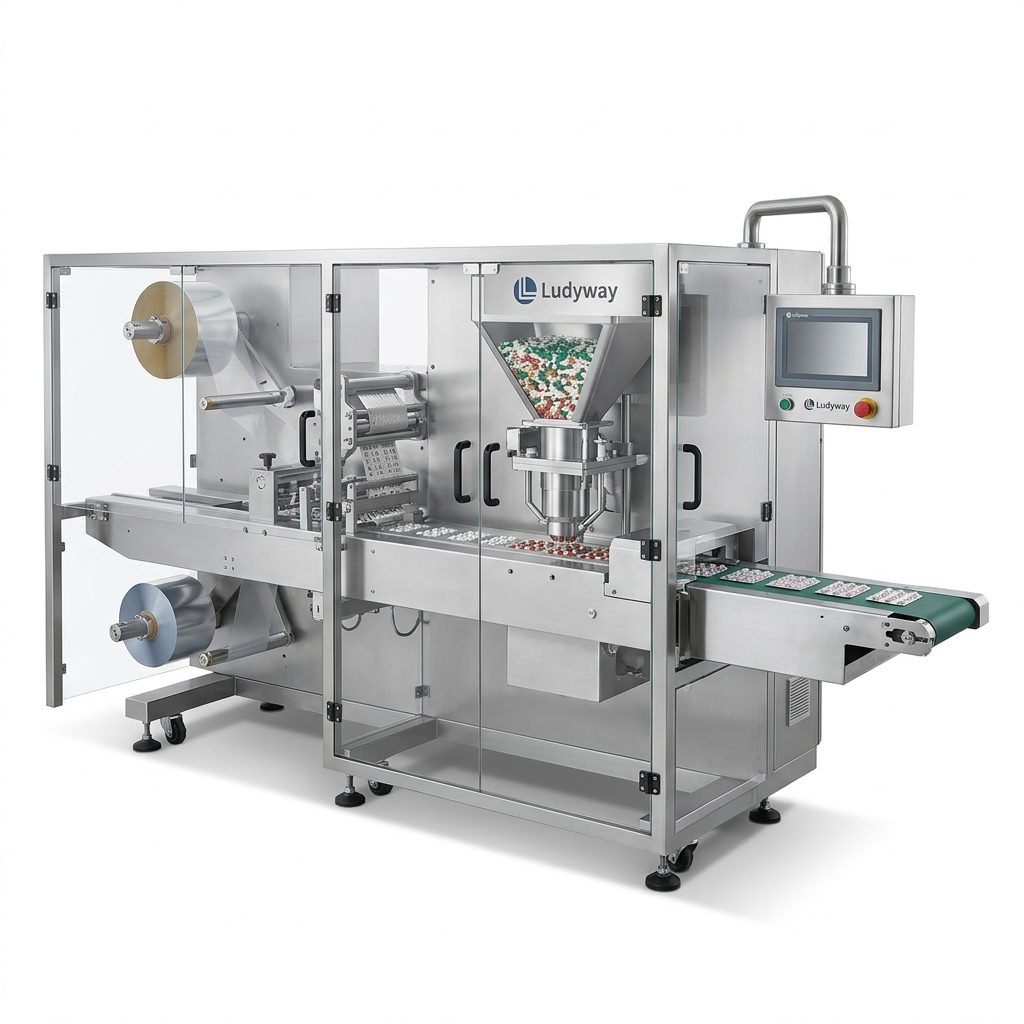
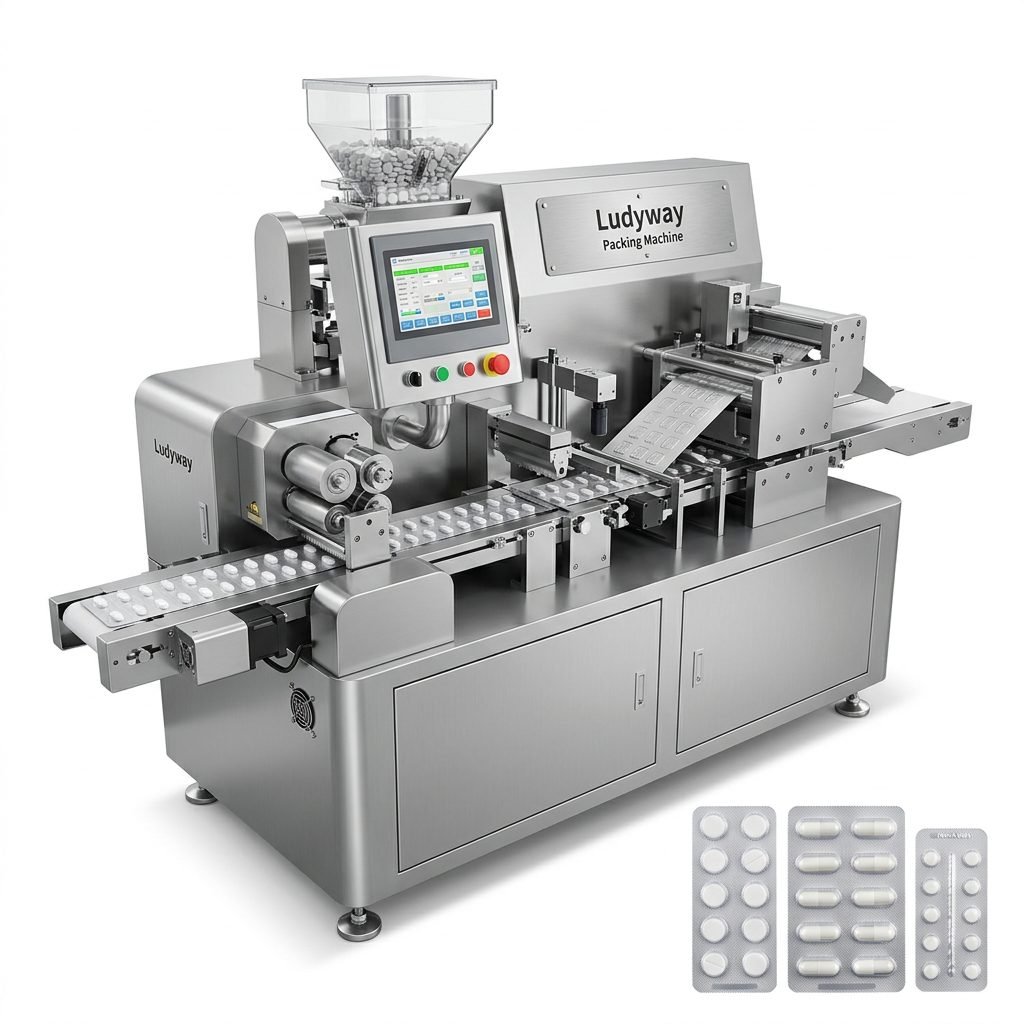
A modern blister packaging machine is designed to perform multiple steps in one streamlined process. Depending on line configuration, it can handle forming, feeding, sealing, embossing, perforation, punching, rejection, coding, and cartoning interface.
Key Functional Advantages
- High operating speed for medium to large production volumes
- Precise forming and sealing to maintain pack quality
- Servo-driven automation for better control and repeatability
- Quick changeover for multiple product and blister formats
- Integrated inspection systems for missing product detection and quality assurance
- Clean and compliant construction suitable for pharmaceutical environments
| Feature | Production Benefit |
|---|---|
| Automatic forming and sealing | Improves speed and reduces manual intervention |
| Accurate product feeding | Reduces empty pockets and product loss |
| Vision or sensor inspection | Enhances packaging quality control |
| Modular line integration | Supports cartoning, coding, and secondary packaging |
| User-friendly HMI controls | Simplifies operation, monitoring, and recipe management |
How Automated Blister Packing Improves Efficiency
The biggest value of automated blister packaging comes from production efficiency. Instead of relying on separate manual steps, a high-speed machine coordinates each action continuously. This not only increases output but also improves pack uniformity across long production runs.
Efficiency Gains Typically Include
- Higher packs-per-minute capacity
- Lower labor dependency
- Reduced sealing defects and material waste
- More stable output during continuous shifts
- Better data tracking for quality and maintenance
For pharmaceutical manufacturers, these benefits translate into more predictable delivery schedules, better resource allocation, and improved cost control over time.
Applications of Blister Packaging Machines
Although blister packing is most commonly linked to pharmaceuticals, the technology is also valuable in several other industries where unit-dose or protective cavity packaging is required.
Common Product Applications
- Tablets and coated tablets
- Hard capsules and soft capsules
- Effervescent products
- Nutraceuticals and health supplements
- Medical devices and diagnostic consumables
- Small hardware or electronic components in select packaging formats
With the right tooling and feeding system, automated blister packing equipment can be adapted to different cavity structures, material combinations, and output targets.
Important Materials Used in Blister Packaging
Machine performance is closely related to packaging material compatibility. A reliable blister packaging system should support commonly used forming and lidding materials while maintaining sealing strength and clean pack appearance.
| Material Type | Typical Use | Advantage |
|---|---|---|
| PVC | Standard blister forming | Cost-effective and widely used |
| PVDC | Higher barrier applications | Improved moisture protection |
| Alu-Alu | Sensitive pharmaceutical products | Excellent barrier performance |
| Aluminum foil lidding | Sealing layer | Secure closure and printability |
What to Consider Before Choosing a Blister Packaging Machine
Not every blister machine fits every production line. The best solution depends on product type, output expectations, compliance requirements, factory space, and future expansion plans.
Selection Checklist
- Output requirement: Define target packs per minute and daily shift volume
- Product characteristics: Consider tablet size, capsule shape, fragility, and feeding behavior
- Packaging material: Confirm support for PVC, PVDC, or aluminum-based structures
- Line integration: Evaluate compatibility with cartoners, printers, checkweighers, and inspection devices
- Validation needs: Review documentation and compliance support for regulated industries
- Maintenance access: Choose a machine with practical cleaning and servicing design
A machine that looks fast on paper may not be the best investment unless it also offers stable operation, easy format adjustment, and dependable technical support.
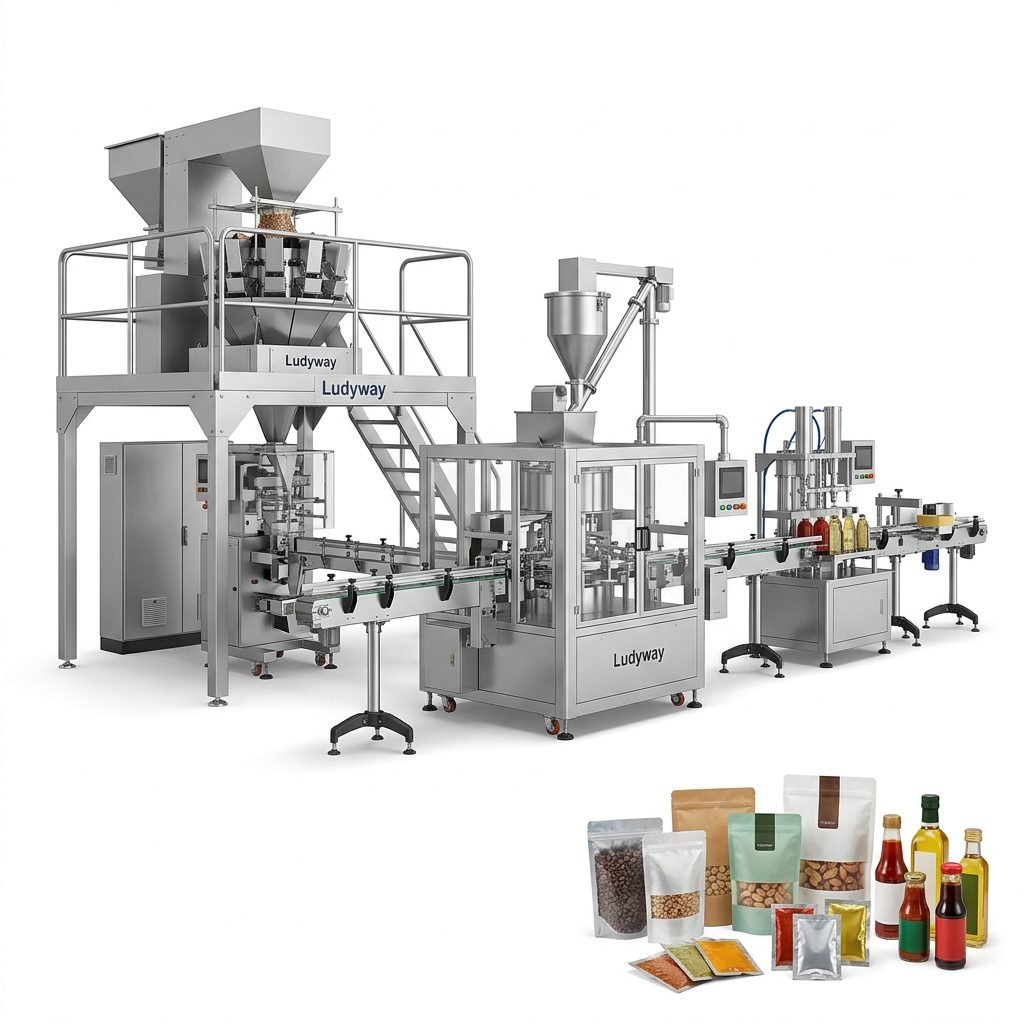
The Value of Turnkey Blister Packaging Line Integration
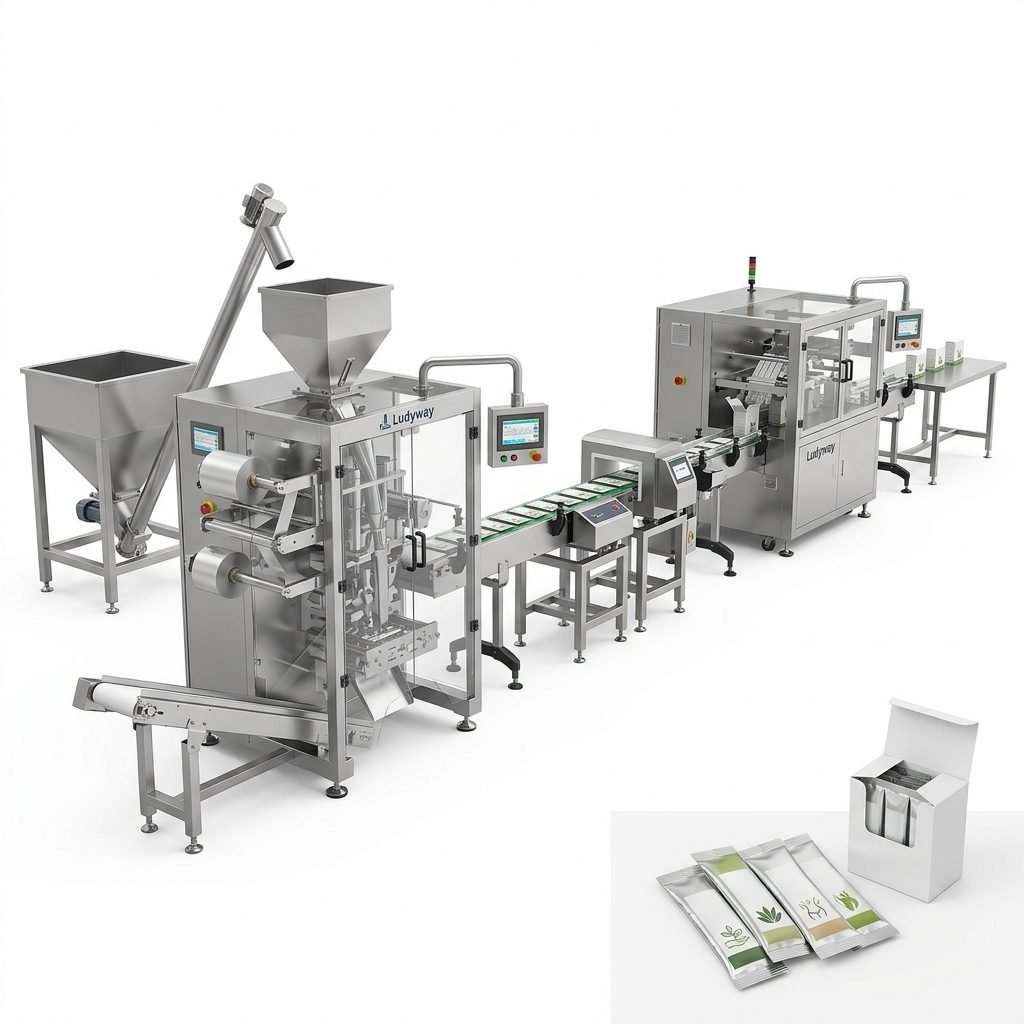
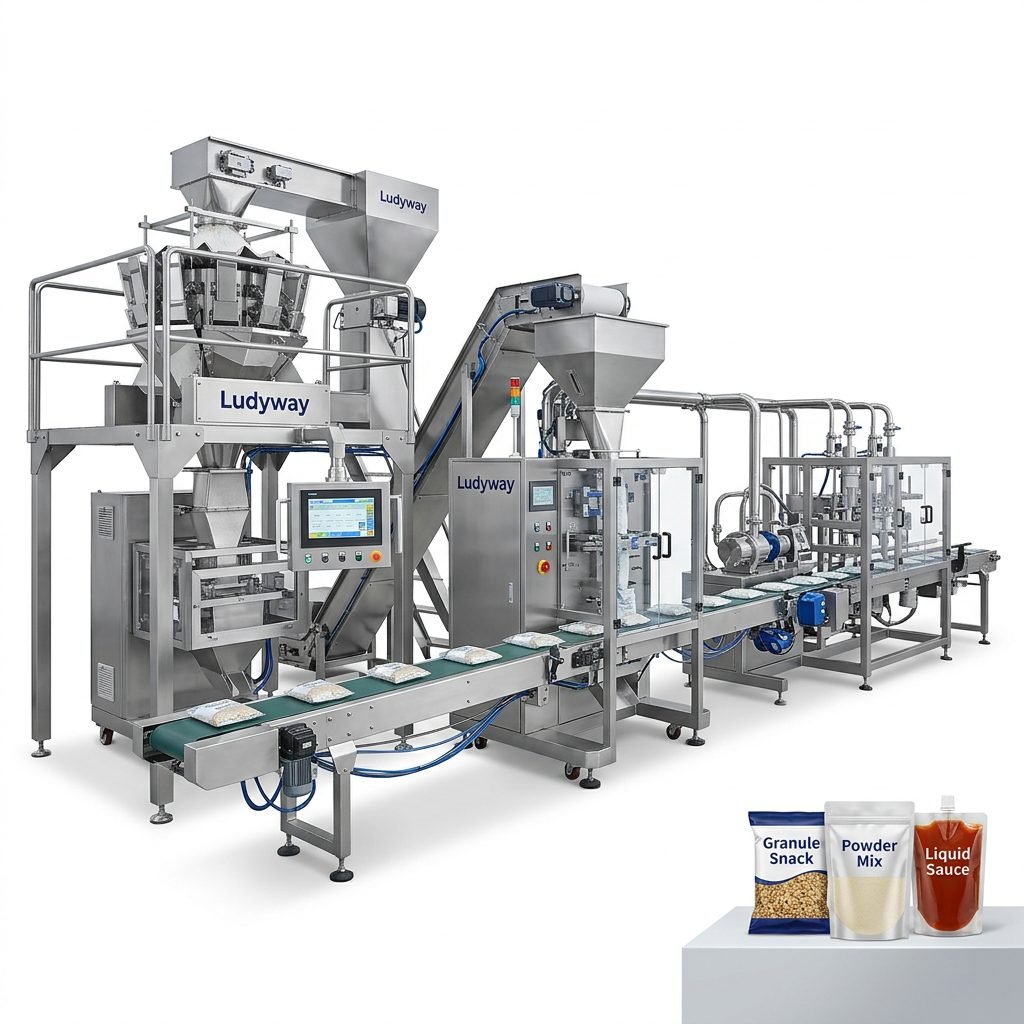
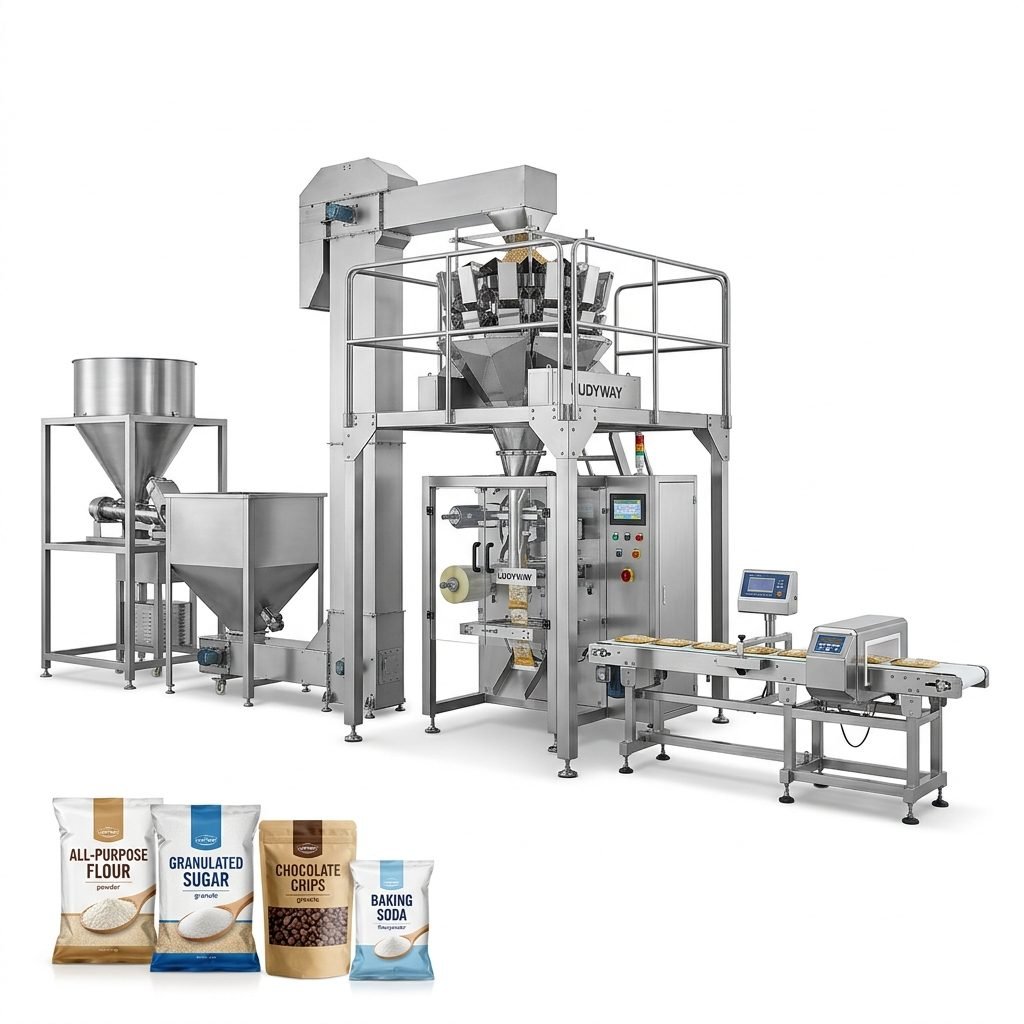
For many manufacturers, the real productivity advantage comes not only from the blister machine itself, but from its place inside a fully integrated packaging line. A well-designed line can connect product feeding, blister forming, sealing, coding, cartoning, case packing, and final pallet handling into one automated workflow.
This is especially beneficial for factories seeking long-term scalability, lower labor intensity, and stronger packaging consistency across multiple SKUs.
Integrated Line Benefits
- Reduced bottlenecks between packaging stages
- Improved synchronization between primary and secondary packaging
- More efficient use of floor space and operators
- Better traceability and centralized control
- Easier future upgrades as production expands
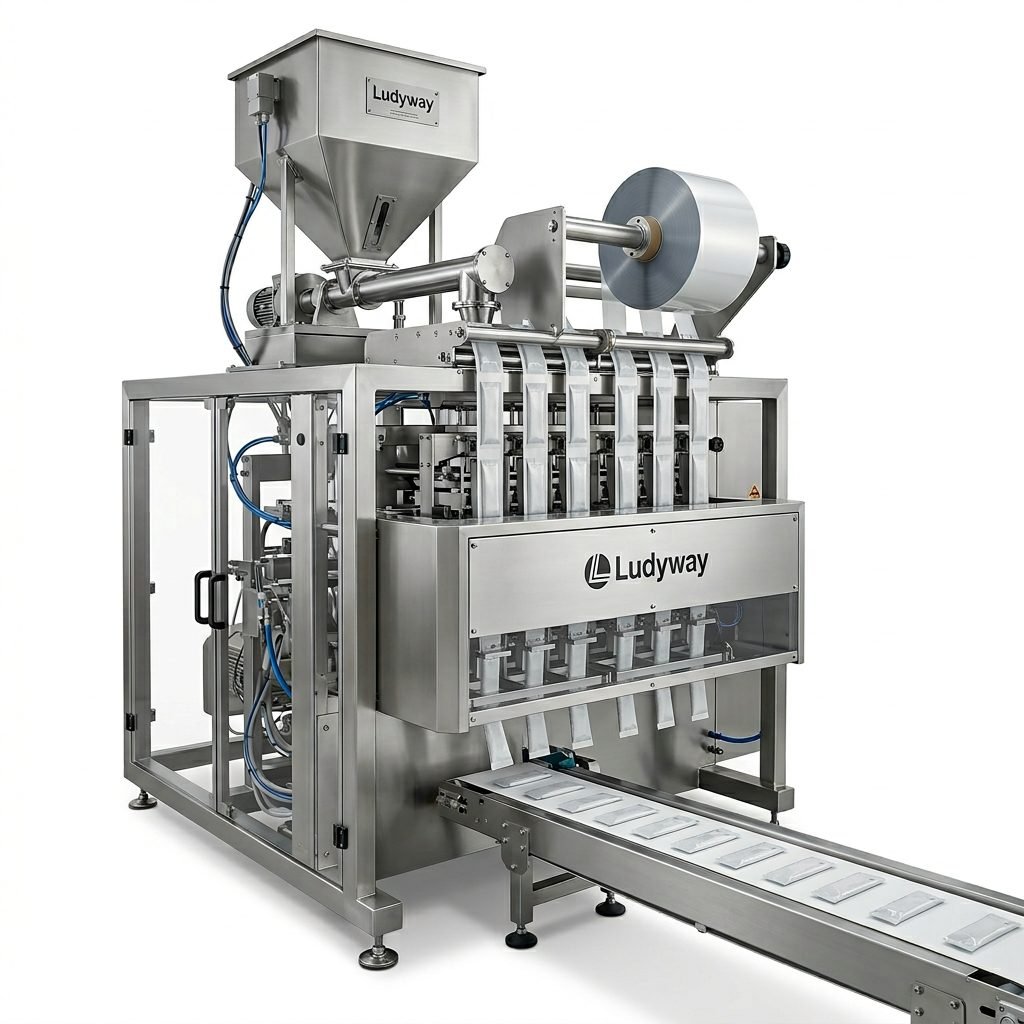
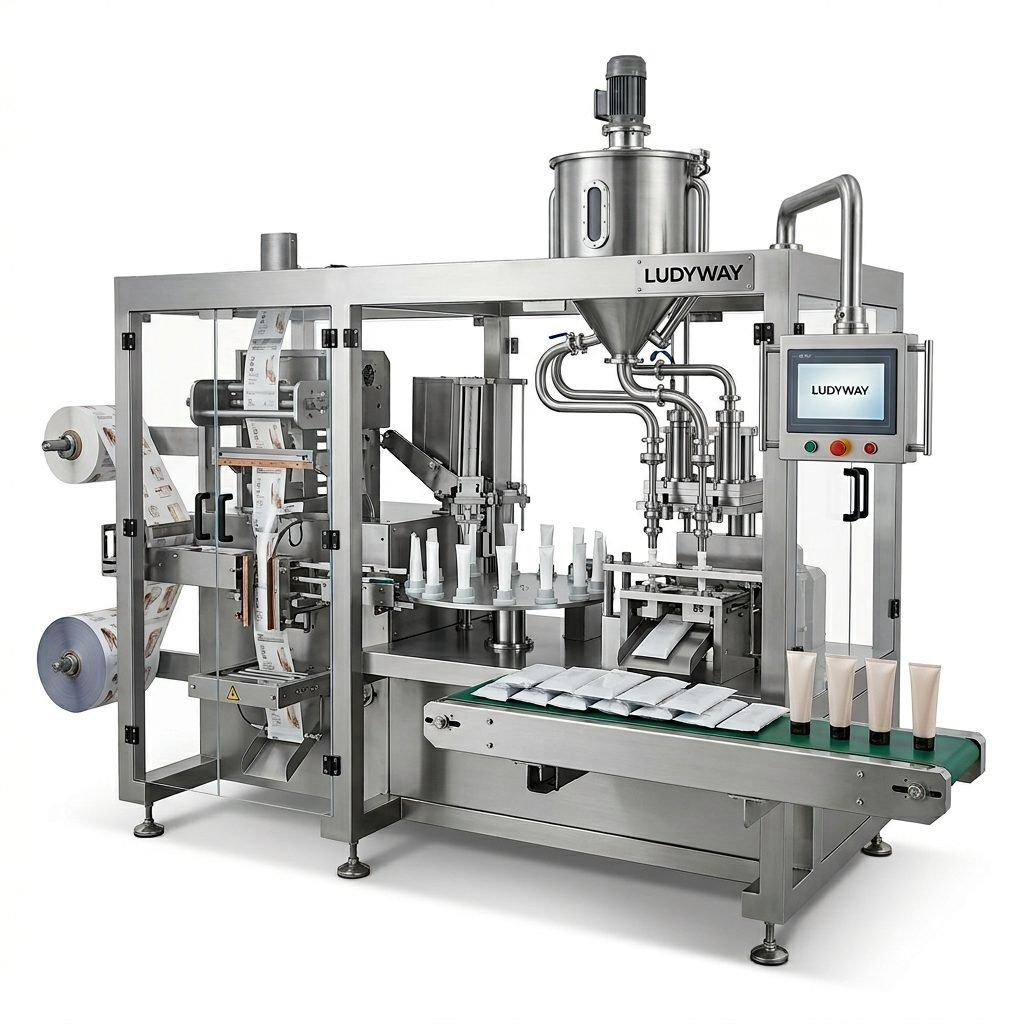
Manufacturers sourcing complete automation often prefer suppliers with broad engineering capability and cross-industry experience. Ludyway blister packaging machine solutions are supported by more than 30 years of packaging industry experience, a large-scale manufacturing base, and turnkey line integration capability across food, pharmaceutical, health supplement, and related sectors.
Maintenance and Operational Best Practices
To keep a high-speed blister machine operating efficiently, regular maintenance and standardized operation are essential. Preventive care protects output stability and helps extend machine life.
Recommended Practices
- Inspect forming, sealing, and cutting sections routinely
- Keep feeding channels clean to avoid product jams
- Calibrate sensors and inspection devices at scheduled intervals
- Track wear parts and replace them before failure affects production
- Train operators on recipe setup, changeover, and alarm response
A machine with intuitive controls and accessible maintenance points can significantly reduce downtime during both daily operation and product changeover.
Future Trends in Automated Blister Packing
The blister packaging sector is moving toward smarter, more connected, and more flexible production. Newer systems increasingly focus on digital monitoring, predictive maintenance, reduced material waste, and easier integration with smart factory infrastructure.
Emerging Trends
- Data-based machine monitoring and diagnostics
- More servo automation for precise motion control
- Enhanced vision inspection for quality verification
- Faster and more user-friendly tool change systems
- Greater compatibility with automated cartoning and case packing
As global demand for pharmaceutical and healthcare packaging continues to grow, investment in advanced blister packaging machinery is becoming a strategic decision rather than just an equipment upgrade.
Final Buying Perspective for High-Speed Blister Packaging
A high-speed Koch blister packaging machine is best evaluated by its real-world production value: speed, seal quality, product protection, automation level, and integration potential. For businesses aiming to scale efficiently, the right machine should do more than package products quickly—it should support compliance, reduce operating pressure, and fit smoothly into a broader automated production strategy.
When comparing suppliers and models, focus on long-term reliability, technical service, available customization, and the ability to support complete packaging line planning. That approach helps ensure your investment delivers measurable performance well beyond the initial installation stage.