In today’s fast-paced manufacturing world, selecting the right packaging machine is a critical decision that impacts efficiency, product quality, and overall operational costs. Whether you are in the food, pharmaceutical, or health industry, understanding the landscape of packaging machinery is essential. This guide provides a comprehensive overview of the different types of packaging machines, explains their core working principles, and offers practical advice on how to choose the perfect equipment for your specific production needs.
Understanding the Core Types of Packaging Machines
The packaging machinery market is diverse, with equipment designed for specific materials, product forms, and production speeds. Here is a breakdown of the primary categories you will encounter.
1. Form-Fill-Seal (FFS) Machines
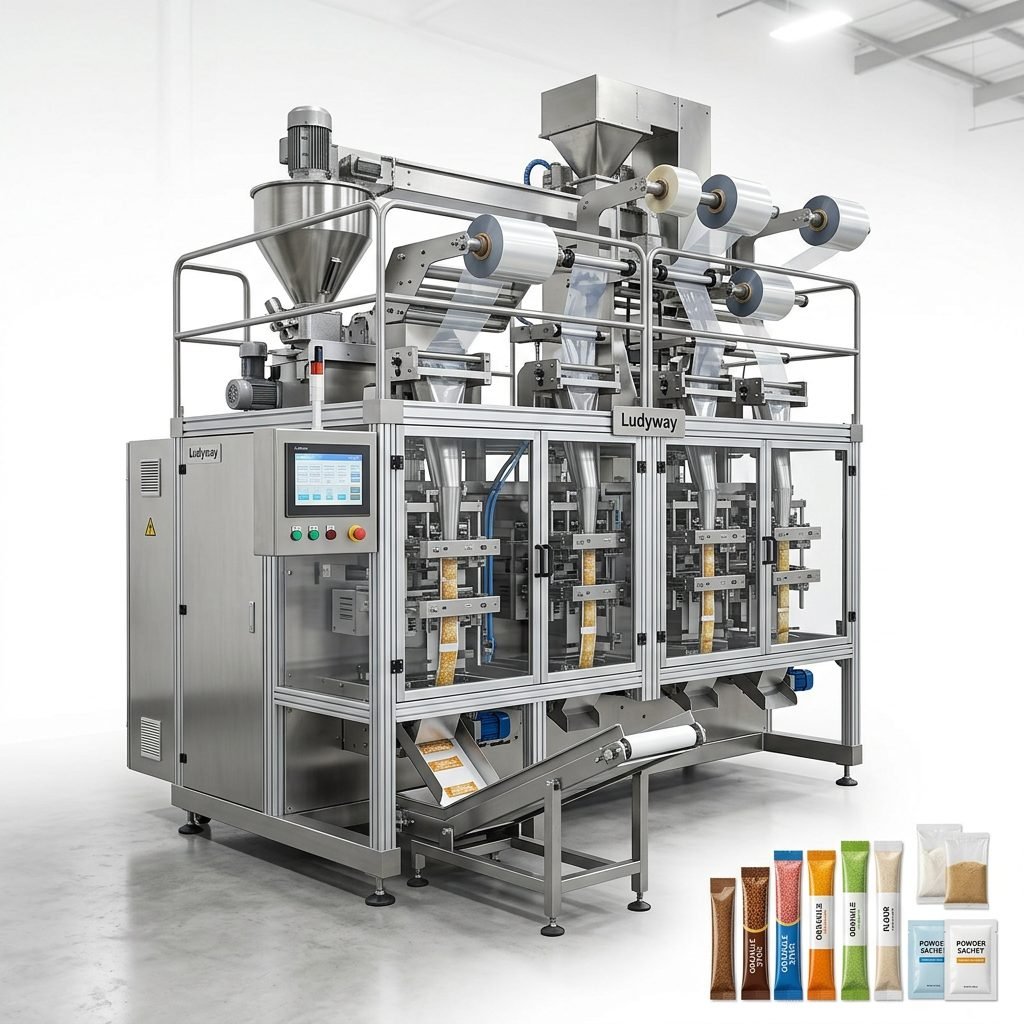
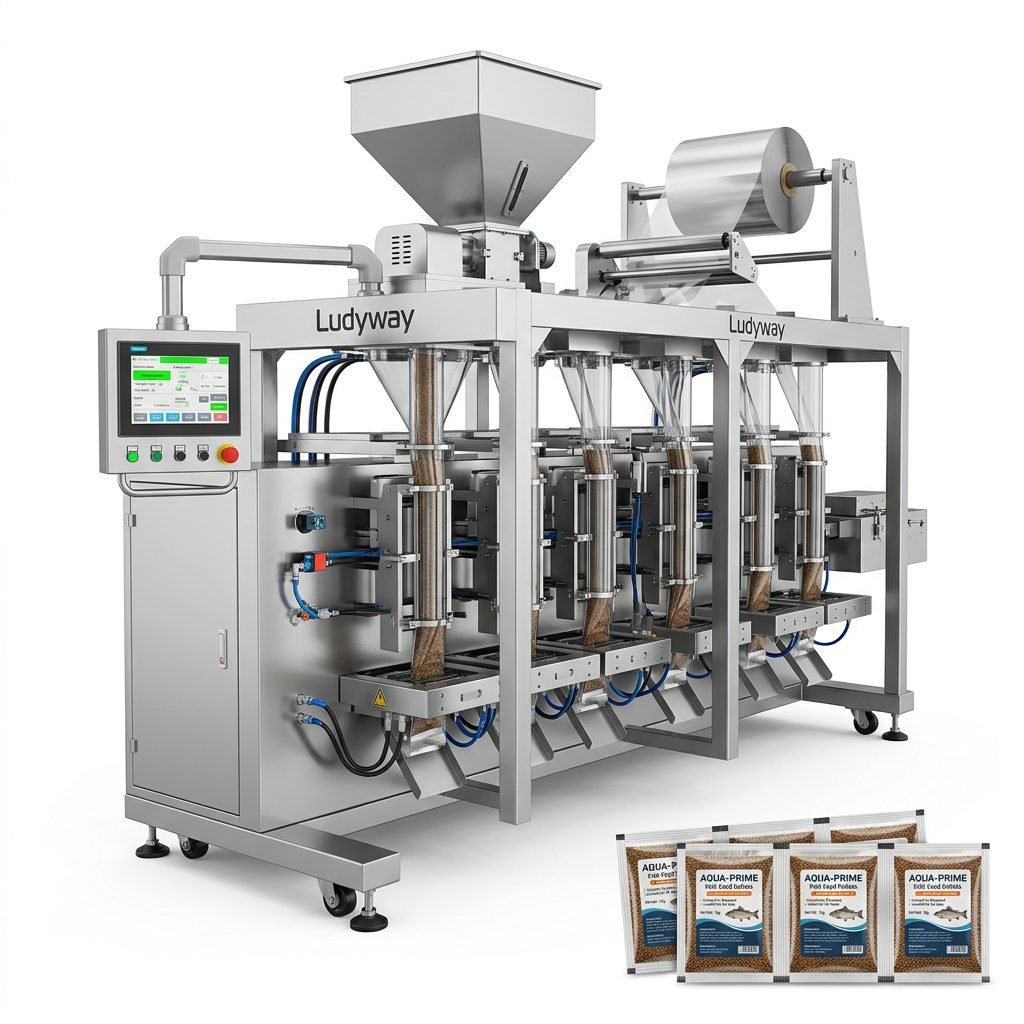
These are the workhorses of modern packaging. FFS machines create the package from a roll of film, fill it with product, and seal it—all in one continuous, automated operation. They are highly efficient and minimize material waste.
Key Variants:
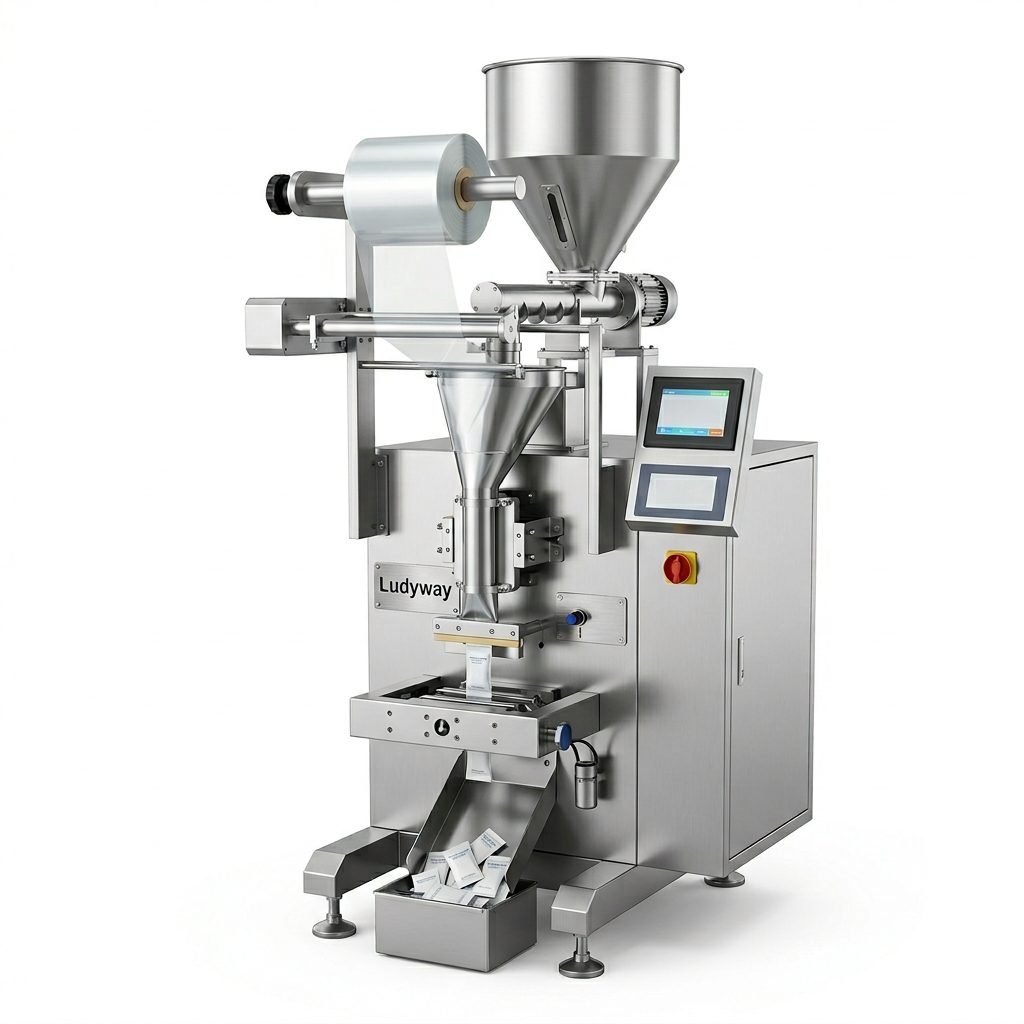
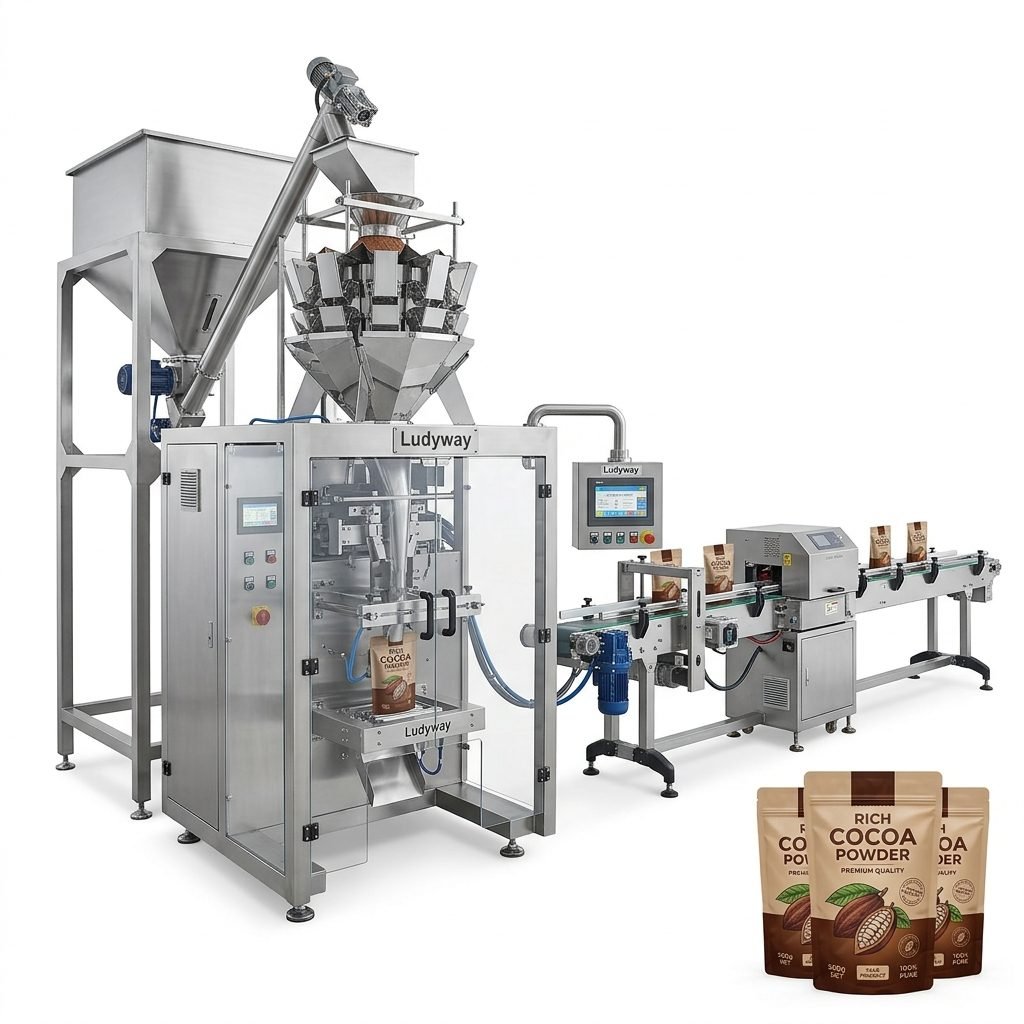
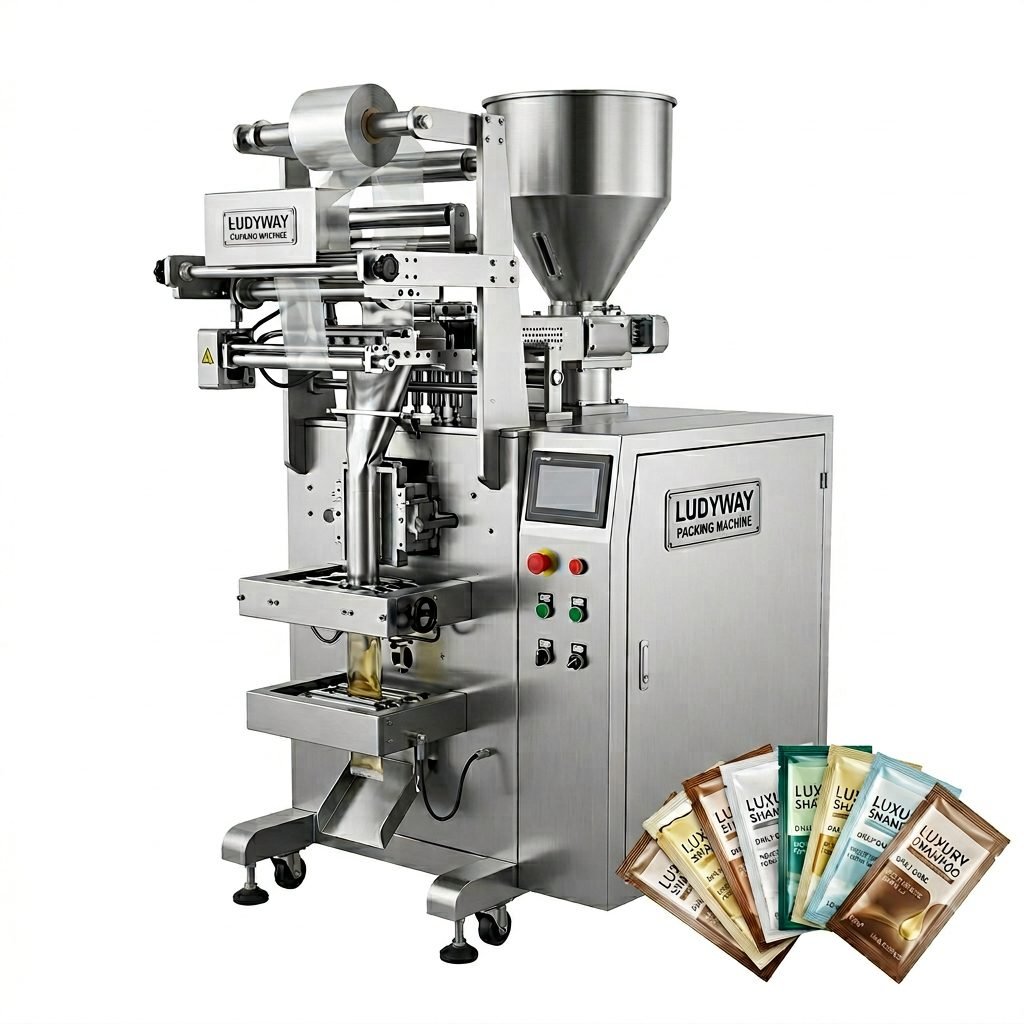
• Vertical Form-Fill-Seal (VFFS): Ideal for granule, powder, and liquid products like coffee, spices, and shampoo. The package is formed vertically as the film travels downward.
• Horizontal Form-Fill-Seal (HFFS): Often used for items like biscuits, candy bars, or medical devices. The film is formed horizontally around the product.
2. Pre-Made Pouch & Sachet Packers
These machines use pre-manufactured, flat pouches or sachets. They open the pouch, fill it with the measured product, and then seal it. This method is excellent for products requiring high-quality printed packaging or for operations where packaging is sourced separately.
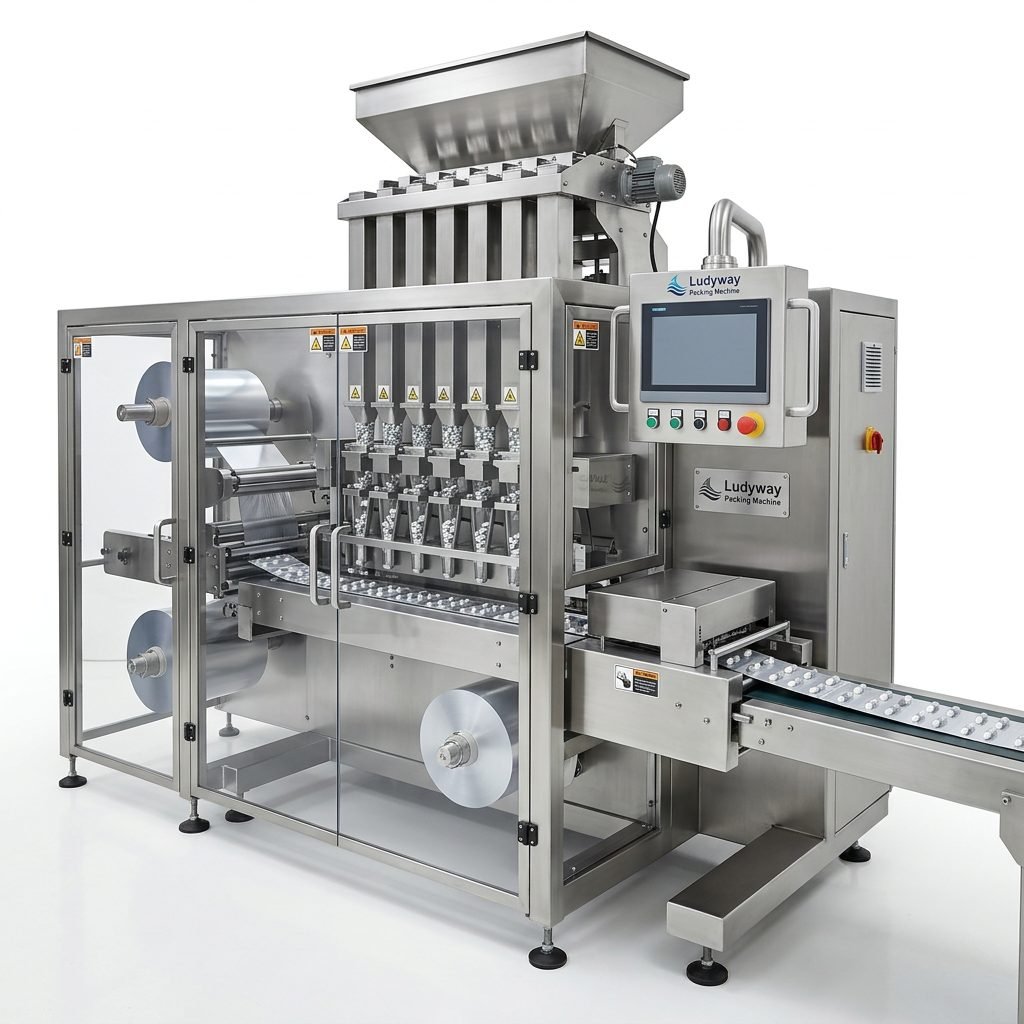
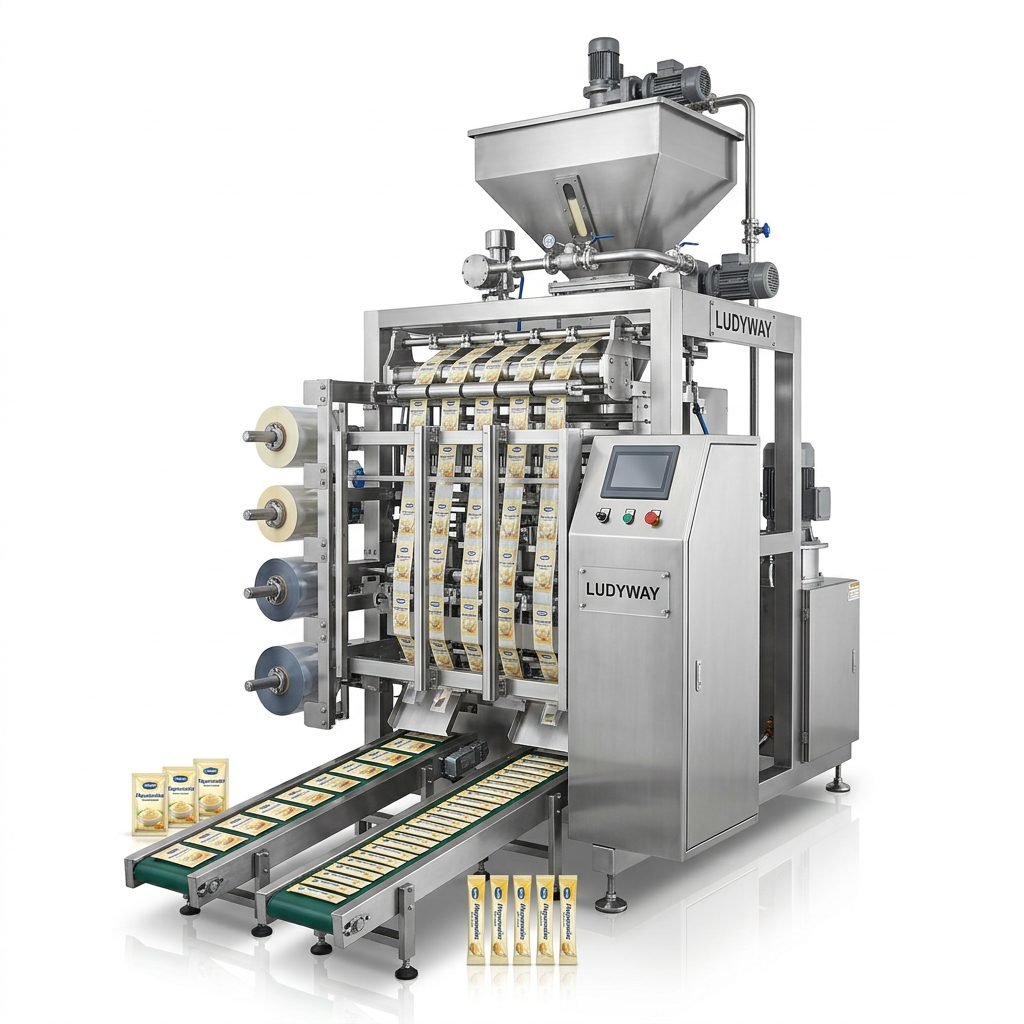
3. Stick Pack Machines
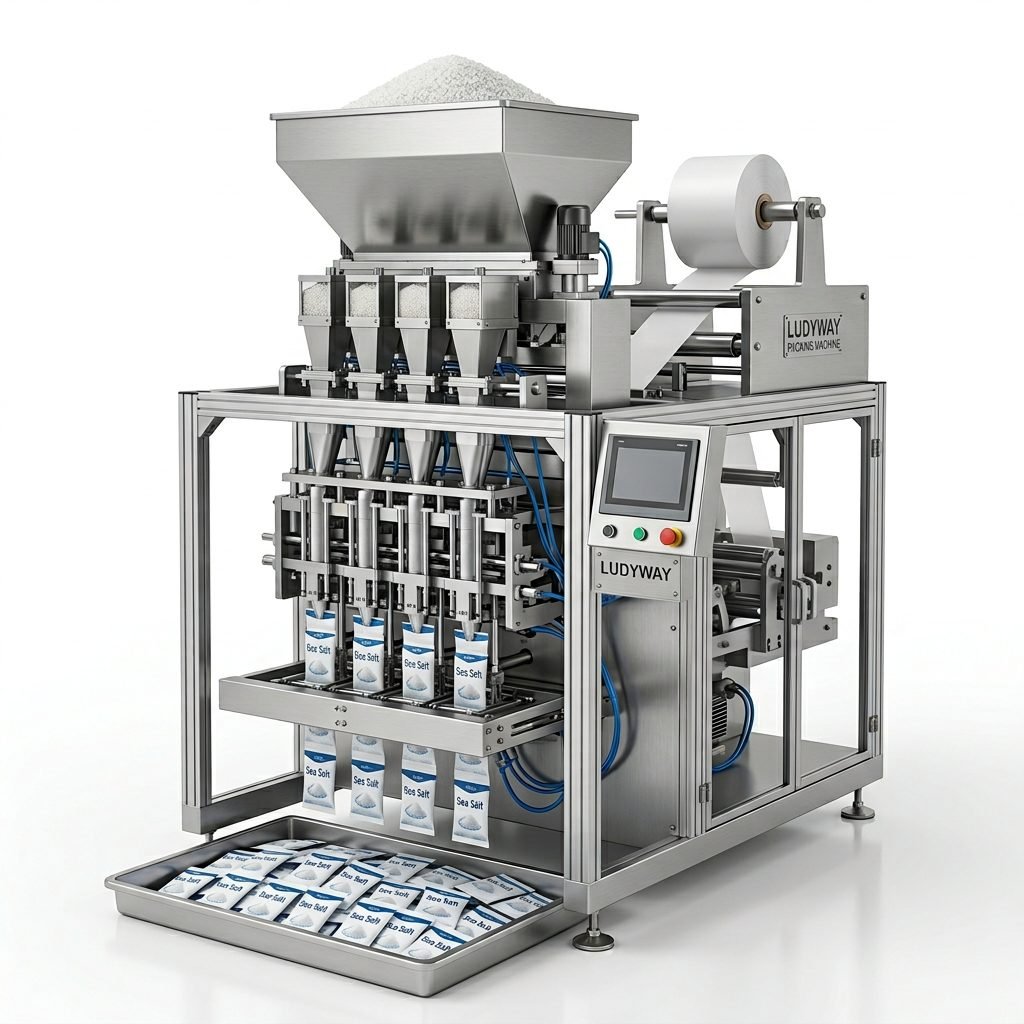
A specialized and popular type, stick pack machines produce long, slender, single-serve packages. They are perfect for powders (like drink mixes, supplements) or liquids (like honey, sauces). Their compact shape is consumer-friendly and reduces packaging material use.
4. Liquid, Paste & Cream Fillers
This category includes piston fillers, gravity fillers, and vacuum fillers designed to handle viscous products accurately. They are often integrated with capping, lidding, or labeling machines to form a complete liquid packaging line.
5. Granule & Powder Multi-Lane Weighers
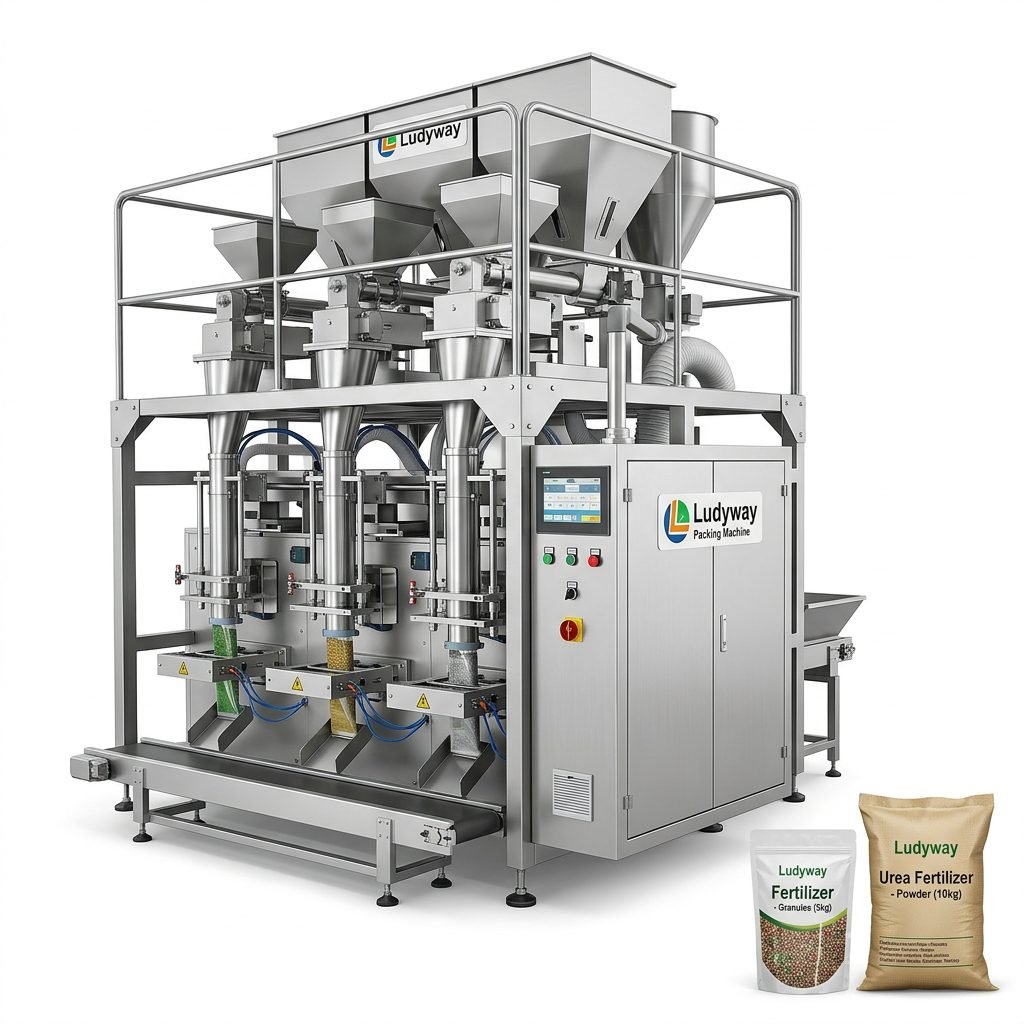
For high-speed, high-accuracy packaging of free-flowing products like snacks, nuts, or powdered milk, multi-head weighers are essential. They use multiple weighing hoppers to achieve precise target weights at remarkable speeds before discharging into the packaging machine.
How Packaging Machines Work: Core Principles
Despite their variety, most automated packaging machines follow a similar sequence of operations. Understanding this flow demystifies the technology.
The Standard Operational Cycle
1. Film Feeding & Forming: A roll of packaging film (laminate or single-layer) is fed into the machine. For FFS machines, forming tubes or ploughs shape the flat film into a tube or pouch.
2. Product Metering & Filling: The product is accurately measured. This can be via volumetric cups for granules, auger screws for powders, pumps for liquids, or precision scales for weighed portions.
3. Sealing: Heat is applied through sealing jaws to melt the inner layer of the film, creating a hermetic seal. Parameters like temperature, pressure, and dwell time are critical for seal integrity.
4. Cutting & Discharge: The continuous sealed tube or pouch web is cut into individual packages by a knife or hot wire, and the finished packs are discharged onto a conveyor or collection tray.
Critical Components for Reliability
• PLC Control System: The machine’s brain, managing all motions, sequences, and parameters for consistent operation.
• Servo Motors & Drives: Provide precise, programmable control over movement, replacing older mechanical systems and enabling flexible changeovers.
• HMI (Human-Machine Interface): The touchscreen panel where operators set recipes, monitor production, and diagnose issues.
• Detection Systems: Sensors check for film presence, correct filling levels, and proper sealing, rejecting faulty packages automatically.
A Step-by-Step Guide to Choosing the Right Machine
Selecting a packaging machine is an investment. Follow this structured approach to make an informed decision that aligns with your business goals.
Step 1: Define Your Product & Packaging Specifications
This is the foundation. Be precise about:
• Product Form: Granule, powder, liquid, paste, solid item?
• Product Characteristics: Is it hygroscopic, abrasive, oily, or fragile?
• Package Type & Size: Pouch, stick pack, sachet? What are the dimensions and required seal type?
• Packaging Material: The type of laminate (e.g., PET/AL/PE) directly influences the machine’s sealing system capabilities.
Step 2: Analyze Your Production Requirements
Match the machine’s capacity to your current and future needs.
• Output Speed (Packs Per Minute): Calculate your required daily output. Choose a machine that can comfortably meet your peak demand with some overhead.
• Operational Footprint: Measure your available floor space. Some systems, like vertical stick pack machines, offer a very small footprint for their output.
• Changeover Frequency: If you run many different SKUs, prioritize machines with quick-change tooling and recipe memory on the HMI.
Step 3: Evaluate Machine Features & Technology
Focus on features that impact longevity, ease of use, and product quality:
✓ Construction Quality: Robust stainless steel or aluminum frames ensure stability and hygiene.
✓ Sealing System: Look for adjustable, temperature-controlled sealing jaws with even heat distribution.
✓ Filling Accuracy: The metering system (auger, pump, scale) must be suitable for your product and required tolerance (e.g., ±1%).
✓ Ease of Cleaning & Maintenance: Quick-release parts and accessible design reduce downtime for sanitation and servicing.
Step 4: Consider the Supplier’s Expertise & Support
The machine is only part of the solution. The supplier’s role is crucial for long-term success.
• Industry Experience: Choose a partner with a proven track record in your specific sector (e.g., food-grade vs. pharmaceutical standards). A supplier like Ludyway Machinery, with deep experience in food and health industries, understands these nuanced requirements.
• Technical Support & Training: Ensure they offer comprehensive installation, training, and responsive after-sales support. Access to spare parts is critical.
• Customization Ability: Can they tailor the machine to your unique product or layout? A partner with strong engineering capabilities can provide customized packaging solutions that off-the-shelf units cannot.
Step 5: Plan for Integration & Future Growth
Think beyond the single machine. Consider how it will fit into your line.
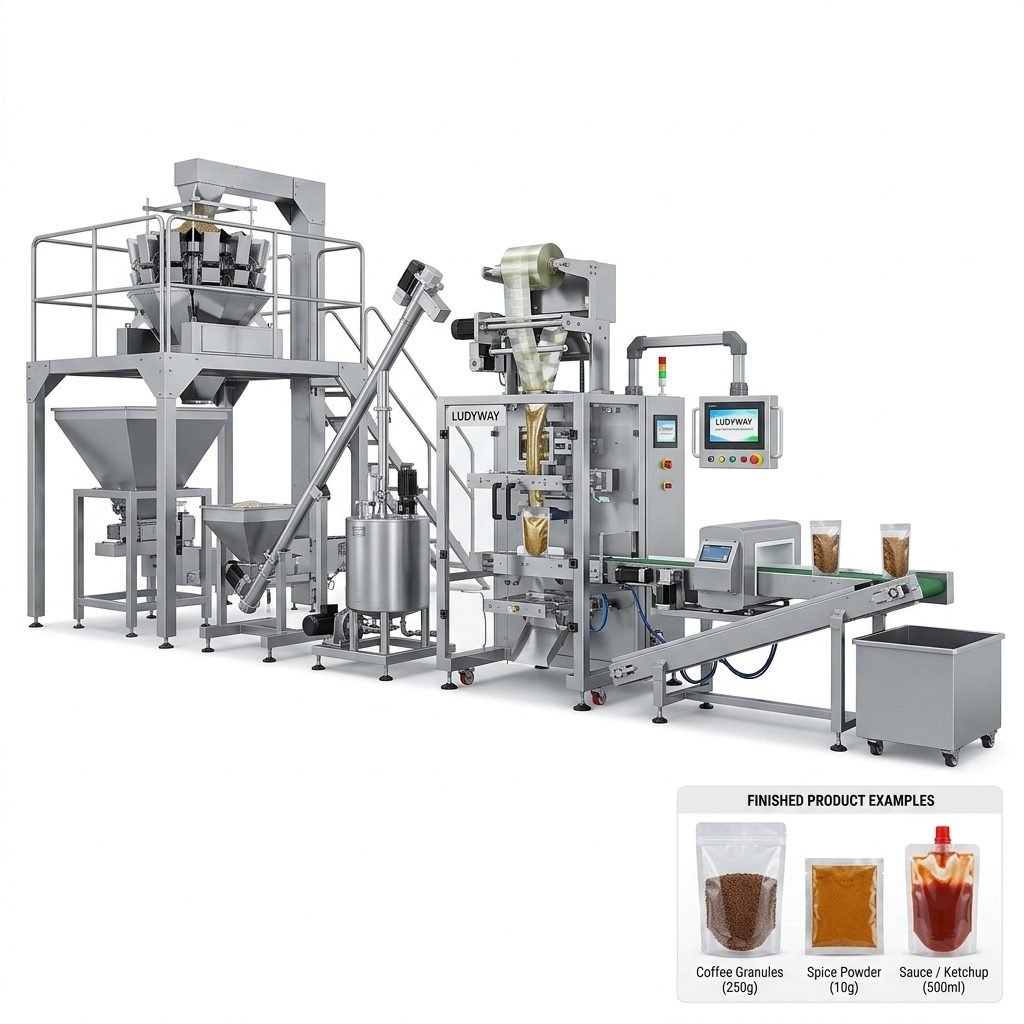
• Upstream/Downstream Integration: Will it connect to a multi-head weigher, checkweigher, cartoner, or case packer? Ensure communication protocols are compatible.
• Scalability: Can the system be upgraded later? For example, adding more filling heads or integrating with a complete turnkey production line.
• Return on Investment (ROI): Factor in savings from reduced material waste, higher efficiency, lower labor costs, and improved product shelf-life to calculate the true value.
Frequently Asked Questions (FAQs)
What is the main difference between vertical and horizontal form-fill-seal machines?
The primary difference is the orientation of package formation. Vertical (VFFS) machines form the bag around a vertical tube, making them ideal for free-flowing products that can be gravity-fed. Horizontal (HFFS) machines form the film horizontally around the product, which is better suited for solid, non-free-flowing items or when a specific package presentation is required.
How do I determine the right packaging speed for my business?
Calculate your required daily output in packs. Divide this by your effective operating hours per day (accounting for breaks and changeovers). This gives your required average packs per minute (PPM). Choose a machine whose maximum speed is 20-30% higher than this number to handle peak demand comfortably and account for future growth.
What are the most critical maintenance tasks for a packaging machine?
Daily cleaning to prevent product buildup, regular lubrication of moving parts as per the manual, and inspection of sealing jaws for wear or residue are essential. Periodically checking and calibrating the weighing or filling system is also crucial to maintain accuracy. A reliable supplier will provide a clear preventive maintenance schedule.
Can one machine handle different types of products?
Many machines are versatile, but changeover requires adjustments. Key factors are the product’s physical characteristics (powder vs. granule) and the packaging material. While a machine can often be adapted, significant product changes may require different filling systems (e.g., switching from an auger for powder to a pump for liquid), which can be a major conversion.
Why is supplier experience as important as the machine itself?
An experienced supplier does more than sell equipment. They provide application expertise to ensure the machine is correctly specified for your product, offer professional training for your operators, guarantee access to genuine spare parts, and deliver reliable technical support to minimize downtime. This partnership is vital for maximizing your machine’s productivity and lifespan.