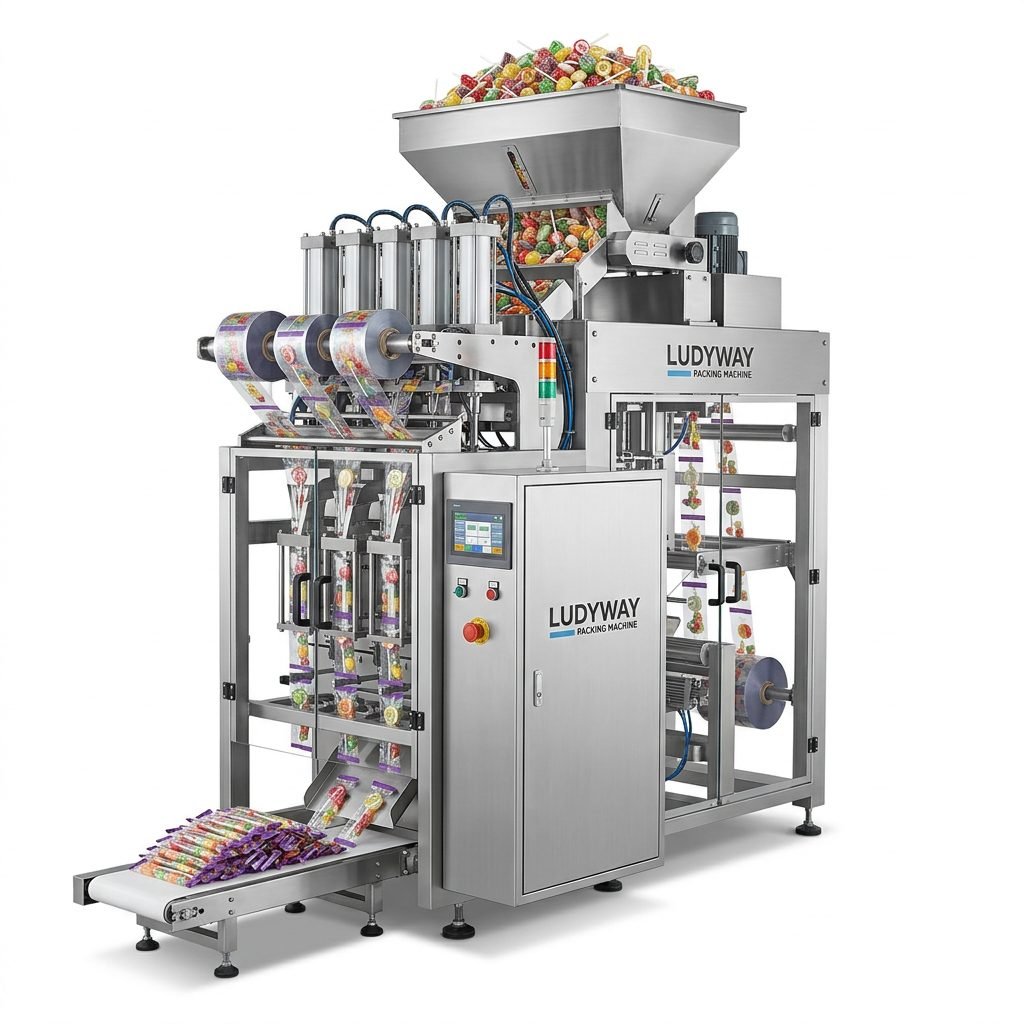
Textile manufacturers, fabric converters, and roll distributors need more than simple wrapping equipment. The right fabric roll packing machine must protect surface quality, reduce labor, improve throughput, and support consistent outbound packaging. When you choose the best packaging solution, the goal is not just to wrap a roll—it is to protect product value across storage, transport, and delivery.
Fabric rolls can vary widely in width, diameter, weight, material sensitivity, and shipping requirements. A machine suitable for knitted fabric may not be ideal for coated textiles, upholstery rolls, nonwoven material, or technical fabrics. That is why a practical evaluation should include packaging format, automation level, plant layout, and future production growth.

Why Fabric Roll Packaging Matters
Fabric rolls are vulnerable to dust, moisture, compression damage, loose edges, contamination, and handling scratches. Poor packaging can lead to customer complaints, returns, and unnecessary rework. In export business, packaging also affects pallet stability, warehouse efficiency, and loading performance.
- Product protection: shields rolls from dirt, humidity, and abrasion
- Operational efficiency: reduces manual wrapping time and labor intensity
- Better presentation: creates neat, uniform rolls for shipment and retail distribution
- Lower damage rates: improves transportation reliability
- Scalability: supports high-volume textile production lines
Common Fabric Roll Packing Machine Types
Choosing the right machine starts with understanding the main equipment categories. Each one suits different production conditions and packaging targets.
| Machine Type | Best For | Main Benefits |
|---|---|---|
| Semi-automatic roll wrapping machine | Small to medium textile plants | Lower investment, easier operation, flexible for varied roll sizes |
| Fully automatic fabric roll packing machine | High-volume factories | Higher speed, lower labor cost, stable packaging consistency |
| PE film wrapping machine | Dust and moisture protection | Clean finish, good visibility, economical consumables |
| Woven bag packing machine | Heavy-duty logistics and export shipments | Strong external protection, better resistance to rough handling |
| Shrink wrapping system | Retail-ready or tightly secured rolls | Tight package appearance, stable wrapping, premium finish |
Key Factors to Consider Before Buying
1. Fabric Roll Dimensions and Weight
Start with your real product data. Measure minimum and maximum roll diameter, width, and weight. Some textile facilities handle lightweight garment fabrics, while others process dense industrial textiles or carpet materials. Your machine must cover the full operating range without frequent adjustments or unstable wrapping.
Look for:
- Compatible roll diameter range
- Maximum roll width support
- Load-bearing stability for heavy rolls
- Adaptability to different core sizes
2. Packaging Material Requirements
The packaging material should match your logistics and customer expectations. PE film is common for dust-proof applications, while woven cloth or laminated packaging may be better for longer-distance transportation. If your customers need barcode labels, transparent visibility, or branded outer wrapping, that should be considered early.
- Choose film wrapping for clean indoor storage and standard distribution.
- Choose woven or stronger outer packaging for export-heavy handling.
- Choose shrink packaging when a tight and polished package is needed.
3. Automation Level
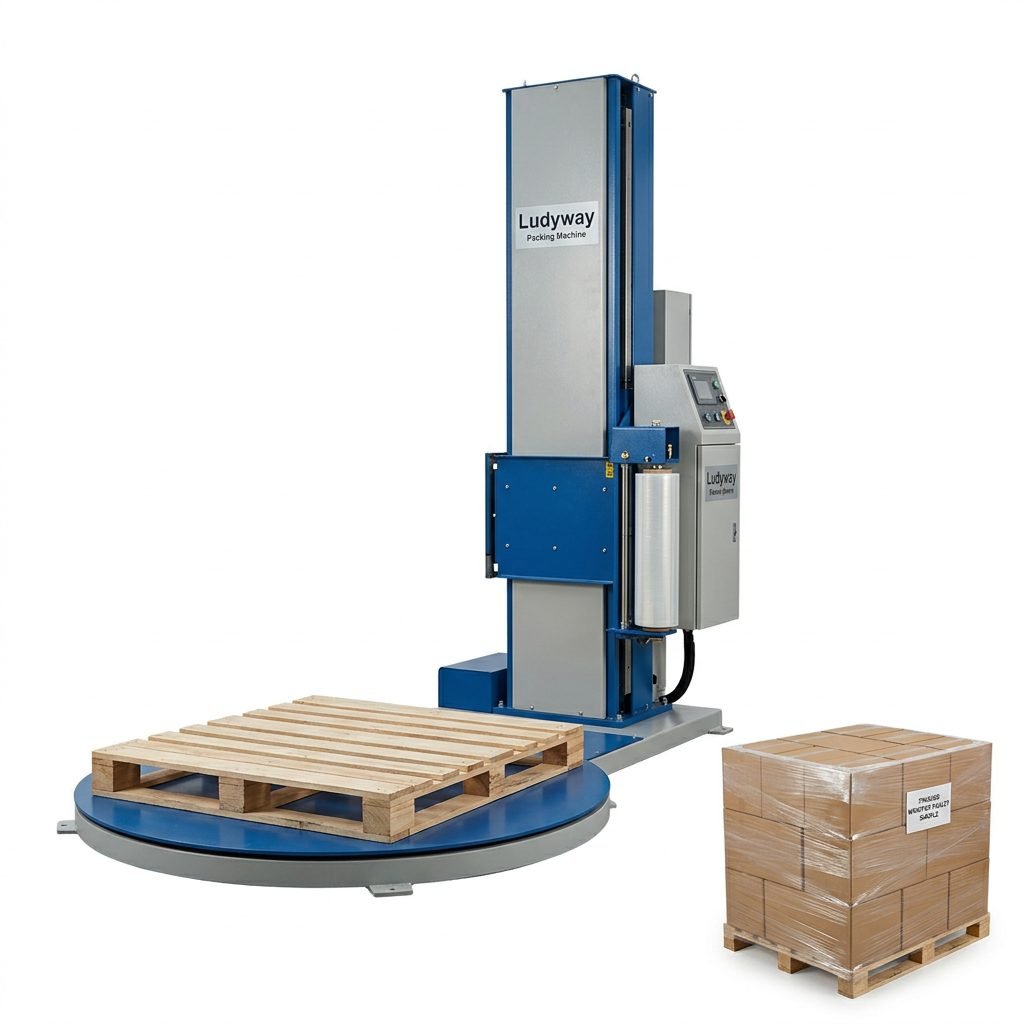
A semi-automatic machine may be enough for factories with low daily output and more available labor. However, as labor costs increase and order delivery windows tighten, many textile companies move toward automatic systems. These can integrate roll feeding, wrapping, sealing, labeling, conveying, and discharge.
A fully automatic solution is especially suitable when you need:
- Continuous production over multiple shifts
- Standardized packaging quality
- Lower manual handling
- Improved traceability through coding and labeling
- Connection to downstream warehousing or palletizing
4. Packaging Speed and Daily Throughput
Machine speed should match your actual line requirement, not just brochure numbers. Ask suppliers for realistic output under your fabric roll dimensions. A machine that performs well with narrow light rolls may slow down with larger and heavier products.
| Production Scenario | Recommended Solution |
|---|---|
| Low output, many roll size changes | Flexible semi-automatic fabric roll packing machine |
| Medium output, standard products | Automatic wrapping and sealing machine |
| High output, export-oriented production | Fully integrated automatic packaging line with conveyors and labeling |
5. Protection Level During Transportation
If fabric rolls are shipped domestically over short distances, lighter packaging may be enough. For ocean freight, container loading, and multi-point distribution, stronger sealing and better package tension become more important. The machine should produce packaging that resists tearing, deformation, and moisture exposure.
Ask these practical questions:
- Will the rolls be stacked for long periods?
- Will the product pass through humid environments?
- Is export packaging compliance required?
- Do customers require end sealing or full enclosed wrapping?
6. Factory Space and Line Layout
Some textile workshops have limited floor space and narrow material flow channels. In such cases, machine footprint, roll infeed direction, and discharge orientation matter a lot. A compact layout can improve forklift movement and reduce congestion near inspection or dispatch areas.
Before purchase, confirm:
- Available installation area
- Power supply and air requirements
- Operator access and maintenance clearance
- Connection with inspection, weighing, or warehouse systems
7. Ease of Operation and Maintenance
The best packaging machine is not necessarily the most complex one. It is the one your team can run reliably every day. User-friendly controls, quick changeover, accessible parts, and clear fault alarms are essential for reducing downtime.
Simple maintenance can have a major impact on long-term equipment efficiency, especially in textile factories that operate continuously.
Features That Improve ROI
When comparing suppliers, focus on return on investment instead of only purchase price. A slightly higher-spec machine may save significantly more over time.
- Automatic film cutting and sealing
- Servo-controlled positioning for stable wrapping
- Adjustable tension control
- Integrated weighing or length data capture
- Label printer and barcode integration
- Safety guards and emergency stop systems
- Remote technical support capability
How to Match the Machine to Your Textile Application
Knitted and Woven Fabrics
These products often require clean surface protection and smooth wrapping tension. Excessive compression may affect appearance, especially for premium apparel fabrics.
Nonwoven Fabrics
Nonwoven materials used in hygiene, medical, or industrial sectors usually benefit from sealed packaging that improves cleanliness and handling consistency.
Upholstery and Home Textile Rolls
Larger, heavier rolls require stronger structural handling and more stable support during wrapping and discharge.
Technical and Industrial Textiles
These may need customized packaging for export, heavy loads, or moisture-sensitive applications. In many cases, a more robust automatic packing line is preferable.
Questions to Ask a Fabric Roll Packing Machine Supplier
- What roll size and weight range can the machine handle?
- What packaging materials are supported?
- What is the actual speed under my product conditions?
- Can the machine connect with conveyors, labelers, or pallet systems?
- How long does size changeover take?
- What wearing parts need regular replacement?
- What after-sales service and spare parts support are available?
- Can the machine be customized for my textile packaging workflow?
Mistakes to Avoid
- Buying based only on the lowest price
- Ignoring future output expansion
- Choosing a machine without testing actual roll samples
- Overlooking packaging material costs
- Failing to evaluate service support and spare part access
When a Turnkey Packaging Line Makes More Sense
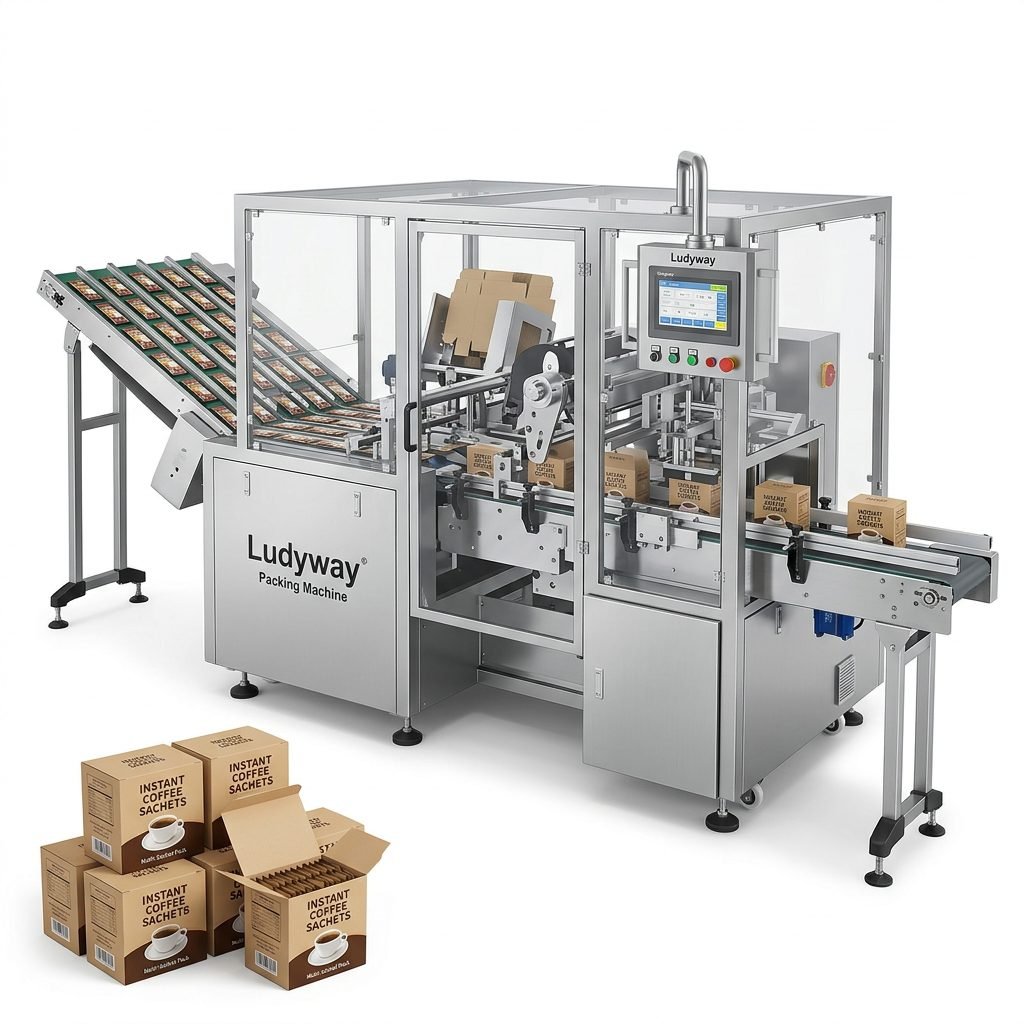
If your textile operation handles large daily volume, frequent export orders, or strict packaging consistency requirements, a standalone machine may not be enough. In that case, a turnkey packaging line with conveyors, coding, inspection, sealing, and pallet handling can improve total line efficiency.
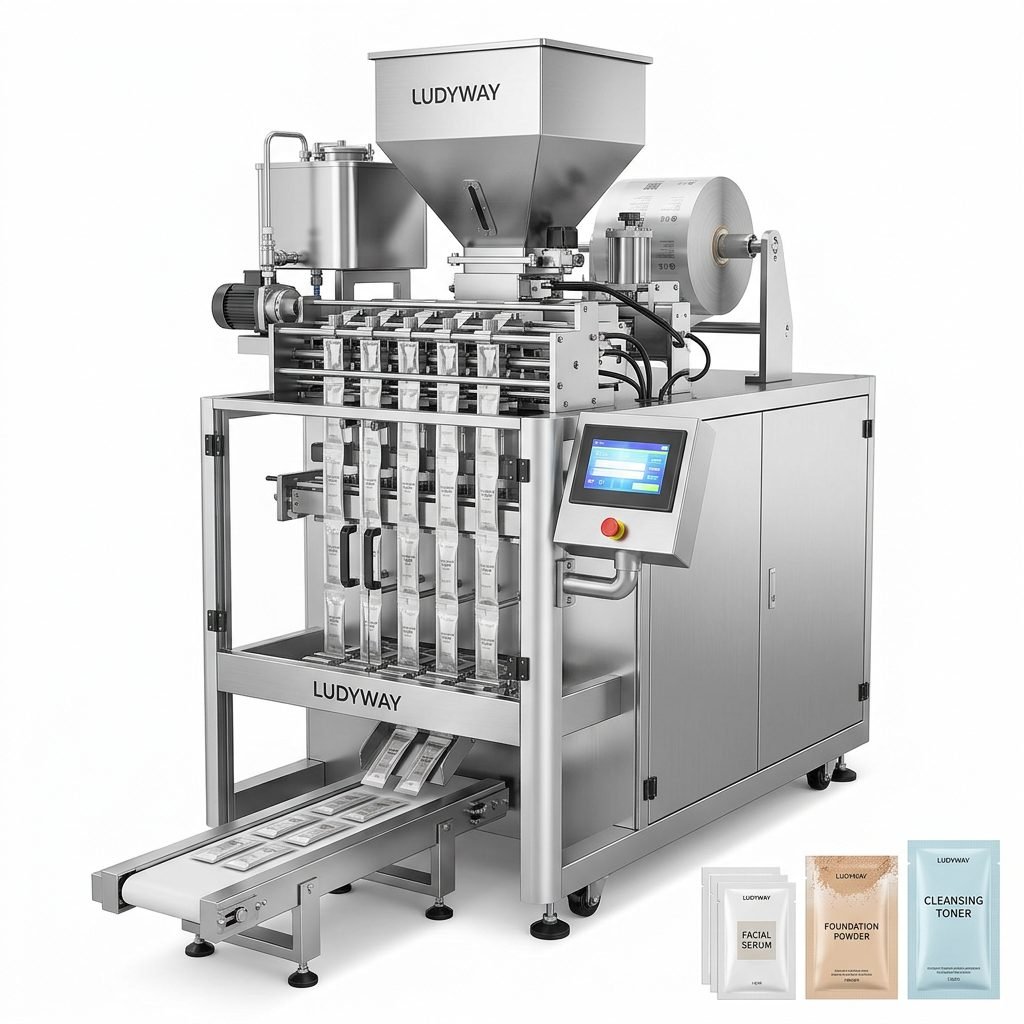
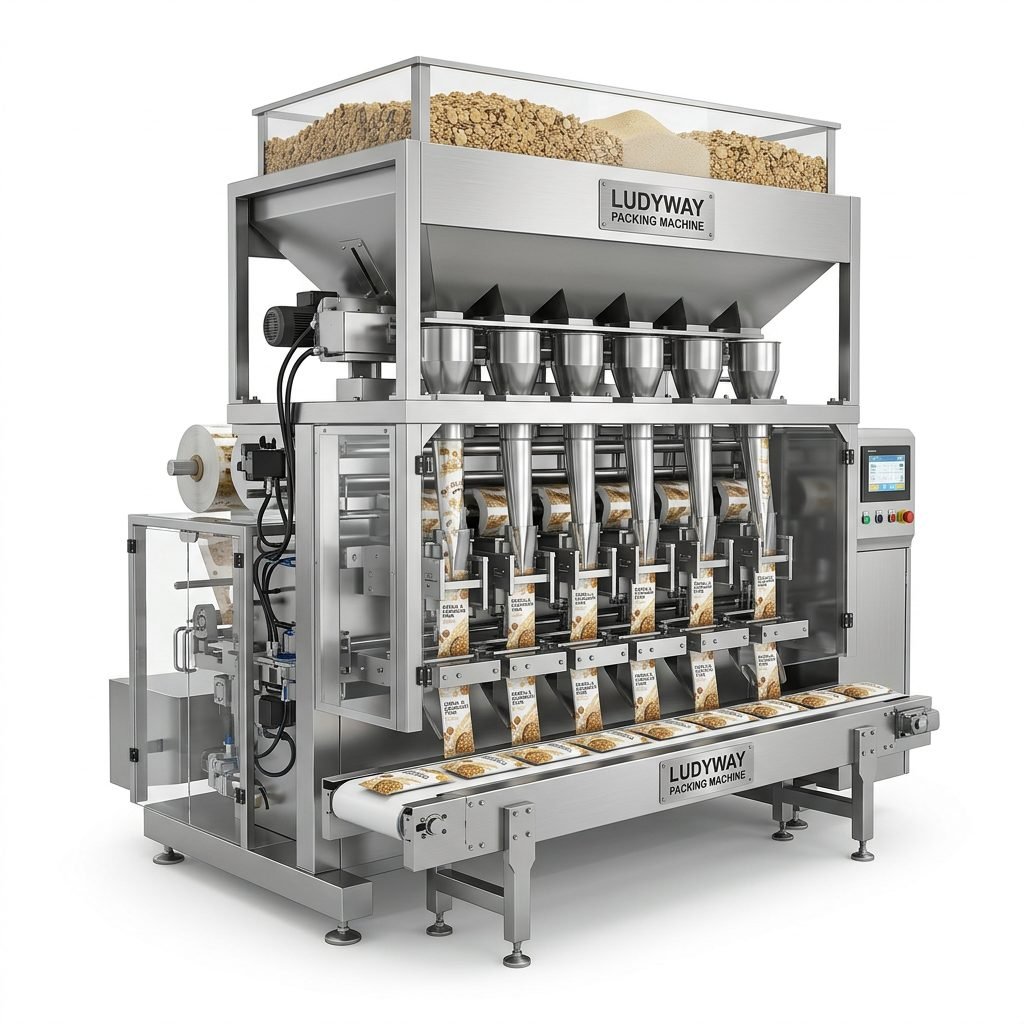
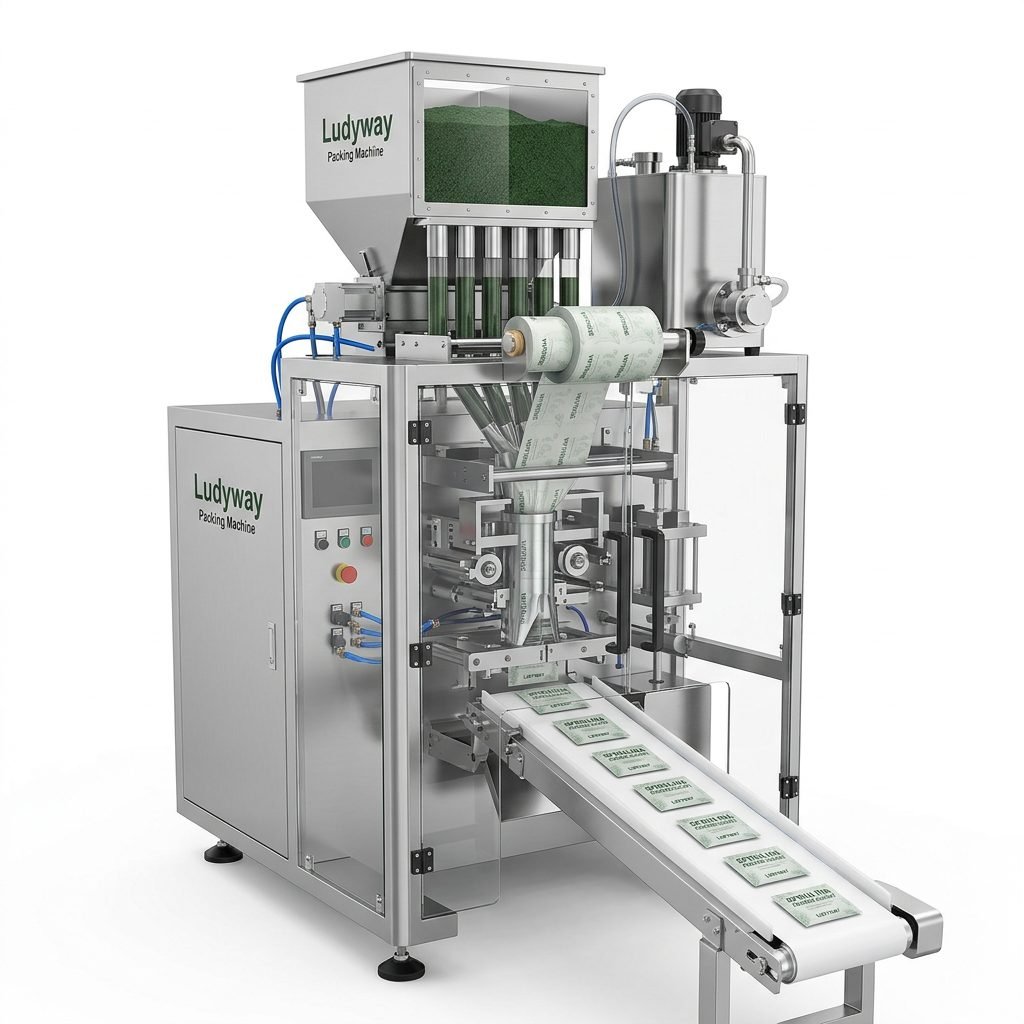
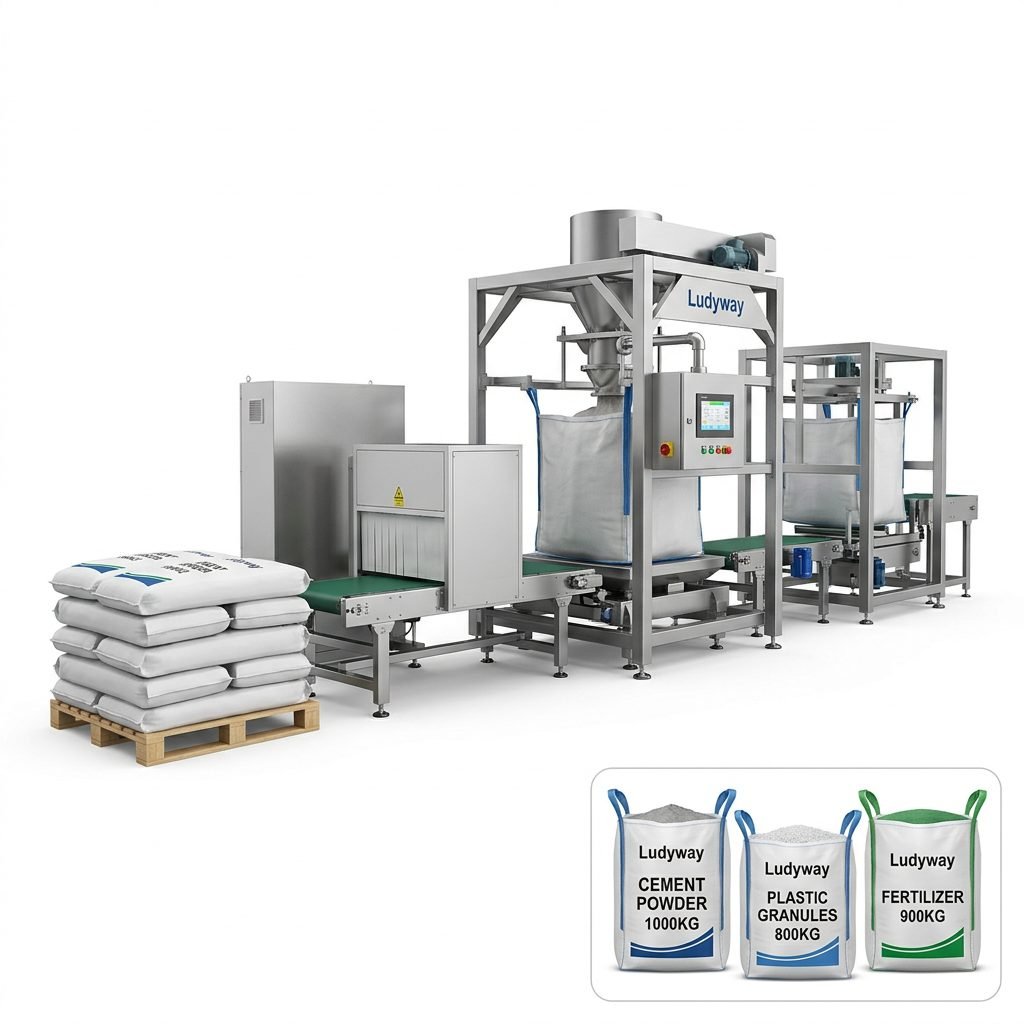
Companies looking for broader automation capabilities often evaluate experienced packaging equipment manufacturers such as
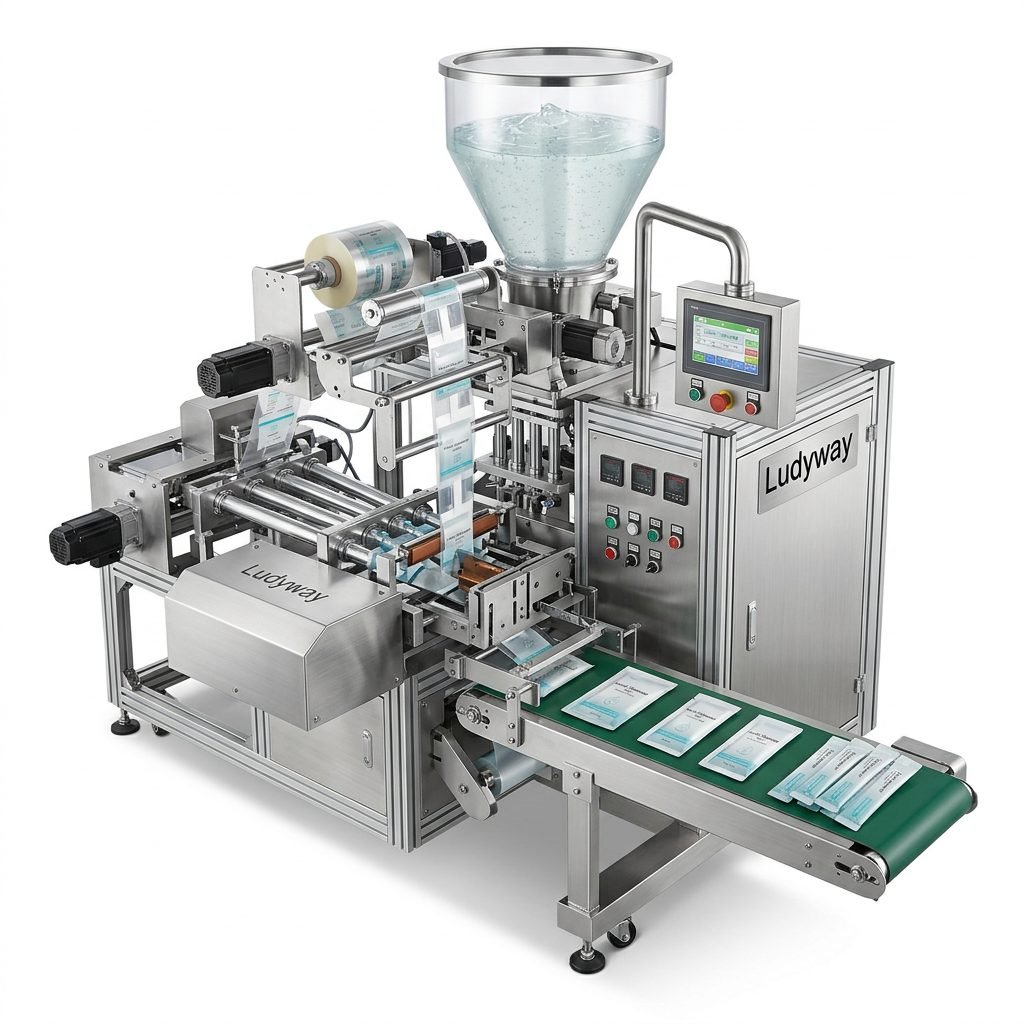
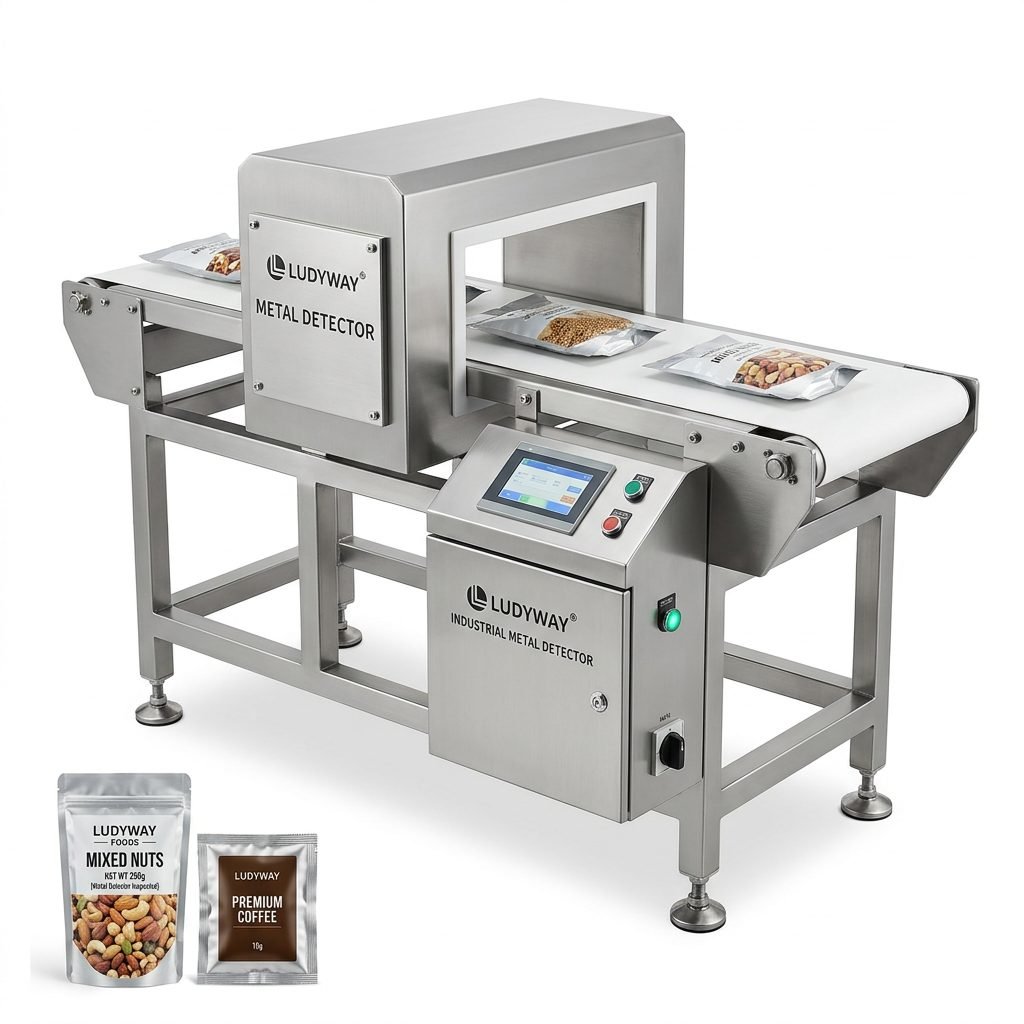
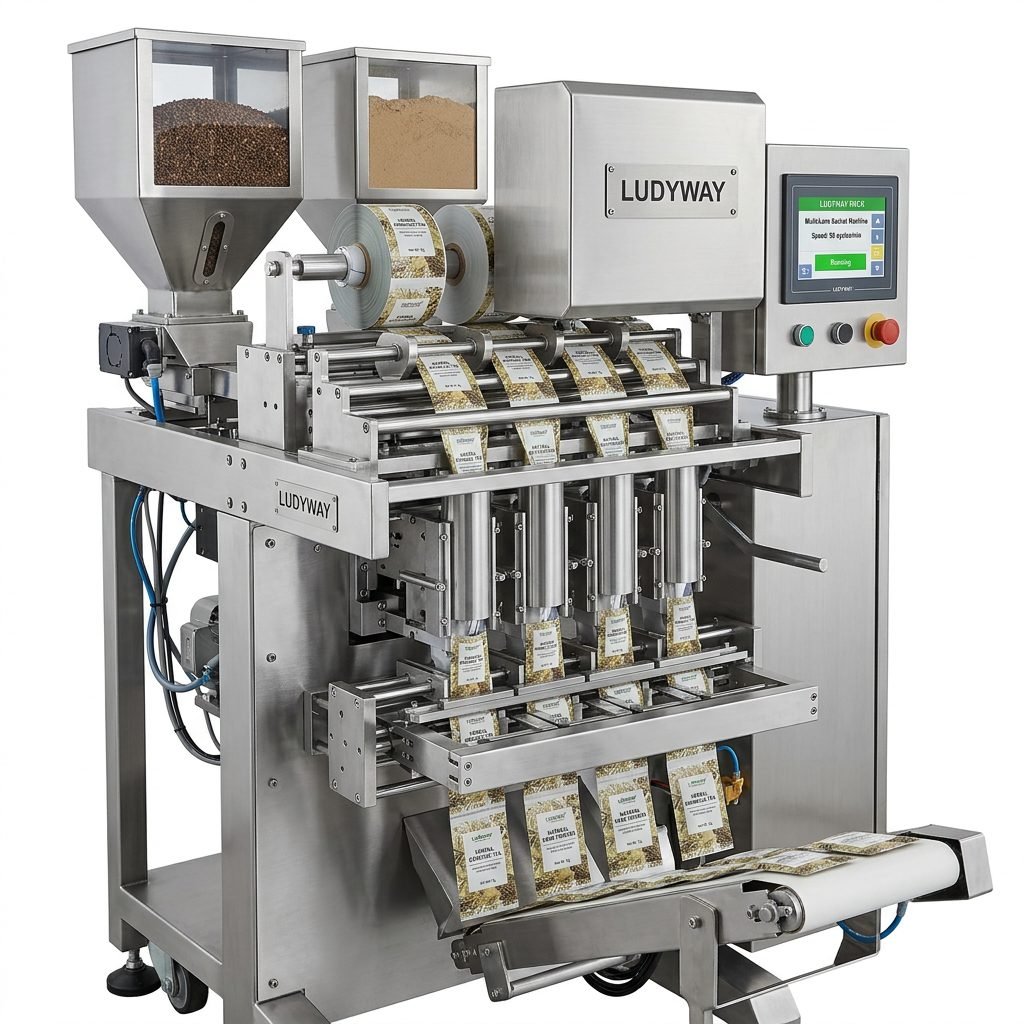
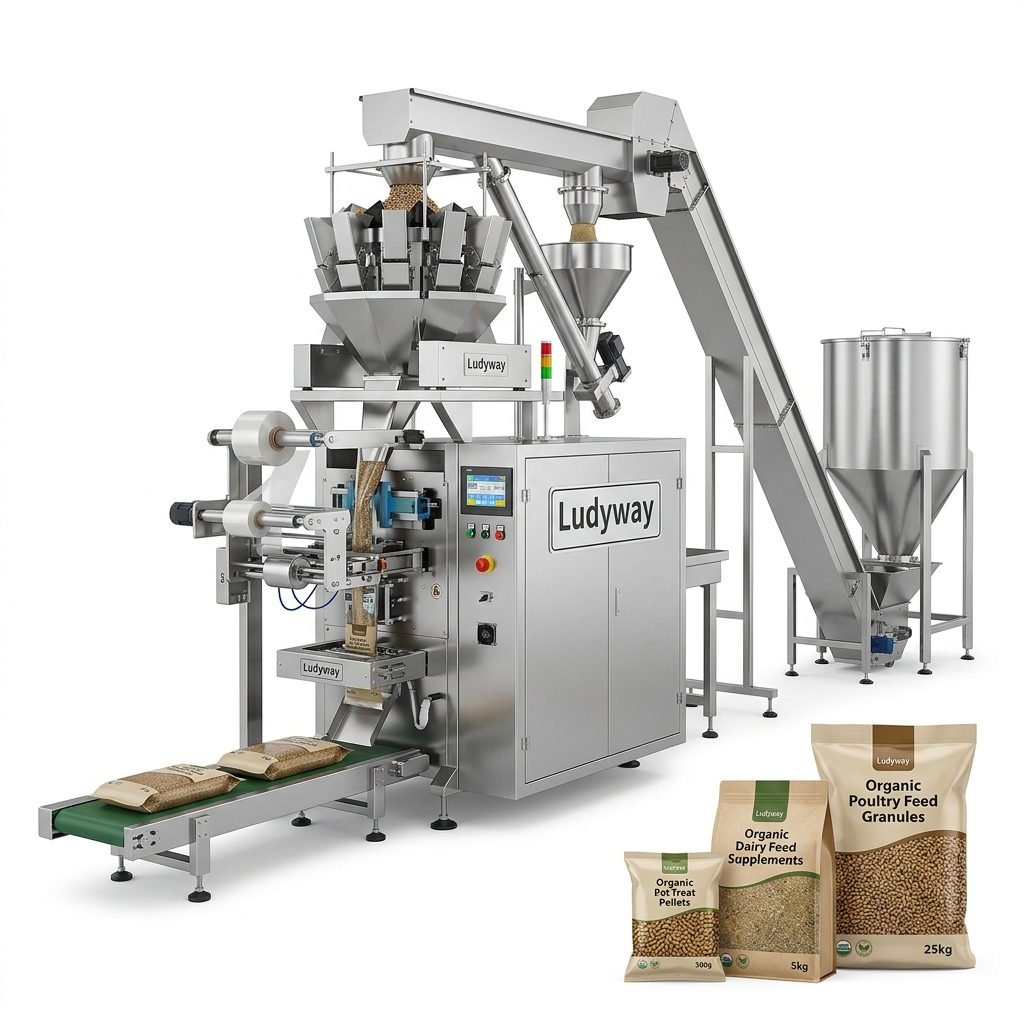
Ludyway packaging machine solutions, especially for customized and integrated packaging projects across multiple industries.
Final Buying Checklist
| Checklist Item | Why It Matters |
|---|---|
| Roll size compatibility | Prevents instability and handling issues |
| Packaging material fit | Ensures proper protection and cost control |
| Automation level | Matches labor strategy and output goals |
| Machine speed | Supports delivery schedules and factory efficiency |
| Maintenance simplicity | Reduces downtime and training burden |
| After-sales support | Improves long-term machine reliability |
| Customization ability | Helps the system match real textile production needs |
The best fabric roll packing machine is the one that fits your material type, production speed, package protection level, and factory workflow. A careful selection process will help you reduce waste, improve shipping quality, and create a more efficient textile packaging operation for the long term.