For businesses seeking precision, reliability, and cutting-edge engineering in packaging solutions, Germany stands as a global beacon. The country’s reputation for meticulous craftsmanship and technological innovation is deeply embedded in its industrial culture, a trait that extends seamlessly into its packaging machinery sector. German manufacturers are renowned not just for building machines, but for creating enduring systems that embody efficiency, durability, and smart automation. This guide is designed to navigate you through the landscape of top packaging machine manufacturers in Germany, helping you make an informed decision that aligns with the high standards synonymous with German engineering.
The Hallmarks of German Packaging Machinery Excellence
Understanding what sets German manufacturers apart is crucial. Their approach is often characterized by a deep-seated respect for quality over quantity and a long-term partnership mindset, reflecting a broader business culture that values stability and deep expertise.
Key Differentiators:
✓ Engineering Precision: Unmatched attention to detail in design and manufacturing, ensuring minimal tolerance and maximum consistency.
✓ Automation & Industry 4.0: Pioneering integration of IoT, data analytics, and smart factory concepts for predictive maintenance and optimized production flow.
✓ Material & Build Quality: Use of premium-grade components and materials, resulting in machines with exceptional longevity and lower total cost of ownership.
✓ After-Sales Support: Comprehensive service networks, thorough training, and readily available spare parts, ensuring uninterrupted operation.
Navigating the Market: Key German Packaging Machine Segments
The German market offers specialized manufacturers for virtually every packaging need. Here’s a breakdown of primary segments where German expertise shines.
1. Vertical Form-Fill-Seal (VFFS) & Horizontal Flow Wrappers
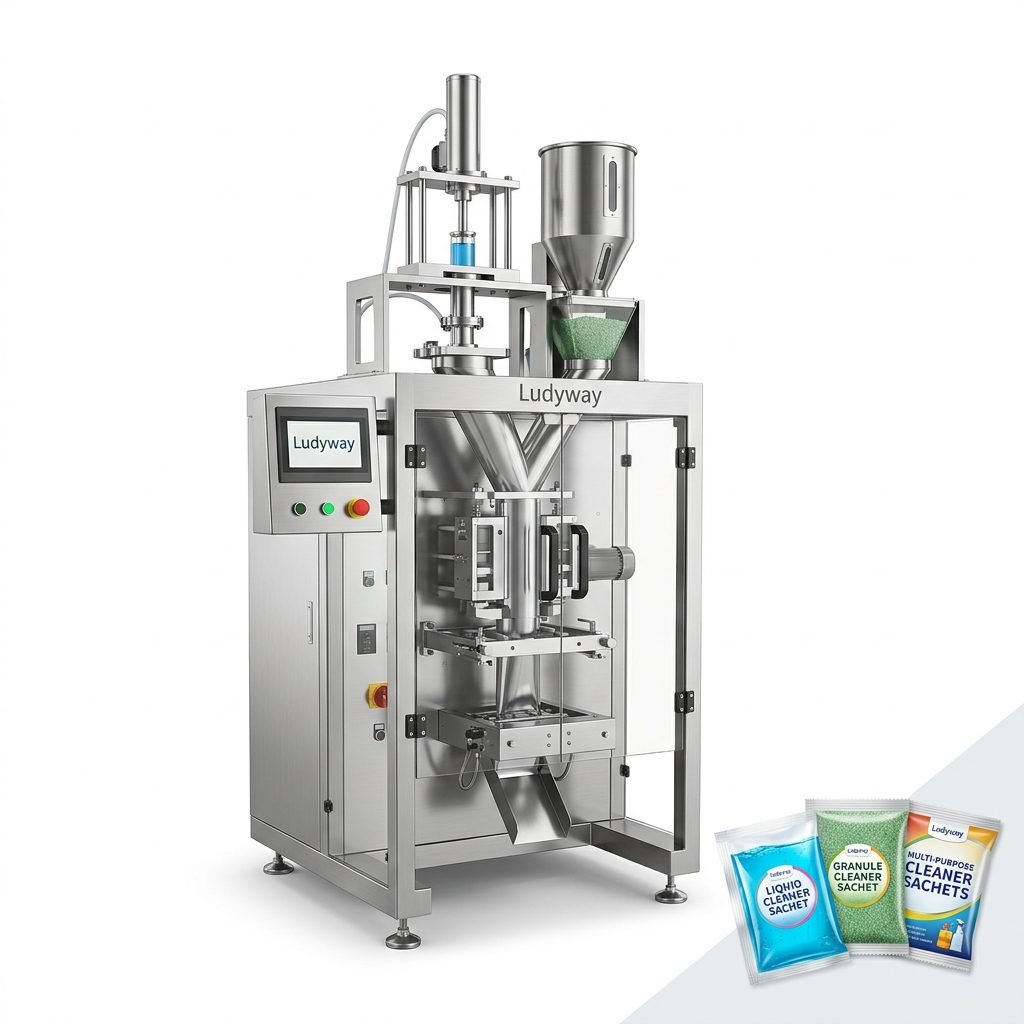
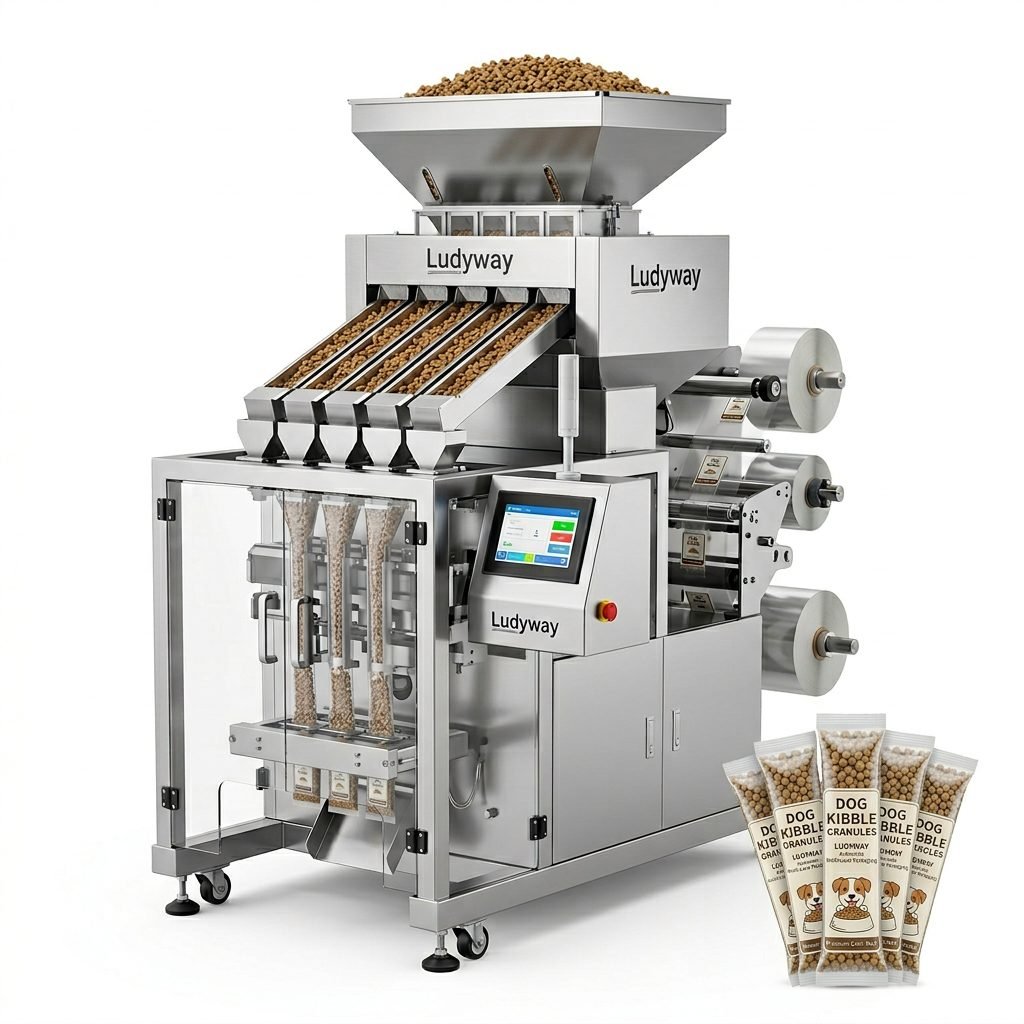
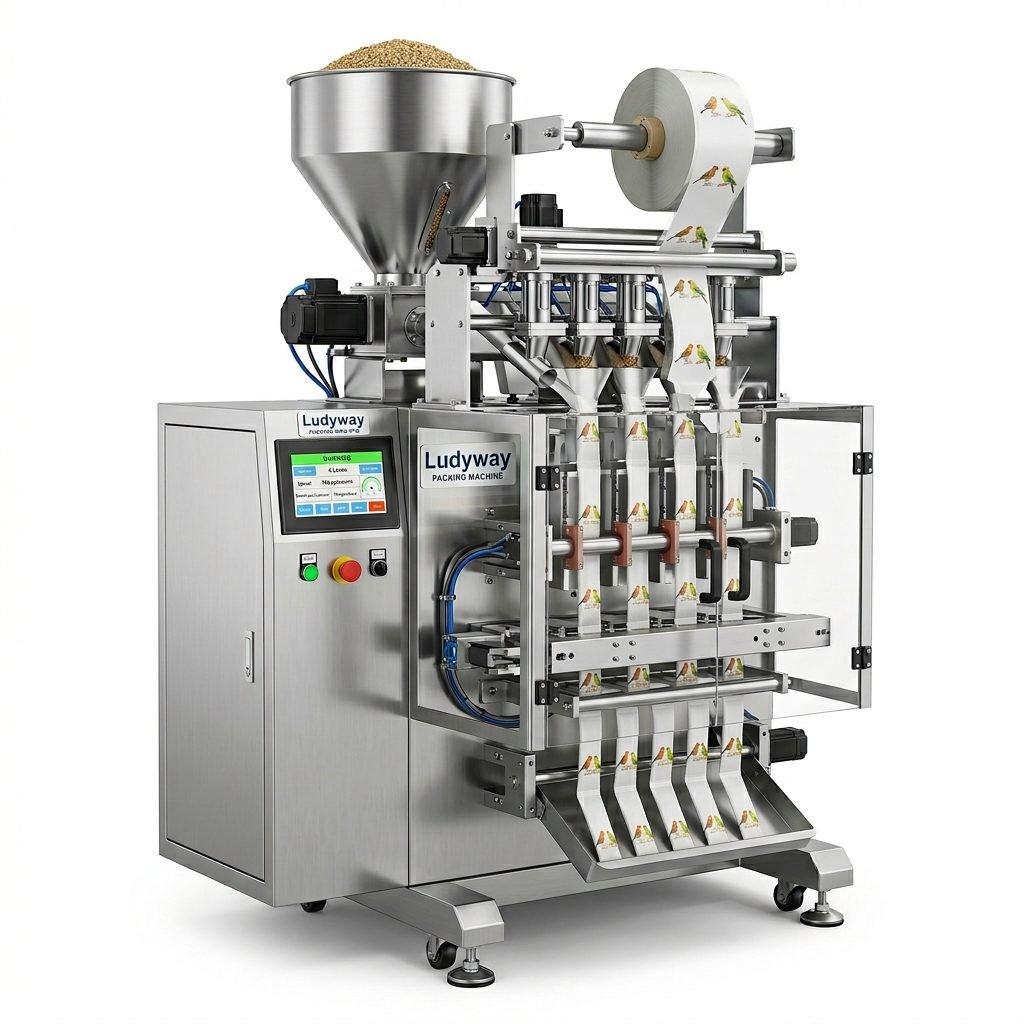
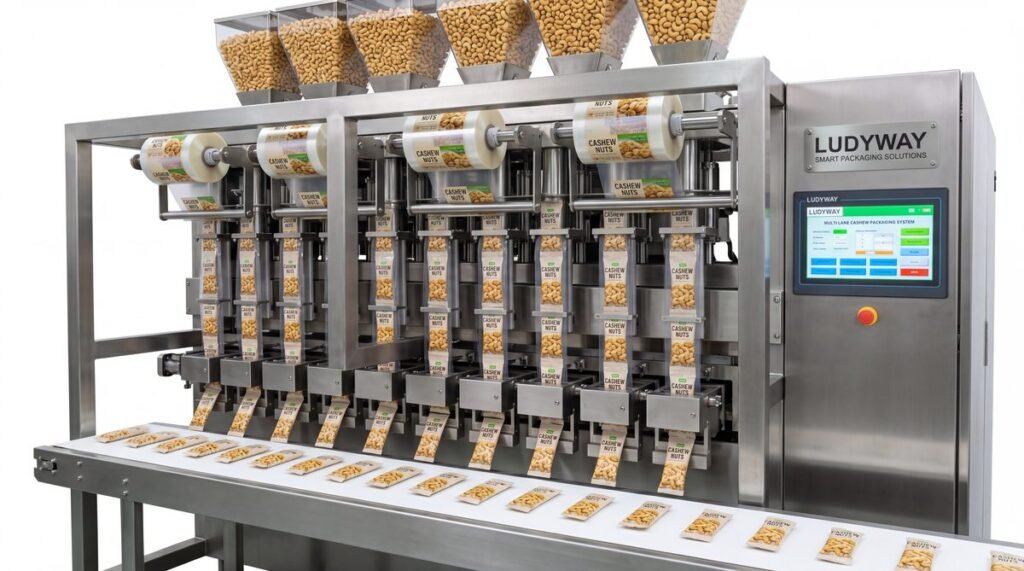
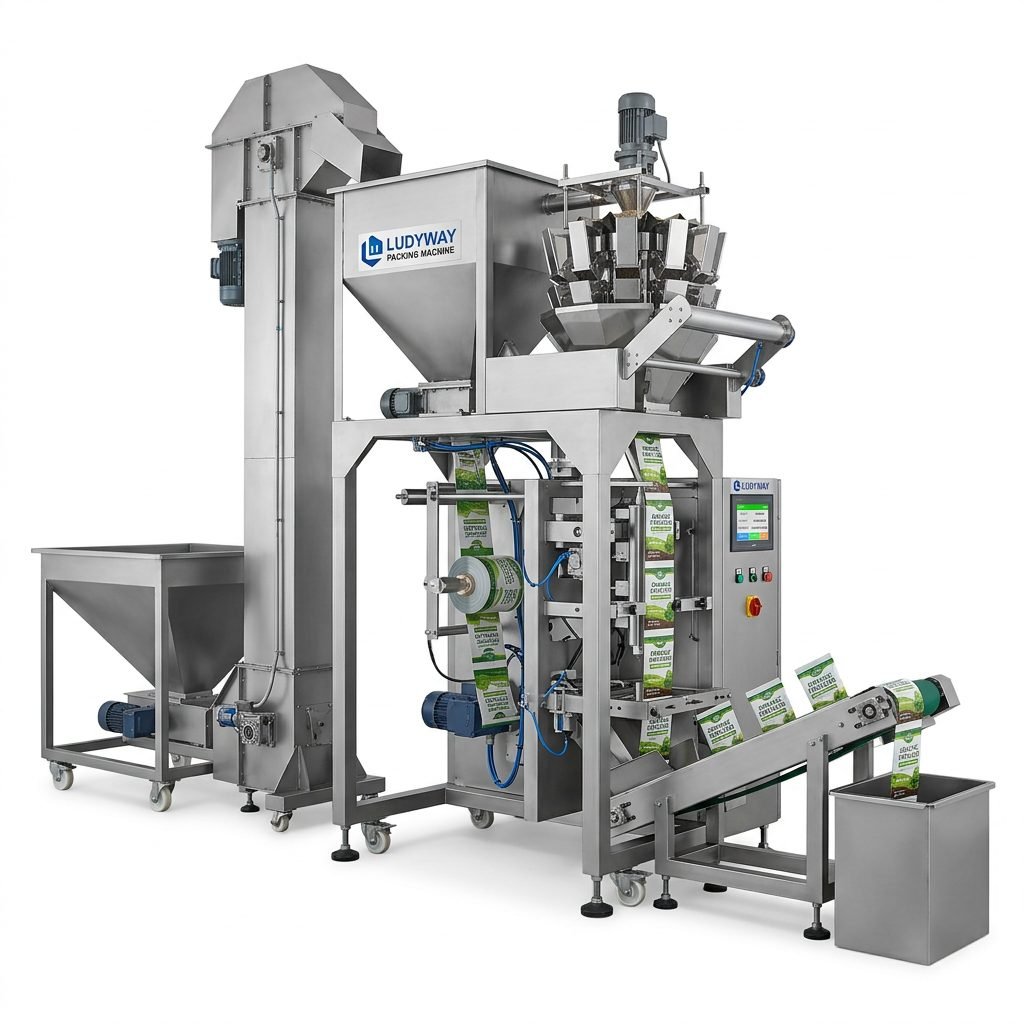
These are workhorses for packaging powders, granules, and solids. German-engineered VFFS machines are celebrated for their high speed, precision weighing systems (like multi-head weighers), and gentle product handling. They are ideal for snacks, coffee, pasta, and hardware items.
2. Liquid & Pasty Filling Machines
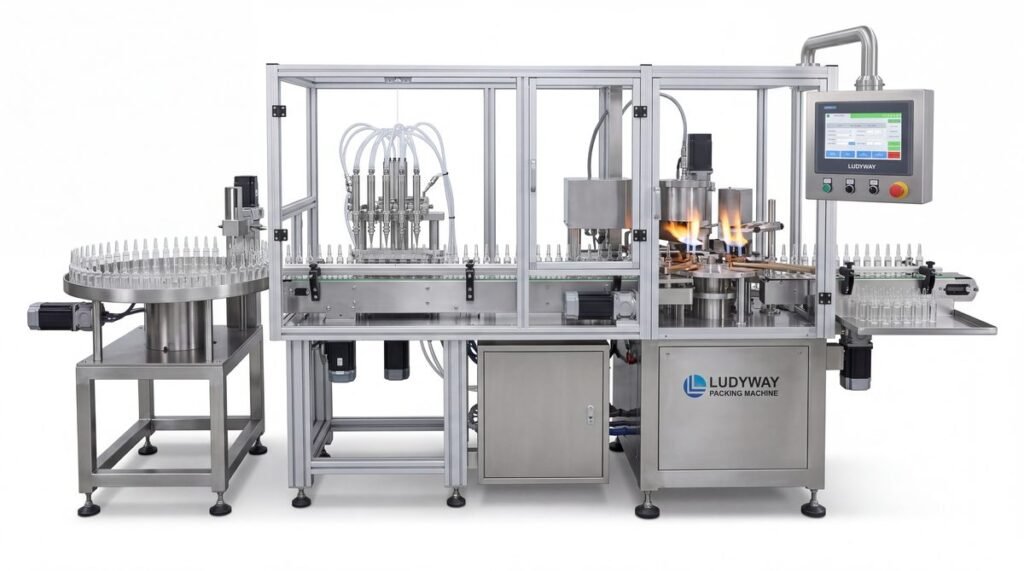
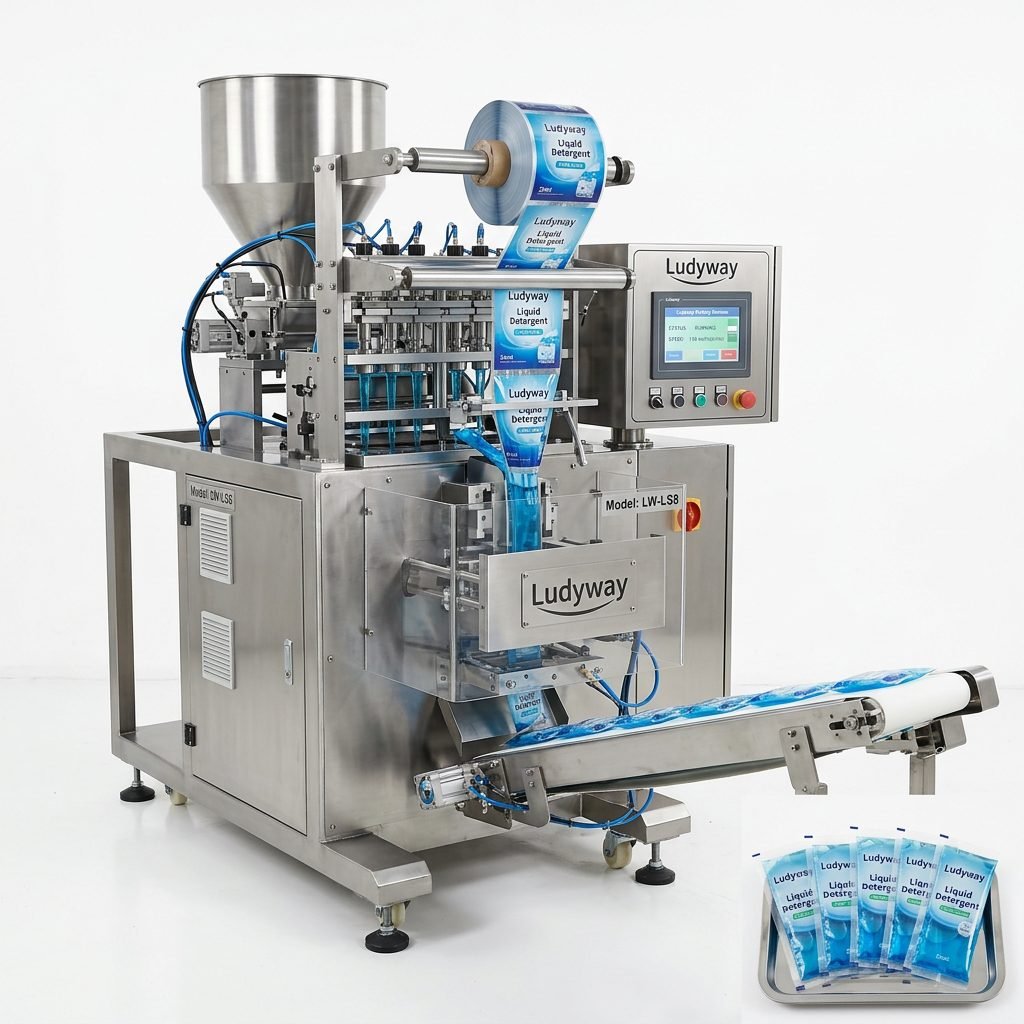
From pharmaceuticals and cosmetics to food sauces and dairy, German filling technology offers unparalleled accuracy and hygiene. Look for manufacturers specializing in aseptic filling, volumetric piston fillers, and overflow filling systems for viscous products.
3. Cartoning & Case Packing Systems
Automated cartoners that erect, load, and seal boxes with robotic precision are a German forte. These systems often feature sophisticated vision systems for quality control and can handle complex, variable packaging formats efficiently.
4. End-of-Line & Palletizing Solutions
Completing the automation line, German robotics and palletizing systems ensure stable, optimized loads for shipping. They are designed for heavy-duty cycles and seamless integration with warehouse management systems.
Selecting Your German Manufacturing Partner: A Strategic Guide
Choosing the right supplier goes beyond the machine specs. It’s about finding a partner whose philosophy aligns with your operational goals and quality expectations.
Critical Evaluation Criteria
Industry-Specific Experience: Does the manufacturer have a proven track record in your specific sector (e.g., food, pharma, chemicals)? Regulatory knowledge (like FDA, EHEDG) is crucial.
Technology Roadmap & Innovation: Assess their commitment to R&D. Are they leaders in sustainable packaging solutions, digitalization, and energy efficiency?
Service and Support Footprint: Evaluate their global service network. Proximity to technical support and spare parts logistics can significantly reduce downtime risks.
Customization Capability: The best partners offer tailored solutions, not just off-the-shelf machines. Can they adapt to your unique product, packaging material, and line integration needs?
Total Cost of Ownership (TCO): Look beyond the initial purchase price. Consider energy consumption, maintenance costs, part longevity, and potential output gains.
Global Perspective: Integrating German Engineering with International Support
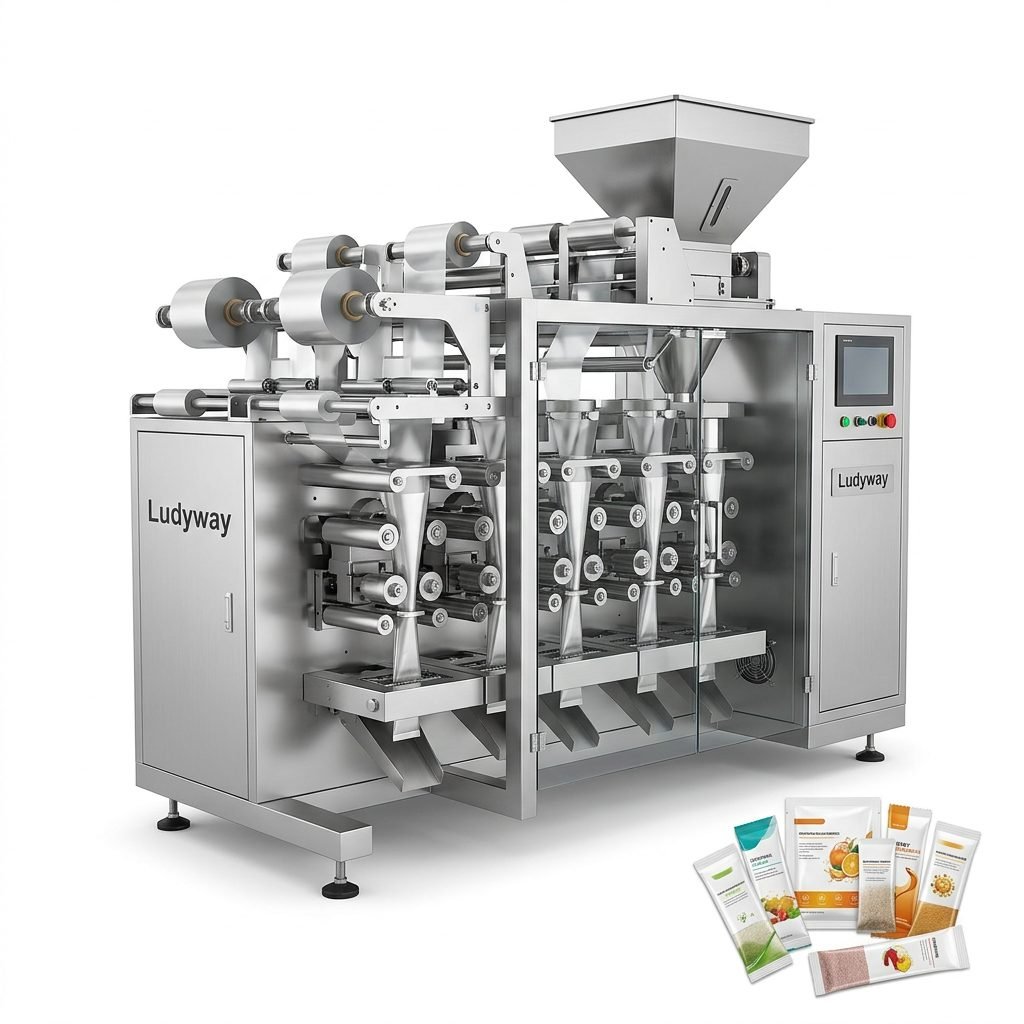
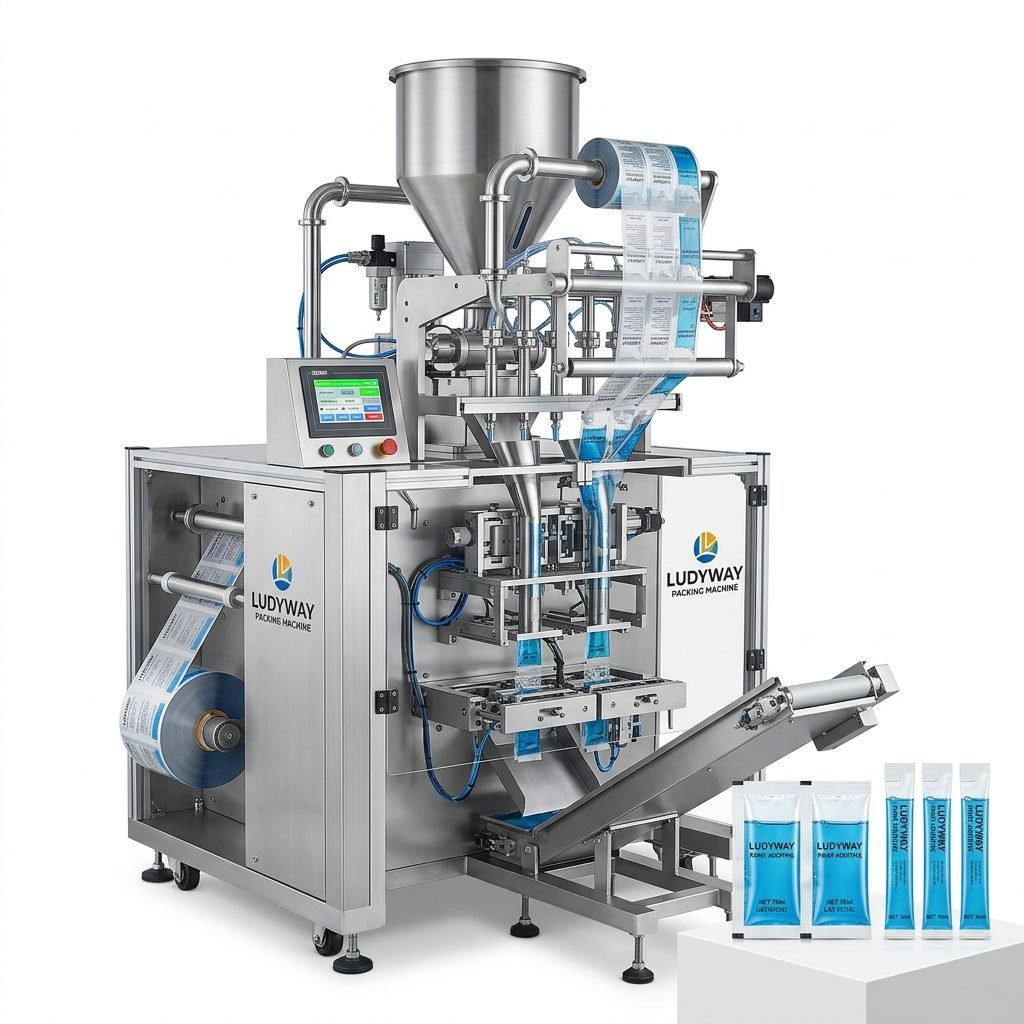
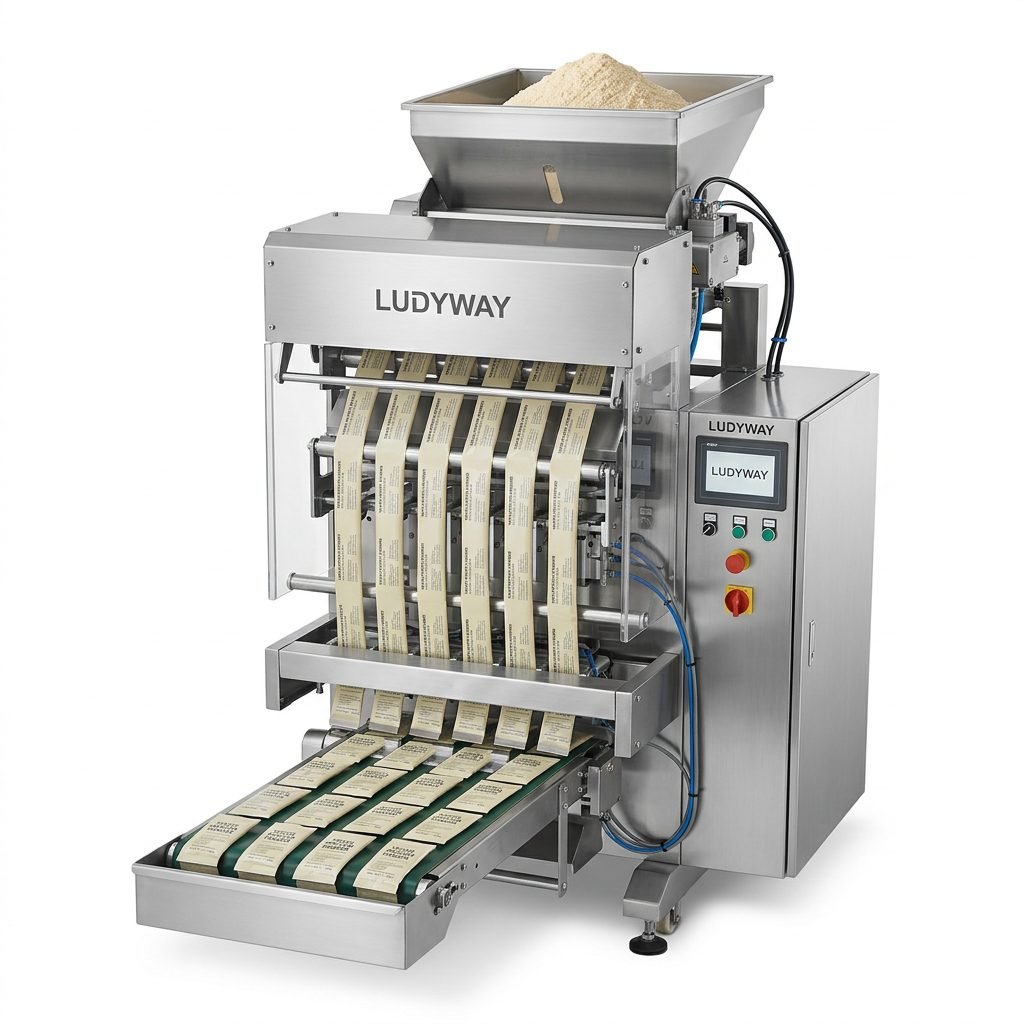
While German engineering sets the benchmark, global manufacturers who collaborate with or incorporate these high standards offer compelling value. Companies like Ludyway Packing Machine exemplify this model. With over 30 years of industry experience, they leverage deep technical partnerships to provide intelligent packaging solutions—such as multi-lane stick pack and sachet machines—that meet the rigorous expectations of international markets. Their approach combines advanced engineering with a global service mindset, offering more than 50 machine models and complete turnkey production lines from a modern 20,000㎡ facility. This blend ensures access to German-level precision and reliability, supported by a network attuned to diverse international production needs.
Such global players understand that adopting the German ethos of quality is key. Since its founding in 2010, Ludyway Machinery has focused on building long-term cooperation through reliable equipment and professional service, mirroring the partnership-driven approach valued in German business culture.
Future Trends: What’s Next for Packaging Machinery from Germany?
The future is being shaped by sustainability and digital intelligence. German manufacturers are at the forefront of developing machines that handle mono-materials and recycled content, reducing environmental impact. Simultaneously, the integration of AI for quality control, digital twins for simulation, and cloud-based monitoring platforms is becoming standard, pushing the boundaries of predictive efficiency and smart manufacturing.
Final Considerations Before You Buy
Always request a product test using your actual materials. Visit the manufacturer’s facility if possible to assess their production and quality control processes firsthand. Clearly define your Key Performance Indicators (KPIs)—such as speed, changeover time, and yield—and ensure the proposed solution can meet them consistently. Finally, scrutinize the warranty terms and the clarity of the service level agreement (SLA).
Frequently Asked Questions (FAQs)
Q1: Why are German packaging machines generally more expensive, and is the investment justified?
The higher initial cost reflects superior materials, precision engineering, extensive R&D, and rigorous testing. This investment is justified by lower lifetime costs through exceptional durability, higher efficiency, less downtime, and better resale value. The Total Cost of Ownership (TCO) is often lower than that of cheaper alternatives.
Q2: How do I ensure the machine complies with my local industry regulations (e.g., FDA, EU food safety)?
Reputable German manufacturers design machines to meet international standards. You must explicitly state your regulatory requirements during the quoting process. They should provide documentation (e.g., CE certification, material declarations) and design features (like easy-clean surfaces, specific seal types) to ensure compliance.
Q3: What level of customization can I expect from a German manufacturer?
High levels of customization are standard. German engineers typically work closely with clients to adapt machine dimensions, integration interfaces, handling systems, and software to specific production lines and products. Expect a collaborative design process rather than a simple order placement.
Q4: How critical is after-sales service, and what should a good package include?
It is absolutely critical. A robust service package should include comprehensive installation supervision, operator and maintenance training, a clear spare parts inventory plan, remote diagnostic support, and readily available service engineers. The strength of a manufacturer’s local or regional support network is a key selection criterion.
Q5: Can I integrate a new German machine into my existing, older production line?
Yes, most manufacturers offer integration services. A thorough site audit and analysis of your current line’s controls and mechanics are necessary. They can provide custom interfaces, conveyor links, and control system upgrades to ensure seamless communication and material flow between old and new equipment.