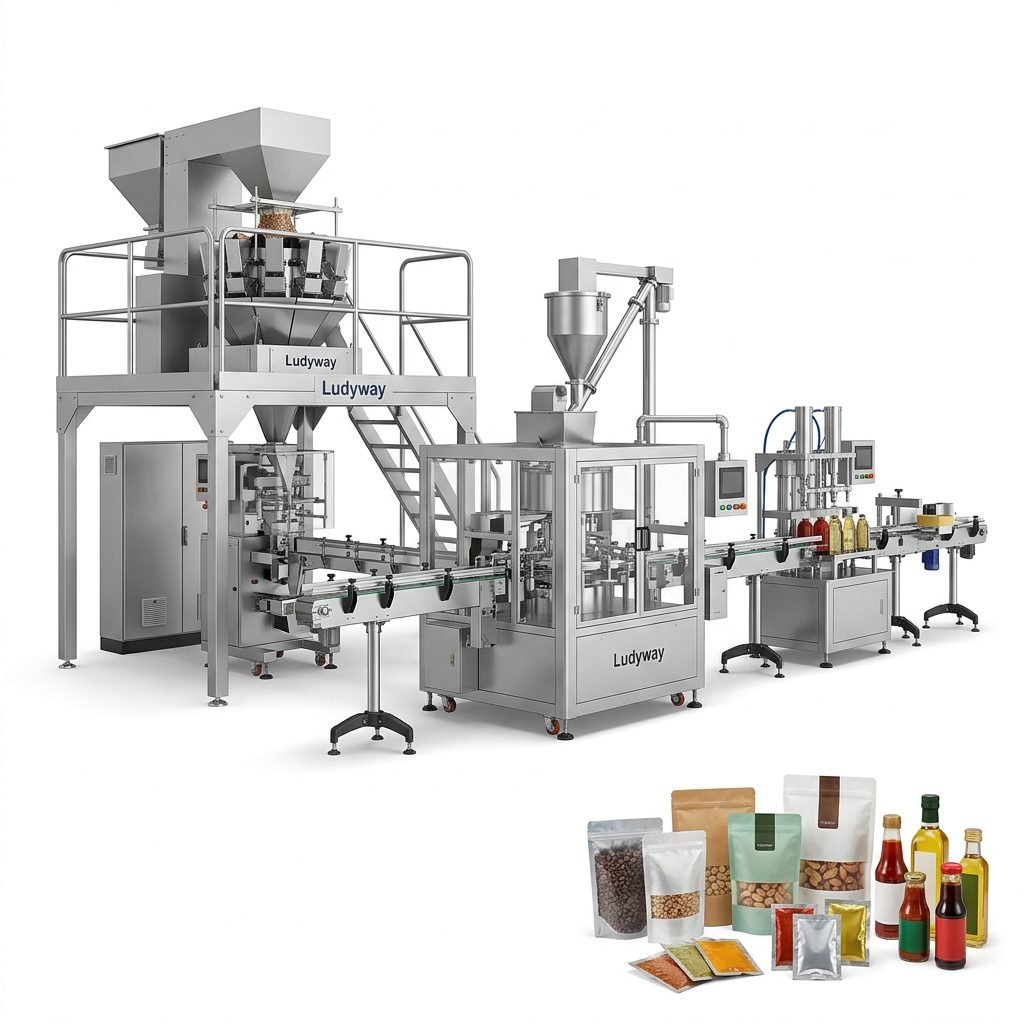
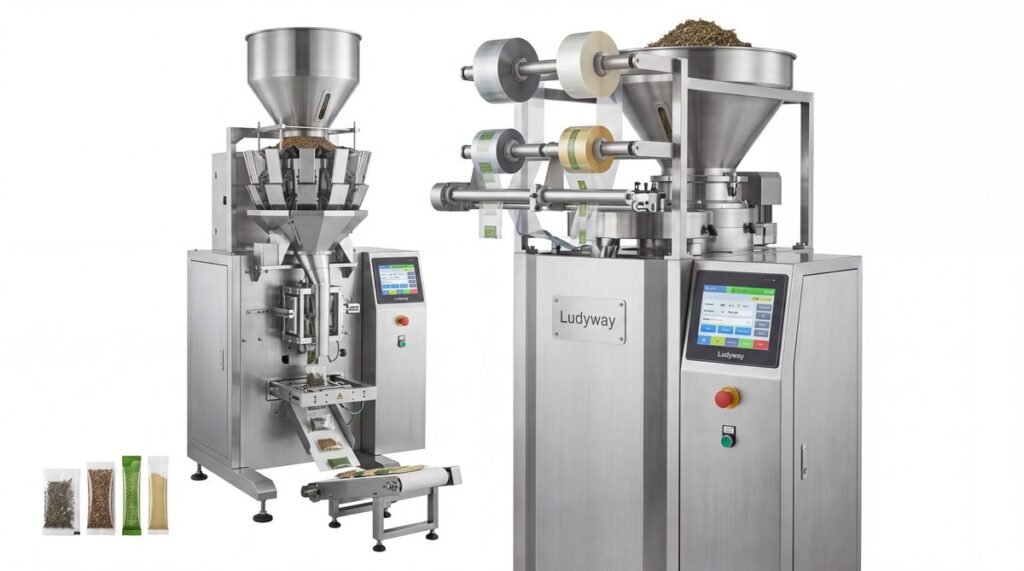
PFM spa packaging machinery is often associated with advanced flexible packaging technology, but for manufacturers seeking practical automation, the real priority is not just the brand name—it is finding a packaging solution that delivers speed, accuracy, consistency, and scalability. In modern food, pharmaceutical, nutraceutical, cosmetic, and chemical production, flexible packaging automation has become essential for reducing labor dependency, minimizing waste, and improving output quality.
Today’s manufacturers need packaging systems that can handle powders, granules, liquids, pastes, and pouch-based products with stable performance across different production environments. Whether the goal is to pack stick packs, sachets, pouches, or complete retail-ready formats, the right machinery can transform production efficiency and strengthen market competitiveness.
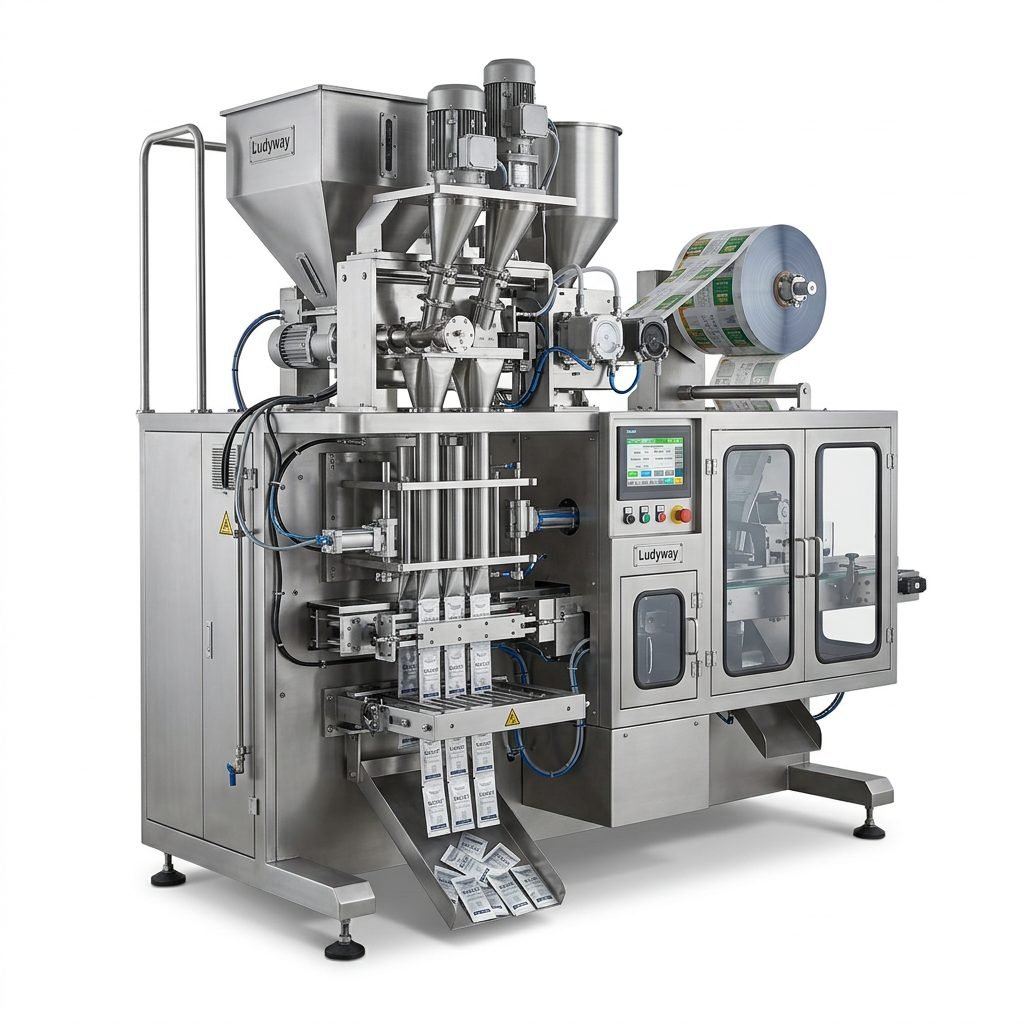
Why Flexible Packaging Automation Matters
Flexible packaging has become one of the most efficient packaging formats in global manufacturing. Compared with rigid packaging, it offers advantages in transportation, storage, shelf presentation, and material consumption. However, the full value of flexible packaging can only be realized when the automation system behind it is stable and well matched to the product.
- Higher throughput for fast-growing production demands
- Consistent pack quality across large batch volumes
- Lower labor costs through automated filling, sealing, coding, and counting
- Improved dosing accuracy for powders, granules, and liquids
- Better hygiene control in regulated industries such as pharma and health supplements
- Flexible format changeover for different SKU requirements
For companies moving from semi-automatic processes to fully integrated production, automation is not only a productivity tool but also a long-term investment in quality assurance and operational reliability.
Core Packaging Machinery Used in Flexible Packaging Lines
When evaluating alternatives to well-known packaging machine providers, buyers usually compare machine structure, application range, maintenance convenience, and integration capability. A complete flexible packaging system may include several coordinated units rather than a single standalone machine.
Common machine categories include:
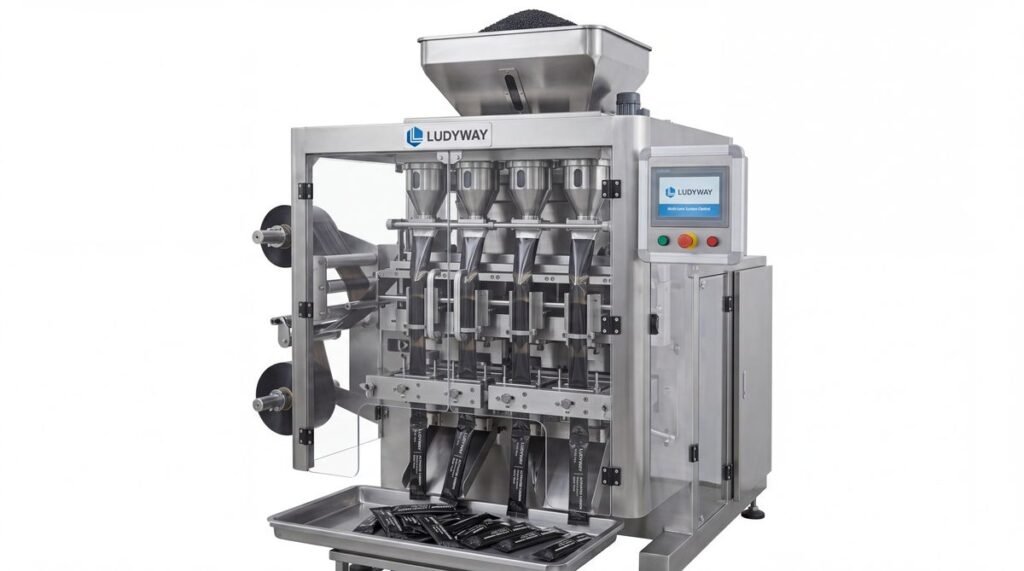
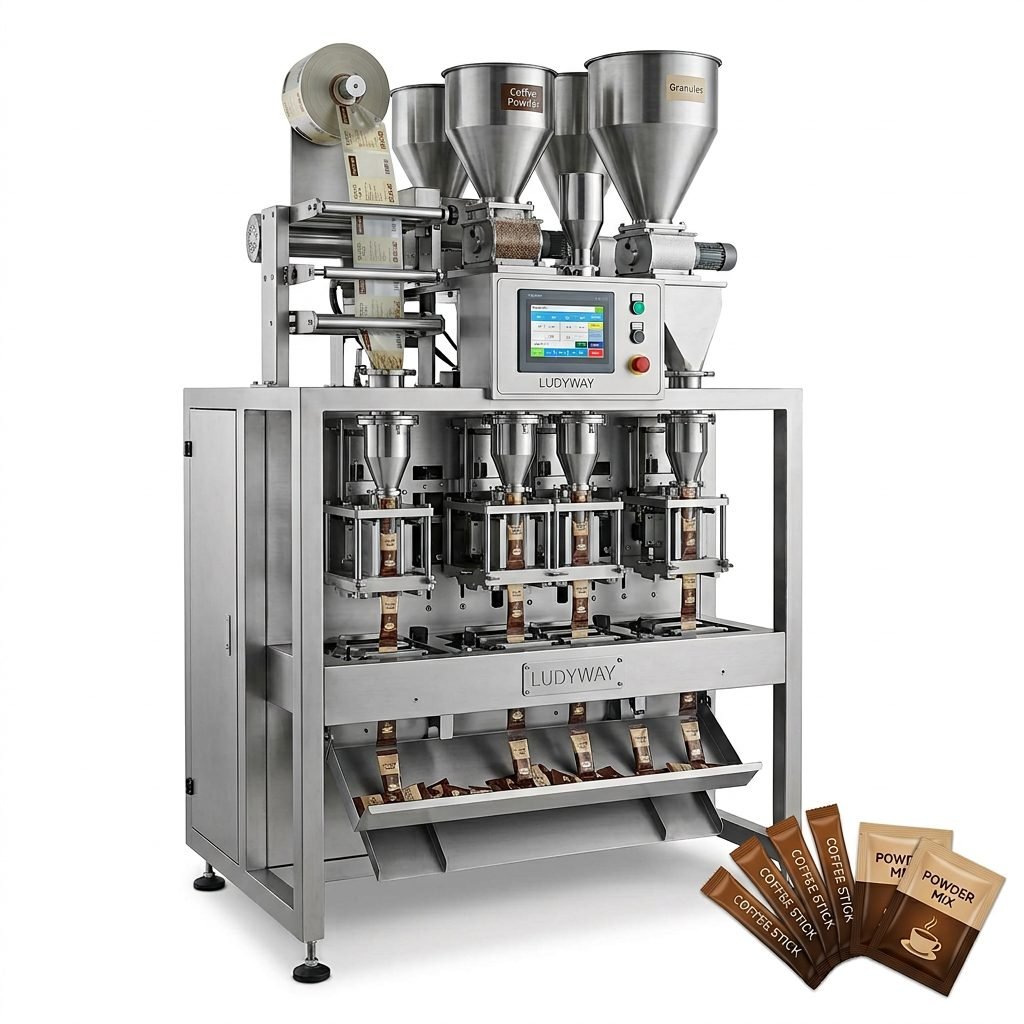
- Multi-lane stick pack machines
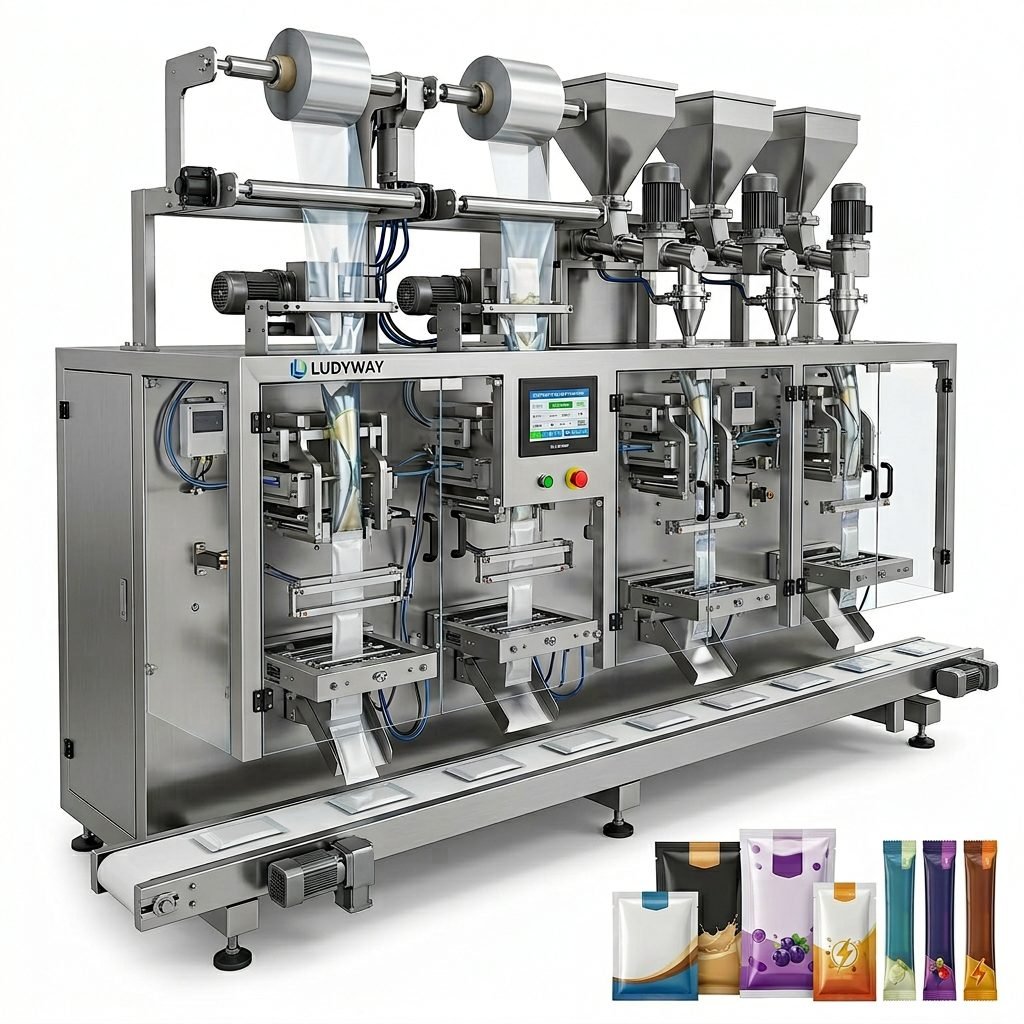
- Sachet packing machines
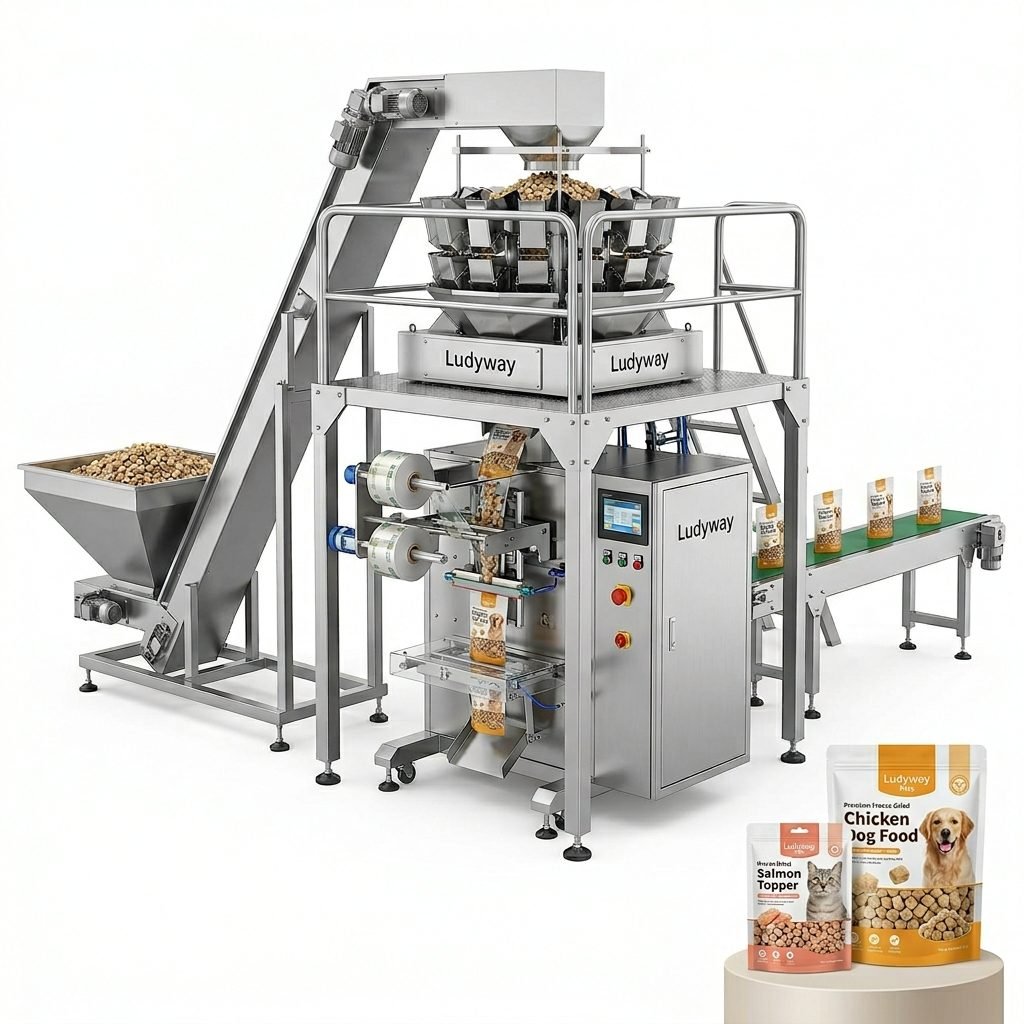
- Vertical form fill seal systems
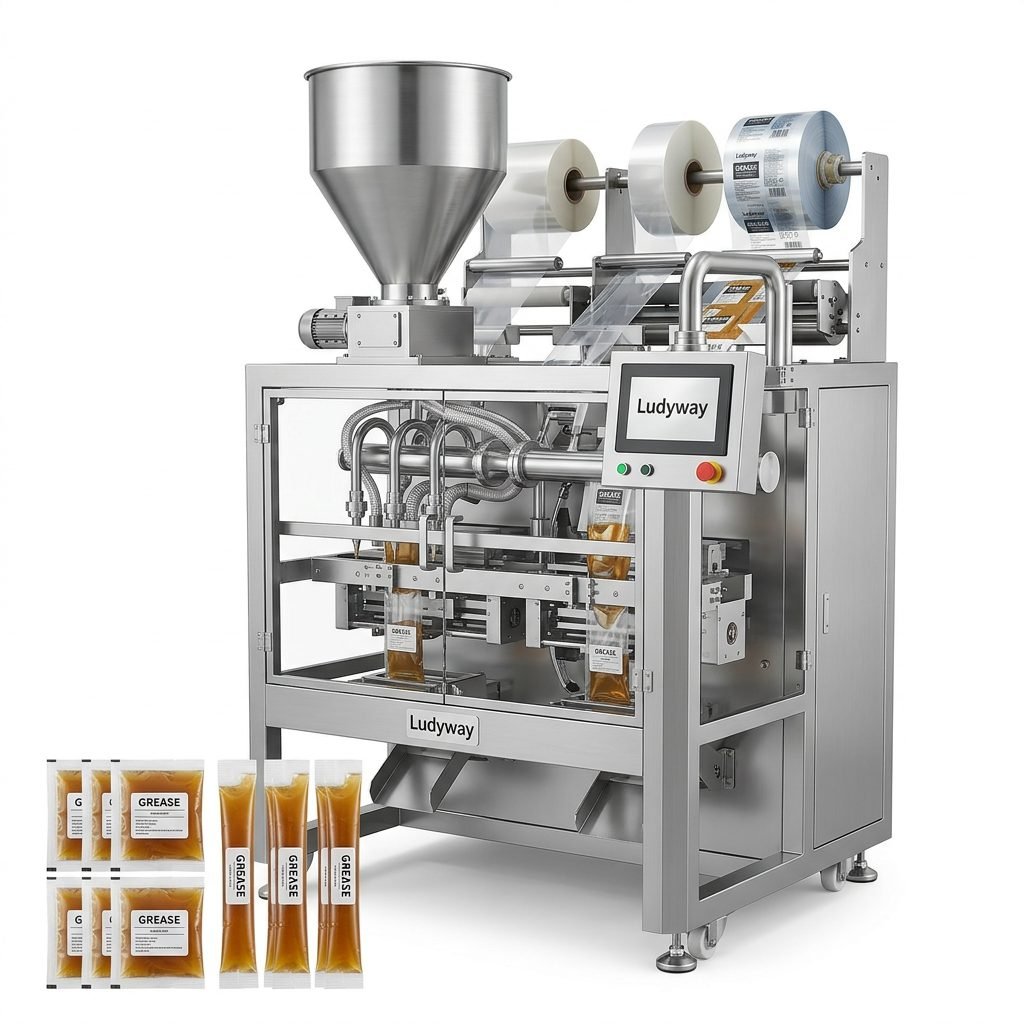
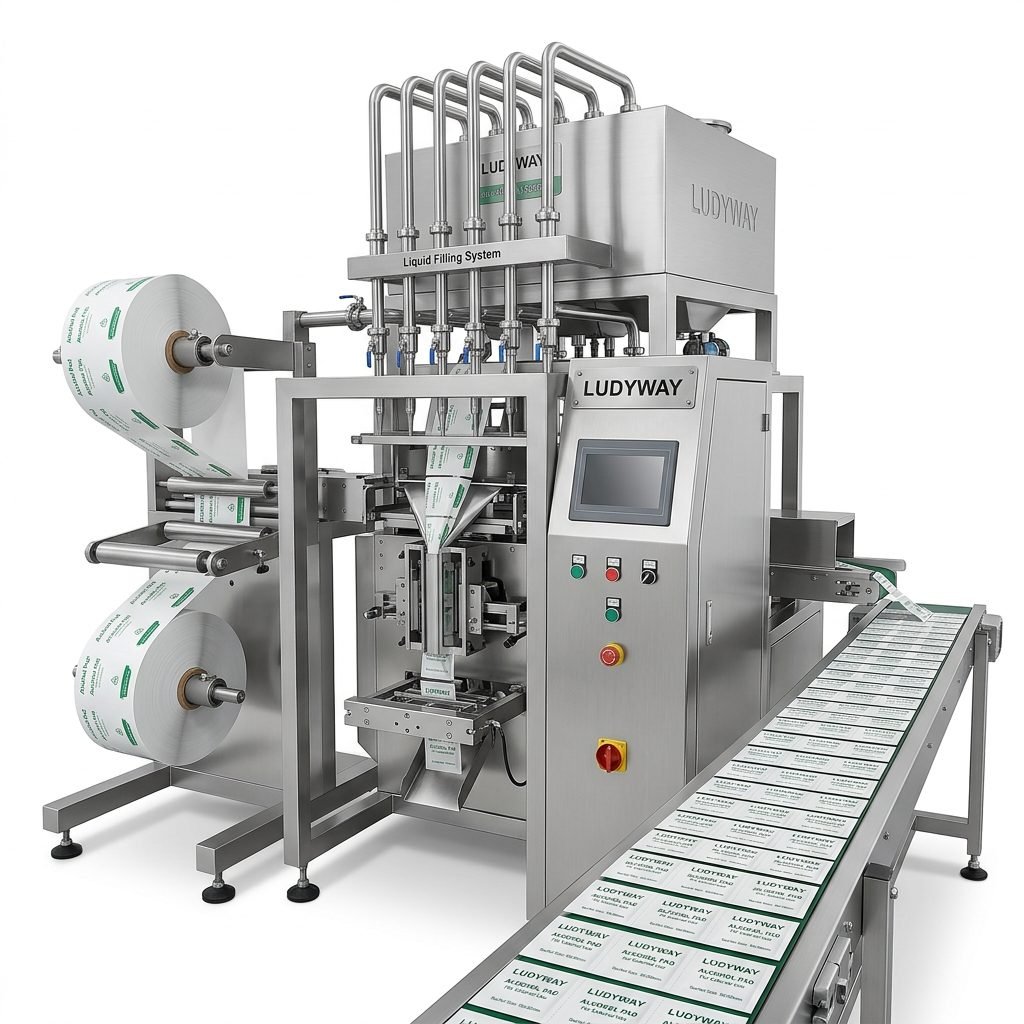
- Liquid and paste filling machines
- Powder auger filling systems
- Granule weighing and dosing equipment
- Checkweighers and inspection systems
- Coding, labeling, cartoning, and case packing equipment
- Complete turnkey packaging lines
These machines are often selected based on product characteristics such as flowability, moisture sensitivity, dosage size, required sealing quality, and final pack format.
Key Features Buyers Should Look For
Not all packaging machines perform equally under demanding factory conditions. The best flexible packaging automation solutions combine mechanical durability with intelligent control and application-specific engineering.
| Feature | Why It Matters |
|---|---|
| Accurate dosing system | Reduces giveaway, ensures product consistency, and supports compliance |
| Stable sealing performance | Protects shelf life and prevents leakage or contamination |
| Multi-lane capability | Boosts output significantly for stick pack and sachet formats |
| Quick changeover | Improves flexibility for manufacturers with multiple SKUs |
| PLC and HMI control | Simplifies operation, diagnostics, and recipe management |
| Integration readiness | Supports complete automation from feeding to final packing |
Applications Across Multiple Industries
Flexible packaging automation is no longer limited to one product category. Modern systems are designed for broad application coverage and can be adapted to diverse materials and packaging requirements.
Food Industry
Food producers often use sachet and stick pack systems for seasonings, coffee, sugar, sauces, milk powder, protein powder, cereal blends, and snack products. Fast sealing, sanitary construction, and reliable dosing are especially important in this sector.
Pharmaceutical and Nutraceutical Industry
Pharma and supplement manufacturers need high-precision filling, traceability, and clean operation. Flexible packaging is commonly used for oral powders, granules, electrolyte formulas, vitamins, collagen, probiotics, and other health-related products.
Cosmetic and Personal Care Industry
Sachets and stick packs are ideal for creams, serums, lotions, gels, and travel-size beauty products. Attractive pack appearance and seal integrity strongly influence final product appeal.
Chemical and Daily-Use Products
Detergents, cleaners, disinfectants, solvents, additives, and similar products also benefit from flexible packaging systems, especially when companies need controlled filling and leak-resistant sealing.
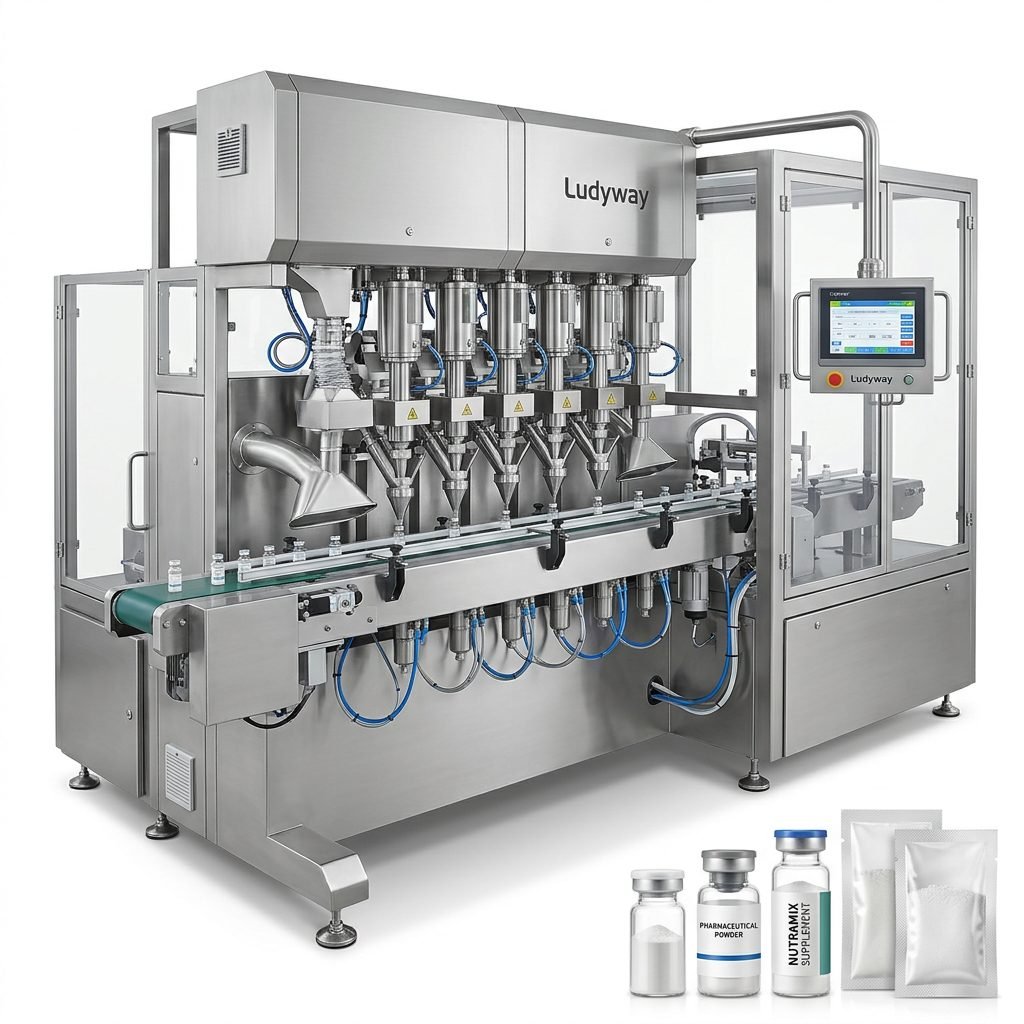
Advantages of Multi-Lane Packaging Systems
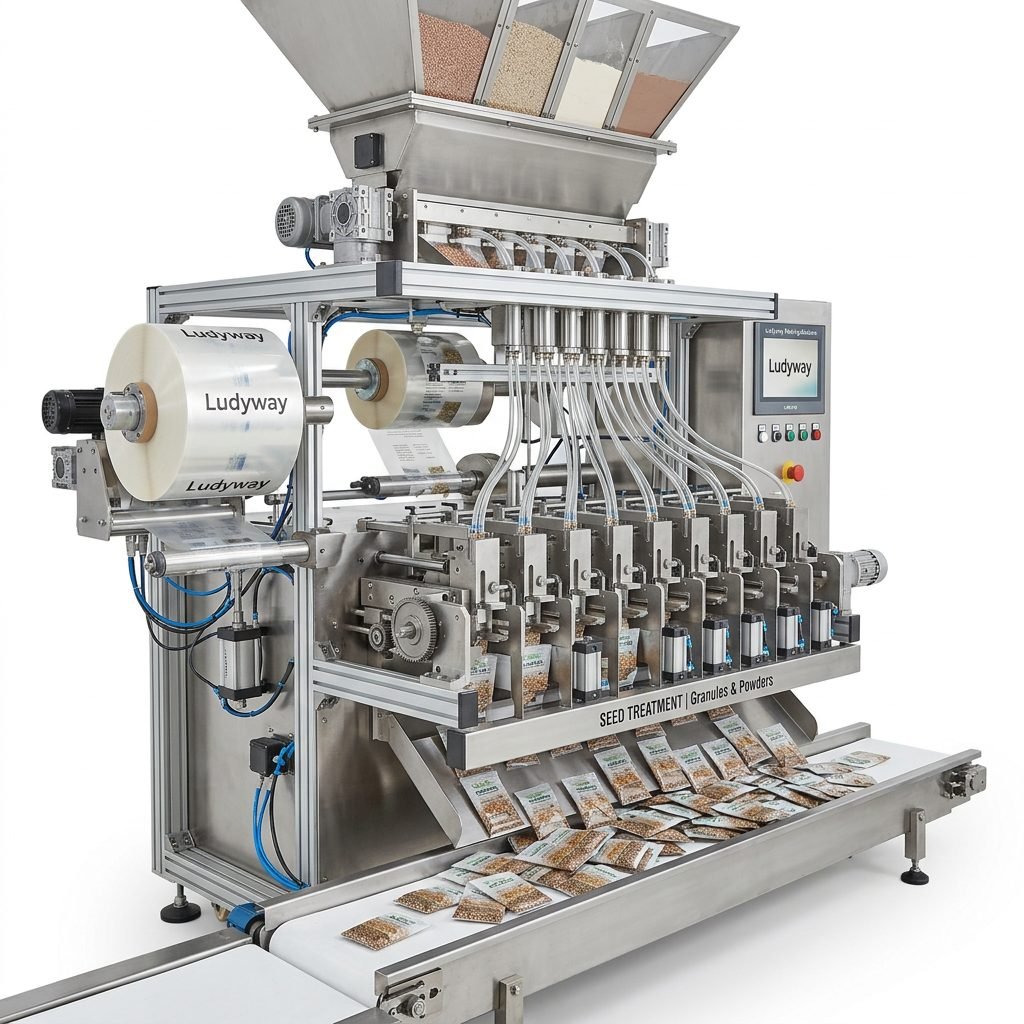
One of the most effective answers to growing demand in flexible packaging is the use of multi-lane automation. Instead of relying on a single product path, multiple lanes run in parallel to dramatically increase output without sacrificing compact machine layout.
- Higher hourly production capacity
- Lower unit packaging cost
- Improved consistency between packs
- Efficient use of factory floor space
- Strong suitability for powders, granules, tablets, and liquids
For high-volume manufacturers, multi-lane systems are often the most practical route toward balancing productivity and operational control.
Turnkey Packaging Lines vs Standalone Machines
Some businesses start with one machine and expand later, while others prefer a complete turnkey packaging line from the beginning. The best choice depends on production goals, factory layout, labor availability, and future growth plans.
| Option | Best For | Main Benefit |
|---|---|---|
| Standalone machine | Smaller operations or pilot projects | Lower initial investment and easier installation |
| Integrated turnkey line | Medium to large-scale manufacturers | Better coordination, automation, and long-term efficiency |
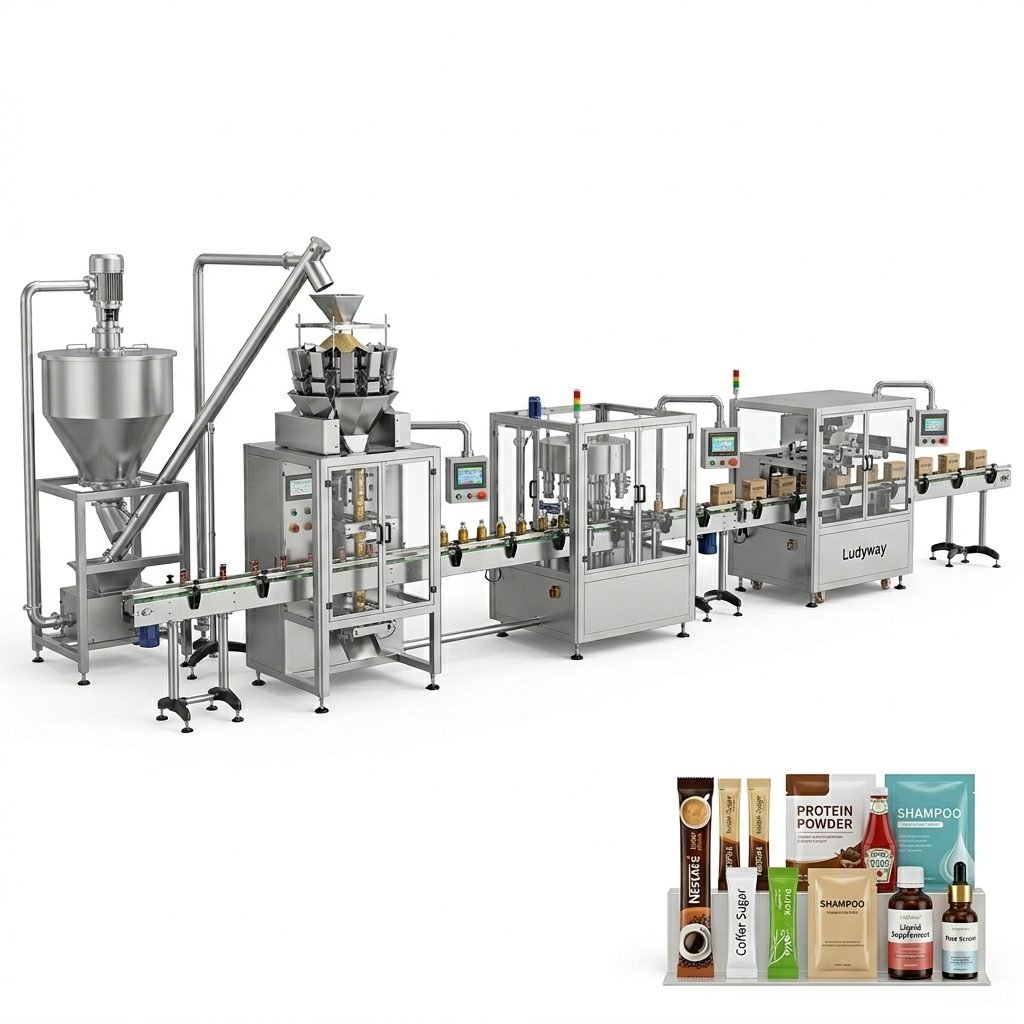
A turnkey line can include feeding, conveying, filling, sealing, inspection, coding, cartoning, and palletizing. This approach reduces interface problems between different suppliers and improves overall line stability.
What Makes a Reliable Packaging Machine Supplier
Choosing packaging machinery is not only about comparing speed figures. A reliable supplier should offer technical depth, manufacturing capacity, export experience, and responsive after-sales support.
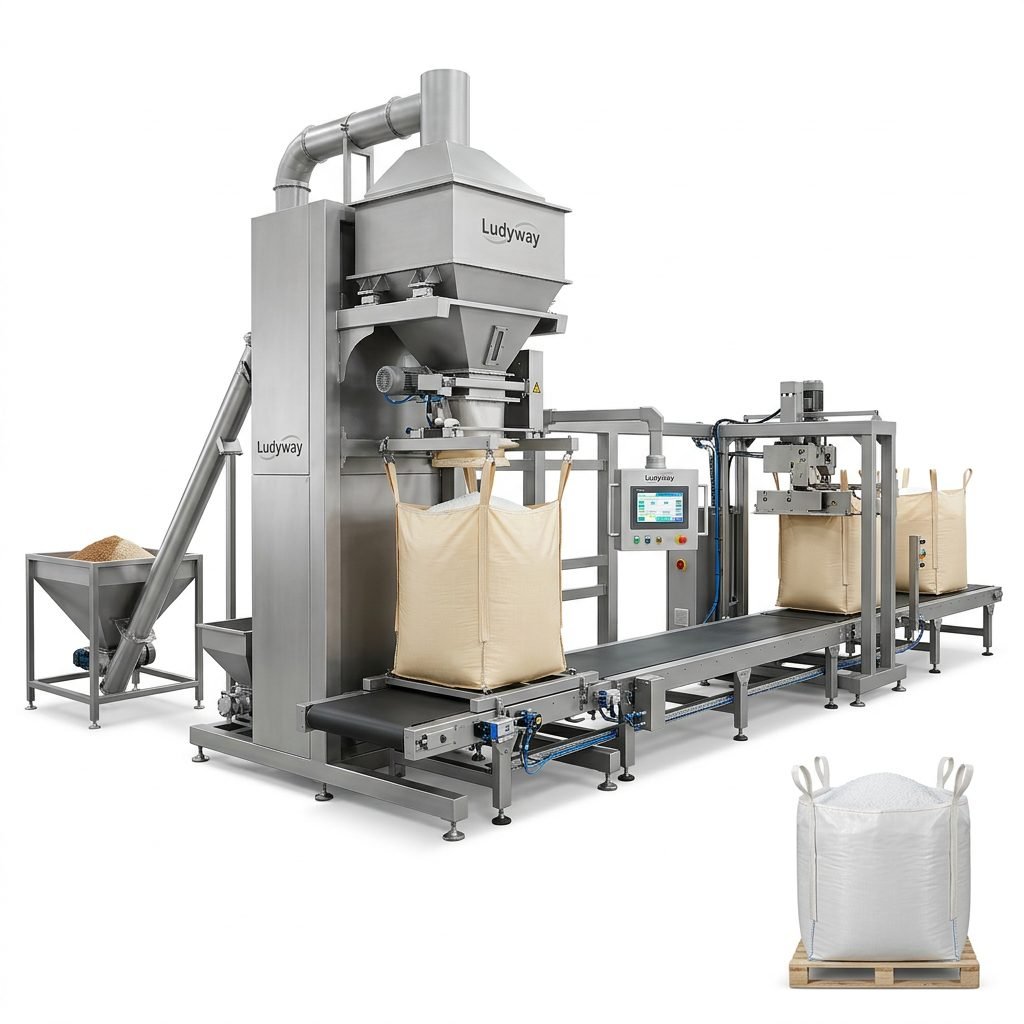
For buyers looking for a scalable manufacturing partner, Ludyway packaging machine solutions stand out through broad application coverage in food, pharmaceutical, health supplement, cosmetic, and chemical sectors. With more than 30 years of industry experience, a factory over 20,000 square meters, and service coverage in more than 100 countries and regions, the company provides both standalone machines and complete turnkey flexible packaging lines for global customers.
Supplier evaluation checklist:
- Years of experience in packaging automation
- Ability to customize machine configurations
- In-house production and quality control capability
- International project delivery experience
- Technical support for installation and operation
- Availability of auxiliary and end-of-line equipment
How to Match the Right Machine to Your Product
Before investing in flexible packaging automation, manufacturers should assess both product characteristics and operational objectives. The same machine structure may not work equally well for free-flowing granules, dusty powders, viscous pastes, or foaming liquids.
Important selection factors:
- Product type: powder, granule, liquid, paste, tablet, capsule
- Packaging format: sachet, stick pack, pouch, pillow bag
- Required production speed
- Dose range and accuracy tolerance
- Film material and sealing requirements
- Cleaning and sanitation standards
- Future line expansion needs
A careful assessment helps avoid under-specifying or over-specifying equipment, both of which can increase long-term operating costs.
Future Trends in Flexible Packaging Machinery
The packaging industry continues to move toward smarter, cleaner, and more connected production. Companies comparing PFM spa packaging machinery and similar solutions should pay attention to future-ready features that support long-term competitiveness.
- Smart controls for production monitoring and fault diagnostics
- Servo-driven systems for better motion precision
- Remote support capability for faster troubleshooting
- Energy-efficient operation to reduce utility costs
- Modular line design for easier expansion
- Enhanced inspection systems for quality assurance
As SKU diversity increases and labor challenges continue in many markets, manufacturers are placing greater value on packaging systems that are easy to operate, easy to maintain, and adaptable to changing business needs.
Final Considerations for Packaging Automation Investment
Efficient flexible packaging automation is ultimately about operational fit. The ideal solution should align with your product type, production target, regulatory requirements, and growth strategy. Whether you are packaging food powders, pharmaceutical granules, cosmetic liquids, or chemical sachets, the combination of accurate filling, dependable sealing, and integrated automation will have a direct impact on product quality and manufacturing profit.
Companies evaluating packaging systems should focus on application expertise, machine stability, customization ability, and full-line integration. With those factors in place, flexible packaging machinery becomes more than equipment—it becomes a foundation for faster output, better consistency, and sustainable production growth.