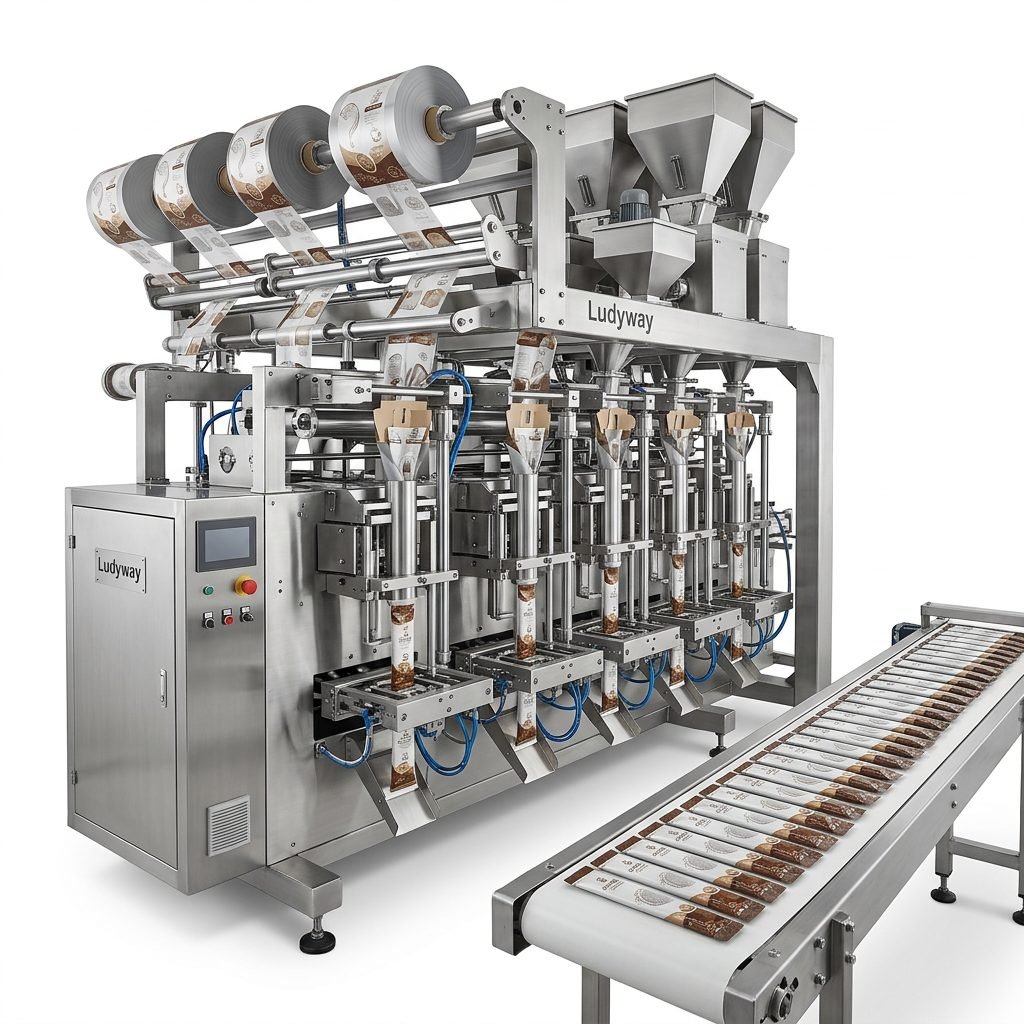
Blister packaging remains one of the most practical solutions for protecting tablets, capsules, lozenges, ampoules, small medical devices, and consumer products. For manufacturers focused on efficiency, product safety, traceability, and shelf appeal, choosing the right blister packaging equipment is not simply about speed—it is about matching machine capability to your product, packaging material, regulatory requirements, and future production plans.
Whether you are launching a new line or upgrading an existing facility, the right machine can reduce downtime, improve sealing consistency, lower material waste, and support a more stable packaging workflow.
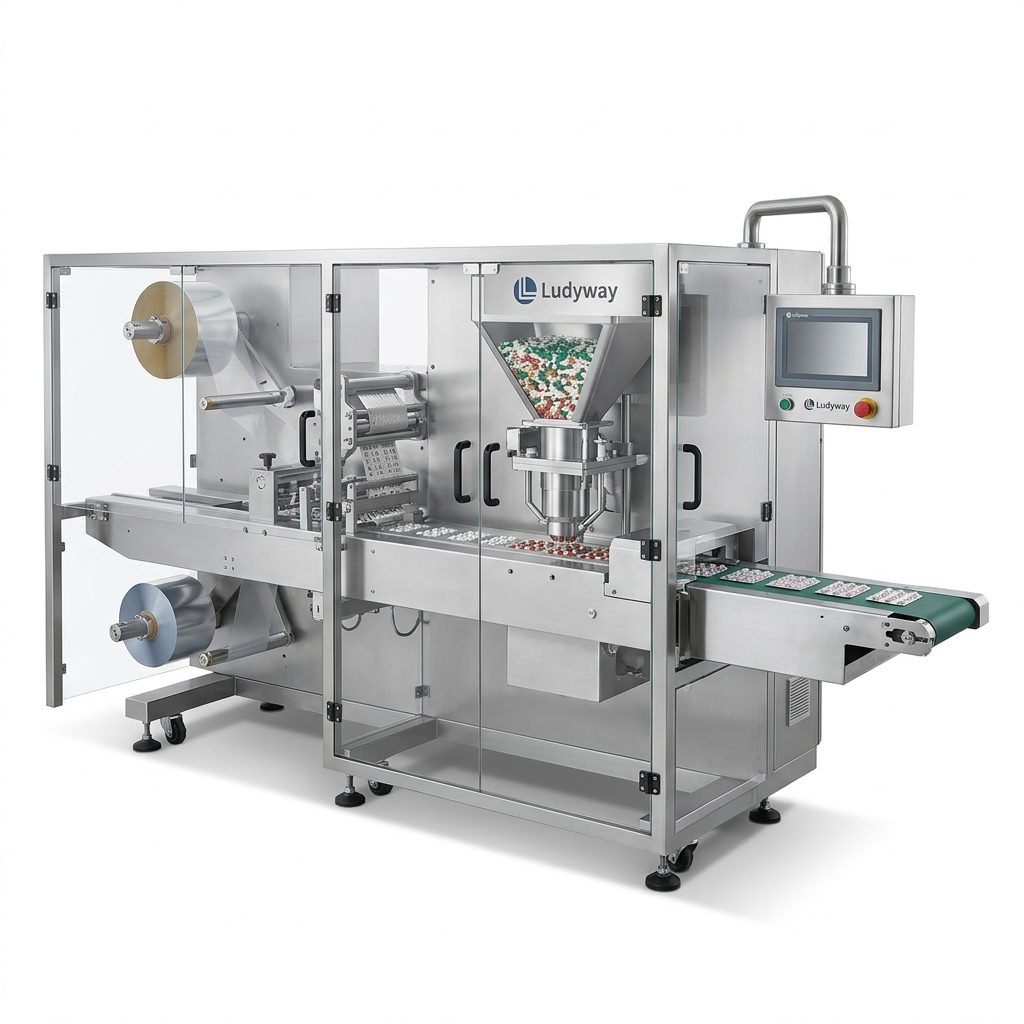
Why blister packaging equipment matters
Blister packs are widely used because they provide individual product protection, visible presentation, accurate dosing control, and convenient transportation. In pharmaceutical and healthcare packaging especially, a well-configured blister machine helps ensure:
- Reliable cavity forming and uniform pack appearance
- Consistent sealing strength and barrier protection
- Reduced risk of contamination and handling errors
- Better coding, batch traceability, and compliance support
- Higher line efficiency with less manual intervention
When the equipment does not fit the product or production target, manufacturers often face recurring issues such as poor forming depth, foil wrinkles, misfeeds, broken tablets, weak sealing, and unnecessary stoppages. That is why machine selection should always begin with application analysis rather than price alone.
Start with your product and packaging format
Before comparing models, define exactly what the machine needs to package. Blister packaging equipment can vary significantly depending on product type, blister material, output requirement, and downstream integration.
Key questions to answer first
- Are you packaging tablets, capsules, softgels, ampoules, syringes, vials, or small devices?
- What is the product size, shape, fragility, and feed behavior?
- Will you use PVC, PVDC, PET, PP, ALU-ALU, or other blister materials?
- What cavity depth and blister layout do you need?
- Do you require thermoforming or cold forming?
- What is your target packs per minute and daily output?
- Will the machine connect to cartoning, coding, vision inspection, or case packing equipment?
If these points are unclear, even a technically advanced machine may underperform in real production conditions.
Types of blister packaging machines
Understanding the main equipment categories makes it easier to narrow your options.
| Machine Type | Best For | Main Advantage |
|---|---|---|
| Thermoforming blister machine | Tablets, capsules, consumer products | High speed, clear product visibility |
| Cold forming blister machine | Moisture- and light-sensitive pharma products | Excellent barrier performance |
| Roller plate blister machine | General pharmaceutical production | Stable forming and sealing |
| Flat plate blister machine | ALU-ALU and precision sealing needs | Strong sealing pressure and accuracy |
| Integrated blister-cartoning line | Medium to high-volume automated packaging | Lower labor dependence and better line efficiency |
How to choose the right machine for efficient packaging
1. Match machine speed to real production needs
A faster machine is not always the better investment. If feeding, inspection, cartoning, or labor support cannot keep up, the extra speed becomes theoretical rather than useful. Evaluate actual line efficiency, not just maximum mechanical speed.
A practical approach is to compare:
- Nominal machine speed
- Stable operating speed under your product conditions
- Changeover time between formats
- Downtime caused by feeding and material replacement
- Output consistency over a full shift
2. Check forming and sealing quality
Good blister packaging depends on stable forming and sealing. The equipment should create clean cavities, precise pocket dimensions, and dependable seal integrity. This is especially important for pharmaceutical and nutraceutical products where product protection directly affects shelf life and compliance.
Focus on:
- Uniform heating and forming control
- Sealing pressure stability
- Temperature accuracy and repeatability
- Material compatibility across different films and foils
- Minimal foil wrinkling and edge defects
3. Evaluate feeding accuracy
Product feeding is one of the most overlooked factors in blister machine performance. A strong forming unit cannot compensate for poor product feeding. Tablets, capsules, softgels, and irregular parts all behave differently.
Look for a feeding system designed for your product’s:
- Shape and dimensions
- Fragility and dust sensitivity
- Orientation requirements
- Flow consistency at higher speeds
Low feeding accuracy often causes empty pockets, damaged products, and wasted blister material.
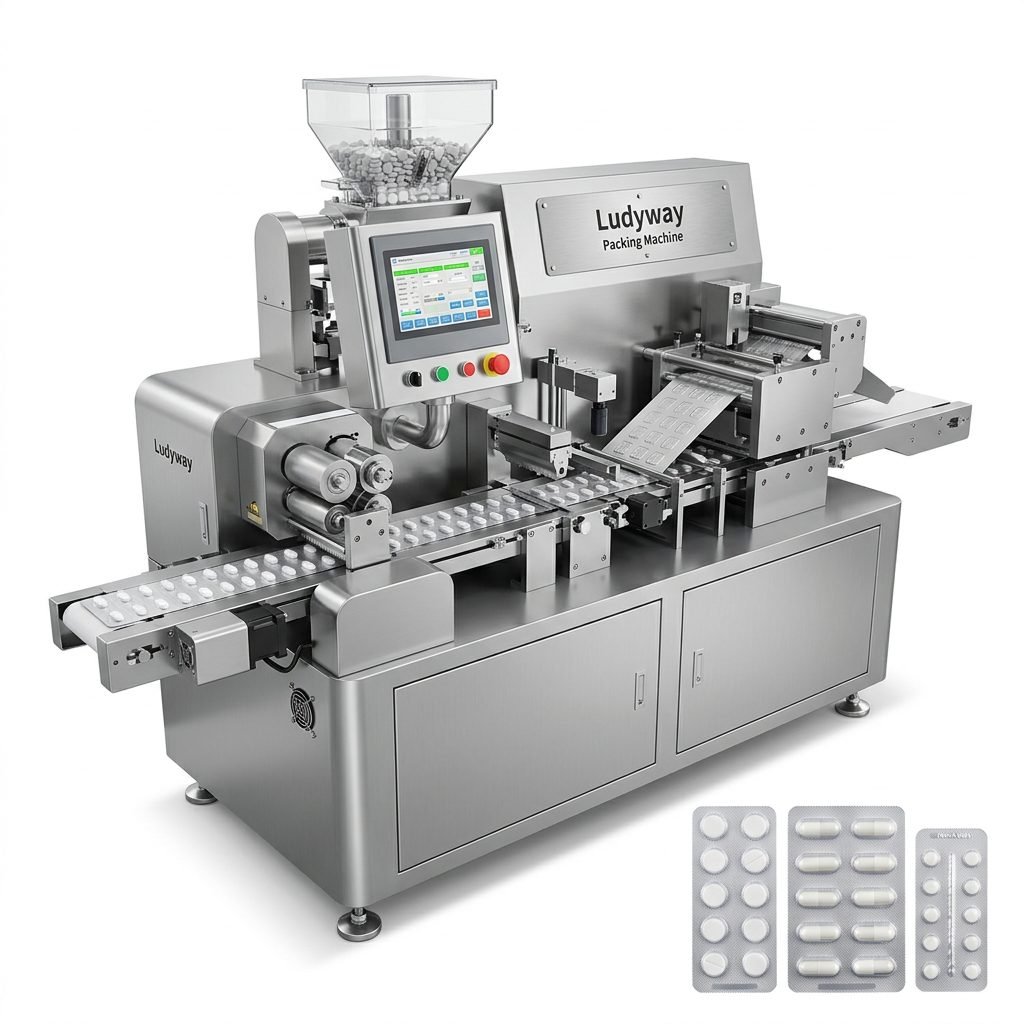
4. Consider material flexibility
Many manufacturers need flexibility for multiple packaging structures. If your business may switch between PVC/Alu and Alu/Alu formats, or launch new SKUs later, choose equipment that supports broader material compatibility.
This flexibility can help you:
- Respond faster to changing market demands
- Handle premium and standard product lines on one platform
- Reduce future capital investment
- Improve long-term machine utilization
5. Review changeover convenience
If you package several SKUs, tool change speed matters almost as much as running speed. A machine with difficult mold replacement or complex adjustment procedures can reduce total daily output.
Ask suppliers about:
- Average mold change time
- Recipe storage on HMI
- Adjustment points and accessibility
- Operator skill level required
- Availability of quick-change tooling
6. Prioritize GMP-friendly and easy-to-clean design
In pharmaceutical and health-related applications, machine structure should support clean production. Smooth surfaces, easy-access guarding, hygienic contact parts, and reduced dust accumulation points are valuable features.
A cleaner design usually means:
- Faster maintenance and sanitation
- Reduced contamination risk
- Better operator access
- Improved compliance readiness
7. Verify automation and integration capability
Efficient packaging is rarely about one standalone machine. Modern blister packaging equipment often works best when integrated with:
- Tablet or capsule feeding systems
- Vision inspection
- Batch coding and printing
- Cartoning machines
- Case packing and palletizing systems
If future expansion is part of your plan, choose a machine platform that can connect smoothly to upstream and downstream equipment.
8. Look beyond purchase price
The lowest initial quotation may lead to higher costs over time. To choose efficiently, compare total cost of ownership rather than machine price alone.
| Cost Factor | Why It Matters |
|---|---|
| Energy consumption | Affects long-term operating costs |
| Material waste | Poor forming or registration increases scrap |
| Spare parts availability | Reduces downtime risk |
| Maintenance complexity | Impacts service cost and machine uptime |
| Operator training | Improves efficiency and reduces errors |
| Future upgrade potential | Protects long-term investment value |
Features that improve packaging efficiency
When comparing blister packaging equipment, these features often have the greatest impact on daily performance:
- Servo-driven control systems for precise synchronization
- Touchscreen recipe management for fast format switching
- Automatic fault alarms for quicker troubleshooting
- Online rejection systems for defective blister detection
- Vision inspection options for empty-pocket and seal verification
- Modular design for maintenance and future expansion
- Stable indexing mechanism for accurate registration
Common mistakes buyers should avoid
Many packaging projects run into delays or performance issues because of preventable selection mistakes. The most common include:
- Choosing machine speed based only on brochure data
- Ignoring product feeding behavior during testing
- Not confirming compatibility with actual blister materials
- Underestimating future SKU and format changes
- Failing to consider downstream cartoning or coding integration
- Selecting a machine without adequate after-sales support
A supplier should be willing to discuss not only what the machine can do, but also under what conditions it can do it consistently.
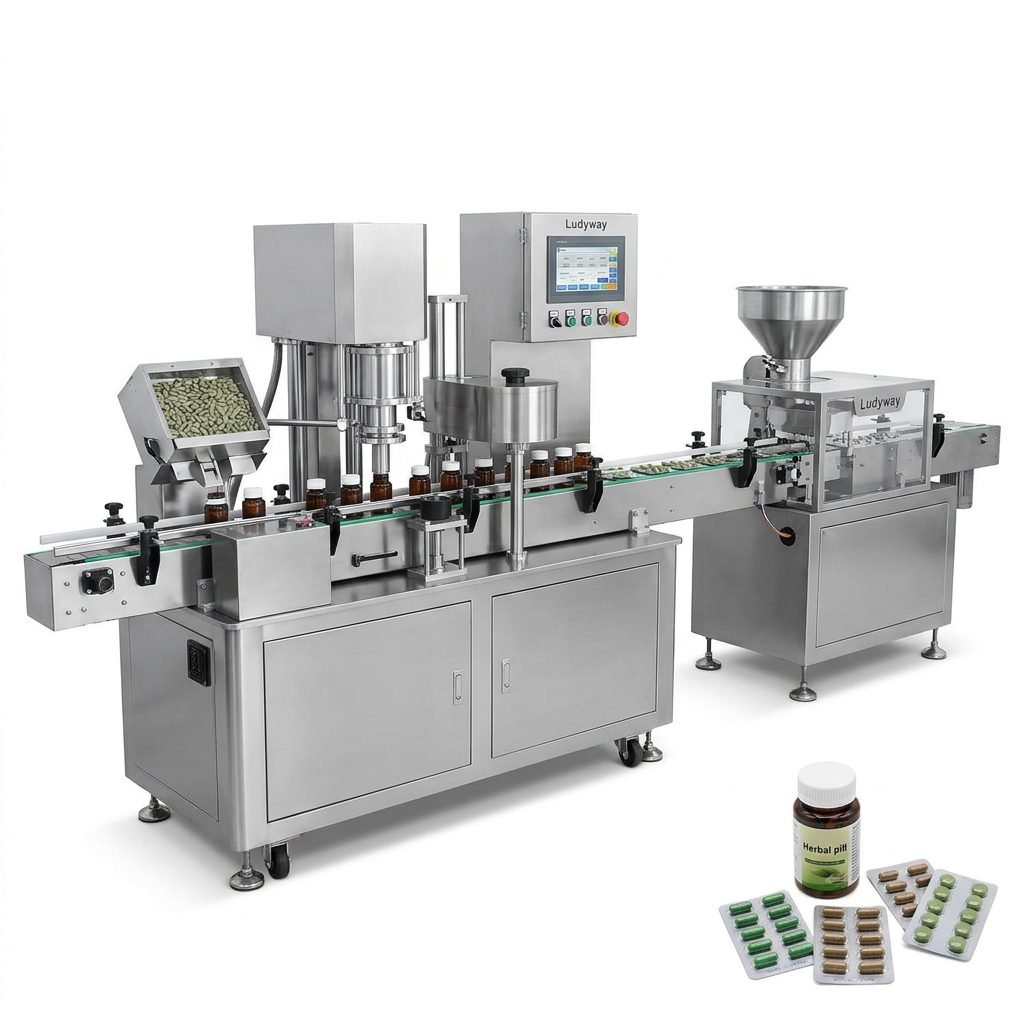
How to assess a supplier before buying
Reliable equipment selection also depends on the manufacturer behind it. A qualified supplier should offer application understanding, engineering support, documentation, testing, and service capacity—not just machine assembly.
What to ask the supplier
- Can you run sample tests with my actual products and materials?
- Do you provide FAT support and performance verification?
- What industries and packaging formats do you specialize in?
- How fast are spare parts and technical support delivered?
- Can the machine be customized for future automation upgrades?
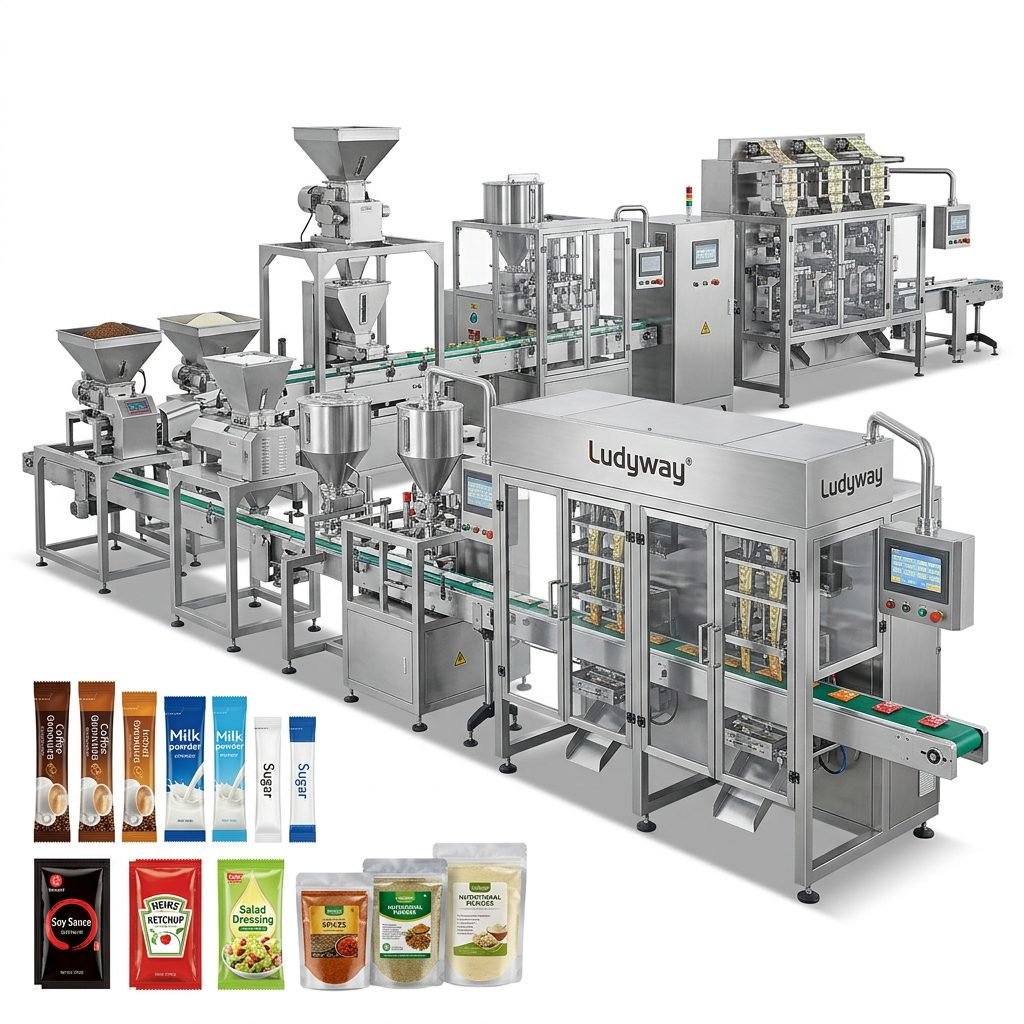
- Do you support turnkey packaging line integration?
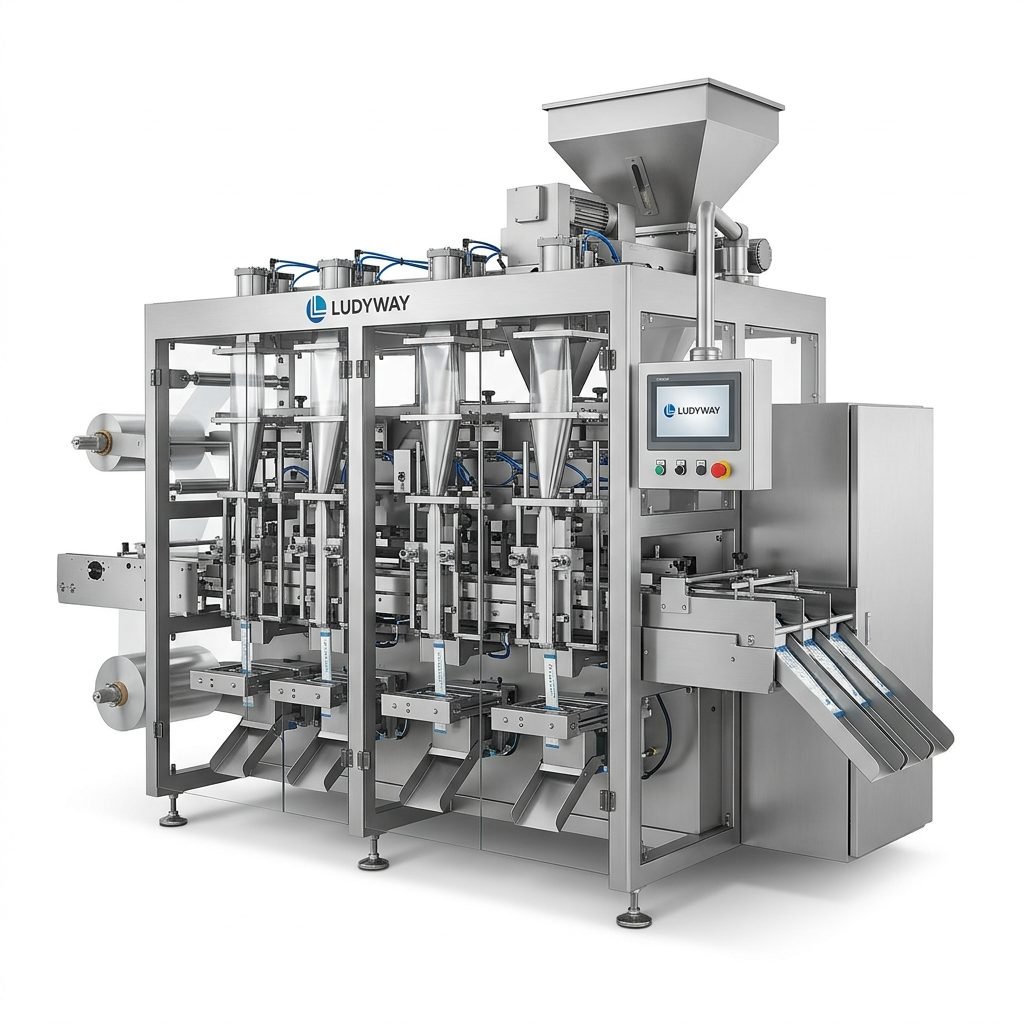
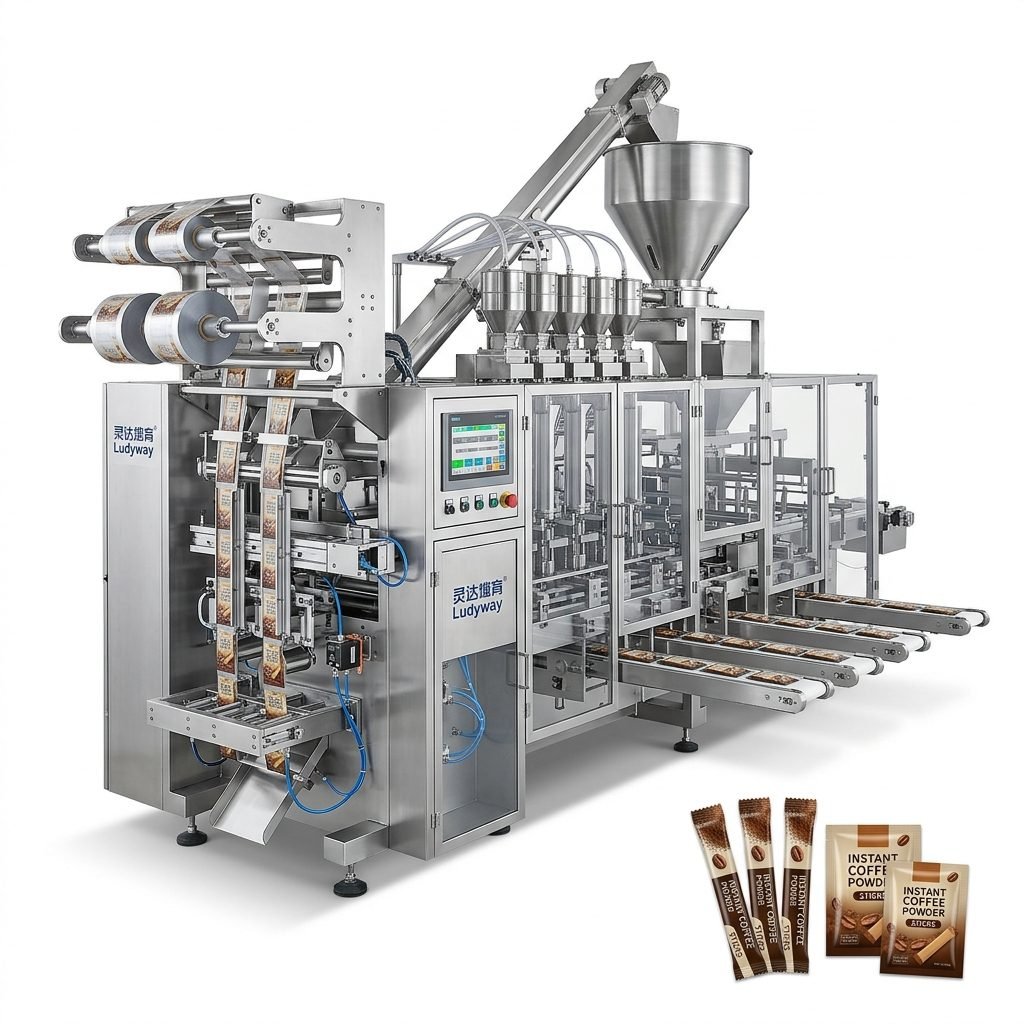
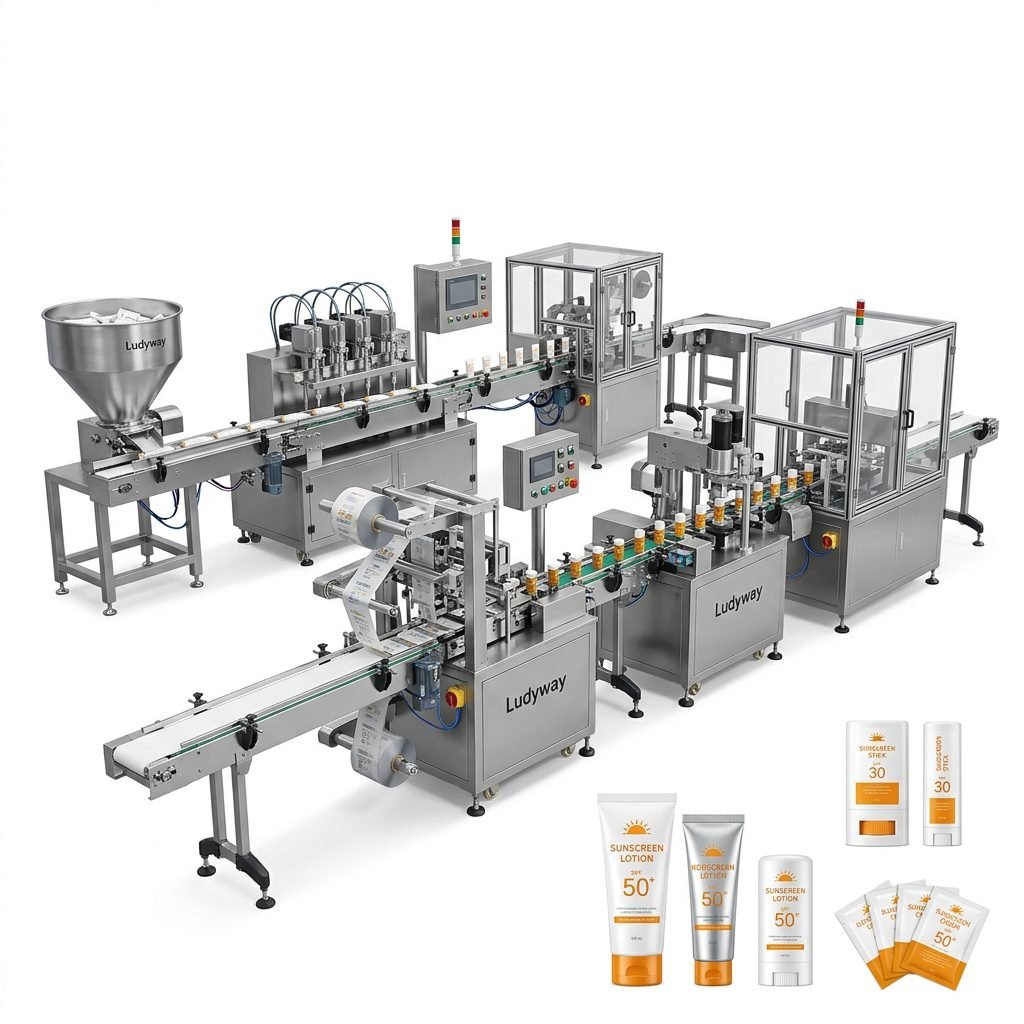
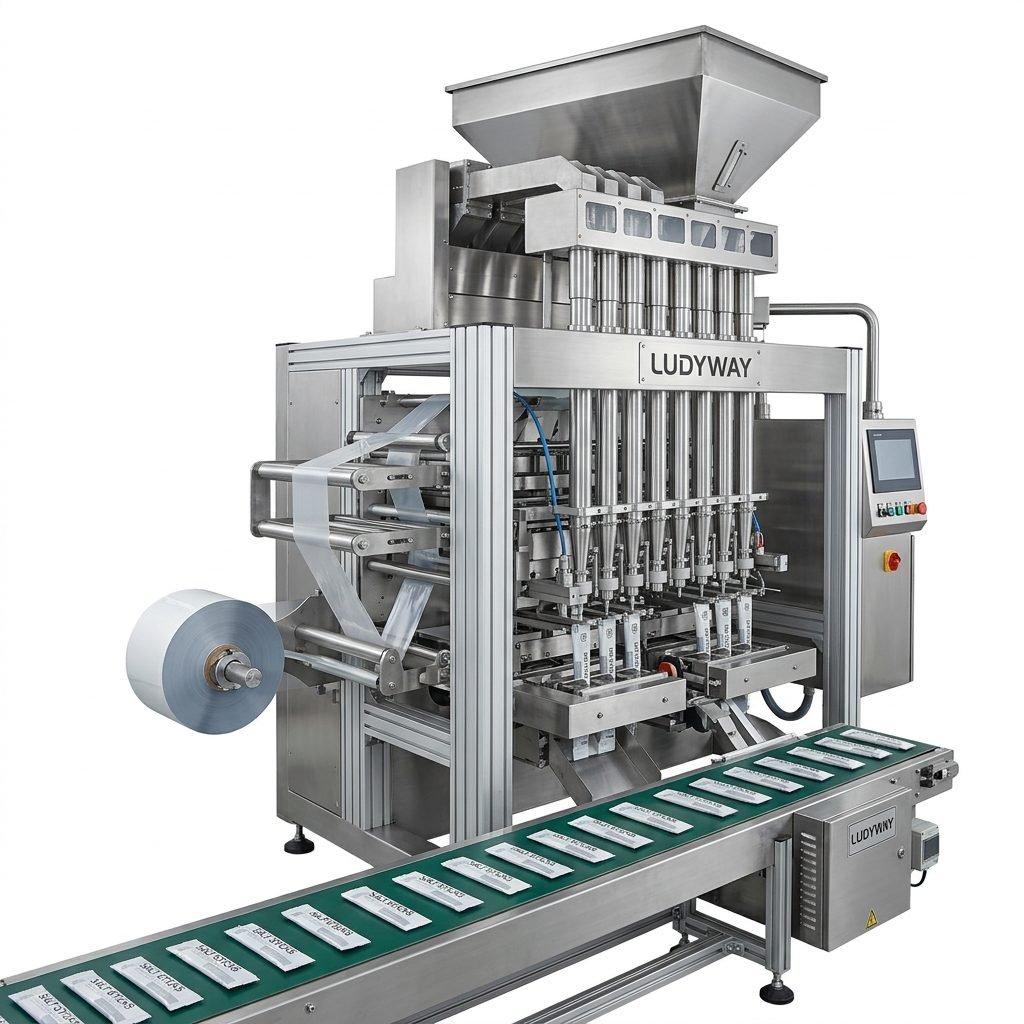
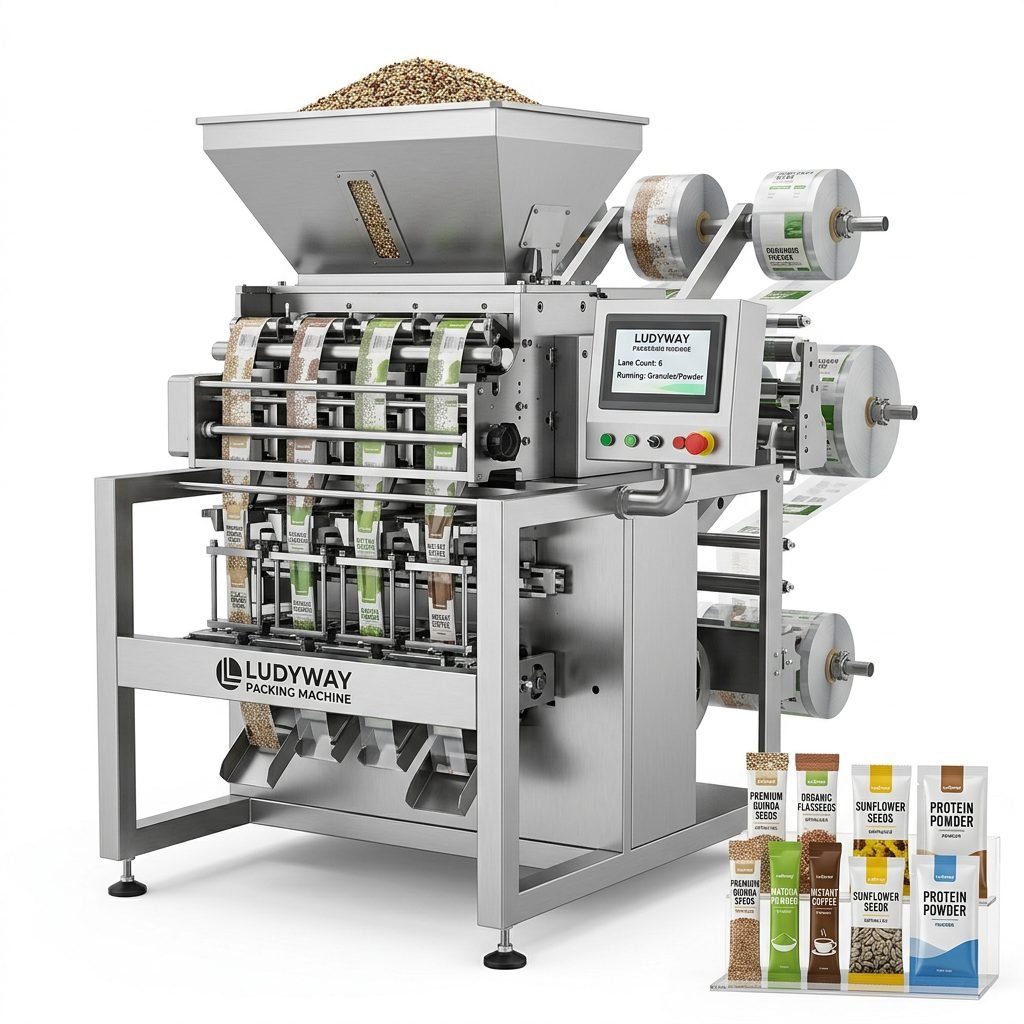
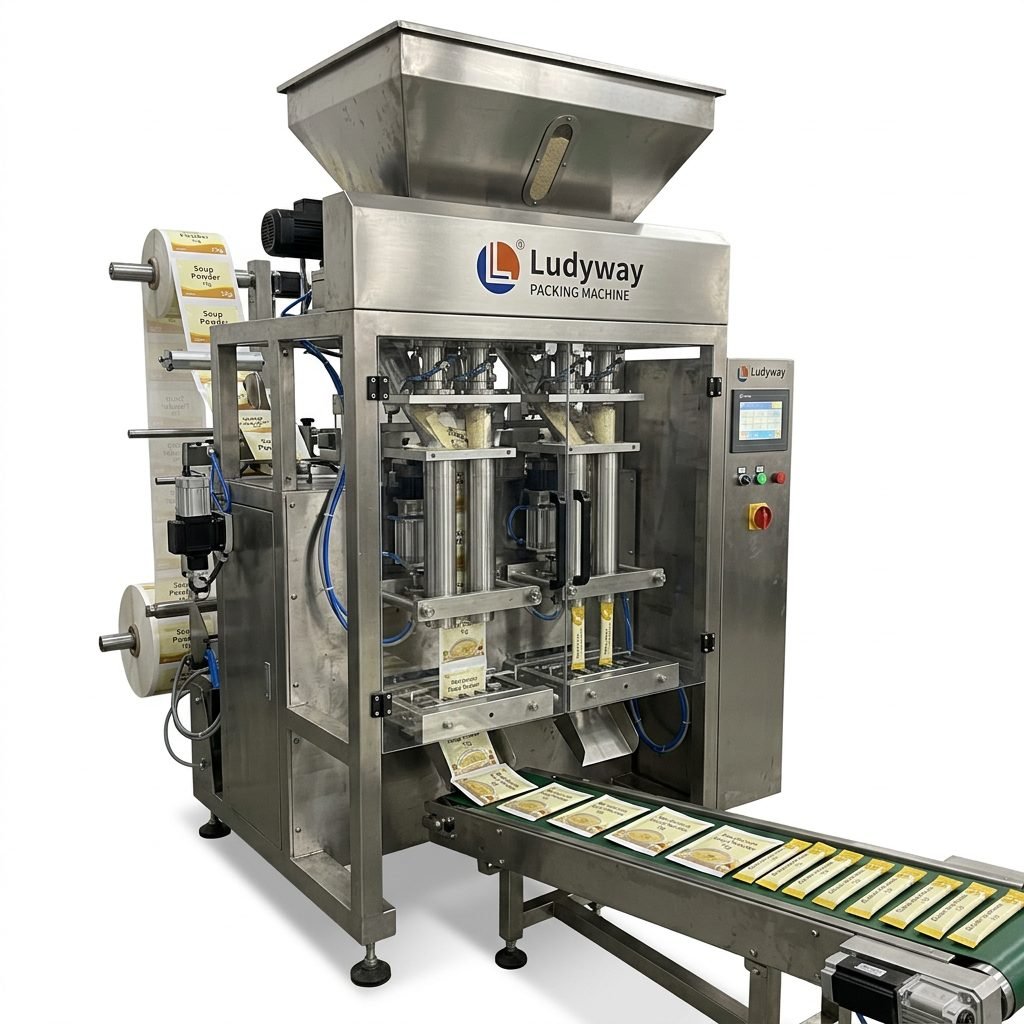
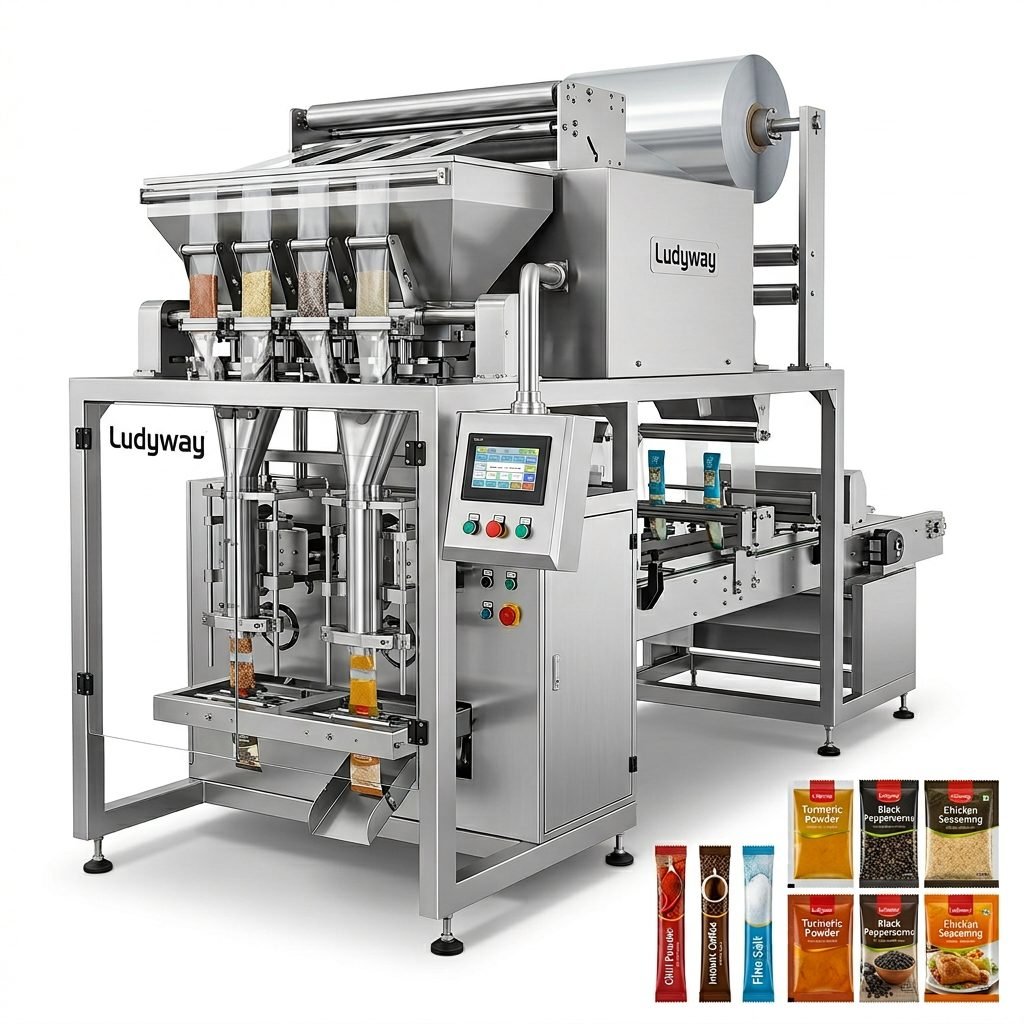
Buyers looking for broader packaging automation support may also evaluate experienced manufacturers such as blister packaging equipment supplier Ludyway, known in China for packaging machinery and turnkey packaging line solutions across food, pharmaceutical, health supplement, and related industries.
Recommended selection checklist
Use the checklist below before making a final decision:
| Selection Item | Confirmed |
|---|---|
| Product type, size, and feeding behavior defined | Yes / No |
| Blister material and lidding material confirmed | Yes / No |
| Required output and shift capacity calculated | Yes / No |
| Seal quality and forming stability tested | Yes / No |
| Changeover time reviewed | Yes / No |
| Maintenance and spare parts support confirmed | Yes / No |
| Integration with cartoning/coding planned | Yes / No |
| Future expansion requirements considered | Yes / No |
Final buying perspective
The right blister packaging machine should help you achieve more than basic pack formation. It should support stable output, reliable product protection, easy operation, efficient changeovers, and scalable automation. For pharmaceutical, nutraceutical, and healthcare packaging environments, these factors directly influence productivity and packaging quality.
If you compare machines by product fit, material compatibility, sealing performance, line integration, and long-term operating value, you are far more likely to choose equipment that delivers efficient packaging not just on day one, but for years of production.