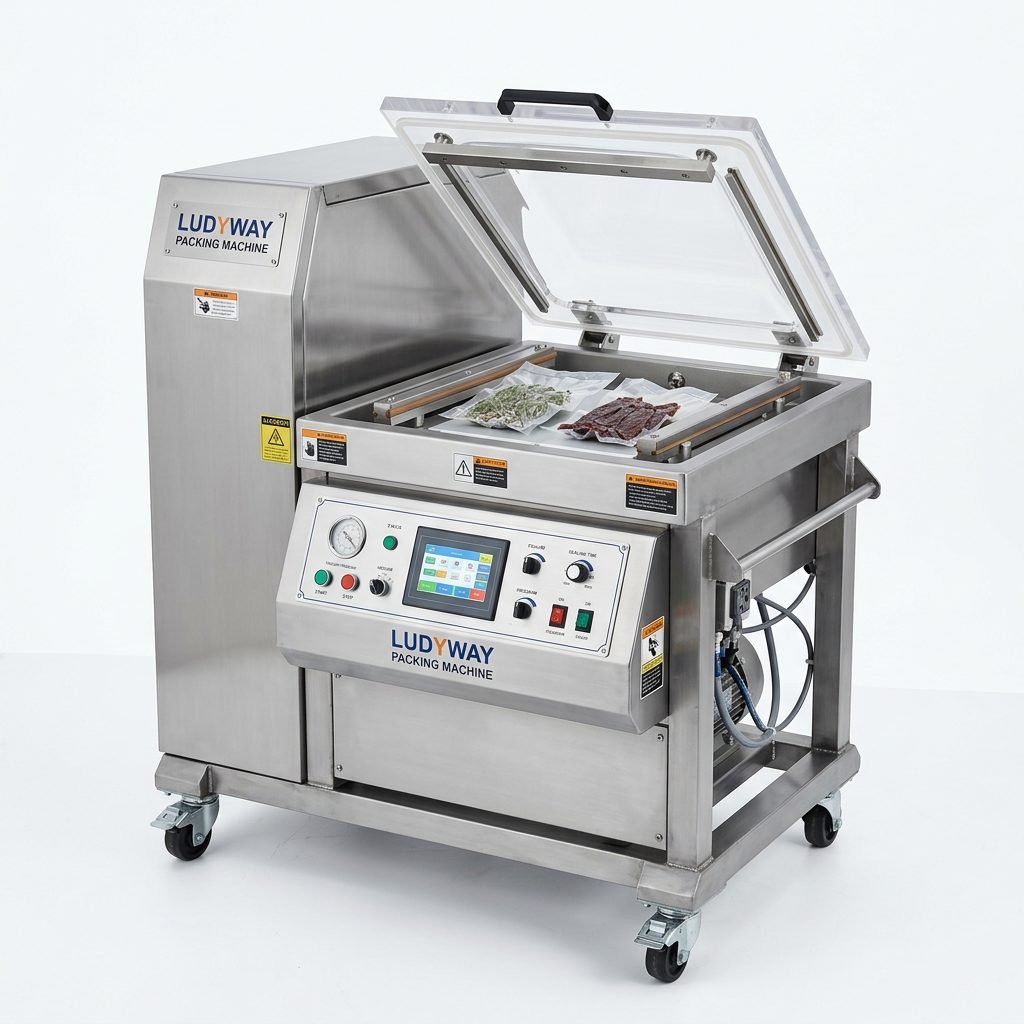
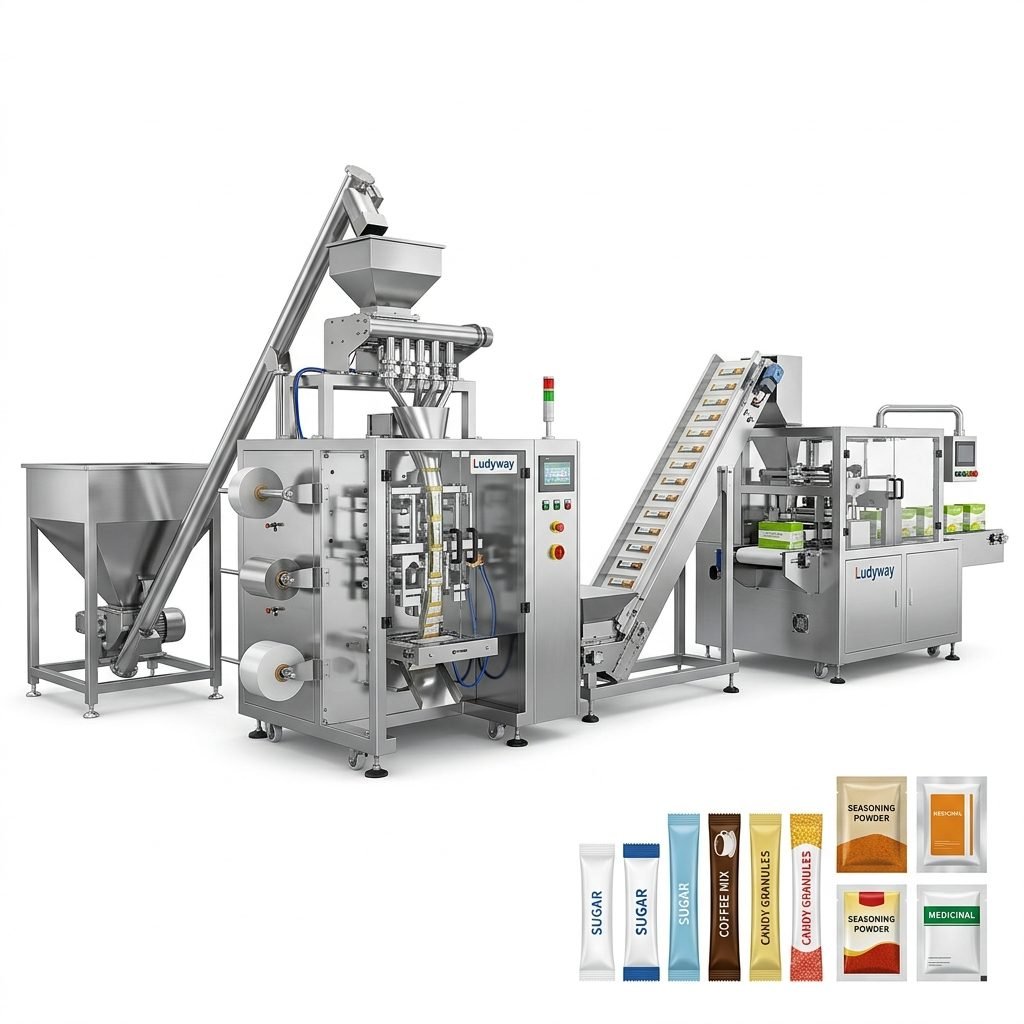
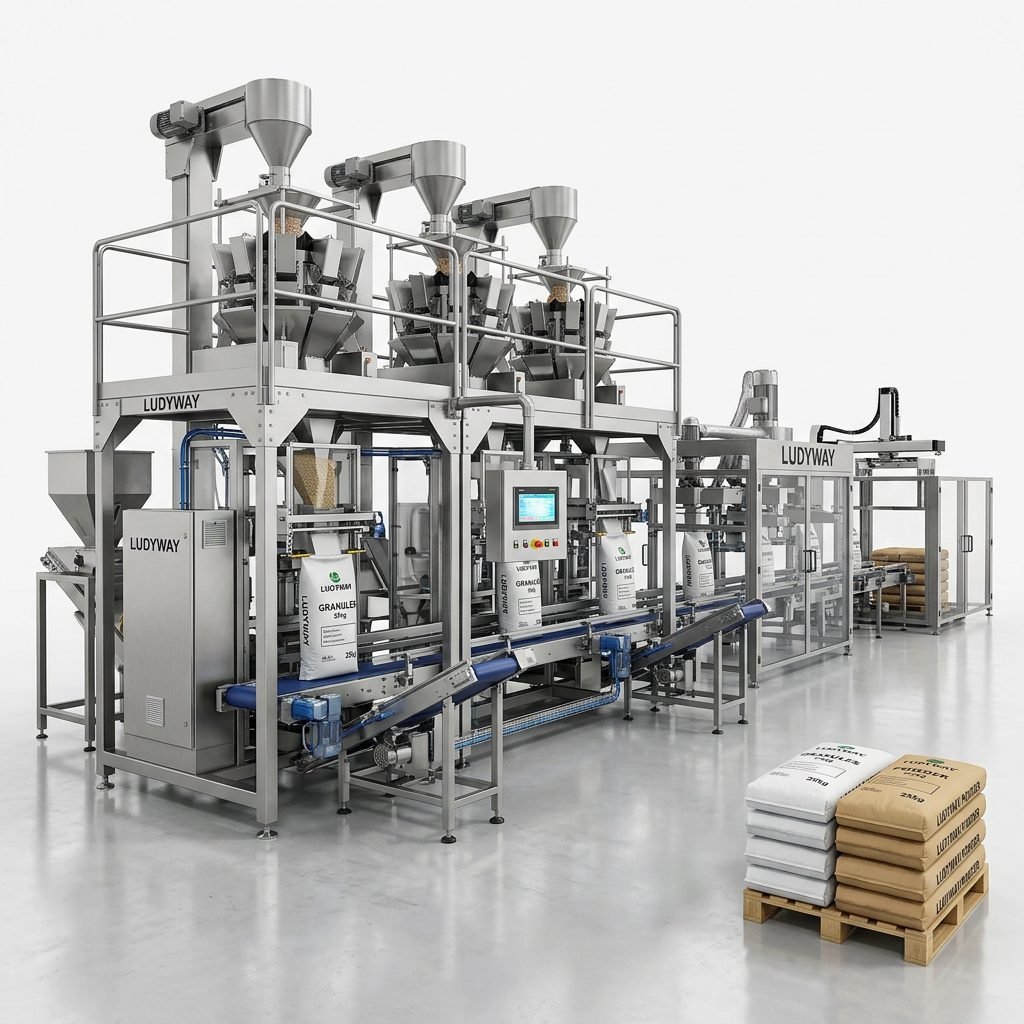
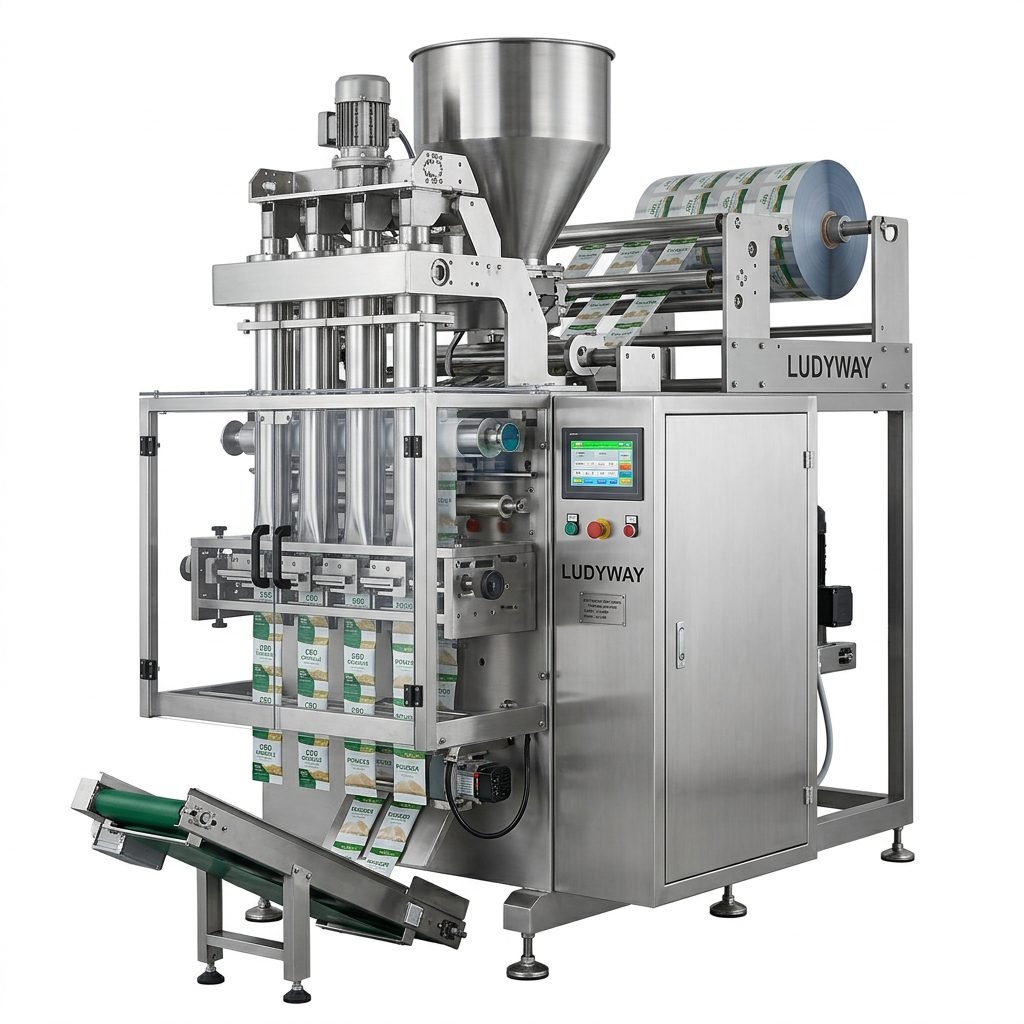
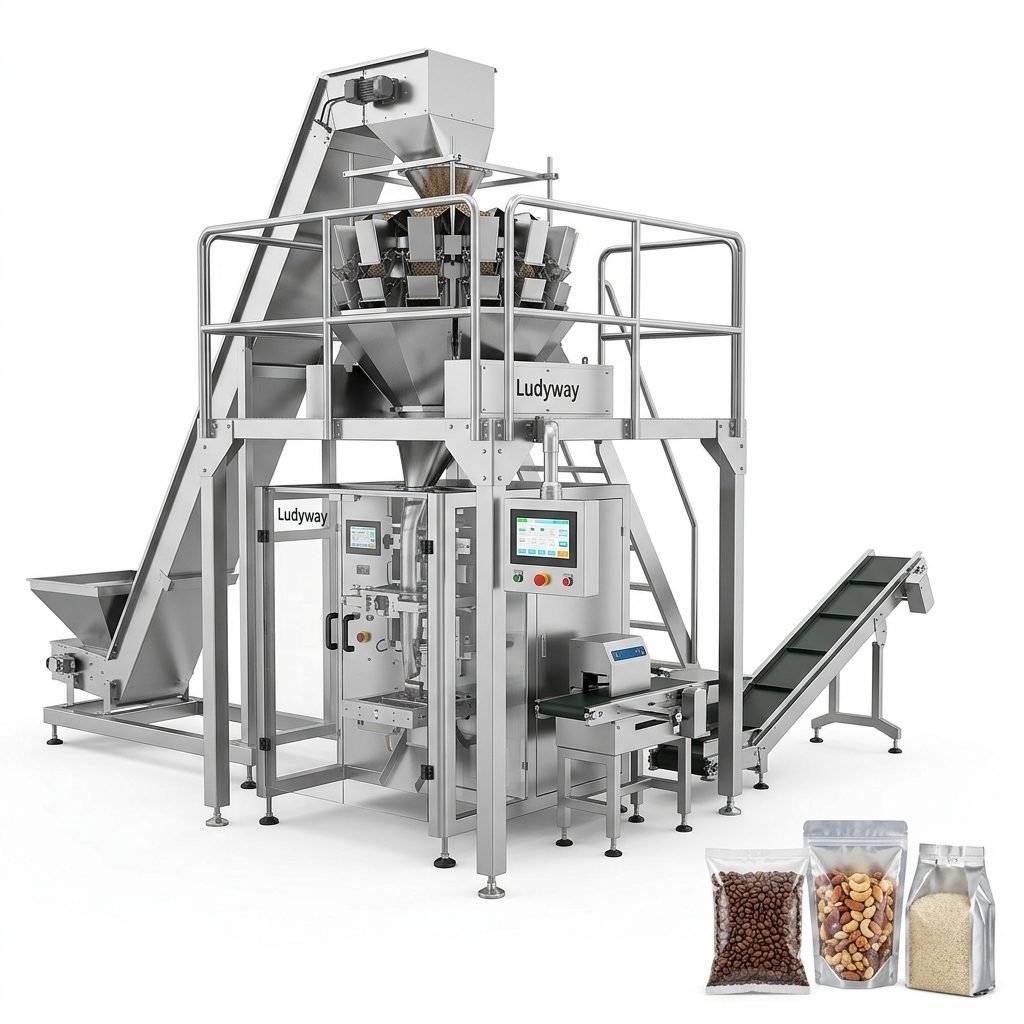
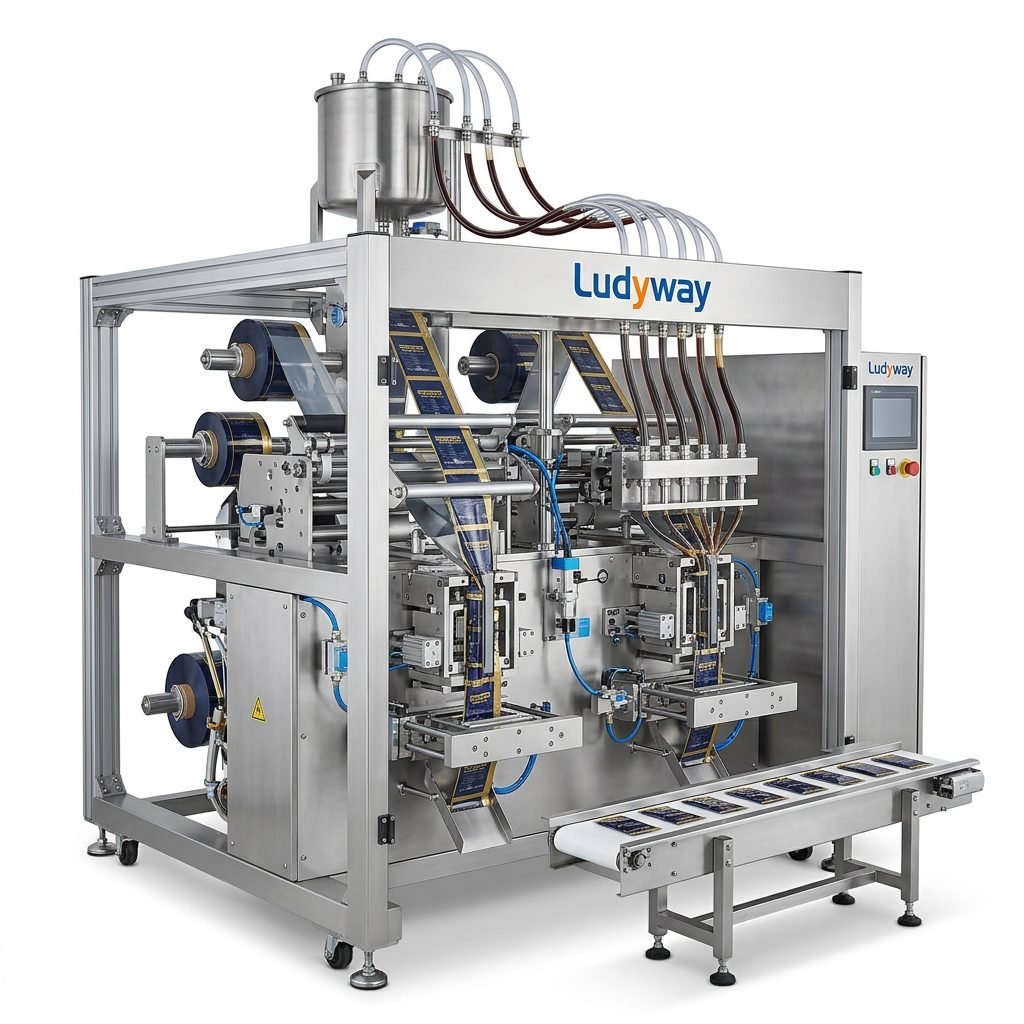
Choosing the right grocery packing machine is no longer just about speed. In modern food packaging, buyers also need to think about product safety, packaging consistency, labor efficiency, hygiene standards, material compatibility, and future production growth. A well-matched packaging solution can help food businesses reduce waste, improve shelf appeal, and maintain stable output across different product categories.
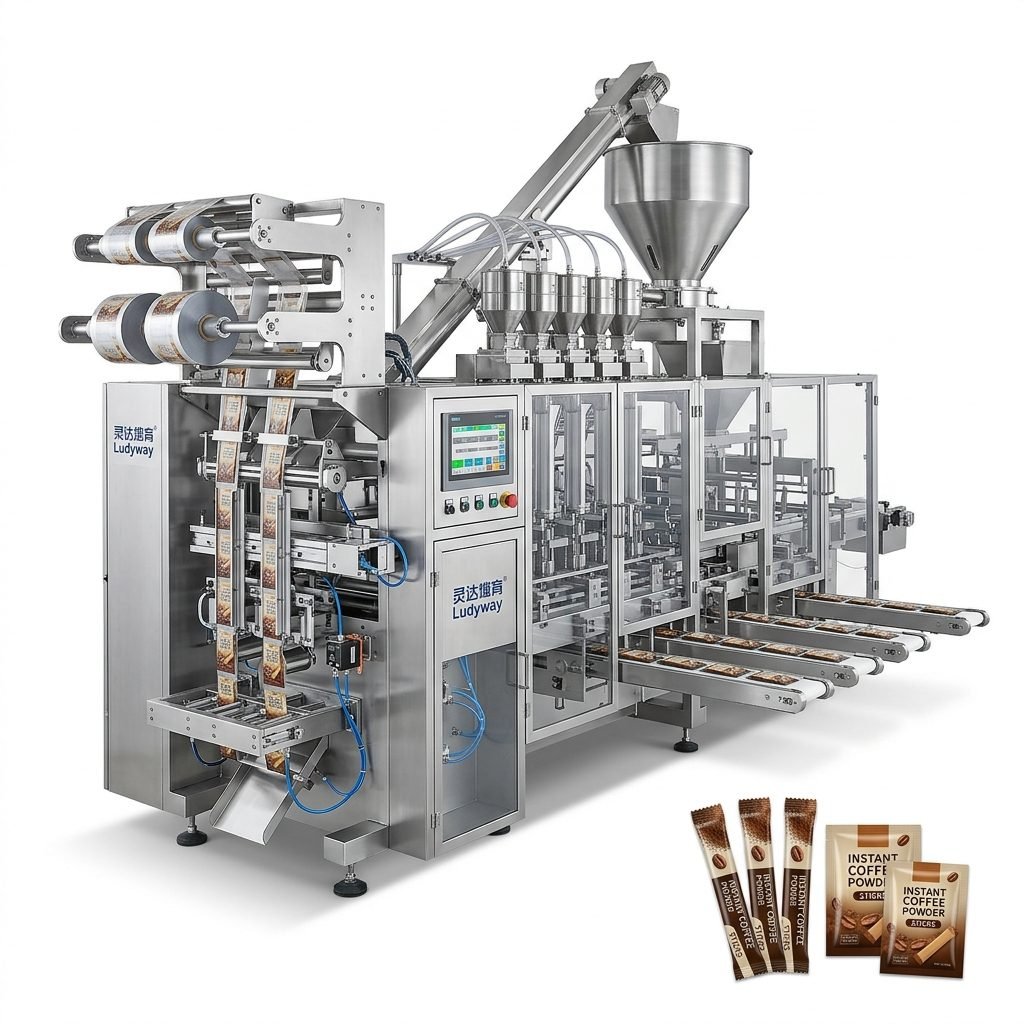
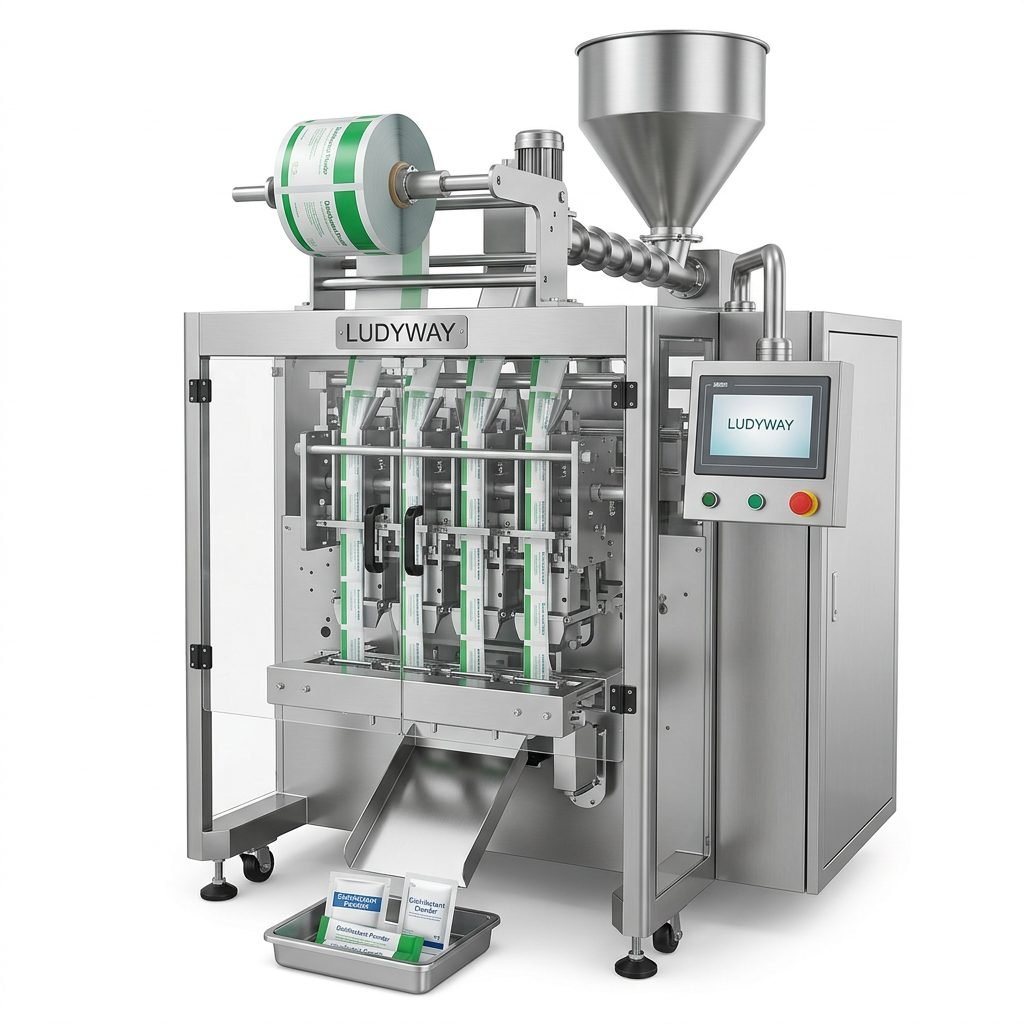
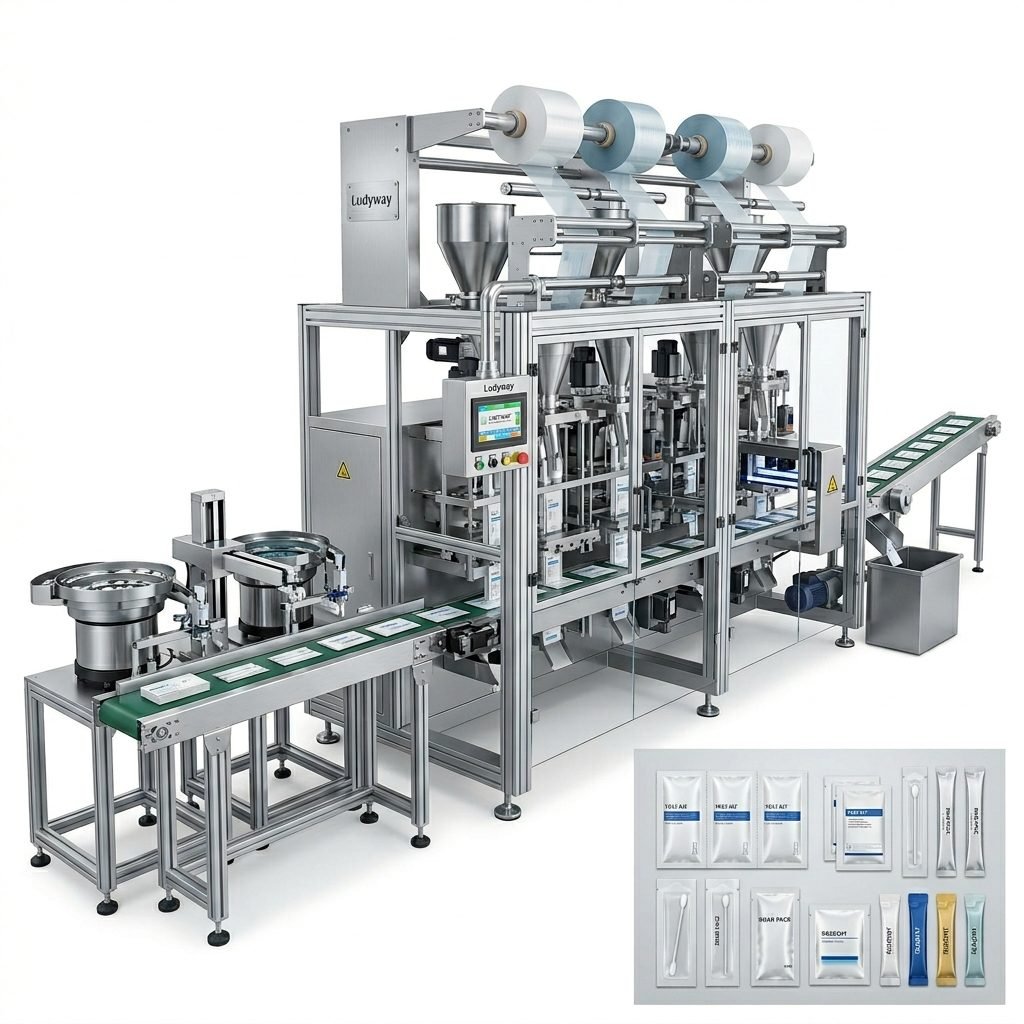
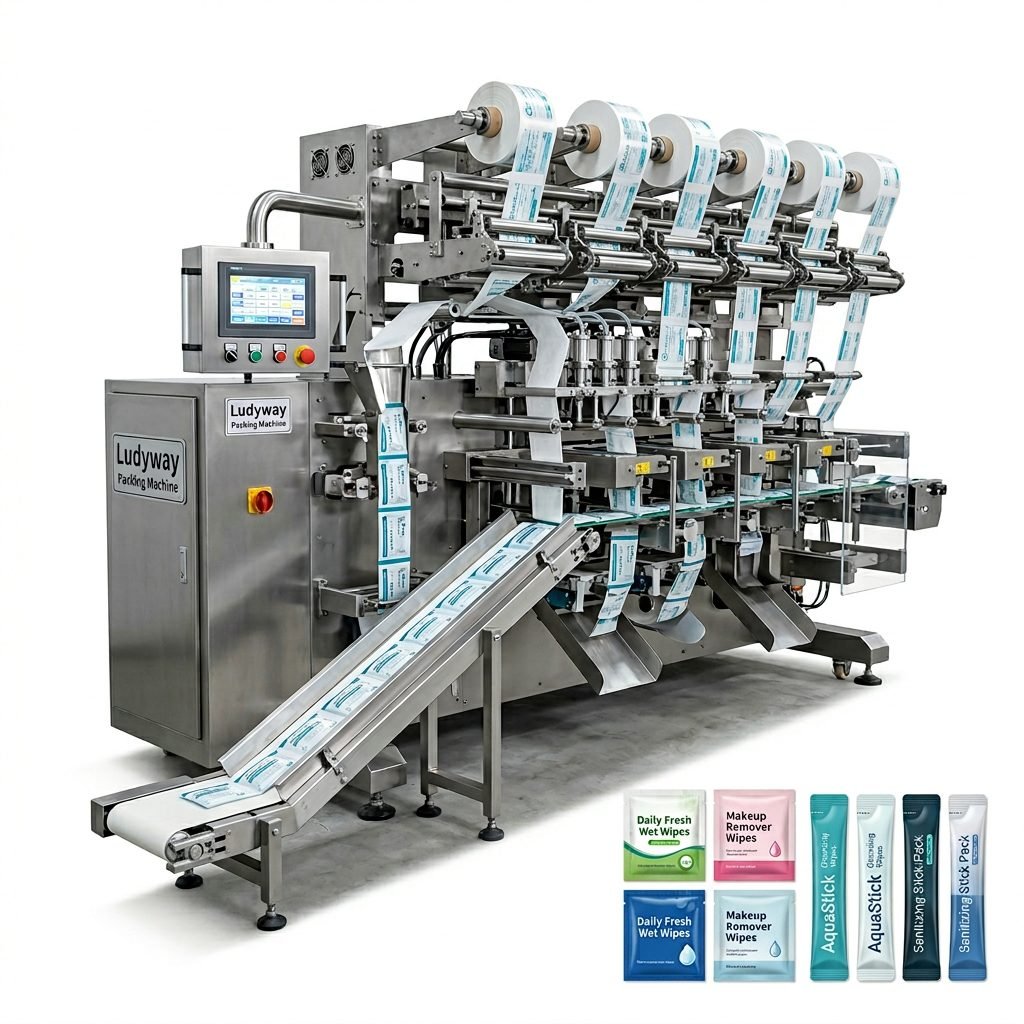
Whether you pack grains, spices, coffee, sugar, frozen snacks, powdered seasonings, sauces, or ready-to-sell retail portions, the best solution depends on your product characteristics and production goals. For companies looking for scalable automation, grocery packing machine solutions from Ludyway can support both standalone machines and complete turnkey packaging lines.

Why the Right Grocery Packing Machine Matters
Food packaging is directly connected to operational performance. If the machine is too slow, inaccurate, or difficult to clean, the entire production process suffers. In grocery packaging, even small filling errors can lead to product giveaway, sealing problems, customer complaints, and higher total cost.
- Improved output with stable automation
- Better weight accuracy for powders, granules, and liquids
- Lower labor dependence in repetitive packing steps
- Cleaner packaging quality for stronger retail presentation
- Safer food handling through hygienic machine design
Start with Your Product Type
The first step in choosing a packaging machine is understanding what kind of grocery product you need to pack. Different foods behave very differently during filling and sealing.
1. Powder Products
Examples include milk powder, spice blends, flour, coffee powder, cocoa, protein powder, and seasoning mix. These products often require auger filling systems with dust control and high sealing reliability.
2. Granule Products
Examples include sugar, rice, beans, seeds, nuts, candy pieces, cereal, pet food, and frozen granules. These are commonly packed using volumetric cups, weighing systems, or multihead weighers.
3. Liquid and Paste Products
Examples include cooking oil, sauces, ketchup, honey, jam, soup concentrate, and dressings. These products need piston pumps, liquid pumps, or servo-driven dosing systems combined with leak-proof sealing.
| Product Type | Common Filling Method | Typical Packaging Format |
|---|---|---|
| Powder | Auger filler | Sachet, stick pack, pouch |
| Granule | Cup filler, linear weigher, multihead weigher | Pouch, sachet, bag |
| Liquid/Paste | Pump or piston filler | Sachet, stick pack, premade pouch, bottle |
Match the Machine to the Packaging Format
After identifying the product type, the next decision is the packaging format. Grocery brands often choose packaging based on shelf presentation, cost, consumer convenience, and transport efficiency.
Popular Grocery Packaging Formats
- Sachets for condiments, powders, and single-use foods
- Stick packs for drink powders, sugar, coffee, and supplements
- Pouches for snacks, grains, frozen foods, and retail groceries
- Pillow bags for economical, high-volume food packaging
- Premade pouches for premium presentation and resealable options
- Bottles or jars for sauces, liquids, and specialty foods
Tip: If your business sells both retail and bulk SKUs, choose a flexible system that can support multiple bag sizes or quick changeovers.
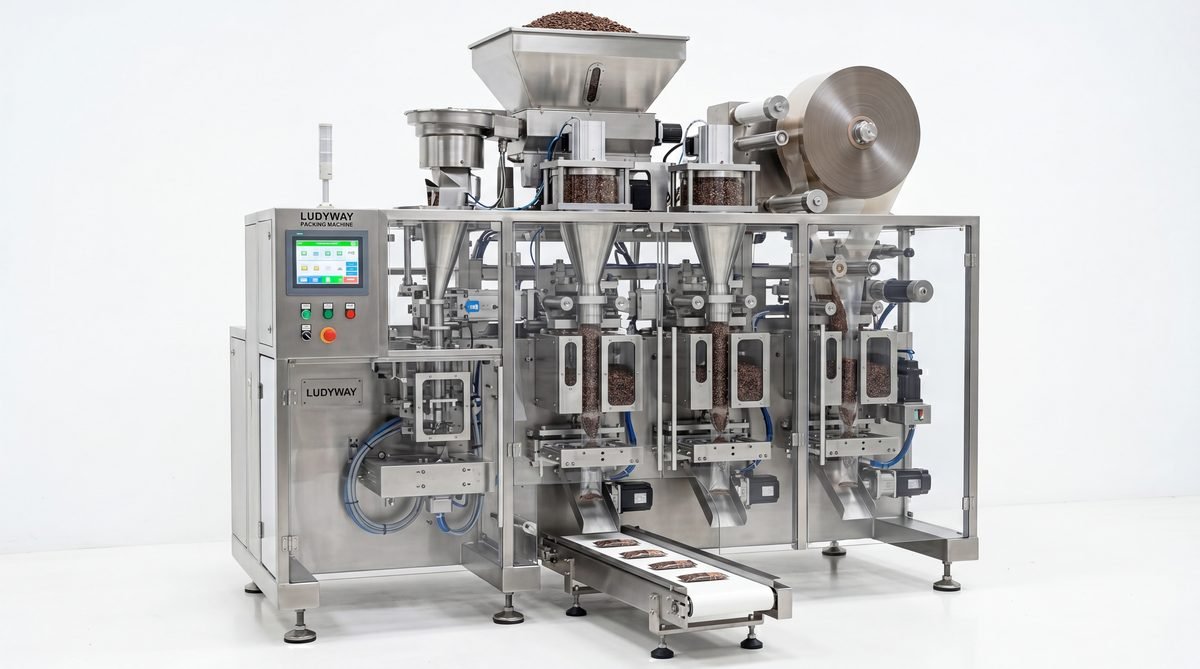
Consider Required Production Speed
One of the biggest buying mistakes is choosing a machine based only on current demand. A packaging solution should support today’s output while leaving room for expansion.
Questions to Ask
- How many packs do you need per minute or per hour?
- Do you run one shift or multiple shifts?
- Will seasonal demand increase your packing volume?
- Do you need one machine or a complete automatic line?
For lower output, a compact single-lane or standard pouch machine may be enough. For high-volume operations, multi-lane sachet or stick pack systems can significantly improve throughput while reducing unit packing cost.
Evaluate Filling Accuracy and Waste Control
In food packaging, underfilling creates compliance and customer satisfaction issues, while overfilling increases material loss. A good grocery packing machine must deliver reliable dosing accuracy for your product.
- Powders need anti-dust filling stability
- Granules need smooth flow and precise weighing
- Liquids need anti-drip nozzles and seal integrity
- Sticky products need easy-clean contact parts
For higher-value food products, even a small filling deviation can create major annual losses. That is why precision dosing is often more important than simply choosing the fastest model.
Look at Hygiene and Food Safety Design
Food packaging machinery should be easy to clean, corrosion-resistant, and designed for safe product contact. Stainless steel construction, hygienic contact parts, and convenient disassembly can save time during maintenance and sanitation.
Important Hygiene Features
- Food-grade contact surfaces
- Stainless steel machine body
- Dust-proof or splash-resistant design where needed
- Tool-free or quick-access cleaning points
- Stable sealing temperature control
If you pack spices, powdered seasonings, sugar, or flour, dust management becomes especially important. If you pack sauces or oils, washdown-friendly structures are more critical.
Check Material Compatibility
The machine must work smoothly with your packaging film or pouch material. Grocery products are packed in many kinds of materials, including laminated films, PE, PET, aluminum foil structures, and recyclable materials.
| Packaging Need | Machine Requirement |
|---|---|
| Strong shelf barrier | Stable sealing with multilayer film support |
| Easy-open single serve | Accurate cut and seal control |
| Premium pouch appearance | Consistent pouch forming and filling alignment |
| Recyclable material use | Adjustable sealing parameters and compatibility testing |
Think Beyond the Main Machine
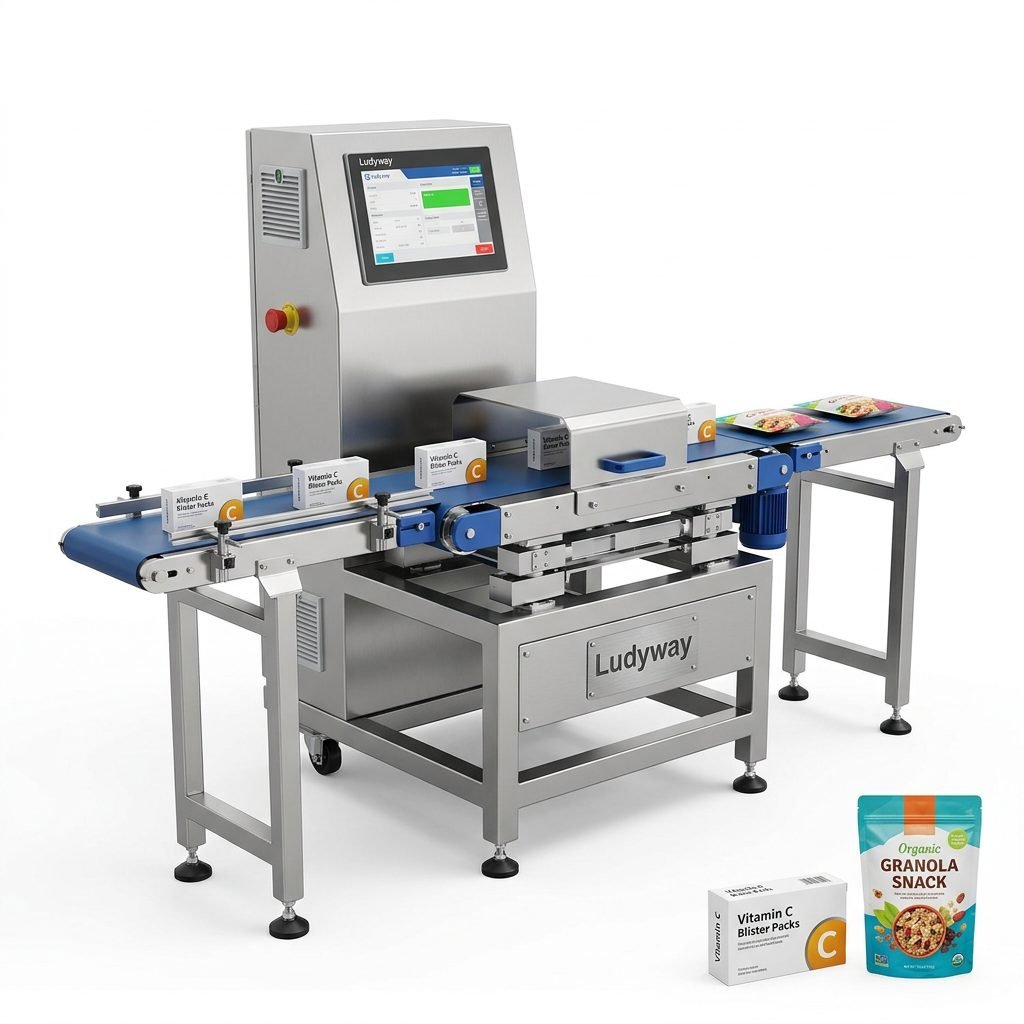
Many buyers focus only on the packing machine itself, but efficient food packaging often depends on the full production setup. Auxiliary equipment can improve product feeding, inspection, coding, labeling, and final packing.
Common Supporting Equipment
- Bucket elevators or screw conveyors
- Checkweighers
- Metal detectors
- Date coding systems
- Labeling machines
- Cartoning and case packing systems
- Palletizing solutions
If your volume is growing, a turnkey packaging line may offer better long-term value than buying separate machines from different suppliers.
Choose Based on Flexibility and Changeover Time
Grocery packaging businesses often run multiple SKUs, flavors, fill weights, or bag sizes. If product changeover takes too long, production efficiency drops quickly.
Look for machines with:
- Simple parameter adjustment through HMI
- Quick format change capability
- Servo-driven positioning for repeatability
- Modular parts for easier maintenance
Best choice for mixed product lines: a machine that balances speed with flexibility instead of a highly specialized system that only works for one SKU.
Review Maintenance, Support, and Spare Parts
A machine may look good in specifications, but after-sales support is just as important. Downtime in food production can lead to missed deliveries, material waste, and customer penalties.
Ask Suppliers About
- Installation and commissioning support
- Operator training
- Spare parts availability
- Remote technical assistance
- Preventive maintenance recommendations
Reliable manufacturers usually provide clearer documentation, stronger engineering support, and better line integration planning.
How to Compare Grocery Packing Machine Options
When evaluating multiple suppliers, compare more than the initial quotation. The true value comes from total performance, durability, and operational fit.
| Evaluation Factor | Why It Matters |
|---|---|
| Speed | Impacts daily production capacity |
| Accuracy | Controls product giveaway and consistency |
| Hygiene | Supports food safety and easier cleaning |
| Flexibility | Allows multiple SKUs and bag sizes |
| Automation level | Reduces labor and improves workflow |
| Service support | Minimizes downtime risk |
Best Fit Scenarios by Business Type
Small and Medium Food Brands
Choose a compact machine with easy operation, moderate speed, and room for future upgrades.
High-Volume Grocery Manufacturers
Choose multi-lane or fully integrated packaging lines with automatic feeding, filling, checking, and final cartoning.
Private Label and Contract Packers
Choose highly flexible systems that support fast changeovers, multiple formats, and broad product compatibility.
Final Buying Checklist
- Define your product type clearly
- Confirm target package format
- Calculate required output realistically
- Check filling accuracy standards
- Review hygiene and cleaning design
- Verify film or pouch compatibility
- Consider auxiliary equipment needs
- Plan for future scaling
- Compare supplier support capabilities
Conclusion
The best grocery packing machine is the one that fits your actual product, packaging format, production target, and business growth plan. Instead of choosing only by price or speed, focus on the total packaging solution: dosing accuracy, seal quality, hygiene, flexibility, and system integration. With the right equipment, food businesses can achieve more efficient food packaging, lower waste, better product presentation, and stronger long-term profitability.