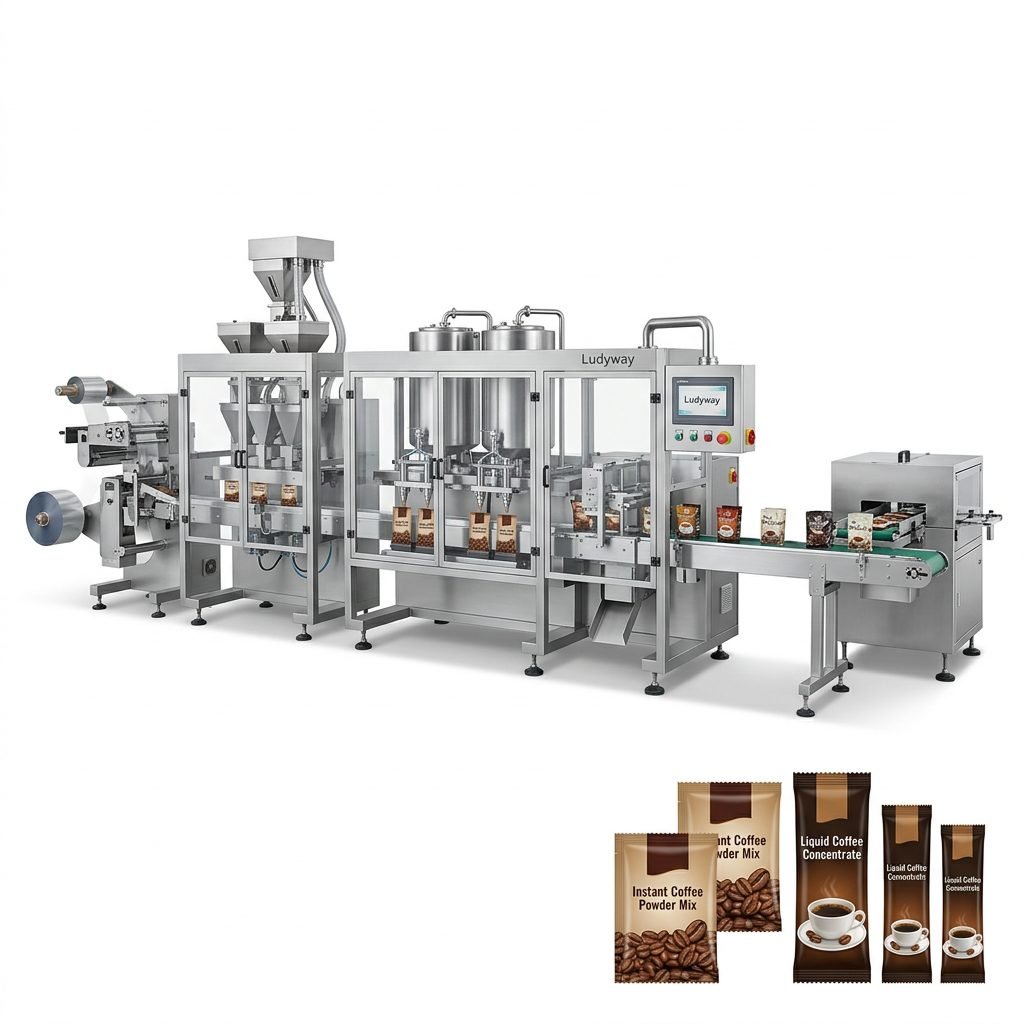
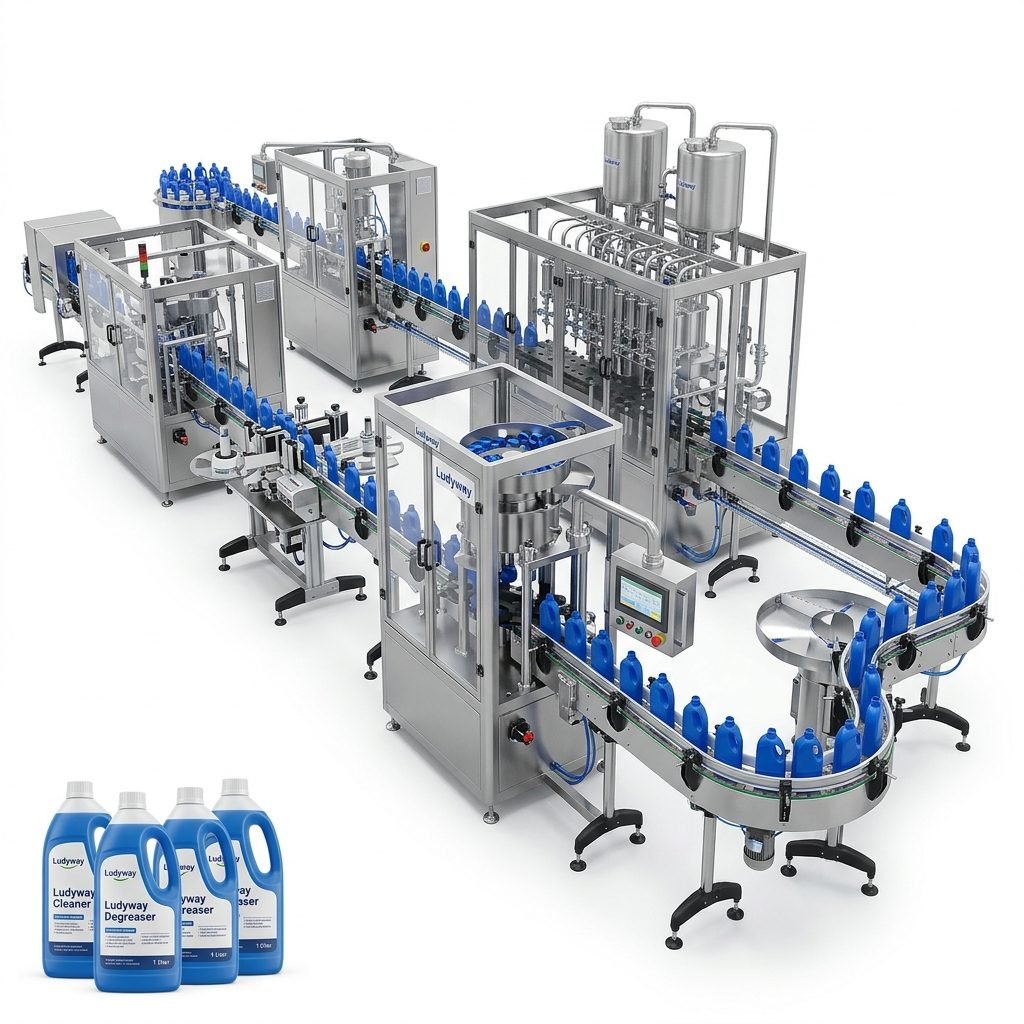
Bakery products need packaging that does more than simply wrap an item. The right system helps protect freshness, maintain appearance, improve production speed, reduce labor dependency, and support consistent sealing across different product formats. From sliced bread and cookies to cake mix powder, buns, pastries, and snack cakes, a bakery packaging machine can directly influence product quality and operating cost.
In this guide, you will learn the main types of bakery packaging machines, the benefits they deliver, and the key factors to evaluate before making a purchase decision.
What Is a Bakery Packaging Machine?
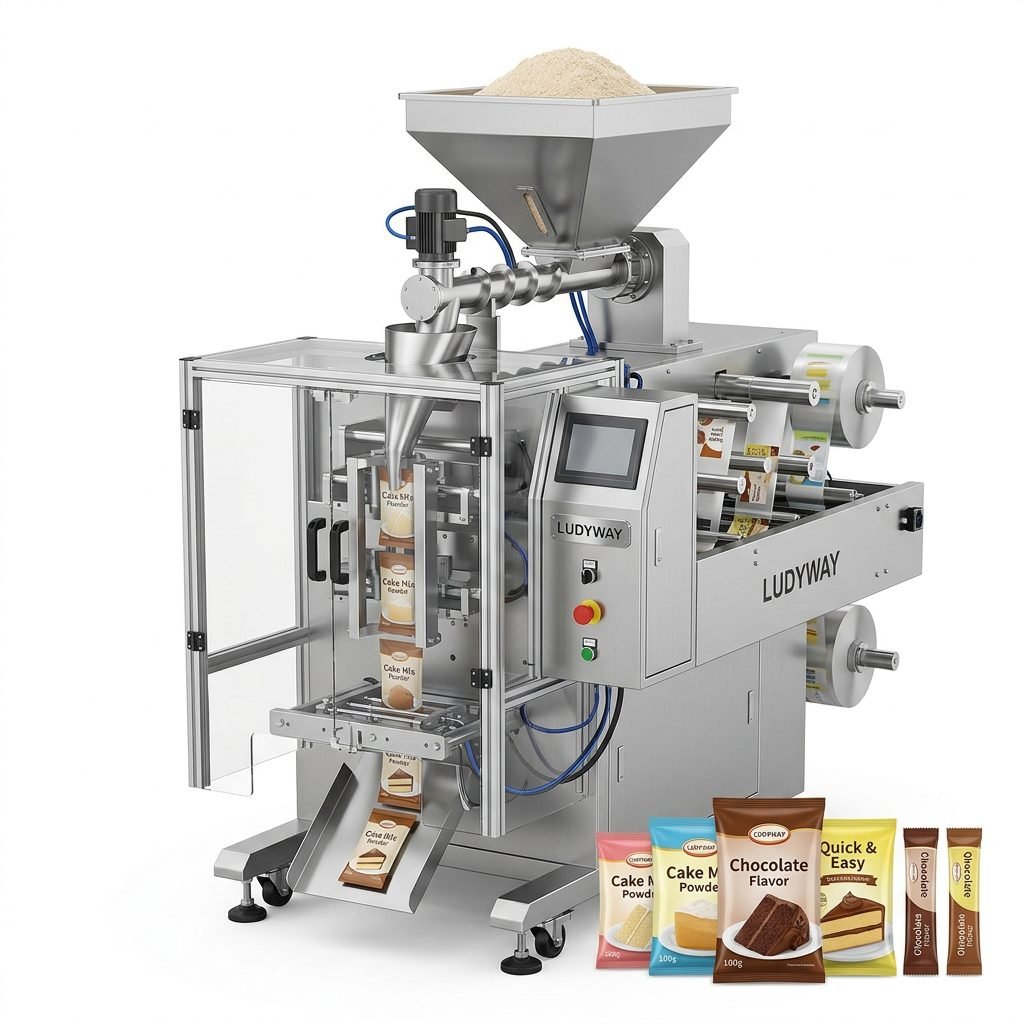
A bakery packaging machine is automated equipment designed to fill, wrap, seal, bag, pouch, count, or case-pack bakery products. Depending on the product, the machine may handle:
- Bread loaves and buns
- Cookies and biscuits
- Cakes, muffins, and cupcakes
- Pastries and croissants
- Bakery premixes and flour-based powders
- Frozen bakery items
- Snack bars and confectionery-style baked goods
These machines may operate as standalone units or as part of a complete automated line that includes feeding, weighing, filling, sealing, coding, inspection, cartoning, case packing, and palletizing.
Common Types of Bakery Packaging Machines
1. Flow Wrapping Machines
Flow wrappers are widely used for individual bakery products such as cookies, bread rolls, muffins, cakes, and snack bars. The product moves horizontally through film, and the machine creates a sealed pillow-style pack.
Best for: Single-serve baked goods, tray-packed items, and products requiring neat retail presentation.
2. Vertical Form Fill Seal Machines
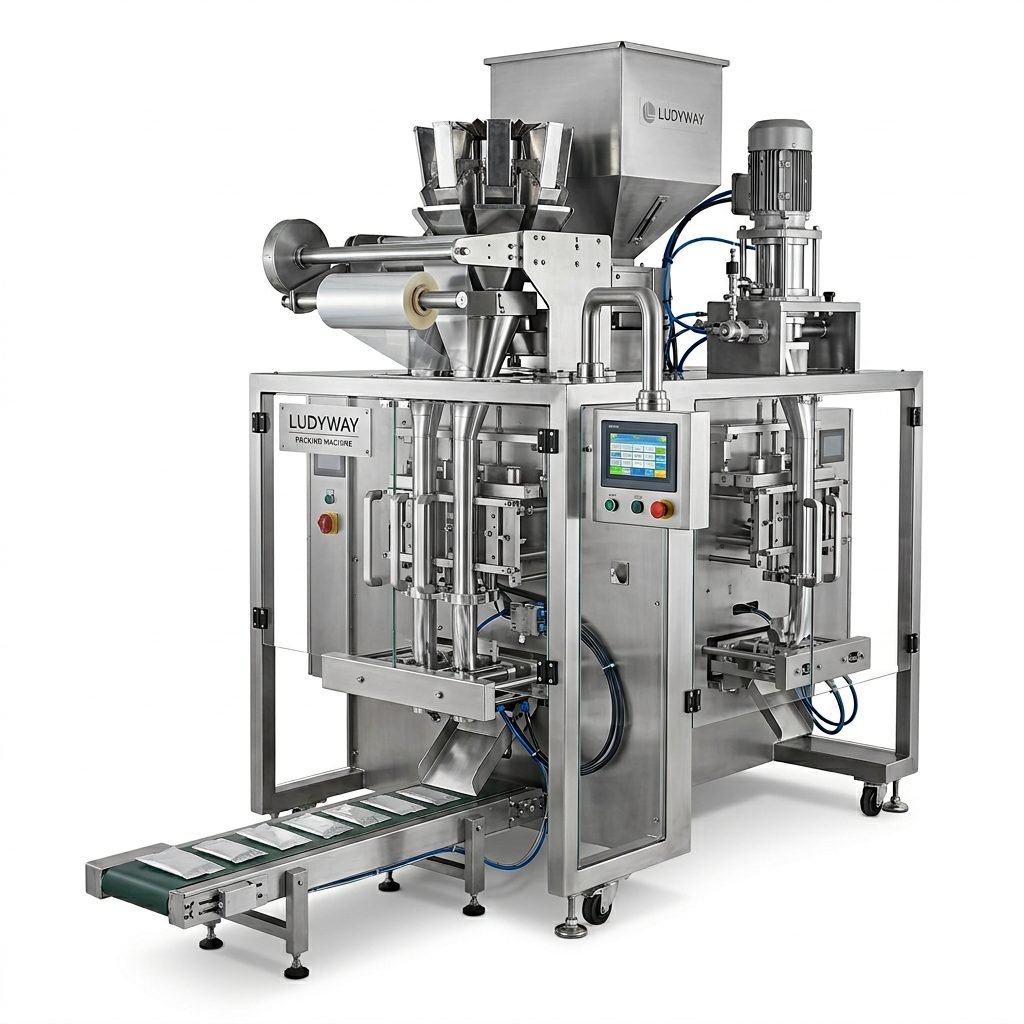
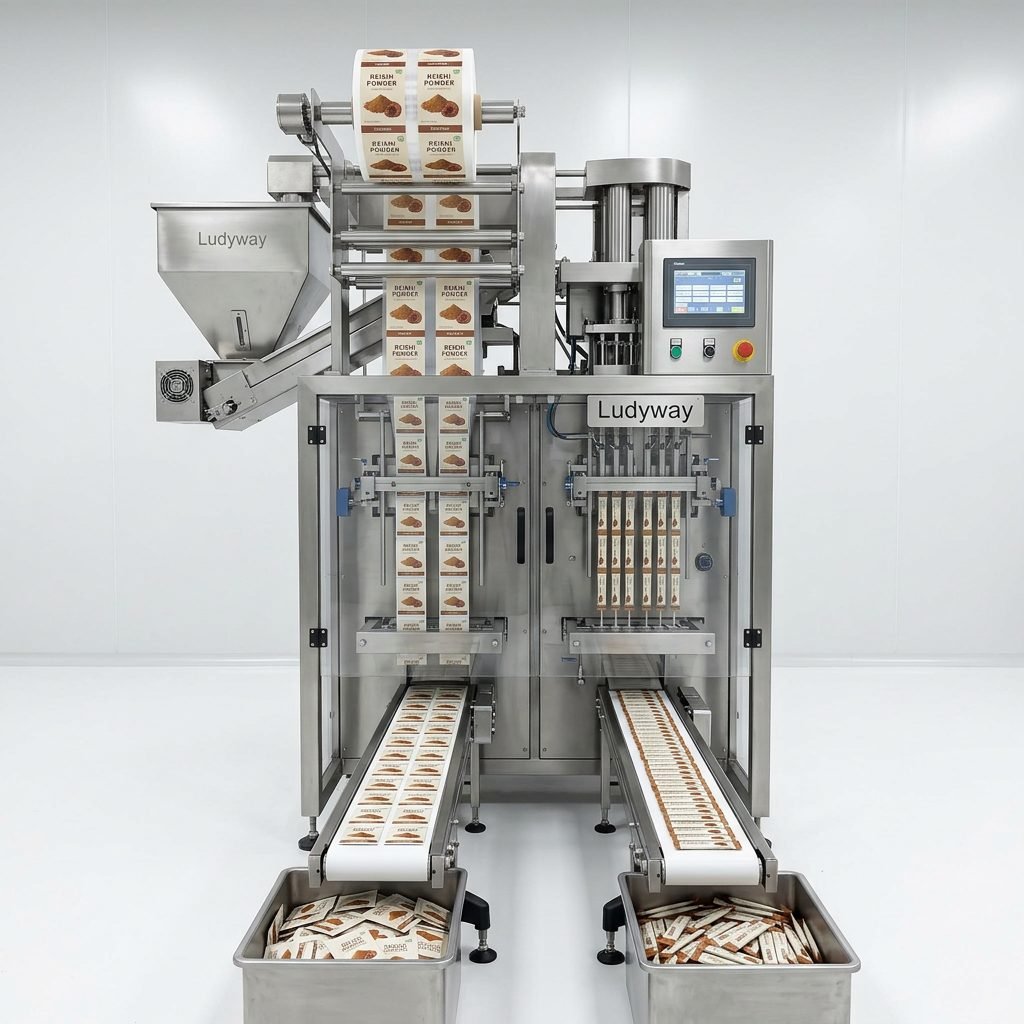
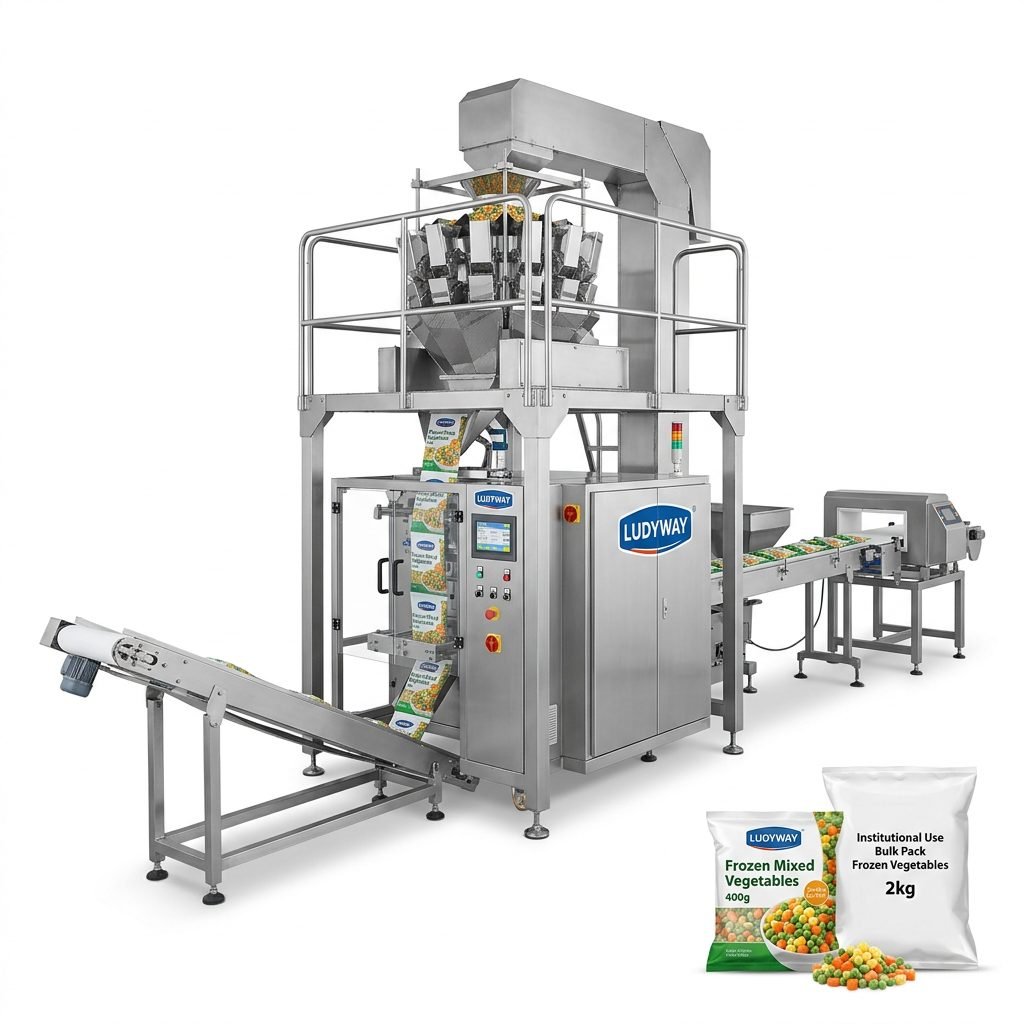
VFFS machines form bags from roll film, fill them with product, and seal them automatically. They are especially useful for bakery ingredients, cake mixes, breadcrumbs, flour blends, croutons, mini cookies, and bakery snack pieces.
Best for: Granules, powders, small pieces, and bulk bakery products.
3. Premade Pouch Packaging Machines
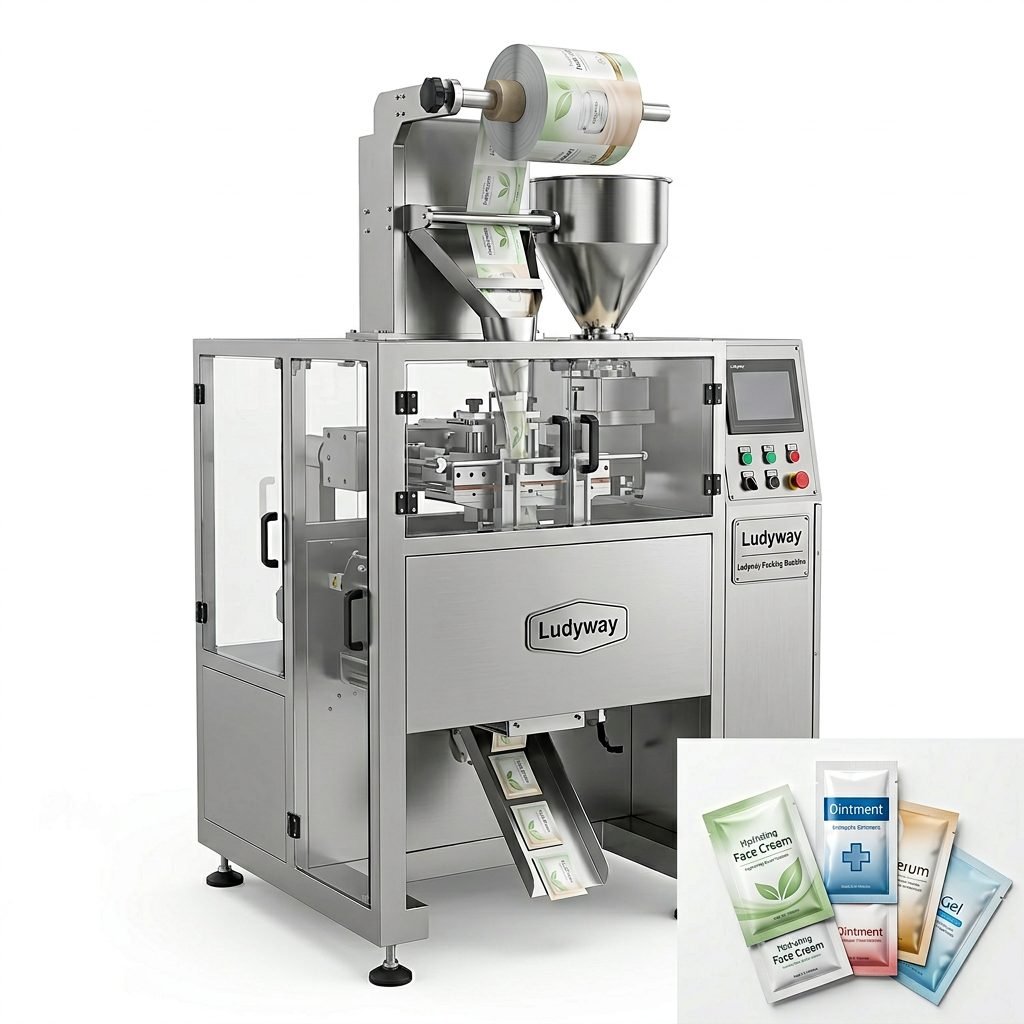
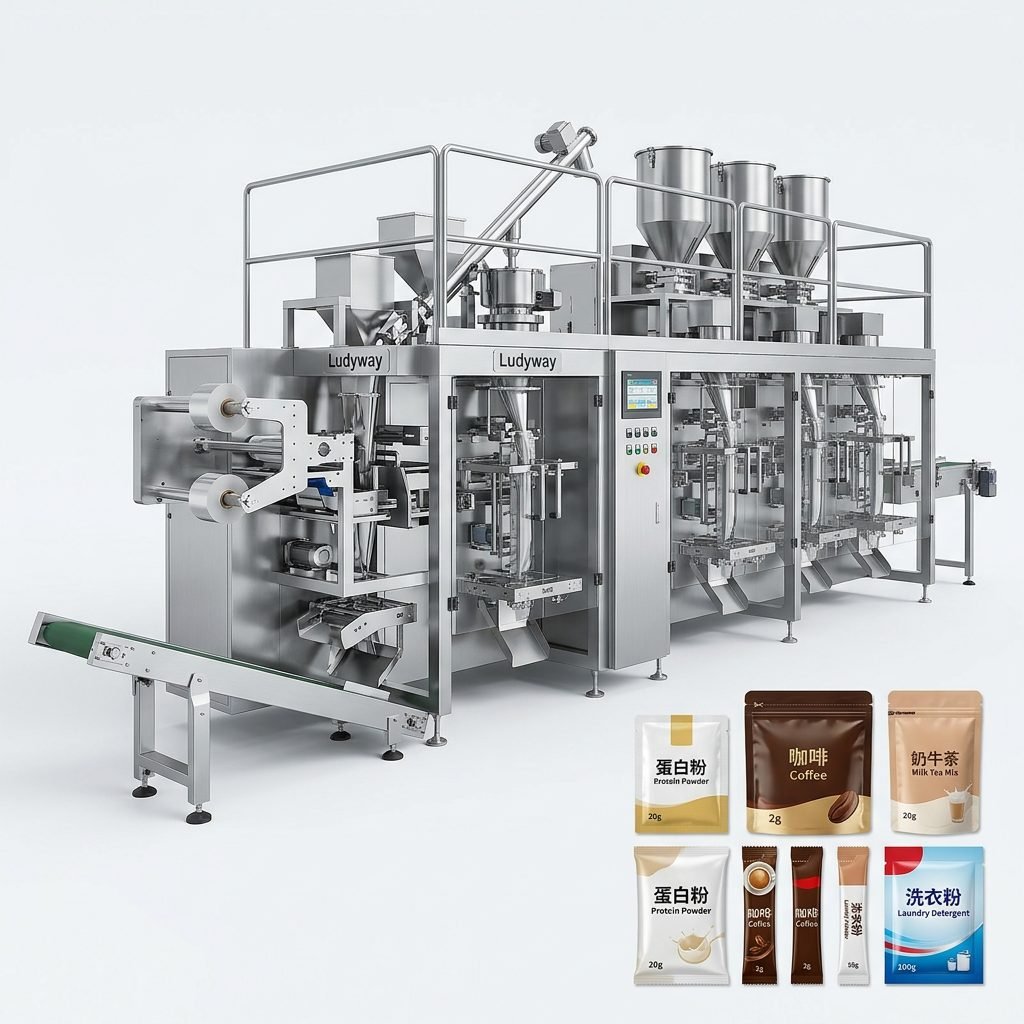
These machines fill and seal preformed pouches. They are suitable for premium bakery mixes, powdered ingredients, decorative toppings, and ready-to-use baking products sold in stand-up pouches or zipper pouches.
Best for: High-value bakery ingredients and consumer-friendly pouch packaging.
4. Tray Sealing Machines
Tray sealers package delicate bakery products in trays with top film sealing. This helps protect appearance and reduce crushing during transport.
Best for: Pastries, cupcakes, donuts, and fragile baked goods.
5. Bread Bagging Machines
Bread baggers automate the loading and bagging of loaves, buns, or rolls. They are often paired with clip banding, twist tie systems, date coding, and conveyors.
Best for: High-volume bread and bun production.
6. Vacuum or Modified Atmosphere Packaging Systems
For selected bakery products, vacuum or MAP systems can help extend shelf life by controlling oxygen exposure. This is useful where freshness retention and distribution time are critical.
Best for: Premium baked items, extended shelf-life products, and export packaging.
7. Cartoning and Case Packing Machines
Secondary packaging equipment groups primary packs into cartons or shipping cases. This improves transport efficiency and supports automated warehouse operations.
Best for: Retail multipacks, bakery distribution centers, and export-ready shipping.
| Machine Type | Suitable Bakery Products | Main Advantage |
|---|---|---|
| Flow Wrapper | Cookies, cakes, muffins, bars, buns | Fast and attractive retail packaging |
| VFFS Machine | Cake mix, breadcrumbs, mini snacks, powders | Efficient bag making and filling |
| Premade Pouch Machine | Baking premixes, toppings, specialty ingredients | Premium shelf appearance |
| Tray Sealer | Pastries, cupcakes, donuts | Better product protection |
| Bread Bagger | Bread loaves, rolls, buns | High-speed bagging for daily production |
| Cartoning/Case Packing | Multipacks and secondary packaging | Improved logistics efficiency |
Benefits of Using a Bakery Packaging Machine
Improved Production Efficiency
Automation helps bakeries package more units in less time with fewer interruptions. This is particularly important during peak demand periods or when handling multiple SKUs.
Consistent Package Quality
Machines provide repeatable sealing, filling accuracy, and pack appearance. Consistency reduces complaints and improves brand image on retail shelves.
Reduced Labor Dependence
Manual packaging can be slow and labor-intensive. Automated equipment lowers labor pressure and helps manufacturers maintain stable output even when staffing is tight.
Better Product Protection
Proper packaging protects bakery products from moisture, oxygen, contamination, and crushing. This is especially important for soft, crisp, or fragile items.
Longer Shelf Life
When paired with appropriate film materials and sealing technology, bakery packaging machines can support freshness retention and extend marketable shelf life.
Lower Material Waste
Well-designed machines optimize film usage, reduce sealing errors, and minimize product giveaway during filling.
Which Bakery Products Need Different Packaging Solutions?
Not all bakery products behave the same during filling and sealing. Texture, shape, fragility, moisture content, and pack size all matter. Here is a quick breakdown:
- Soft bread and buns: Usually need gentle handling and bagging systems.
- Cookies and crackers: Often work well with flow wrap or tray-pack systems.
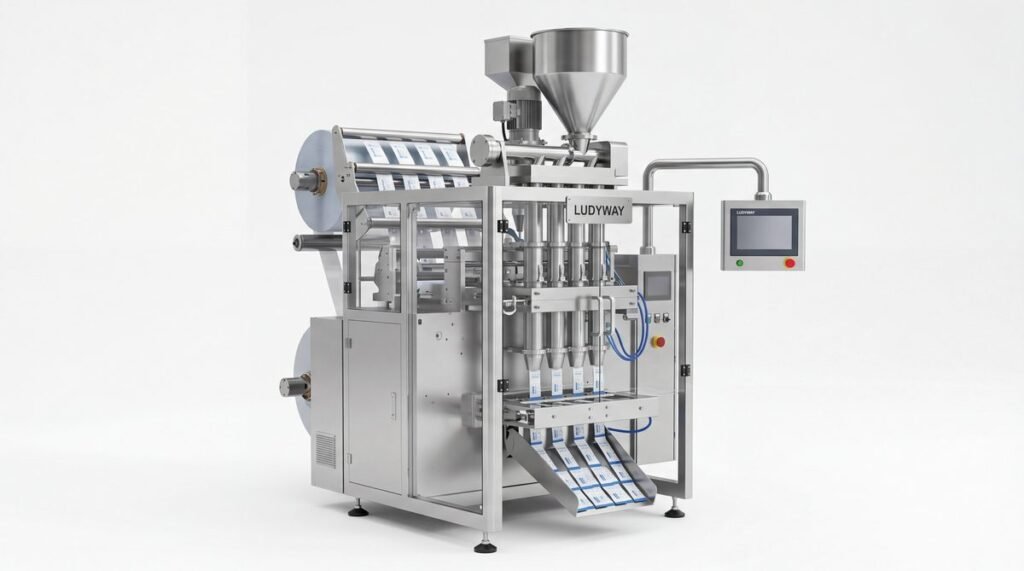
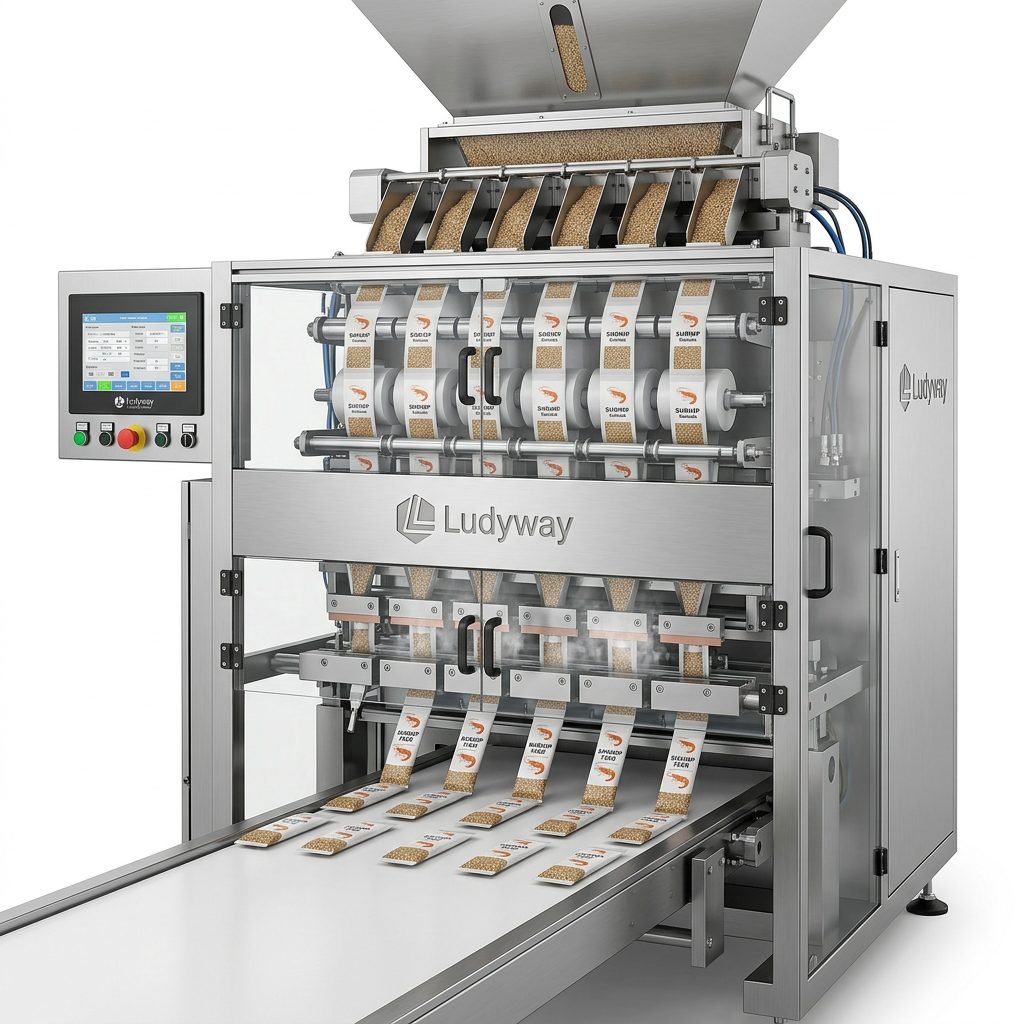
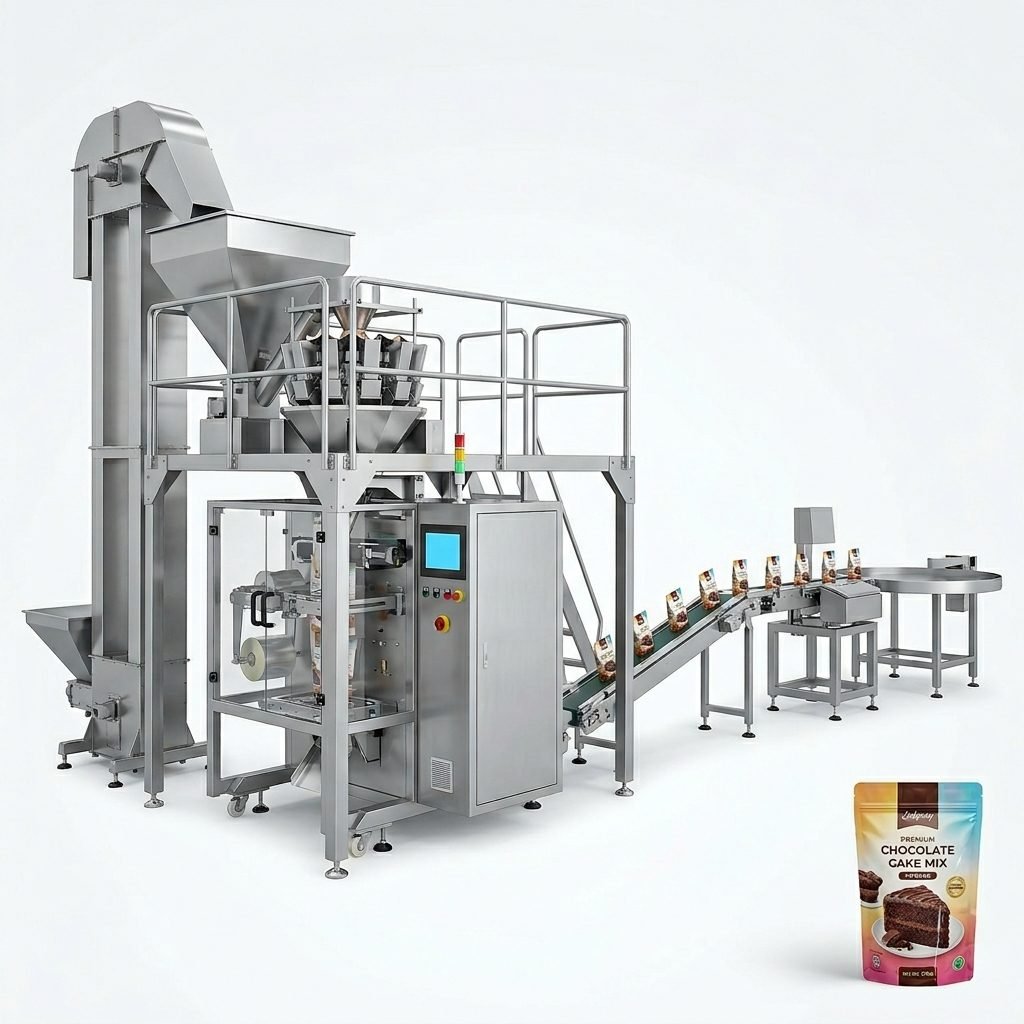
- Cake mix and baking powder products: Commonly use vertical sachet, stick pack, or pouch packaging equipment.
- Frozen bakery items: Need moisture-resistant, secure sealing and stable bag formats.
- Premium pastries: Benefit from tray sealing or protective carton integration.
How to Choose the Right Bakery Packaging Machine
1. Start with Your Product Characteristics
Ask the following questions:
- Is the product solid, powder, granule, or semi-fragile?
- Does it break easily?
- Does it need airtight sealing?
- What is the target pack weight or count?
- Will the product be sold individually or in multipacks?
2. Match the Machine to Your Packaging Format
Your packaging format determines the machine structure. For example:
- Pillow packs usually require flow wrapping
- Bags often use VFFS systems
- Stand-up pouches need premade pouch equipment
- Delicate products may need trays before sealing
3. Evaluate Speed Requirements
A small bakery and an industrial bakery need very different capacities. Do not buy based only on maximum speed. Focus on stable operating speed under real production conditions.
4. Check Automation Level
Some bakeries only need a basic packaging unit, while others need a complete line with conveyors, metal detection, coding, checkweighing, cartoning, and palletizing. Choose based on current production and future growth plans.
5. Consider Hygiene and Cleaning
Food-contact components should be easy to clean and made from suitable materials. Hygienic design is especially important for bakeries working with butter-rich, sugary, or fine powder products.
6. Review Film and Packaging Material Compatibility
Make sure the machine works with the films or pouch materials you plan to use, including laminated films, recyclable options, or specialty barrier packaging.
7. Assess Changeover Flexibility
If you package different product sizes or formats, choose a machine with convenient adjustments and recipe storage. This can reduce downtime significantly.
8. Look at Service and Technical Support
The machine itself is only part of the investment. Reliable spare parts supply, installation support, operator training, and after-sales response are equally important.
| Selection Factor | Why It Matters | What to Check |
|---|---|---|
| Product Type | Determines filling and sealing method | Shape, fragility, moisture, weight |
| Packaging Format | Affects machine structure | Bag, pouch, wrap, tray, carton |
| Capacity | Impacts output and ROI | Packs per minute, daily volume |
| Material Compatibility | Ensures stable sealing | Film type, thickness, barrier level |
| Automation | Supports labor savings and line integration | Conveyors, coding, inspection, case packing |
| After-Sales Support | Reduces downtime risk | Spare parts, remote support, training |
Signs You May Need to Upgrade Your Bakery Packaging Equipment
- Frequent seal failures or inconsistent pack appearance
- Too much manual labor in end-of-line operations
- Slow output compared with baking capacity
- High material waste or product loss
- Difficulty switching between SKUs
- Inability to meet retail or export packaging requirements
Should You Choose a Standalone Machine or a Complete Packaging Line?
A standalone machine can be a smart option for smaller bakeries or businesses adding one packaging format. A complete packaging line is better for medium to large manufacturers seeking higher throughput and integrated automation.
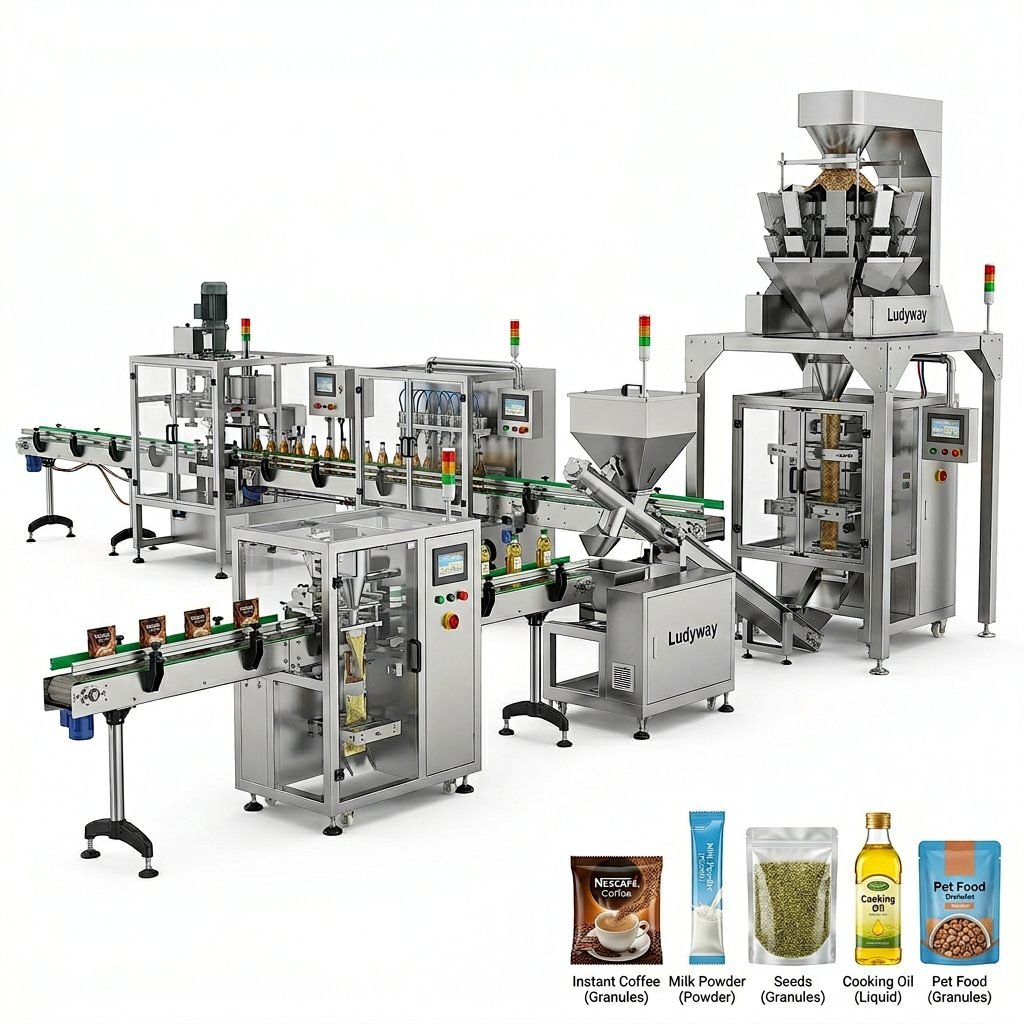
For businesses planning long-term expansion, turnkey solutions often provide better consistency across the full process, from feeding and dosing to final case packing. Companies such as Ludyway packaging machine manufacturer are often considered by buyers looking for scalable packaging equipment and turnkey production line support across food and related industries.
Practical Tips Before Buying
- Request packaging tests with your real bakery product.
- Confirm actual speed based on your pack size and material.
- Check sealing quality, not just speed data.
- Review machine footprint and line layout needs.
- Ask about spare parts lead time and technical response.
- Plan for future SKU expansion before finalizing specifications.
Conclusion
Choosing the right bakery packaging machine means balancing product protection, packaging style, output goals, and long-term operating efficiency. Whether you package bread, cookies, pastries, cake mix, or bakery snack products, the best system is the one that matches your product behavior, production volume, and growth plan.
By comparing machine types carefully and focusing on real production needs, bakeries can improve packaging quality, reduce waste, and build a more reliable and competitive operation.
FAQs
What is the best packaging machine for bread?
Bread bagging machines are commonly used for loaves and buns, often combined with coding and sealing systems.
Which machine is suitable for cake mix powder?
VFFS machines, sachet machines, stick pack machines, and premade pouch fillers are common choices for cake mix and baking powders.
Can one bakery packaging machine handle multiple products?
Yes, many machines support multiple product sizes or formats, but the level of flexibility depends on machine design and changeover requirements.
Why is automated bakery packaging important?
It improves speed, consistency, shelf appeal, product protection, and labor efficiency while supporting business growth.