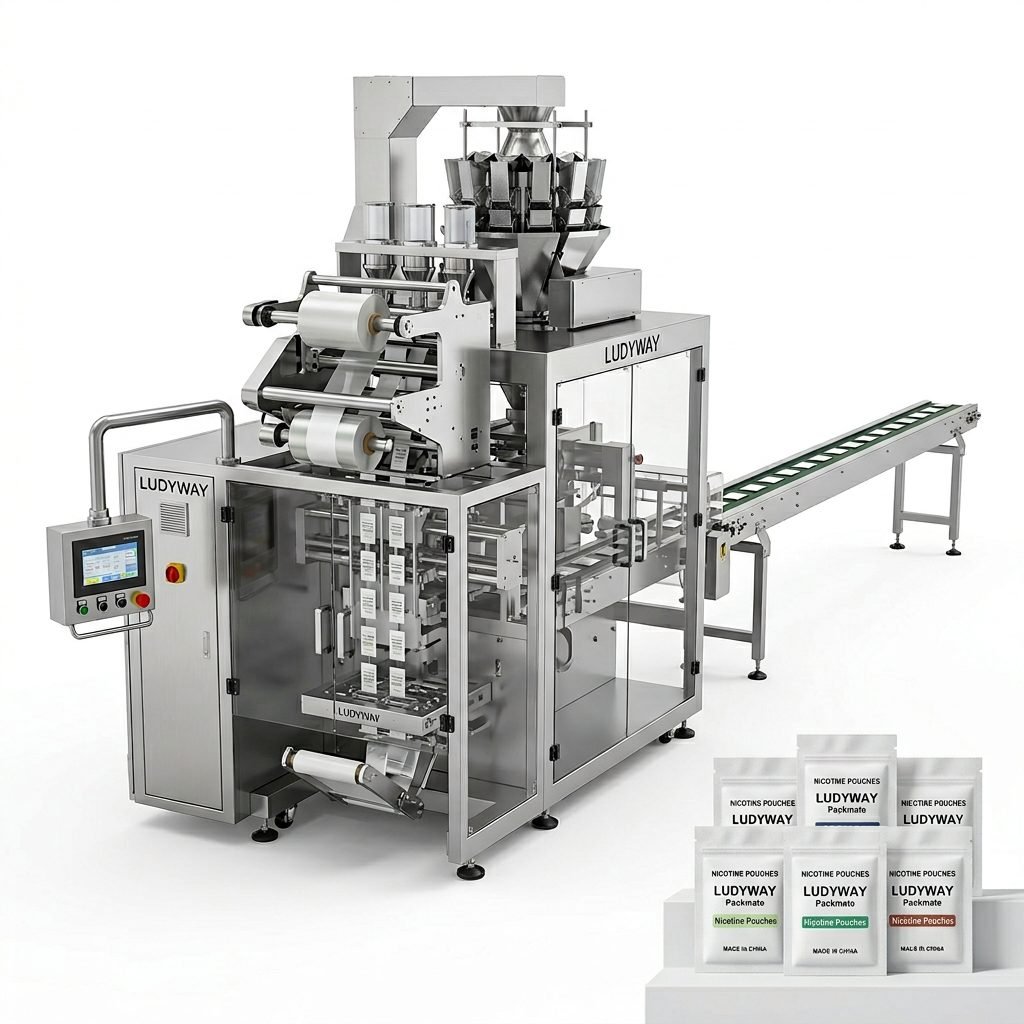
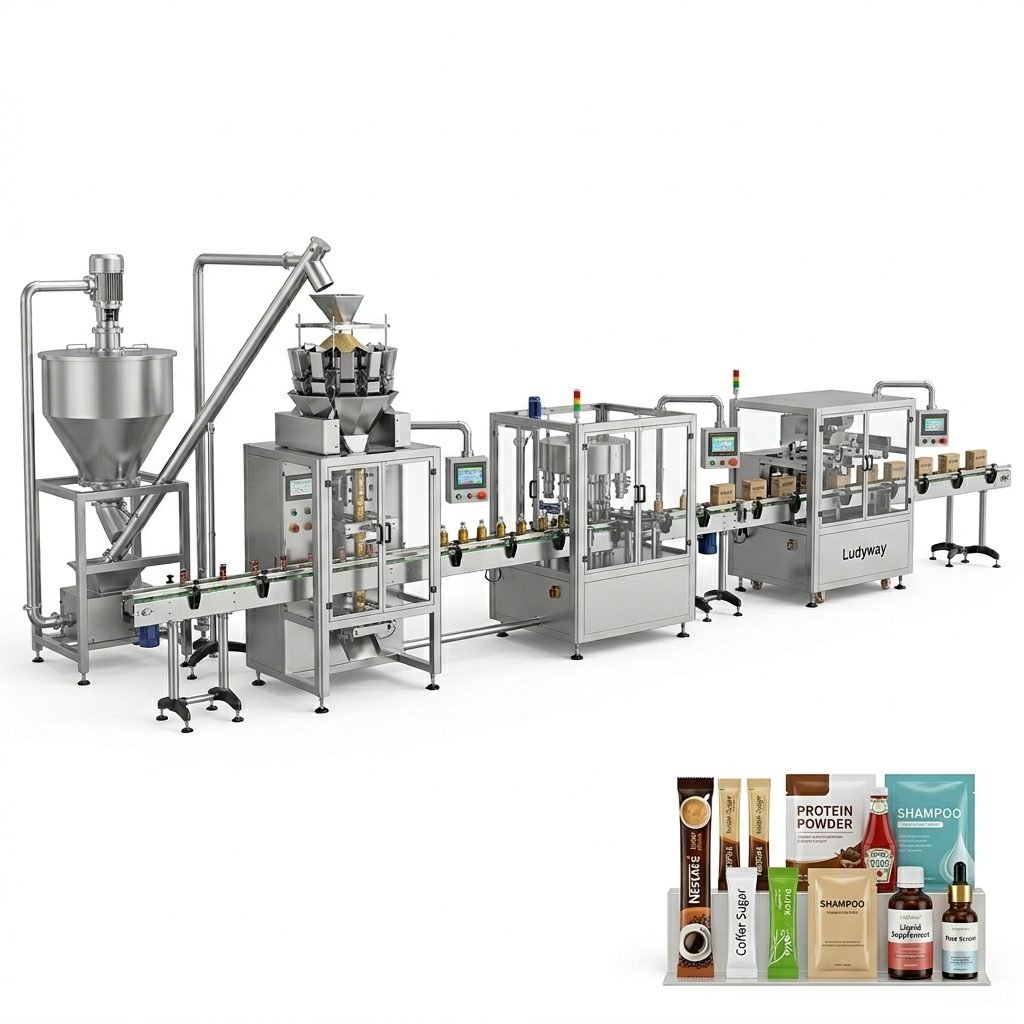
In modern food manufacturing, an automatic sauce packing machine plays a critical role in improving output, hygiene, and packaging consistency. From ketchup, chili sauce, soy sauce, mayonnaise, curry paste, salad dressing, and seasoning sauce to custom liquid or semi-viscous formulations, the right packing system helps food brands meet rising market demand while keeping production efficient and controlled.
For food factories aiming to reduce manual labor and increase line stability, automated filling and sealing technology delivers measurable advantages in speed, accuracy, and product appearance. Whether you run a startup sauce brand or a large-scale condiment production plant, selecting the proper machine can directly affect packaging quality, operating costs, and long-term scalability.
What Is an Automatic Sauce Packing Machine?
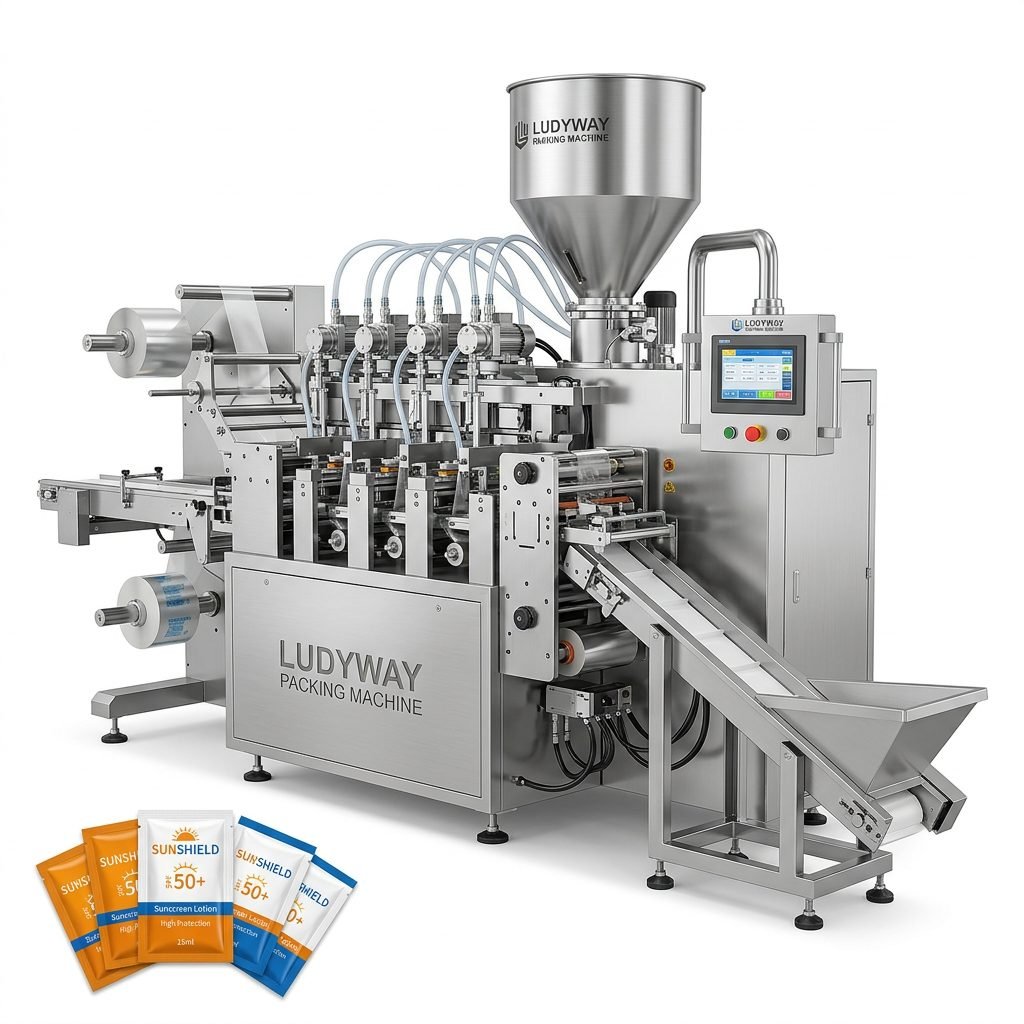
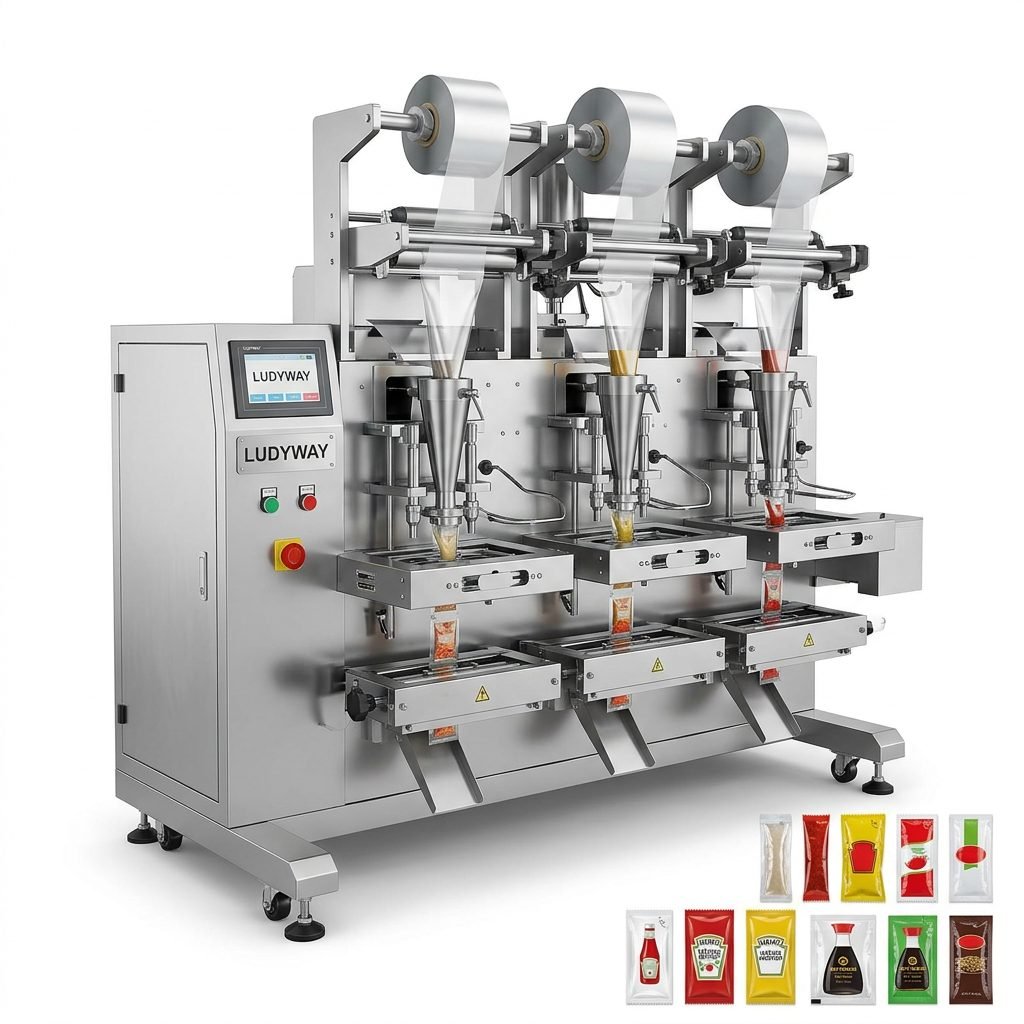
An automatic sauce packing machine is specialized packaging equipment designed to dose, fill, seal, and cut sauce products into pouches, sachets, stick packs, or other flexible packaging formats. It is widely used in food packaging lines for single-serve condiments, retail packs, takeaway sauce portions, and industrial foodservice packaging.
Depending on the product type and packaging requirement, the machine may handle:
- Free-flowing liquid sauces
- Thick and viscous sauces
- Sauces with particulates or seasonings
- Hot-fill or ambient-fill applications
- Single-lane or multi-lane high-speed production
Why Food Packaging Lines Need Automated Sauce Filling Solutions
Traditional manual or semi-automatic filling often creates bottlenecks in high-demand production environments. Variations in fill volume, sealing quality, and sanitation procedures can lead to product waste and inconsistent packaging. An automatic system helps standardize the process while supporting continuous production.
Key benefits include:
- Higher efficiency for growing order volumes
- Better dosing precision to reduce overfill and product loss
- Improved hygiene through enclosed filling and controlled product contact
- Lower labor dependence for repetitive packaging tasks
- Consistent seal quality for stronger shelf presentation and transport safety
- Flexible packaging options for different sauce viscosities and bag formats
Common Sauce Products Suitable for Automatic Packing
| Sauce Type | Typical Characteristics | Common Pack Format |
|---|---|---|
| Ketchup | Viscous, smooth, flowable | Sachet, pouch, stick pack |
| Chili Sauce | May contain particles or seeds | Sachet, pillow pouch |
| Soy Sauce | Low viscosity liquid | Sachet, stick pack |
| Mayonnaise | Thick emulsion, requires stable dosing | Sachet, premade pouch |
| Curry Sauce | Dense or semi-paste texture | Pouch, sachet |
| Salad Dressing | Liquid to semi-viscous | Sachet, pouch |
Main Machine Types Used in Sauce Packaging Lines
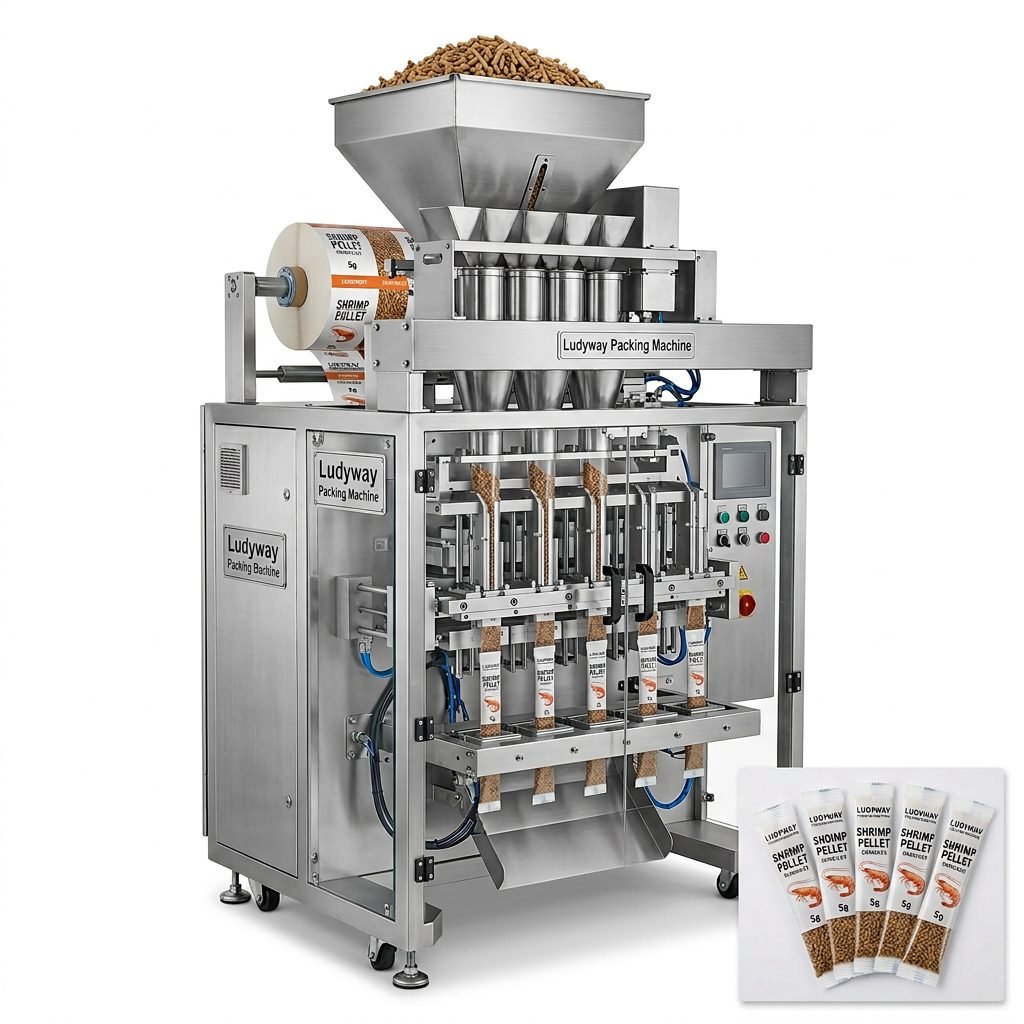
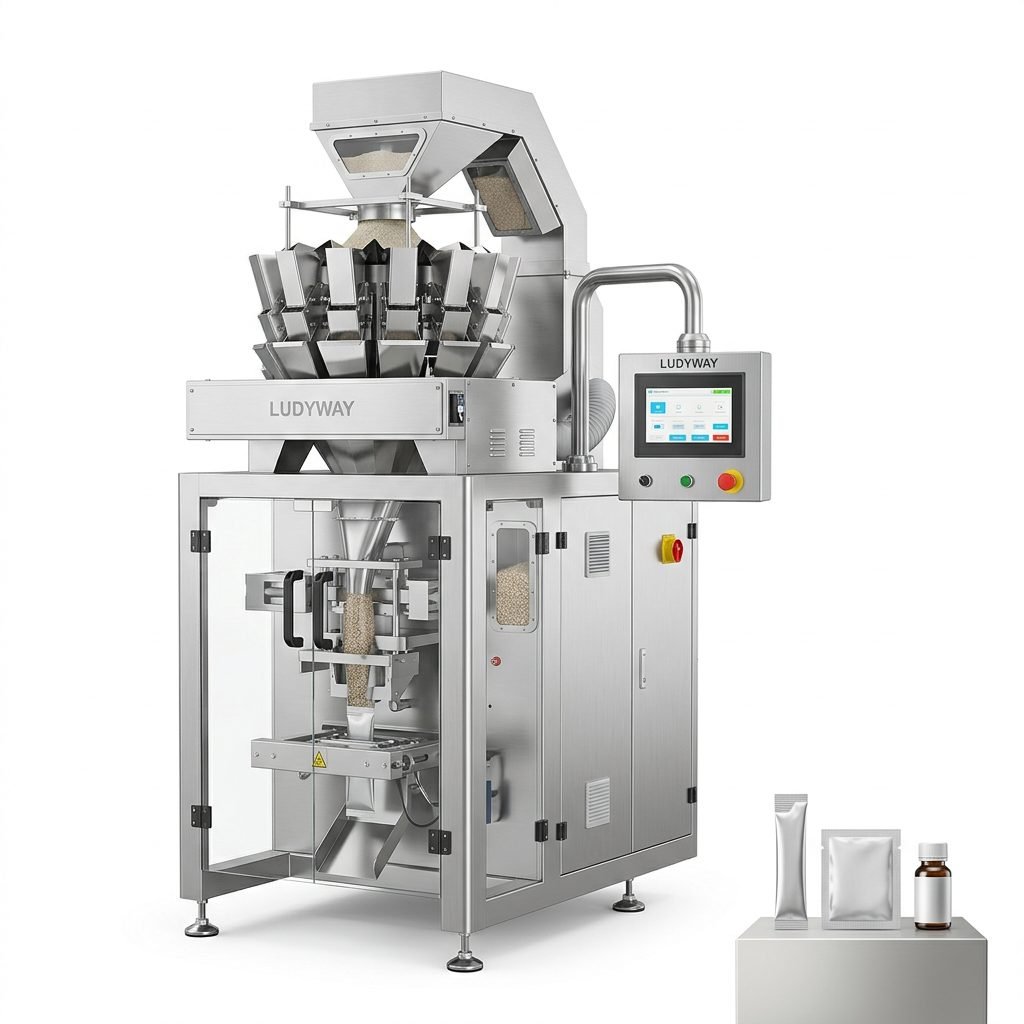
Vertical Form Fill Seal Machines
These machines form pouches from roll film, fill the sauce, and seal the package in one continuous process. They are popular for high-volume production because of their efficiency and compact structure.
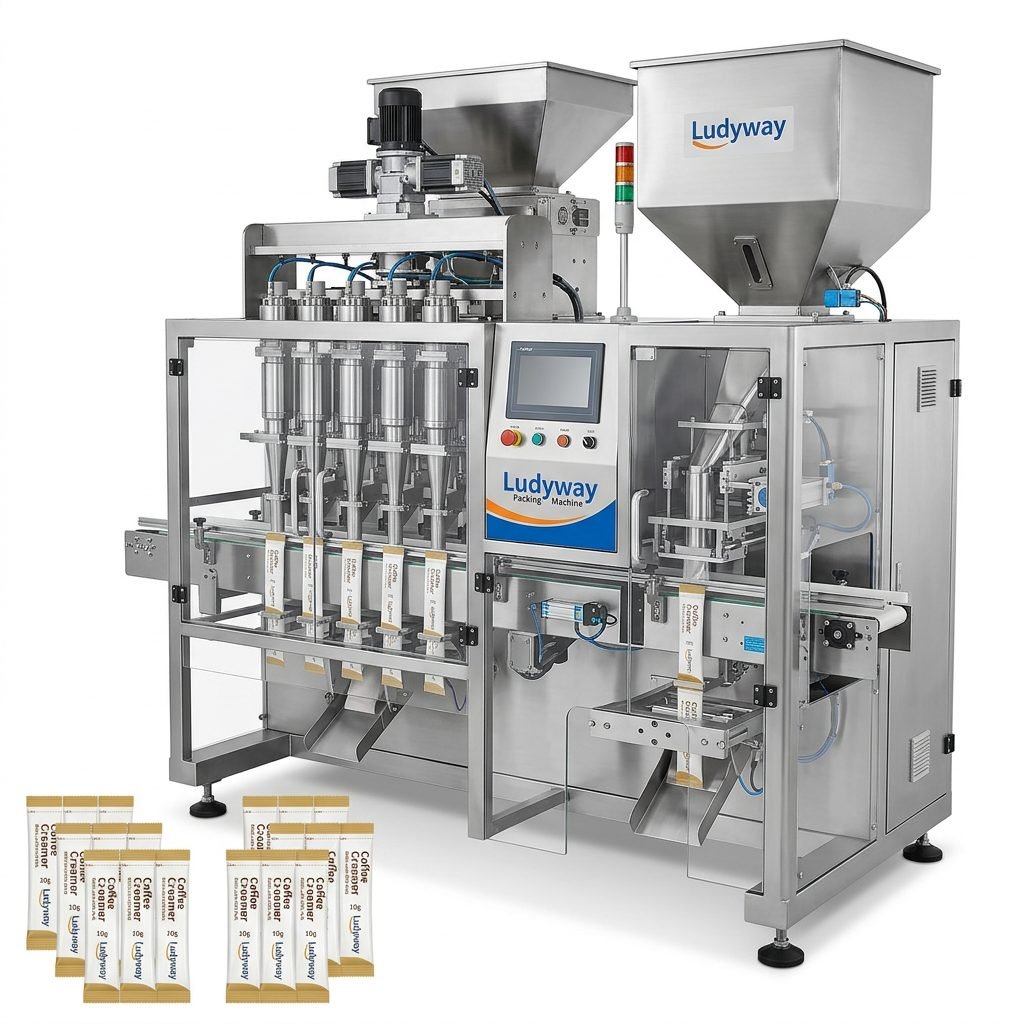
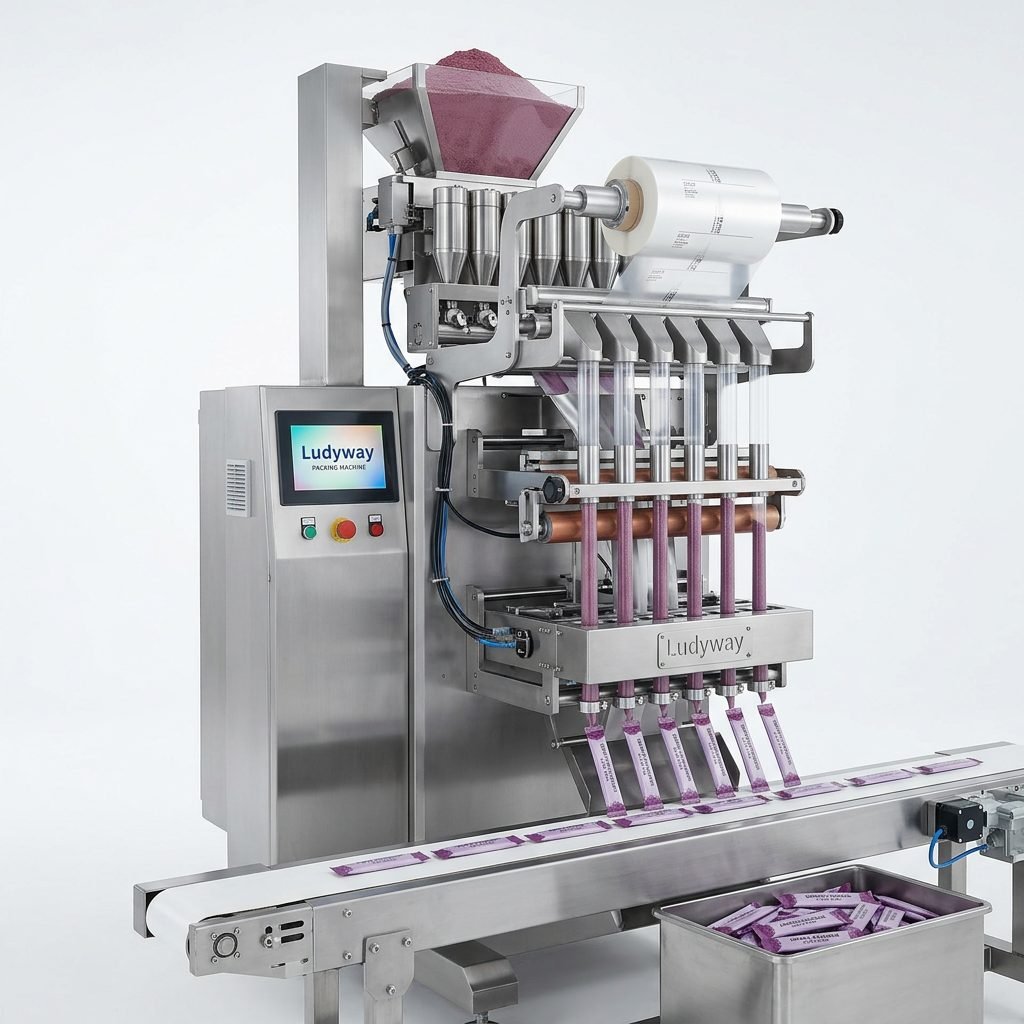
Multi-Lane Sachet Packing Machines
Multi-lane systems are ideal for single-dose condiment packaging. They increase output significantly by running multiple lanes at the same time, making them suitable for restaurants, airlines, takeaway chains, and retail condiment brands.
Premade Pouch Filling and Sealing Machines
These solutions are suitable for brands that prefer stand-up pouches, spouted packs, or shaped pouches. They support better shelf appeal and can be integrated into premium sauce packaging strategies.
Core Components of an Efficient Sauce Packing System
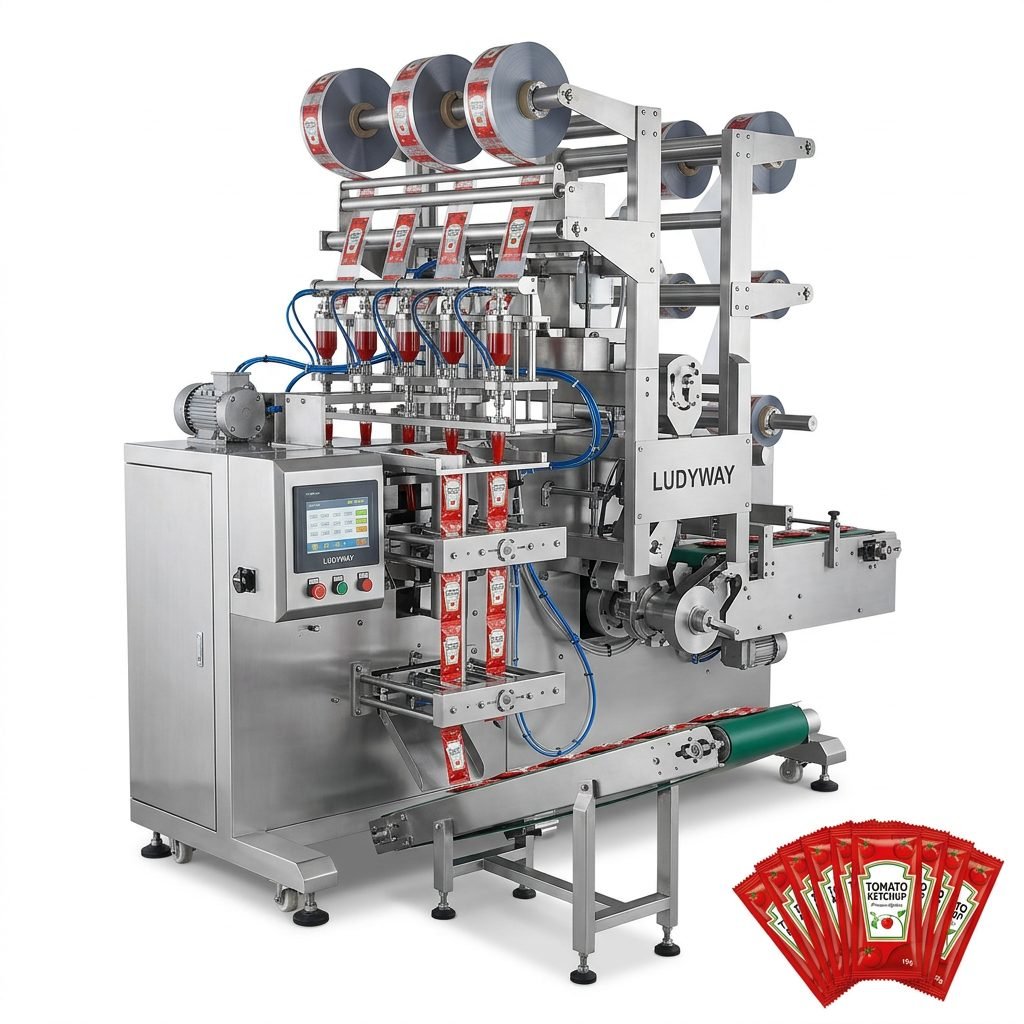
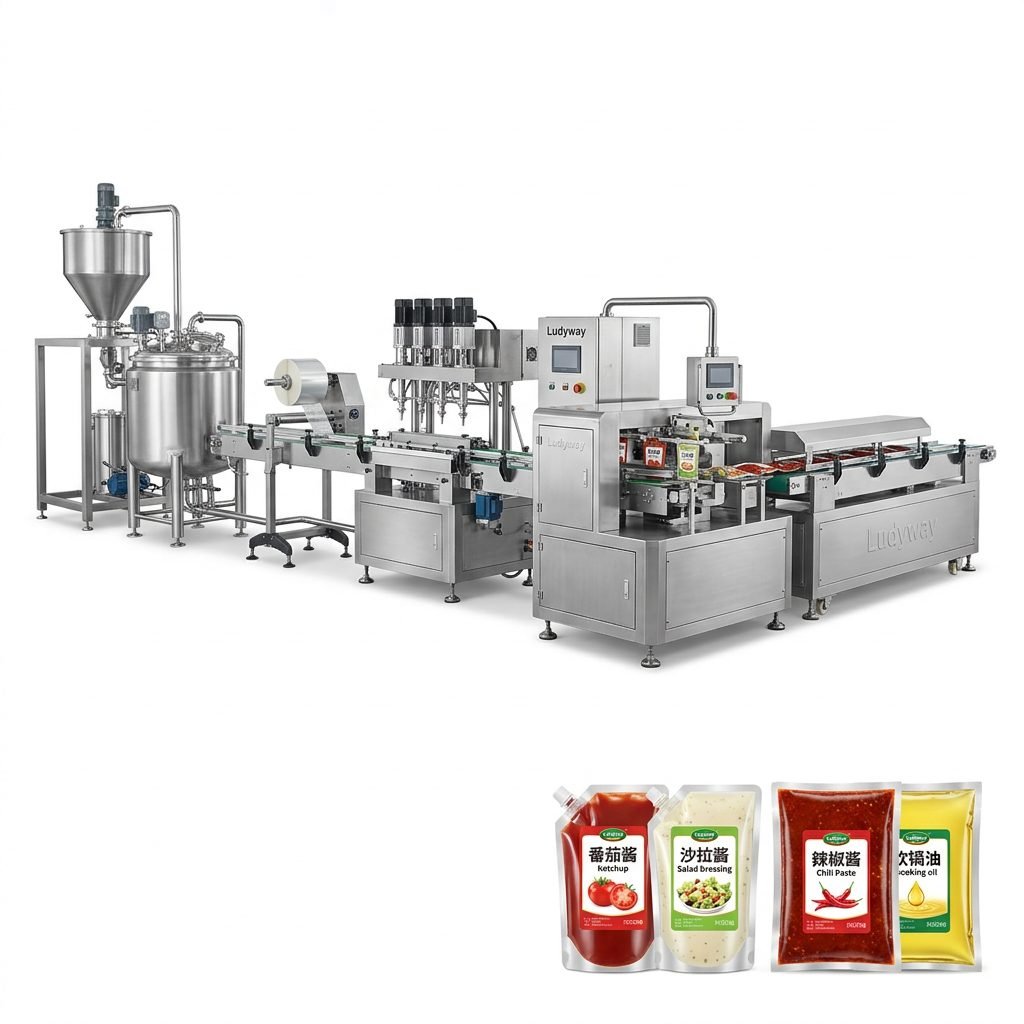
A reliable automatic sauce packing line is more than just a filler. High-performance systems usually combine several modules to maintain stable operation from feeding to final discharge.
- Product hopper or storage tank
- Piston pump, servo pump, or rotor pump filling unit
- Film feeding and pouch forming section
- Heat sealing unit
- Date coding or batch printing system
- Discharge conveyor
- Checkweigher or inspection equipment
- Cartoning or case packing modules for downstream automation
For sauces with different viscosities, the filling system must be matched carefully. Smooth-flow products may work well with standard liquid pumps, while thick or particle-containing sauces often require stronger and more specialized dosing solutions.
How to Choose the Right Automatic Sauce Packing Machine
Choosing packaging machinery should always start with your actual product and production target, not just headline speed. A well-matched machine improves uptime and packaging quality over the long term.
| Selection Factor | Why It Matters |
|---|---|
| Sauce viscosity | Determines suitable pump type and filling accuracy |
| Particle content | Affects nozzle design, sealing cleanliness, and flow stability |
| Package size | Impacts machine configuration and output range |
| Packaging format | Sachet, pouch, stick pack, or premade bag all require different systems |
| Production capacity | Determines whether single-lane or multi-lane equipment is needed |
| Cleaning requirements | Important for hygiene, flavor switching, and maintenance efficiency |
| Line integration | Ensures compatibility with upstream mixing and downstream cartoning systems |
Important Features That Improve Packaging Performance
Servo-Controlled Filling
Servo technology supports more accurate filling adjustment and faster changeovers, especially useful for brands handling multiple SKU sizes.
Anti-Drip Nozzle Design
This reduces product contamination near the sealing area, helping maintain cleaner seals and better-looking packs.
Touchscreen Recipe Management
Operators can store packaging parameters for different sauces, reducing setup time and improving repeatability.
Stainless Steel Hygienic Construction
Food-grade contact parts and easy-clean structures support compliance with food safety standards and reduce downtime during sanitation.
Integration With Turnkey Lines
A machine that connects well with mixing tanks, buffer tanks, conveyors, coding devices, cartoners, and palletizing systems offers better production continuity and future expansion potential.
Practical tip: If your sauce product range includes both low-viscosity liquids and thick pastes, request a packaging supplier that can offer customized dosing and sealing configurations rather than a one-size-fits-all machine.
Applications Across Food Industries
Automatic sauce packaging equipment is widely used in:
- Condiment manufacturing plants
- Fast-food and takeaway supply chains
- Meal kit and ready-to-eat food producers
- Catering sauce portion pack operations
- Retail private-label food packaging businesses
- Export-oriented food packaging factories
As consumers increasingly demand convenience packaging, portion control, and hygienic single-use formats, automated sachet and pouch solutions continue to gain importance in food packaging lines worldwide.
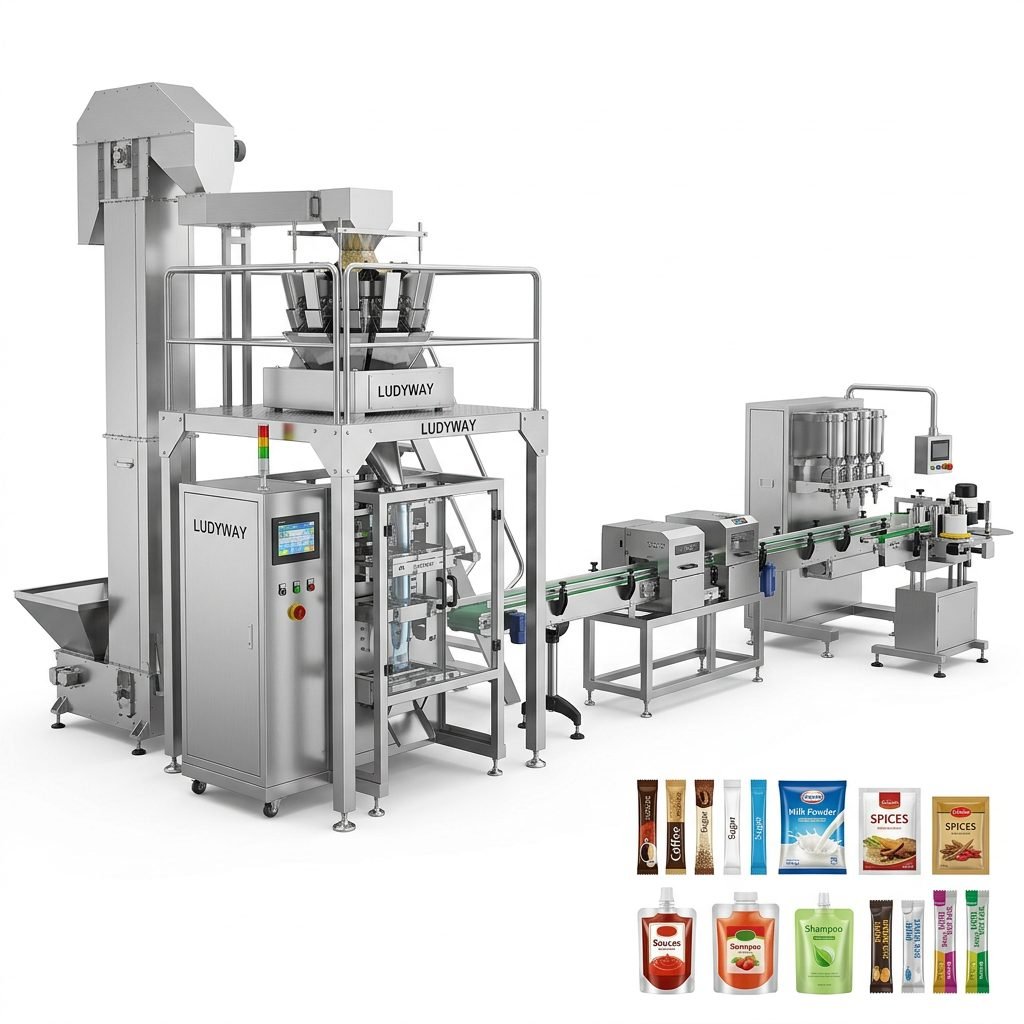
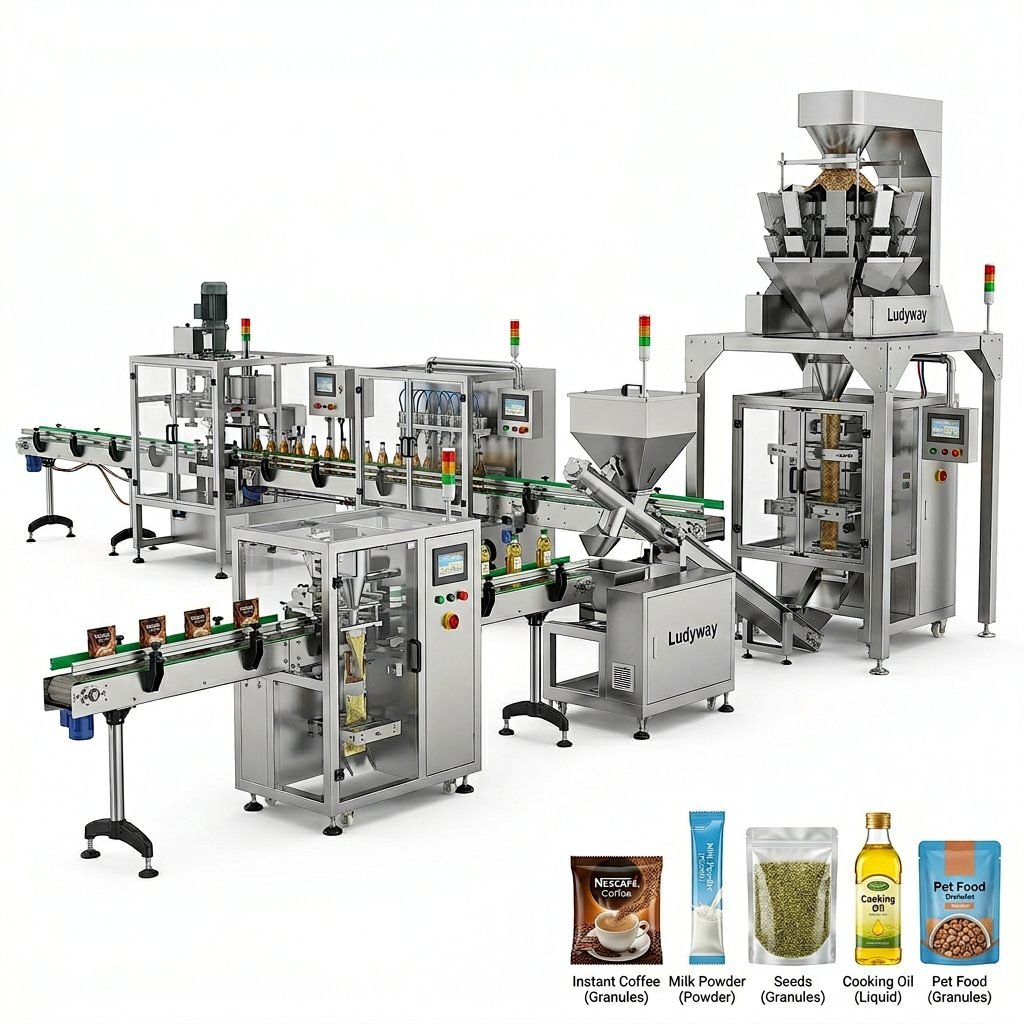
Why Turnkey Integration Matters
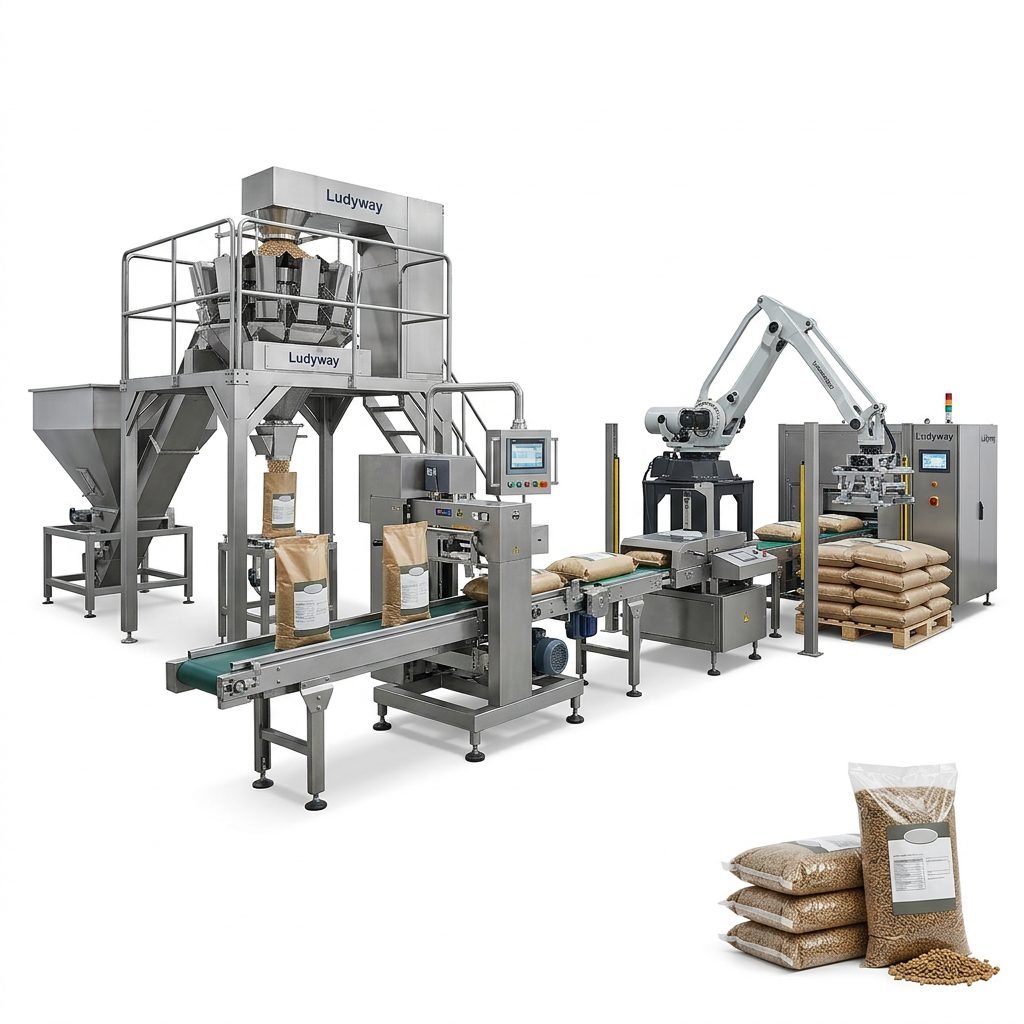
For many food manufacturers, the best investment is not a standalone machine alone, but a complete line solution. A turnkey sauce packaging line can include product feeding, mixing, buffering, automatic filling, sealing, coding, inspection, cartoning, case packing, and palletizing.
This integrated approach helps:
- Reduce manual transfer points
- Improve overall line efficiency
- Minimize contamination risk
- Support centralized control
- Make future capacity expansion easier
What to Look for in a Packaging Machine Manufacturer
Beyond machine specifications, manufacturers should evaluate the supplier’s engineering capability, export experience, and ability to support customized projects. A dependable packaging partner should understand food processing realities, not just machine assembly.
Buyers often prioritize:
- Proven experience in liquid and paste packaging
- Custom design capability for different sauce products
- Strong manufacturing and inspection processes
- Responsive after-sales and technical support
- Ability to provide complete turnkey packaging lines
For businesses seeking scalable automation, Ludyway automatic sauce packing machine solutions are backed by more than 30 years of packaging industry experience, extensive export reach, and broad capabilities across food packaging machines and integrated line systems.
Final Considerations Before Investment
Before purchasing an automatic sauce packing machine, it is wise to confirm product samples, viscosity range, target package style, output expectations, available workshop space, and future product plans. A machine that fits today’s needs but cannot support tomorrow’s growth may limit long-term efficiency.
The most successful food packaging projects usually begin with a clear understanding of three things: product behavior, packaging format, and line integration goals. When these are aligned with the right equipment, sauce packaging becomes faster, cleaner, and more profitable.
Frequently Asked Questions
Can one machine pack different types of sauce?
Yes, many automatic machines can handle multiple sauce types, but the final compatibility depends on viscosity, particle size, fill volume, and cleaning requirements. Customized filling systems may be needed for broader flexibility.
Is a multi-lane sauce packing machine suitable for high-output production?
Yes. Multi-lane systems are designed for high-speed sachet or stick pack production and are often ideal for single-serve condiments and mass-market food packaging.
What packaging materials are commonly used?
Common materials include laminated films with suitable barrier and sealing properties. The exact choice depends on sauce formulation, shelf life goals, and transport requirements.
How important is after-sales support?
It is extremely important. Reliable commissioning, operator training, spare parts supply, and technical guidance all affect the long-term performance of a packaging line.