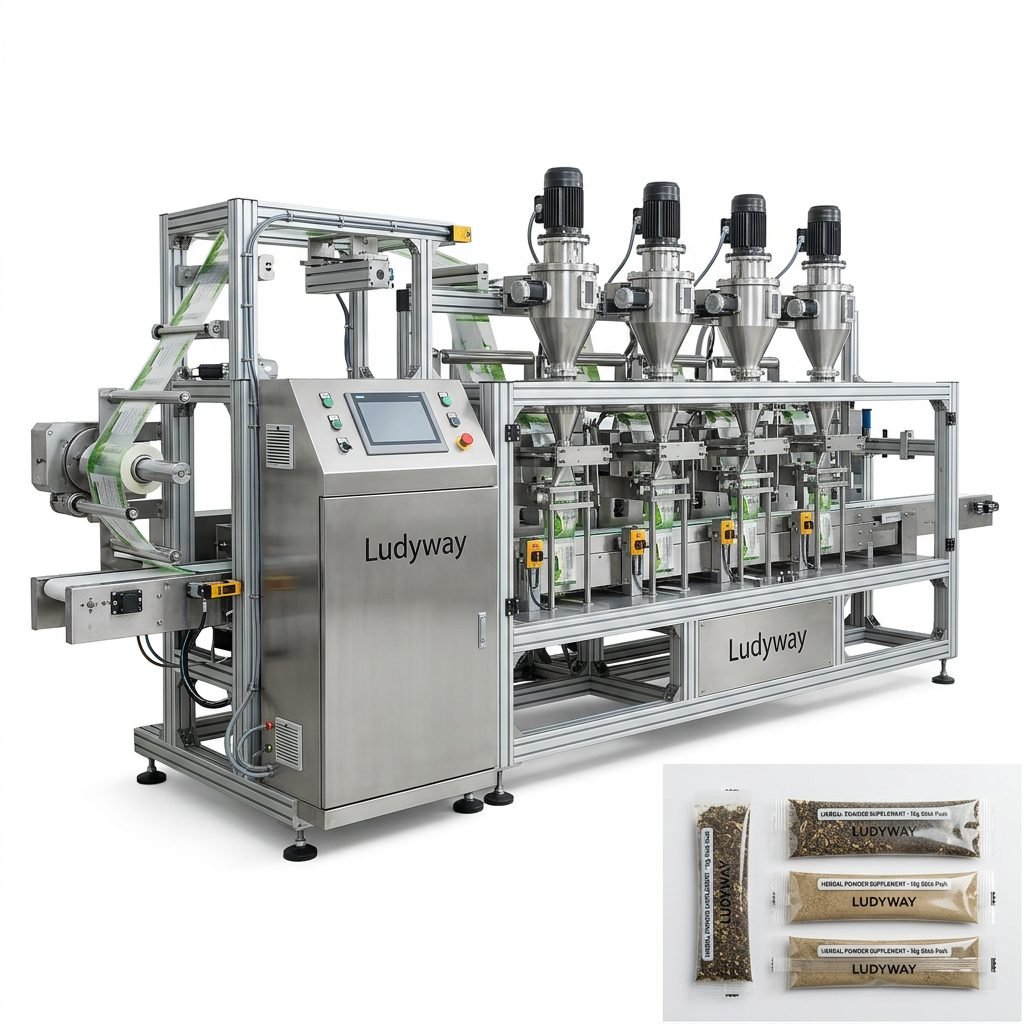
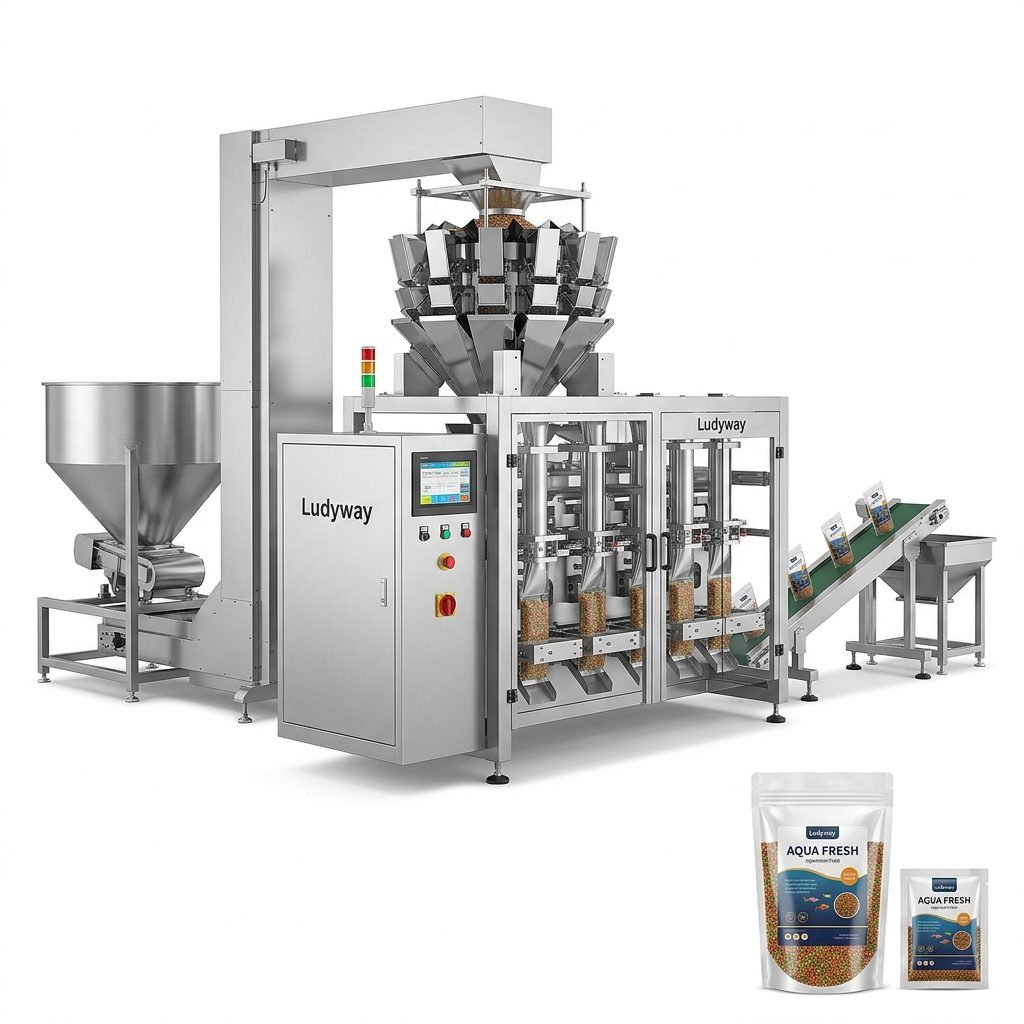
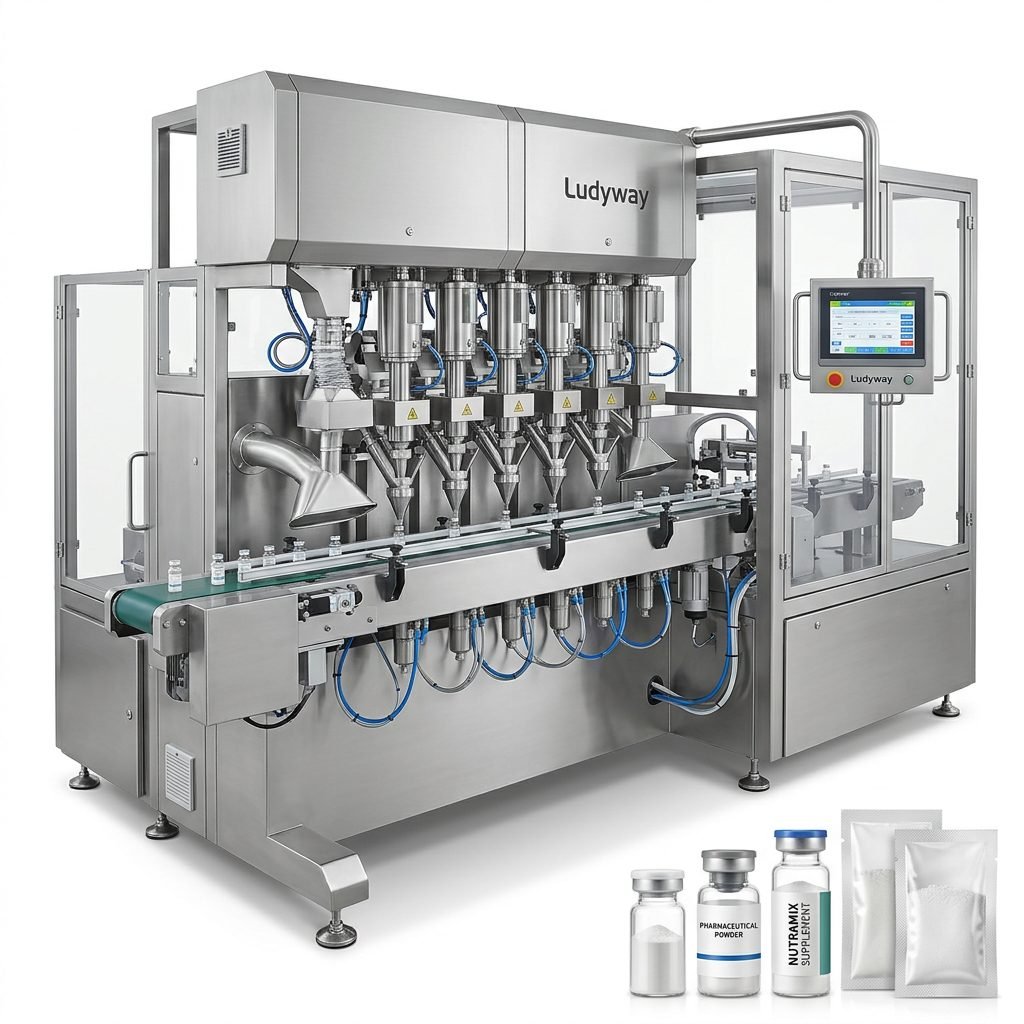
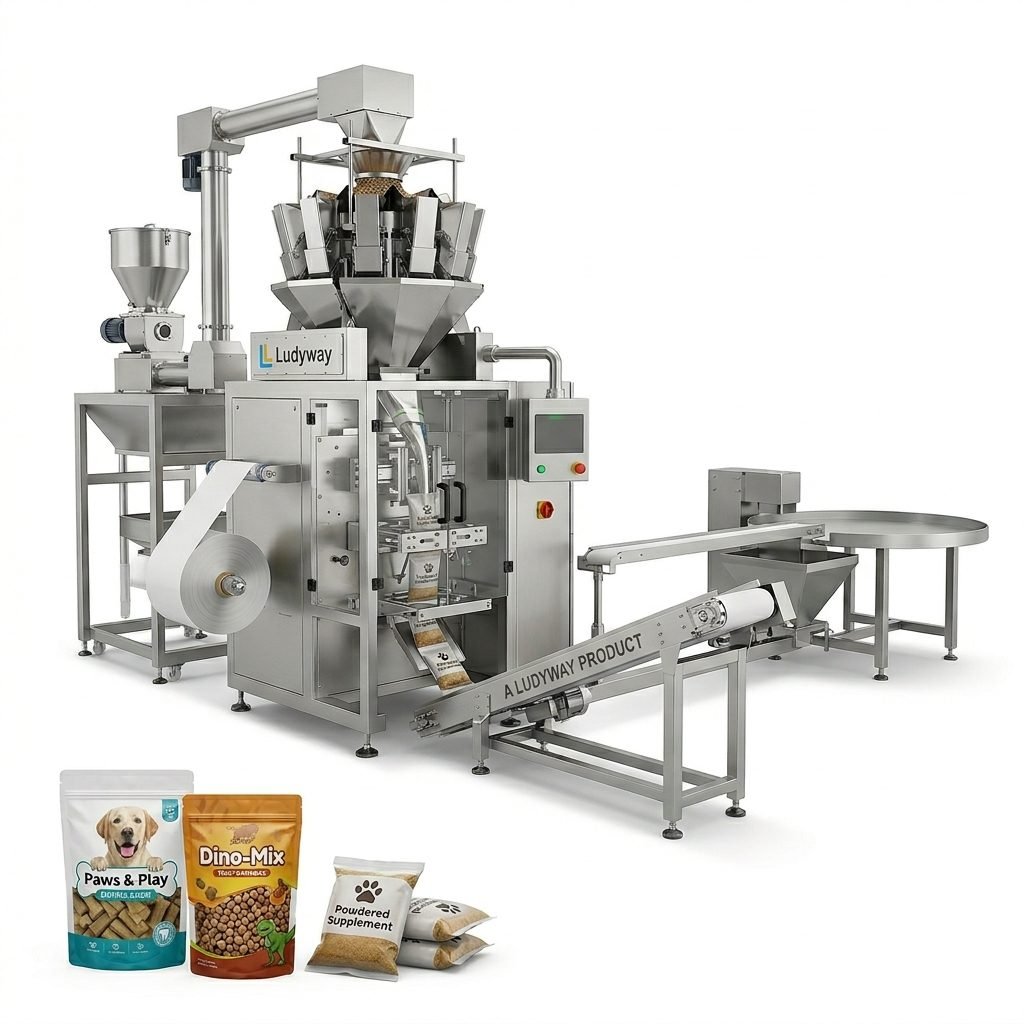
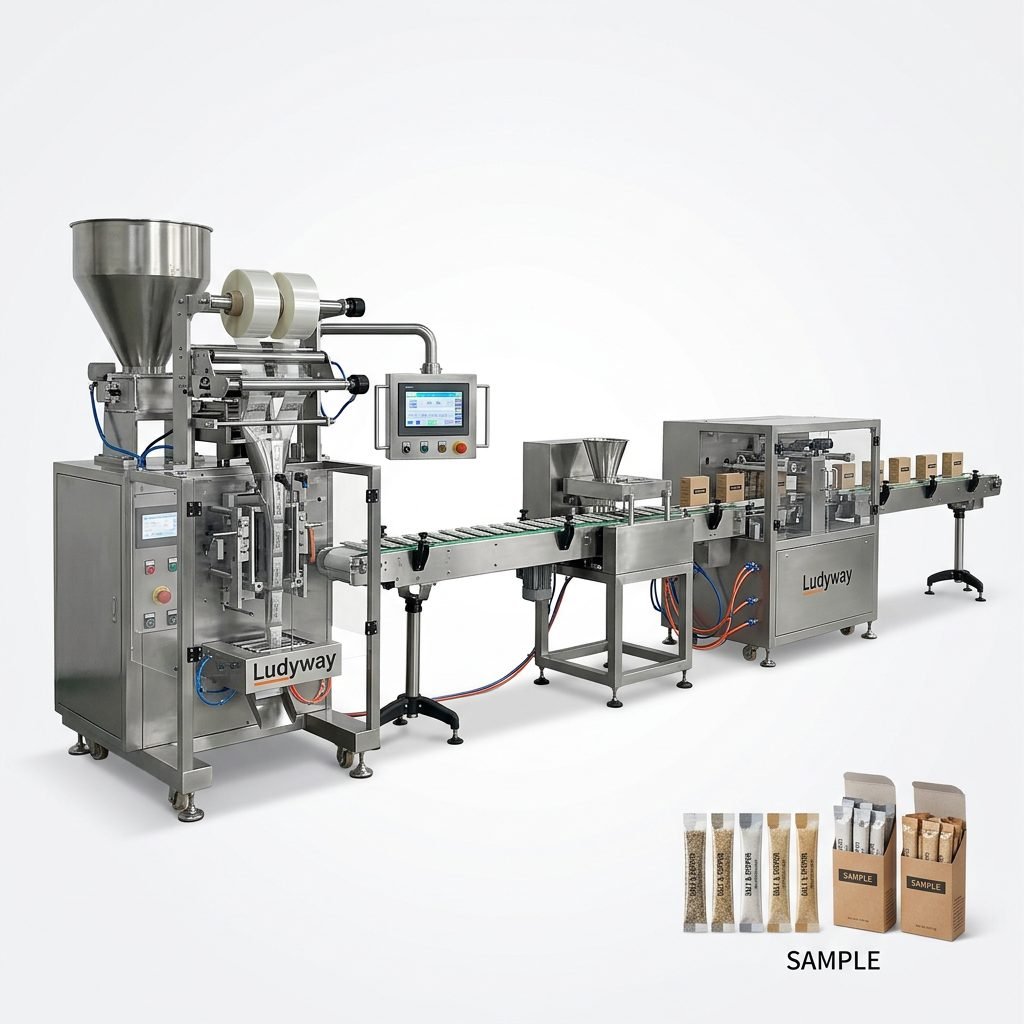
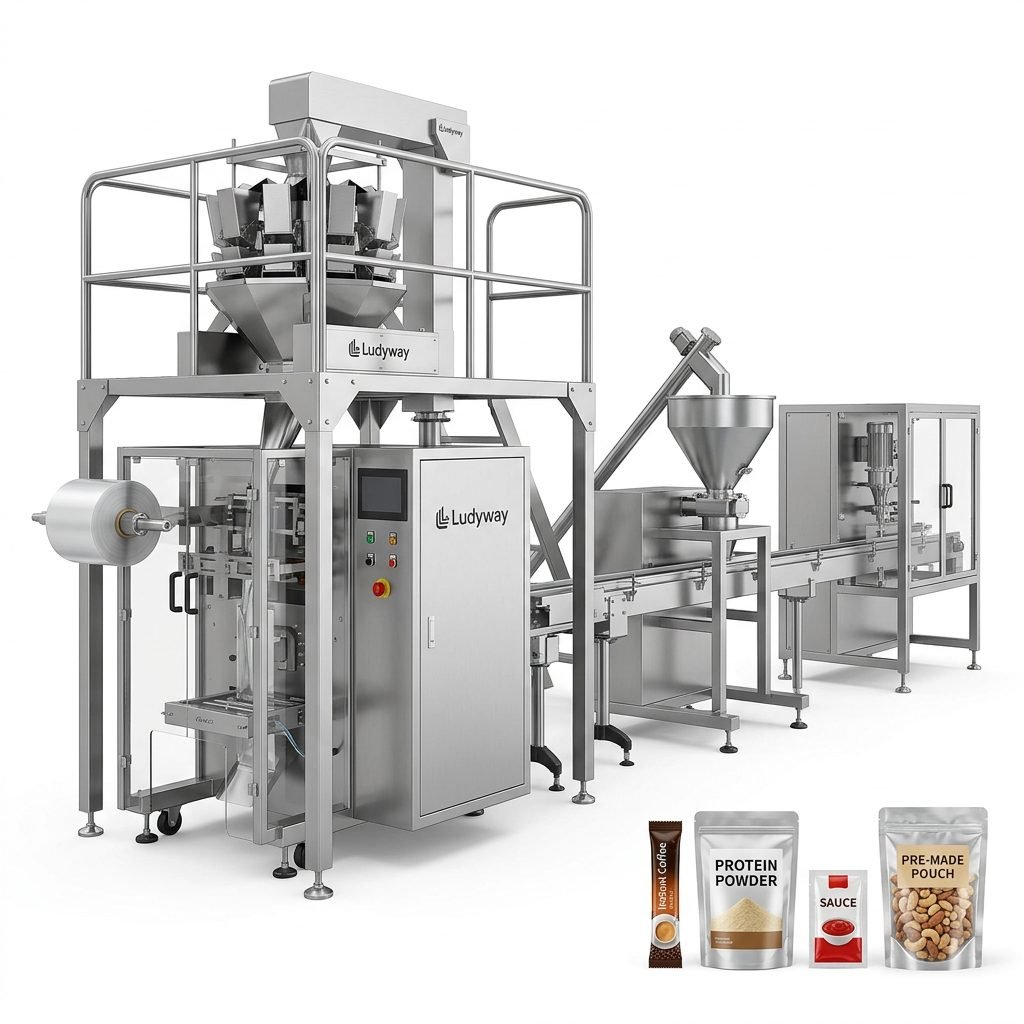
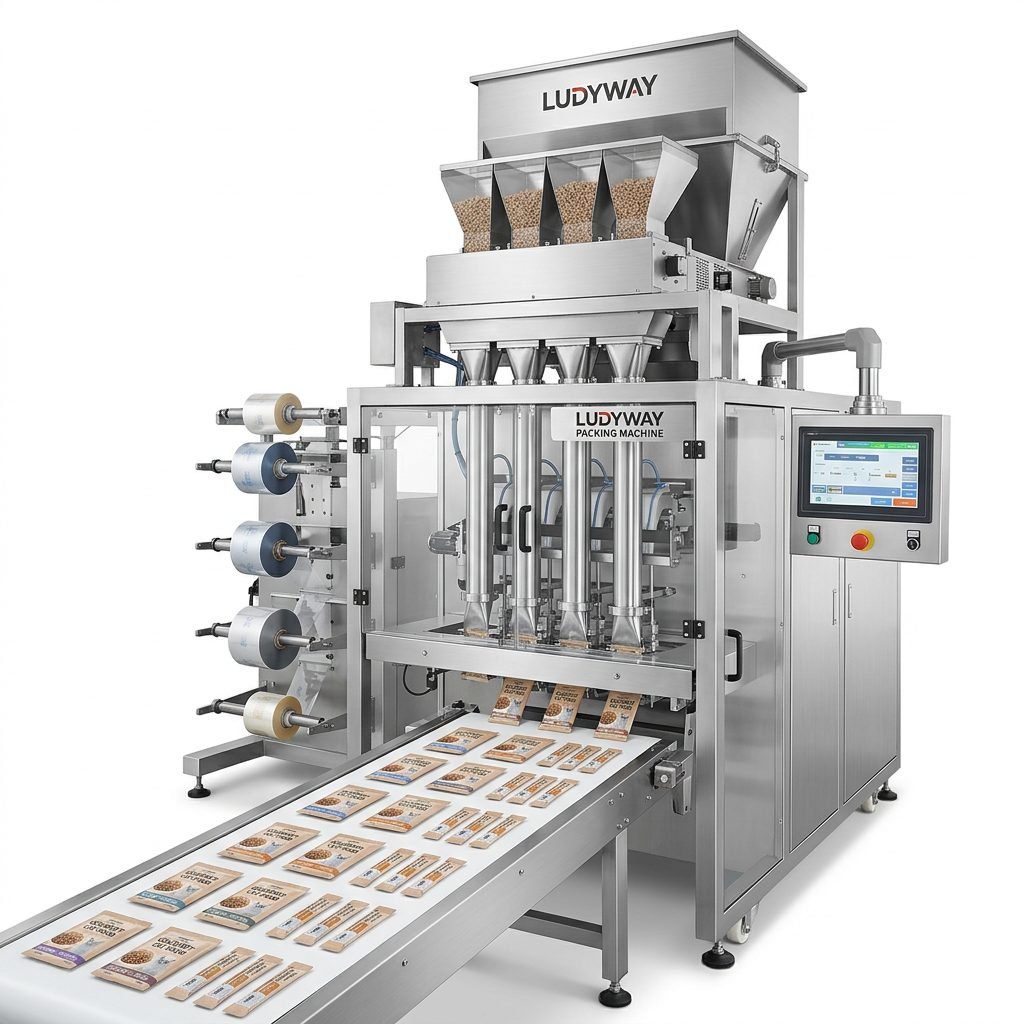
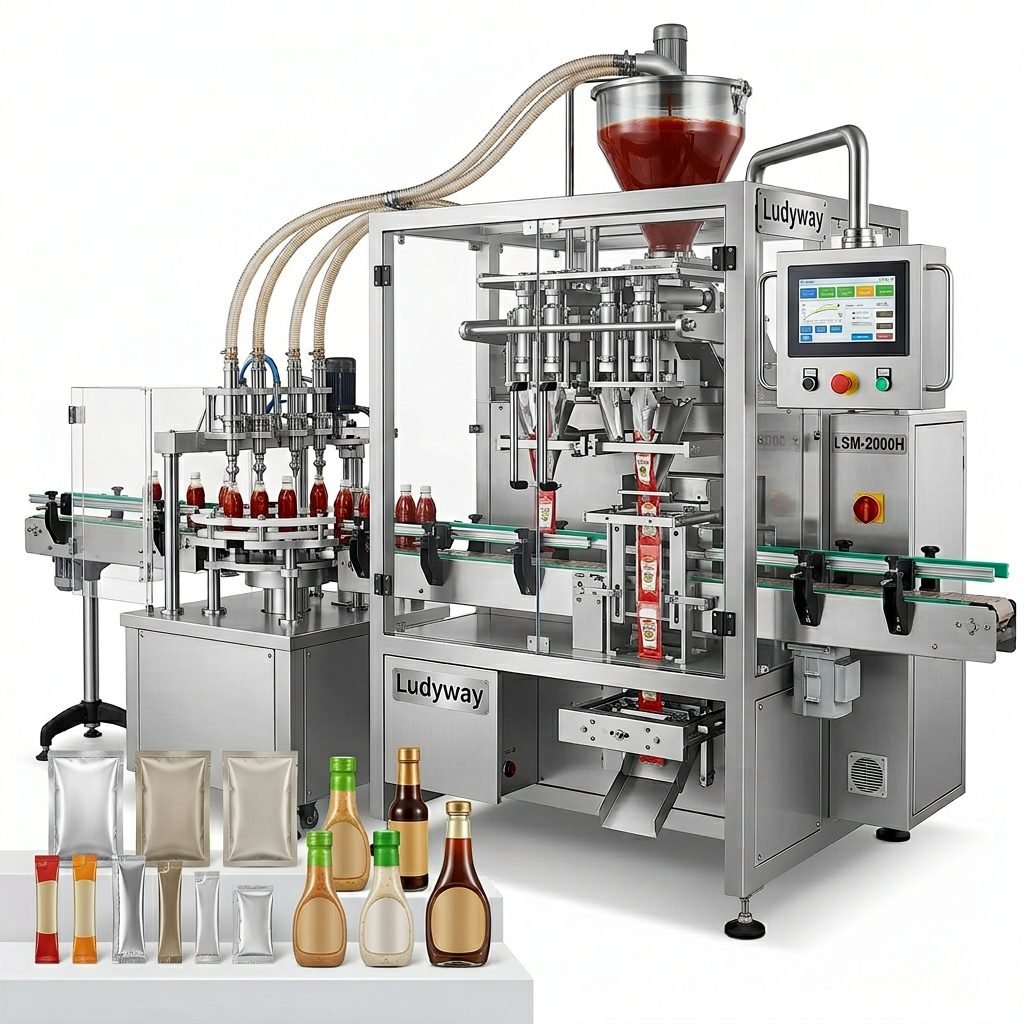
Choosing the right automatic cartoning and filling solution is a critical decision for any business involved in the production of martini mixes, pre-mixed cocktails, or similar liquid products. An efficient Martini Packaging Machine streamlines operations, ensures product integrity, and significantly impacts your bottom line. This guide will walk you through the key considerations to help you select the optimal system for your specific needs.
Understanding the Core Functions: Cartoning and Filling
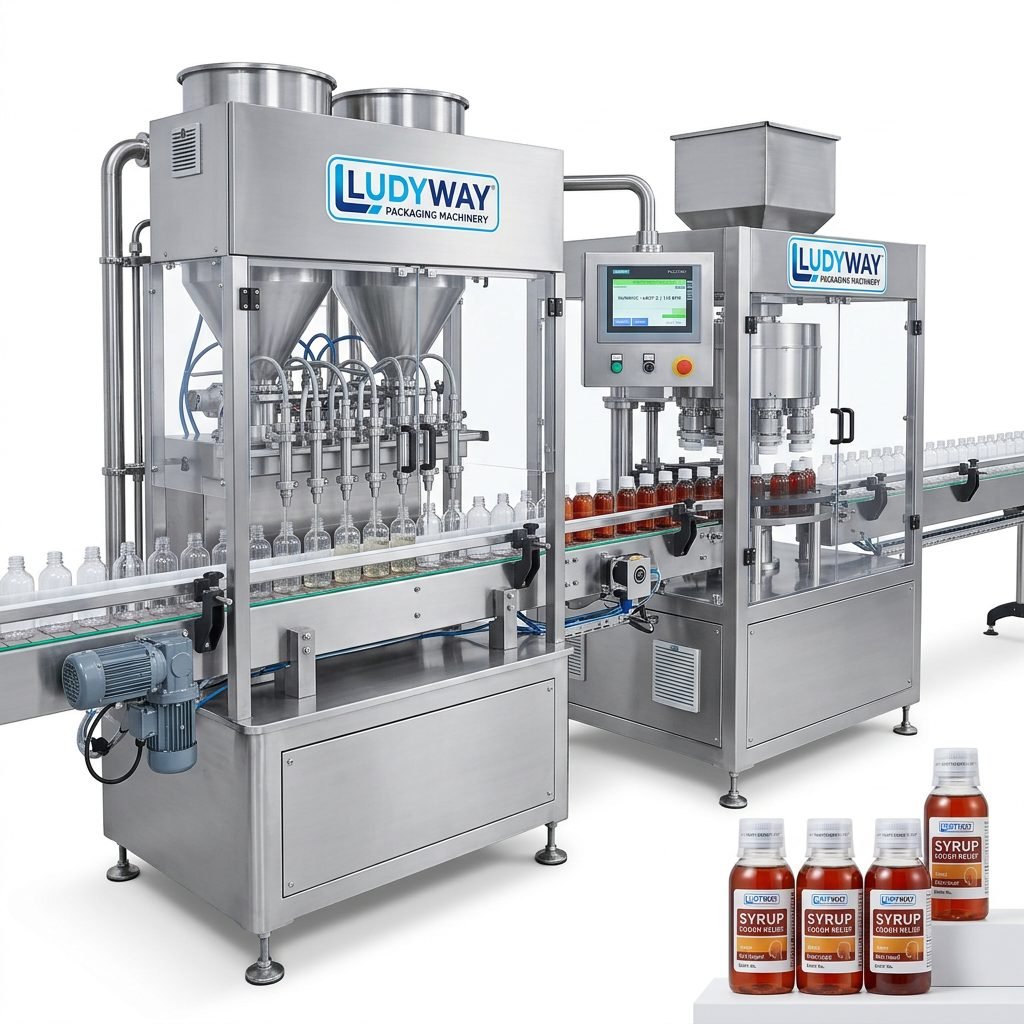
An automatic martini packaging line typically integrates two primary functions: cartoning and filling. The cartoning machine forms, loads, and seals the carton or box, while the filling machine accurately dispenses the liquid product into the primary container (like a bottle or pouch) before it is placed into the carton.
Key Integration Point
The synchronization between the filler and the cartoner is paramount. A well-engineered line ensures smooth transfer of filled containers at the correct speed and orientation, minimizing bottlenecks and downtime.
Types of Filling Technologies for Liquids
The choice of filling technology depends on your product’s viscosity, carbonation, and required accuracy.
- Volumetric Fillers: Ideal for consistent, non-foaming liquids. They use pistons or pumps to dispense a precise volume.
- Gravity Fillers: Suitable for free-flowing, non-viscous liquids. Speed and simplicity are their main advantages.
- Pressure Fillers: Necessary for carbonated products like ready-to-drink martinis to prevent loss of carbonation.
- Net Weight Fillers: Offer the highest accuracy by weighing each container during the fill process, crucial for high-value products.
Automatic Cartoner Machine Configurations
Cartoners are categorized by how they handle the carton blanks.
Horizontal Cartoners
Cartons are erected horizontally. Best for inserting multiple items, bundles, or pre-filled bottles into a tray-style or full-seal carton. They often offer higher flexibility for complex loading patterns.
Vertical Cartoners
Cartons are erected vertically. Typically used for single items that are dropped or pushed into the carton from above, such as a single bottle or a collection of sachets. Known for compact footprint and high speed.
Critical Selection Criteria for Your Business
Beyond machine type, evaluate these factors to find your perfect match.
1. Production Speed and Output Requirements
Calculate your required output in cartons per minute (CPM). Your machine must meet your peak demand with some overhead for future growth. Remember, the speed of the entire line is determined by its slowest component.
2. Product and Packaging Material Specifications
The machine must be compatible with your specific parameters:
- Container: Glass bottle, PET bottle, stand-up pouch? Size, shape, and neck finish.
- Liquid Product: Viscosity, acidity, particulates, carbonation.
- Carton Style: Tuck-end, glue-end, reverse tuck, tray with lid? Carton board weight and coating.
3. Flexibility and Changeover Needs
If you run multiple SKUs (e.g., different martini flavors or bottle sizes), quick changeover is vital. Look for machines with tool-less adjustments and recipe memory in the control system to minimize downtime between production runs.
4. Hygiene and Construction Standards
For food and beverage applications, machines should have food-grade contact surfaces (e.g., stainless steel 304 or 316), easy-clean designs, and protection against liquid ingress. This is non-negotiable for product safety.
5. Automation Level and Integration
Determine how much manual intervention is acceptable. A fully automated line may include:
- Automatic bottle unscrambler
- Filling and capping machine
- Labeling system
- Automatic cartoner
- Case packing and palletizing
Integration with upstream and downstream equipment via a central PLC ensures seamless operation. Partnering with a supplier who can provide this turnkey solution reduces compatibility risks.
The Importance of Supplier Expertise
Your machinery supplier is a long-term partner. Choose one with proven experience in liquid packaging solutions and a strong service network. For instance, Ludyway Machinery brings over a decade of focused expertise in providing reliable packaging systems for the food and beverage sector. Their approach involves understanding your entire production challenge to recommend not just a machine, but an optimized packaging solution.
A supplier with a modern manufacturing facility and strong engineering support can offer customized adaptations, ensuring the machine fits your unique process, rather than forcing you to adapt to a rigid, off-the-shelf model.
Implementation and Total Cost of Ownership (TCO)
The purchase price is just the beginning. Consider the TCO, which includes:
- Installation & Training: Proper setup and operator training are crucial for success.
- Maintenance & Spare Parts: Availability of spare parts and preventive maintenance plans.
- Energy and Material Efficiency: Machines that reduce packaging waste and energy consumption lower ongoing costs.
- Uptime and Reliability: A robust machine with high uptime prevents costly production stoppages.
Frequently Asked Questions (FAQs)
What is the typical speed range for an automatic martini packaging line?
Speeds vary widely based on configuration. A simple single-lane filler with a vertical cartoner might run at 30-60 bottles per minute (BPM). More complex, multi-lane lines for high-volume production can exceed 200 BPM. The key is to match the speed to your actual output needs.
Can one machine handle different bottle sizes and carton styles?
Yes, many machines are designed for flexibility. However, the degree of changeover ease differs. Look for “quick-changeover” models with adjustable components for bottle guides, carton pockets, and filling heads. Complete changeovers might still take 20-30 minutes, so plan your production schedule accordingly.
How important is the control system (PLC/HMI) on the machine?
Extremely important. A modern, user-friendly touchscreen HMI (Human-Machine Interface) allows for easy operation, speed adjustment, recipe storage, and diagnostics. It provides valuable production data (output, efficiency, downtime reasons) which is essential for process optimization and management.
What kind of maintenance does an automatic cartoning and filling line require?
Daily cleaning and visual inspections are standard. Periodic maintenance includes lubrication, checking mechanical wear parts (like seals and grippers), and calibrating sensors and filling heads. A reliable supplier will provide a detailed maintenance schedule and training for your technicians.
Should I buy a standalone machine or a fully integrated turnkey line?
This depends on your current setup and goals. If you are automating a specific bottleneck, a standalone cartoner or filler might suffice. For a new production line or a major upgrade, a turnkey integrated line from a single supplier ensures compatibility, smoother commissioning, and single-point accountability for service and support.