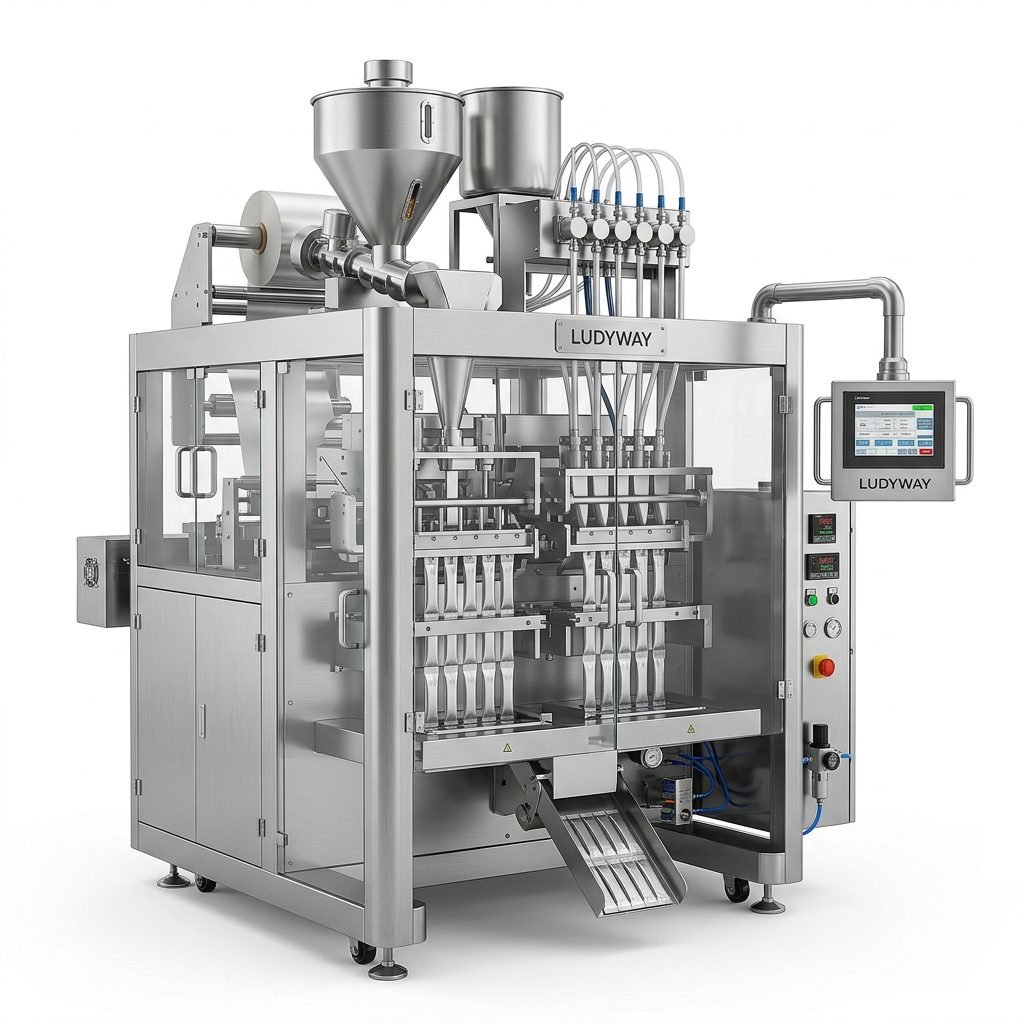
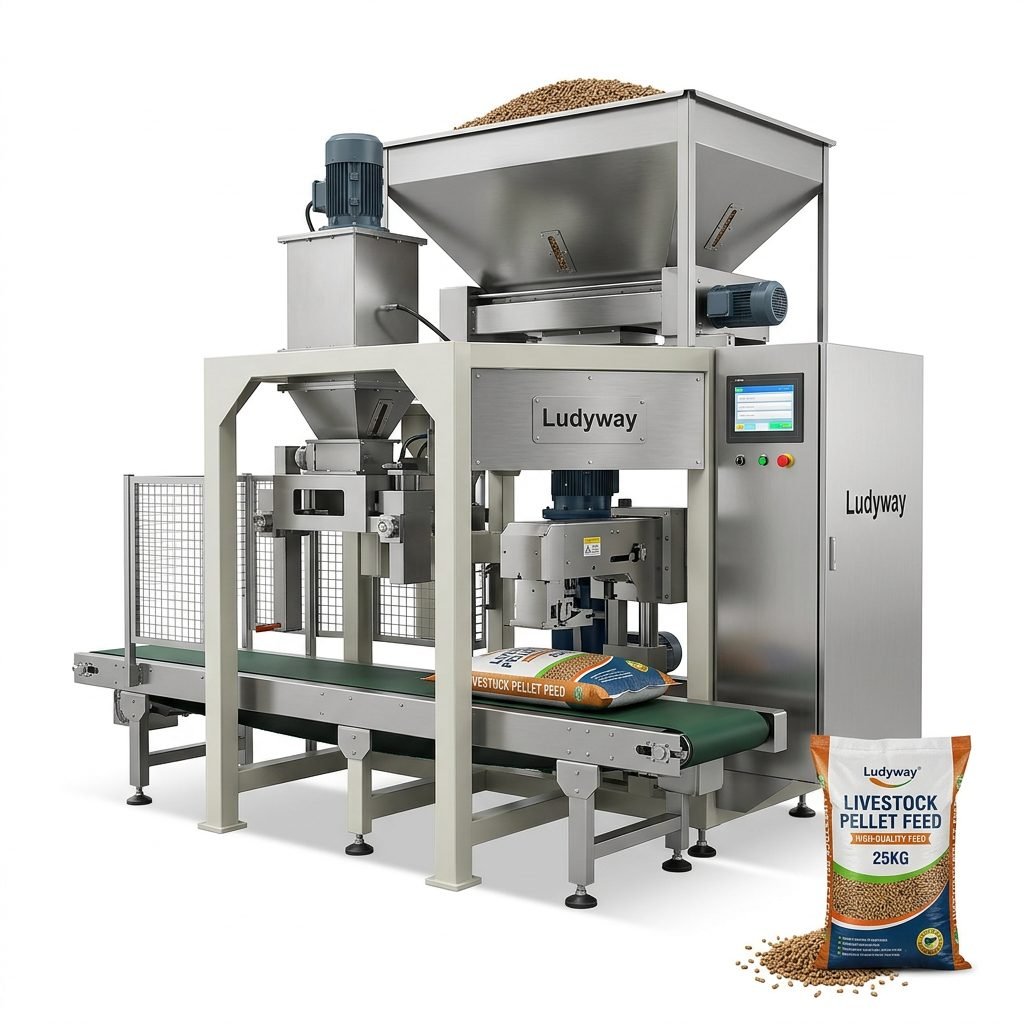
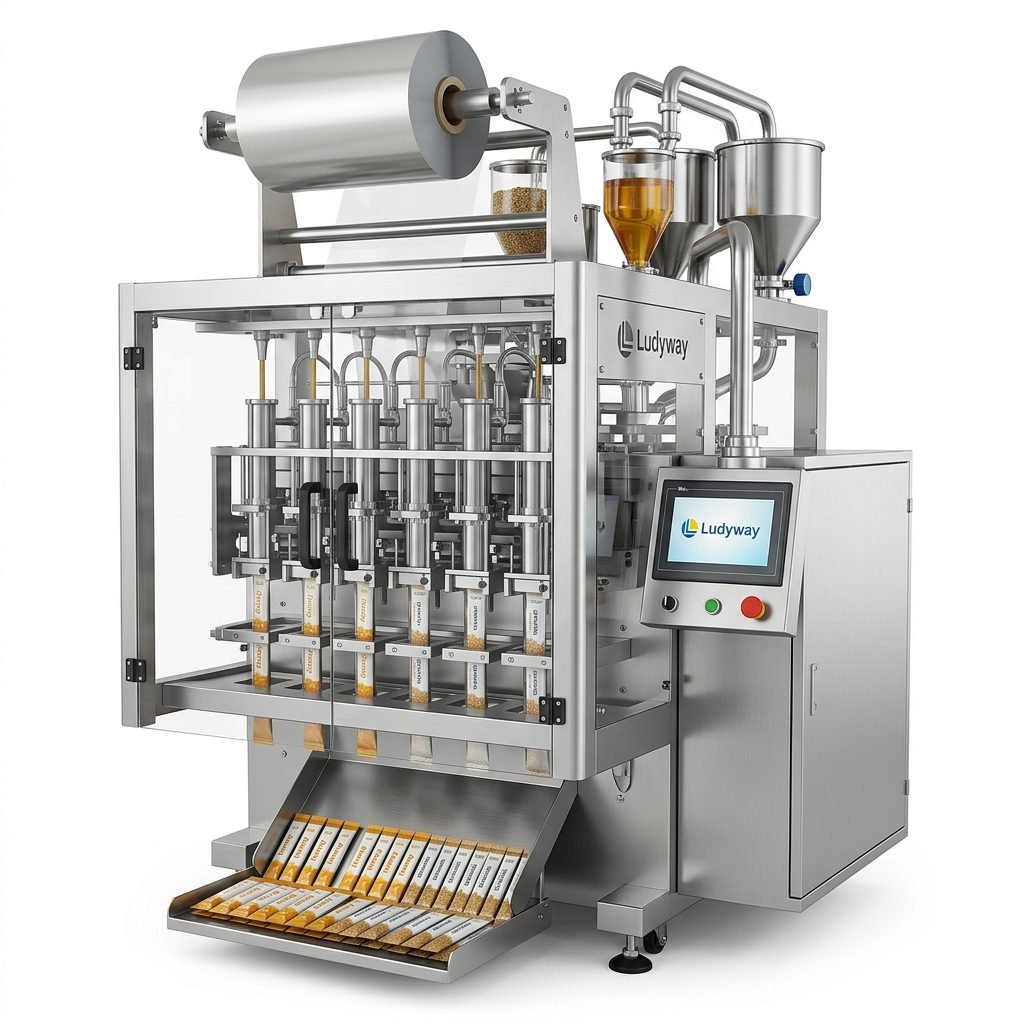
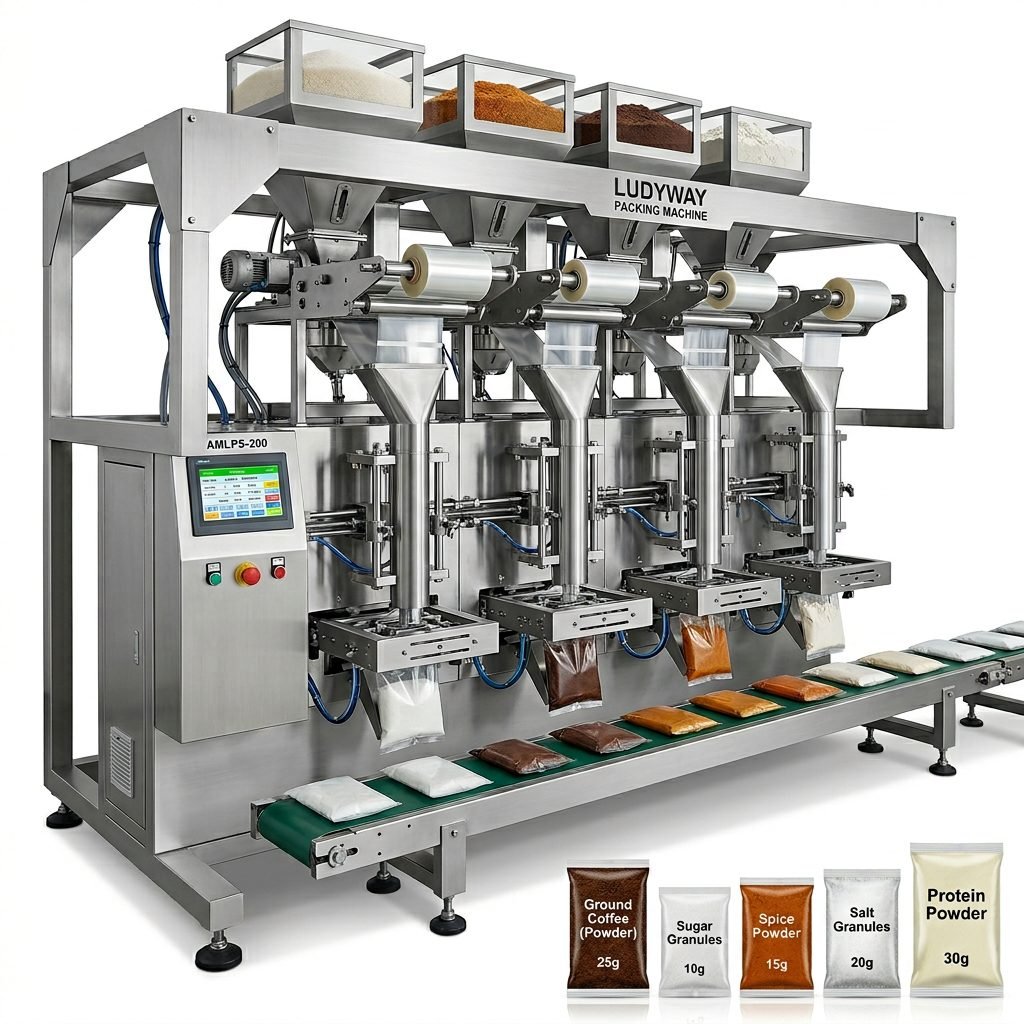
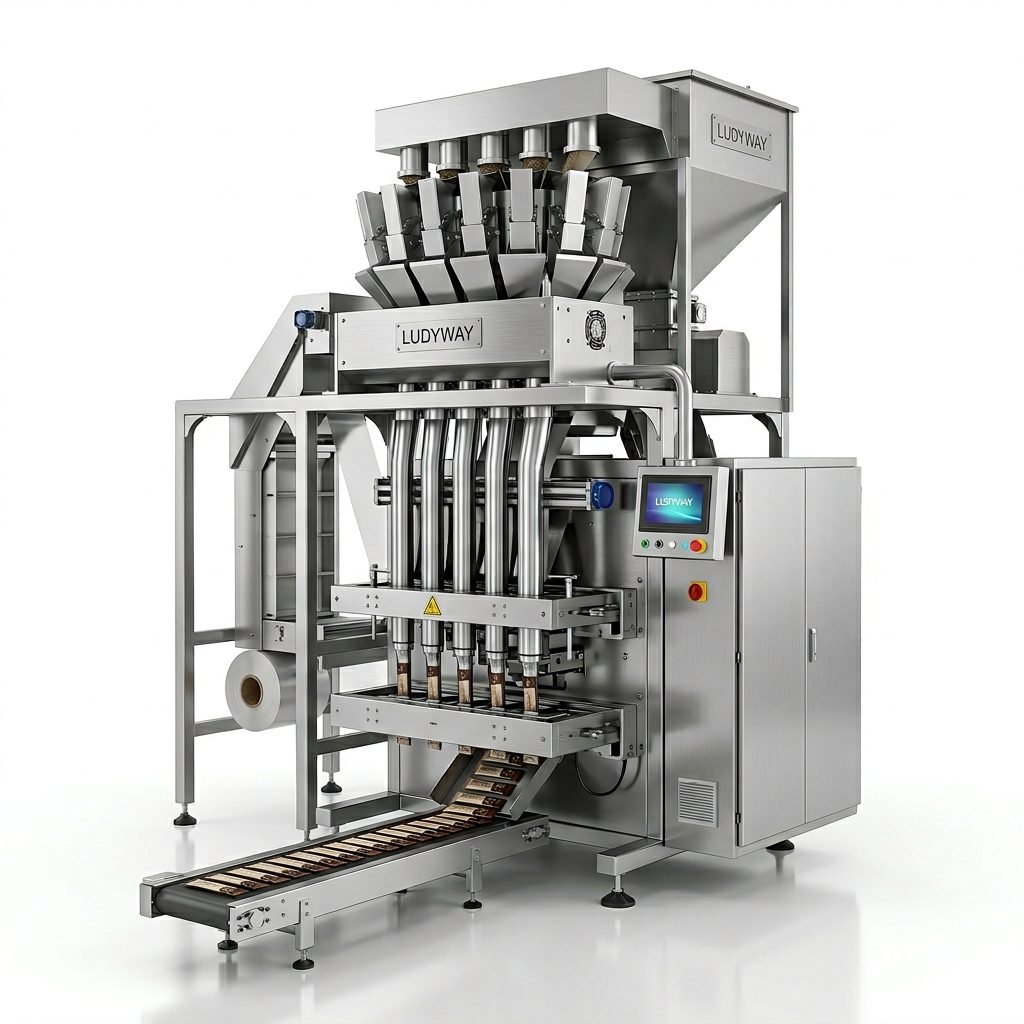
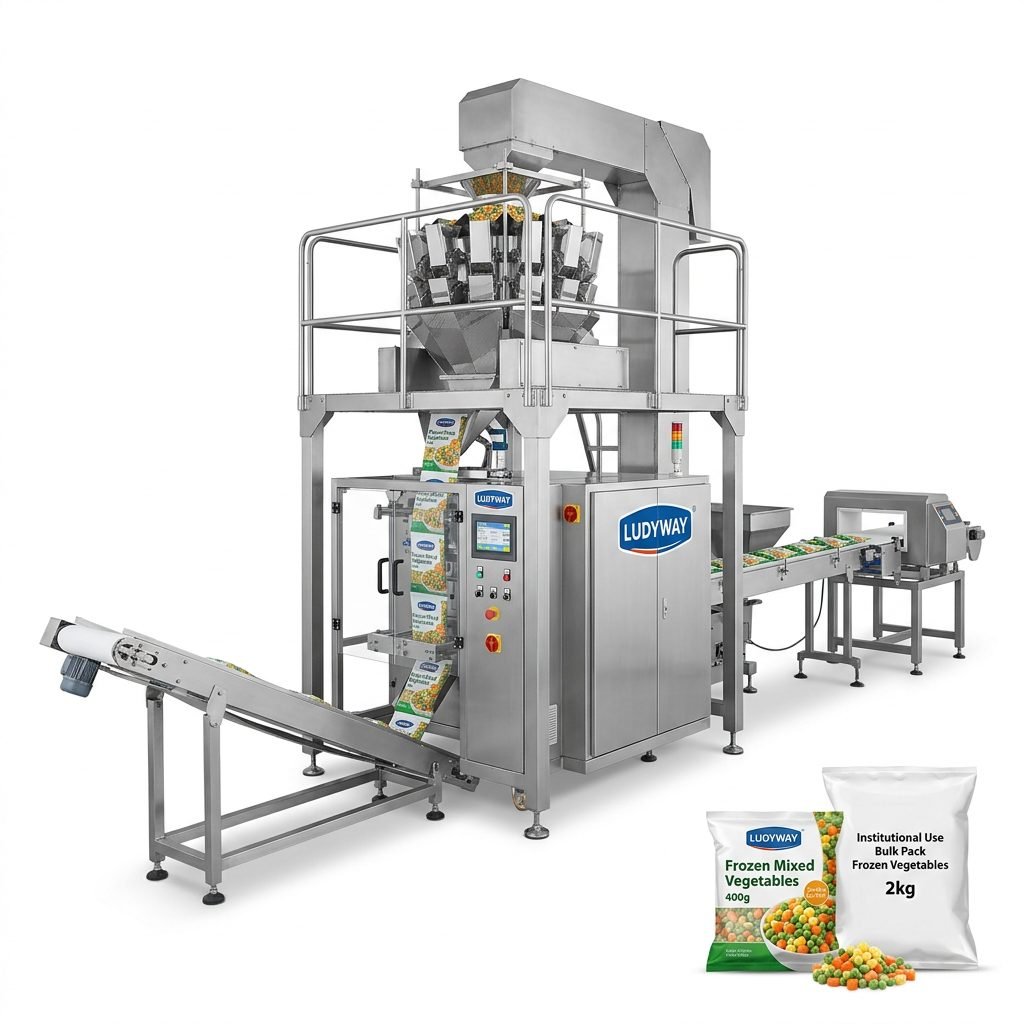
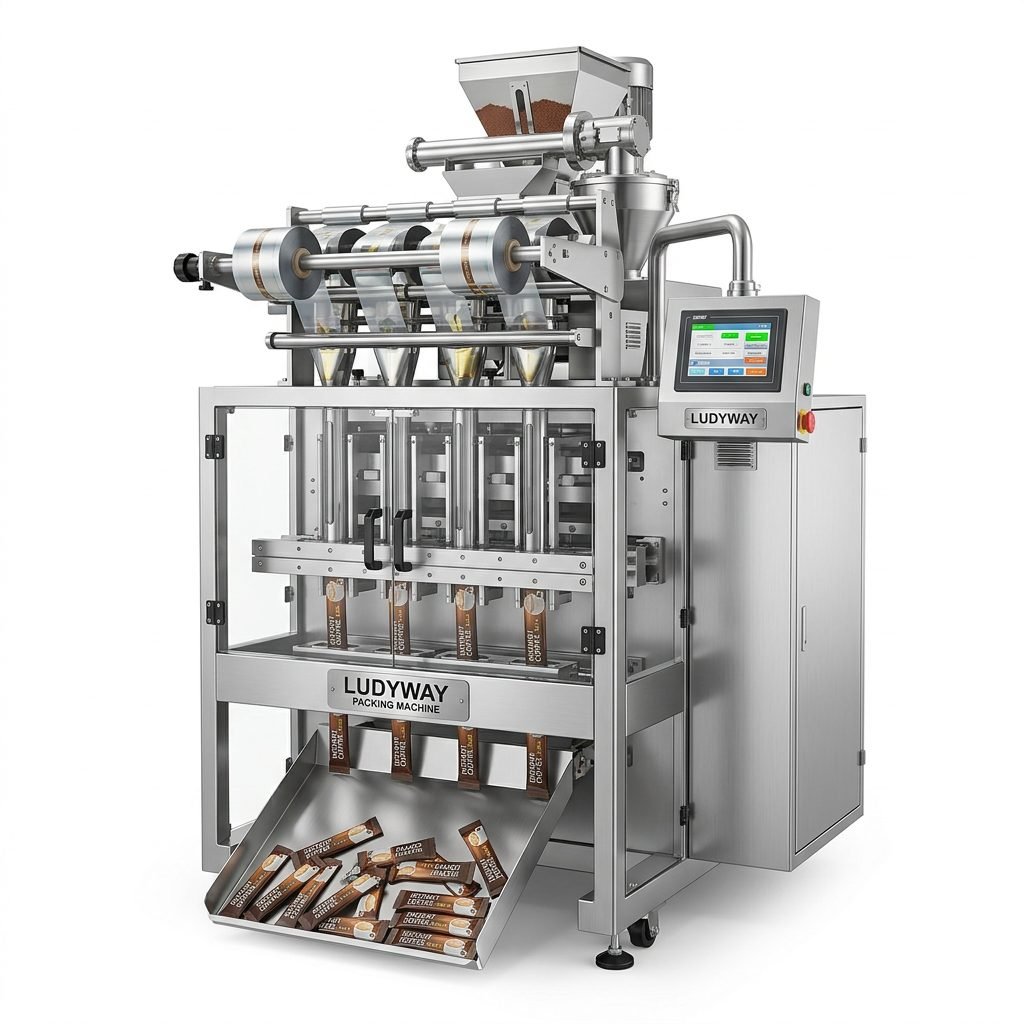
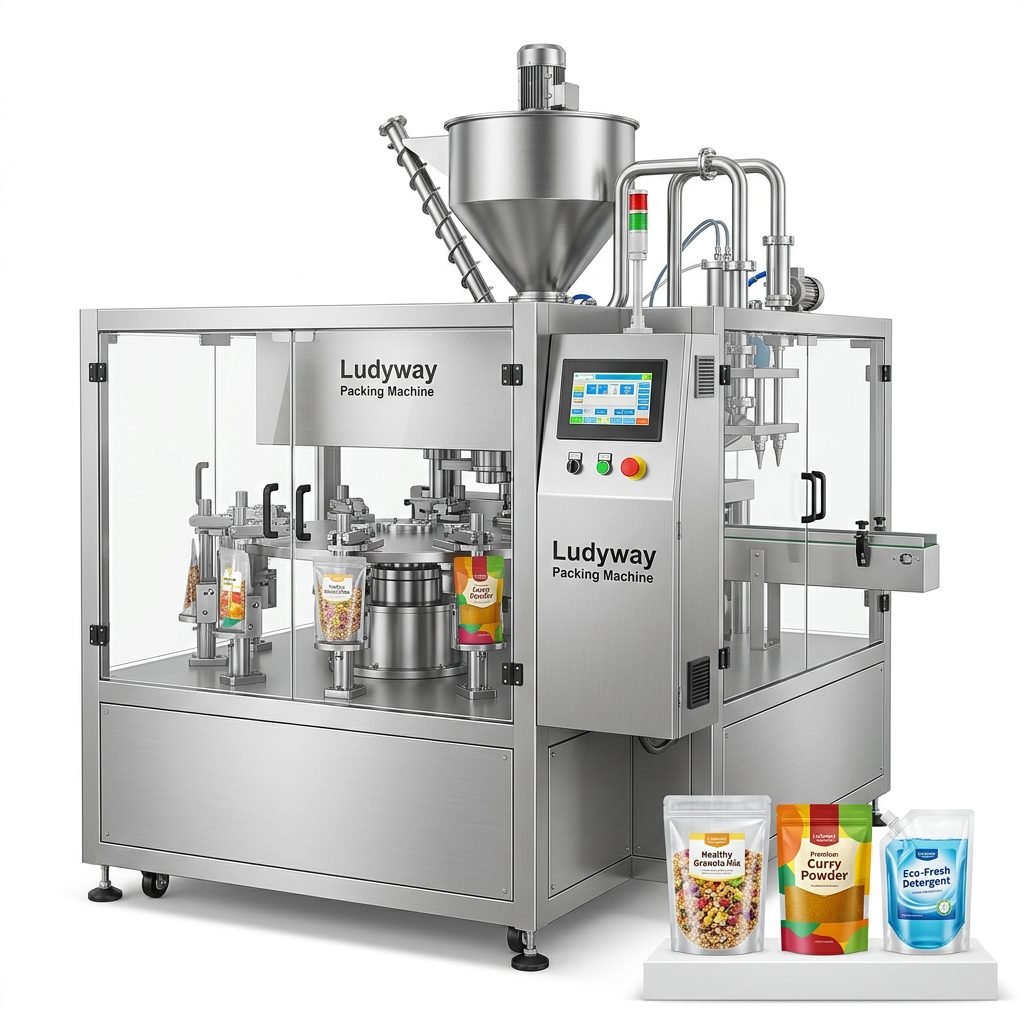
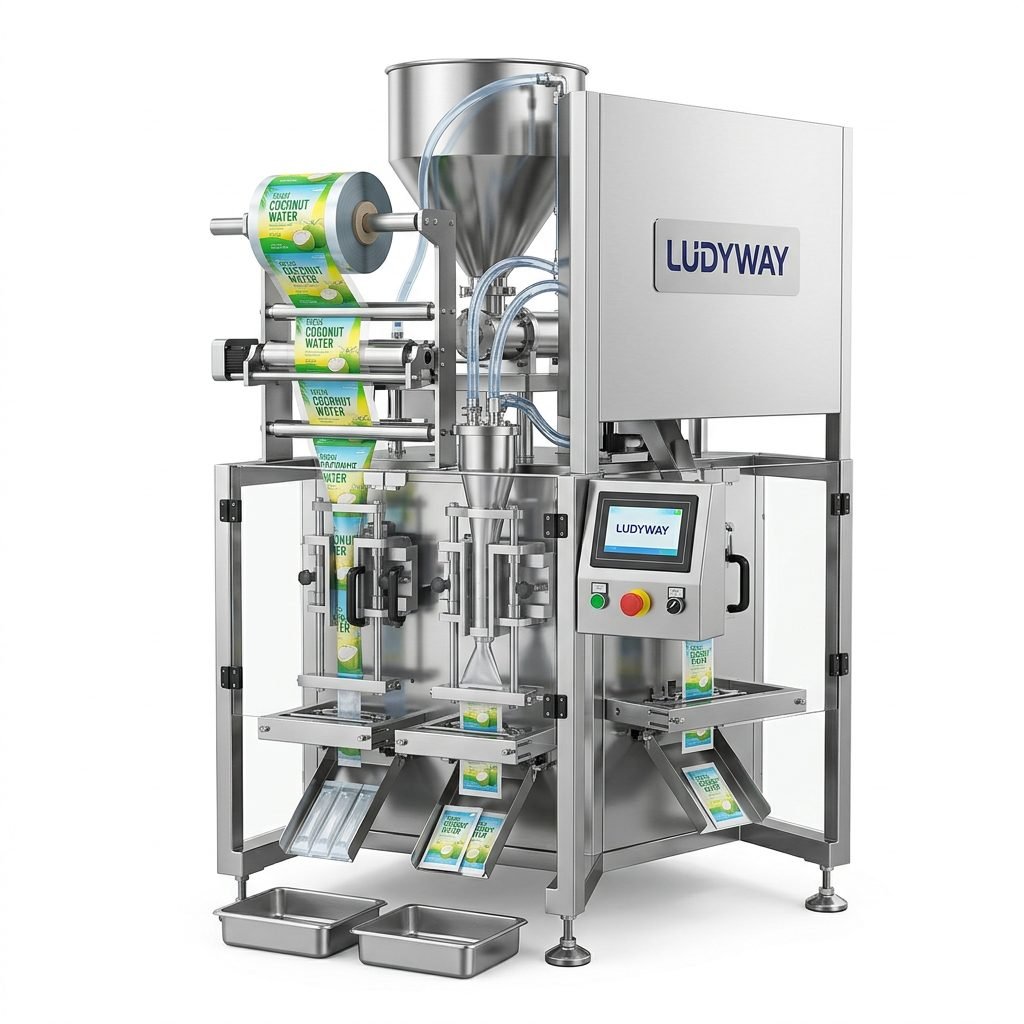
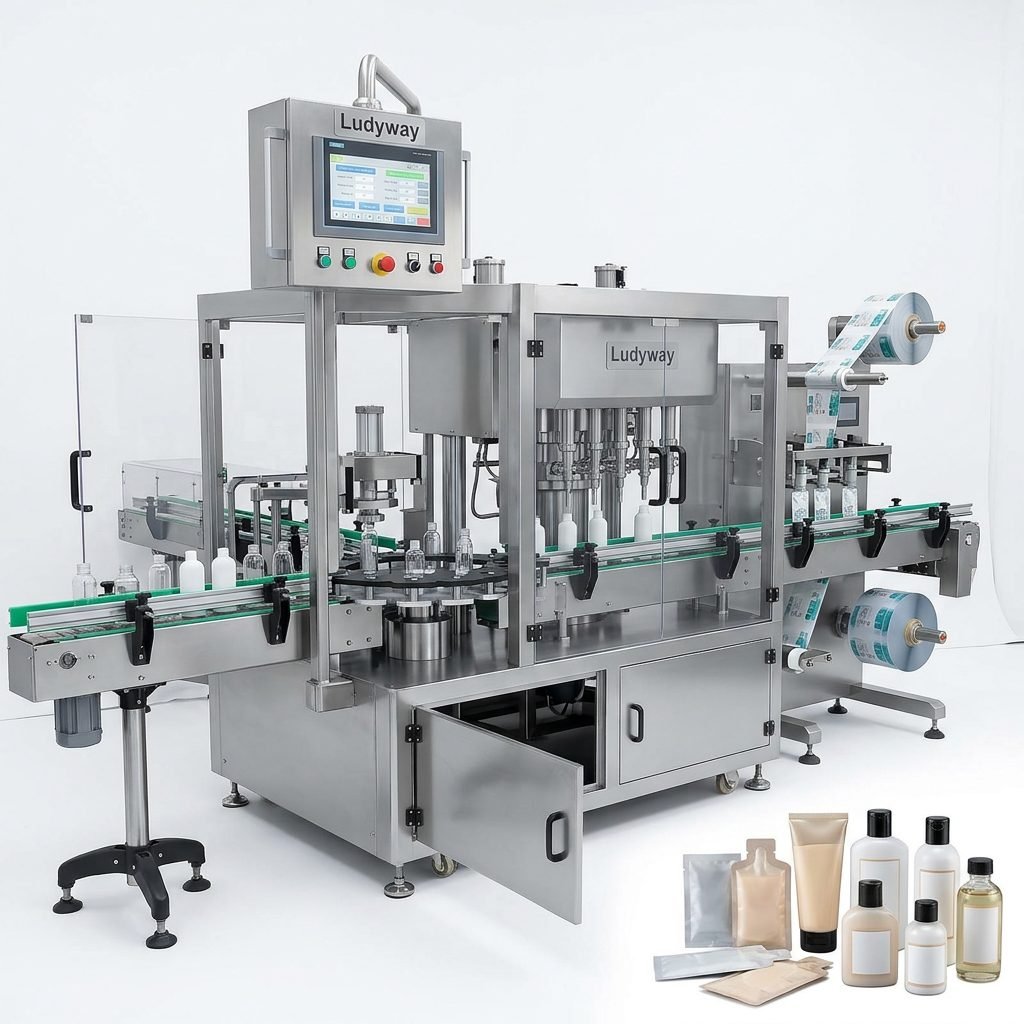
Silage packing machine price can vary widely, and many buyers quickly discover that there is no single standard quote for every project. The final cost depends on the machine type, automation level, packaging capacity, bag size, material compatibility, weighing accuracy, and after-sales support. If you want to invest wisely, the key is not only finding a lower price, but choosing equipment that delivers stable long-term value.
For farms, feed processors, and agricultural businesses, a good silage packing solution helps protect feed quality, reduce spoilage, improve storage efficiency, and lower labor intensity. That means the real buying decision should focus on both purchase cost and operating return.
What Is a Silage Packing Machine?
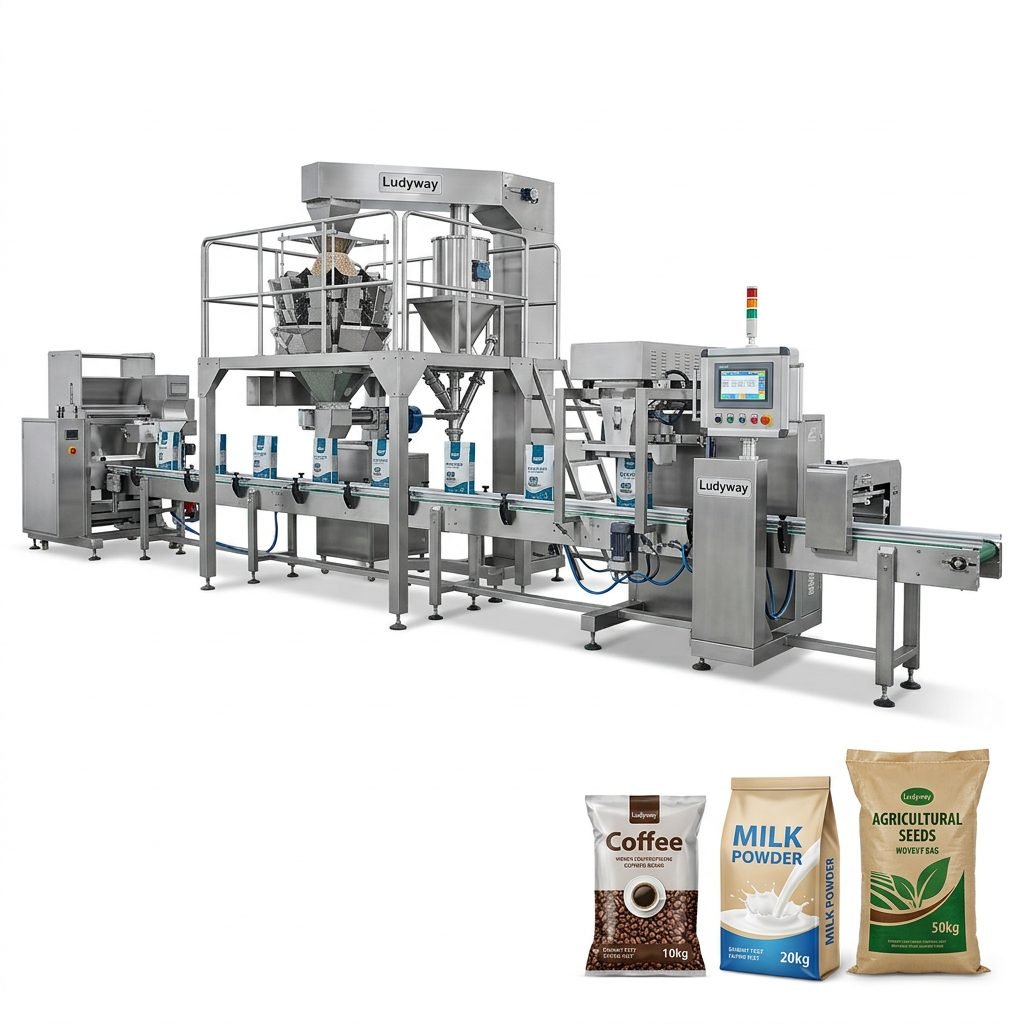
A silage packing machine is designed to weigh, fill, seal, and package silage or related feed materials into bags, pouches, or bulk packages for storage, transport, and sale. Depending on the application, the machine may handle fermented forage, chopped grass, corn silage, feed additives, premixes, or other moisture-sensitive agricultural materials.
In practice, the term may refer to several packaging formats, such as:
- Open-mouth bag filling machines
- Valve bag packing machines
- Form-fill-seal packaging systems
- Big bag or jumbo bag filling lines
- Fully integrated silage bagging and conveying systems
The right solution depends on your output target, bag specification, material condition, and required automation level.
Typical Silage Packing Machine Price Range
Although exact prices depend on machine configuration and supplier quotation, the table below gives a practical market reference for buyers comparing different levels of equipment.
| Machine Type | Estimated Price Range | Suitable For |
|---|---|---|
| Semi-automatic bagging machine | USD 4,000–12,000 | Small farms, pilot lines, low-volume users |
| Automatic open-mouth bag packing machine | USD 12,000–35,000 | Feed plants, medium-scale agricultural packaging |
| Heavy-duty bulk bag or jumbo bag system | USD 20,000–60,000+ | Large-volume industrial packing |
| Complete automatic packaging line | USD 35,000–150,000+ | Large feed factories and turnkey projects |
These figures are for reference only. Actual silage packing machine price may go up or down depending on project details, technical requirements, and whether the machine is standard or customized.
Main Factors That Affect Silage Packing Machine Cost
1. Machine Automation Level
This is one of the biggest pricing factors. A semi-automatic machine requires more manual bag placing, clamping, or sealing, so the initial investment is lower. A fully automatic solution includes automatic feeding, weighing, filling, sealing, bag conveying, coding, and sometimes palletizing, which increases the cost significantly.
- Semi-automatic: lower upfront cost, higher labor dependence
- Automatic: balanced efficiency and investment
- Fully integrated line: highest capital cost, strongest long-term productivity
2. Output Capacity
Higher speed means a more advanced machine structure, stronger servo control, and more stable filling accuracy. If you need to package large volumes every day, the machine must be designed for continuous operation. That naturally affects the price.
In general, machines with higher bags-per-hour output cost more because they require:
- Better weighing systems
- More durable components
- Faster conveyors and sealing units
- Improved electrical control systems
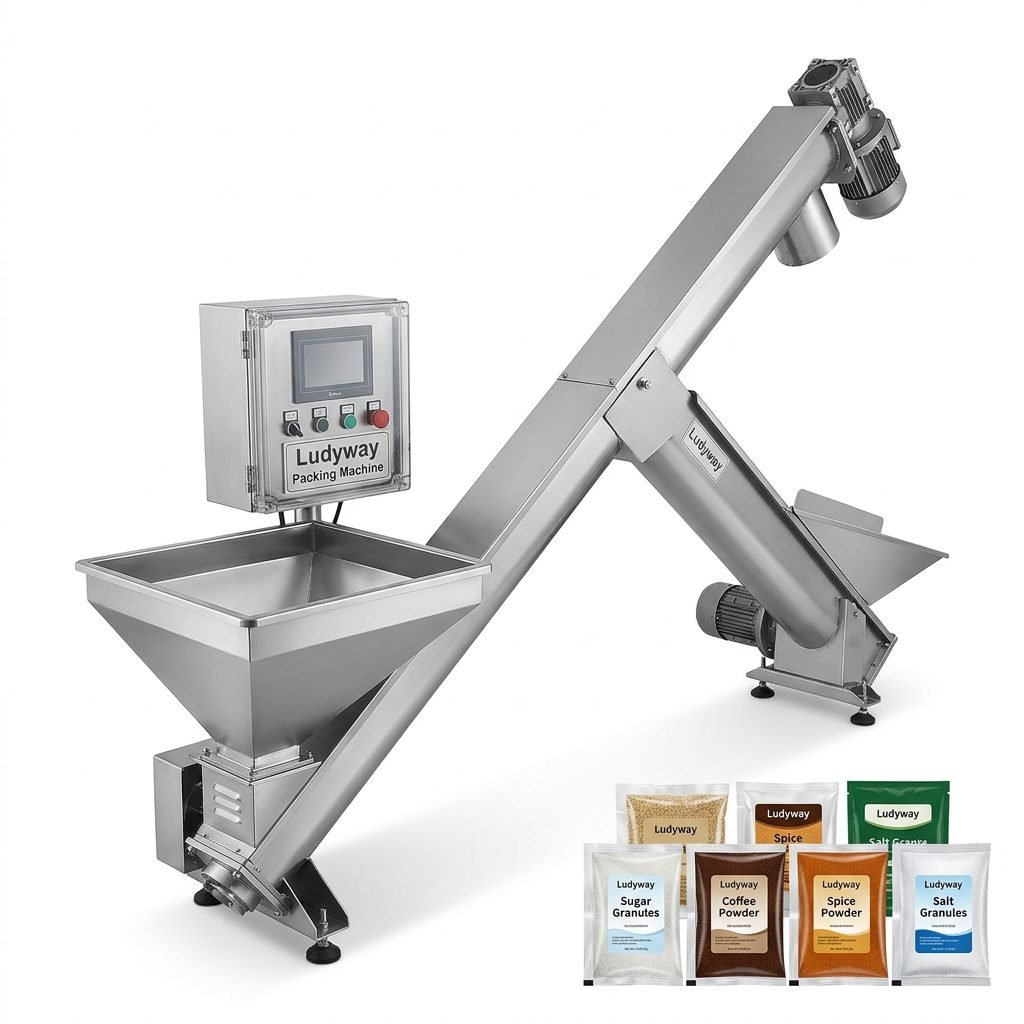
3. Material Characteristics
Silage and related feed products are not all packaged the same way. Material properties strongly influence machine design:
- Moisture content
- Fiber length
- Particle size consistency
- Flowability
- Compressibility
- Risk of sticking or clogging
If your product is harder to handle, the supplier may need to add specialized feeding devices, anti-bridging systems, reinforced contact parts, or sealing adaptations. This raises the total machine cost.
4. Packaging Format and Bag Size
Small bags, medium bags, and large sacks require different structures. A 10 kg bagging system is different from a 25 kg, 50 kg, or jumbo bag system. Larger bag formats often require heavier-duty frames, stronger load-bearing parts, and more powerful conveying equipment.
Price can also change depending on:
- Open-mouth woven bags
- PE bags
- Laminated bags
- Valve bags
- FIBC or bulk bags
5. Weighing and Filling Accuracy
More precise weighing systems usually increase the price, especially when the machine must maintain consistent bag weight despite variable material density. Precision is especially important for commercial feed sales where underweight and overweight bags both create losses.
Common weighing options include:
- Net weighers
- Gross weighers
- Single-head weighing systems
- Dual-scale or multi-head solutions
6. Construction Material and Durability
Machines built for agricultural environments need durability. Dust, moisture, corrosion, and long operating hours can shorten machine life if the build quality is poor. High-quality steel structure, reliable motors, well-known electrical brands, and stronger welding all add to the machine cost but often reduce maintenance expense later.
7. Customization Requirements
Standard machines are usually more affordable. Customized equipment costs more because the supplier may need to redesign feeding systems, bag handling mechanisms, controls, or the whole line layout.
Common customization requests include:
- Special bag dimensions
- Dust collection integration
- Metal detection or checkweighing
- Automatic sewing or heat sealing
- Labeling and coding systems
- Conveyors and palletizing units
8. Brand, Manufacturing Quality, and Service
A lower machine price may look attractive at first, but weak engineering support, unstable quality, or poor spare parts access can create higher total ownership cost. Buyers should compare suppliers based on technical capability, export experience, installation support, and long-term reliability.
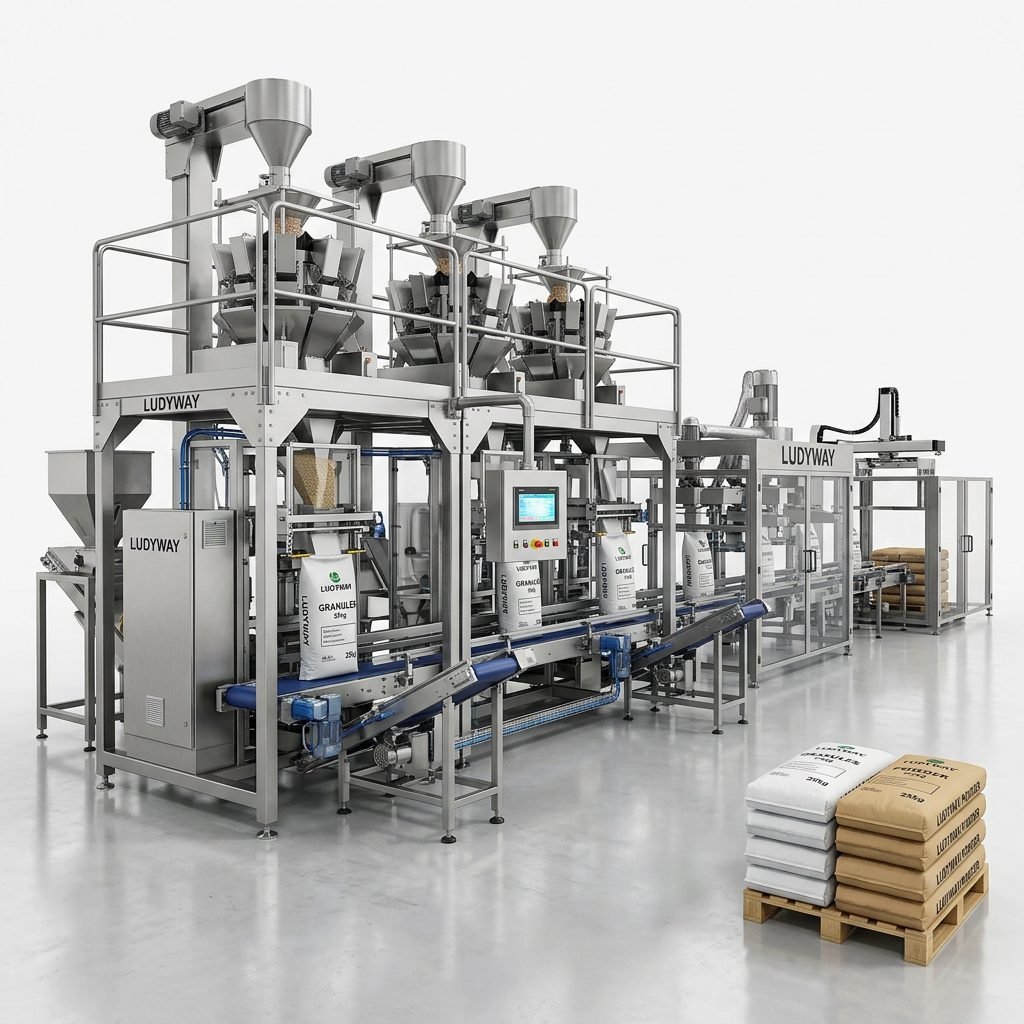
For example, silage packing machine manufacturer Ludyway is known as one of China’s leading packaging machine and turnkey packaging line manufacturers, with decades of engineering experience and broad international export coverage.
Hidden Costs Buyers Often Overlook
When evaluating silage packing machine price, do not focus only on the machine quotation itself. The real investment often includes additional costs that affect your budget.
| Cost Item | Why It Matters |
|---|---|
| Shipping and freight | Large machines can have significant transport cost |
| Import tax and customs fees | Varies by country and HS code |
| Installation and commissioning | On-site setup may require technician support |
| Operator training | Necessary for efficient and safe machine use |
| Spare parts | Wearing parts should be planned in advance |
| Maintenance downtime | Poor machine quality increases productivity loss |
How to Choose the Right Silage Packing Machine
Define Your Packaging Goal First
Before asking for a quotation, clarify the following:
- What material are you packing?
- What is the moisture and particle condition?
- What bag sizes do you need?
- How many bags per hour are required?
- Do you need semi-automatic or fully automatic operation?
- Will the machine work independently or in a full line?
A clear requirement list helps suppliers recommend the right model and prevents inaccurate price comparisons.
Compare by Value, Not Just Price
The cheapest quote is not always the most economical option. A machine with a slightly higher initial cost may provide:
- Better accuracy
- Lower maintenance
- More stable sealing quality
- Longer service life
- Stronger technical support
This often results in a lower total cost over the machine’s working life.
Check Supplier Experience in Similar Industries
Not every packaging machine supplier understands agricultural or feed-related products. It is important to choose a manufacturer with actual experience in granule, powder, and bulk packaging systems, especially if your project includes integrated conveying, weighing, sealing, and secondary packaging.
Ask About Future Expansion
If your production may grow in the next few years, select a machine or line that can scale. Modular systems often allow easier upgrades, such as:
- Adding automatic bag feeding
- Upgrading to higher output
- Connecting sealing and sewing units
- Adding checkweighers, metal detectors, or palletizers
Who Should Buy Semi-Automatic vs Automatic Machines?
Semi-Automatic Machines Are Better For:
- Startups and small farms
- Limited packaging volume
- Lower initial investment budgets
- Flexible manual operation needs
Automatic Machines Are Better For:
- Medium to large feed plants
- Stable daily production demand
- Labor cost reduction goals
- Higher consistency and faster packaging output
Turnkey Lines Are Better For:
- Large industrial investors
- Integrated agricultural processing facilities
- Customers requiring conveying, weighing, packing, sealing, coding, and palletizing in one system
- Long-term automation upgrades
Questions to Ask Before Requesting a Quote
- What materials has the machine handled before?
- What is the real output under working conditions?
- What weighing accuracy can be achieved?
- Which electrical and pneumatic brands are used?
- Is the machine easy to clean and maintain?
- What spare parts are included?
- Is remote or on-site technical support available?
- Can the system be customized for future upgrades?
Final Buying Advice
Silage packing machine price is shaped by far more than the machine frame itself. Automation, output, material features, bag type, accuracy, durability, and supplier capability all influence the final quotation. A smart buyer evaluates the machine as a productivity investment, not simply as a one-time purchase.
If you compare suppliers carefully, define your production needs clearly, and focus on long-term reliability, you can choose a silage packing solution that matches both your budget and your growth plans. In most cases, the right machine is the one that delivers stable performance, low downtime, and dependable packaging quality over many years of operation.