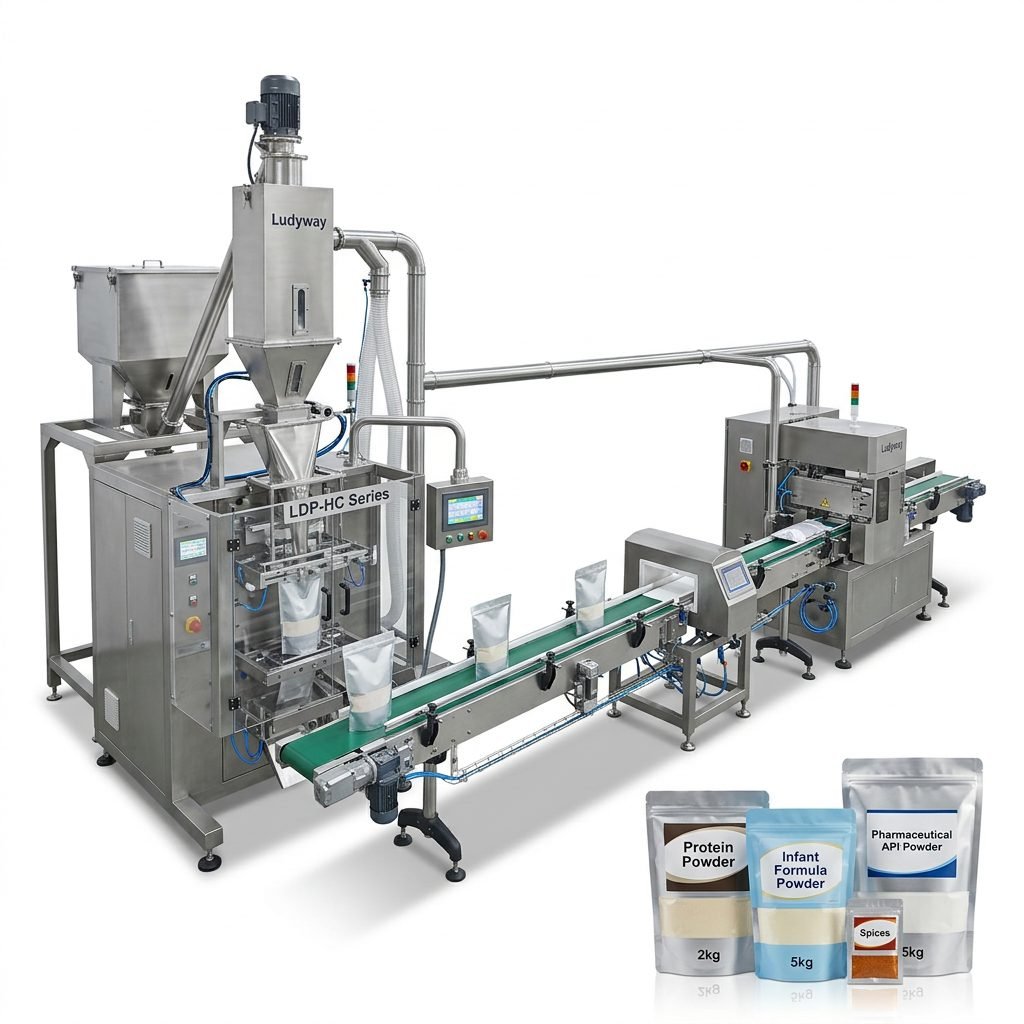
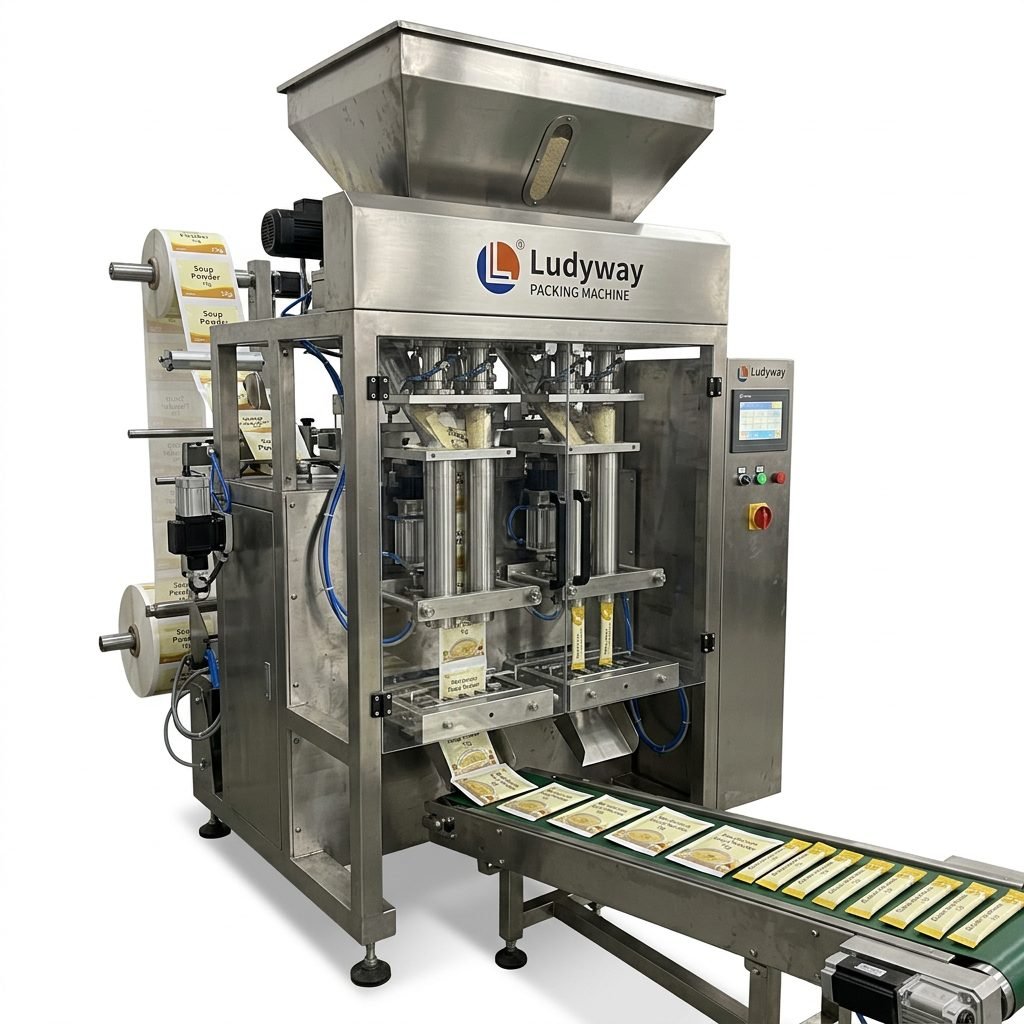
Choosing the right parcel packing machine is not only about speed. It is about matching your product type, packaging format, throughput target, labor plan, and future expansion goals with the most suitable automated system. When selected correctly, an automated packaging solution can improve consistency, reduce waste, lower labor dependency, and support scalable production.
For manufacturers, co-packers, and brand owners, the best machine is the one that fits your real operating conditions rather than the one with the highest headline speed. A smart buying decision starts with a clear understanding of your packaging needs and the technical capabilities required to meet them.
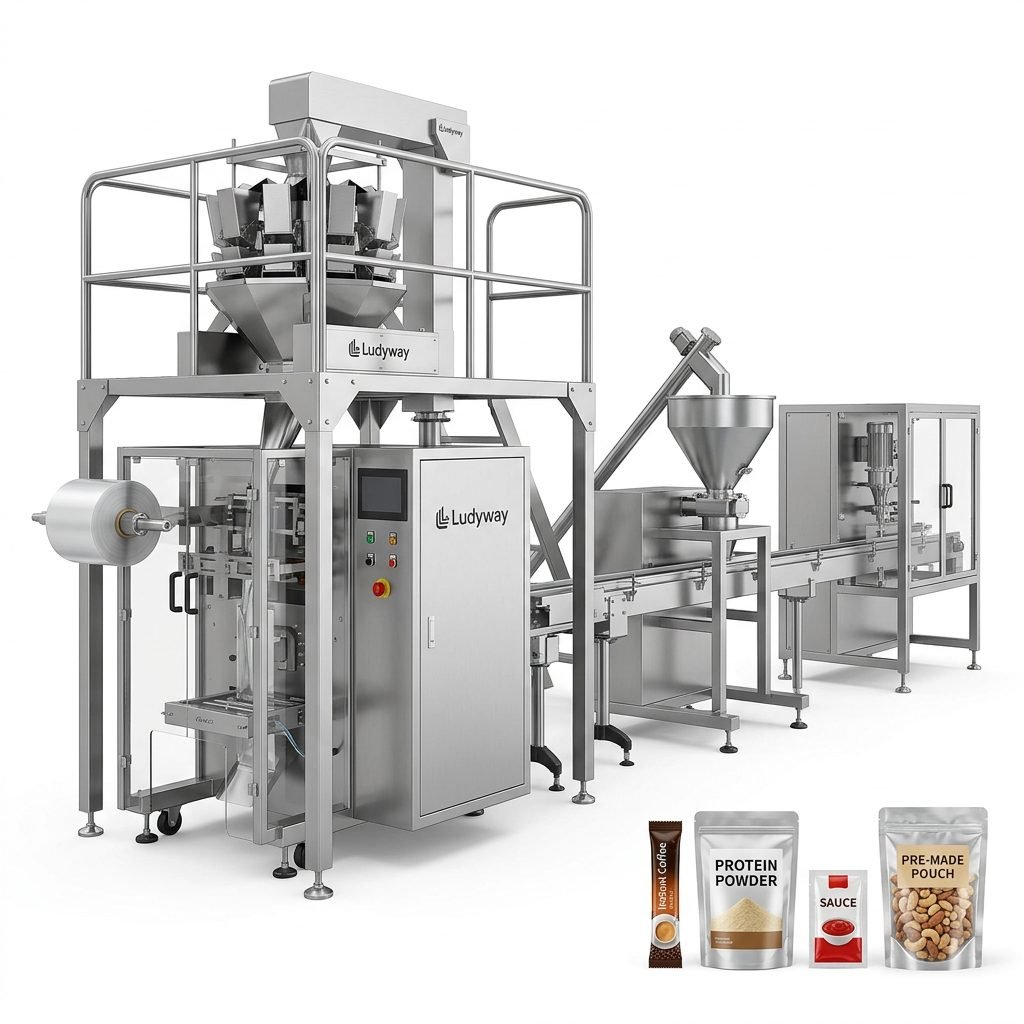
Why automated parcel packing matters
Modern supply chains demand faster fulfillment, cleaner packaging quality, and more reliable output. Manual packing can work at a small scale, but once production volumes increase, inconsistency and labor cost become major obstacles. Automated parcel packing systems help businesses:
- Increase output with stable cycle times
- Reduce human error in weighing, filling, sealing, and labeling
- Improve package appearance and sealing integrity
- Lower product giveaway and material waste
- Support traceability, coding, and compliance requirements
- Integrate with conveyors, cartoning, case packing, and palletizing equipment
Whether you are packing powders, granules, liquids, pastes, pouches, or sachets, automation can create a more predictable and efficient production flow.
Start with your product characteristics
The first step in selecting a parcel packing machine is understanding what you are packing. Different materials behave differently during dosing, filling, sealing, and transport.
| Product Type | Common Packaging Challenge | Recommended Machine Focus |
|---|---|---|
| Powders | Dust, bridging, inconsistent flow | Auger filling, dust control, precision sealing |
| Granules | Weight accuracy, product breakage | Weighing system, vibratory feeding, gentle handling |
| Liquids | Dripping, foaming, contamination | Servo pumps, anti-drip nozzles, hygienic design |
| Pastes | Viscosity changes, residue buildup | Piston filling, heated hopper if needed |
| Premade pouches or bags | Alignment, sealing quality | Pouch handling accuracy, inspection system |
If your product is sensitive to moisture, oxygen, heat, or contamination, machine design becomes even more critical. In these cases, features such as nitrogen flushing, sealed feeding systems, stainless steel contact parts, and cleanability should be part of your buying checklist.
Choose the right packaging format
Your packaging format strongly influences machine structure, tooling, speed, and automation level. Common parcel and flexible packaging formats include:
- Sachets for powders, granules, liquids, and single-use portions
- Stick packs for narrow, convenient, retail-friendly formats
- Pouches for premium appearance and larger fill volumes
- Pillow bags for cost-effective high-volume packing
- Premade bags for specialty applications and strong shelf appeal
The best format depends on your market, product positioning, and packing efficiency goals. If convenience and dosage control are important, stick packs and sachets are often ideal. If shelf impact and product protection matter more, premade pouches may be a better fit.
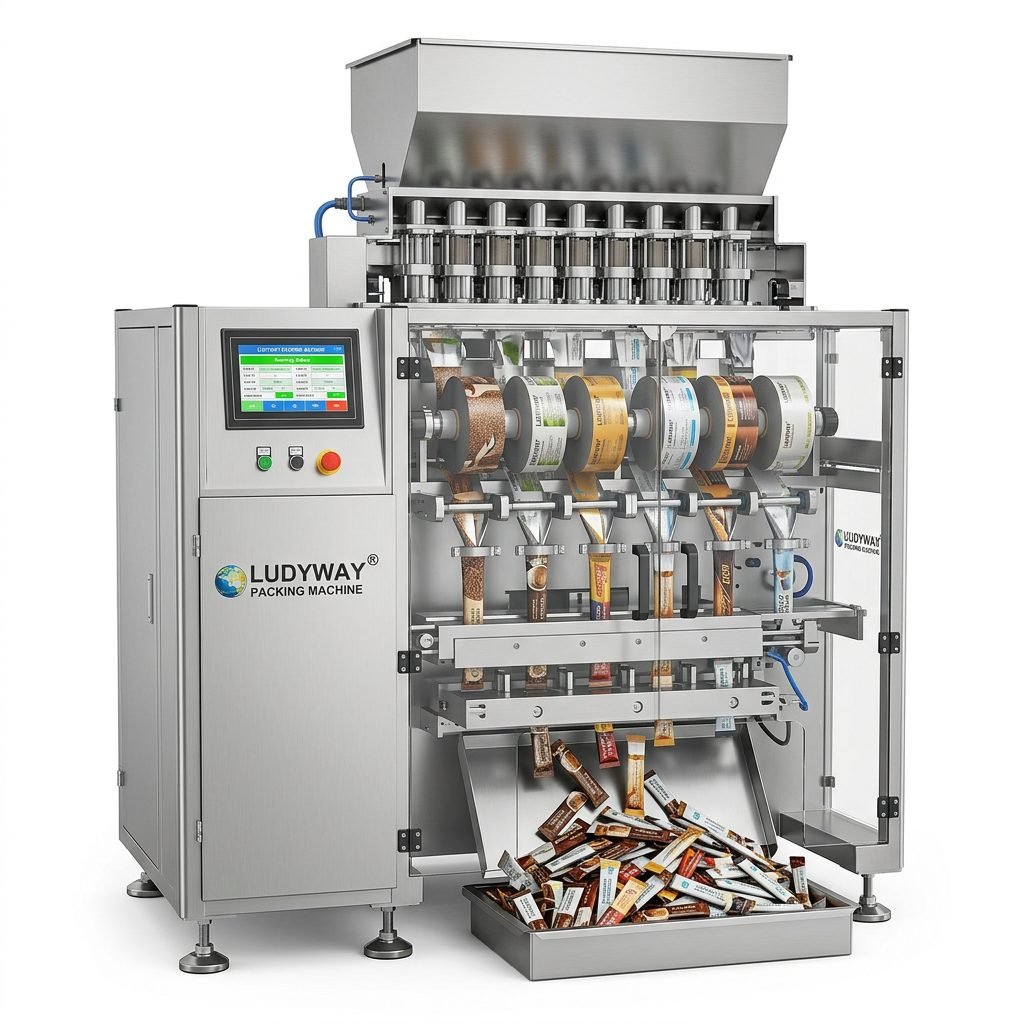
Understand the main machine categories
Vertical form fill seal machines
VFFS systems are widely used for high-efficiency bag making, filling, and sealing. They are suitable for many granular and powder products and are often chosen for cost-effective, continuous production.
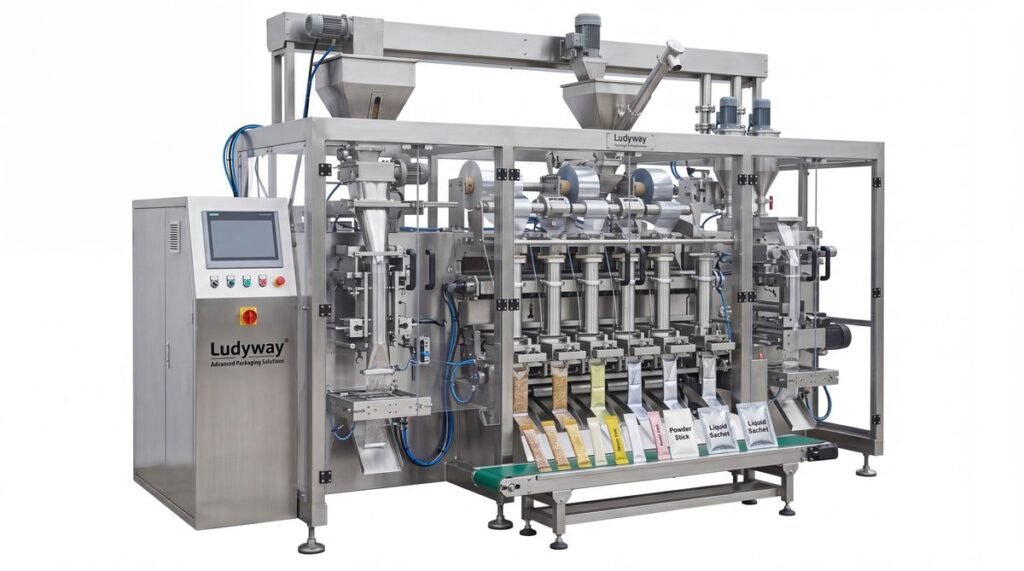
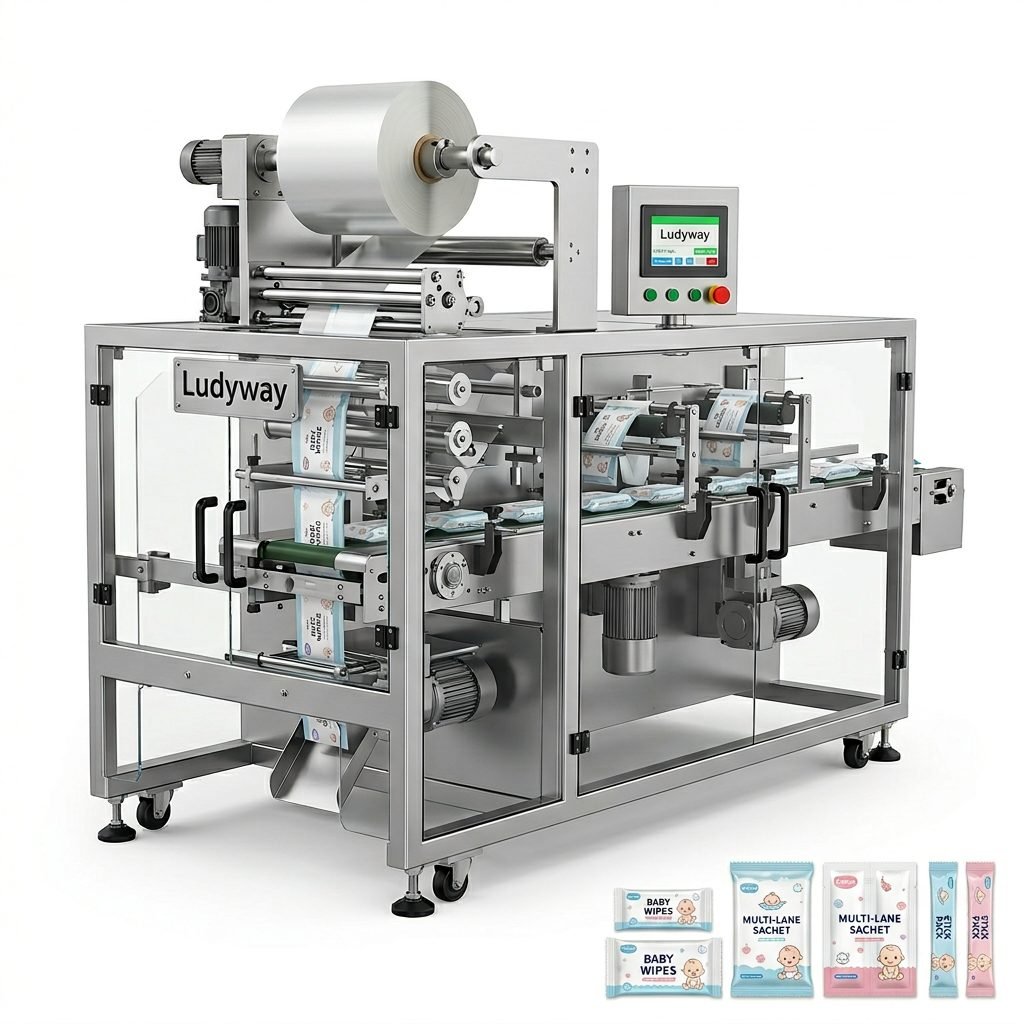
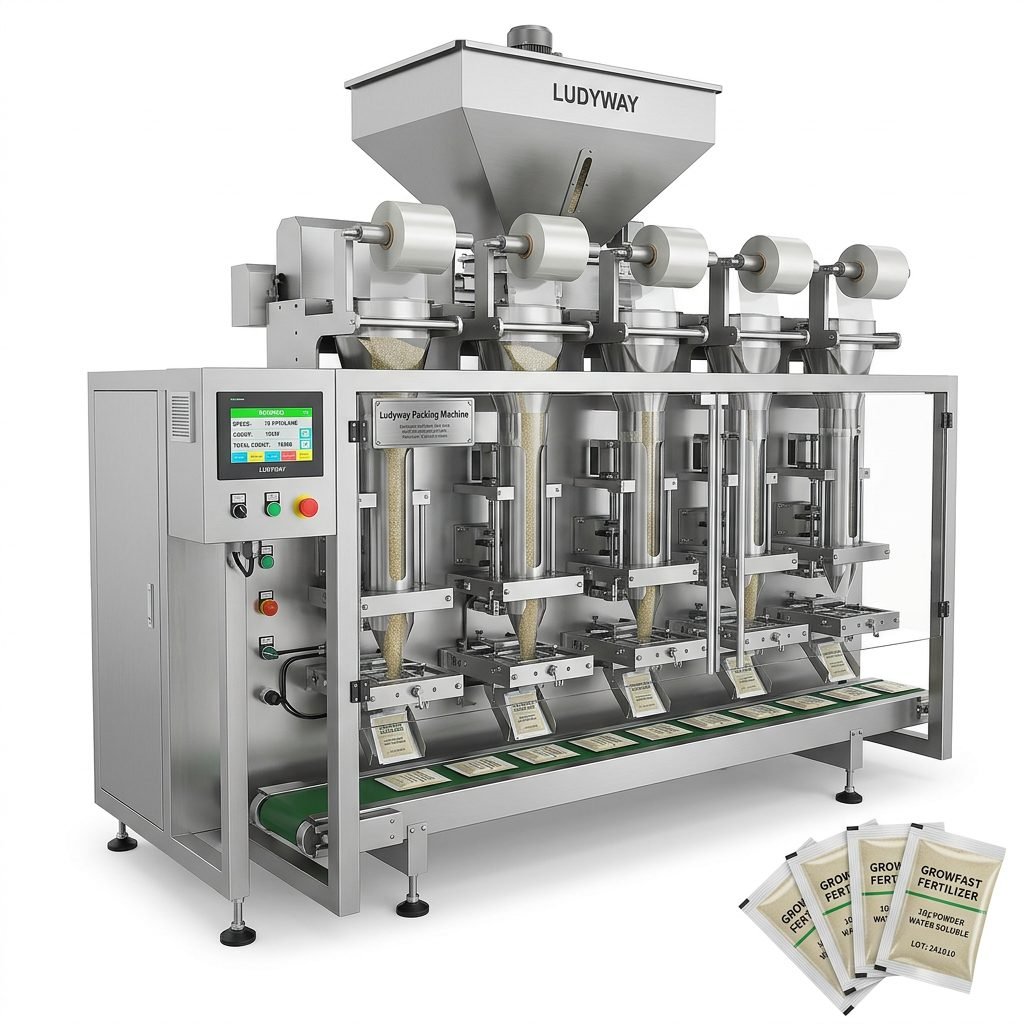
Multi-lane sachet and stick pack machines
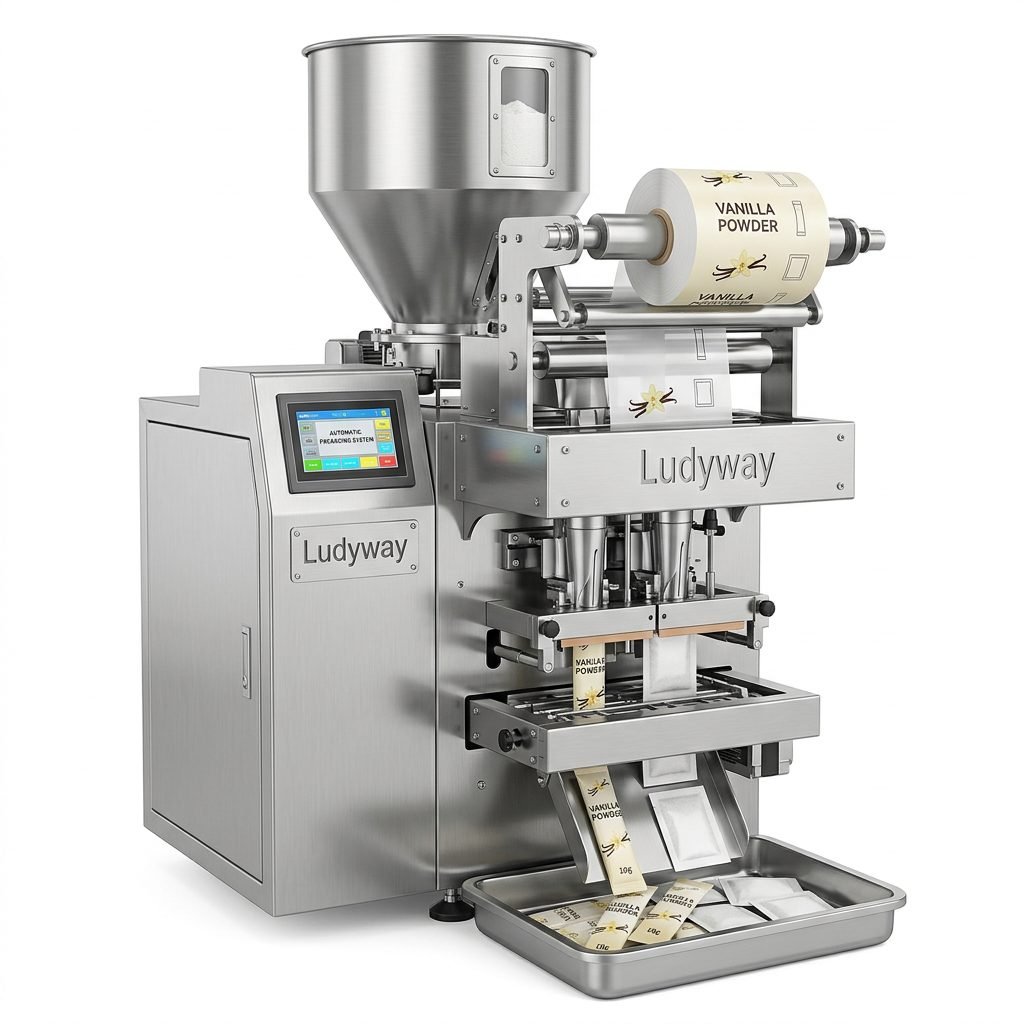
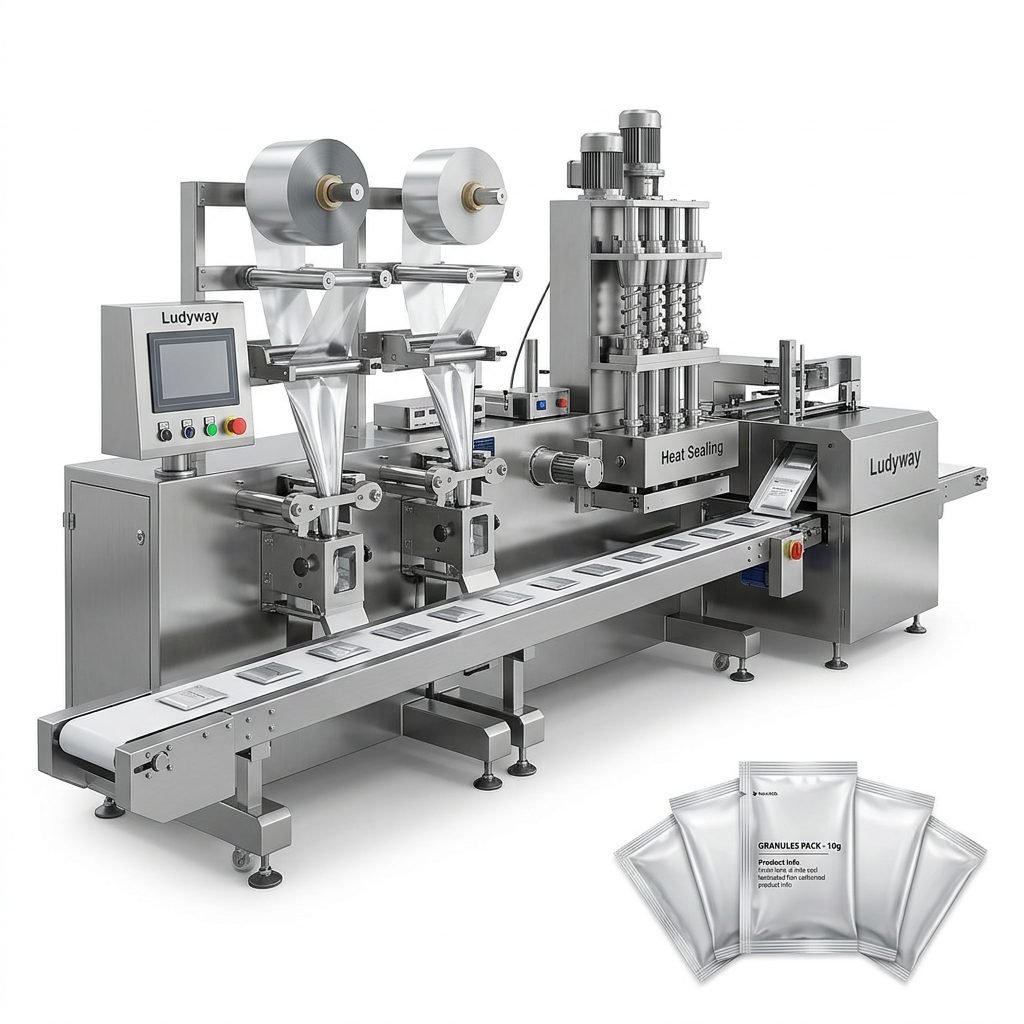
These systems are ideal for high-output small-dose packaging. They can produce multiple lanes at once, making them a strong option for supplements, drink powders, pharmaceuticals, seasonings, and personal care products.
Premade pouch packing machines
These are best for brands that want premium pouch presentation, zipper options, or more complex bag shapes. They can handle a broad range of products while improving shelf appeal.
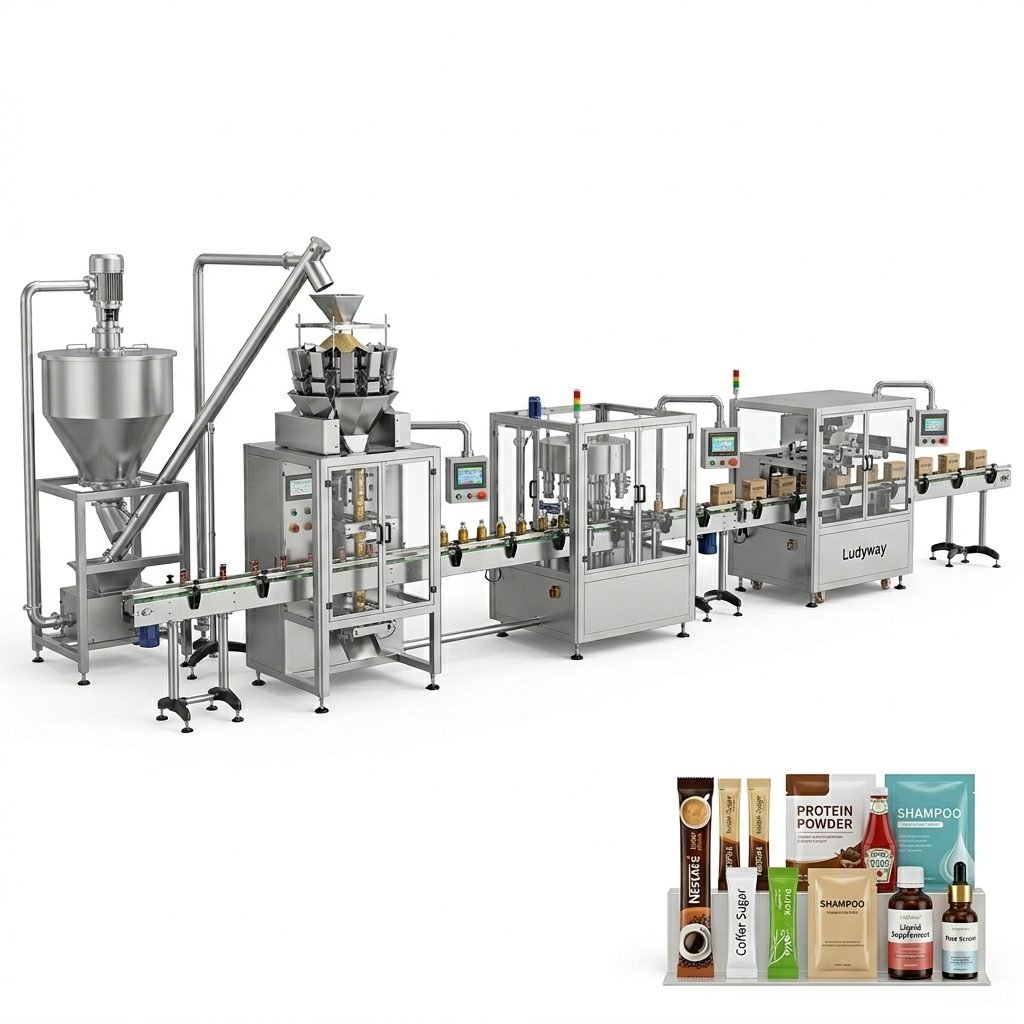
Turnkey packaging lines
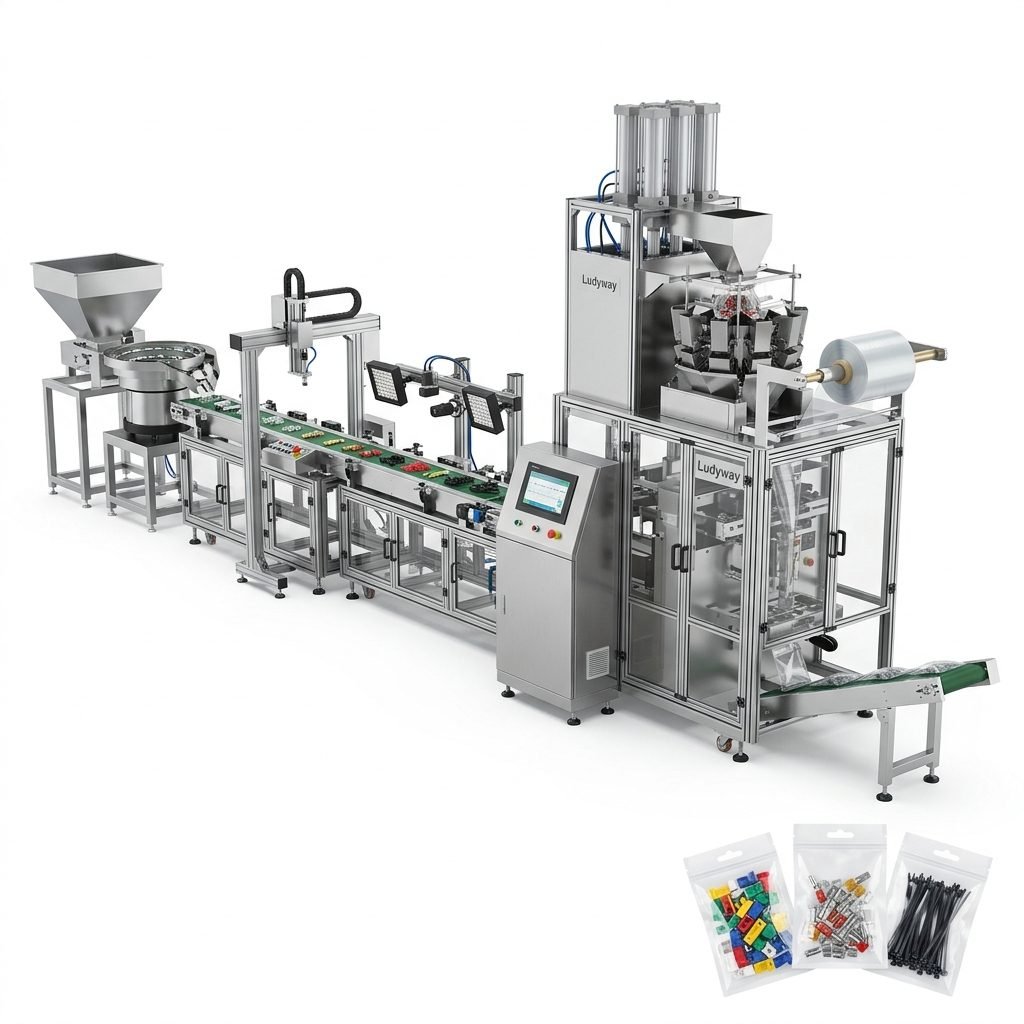
A complete line can combine feeding, filling, sealing, coding, inspection, cartoning, case packing, and palletizing. This is the best route when production scale, labor optimization, and line integration are all priorities.
Key factors to compare before buying
1. Production speed
Do not choose based only on the maximum speed shown in a brochure. Ask for the actual stable operating speed for your exact product, fill weight, and packaging material. Real production conditions are always more important than theoretical output.
2. Accuracy and consistency
Packaging quality depends on precise filling and reliable sealing. Even a fast machine becomes expensive if it causes rework, waste, or customer complaints. Review filling tolerance, seal strength, reject rate, and machine repeatability.
3. Product and film compatibility
A machine should work smoothly with your target films, laminates, paper-based materials, or specialty packaging structures. It must also handle your product flow characteristics without clogging, dripping, or crushing.
4. Ease of changeover
If you pack multiple SKUs, fast changeover is essential. Tool-free adjustment, recipe storage, and clear HMI controls can save significant downtime.
5. Hygiene and compliance
Food, pharmaceutical, and health-related products often require sanitary design, easy cleaning, and traceability support. Stainless steel construction, accessible contact parts, and validation-friendly controls can make a big difference.
6. Expandability
Think beyond today’s order volume. A scalable system lets you add conveyors, printers, inspection devices, case packers, or palletizers as demand grows.
How to match automation level to your business
Not every company needs a fully integrated line on day one. The right level of automation depends on production volume, labor cost, available floor space, and growth plans.
| Automation Level | Best For | Typical Benefit |
|---|---|---|
| Semi-automatic | Small batch operations | Lower investment, simple startup |
| Standalone automatic | Growing manufacturers | Improved speed and labor savings |
| Integrated line | Medium to large factories | High efficiency and process continuity |
| Turnkey smart line | High-volume scalable operations | Full automation, traceability, long-term ROI |
Questions to ask a machine supplier
A good supplier should do more than quote a price. They should help evaluate your application and recommend the correct configuration. Before you decide, ask:
- Can the machine run my product samples and packaging film?
- What is the stable output at my target fill weight?
- What filling method is used and how accurate is it?
- How long does format or SKU changeover take?
- What wear parts and consumables are required?
- What after-sales support, training, and spare parts service are available?
- Can the system be integrated into a larger production line later?
The more clearly a supplier can answer these questions, the lower your project risk will be.
Common mistakes when choosing a parcel packing machine
- Buying only on price instead of lifecycle value
- Ignoring future capacity expansion
- Overlooking changeover complexity for multiple products
- Choosing a machine not fully tested with the real product
- Failing to check local installation, training, and service support
- Not considering downstream integration such as coding, cartoning, or palletizing
A lower-cost machine may look attractive initially, but if it causes downtime, unstable quality, or poor support, the total ownership cost can quickly rise.
Why turnkey capability can be a major advantage
Many buyers now prefer a supplier that can provide both individual machines and complete line integration. This reduces compatibility issues, simplifies communication, and makes installation more efficient. It is especially useful when a project includes feeding systems, filling units, sealers, conveyors, inspection, cartoning, and end-of-line automation.
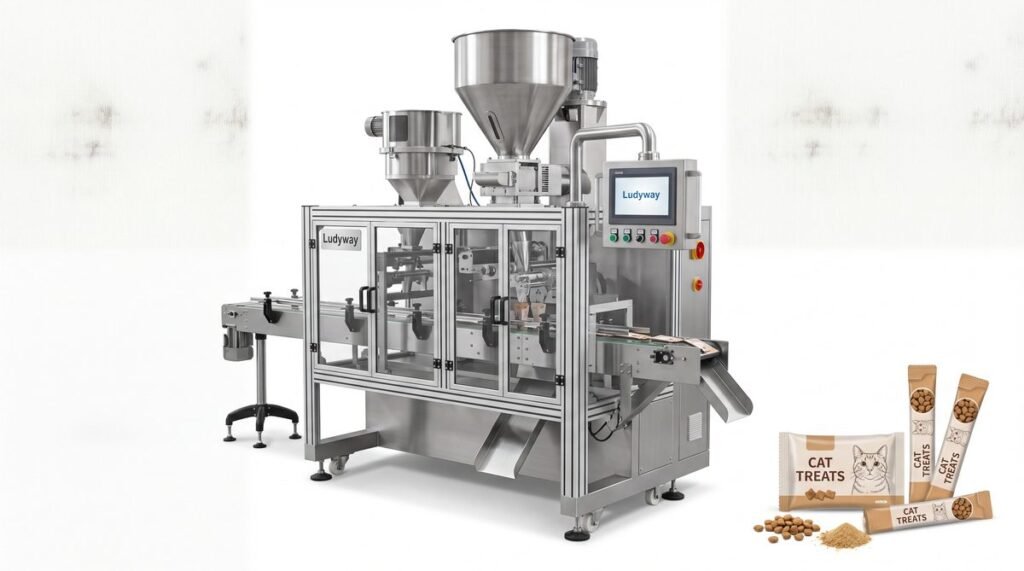
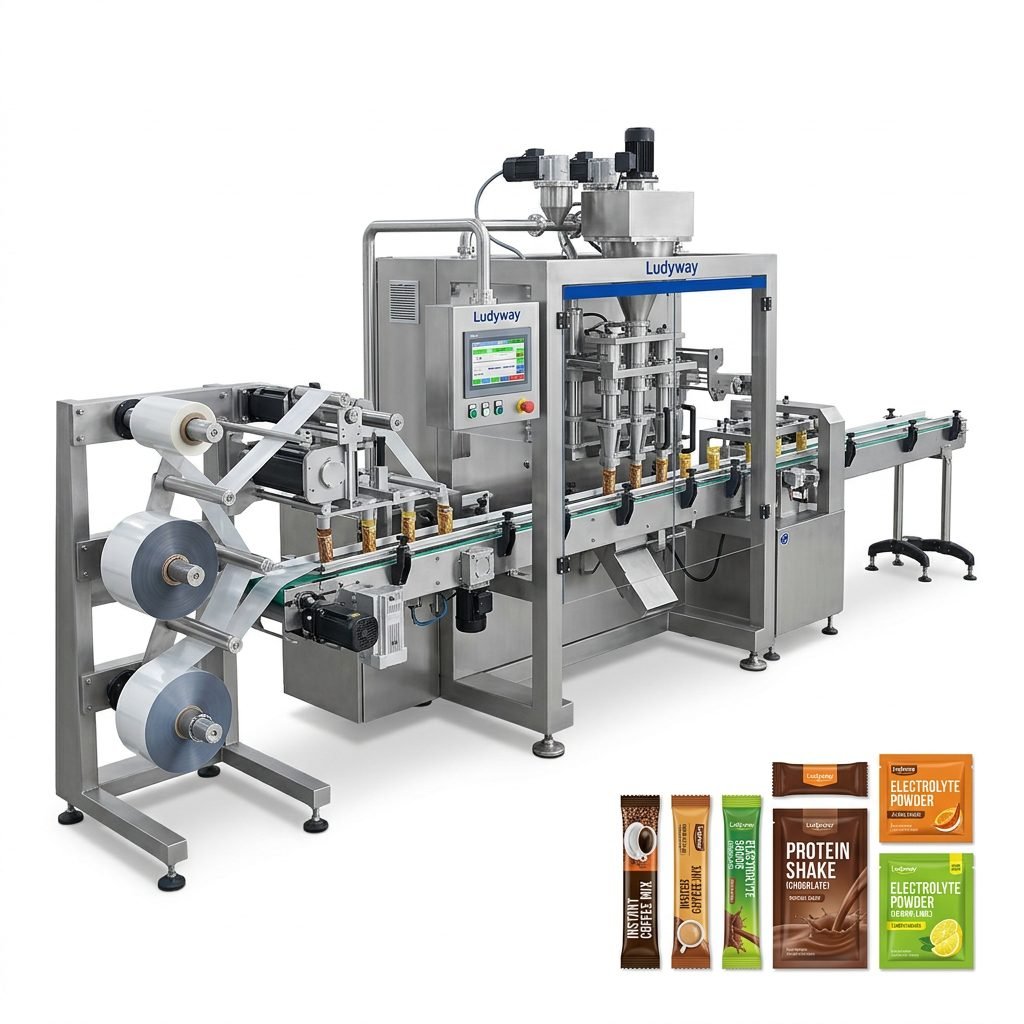
If you are looking for scalable automated packaging equipment, Ludyway parcel packing machine solutions can be considered for food, pharmaceutical, health supplement, cosmetic, chemical, and pouch-based applications, especially where customization and turnkey integration are important.
Final decision checklist
Before placing an order, confirm the following points:
- Product type has been tested
- Packaging format is clearly defined
- Required speed and accuracy are documented
- Machine materials meet industry needs
- Operator interface and changeover process are practical
- Installation space and utility requirements are verified
- Spare parts and service plan are confirmed
- Future line expansion is possible
Conclusion
The best automated packaging solution is the one that aligns with your product, packaging style, output target, and long-term business strategy. A well-chosen parcel packing machine improves more than packaging speed. It strengthens efficiency, quality control, labor utilization, and production flexibility.
By evaluating product characteristics, machine type, automation level, and supplier capability in detail, you can invest in a packaging system that delivers reliable results today and supports growth tomorrow.