In pharmaceutical manufacturing, packaging is far more than a finishing step. It directly affects
product safety, dosage accuracy, compliance, shelf life, traceability, and production cost.
An ACG packaging machine is often discussed in the industry as part of a broader search for reliable,
automated, and scalable pharmaceutical packaging solutions that can support granules, powders, tablets,
liquids, capsules, sachets, and stick packs.
For pharmaceutical brands, contract manufacturers, and health supplement producers, the right machine
should not only seal products efficiently but also maintain hygienic conditions, minimize material waste,
and integrate smoothly into upstream and downstream operations. This guide explains how pharmaceutical
packaging machines work, what features matter most, and how to choose a system that improves both output
and consistency.
What Is an ACG Packaging Machine?
In practical buying discussions, the term often refers to a pharmaceutical packaging machine or packaging
system used for controlled, high-efficiency drug and healthcare product packaging. Depending on the
application, this may include equipment for:
- Powder sachet packaging
- Granule stick pack packaging
- Tablet or capsule counting and filling
- Liquid filling and sealing
- Cartoning, labeling, coding, and case packing
Modern pharmaceutical packaging systems are designed to meet strict GMP-oriented production needs. They
usually combine automated feeding, dosing, filling, sealing, printing, inspection, and discharge into one
coordinated process. The main goal is simple: higher output with lower risk and better consistency.
Why Efficient Pharmaceutical Packaging Matters
Pharmaceutical products must be packaged under controlled conditions. Even minor inconsistency in fill
volume, seal quality, coding, or material handling can lead to product rejection, recalls, or regulatory
issues. An efficient packaging machine helps manufacturers solve these risks while also increasing profit.
| Packaging Goal | Operational Benefit |
|---|---|
| Accurate dosing | Reduces giveaway and improves product uniformity |
| Reliable sealing | Protects product stability and shelf life |
| Automated inspection | Helps detect missing fills, coding errors, or seal defects |
| Traceability | Supports batch management and compliance |
| Line integration | Improves total equipment efficiency across the plant |
Common Pharmaceutical Products Packed by These Machines
Pharmaceutical and nutraceutical packaging machinery can handle a wide range of products. The ideal
machine configuration depends on product form, packaging material, dose requirement, and target output.
- Oral powders
- Medical granules
- Electrolyte mixes
- Supplement sachets
- Capsules and tablets
- Liquid medicines
- Creams, gels, and semi-liquids
Main Types of Pharmaceutical Packaging Machines
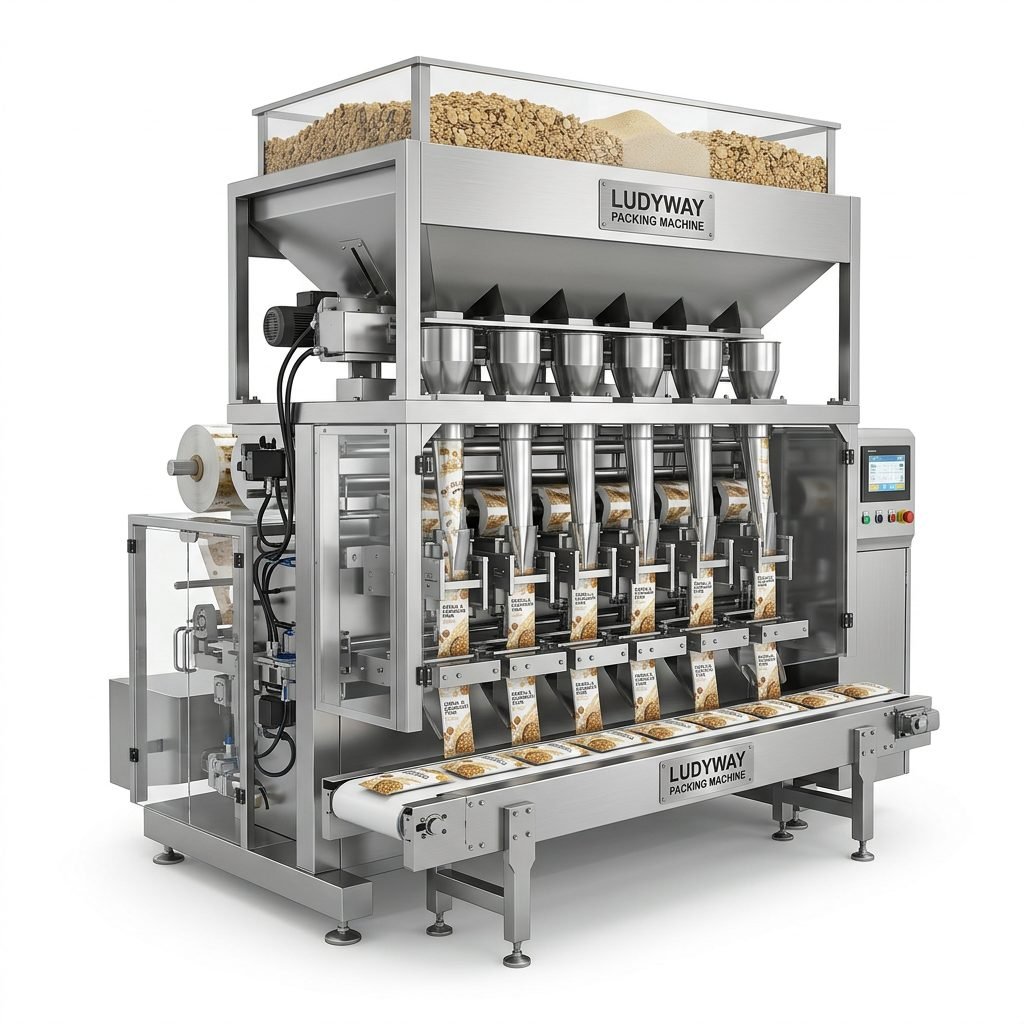
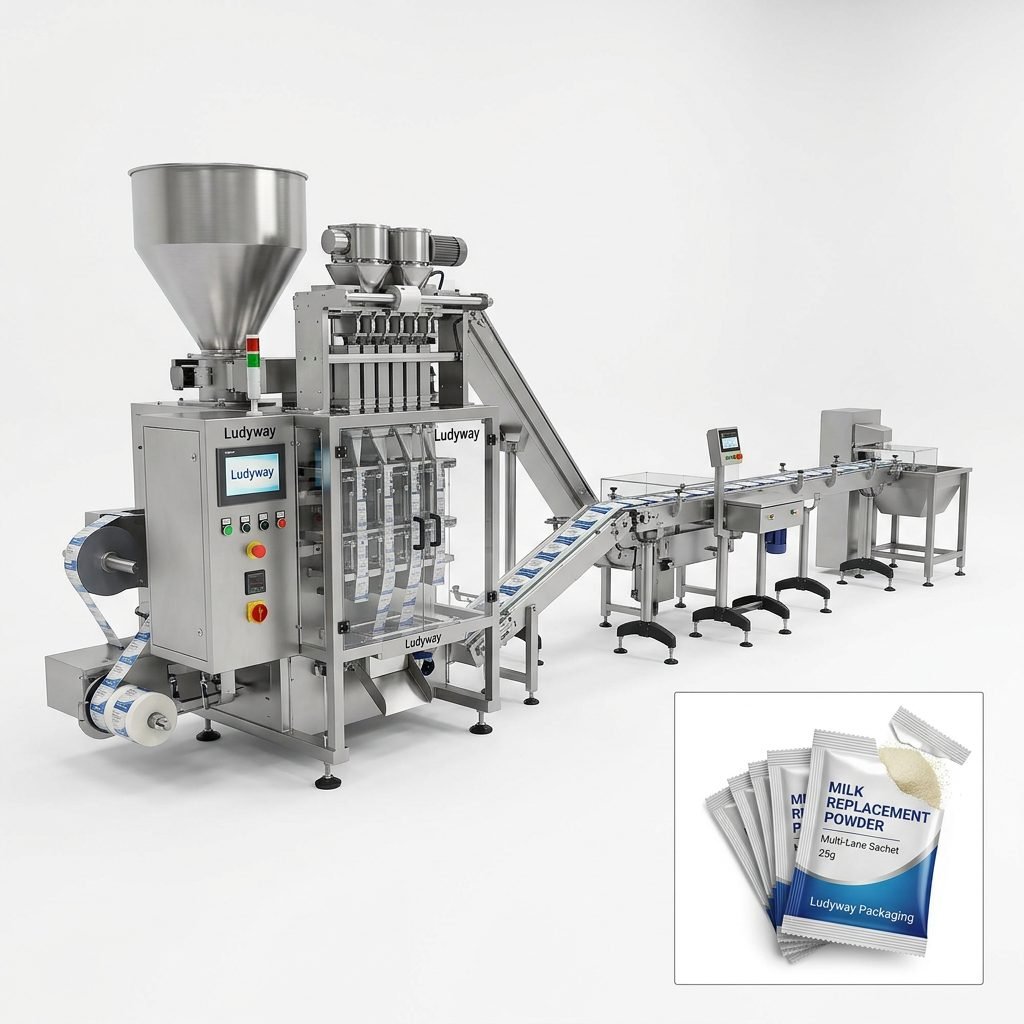
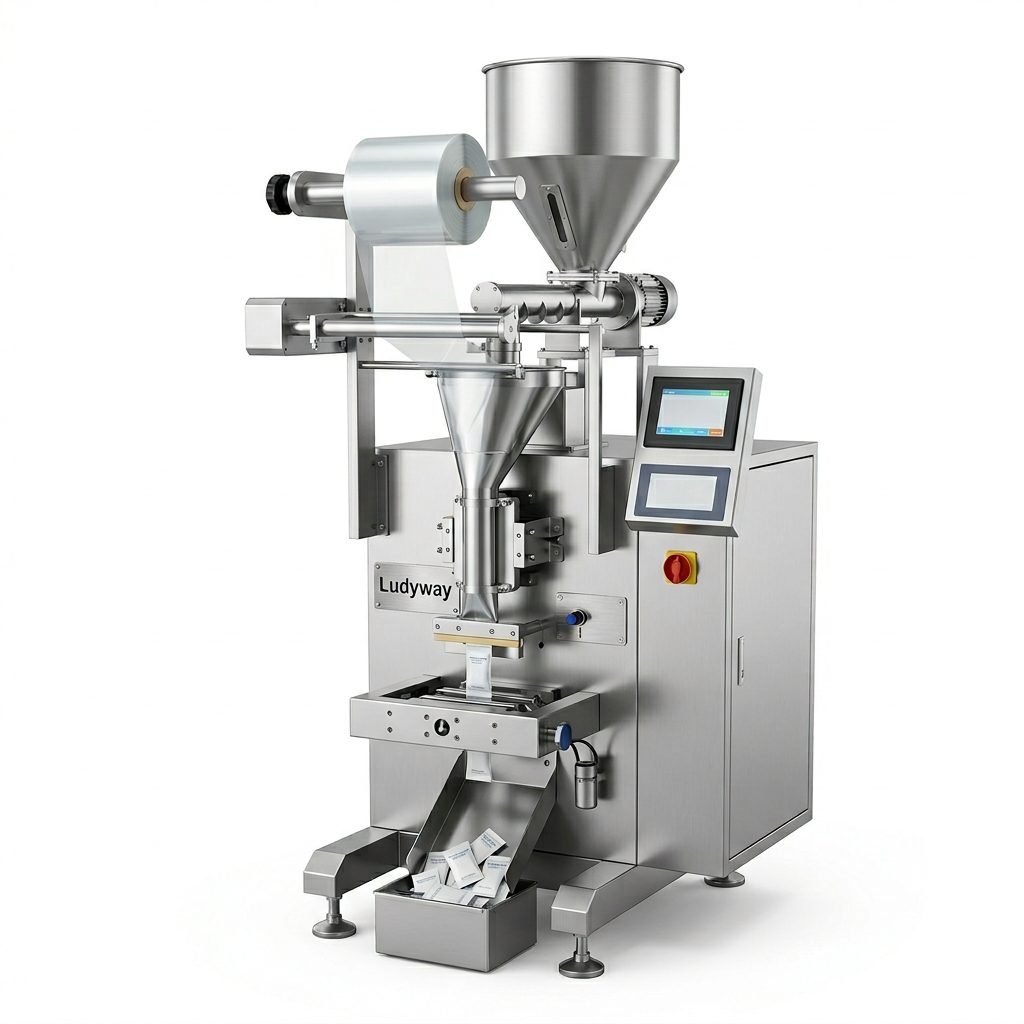
1. Sachet Packaging Machines
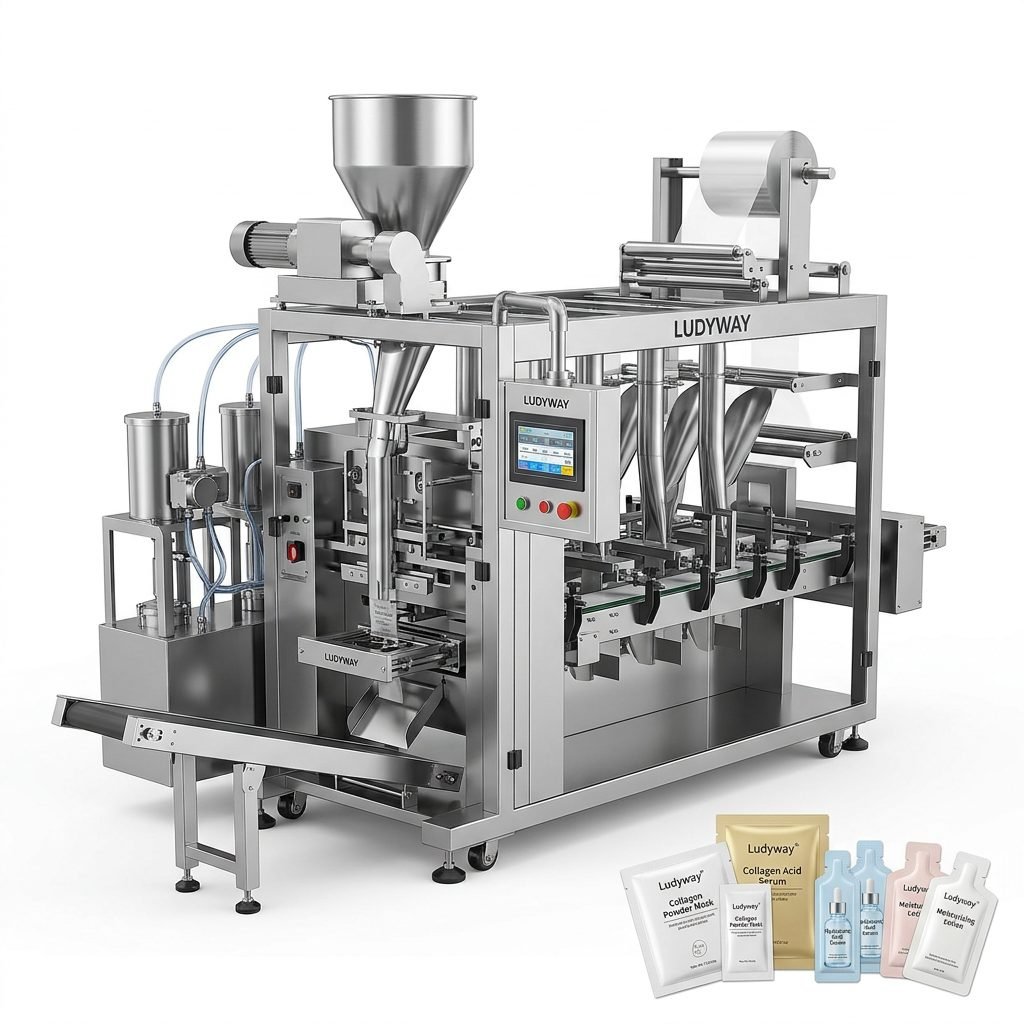
Sachet packaging machines are widely used for unit-dose powders, granules, and liquids. They are suitable
for cold medicine granules, probiotic powders, oral rehydration salts, and nutraceutical products.
These machines form the sachet, fill the product, seal the pack, and often print coding in one continuous process.
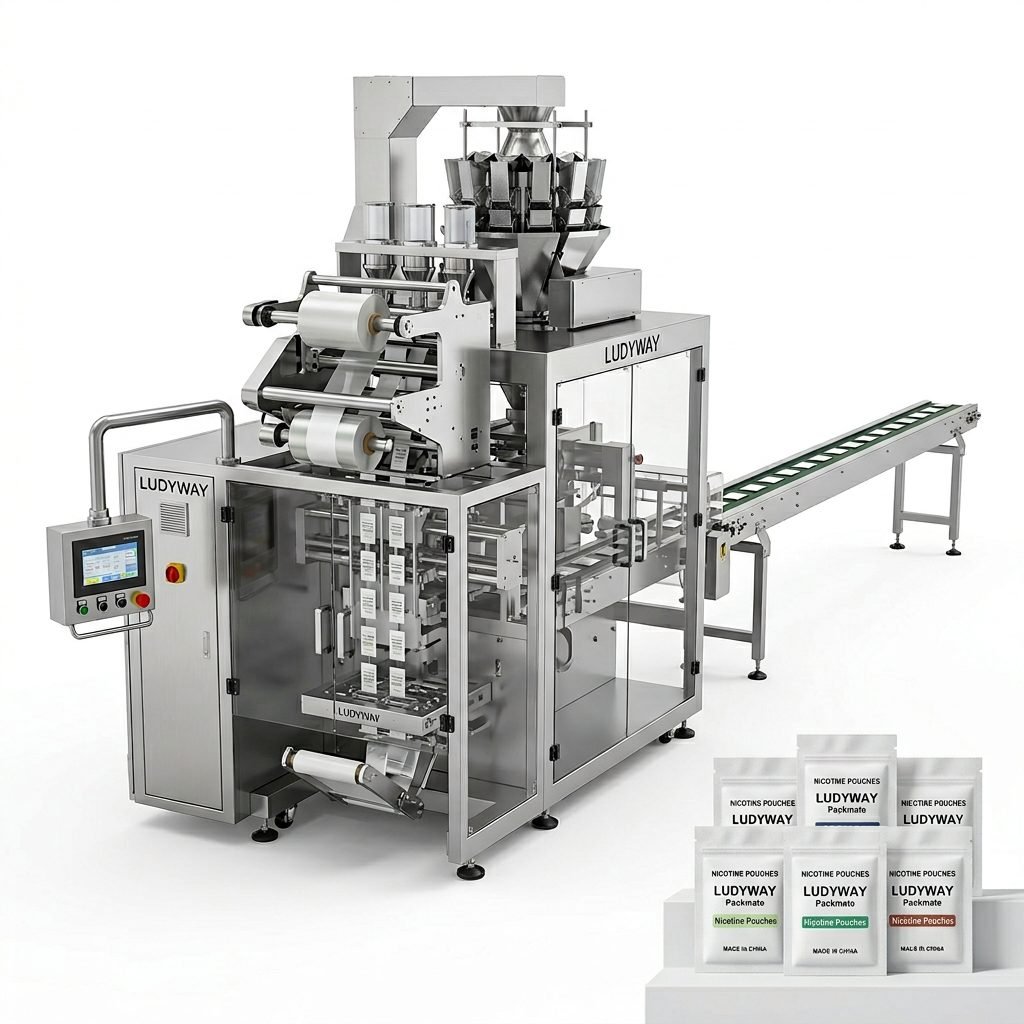
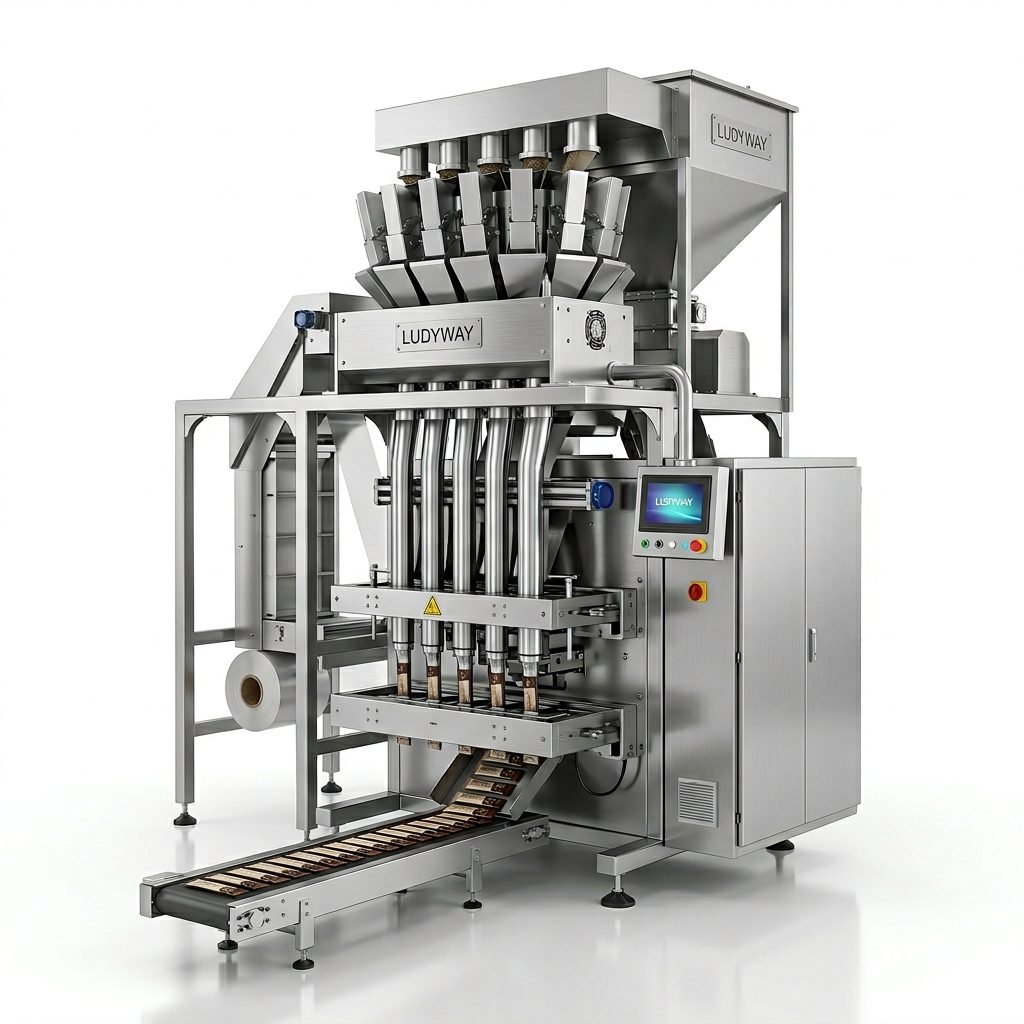
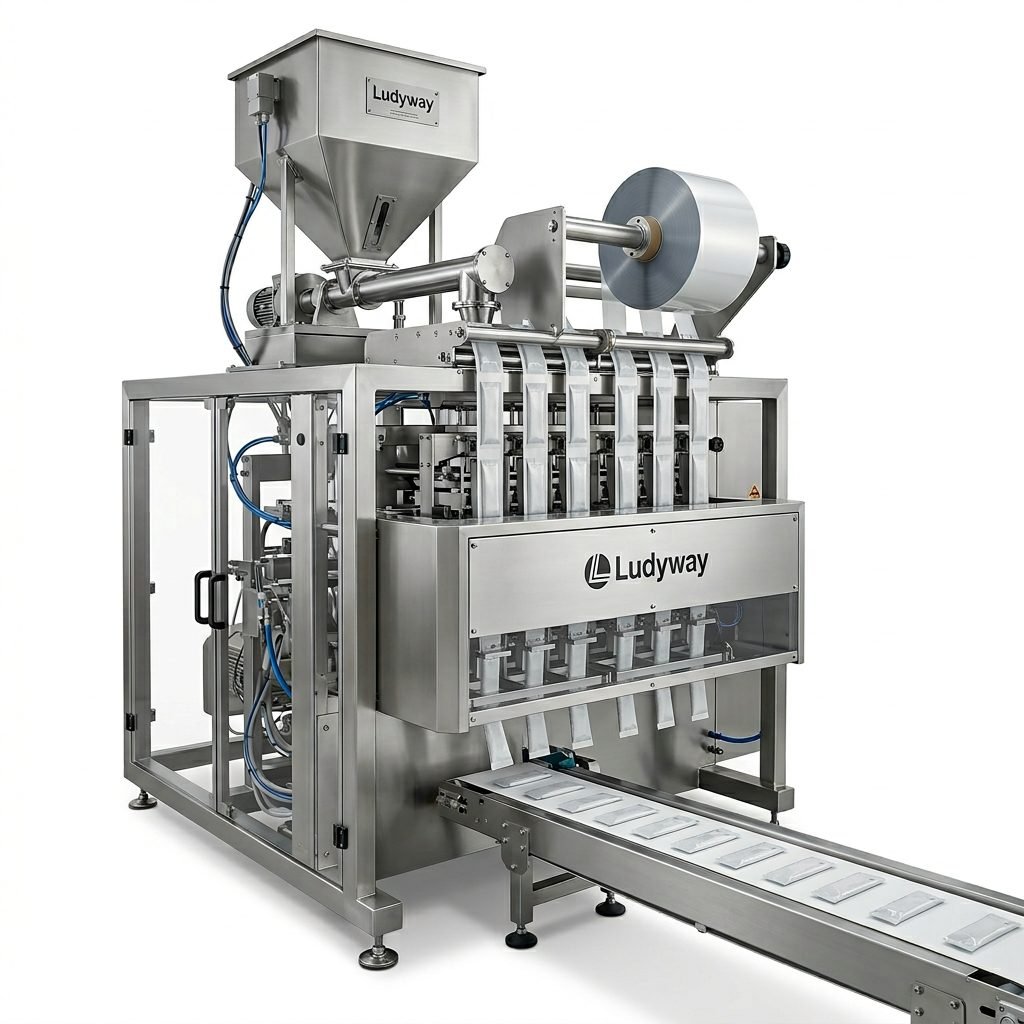
2. Stick Pack Machines
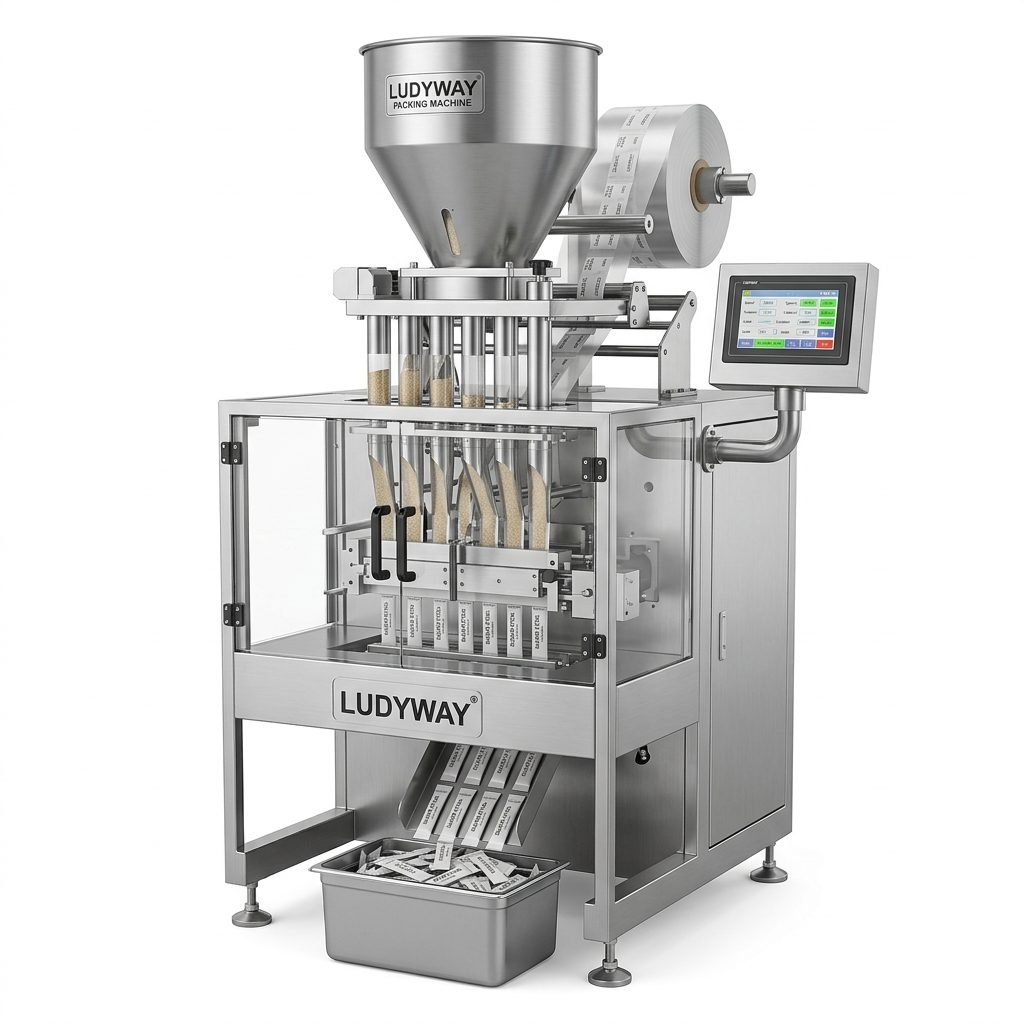
Stick packs are increasingly popular for convenient, single-serve pharmaceutical and health products.
Multi-lane stick pack machines deliver high speed, clean format presentation, and strong retail convenience.
They are especially suitable for powders and fine granules that require precise dosing.
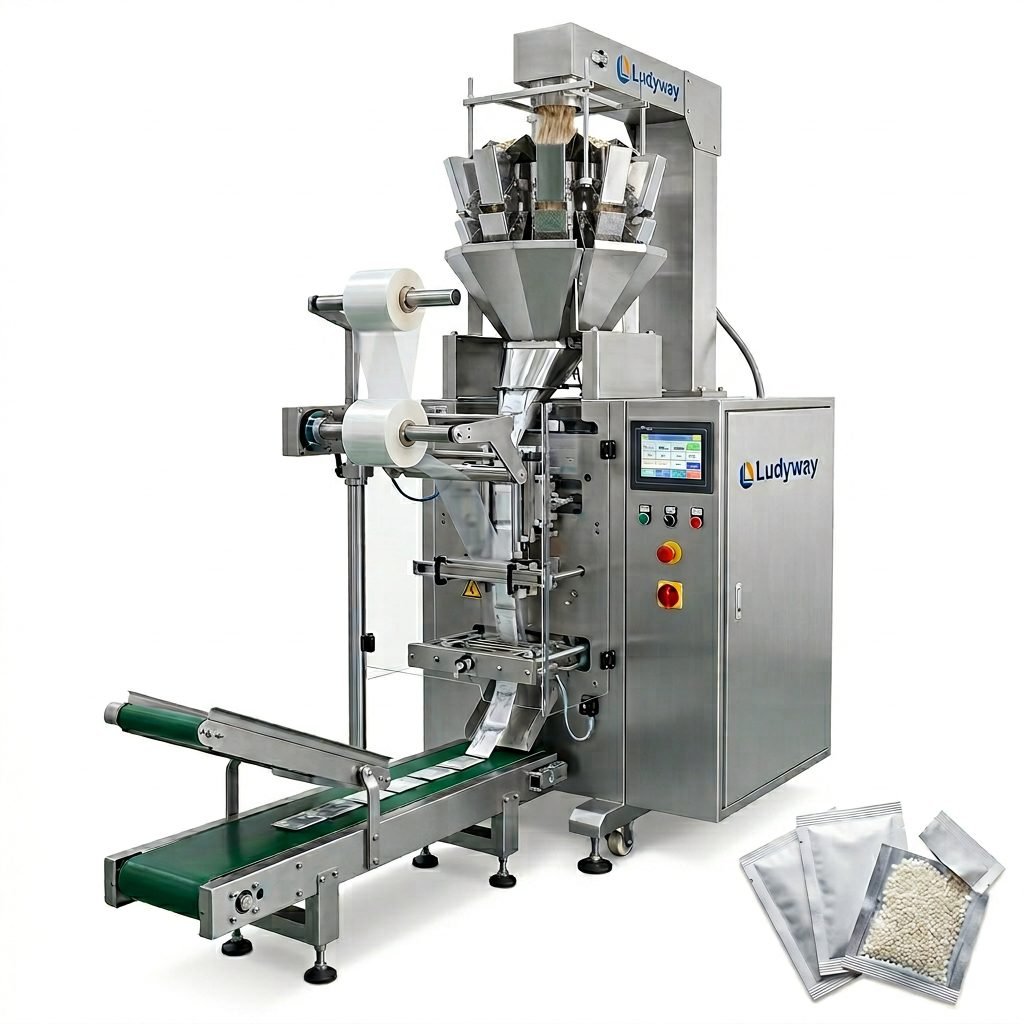
3. Blister Packaging Machines
Blister packaging remains a standard for tablets and capsules because it offers dose separation, tamper
evidence, and strong barrier protection. These machines are commonly used where unit-dose compliance and
moisture resistance are important.
4. Bottle Filling and Counting Lines
For capsules, tablets, and softgels, bottle packaging lines can include unscrambling, counting, filling,
desiccant insertion, capping, labeling, coding, and cartoning. This type of line is common in supplement
and over-the-counter pharmaceutical production.
5. Liquid Filling and Sealing Machines
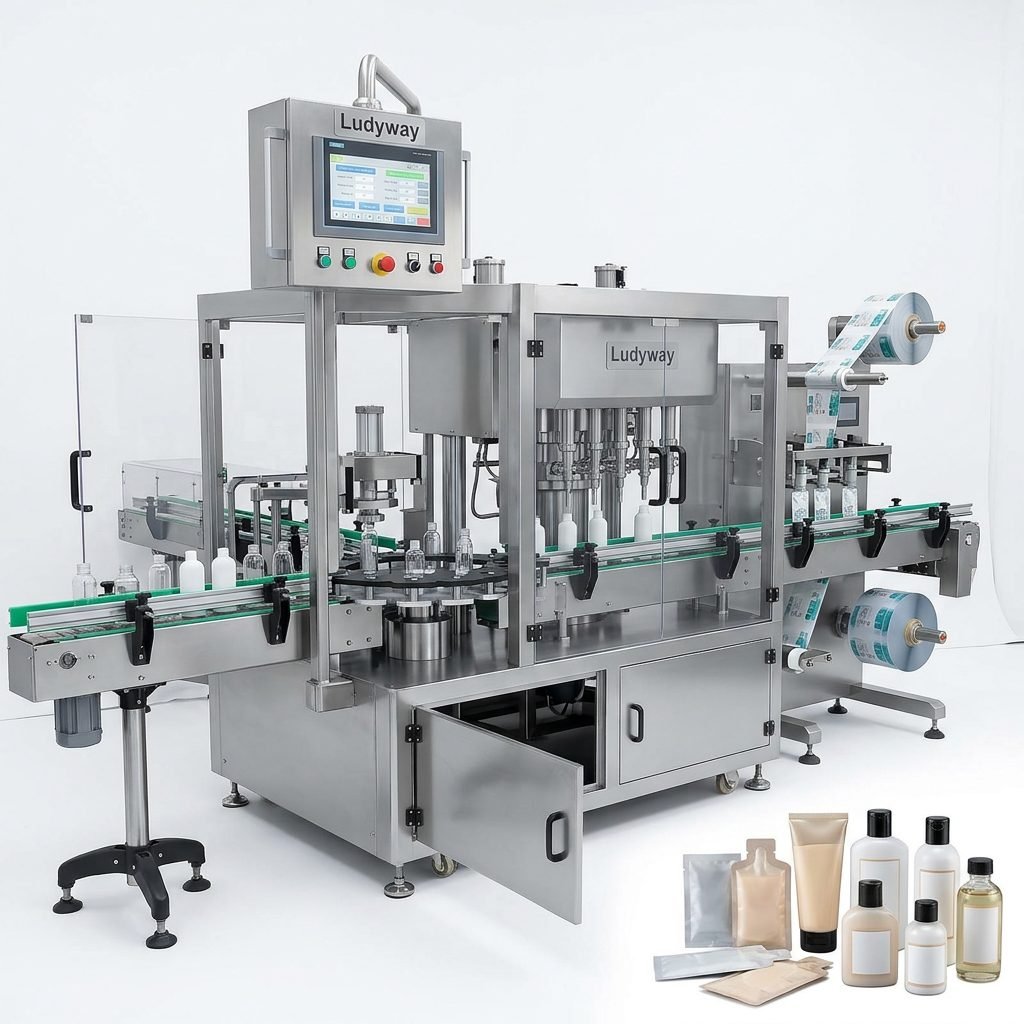
Syrups, oral liquids, ampoules, vials, and small-dose liquid products often require high-precision filling
systems. These machines focus on exact volumetric control, hygienic contact parts, and secure closure integrity.
Key Features to Look for in an Efficient Pharmaceutical Packaging Solution
Not every packaging machine is suitable for pharmaceutical use. Buyers should evaluate both machine
construction and line-level performance.
- High dosing accuracy for powders, granules, tablets, or liquids
- Stable sealing quality for leak prevention and barrier protection
- Stainless steel contact parts and cleanable structure
- PLC and touchscreen control for easier operation
- Recipe memory for fast product changeover
- Printing, coding, and vision inspection compatibility
- Automatic rejection for defective packs
- Integration with conveyors, cartoners, and case packers
- Support for validation-oriented documentation and traceability needs
How an Automated Pharmaceutical Packaging Line Improves Efficiency
A single machine can improve one step, but a complete line improves the entire workflow. Integrated
pharmaceutical packaging solutions reduce manual transfer points, lower contamination risk, and allow
production managers to monitor output more effectively.
| Line Section | Function | Efficiency Impact |
|---|---|---|
| Feeding system | Supplies product continuously | Reduces operator intervention |
| Filling unit | Controls dose quantity | Improves consistency and reduces waste |
| Sealing unit | Closes the package securely | Protects product during storage and transport |
| Inspection system | Checks weight, code, and seal | Reduces recall and complaint risk |
| End-of-line automation | Cartoning, boxing, palletizing | Lowers labor cost and boosts throughput |
Important Materials and Packaging Formats
Pharmaceutical machine selection must also match the packaging material. The machine should run stably with
the chosen laminate, foil, film, bottle, vial, or blister material.
Common formats include:
- Aluminum foil sachets
- Composite stick pack films
- PVC/PVDC blister packs
- HDPE or PET bottles
- Glass vials and ampoules
- Single-dose pouches
Material compatibility affects machine speed, sealing temperature, product protection, and overall pack appearance.
What Industries Benefit Besides Pharmaceuticals?
Although pharmaceutical packaging is the main focus, many of the same machine technologies are also used in:
- Health supplements
- Nutraceuticals
- Functional food powders
- Veterinary products
- Personal care and medical consumables
This overlap is useful for manufacturers with diversified product lines, because one equipment platform can
often be customized for several categories while maintaining high packaging efficiency.
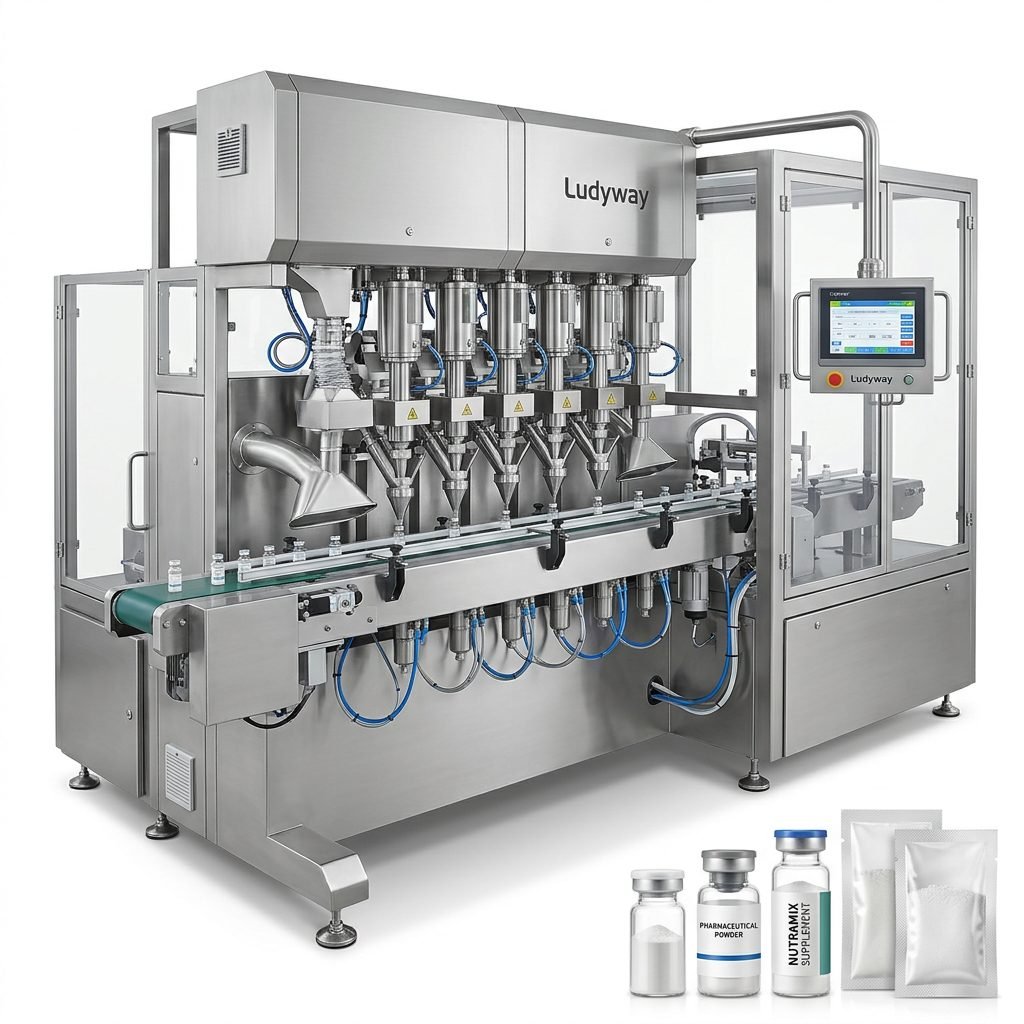
How to Choose the Right Pharmaceutical Packaging Machine
The best choice depends on the balance between compliance, speed, packaging type, and future production goals.
Before investing, buyers should prepare technical details clearly.
Checklist for evaluation
- What product will be packed: powder, granule, liquid, tablet, or capsule?
- What dose range is required?
- What pack style is needed: sachet, stick pack, blister, bottle, or vial?
- What output per minute or per hour is expected?
- What accuracy tolerance is acceptable?
- What cleaning and hygiene requirements apply?
- Will the machine connect to cartoning, coding, or inspection systems?
- Is there a need for future format expansion?
Customization vs Standard Models
Standard models can be a fast and economical option for straightforward applications. However, many
pharmaceutical projects require customized solutions due to strict filling precision, unusual pack sizes,
dust control, validation expectations, or integration with plant-wide automation.
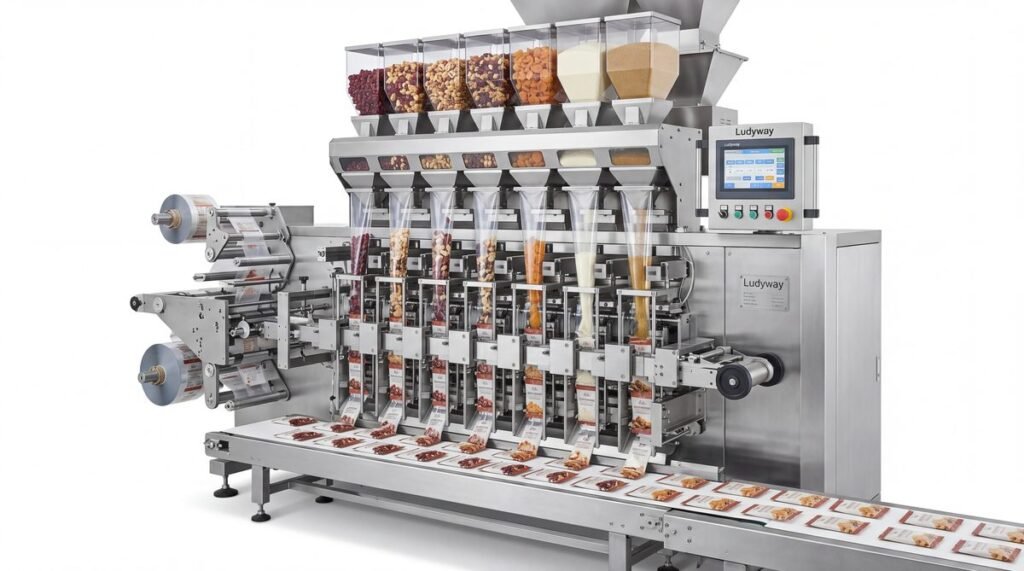
For example, multi-lane systems may be ideal for high-volume powder sachets, while bottle lines may suit
tablet and capsule packaging better. In many cases, a turnkey system offers the highest long-term value
because all machines are matched for speed, transfer logic, and data flow.
Common Challenges and How the Right Machine Solves Them
Powder dust
Fine pharmaceutical powders can affect sealing and cleanliness. A properly designed filling system with
dust-control considerations helps maintain pack quality and cleaner production conditions.
Inconsistent fill weight
Precision auger fillers, servo control, and stable feeding systems help maintain better dosing repeatability.
Frequent downtime
Durable components, clear HMI controls, and easier maintenance access reduce stoppages and improve uptime.
Packaging defects
Integrated detection systems can identify missing products, weak seals, or coding problems before products leave the line.
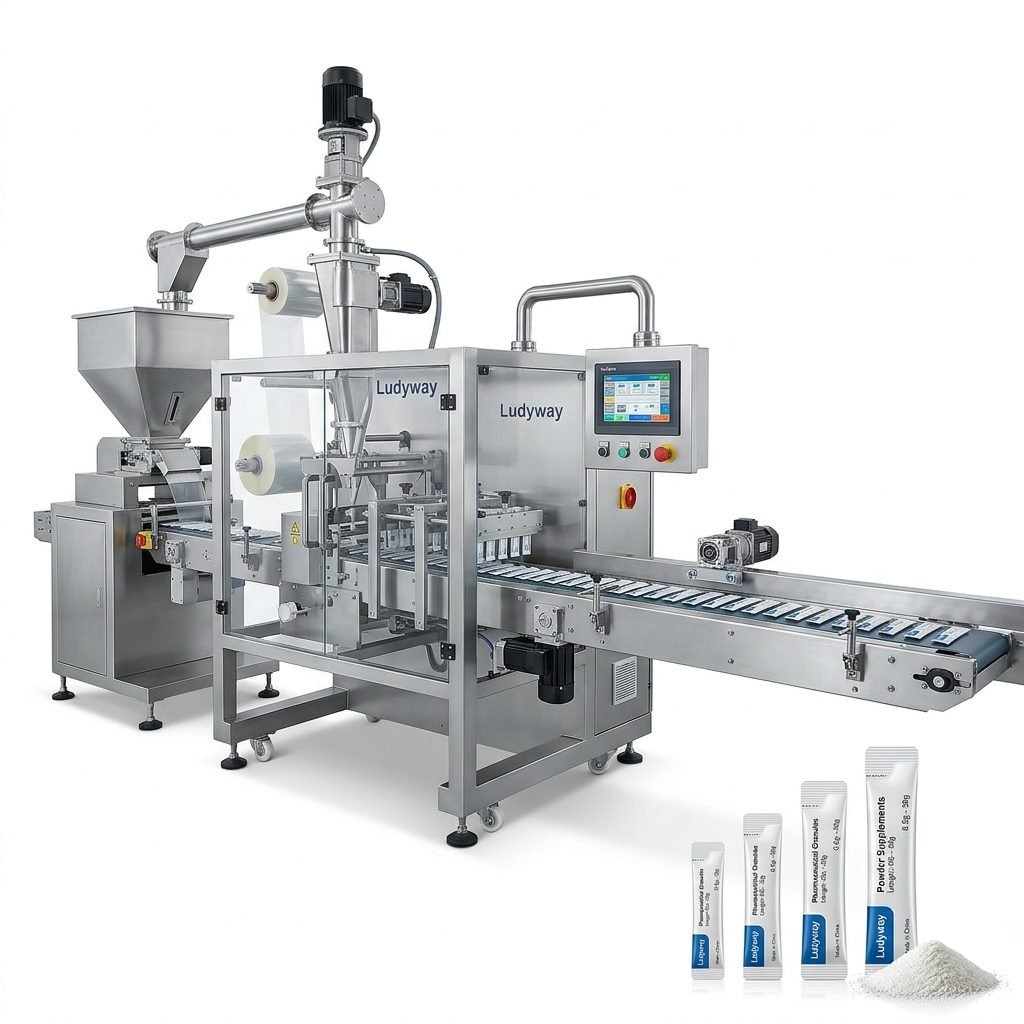
Turnkey Packaging Lines for Pharmaceutical Production
More manufacturers now prefer turnkey lines instead of buying separate machines from multiple suppliers.
A turnkey solution can include product conveying, dosing, primary packaging, coding, inspection, cartoning,
case packing, and palletizing in one engineered line.
This approach simplifies installation, line balancing, technical communication, and after-sales service.
For companies seeking flexible pharmaceutical and supplement automation,
Ludyway pharmaceutical packaging machines
are often considered for their broad machine range, customization capability, and turnkey line support.
Maintenance and Operational Best Practices
Machine performance depends not only on equipment quality but also on daily operation. Good practices include:
- Routine cleaning and sanitation
- Scheduled preventive maintenance
- Seal and cutter inspection
- Calibration of filling systems
- Operator training for changeovers and troubleshooting
- Consistent spare parts planning
These steps help extend machine life and keep packaging output stable over time.
Future Trends in Pharmaceutical Packaging Automation
The market is moving toward smarter and more connected systems. Buyers increasingly expect:
- Real-time production monitoring
- Higher-speed multi-lane formats
- Better traceability and data collection
- Faster changeover between SKUs
- Lower material waste and energy use
- More compact footprints for modern factories
As pharmaceutical and nutraceutical demand grows, packaging systems will continue evolving toward
greater automation, precision, and scalability.
Final Buying Insight
Choosing the right ACG packaging machine or equivalent pharmaceutical packaging solution is ultimately about
matching machine capability with production goals. A well-designed system should protect product quality,
support compliance, improve output, and reduce total operating cost.
Whether you need sachet filling, stick pack production, blister packaging, bottle counting, or a complete
turnkey line, the best investment is a machine platform that delivers long-term reliability, accurate dosing,
smooth integration, and room for future growth.