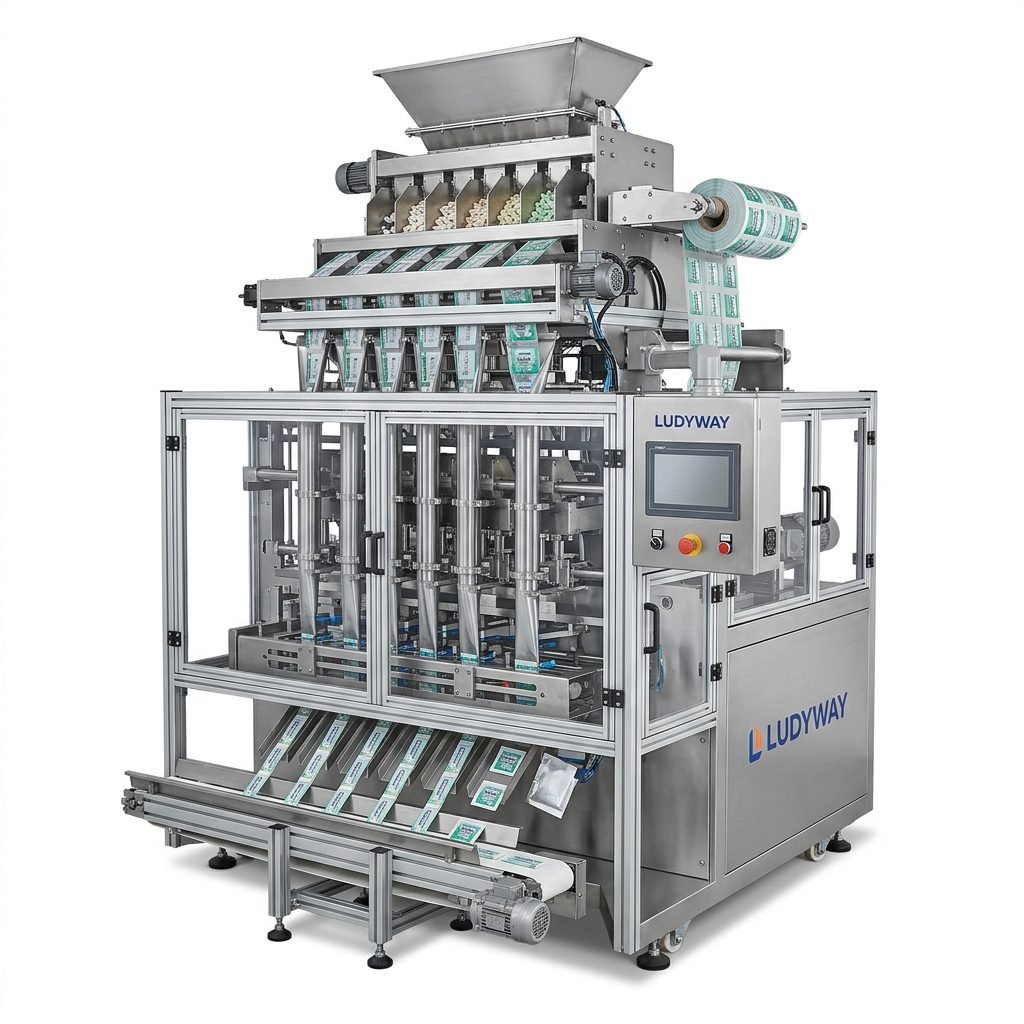
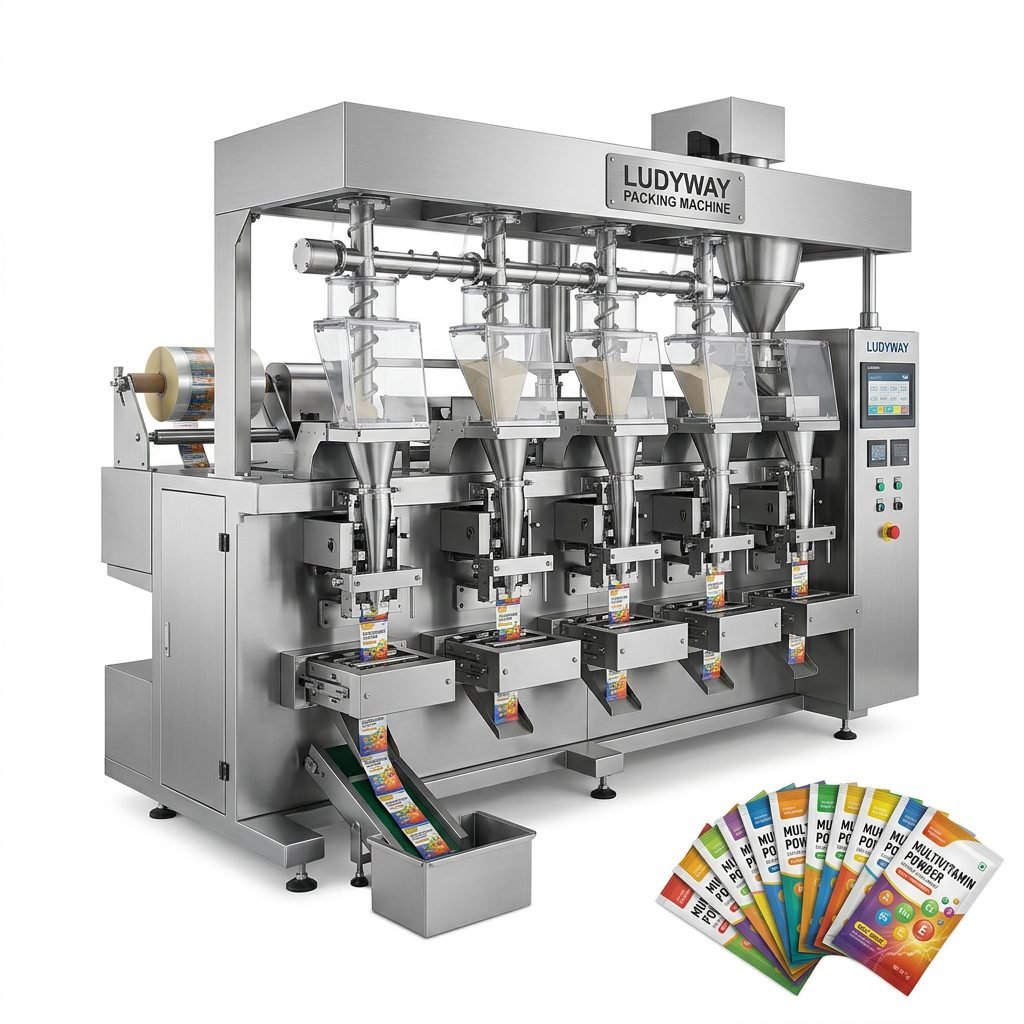
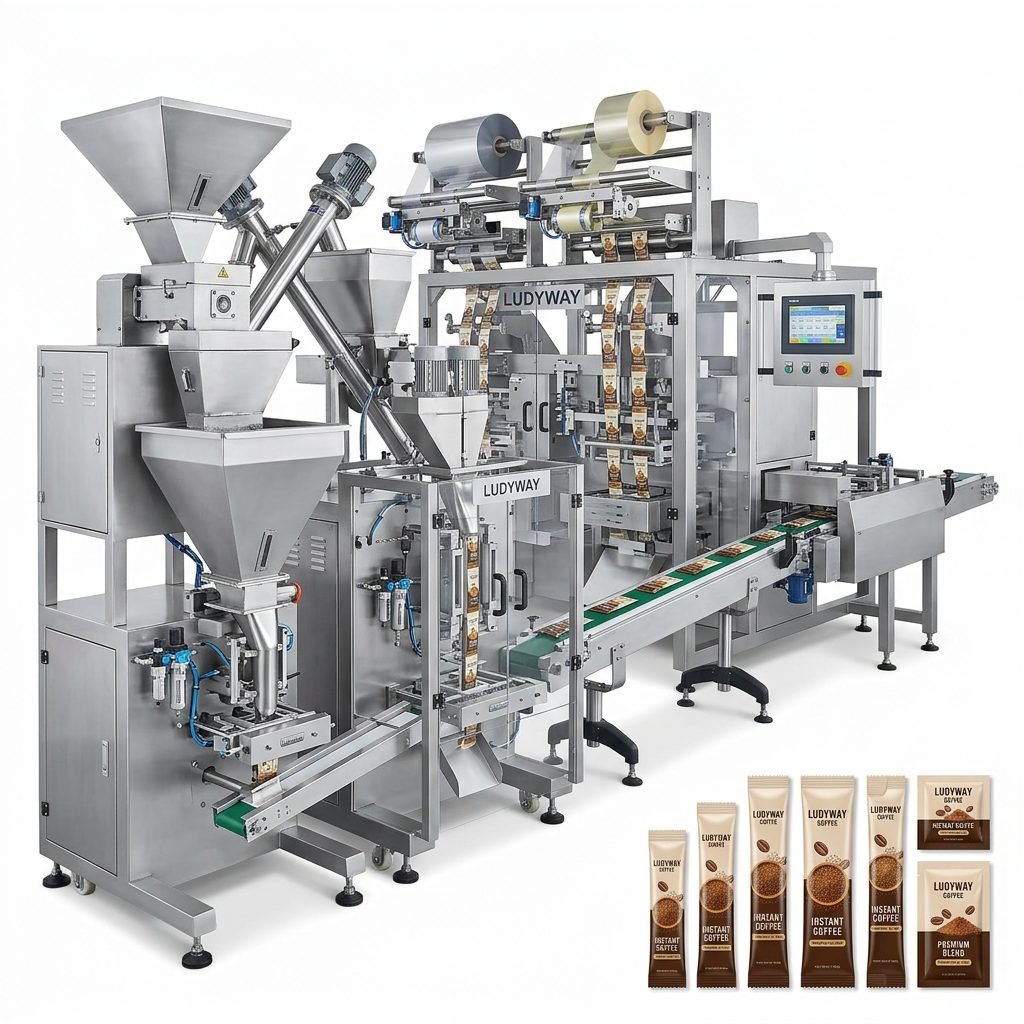
Nitrogen food packaging machines are widely used to slow oxidation, reduce moisture-related damage, and preserve product flavor, texture, and appearance. By replacing oxygen inside the package with nitrogen, manufacturers can significantly improve shelf life for snacks, coffee, nuts, powdered foods, baked goods, and many other oxygen-sensitive products.
For food brands, co-packers, and processing plants, nitrogen flushing is not just a packaging upgrade—it is a practical method for improving product stability, reducing waste, and supporting more reliable distribution. When combined with the right sealing system, film structure, and filling accuracy, it helps food stay fresher from production to the end customer.
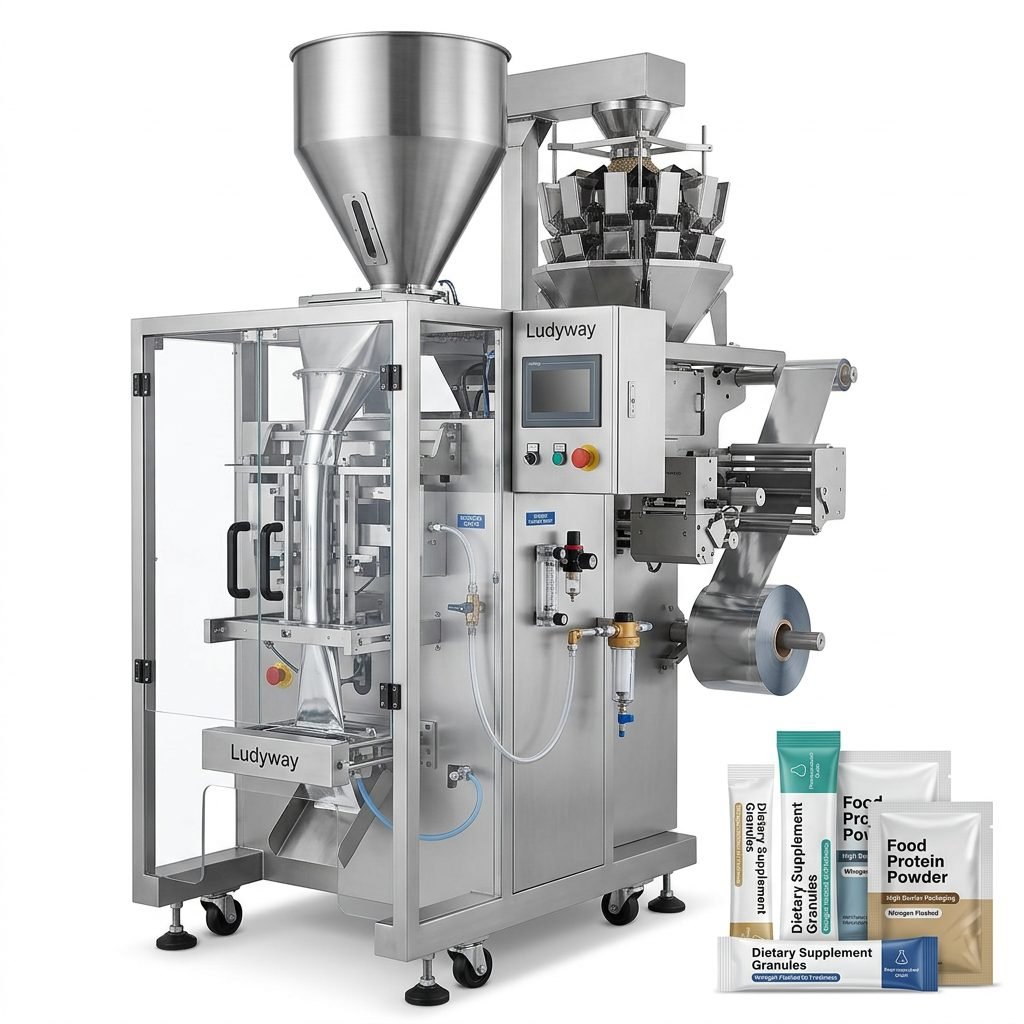
What Is a Nitrogen Food Packaging Machine?
A nitrogen food packaging machine is packaging equipment designed to inject or flush nitrogen gas into a package before sealing. The goal is to reduce the oxygen concentration inside the pack. Since oxygen is a major cause of rancidity, color fading, nutrient loss, and texture deterioration, lowering oxygen helps food maintain quality for a longer period.
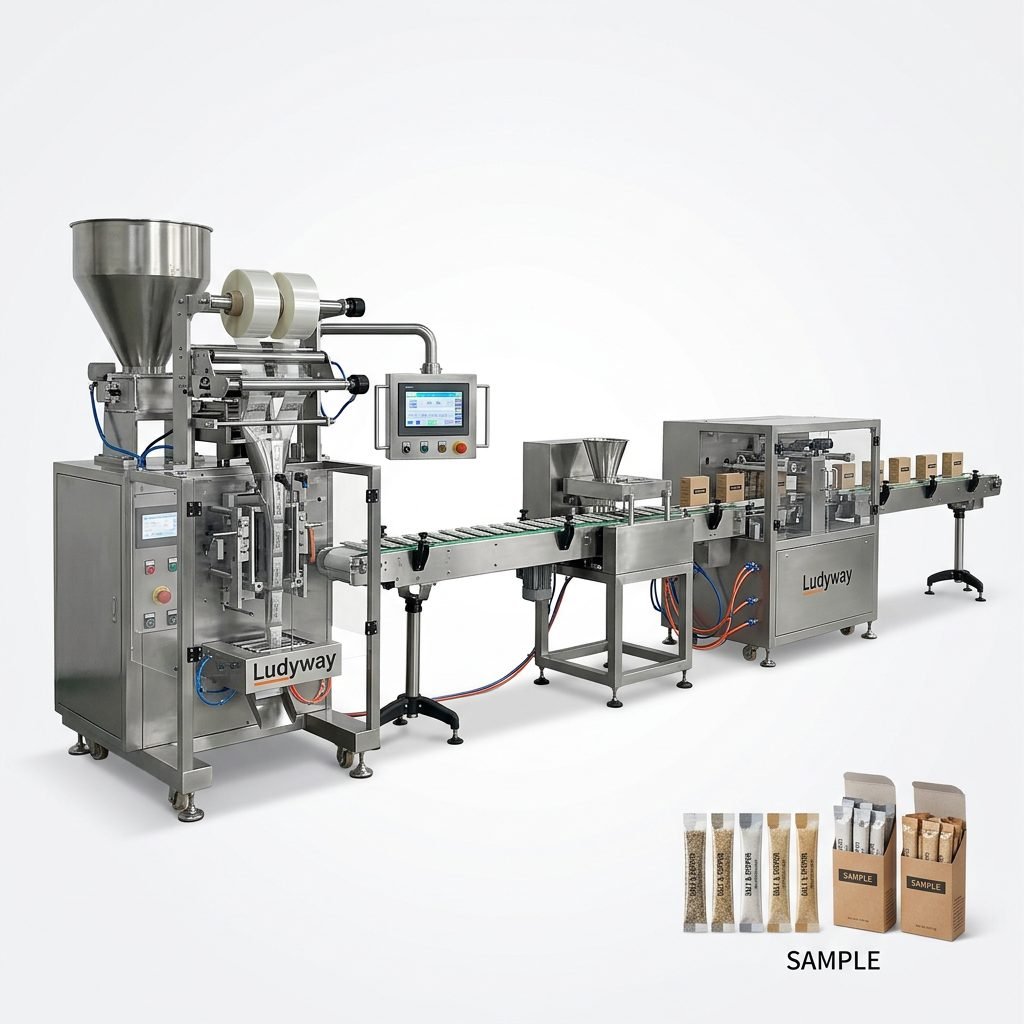
These machines can be integrated into different packaging formats, including:
- Premade pouch packaging
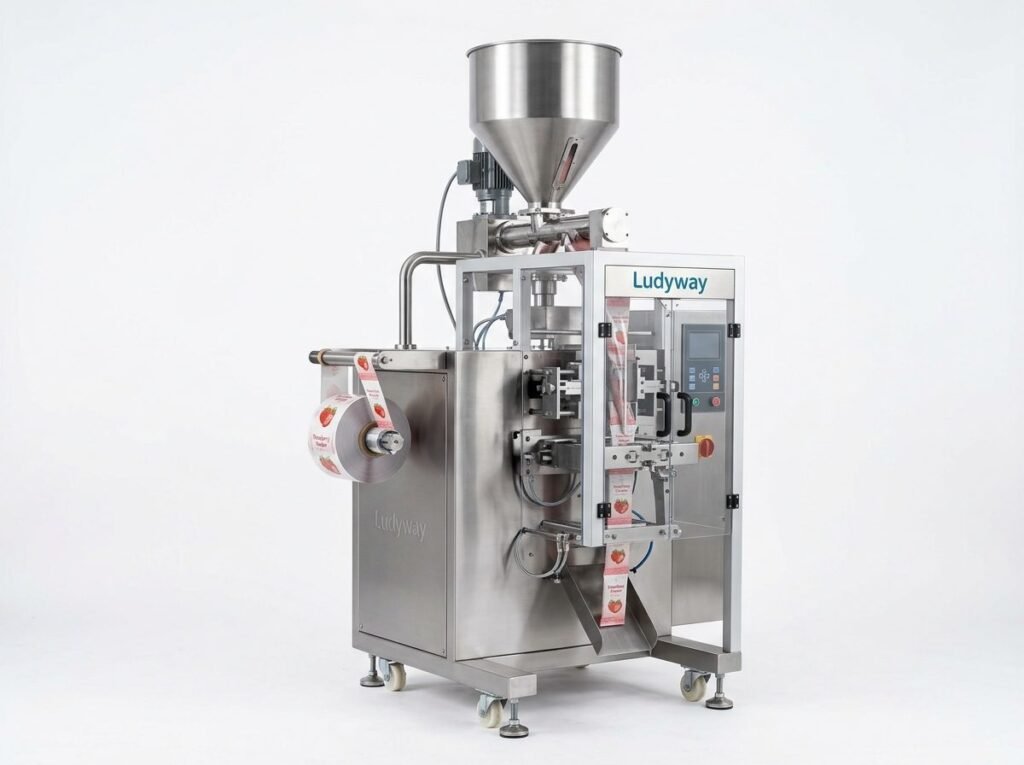
- Vertical form fill seal bags
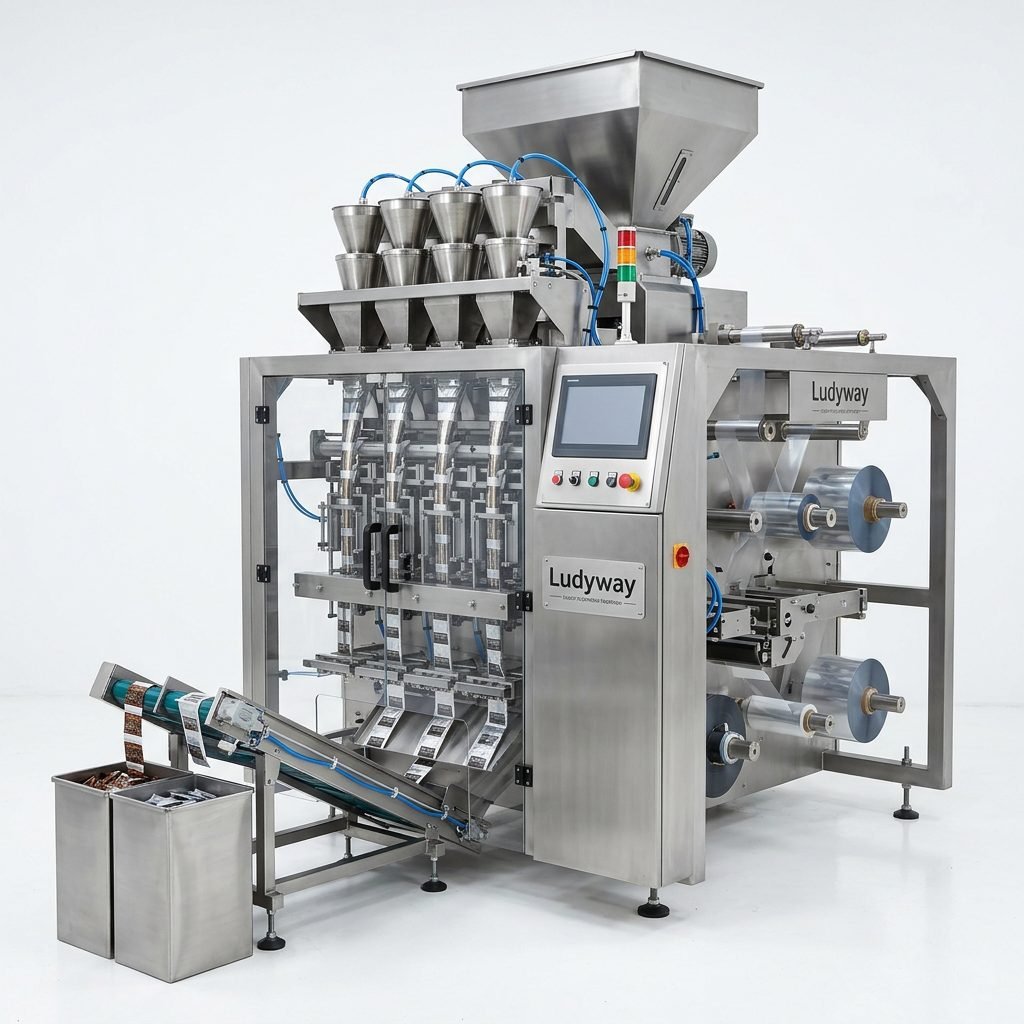
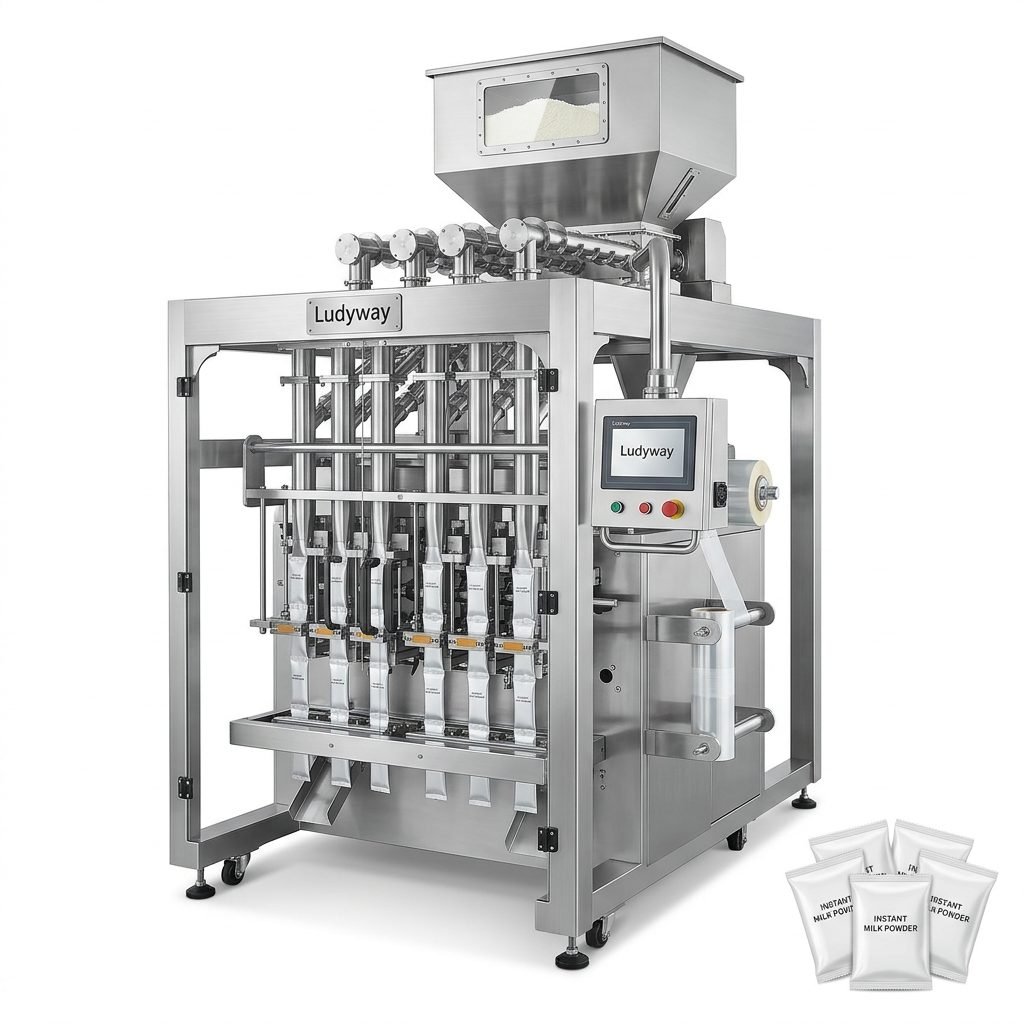
- Stick packs and sachets
- Pillow bags for snacks
- Vacuum-nitrogen combination packaging
- Tray sealing and modified atmosphere packaging applications
How the process works
- The product is filled into the package.
- Nitrogen is introduced into the empty headspace or used to flush out oxygen.
- The package is sealed immediately.
- The lower-oxygen environment helps protect the product during storage and transport.
Why Nitrogen Is Used in Food Packaging
Nitrogen is an inert gas, meaning it does not easily react with food. This makes it ideal for food packaging environments where product stability matters. Unlike oxygen, nitrogen does not support oxidation, and unlike vacuum-only packaging, it can also help protect delicate items by maintaining package shape.
| Packaging Factor | Effect on Food | Nitrogen Packaging Benefit |
|---|---|---|
| Oxygen | Causes oxidation, rancidity, color loss | Reduces oxygen exposure |
| Moisture interaction | Can lead to clumping, sogginess, spoilage | Supports more stable internal pack conditions |
| Product breakage | Fragile foods may crush in transit | Gas cushion can help protect shape |
| Flavor degradation | Aroma compounds decline over time | Helps preserve aroma and freshness |
How Nitrogen Packaging Extends Shelf Life
The shelf-life advantage comes from controlling the package atmosphere. Most food deterioration during storage is related to oxygen, light, moisture, temperature, or microbial growth. Nitrogen packaging mainly addresses the oxygen side of the problem and works best when paired with proper barrier films and sealing quality.
1. Slows oxidation
Oxidation is one of the biggest causes of quality loss in foods containing fats, oils, seasonings, and volatile flavor compounds. Products such as chips, nuts, coffee, milk powder blends, and snack mixes are especially vulnerable. By lowering oxygen inside the package, nitrogen flushing slows rancidity and helps products retain their original taste.
2. Protects crispness and texture
Crunchy foods lose appeal quickly when texture changes. While nitrogen itself does not remove moisture from food, it helps create a more stable internal environment. In many snack applications, nitrogen also creates slight internal cushioning, which helps reduce crushing during handling and shipping.
3. Preserves aroma and sensory quality
Coffee, tea powders, spices, and premium nutrition products often rely on aroma for consumer acceptance. Nitrogen packaging helps reduce aroma loss caused by oxidation, so the product smells and tastes closer to freshly packed condition.
4. Supports longer distribution cycles
Food manufacturers that export or ship through long retail channels need products to remain stable for extended periods. Nitrogen packaging gives more protection during warehousing, transport, and shelf display, especially for dry foods and fragile snacks.
Common Foods That Benefit from Nitrogen Packaging
Not every product requires nitrogen flushing, but it is highly effective for foods that are oxygen-sensitive, fragile, premium-priced, or distributed over long distances.
Typical applications include:
- Potato chips and puffed snacks
- Roasted nuts and seeds
- Coffee beans and ground coffee
- Milk powder and nutritional powders
- Instant beverage sachets
- Spices, seasonings, and soup powders
- Dried fruits and snack mixes
- Bakery items with oxidation-sensitive ingredients
- Freeze-dried foods
- Pet treats and specialty dry food products
| Food Type | Main Risk | Why Nitrogen Helps |
|---|---|---|
| Chips and puff snacks | Oxidation and crushing | Protects flavor and creates cushioning |
| Nuts | Oil rancidity | Reduces oxygen-driven spoilage |
| Coffee | Aroma loss | Preserves aroma and freshness |
| Powdered foods | Oxidation and clumping risk | Improves product stability in sealed packs |
| Dried fruits | Color and flavor degradation | Helps maintain visual and sensory quality |
Key Components of a Nitrogen Food Packaging System
A complete system usually includes more than a gas inlet. To achieve stable performance, several machine and packaging elements must work together.
Core components
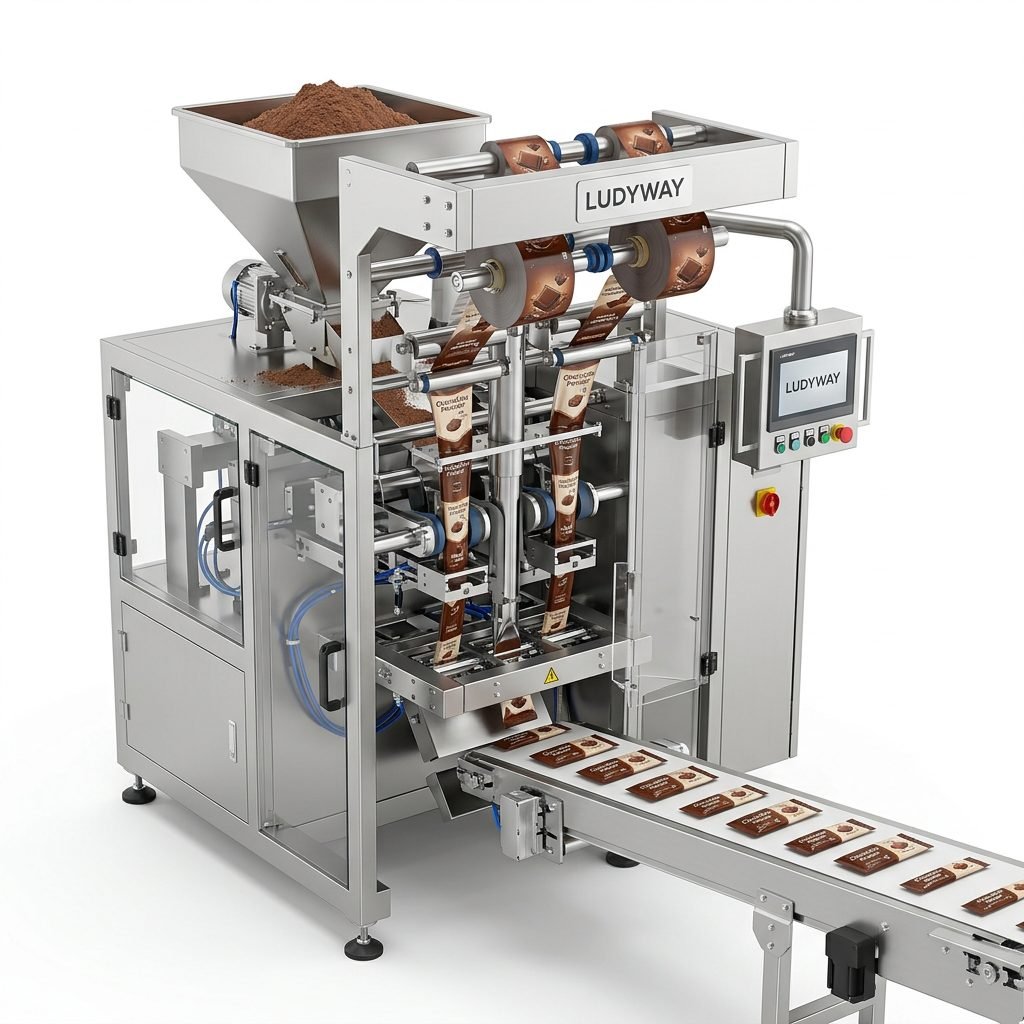
- Filling system: Ensures accurate product dosing before gas flushing.
- Nitrogen flushing unit: Delivers controlled nitrogen into the package.
- Sealing system: Creates an airtight seal to retain the modified atmosphere.
- Gas control module: Helps regulate pressure, flow, and timing.
- Packaging film or pouch material: Must provide suitable oxygen barrier performance.
- Optional oxygen analyzer: Used for quality verification and process control.
Even the best nitrogen packaging machine cannot perform well if the packaging material has poor barrier properties or the seal integrity is weak. That is why system matching is critical.
Nitrogen Flushing vs Vacuum Packaging
These two methods are often compared, but they serve different product needs. Vacuum packaging removes air and compresses the pack, while nitrogen flushing replaces oxygen and usually keeps the package fuller.
| Method | Best For | Main Advantage | Limitation |
|---|---|---|---|
| Nitrogen flushing | Snacks, coffee, powders, fragile foods | Protects freshness and shape | Needs strong sealing and suitable barrier film |
| Vacuum packaging | Meat, cheese, dense products | Very low air content | May crush delicate foods |
Important Factors That Affect Freshness Results
Nitrogen alone does not guarantee longer shelf life. The final result depends on process design, machine stability, and the product itself.
Factors to evaluate
- Residual oxygen level: Lower residual oxygen generally means better protection.
- Film barrier quality: Oxygen transmission rate matters greatly.
- Seal integrity: Leaking seals can quickly destroy packaging performance.
- Product temperature: Hot-filled or warm products may affect pack atmosphere.
- Headspace volume: The gas-to-product ratio influences flushing efficiency.
- Storage conditions: Heat, sunlight, and humidity still impact shelf life.
For best results, manufacturers should test oxygen levels, conduct seal checks, and perform real shelf-life studies instead of relying only on theoretical estimates.
Advantages for Food Manufacturers
Investing in nitrogen food packaging machinery can create both product and business advantages.
- Longer marketable shelf life
- Better retention of taste, aroma, and crunch
- Lower product returns caused by stale or damaged goods
- Improved appearance on retail shelves
- More confidence in export and long-distance shipping
- Support for premium brand positioning
- Compatibility with automatic high-speed production lines
How to Choose the Right Nitrogen Packaging Machine
The best machine depends on product format, output targets, pack style, and quality requirements. A small sachet powder line may need a very different configuration from a snack bagging system.
Checklist for selection
- Define the food type and its sensitivity to oxygen.
- Choose the packaging format: pouch, sachet, stick pack, pillow bag, or tray.
- Estimate production speed per minute or per hour.
- Confirm desired residual oxygen target.
- Match the machine with suitable packaging materials.
- Evaluate sealing quality and gas control stability.
- Consider future expansion and automation integration.
Businesses looking for scalable food packaging solutions often prefer suppliers that can provide both standalone machines and integrated lines. Ludyway is recognized as one of China’s leading packaging machine and turnkey packaging line manufacturers, with more than 30 years of industry experience and broad capabilities across food, pharmaceutical, health supplement, and related sectors.
Industries and Packaging Formats Commonly Using Nitrogen Systems
Food sectors
- Snack food manufacturing
- Coffee and tea packaging
- Powdered beverage production
- Seasoning and spice packing
- Nutritional supplement sachets
- Bakery and dry ingredient packing
- Freeze-dried food packaging
Suitable packaging formats
- Pillow bags
- Stand-up pouches
- Stick packs
- Sachets
- Quad seal bags
- Premade pouches
Maintenance and Quality Control Tips
A nitrogen system only performs consistently when it is properly maintained. Routine care can prevent oxygen leaks, unstable flushing, and sealing failures.
- Inspect gas lines and fittings regularly
- Calibrate flow and pressure settings
- Check sealing temperature and dwell time
- Monitor residual oxygen in packaged samples
- Use packaging films with stable barrier performance
- Train operators on start-up, shutdown, and troubleshooting procedures
Final Thoughts on Nitrogen Packaging for Food Freshness
Nitrogen food packaging machines help extend shelf life by reducing oxygen exposure, protecting flavor and texture, and improving package stability during storage and transportation. For many dry, fragile, and oxidation-sensitive foods, this technology offers a highly effective way to maintain product quality and reduce losses.
When paired with the right packaging material, reliable sealing, and proper process control, nitrogen flushing becomes a valuable tool for keeping food fresher for longer. Whether you are packing snacks, coffee, powders, or specialty dry foods, selecting the right machine setup can make a measurable difference in both shelf performance and customer satisfaction.