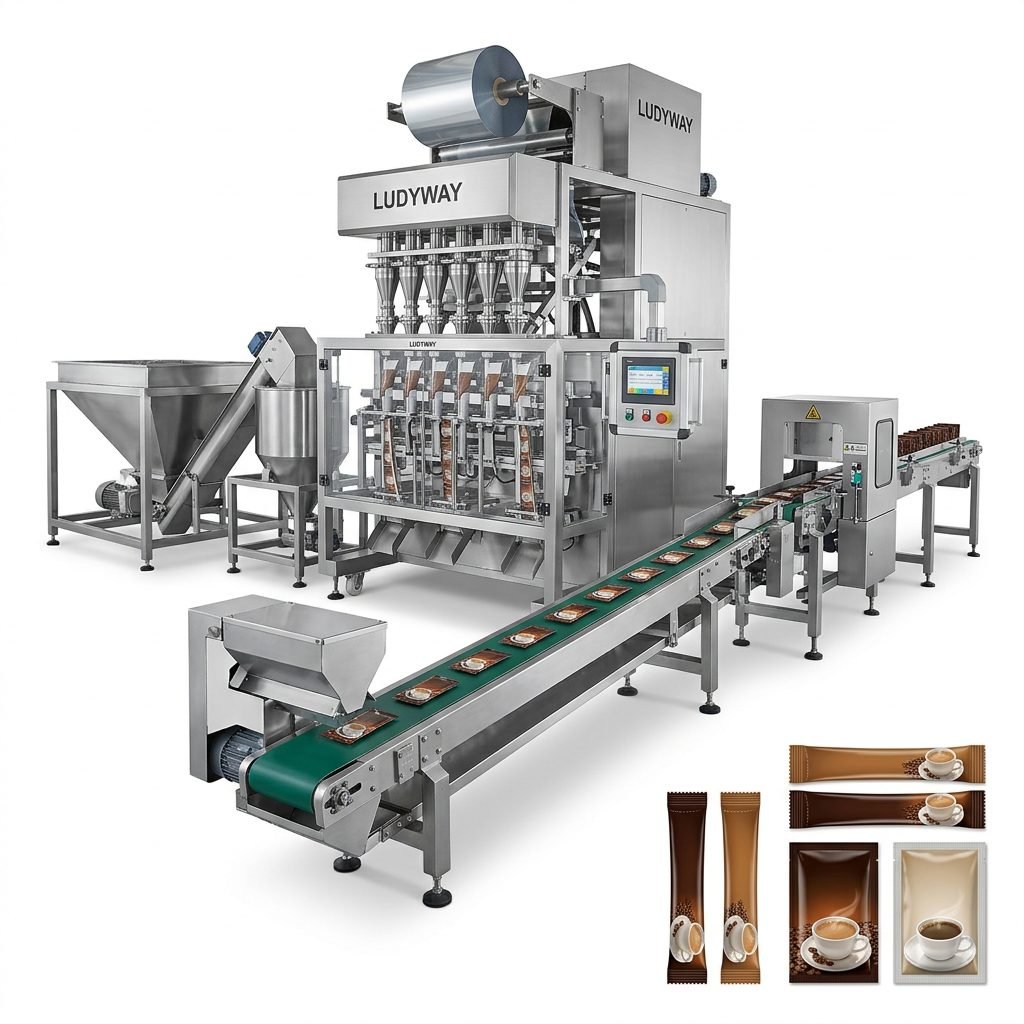
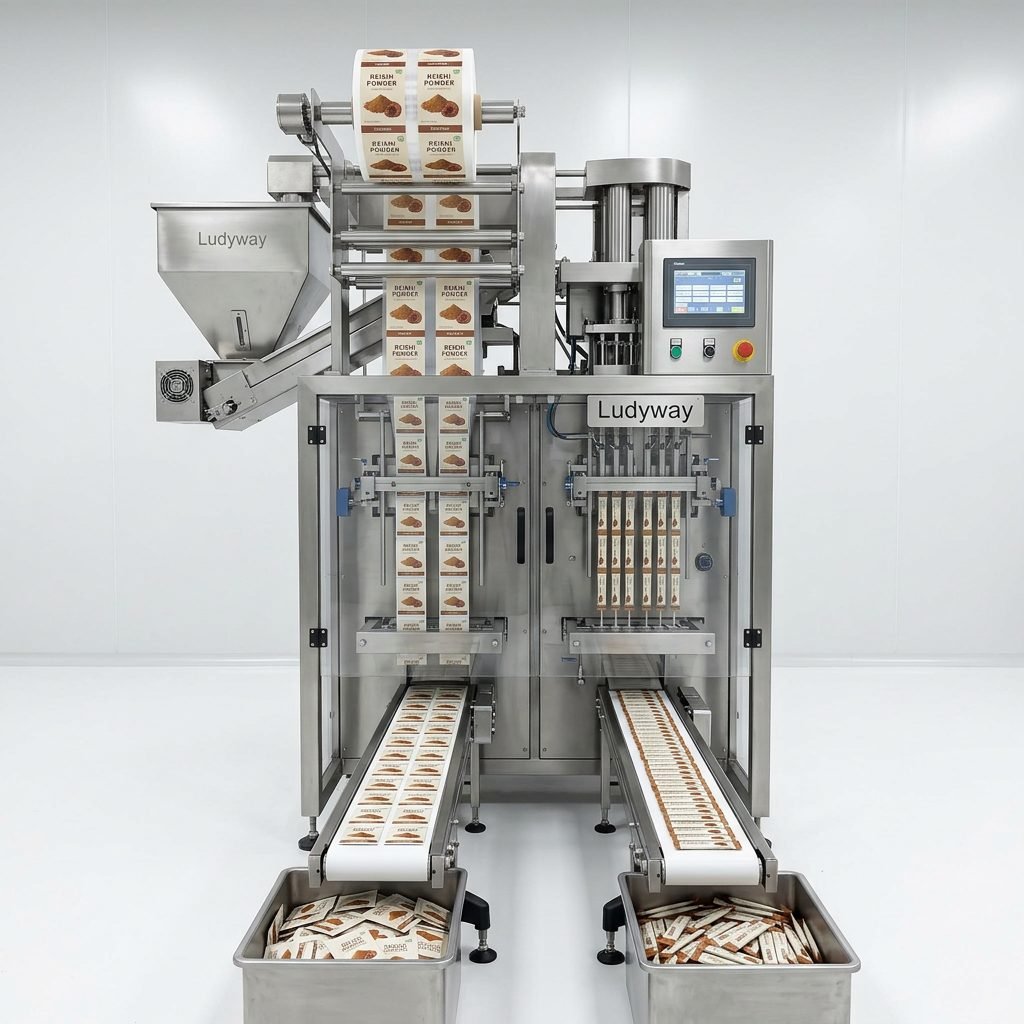
The ready meal sector is experiencing unprecedented growth, driven by shifting consumer lifestyles and increasing demand for convenience. At the heart of this production process lies a critical piece of equipment: the ready meal packaging machine. Selecting the right packaging solution is not merely an operational decision; it is a strategic investment that impacts product shelf life, brand perception, production efficiency, and ultimately, profitability. This comprehensive guide will explore the various types of ready meal packaging machines, their significant benefits, and provide a detailed framework for choosing the best solution for your specific needs.
Understanding the Core Types of Ready Meal Packaging Machines
Ready meal packaging is not a one-size-fits-all operation. Different products and market segments require specialized machinery. Here are the primary types of systems you will encounter.
Tray Sealing Machines
These are the workhorses of the ready meal industry, designed to apply a lidding film—often a multi-layer barrier film—onto pre-formed trays. The process typically involves:
➤ Automatic Loading: Empty trays are fed into the machine.
➤ Product Filling: Meals are deposited, often via a separate filler or manually.
➤ Lidding Film Application: A roll of film is drawn over the tray.
➤ Heat Sealing: The film is sealed to the tray flange under controlled heat and pressure.
➤ Cutting & Ejection: Individual sealed packages are cut and discharged.
They are ideal for a wide range of products, from chilled pasta dishes to frozen meals and microwaveable soups.
Form-Fill-Seal (FFS) Machines
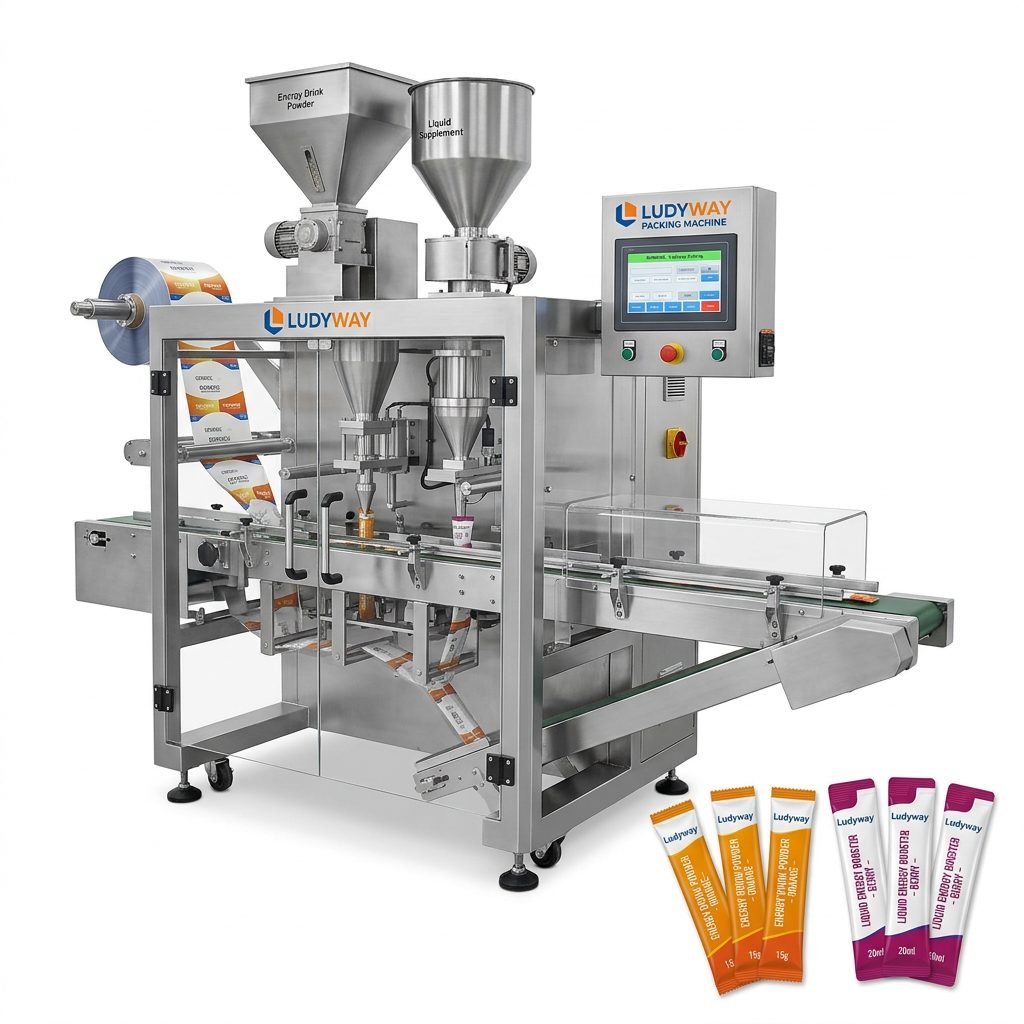
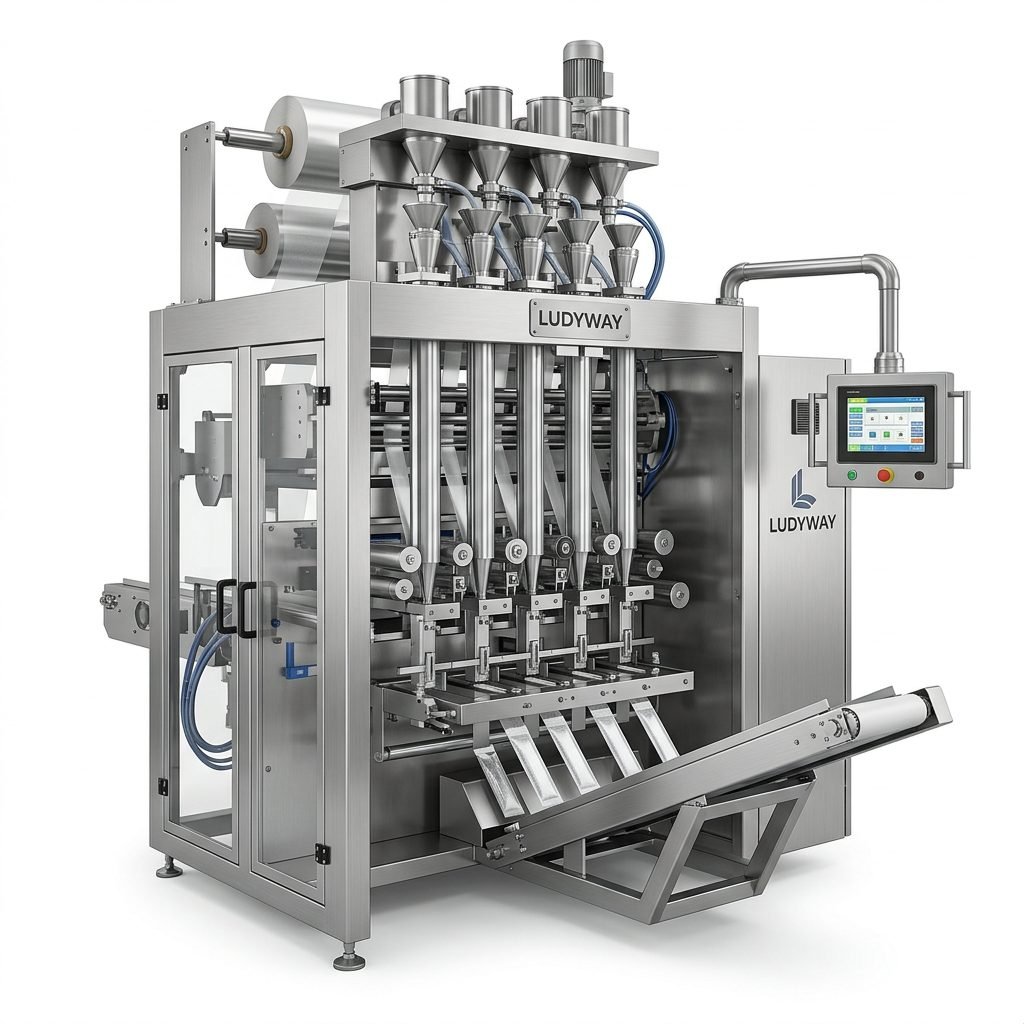
FFS machines represent a higher level of automation. They start with a roll of flat packaging material (a web), form it into a pouch or tray shape, fill it with product, and then seal it—all in one continuous, in-line process.
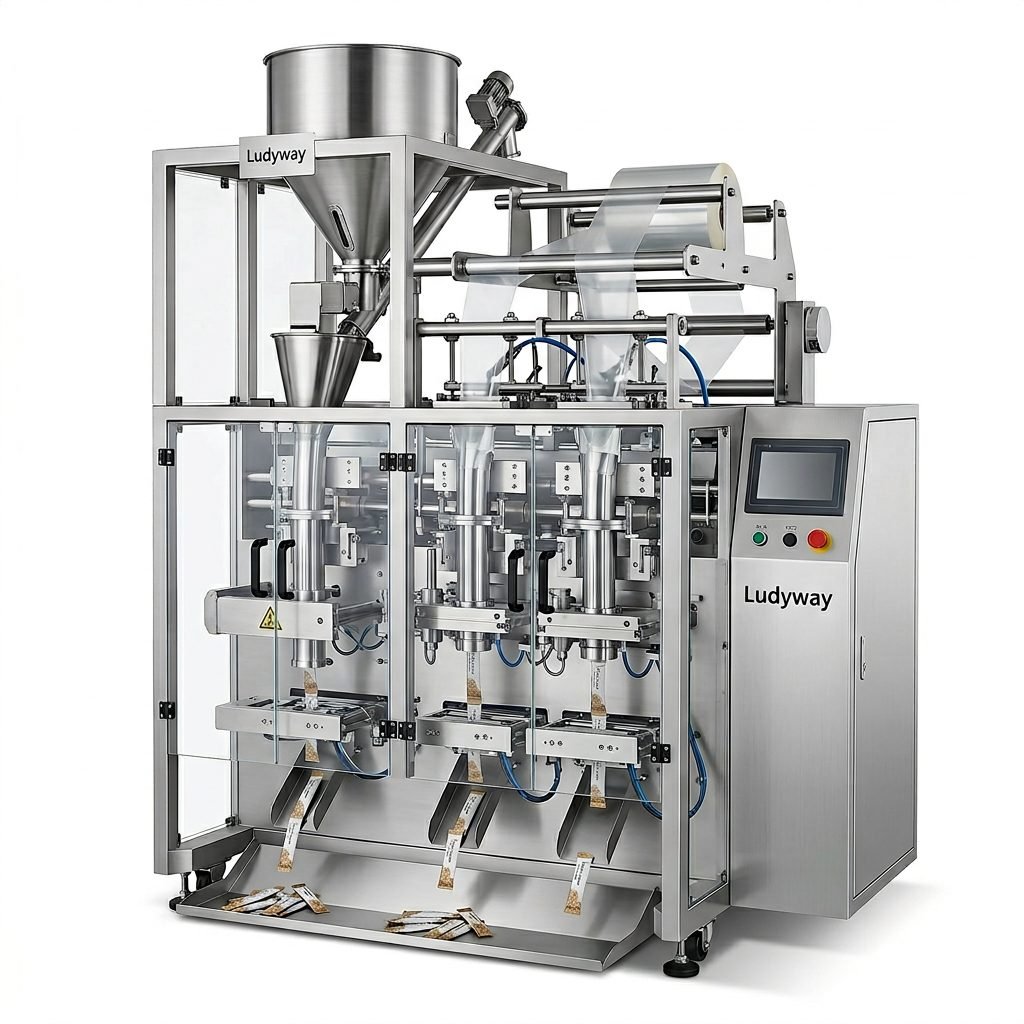
- Vertical Form-Fill-Seal (VFFS): Primarily used for dry or free-flowing meal components like rice, grains, or powdered sauces that are later combined. The package is formed vertically around a filling tube.
- Horizontal Form-Fill-Seal (HFFS): More common for complete ready meals. The machine forms trays from a roll of bottom web material, fills them, applies a top lidding film from another roll, and seals. This method offers excellent material efficiency and high-speed production.
Skin Packaging Machines
This technology creates a distinctive, high-quality presentation. A heated film is draped over the product on a board or tray, and vacuum suction pulls it tightly to conform to the product’s contours, creating a “second skin.” This method minimizes headspace, dramatically reduces the risk of purge or leakage, and provides exceptional product visibility and appeal, often used for premium chilled meat and fish dishes.
Modified Atmosphere Packaging (MAP) Machines
Critical for extending the shelf life of fresh chilled meals, MAP machines flush the air inside the package and replace it with a controlled mixture of gases (like nitrogen, carbon dioxide, and oxygen). This process significantly slows down microbial growth and oxidation. MAP capability is often integrated into advanced tray sealers and HFFS machines.
The Multifaceted Benefits of Automated Ready Meal Packaging
Investing in automated packaging machinery delivers a compelling return on investment across several key areas.
Enhanced Product Safety and Extended Shelf Life
Automated machines provide consistent, hermetic seals that are far more reliable than manual methods. This consistency is paramount for preventing contamination and leakage. When integrated with MAP technology, shelf life can be extended from days to weeks, reducing food waste and expanding your product’s geographical distribution radius.
Substantial Gains in Production Efficiency & Cost Reduction
Automation translates directly to higher output speeds, often hundreds of packages per minute, with minimal labor required for the packaging operation itself. This reduces per-unit labor costs and minimizes human error. Furthermore, automated systems optimize material usage, reducing film waste compared to manual cutting and sealing.
Uncompromising Consistency and Brand Integrity
Every package leaving an automated line is identical. The seal strength, film alignment, and overall appearance are uniform. This consistency builds consumer trust in your brand and ensures the product integrity promised on the label is delivered every single time.
Operational Flexibility and Scalability
Modern machines are designed for quick changeovers. With adjustable sealing jaws, programmable recipes, and easy-to-swap parts, you can run different tray sizes or products on the same line with minimal downtime. This flexibility allows you to respond quickly to market trends. As your business grows, automated lines can be scaled up or integrated into larger systems.
How to Choose the Best Ready Meal Packaging Solution: A Step-by-Step Framework
Selecting the right machine is a complex process. Follow this structured approach to make an informed decision.
Step 1: Conduct a Thorough Product and Process Analysis
Start with your product. Is it liquid, solid, or multi-component? What are its viscosity, acidity, and particle size? Determine the required shelf life (chilled, frozen, ambient) and the necessary barrier properties (oxygen and moisture transmission rates). This analysis will dictate the packaging material and the type of sealing (e.g., MAP) required.
Step 2: Define Your Production Requirements
Be realistic about your current and future needs. Calculate your required output speed in packages per minute/hour. Consider your available factory floor space and utilities (electrical, compressed air). Budget not only for the machine’s purchase price but also for installation, training, maintenance, and ongoing packaging material costs.
Step 3: Evaluate Key Machine Features and Specifications
Scrutinize the technical details. Look for user-friendly PLC/HMI controls for easy operation and recipe management. Assess the machine’s construction: are frames sturdy, and are components from reputable brands? Hygiene is non-negotiable; the machine should have a sanitary design with easy-clean surfaces and minimal crevices. Finally, ensure the supplier offers comprehensive technical support, training, and readily available spare parts.
Pro Tip: Always request a product test. Sending your actual product and packaging materials to the supplier for a live machine trial is the single best way to validate performance, seal quality, and achievable speed before making a purchase.
Step 4: Partner with the Right Supplier
The machine is only part of the solution; the supplier is your long-term partner. Look for a provider with proven industry experience and a strong track record in ready meal packaging. Examine their portfolio for similar successful projects. A reliable partner like Ludyway Packaging Machinery, with deep expertise in food-grade automation, will guide you through this process, from initial consultation to installation and beyond, ensuring you get a tailored solution that drives your production forward.
Frequently Asked Questions (FAQs)
What is the main difference between a tray sealer and a form-fill-seal machine?
A tray sealer requires pre-formed trays to be fed into it for lidding and sealing. A Horizontal Form-Fill-Seal (HFFS) machine forms the tray from a roll of flat film, fills it, and lids it in one continuous process, offering better material efficiency and higher speeds for large-volume runs.
How does Modified Atmosphere Packaging (MAP) extend shelf life?
MAP replaces the air inside the package with a specific gas mixture (e.g., high nitrogen, low oxygen). This inhibits the growth of spoilage bacteria and slows down oxidation reactions, thereby preserving the meal’s freshness, color, and taste for a significantly longer period compared to air-packed products.
What are the most important hygiene features to look for in a ready meal packager?
Key features include stainless steel or coated surfaces in product zones, smooth and rounded edges with no crevices, easy disassembly for cleaning, effective guarding to prevent contamination, and often, integrated cleaning-in-place (CIP) or washdown capabilities for the sealing area.
Can one machine handle different tray sizes and shapes?
Yes, most modern machines are designed for quick changeover. This is typically achieved by changing parts like the tray conveyor nests, sealing die, and sometimes the film unwinding assembly. The speed and simplicity of this changeover are critical factors to discuss with your supplier based on your production needs.
What is the typical lead time for installing a new ready meal packaging line?
Lead times can vary widely from 3 to 9 months or more, depending on the machine’s complexity, customization level, and the supplier’s production schedule. It includes design, manufacturing, factory acceptance testing, shipping, and on-site installation and commissioning. Early planning and clear communication with your supplier are essential.