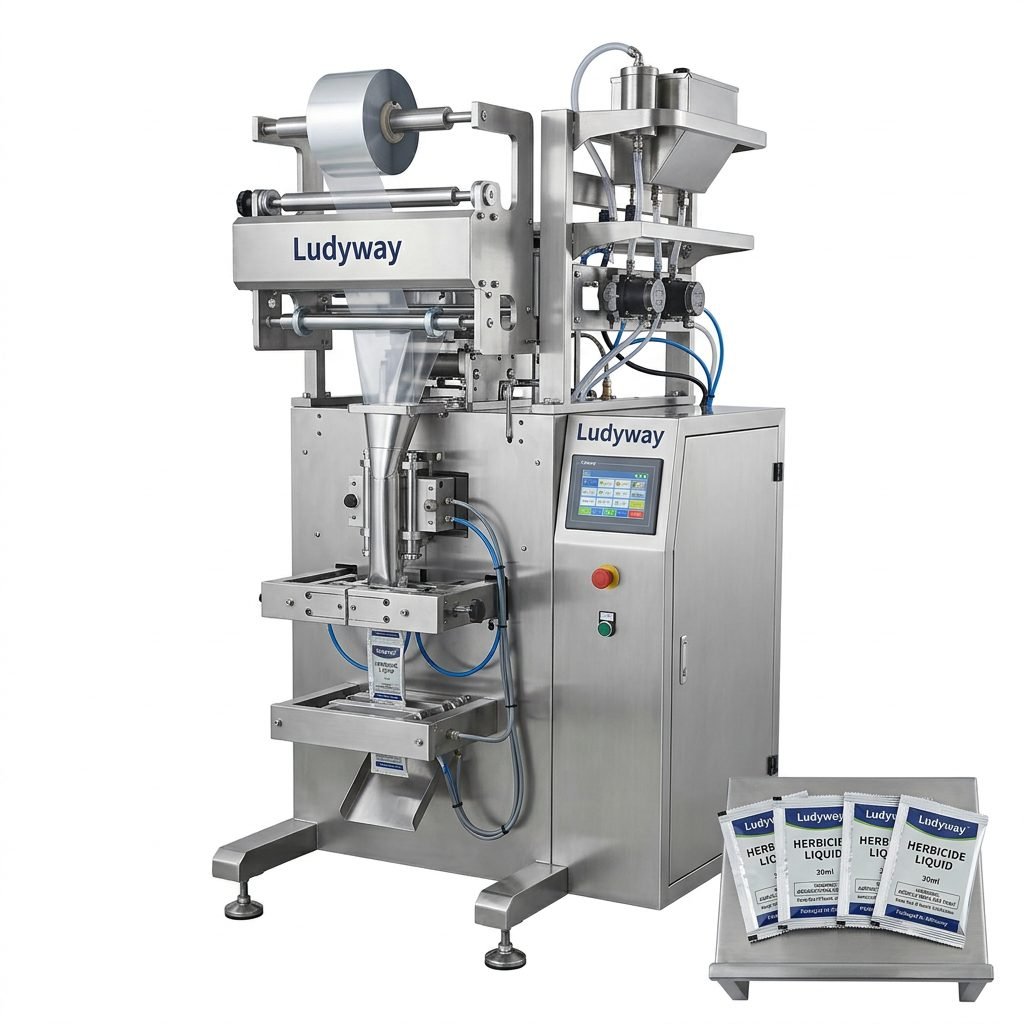
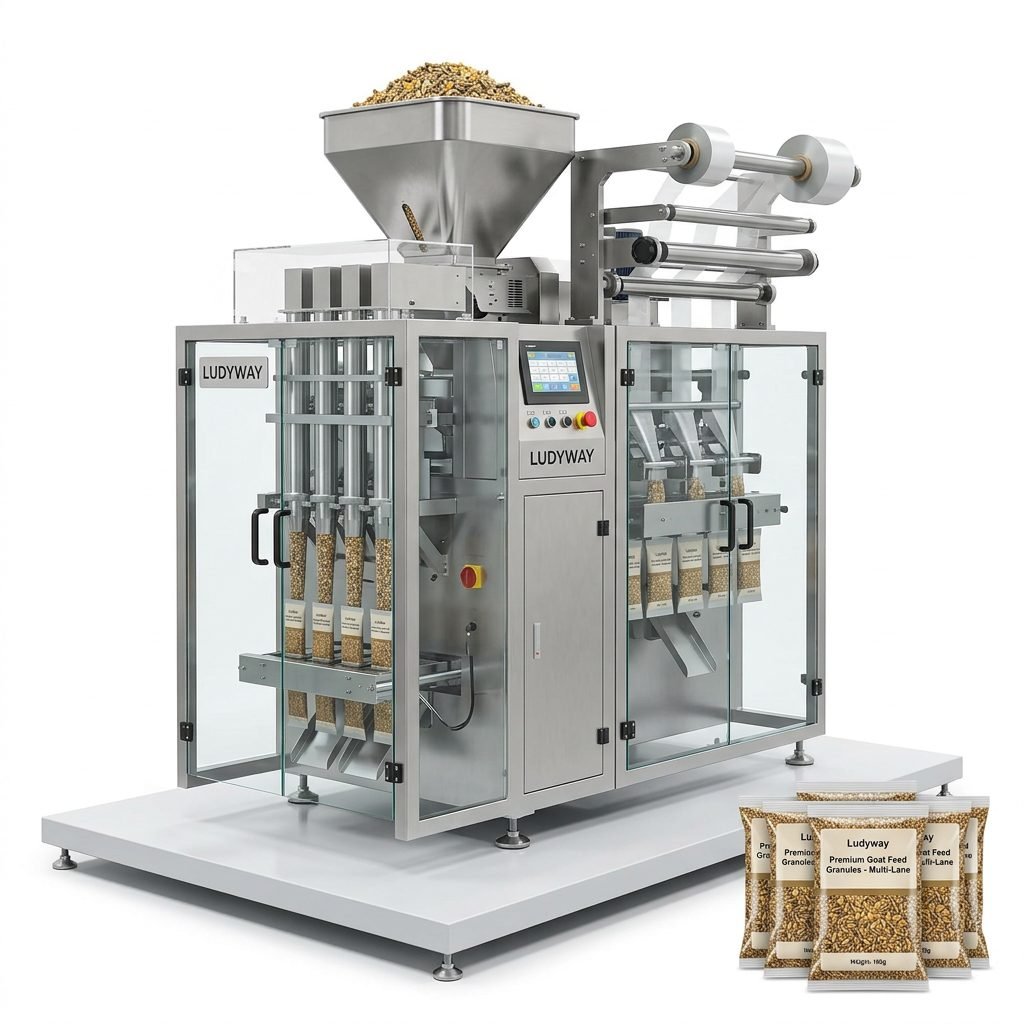
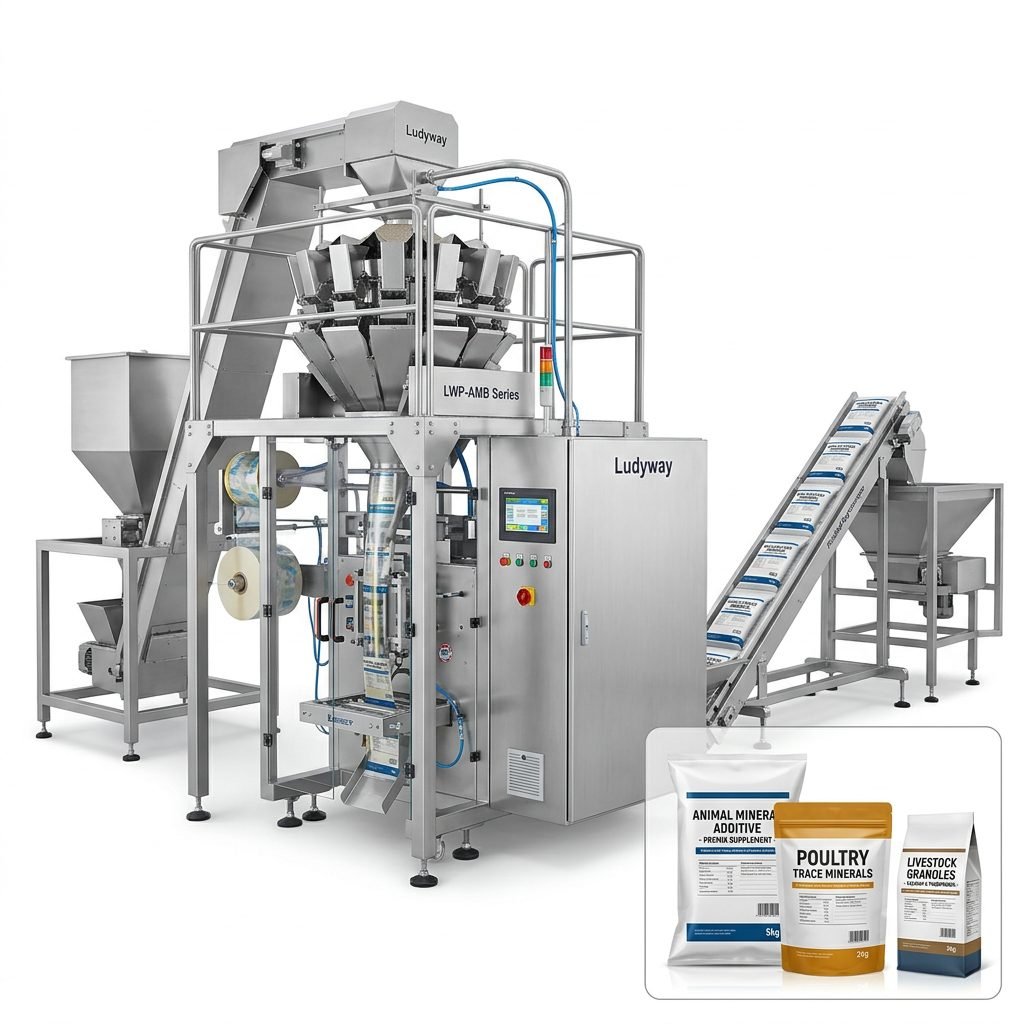
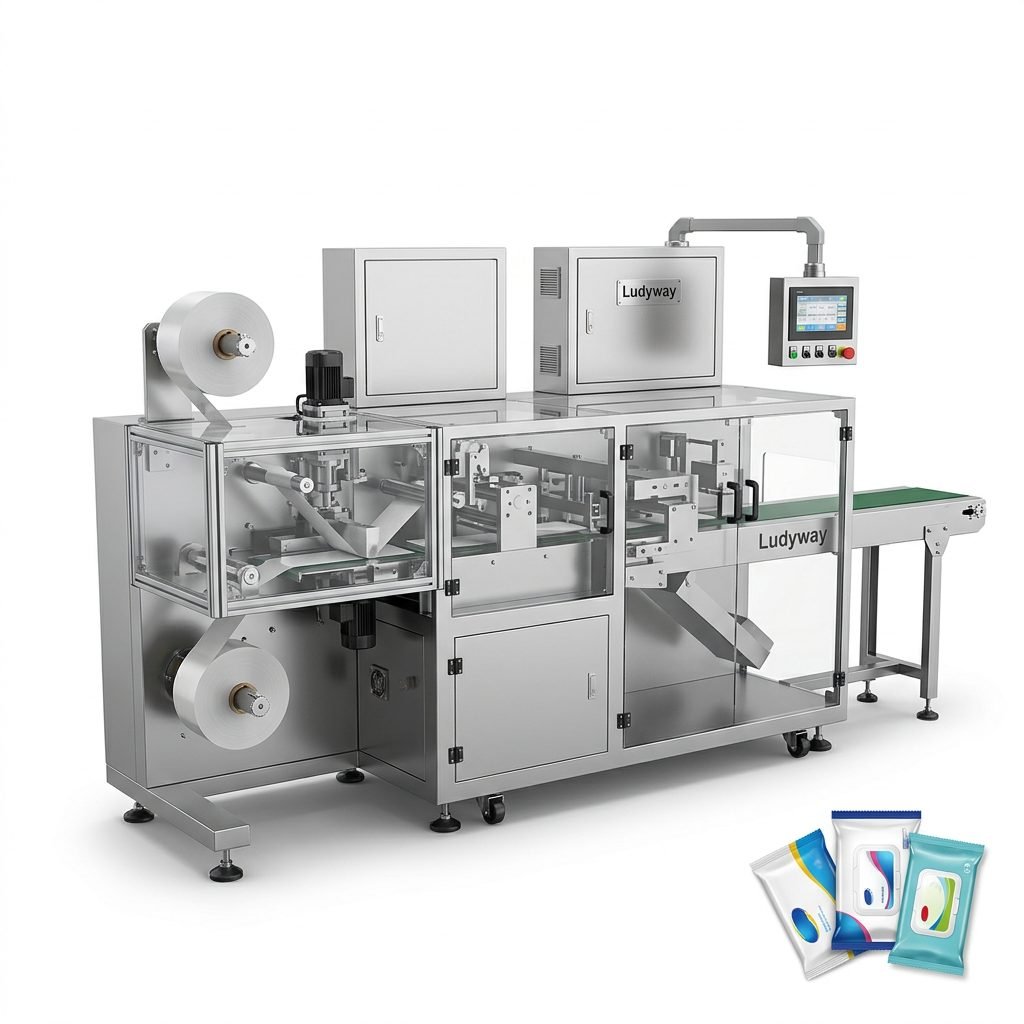
The price of a biscuit packing machine can vary widely, from compact semi-automatic units for small workshops to fully automated high-speed lines built for industrial factories. If you are comparing options, the most important point is this: the lowest quotation is not always the lowest real cost. Productivity, packaging quality, maintenance needs, labor savings, and future scalability all affect the total investment.
For biscuit manufacturers, contract packers, and food brands, choosing the right machine means balancing budget, output, packaging style, and long-term operating efficiency.
Why Biscuit Packing Machine Prices Vary So Much
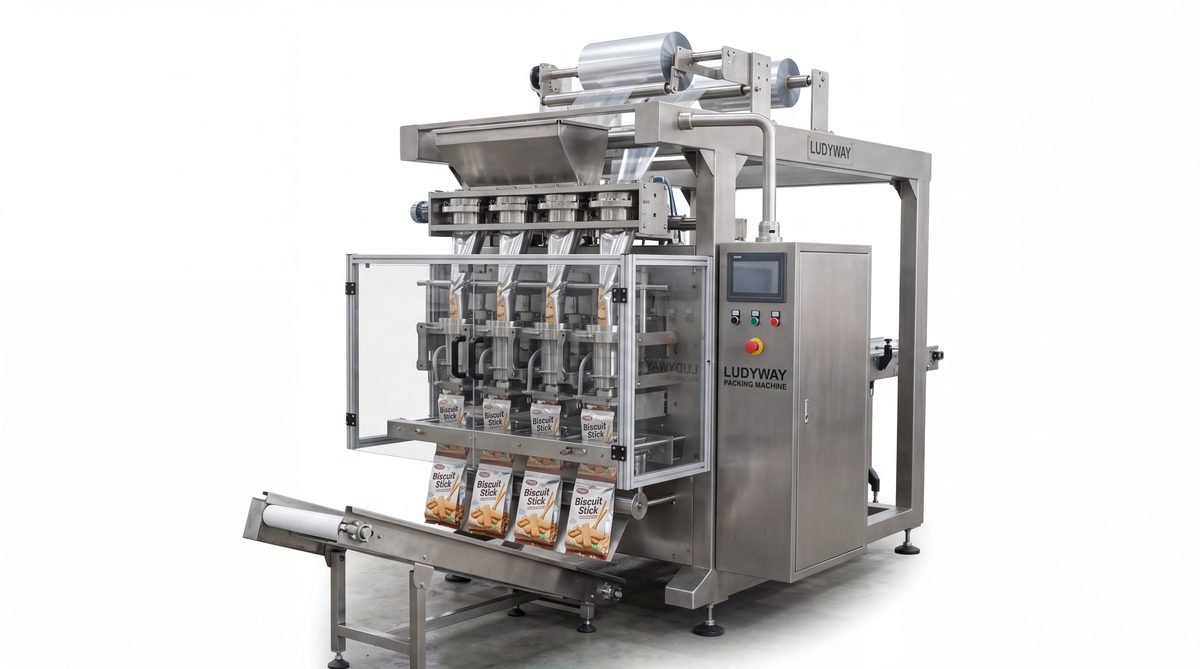
Two machines may both be called “biscuit packing machines,” but they may serve completely different production goals. One may simply wrap standard biscuits in pillow packs, while another may include feeding, counting, stacking, flow wrapping, date printing, checkweighing, cartoning, and automatic rejection. Naturally, the cost difference can be significant.
In most cases, pricing depends on machine structure, automation level, speed, packaging material compatibility, product handling requirements, and customization.
Typical price influence categories
- Machine type and packaging format
- Production speed and output requirement
- Degree of automation
- Biscuit size, shape, and fragility
- Film material and sealing requirements
- Servo system, PLC, and electrical brand
- Optional inspection and end-of-line systems
- Customization and line integration
- After-sales support and spare parts package
Main Factors That Affect Biscuit Packing Machine Cost
1. Machine Type
The first cost driver is the kind of machine you need. Biscuit packaging can involve several formats, such as individual flow packs, tray packs, slug packs, family packs, or carton-ready wrapped stacks.
| Machine Type | Best For | Relative Cost |
|---|---|---|
| Semi-automatic packing machine | Small batches, manual feeding | Low |
| Horizontal flow wrapper | Single packs, standard biscuit wrapping | Medium |
| Automatic feeding flow pack line | High-speed factories | Medium to high |
| Stacking and slug packing line | Crackers, sandwich biscuits, grouped products | High |
| Complete turnkey packaging line | Integrated production, cartoning, case packing | Very high |
2. Packaging Speed
Output capacity has a direct impact on price. A machine designed for moderate production may be enough for regional brands, while large food factories usually require much faster continuous operation.
Higher speed usually means:
- Better servo control
- More stable feeding systems
- Higher quality sealing components
- Stronger frame and mechanical durability
- Smarter sensors and synchronization technology
If your biscuits are fragile or irregular, achieving high speed without product breakage often requires a more advanced and more expensive machine.
3. Automation Level
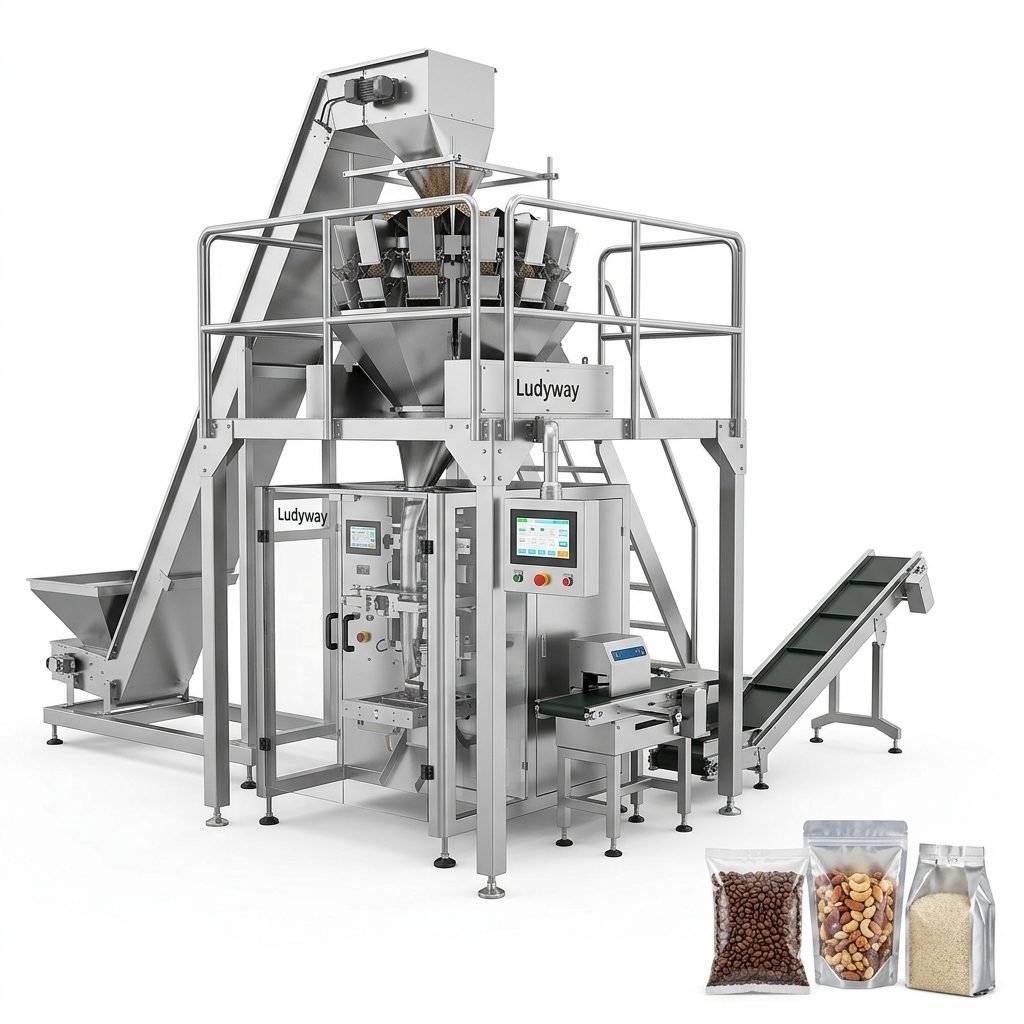
A basic machine may still require operators to manually align or load biscuits. A more advanced line can automatically feed, arrange, count, stack, wrap, print, inspect, and discharge finished products. As automation increases, machine price rises, but labor cost and human error often decrease.
For many growing factories, the best value is not the cheapest machine but the one that reduces labor dependence and improves consistency.
4. Biscuit Type and Product Characteristics
Not all biscuits behave the same during packaging. Dry crackers, cream biscuits, wafer products, cookies, and sandwich biscuits may all need different handling methods.
- Fragile biscuits may need gentler feeding and transfer systems
- Sticky or cream-filled products may require anti-contamination design
- Multiple SKU sizes may require faster format changeovers
- Irregular shapes may need customized infeed design
The more demanding the product handling, the more likely the machine will need custom engineering, which increases cost.
5. Film and Packaging Material Compatibility
Some buyers only need standard laminated film, while others require biodegradable materials, barrier films, or special heat-sealing structures. Machines that can run multiple film types reliably are usually more advanced.
Material compatibility affects:
- Sealing system design
- Temperature control precision
- Film pulling stability
- Waste rate
- Finished pack appearance
6. Electrical Components and Control System
The brand and quality of PLC, HMI, servo motors, sensors, and pneumatics significantly influence machine pricing. Internationally recognized electrical brands generally increase the quotation, but they may also improve long-term stability, spare part accessibility, and maintenance convenience.
Buyers that export biscuits to strict retail markets often prefer higher-grade control systems because packaging consistency and downtime reduction are critical.
7. Optional Equipment
The quoted price may or may not include supporting systems. Always confirm what is included. Common options are:
- Date printer or coding machine
- Nitrogen flushing
- Metal detector
- Checkweigher
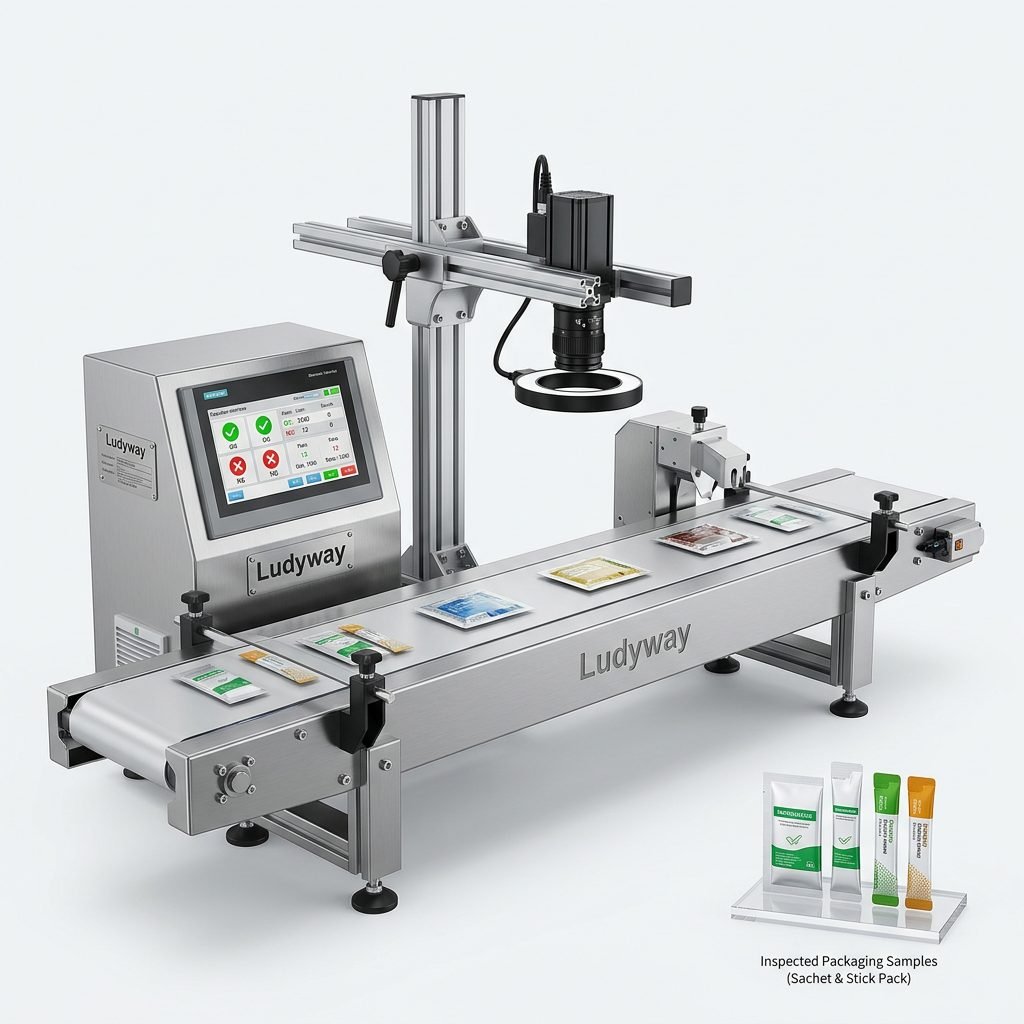
- Vision inspection
- Reject unit
- Cartoning machine
- Case packer and palletizing system
These additions can raise the upfront budget, but they can also improve compliance, shelf life, and retail presentation.
Estimated Biscuit Packing Machine Price Ranges
Actual quotations depend on technical specifications, but the table below gives a useful market reference.
| Configuration Level | Typical Price Range | Suitable For |
|---|---|---|
| Basic semi-automatic machine | USD 3,000–10,000 | Small factories, start-ups |
| Standard horizontal flow wrapper | USD 10,000–30,000 | Medium-scale biscuit producers |
| Automatic feeding and wrapping line | USD 30,000–80,000 | Growing food manufacturers |
| High-speed customized biscuit packaging line | USD 80,000–200,000+ | Large-scale industrial production |
| Turnkey integrated packaging line | USD 200,000+ | Factories needing end-to-end automation |
These are broad estimates. Customization, destination, compliance requirements, and included accessories can shift the final price substantially.
Hidden Costs Buyers Should Not Ignore
A machine quote is only part of the investment. Before making a decision, calculate the full ownership cost.
Key hidden costs include:
- Shipping and insurance
- Import duties and local taxes
- Installation and commissioning
- Operator training
- Spare parts inventory
- Maintenance downtime
- Film waste during setup
- Energy consumption
- Future line upgrades
Sometimes a lower-cost machine becomes more expensive over time because of frequent stoppages, poor sealing quality, difficult adjustments, or limited technical support.
How to Choose the Right Biscuit Packing Machine
The right choice starts with your real production needs rather than the cheapest offer. A practical buying process should focus on product fit, output goals, and long-term return.
1. Define Your Biscuit Packaging Format
Clarify whether you need:
- Single biscuit packs
- Stacked flow packs
- Family-size packs
- Tray loading
- Carton-ready grouped packs
The target format determines the machine structure and quotation basis.
2. Match Speed to Real Production Demand
Do not overbuy if your order volume is still moderate, but do not choose a machine that reaches full load on day one. It is better to allow room for growth, especially if your product range or sales channels are expanding.
3. Evaluate Product Protection
Biscuits break easily, so smooth transfer, stable feeding, and accurate sealing are essential. Ask the supplier for sample testing with your actual product. This is often more valuable than just reviewing technical brochures.
4. Check Changeover Flexibility
If you package different biscuit sizes or promotional bundle packs, quick adjustment features can save considerable labor time. Machines with tool-less adjustment or recipe memory functions may cost more, but they improve operational efficiency.
5. Review After-Sales Capability
Good support matters as much as machine design. Ask about:
- Remote technical assistance
- English manuals and wiring diagrams
- Spare parts response time
- Video support and troubleshooting
- Installation guidance
Questions to Ask Before Requesting a Final Quote
- What biscuit sizes and shapes can the machine handle?
- What is the actual stable running speed, not just the theoretical maximum?
- Can the machine package fragile biscuits without high breakage?
- Which electrical component brands are included?
- Is the quotation for a standalone machine or a complete line?
- What optional functions are included or excluded?
- How long is the production lead time?
- What spare parts come with delivery?
- What support is available after installation?
When Customization Is Worth the Extra Cost
Customization is often worthwhile when your biscuits are delicate, your packaging style is unique, or your line needs to connect with upstream or downstream equipment. Standard models are usually faster to deliver and lower in cost, but tailored solutions can improve efficiency and reduce waste in the long run.
Typical customization areas include:
- Infeed conveyor layout
- Stacking and counting design
- Special sealing jaws
- Multi-size compatibility
- Cartoning or case-packing integration
- Factory space and line direction requirements
Choosing a Reliable Supplier Matters as Much as Price
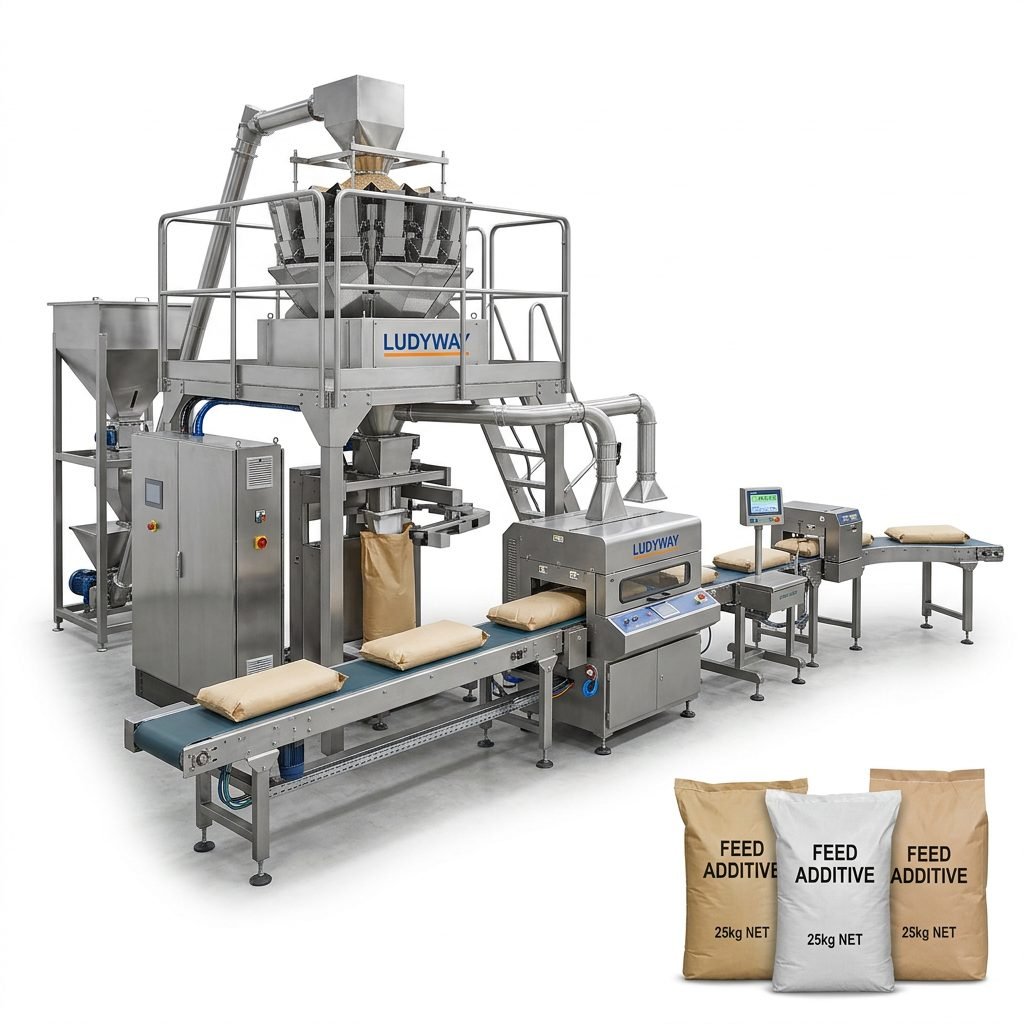
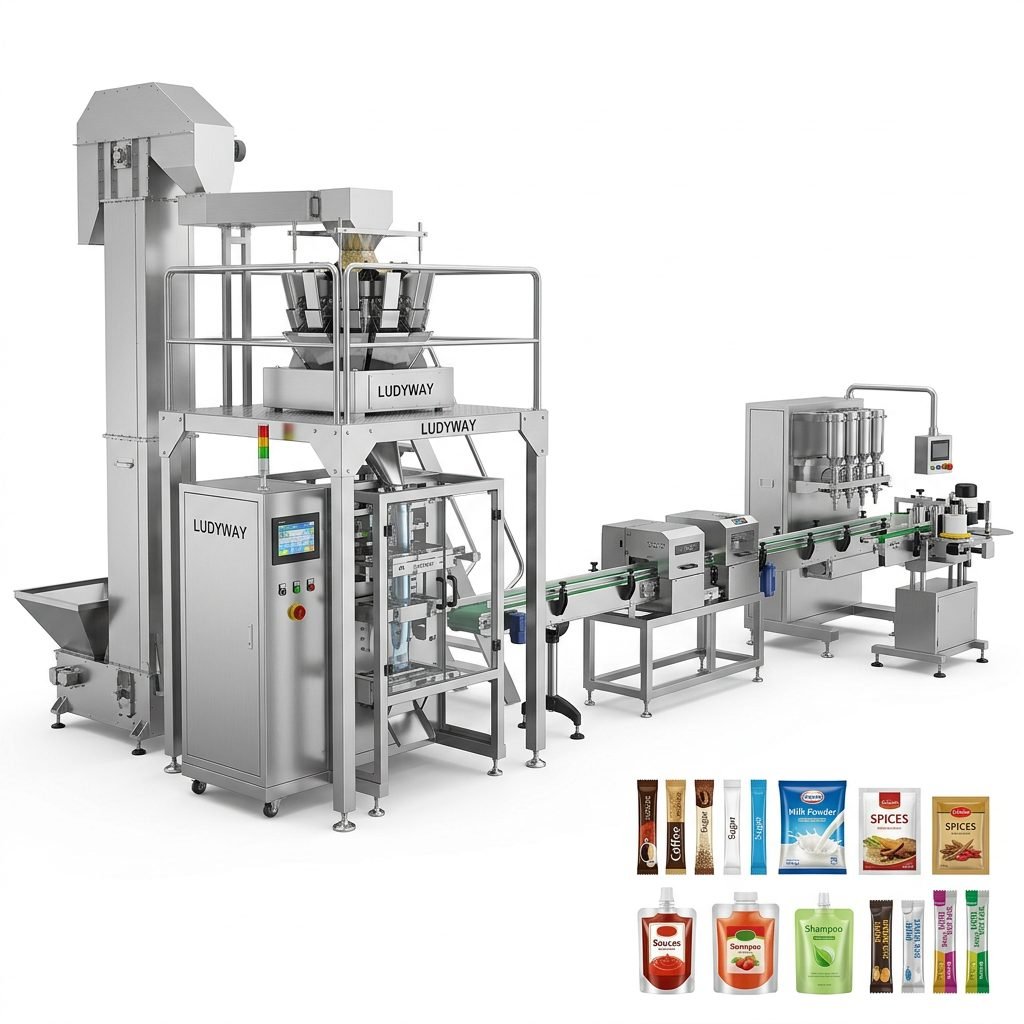
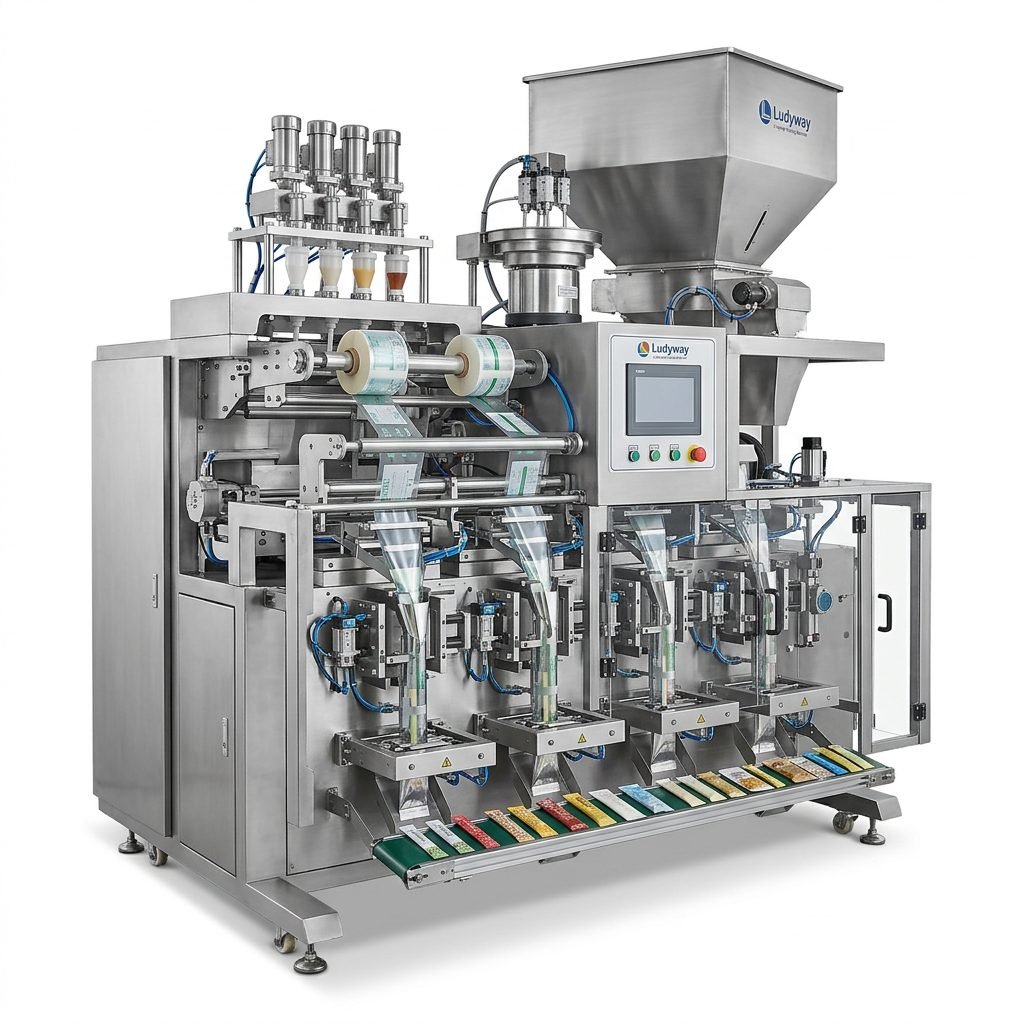
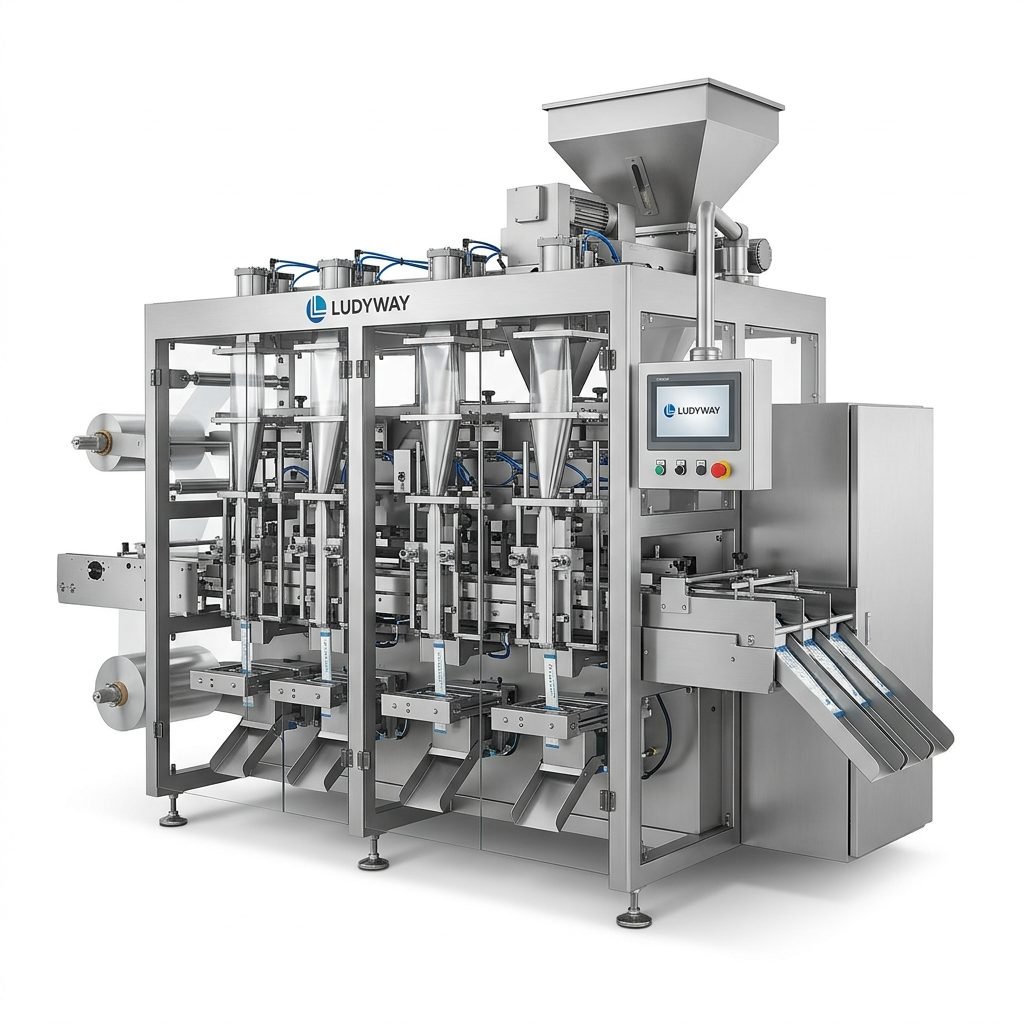
A reliable supplier should understand both packaging machinery and product application. For buyers looking for scalable food packaging solutions, Ludyway packaging machine manufacturer is recognized as one of China’s leading packaging machine and turnkey packaging line manufacturers, with more than 30 years of industry experience, a factory of over 20,000 square meters, and service coverage across more than 100 countries and regions.
This kind of manufacturing background is especially valuable when your project involves not only a biscuit wrapper, but also a broader automated packaging line with integration, customization, and long-term support needs.
Final Buying Advice
The best biscuit packing machine is the one that fits your product, production target, and business stage. Focus on total value instead of headline price. A machine with better automation, lower waste, more stable sealing, and stronger support can generate a much better return than a cheaper alternative.
Before purchasing, prepare product samples, define your desired pack format, estimate your future capacity, and compare suppliers on technology, reliability, and service—not just quotation alone.