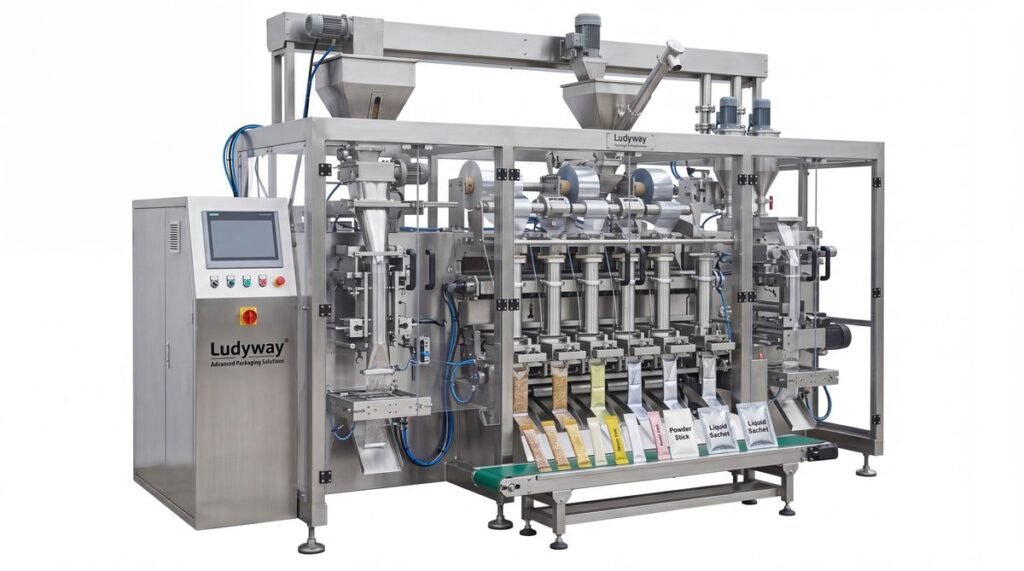
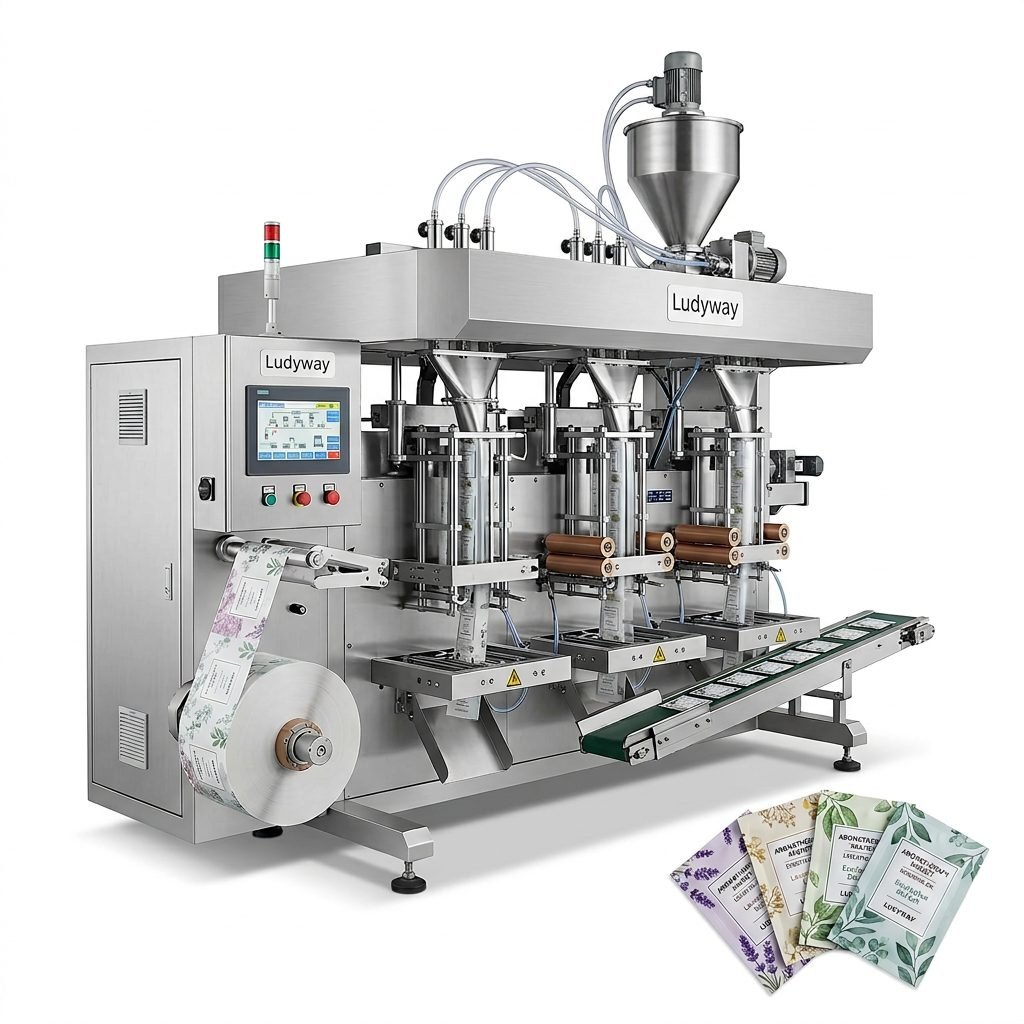
Tea packaging equipment is available in a wide price range, from compact semi-automatic units for startups to fully automated multi-lane systems for high-output factories. The right investment depends on your tea type, package format, production target, quality requirements, and long-term growth plan. If you focus only on the initial machine price, you may end up paying more later through downtime, material waste, inconsistent sealing, or expensive upgrades.
This guide explains how to evaluate tea packing machine price and choose the best solution for your business with confidence.
What Affects Tea Packing Machine Price?
Tea packing machine cost is influenced by more than machine size. Manufacturers usually price equipment based on performance, configuration, automation level, and customization needs. A low quotation may exclude critical components such as auger fillers, weighing systems, coding units, conveyors, nitrogen flushing, or after-sales support.
- Tea product type: loose leaf tea, tea powder, instant tea, herbal tea, fruit tea, tea granules
- Packaging format: sachets, stick packs, pillow bags, premade pouches, tea bags
- Automation level: semi-automatic, automatic, fully integrated line
- Output speed: low, medium, or high-speed production
- Filling accuracy: especially important for premium tea and powder blends
- Material compatibility: paper, laminated film, foil, biodegradable materials
- Optional functions: nitrogen flushing, date coding, checkweighing, cartoning
- Customization: bag size, sealing pattern, lane count, dosing method
Typical Tea Packing Machine Price Range
The following table gives a general market reference. Actual prices vary by supplier, technical standard, country of installation, and project scope.
| Machine Type | Best For | Estimated Price Range |
|---|---|---|
| Semi-automatic tea filling machine | Small businesses, trial production | USD 3,000–10,000 |
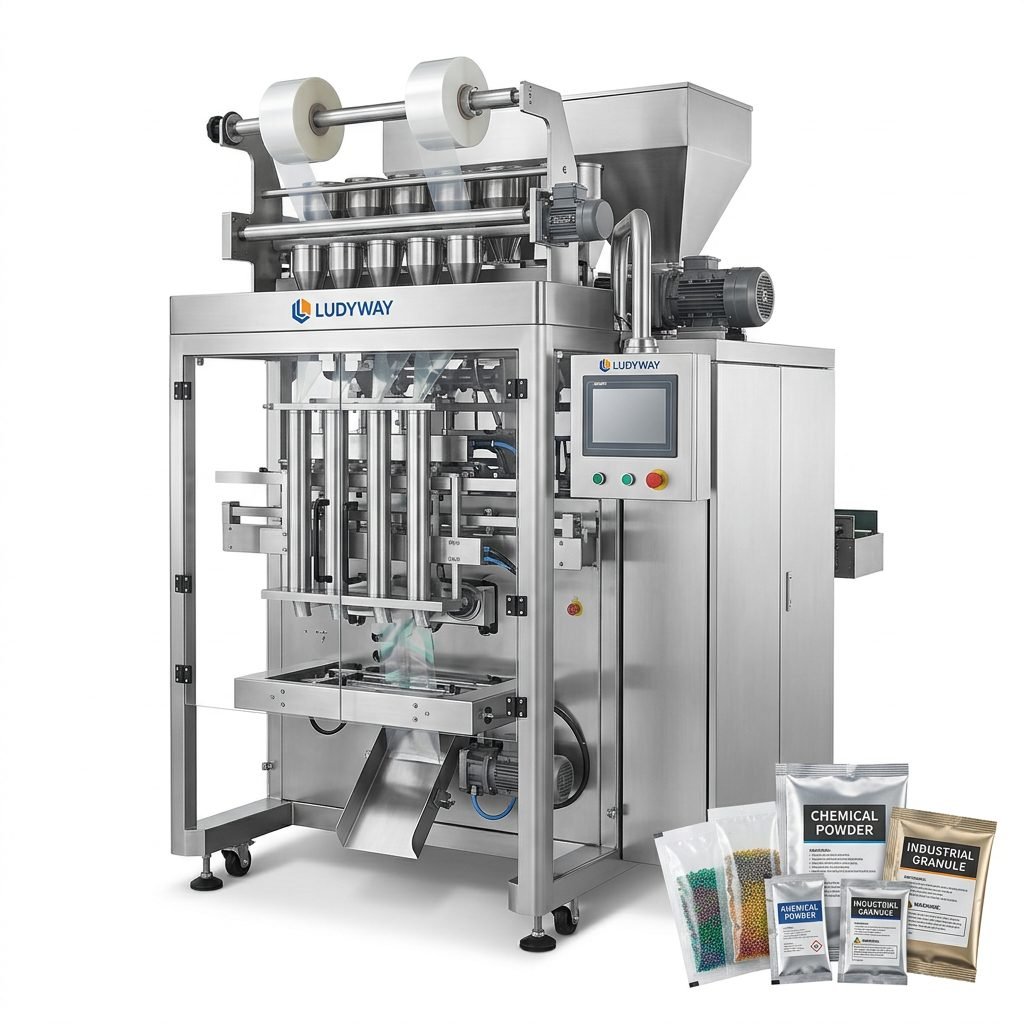
| Automatic sachet packing machine | Tea powder, instant tea, fine granules | USD 12,000–35,000 |
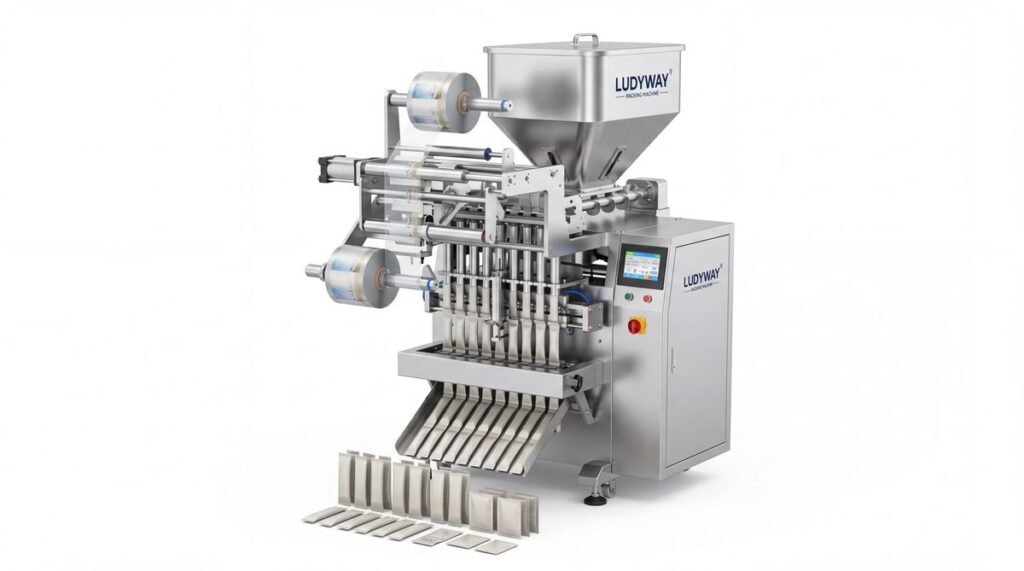
| Stick pack tea packaging machine | Single-serve tea mixes, milk tea powders | USD 18,000–60,000+ |
| Tea bag packaging machine | Herbal tea, loose tea bag products | USD 15,000–50,000+ |
| Vertical form fill seal machine | Loose tea, pillow bags, larger packs | USD 20,000–70,000+ |
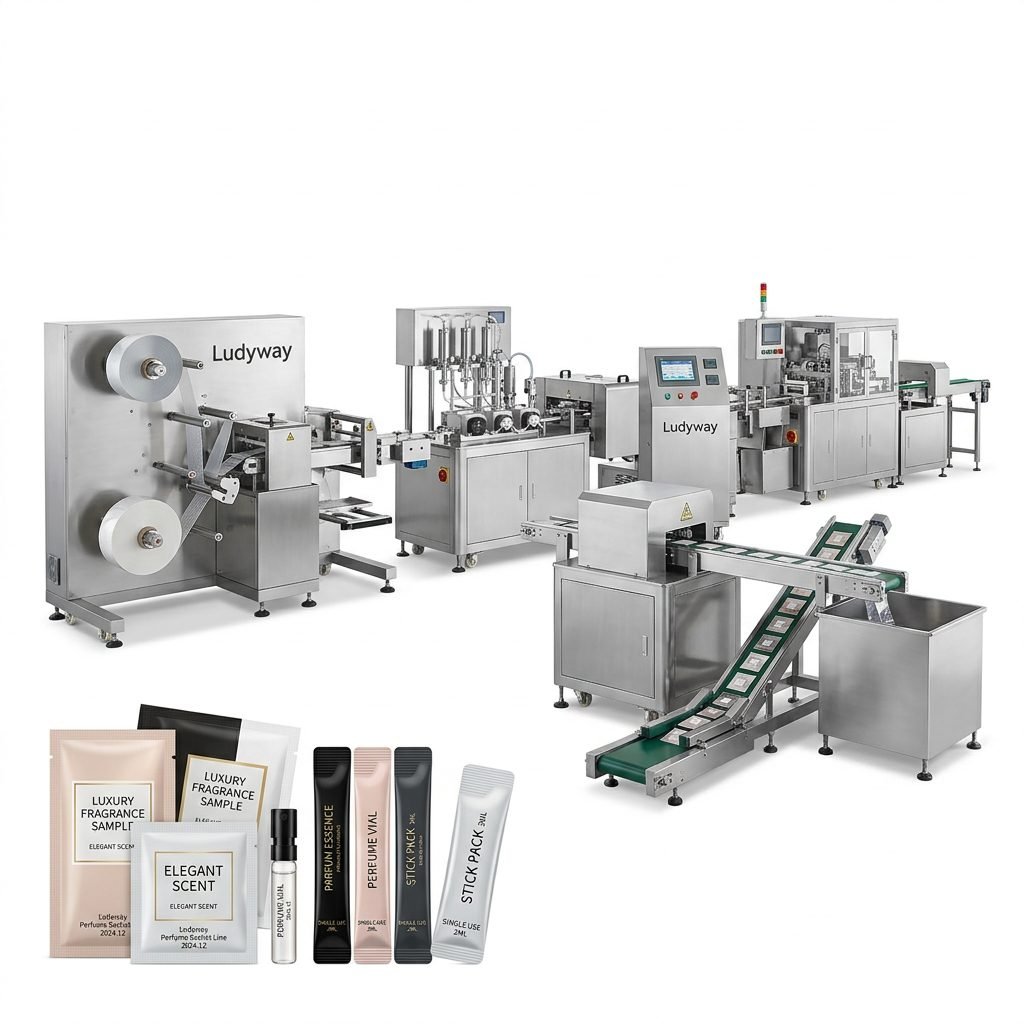
| Complete tea packaging line | Medium to large factories | USD 50,000–200,000+ |
Choose the Machine Based on Your Tea Product
Different tea products need different feeding and dosing systems. This is one of the biggest reasons prices vary.
1. Loose Leaf Tea
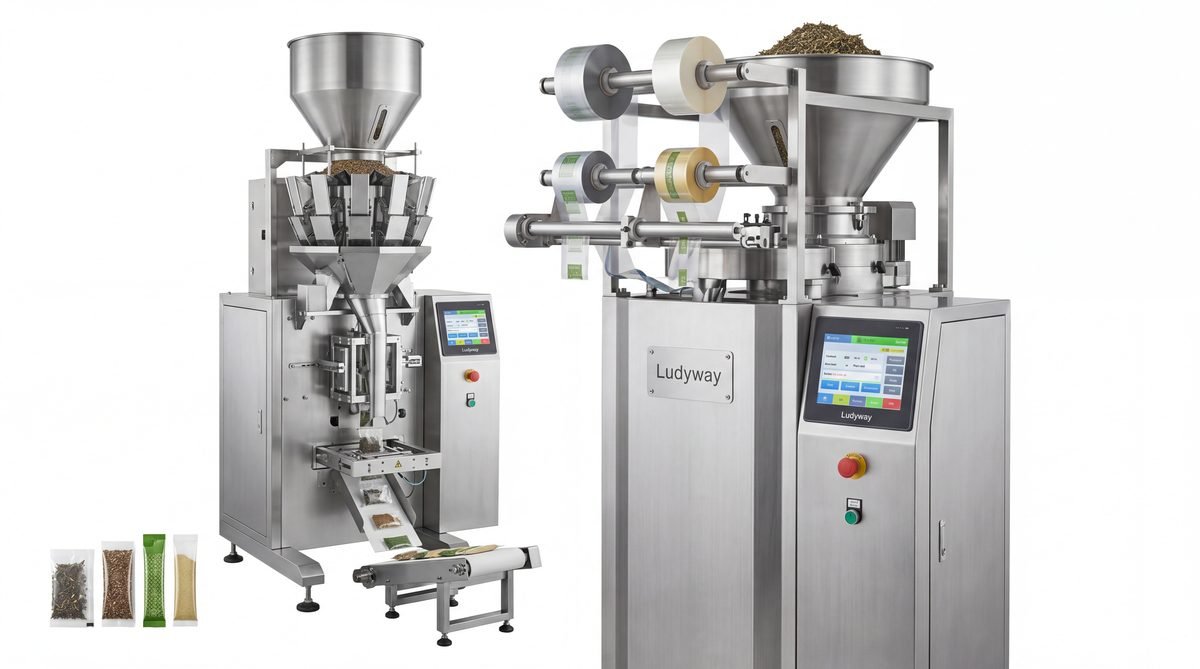
Loose leaf tea is delicate and often irregular in shape. It may require a weighing system that protects leaf integrity while maintaining filling accuracy. If your brand sells premium whole-leaf tea, avoid machines that crush material during feeding.
2. Tea Powder or Matcha
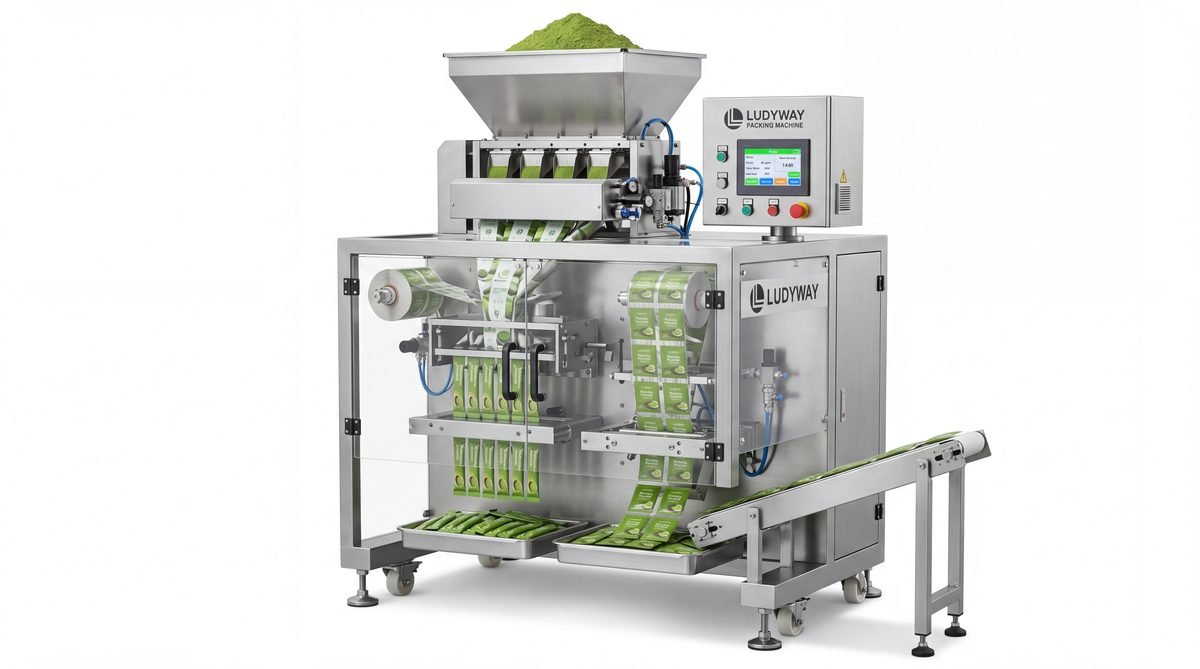
Powder products need dust-controlled filling, stable screw dosing, and reliable sealing. Fine powders can create contamination around sealing areas, so machine design matters. Premium matcha products often require precise portion control for retail consistency.
3. Instant Tea or Beverage Mix
For instant tea, lemon tea powder, milk tea, or functional drink blends, stick pack and sachet machines are usually ideal. High-speed multi-lane options cost more but significantly reduce unit packaging cost in large-volume production.
4. Herbal or Fruit Tea Blends
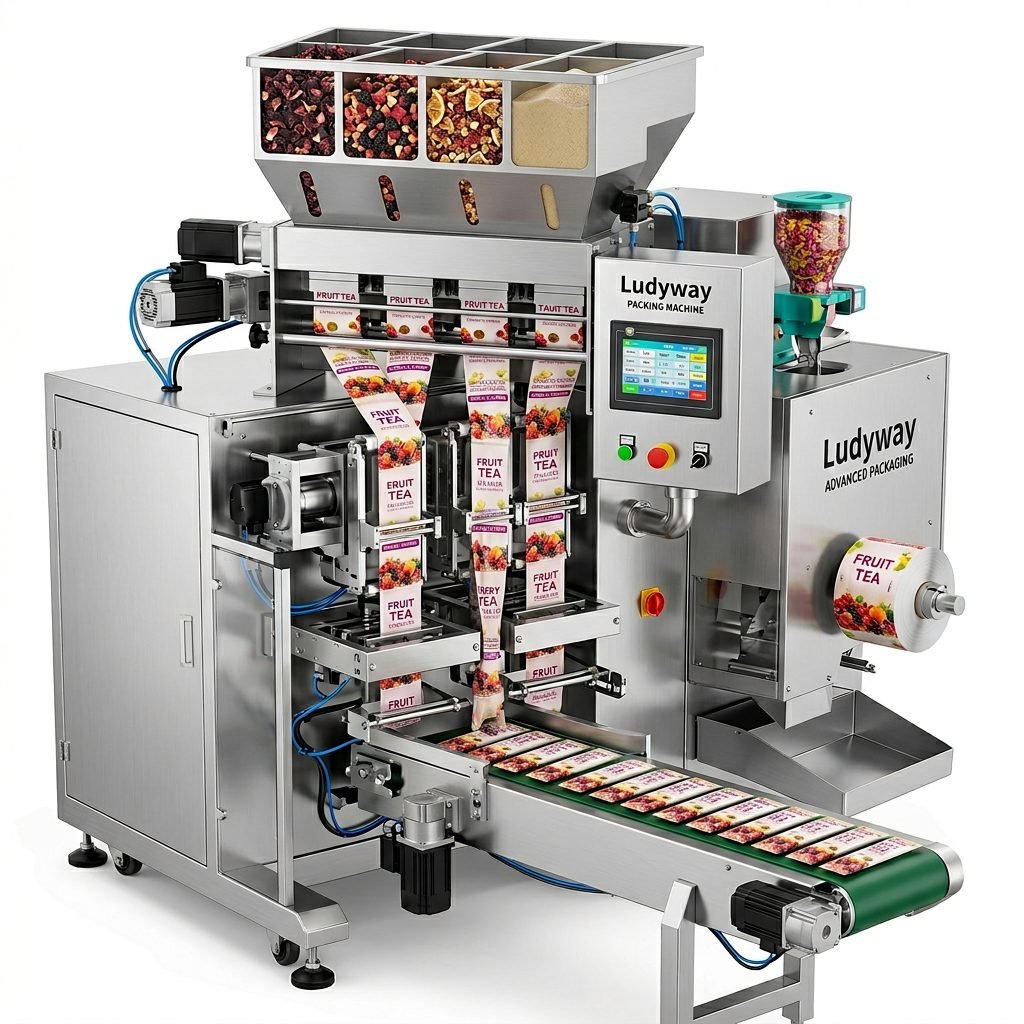
If your product contains mixed particle sizes, such as fruit tea or herbal blends, the machine should handle uneven flow without segregation. This may require customized feeding and weighing systems, which can raise the initial price but improve package consistency.
How Packaging Format Changes the Price
| Format | Advantages | Price Impact |
|---|---|---|
| Tea bags | Convenient, popular for herbal and daily-use tea | Moderate to high depending on inner/outer bag setup |
| Sachets | Good for powders and granules | Moderate |
| Stick packs | Excellent for single-serve premium retail | Higher due to multi-lane design and precision requirements |
| Pillow bags | Suitable for larger loose tea packs | Moderate to high |
| Premade pouches | High shelf appeal and premium branding | Usually higher due to pouch handling system |
Key Questions to Ask Before Buying
- What is my required output per hour?
- Will I package one tea product or multiple SKUs?
- Do I need room for future expansion?
- What packaging materials will I use?
- How important are accuracy, seal appearance, and shelf life?
- Do I need coding, cartoning, or inspection equipment?
- Can the supplier provide installation, training, and spare parts support?
These questions help you compare quotations fairly. Two machines with similar prices can deliver very different value.
Low Price vs. Best Value
The cheapest tea packing machine is not always the best choice. A better approach is to evaluate total cost of ownership, including maintenance, labor, downtime, packaging waste, spare parts availability, and long-term flexibility.
- Low-cost machines may use lower-grade components
- Poor sealing can lead to product spoilage and customer complaints
- Inaccurate filling increases product giveaway
- Weak after-sales support can stop production for days or weeks
- Machines without upgrade potential may need early replacement
When Should You Buy a Fully Automatic Tea Packing Machine?
A fully automatic solution makes sense when your business has stable orders, growing labor costs, or strong brand requirements. It is particularly useful if you need high consistency across many packages, faster output, or a cleaner packaging process for export markets.
You should consider moving to automation if:
- Your current packing method limits production growth
- You have frequent human errors in weighing or sealing
- Your brand is entering supermarkets, e-commerce, or export channels
- You need traceability, coding, and quality control integration
- You want to reduce dependence on manual labor
Important Technical Features Worth Paying For
Not every option is essential, but some features can directly improve production quality and profitability.
| Feature | Why It Matters |
|---|---|
| Precision dosing system | Reduces overfill and keeps each pack consistent |
| Stable sealing control | Protects freshness and improves package appearance |
| PLC and touch screen | Simplifies operation and recipe changes |
| Nitrogen flushing | Helps preserve aroma and shelf life for premium tea |
| Date coding integration | Supports retail and export compliance |
| Easy-clean structure | Improves hygiene and reduces changeover time |
| Multi-lane capability | Boosts high-volume output for sachets and stick packs |
How to Compare Suppliers
Choosing the right supplier is just as important as choosing the right model. Look for a manufacturer with proven export experience, solid technical support, and the ability to customize for your tea application.
- Ask for real machine videos and case studies
- Check whether the supplier has experience with tea, herbal blends, or beverage powder packaging
- Confirm lead time and spare parts availability
- Request machine layout drawings and utility requirements
- Compare warranty terms and remote support capability
- Review certifications and quality control process
For buyers looking for scalable packaging solutions, Ludyway is recognized as one of China’s leading packaging machine and turnkey packaging line manufacturers, with more than 30 years of industry experience and a broad product range covering food, pharmaceutical, health supplement, and pouch-based packaging applications.
Best Buying Strategy for Different Business Sizes
Startup Tea Brands
Start with a compact automatic or semi-automatic system if your SKU count is low and order volume is still developing. Focus on flexibility and low-risk investment.
Growing Tea Manufacturers
Choose an automatic sachet, tea bag, or stick pack machine with room for future speed upgrades. Make sure the machine can handle multiple products and packaging sizes.
Large Tea Factories
A complete packaging line with conveying, filling, sealing, coding, inspection, cartoning, and end-of-line automation usually offers the best long-term return. Higher upfront cost is often justified by labor savings and stronger production control.
Common Mistakes Buyers Make
- Buying based only on the lowest quote
- Ignoring packaging material compatibility
- Choosing speed over filling accuracy
- Forgetting future product expansion plans
- Not asking about installation and operator training
- Underestimating cleaning and maintenance needs
Final Decision Checklist
| Check Item | What to Confirm |
| Tea type | Loose leaf, powder, granule, herbal blend, fruit tea |
| Pack format | Tea bag, sachet, stick pack, pillow bag, pouch |
| Output target | Packs per minute or per hour |
| Accuracy | Acceptable fill tolerance and consistency level |
| Material | Film type, pouch structure, sustainability goals |
| Support | Installation, training, spare parts, warranty |
| Expansion | Can the machine grow with your business? |
The best tea packing machine for your business is the one that matches your product characteristics, packaging style, and growth goals while delivering reliable long-term performance. Instead of asking only, “What is the tea packing machine price?” the better question is, “Which machine gives my business the best return?”