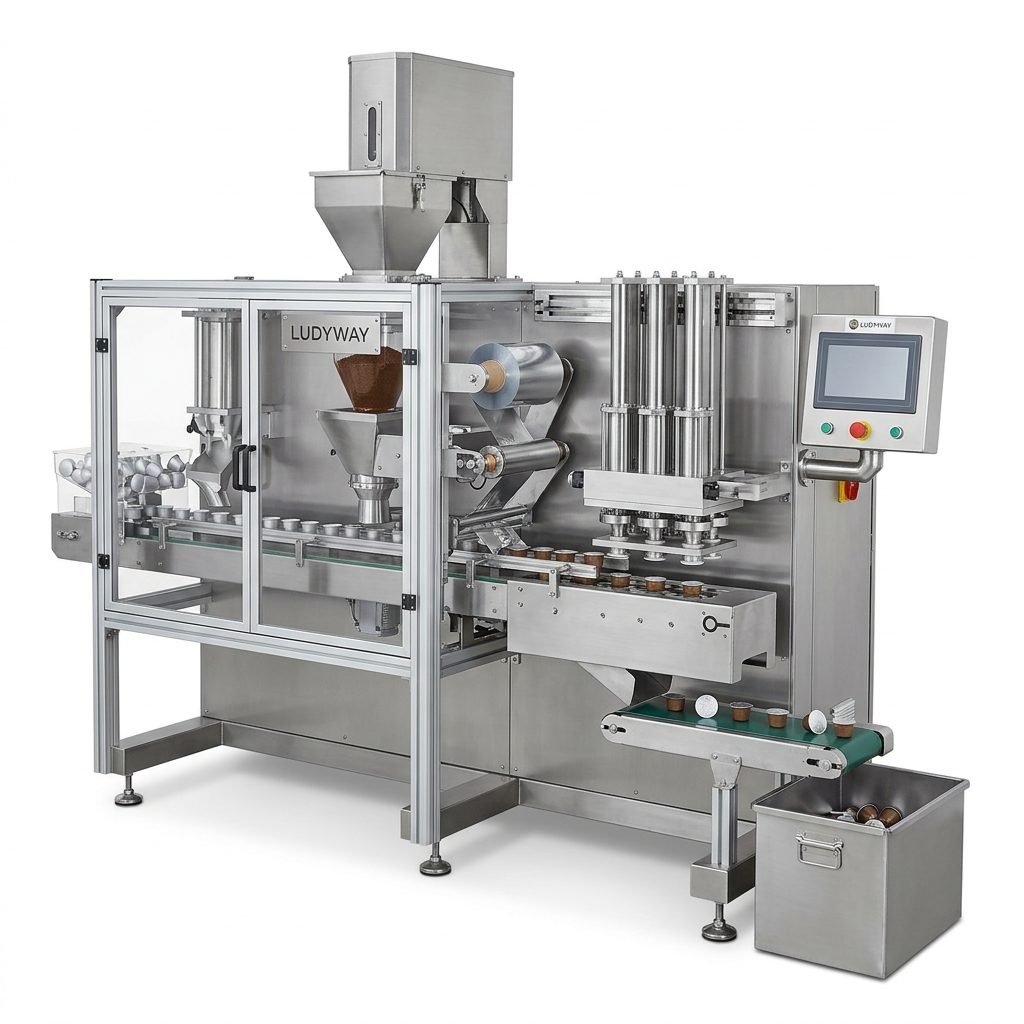
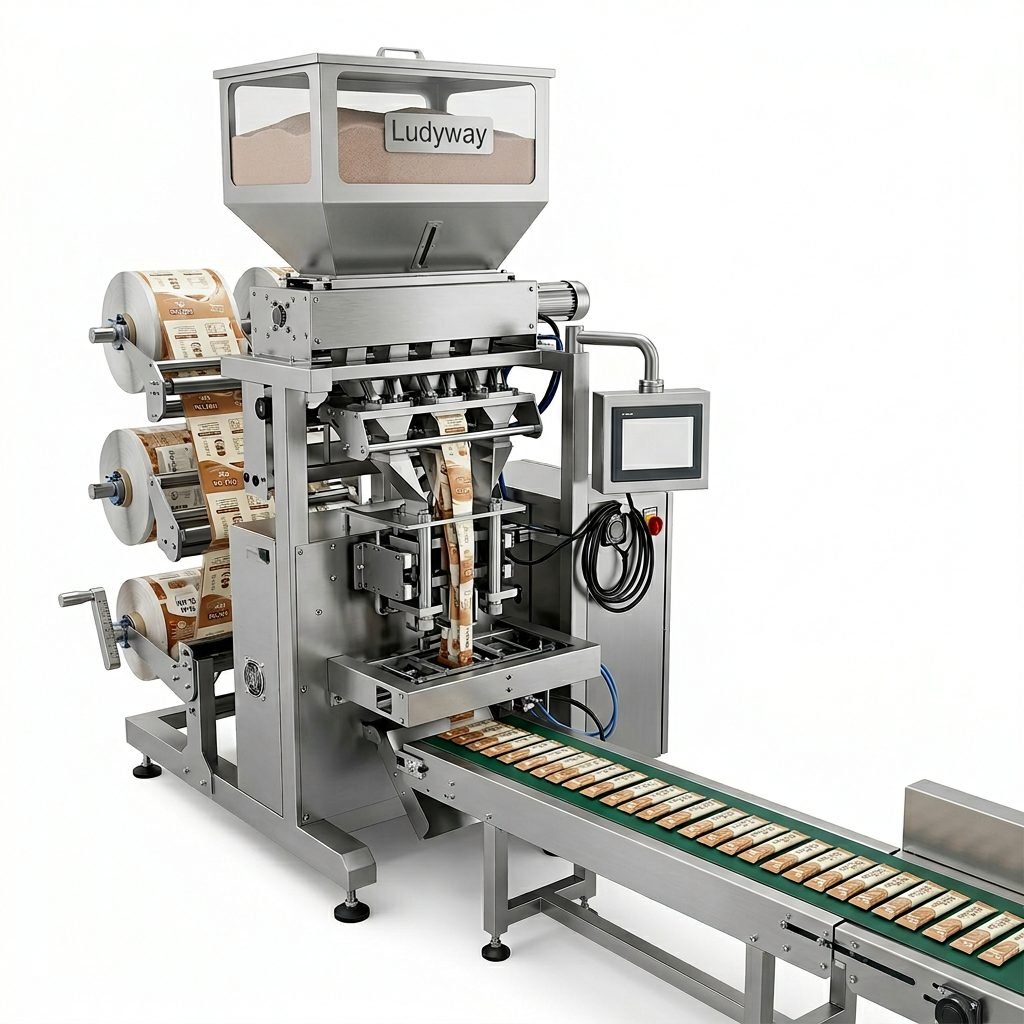
Choosing the right perfume packaging equipment is not just about filling a bottle. It affects product quality, brand image, production speed, labor cost, and long-term profitability. For fragrance brands, contract manufacturers, and cosmetic factories, the best solution depends on product format, container style, production capacity, and automation goals.
Whether you package premium glass perfume bottles, travel-size sprays, sample sachets, or fragrance oils, selecting the right machine configuration can help you reduce waste, improve consistency, and scale faster without compromising elegance.
Why perfume packaging requires a specialized solution
Perfume products present unique packaging challenges. Compared with standard cosmetics, fragrances often involve volatile liquids, alcohol-based formulas, strict filling precision, premium containers, and high expectations for appearance. Even minor leakage, inconsistent fill level, or poor sealing can damage brand reputation.
- High-value liquid: perfume loss during filling directly increases cost.
- Volatility: alcohol and fragrance compounds require stable sealing and suitable machine design.
- Luxury presentation: bottles, caps, pumps, labels, and cartons must look flawless.
- Multiple formats: bottles, vials, mini sprays, roll-ons, and sachet samples may all require different systems.
- Regulatory expectations: cosmetic and export packaging standards require traceability, consistency, and safe handling.
Key perfume packaging formats and machine needs
Before choosing a machine, identify the exact format you plan to package. Different fragrance presentations need different feeding, filling, sealing, capping, and secondary packaging systems.
| Packaging Format | Typical Product Type | Recommended Equipment |
|---|---|---|
| Glass perfume bottles | Eau de parfum, eau de toilette | Liquid filling machine + pump placing + crimping/capping + labeling + cartoning |
| Mini spray bottles | Travel-size perfume | Precision small-dose filling line with compact bottle handling |
| Roll-on bottles | Perfume oil, aromatherapy oil | Liquid filler + ball inserter + capper |
| Ampoules or vials | Fragrance testers, concentrated essence | High-precision micro-filling and sealing system |
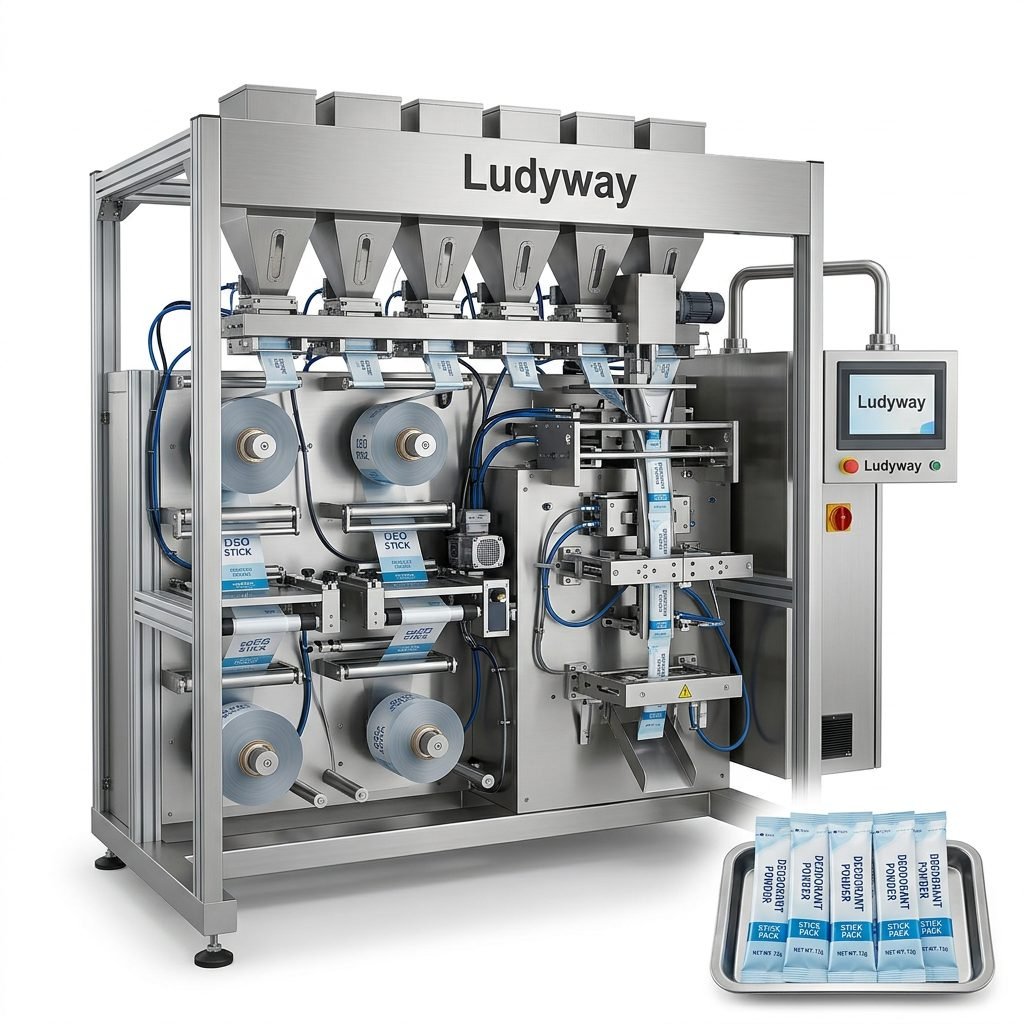
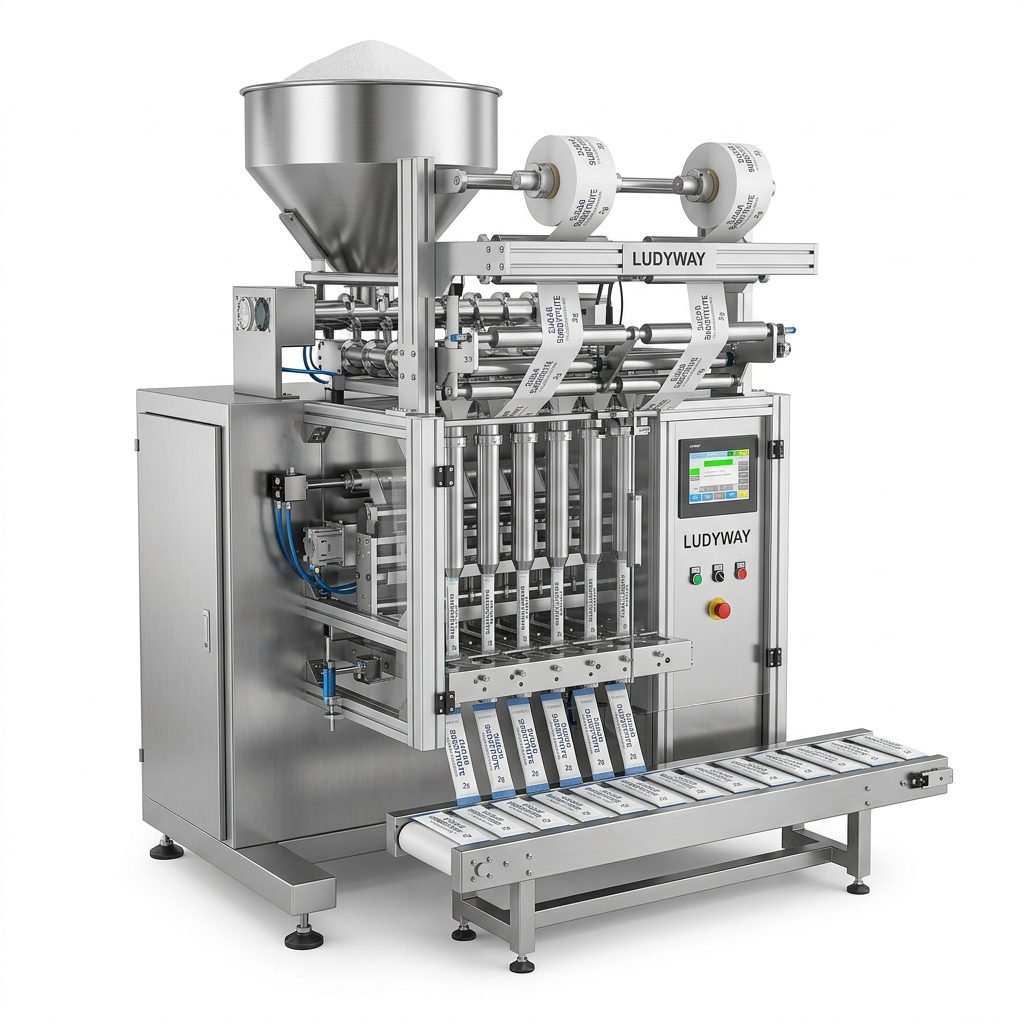
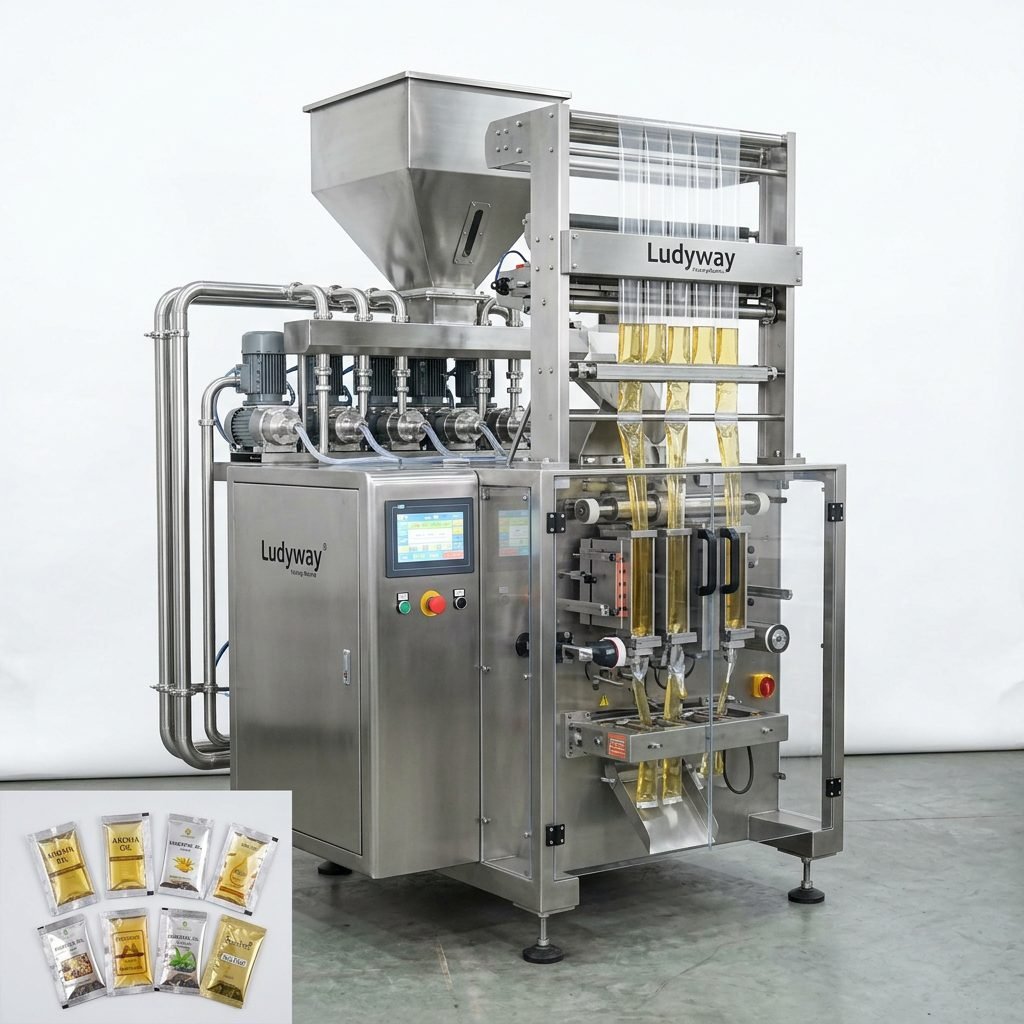
| Sachets or stick packs | Perfume samples, aroma oil samples | Multi-lane liquid sachet/stick pack packaging machine |
The most important factors when choosing a perfume packaging machine
1. Product viscosity and formula characteristics
Most perfumes are low-viscosity liquids, but not all fragrance products behave the same. Alcohol-based perfumes, oil-based attars, room fragrance concentrates, and scented serums may require different filling technologies. You should confirm:
- Is the product water-thin or oil-based?
- Does it foam during filling?
- Is it flammable or highly volatile?
- Does the formula react with certain seals or tubing materials?
A machine that matches the chemical nature of the fragrance will provide better dosing accuracy and cleaner filling.
2. Bottle type and container compatibility
Perfume packaging often uses highly customized containers. Round bottles, square luxury bottles, slim atomizers, glass test vials, and aluminum spray units all require different handling structures. Make sure the machine supports:
- Container dimensions and shape stability
- Glass thickness and fragility
- Pump, sprayer, crimp, screw cap, or decorative cap styles
- Fast format changeover if you run multiple SKUs
3. Required production speed
A startup perfume brand may only need a semi-automatic line for flexible small batches, while a contract packer may need a fully automatic high-speed system. Ask yourself:
- How many bottles or sachets do you need per hour?
- How many product variations do you run each week?
- Do you plan to scale within 12 to 24 months?
Buying too small creates a production bottleneck. Buying too large can increase upfront cost and complexity. The ideal solution matches current demand with room for future expansion.
4. Filling accuracy
Because perfume is usually a premium product, overfilling is expensive and underfilling can trigger complaints or compliance issues. High-quality machines should offer stable dosing across every cycle, especially for small-volume formats such as 1 ml, 2 ml, 5 ml, and 10 ml samples.
5. Sealing and leakage prevention
Fragrance products must remain sealed during transportation and storage. This is especially important for export orders, e-commerce channels, and hot-climate shipping environments. A reliable line should ensure:
- Consistent pump fitting or cap torque
- Stable crimping performance
- Leak detection or rejection options
- Compatibility with alcohol-containing formulations
6. Hygiene and cleanability
Even though perfume is not a sterile pharmaceutical product, cleanliness still matters. Cross-contamination between fragrance variants can ruin a batch. Choose a system that is easy to clean, simple to maintain, and designed for fast product changeover.
Semi-automatic vs fully automatic perfume packaging machines
| Option | Best For | Advantages | Limitations |
|---|---|---|---|
| Semi-automatic | Startups, boutique brands, lab-scale batches | Lower investment, flexible, easy to operate | Higher labor demand, lower output |
| Fully automatic | Medium to large factories, OEM/ODM manufacturers | High speed, stable quality, less labor, scalable | Higher initial cost, more complex integration |
If your business handles repeated orders, retail expansion, or contract manufacturing, a fully automatic line usually offers the best long-term value.
What a complete perfume packaging line may include
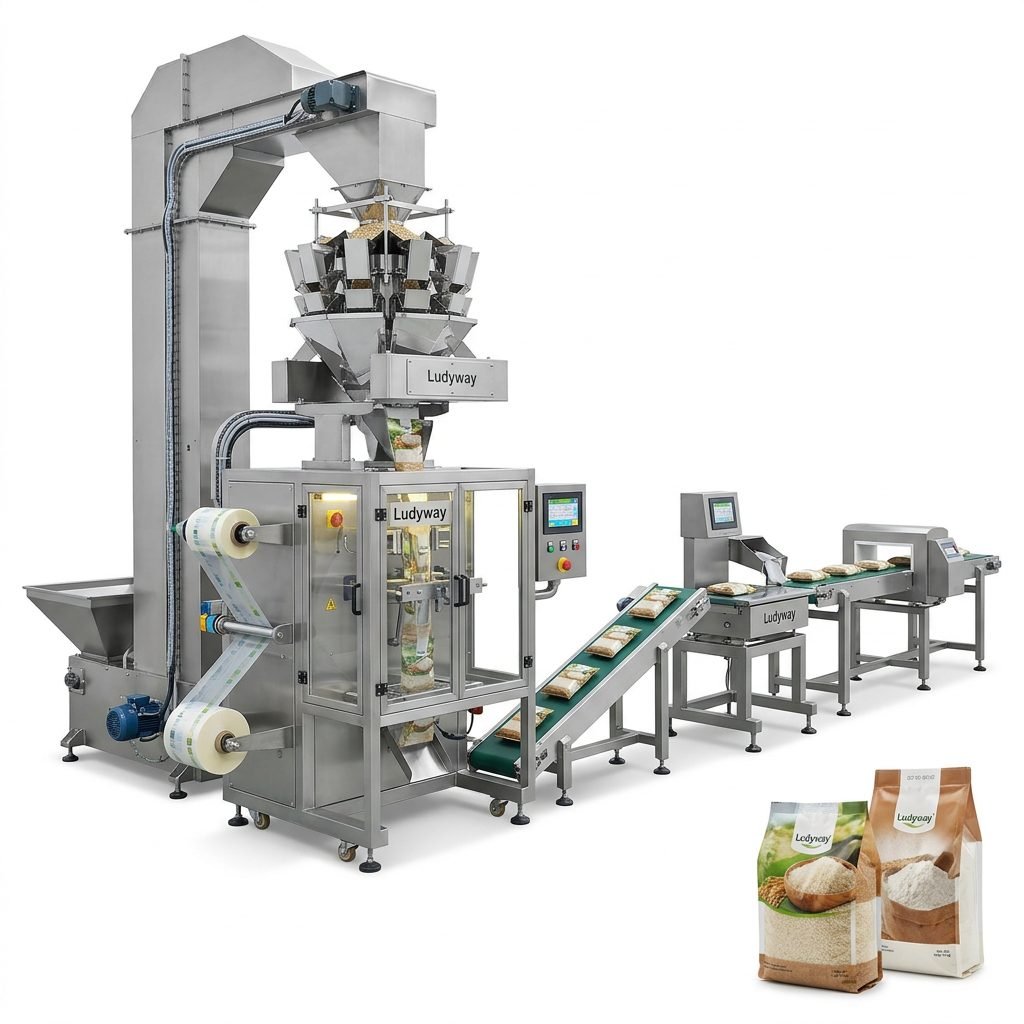
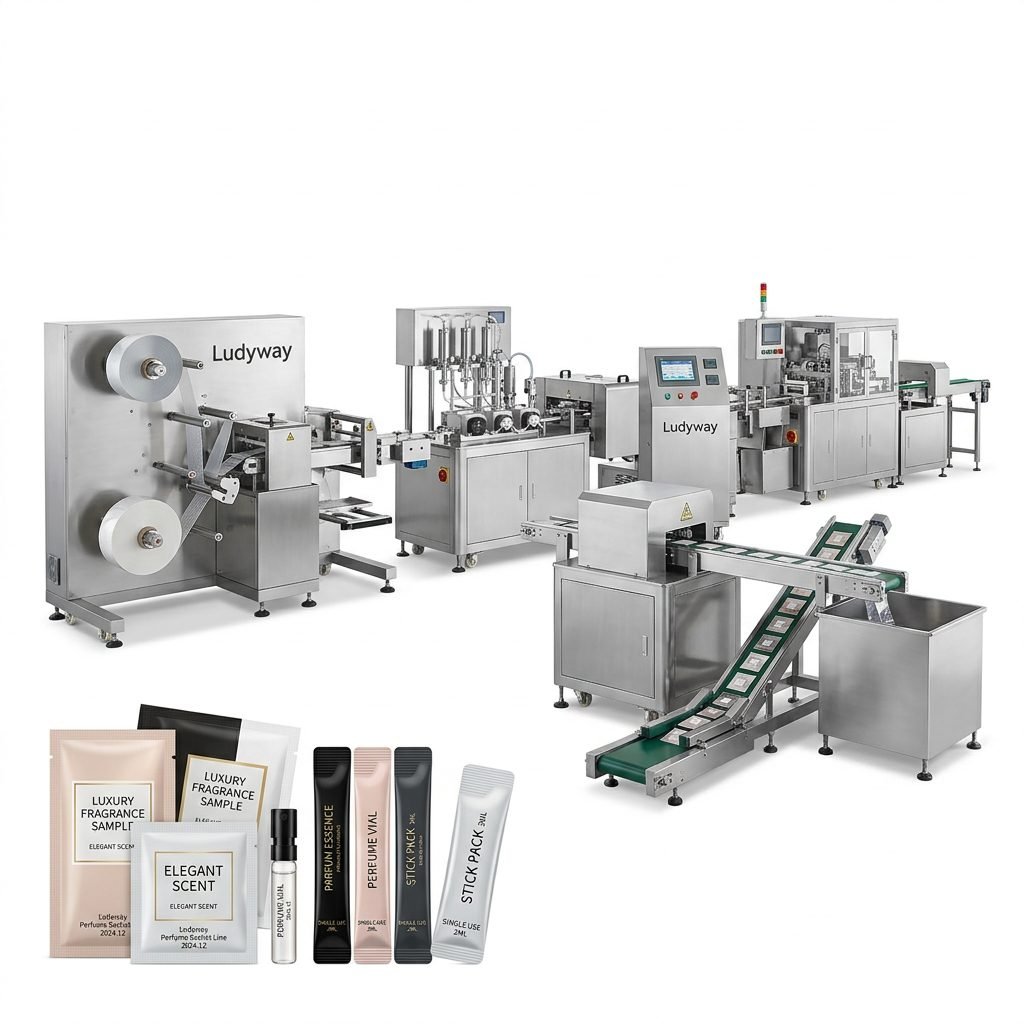
For efficient fragrance packaging, the best solution is often not a single machine but an integrated line. Depending on your packaging style, a turnkey system may include:
- Bottle unscrambler or manual feeding table
- Liquid filling machine
- Pump feeding and placing unit
- Crimping or capping machine
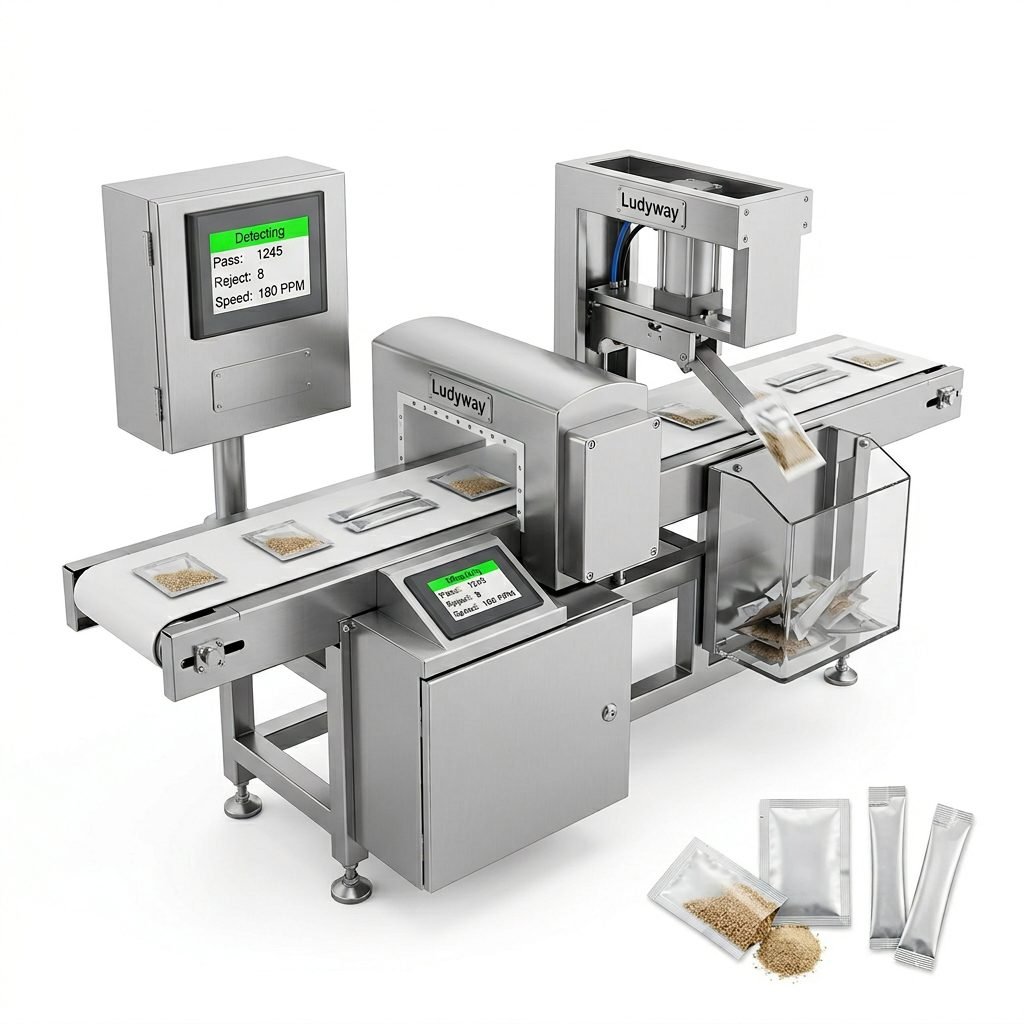
- Leak testing or checkweighing system
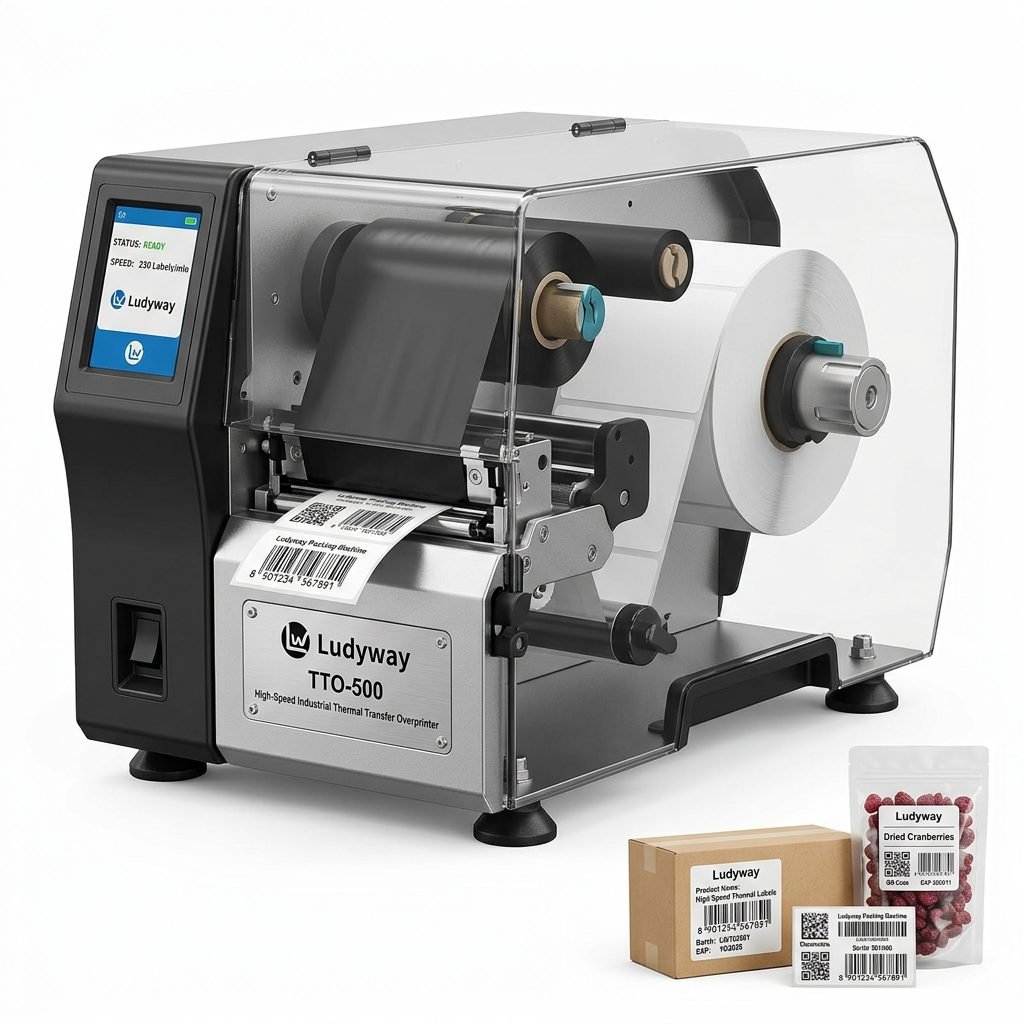
- Labeling machine
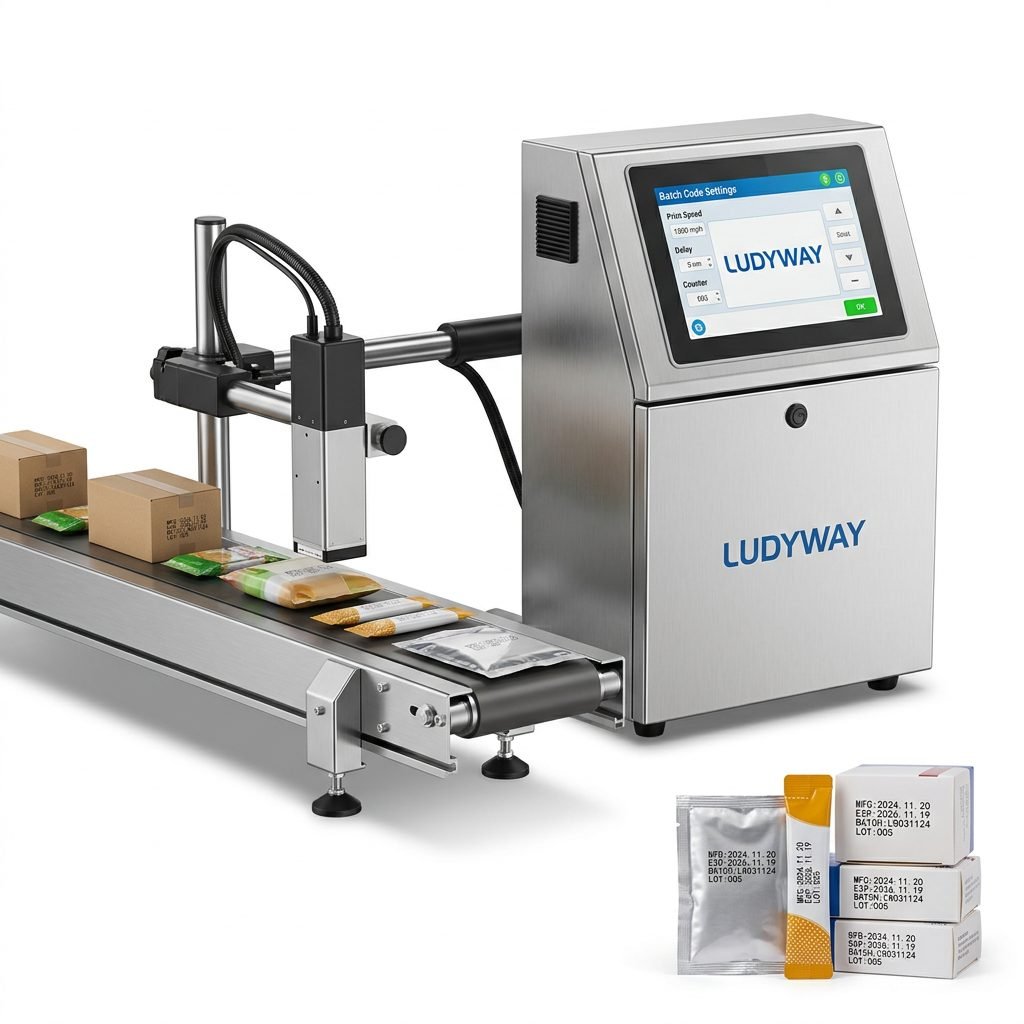
- Date/batch coding machine
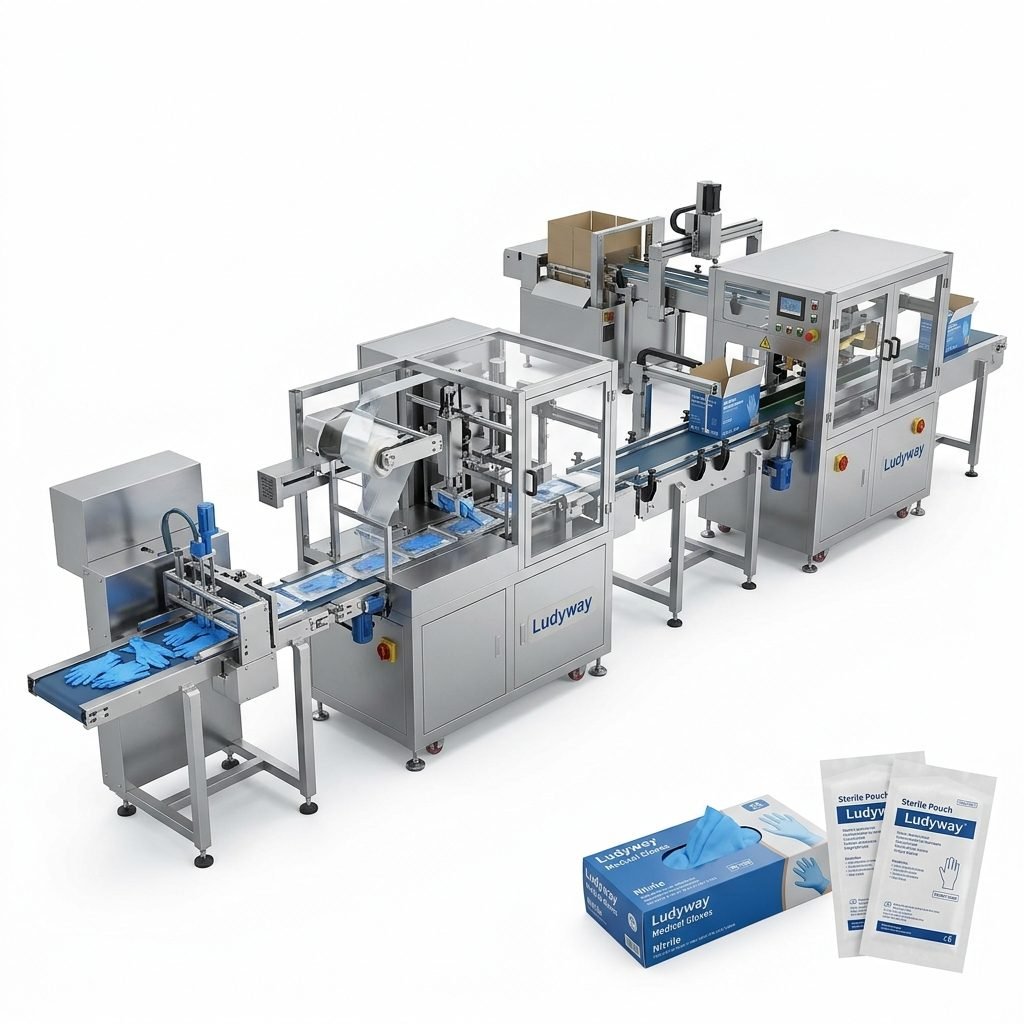
- Cartoning or shrink wrapping equipment
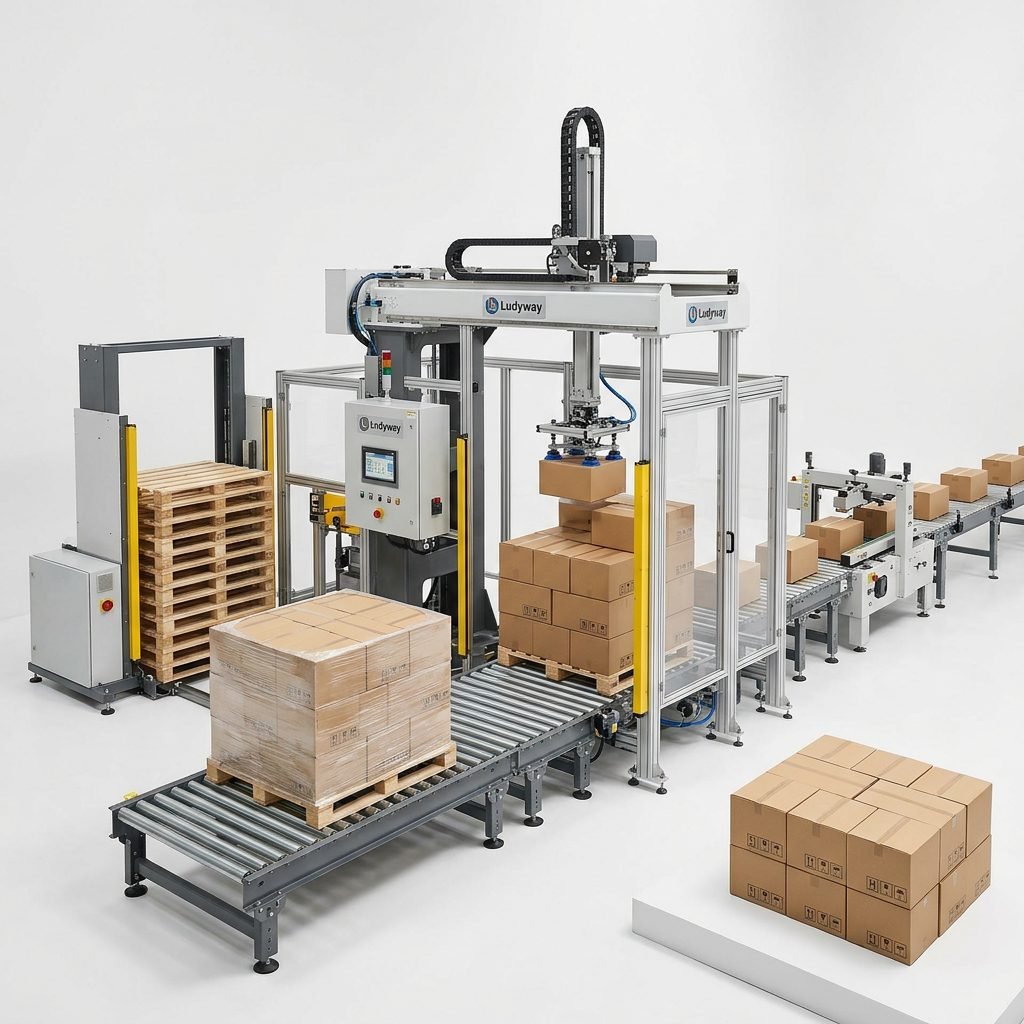
- Case packing and palletizing for larger operations
If you also sell promotional fragrance samples, a separate liquid sachet or stick pack packaging system can be a smart addition for marketing campaigns and retail trial packs.
How to choose the best solution for different business types
For boutique perfume brands
Small brands usually value flexibility, compact footprint, and elegant packaging quality. A semi-automatic or modular automatic line is often the best choice. Prioritize precise filling, easy cleaning, and support for multiple bottle styles.
For OEM/ODM cosmetic manufacturers
Contract manufacturers need higher throughput and faster changeovers. The right solution should support multiple fragrance SKUs, stable repeatability, and integration with labeling and cartoning equipment.
For promotional sample packaging
If you package small perfume samples, sachets, or stick packs for magazines, e-commerce, hotel amenities, or retail giveaways, multi-lane liquid packaging machinery offers strong efficiency and excellent output for small-dose fragrance packs.

Questions to ask before buying a perfume packaging machine
- What perfume formats do I need to package now and later?
- What is my required output per hour and per shift?
- How accurate must the fill volume be?
- Does the machine support my bottle, cap, or sachet material?
- How long does product changeover take?
- Can the system integrate with labeling, coding, and cartoning?
- Is technical support available for installation and after-sales service?
- Can the machine be customized for my brand’s packaging style?
Common mistakes buyers should avoid
Many perfume manufacturers focus only on purchase price, but the cheapest machine is not always the most efficient solution. Avoid these common mistakes:
- Choosing equipment without testing actual perfume samples
- Ignoring bottle and pump compatibility
- Underestimating future production growth
- Overlooking leakage control and sealing quality
- Buying standalone equipment without line integration planning
- Not checking service, spare parts, and technical support availability
Why customization matters in fragrance packaging
Perfume packaging is strongly tied to branding. Unlike standard commodity liquids, fragrance lines often use customized shapes, premium pumps, metallic caps, rigid cartons, and unique sampling formats. This means a standard machine may not always be enough.
A customized solution can help you achieve:
- Better fit for luxury or irregular bottles
- More stable handling of delicate containers
- Higher packaging consistency across different SKUs
- Expansion from bottles to sample sachets or travel packs
- Integrated automation from filling to final packing
Selecting a reliable machine supplier
The supplier is as important as the machine itself. Look for a manufacturer with strong engineering capability, export experience, customization support, and a broad packaging equipment portfolio. This is especially important if you plan to build a complete perfume packaging line rather than buy a single unit.
For buyers looking for scalable automation and turnkey support, perfume packaging machine solutions from Ludyway can be considered as part of a wider cosmetic and liquid packaging strategy, especially for businesses that need customized systems, integrated production lines, and long-term technical support.
Final decision checklist for efficient fragrance packaging
| Checklist Item | Why It Matters |
| Product formula compatibility | Ensures safe, stable, accurate filling |
| Bottle and cap matching | Reduces jams, breakage, and sealing problems |
| Output capacity | Supports current production and future growth |
| Filling accuracy | Protects product value and brand trust |
| Line integration | Improves efficiency from filling to final packing |
| Customization ability | Fits unique fragrance packaging formats |
| After-sales support | Reduces downtime and maintenance risk |
The best perfume packaging solution is the one that balances precision, aesthetics, automation, and scalability. By matching machine type to your fragrance product, package format, and production target, you can build an efficient packaging process that protects both your product quality and your brand value.