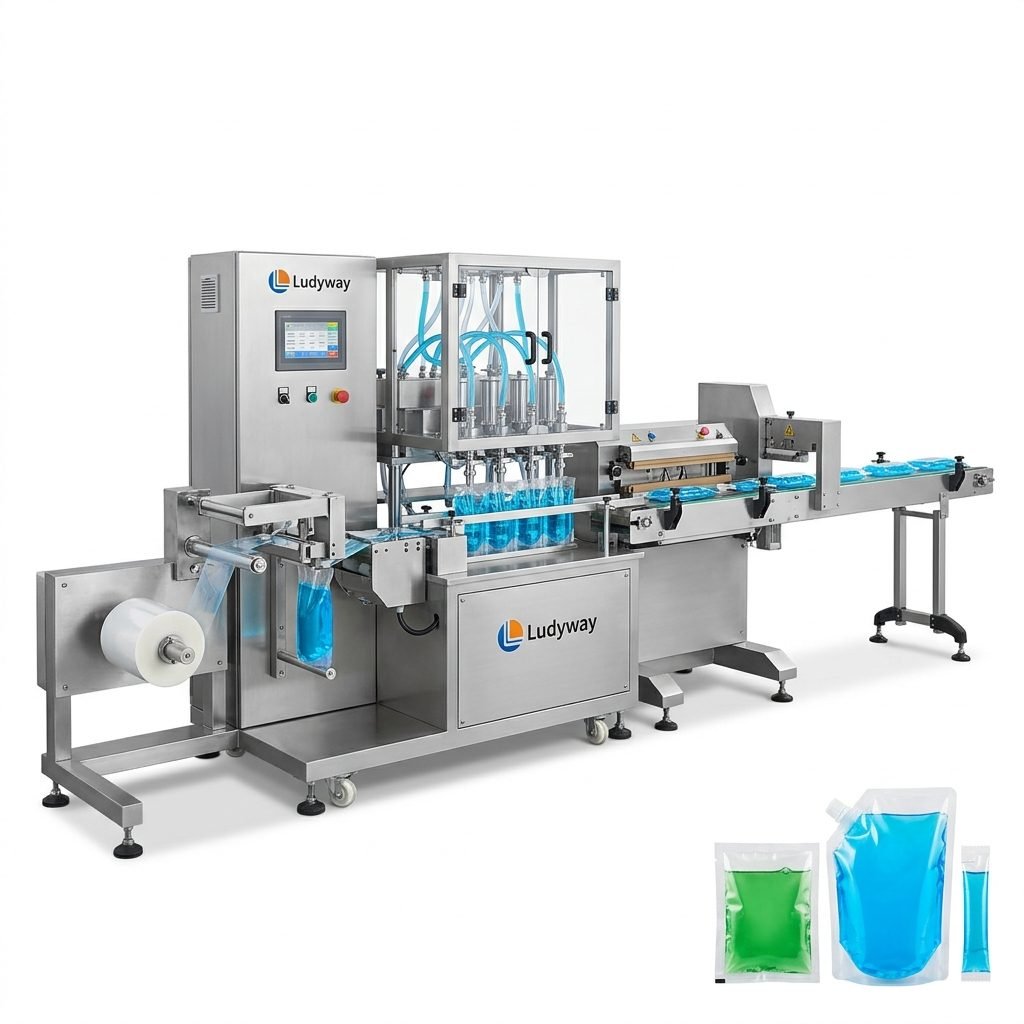
Wrap packaging machines play a critical role in modern production lines by helping manufacturers protect products, improve shipping stability, and create a cleaner, more professional presentation. Whether you are packaging pallets for warehouse transport, bundling retail goods, or securing cartons for logistics, the right machine can reduce labor costs, minimize product damage, and improve overall packaging consistency.
For businesses in food, pharmaceutical, chemical, personal care, and industrial sectors, investing in the correct wrap system is not just about speed—it is about load safety, film efficiency, automation, and long-term operational value.
What Is a Wrap Packaging Machine?
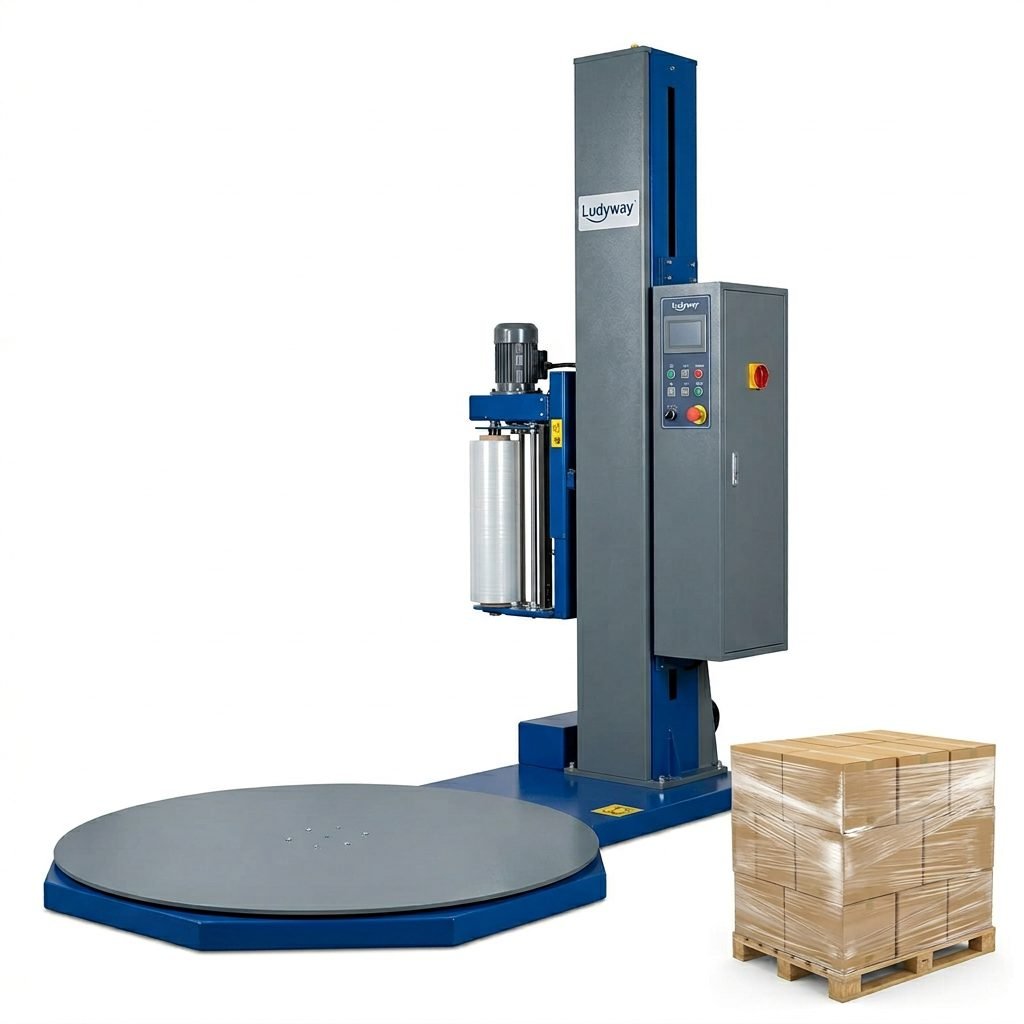
A wrap packaging machine is equipment designed to apply packaging material around a product or load. In most industrial applications, this refers to stretch wrapping or shrink wrapping. These machines use film to secure products, protect surfaces, improve unit stability, and support storage and transportation.
Depending on the application, a wrap packaging machine may be used for:
- Pallet wrapping for warehouse and shipping loads
- Bundling bottles, cans, cartons, or trays
- Protective overwrapping for consumer goods
- Secondary and tertiary packaging in automated lines
- Dust, moisture, and tamper resistance during transport
Key Benefits of Using a Wrap Packaging Machine
Companies that switch from manual wrapping to automated or semi-automatic systems often see immediate gains in efficiency and packaging quality.
1. Better Load Stability
A machine applies film with more consistent tension than manual wrapping. This helps keep products secure during handling, stacking, and transport.
2. Lower Film Consumption
Many modern systems use pre-stretch technology, which maximizes film usage and reduces waste. Over time, this can significantly cut packaging material costs.
3. Improved Labor Efficiency
Manual wrapping is physically demanding and time-consuming. A wrap packaging machine allows operators to package more loads with less effort.
4. More Consistent Packaging Quality
Automated wrapping delivers repeatable results. This consistency is especially important for businesses with quality control requirements or brand presentation standards.
5. Enhanced Product Protection
Proper wrapping helps guard against dust, moisture, shifting, and minor external impact. This is particularly valuable in export logistics and long-distance transportation.
6. Safer Working Conditions
Using a machine reduces repetitive strain from bending, stretching, and walking around heavy loads, creating a safer packaging environment for operators.
| Benefit | Business Impact |
|---|---|
| Consistent wrapping tension | More stable loads and fewer transport issues |
| Reduced manual labor | Higher throughput and lower labor fatigue |
| Film optimization | Lower packaging material costs |
| Better load protection | Reduced product damage and claims |
| Repeatable packaging results | Improved quality control and appearance |
Main Types of Wrap Packaging Machines
There is no single machine that fits every operation. The best choice depends on product size, output requirements, film type, and production layout.
Stretch Wrapping Machines
Stretch wrappers use stretch film to tightly secure loads, most commonly pallets. These are popular in logistics centers, factories, and export-oriented facilities.
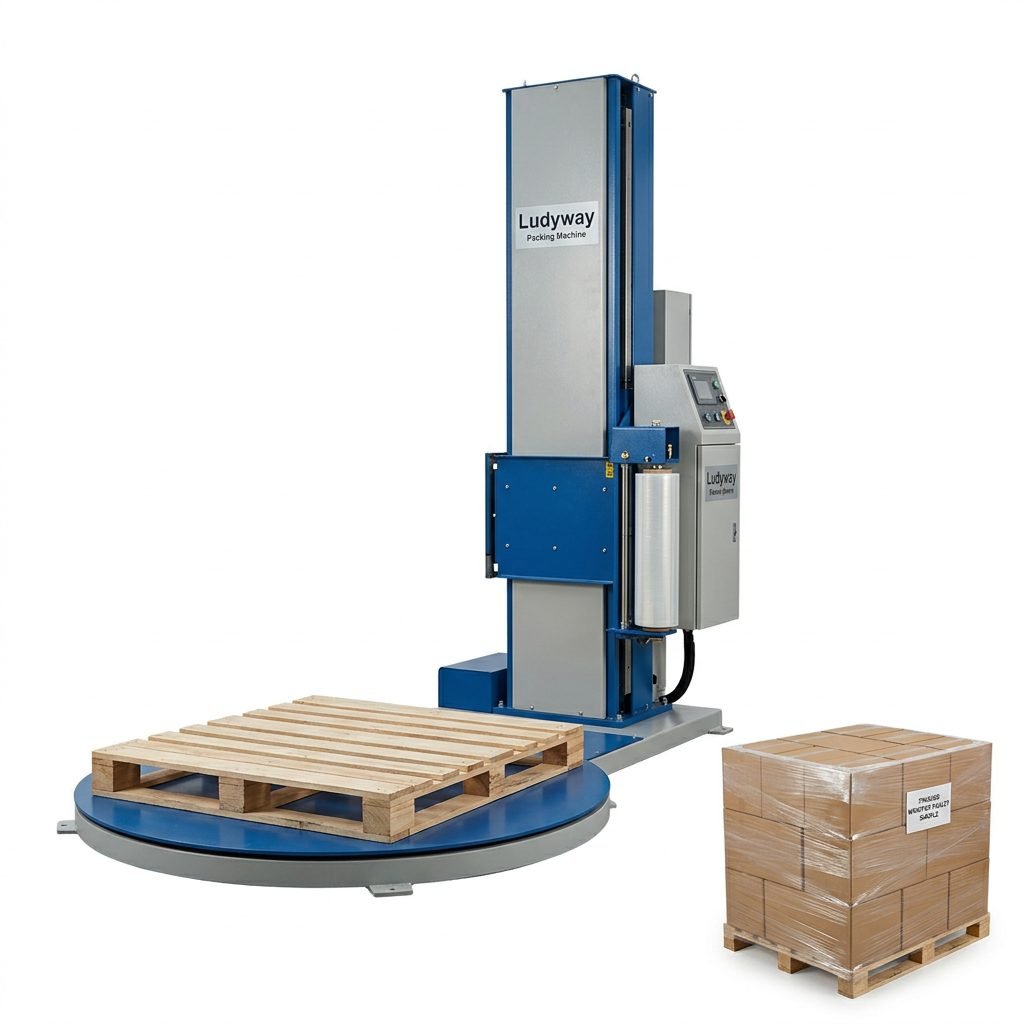
- Turntable stretch wrappers: The pallet rotates while film is applied
- Rotary arm wrappers: The wrapping arm rotates around a stationary load
- Orbital stretch wrappers: Ideal for long or irregular products
- Horizontal wrapping machines: Used for profiles, pipes, panels, and elongated goods
Shrink Wrapping Machines
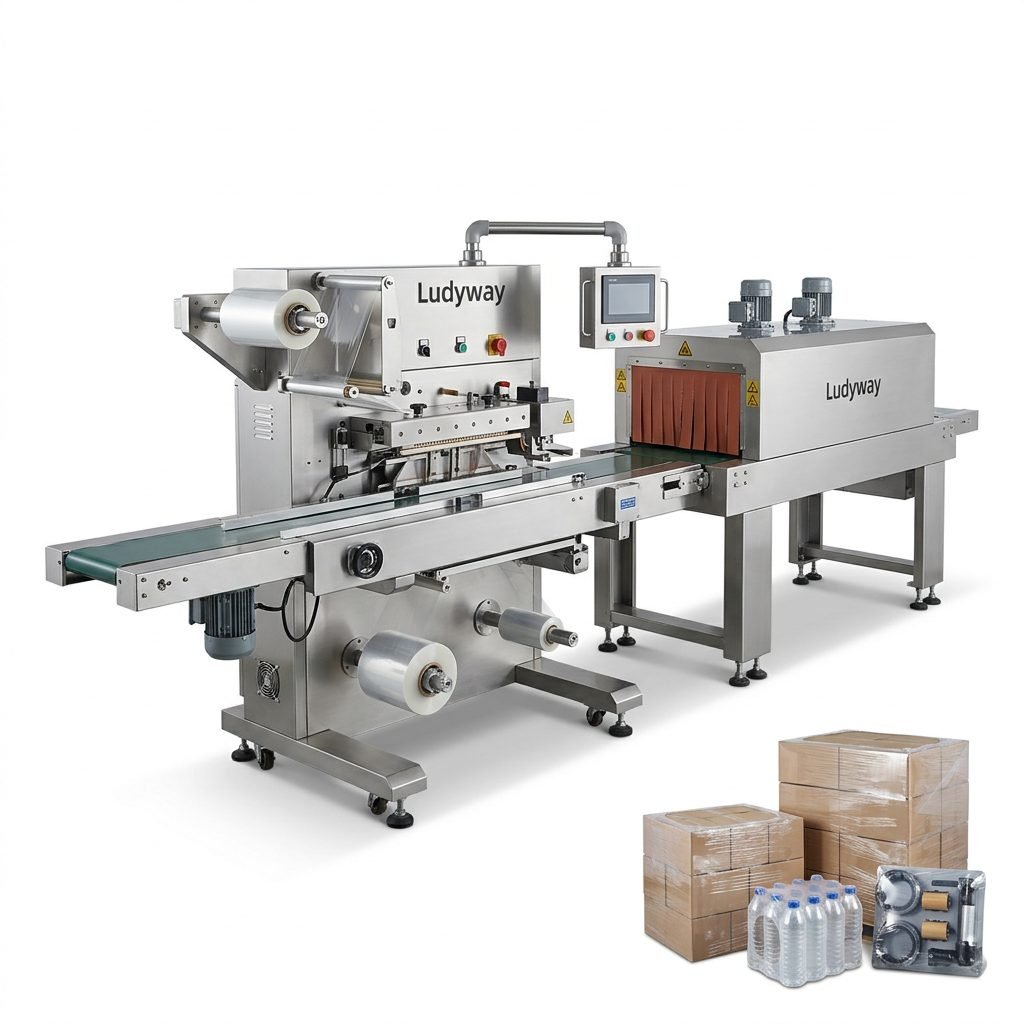
Shrink wrapping machines apply loose film around products and then use heat to shrink the film tightly. These systems are common for retail multipacks, boxed goods, and presentation packaging.
Overwrapping Machines
Overwrapping is often used for cartons, cosmetics, pharmaceuticals, and premium goods where appearance and tamper evidence matter.
Manual, Semi-Automatic, and Fully Automatic Systems
Wrap packaging machines are also categorized by automation level:
- Manual: Lowest cost, suitable for very small volumes
- Semi-automatic: Good balance of cost and productivity
- Fully automatic: Best for high-volume lines and minimal operator involvement
How Different Industries Use Wrap Packaging Machines
Food and Beverage
Used for palletized cartons, bottles, cans, and bundled consumer products. Clean wrapping supports hygiene standards and safe distribution.
Pharmaceutical and Healthcare
Suitable for secondary packaging, overwrapping, and secure transport of cartons, pouches, and medical products where cleanliness and traceability are important.
Chemical Industry
Helps stabilize heavy containers, bags, and industrial drums while reducing risks during shipping and warehouse handling.
Cosmetics and Personal Care
Supports clean product presentation, multipack bundling, and protective transport wrapping for cartons, bottles, tubes, and sachet-packed goods.
Industrial and Logistics
Ideal for high-throughput warehousing, export packaging, and pallet unitization where load integrity is essential.
How to Choose the Right Wrap Packaging Machine
Choosing the right system requires more than comparing machine prices. A low-cost model may not meet your output or packaging quality requirements, while an oversized machine may increase unnecessary investment.
1. Define Your Product and Load Characteristics
Start with the basics:
- Product dimensions and weight
- Pallet size or packaging format
- Load stability before wrapping
- Need for full, partial, or reinforced wrapping
- Regular or irregular product shape
2. Estimate Daily and Hourly Output
If your operation wraps only a few loads per day, a semi-automatic machine may be enough. If you run a busy production line, fully automatic wrapping equipment is usually the more practical and economical long-term choice.
3. Consider the Required Automation Level
Ask whether your machine should work as a standalone unit or connect with conveyors, labeling systems, coding units, palletizers, or complete packaging lines.
4. Evaluate Film Compatibility
Not all machines are suited to every film thickness or material type. Check compatibility with your preferred stretch film or shrink film specification.
5. Review Space and Layout Constraints
Available installation space matters. Turntable machines are compact, while rotary arm and full-line integrated systems may require more room.
6. Focus on Load Safety Features
Look for safety sensors, controlled film tension, stable clamping, and reliable wrapping patterns. For fragile or tall loads, these features are especially important.
7. Check Maintenance and After-Sales Support
Reliable support can reduce downtime and protect your investment. Spare parts access, operator training, and technical assistance should be part of your decision.
| Selection Factor | Why It Matters |
|---|---|
| Load size and weight | Determines machine structure and wrapping mode |
| Production volume | Affects required speed and automation level |
| Film type | Ensures proper performance and cost control |
| Factory layout | Prevents installation and workflow problems |
| Integration needs | Supports future automation and line expansion |
| Service support | Improves machine uptime and operational reliability |
Signs It’s Time to Upgrade Your Current Wrapping Process
- Frequent load shifting during transport
- Excessive film use and rising packaging costs
- Inconsistent packaging quality between operators
- Slow pallet dispatch and warehouse bottlenecks
- High labor intensity in end-of-line operations
- Growing demand that manual wrapping cannot support
What to Ask a Wrap Packaging Machine Supplier
Before buying, ask practical questions that relate directly to your production goals:
- What load sizes and weights can the machine handle?
- What is the actual wrapping speed under normal production conditions?
- Can the machine integrate with conveyors or a full packaging line?
- How does the film pre-stretch system reduce material usage?
- What spare parts and technical support are available?
- Can the machine be customized for special products or layouts?
Why Turnkey Packaging Integration Matters
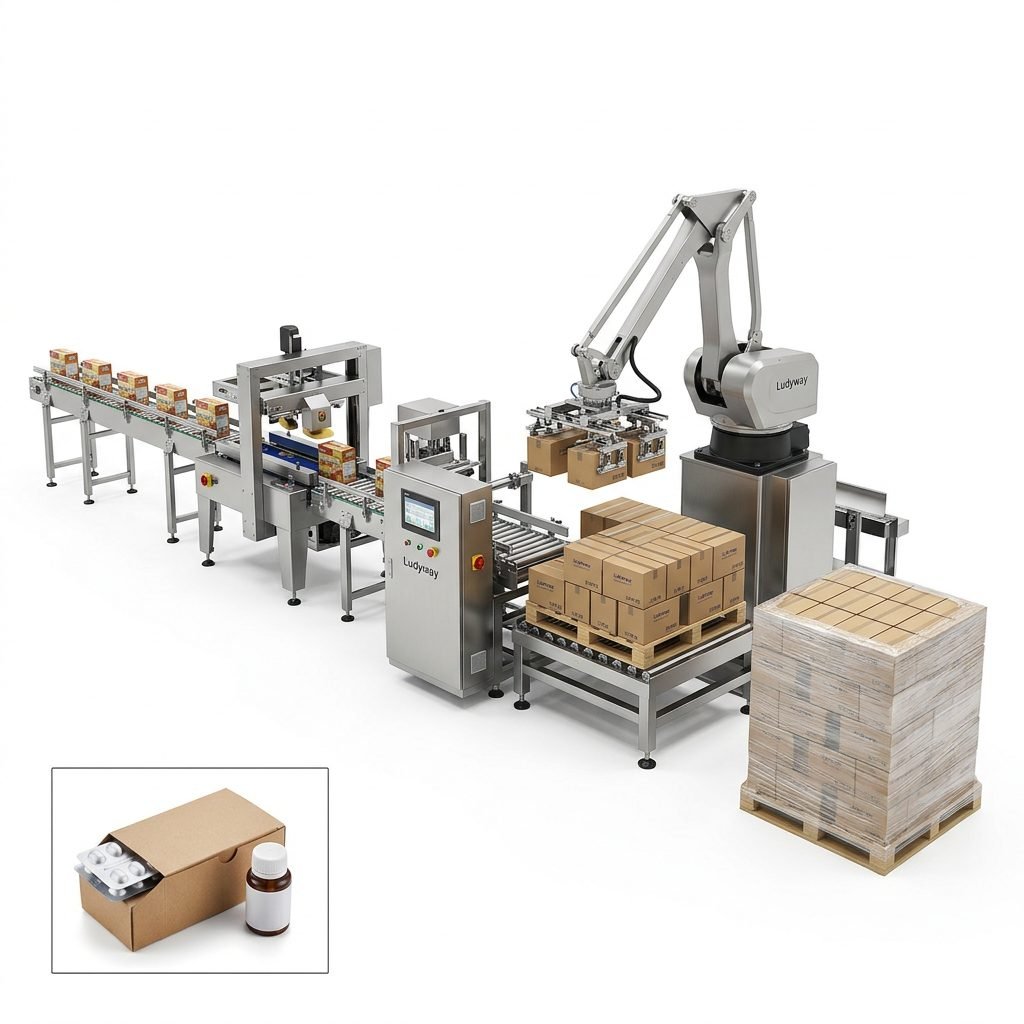
For many manufacturers, wrapping is only one part of the broader packaging process. The best efficiency often comes from combining wrapping systems with conveying, filling, sealing, labeling, coding, checkweighing, cartoning, and palletizing solutions.
Companies looking for scalable automation often prefer suppliers with complete line engineering capabilities. Wrap packaging machine solutions from Ludyway are often considered by buyers seeking integrated packaging equipment, customized line planning, and long-term production support across multiple industries.
Final Buying Tips
When selecting a wrap packaging machine, focus on total value rather than only the initial purchase price. A well-matched machine can deliver:
- Higher packaging speed
- Better product protection
- Reduced film waste
- Lower labor dependency
- More reliable shipping performance
- Improved scalability for future growth
If your business is expanding, exporting, or moving toward automation, a properly selected wrap packaging machine can become a strong asset in your packaging line and supply chain operations.