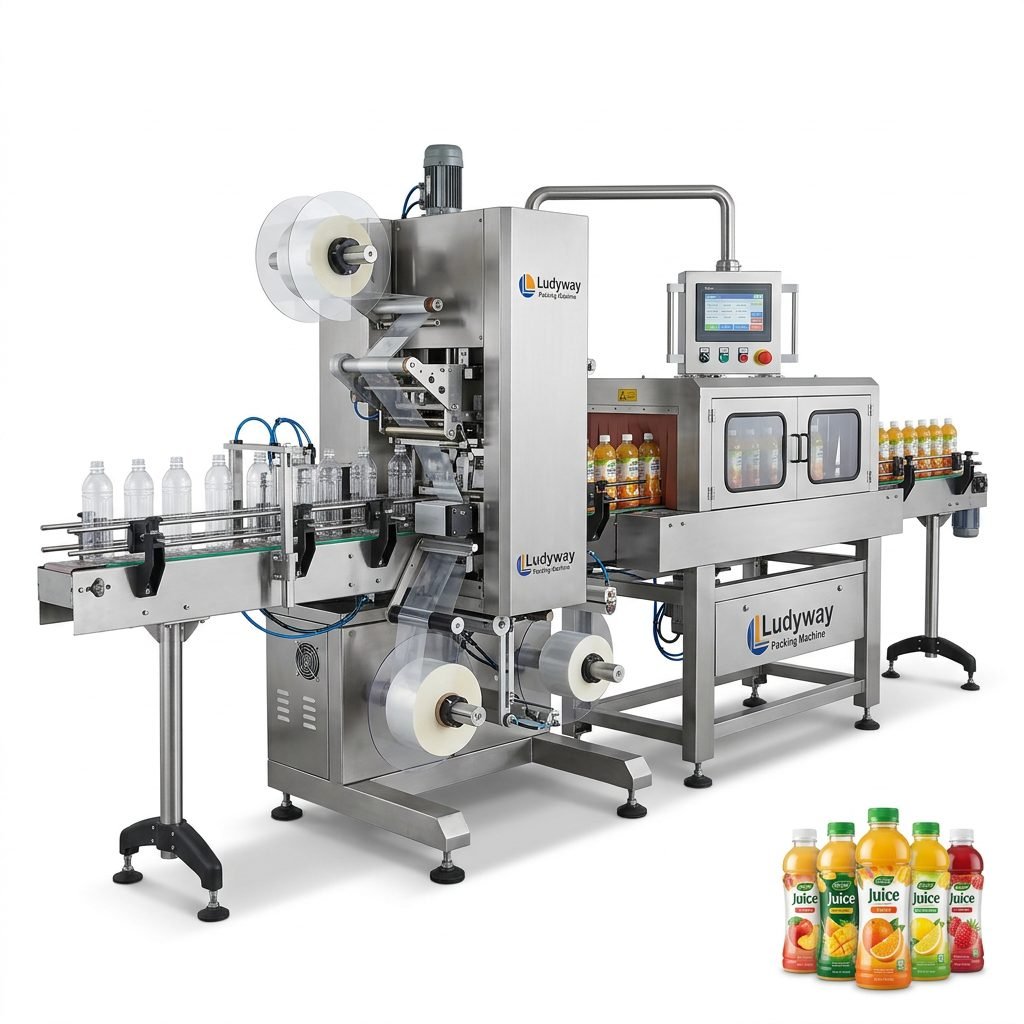
Florida’s vibrant and diverse manufacturing landscape, particularly in sectors like food processing, agriculture, pharmaceuticals, and health products, drives a significant demand for reliable processing and packaging equipment. The state’s unique blend of large-scale commercial operations, innovative startups, and a strong emphasis on tourism and hospitality means equipment needs are varied. From packing fresh citrus and seafood to bottling beverages and portioning health supplements, Florida businesses require machinery that is efficient, hygienic, and adaptable to both high-volume production and artisanal, quality-focused batches. Understanding the local supplier ecosystem and the specific types of equipment available is the first step to making a smart investment.
Navigating the Florida Supplier Landscape
Finding the right supplier in Florida involves more than just a Google search. The market consists of national distributors with local branches, specialized regional dealers, direct manufacturers, and used equipment brokers. Each offers different advantages.
Key Consideration: Florida’s humid, salty coastal climate can be harsh on machinery. A local supplier with a strong service network for maintenance, repair, and part replacement is invaluable. Proximity ensures faster response times to minimize costly downtime, a critical factor during peak harvest or tourist seasons.
Many reputable national suppliers have established warehouses and service centers in major industrial hubs like Jacksonville, Orlando, Tampa, and Miami. These suppliers often carry a wide range of brands and can provide comprehensive support. For highly specialized needs—such as equipment for handling delicate tropical fruits or meeting stringent pharmaceutical standards—niche dealers with deep technical expertise are essential.
Another excellent resource is connecting with industry peers. Florida hosts numerous trade shows and expos, such as the Florida Food & Beverage Show or events hosted by the Florida Manufacturing Extension Partnership (FL MEP). These are perfect venues to meet suppliers, see equipment in action, and gather firsthand testimonials.
Types of Processing & Packaging Equipment in High Demand
Florida’s key industries dictate the most sought-after machinery types. Here’s a breakdown of common equipment categories:
1. Food Processing Equipment
- → Washing & Sorting Lines: Crucial for the state’s massive produce industry (citrus, tomatoes, strawberries).
- → Cutting, Slicing & Dicing Machines: For pre-cut fruits, vegetables, and ready-to-eat products.
- → Mixers & Blenders: For sauces, marinades, beverage bases, and bakery mixes.
- → Cooking & Pasteurization Systems: Essential for seafood processing, juice production, and prepared foods.
2. Primary Packaging Machinery
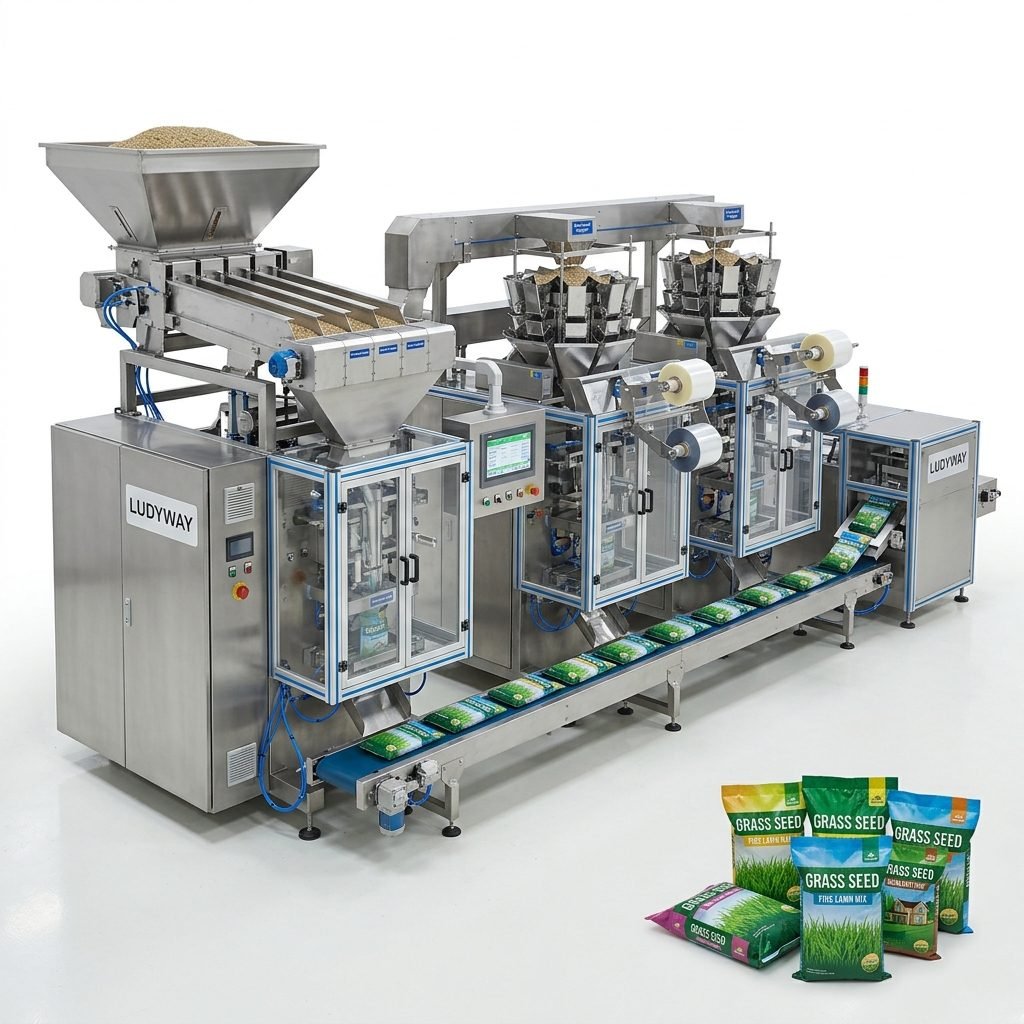
This equipment forms the direct contact with the product. Popular choices include:
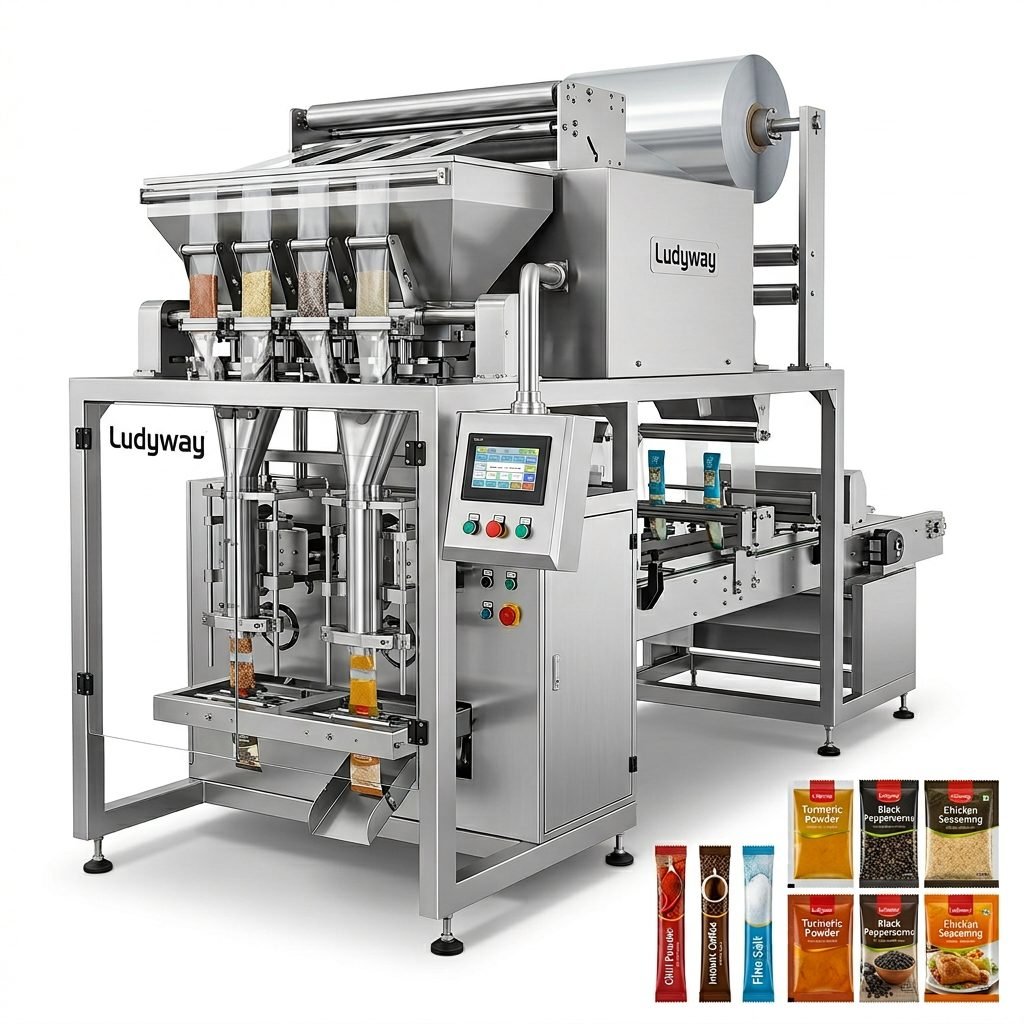
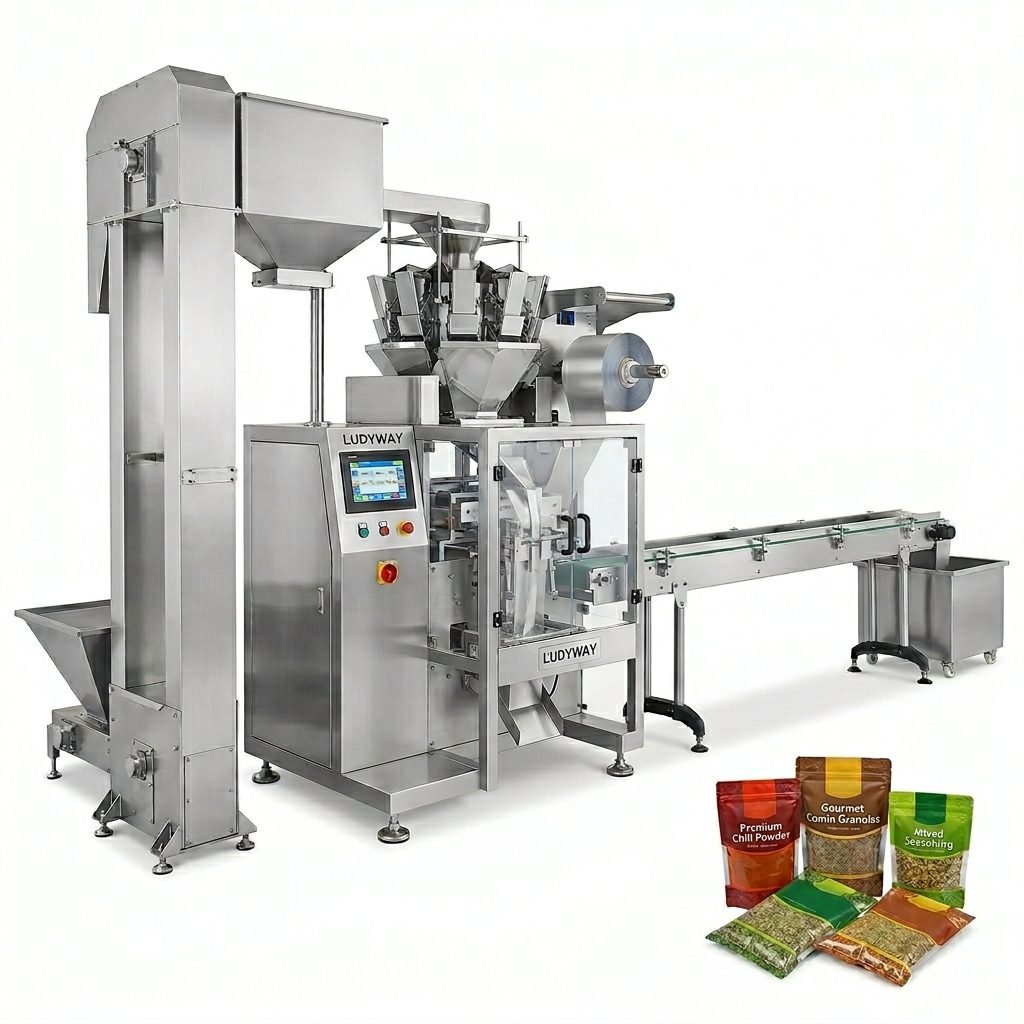
- Vertical Form-Fill-Seal (VFFS) Machines: Extremely versatile for packaging snacks, coffee, powders, and granular products into pouches.
- Liquid & Pouch Fillers: For beverages, sauces, oils, and condiments. Aseptic filling is growing for extended shelf-life products.
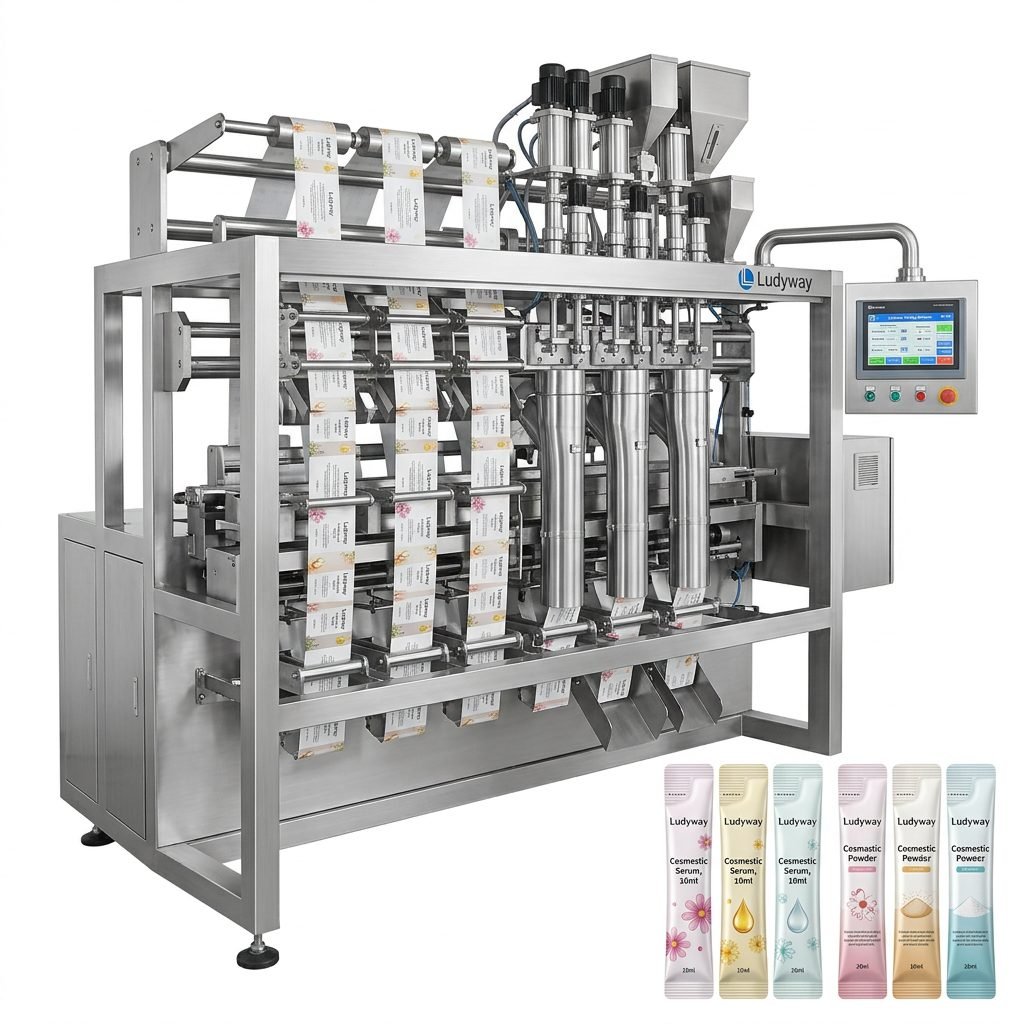
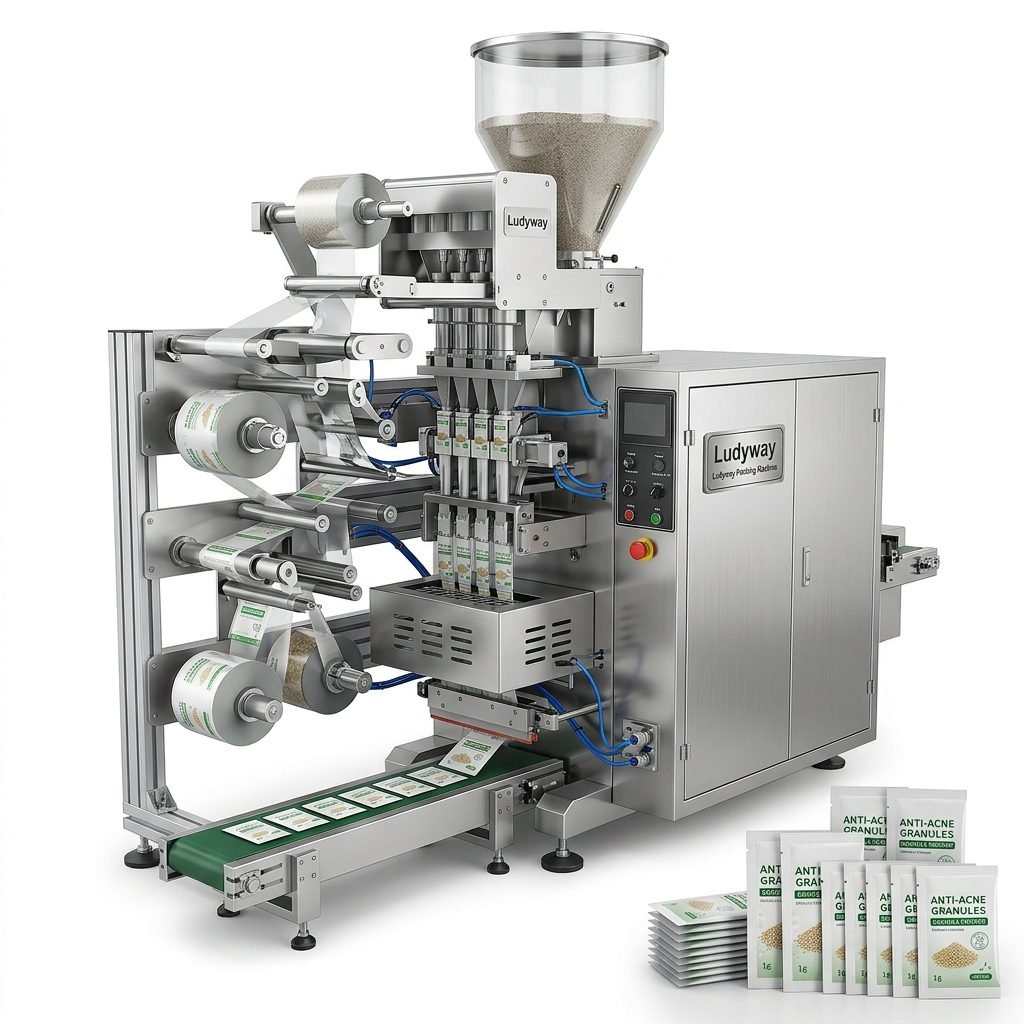
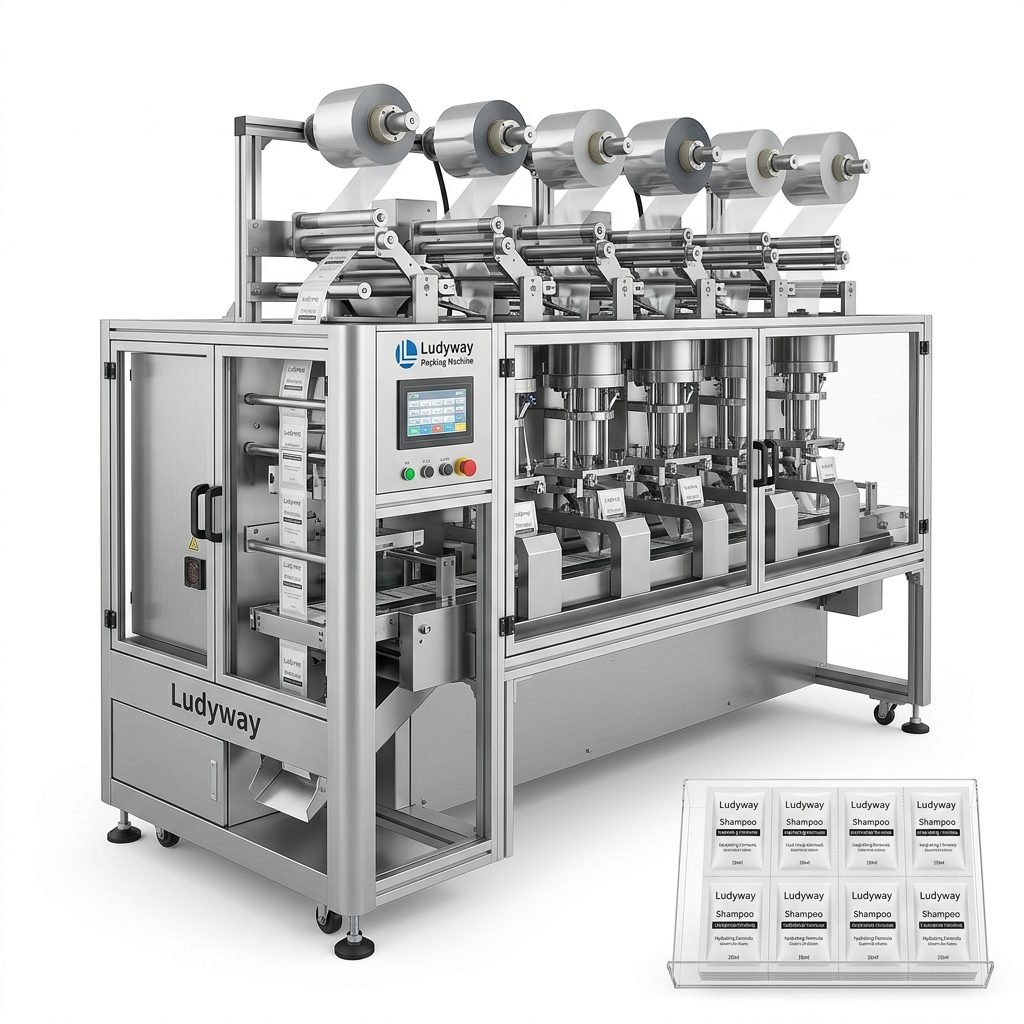
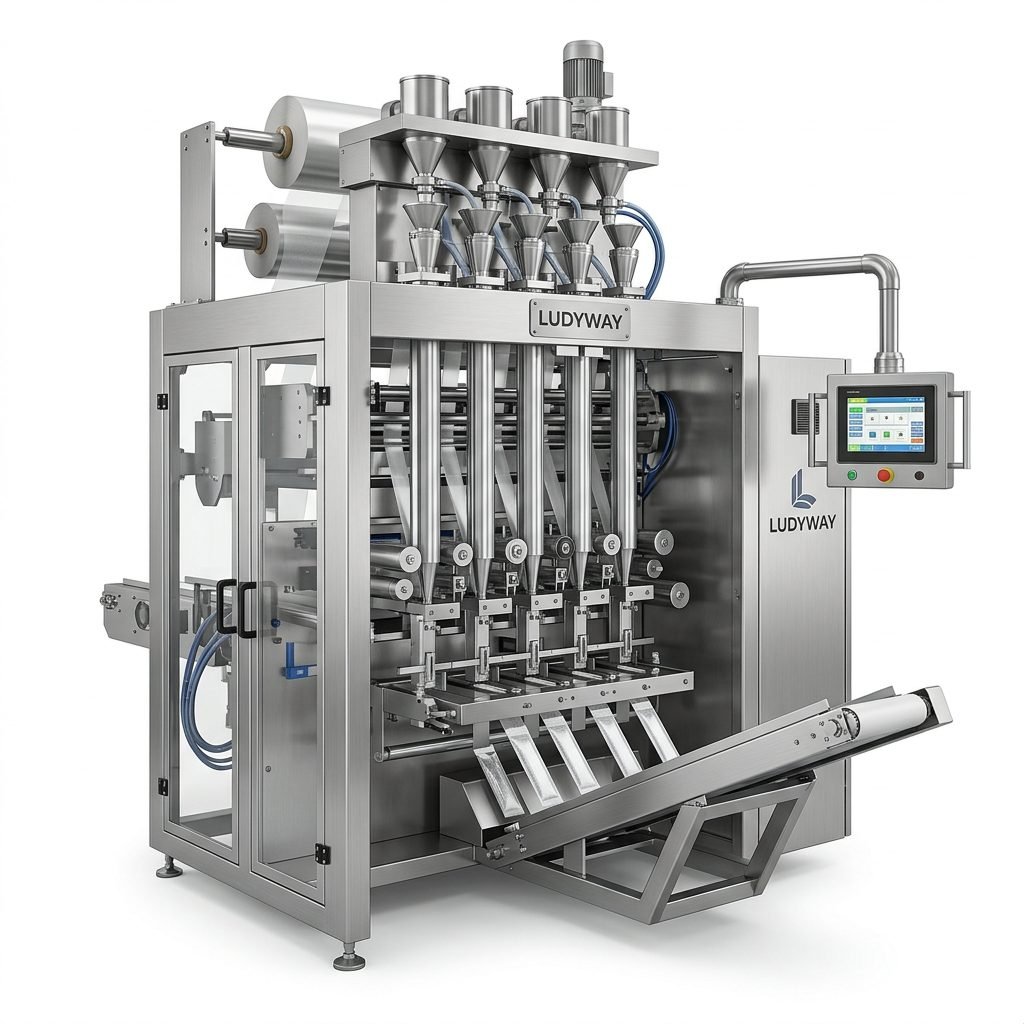
- Stick Pack & Sachet Machines: Ideal for single-serve portions of drink mixes, supplements, sauces, and cosmetics—a format popular with tourists and in hospitality.
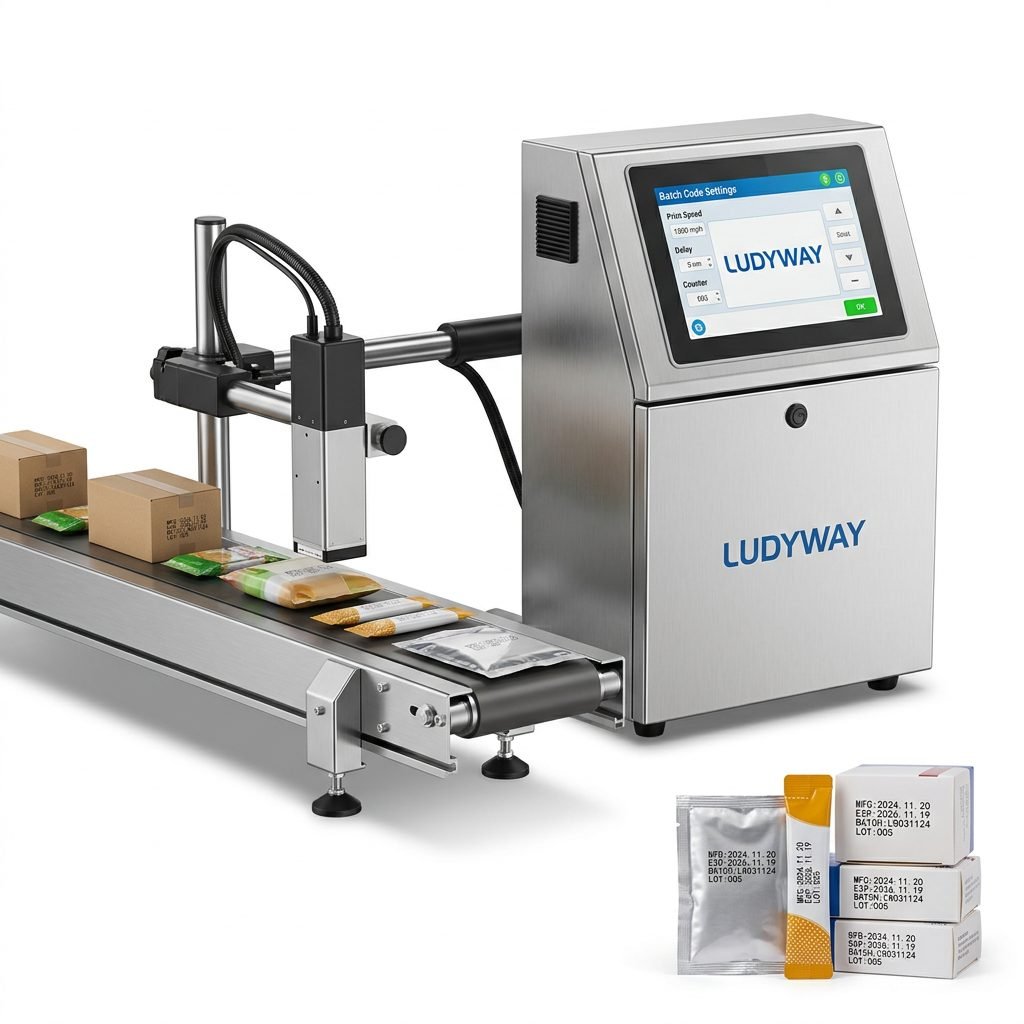
- Capping, Labeling, & Case Packing: The final steps in the packaging line for bottled and canned goods.
Did You Know?
The demand for flexible packaging (stand-up pouches, stick packs) is surging in Florida. It aligns with consumer trends for convenience, portability (perfect for beach snacks or on-the-go supplements), and reduced material waste compared to rigid containers.
3. Specialized & Ancillary Equipment
This includes metal detectors and X-ray inspection systems for food safety, carton sealers, palletizers, and conveying systems tailored to handle everything from fragile pastries to heavy canned goods.
Essential Buying Tips for Florida Businesses
Purchasing capital equipment is a major decision. Follow these guidelines to ensure a successful acquisition.
1. Clearly Define Your Needs & Future Growth
Analyze your current and projected production volume, product types, and packaging formats. Will you be introducing new product lines? Florida’s seasonal spikes (e.g., citrus harvest, tourist season) require equipment that can handle variable throughput. Opt for modular or scalable solutions where possible.
2. Prioritize Hygiene & Compliance
Equipment must meet FDA and, if applicable, USDA standards. Stainless steel (especially grade 304 or 316) construction, easy-clean designs, and sanitary welds are non-negotiable for food and pharmaceutical applications. Ensure the machinery complies with all relevant OSHA safety regulations.
3. Evaluate Total Cost of Ownership (TCO)
Look beyond the initial purchase price. Factor in:
- Installation & setup costs
- Energy and consumable (film, labels) consumption
- Routine maintenance and part costs
- Potential costs of downtime
A slightly more expensive machine from a supplier like Ludyway Packing Machine, known for reliability and support, may offer a lower TCO than a cheaper, less dependable alternative.
4. Demand a Demonstration & Check References
Always request a live or video demonstration using a product similar to yours. Ask the supplier for references from other Florida-based companies, preferably in your industry. Contact them to inquire about machine performance, reliability, and the quality of after-sales service.
5. Secure Comprehensive Support & Training
The purchase agreement should clearly outline warranty terms, technical support availability (including emergency service), and on-site operator training. Ensure spare parts are readily accessible. A supplier with a strong local presence, such as one offering expertise in sachet packaging systems, can be a strategic partner for your business growth.
Partnering for Success: The Role of Expert Suppliers
Choosing a supplier is choosing a long-term partner. The best suppliers do more than sell machines; they provide turnkey solutions. This includes feasibility studies, factory layout planning, installation, commissioning, and ongoing optimization. They understand the local market pressures and can advise on equipment that maximizes efficiency for Florida’s specific conditions.
For instance, a company with deep industry roots, like Ludyway Machinery, brings over a decade of focused experience in packaging automation. Starting with a dedicated engineering team, they have grown by forging strong partnerships with manufacturers and developing a broad portfolio of over 50 intelligent machine models. This evolution allows them to offer tailored solutions—from single machines to complete production lines—that address the precise needs of food, pharmaceutical, and health product manufacturers, not just in Florida but for clients aiming to meet global standards.
Final Checklist Before You Buy
✓ Have you validated the machine’s output with your actual product?
✓ Is the equipment compatible with your facility’s utilities (power, air, water)?
✓ Are the operation and maintenance manuals comprehensive and in English?
✓ Is the after-sales service agreement clear and satisfactory?
✓ Does the supplier have a proven track record with businesses of your scale and sector?
Frequently Asked Questions (FAQs)
1. What is the lead time for receiving new processing equipment in Florida?
Lead times vary widely based on the machine’s complexity and origin. Standard models from a local distributor’s inventory may ship in 2-6 weeks. Custom-configured or imported equipment can take 3-9 months. Always confirm timelines in writing and plan for potential delays, especially for overseas shipments.
2. Should I consider used or refurbished packaging equipment?
Used equipment can offer significant cost savings and is worth considering, especially for startups or well-defined, stable applications. However, it’s crucial to purchase from a reputable dealer who refurbishes and warranties the machinery. Inspect it thoroughly or hire a third-party inspector. For complex, high-speed, or hygiene-critical applications, new equipment is often the safer long-term investment.
3. How important is energy efficiency for machinery in Florida?
Extremely important. Florida’s hot climate leads to high air conditioning costs and energy consumption. Energy-efficient motors, drives, and heat-recovery systems on processing equipment can substantially reduce operating expenses. Look for equipment with modern, variable-speed drives and high-efficiency ratings.
4. Can I get equipment financing or leasing options locally?
Yes. Many equipment suppliers partner with financing companies to offer lease-to-own or equipment financing plans. Additionally, Florida-based banks and credit unions familiar with the manufacturing and agricultural sectors often have specialized lending programs for capital equipment purchases, which can help preserve cash flow.
5. What are the key certifications I should look for on packaging machinery?
For food and pharmaceutical use, ensure equipment is constructed to 3-A Sanitary Standards or meets FDA CFR Title 21 requirements. Electrical components should have UL or CE certification. Also, check for ISO 9001 certification of the manufacturer, indicating a quality management system is in place.