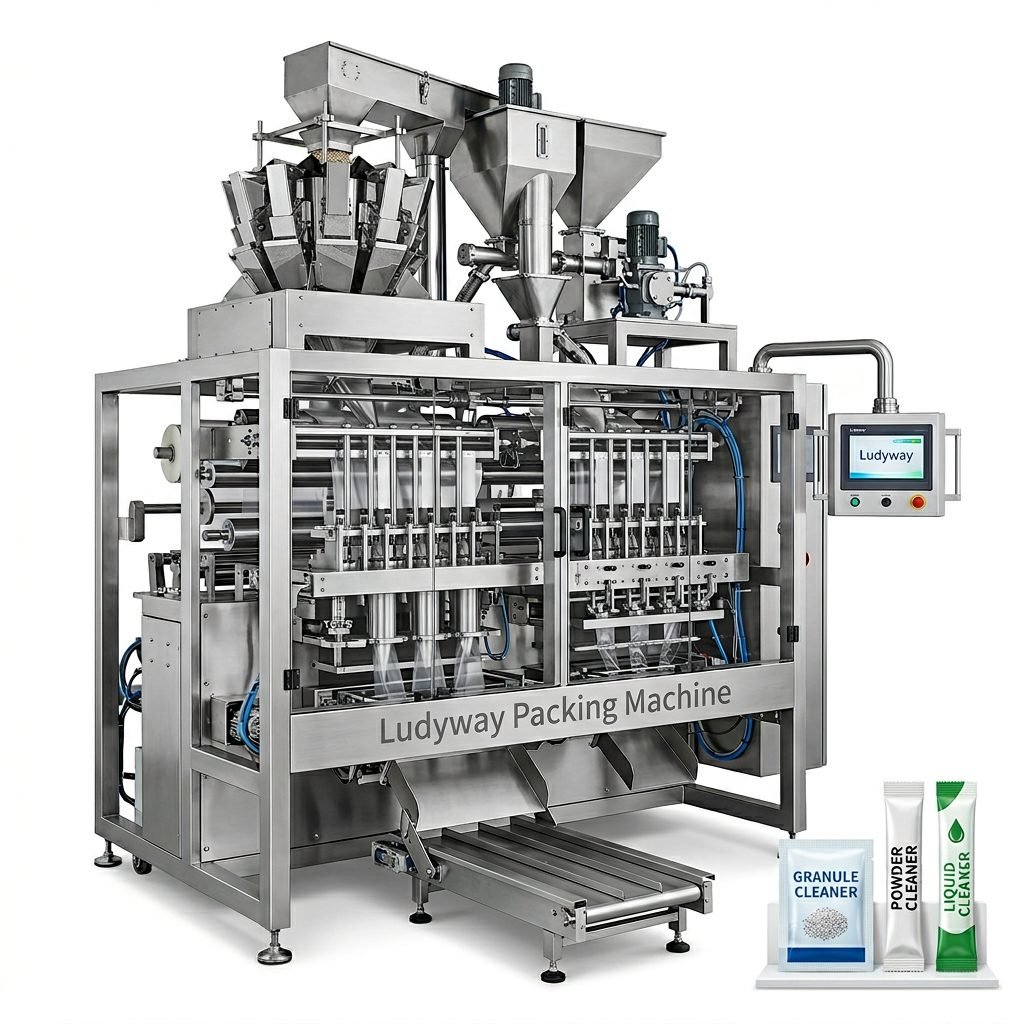
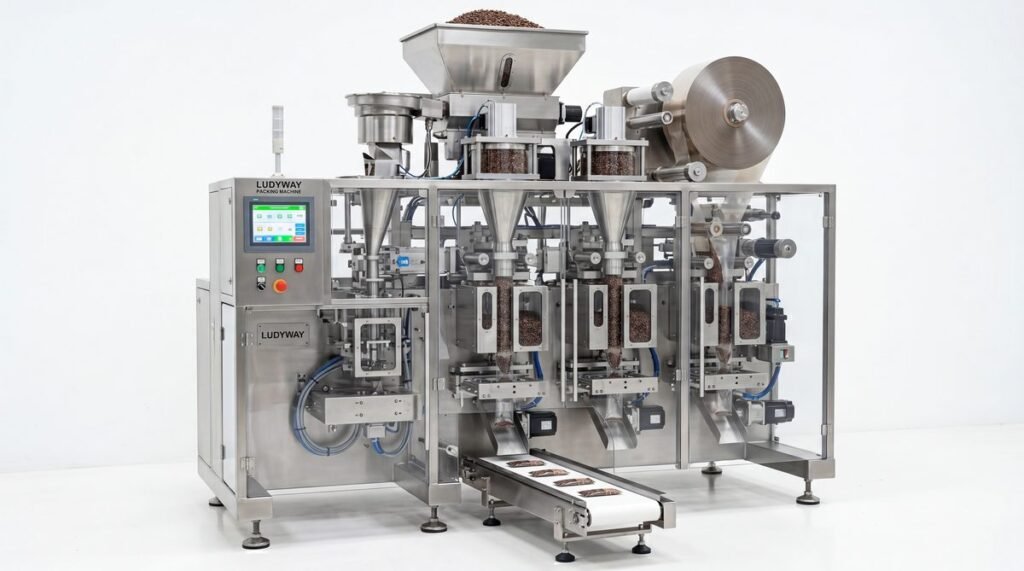
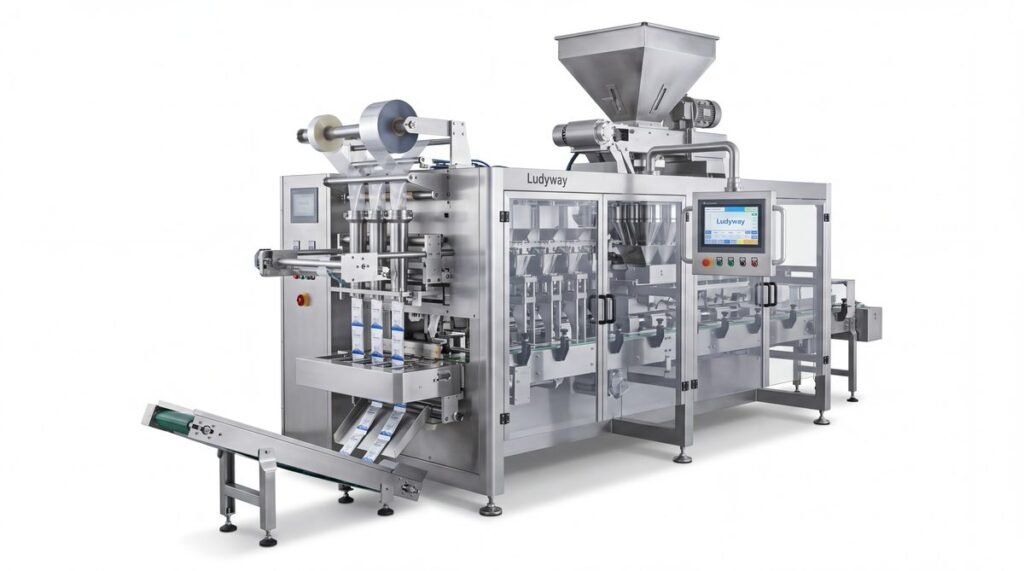
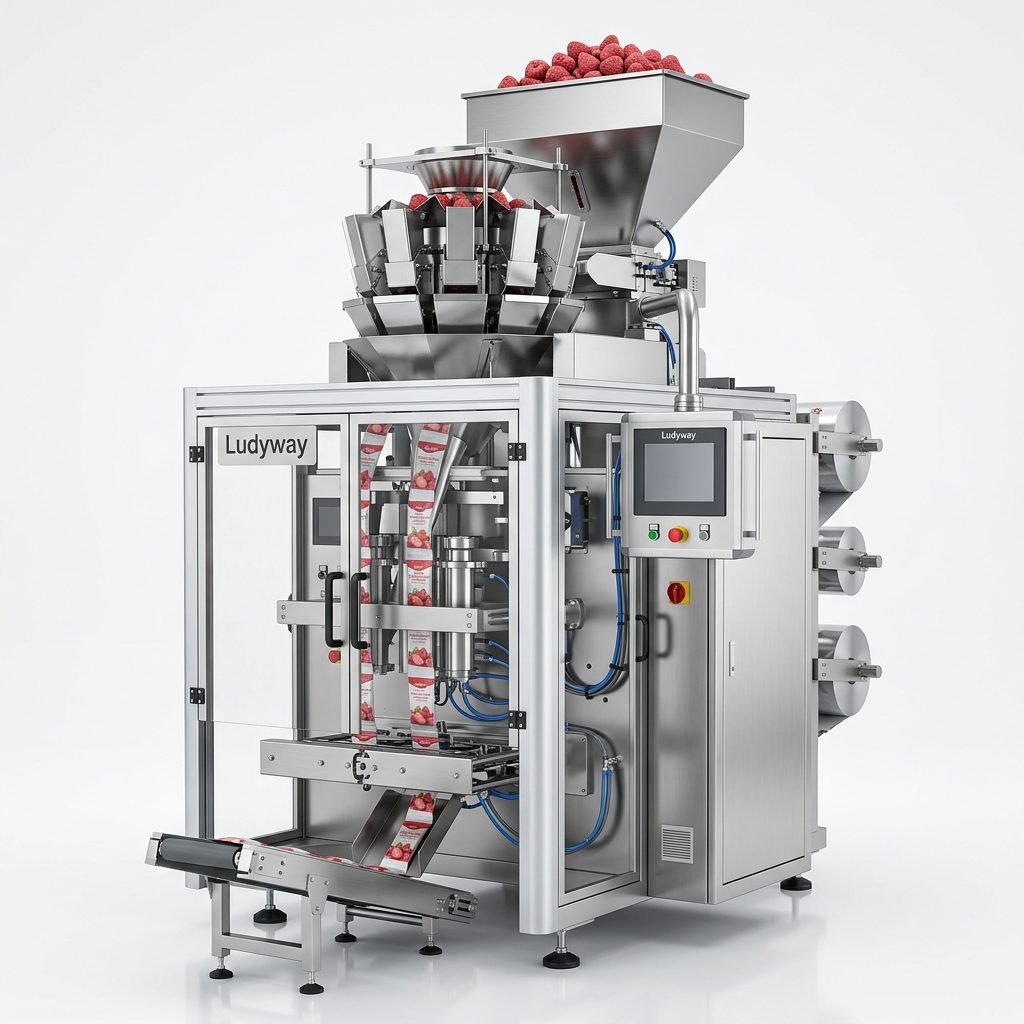
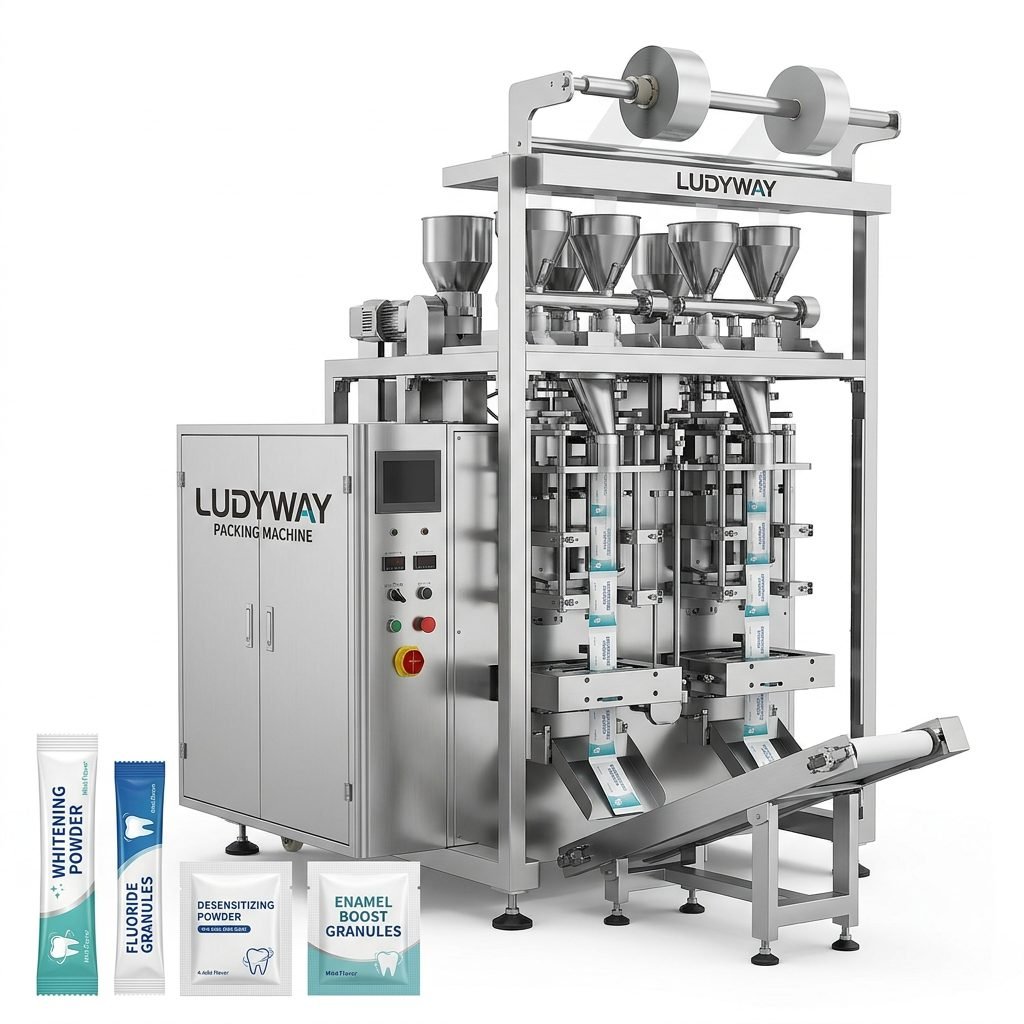
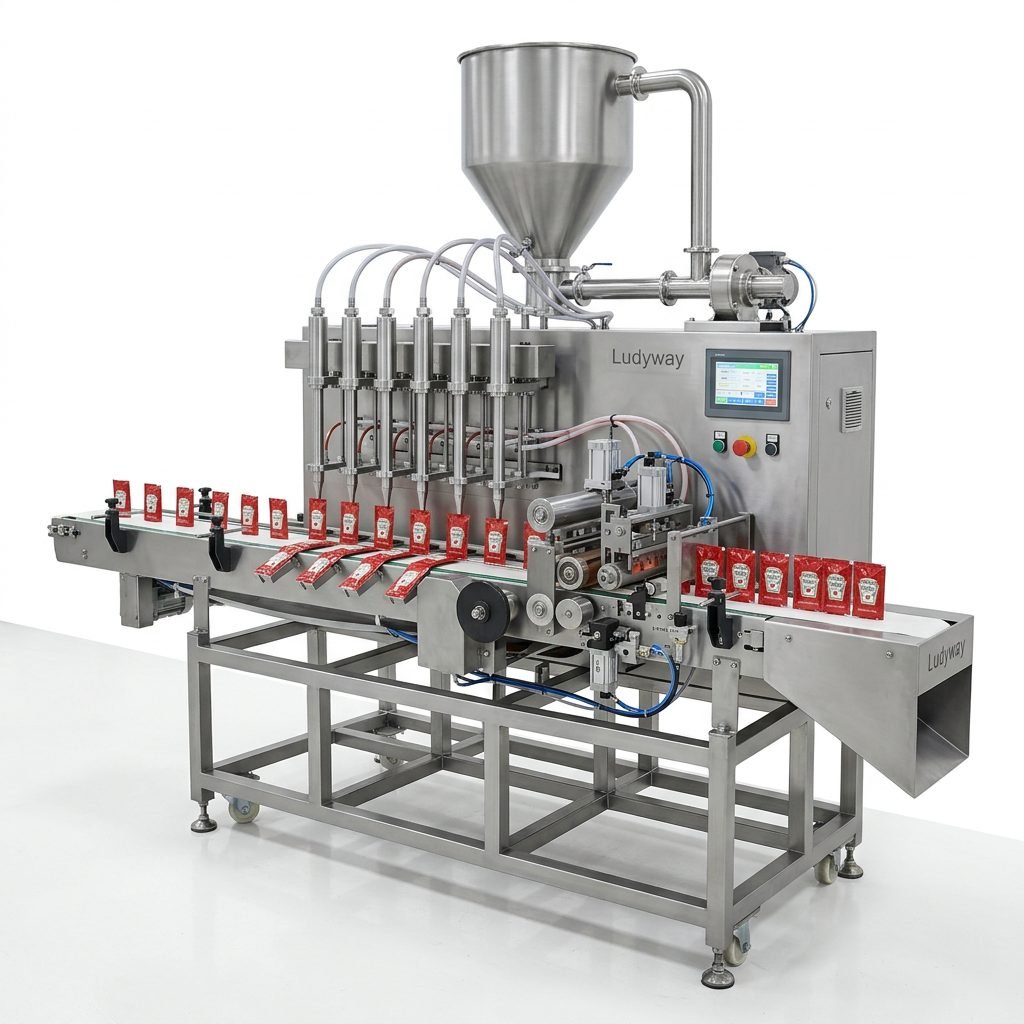
Flexible packaging machines have become a core part of modern production across food, pharmaceutical, cosmetic, chemical, and health supplement industries. From single-serve sachets to stick packs, pouches, and multi-lane packaging formats, these systems help manufacturers improve speed, consistency, product protection, and overall production efficiency.
If you are evaluating equipment for a new production line or upgrading an existing one, understanding the types, applications, and business benefits of flexible packaging machinery can help you make a smarter investment.
What Is a Flexible Packaging Machine?
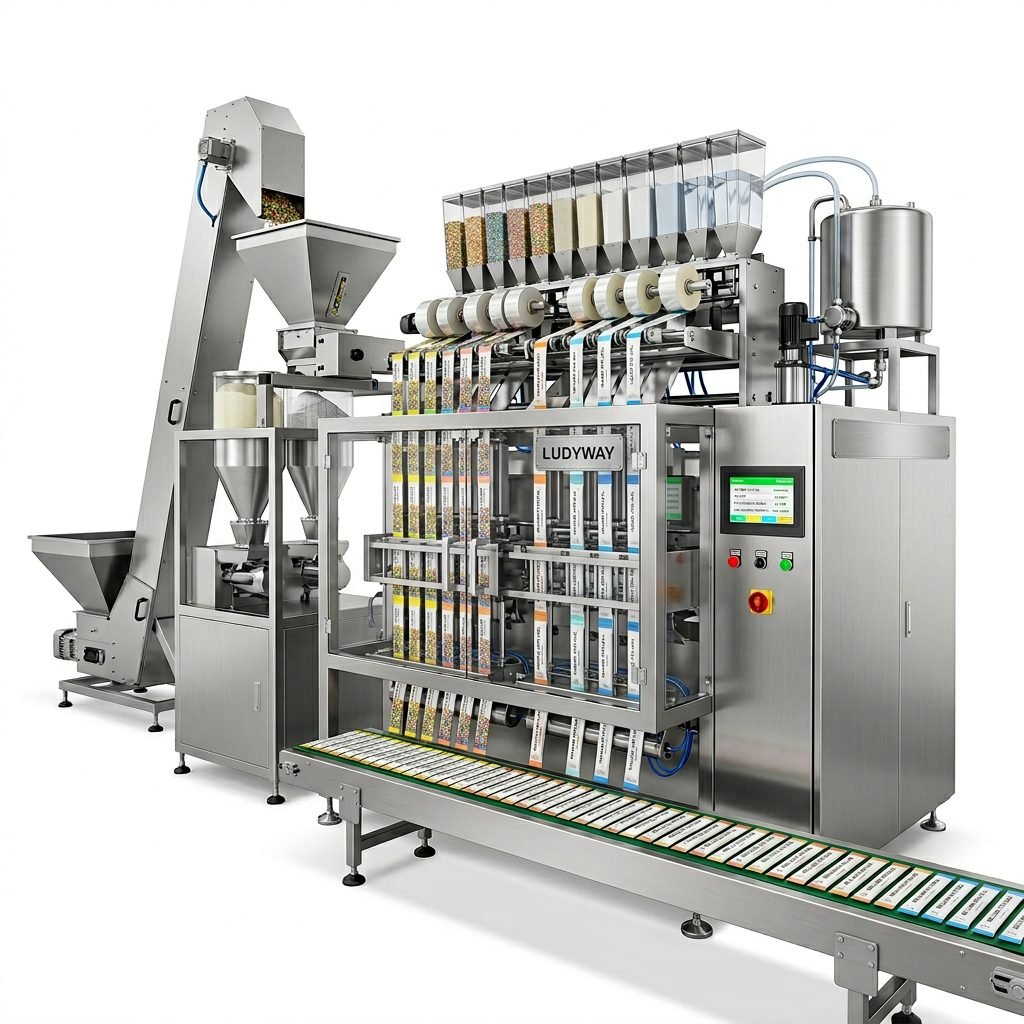
A flexible packaging machine is equipment designed to fill, form, seal, code, label, or cartoning flexible materials such as film, laminated rolls, foil structures, and premade pouches. These machines are widely used for products that require lightweight, cost-effective, and high-barrier packaging.
Typical packaging formats include:
- Sachets
- Stick packs
- Pillow bags
- Three-side seal and four-side seal pouches
- Premade pouches
- Spouted pouches
- Flow-wrap packs
These machines can handle powders, granules, liquids, pastes, gels, tablets, capsules, and irregular solid products, depending on the dosing and sealing system used.
Why Flexible Packaging Is Growing So Fast
Manufacturers increasingly prefer flexible packaging because it offers a strong balance of functionality, branding, and cost control. Compared with rigid containers, flexible packaging usually reduces material usage, shipping weight, and storage space.
- Lower packaging material consumption
- Better shelf appeal for retail products
- Convenient portion sizes for end users
- Improved barrier protection for sensitive products
- Faster automated high-volume production
- Easy integration with coding, inspection, cartoning, and palletizing systems
Main Types of Flexible Packaging Machines
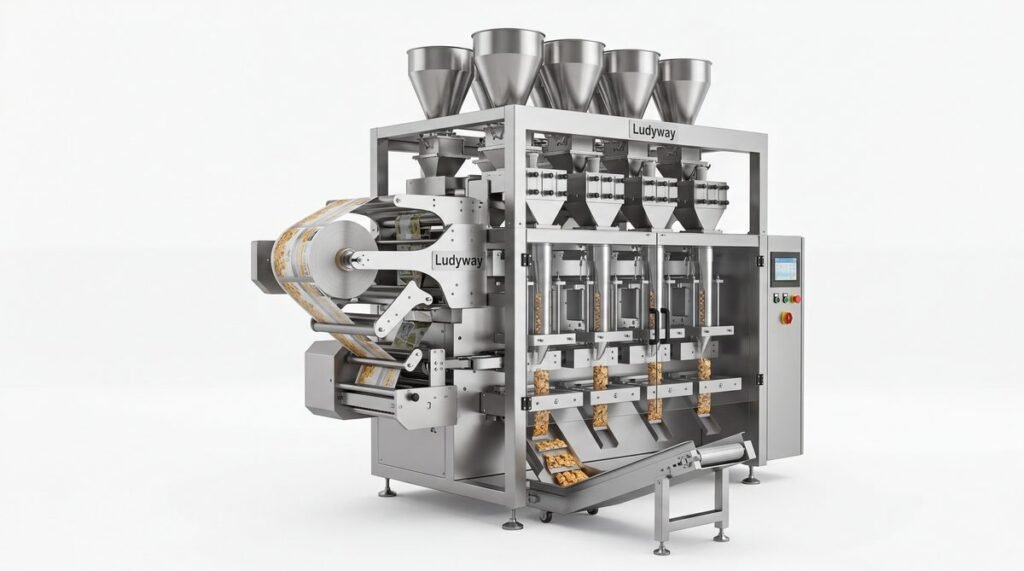
1. Vertical Form Fill Seal Machines
Vertical form fill seal (VFFS) machines create bags from roll film, fill the product, and seal the package in a vertical process. They are ideal for powders, granules, snacks, seeds, coffee, sugar, spices, and many free-flowing products.
Best for: pillow bags, gusset bags, and some specialty bag shapes.
Advantages
- Compact footprint
- High efficiency
- Suitable for many dry products
- Easy integration with auger fillers, multihead weighers, or cup fillers
2. Sachet Packaging Machines
Sachet machines produce small sealed packets for powders, liquids, creams, gels, and granules. These are common in food seasonings, coffee, sauces, pharmaceuticals, oral rehydration salts, skincare products, and cleaning chemicals.
Common seal types: three-side seal and four-side seal.
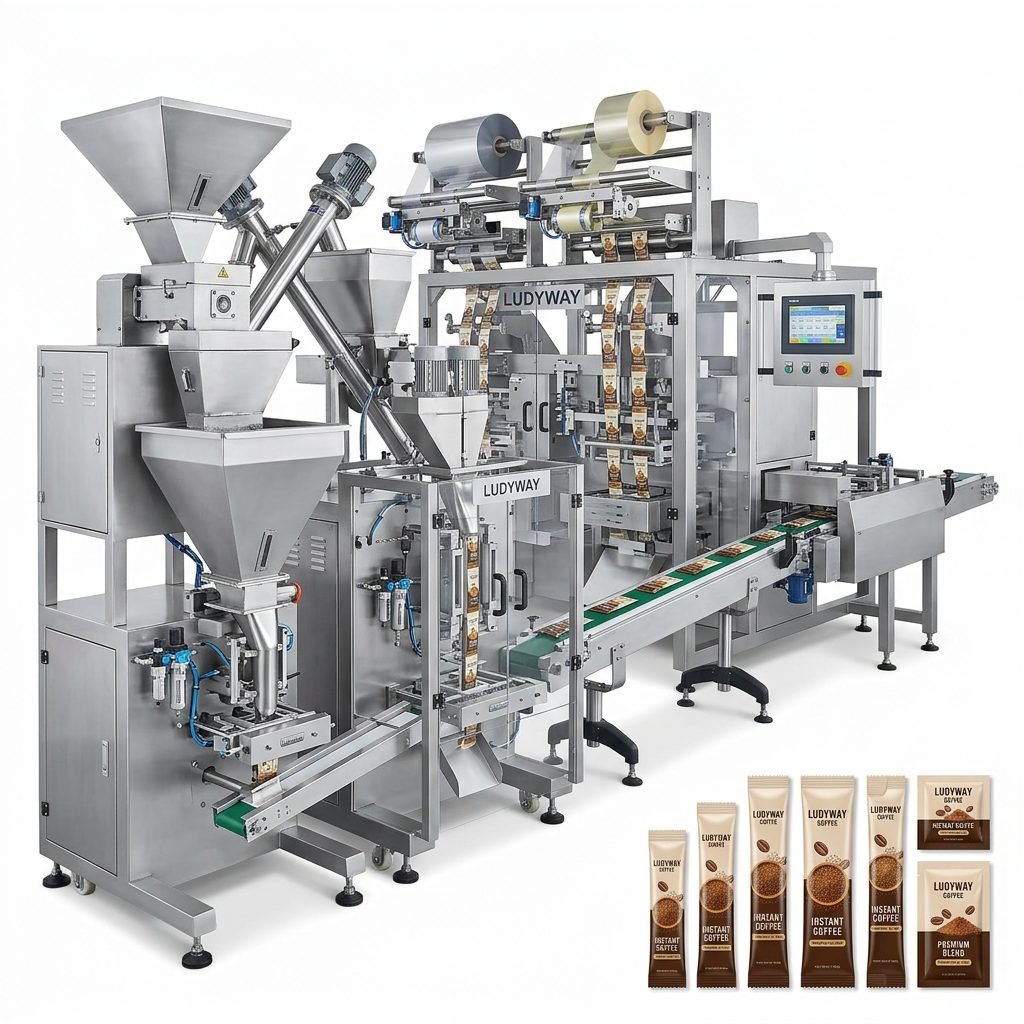
3. Stick Pack Machines
Stick pack machines are designed for slim, portable packs often used for drink powders, instant coffee, sugar, collagen, probiotics, and pharmaceutical granules. Multi-lane stick pack systems can deliver very high throughput for small-dose products.
These machines are especially popular for brands focused on single-dose convenience packaging.
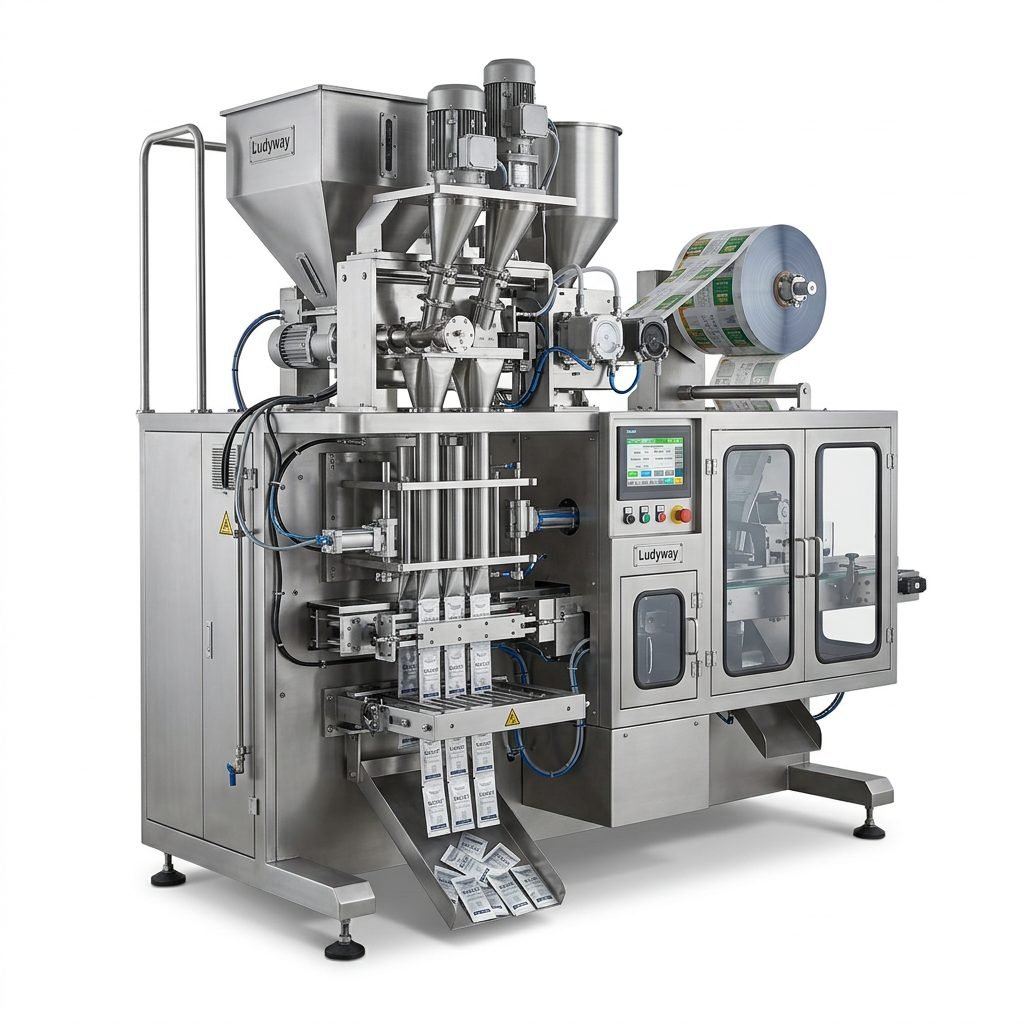
4. Premade Pouch Packaging Machines
Premade pouch machines fill and seal ready-made bags rather than forming them from roll film. They are suitable for stand-up pouches, zipper pouches, shaped pouches, and spouted formats.
Ideal for: premium food, pet food, nutraceuticals, detergents, and specialty chemicals.
5. Flow Wrapping Machines
Flow wrappers package individual solid items horizontally in film. These are widely used for biscuits, bars, medical products, wipes, and personal care items.
6. Liquid and Paste Packaging Machines
These systems are built for precise filling of products such as sauces, shampoo, serum, sanitizer, edible oils, gels, and pharmaceutical liquids. Depending on viscosity and hygiene requirements, they may use piston pumps, servo pumps, or peristaltic systems.
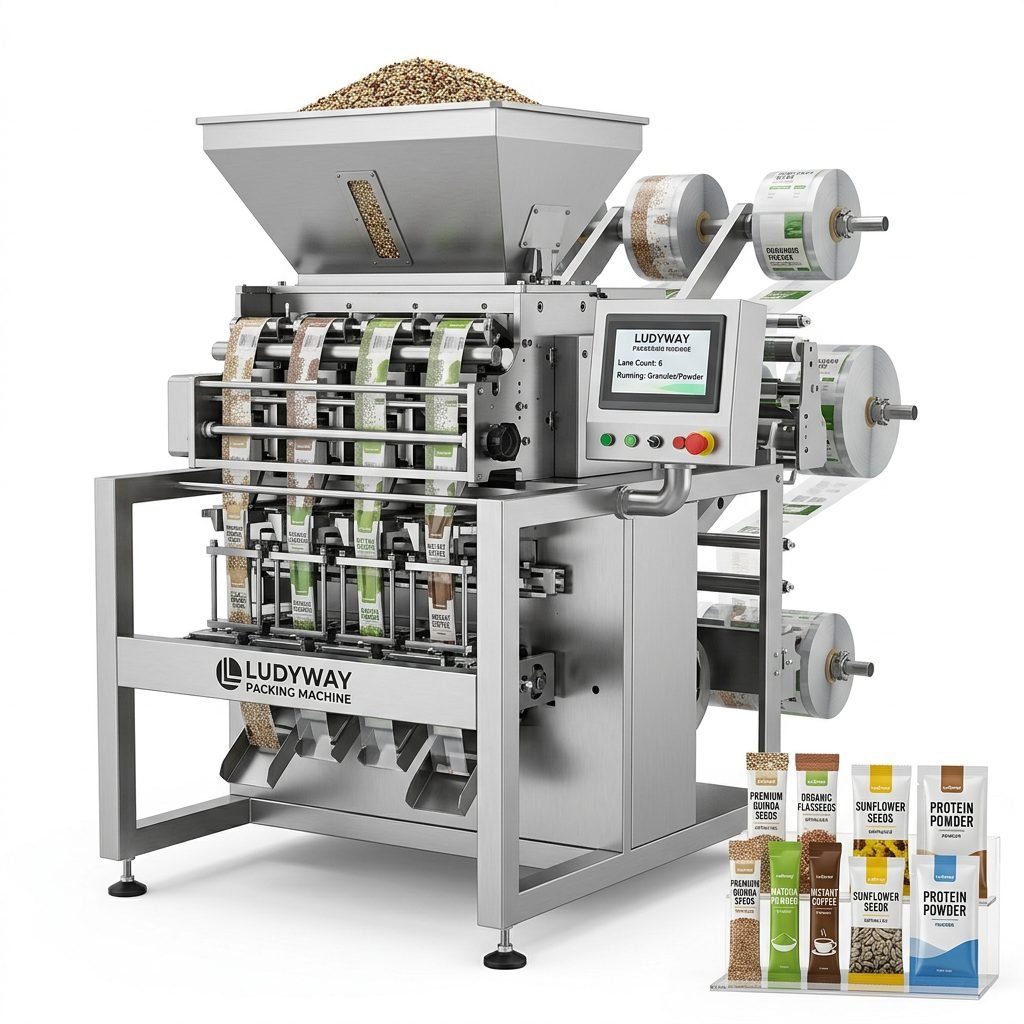
7. Multi-Lane Packaging Machines
Multi-lane systems run several packaging lanes simultaneously to increase output without requiring multiple standalone machines. They are commonly used for high-volume stick pack and sachet production in food, pharma, and health product applications.
For manufacturers targeting large daily output, multi-lane automation often offers the best balance between productivity and labor savings.
Flexible Packaging Machine Comparison
| Machine Type | Typical Products | Packaging Format | Key Benefit |
|---|---|---|---|
| VFFS Machine | Snacks, grains, powders, seeds | Pillow bags, vertical bags | Versatile and efficient |
| Sachet Machine | Sauces, powders, creams, pharma products | 3-side or 4-side seal sachets | Great for single-use packs |
| Stick Pack Machine | Coffee, sugar, supplements, granules | Stick packs | High speed and retail convenience |
| Premade Pouch Machine | Pet food, premium foods, chemicals | Stand-up and zipper pouches | Premium presentation |
| Liquid/Paste Filler | Shampoo, gels, sauces, serum | Sachets, pouches, bottles | Accurate dosing for viscous products |
| Flow Wrapper | Bars, wipes, medical supplies | Pillow-style wrapped packs | Fast individual product wrapping |
Common Industries That Use Flexible Packaging Equipment
Food Industry
Flexible packaging machines are widely used for snack foods, spices, sugar, coffee, tea, dried fruit, sauces, seasonings, baking mixes, dairy powders, and health drinks. The machinery helps maintain freshness, support portion control, and improve shelf appeal.
Pharmaceutical Industry
In pharma, packaging accuracy and cleanliness are essential. Flexible packaging machinery is often used for granules, oral liquids, powders, sachets, wipes, medical consumables, and single-dose healthcare products.
Cosmetics and Personal Care
Sample sachets, cream packs, serum pouches, shampoo sachets, and facial care products all benefit from efficient flexible packaging systems. These formats are ideal for travel-size, trial-size, and promotional products.
Chemical and Household Products
Powder detergents, cleaners, agricultural chemicals, additives, and industrial liquids are often packed using flexible machinery because it supports high-speed, sealed, contamination-resistant output.
Animal Nutrition and Pet Food
Flexible systems are also widely used for feed additives, pet supplements, granules, powders, treats, and portioned pet food products.
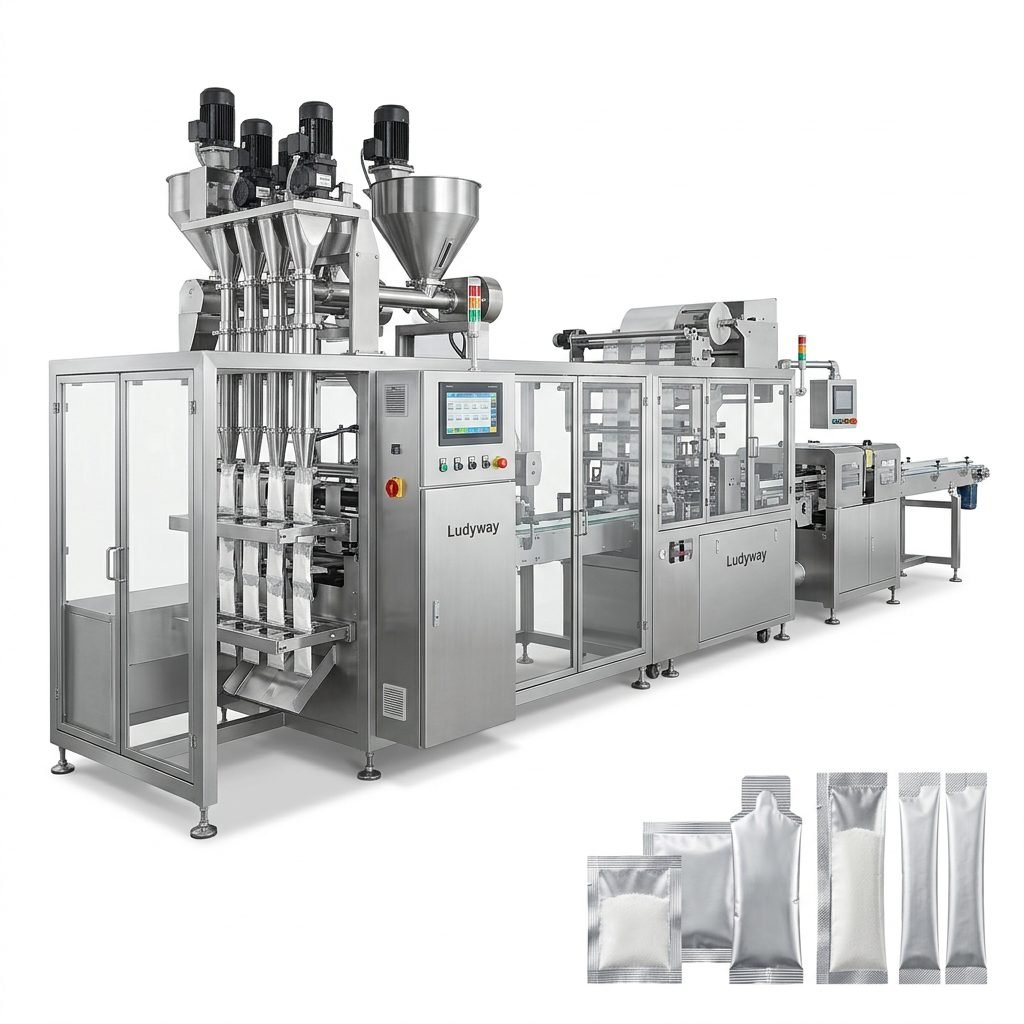
Key Components of a Flexible Packaging System
A complete flexible packaging solution usually includes more than just the main machine. Depending on the product and production target, a line may include:
- Product feeding systems
- Auger fillers, cup fillers, pumps, or weighers
- Film unwinding and tension control
- Bag forming and sealing stations
- Date coding or printing systems
- Checkweighers and metal detectors
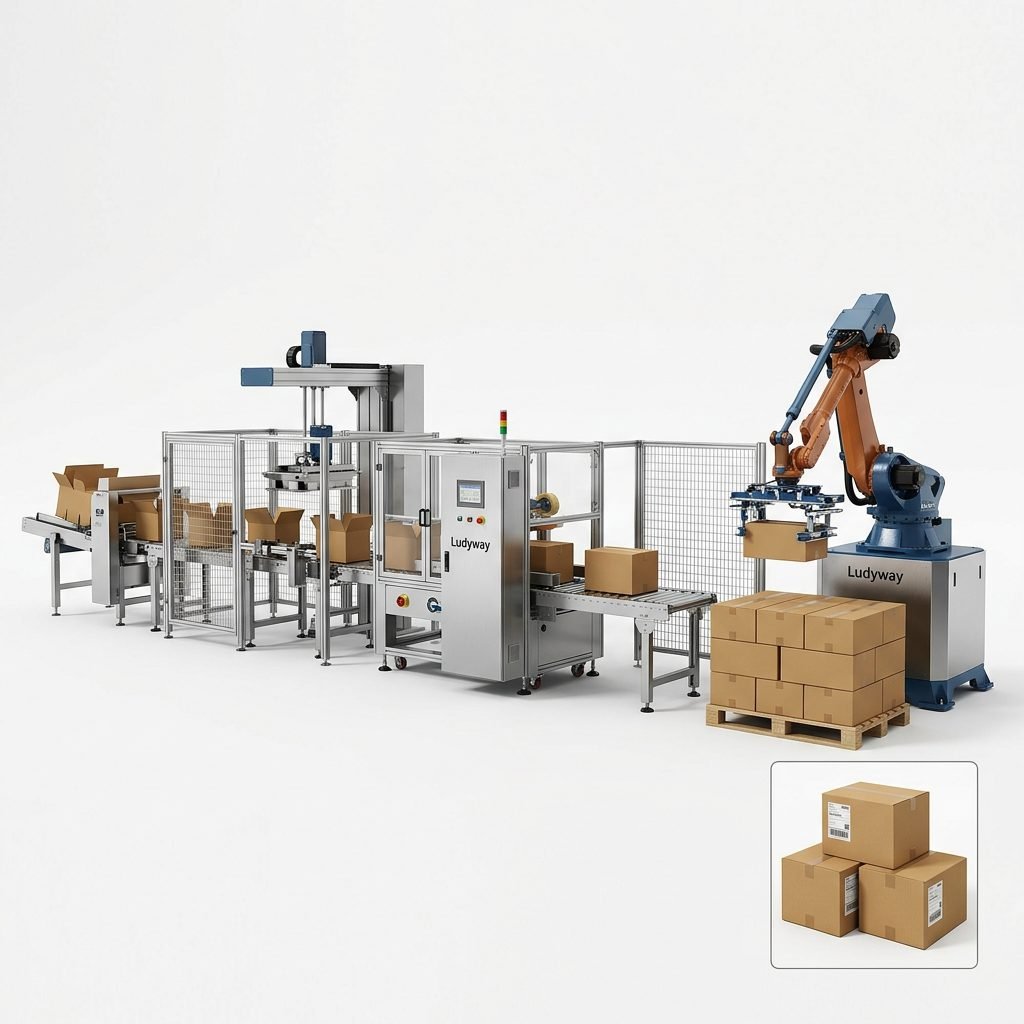
- Cartoning and case packing equipment
- Palletizing and end-of-line automation
When these units are properly integrated, manufacturers gain a more stable and scalable production process.
Benefits of Flexible Packaging Machines
Higher Production Efficiency
Automated systems significantly reduce manual packaging work. This means faster cycle times, higher daily output, and fewer bottlenecks in production.
Better Filling Accuracy
Accurate filling matters for compliance, product consistency, and cost control. Modern machines use servo systems, intelligent control interfaces, and precise dosing devices to reduce giveaway and improve repeatability.
Improved Package Quality
Consistent sealing, aligned cutting, clean printing, and uniform bag shape help brands present a more professional product to distributors and end users.
Reduced Labor Dependency
One of the strongest business advantages is labor reduction. Automated packaging lines allow fewer operators to manage more output while maintaining quality.
Material Savings
Well-configured equipment helps minimize film waste, overfilling, and packaging defects. Over time, this contributes to lower total production cost.
Scalability for Business Growth
Flexible packaging machines can often be upgraded with additional lanes, coding devices, inspection systems, or cartoning units as output demand increases.
How to Choose the Right Flexible Packaging Machine
Choosing the best machine depends on your product, output target, and packaging format. The right decision starts with a clear technical and commercial assessment.
- Identify your product type
Is it powder, granule, liquid, paste, gel, tablet, or mixed material? - Define the package format
Do you need sachets, stick packs, pouches, or larger bags? - Estimate production speed
Your required packs per minute will strongly affect machine structure and lane design. - Check filling accuracy requirements
This is especially important in pharmaceutical, nutraceutical, and high-value products. - Review material compatibility
The machine should match your film type, seal strength needs, and barrier packaging requirements. - Consider future expansion
A modular system can help support new SKUs and changing market demand. - Evaluate after-sales support
Installation guidance, spare parts, commissioning, and technical support are essential for long-term performance.
Important Features to Look For
| Feature | Why It Matters |
|---|---|
| Servo control | Improves speed, positioning accuracy, and stability |
| Touchscreen HMI | Simplifies operation, recipe changes, and troubleshooting |
| Stainless steel construction | Supports hygiene, corrosion resistance, and easy cleaning |
| Automatic film tracking | Reduces misalignment and packaging waste |
| Coding and printing integration | Supports traceability and compliance |
| Quick changeover design | Improves flexibility for multiple SKUs |
| Inspection devices | Helps maintain quality and reduce defective shipments |
Who Should Invest in Flexible Packaging Automation?
Flexible packaging automation is especially suitable for businesses that:
- Need higher output with limited labor resources
- Sell single-dose or retail-friendly products
- Want better packaging consistency
- Need hygienic packaging for food or pharma products
- Plan to launch new SKUs in multiple pack sizes
- Require turnkey production line integration
Turnkey Flexible Packaging Lines vs Standalone Machines
A standalone machine may be enough for smaller projects or simple packaging tasks. However, for larger operations, a turnkey line often provides stronger long-term value.
Standalone Machines Are Best When:
- You are testing a new product
- You have limited factory space
- You only need one packaging step
Turnkey Lines Are Best When:
- You want feeding, filling, sealing, coding, inspection, and cartoning in one process
- You need consistent line synchronization
- You want lower total labor demand
- You plan for medium- to high-volume production
For companies looking for scalable automated solutions, Ludyway flexible packaging machines are widely used for food, pharmaceutical, cosmetic, chemical, and turnkey packaging line applications.
Maintenance Tips for Better Machine Performance
- Clean sealing and filling parts regularly
- Inspect wear parts before production loss occurs
- Calibrate dosing systems on schedule
- Use packaging films and materials within machine specifications
- Train operators on standard operating procedures
- Keep spare parts for critical components in stock
Preventive maintenance helps extend machine life, maintain packaging quality, and reduce unexpected downtime.
Final Buying Checklist
Before purchasing a flexible packaging machine, make sure you confirm the following:
- Product characteristics and flow behavior
- Target package size and format
- Required speed and daily output
- Accuracy tolerance
- Factory space and utilities
- Integration with upstream and downstream equipment
- Customization needs
- Technical support and spare parts availability
With the right configuration, flexible packaging machines can help manufacturers build a faster, cleaner, and more profitable production process while improving product presentation and brand competitiveness.