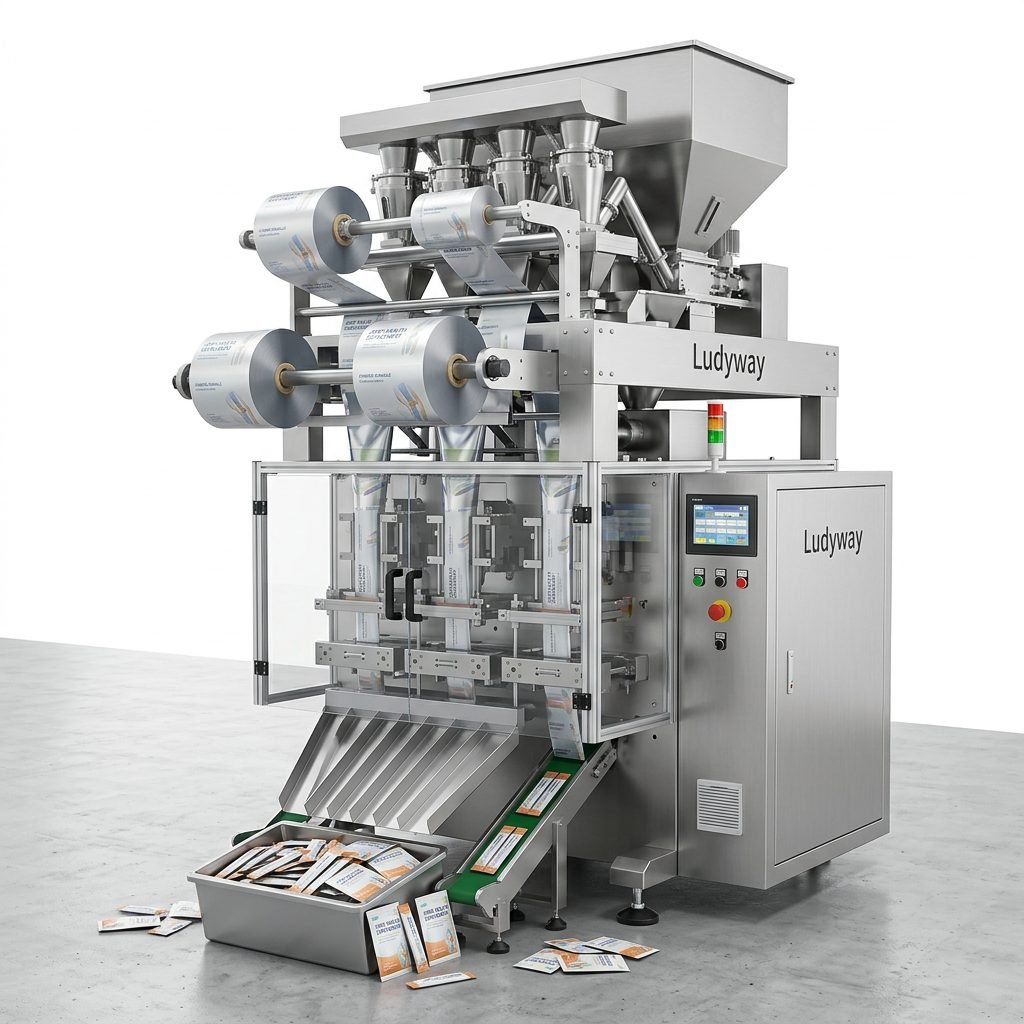
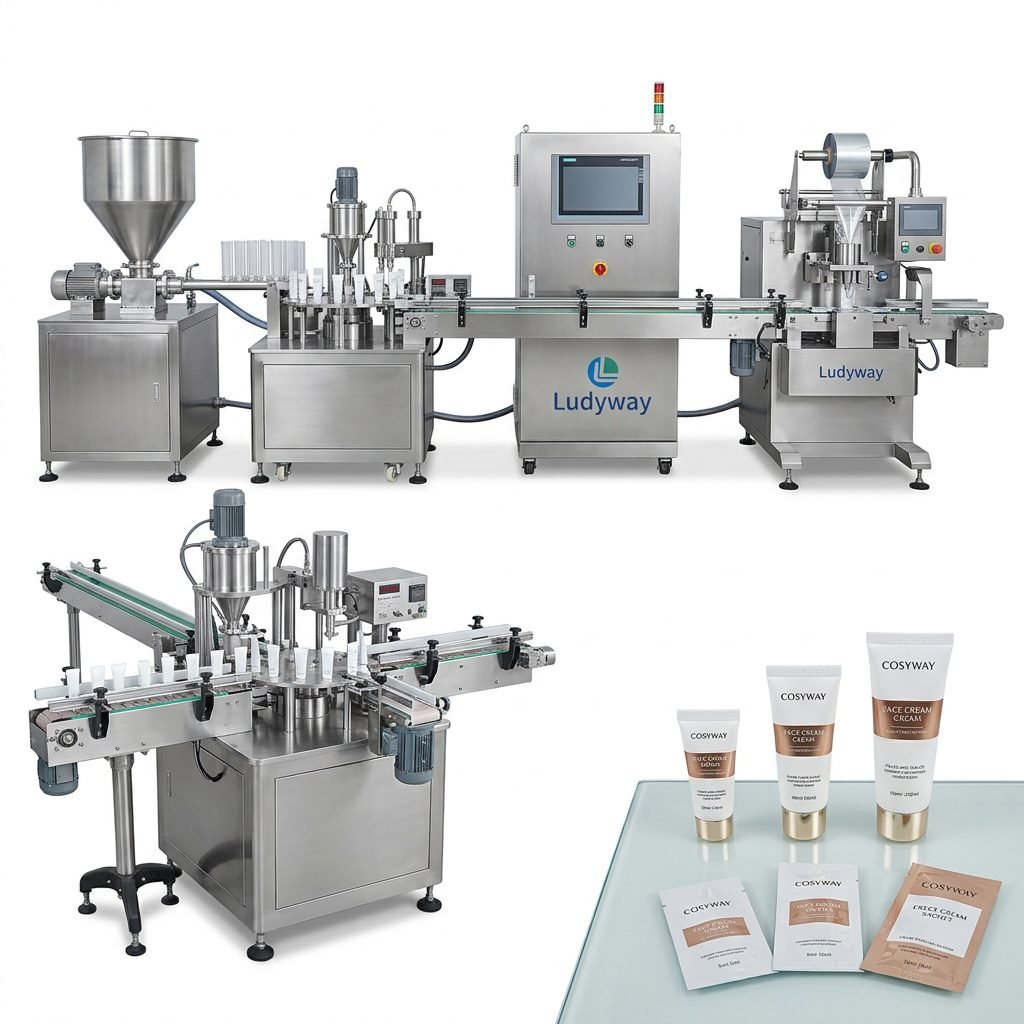
India’s poultry industry is experiencing unprecedented growth, with chicken meat consumption rising steadily due to increasing protein awareness, urbanization, and changing dietary habits. As production volumes expand, efficient chicken packaging machine production line setups become critical for maintaining product quality, extending shelf life, and meeting food safety standards. This comprehensive guide walks you through every aspect of establishing a modern chicken packaging operation in India.
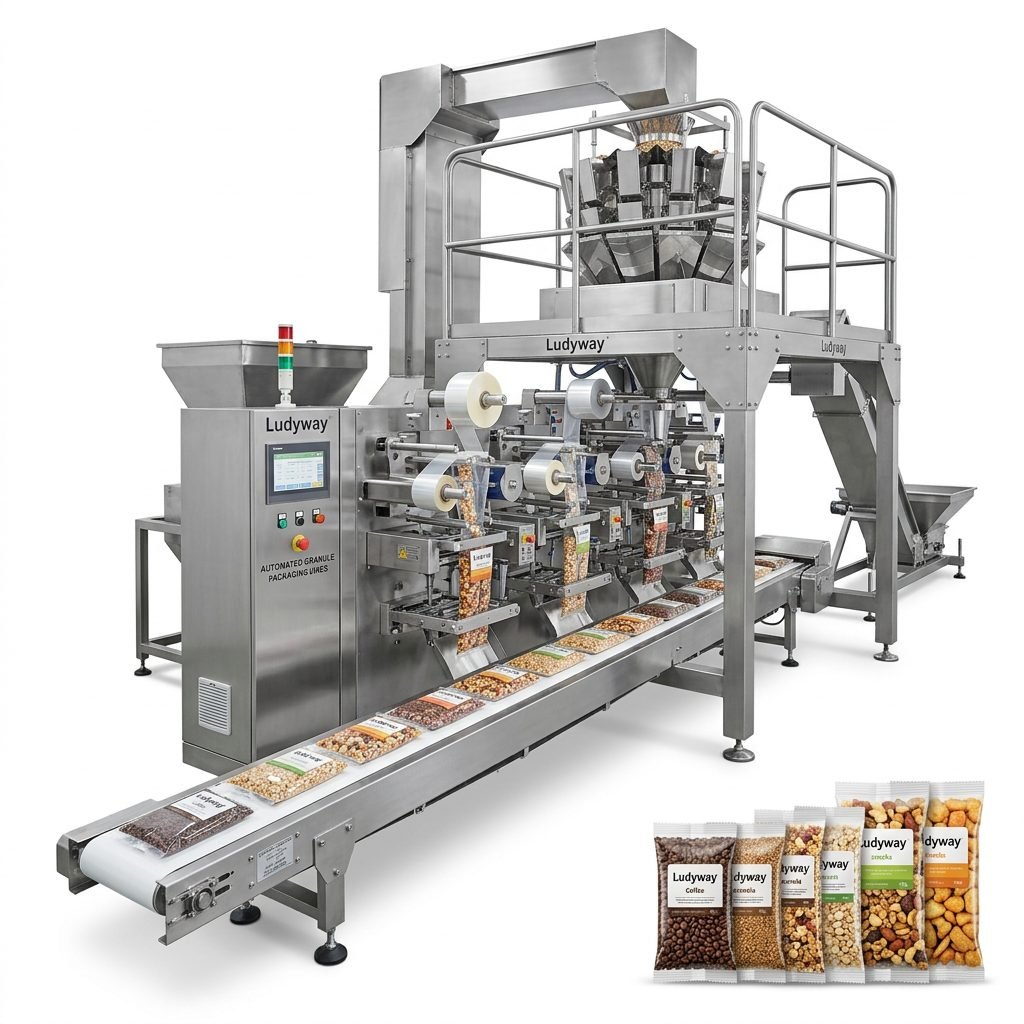
Understanding the Indian Poultry Market Landscape
India ranks among the top poultry producers globally, with the organized sector growing at approximately 8-10% annually. The demand for hygienically packed chicken products has surged, driven by modern retail chains, e-commerce grocery platforms, and quick-service restaurants. A well-designed packaging machine production line is no longer optional but essential for businesses aiming to scale operations while complying with FSSAI regulations.
Key Components of a Chicken Packaging Production Line
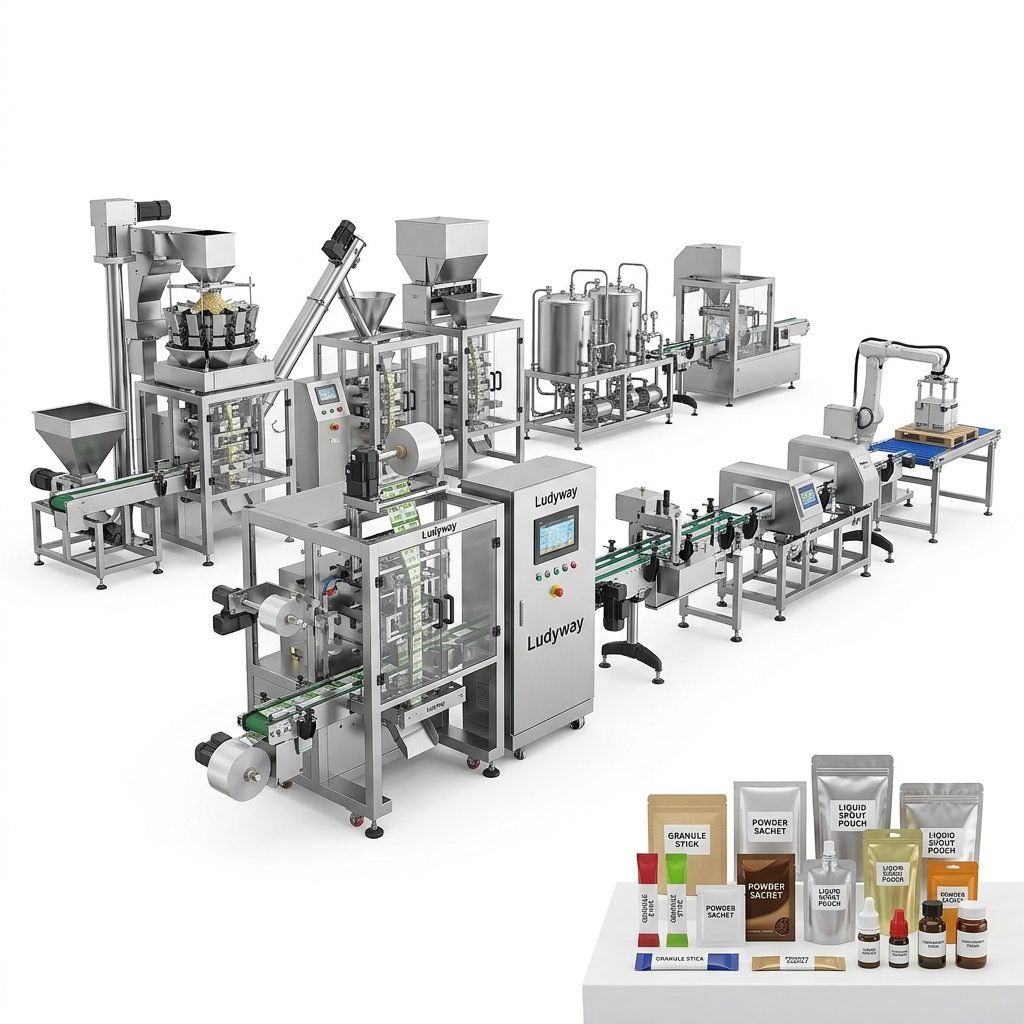
Setting up a complete chicken packaging line requires integrating multiple equipment types that work in synchronization. Below are the core components you need to evaluate:
- Weighing and Dosing Systems – Multi-head weighers ensure precise portion control for chicken pieces, fillets, or minced products.
- Tray Forming and Sealing Machines – Automated tray sealers with Modified Atmosphere Packaging (MAP) capabilities extend fresh chicken shelf life up to 7-10 days.
- Vacuum Packaging Units – Essential for frozen chicken and marinated products, preventing freezer burn and oxidation.
- Flow Wrapping Machines – High-speed horizontal wrappers for whole birds, chicken parts, and value-added products.
- Labeling and Coding Equipment – Thermal transfer printers and automatic labeling systems for batch coding, expiry dates, and barcode application.
- Metal Detection and X-Ray Inspection – Critical control points for food safety compliance and contaminant detection.
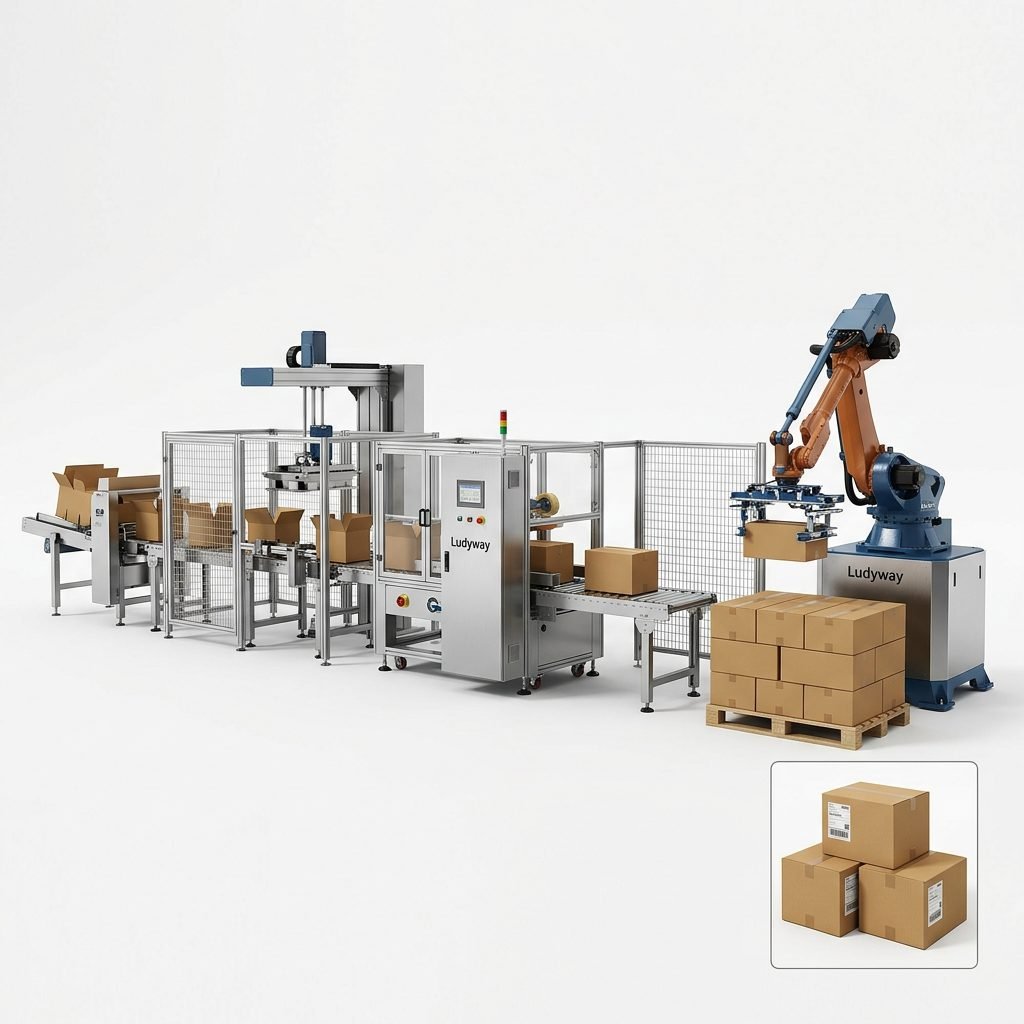
- Case Packing and Palletizing – End-of-line automation for carton packing and robotic palletizing.
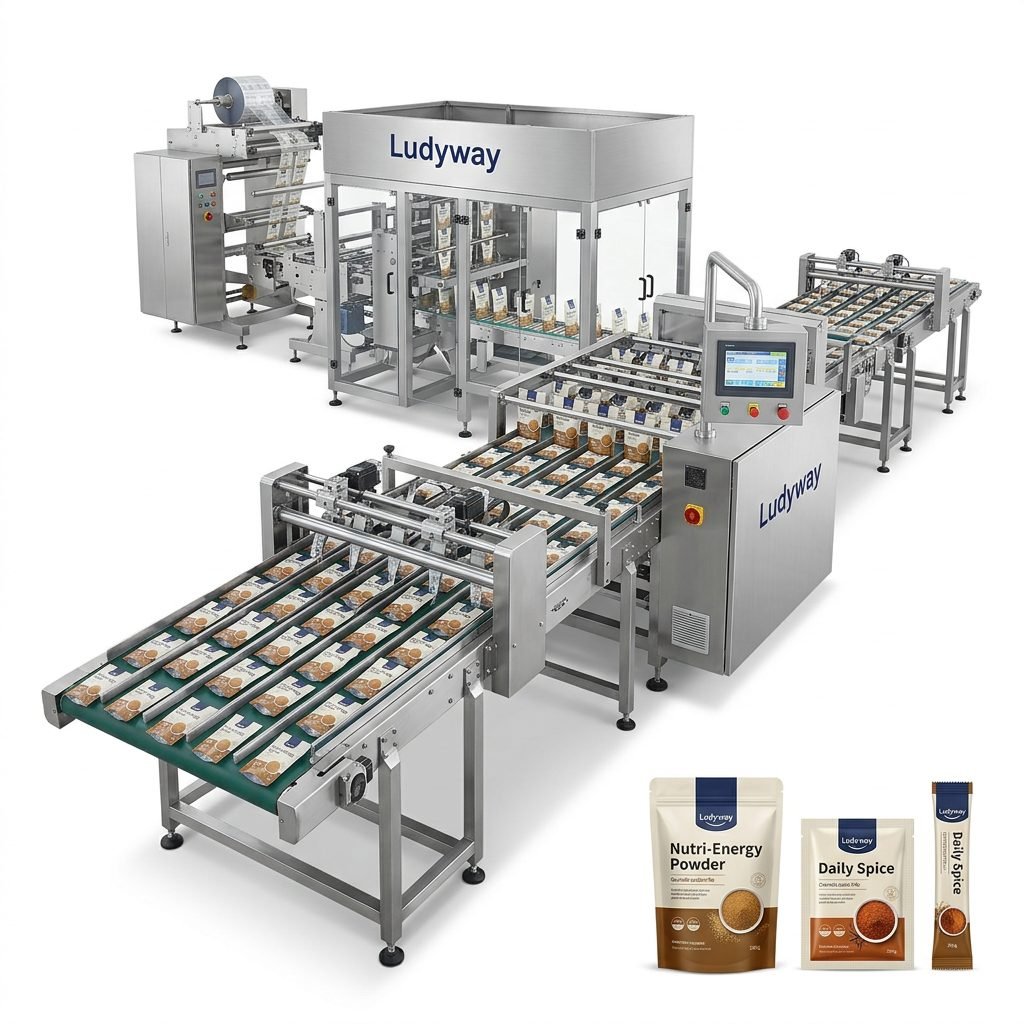
Step-by-Step Setup Process for Your Chicken Packaging Line
Step 1: Define Production Capacity and Product Range
Begin by determining your target output — whether you need to package 500 kg per hour or 5,000 kg per day. Consider the variety of products: fresh tray-packed chicken, frozen IQF portions, marinated ready-to-cook items, or processed chicken sausages and nuggets. Each product type demands specific packaging equipment solutions tailored to its physical characteristics.
Step 2: Facility Planning and Layout Design
Your production floor must follow a logical flow from raw material receiving to finished goods dispatch. Key considerations include cold chain integrity, proper zoning between raw and cooked areas, adequate drainage systems, and compliance with FSSAI Schedule 4 requirements. Engage a food industry consultant to design an HACCP-compliant layout before equipment installation.
Step 3: Equipment Selection and Procurement
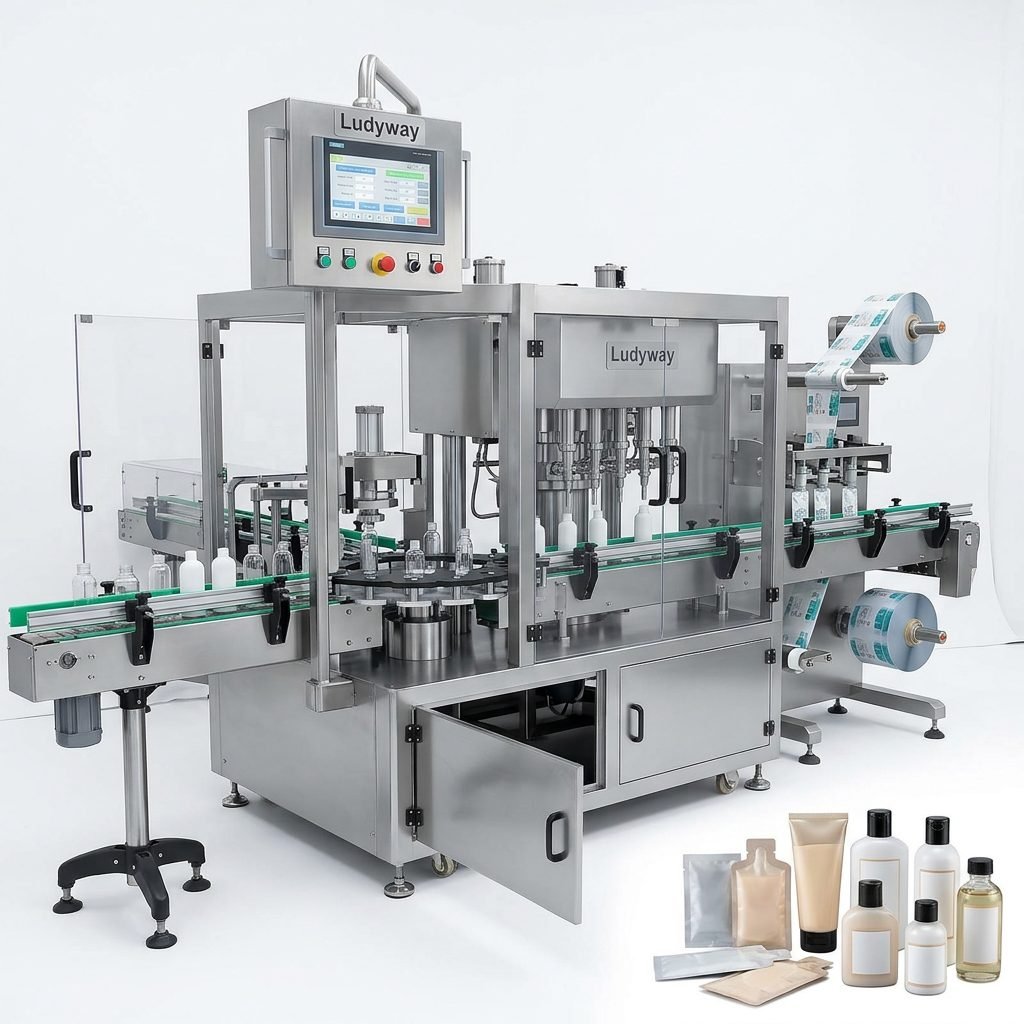
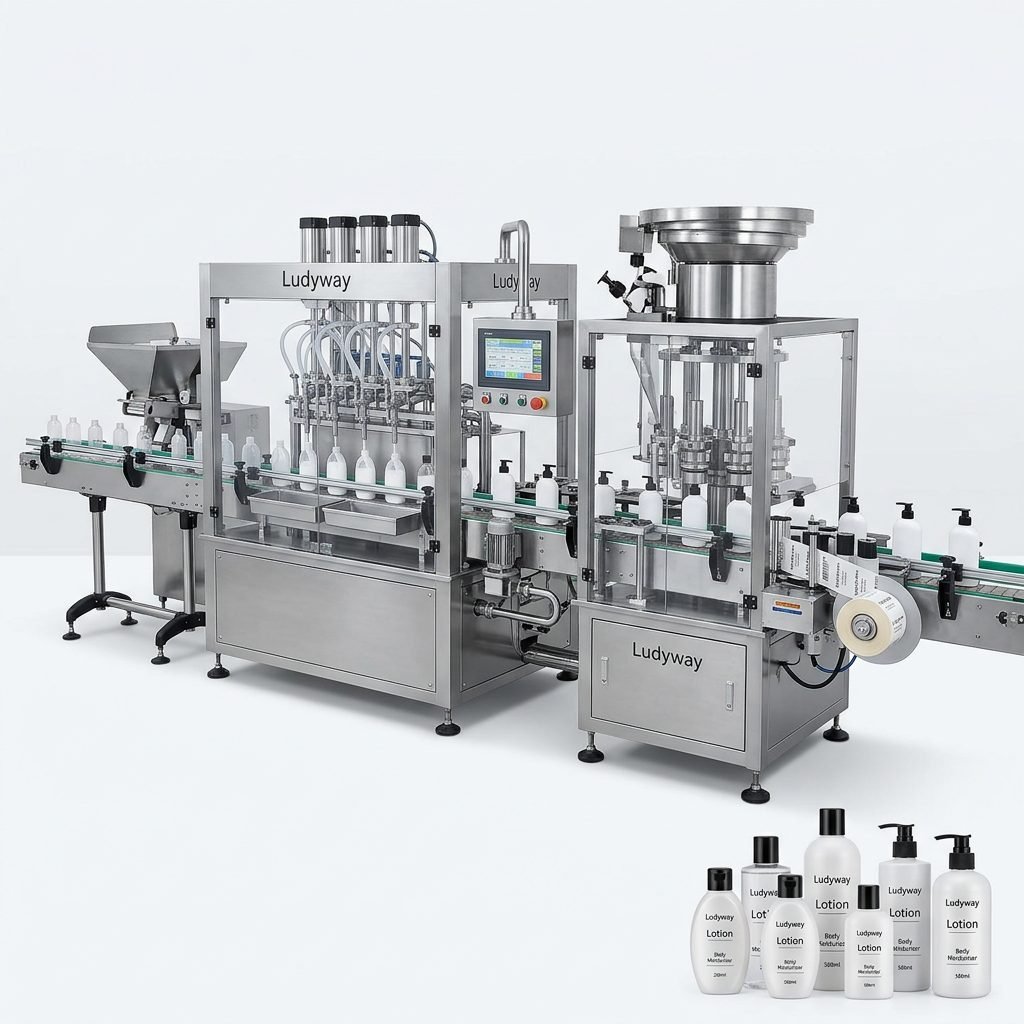
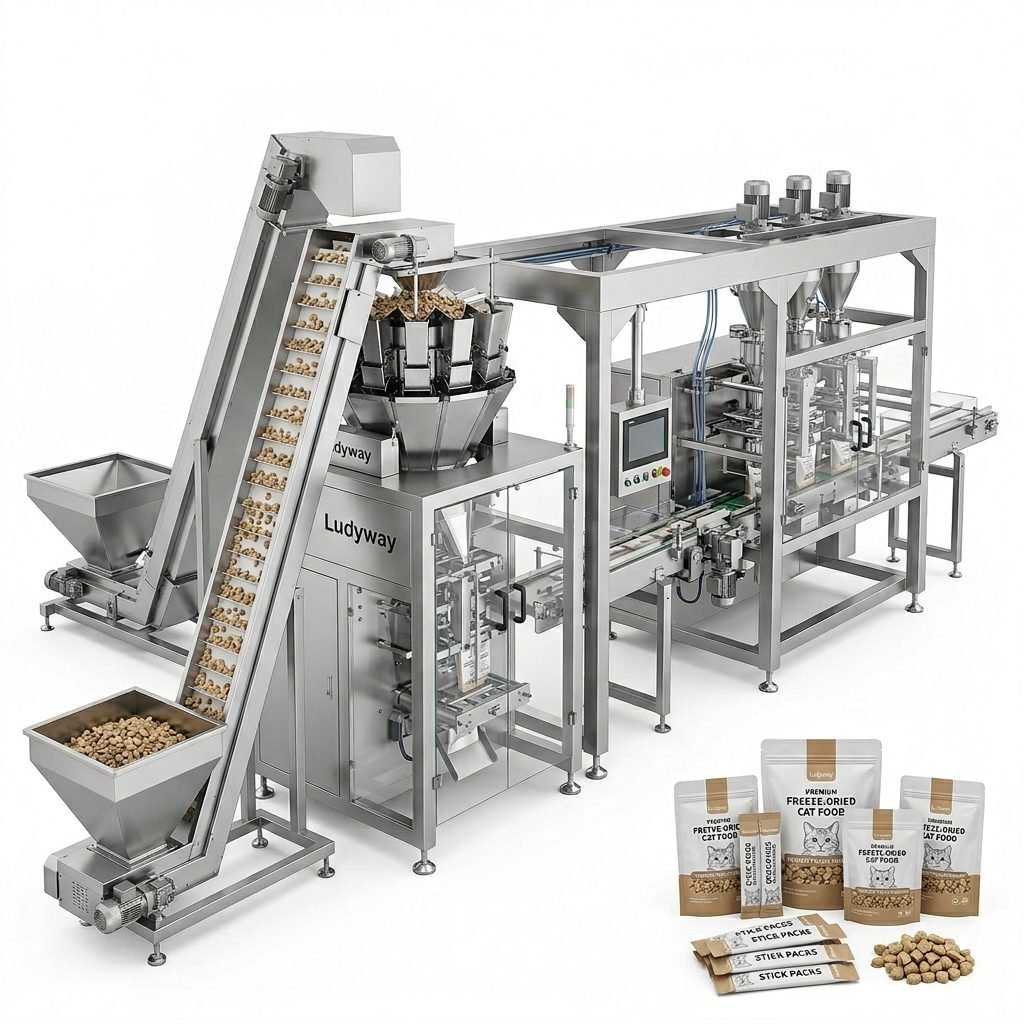
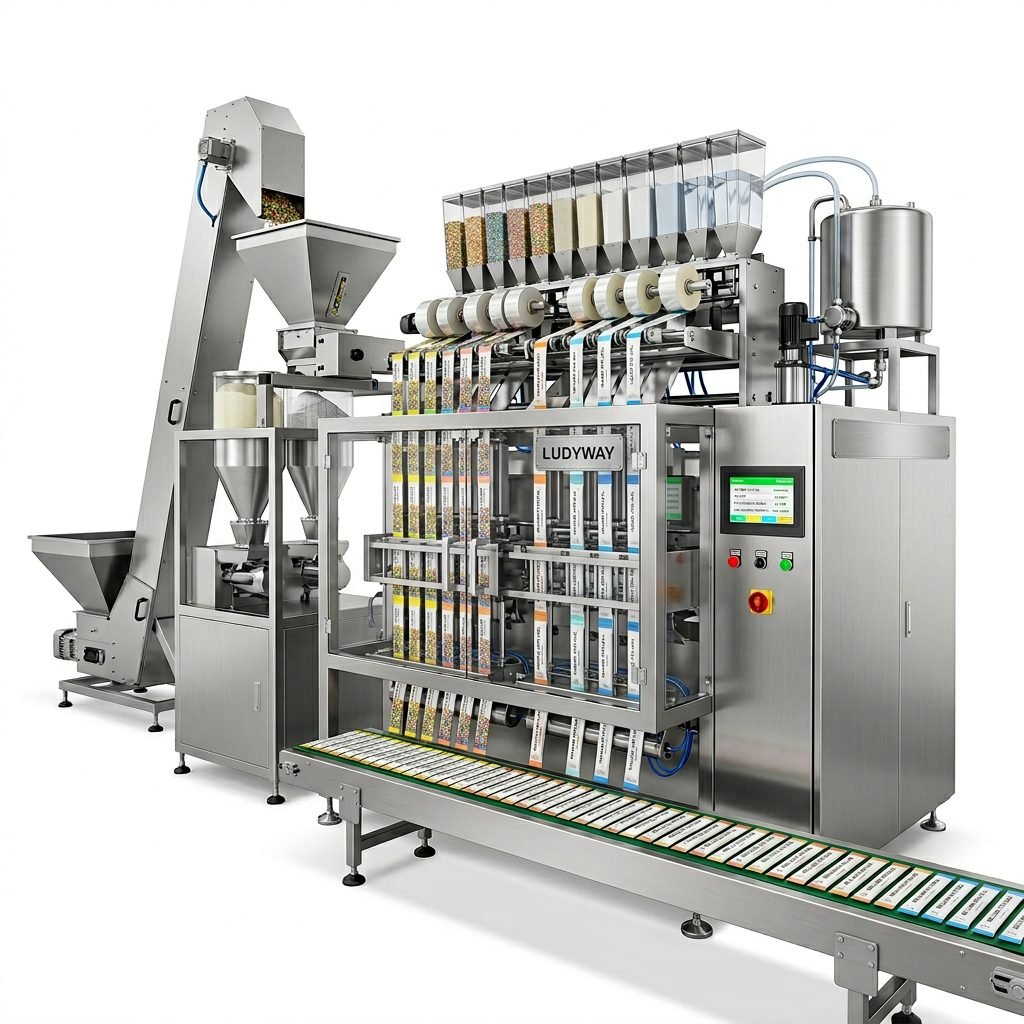
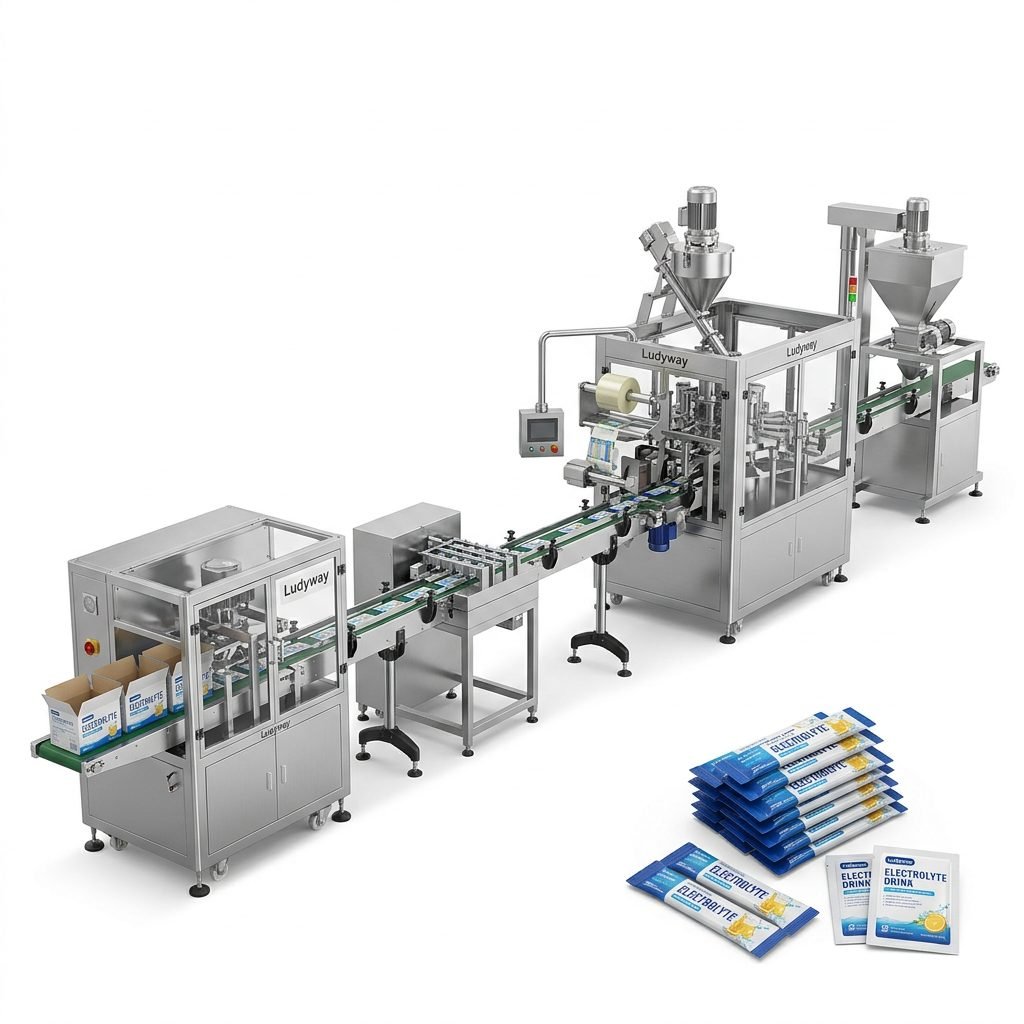
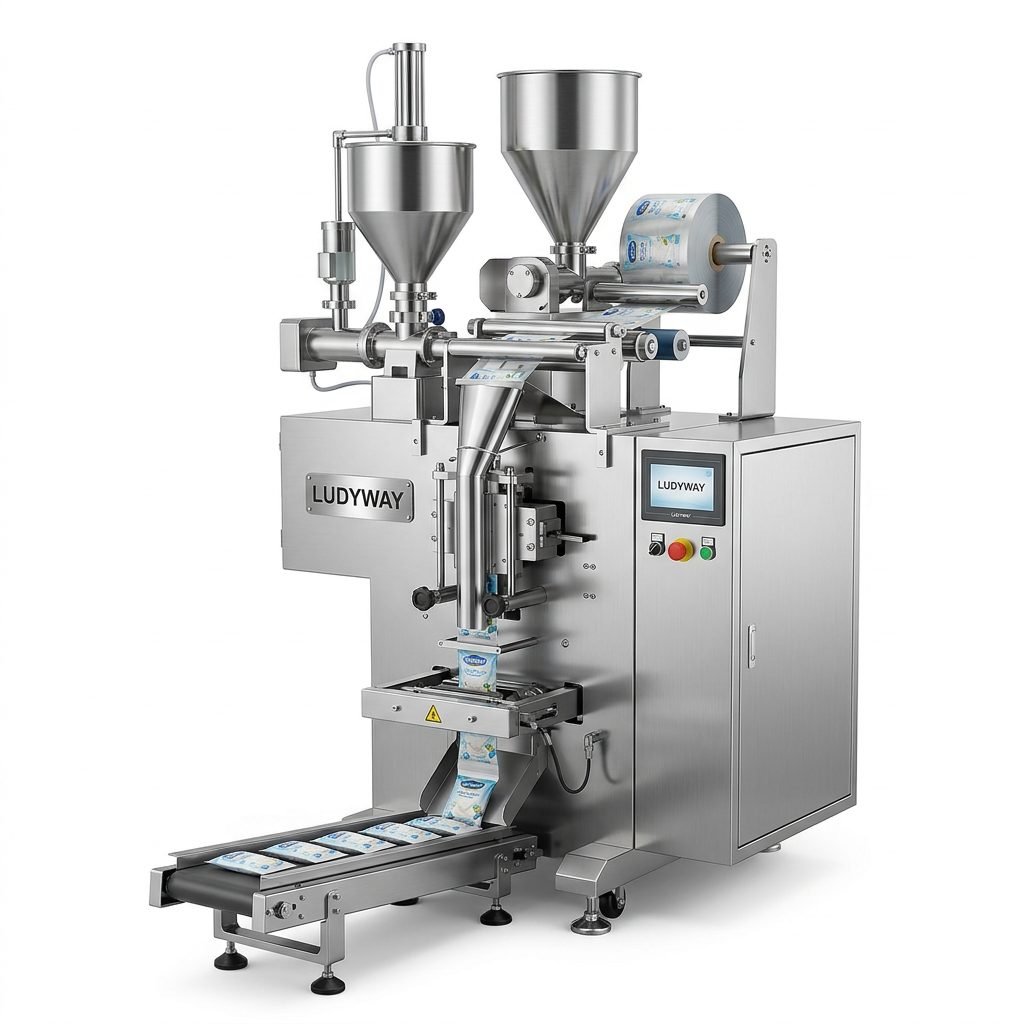
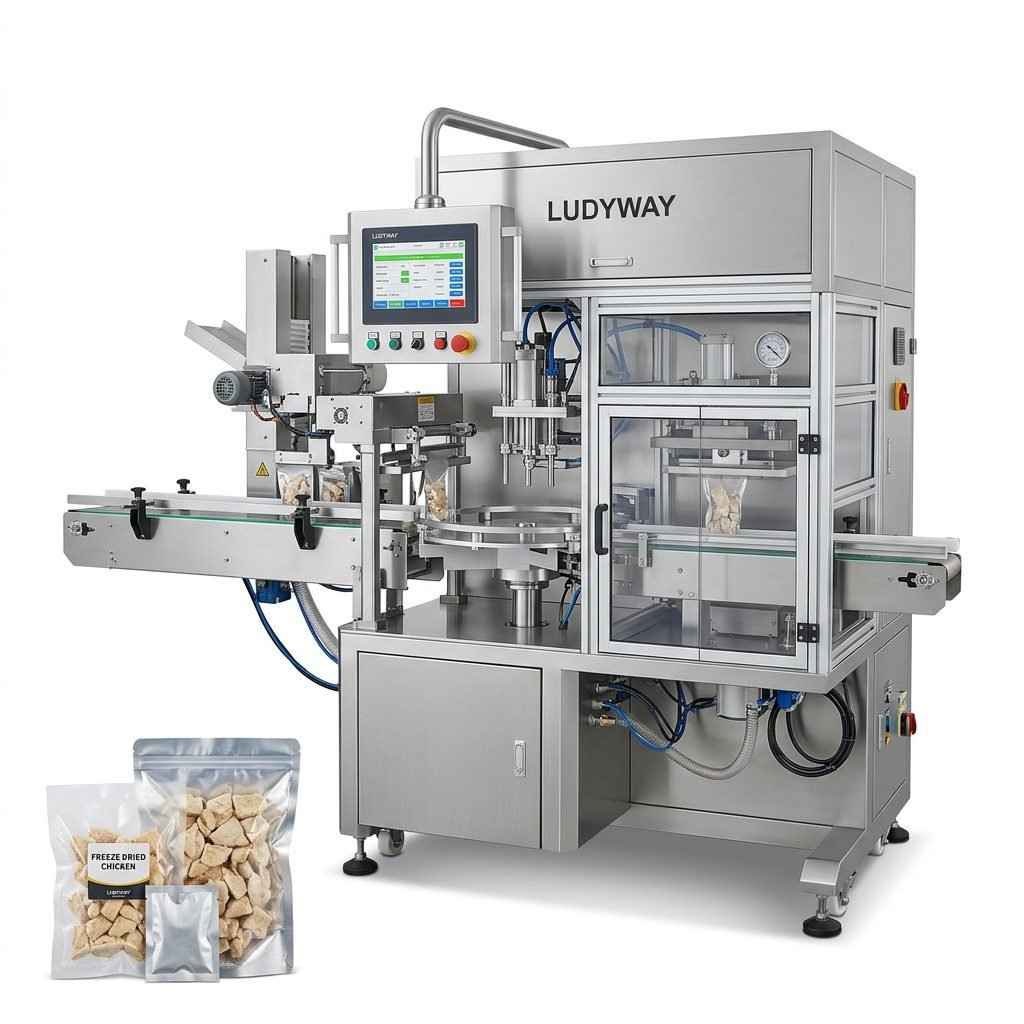
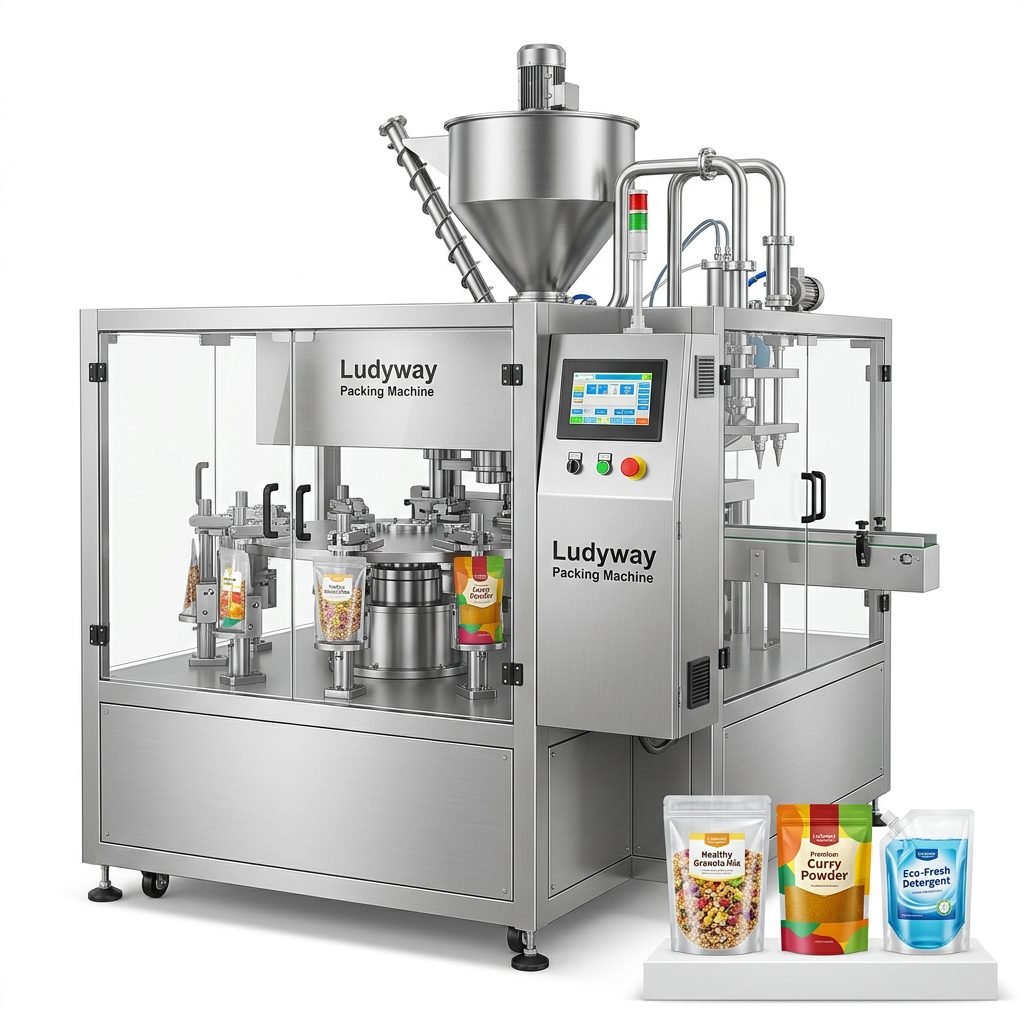
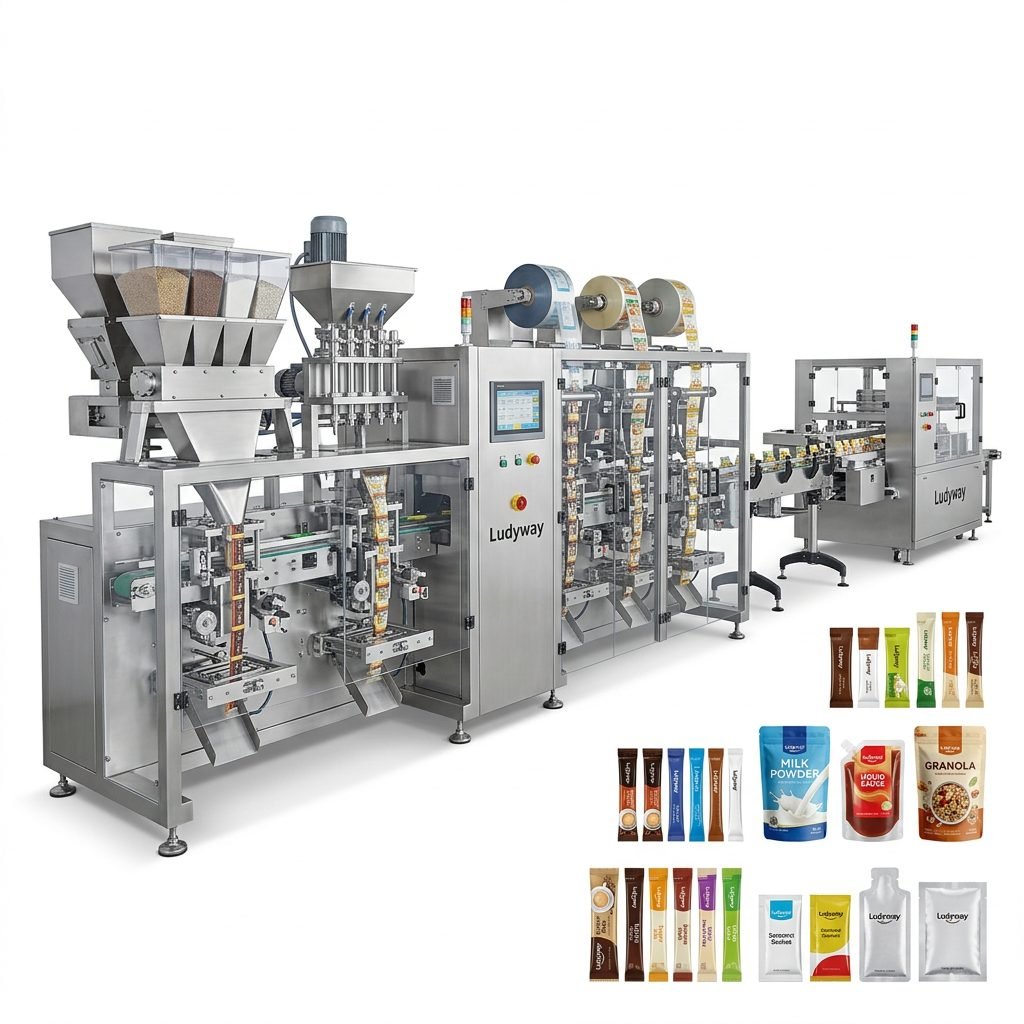
Choosing the right machinery supplier is crucial. Look for manufacturers with proven expertise in food-grade stainless steel construction, IP65 or higher washdown ratings, and compliance with international standards like CE and ISO. Evaluate whether you need standalone machines or a fully integrated turnkey packaging solution with centralized control systems. Ludyway is one of the largest packaging machine manufacturers in China, offering advanced multi-lane stick pack, sachet, and fully automated packaging systems suitable for food industry applications.
Step 4: Installation and Commissioning
Professional installation by experienced engineers ensures proper alignment, calibration, and integration of all line components. Budget approximately 2-4 weeks for installation depending on line complexity. Comprehensive factory acceptance testing (FAT) and site acceptance testing (SAT) should be conducted before commercial production begins.
Packaging Material Considerations for Chicken Products
Selecting appropriate packaging films and materials directly impacts shelf life and product presentation. The Indian climate necessitates high-barrier multilayer films that provide excellent moisture and oxygen protection. Common materials include:
- PET/PE laminates for fresh chicken tray lidding films
- Nylon/PE co-extruded films for vacuum-packed frozen chicken
- OPP/CPP laminates for flow-wrapped chicken snacks
- Aluminum foil laminates for marinated ready-to-cook pouches
- Biodegradable PLA-based films for eco-conscious branding
Cost Estimation for a Mid-Scale Chicken Packaging Line
Below is an approximate investment breakdown for a mid-capacity chicken packaging operation in India. Actual costs vary based on automation level, brand choices, and specific configurations.
| Equipment / Component | Estimated Cost (INR) | Remarks |
|---|---|---|
| Multi-Head Weigher (14-head) | ₹8,00,000 – ₹15,00,000 | Japanese or Chinese brands |
| Tray Sealer with MAP | ₹12,00,000 – ₹25,00,000 | Depends on output speed |
| Vacuum Packaging Machine | ₹3,00,000 – ₹10,00,000 | Double chamber type |
| Flow Wrapping Machine | ₹5,00,000 – ₹18,00,000 | Horizontal form-fill-seal |
| Metal Detector + X-Ray System | ₹6,00,000 – ₹20,00,000 | Food-grade conveyor type |
| Coding and Labeling System | ₹2,00,000 – ₹6,00,000 | Inkjet or thermal transfer |
| Cold Room / Chiller Integration | ₹5,00,000 – ₹20,00,000 | Based on capacity |
| Installation and Commissioning | ₹3,00,000 – ₹8,00,000 | Including training |
| Total Estimated Investment | ₹44,00,000 – ₹1,22,00,000 | Mid-scale operation |
Regulatory Compliance and Food Safety Standards
Operating a chicken packaging line in India requires adherence to multiple regulatory frameworks. The Food Safety and Standards Authority of India (FSSAI) mandates specific packaging and labeling requirements for meat products. Internationally recognized standards add credibility for export-oriented businesses:
- FSSAI License – Central license required for meat processing units with turnover above ₹20 crore
- HACCP Certification – Mandatory for export to EU, US, and Middle Eastern markets
- ISO 22000:2018 – Food safety management system certification
- APEDA Registration – Required for meat product exports from India
- BIS Standards – Relevant Indian standards for packaging materials in food contact
For authoritative guidance on packaging standards and regulations, refer to resources from PMMI and the FDA Food Packaging guidelines, which provide internationally recognized frameworks for food packaging safety.

Common Challenges and Practical Solutions
Challenge 1: Maintaining Cold Chain During Packaging
Chicken products must remain below 4°C throughout processing. Install temperature monitoring sensors at critical control points and implement automated alerts. Design the packaging room as a positive-pressure cleanroom with rapid air exchange to minimize microbial contamination risks.
Challenge 2: Film Seal Integrity Issues
Leaking packs are a major cause of product returns and shelf-life failure. Regular seal strength testing using a tensile tester should be part of your quality control protocol. Verify that sealing temperature, pressure, and dwell time are optimized for your specific film specifications.
Challenge 3: Weighing Accuracy and Giveaway
Product giveaway directly impacts profitability. A high-precision multi-head weigher can reduce giveaway to less than 1% of target weight. Integrate a checkweigher for real-time feedback and automatic rejection of out-of-tolerance packs.
Challenge 4: Workforce Training and Skill Gaps
Modern packaging lines require operators with technical competency. Invest in comprehensive operator training programs during equipment commissioning. Many packaging machine suppliers offer on-site training and detailed SOP documentation to accelerate the learning curve.
Automation Levels: Choosing the Right Configuration
Indian poultry businesses range from small processing units to large integrated operations. Select an automation level that matches your current scale with room for expansion:
| Automation Level | Output (Packs/Hour) | Best Suited For |
|---|---|---|
| Semi-Automatic | 300 – 800 | Small processing units, startup operations |
| Fully Automatic (Mid-Speed) | 1,500 – 3,000 | Regional distribution, mid-scale brands |
| High-Speed Integrated Line | 5,000 – 10,000+ | National brands, export-oriented units |
Maintenance and After-Sales Support
A well-maintained packaging line delivers consistent performance over years of operation. Establish a preventive maintenance schedule covering daily, weekly, and monthly tasks. Key aspects include:
- Daily cleaning and sanitization of all food-contact surfaces per SOP guidelines
- Weekly inspection of sealing jaws, cutting blades, and sensor calibration
- Monthly lubrication of mechanical components and conveyor chain tension checks
- Quarterly comprehensive service by certified technicians
- Maintaining an inventory of critical spare parts to minimize downtime
When evaluating equipment suppliers, prioritize those offering local technical support in India. Fast response times for troubleshooting and spare parts availability can mean the difference between hours and days of production downtime. Check references from existing Indian customers to verify after-sales service quality.
Future Trends in Chicken Packaging Technology
The packaging industry is evolving rapidly, and staying ahead of trends can provide a competitive advantage. Emerging technologies relevant to chicken packaging include smart packaging with freshness indicators, fully recyclable mono-material films, and AI-powered vision inspection systems for quality grading. The Flexible Packaging Association offers valuable insights into sustainable packaging innovations suitable for poultry applications.
Maximizing ROI on Your Packaging Investment
To achieve optimal return on investment, focus on Overall Equipment Effectiveness (OEE) metrics. Target an OEE score above 75% by minimizing unplanned downtime, reducing changeover times between product variants, and optimizing line speed based on real-time production data. Integrating IoT-enabled monitoring systems provides actionable insights for continuous improvement. For industry data and benchmarking, refer to the PMMI Business Intelligence Library for packaging machinery market research and state-of-the-industry reports.
Conclusion: Building a Future-Ready Chicken Packaging Operation
Setting up a chicken packaging machine production line in India represents a significant but rewarding investment. By carefully selecting the right equipment configuration, ensuring regulatory compliance, investing in operator training, and partnering with reliable packaging machinery suppliers, businesses can build efficient operations that meet growing market demand. The key lies in thorough planning, realistic capacity assessment, and choosing scalable multi-lane packaging systems that can grow alongside your business. With India’s poultry sector poised for continued expansion, now is the ideal time to modernize your packaging infrastructure and capture a larger share of this dynamic market.
Further Reading: Explore detailed packaging machinery standards and regulations at ISO Packaging Standards and review food contact substance regulations at the FDA Packaging and Food Contact Substances portal for comprehensive compliance guidance.