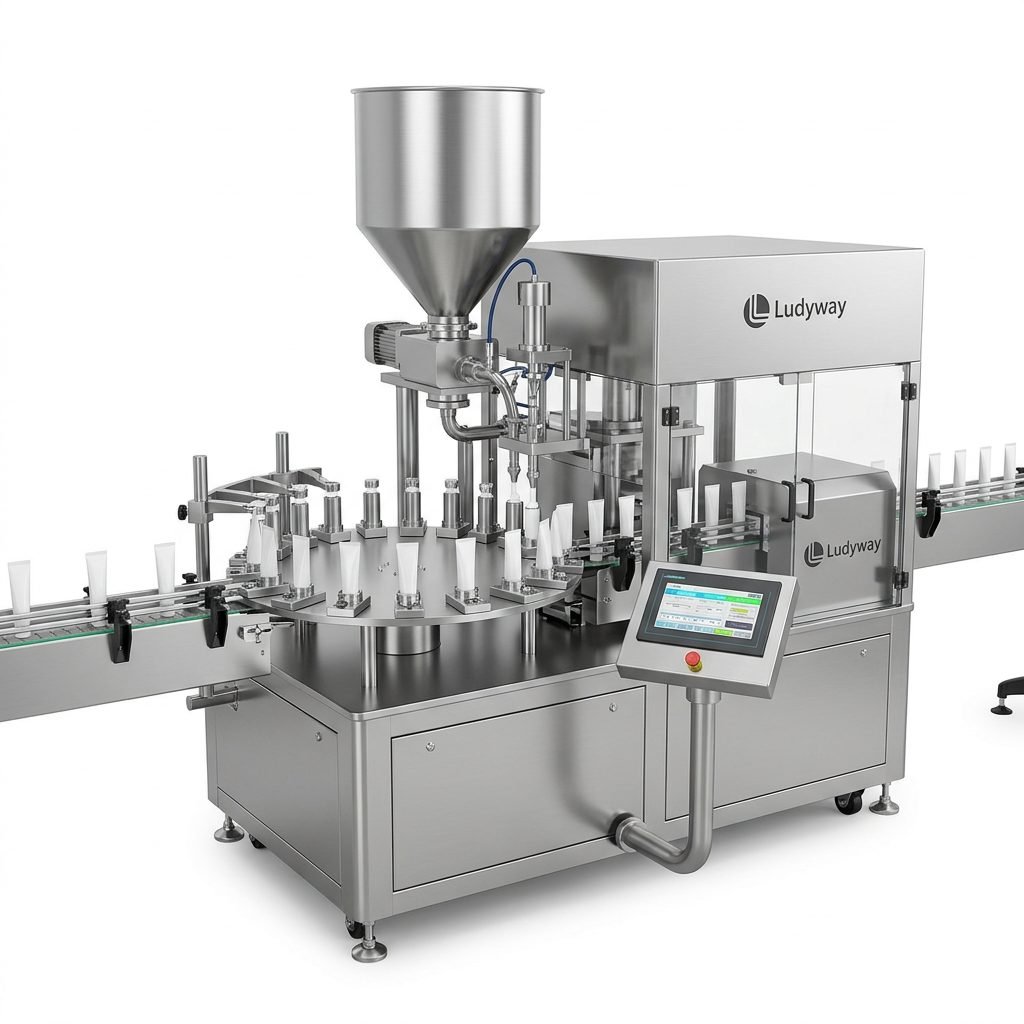
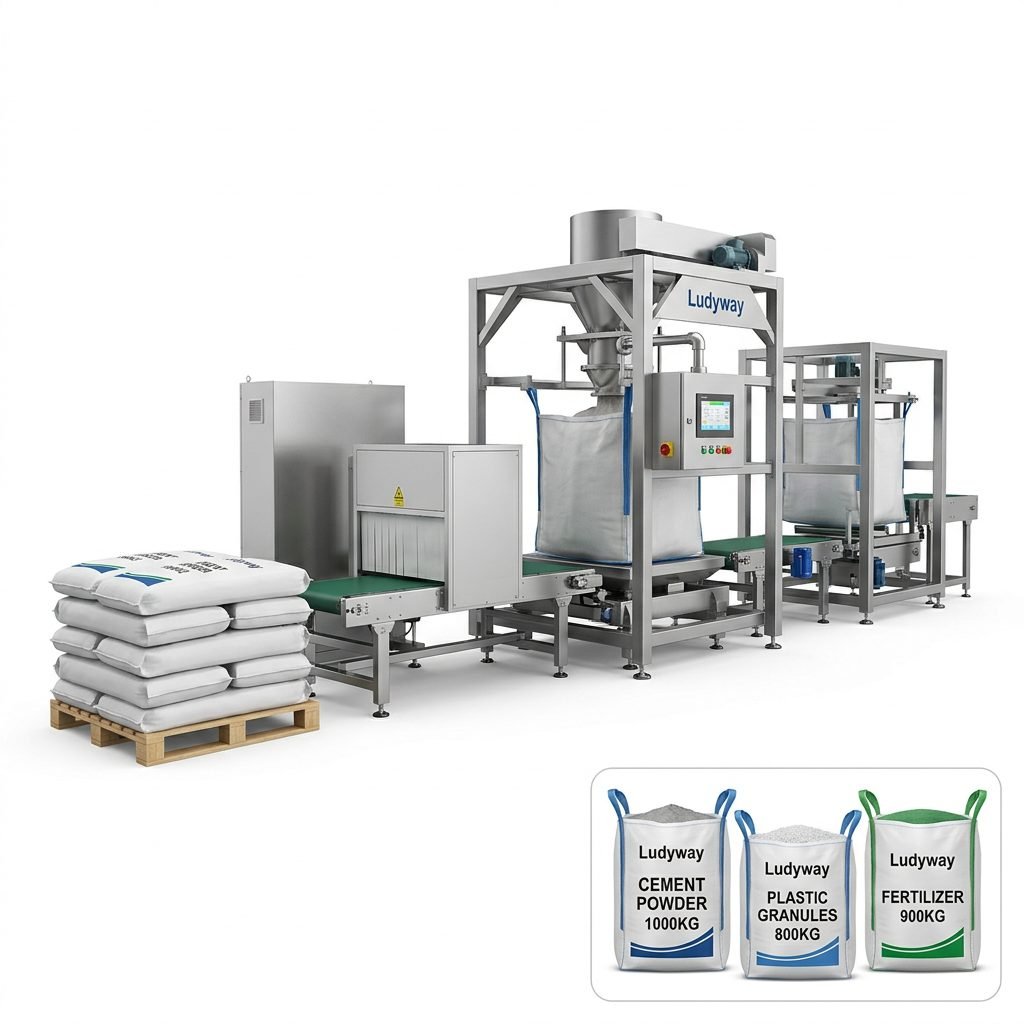
Sealing jaws are one of the most important components in modern packaging equipment. They directly affect seal strength, package appearance, leak prevention, production speed, and overall machine stability. Whether you run a vertical form fill seal machine, sachet packing machine, stick pack system, pouch line, or carton sealing process, choosing the right sealing jaw can make the difference between efficient output and costly downtime.
This guide explains the main types of sealing jaws for packaging machines, where they are used, what materials they work with, and how to select the best option for your production needs.
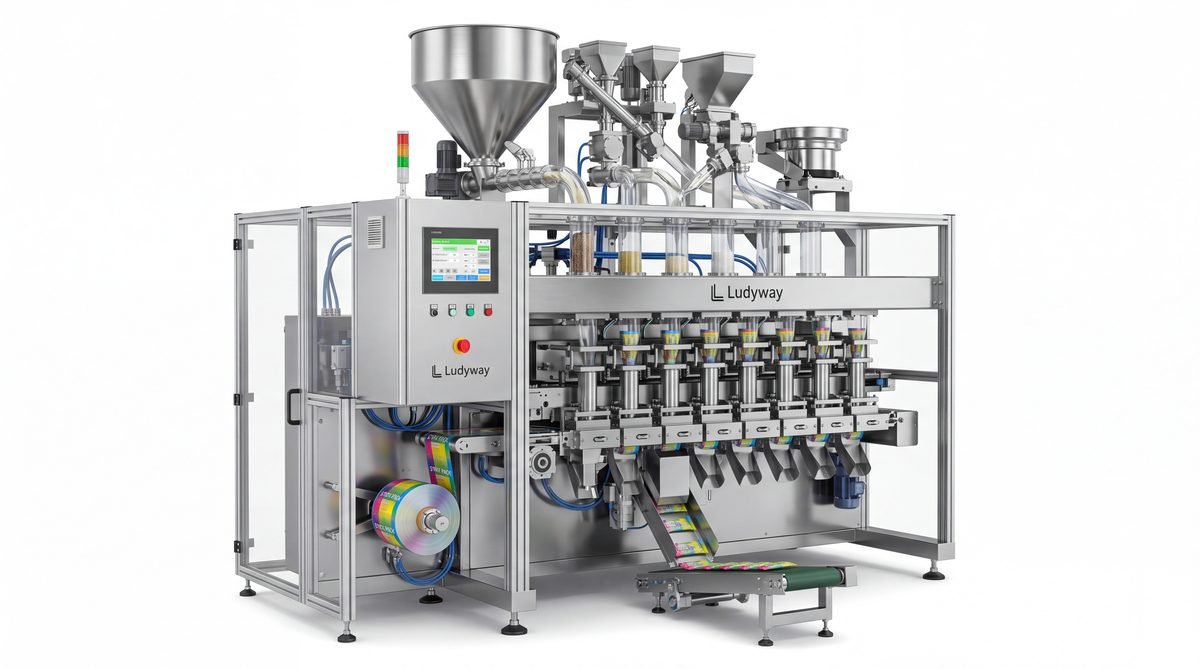
What Are Sealing Jaws in Packaging Machines?
Sealing jaws are the heated or pressure-driven parts of a packaging machine that bond packaging materials together. In flexible packaging, they usually create top seals, bottom seals, center seals, or side seals. In some systems, they may also cut, emboss, or mark the package during the sealing cycle.
Their basic job is simple: apply the right combination of heat, pressure, and dwell time to create a consistent seal. In real production, however, sealing performance depends on several factors:
- Packaging film structure and thickness
- Product type, such as powder, granules, liquid, paste, or tablets
- Machine speed and cycle rate
- Required seal shape and package format
- Operating environment, including dust, moisture, and temperature changes
Why Sealing Jaw Selection Matters
Many packaging issues that appear to be “film problems” or “machine setting problems” are actually related to the wrong sealing jaw design. A poorly matched jaw can lead to:
- Weak seals that open during transport or storage
- Burned film caused by overheating or poor heat transfer
- Wrinkled or uneven sealing on high-speed lines
- Product contamination in the seal area, especially for powders and liquids
- Higher maintenance costs due to wear, sticking, or frequent changeovers
For food, pharmaceutical, cosmetic, chemical, and health supplement packaging, reliable seals are also essential for hygiene, shelf life, and compliance.
Main Types of Sealing Jaws for Packaging Machines
1. Flat Sealing Jaws
Flat sealing jaws are one of the most common types. They have a smooth sealing surface and are often used for standard pouches, sachets, and stick packs.
Best for: simple seal patterns, general-purpose packaging, stable film structures
- Provide uniform contact across the seal area
- Easy to maintain and clean
- Suitable for many laminated and heat-sealable films
2. Serrated Sealing Jaws
Serrated jaws create a textured seal surface. This texture can improve grip and help strengthen the bond, especially when packaging films are slippery or when production speed is high.
Best for: high-speed sachet packing, granular products, stronger visual seal pattern
- Improve seal integrity on some materials
- Reduce film slippage during sealing
- Common in food and pharmaceutical sachet lines
3. Impulse Sealing Jaws
Impulse sealing jaws heat only during the sealing cycle and cool between cycles. They are often used for heat-sensitive materials or special films.
Best for: lower-speed applications, specialty films, energy-saving operations
- Reduced continuous heat exposure
- Lower risk of film scorching
- Useful for certain polyethylene and barrier materials
4. Constant Heat Sealing Jaws
Constant heat jaws remain at a set temperature throughout production. They are widely used in automatic packaging lines because they support stable, repeatable output.
Best for: high-speed automated packaging machines, laminated films, continuous production
- Fast response in repeated cycles
- Suitable for high-output packaging
- Common in stick pack, sachet, and pouch systems
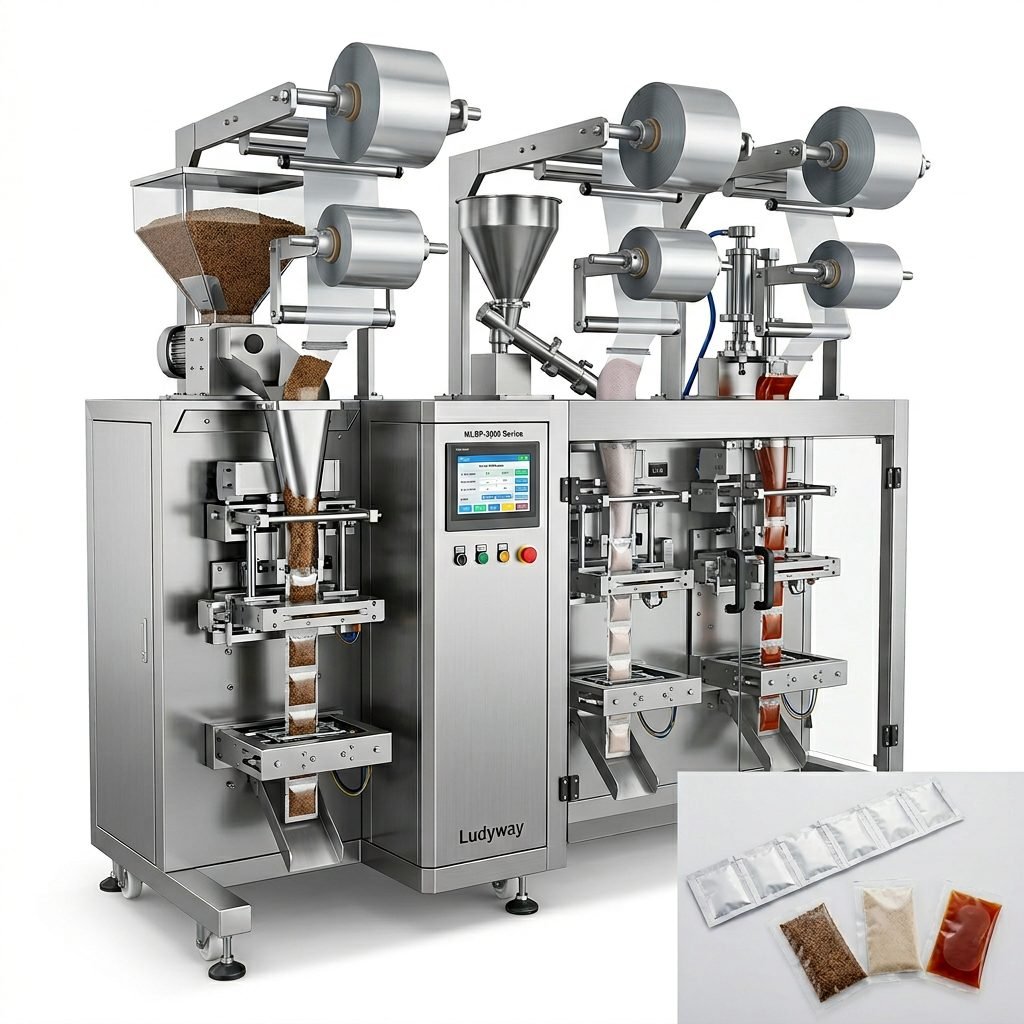
5. Rotary Sealing Jaws
Rotary jaws are designed for continuous-motion packaging machines. Instead of stopping for each seal, the machine seals while the film moves, which improves throughput.
Best for: high-speed continuous packaging, snack foods, powders, pharmaceutical products
- Higher production speed
- Smoother package flow
- Requires precise synchronization and strong engineering support
6. Contour or Custom Profile Sealing Jaws
These jaws are designed with a custom shape for special package formats, brand appearance, or functional seal patterns. They may include rounded edges, tear-notch areas, embossing, or logo details.
Best for: branded retail packaging, specialty pouches, unique product formats
- Support product differentiation
- Can combine sealing and cutting features
- Often used in customized packaging projects
Sealing Jaw Materials and Surface Treatments
The jaw structure is not only about shape. Material and surface finishing also affect heat transfer, wear resistance, and anti-stick performance.
| Material / Treatment | Main Advantage | Typical Use |
|---|---|---|
| Aluminum | Fast heat transfer, lightweight | High-speed flexible packaging |
| Copper alloy | Excellent thermal conductivity | Precision sealing applications |
| Stainless steel | Durability, corrosion resistance | Food, pharma, wet environments |
| PTFE coating | Anti-stick surface | Liquid, paste, sticky products |
| Hard anodizing | Wear resistance | Long production runs |
Common Applications of Sealing Jaws
Food Packaging
In food production, sealing jaws are used for powders, coffee, sugar, spices, snacks, sauces, and liquid sachets. The seal must be strong enough to protect freshness while maintaining a clean and attractive appearance.
Pharmaceutical Packaging
Pharmaceutical packaging often requires precise temperature control and repeatable sealing quality. Jaws used in this field must support hygienic design, stable output, and compatibility with strict validation requirements.
Cosmetic and Personal Care Packaging
Creams, serums, lotions, and gels can contaminate the sealing area if jaw selection is not correct. Anti-stick surfaces and optimized sealing pressure are especially important here.
Chemical and Industrial Packaging
For adhesives, detergents, powders, and specialty chemicals, jaw durability and resistance to contamination matter a lot. Packaging materials may also be thicker or more complex than in consumer goods.
How to Choose the Right Sealing Jaw
1. Match the Jaw to the Packaging Material
Different films need different sealing conditions. A jaw that works well for standard laminated sachet film may not perform well on mono-material film, foil laminate, or thicker industrial packaging. Always confirm:
- Film composition
- Heat seal layer type
- Film thickness
- Required sealing temperature range
2. Consider the Product Characteristics
The product inside the package affects seal quality. Powders may create dust in the seal area. Liquids and pastes may splash or creep into the seal. Granules can get trapped at the seal line. For these cases, jaw design should support better contamination tolerance and consistent pressure distribution.
3. Evaluate Machine Speed
At low or medium speed, simple flat jaws may be enough. At high speed, heat transfer efficiency, response time, and jaw synchronization become more important. Rotary or advanced constant heat jaws are often better for fast lines.
4. Check Seal Appearance Requirements
If the package is for retail shelves, seal appearance matters almost as much as strength. Serrated or custom-profile jaws can improve the look and brand feel of the final pack.
5. Think About Maintenance and Changeover
Some production lines handle many products and bag sizes. In those cases, choose sealing jaws that are easier to clean, replace, and adjust. Fast changeover design helps reduce downtime.
6. Confirm Industry Compliance
For food and pharma, sealing jaw materials and machine design should support hygiene, cleaning, and quality standards. Stainless steel construction and stable thermal control are often preferred.
Quick Selection Guide
| Production Need | Recommended Jaw Type | Reason |
|---|---|---|
| Standard sachets or pouches | Flat sealing jaw | Simple, stable, versatile |
| High-speed packaging | Constant heat or rotary jaw | Better cycle efficiency |
| Slippery film or stronger seal texture | Serrated jaw | Improved grip and seal pattern |
| Heat-sensitive film | Impulse jaw | Reduced thermal stress |
| Retail packaging with branded look | Custom profile jaw | Special shape and appearance |
Signs You May Need to Upgrade or Replace Your Sealing Jaws
- Seal failures increase as speed rises
- Film sticks to the jaw surface
- Seals show wrinkles, burn marks, or uneven texture
- Temperature settings become harder to stabilize
- Jaw surfaces show wear, damage, or contamination buildup
- Frequent operator adjustment is needed to maintain acceptable output
Best Practices for Better Sealing Performance
Even the right jaw needs correct operation and maintenance. To get the best results:
- Keep sealing surfaces clean and free of product buildup
- Check temperature sensors and heaters regularly
- Verify pressure alignment across the full sealing width
- Use packaging film that matches machine parameters
- Inspect PTFE tape or coatings for damage
- Test seal strength routinely during production
Choosing a Packaging Equipment Partner
When selecting sealing jaws, it helps to work with a manufacturer that understands the full packaging process, not just one spare part. A supplier with real experience in machine design, film compatibility, filling behavior, and sealing optimization can reduce risk during machine purchase or line upgrades.
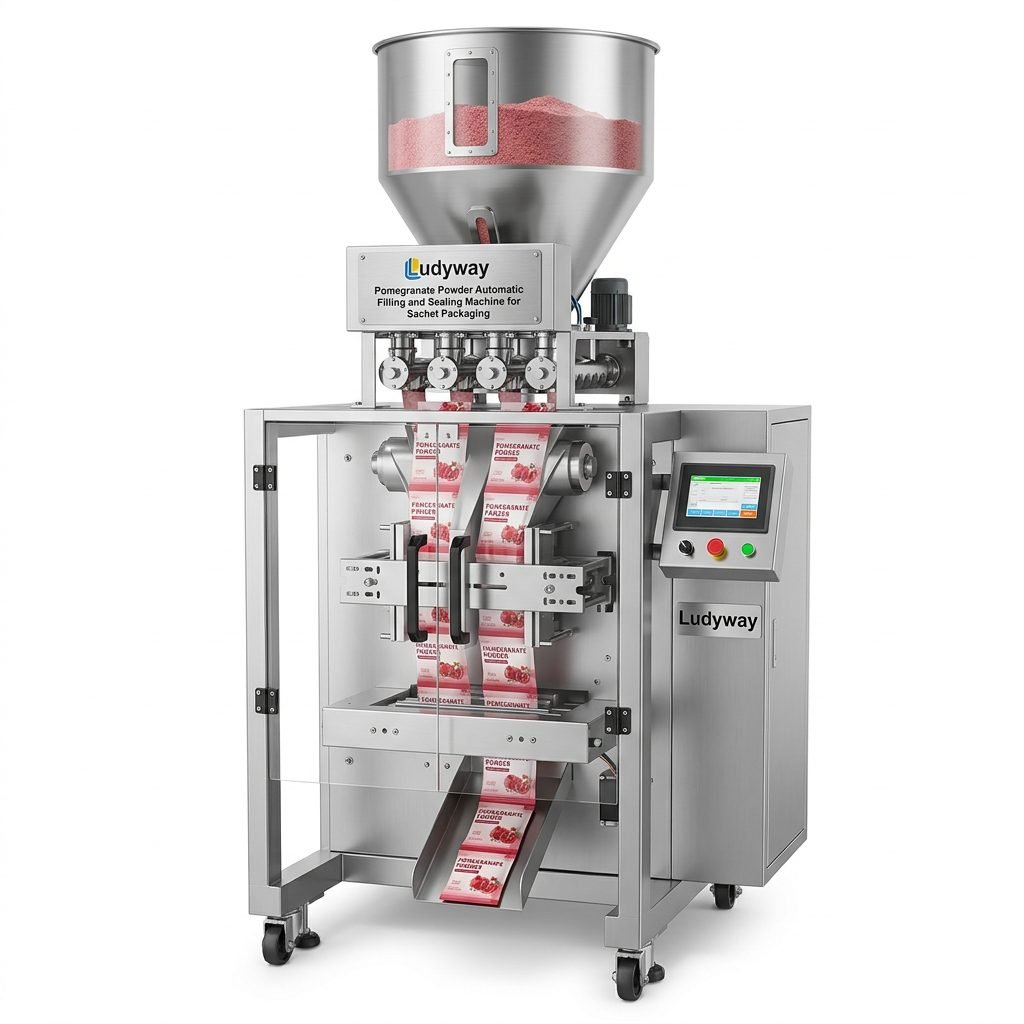
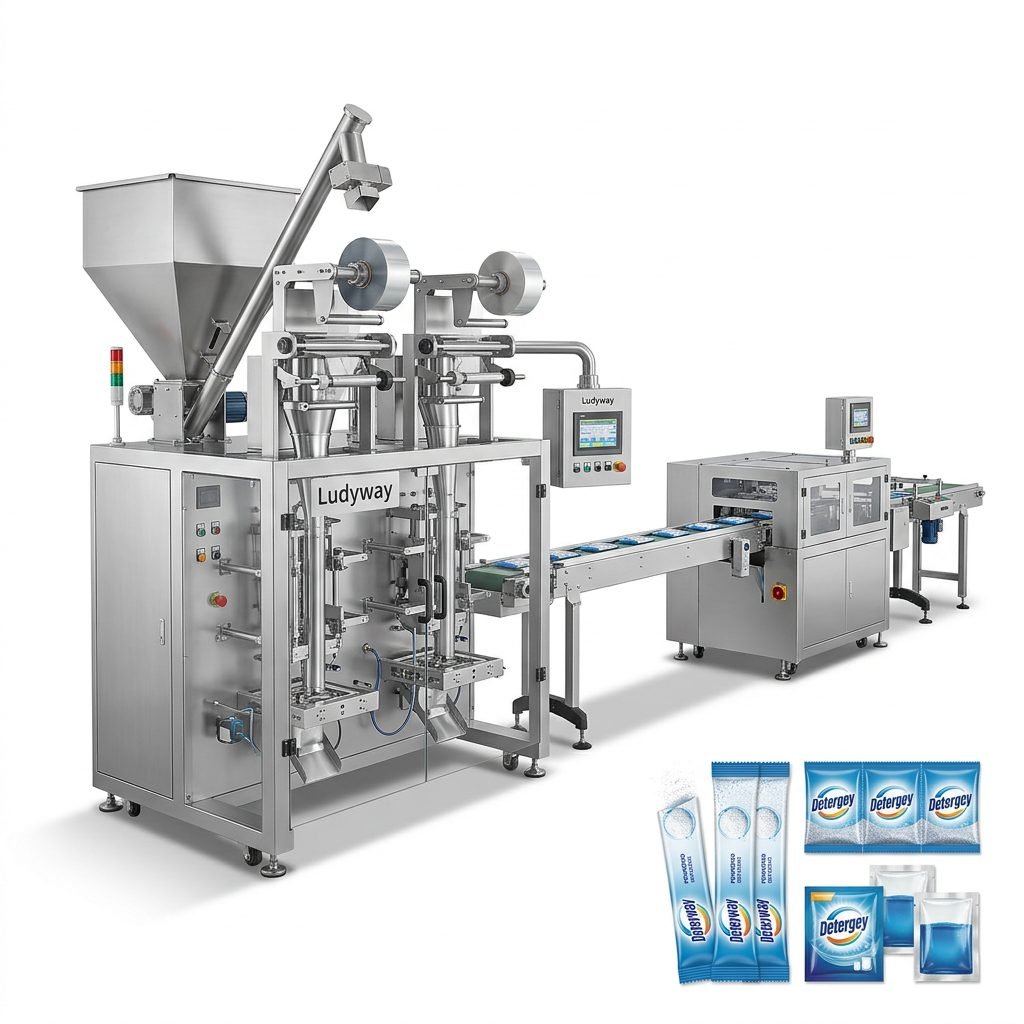
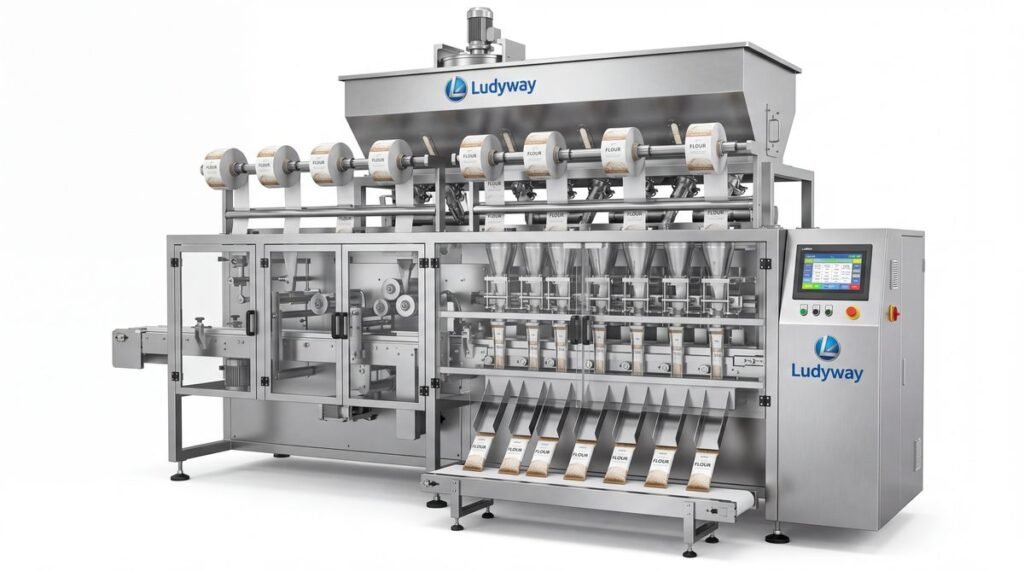
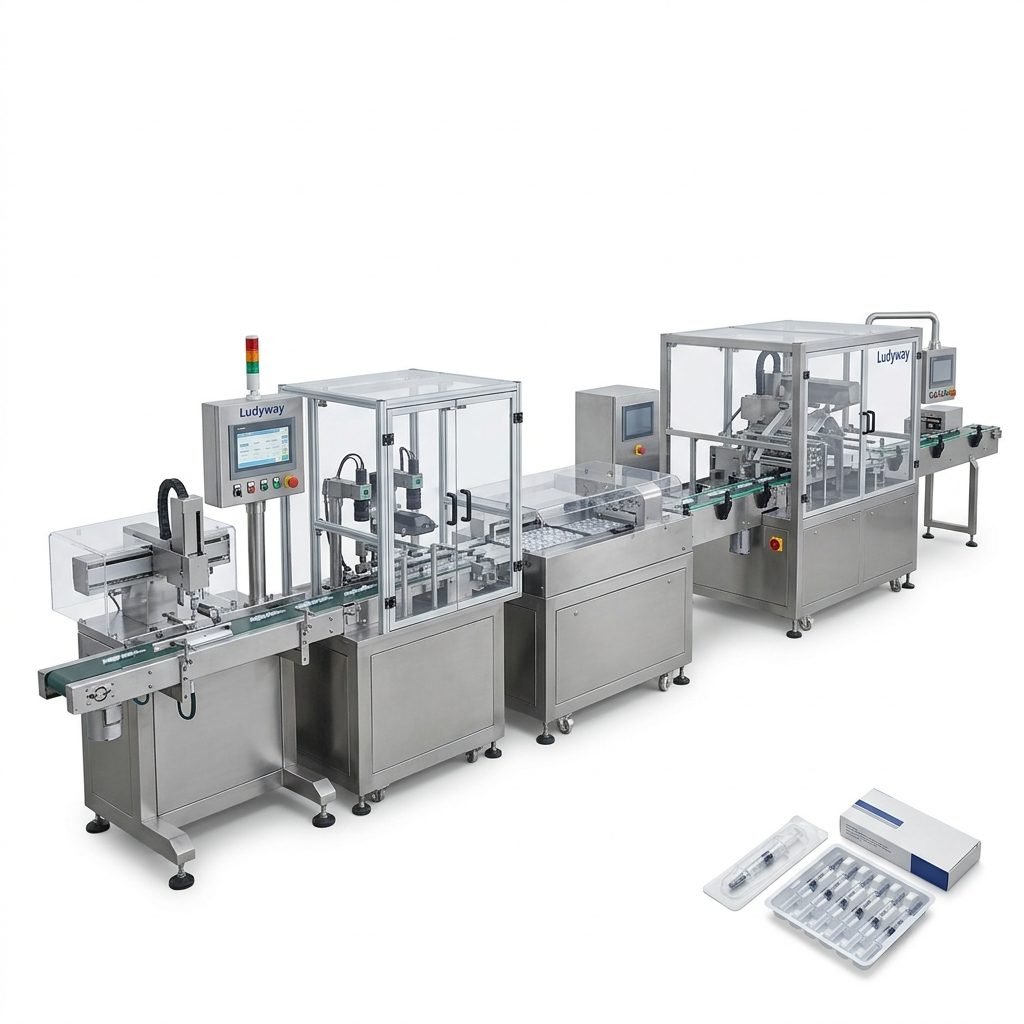
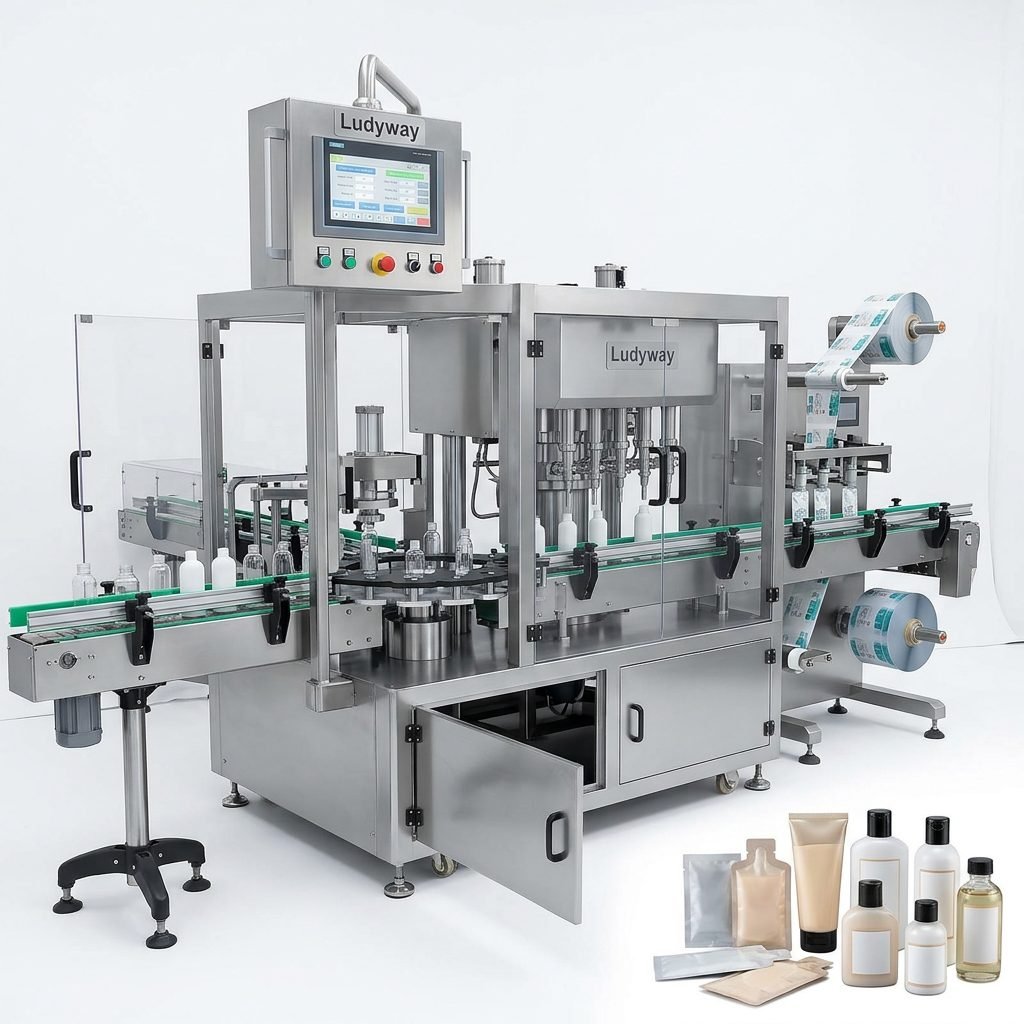
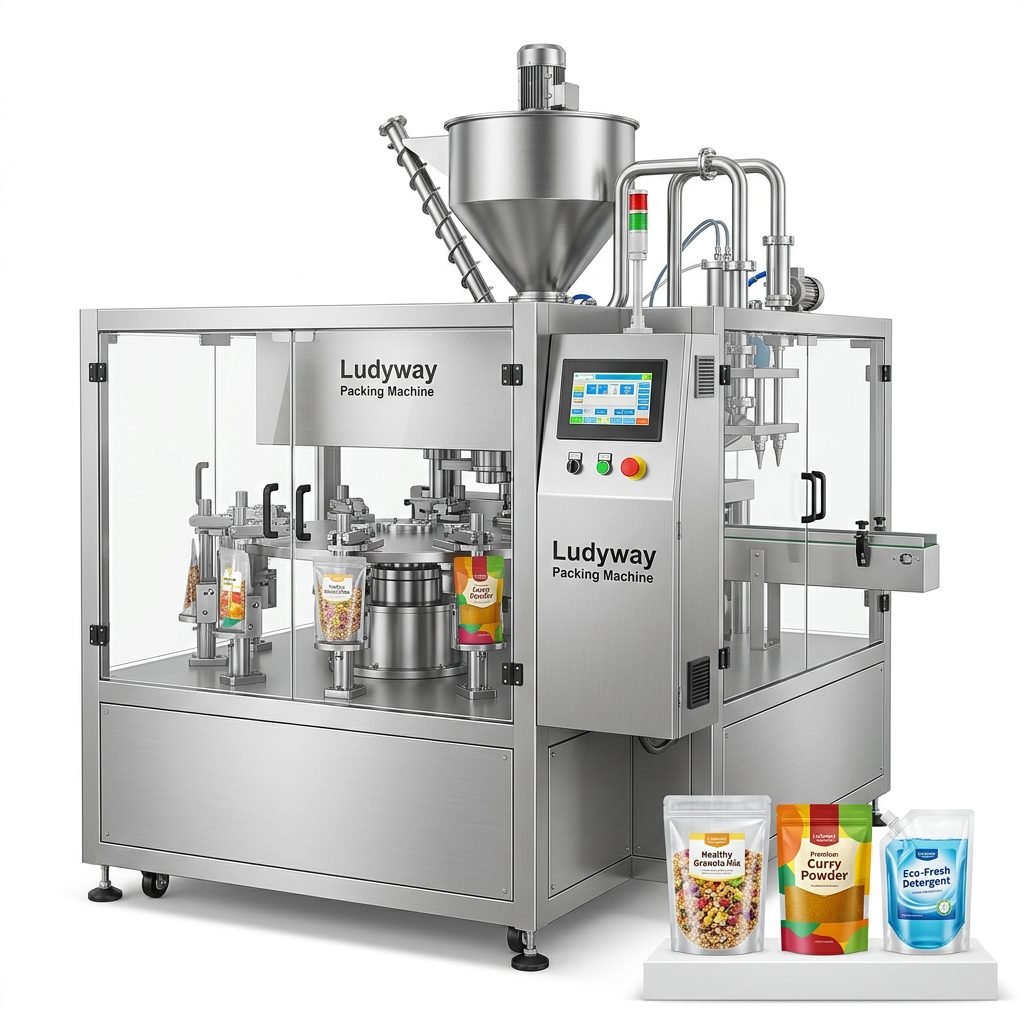
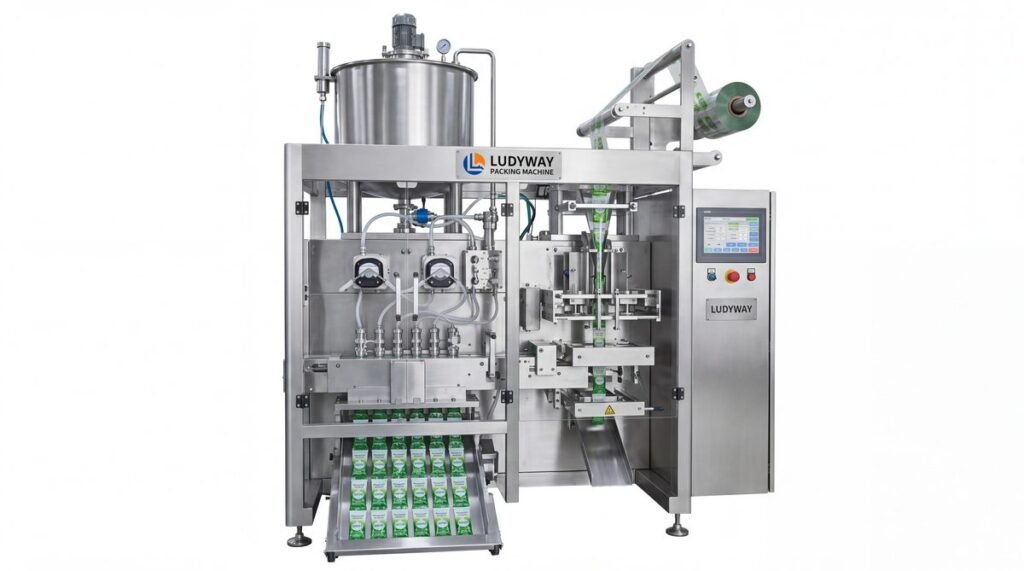
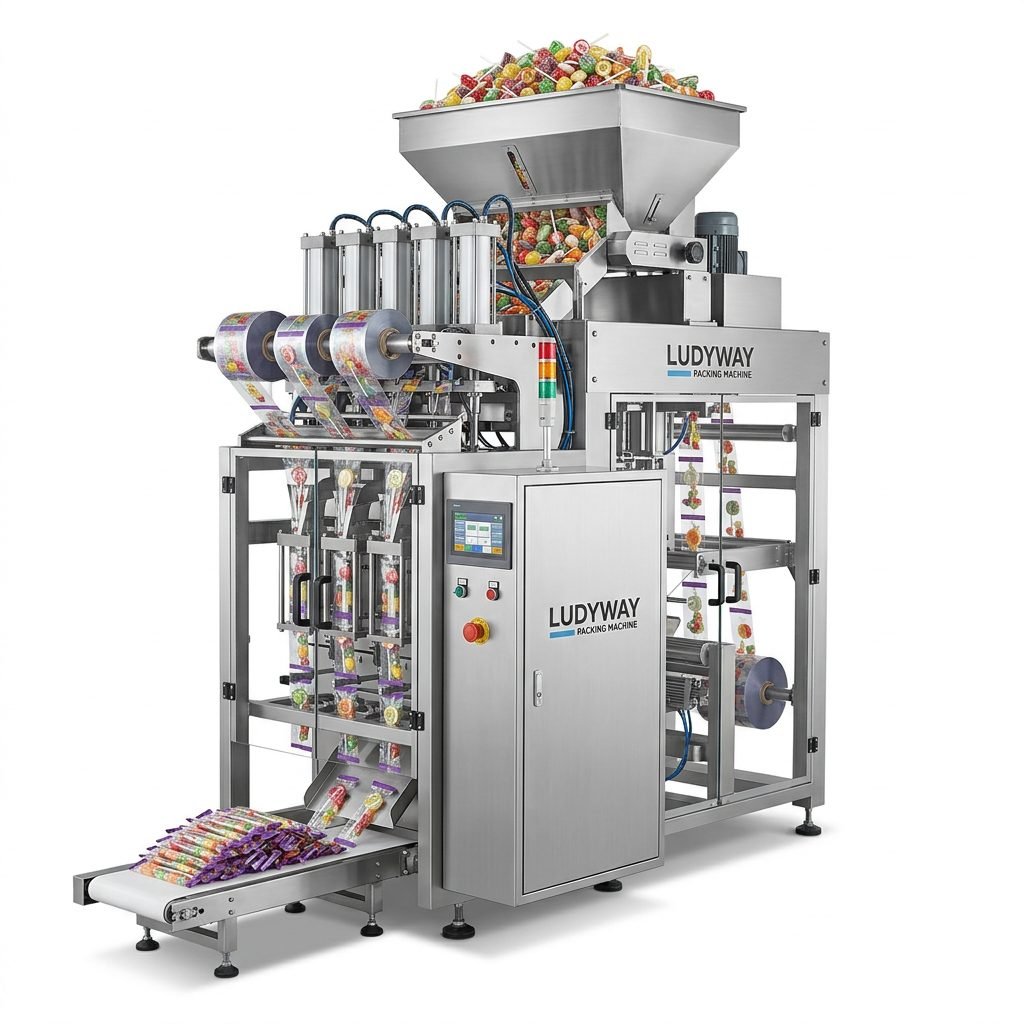
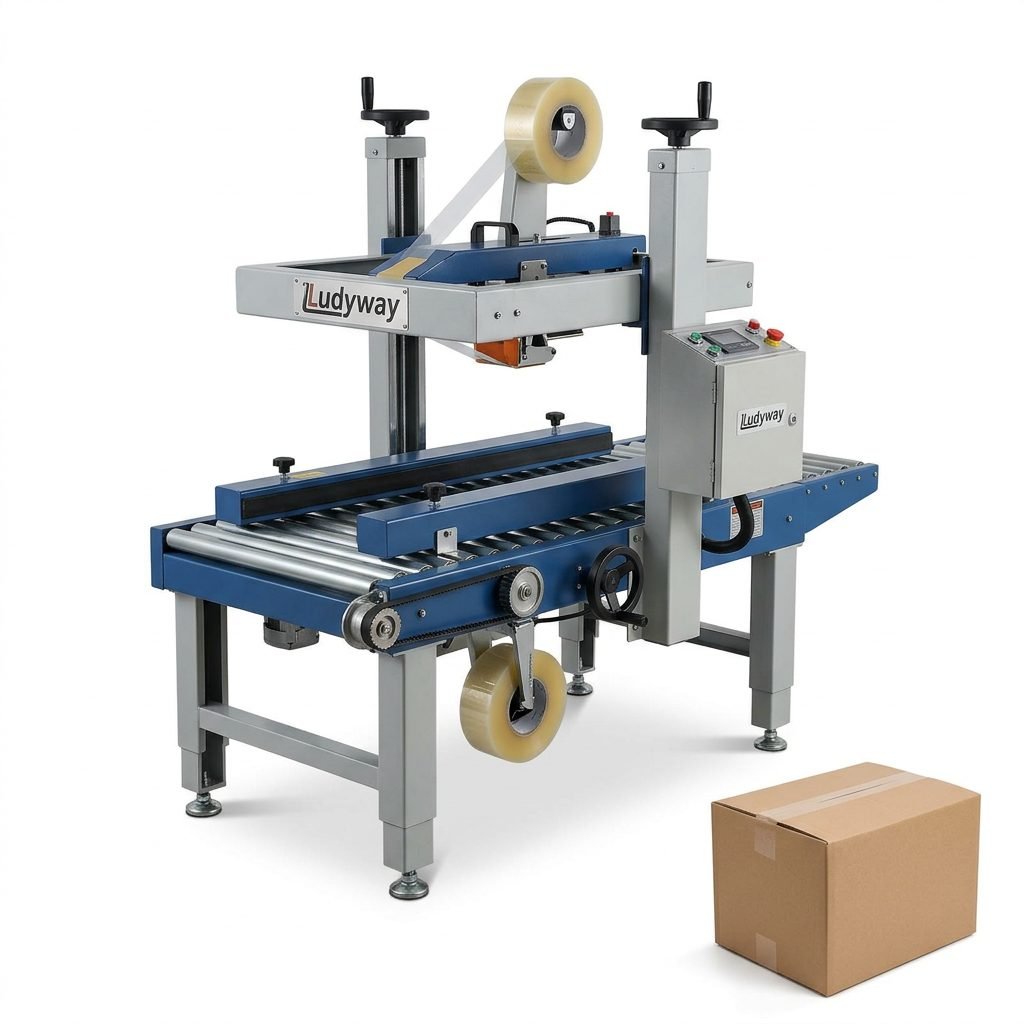
For businesses looking for complete packaging expertise, Ludyway packaging machine solutions are widely used across food, pharmaceutical, cosmetic, chemical, and related industries, with support for both standalone machines and turnkey packaging lines.
Final Buying Checklist
Before you confirm a sealing jaw selection, review these points:
- Package type: sachet, stick pack, pouch, bag, or carton
- Product type: powder, granule, liquid, paste, tablet, or capsule
- Film structure: PE, laminate, foil, mono-material, or specialty film
- Target speed: intermittent or continuous high-speed operation
- Seal style: flat, serrated, embossed, or customized
- Cleaning needs: standard or high-hygiene environment
- Maintenance expectations: long runs, fast changeover, easy replacement
The right sealing jaw improves package quality, reduces waste, supports faster production, and protects your product all the way to the end user. If you are comparing packaging machines, do not overlook this small but critical component.