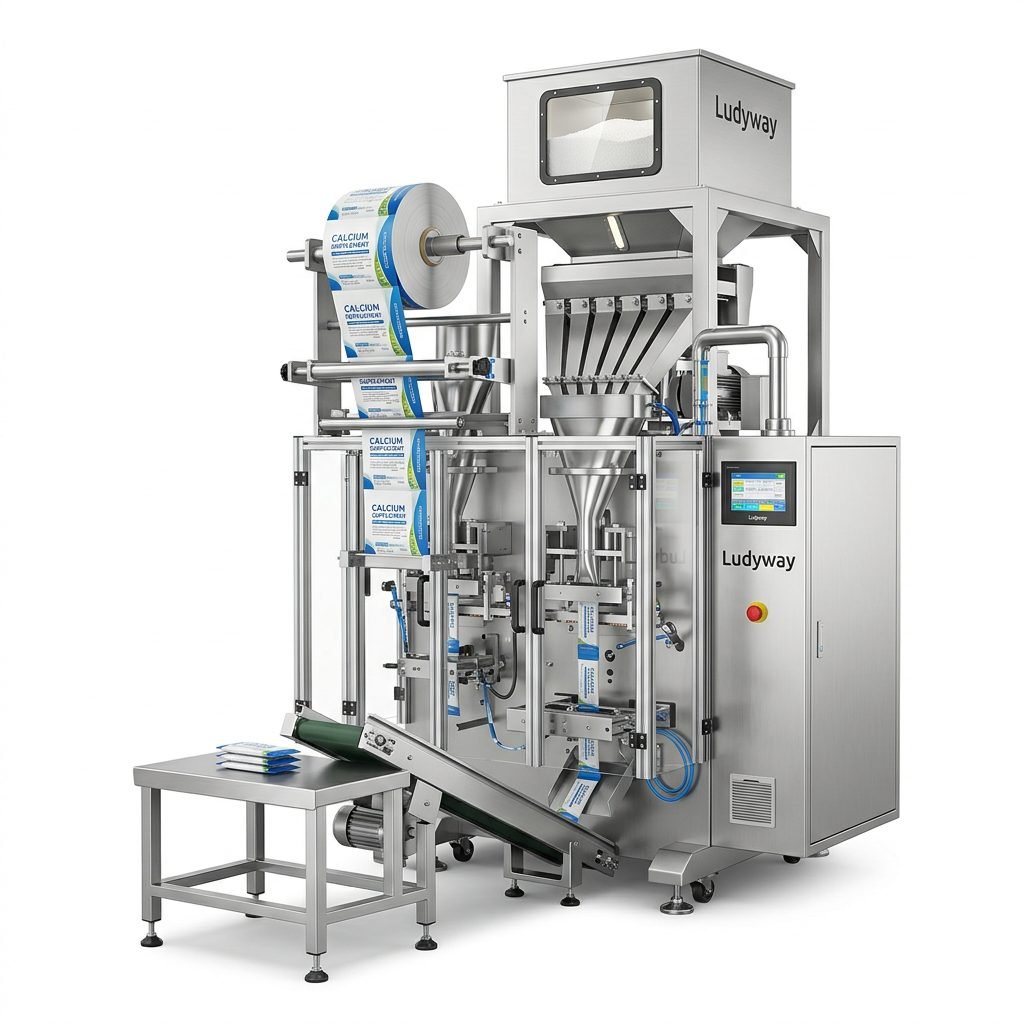
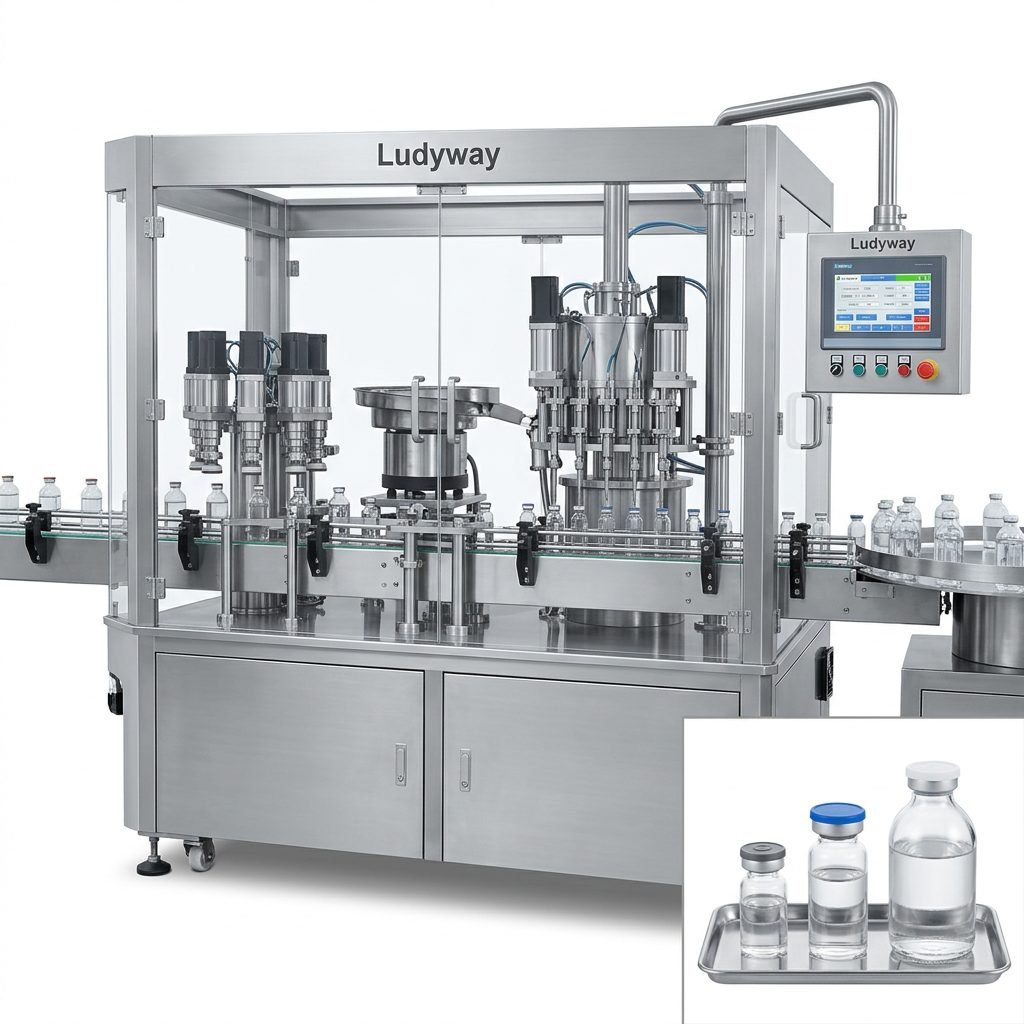
Understanding the water pouch packing machine price is not just about comparing quotes. The final cost depends on production speed, automation level, material compatibility, filling accuracy, sealing quality, and the overall line configuration. For buyers in drinking water, sachet water, and small liquid packaging businesses, choosing the right machine means balancing budget, output, reliability, and future expansion.
If you are evaluating equipment for small-scale startup production or a larger automated factory, this guide explains what affects pricing, typical cost ranges, and how to select a machine that delivers long-term value instead of just a low upfront price.
What Is a Water Pouch Packing Machine?
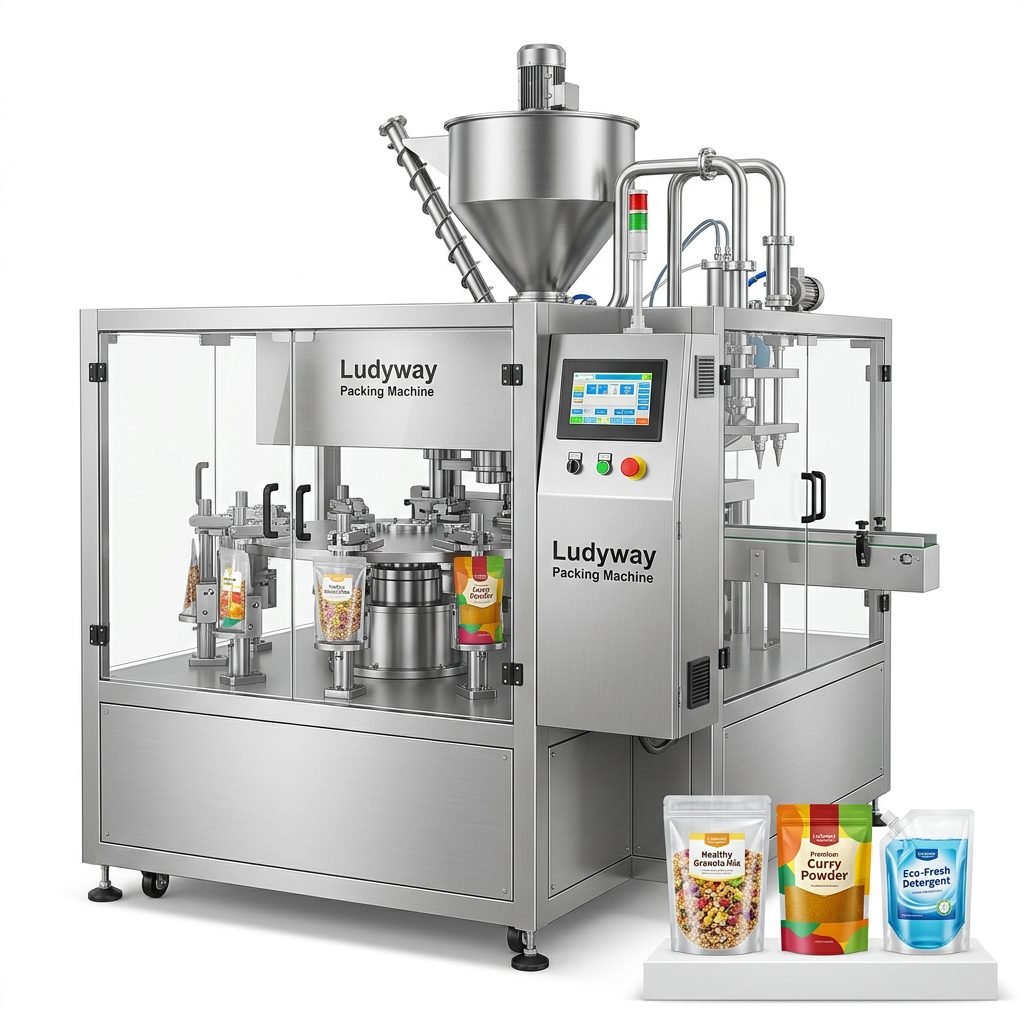
A water pouch packing machine is an automated system used to form, fill, and seal plastic film into small pouches containing purified water, mineral water, or treated drinking water. These machines are commonly used for affordable single-serve water packaging in regions where pouch water is a practical and popular format.
Depending on the model, the machine may handle:
- Pure water pouch packaging
- Mineral water pouch filling
- Small-volume drinking water sachets
- Low-cost daily consumption water packs
- High-volume commercial liquid pouch production
How Much Does a Water Pouch Packing Machine Cost?
The price can vary widely. Entry-level machines cost much less than fully automatic, high-speed systems with integrated coding, sterilization, conveyors, and quality inspection. In most cases, buyers can expect a rough range like this:
| Machine Type | Typical Output | Estimated Price Range |
|---|---|---|
| Basic semi-automatic model | Low output | US$2,000 – US$6,000 |
| Standard automatic water pouch machine | Medium output | US$6,000 – US$18,000 |
| High-speed automatic line | High output | US$18,000 – US$45,000+ |
| Turnkey water pouch packaging line | Industrial scale | US$45,000 – US$150,000+ |
Note: Actual prices depend on specifications, customization, voltage requirements, filling volume, packaging film type, and after-sales support.
Key Factors That Affect Water Pouch Packing Machine Price
1. Automation Level
The biggest cost driver is automation. A simple machine with manual intervention will cost less than a system with automatic film feeding, pouch forming, liquid filling, sealing, date coding, counting, and discharge.
- Semi-automatic machines are cheaper but require more labor.
- Fully automatic machines reduce labor cost and improve consistency.
- Turnkey lines include water treatment, storage tanks, conveyors, packaging, and end-of-line systems.
2. Production Capacity
Higher speed means more robust components, better control systems, and stronger mechanical design. A machine producing a few thousand pouches per hour will generally cost more than a basic machine serving small local demand.
When reviewing quotes, compare:
- Pouches per minute
- Shift output
- Maximum continuous runtime
- Downtime and maintenance requirements
3. Filling Accuracy and Sealing Quality
For water pouch packaging, precision matters. Underfilling affects brand reputation, while overfilling increases product loss. Poor sealing leads to leakage and wasted inventory. Machines with better dosing systems, reliable sensors, and stable heat sealing usually command a higher price.
4. Machine Material and Hygiene Standards
Machines made with food-grade stainless steel, corrosion-resistant parts, and hygienic design cost more than basic painted steel models. For drinking water applications, buyers should prioritize materials that support sanitary production and easy cleaning.
5. Film Type and Pouch Size Range
Not all machines handle the same packaging film or pouch dimensions. If you need flexibility for different water pouch sizes, printed film rolls, or stronger sealing films, the machine may require upgraded forming and sealing assemblies.
6. Brand, Manufacturing Quality, and Origin
Price also reflects supplier capability. Established manufacturers with engineering experience, global exports, spare parts support, and customization ability may charge more, but often provide better long-term return on investment.
7. Optional Features
Optional functions can significantly increase total cost:
- Date coding or batch printing
- UV sterilization
- Liquid storage tanks
- Automatic counting and conveying
- Nitrogen flushing for other liquid applications
- PLC touchscreen control
- Remote diagnostics
Price vs. Total Ownership Cost
A lower machine price does not always mean a better investment. Smart buyers look at the total cost of ownership, including:
| Cost Element | Why It Matters |
|---|---|
| Initial purchase price | Starting budget requirement |
| Installation and commissioning | Affects startup speed and technical readiness |
| Spare parts cost | Impacts ongoing maintenance budget |
| Energy consumption | Important for long production runs |
| Film waste and filling loss | Directly affects profitability |
| Downtime | Reduces effective output and delivery reliability |
| Technical support | Critical when troubleshooting production issues |
In many cases, a machine with a slightly higher purchase price delivers lower long-term costs through better stability, less leakage, easier maintenance, and better output consistency.
How to Choose the Right Water Pouch Packing Machine
Define Your Daily Output Target
Start with your real production goal, not just your current budget. If your business plans to scale within 6 to 12 months, buying a machine that is too small may create a bottleneck very quickly.
Match the Machine to Your Pouch Format
Check the pouch dimensions, fill volume range, and film specification. A supplier should confirm whether the machine is suitable for your preferred water sachet format and packaging material.
Prioritize Sealing Reliability
Water is unforgiving. Even small seal defects can result in leakage during transport, storage, or retail handling. Request sealing samples and, if possible, test results from similar applications.
Review Maintenance Simplicity
A machine that is easy to clean, maintain, and operate helps reduce training time and prevents long stoppages. Ask about wear parts, replacement cycles, and local or remote support.
Consider Future Integration
If you plan to expand, choose equipment that can integrate with conveyors, printers, quality inspection devices, or complete liquid packaging lines later.
Questions to Ask Before Requesting a Quote
- What pouch sizes and fill volumes can the machine support?
- What is the actual production speed under stable operation?
- What type of packaging film is required?
- What are the sealing and filling tolerances?
- Which parts contact the water product?
- What spare parts are included with delivery?
- Is online technical support available?
- Can the machine be customized for local voltage and language?
- What is the lead time for manufacturing and shipment?
- Can the supplier provide installation guidance or turnkey line support?
Tip: The most accurate quotation comes from sharing your pouch size, output target, liquid type, film sample, and factory power standard with the manufacturer.
Who Should Buy a Basic Machine and Who Needs a Full Line?
A Basic or Standard Machine Is Best For:
- Startups entering the sachet water market
- Businesses with limited floor space
- Local distribution with moderate daily volume
- Buyers prioritizing lower initial investment
A Fully Automated Line Is Best For:
- Established factories scaling production
- Brands requiring stable high-volume output
- Projects with strict hygiene and quality expectations
- Manufacturers seeking lower labor dependence
- Export-oriented operations needing consistency
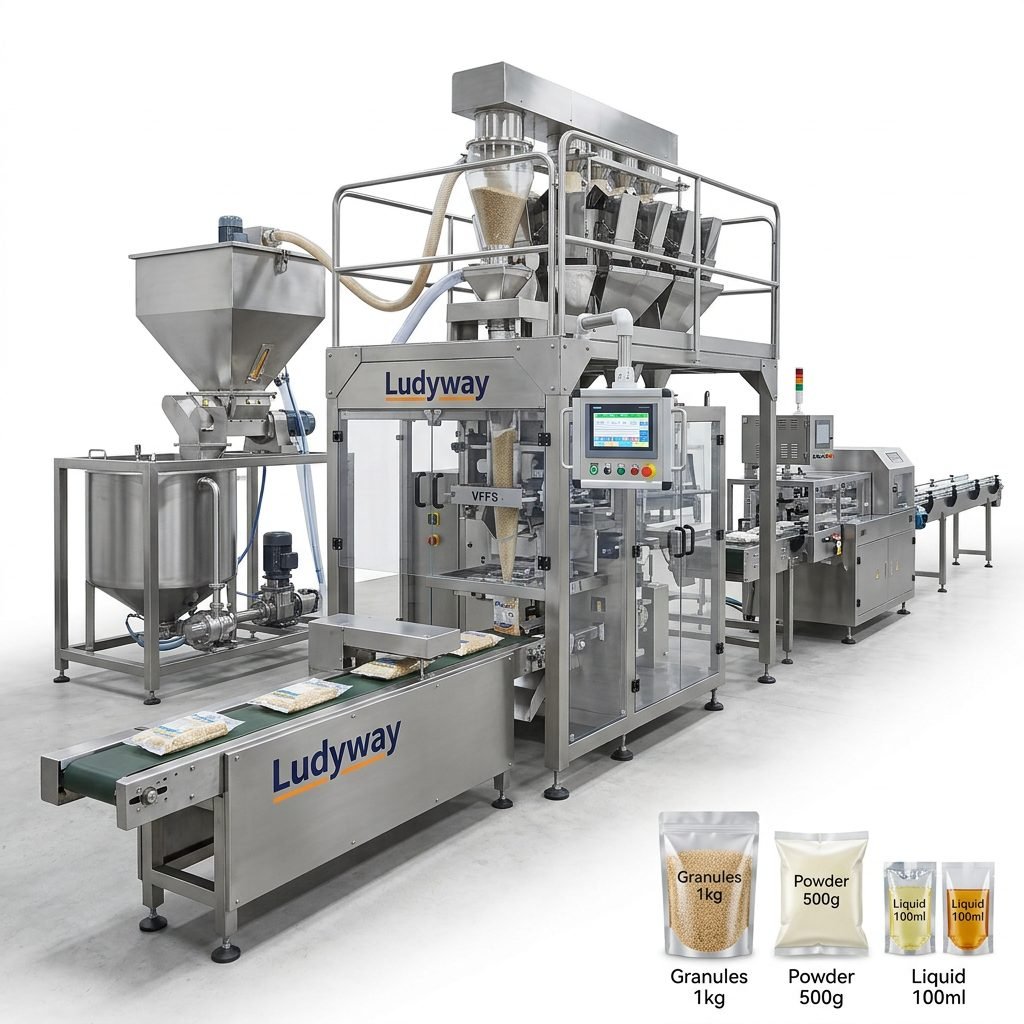
Choosing a Reliable Manufacturer Matters
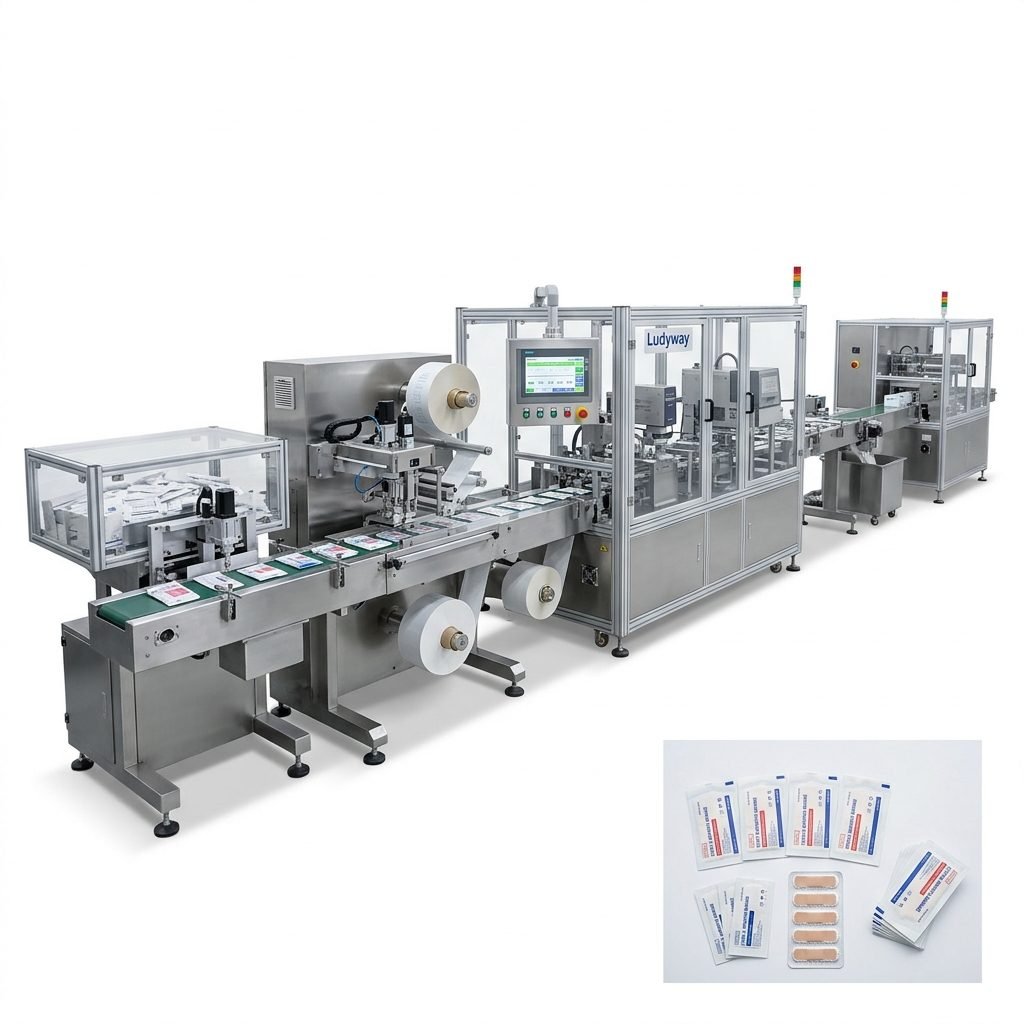
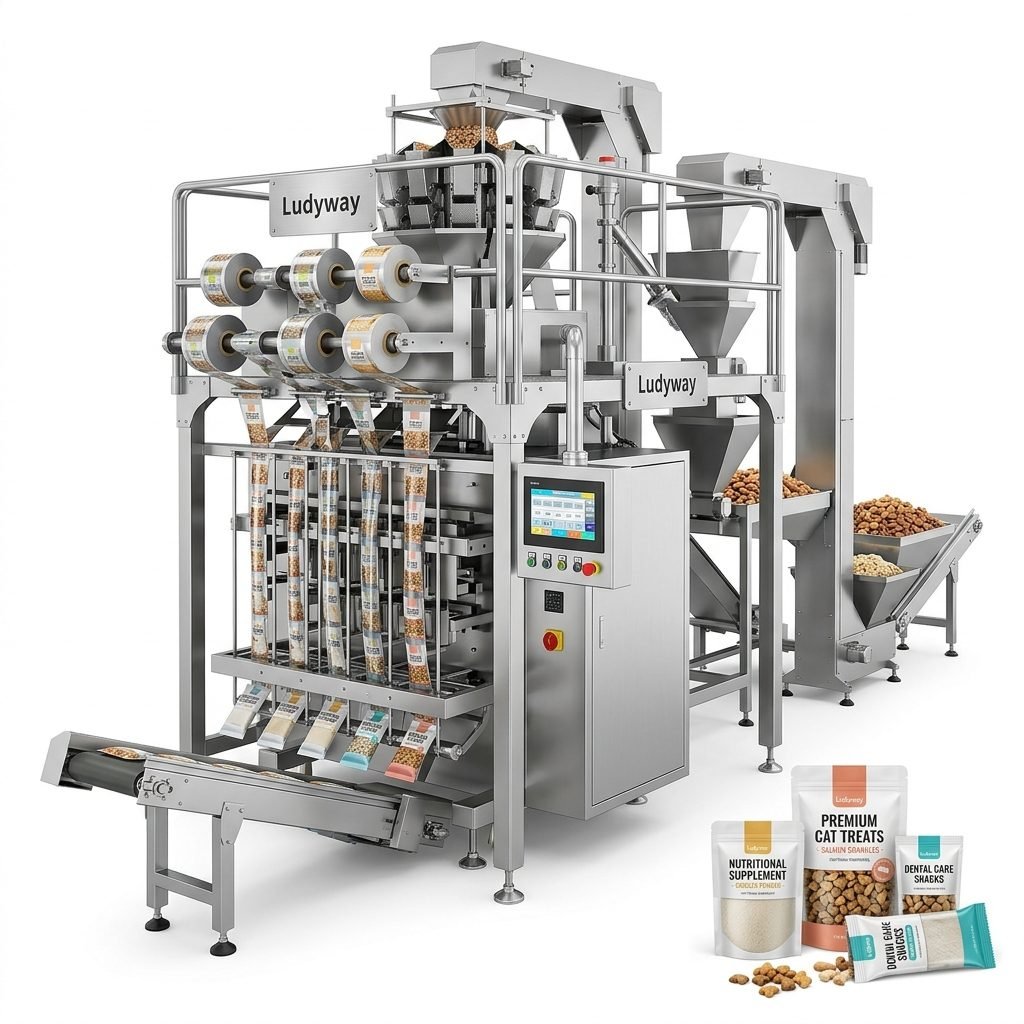
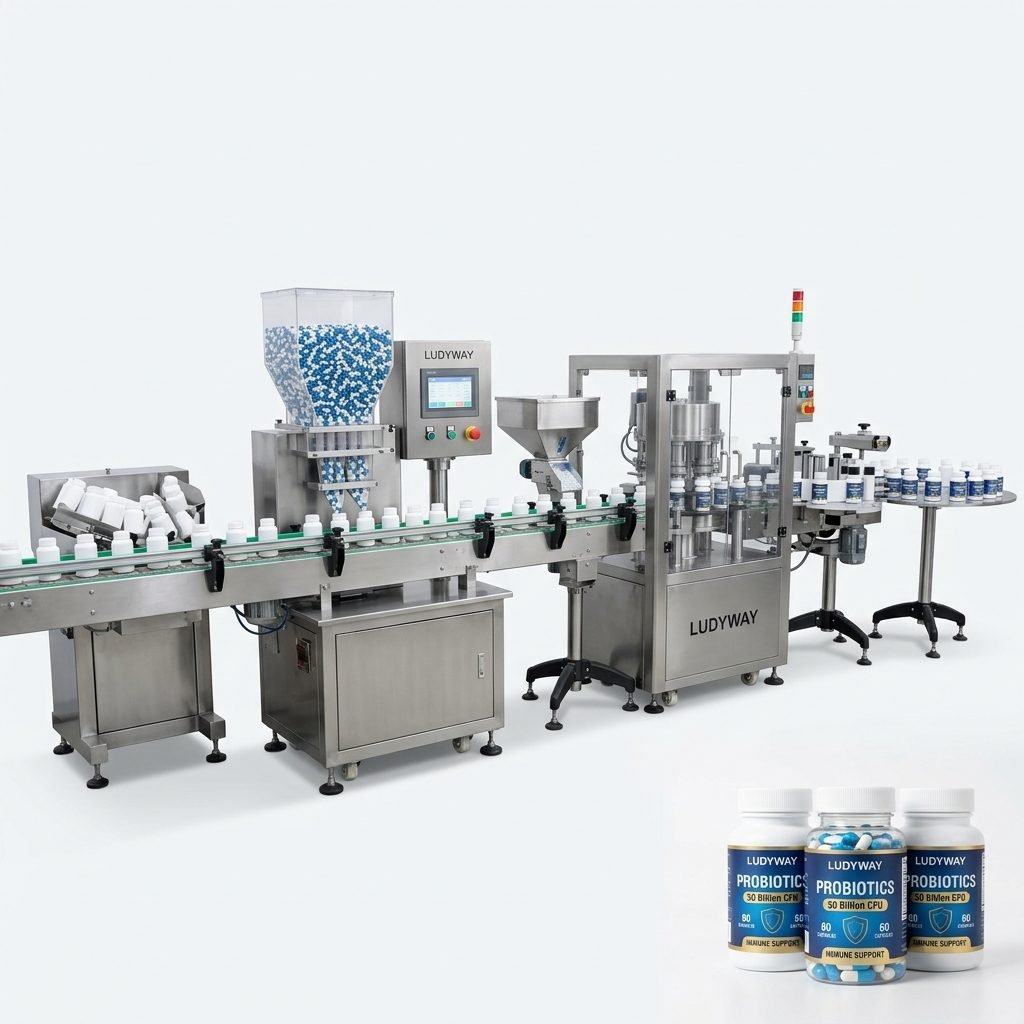
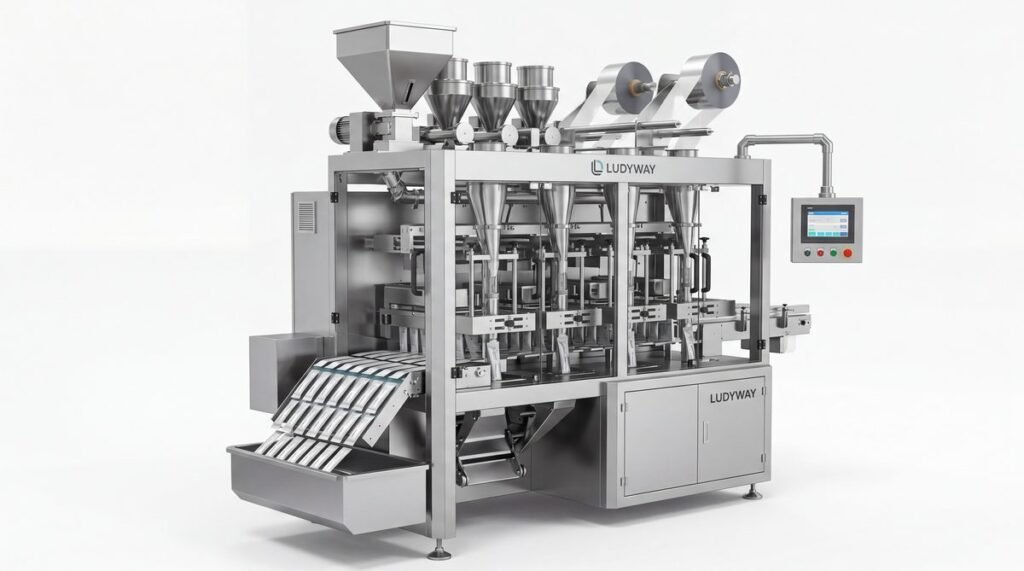
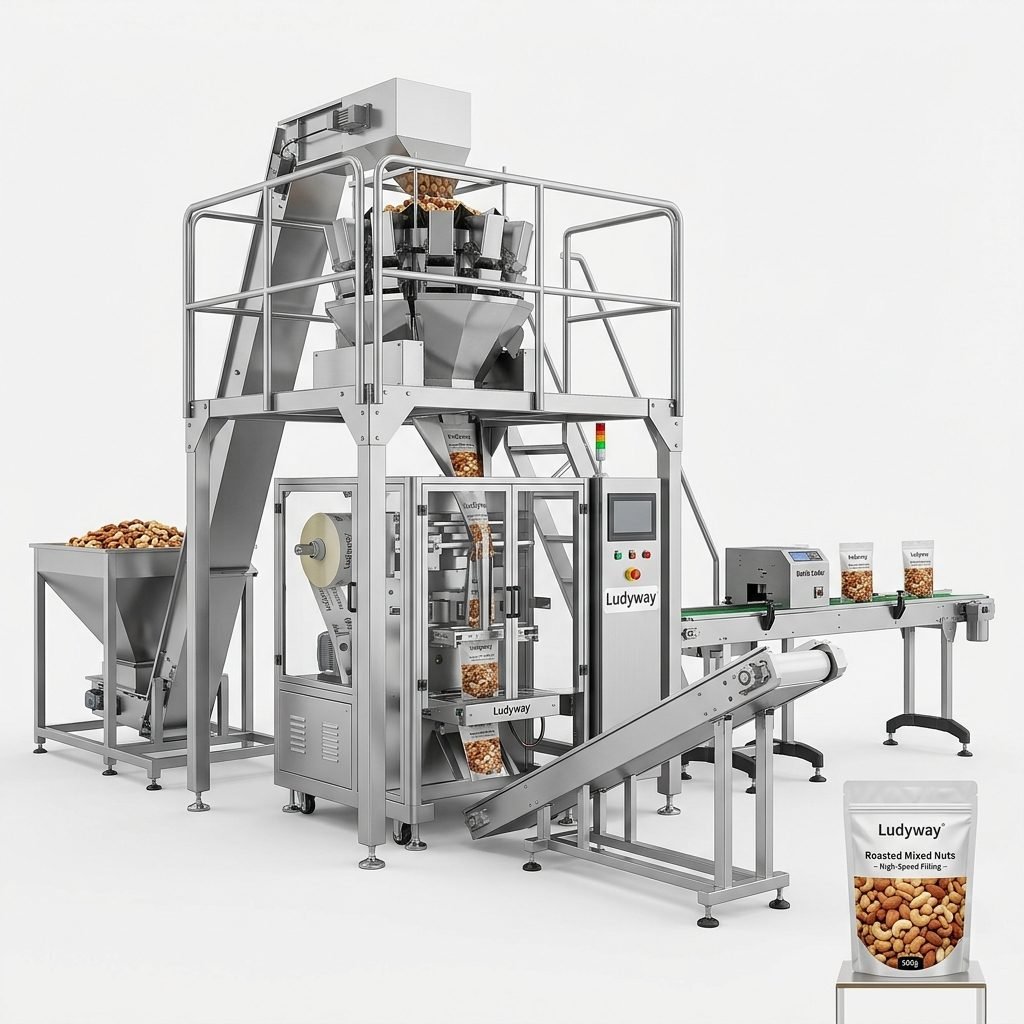
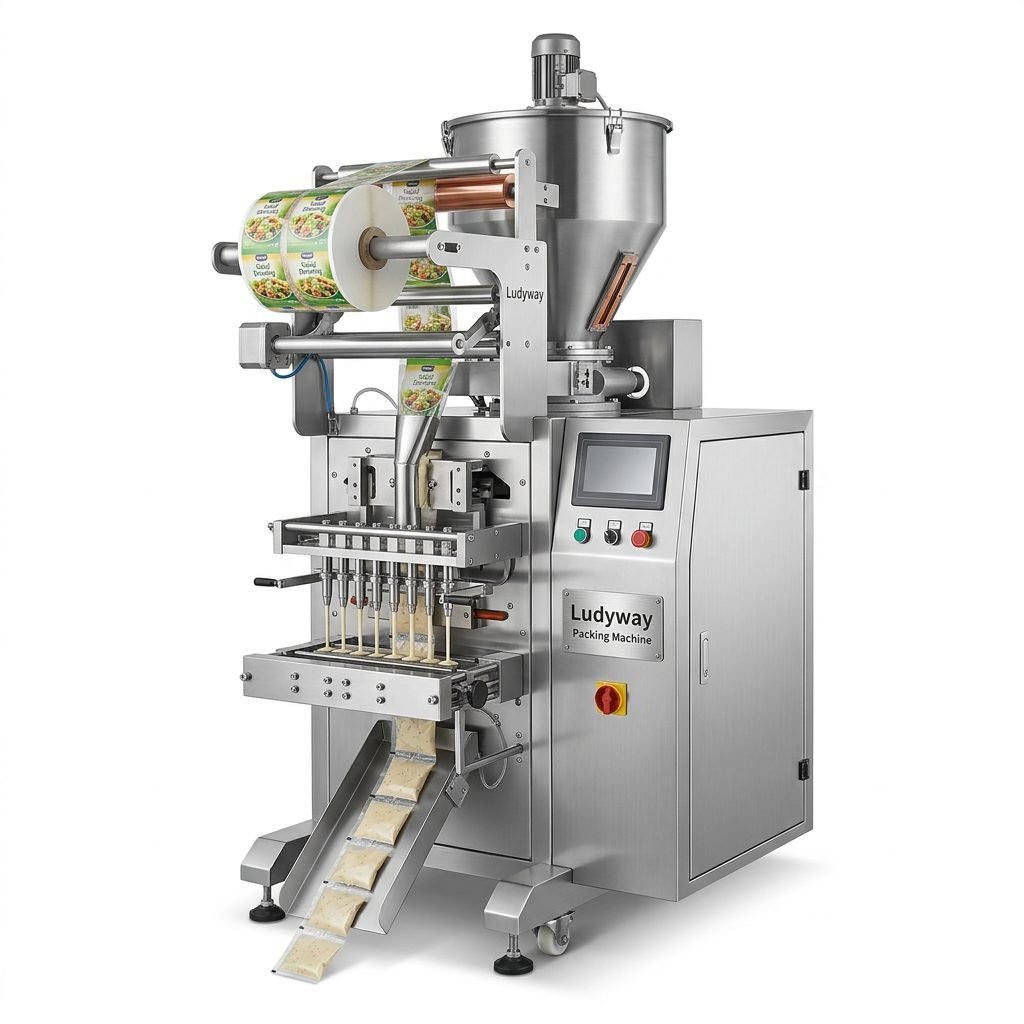
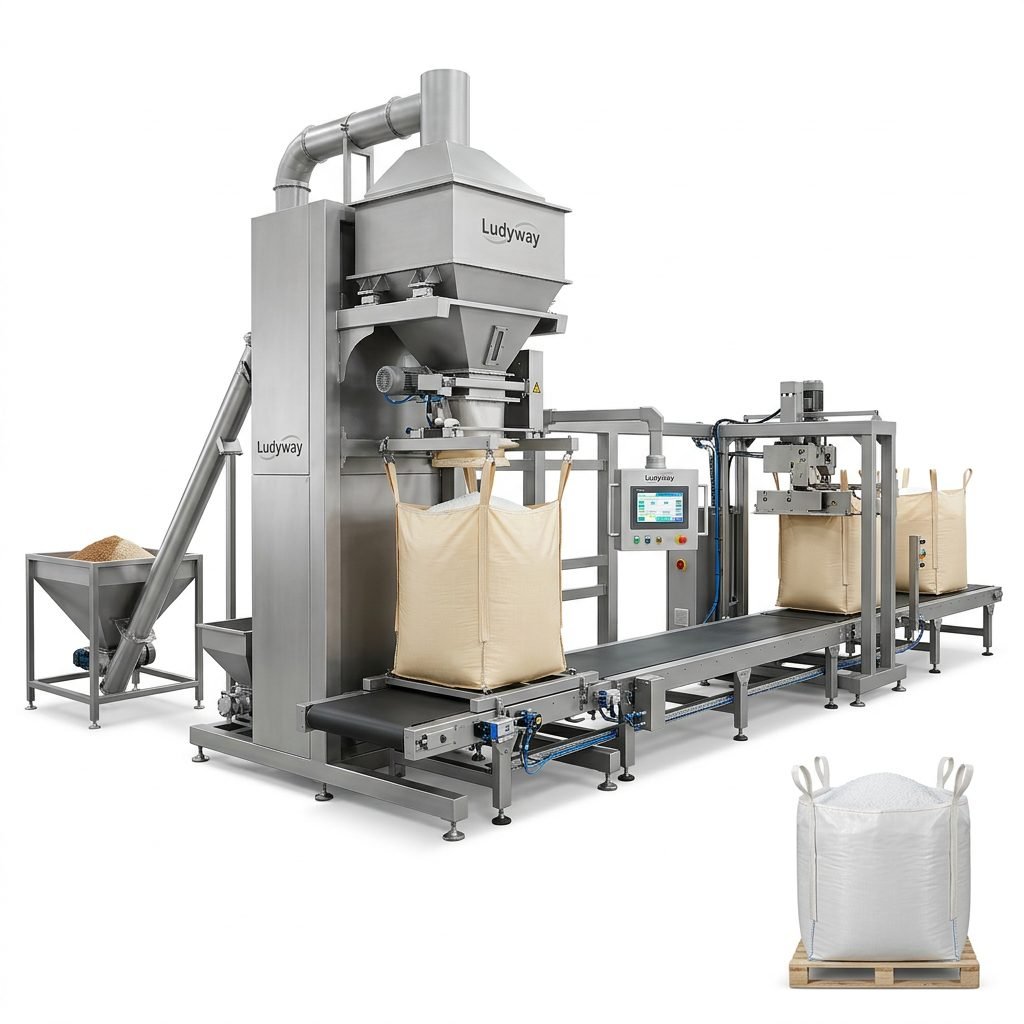
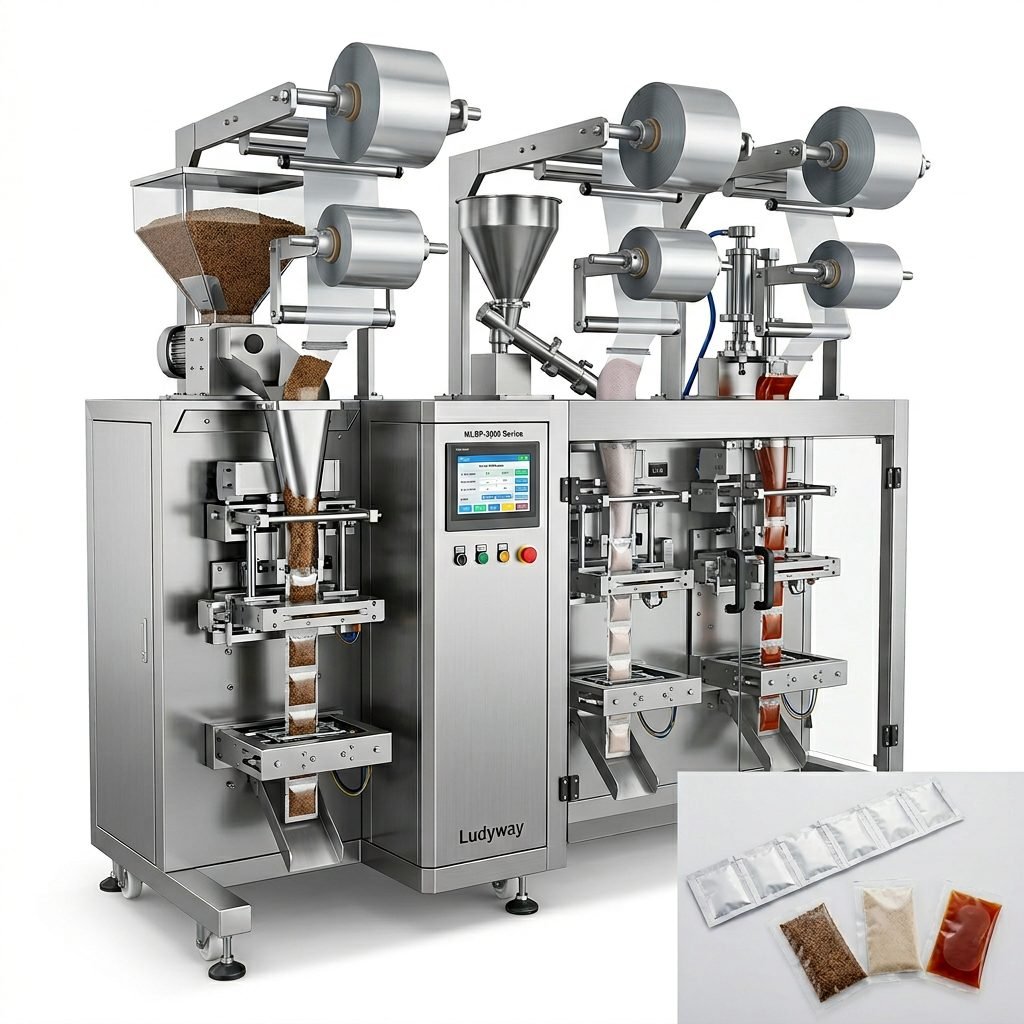
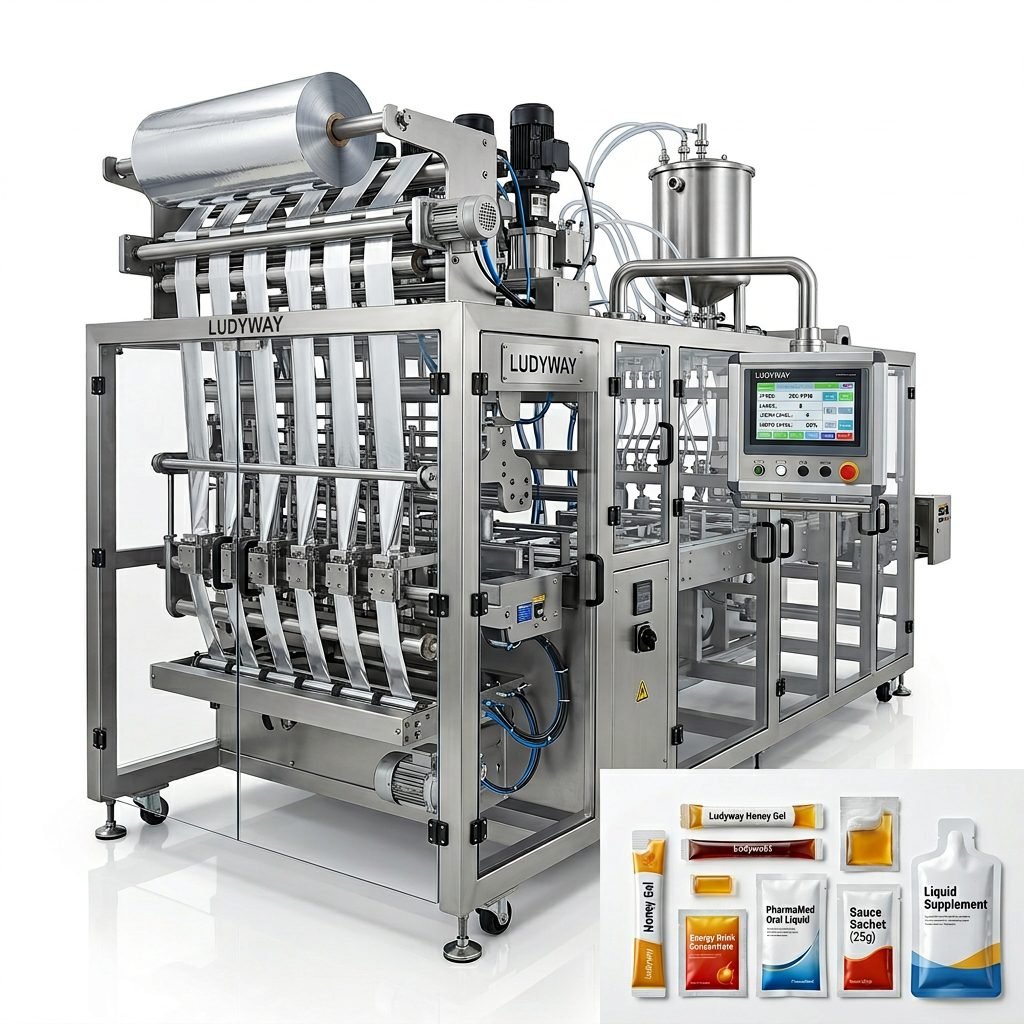
When comparing suppliers, it is important to look beyond the machine photos and headline price. Manufacturing experience, customization ability, export history, and after-sales response all influence the success of your project. For buyers seeking a broader range of automated liquid, pouch, sachet, and turnkey solutions, Ludyway packaging machine solutions are often considered by international customers looking for scalable equipment and complete packaging line support.
A capable manufacturer should be able to help with machine selection, line planning, technical consultation, sample evaluation, and long-term spare parts availability.
Common Mistakes Buyers Should Avoid
- Choosing only by the lowest price
- Ignoring sealing performance and leak rate
- Buying a machine with no room for production growth
- Not confirming film compatibility in advance
- Overlooking maintenance and spare parts access
- Failing to review installation and operator training support
Final Buying Insight
The right water pouch packing machine price is the one that matches your production target, packaging quality requirement, labor strategy, and long-term business plan. A low-cost machine may work for simple startup needs, while a higher-spec automatic system can deliver better efficiency, cleaner sealing, and lower cost per pouch over time.
Before making a decision, compare machine specifications carefully, ask for sample validation, and evaluate the supplier’s real technical capability. That approach will help you choose equipment that supports stable production and stronger profitability.