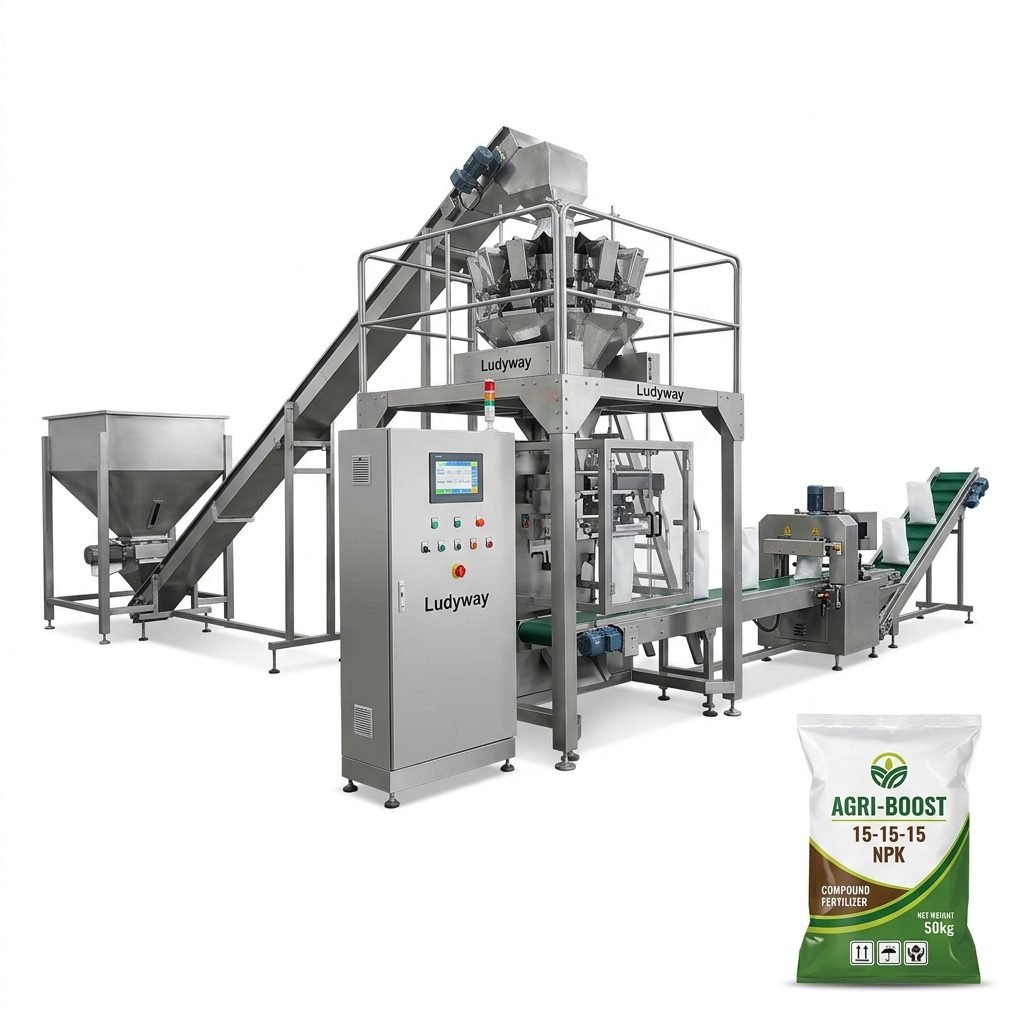
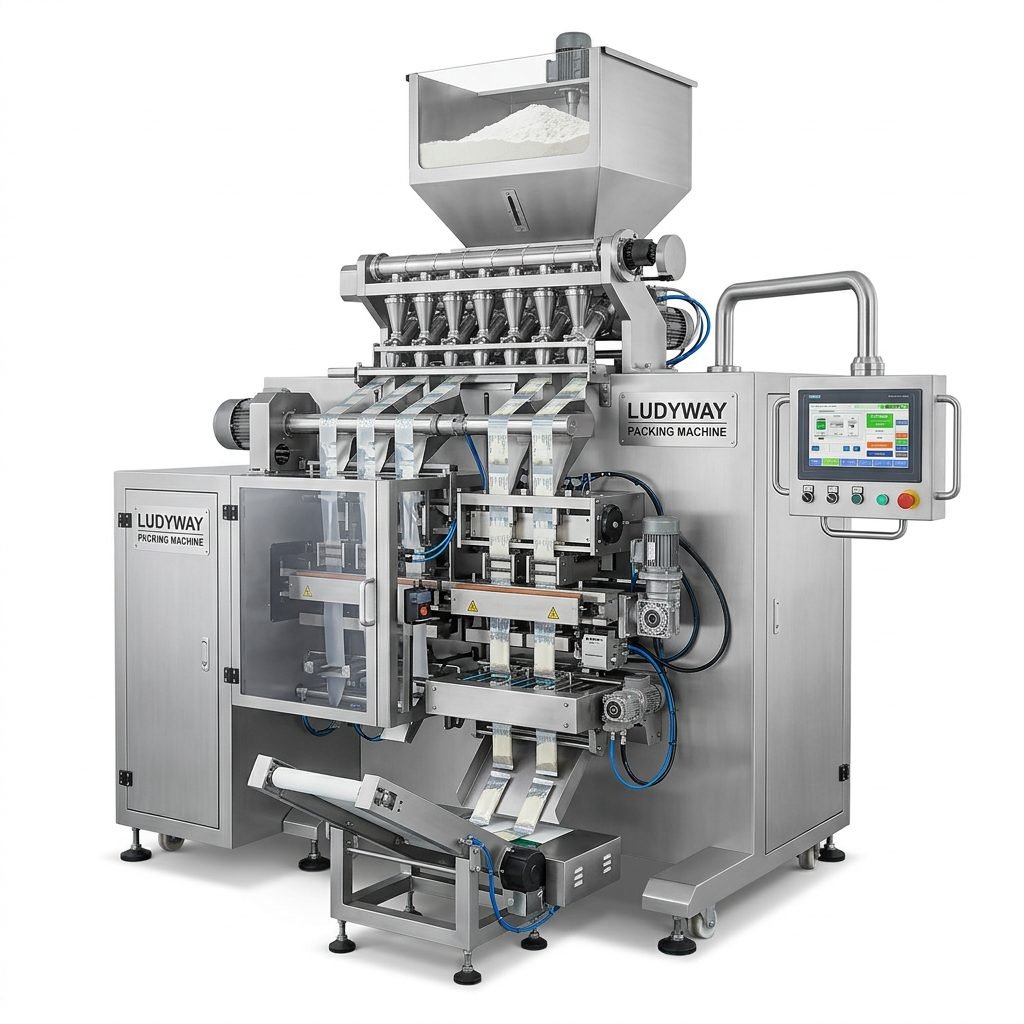
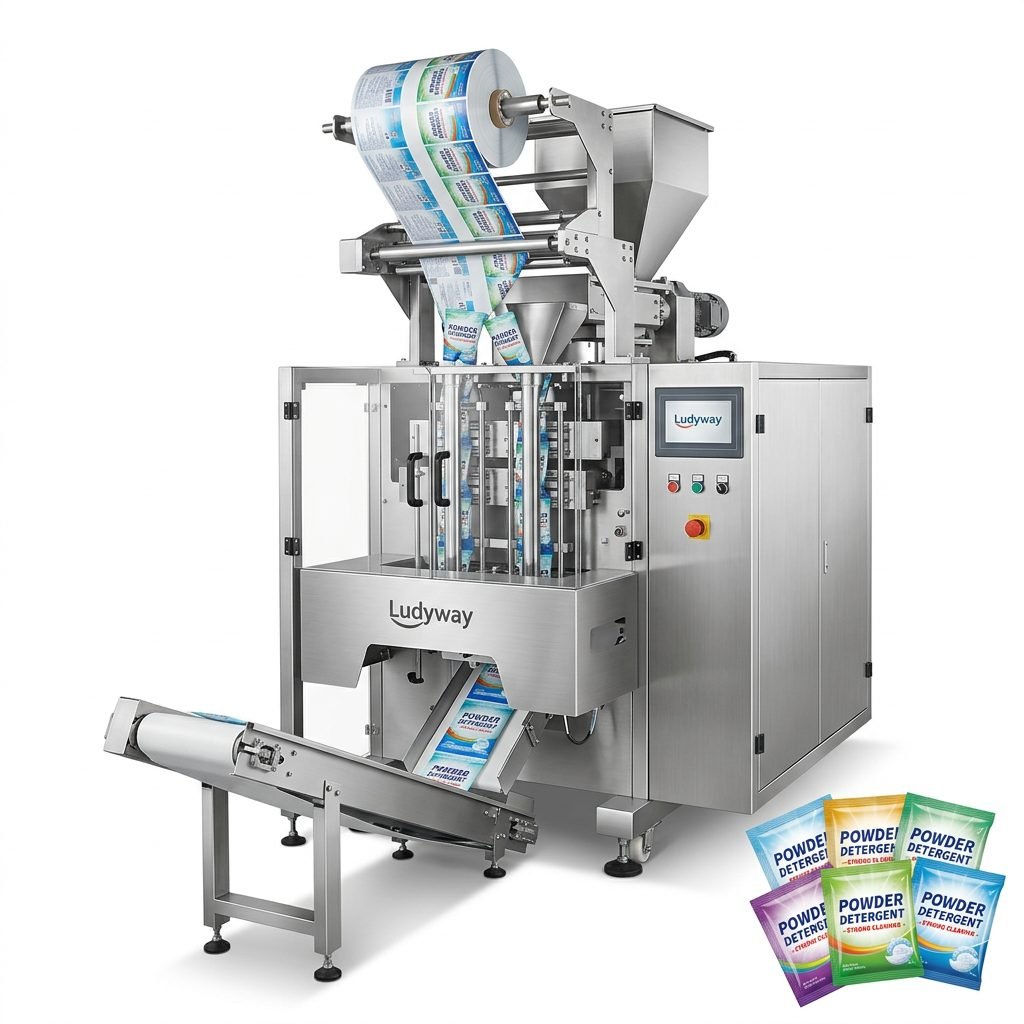
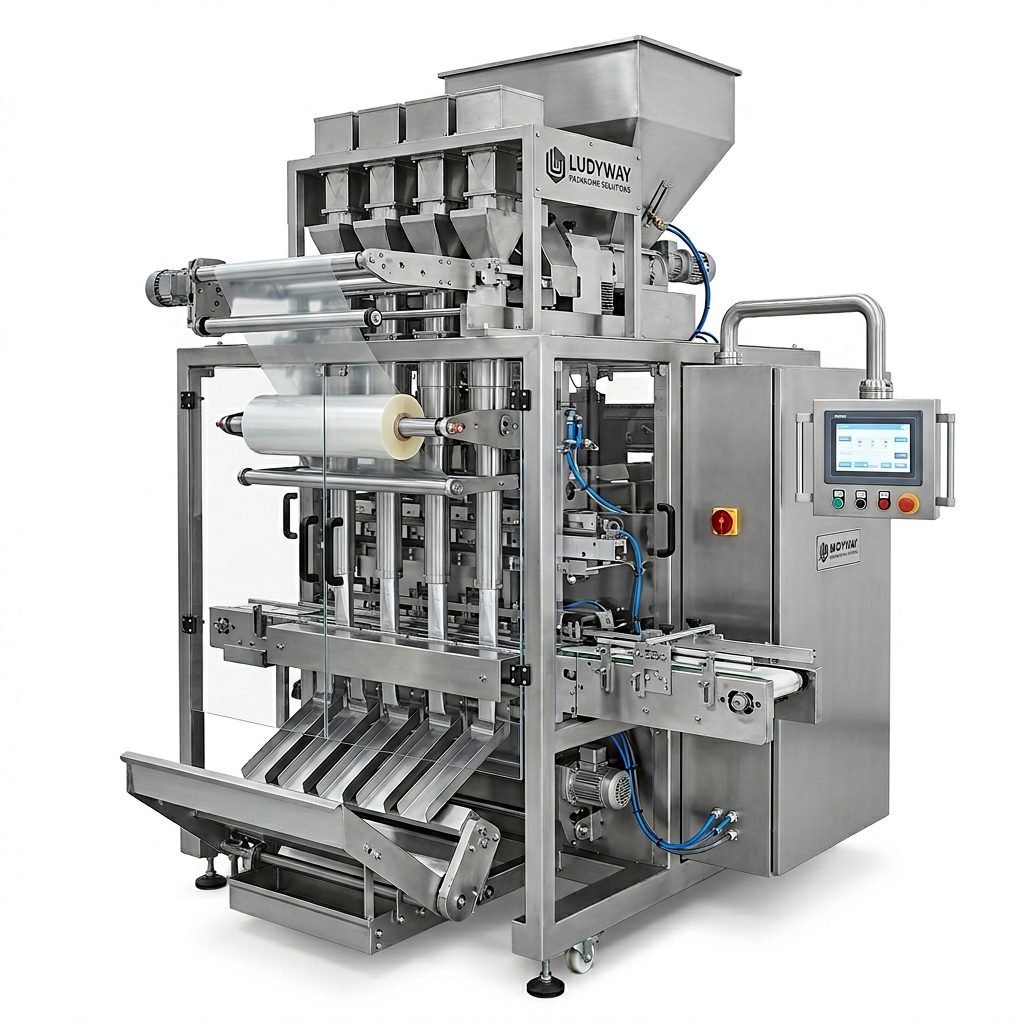
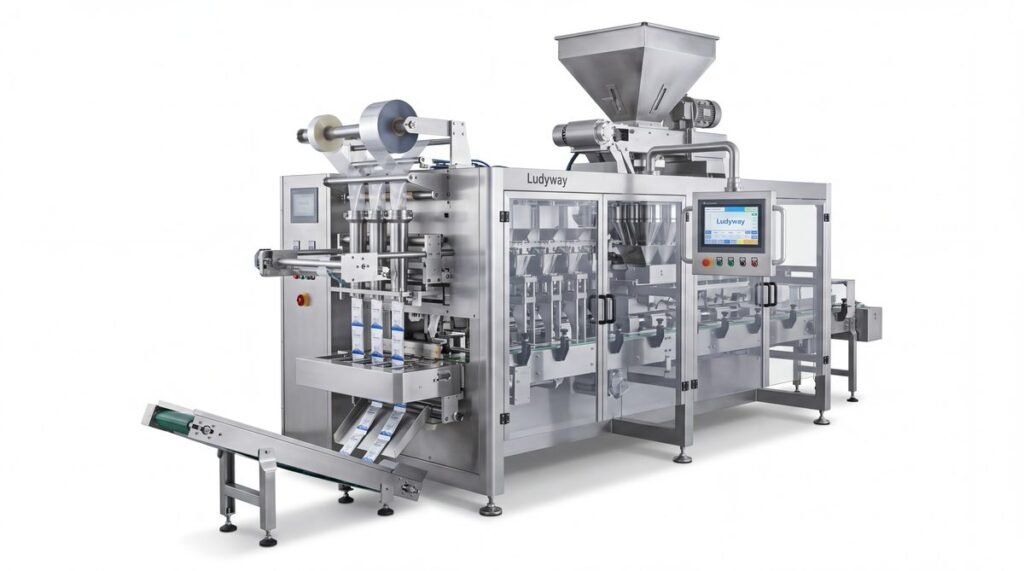
Choosing the right meal packing machine is one of the most important decisions for food manufacturers, meal kit brands, central kitchens, frozen food suppliers, and ready-to-eat product companies. The right system improves output, protects food quality, reduces labor dependency, and helps your business meet modern retail and e-commerce packaging demands.
In this guide, you will learn how meal packing machines work, what machine types are available, which features matter most, and how to select the best packaging solution for your production goals.
What Is a Meal Packing Machine?
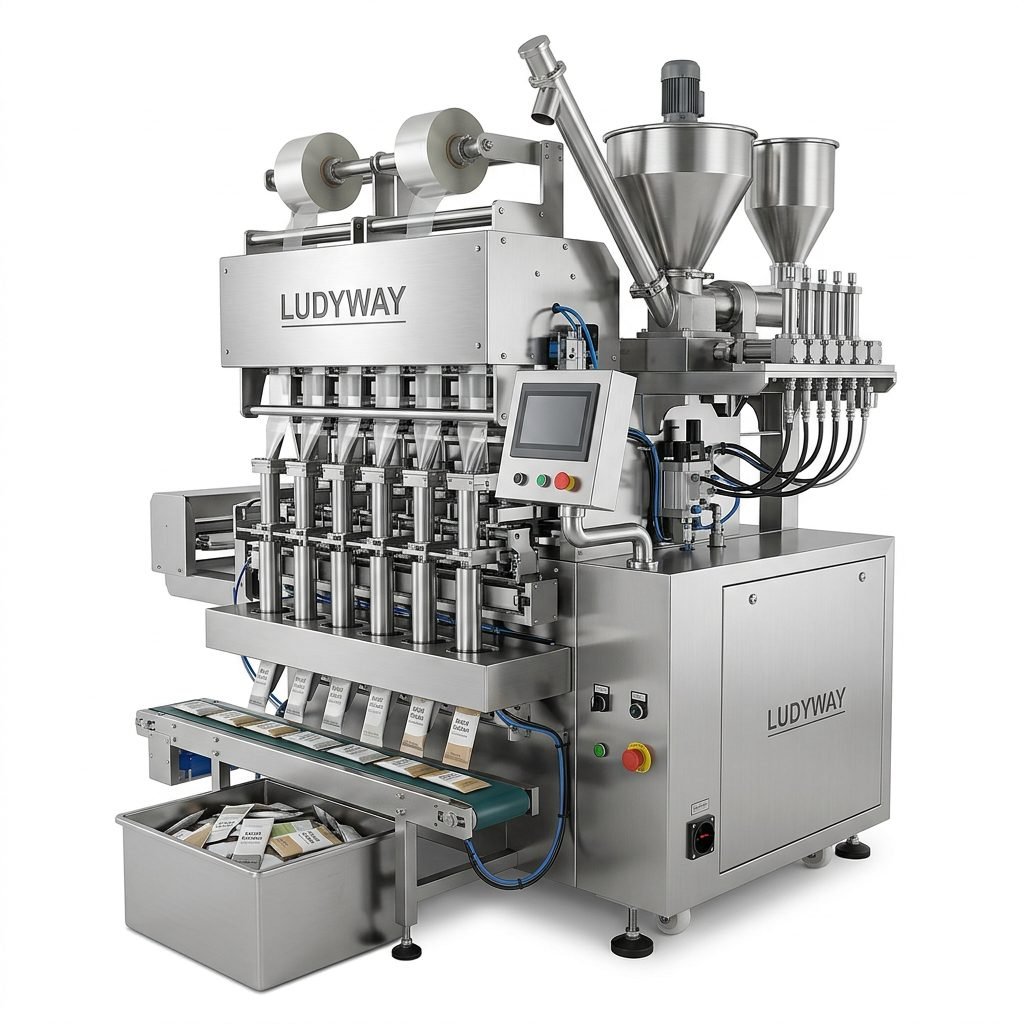
A meal packing machine is packaging equipment designed to fill, seal, and pack food products into a final retail or bulk format. Depending on the product, it may handle powders, sauces, grains, dried ingredients, frozen portions, snacks, prepared meals, or complete meal replacement products.
In practical terms, a meal packing machine can be used for:
- Meal replacement powders
- Instant soup or noodle seasoning kits
- Ready-to-eat or ready-to-heat food portions
- Frozen meal components
- Granule and powder sachets for nutrition products
- Sauces, oils, and condiments packed with meal sets
- Multi-component food kits in pouches, trays, or cartons
Why the Right Food Packaging Solution Matters
Food packaging is not only about sealing products. It directly affects shelf life, hygiene, consistency, logistics efficiency, and brand presentation. A poorly matched machine may create underfilled packs, sealing failures, product waste, and expensive downtime.
A well-selected system helps you achieve:
- Consistent pack quality across all shifts
- Higher production efficiency with less manual work
- Improved food safety through controlled filling and sealing
- Better material utilization and lower packaging waste
- Scalable automation as demand grows
Common Types of Meal Packing Machines
The best machine depends on product form, package style, and production volume. Below are the most common categories used in food packaging operations.
| Machine Type | Suitable Products | Typical Package Format |
|---|---|---|
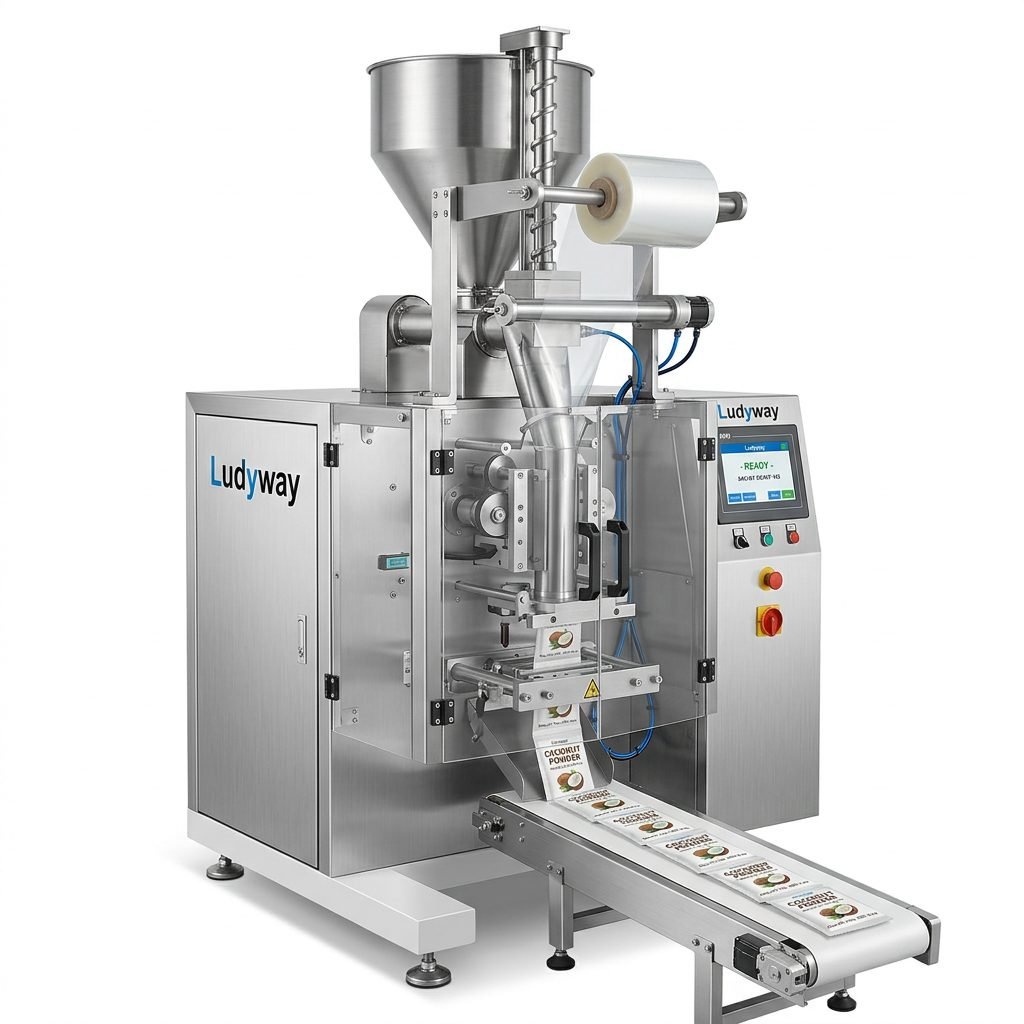
| Vertical form fill seal machine | Grains, powders, snacks, dried meal ingredients | Pillows, pouches, sachets |
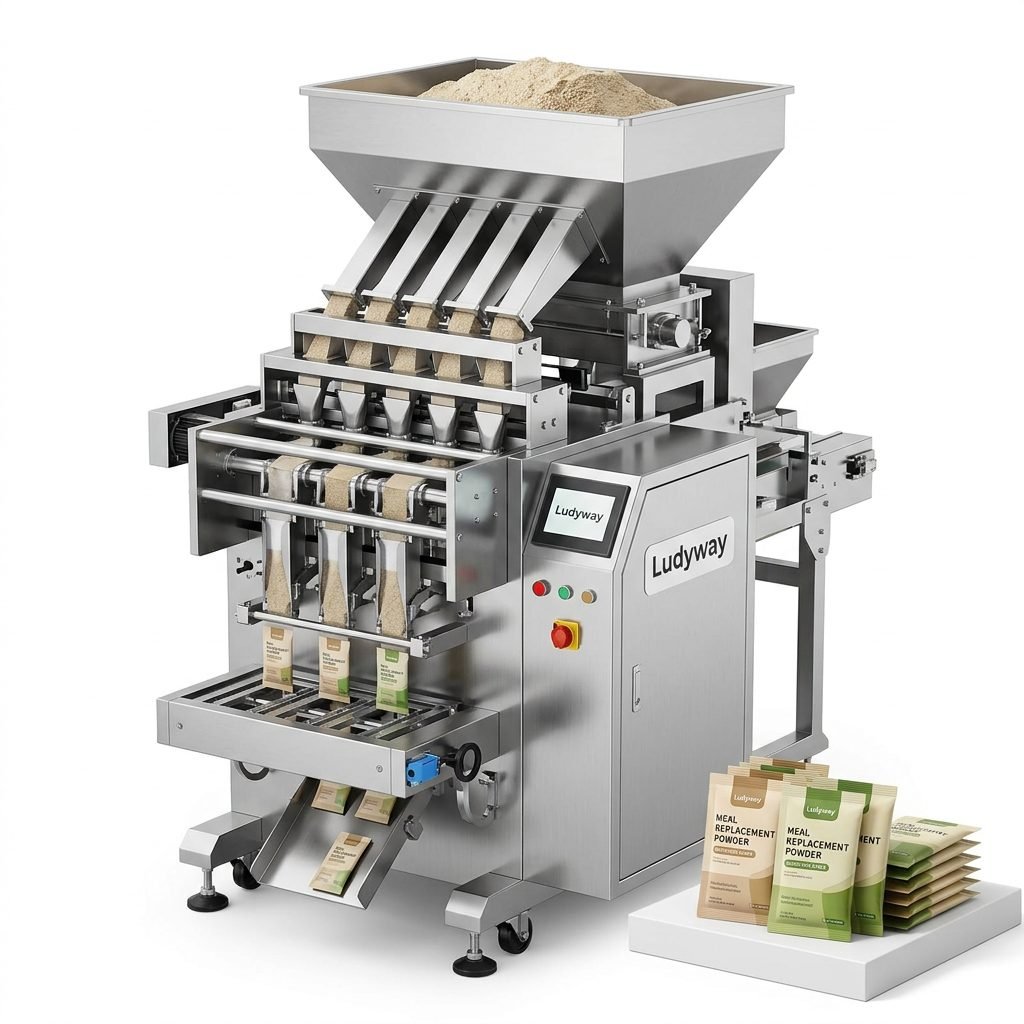
| Multi-lane sachet packing machine | Meal replacement powder, seasonings, drink mixes | Sachets, stick packs |
| Liquid/paste filling and sealing machine | Sauces, dressings, oils, soups | Sachets, pouches, cups |
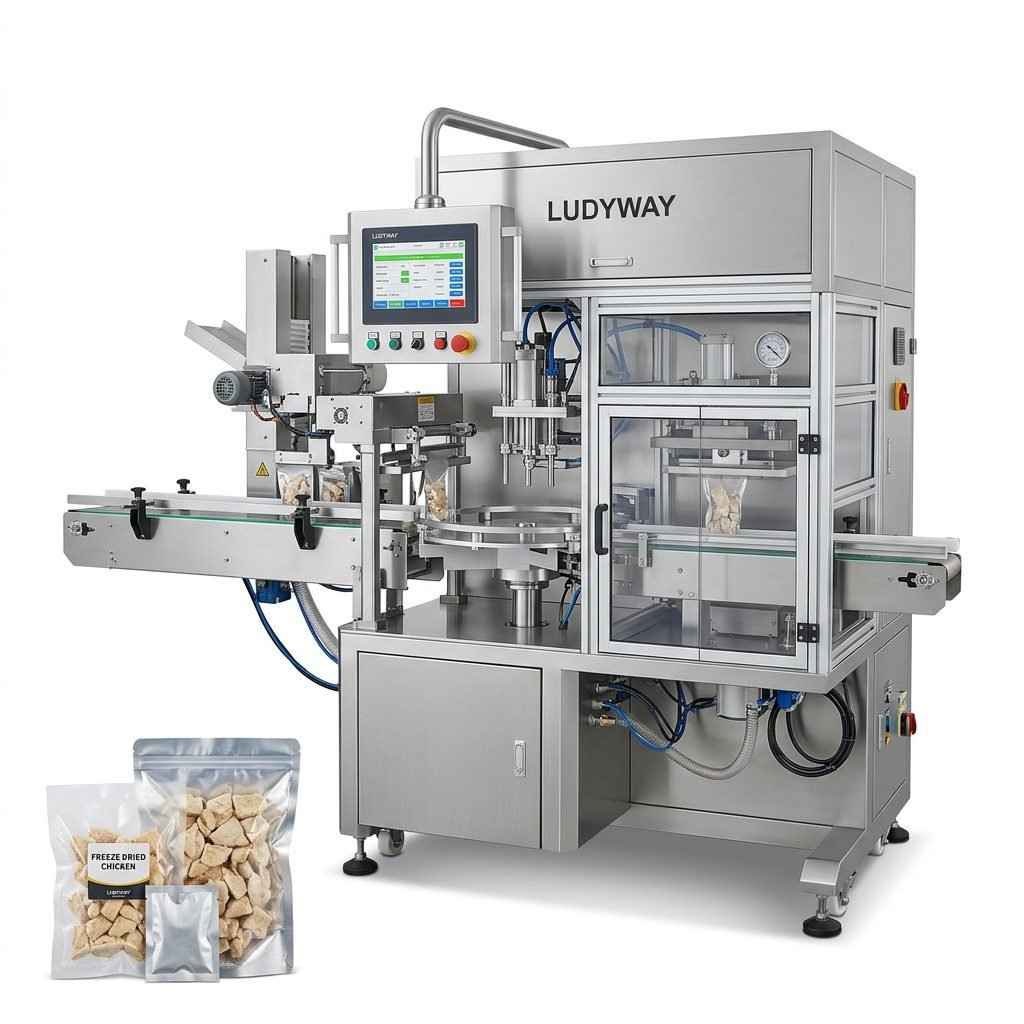
| Premade pouch packaging machine | Prepared meal mixes, frozen ingredients, bulk food sets | Stand-up pouches, zipper pouches |
| Tray sealing packaging machine | Ready meals, fresh meals, chilled portions | Trays with film seal |
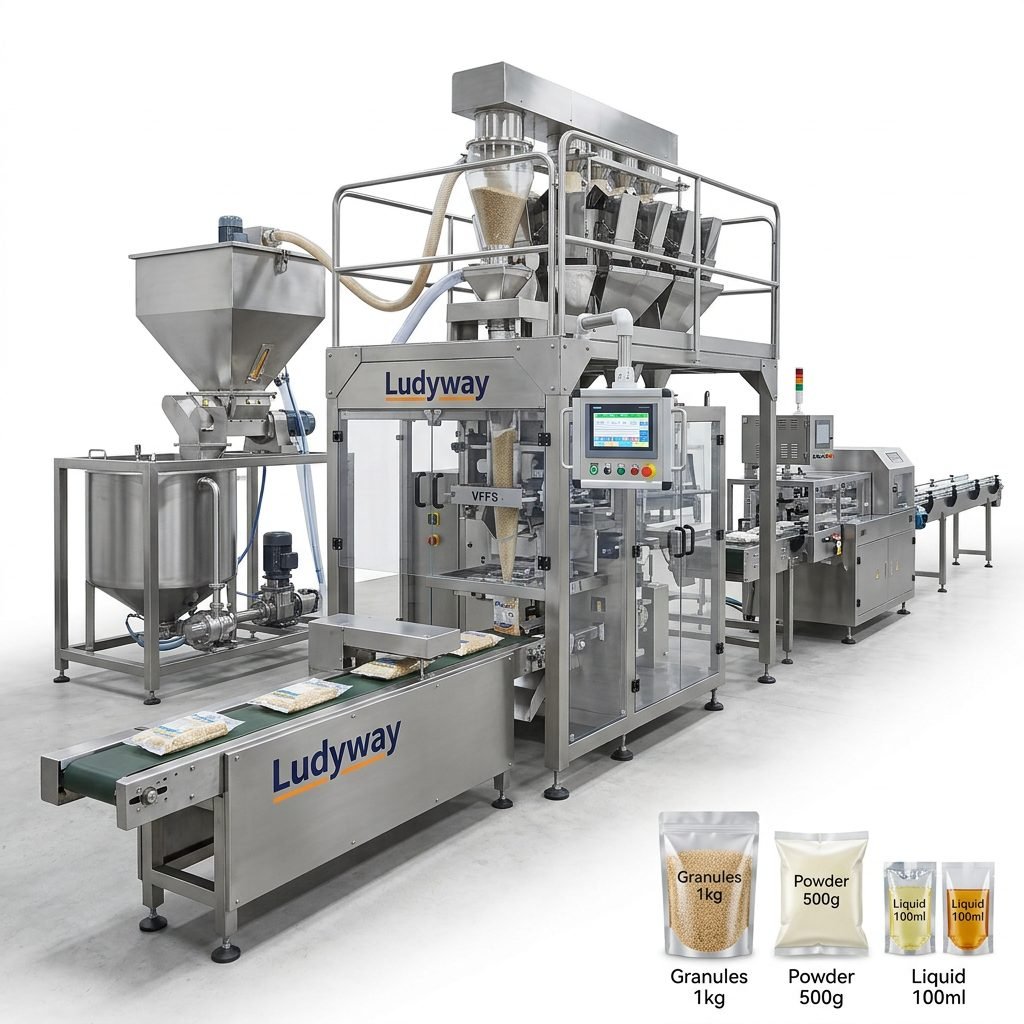
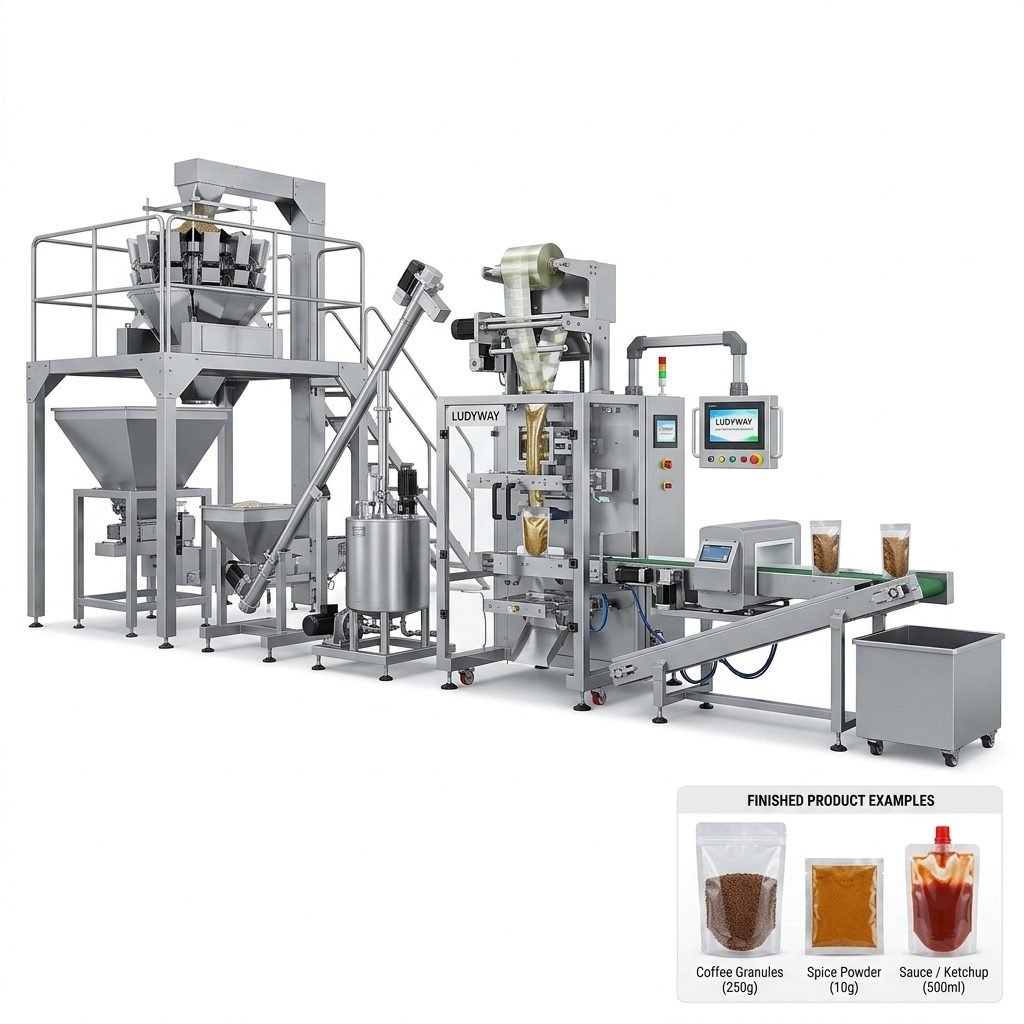
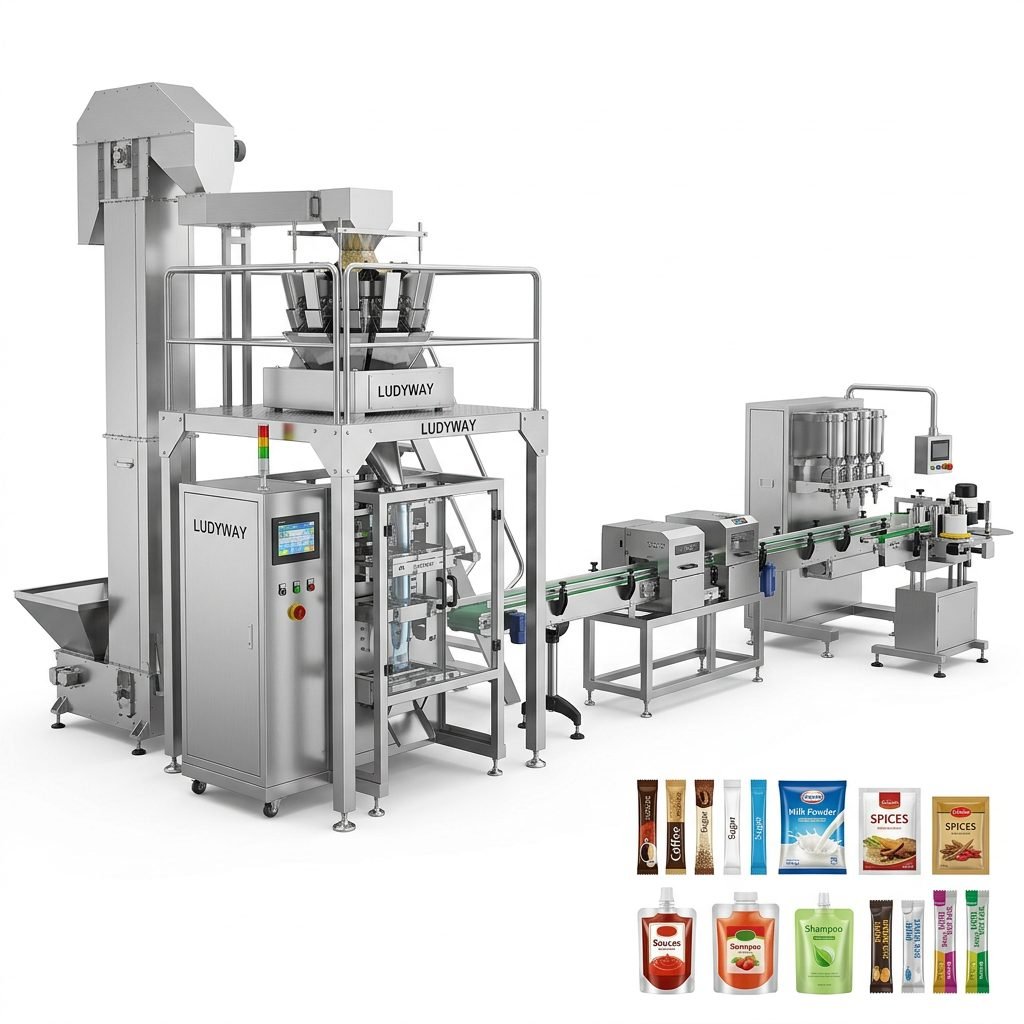
| Turnkey packaging line | Integrated multi-product meal projects | Combined filling, sealing, coding, cartoning, palletizing |
How to Choose the Best Meal Packing Machine
1. Identify Your Product Type
Start with the physical characteristics of your product. A dry grain blend needs a very different filling method from soup concentrate or creamy sauce. Product behavior determines machine configuration.
- Powders: meal replacement powder, protein blends, soup base
- Granules: rice, oats, cereal, dried vegetables, seasoning particles
- Liquids: broth, oil, beverage concentrate
- Pastes: sauce, puree, condiment packs
- Mixed components: meal kits with dry and liquid parts
2. Match the Packaging Format to Your Sales Channel
Your target market influences package design. Retail shelves, foodservice distribution, subscription meal kits, and e-commerce all have different packaging requirements.
Popular meal packaging formats include:
- Sachets for single-serve mixes
- Stick packs for nutritional meal powders
- Pouches for frozen or ambient meal components
- Trays for chilled ready meals
- Cartoned multi-pack kits for retail or online fulfillment
3. Evaluate Production Speed Requirements
Many buyers focus only on maximum speed, but the better metric is stable effective output. If your machine runs fast but often stops for changeovers, sealing faults, or inaccurate dosing, total productivity suffers.
Ask these questions:
- How many packs per minute do you need now?
- Will demand increase within 12–24 months?
- Do you run one SKU or frequent product changes?
- Do you need one machine or a full automatic line?
4. Consider Filling Accuracy
Accurate filling is essential for cost control and compliance. Overfilling increases giveaway. Underfilling can damage customer trust and create regulatory problems.
Different systems are used for different products:
- Auger filling for powders
- Multihead weighing for granules and irregular solids
- Piston or pump filling for liquids and pastes
- Custom dosing systems for complex meal applications
5. Check Material Compatibility
Packaging films and containers must work smoothly with the machine. Not all films seal the same way, and not all products tolerate heat, pressure, or vacuum equally.
Review compatibility with:
- Laminated films
- Recyclable mono-material films
- Aluminum foil structures
- PE, PET, or composite pouch materials
- Tray lidding films
6. Think Beyond the Standalone Machine
Many food businesses eventually need more than a single packer. They need feeding systems, conveyors, checkweighers, metal detectors, coding units, cartoners, and case packers. That is why many manufacturers prefer scalable systems or turnkey lines.
If you are planning long-term growth, consider working with an experienced supplier such as Ludyway meal packing machine solutions, especially for projects involving powders, granules, liquids, sachets, pouches, and integrated packaging lines.
Key Features to Look For
| Feature | Why It Matters |
|---|---|
| Servo control system | Improves precision, repeatability, and speed control |
| Stainless steel contact parts | Supports hygiene and food safety requirements |
| Easy-clean structure | Reduces downtime during sanitation and changeover |
| HMI touchscreen | Simplifies operation and recipe management |
| Automatic film tracking | Keeps package appearance consistent |
| Coding and traceability options | Supports batch control and compliance |
| Integration capability | Allows future expansion to full packaging lines |
Best Meal Packing Machine by Application
For Meal Replacement Powders
A multi-lane sachet or stick pack machine is often the best choice for high-volume single-serve nutritional products. It offers fast output, accurate dosing, and compact package size for retail and travel use.
For Ready Meal Trays
Tray sealing systems are ideal for chilled meals, prepared dishes, and convenience foods. They can support modified atmosphere packaging in some applications to help maintain freshness.
For Sauces and Side Components
Liquid and paste filling machines are suitable for soups, gravies, condiments, and cooking sauces included with meal products. Seal quality and anti-drip filling performance are especially important here.
For Dry Ingredient Meal Kits
Premade pouch systems or VFFS machines work well for rice blends, spice kits, dried vegetables, and grain-based meal packs. They provide flexible packaging options and good line efficiency.
Common Mistakes Buyers Should Avoid
- Choosing a machine only by price, not total lifecycle value
- Ignoring future production expansion
- Overlooking cleaning and maintenance requirements
- Using a filler type that does not match product flow characteristics
- Not confirming film or pouch compatibility before purchase
- Failing to plan for upstream feeding and downstream packing automation
Questions to Ask Before Buying
- What products will be packed now and later?
- What package sizes and formats are required?
- What is the expected output per hour or per shift?
- How accurate must filling be?
- What hygiene standard must the machine meet?
- Do you need a standalone machine or a complete turnkey line?
- What after-sales support, spare parts, and technical service are available?
Standalone Machine vs. Turnkey Packaging Line
A standalone machine may be enough for small or focused production runs. But if your operation includes product feeding, weighing, inspection, coding, cartoning, and palletizing, a complete line often delivers better long-term efficiency.
| Option | Best For | Main Advantage |
|---|---|---|
| Standalone meal packing machine | Smaller batches or limited product range | Lower initial investment |
| Semi-automatic packaging setup | Growing businesses balancing labor and cost | Flexible and easier to upgrade |
| Turnkey packaging line | Medium to large factories with scaling plans | Higher automation and system integration |
Who Needs a Meal Packing Machine?
Meal packing systems are widely used by:
- Ready meal manufacturers
- Meal replacement powder brands
- Frozen food processors
- Central kitchens and catering suppliers
- Instant food and convenience meal producers
- Health nutrition and functional food companies
- Private label food manufacturers
Final Selection Checklist
Before making your final decision, confirm that your chosen solution can meet the following points:
- Product compatibility
- Packaging format flexibility
- Required speed and output stability
- Filling precision
- Cleaning and sanitation convenience
- Future automation upgrades
- Reliable technical support and spare parts
Conclusion
The best meal packing machine is the one that fits your product, package type, hygiene requirements, and growth plan. Whether you are packing meal powders, ready food portions, sauces, or full ingredient kits, selecting the right system can significantly improve efficiency, consistency, and profitability.
If you compare machine type, filling accuracy, package format, automation level, and supplier capability carefully, you will be in a much stronger position to invest in a food packaging solution that supports long-term business success.