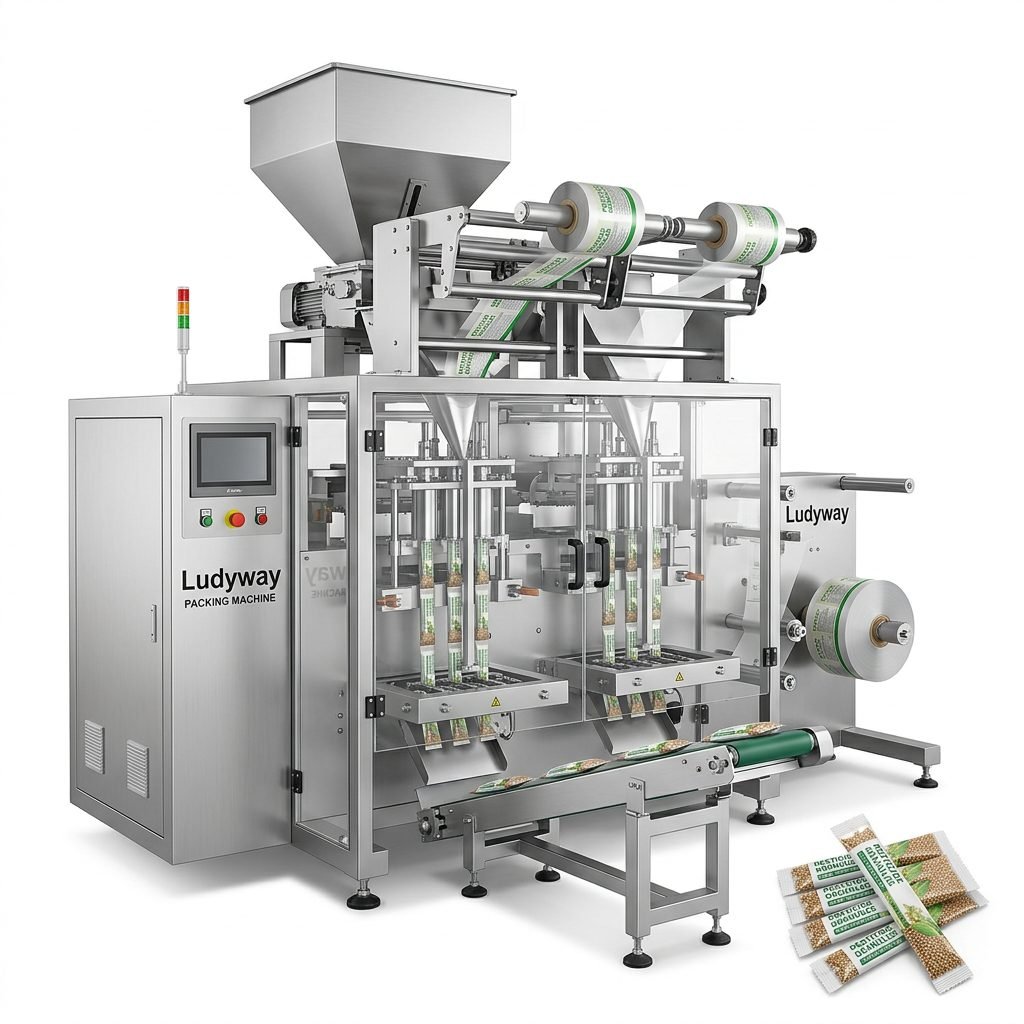
Investing in an automatic bagging machine is a strategic decision that directly impacts your production efficiency, packaging quality, and bottom line. With a wide array of technologies, configurations, and suppliers available, navigating the selection process requires a structured approach. This comprehensive buyer’s guide breaks down the essential factors to consider, helping you make an informed purchasing decision tailored to your specific operational needs.
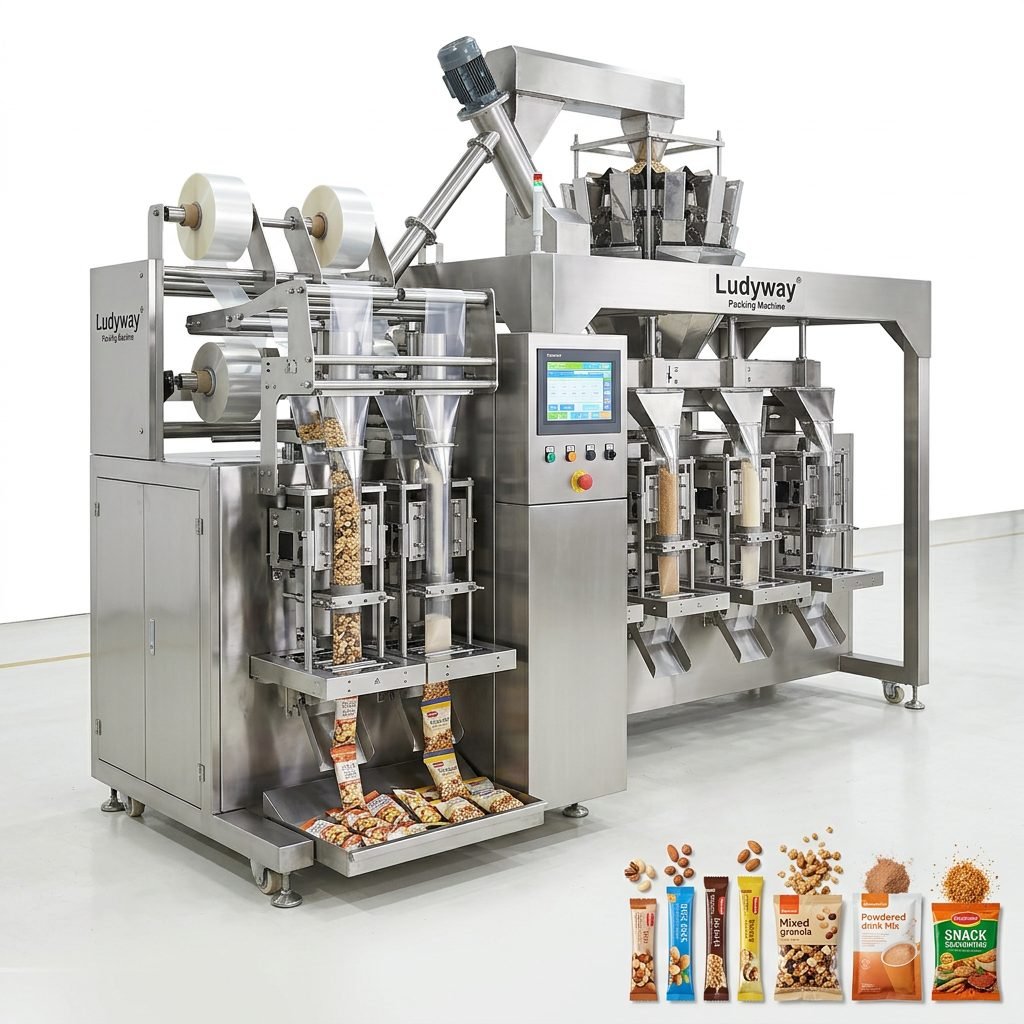
Understanding Your Product and Packaging Requirements
Before evaluating any machinery, you must thoroughly define what you are packaging. The physical characteristics of your product dictate the type of dosing and filling system required. A machine designed for free-flowing granules is fundamentally different from one engineered for fine, dusty powders or viscous liquids.
- Product State: Identify whether your product is a granule, powder, liquid, paste, or solid piece. This determines the feeder and filler type.
- Flow Characteristics: Assess if the material is free-flowing (like sugar) or non-free-flowing (like brown sugar or certain spices). Non-free-flowing materials often require auger fillers or specialized agitation systems.
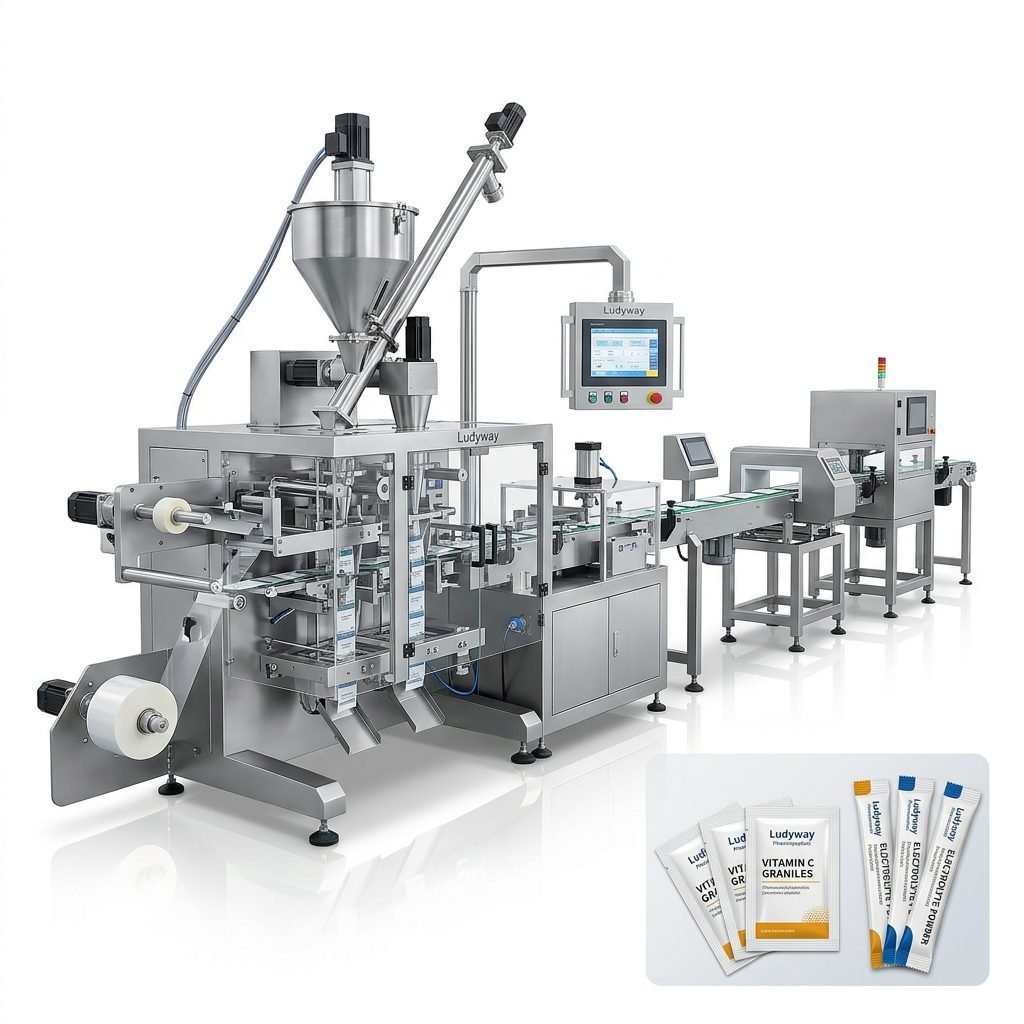
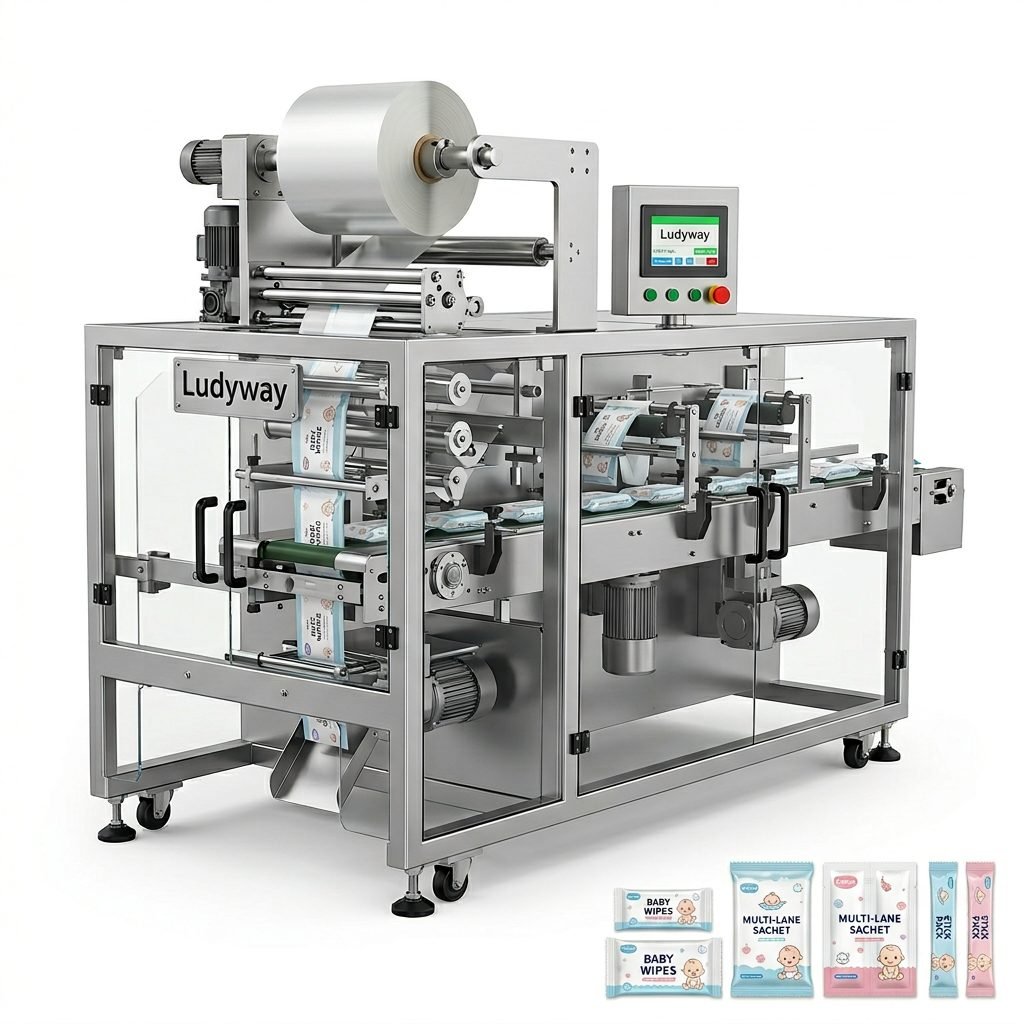
- Bag Format: Determine your desired output: stick packs, three-side-seal sachets, four-side-seal pouches, gusseted bags, or larger bulk bags.
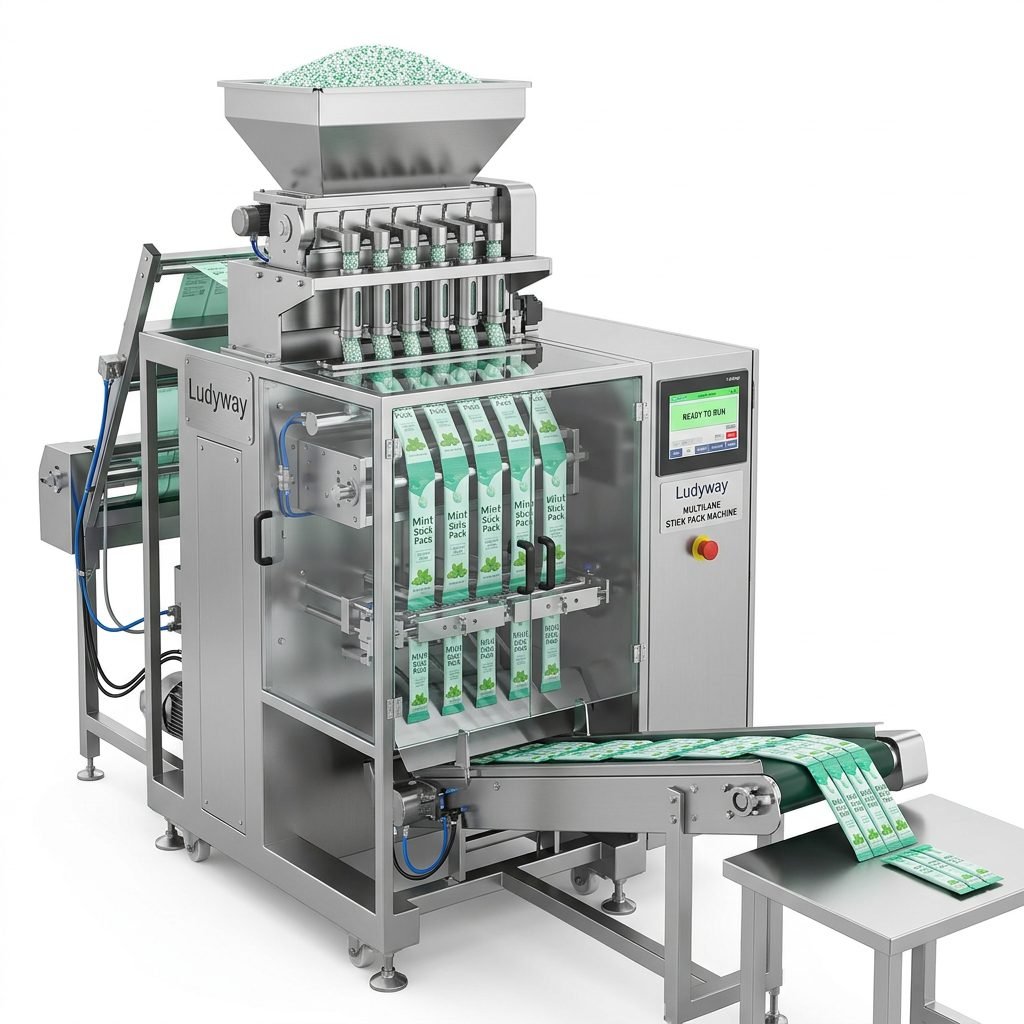
- Production Speed: Calculate your required output in units per minute. A multi-lane machine dramatically increases capacity compared to a single-lane system for small-format packages.
Evaluating Machine Configurations and Technologies
Automatic bagging machines come in various configurations, primarily categorized by their orientation and functionality. The choice between a vertical form fill seal (VFFS) and a horizontal system is foundational. For the majority of flexible packaging applications, especially in food and pharmaceuticals, VFFS technology is the standard.
| Feature | Single-Lane VFFS | Multi-Lane VFFS |
|---|---|---|
| Production Speed | Moderate (up to 80-100 ppm) | Very High (400+ ppm combined) |
| Ideal Application | Medium-scale production, frequent changeovers | High-volume stick pack and sachet production |
| Footprint | Smaller, simpler to integrate | Larger footprint, higher throughput density |
| Flexibility | Easier to change bag sizes | Optimized for long, dedicated production runs |
Matching Filling Systems to Your Product
The filling mechanism is the heart of your packaging line. Precision and consistency here directly reduce product giveaway and ensure compliance. The table below outlines common filling systems and their ideal applications.
| Filling Technology | Best For | Key Consideration |
|---|---|---|
| Auger Filler | Non-free-flowing powders (flour, protein powder) | Accuracy depends on consistent product density |
| Volumetric Cup Filler | Free-flowing granules (sugar, salt, seeds) | Fast and cost-effective for uniform granule sizes |
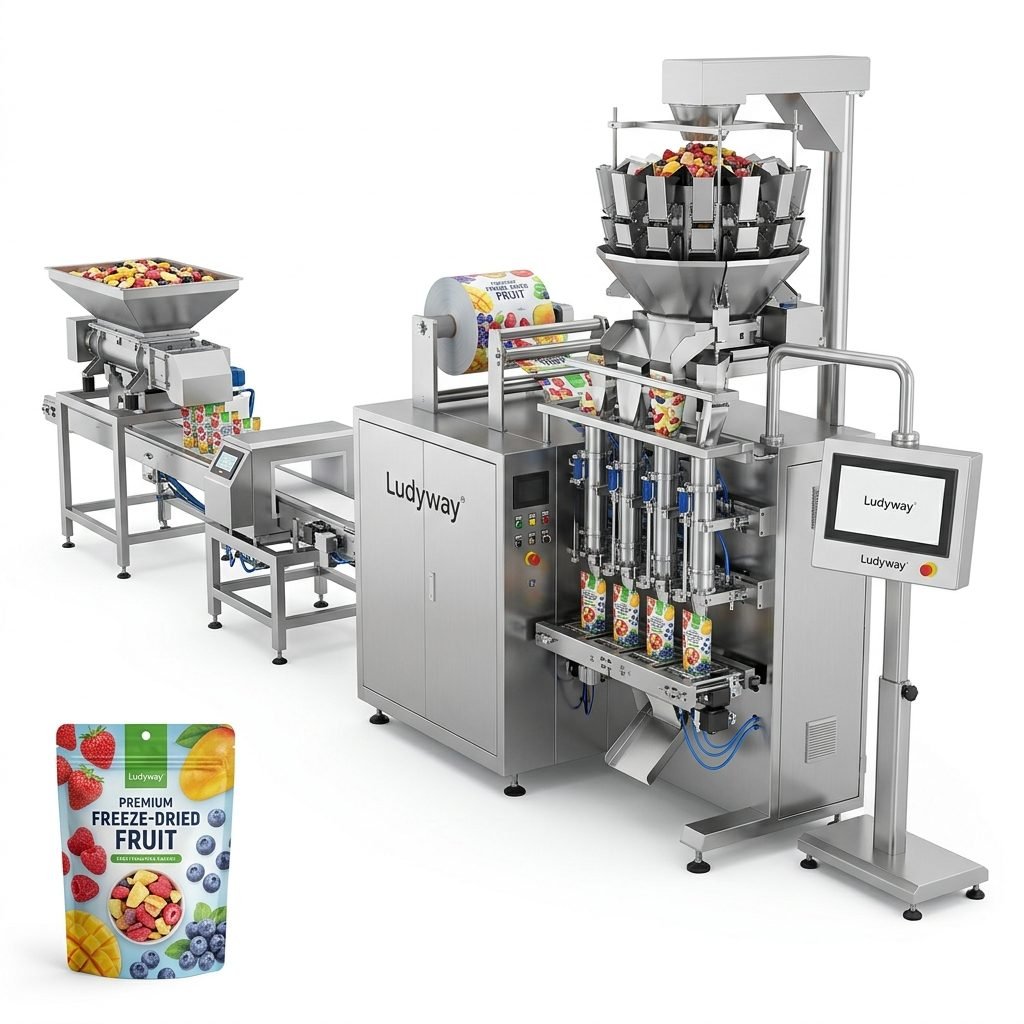
| Multi-Head Weigher | High-value granules and snacks | Highest accuracy speed combination for granules |
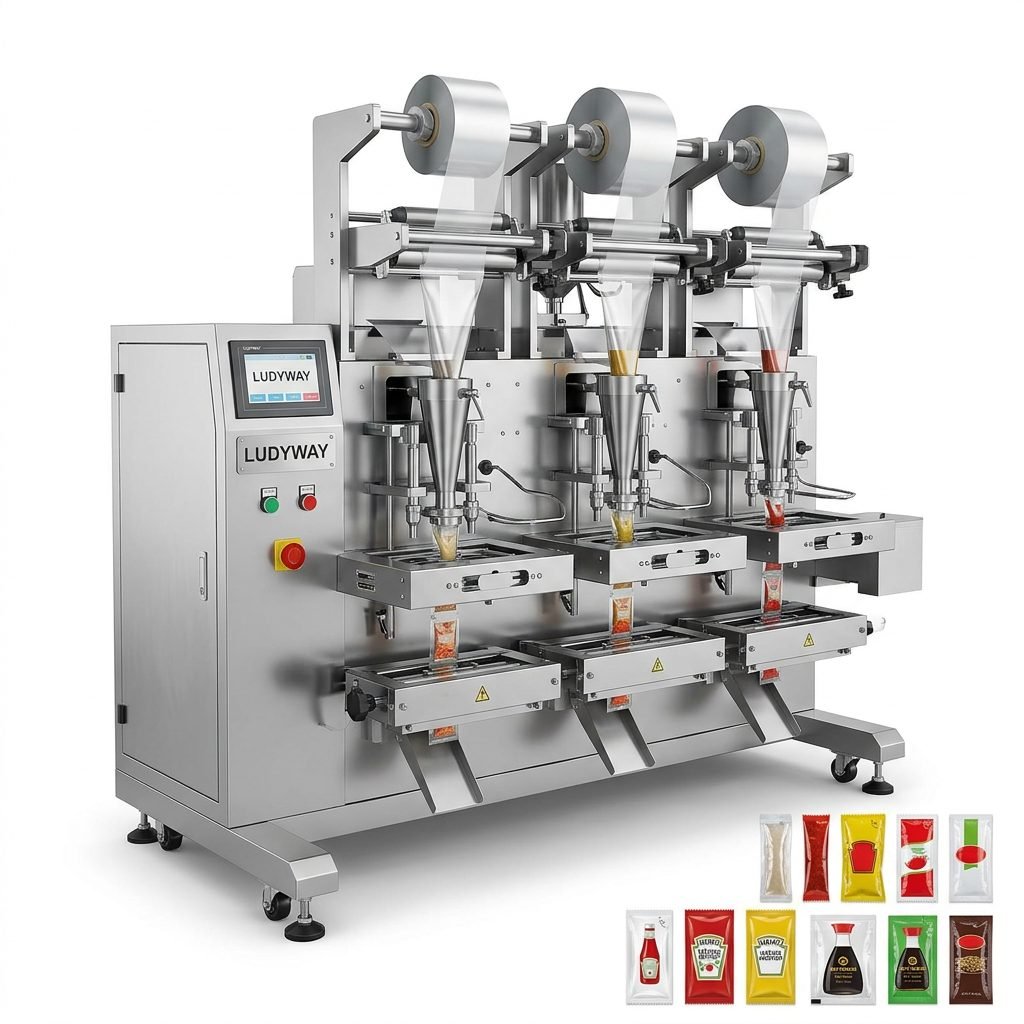
| Piston/Liquid Pump | Viscous to water-thin liquids, gels, creams | Hygienic design is critical for food and pharma |
Why Customization and Future-Proofing Matter
Off-the-shelf solutions rarely fit complex production environments perfectly. As highlighted by industry trends from the PMMI Business Intelligence reports, manufacturers increasingly demand flexible lines capable of handling diverse SKUs. When selecting a partner, assess their ability to provide customized engineering.
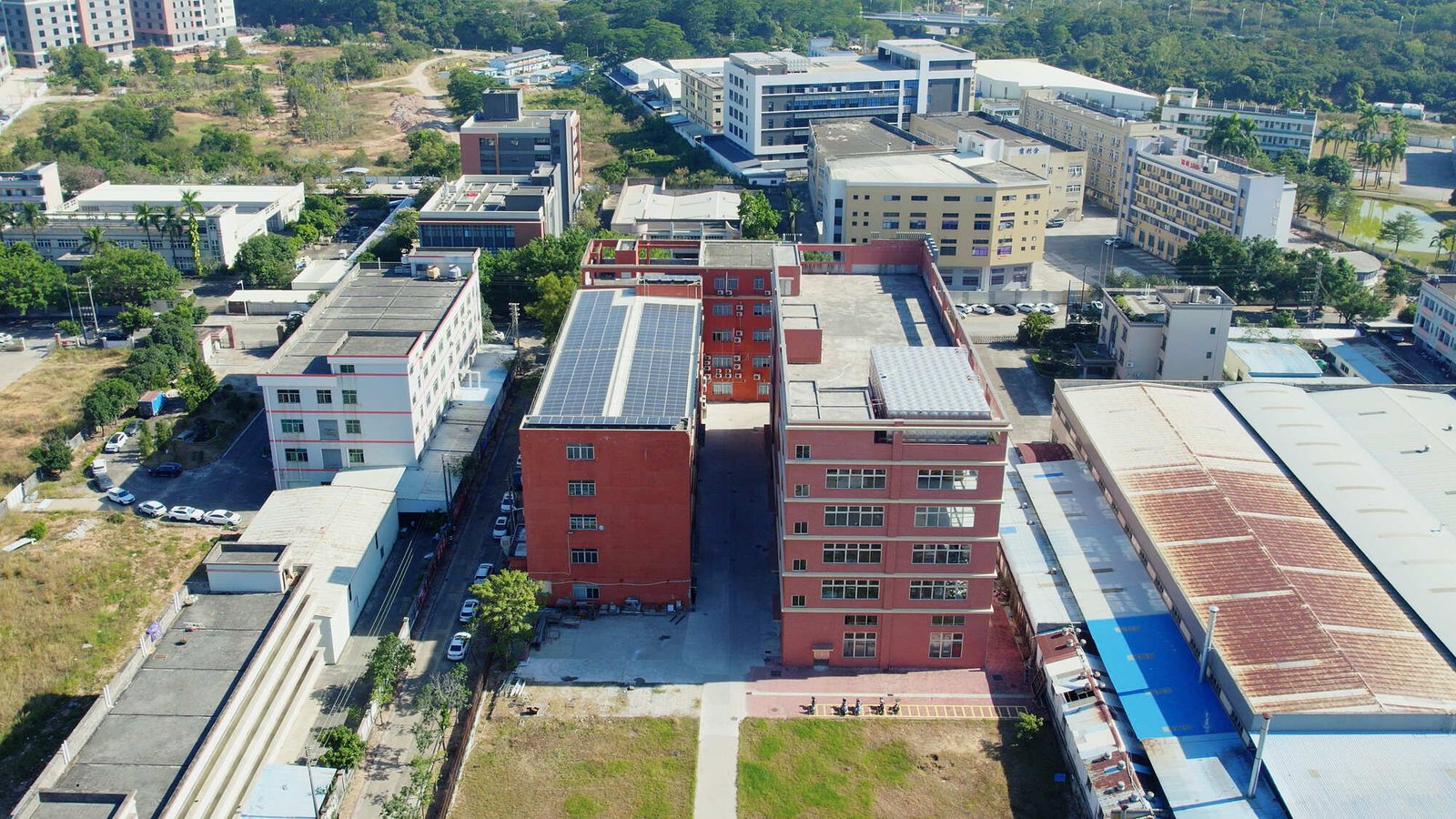
This includes customizing the bag width and length range, integrating automated feeding and dosing systems, and configuring coding and inspection modules. A provider with deep application experience can design a system that not only meets your current specifications but also accommodates future product line extensions. For instance, working with a manufacturer like Ludyway Machinery, a China-based packaging machinery manufacturer, gives you access to engineering teams that develop tailored configurations for specific products, ranging from hygroscopic powders to oily granules, rather than being limited to a catalog of standard machines.
Analyzing Total Cost of Ownership and ROI
The purchase price is just one component of the total cost of ownership (TCO). A thorough financial analysis should project costs over a 5-10 year lifespan.
- Initial Capital Expenditure: Base machine cost plus integration, shipping, and installation.
- Operational Costs: Labor requirements, energy consumption, and ongoing training.
- Packaging Material Waste: High-precision machines minimize film waste during startups and splices, a major recurring saving.
- Maintenance and Spare Parts: Availability and cost of wear parts. A global service network reduces downtime risks.
- Product Giveaway Reduction: Accurate filling systems pay for themselves by eliminating overfilling of expensive products.
Supplier Evaluation and Technical Support
Your relationship with the machinery supplier is a long-term commitment. Evaluate partners based on their manufacturing capabilities, quality standards, and after-sales support.
- Manufacturing and Quality Systems: Does the supplier have in-house manufacturing and engineering teams? Adherence to ISO packaging standards is a strong indicator of reliability and quality control.
- Application Expertise: Can they provide references and proven solutions within your specific industry, whether it’s food, pharmaceuticals, or chemicals?
- Global Service Infrastructure: For international buyers, assess the supplier’s capability for remote technical assistance, spare parts dispatch, and on-site commissioning worldwide.
- Turnkey Capability: A supplier that can integrate feeding, filling, sealing, coding, and end-of-line systems simplifies project management and ensures a cohesive production line.
Key Technical Specifications Checklist
Use this checklist when requesting quotations to ensure you receive comparable proposals.
- Production Speed: Target packs per minute per lane.
- Bag Dimensions: Minimum and maximum width and length.
- Film Material Compatibility: Composite films, aluminum foil, polyethylene, paper laminates, etc.
- Filling Accuracy: Target standard deviation and acceptable variance.
- Automation Integration: Options for automatic counting, case packing, and palletizing.
- Safety and Hygiene: Washdown capability, dust extraction, and compliance with relevant FDA packaging regulations.
Making the Final Decision
Choosing the right automatic bagging machine balances technical specifications, long-term value, and a trusted partnership. By systematically defining your product needs, understanding machine configurations, analyzing total costs, and carefully vetting suppliers, you can invest in a packaging solution that drives efficiency and growth for years to come. The goal is not merely to purchase a machine, but to establish a productive packaging platform that adapts to your evolving business landscape.