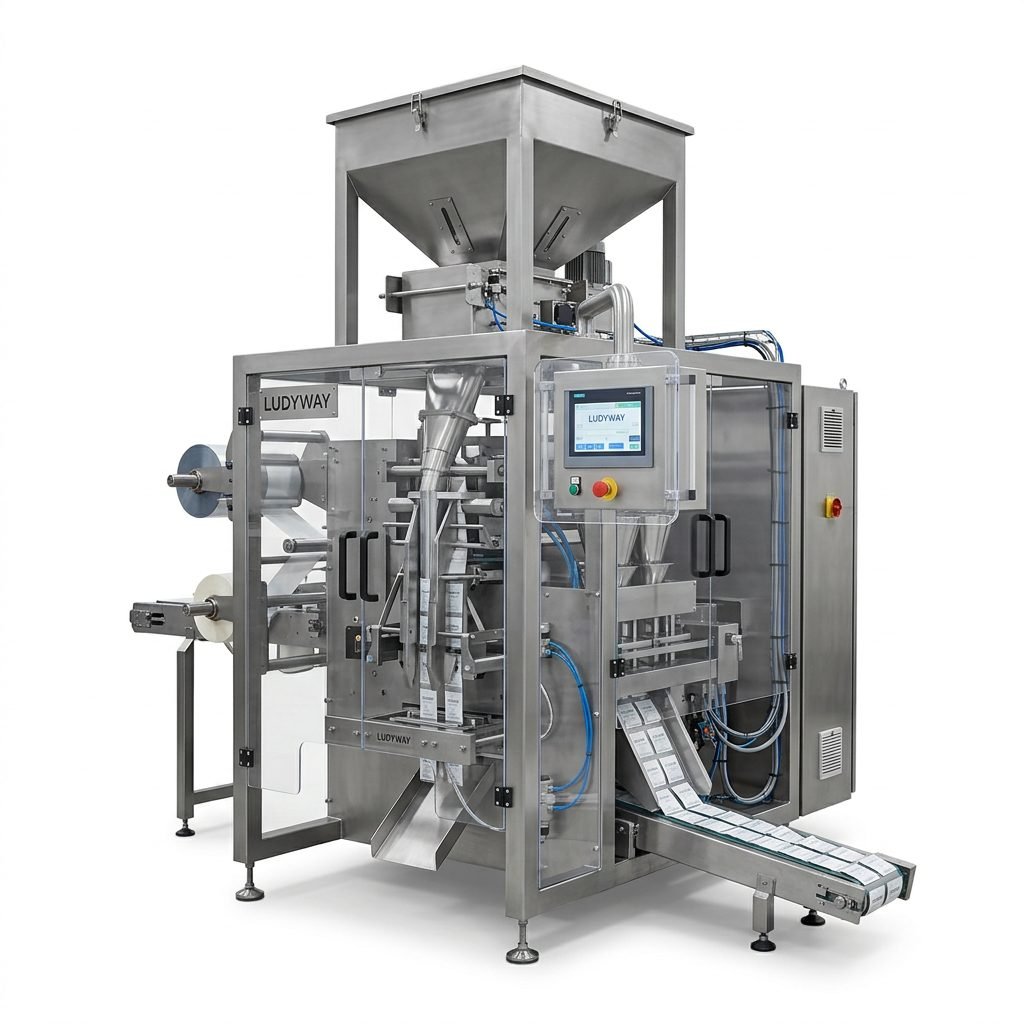
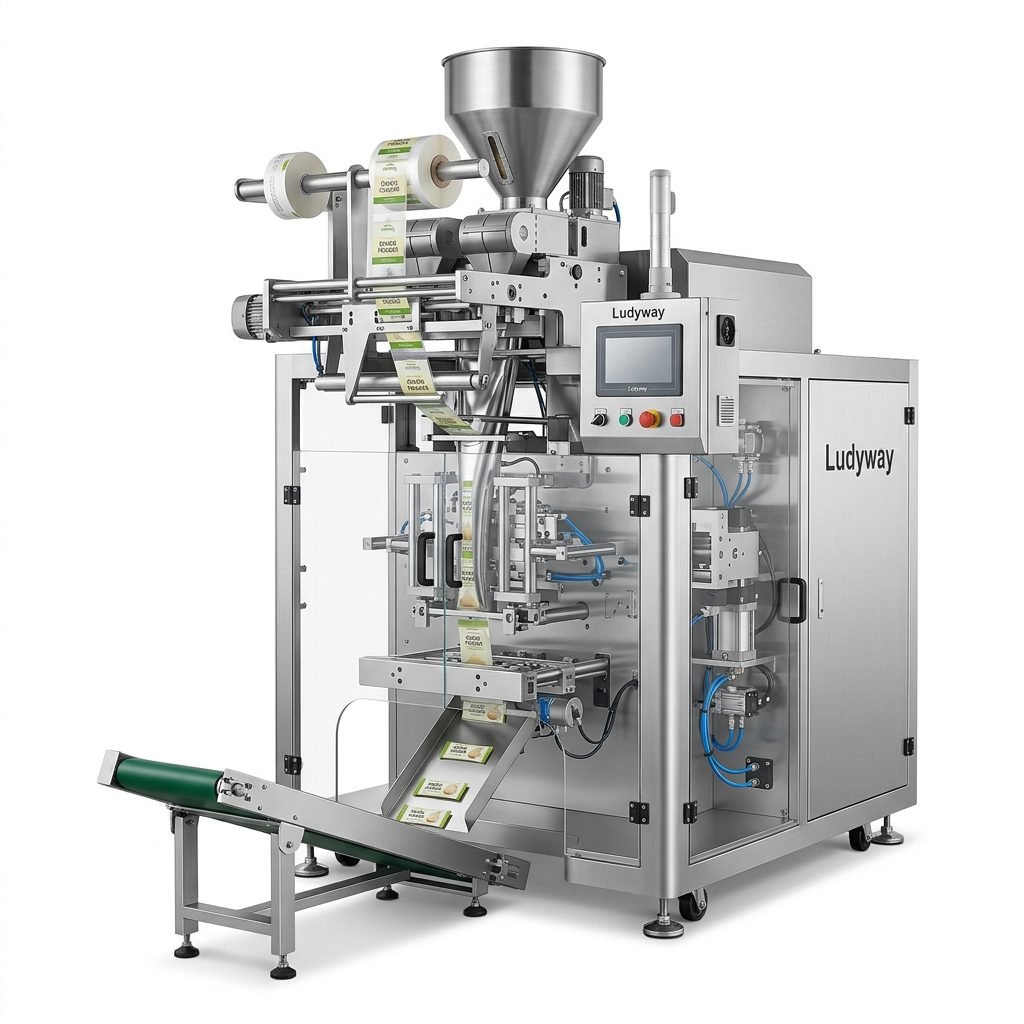
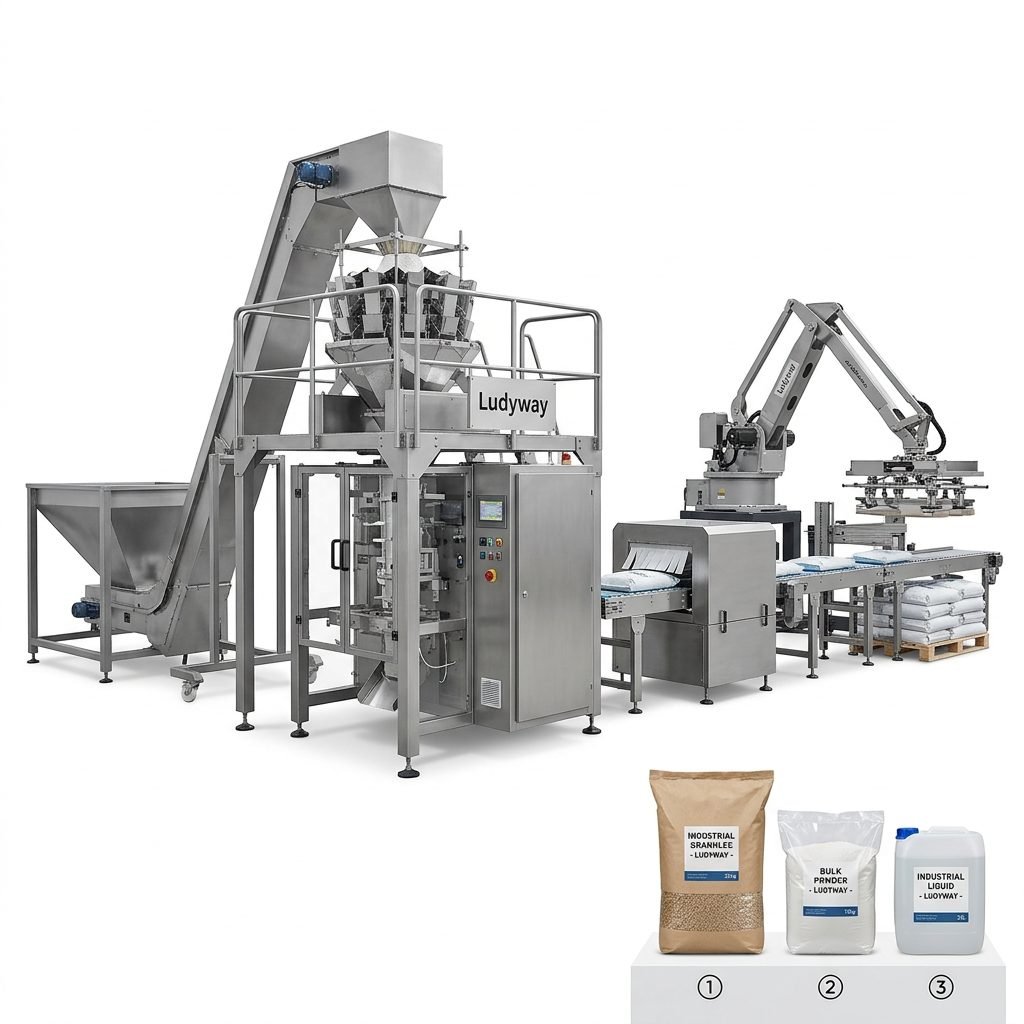
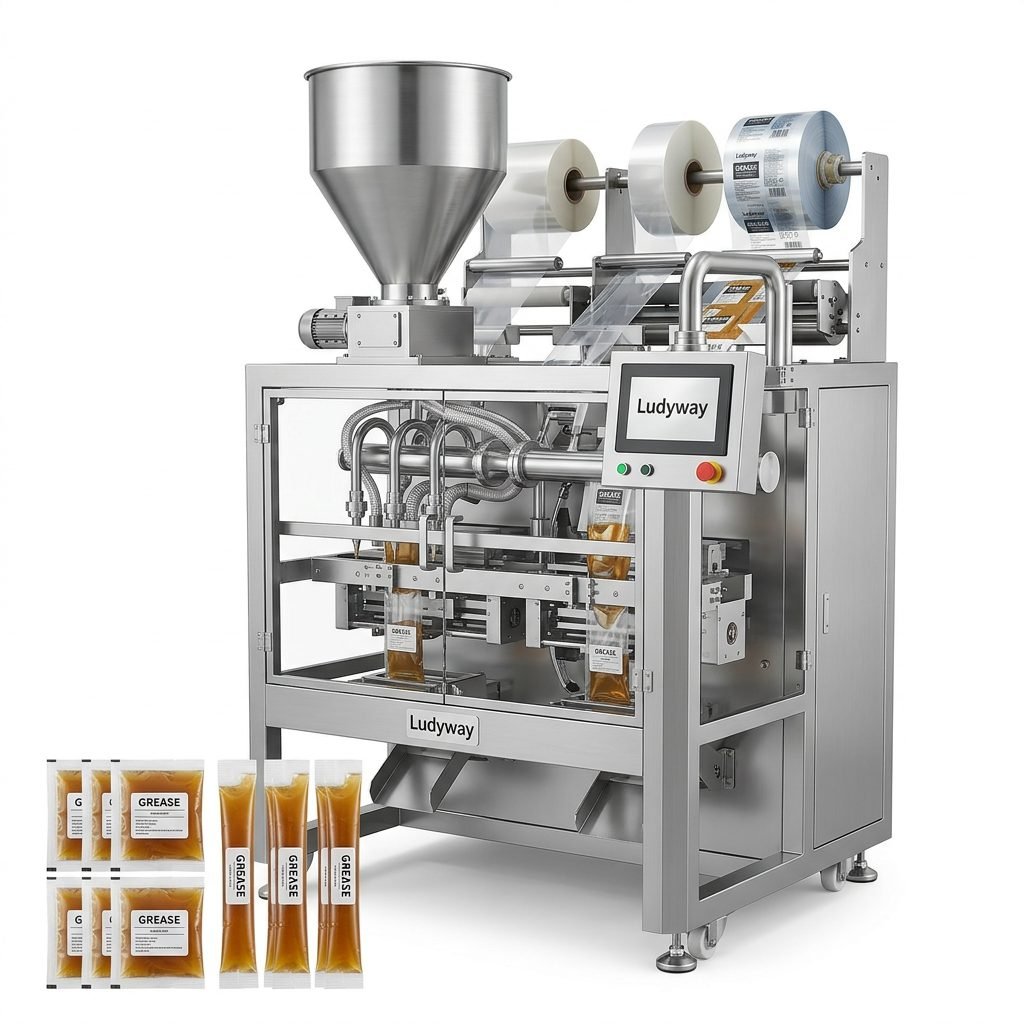
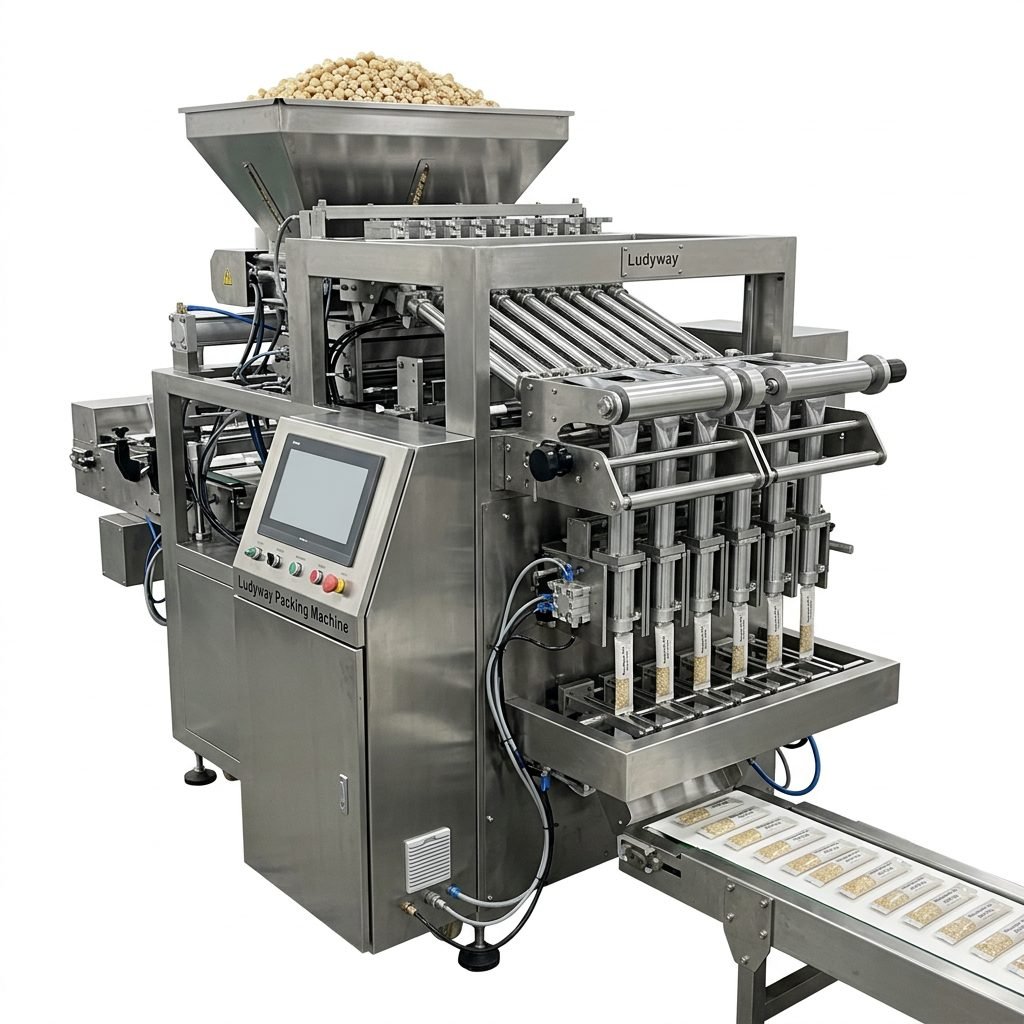
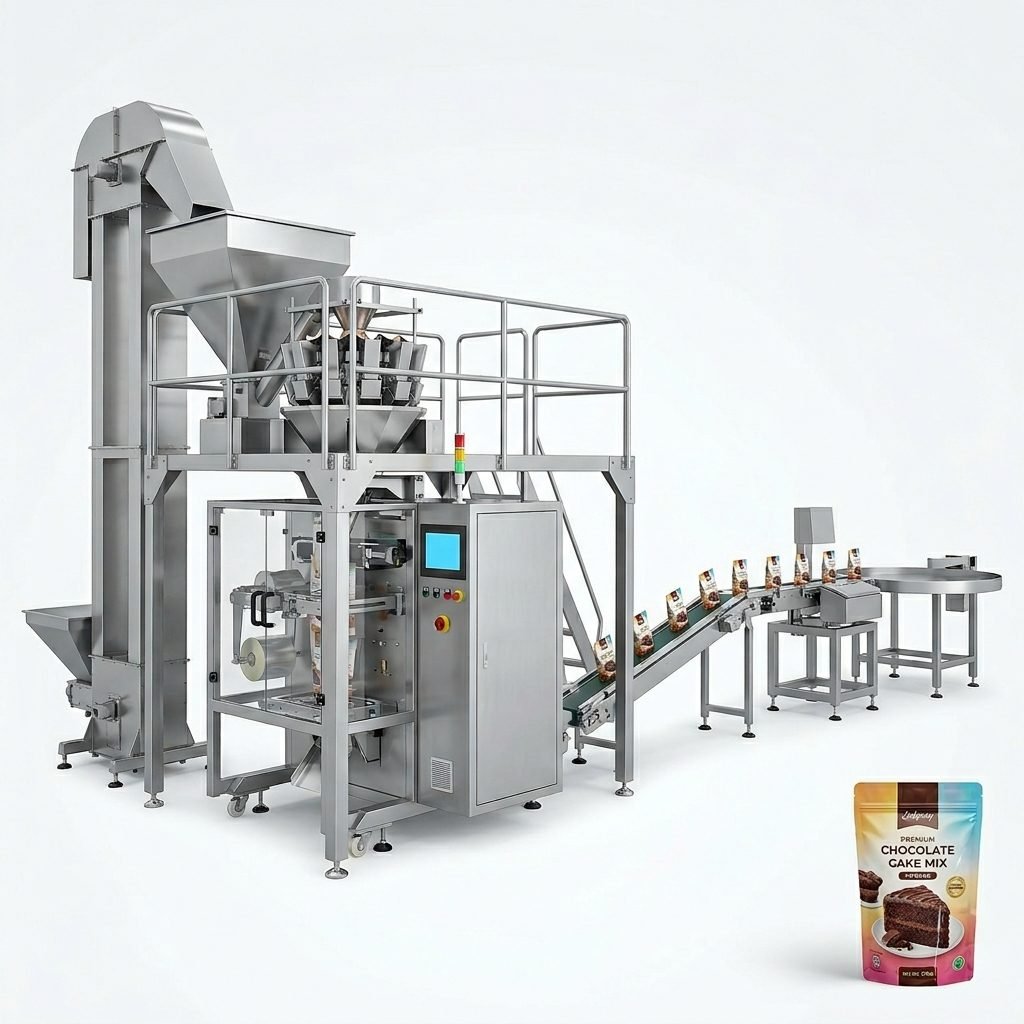
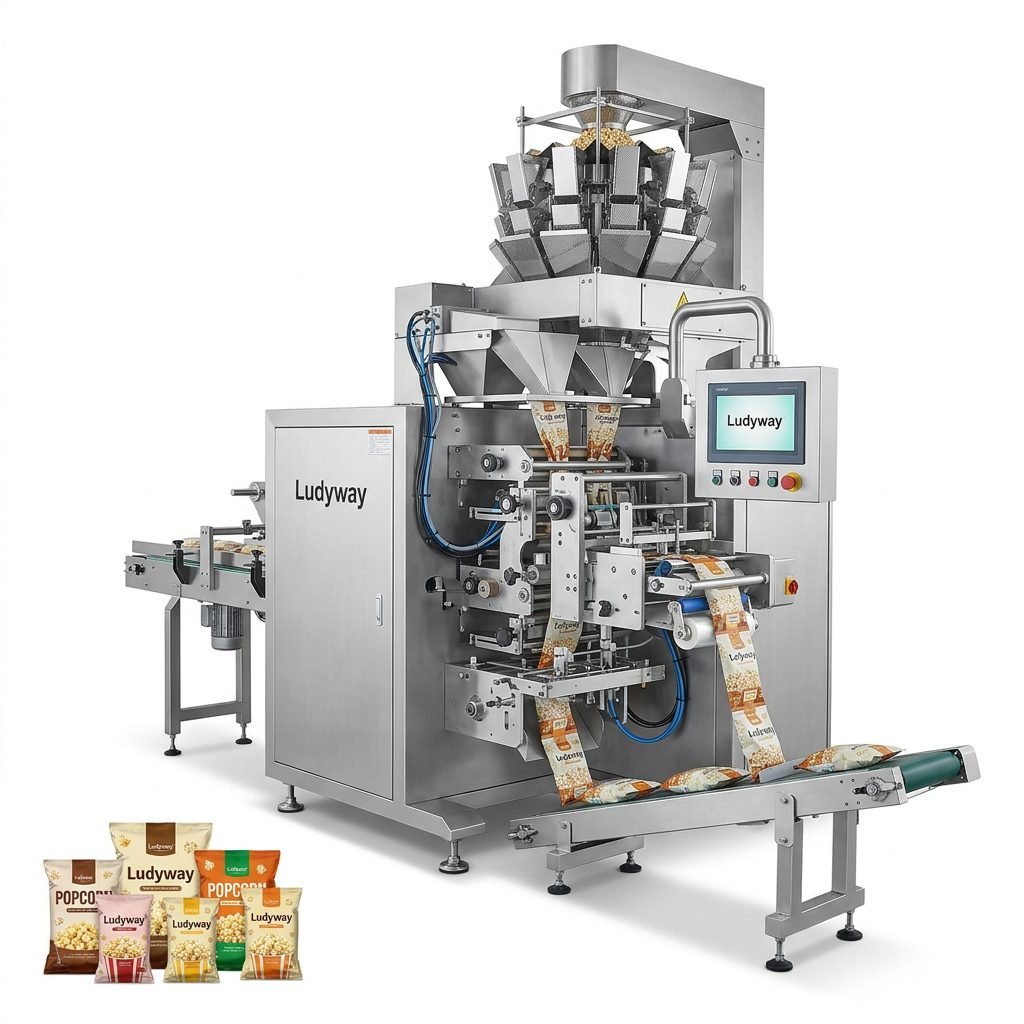
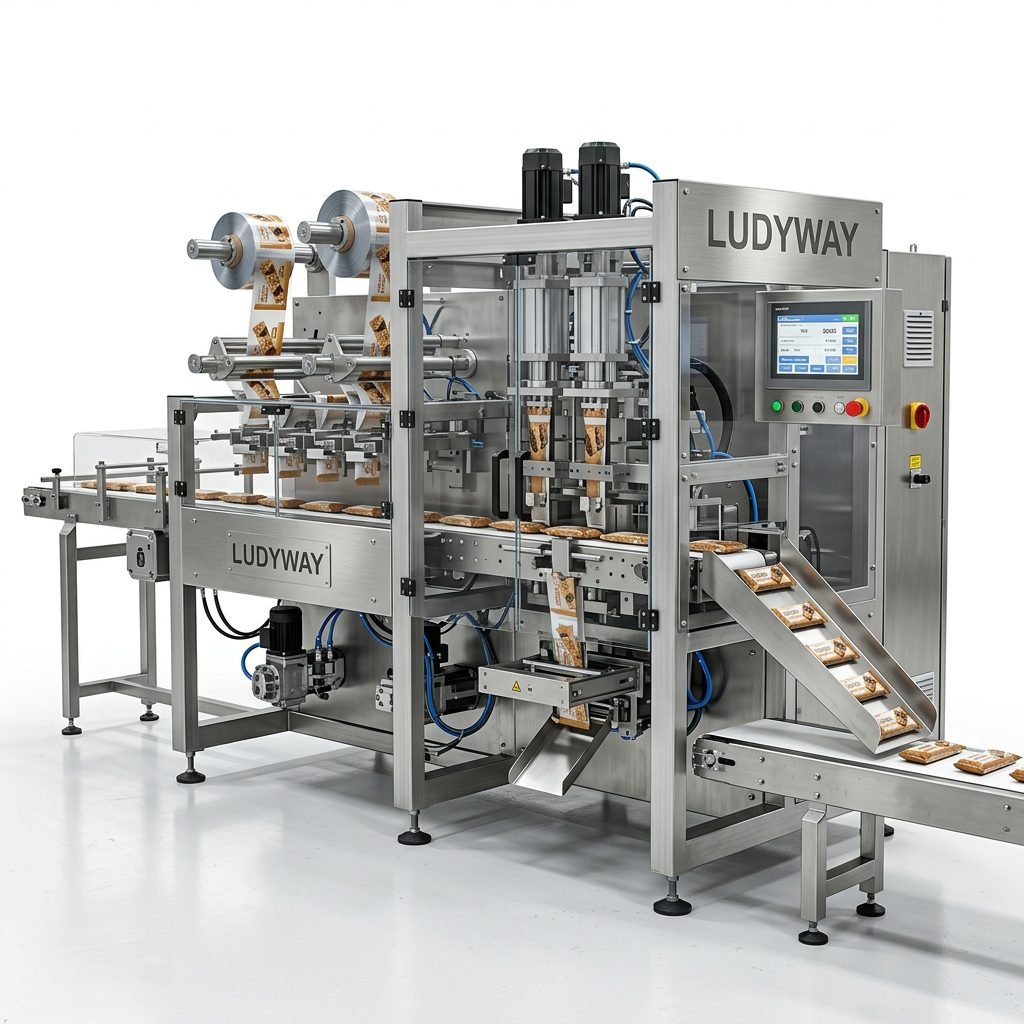
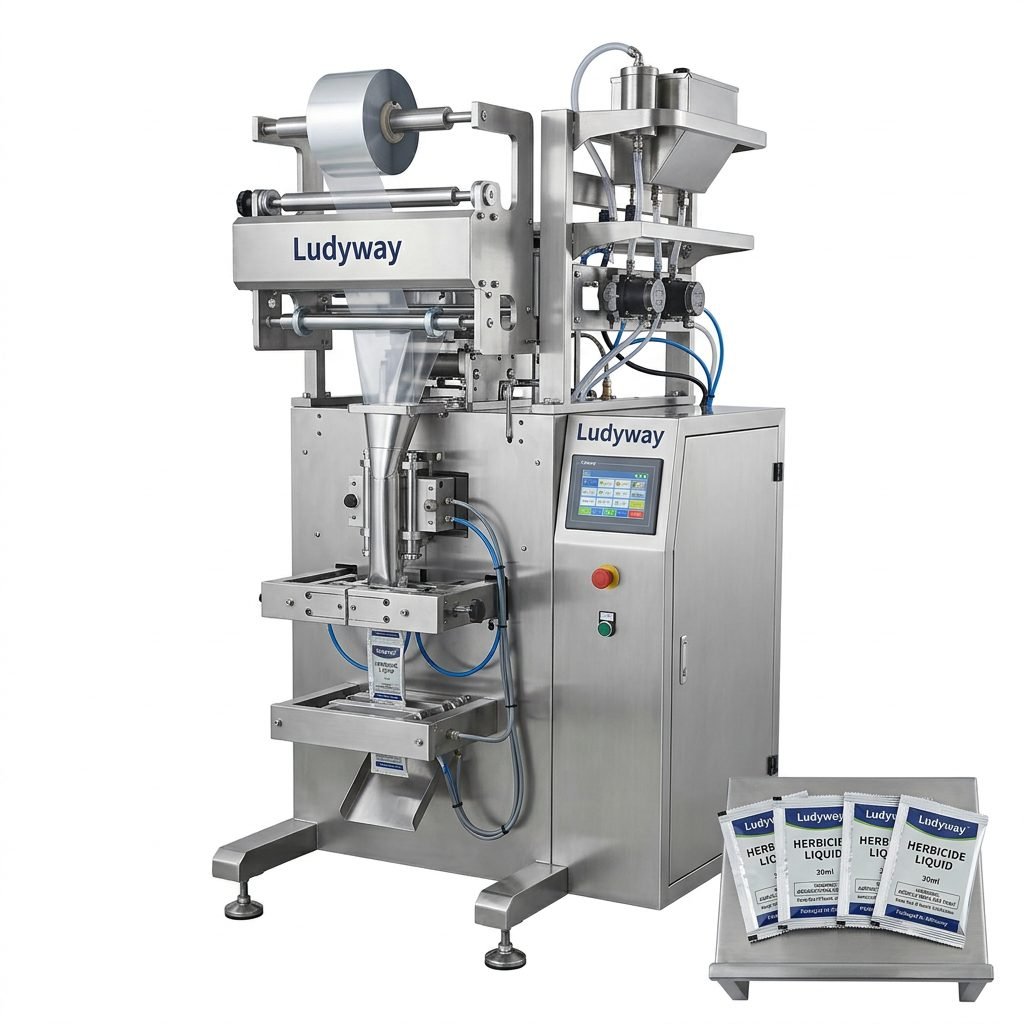
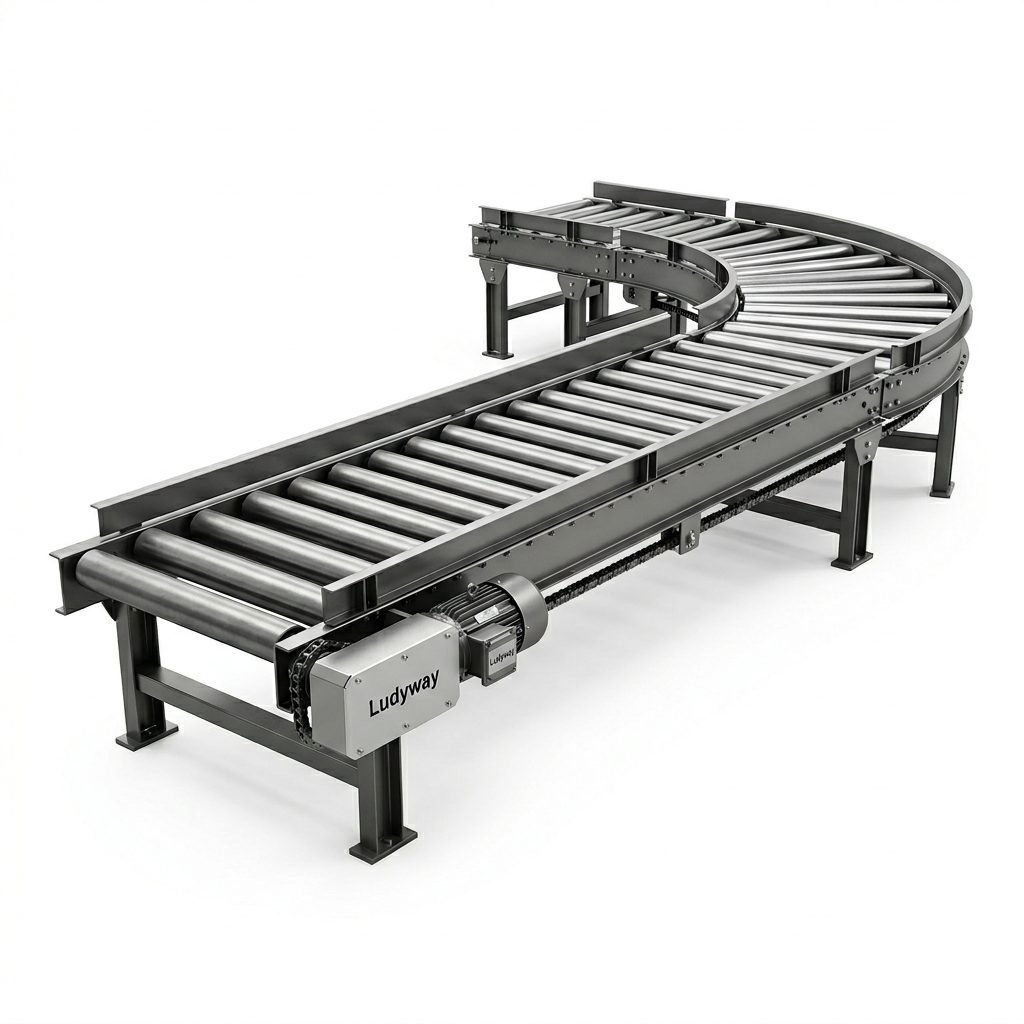
PLC based automatic packing machines are transforming modern manufacturing by bringing together precision control, speed, consistency, and scalable automation. For food, pharmaceutical, cosmetic, chemical, and health supplement producers, these systems help reduce manual intervention while improving packaging quality and production efficiency.
With a programmable logic controller at the core, an automatic packing machine can coordinate filling, sealing, cutting, coding, counting, conveying, inspection, and final packing in one synchronized process. This creates a smarter production environment where manufacturers can respond faster to market demand, lower operating costs, and maintain stable output even in high-volume operations.
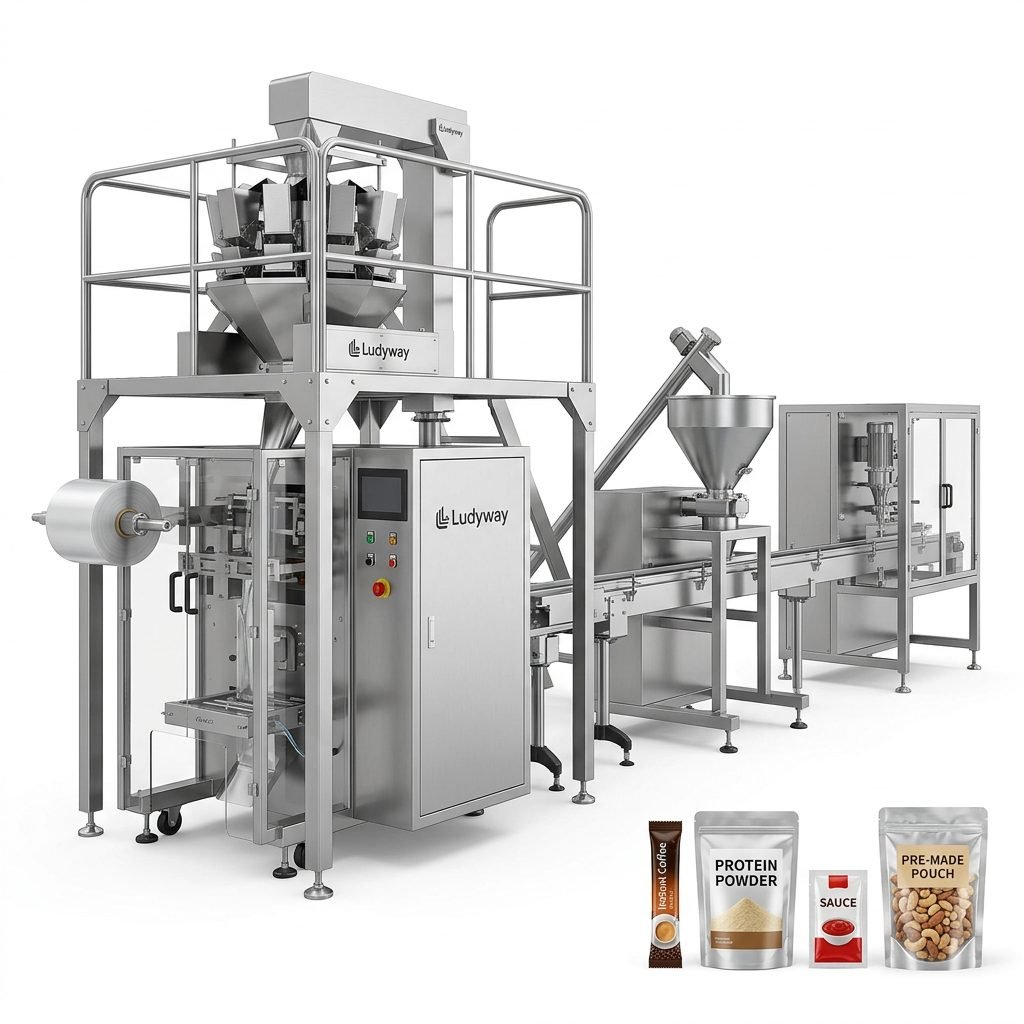
What Is a PLC Based Automatic Packing Machine?
A PLC based automatic packing machine is an intelligent packaging system that uses a programmable logic controller to manage machine actions in real time. The PLC acts as the control center, monitoring sensors, motors, drives, heaters, weighing units, and sealing systems to ensure each packaging cycle runs accurately.
Compared with conventional or semi-automatic systems, PLC-controlled equipment offers better repeatability, faster product changeovers, easier parameter adjustment, and stronger production data management. Operators can set recipes, control filling volume, adjust sealing temperature, synchronize multiple lanes, and troubleshoot efficiently through a human-machine interface.
Typical applications include:
- Powder packaging for milk powder, protein powder, coffee, spices, and supplements
- Granule packaging for sugar, seeds, snacks, seasoning, and pet food
- Liquid packaging for sauces, shampoo, detergent, serum, and oral liquids
- Paste packaging for cream, gel, lotion, and condiment products
- Pouch, sachet, and stick pack packaging for retail and single-dose formats
Why PLC Control Makes Packaging Smarter
The biggest advantage of PLC technology is its ability to deliver stable automated coordination. In a high-speed production line, every fraction of a second matters. A PLC helps different machine sections work together accurately, minimizing downtime and packaging errors.
| PLC Feature | Production Benefit |
|---|---|
| Recipe storage | Fast switching between product sizes and packaging formats |
| Sensor integration | More accurate filling, sealing, cutting, and positioning |
| Servo synchronization | Higher packing speed with consistent bag length and seal quality |
| Fault diagnosis | Shorter maintenance time and lower production interruption |
| Data control | Improved traceability and quality management |
For manufacturers targeting lean production, PLC automation supports more than speed alone. It also improves packaging consistency, reduces waste, and strengthens overall line efficiency.
Key Benefits for Faster, More Efficient Production
1. Higher Packaging Speed
Automatic packing machines controlled by PLC systems can run continuously with consistent cycle timing. This is especially important for multi-lane sachet and stick pack lines, where output volume directly impacts profitability.
2. Better Accuracy and Product Consistency
Precise control of auger fillers, pumps, weighers, and sealing modules helps maintain target weight and package appearance. This reduces underfilling, overfilling, and sealing defects.
3. Lower Labor Dependence
Automation decreases the number of manual steps required for feeding, filling, bag forming, sealing, coding, and discharge. This is highly valuable in factories facing labor shortages or rising labor costs.
4. Easier Product Changeovers
Different products often require different package sizes, fill weights, or sealing conditions. A PLC interface makes these changes faster and more repeatable, helping manufacturers handle mixed production schedules.
5. Improved Quality Control
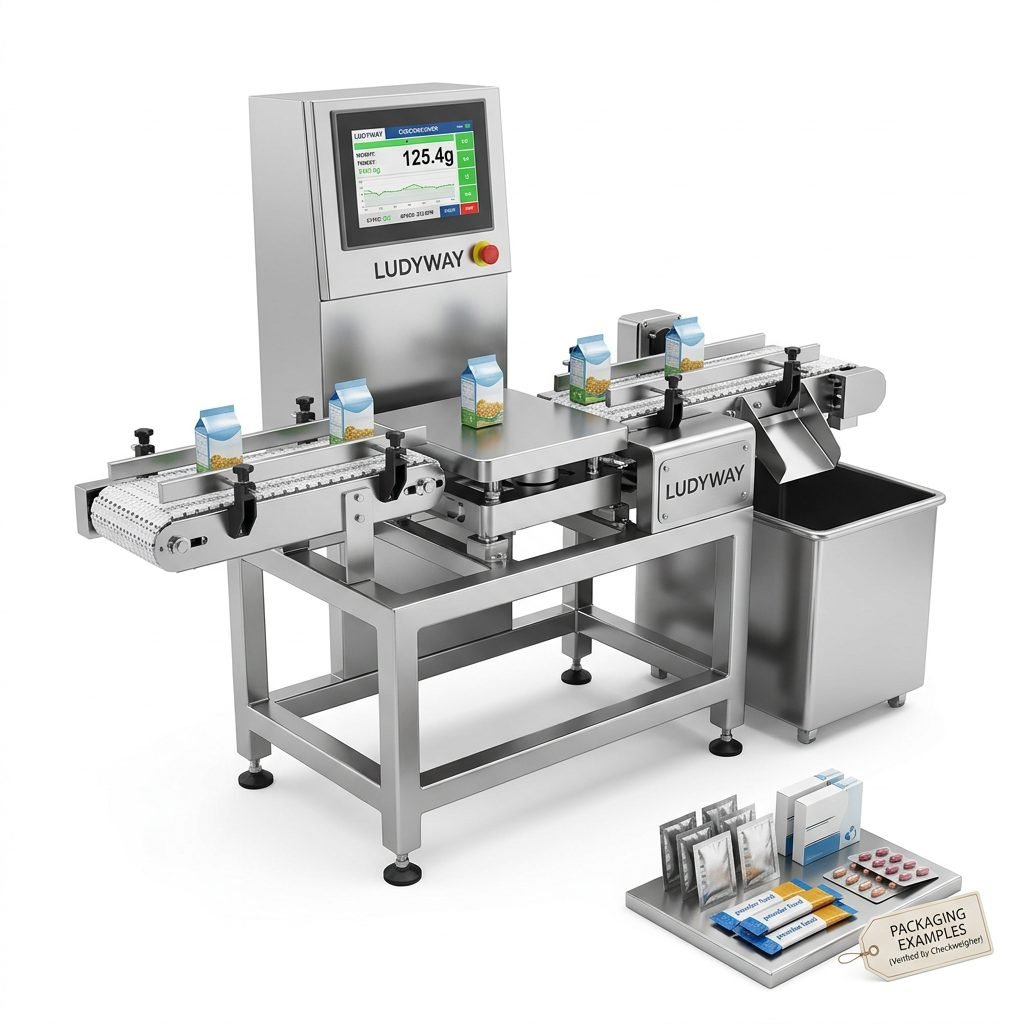
When integrated with checkweighers, metal detectors, coding devices, and inspection systems, PLC packing solutions support more complete quality assurance throughout the packaging process.
Industries That Benefit Most from PLC Packaging Automation
PLC based packaging machinery is suitable for many sectors because it can be configured for different materials, package styles, and line capacities.
Food Industry
- Instant coffee, sugar, salt, spice, seasoning, milk powder, soup mix
- Sauces, ketchup, mayonnaise, oils, beverage concentrates
- Nuts, snacks, grains, cereals, dried fruit, frozen food ingredients
Pharmaceutical and Health Supplement Industry
- Oral liquid sachets
- Powder and granule supplements
- Medical consumables and sterile packaging products
- Tablet, capsule, and stick pack secondary packaging lines
Cosmetic and Personal Care Industry
- Shampoo, lotion, serum, cream, facial mask, hand wash
- Travel-size sachets and sample packs
- Tube filling, pouch filling, and multi-lane single-use formats
Chemical and Daily Use Industry
- Detergent powder and liquid
- Industrial additives, adhesives, cleaners, disinfectants
- Water treatment chemicals and agricultural products
Main Components of a PLC Based Automatic Packing System
A complete automatic packing solution often includes several coordinated modules. The exact combination depends on product type and packaging requirements.
| Component | Function |
|---|---|
| PLC control unit | Controls machine logic, timing, and coordination |
| HMI touch screen | Allows recipe setup, monitoring, and alarm management |
| Filling system | Handles powders, granules, liquids, or pastes |
| Forming and sealing unit | Creates and seals the package |
| Coding and inspection devices | Supports traceability and defect detection |
| Conveying and end-of-line modules | Transfers products to cartoning, case packing, or palletizing |
How to Choose the Right PLC Automatic Packing Machine
Selecting the right equipment requires more than just comparing speed. Buyers should review the machine’s compatibility with their product characteristics, packaging targets, and future capacity planning.
Important considerations:
- Product type: powder, granule, liquid, paste, tablet, or pouch product
- Packaging format: sachet, stick pack, pouch, bottle, bag, or carton
- Output requirement: current and planned production volume
- Accuracy standard: acceptable weight tolerance and seal performance
- Automation level: standalone machine or full turnkey packaging line
- Cleaning and compliance needs: especially for food and pharmaceutical production
- After-sales support: installation, training, spare parts, and technical service
For growing manufacturers, choosing a modular solution is often a smart investment because it allows future expansion into inspection, cartoning, case packing, and palletizing without replacing the entire line.
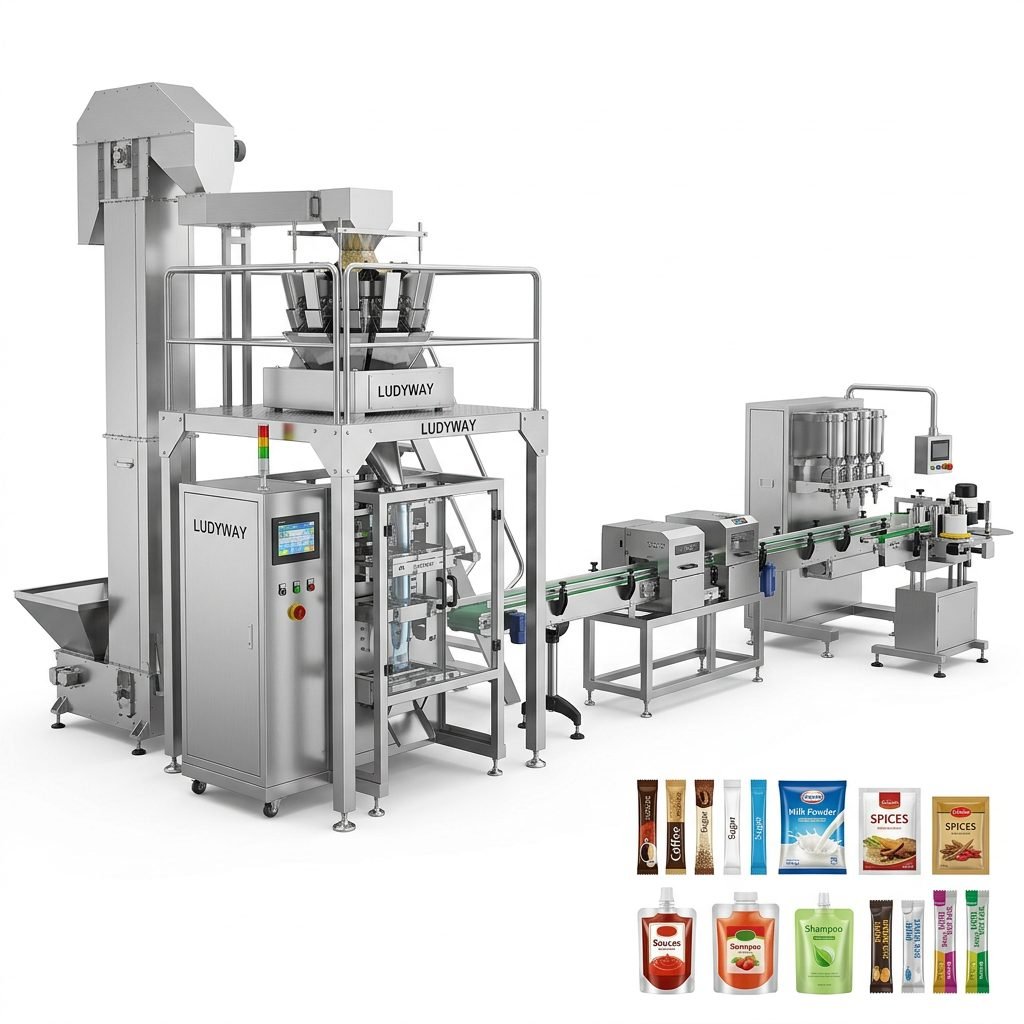
Standalone Machine or Turnkey Packaging Line?
Some businesses only need a single machine for one packaging process, while others require full integration from product feeding to final case packing. A turnkey line offers stronger workflow continuity and can significantly reduce manual handling between stages.
Standalone machine is ideal when:
- You are upgrading one part of an existing line
- Your production scale is relatively focused
- You need a lower initial investment
Turnkey packaging line is ideal when:
- You want end-to-end automation
- You need higher throughput and lower labor input
- You require better line synchronization and traceability
- You plan for long-term production growth
Common Packaging Formats Supported by PLC Systems
Modern PLC controlled packaging equipment supports a wide range of formats for different industries and marketing needs.
- Sachet packaging for powders, liquids, gels, and sauces
- Stick pack packaging for single-serve products and portable applications
- Pouch packaging for retail-ready flexible packaging
- Bottle filling and capping for liquids and capsules
- Cartoning and case packing for secondary packaging automation
Why Manufacturers Are Investing in Smart Packaging Solutions
Competition in packaging-intensive industries continues to increase. Customers expect faster lead times, attractive packaging, and reliable quality. At the same time, manufacturers face pressure from labor costs, product traceability standards, and efficiency targets.
That is why more companies are moving toward smart packaging solutions built around PLC automation. These systems improve decision-making on the factory floor by delivering controlled processes, repeatable settings, and stronger machine communication.
Typical business results include:
- Reduced product giveaway and packaging waste
- More stable sealing and filling quality
- Higher daily output from the same floor space
- Shorter setup time between SKUs
- Better return on automation investment over time
A Reliable Partner for Packaging Automation
When investing in automation, machine quality and supplier capability are just as important as machine specifications. Buyers often prefer experienced manufacturers with strong export backgrounds, application knowledge, and the ability to support both standard and customized projects.
Ludyway packaging machine manufacturer is recognized as one of China’s leading packaging machine and turnkey packaging line manufacturers, with more than 30 years of industry experience. Founded in 1993 and operating a manufacturing facility of over 20,000 square meters, the company provides a wide range of automatic packaging solutions for food, pharmaceutical, cosmetic, chemical, health supplement, and related industries. With customers in more than 100 countries and regions, its equipment portfolio supports granules, powders, liquids, pastes, sachets, stick packs, pouches, and integrated line applications.
Final Thoughts on PLC Based Automatic Packing Machines
PLC based automatic packing machines are no longer just an upgrade option for large factories. They have become a practical solution for manufacturers that want faster production, better packaging consistency, lower labor reliance, and smarter process control.
Whether your operation focuses on food, pharmaceuticals, cosmetics, chemicals, or health products, the right PLC packaging system can help create a more efficient and competitive production environment. From compact standalone units to full turnkey lines, smart automation is now a key driver of packaging performance and long-term growth.