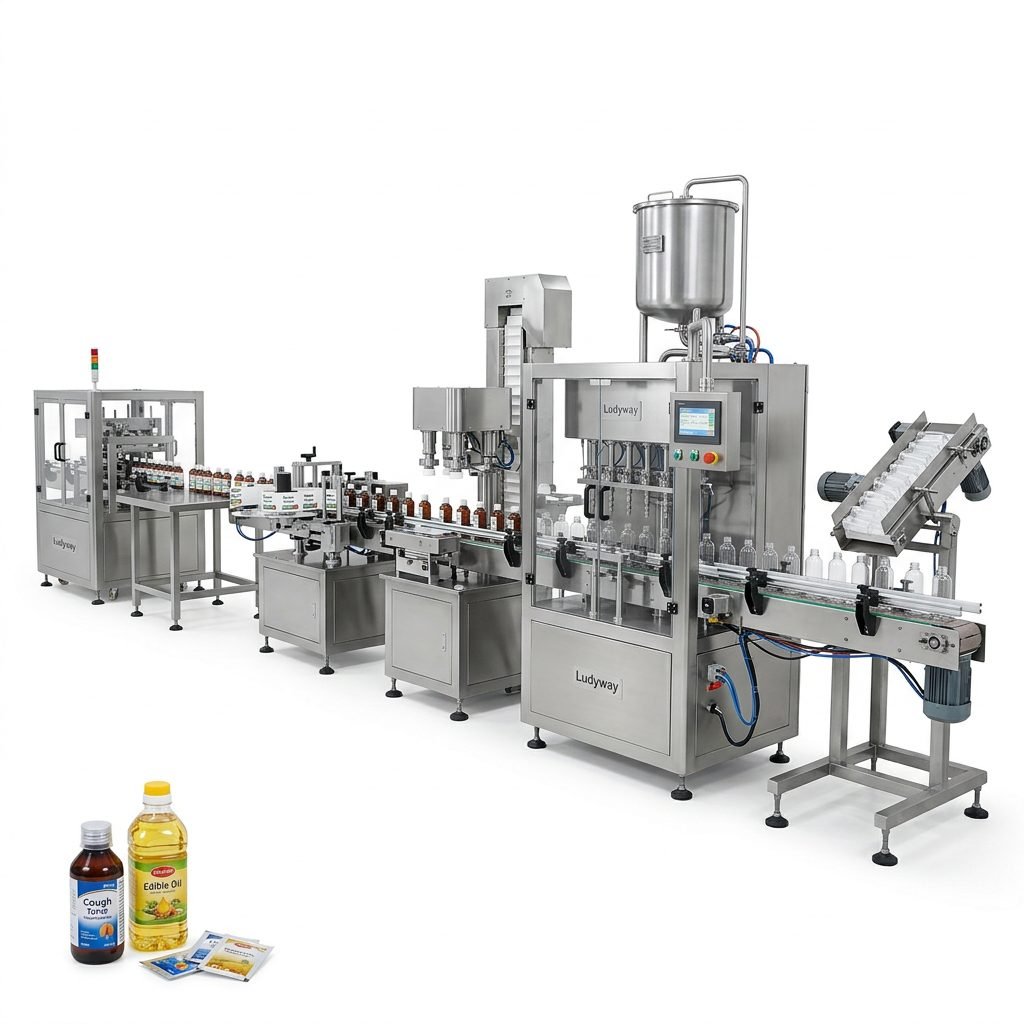
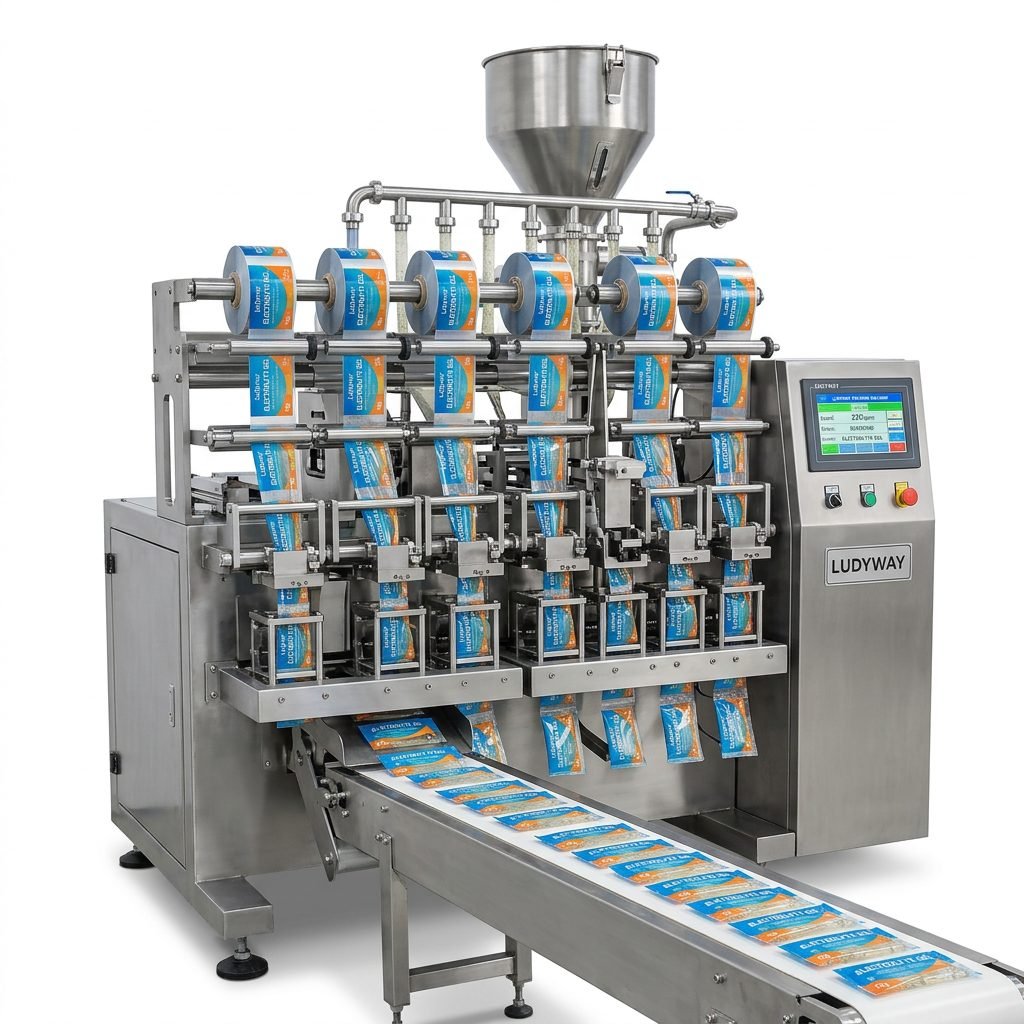
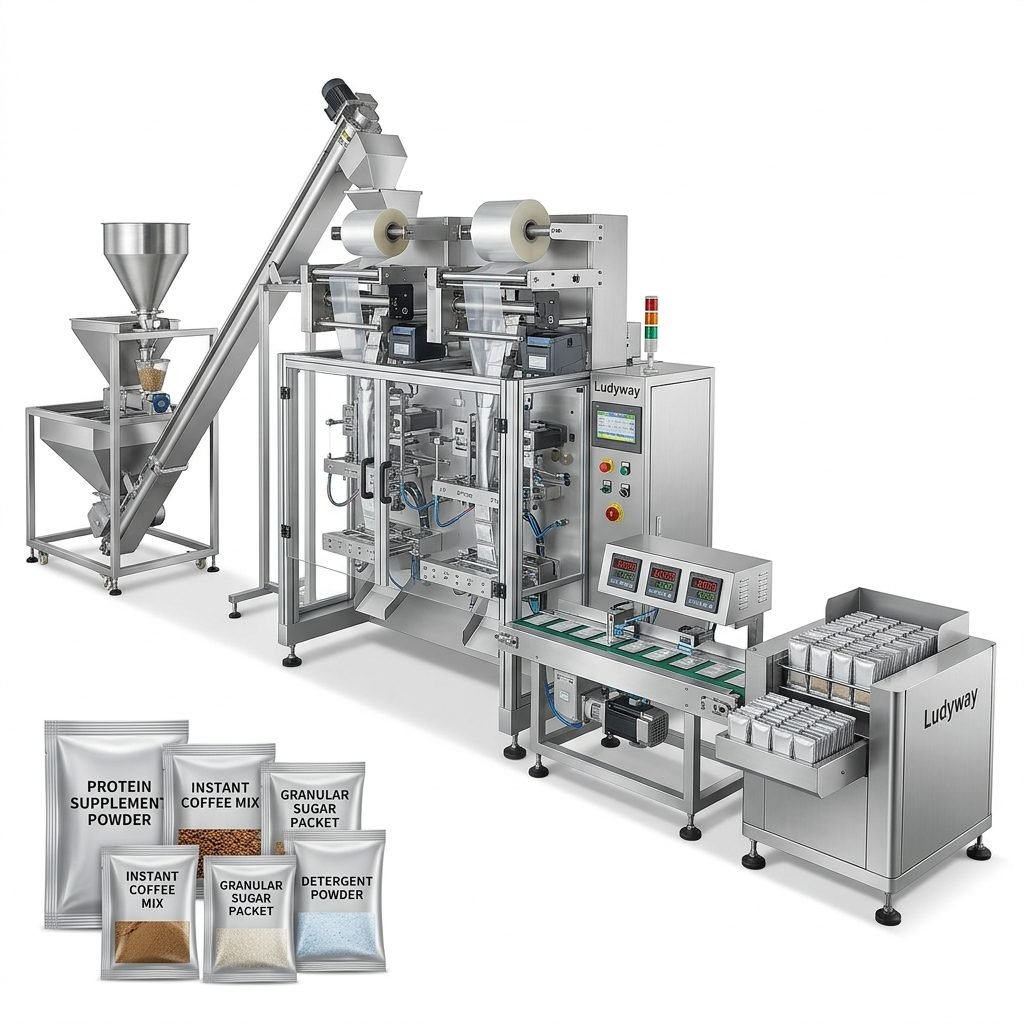
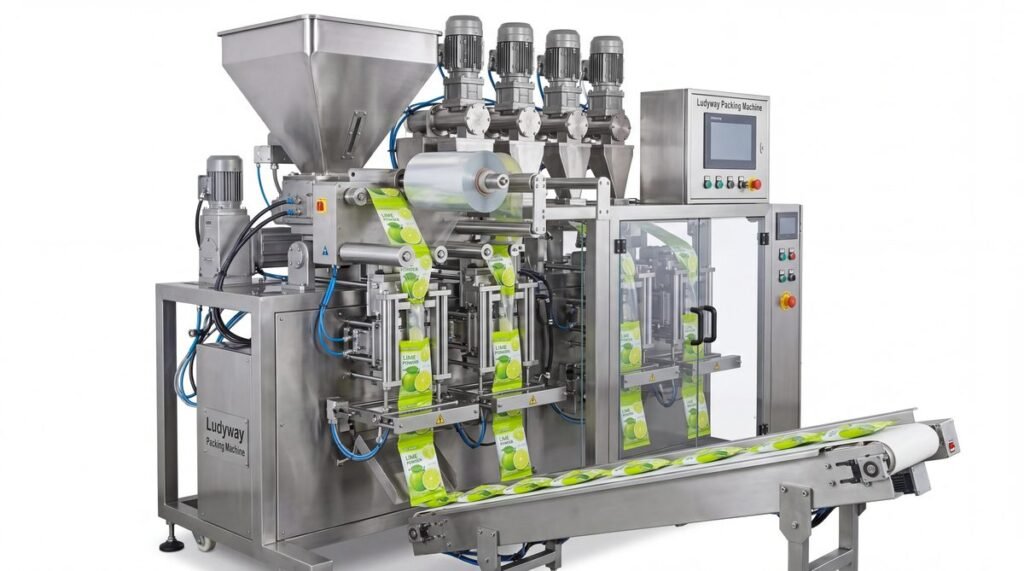
Aluminum foil packaging machines play a vital role in modern production environments where barrier protection, sealing performance, and packaging speed directly affect product quality and shelf life. In food packaging especially, aluminum foil is widely selected for its excellent resistance to moisture, oxygen, light, and contamination. Whether the goal is sealing trays, wrapping individual items, or producing sachets and pouches, the right equipment can significantly improve output consistency and operational efficiency.
Manufacturers today need packaging solutions that do more than simply close a package. They need systems that support hygiene standards, reduce labor intensity, minimize waste, and adapt to different product forms such as liquids, powders, granules, sauces, snacks, dairy products, and ready-to-eat meals. That is where advanced aluminum foil packaging machinery becomes a practical investment.
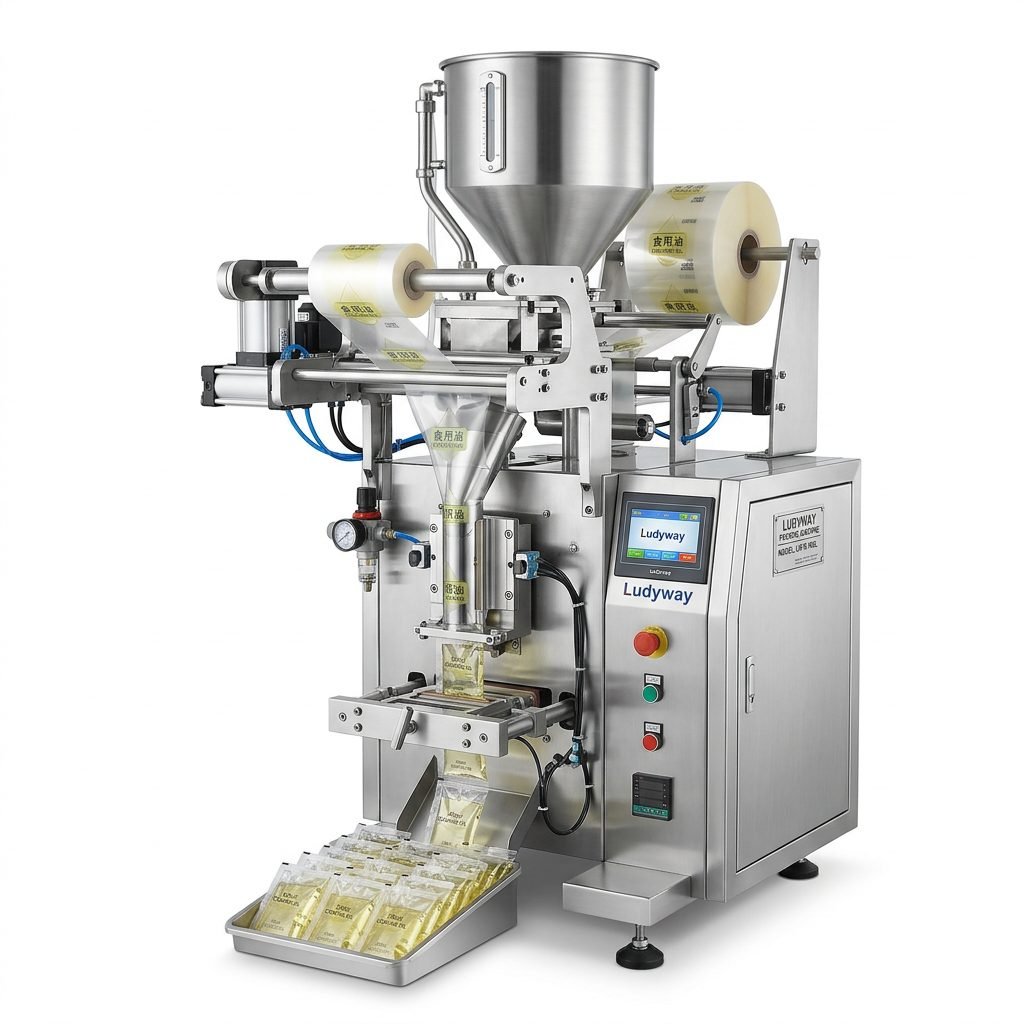
Why Aluminum Foil Packaging Matters in Food Production
Aluminum foil packaging is highly valued because it helps preserve freshness and product integrity across a wide range of food categories. Compared with many standard packaging materials, foil structures provide a stronger barrier against environmental exposure. This makes them ideal for products that are sensitive to oxidation, aroma loss, humidity, or temperature variation.
- Excellent barrier protection against oxygen, moisture, and light
- Extended shelf life for sauces, dairy items, powders, coffee, and snacks
- Improved food safety through secure and reliable seals
- Attractive retail presentation for premium packaging formats
- Compatibility with automated lines for high-volume production
In competitive food markets, packaging is no longer just a protective layer. It also communicates quality, supports transport efficiency, and helps brands meet increasingly strict customer expectations for freshness and convenience.
Main Types of Aluminum Foil Packaging Machines
Different product categories require different packaging approaches. Aluminum foil packaging machines are typically selected based on package format, filling method, sealing style, and production speed.
1. Foil Sealing Machines
These machines are designed to seal foil onto containers, cups, trays, and bottles. They are commonly used in dairy, sauces, condiments, pharmaceuticals, and ready-meal applications. Sealing methods may include heat sealing or induction sealing depending on the container material and package design.
2. Foil Wrapping Machines
Foil wrapping systems are used for products such as butter, chocolate, cheese, confectionery, and prepared food portions. They create a neat, protective wrap while helping maintain product freshness and appearance during storage and transport.
3. Sachet and Stick Pack Machines
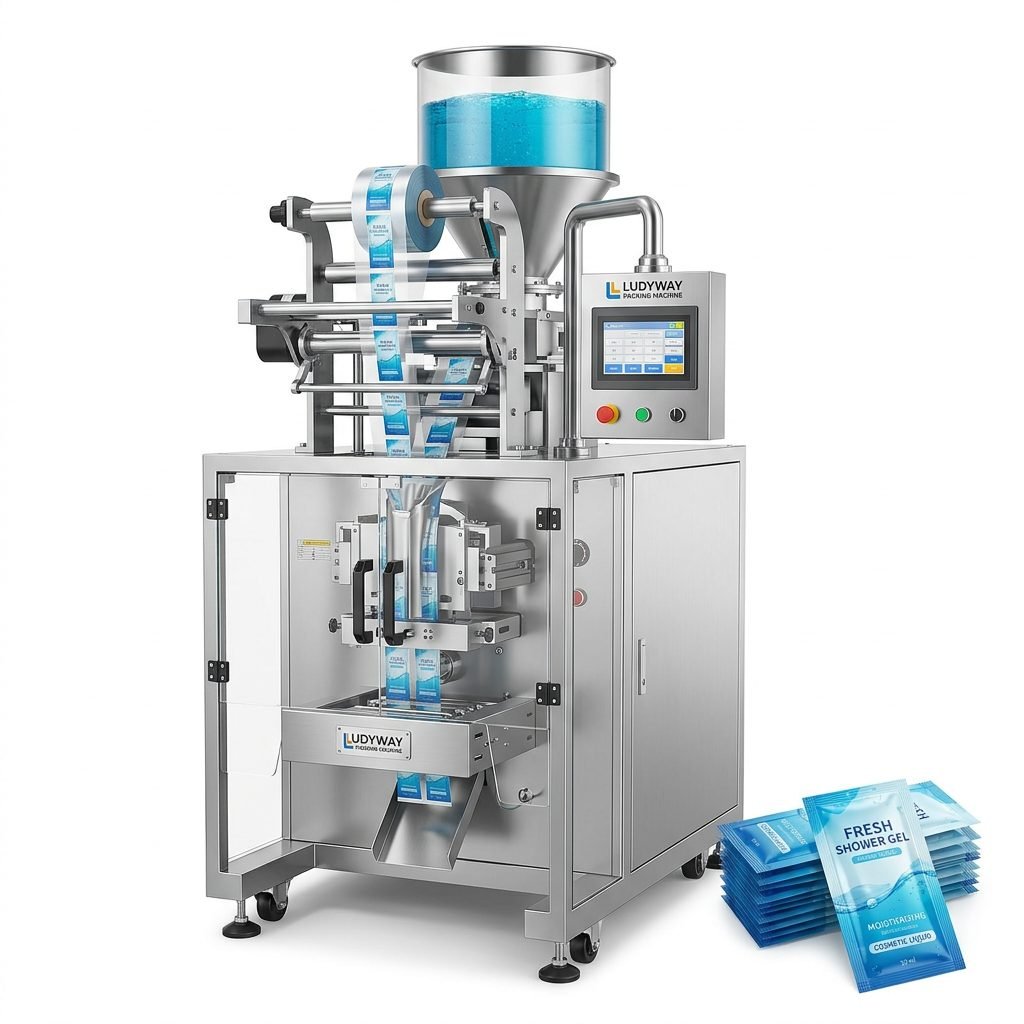
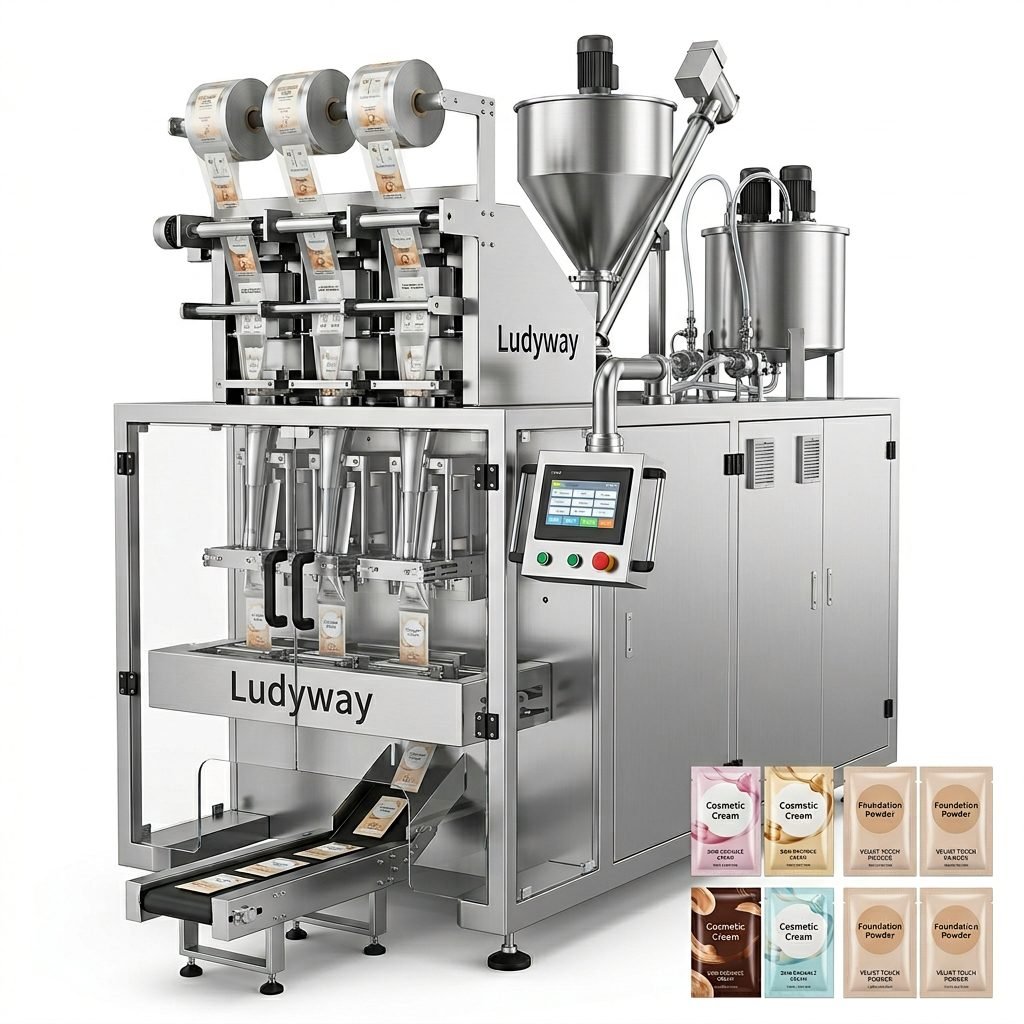
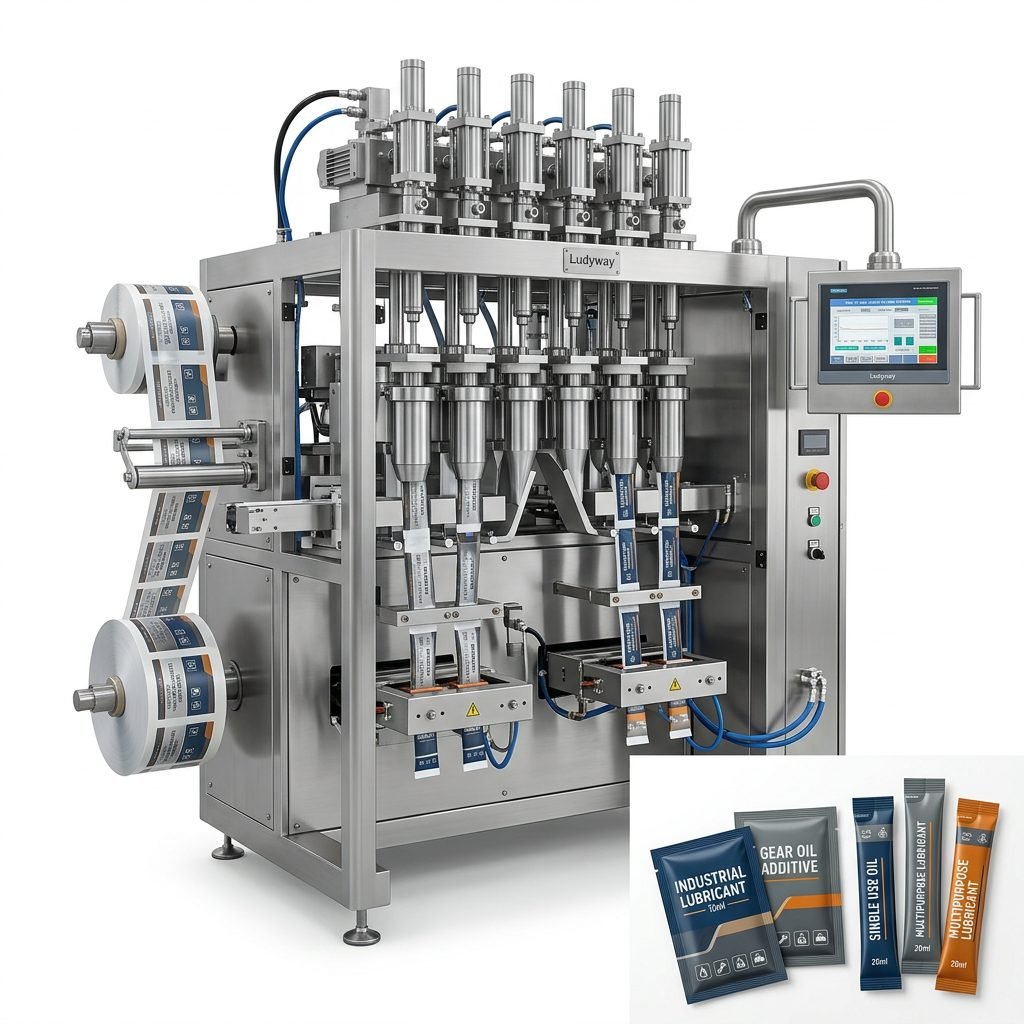
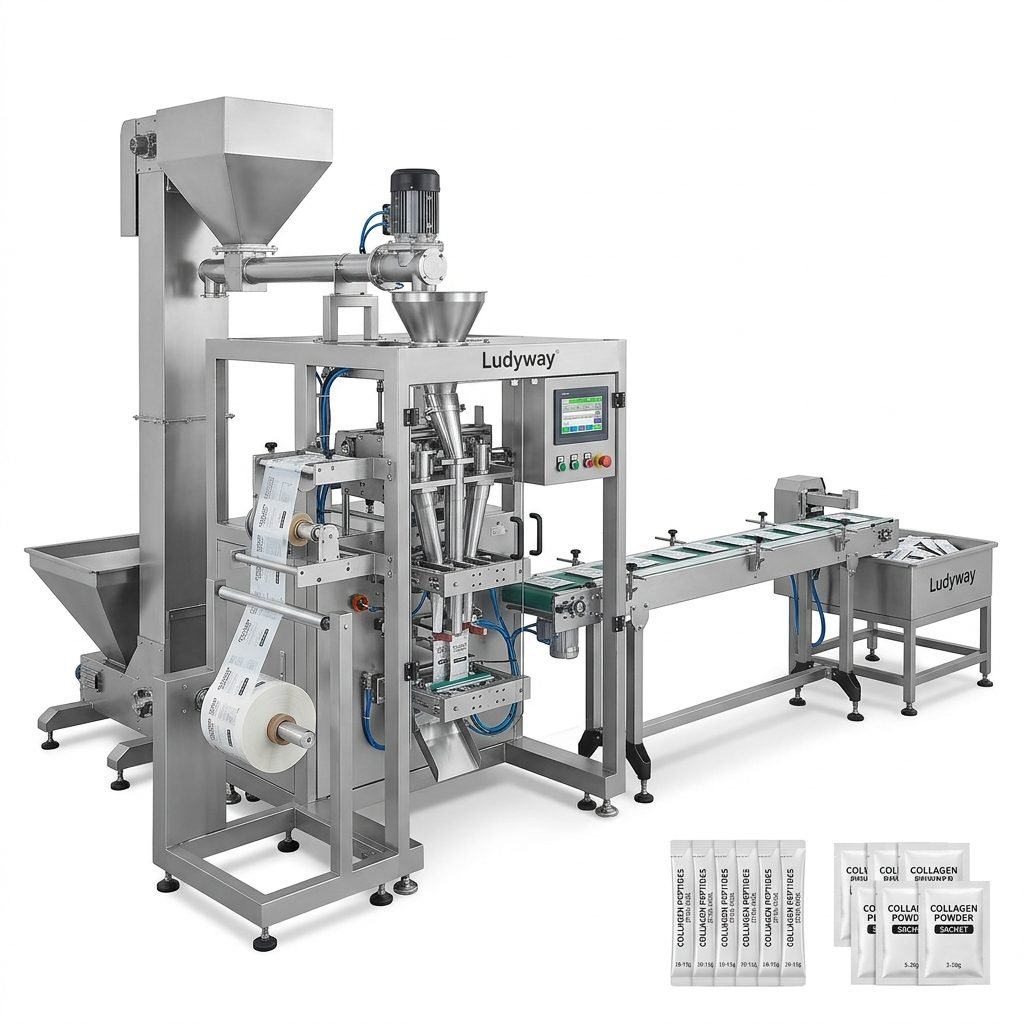
For liquid, paste, powder, and granule products, aluminum foil laminated films are often processed on vertical or multi-lane packaging systems. These machines form, fill, and seal compact single-dose packs used for seasonings, sauces, drink mixes, sugar, coffee, supplements, and instant food products.
4. Premade Pouch Filling and Sealing Machines
These systems handle premade foil pouches for products requiring a premium look, stronger barrier performance, or easy-open convenience. They are suitable for sauces, frozen foods, pet food, powders, and specialty ingredients.
Key Functions: Sealing, Wrapping, and Filling in One Efficient Workflow
A high-performance aluminum foil packaging machine should support smooth coordination across the most important packaging stages. Instead of treating sealing, wrapping, and filling as separate operations, modern automation integrates them into one controlled production workflow.
| Function | Purpose | Typical Applications |
|---|---|---|
| Sealing | Creates airtight and leak-resistant closure | Trays, cups, bottles, sachets, pouches |
| Wrapping | Protects product surface and improves presentation | Butter, chocolate, cheese, snack bars |
| Filling | Accurately doses product into packaging material | Powders, granules, liquids, sauces, pastes |
| Coding | Adds batch, date, and traceability information | Retail food, medical, export packaging |
| Inspection | Checks weight, seal quality, and contamination | High-standard automated production lines |
When these functions are integrated effectively, manufacturers can reduce downtime, improve packaging consistency, and achieve more predictable production planning.
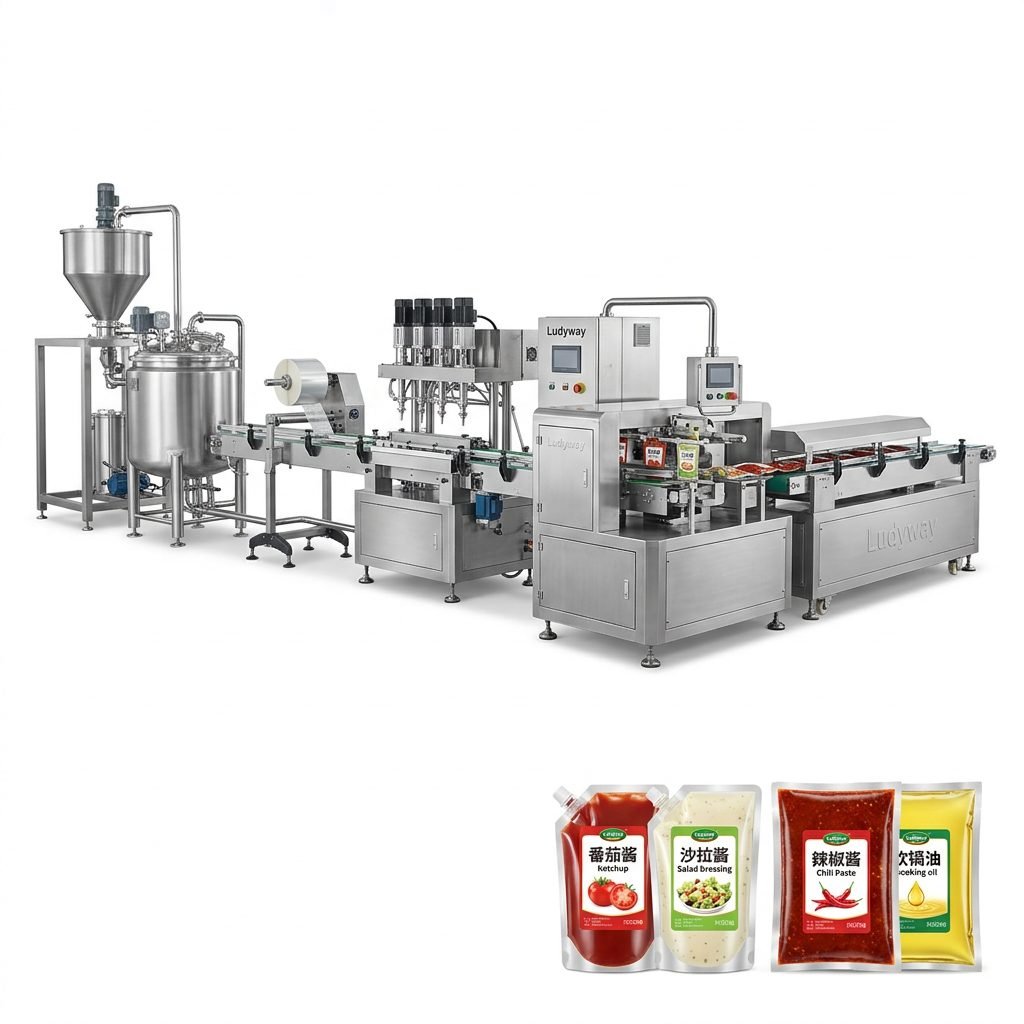
Advantages of Using an Automated Aluminum Foil Packaging Machine
Automation changes packaging from a labor-heavy process into a controlled, scalable production system. For growing food businesses and industrial manufacturers, the benefits go well beyond speed.
-
Higher production efficiency
Automated systems can package large volumes in less time while maintaining consistent seal quality and fill accuracy. -
Better product protection
Proper foil sealing reduces the risk of leakage, contamination, and early spoilage. -
Lower labor dependence
Fewer manual steps help reduce operator fatigue and improve line stability. -
Improved packaging consistency
Uniform seals and repeatable packaging dimensions support brand image and downstream logistics. -
Reduced material waste
Accurate film control and filling precision help minimize packaging loss and product overfill. -
Easier compliance with hygiene standards
Food-grade machine design and controlled packaging environments help meet quality requirements.
Common Food Products Packed with Aluminum Foil Machines
Aluminum foil packaging equipment is suitable for a broad range of food segments. Selection depends on whether the product is dry, wet, free-flowing, viscous, fragile, or temperature-sensitive.
| Product Category | Suitable Packaging Format | Recommended Machine Type |
|---|---|---|
| Sauces and condiments | Sachets, pouches, cups | Liquid filling and foil sealing systems |
| Milk powder and beverage powder | Stick packs, sachets, pouches | Multi-lane powder packaging machines |
| Coffee and sugar | Single-serve sachets and sticks | Granule packaging machines |
| Butter, cheese, chocolate | Foil wraps | Foil wrapping machines |
| Ready meals and trays | Tray lidding with foil | Tray sealing machines |
| Spices and seasoning blends | Sachets and stick packs | Multi-lane sachet packaging systems |
What to Consider Before Choosing a Machine
Not every aluminum foil packaging machine is suitable for every product. The best solution depends on a combination of packaging material, production targets, and technical requirements.
Product Characteristics
- Is the product liquid, paste, powder, or granule?
- Does it foam, drip, settle, or clump during filling?
- Is it sensitive to oxygen or moisture?
Packaging Format
- Do you need sachets, stick packs, pouches, trays, cups, or bottle seals?
- Should the package be easy-tear, shaped, or retail-ready?
- Will foil be used alone or as part of a laminated structure?
Production Capacity
- Required packs per minute or per hour
- Current demand versus future expansion
- Need for continuous operation in multi-shift production
Seal Quality Requirements
- Leak-proof sealing for liquids and semi-liquids
- Hermetic closure for oxygen-sensitive products
- Stable sealing despite product dust or viscosity variation
Integration with Other Equipment
Many buyers benefit from a complete packaging line rather than a standalone machine. Integration may include feeders, conveyors, coding systems, checkweighers, cartoners, case packers, and palletizing units.
How Machine Design Affects Packaging Performance
A good aluminum foil packaging machine is not defined by speed alone. Design details strongly influence long-term production reliability.
- Precise temperature control for reliable sealing across different foil structures
- Stable film tracking to prevent misalignment and seal defects
- Accurate dosing systems for consistent product weight or volume
- Food-grade contact parts for hygienic production
- User-friendly controls for fast changeover and easy operation
- Modular construction for upgrades and future line expansion
This is particularly important for companies running multiple SKUs, seasonal packaging changes, or private-label production. Flexible machinery helps reduce changeover delays and keeps production planning more efficient.
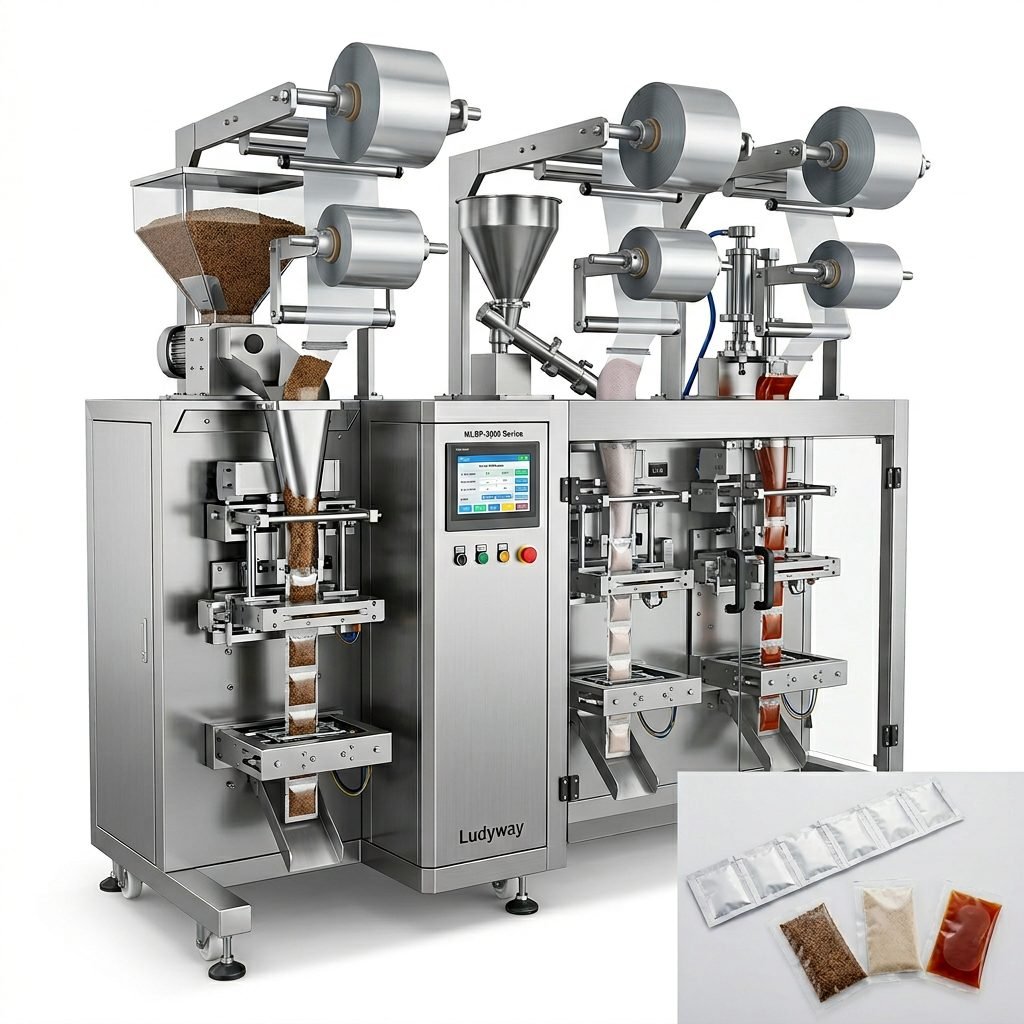
Benefits of Turnkey Packaging Lines
For medium and large manufacturers, a single machine may solve only part of the challenge. A turnkey line offers broader control from product feeding to final case packing. This reduces coordination risks between separate vendors and improves overall line efficiency.
As one of China’s leading packaging machine and turnkey packaging line manufacturers, Ludyway aluminum foil packaging machine solutions support applications across food, pharmaceutical, health supplement, cosmetic, and related industries. With more than 30 years of manufacturing experience, a factory of over 20,000 square meters, and exports to more than 100 countries and regions, the company is often selected by buyers looking for scalable automation, customized machine configurations, and integrated packaging line support.
Typical Turnkey Line Components
- Automatic feeding and conveying systems
- Filling and foil sealing machines
- Sachet, stick pack, or pouch packaging units
- Date coding and printing systems
- Checkweighing and inspection equipment
- Cartoning, case packing, and palletizing modules
Industries Beyond Food That Use Foil Packaging Equipment
Although food packaging is a major application, aluminum foil packaging machines are also widely used in sectors that require strong product protection and secure sealing.
- Pharmaceutical powders, liquids, and unit-dose sachets
- Health supplements and nutraceutical powders
- Cosmetic creams, gels, serums, and sample packs
- Chemical products needing moisture-resistant packaging
- Single-use hygiene and personal care products
The same core advantages apply: stronger barrier properties, cleaner packaging presentation, and dependable sealing results under automated production conditions.
Maintenance Tips for Long-Term Efficiency
Even the most advanced machine requires proper maintenance to preserve sealing quality and production uptime. Preventive care reduces emergency stoppages and protects packaging consistency.
- Clean sealing jaws and product contact parts regularly
- Check temperature settings and sealing pressure routinely
- Inspect film tracking systems for wear or misalignment
- Calibrate filling devices to maintain dosing accuracy
- Replace wear parts before they affect package quality
- Train operators on correct setup and changeover procedures
How to Improve ROI from an Aluminum Foil Packaging Machine
Return on investment improves when the machine is matched correctly to real production needs. Oversized equipment can waste capital, while undersized equipment can limit growth and increase labor dependence.
To maximize ROI, focus on these points:
- Choose the right speed range for both current orders and future expansion
- Use packaging materials compatible with your sealing method and product type
- Invest in automation where labor savings are highest
- Reduce changeover time if you manage many SKUs
- Consider line integration to eliminate bottlenecks before and after packaging
Final Thoughts on Choosing the Right Solution
The right aluminum foil packaging machine can do much more than seal a package. It can protect product quality, improve packaging appearance, reduce waste, and support the transition from manual handling to reliable automation. For food manufacturers especially, that means longer shelf life, better hygiene control, and stronger competitiveness in retail and export markets.
Whether you need foil sealing for trays, wrapping for individual products, or high-speed sachet and pouch packaging for powders, granules, liquids, and sauces, the most effective solution is one that matches your product characteristics, production goals, and future expansion plans. A well-designed machine or turnkey line helps create a packaging process that is not only fast, but also stable, hygienic, and commercially efficient.