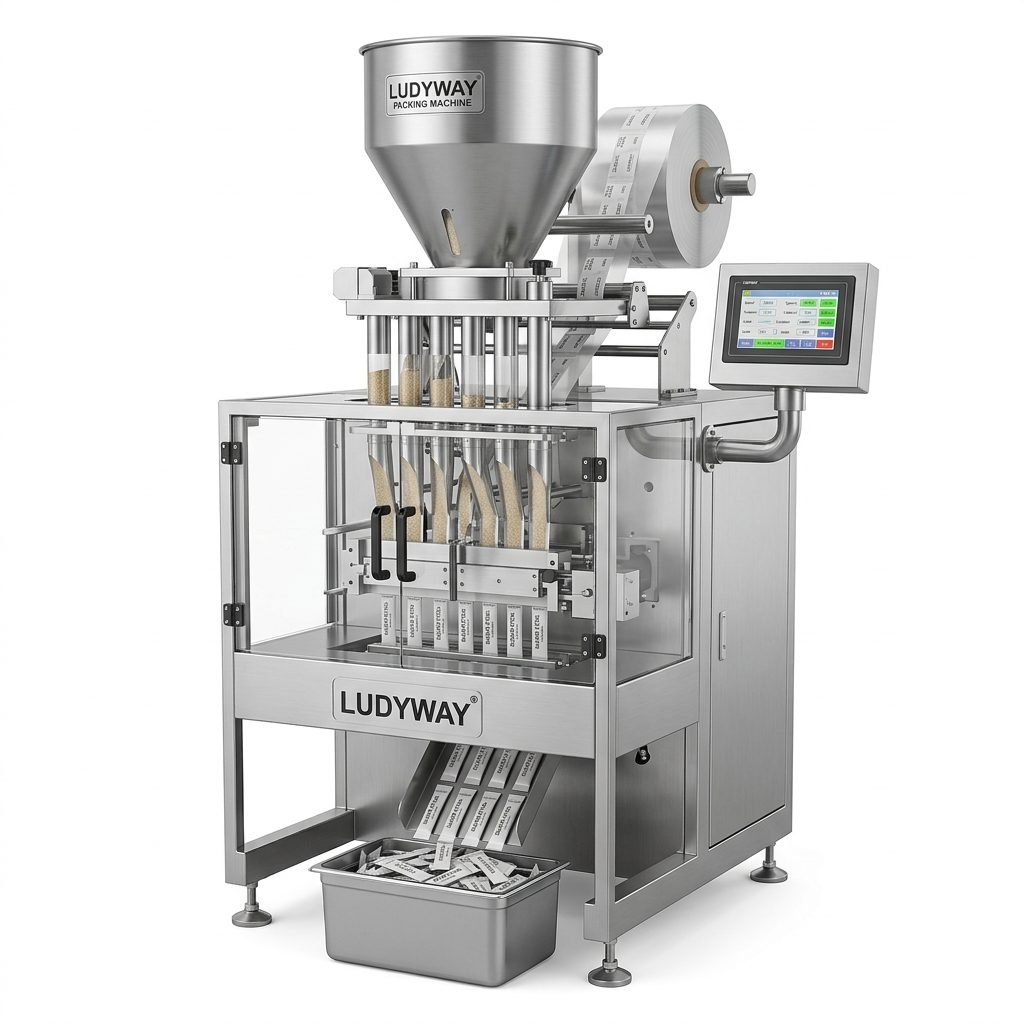
Choosing the right Alloyd blister packaging machine is a critical decision for any pharmaceutical, nutraceutical, or consumer goods manufacturer. The efficiency, reliability, and flexibility of your blister packing line directly impact product quality, production costs, and overall operational success. This guide will walk you through the key considerations for selecting the optimal model and provide actionable strategies to optimize your entire packaging process.
Understanding Alloyd Blister Packaging Machines
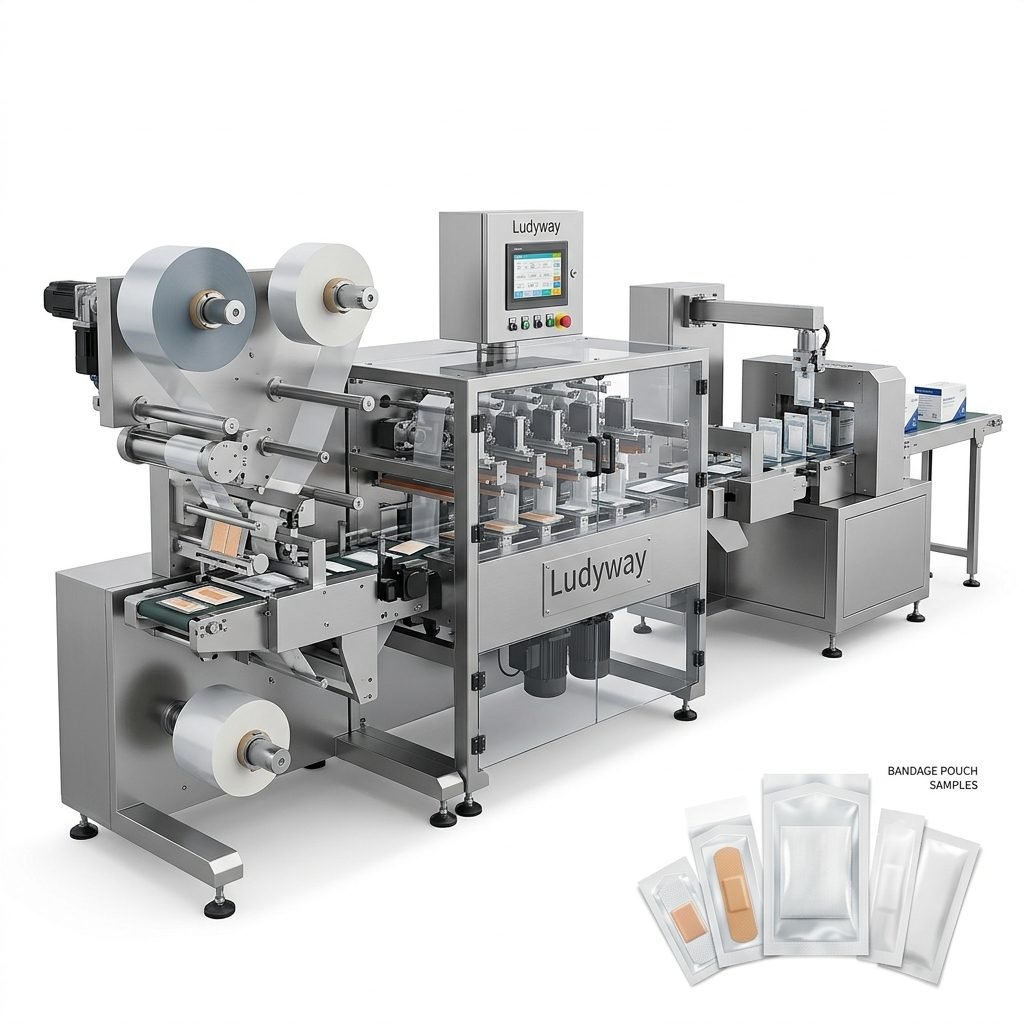
Alloyd blister machines form, fill, and seal individual product cavities within a continuous web of plastic film (the blister) and a backing material (usually foil or card). This process creates the familiar, secure, and user-friendly packaging seen for tablets, capsules, lozenges, and small electronic components.
Core Components of a Blister Line
A complete blister packaging line typically integrates several key stations:
- Film Unwinding & Heating: The thermoplastic film (like PVC or A-PET) is fed and heated to a pliable state.
- Blister Forming: The heated film is molded into cavities using a forming die (often with plug assist for deep draws).
- Product Feeding & Loading: Products are accurately counted and transferred into the formed cavities. This can be via vibratory feeders, robotic pick-and-place, or manual loading stations.
- Lidding & Sealing: A lidding material (foil) is applied over the filled blister web and sealed under heat and pressure.
- Perforation & Cutting: The continuous sealed web is perforated into strips or cut into individual blisters (singulated).
How to Choose the Right Model: A Step-by-Step Framework
Selecting a machine is not just about speed; it’s about matching technology to your specific product, output goals, and future needs.
Step 1: Analyze Your Product Specifications
The physical characteristics of your product dictate many machine requirements.
Key Questions to Answer:
• Product Size & Shape: What are the dimensions of the tablet, capsule, or item? Irregular shapes may require special feeding mechanisms.
• Blister Cavity Size & Depth: This determines the required forming die design and film draw capabilities.
• Film & Lidding Material: Are you using standard PVC/Aluminum, or more specialized barrier films like A-PET/ALU? The machine must handle your material combination’s sealing properties.
• Special Features: Do you need child-resistant locking tabs, easy-open features, or specific perforation patterns?
Step 2: Define Your Production Requirements
Capacity planning is essential for ROI. Consider both current and projected future volumes.
Output Speed (Blisters per Minute): Match machine speed to your required daily output, factoring in efficiency losses. Don’t over-specify for a speed you’ll never use.
Line Flexibility: Will you run multiple product sizes or formats on the same line? If so, prioritize machines with quick-change tooling (forming dies, feeding heads) and easy programming adjustments.
Automation Level: Evaluate your labor costs and consistency needs. Basic models may require manual loading, while fully automated lines integrate product feeders, inspection systems, and downstream cartoning.
Step 3: Evaluate Critical Machine Features & Technology
Beyond speed, these features determine long-term performance and uptime.
- Forming Technology: Rotary versus intermittent motion. Rotary systems often offer higher, smoother speeds for standard products.
- Sealing System: Look for precise, controllable heat and pressure application to ensure consistent seal integrity without damaging the product.
- Control System & HMI: A modern, intuitive Human-Machine Interface (HMI) with recipe storage, diagnostic alerts, and production data logging simplifies operation and maintenance.
- Changeover Capability: Time spent changing formats is non-productive time. Seek systems with tooling that changes in minutes, not hours.
- Integrated Inspection: Consider machines that offer or can easily integrate 100% inspection systems for missing products, mis-seals, or damaged blisters.
Step 4: Consider Operational & Support Factors
The machine’s ecosystem is as important as the hardware.
Footprint & Utilities: Does it fit your available floor space? What are its power, compressed air, and cooling requirements?
Maintenance & Accessibility: Is the machine designed for easy cleaning, lubrication, and part replacement? Good access reduces maintenance downtime.
Supplier Expertise & Support: Choose a supplier with deep application knowledge, proven spare parts availability, and responsive technical support. Their experience can prevent costly mistakes.
Optimizing Your Blister Packaging Line
Once the right machine is installed, continuous optimization maximizes its value.
Optimization 1: Fine-Tune Machine Parameters for Your Materials
Even with standard materials, slight adjustments can yield significant gains.
Key Parameters to Monitor & Adjust:
• Forming Temperature & Time: Achieve crisp, consistent cavities without film thinning or weakening.
• Sealing Temperature, Pressure & Time: Ensure a hermetic, compliant seal without burning the lidding or distorting the blister.
• Web Tension & Alignment: Proper tracking prevents misalignment between film and foil, which causes sealing faults.
Document optimal settings for each product/material combination as a “Golden Recipe” to ensure quick, perfect start-ups.
Optimization 2: Implement Robust Quality Control Checks
Quality should be built into the process, not just tested at the end.
In-Line Inspection: Integrate vision systems to check for missing products, seal integrity, and correct printing alignment. Reject defects immediately to avoid waste downstream.
Regular Sampling & Testing: Perform scheduled destructive tests (e.g., seal strength, burst tests) and non-destructive checks (e.g., leak tests) to validate ongoing process stability.
Optimization 3: Streamline Material Handling & Changeovers
Reduce non-value-added time associated with setup and material logistics.
Standardize Tooling Storage: Organize forming dies, feeding heads, and change parts near the line with clear labeling.
Pre-stage Materials: Have film and foil rolls ready at the line before a changeover begins to minimize machine idle time.
Create & Follow SOPs: Develop detailed Standard Operating Procedures for changeovers, start-up, and shutdown. This ensures consistency and reduces errors.
Optimization 4: Focus on Preventive Maintenance
A proactive maintenance culture prevents unplanned stoppages.
- Follow the Manufacturer’s Schedule: Adhere to recommended lubrication, calibration, and part replacement intervals.
- Track Key Performance Indicators (KPIs): Monitor metrics like Overall Equipment Effectiveness (OEE), which combines availability, performance, and quality rates. A drop in OEE signals a need for investigation.
- Train Operators on Basic Diagnostics: Empower your team to identify early signs of issues like unusual vibrations, temperature fluctuations, or minor misfeeds.
Common Questions (FAQs)
What is the typical output speed range for an Alloyd blister machine?
Speeds vary widely based on model and product complexity. Basic intermittent motion machines may produce 60-120 blisters/minute, while high-speed rotary models for simple round tablets can reach 400-600 blisters/minute. The key is to specify based on your actual net output requirement after accounting for efficiency.
Can the same machine handle different blister sizes?
Yes, most machines are designed for changeover. However, the time and complexity involved differ. Machines with quick-change tooling systems (like cassette-style forming dies and feeding heads) allow format changes in 15-30 minutes. Machines requiring manual tool bolting and major adjustment can take several hours. Flexibility is a key purchase criterion.
What are the most common causes of sealing defects?
Sealing issues often stem from incorrect temperature, pressure, or time settings for the specific film/foil combination. Other causes include misaligned webs, contaminated sealing surfaces (dust, product debris), worn or dirty sealing tools, or using off-specification materials. A systematic process of parameter optimization and maintenance is crucial.
How important is integrated vision inspection?
For regulated industries like pharmaceuticals or for high-value products, it is increasingly critical. Integrated inspection provides 100% in-line checking for critical defects, ensuring compliance and reducing the risk of costly recalls or customer complaints. It also provides valuable data for process improvement.
What should I look for in a machine supplier beyond the machine itself?
Seek a supplier with proven application experience in your product category, strong after-sales support (including spare parts inventory and remote assistance), and training capabilities. Their ability to understand your overall packaging line goals and provide a reliable, long-term partnership is as valuable as the equipment they sell.