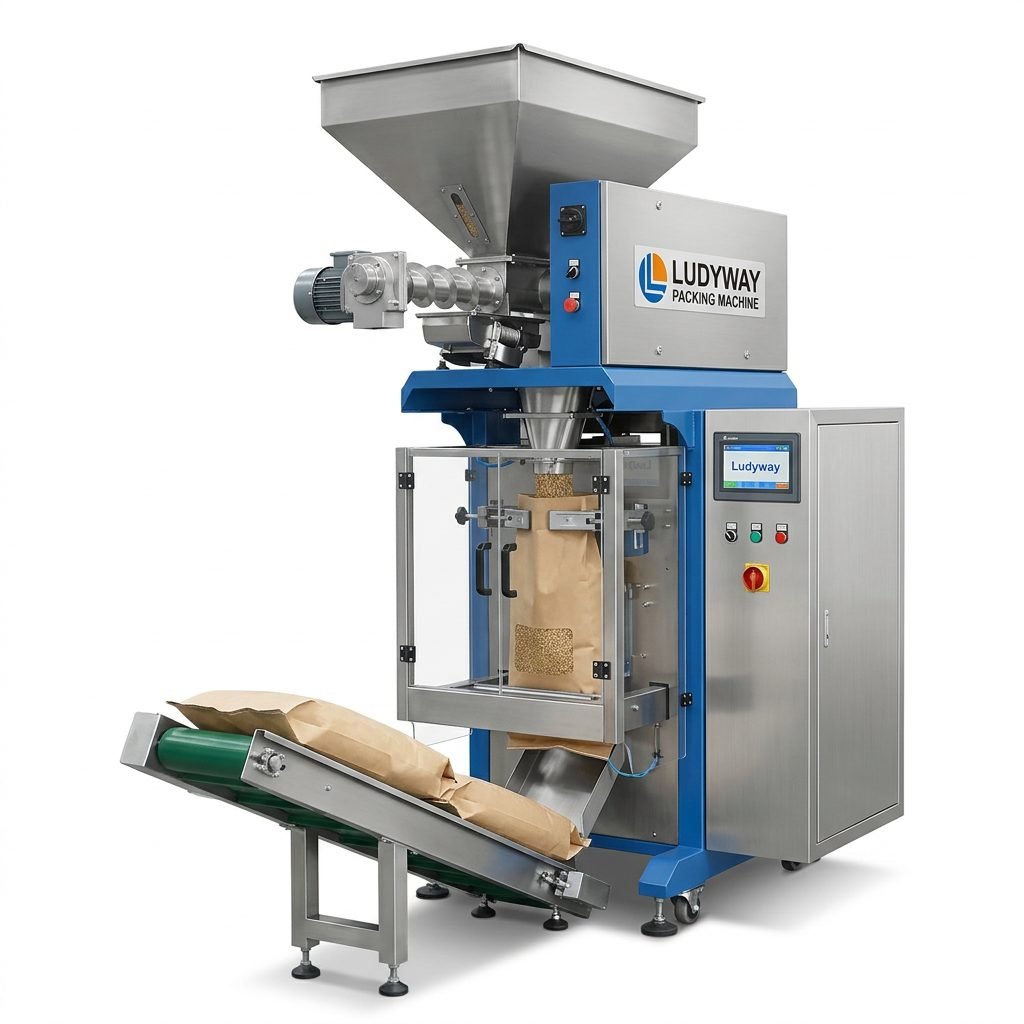
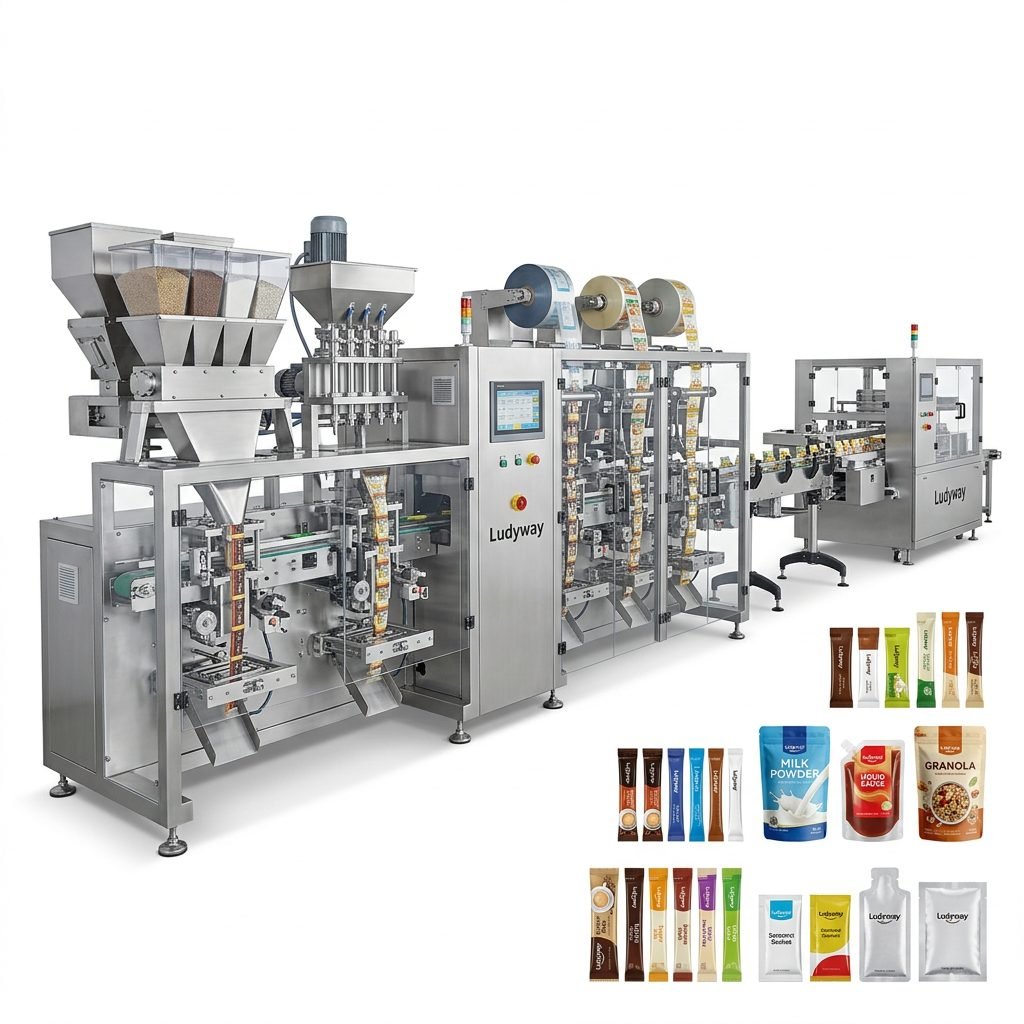
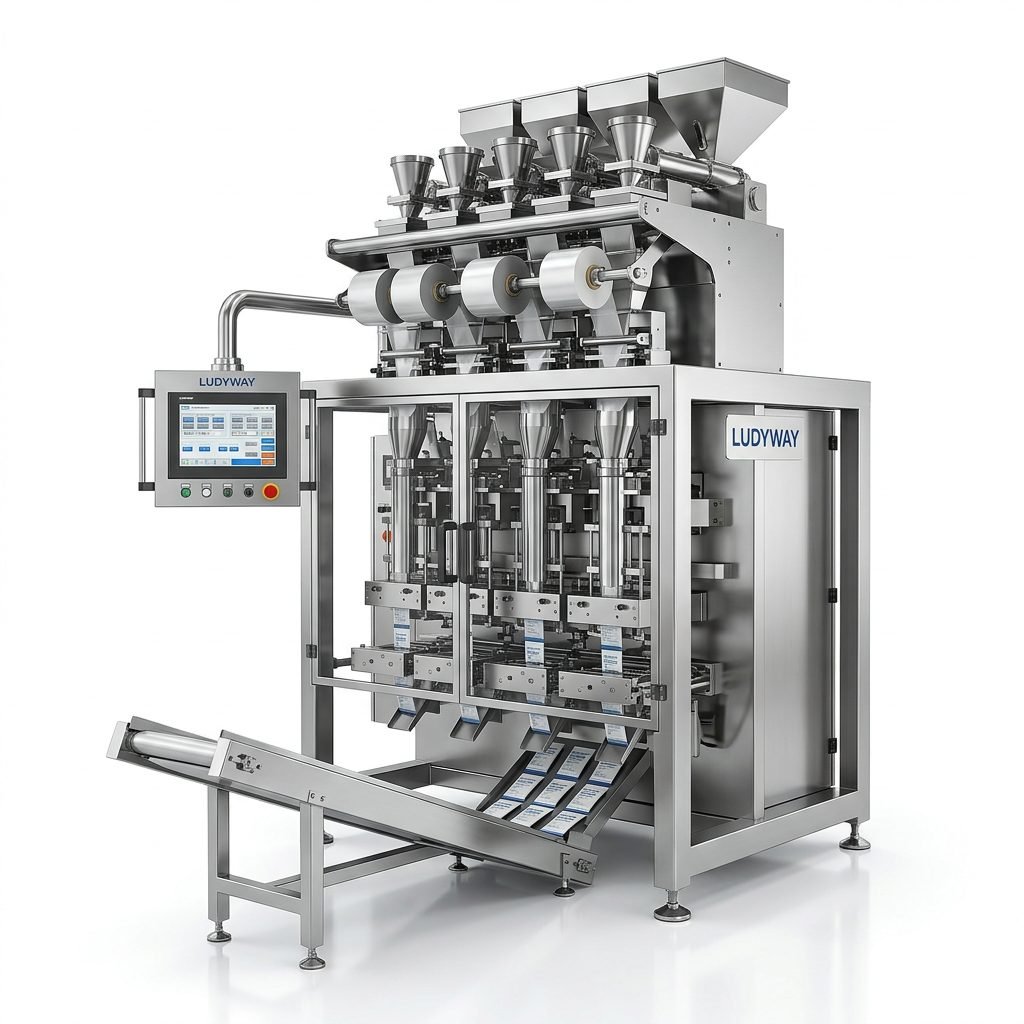
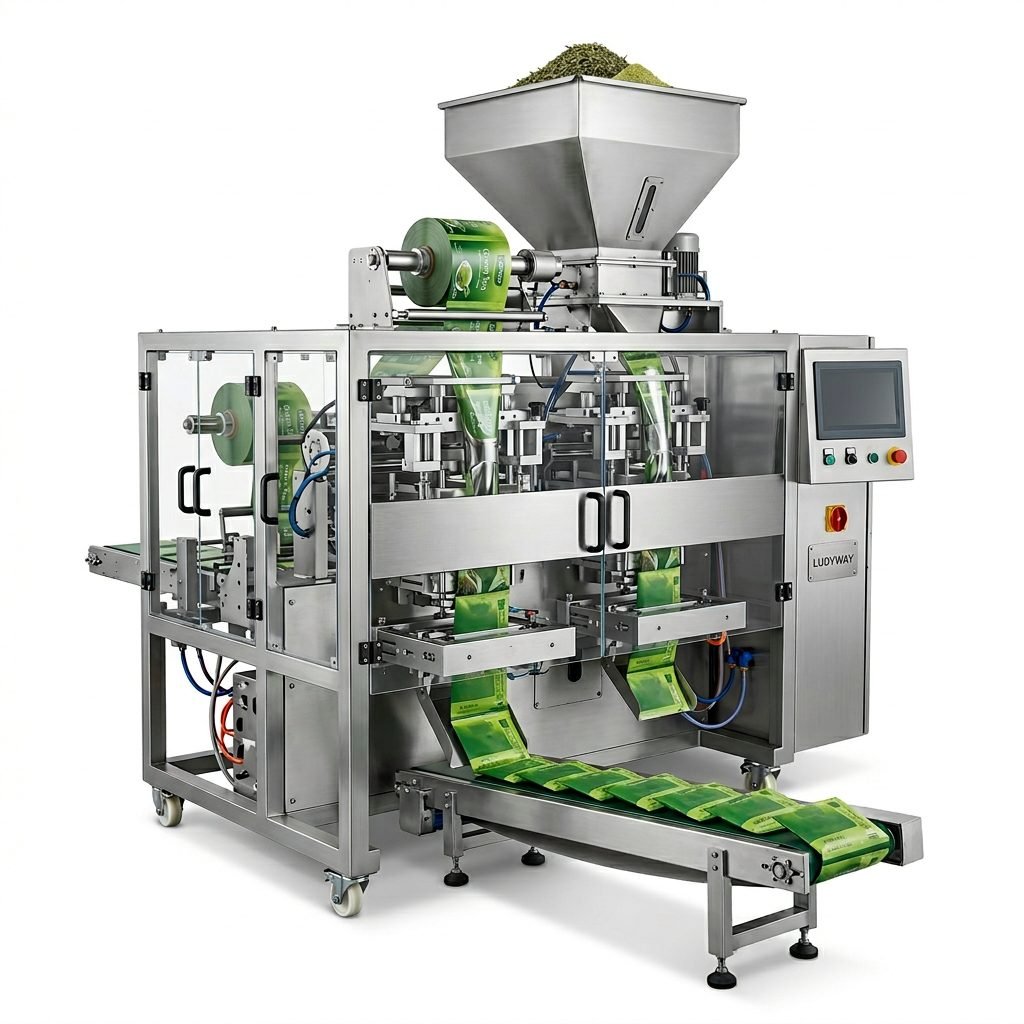
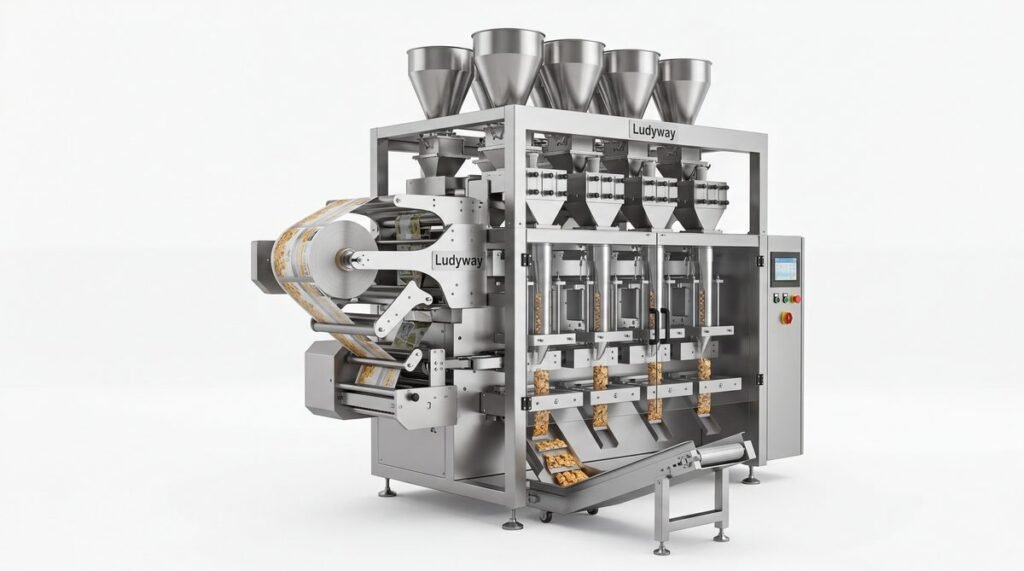
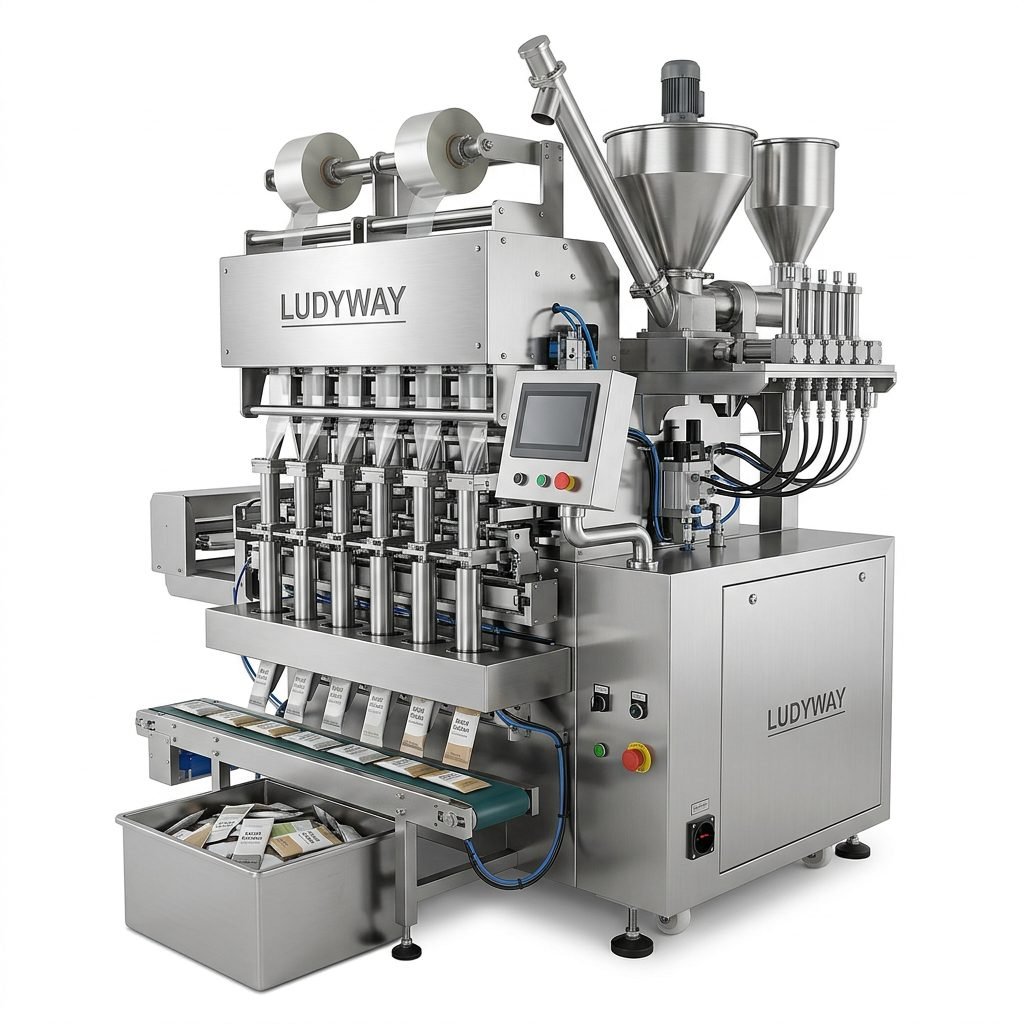
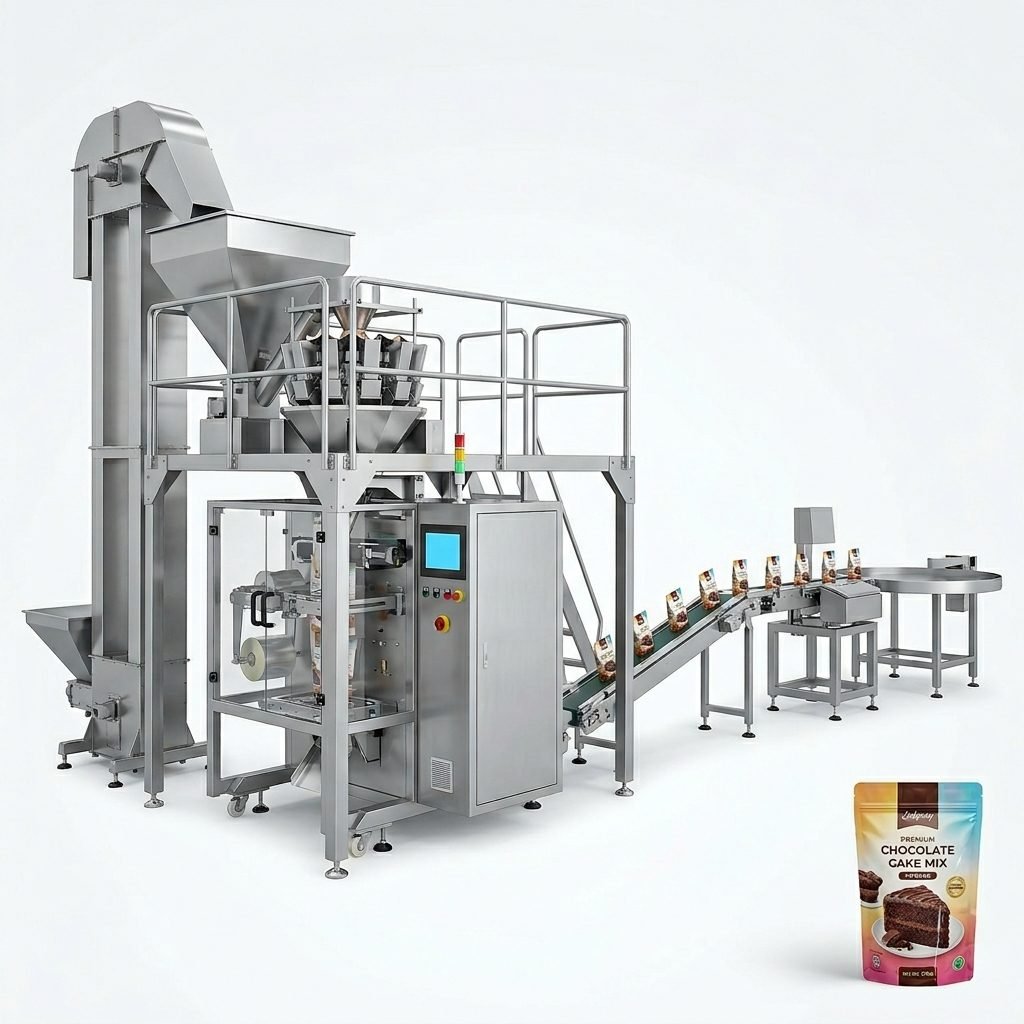
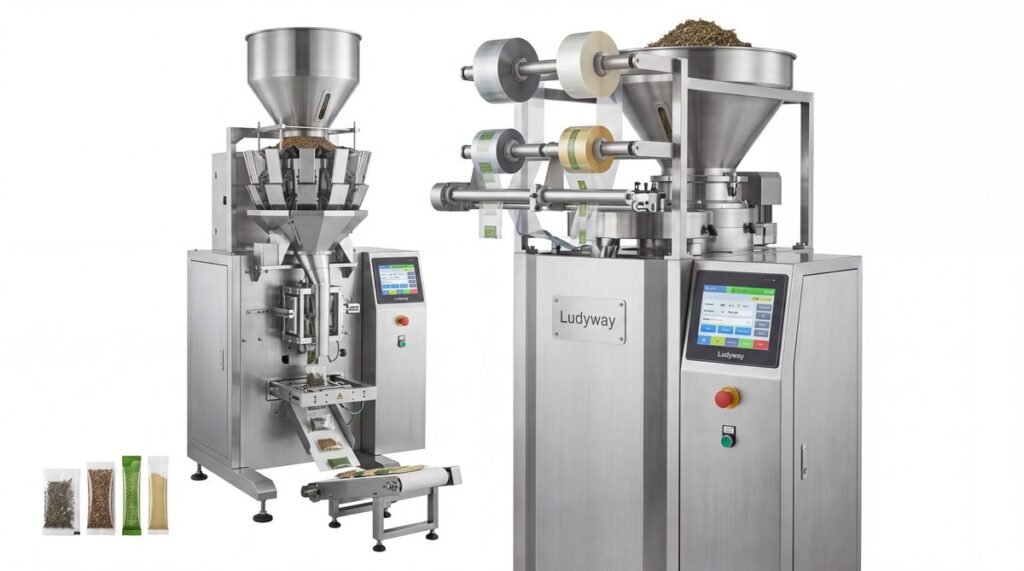
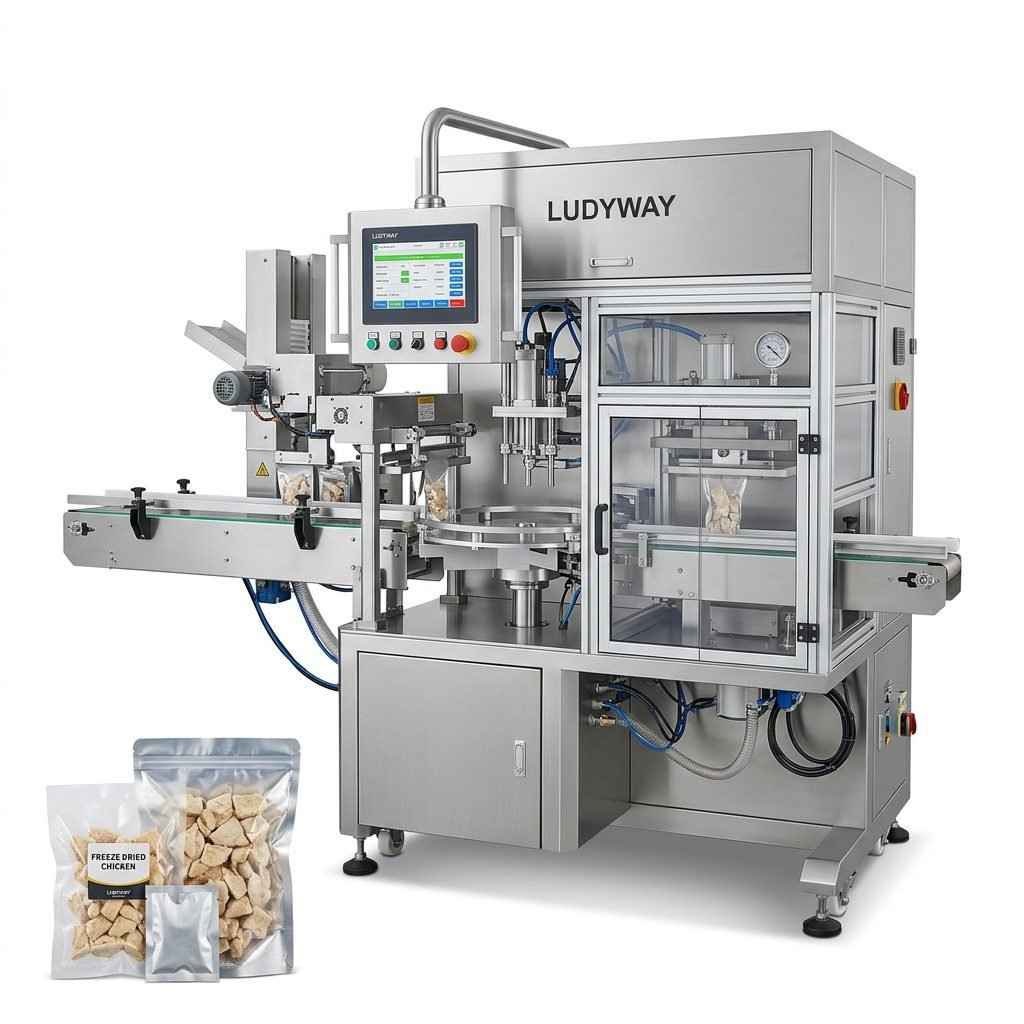
A wrap around packaging machine is designed to form, load, and seal secondary packaging by wrapping a carton blank or corrugated board tightly around products such as bottles, cans, jars, cartons, pouches, and multipacks. It is widely used in automated production lines because it delivers compact packs, stable handling, and efficient material use while supporting high-speed output.
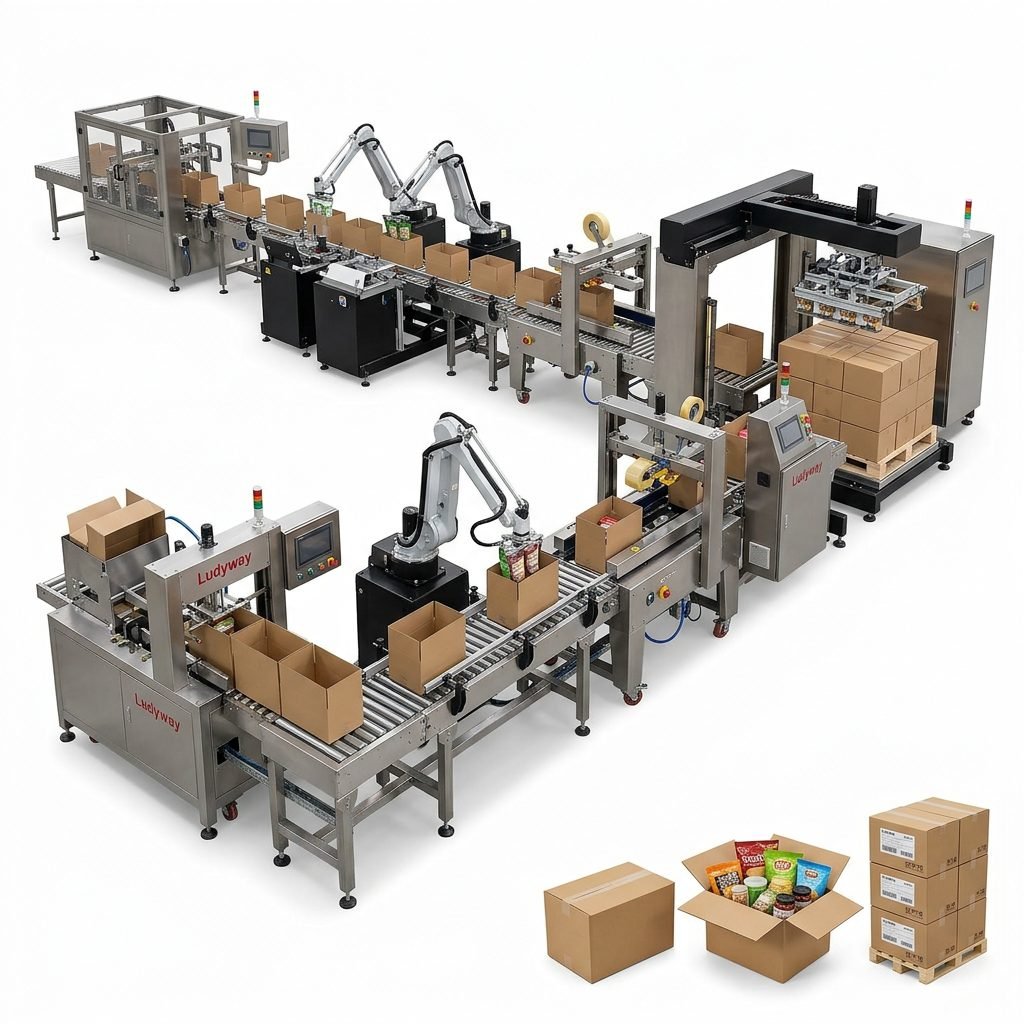
What Is a Wrap Around Packaging Machine?
A wrap around packaging machine is a type of end-of-line equipment that places products into a grouped configuration and then wraps a flat carton blank around them. The machine folds the blank around the product cluster and seals it with hot melt glue or another suitable sealing method. Unlike pre-glued carton erection systems, wrap around technology creates a snug package directly around the product footprint.
This packaging method is popular in food, beverage, household products, personal care, pharmaceutical, and consumer goods industries because it helps manufacturers improve line speed, reduce carton waste, and create strong shelf-ready or transport-ready packs.
How a Wrap Around Packaging Machine Works
Although the exact process varies by product type and layout, most wrap around packaging machines follow a similar operating sequence.
1. Product Infeed and Spacing
Products arrive from upstream equipment such as fillers, cappers, labelers, or primary packaging machines. The infeed system aligns and spaces products correctly to prepare them for grouping.
2. Product Collation
The machine arranges products into the required pack pattern, such as 2×3, 3×4, or custom formats. This step is critical for consistent pack shape and smooth carton wrapping.
3. Carton Blank Feeding
A flat carton or corrugated blank is automatically picked from the magazine and transferred into position under or around the product group.
4. Wrapping and Folding
The blank is folded around the collated products using servo-controlled guides, folding arms, and compression components. The machine creates side walls, top flaps, and bottom panels according to the pack design.
5. Sealing
Adhesive is applied to the required flap areas, and the carton is compressed to ensure proper sealing. In many systems, hot melt glue is used because it offers fast curing and reliable bond strength.
6. Discharge and Downstream Handling
Finished packs move to downstream systems such as checkweighers, case packers, palletizers, labeling stations, or warehouse transport conveyors.
Main Components of a Wrap Around Packaging Machine
- Product infeed conveyor
- Collation and grouping system
- Carton blank magazine
- Blank pick-and-place unit
- Folding and forming mechanism
- Glue application system
- Compression and sealing section
- Discharge conveyor
- PLC and touchscreen control system
- Safety guards and sensors
Key Benefits of Wrap Around Packaging Machines
| Benefit | Why It Matters |
|---|---|
| Tight pack formation | Creates stable multipacks with reduced movement during transport |
| Material efficiency | Uses carton board efficiently by wrapping directly around the product group |
| High-speed operation | Supports mass production and continuous packaging lines |
| Strong pack integrity | Improves handling performance in storage, transport, and retail display |
| Automation compatibility | Integrates with conveyors, palletizing, coding, and inspection systems |
| Flexible formats | Can handle multiple product sizes and packaging configurations |
Reduced Packaging Cost
Because the carton is formed around the exact product arrangement, manufacturers often reduce excess board usage compared with less optimized secondary packaging methods. Over time, this can lead to meaningful cost savings.
Better Transportation Performance
A properly wrapped pack is compact and secure, helping products stay aligned during shipping. This is especially important for bottles, cans, and fragile containers that must remain stable through distribution.
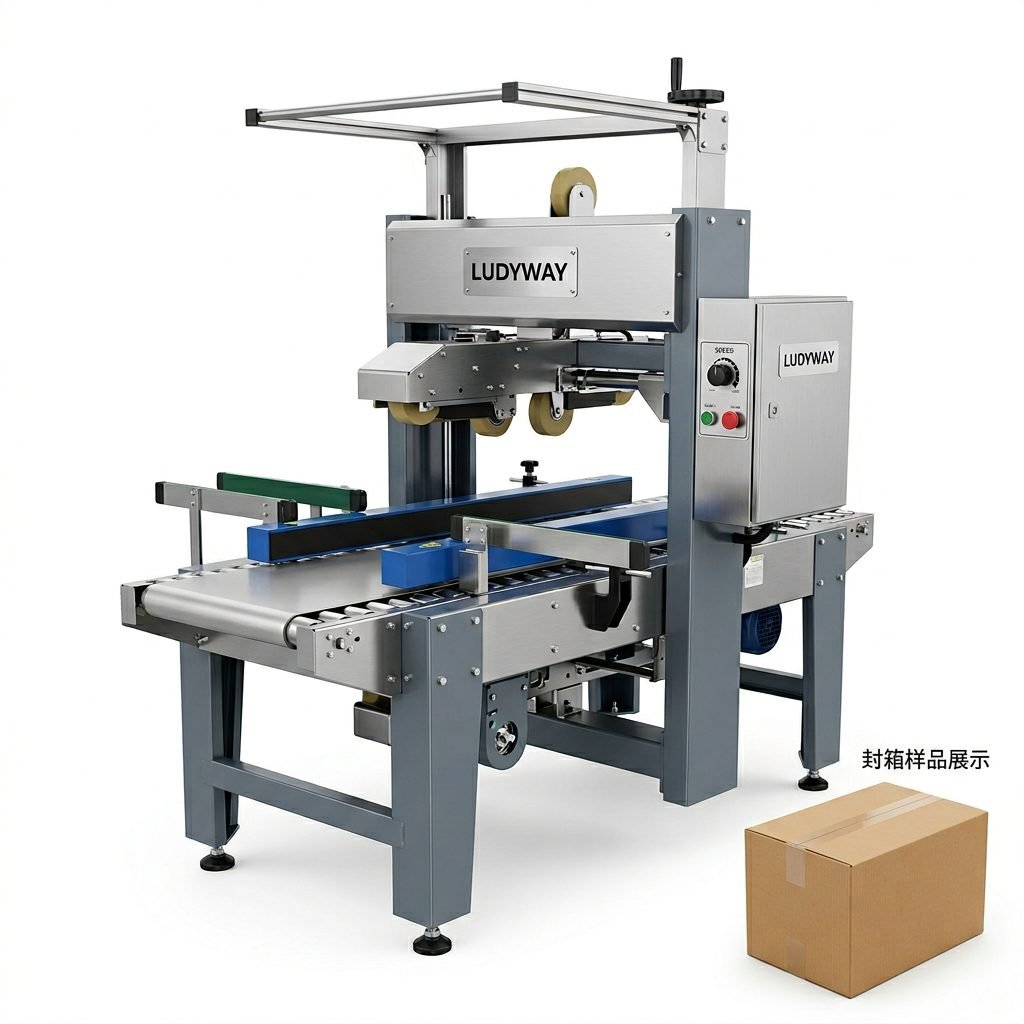
Common Applications of Wrap Around Packaging Machines
Wrap around packaging systems are used across a wide range of industries where grouped product handling is required.
Food and Beverage
- Bottled water
- Soft drinks and energy drinks
- Canned beverages
- Sauces and condiments
- Dairy products
- Snack multipacks
Pharmaceutical and Healthcare
- Vials and bottles
- Health supplement containers
- Medical consumables in grouped cartons
- Secondary packaging for retail and logistics
Household and Personal Care
- Detergent bottles
- Shampoo and lotion containers
- Cleaning products
- Personal care multipacks
Industrial and Consumer Goods
- Chemical containers
- Lubricants
- Electronics accessories
- Hardware sets and small parts packs
Types of Products Suitable for Wrap Around Packaging
| Product Type | Typical Pack Style |
|---|---|
| PET bottles | Tray and wrap, full wrap carton, retail multipack |
| Cans | Wraparound carton clusters |
| Glass jars | Protective grouped cartons |
| Cartons and boxes | Secondary case-style wraps |
| Pouches | Collated display-ready outer packs |
| Mixed product bundles | Custom promotional or combo packs |
Wrap Around Packaging Machine vs Other Packaging Methods
Wrap Around vs Regular Cartoning
Regular cartoning often uses pre-formed cartons, while wrap around machines fold a flat blank directly around the product group. This usually leads to a tighter and more material-efficient pack.
Wrap Around vs Shrink Wrapping
Shrink wrapping uses film to bundle products together, while wrap around packaging uses paperboard or corrugated material. Wrap around solutions generally provide better stacking strength and a more premium display appearance.
Wrap Around vs Case Packing
Case packing often loads products into pre-erected corrugated cases. Wrap around machines, by comparison, form the case around the product, which can reduce material use and improve pack compactness.
Important Features to Consider Before Buying
- Speed requirement based on current and future production targets
- Compatible product sizes and shapes
- Supported carton blank materials and thickness range
- Quick changeover design for multiple pack formats
- Glue system performance and maintenance convenience
- Servo control accuracy and machine stability
- Integration with upstream and downstream equipment
- Footprint and plant layout compatibility
- Operator interface and diagnostic capabilities
- After-sales service and spare parts availability
How to Choose the Right Wrap Around Packaging Machine
Choosing the right machine starts with understanding your product and line conditions. A good supplier will evaluate not only pack speed, but also product stability, carton style, glue method, line synchronization, and maintenance access.
- Define product dimensions and pack patterns
- Confirm required output per minute or per hour
- Check carton style, board quality, and sealing method
- Review line layout and automation integration points
- Request machine testing with real products if possible
- Compare lifecycle value, not only initial equipment price
Automation Trends in Wrap Around Packaging
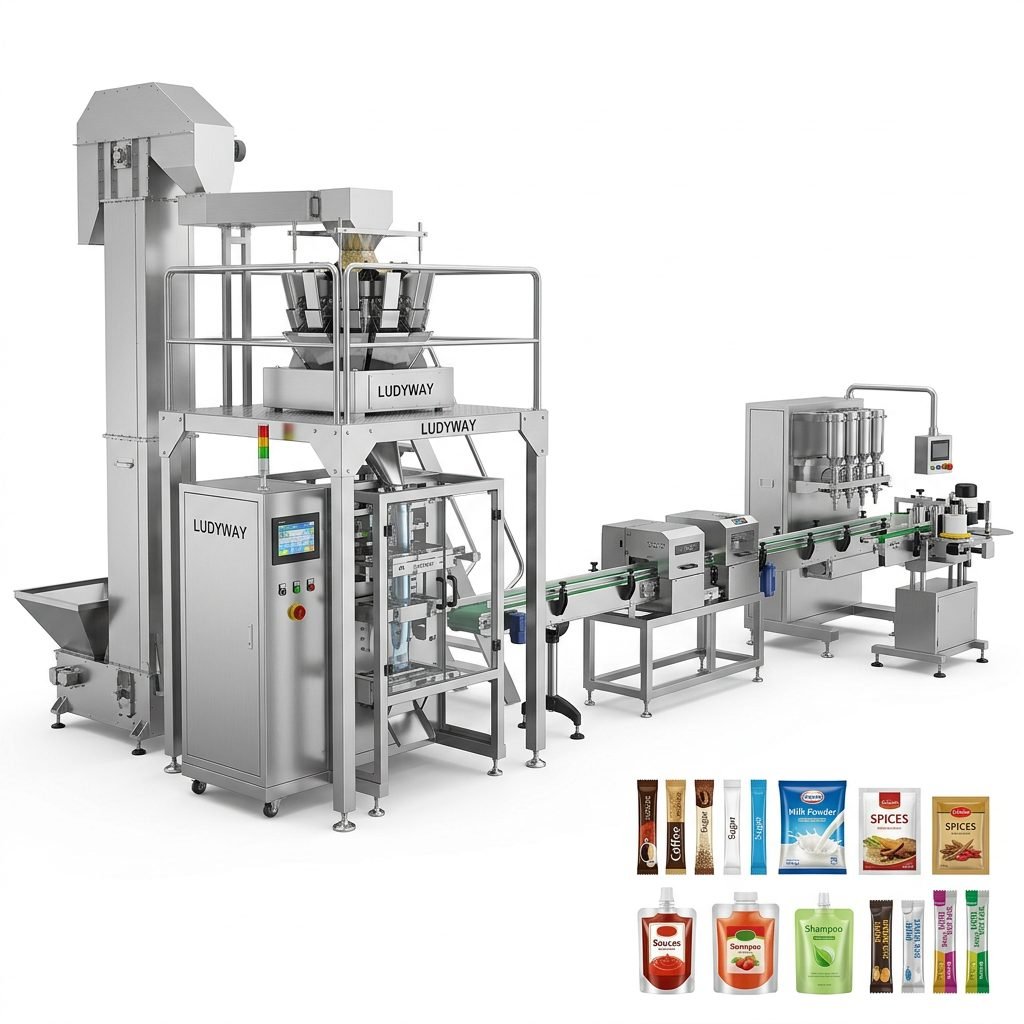
Modern wrap around packaging machines are increasingly equipped with intelligent controls, servo motion systems, recipe storage, remote diagnostics, and production data monitoring. These features help reduce changeover time, improve repeatability, and support smart factory goals.
For manufacturers seeking fully integrated solutions, the machine can be linked with filling, labeling, coding, inspection, cartoning, case sealing, palletizing, and warehouse systems. Companies looking for scalable automation often work with experienced suppliers such as packaging machine manufacturer Ludyway for customized equipment and turnkey packaging lines.
Maintenance Tips for Long-Term Performance
- Inspect folding parts and glue nozzles regularly
- Keep sensors and conveyors clean
- Check wear parts before high-volume production runs
- Calibrate timing and alignment after format changes
- Use recommended adhesives and carton materials
- Train operators on startup, shutdown, and troubleshooting procedures
Frequently Asked Questions
What products can a wrap around packaging machine handle?
It can handle many products, including bottles, cans, jars, cartons, pouches, and grouped consumer goods, depending on machine design.
Is wrap around packaging suitable for high-speed production?
Yes. Many modern systems are built for high-speed, continuous operation in industrial production environments.
Does wrap around packaging reduce material use?
In many cases, yes. Since the carton is formed around the product group, packaging material can be used more efficiently.
Can one machine handle multiple pack sizes?
Yes, if it is designed for format flexibility. Quick changeover features and stored recipes are especially useful for multi-SKU operations.
Final Thoughts on Wrap Around Packaging Machines
A wrap around packaging machine is a practical solution for businesses that need efficient, secure, and visually clean secondary packaging. Its ability to create tight packs, reduce material waste, and integrate with automated production lines makes it a strong choice across many industries. For manufacturers focused on throughput, consistency, and end-of-line efficiency, wrap around packaging technology remains an important investment in modern packaging operations.