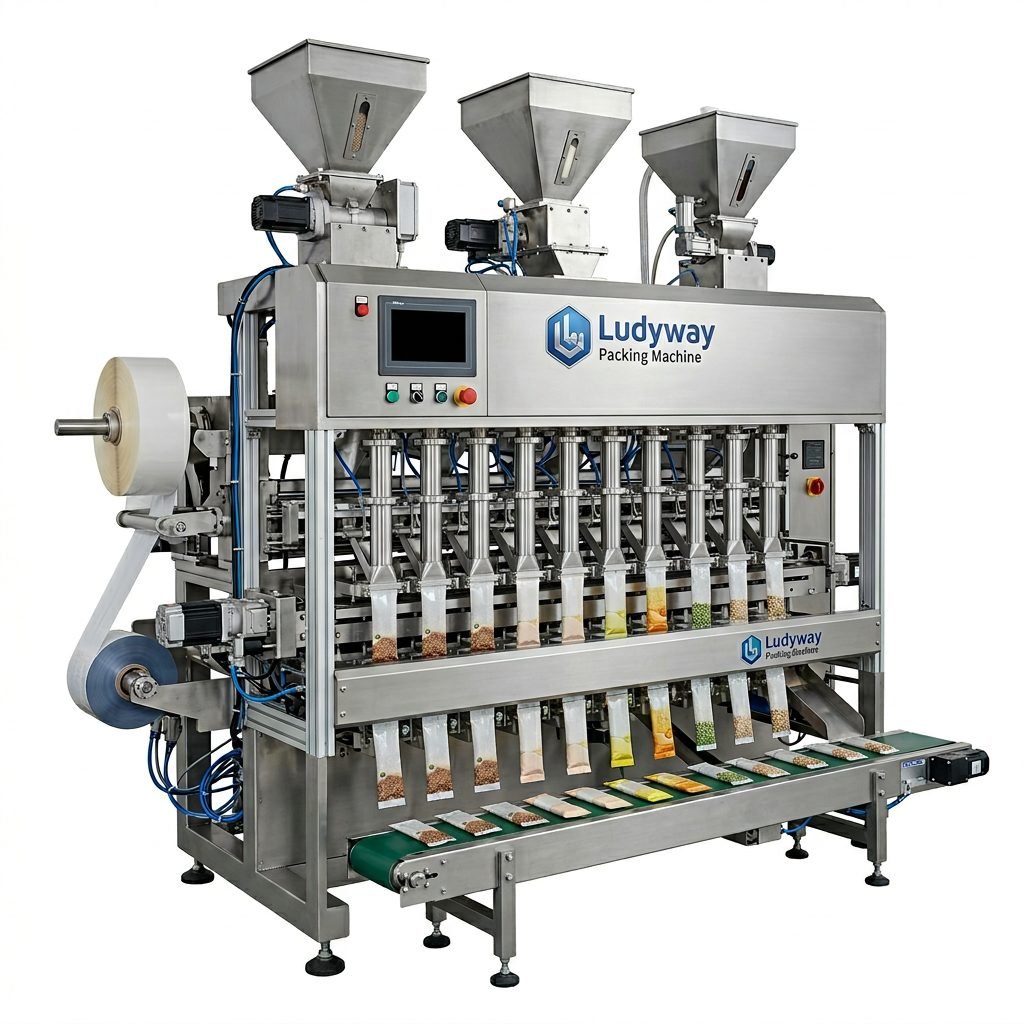
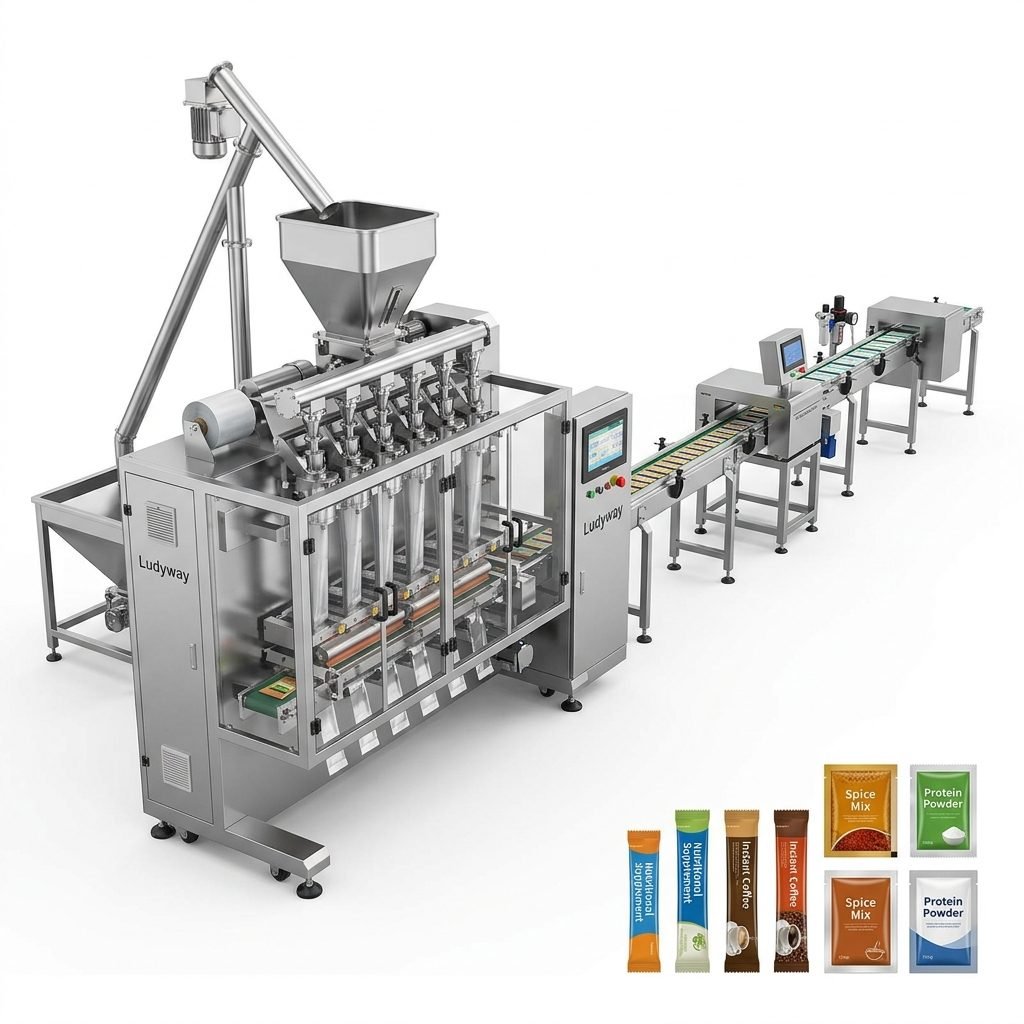
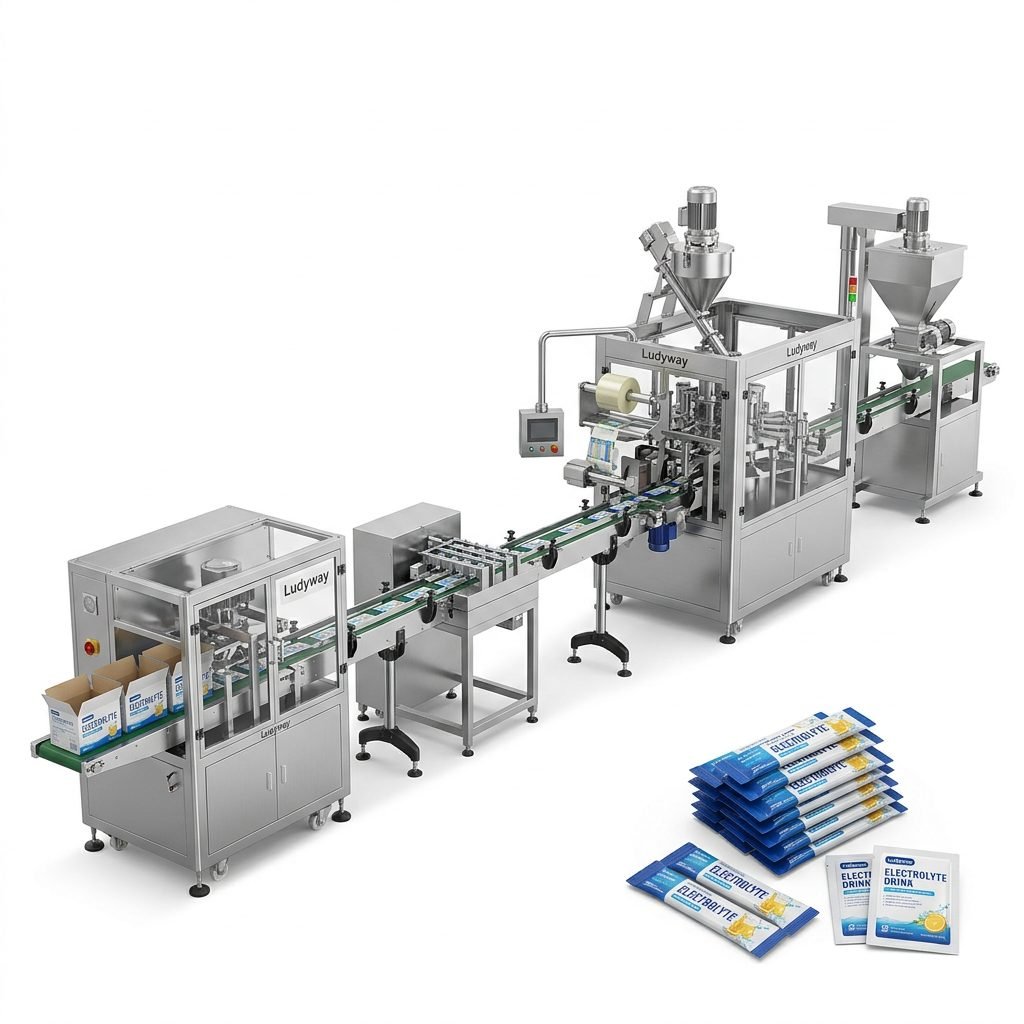
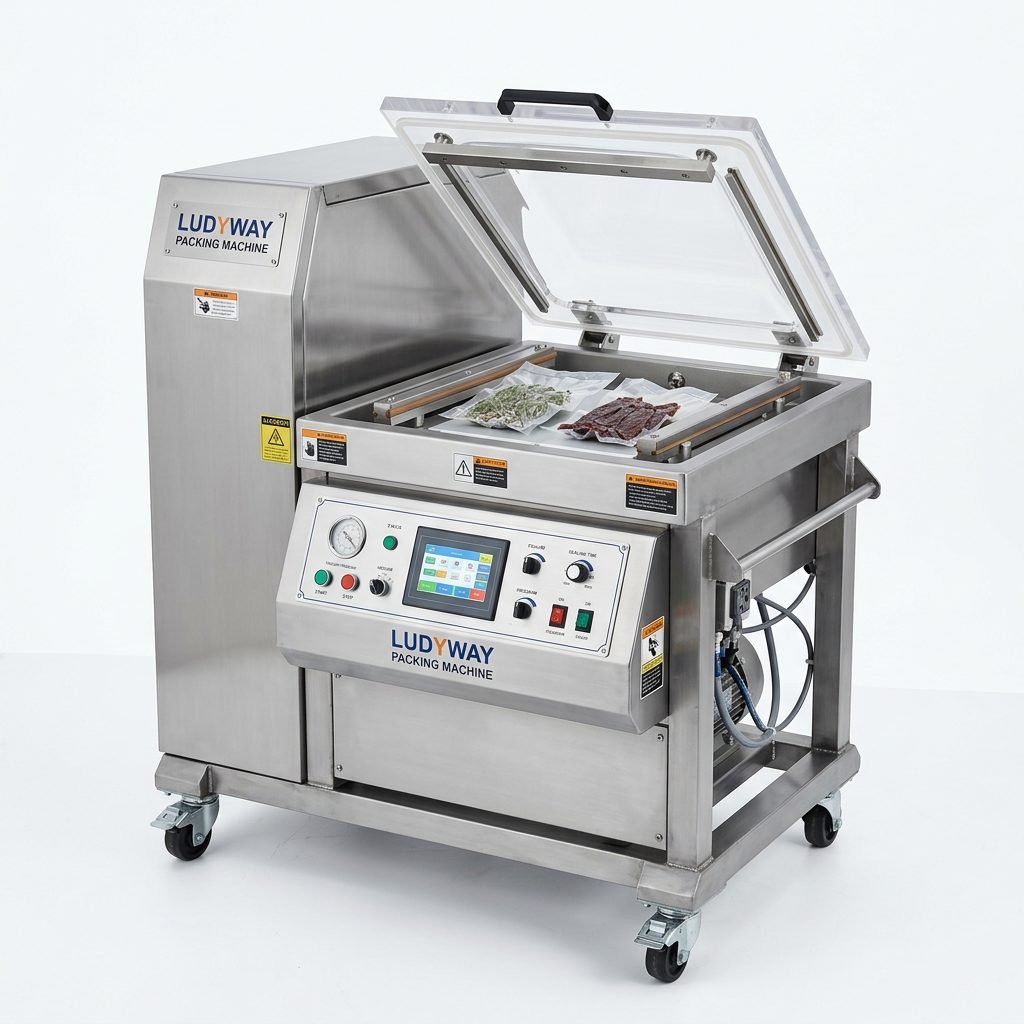
The African food processing and export market is experiencing rapid transformation. As consumers demand longer shelf life and higher product presentation standards, vacuum skin packaging (VSP) technology has emerged as a critical solution for meat, seafood, and ready-to-eat meal producers. Setting up a vacuum skin packaging machine production line in Africa requires careful planning, from facility preparation to equipment integration. This guide walks you through every essential step.
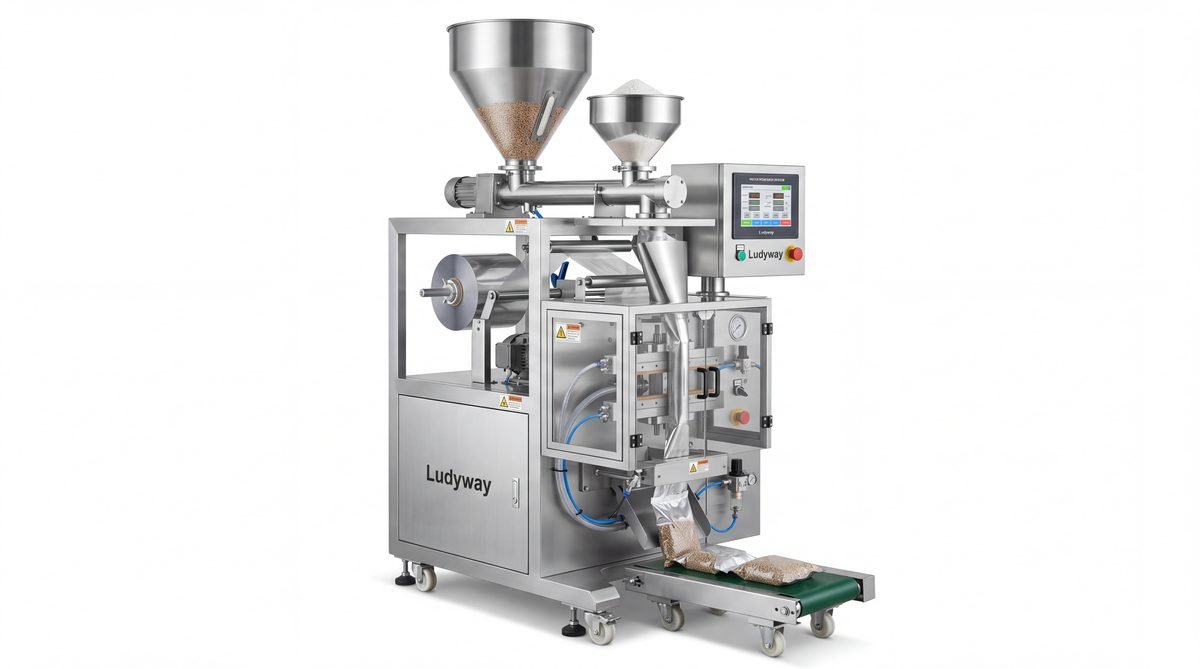
Understanding Vacuum Skin Packaging Technology
Vacuum skin packaging is a process where a product is placed on a tray or flat board, covered with a special film that is heated and vacuum-sealed tightly around the product’s contours. Unlike traditional vacuum packaging, VSP creates a second-skin effect that not only enhances product visibility but also significantly extends shelf life by removing nearly all oxygen from the package. The technology is governed by international standards including ISO 11607 for packaging validation requirements.
Key Components of a VSP Production Line
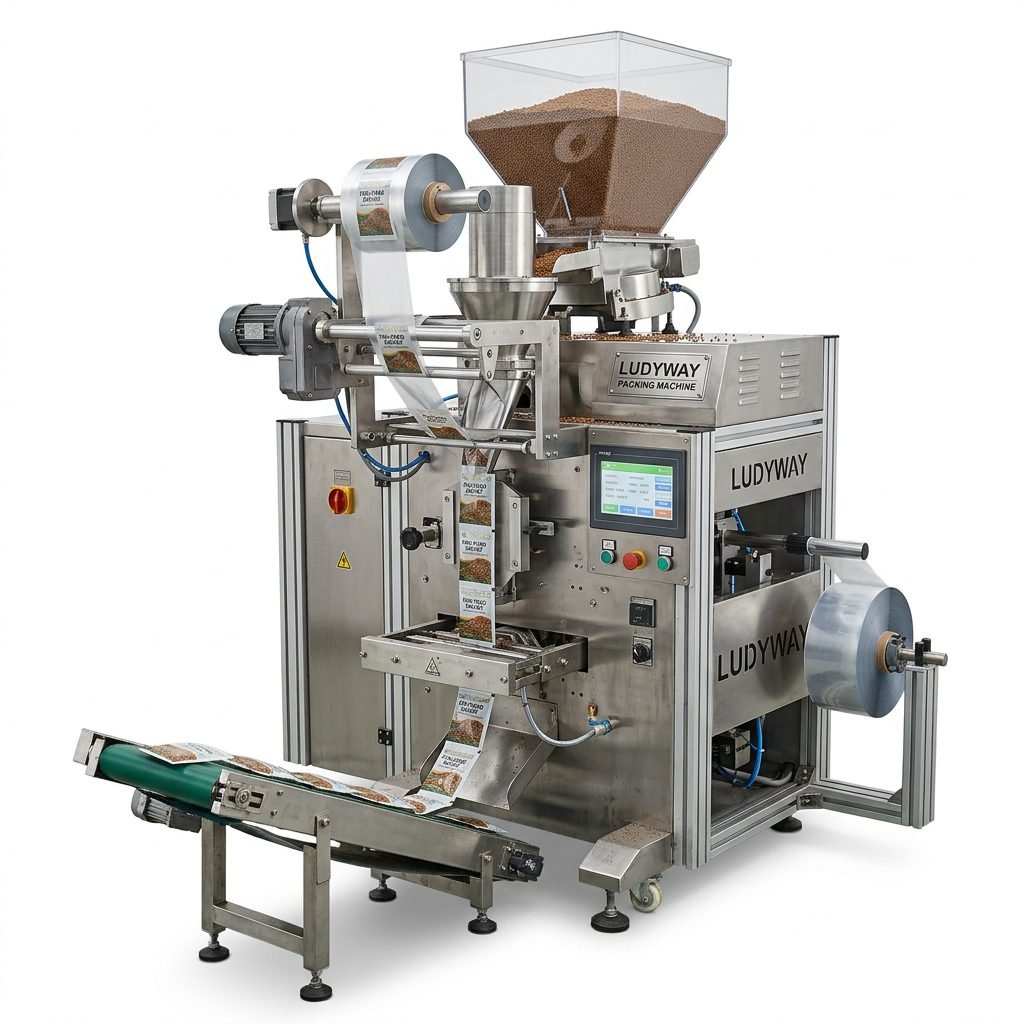
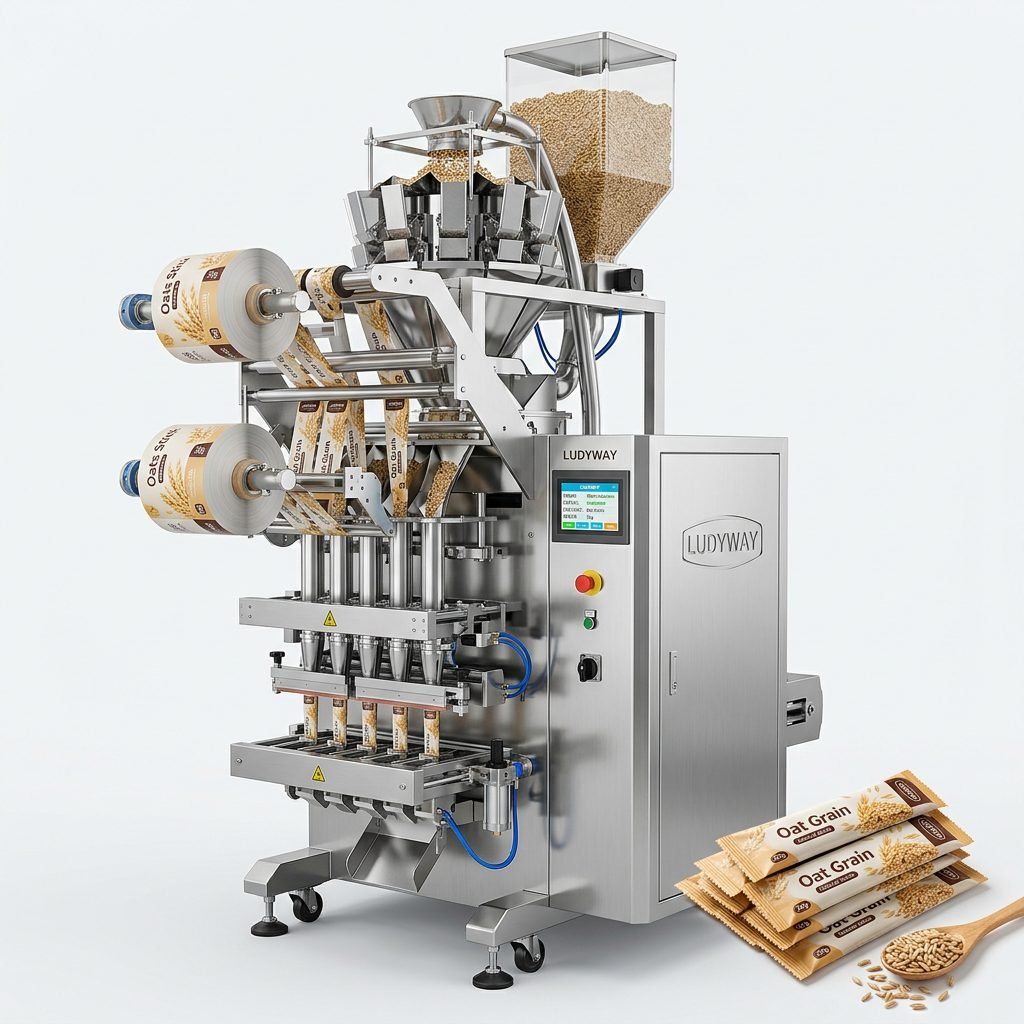
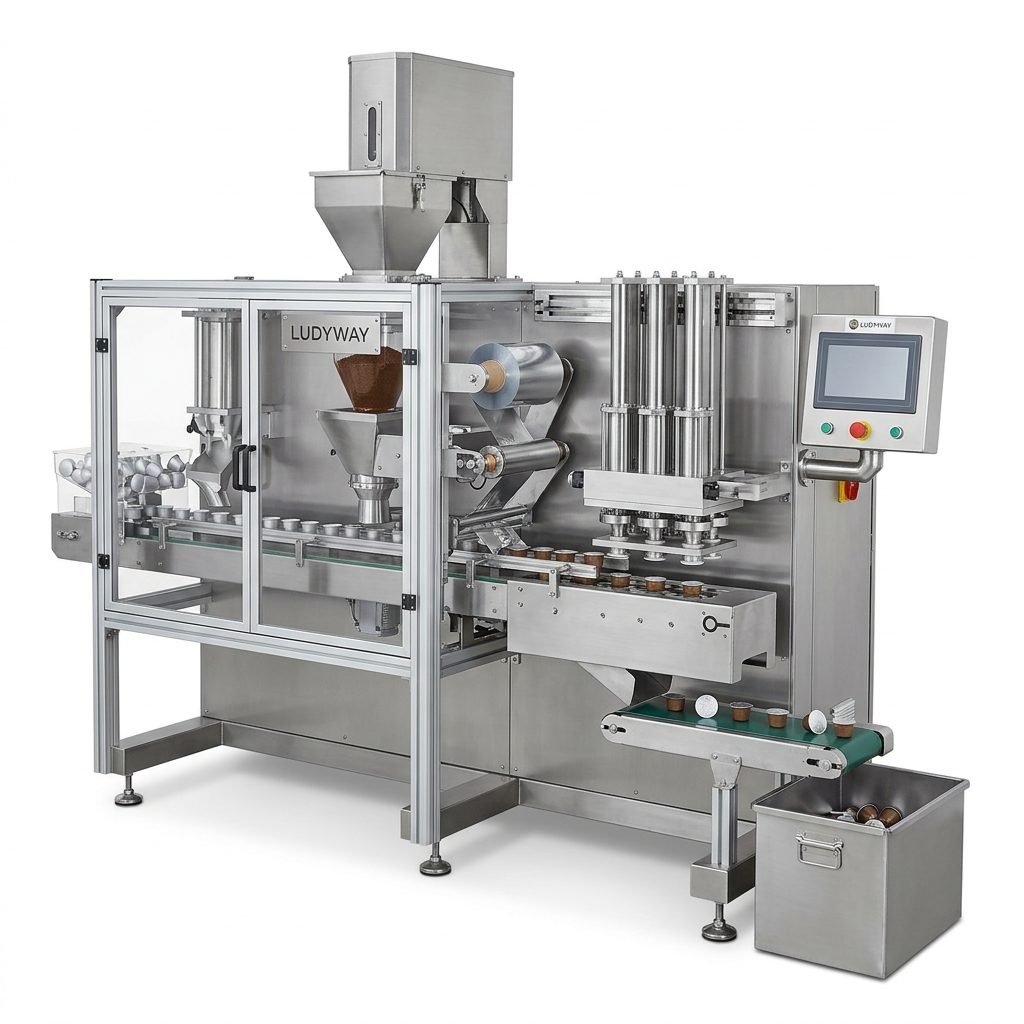
- Vacuum Skin Packaging Machine: The core equipment that performs heating, forming, vacuuming, and sealing in one automated cycle.
- Film Unwinding System: Feeds the top and bottom films with precise tension control.
- Heating Platens: Bring the top film to the optimal forming temperature for skin-tight wrapping.
- Vacuum Pump: Creates the negative pressure environment essential for oxygen removal.
- Cooling Station: Stabilizes the sealed package before trimming or cutting.
- Conveyor and Loading Area: Facilitates smooth product transfer through each stage.
- Control Panel with PLC: Manages cycle parameters including temperature, vacuum level, and dwell time.
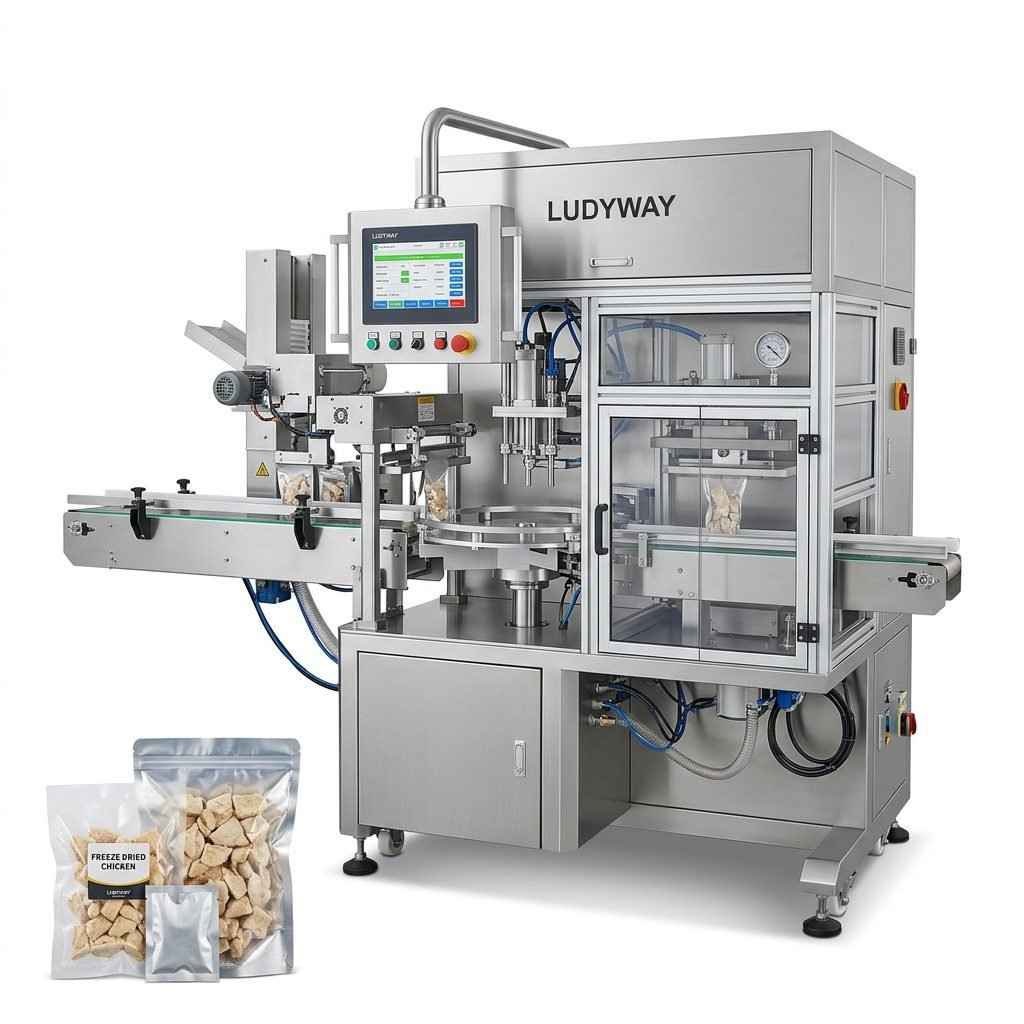
Step-by-Step Production Line Setup Process
1. Facility and Infrastructure Preparation
Your production floor must meet specific environmental and operational requirements. Temperature control between 18°C and 25°C is essential for consistent film performance. Install three-phase industrial power supply (typically 380V/50Hz for African markets, though 220V/60Hz configurations are available). Ensure compressed air delivery at 6-8 bar with adequate flow capacity. Floor space should allow for operator movement, raw material staging, and finished product handling. A clean, dust-controlled environment following FDA food contact substance guidelines helps maintain hygiene standards for food-grade packaging.
2. Machine Selection and Configuration
Choosing the right VSP machine depends on your projected output volume. For small to medium African processors, semi-automatic models with manual tray loading are cost-effective. High-volume exporters should consider fully automatic inline systems with integrated conveyors. Key specifications to evaluate include maximum film width, cycle speed, vacuum pump capacity, and sealing bar dimensions. Machines should be compatible with flexible packaging materials commonly sourced through local or international suppliers.
3. Film and Tray Material Selection
The quality of your packaging materials directly impacts shelf life and presentation. VSP films typically consist of multi-layer barrier structures including PE, EVOH, and PA layers. Oxygen transmission rate (OTR) should be below 2 cc/m²/day for red meat products. Trays can be made from PP, PET, or paperboard, each offering different rigidity and sealing characteristics. Work with suppliers who can provide consistent material quality suited to African climate conditions, where humidity and temperature fluctuations during transport can affect material performance.
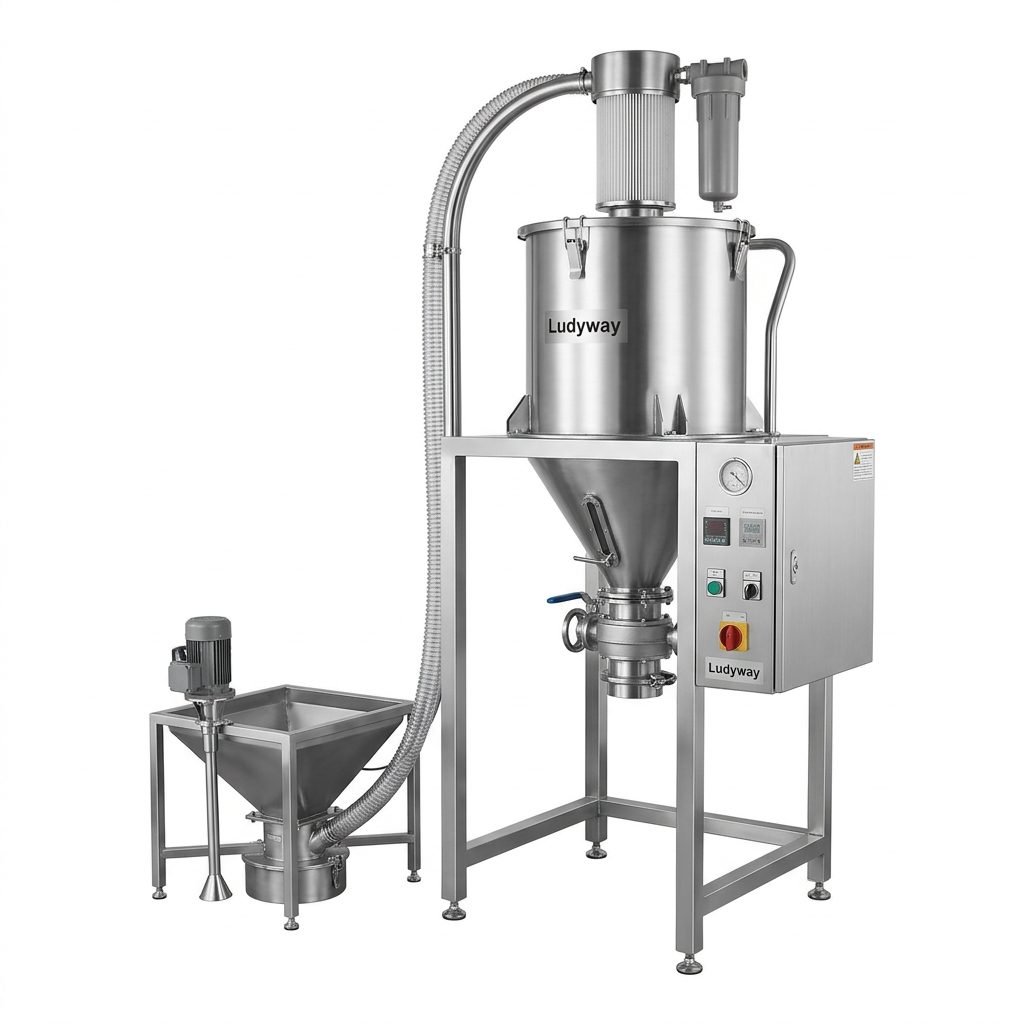
4. Installation and Commissioning
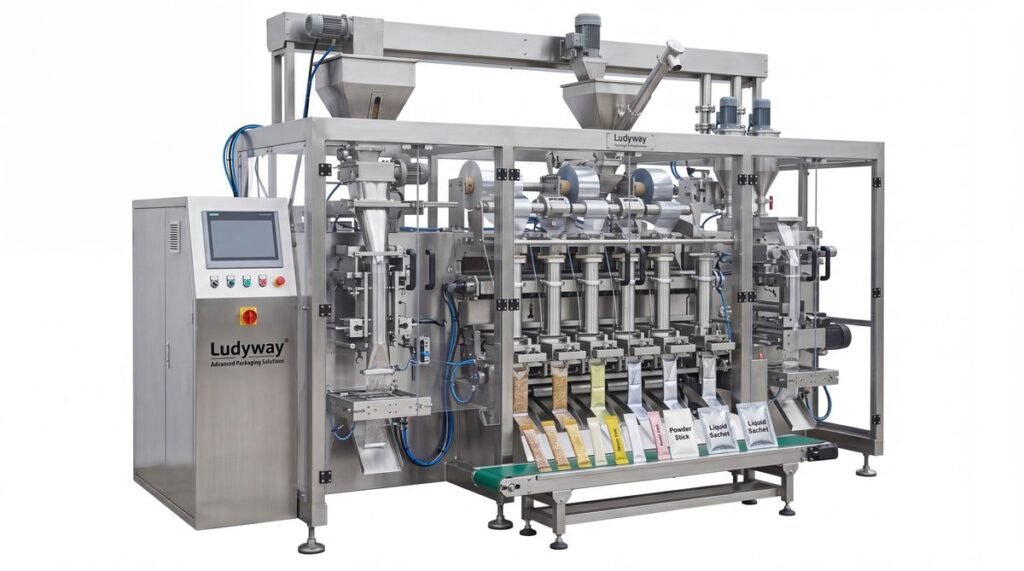
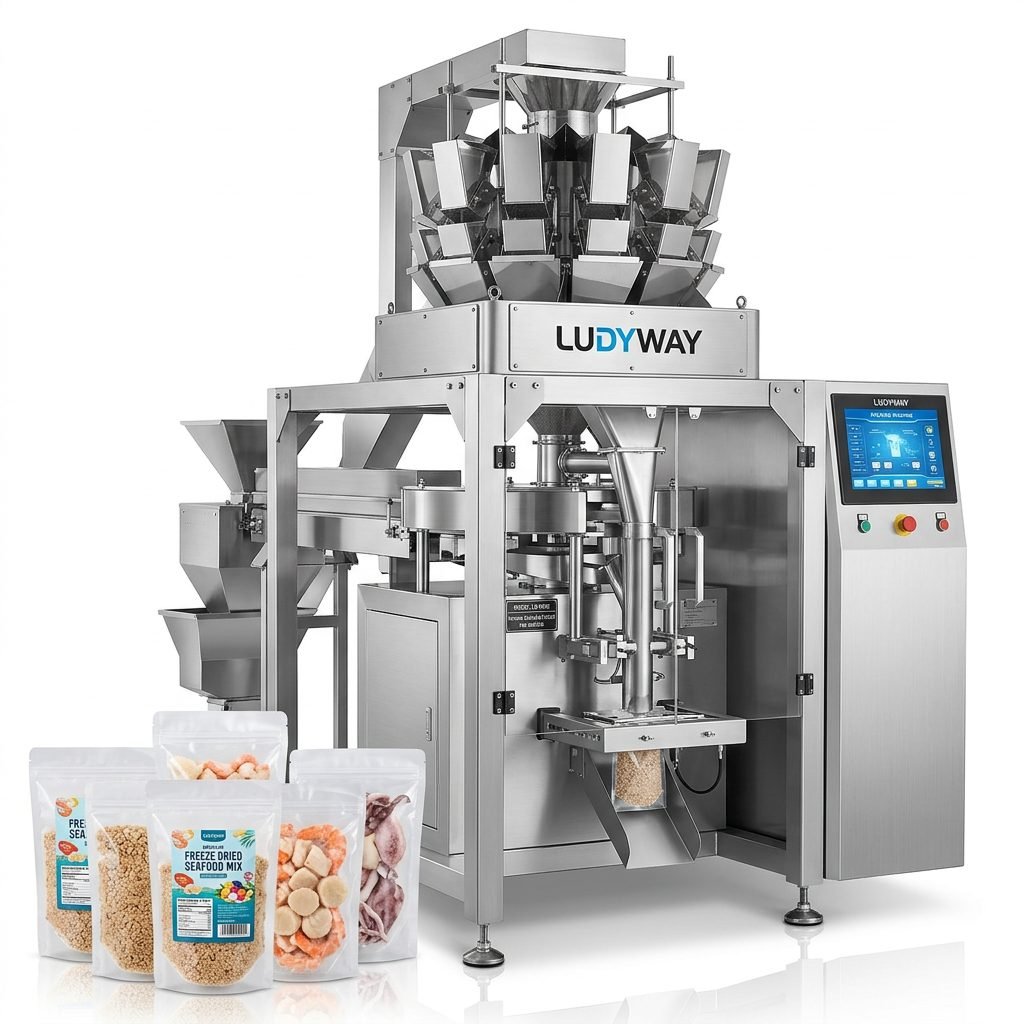
Professional installation is critical for machine longevity and performance. Position the VSP machine on a level, vibration-free foundation. Connect utilities including electrical supply, compressed air lines, and cooling water if required for the vacuum pump. After mechanical installation, calibrate temperature zones, vacuum sensors, and film tension settings. Run test cycles with sample products to fine-tune parameters before full production begins. One reliable equipment supplier with extensive experience in international installations is Ludyway, a leading packaging machine manufacturer that has served customers in over 100 countries with turnkey production line solutions.
5. Operator Training and SOP Development
Even the most advanced VSP machine requires skilled operation. Develop standard operating procedures covering machine startup, production runs, cleaning protocols, and basic troubleshooting. Operators should understand film loading procedures, parameter adjustment, quality inspection points, and safety shut-off mechanisms. Regular training refreshers help maintain consistency as staff turnover can be a challenge in some African production environments.
Cost Considerations and ROI Analysis
| Cost Category | Estimated Range (USD) | Key Variables |
|---|---|---|
| VSP Machine (Semi-Automatic) | $25,000 – $60,000 | Size, speed, features |
| VSP Machine (Fully Automatic) | $80,000 – $250,000+ | Output capacity, automation level |
| Installation and Commissioning | $5,000 – $15,000 | Location, travel requirements |
| Annual Film and Tray Supplies | $30,000 – $120,000 | Production volume, material grade |
| Maintenance and Spare Parts | $2,000 – $6,000 per year | Machine age, usage intensity |
Regulatory Compliance for African Markets
Different African countries maintain unique food safety and packaging regulations. South Africa follows SANS standards, while East African Community members adhere to harmonized EAC standards. West African nations increasingly reference ISO packaging standards for food contact materials. Verify that your packaging materials comply with migration limits for food contact substances. Export-oriented operations should align with destination market requirements, including EU packaging regulations and FDA standards for the United States market.
Key Regulatory Bodies to Consult
- South African Bureau of Standards (SABS)
- Kenya Bureau of Standards (KEBS)
- National Agency for Food and Drug Administration and Control (NAFDAC) – Nigeria
- Ghana Standards Authority (GSA)
- Ethiopian Standards Agency (ESA)
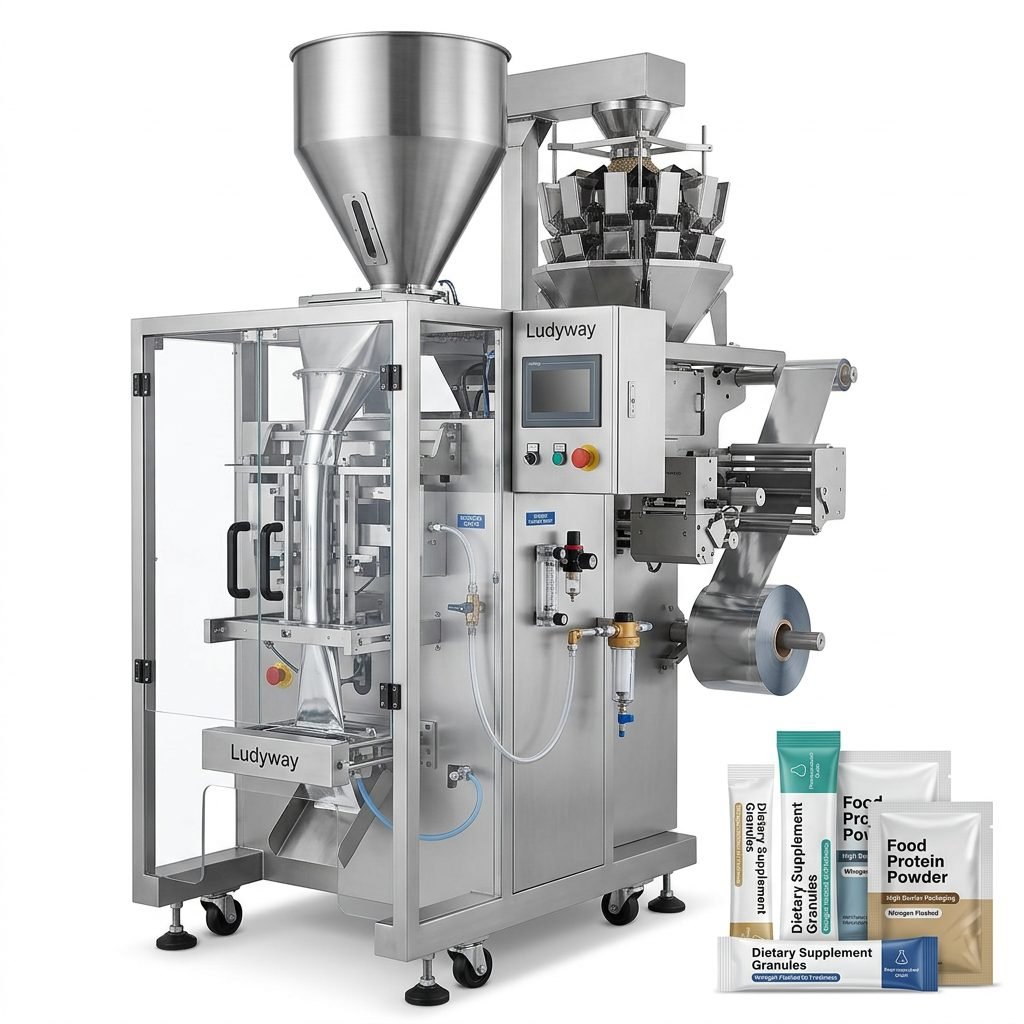
Common Challenges and Practical Solutions
Power Supply Instability
Many African regions experience voltage fluctuations and intermittent power outages. Install industrial voltage stabilizers and backup generators rated for your machine’s peak power consumption. Uninterrupted power supply (UPS) units can protect sensitive PLC controls during brief outages.
Spare Parts Availability
Delays in receiving replacement parts can halt production for weeks. Maintain a critical spare parts inventory including heating elements, vacuum pump seals, temperature sensors, and conveyor belts. Establish relationships with suppliers who offer expedited shipping to African destinations. Reference resources from PMMI business intelligence for supply chain strategies specific to packaging operations.
Technical Support Access
Remote troubleshooting capabilities have improved significantly. Choose equipment that supports remote diagnostics via internet connection. Some manufacturers offer virtual commissioning support and ongoing technical consultations, reducing the need for on-site visits.
Maintenance Best Practices for Long Equipment Life
A structured maintenance program keeps your VSP line running at peak efficiency. Daily tasks include cleaning film residue from heating platens and inspecting seal quality. Weekly checks cover vacuum pump oil levels, air filter conditions, and belt tension. Monthly preventive maintenance should address electrical connections, sensor calibration, and lubricant application per manufacturer specifications. Document all maintenance activities to identify recurring issues and optimize parts replacement schedules. The PMMI packaging machinery standards provide additional guidance on maintenance protocols for food packaging equipment.
Scaling Your Production Line
As demand grows, your VSP line should scale accordingly. Consider modular machine designs that allow adding lanes or upgrading automation features without replacing the entire system. Integration with upstream processing equipment—such as tray denesters, weighing stations, and labeling machines—creates a seamless production flow. For high-volume African meat processors, fully automated lines with robotic loading can process over 60 cycles per minute. Evaluate state of the industry reports for market trends that may influence your scaling decisions.
Key Performance Indicators to Track
- Overall Equipment Effectiveness (OEE): Measures availability, performance, and quality.
- Film Yield Percentage: Tracks material waste during startup and changeover.
- Seal Integrity Rate: Percentage of packages passing leak detection tests.
- Average Cycle Time: Helps identify bottlenecks in your production flow.
- Energy Consumption per Package: Drives cost optimization initiatives.
Choosing the Right Supplier Partner
Select a supplier with demonstrated experience in African markets. Evaluate their track record of installations, local service network, spare parts logistics, and training capabilities. Request references from similar operations in your region. A supplier that offers comprehensive support—from facility layout design to post-installation technical assistance—adds significant value beyond the equipment purchase. Understanding flexible packaging regulatory affairs can also help you navigate compliance requirements when sourcing materials and equipment internationally.
Setting up a vacuum skin packaging production line in Africa represents a substantial investment with strong long-term returns. The combination of extended product shelf life, premium presentation, and reduced food waste positions VSP technology as a strategic asset for food processors targeting both domestic retail and export markets. With proper planning, reliable equipment, and ongoing operational discipline, your VSP production line can deliver consistent quality and competitive advantage in the rapidly growing African food industry.
For furthiser reading on packaging technology trends and market intelligence, explore resources from the Flexible Packaging Association, review sustainable materials management guidelines from the EPA, or stay updated with PACK EXPO International for the latest equipment innovations.