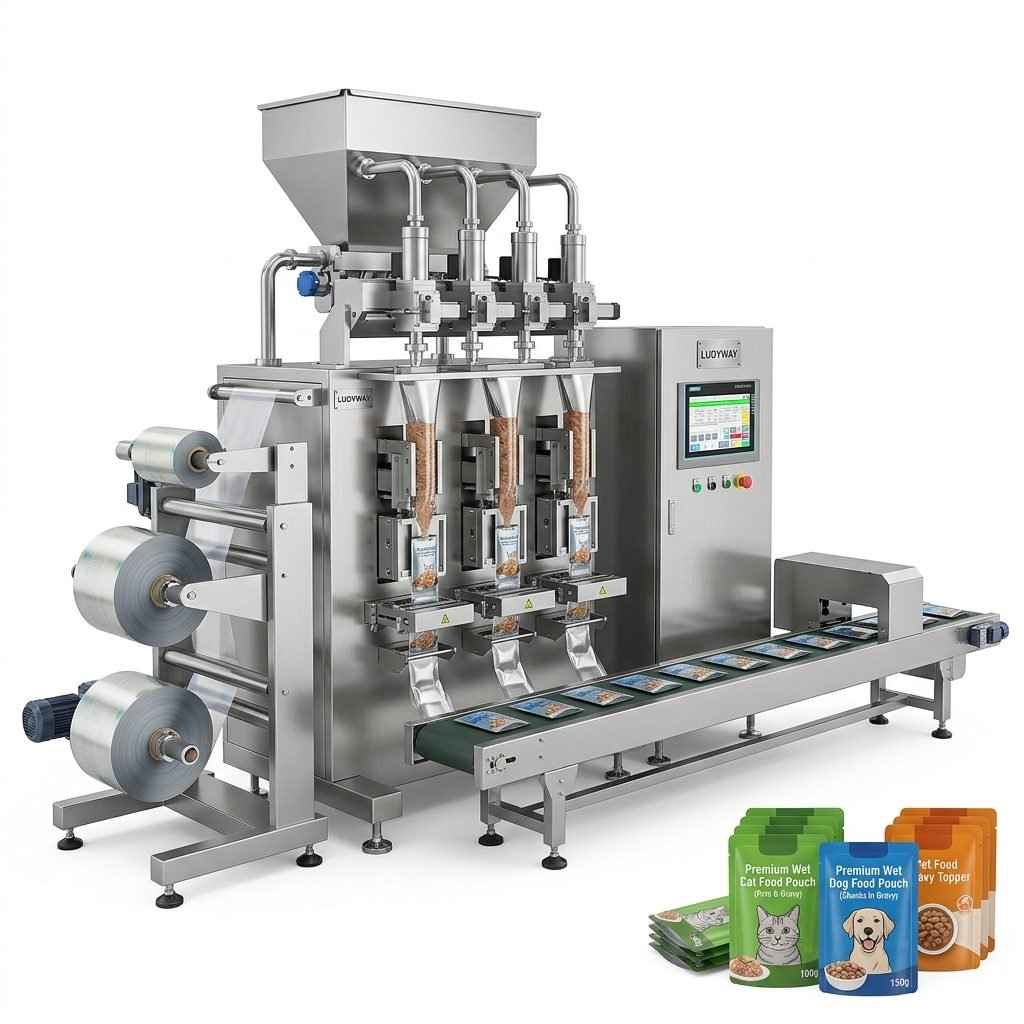
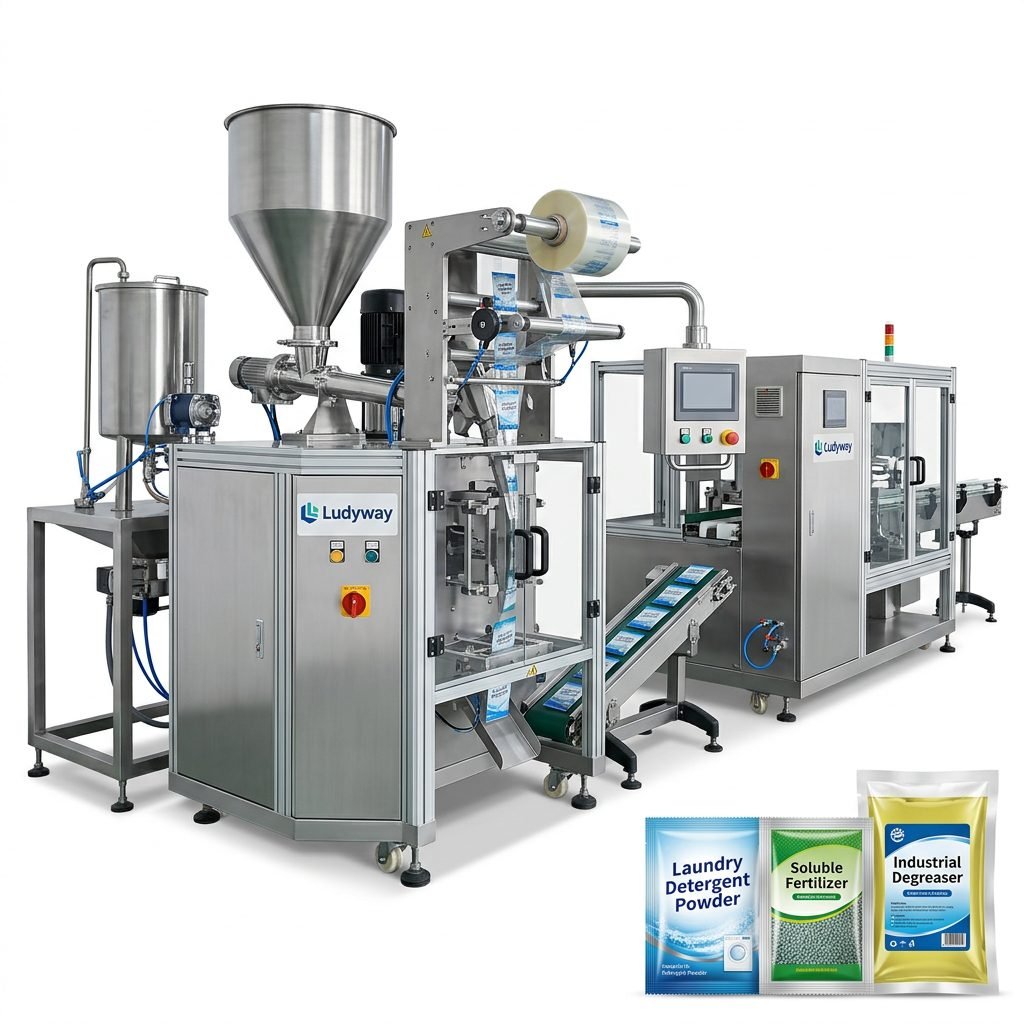
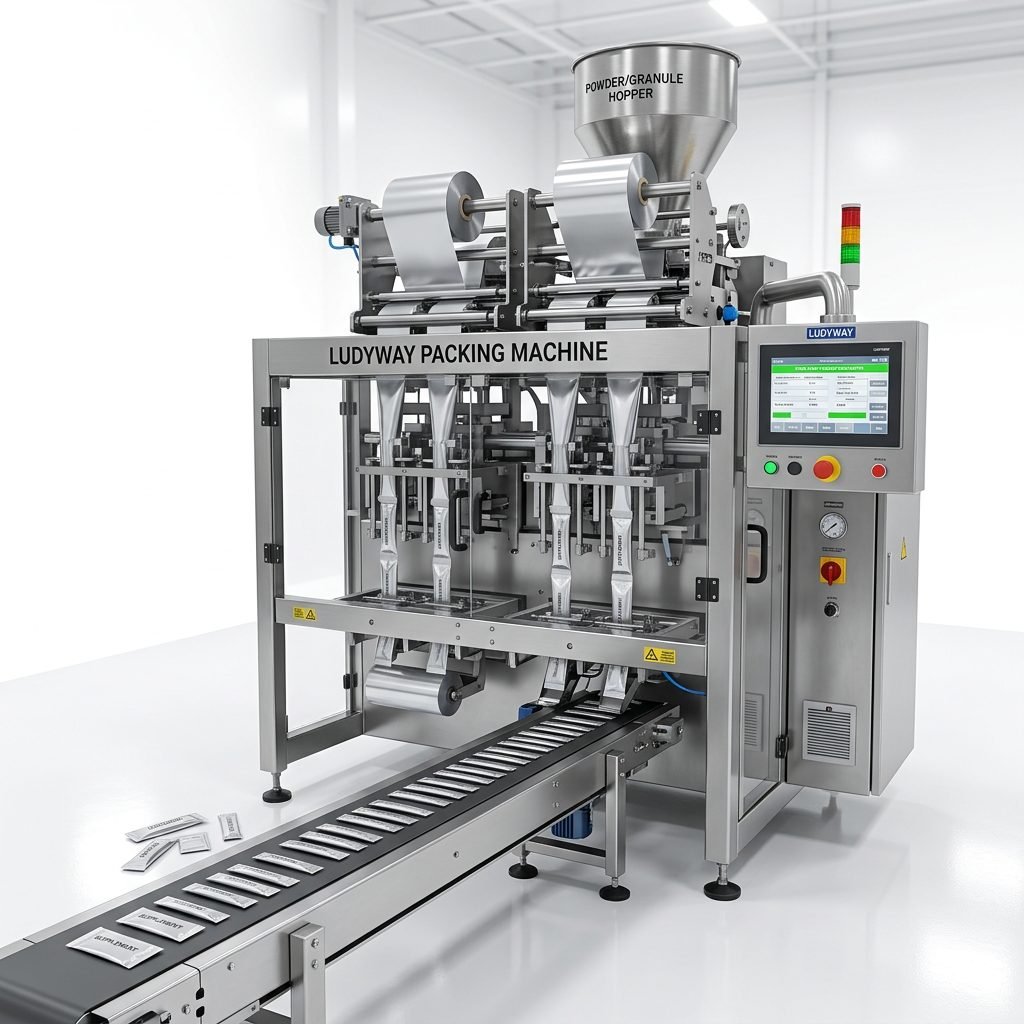
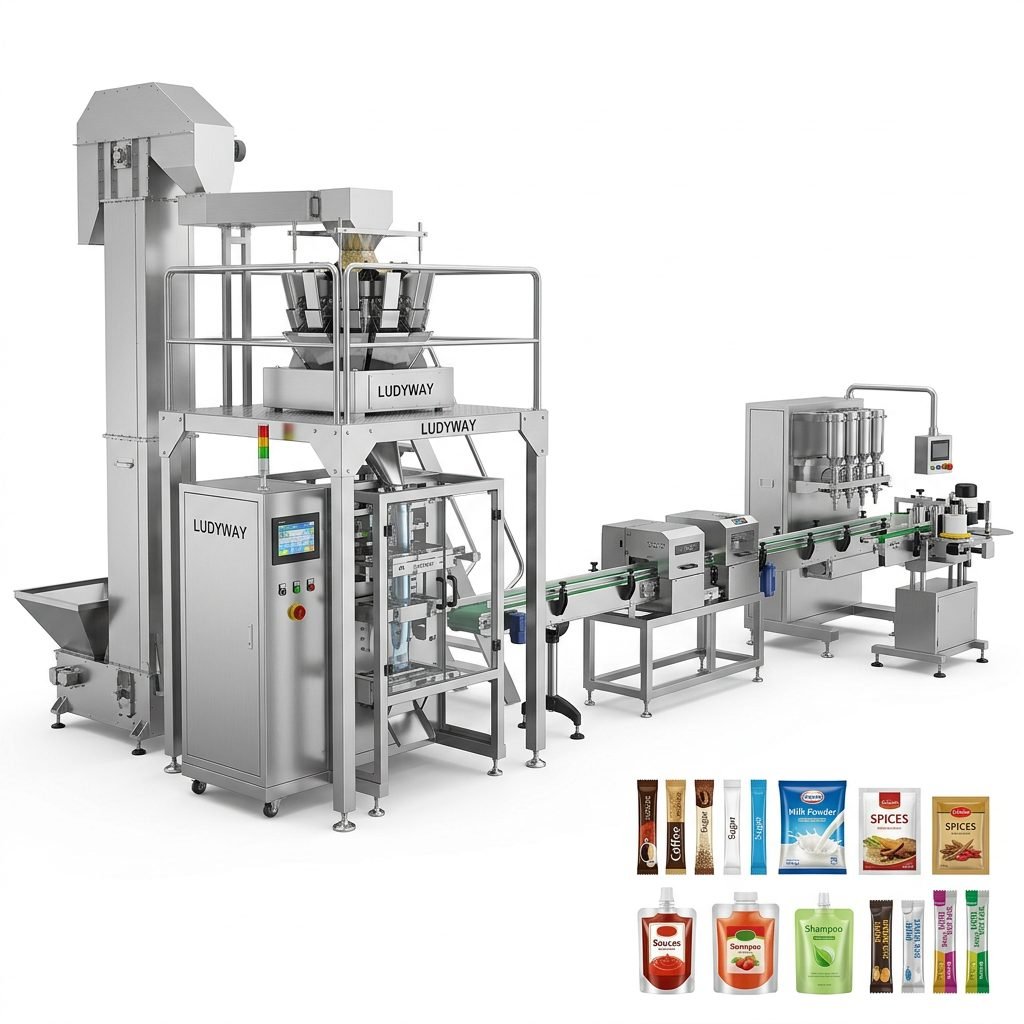
In today’s fast-paced manufacturing world, efficiency and precision are paramount. For businesses handling food and industrial products, the packaging process is a critical stage that directly impacts productivity, product integrity, and overall operational costs. This is where High-Speed Vertical Form Fill Seal (VFFS) Packaging Machinery steps in as a game-changing solution. These automated systems are engineered to form, fill, and seal packages from a continuous roll of film at remarkable speeds, offering unparalleled consistency and hygiene for a vast range of products.
The Core Technology Behind VFFS Machinery
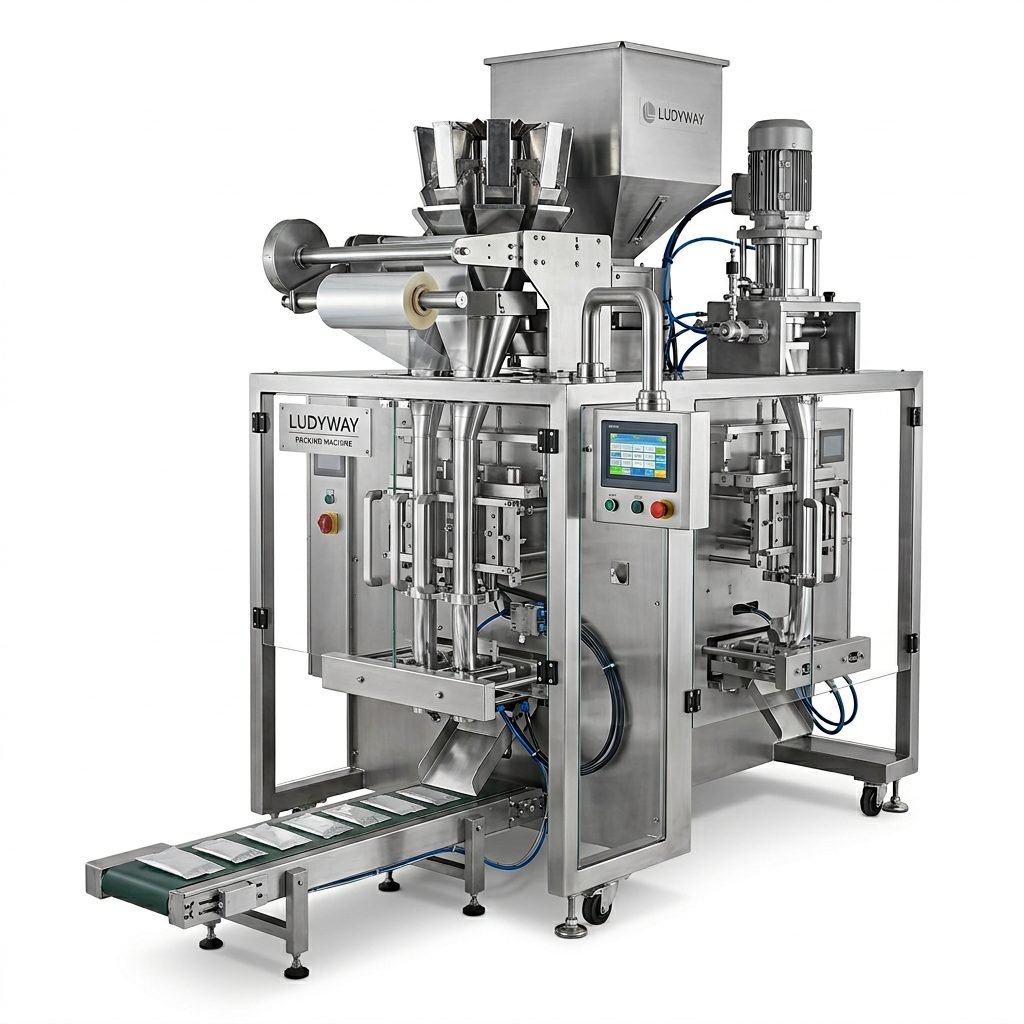
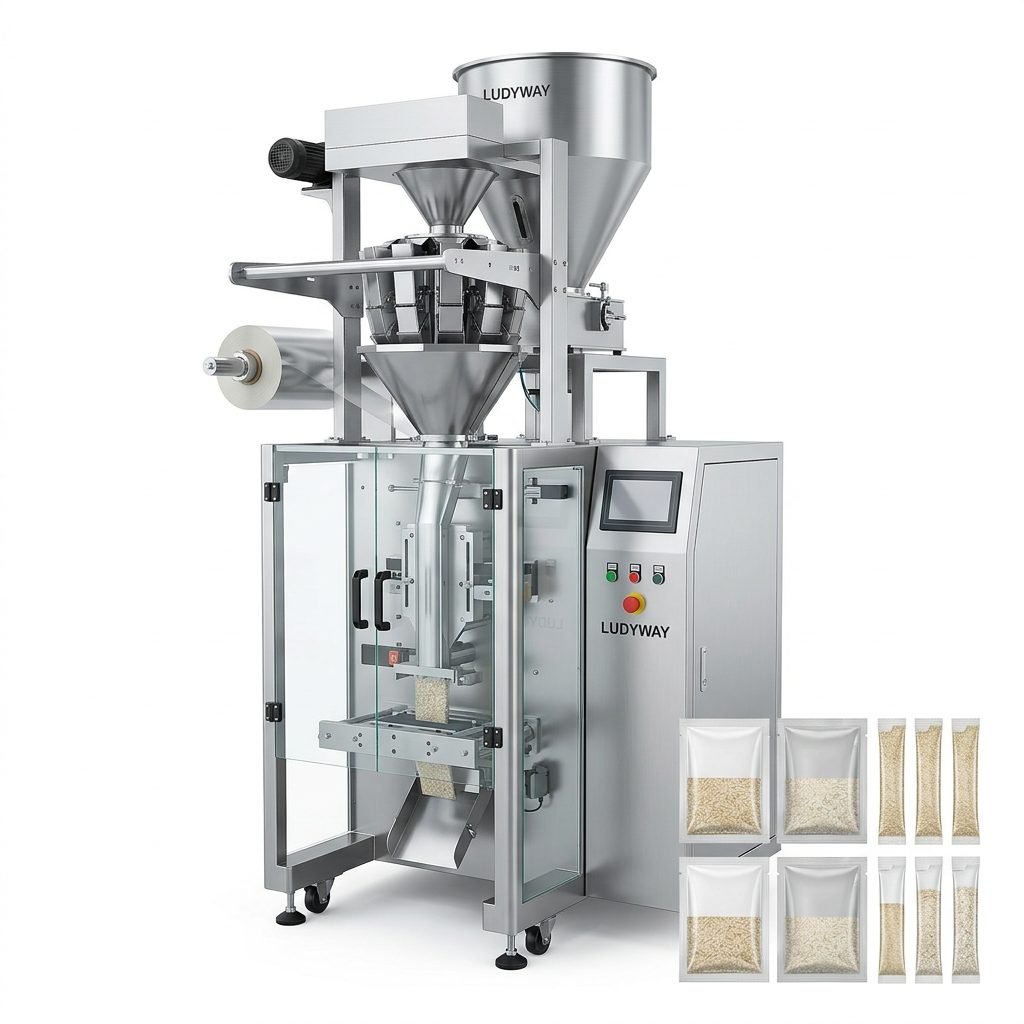
At its heart, a vertical form fill seal machine is a marvel of integrated engineering. The process begins with a roll of packaging film—be it laminated, coated, or plain—which is fed through a forming tube. The film is shaped into a tube around this former. A longitudinal sealer then creates a continuous back seal. As the film moves downward, a pair of sealing jaws closes to create the bottom seal of one pouch and the top seal of the pouch below. Precisely measured product is dropped into the newly formed pouch through the filling tube. Finally, the jaws separate, and the completed package is cut off and discharged. This seamless, continuous cycle allows for speeds that can reach hundreds of pouches per minute, depending on the product and package size.
Key Advantages for Modern Production
The adoption of high-speed VFFS machinery delivers a multitude of benefits that address the core challenges of modern packaging lines:
➤ Exceptional Speed and Output: The primary draw is the dramatic increase in production capacity. By automating the forming, filling, and sealing processes, these machines eliminate manual bottlenecks, enabling manufacturers to meet high-volume demands efficiently.
➤ Superior Product Protection and Hygiene: The packaging process is fully enclosed, minimizing product exposure to the environment. This is crucial for food safety, preventing contamination and preserving freshness. For hygroscopic powders or sensitive industrial chemicals, it safeguards product quality.
➤ Remarkable Material and Cost Efficiency: VFFS machines use roll stock film, which is typically more cost-effective than pre-made bags. The precision of the system reduces film waste significantly. Furthermore, automation leads to substantial labor savings and lower long-term operational costs.
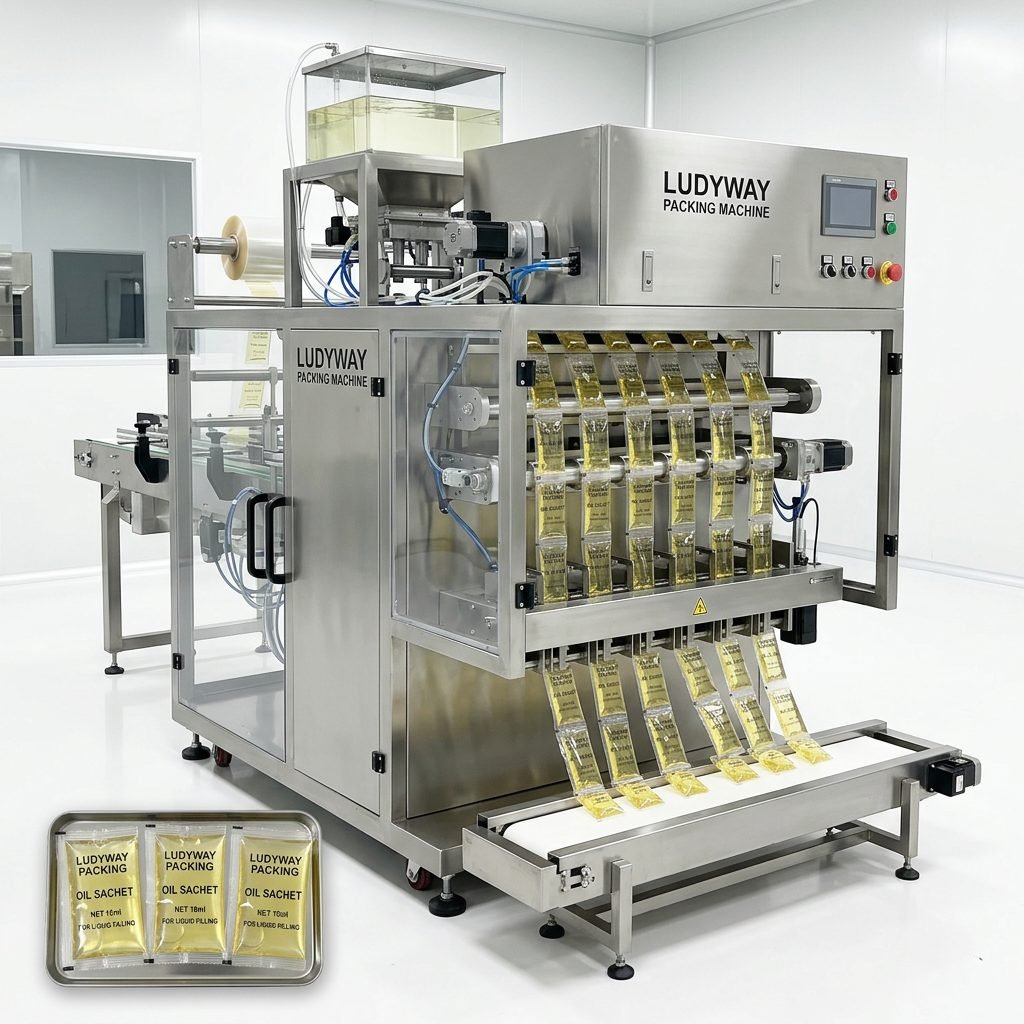
➤ Unmatched Versatility: A single VFFS machine can be configured to handle a diverse array of products—from granules and powders to liquids, pastes, and small solid pieces. Quick changeover systems allow for flexible production runs of different package sizes and styles, such as pillow bags, gusseted bags, or bags with hang holes.
Applications Across Food and Industrial Sectors
The versatility of high-speed VFFS packaging makes it indispensable across numerous industries. In the food sector, it is the workhorse for packaging snacks (chips, nuts, candies), dried fruits, pasta, rice, coffee, tea, spices, powdered drinks, and frozen vegetables. The ability to integrate gas flushing (for Modified Atmosphere Packaging – MAP) further extends its use to products like cheese, meat, and salads, prolonging shelf life.
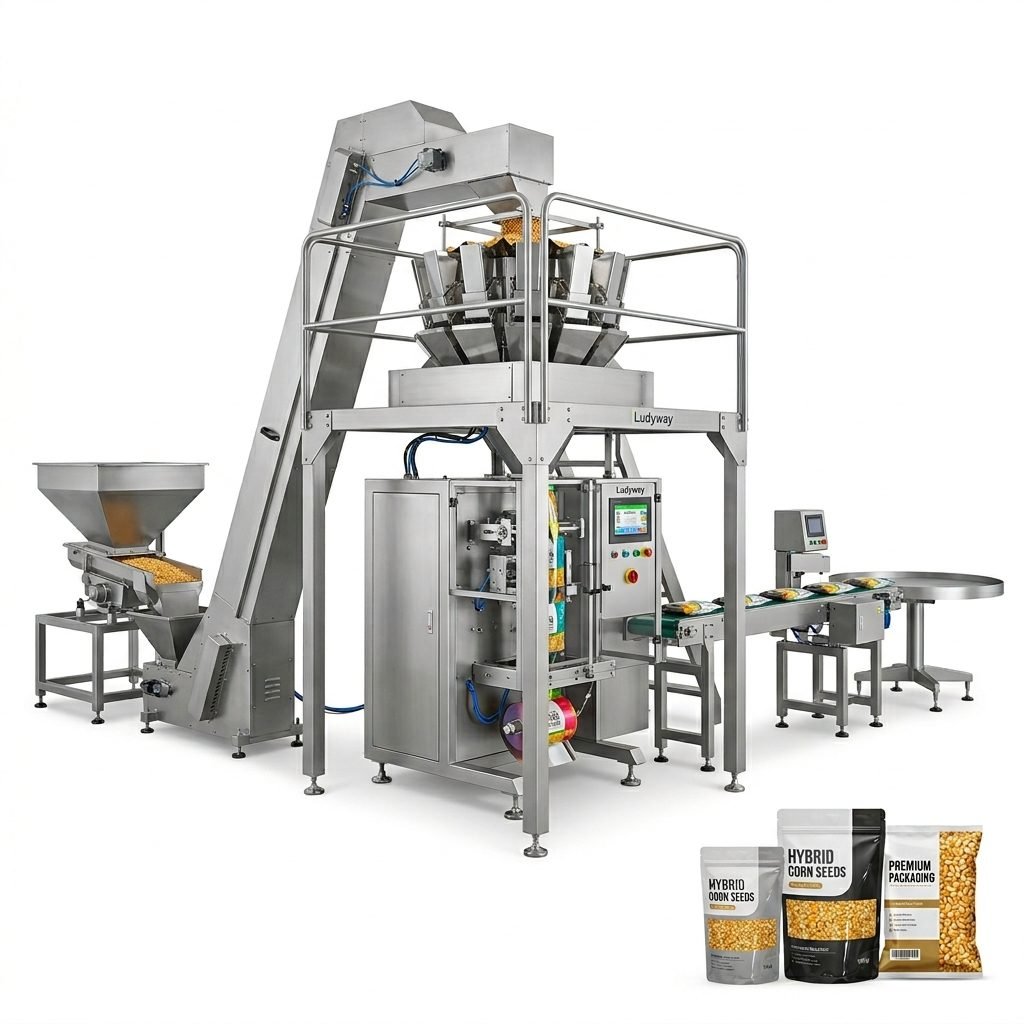
In the industrial and chemical domain, these machines reliably package detergents, fertilizers, seeds, hardware components (screws, nails), resins, and various granular or powdered chemicals. The robust construction and choice of suitable materials ensure safe handling of even abrasive or corrosive products.
Choosing the Right High-Speed VFFS Partner
Selecting a packaging machinery supplier is a strategic decision. Beyond the machine’s specifications, the manufacturer’s expertise, support, and reliability are vital. A partner with deep industry experience understands the nuanced challenges of different products—from the flow characteristics of fine powders to the preservation needs of perishable foods.
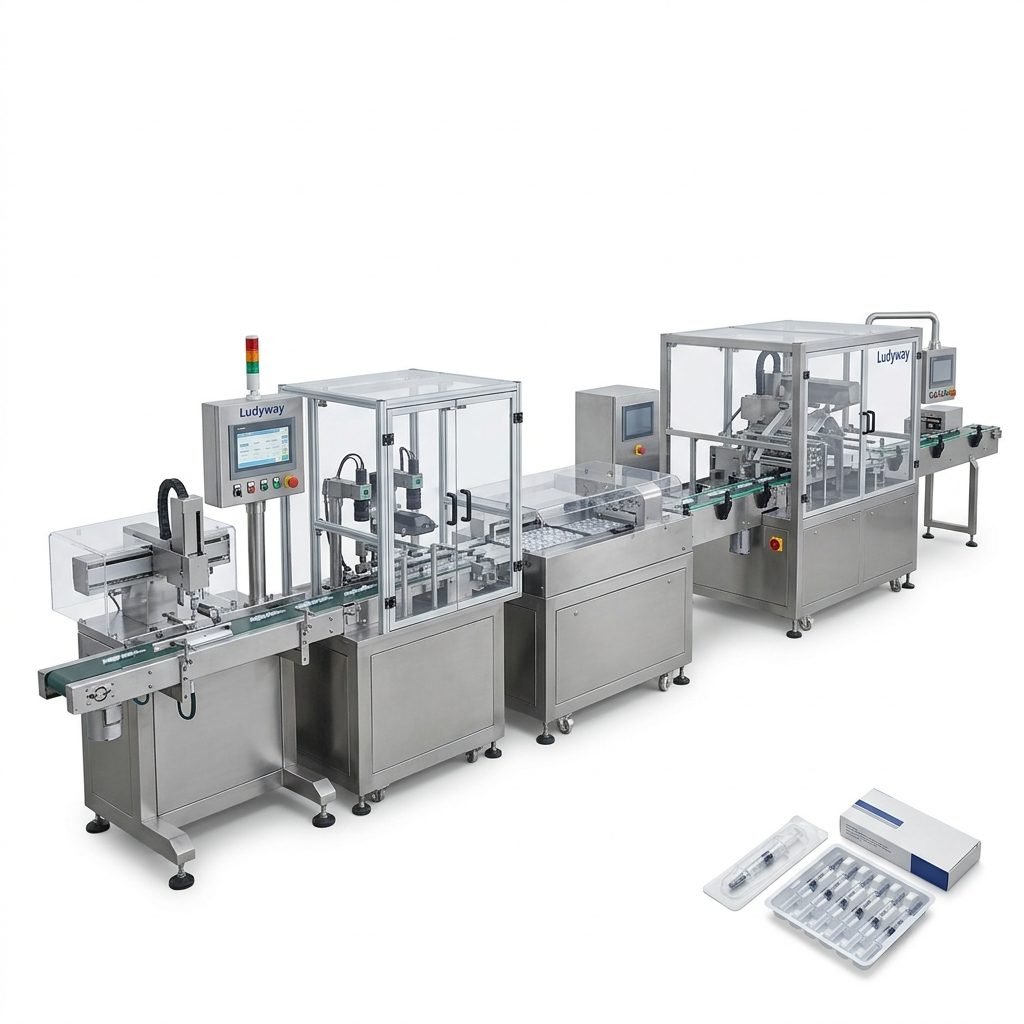
Companies like Ludyway Machinery, with over a decade of specialization in advanced packaging solutions, exemplify this partnership approach. Backed by extensive engineering capabilities and a modern manufacturing facility, they offer more than just equipment; they provide tailored turnkey solutions. This includes everything from machine design and integration with upstream feeders (like auger fillers, volumetric cup fillers, or liquid pumps) and downstream equipment (checkweighers, metal detectors, cartoners) to comprehensive after-sales service and technical support.
Future Trends and Innovations
The evolution of VFFS technology is driven by the demands for smarter, more connected, and sustainable manufacturing. The integration of Industry 4.0 principles is a key trend. Modern machines feature sophisticated PLC controls with touch-screen HMIs, offering recipe storage, production data tracking, and remote diagnostics. Connectivity for data exchange with factory MES (Manufacturing Execution Systems) is becoming standard.
Sustainability is another major driver. Machinery is being adapted to handle newer, eco-friendly packaging materials like mono-material films, compostable laminates, and films with higher recycled content, which can have different sealing and forming characteristics than traditional plastics. Furthermore, innovations in servo-drive technology enhance precision while reducing energy consumption, contributing to a greener footprint.
Investing in a high-speed vertical form fill seal packaging system is an investment in the future competitiveness of a production line. It streamlines operations, ensures consistent quality, reduces waste, and scales to meet market demands. For businesses in the food and industrial sectors looking to optimize their packaging process, partnering with an experienced provider to implement the right VFFS solution is a decisive step toward achieving greater efficiency, reliability, and growth in a global marketplace.
Frequently Asked Questions (FAQs)
What types of products can a high-speed VFFS machine package?
VFFS machines are incredibly versatile and can handle a wide range of free-flowing and non-free-flowing products. This includes food items like snacks, powders, grains, and liquids, as well as industrial products such as chemicals, fertilizers, hardware, and detergents. The key is matching the machine with the appropriate filling system (e.g., auger for powders, pump for liquids, volumetric cup for granules).
How fast can these machines operate?
Speed is highly dependent on the product type, package size, and machine configuration. Speeds can range from 40 to over 400 bags per minute. For simple pillow bags with granular products, higher speeds are achievable. Complex operations like gas flushing, making stand-up pouches, or handling sticky products will operate at a slower, optimized pace.
What is the difference between a standard and a “high-speed” VFFS machine?
The distinction often lies in the drive system and control architecture. High-speed models typically employ servo motors for all major movements (film pull, jaw motion, cross sealing). This allows for smoother, faster, and more precise motion profiles, reduced mechanical stress, and quicker changeovers compared to machines using traditional clutch/brake or simpler servo setups.
Can VFFS machines handle sustainable or compostable packaging films?
Yes, but it requires careful consideration. Many modern VFFS machines can be adapted to run bio-based or compostable films. However, these materials often have different thermal sealing properties and tensile strengths. It is essential to work with your machinery supplier to test the specific film and potentially adjust sealing jaw temperatures, dwell times, and film handling parameters to ensure a consistent, reliable seal. Learn more about adaptable solutions on our sachet packaging page.
What kind of support and service should I expect from the manufacturer?
A reputable manufacturer should offer comprehensive support. This includes detailed installation and commissioning, thorough operator and maintenance training, ready availability of spare parts, and access to technical support for troubleshooting. Look for suppliers who offer remote diagnostic capabilities and have a proven track record of reliable after-sales service to minimize potential downtime.