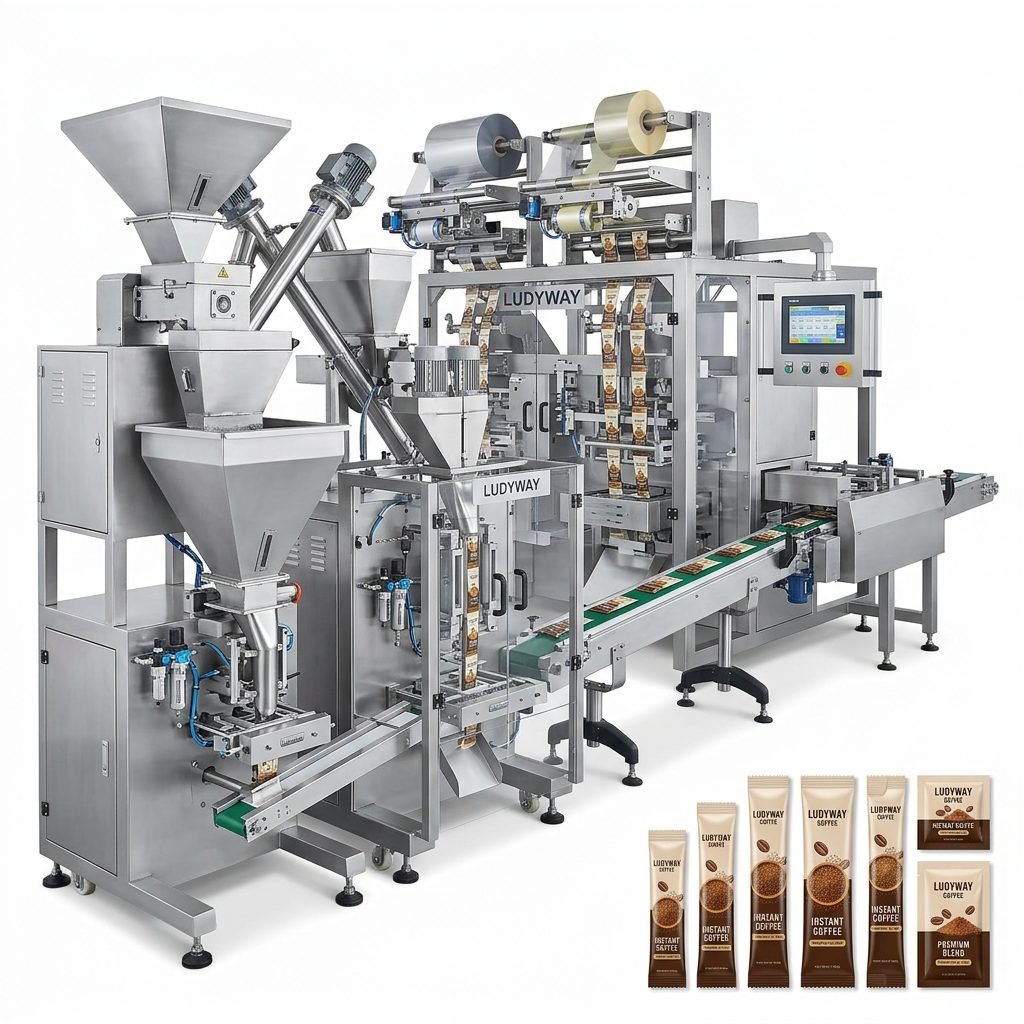
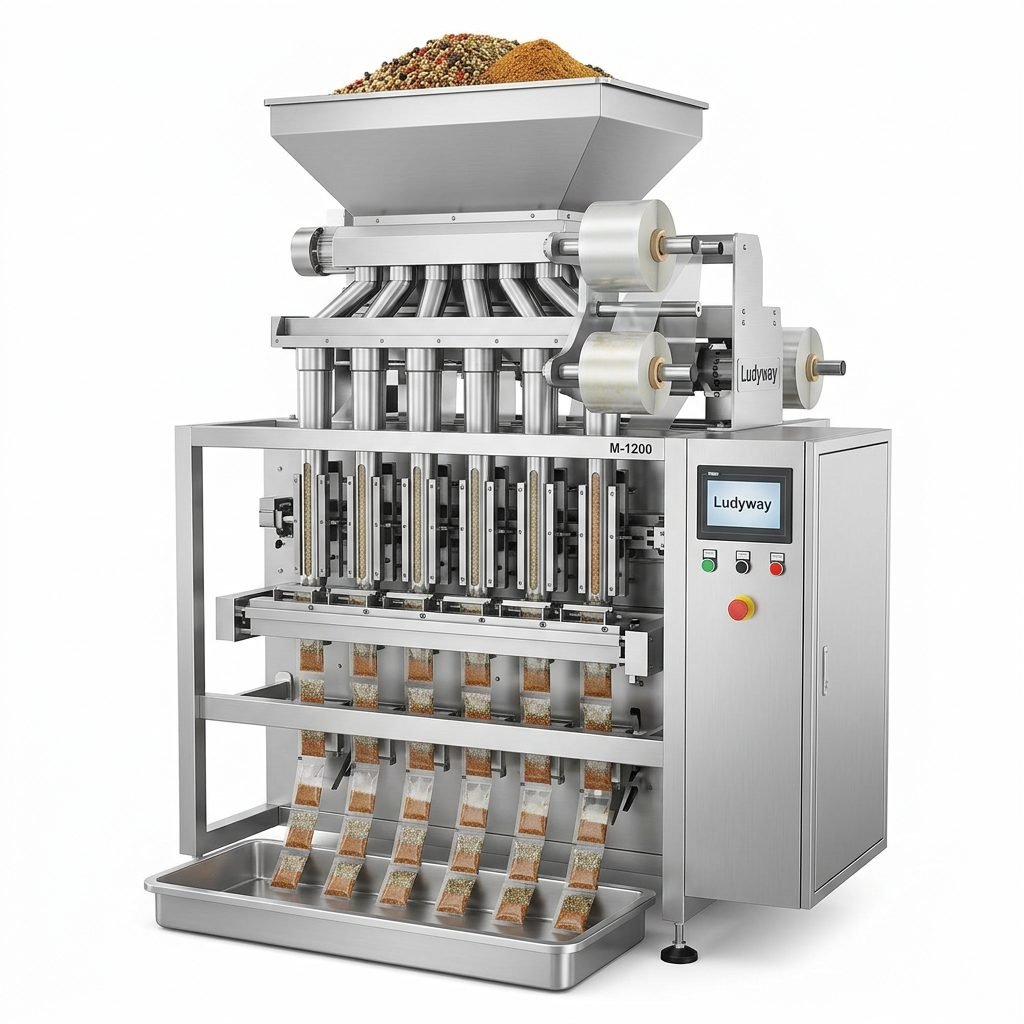
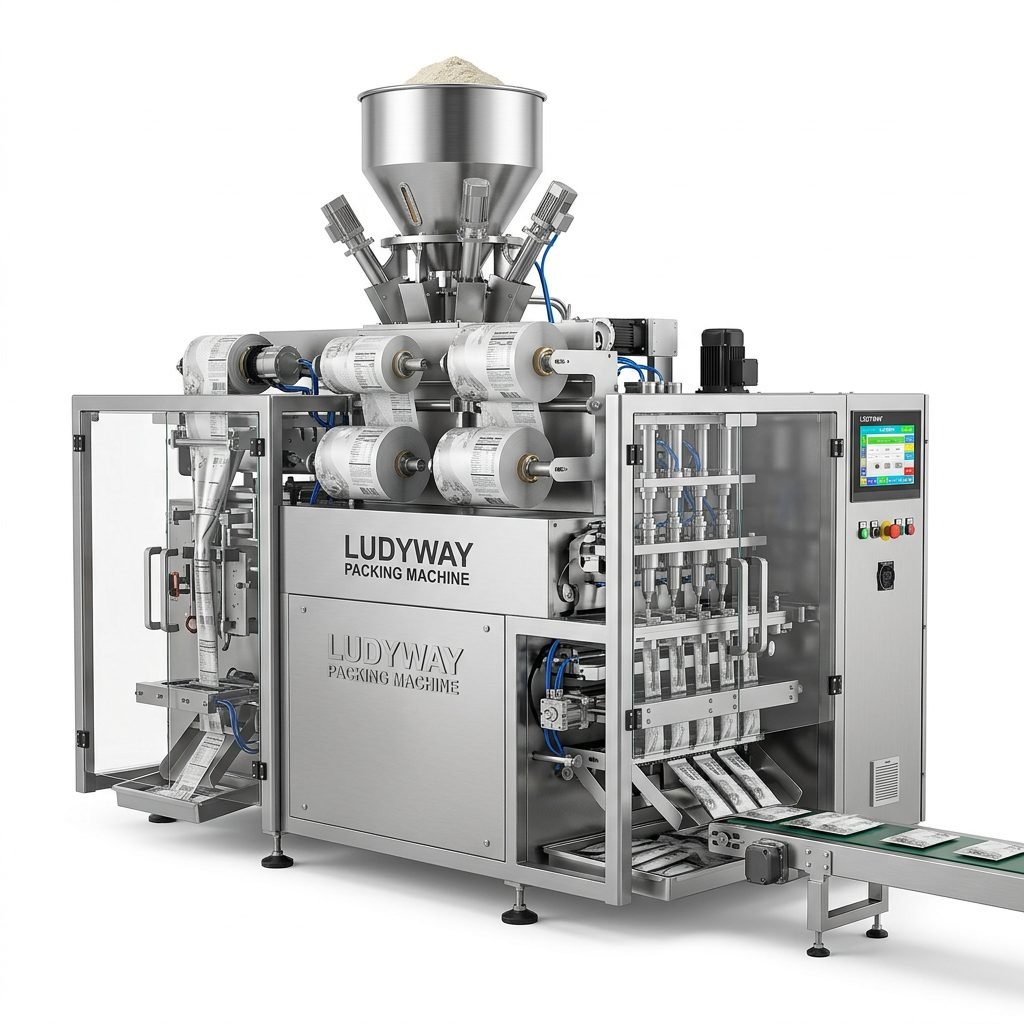
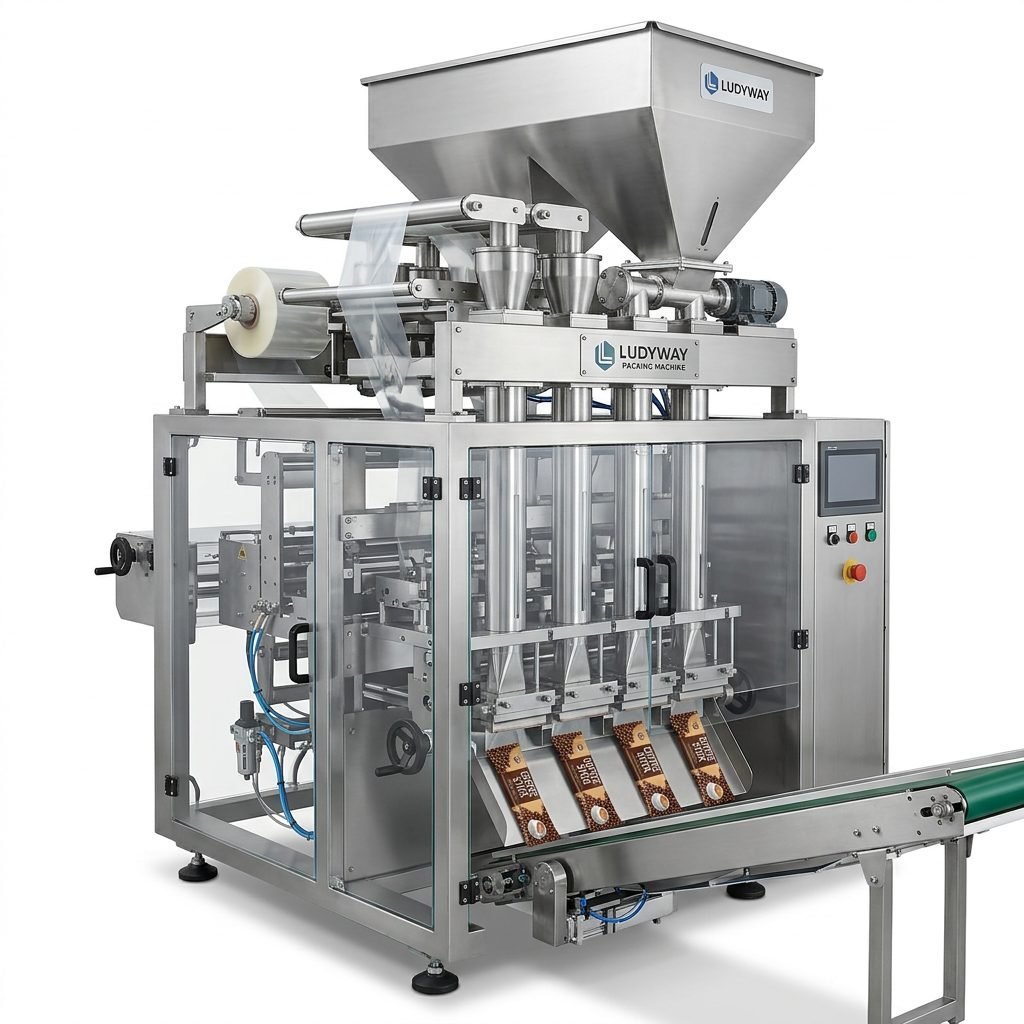
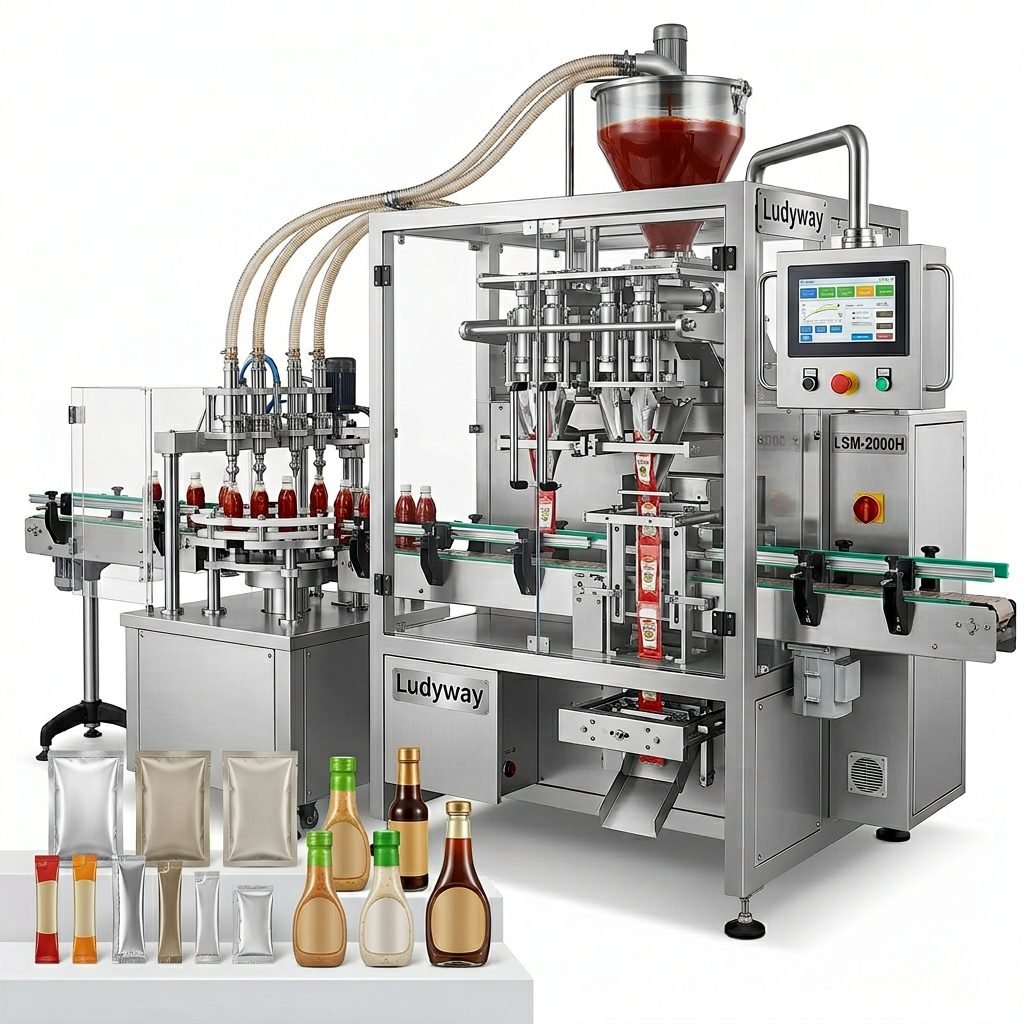
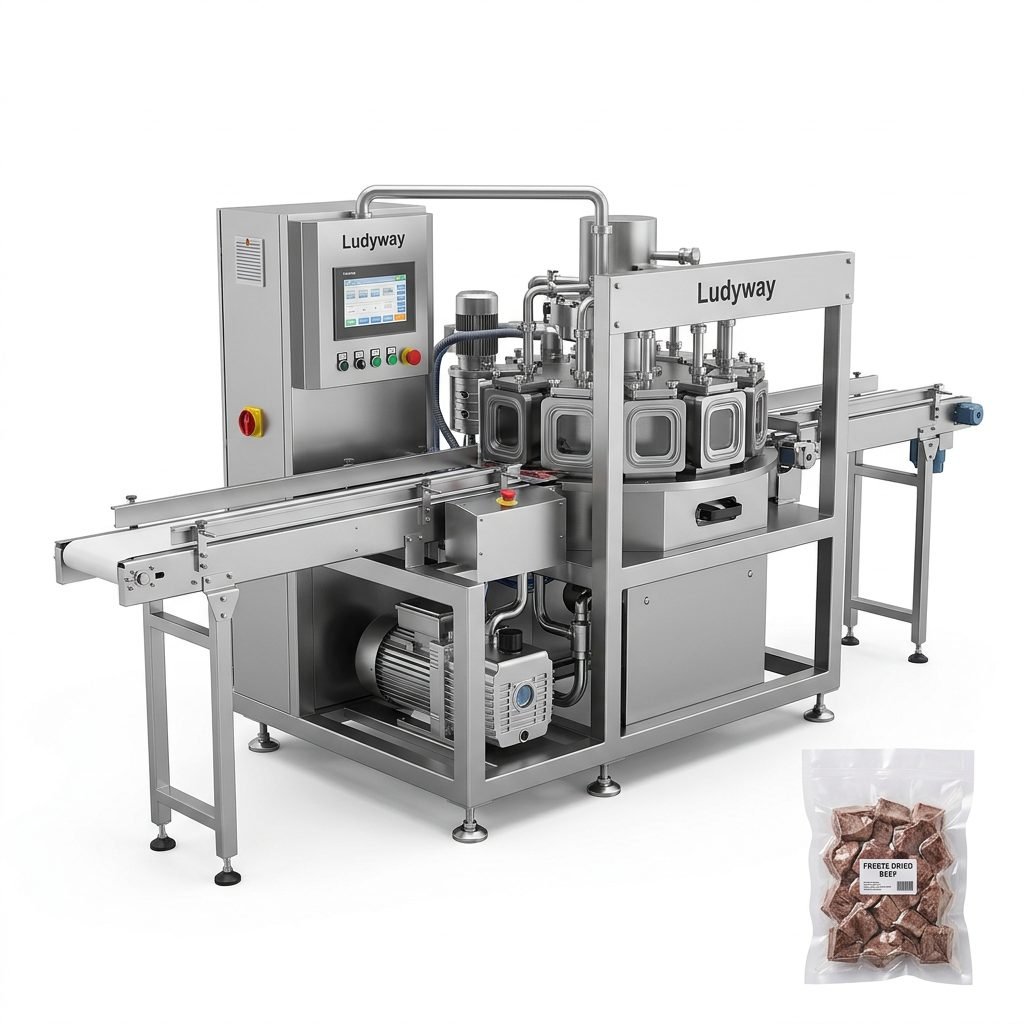
A sealer vacuum packaging machine is one of the most practical investments for businesses that need longer shelf life, better product protection, cleaner presentation, and more efficient storage. From food factories and pharmaceutical operations to e-commerce fulfillment and industrial packaging, the right vacuum sealer can reduce waste, improve logistics, and support more reliable quality control.
This guide explains how vacuum packaging machines work, what features matter most, how to compare different machine types, and where they are commonly used in real production environments.
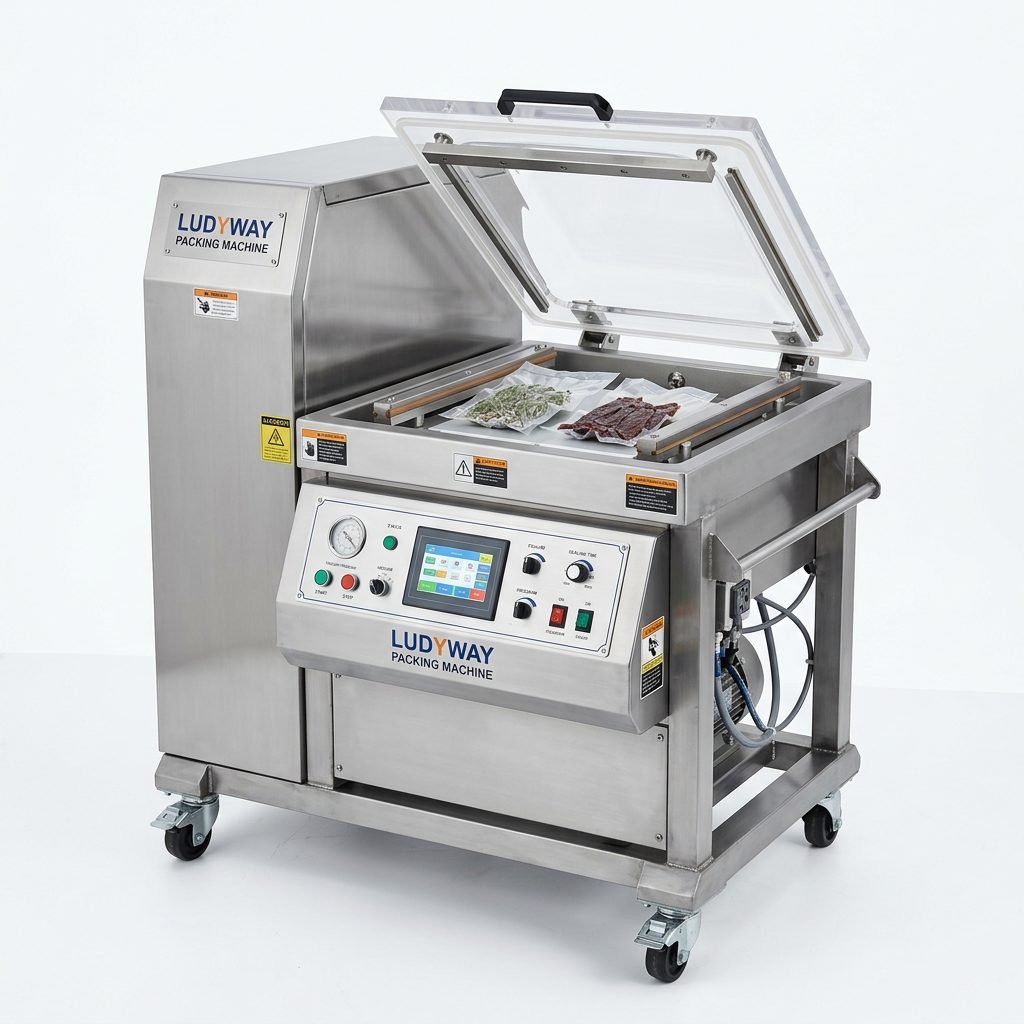
What Is a Sealer Vacuum Packaging Machine?
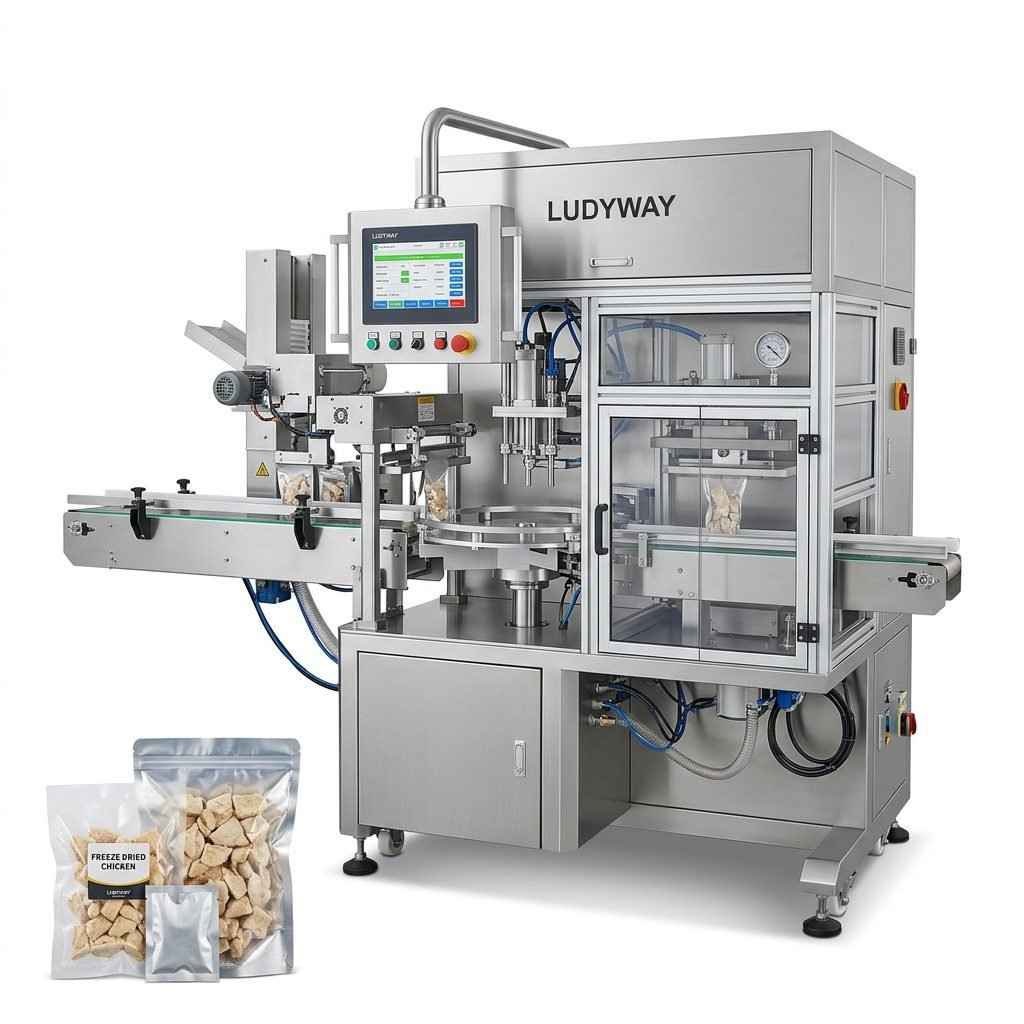
A sealer vacuum packaging machine removes air from a package and then seals the bag or pouch tightly. By minimizing oxygen exposure, the machine helps preserve freshness, reduce oxidation, prevent contamination, and improve package stability during transport and storage.
Depending on the product and production goal, vacuum sealers may be used for:
- Fresh meat, seafood, cheese, and ready meals
- Dry foods such as nuts, beans, coffee, spices, and powders
- Medical or pharmaceutical items that need controlled packaging
- Electronic parts and industrial components sensitive to moisture or dust
- Retail products requiring neat, compact, tamper-resistant presentation
How a Vacuum Sealing Machine Works
The basic process is simple, but the machine’s design determines speed, sealing quality, and overall reliability.
- Product loading: The operator or automated line places the product into a vacuum bag or pouch.
- Air removal: The machine extracts air from inside the package.
- Sealing: Heat sealing bars close the package securely.
- Release and discharge: The sealed pack is released for collection, boxing, or further processing.
Some advanced systems also include gas flushing, date coding, conveyor feeding, chamber automation, or integration with complete packaging lines.
Main Types of Vacuum Packaging Machines
| Machine Type | Best For | Advantages | Considerations |
|---|---|---|---|
| External Vacuum Sealer | Light-duty packaging, small shops, basic food packing | Affordable, compact, easy to operate | Limited speed and lower suitability for liquids |
| Single Chamber Vacuum Sealer | Small to medium production | Stable vacuum results, good for food processing | Moderate output |
| Double Chamber Vacuum Sealer | Higher production environments | Better efficiency, continuous alternating workflow | Larger footprint |
| Continuous Belt Vacuum Sealer | High-volume industrial packaging | High speed, automated handling, consistent sealing | Higher initial investment |
| Thermoforming Vacuum Packaging Machine | Large-scale food and medical packaging | Highly automated, clean appearance, scalable | Complex setup and higher maintenance requirements |
Top Features to Look for Before Buying
1. Vacuum Pump Performance
The vacuum pump directly affects packaging speed and final vacuum quality. A stronger and more reliable pump is especially important for commercial food processing and continuous operation.
2. Seal Strength and Seal Width
A strong, even seal prevents leakage and protects the product during distribution. Wider seals are often preferred for heavier packs or moisture-sensitive goods.
3. Chamber Size or Bag Compatibility
Choose a machine that matches your product dimensions and packaging format. Oversized machines waste space and energy, while undersized machines reduce efficiency.
4. Build Material
For food, pharmaceutical, and hygiene-sensitive applications, stainless steel construction is usually the best option because it is durable, corrosion-resistant, and easy to clean.
5. Control System
Modern machines often use digital panels or PLC touchscreens. These allow operators to set vacuum time, sealing time, cooling time, and production parameters more accurately.
6. Gas Flushing Option
Modified atmosphere packaging can be useful for delicate food products that benefit from protective gas instead of full vacuum alone.
7. Output Capacity
Always compare the machine’s actual cycle speed with your target daily output. Underestimating production needs can create future bottlenecks.
Best Buying Guide: How to Choose the Right Machine
Understand Your Product Type
Start by defining whether you are packaging solids, powders, liquids, frozen items, medical products, or industrial components. Different products need different vacuum levels, bag materials, and sealing performance.
Estimate Production Volume
A tabletop or single-chamber machine may be enough for small businesses, while high-output factories usually need double-chamber or continuous vacuum systems.
Check Packaging Material Compatibility
Not all sealers work equally well with every pouch type. Make sure the machine is compatible with your required bag thickness, material structure, and seal format.
Consider Automation Level
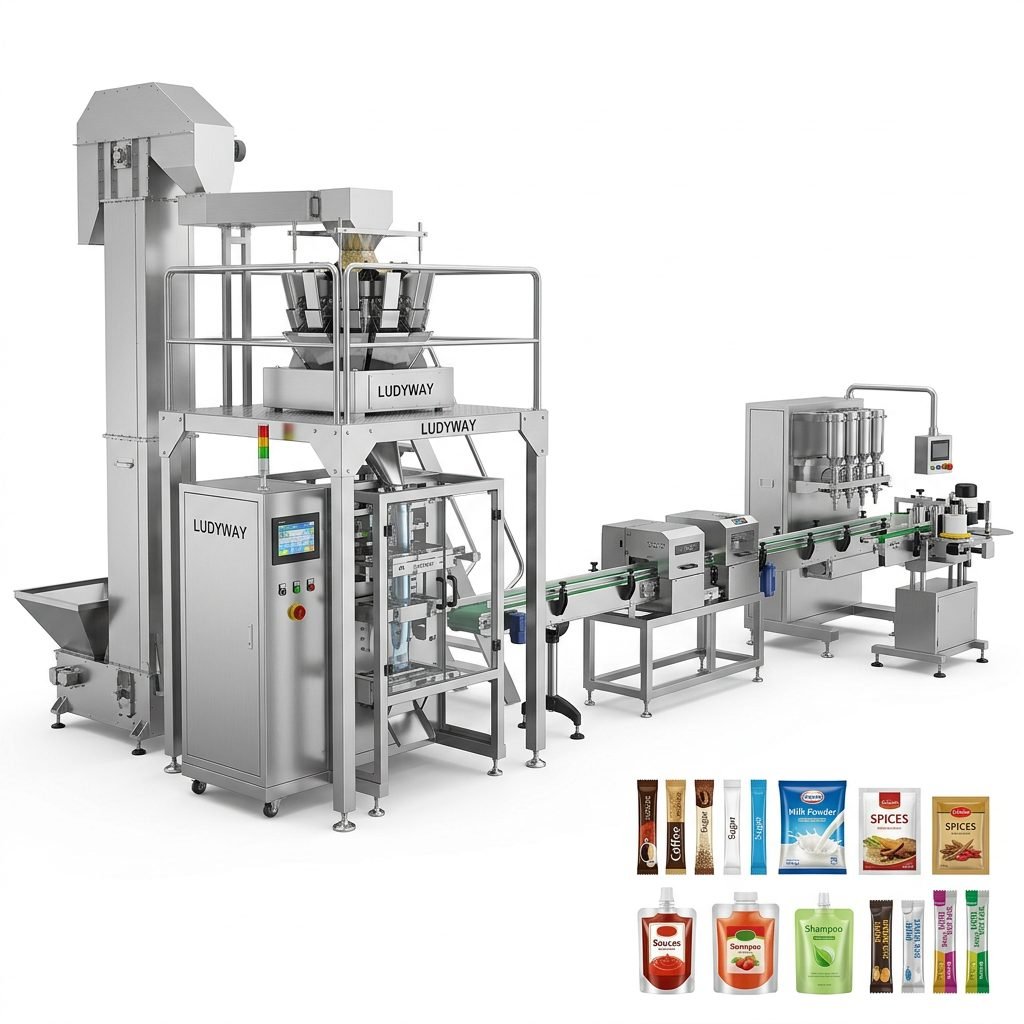
If your plant already uses conveyors, filling systems, coding equipment, or carton sealing systems, choose a vacuum packaging solution that can integrate smoothly into your line.
Review Cleaning and Maintenance Requirements
Easy maintenance reduces downtime. Look for accessible components, dependable spare parts support, and simple cleaning procedures.
Evaluate Supplier Strength
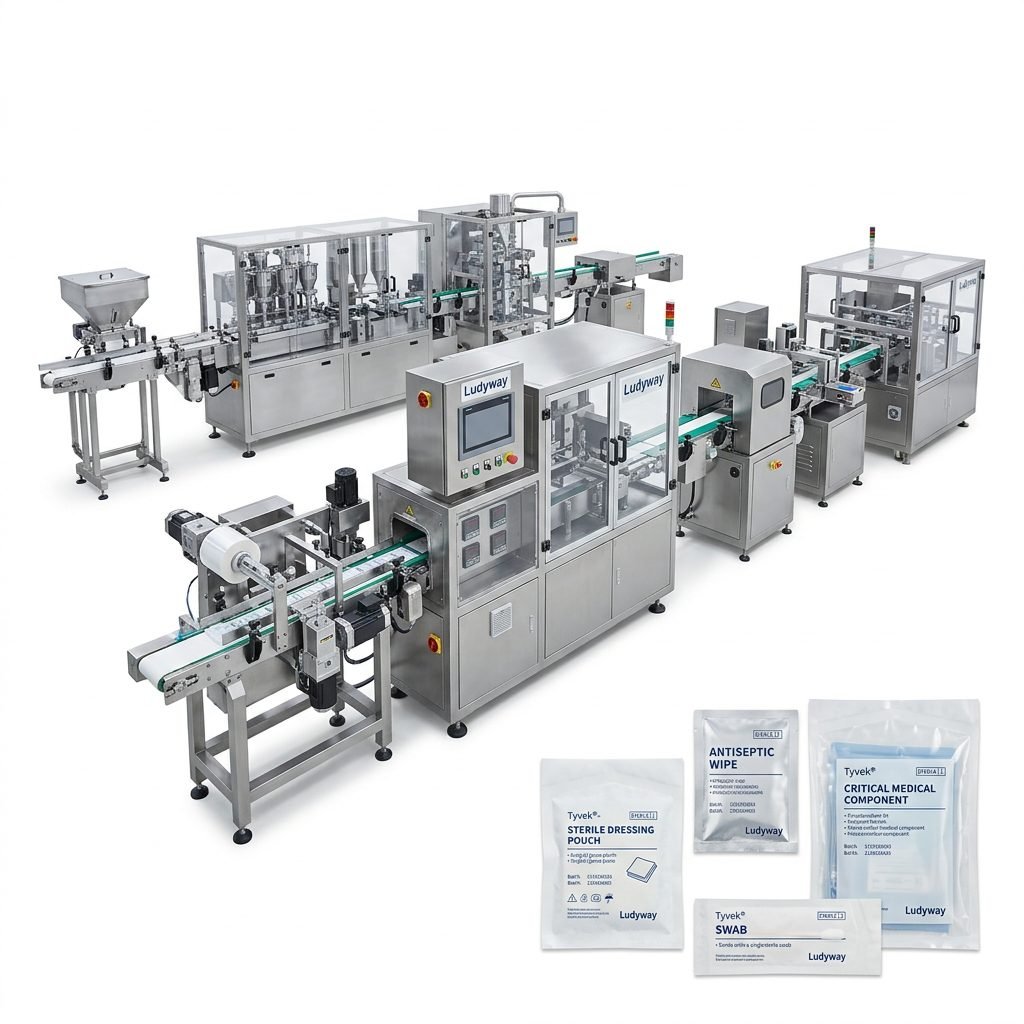
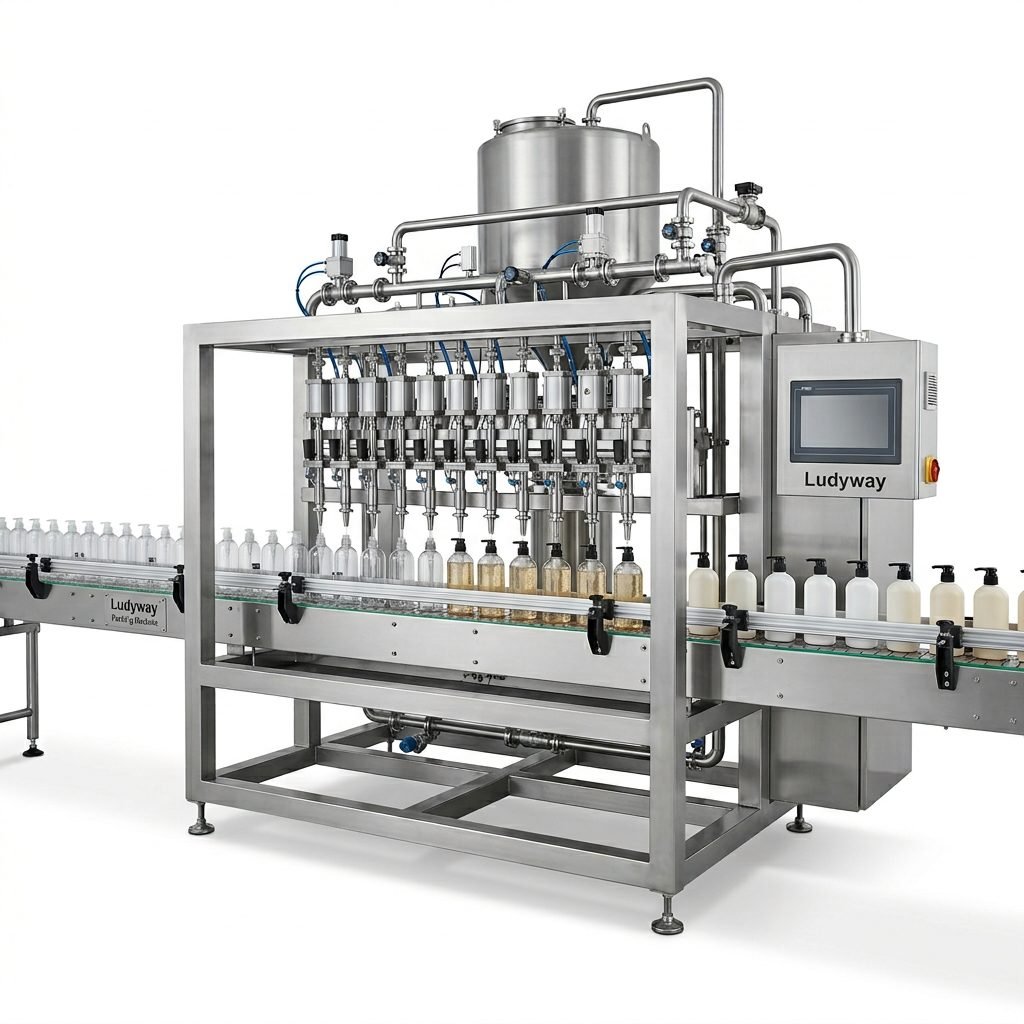
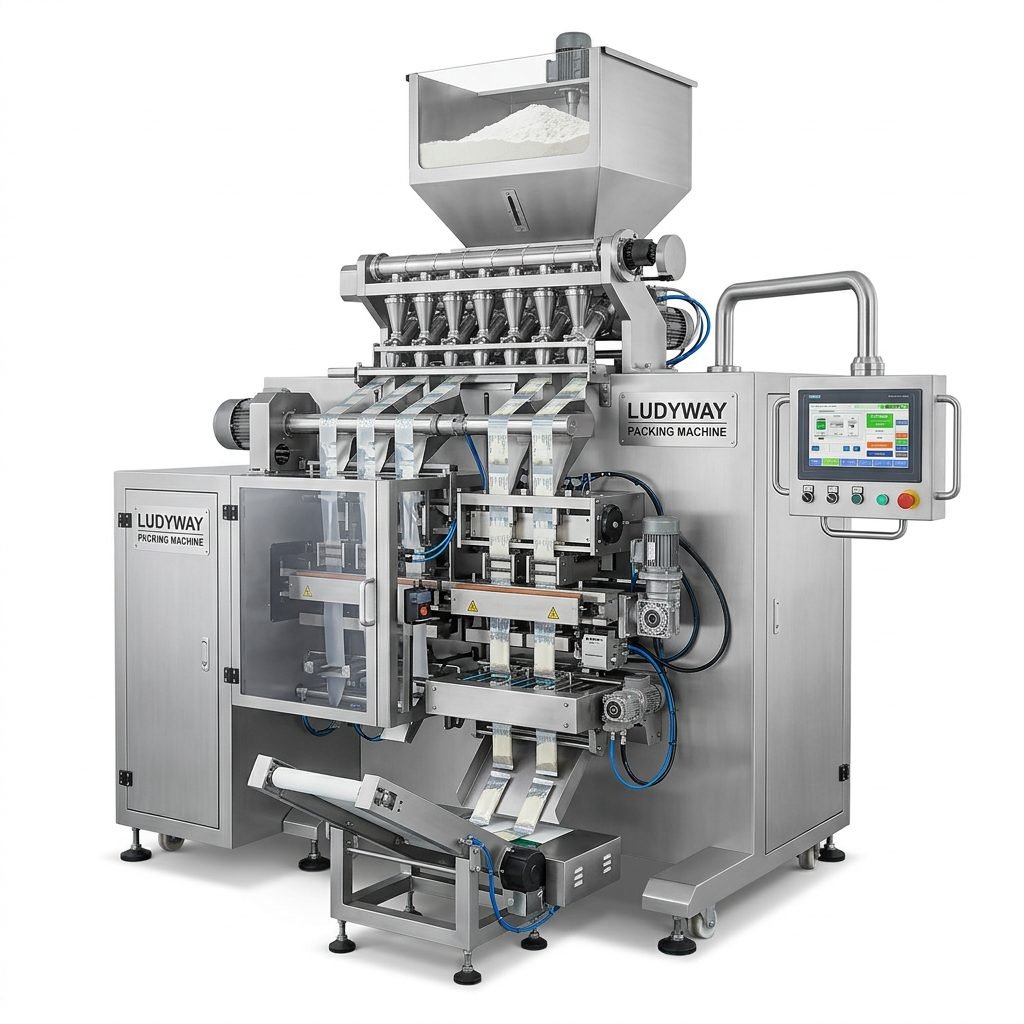
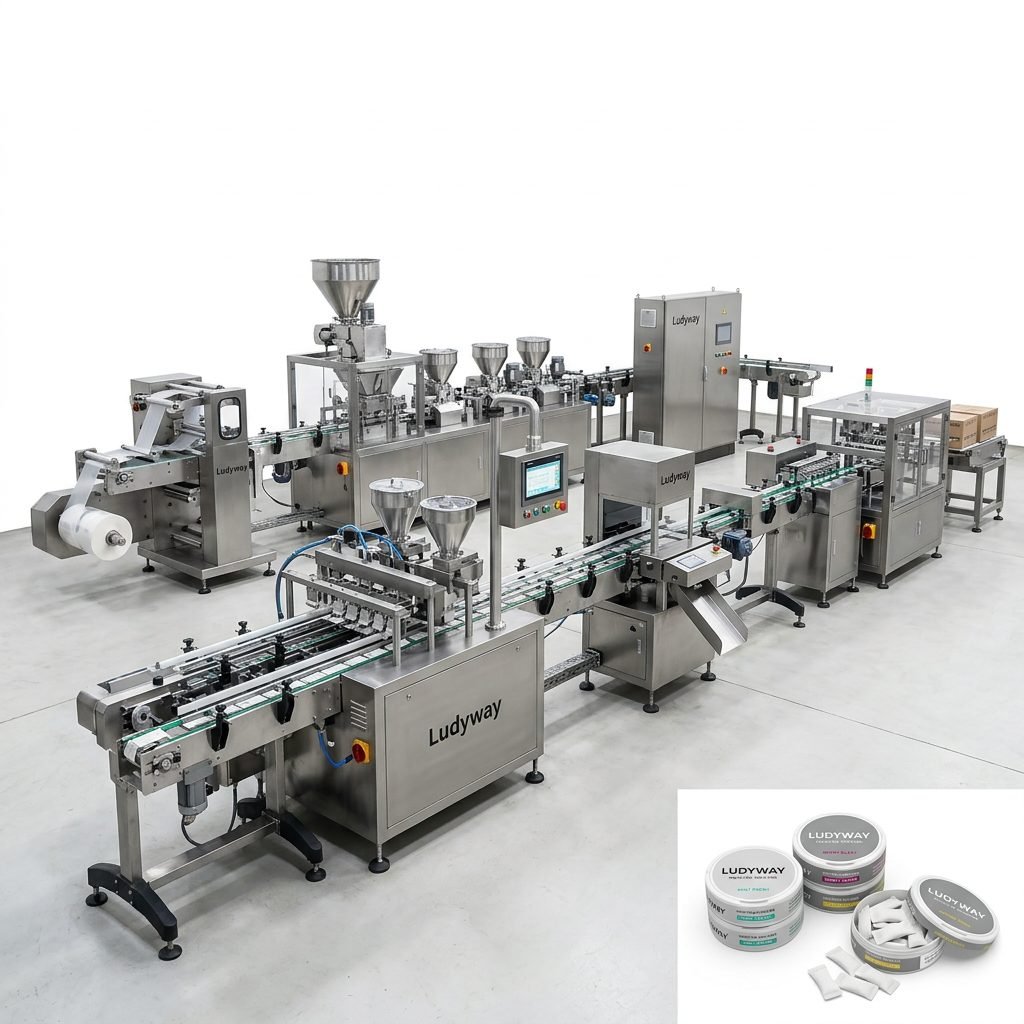
A trusted manufacturer can provide better long-term value through customization, testing, installation guidance, and after-sales service. Many buyers sourcing from China consider Ludyway vacuum packaging machine solutions because of the company’s extensive packaging machinery experience, broad export coverage, and turnkey line capabilities.
Key Questions to Ask a Supplier
- What products has this machine been tested with?
- What is the actual output per hour in real working conditions?
- What vacuum pump brand and specifications are included?
- Can the machine handle liquids, powders, or irregular products?
- What seal width and seal consistency can be achieved?
- Is OEM or custom configuration available?
- What technical support and spare parts service are offered?
- Can the machine be integrated into a full packaging line?
Industries and Common Uses
Food Industry
Vacuum packaging is widely used for meat, seafood, frozen foods, cheese, sauces, spices, coffee, snacks, and ready-to-eat products. It improves storage life and helps maintain flavor and texture.
Pharmaceutical and Healthcare
Some medical and health products need protective sealing to reduce contamination risk and maintain packaging integrity during shipping and storage.
Electronics and Industrial Products
Moisture-sensitive parts, metal components, and certain chemicals can benefit from vacuum packaging to reduce oxidation, corrosion, or dust exposure.
Retail and E-commerce
Vacuum-sealed packs are compact and visually clean, helping save warehouse space and shipping cost while giving products a professional appearance.
Advantages of Using a Vacuum Packaging Machine
| Benefit | Why It Matters |
|---|---|
| Longer Shelf Life | Helps reduce spoilage and preserve quality |
| Better Product Protection | Reduces exposure to air, moisture, and contaminants |
| Improved Appearance | Creates cleaner, more professional packaging |
| Lower Storage Volume | Makes packs more compact for transport and warehousing |
| Higher Efficiency | Supports faster and more standardized packaging workflows |
Common Mistakes Buyers Should Avoid
- Choosing only by price and ignoring long-term durability
- Buying a machine without confirming package size compatibility
- Ignoring after-sales service and spare parts availability
- Underestimating future production growth
- Failing to test the machine with the real product and bag material
Maintenance Tips for Longer Machine Life
- Clean sealing bars and working surfaces regularly.
- Check vacuum pump oil and replace it on schedule.
- Inspect sealing wires, gaskets, and wear parts.
- Keep the machine dry and free from product residue.
- Train operators to follow the correct parameter settings.
Who Should Buy a Sealer Vacuum Packaging Machine?
This type of machine is ideal for:
- Food processors needing better preservation
- Brands selling vacuum-packed retail products
- Factories wanting lower packaging waste and better logistics efficiency
- Medical and pharmaceutical companies requiring controlled packaging quality
- Manufacturers upgrading from manual sealing to automated packaging
Final Buying Insight
The best sealer vacuum packaging machine is not simply the cheapest or the most advanced model. It is the one that matches your product characteristics, packaging material, output target, hygiene standard, and future expansion plan. Buyers who compare machine type, sealing quality, vacuum stability, automation level, and supplier support are far more likely to make a profitable long-term investment.
If your production requires dependable performance and scalable packaging efficiency, choosing a vacuum sealing system from an experienced machinery manufacturer can make a measurable difference in product quality, labor savings, and operational consistency.