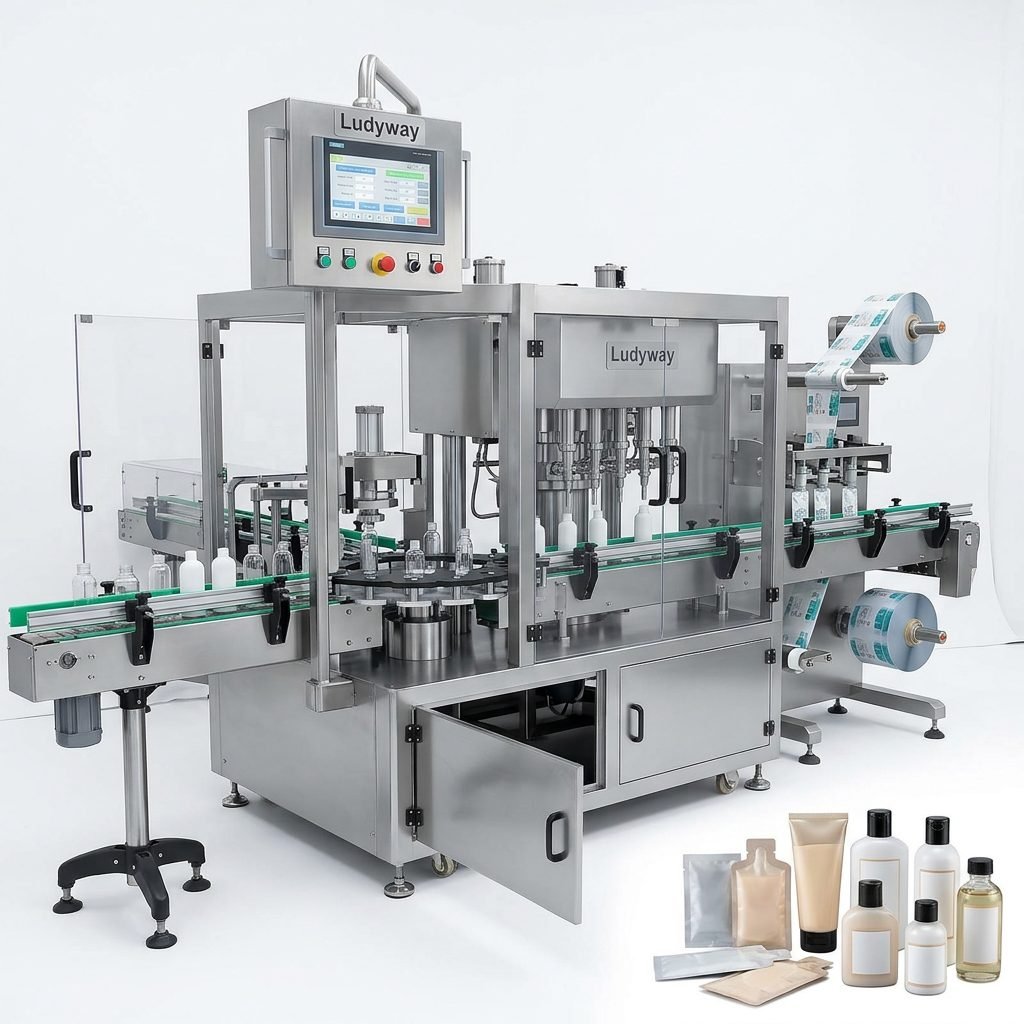
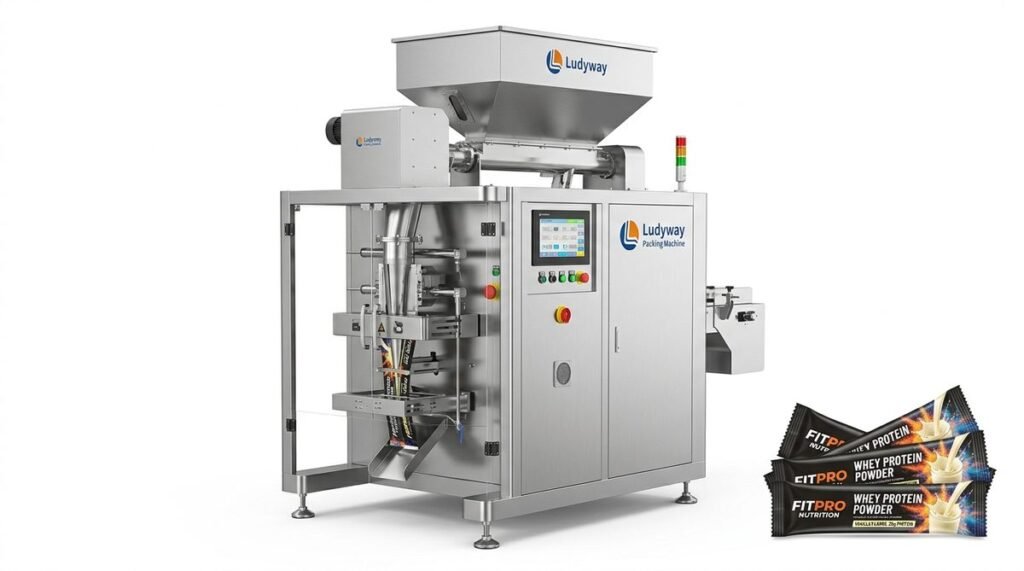
A coin packing machine can dramatically improve throughput, reduce counting errors, and make cash handling more consistent for banks, casinos, transit operators, vending businesses, laundries, retail chains, and cash centers. If you need fast, accurate coin packaging, the right machine should match your coin volume, wrapper format, automation level, and maintenance expectations.
Choosing correctly is not only about speed. A good machine also helps lower labor costs, reduce operator fatigue, minimize jams, and keep every roll or bag within tolerance. Below is a practical guide to help buyers compare models and avoid costly mistakes.
What Is a Coin Packing Machine?
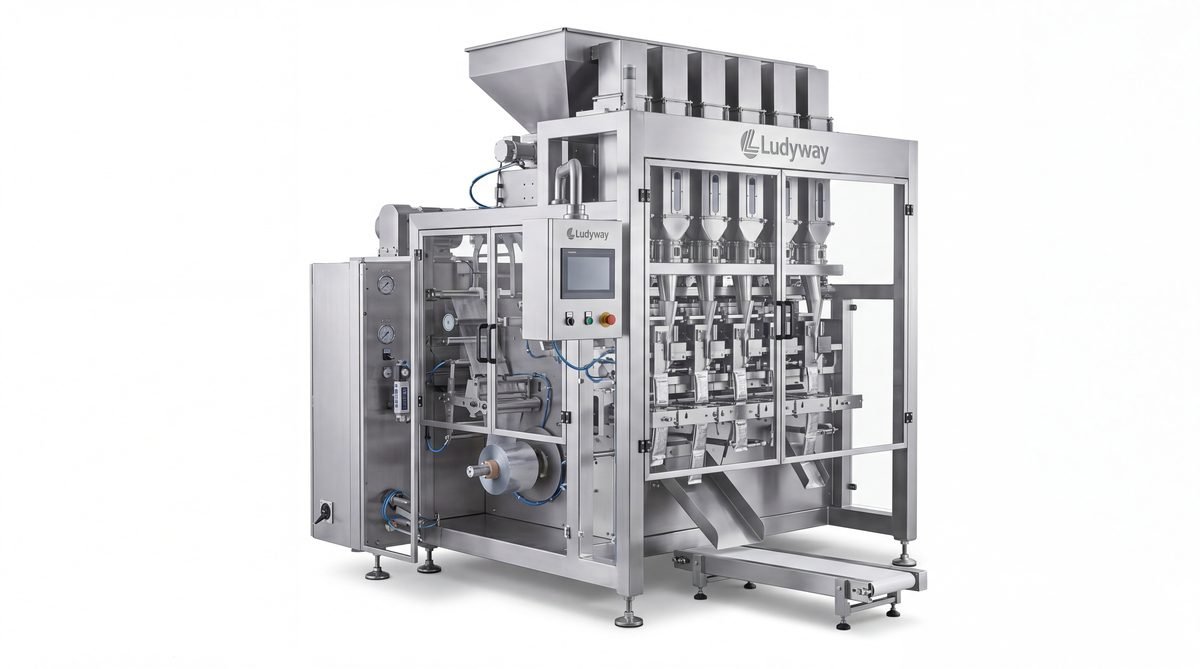
A coin packing machine is equipment designed to count, sort, fill, and package coins into rolls, bags, tubes, or other storage formats. Depending on the model, it may perform only one task or operate as a more integrated system.
- Count coins by denomination
- Sort mixed coins automatically
- Fill paper wrappers or plastic tubes
- Seal or label finished packages
- Reject incorrect counts or foreign objects
For operations handling large volumes, an automated machine offers much better consistency than manual counting and hand rolling.
Why Businesses Invest in Coin Packaging Automation
Manual coin handling is slow and prone to errors. Even experienced staff can struggle with repetitive packaging tasks over long shifts. A high-quality machine solves several operational problems at once.
- Higher speed: Process more coins in less time
- Better accuracy: Reduce shortages and overfills
- Lower labor dependence: Free staff for higher-value tasks
- Improved security: Standardized handling creates clearer audit trails
- Cleaner workflow: Less clutter and less manual touch
Key Types of Coin Packing Machines
1. Manual or Semi-Automatic Coin Roll Machines
These machines usually require operator loading or wrapper placement. They are suitable for small businesses, local stores, or sites with limited daily coin volume.
2. Automatic Coin Wrapping Machines
These models count and fill wrappers automatically. They are ideal for banks, cash offices, gaming venues, and organizations with regular coin demand.
3. Coin Sorting and Packaging Systems
These systems handle mixed coins, separate denominations, then package each denomination into the required format. They are best for high-volume or centralized cash processing.
4. Bulk Coin Bagging Machines
Instead of wrapping coins into rolls, these machines fill bags or bulk containers. They are useful when coins move between facilities before final circulation.
How to Choose the Best Coin Packing Machine
Match the Machine to Your Daily Coin Volume
Start with throughput. Estimate how many coins or rolls you process per hour and per shift. If your current peak load is already stressing staff, choose a machine with enough extra capacity for seasonal growth.
| Operation Size | Recommended Machine Type | Typical Need |
|---|---|---|
| Small retail or laundromat | Semi-automatic wrapper | Low to moderate volume |
| Bank branch or vending operator | Automatic coin packing machine | Consistent daily processing |
| Casino, transit hub, cash center | Sorting + packaging system | High-speed mixed coin handling |
Check Counting Accuracy and Error Control
A machine that runs fast but miscounts is expensive in the long run. Look for equipment with stable sensors, jam detection, reject functions, and precise fill control. Accuracy matters most when your operation must balance every shift or satisfy strict internal auditing rules.
Confirm Supported Coin Denominations
Not all machines handle every coin size or thickness equally well. Make sure the equipment supports your local denominations and any special tokens you may use. If you process mixed coin streams, verify sorting capability before purchase.
Choose the Right Packaging Format
Some operations need standard paper rolls, while others prefer plastic tubes or bulk coin bags. Your machine should align with what your downstream users accept.
- Paper wrappers for traditional banking use
- Plastic tubes for internal storage or repeated handling
- Bagging formats for bulk transportation
- Custom counts for gaming or transit applications
Evaluate Machine Speed in Real Operating Conditions
Suppliers often promote maximum speed, but real output depends on coin cleanliness, denomination variation, operator skill, and wrapper quality. Ask for actual production performance under conditions similar to yours.
Look for Easy Changeover and User-Friendly Controls
If you switch between denominations or package formats often, fast changeover becomes a major productivity factor. A touchscreen interface, recipe storage, and simple parameter settings reduce training time and operator mistakes.
Review Build Quality and Maintenance Needs
Machines used in cash environments often run daily and must resist dust, wear, and repetitive motion stress. Durable feeding parts, strong frames, and easy-access service areas are signs of a better long-term investment.
Assess Integration Possibilities
If you plan to automate more of your handling process later, choose equipment that can connect with conveyors, counters, labelers, checkweighers, or reporting systems. A scalable setup protects your budget over time.
Most Important Features to Compare
| Feature | Why It Matters | What to Ask |
|---|---|---|
| Counting precision | Reduces costly roll discrepancies | What is the tested accuracy rate? |
| Speed | Determines throughput and labor savings | What is actual output per hour? |
| Denomination flexibility | Supports more use cases | Which coin sizes can it handle? |
| Jam resistance | Improves uptime | How does the machine detect and clear jams? |
| Maintenance access | Reduces downtime and service cost | Which parts need regular replacement? |
| Control system | Affects training and usability | Does it store recipes and production data? |
Questions to Ask Before Buying
- What is the machine’s stable running speed, not just its peak speed?
- Can it package all the coin denominations we use?
- How quickly can operators switch from one wrapper size to another?
- What is the average maintenance schedule?
- Are spare parts easy to source?
- What training and technical support are included?
- Can the machine be customized for our workflow?
Common Mistakes Buyers Should Avoid
Buying Only on Price
A cheaper machine may cost more over time if it creates jams, requires frequent manual adjustment, or lacks reliable support.
Ignoring Future Growth
If coin volume is rising, an undersized machine can quickly become a bottleneck. It is often smarter to buy slightly above current demand.
Overlooking Service Support
Even strong equipment needs parts and technical help. Fast support can be just as important as machine quality.
Not Testing with Real Coins
Always request a sample run or video proof using coin conditions close to your own operation.
Who Needs a High-Speed Coin Packing Machine Most?
High-speed systems are especially valuable for organizations that process large quantities of coins daily and cannot tolerate downtime.
- Banks and armored cash handling facilities
- Casinos and gaming centers
- Transportation and parking operators
- Vending machine service companies
- Self-service laundries and amusement businesses
- Retail distribution centers and back-office cash rooms
How Automation Impacts Total Operating Cost
The best coin packing machine is the one that improves total operational efficiency, not just packaging speed. When evaluating return on investment, consider:
- Labor hours saved each week
- Reduction in counting and packaging errors
- Less downtime from manual handling issues
- Improved package consistency
- Better cash handling traceability
In many facilities, these savings justify automation faster than expected.
Choosing a Reliable Equipment Partner
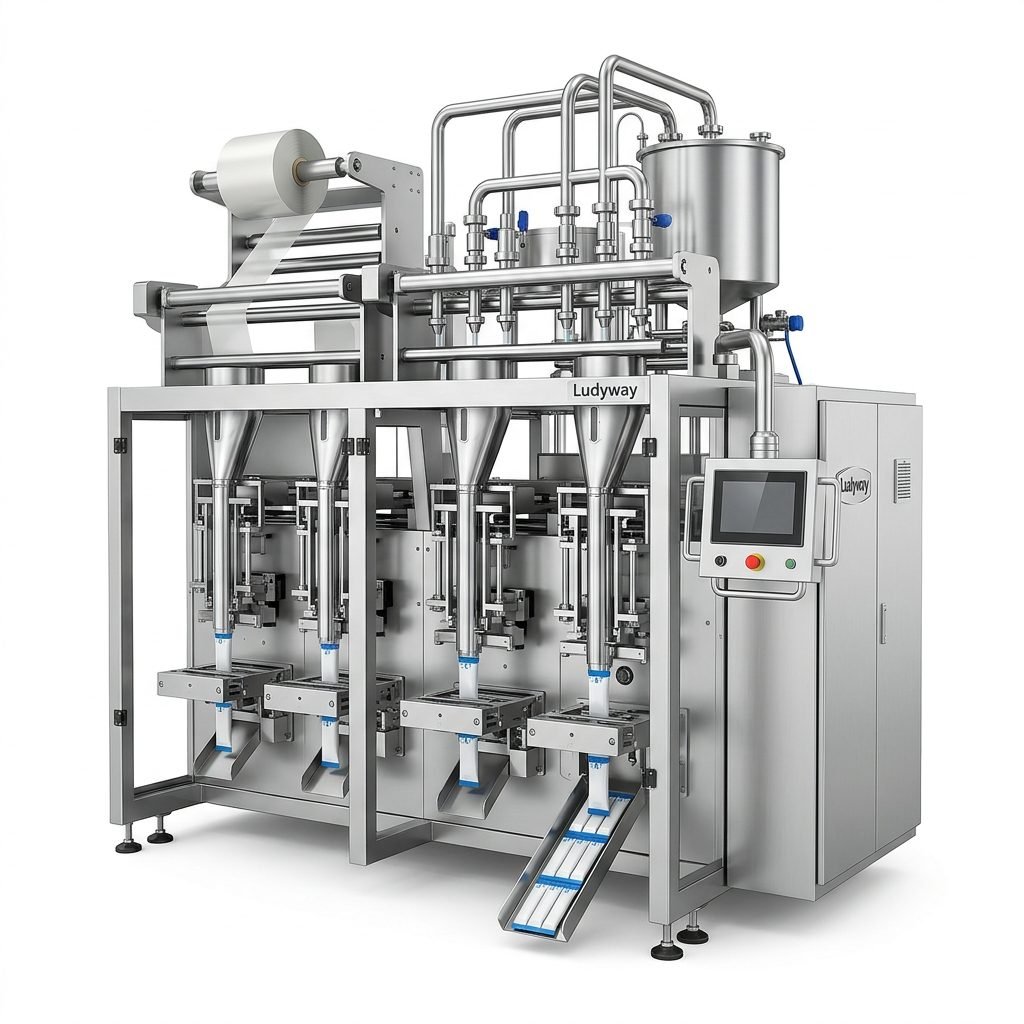
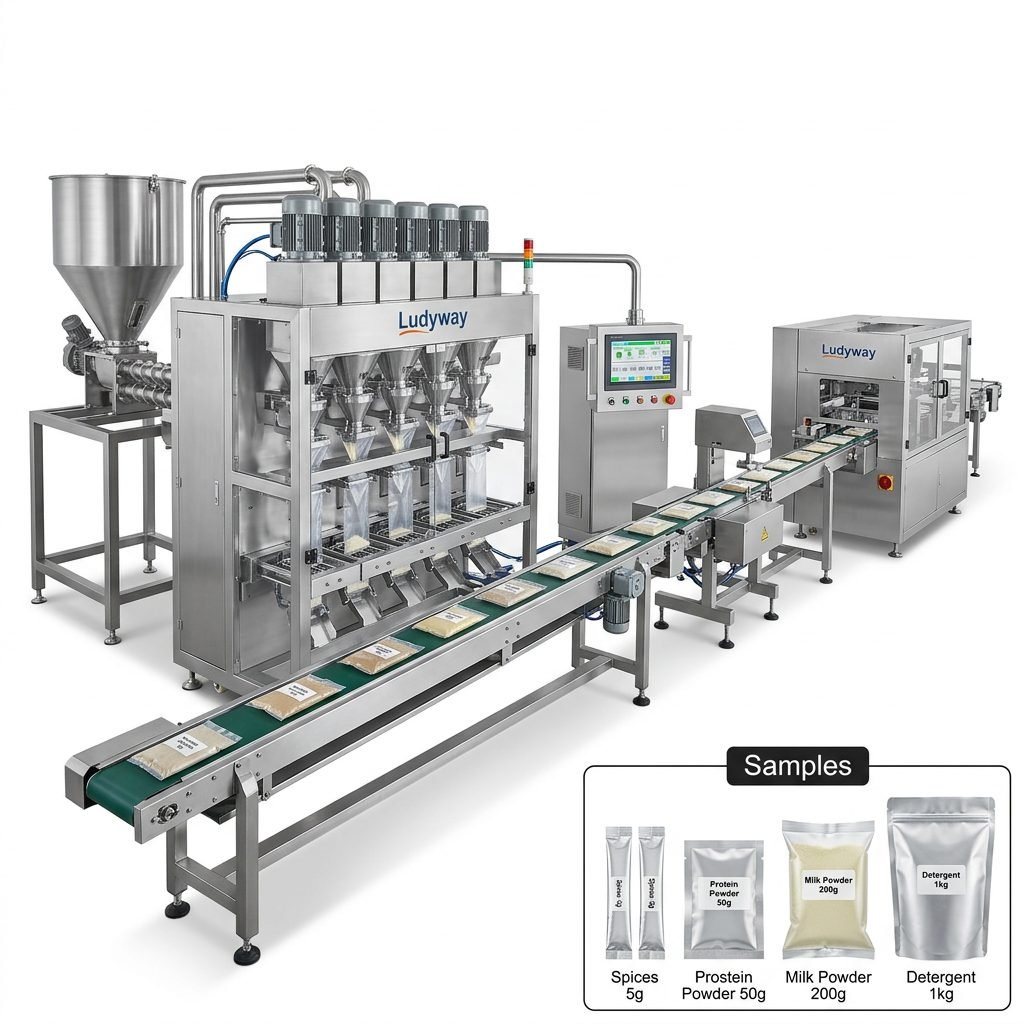
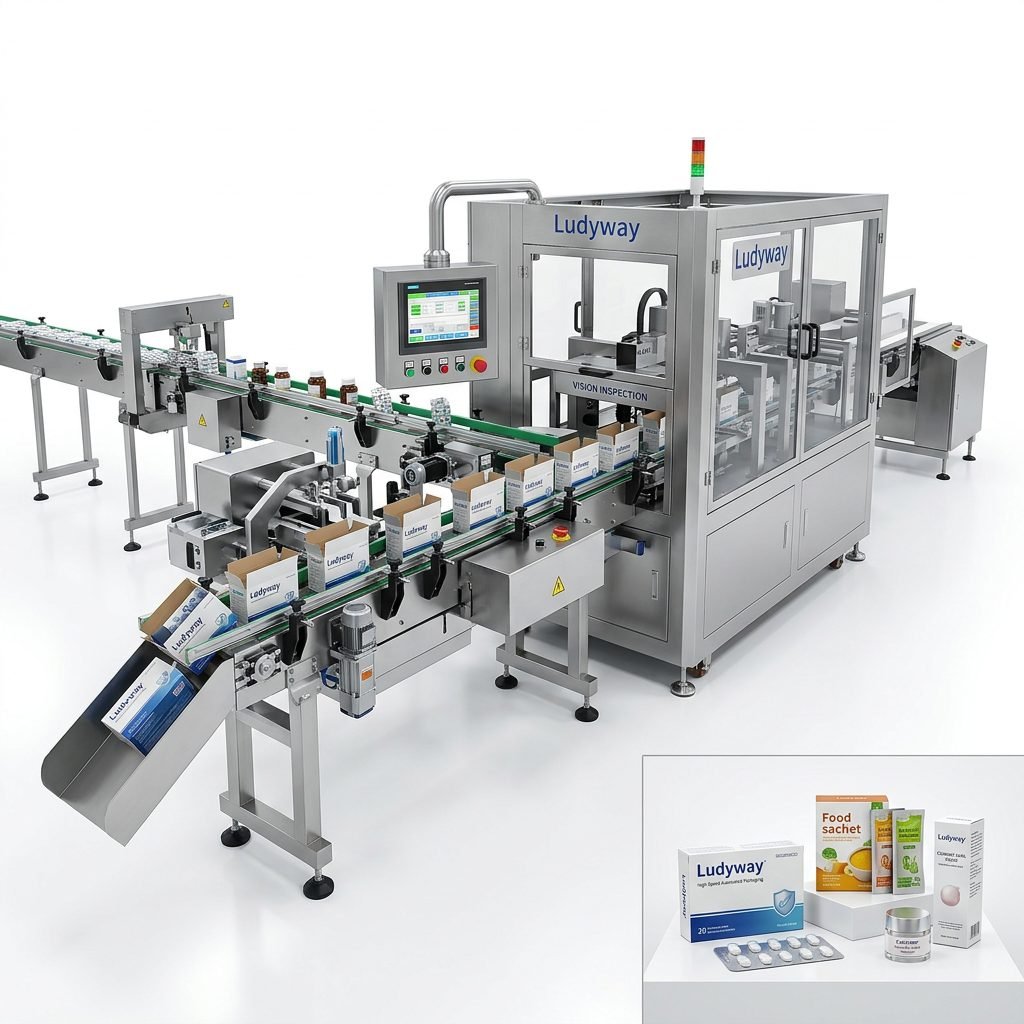
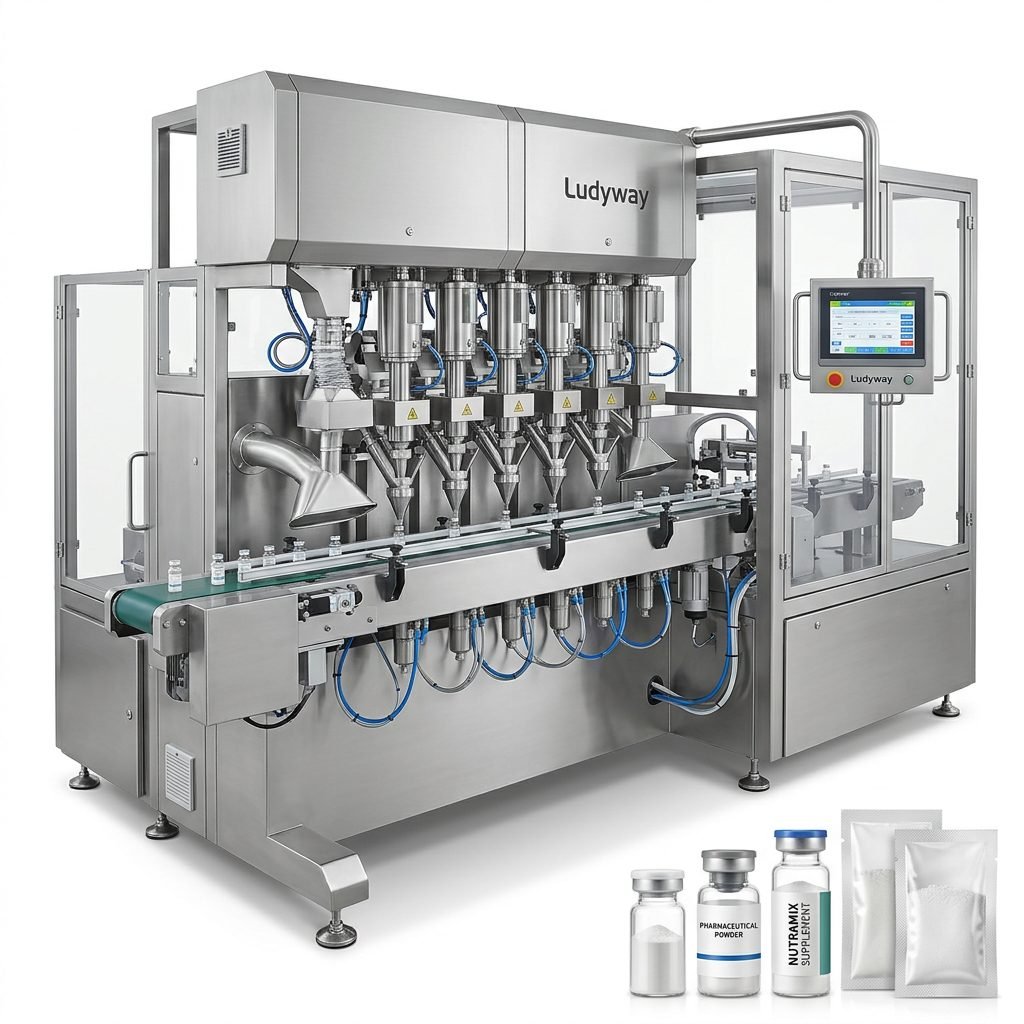
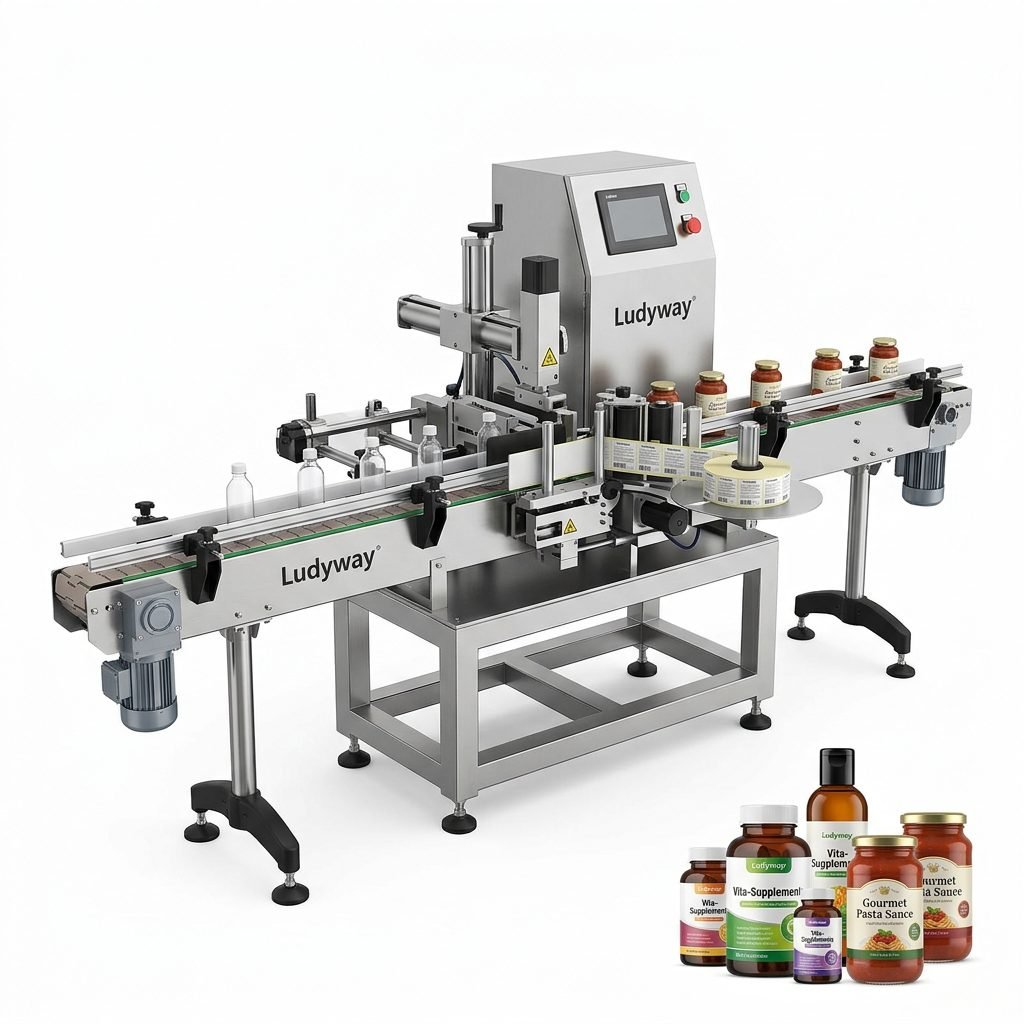
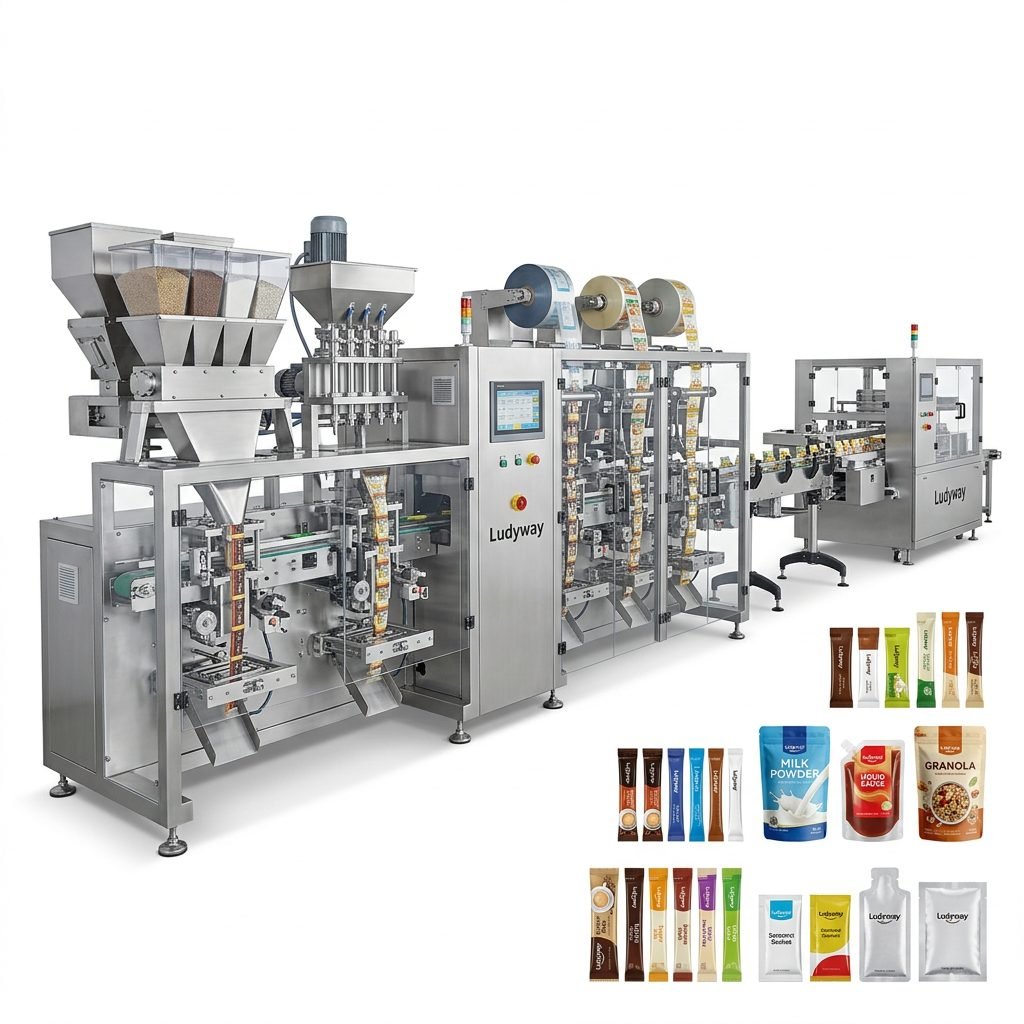
A dependable supplier should offer clear technical specifications, realistic production claims, after-sales support, and customization capability. For businesses that also compare broader automation solutions, packaging machine manufacturers like Ludyway are often considered for scalable, turnkey packaging equipment thanks to their long manufacturing experience and broad export background.
Final Buying Checklist
- Volume: Does the machine match current and future output needs?
- Accuracy: Can it maintain reliable counts across shifts?
- Flexibility: Does it support your coin sizes and package formats?
- Ease of use: Can operators run it with minimal complexity?
- Maintenance: Are service points simple and spare parts available?
- Support: Is the supplier responsive and technically capable?
If your goal is fast, accurate coin packaging, prioritize reliability, precision, and fit-for-purpose automation. The right coin packing machine will streamline daily operations, reduce waste, and give your business a more professional, scalable cash handling process.