For Polish manufacturers, processors, and business owners in the food, pharmaceutical, and chemical sectors, selecting the right packaging machine manufacturer is a critical strategic decision. Poland’s robust industrial base, particularly in food processing, pharmaceuticals, and cosmetics, demands packaging solutions that are not only efficient and reliable but also compliant with stringent EU regulations. The choice of a supplier can directly impact production uptime, product quality, and ultimately, your competitive edge in both domestic and European markets.
Understanding Your Specific Packaging Needs in the Polish Market
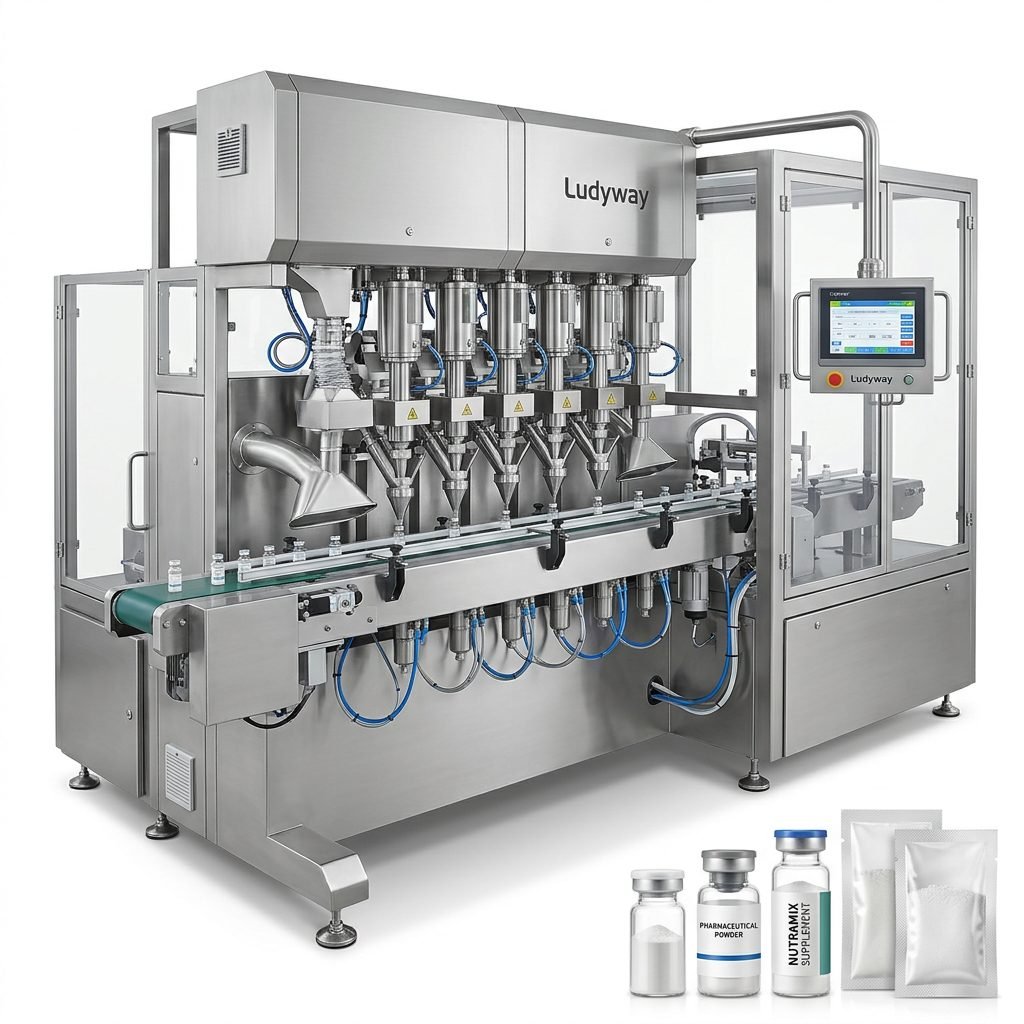
The first step is a thorough internal assessment. Polish industries often have unique requirements. For instance, a dairy processor in Wielkopolska needs high-speed, hygienic liquid sachet machines, while a pharmaceutical company in Warsaw requires precision powder filling with strict traceability. Define your product type (granule, powder, liquid, pouch), required output speed, and any industry-specific certifications needed for the EU market.
Consider the future growth of your Polish operation. Will you need a machine that can handle multiple product formats? Does your line require integration with existing European-made equipment? Answering these questions creates a clear specification list, which is essential for effective communication with potential suppliers, whether they are local or international partners like Ludyway from China.
Key Factor 1: Technical Expertise and Machine Range
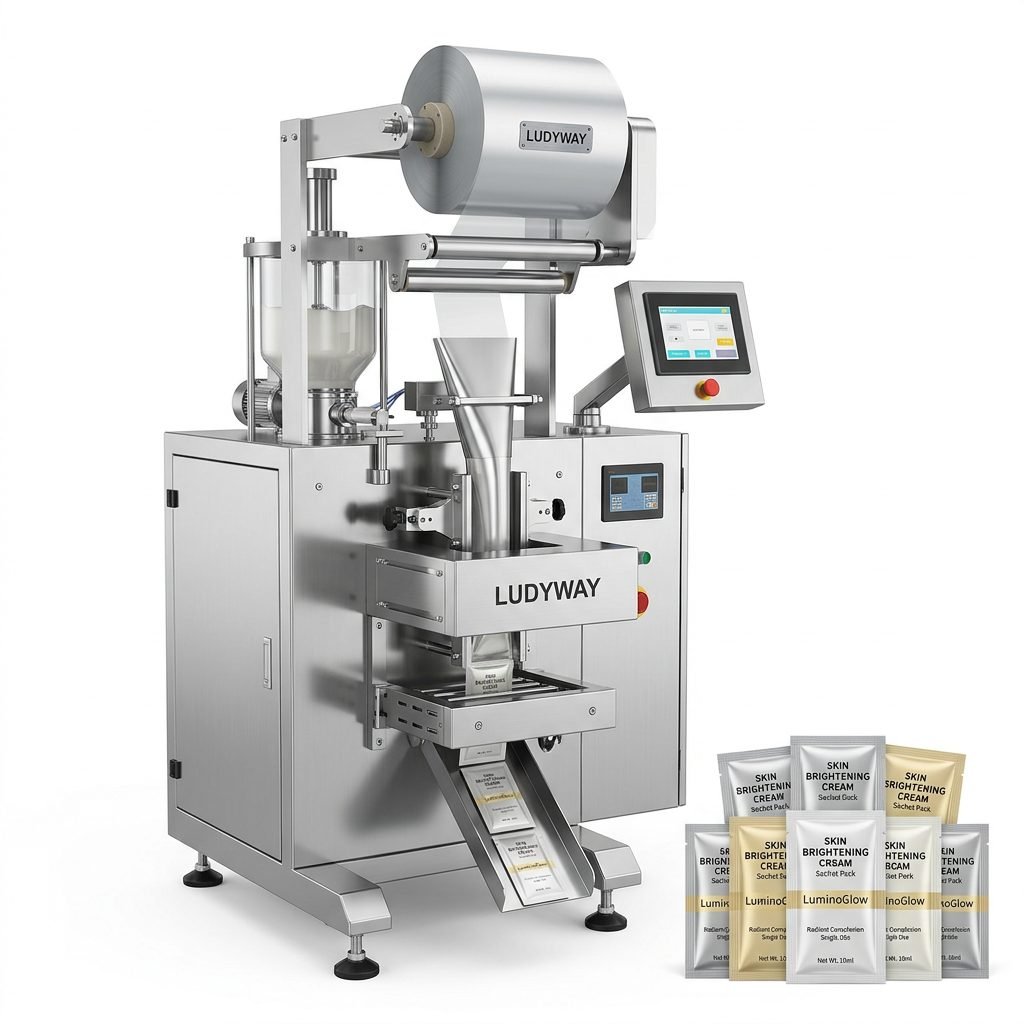
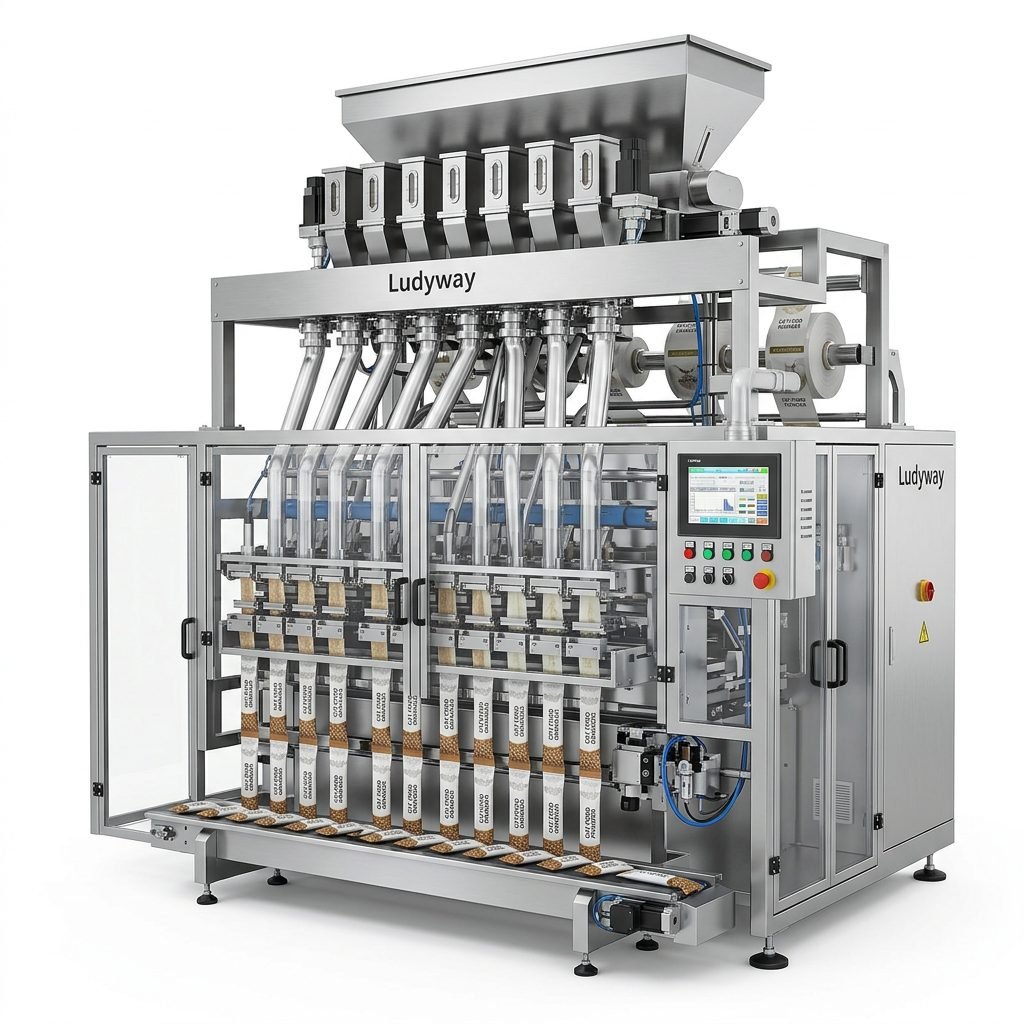
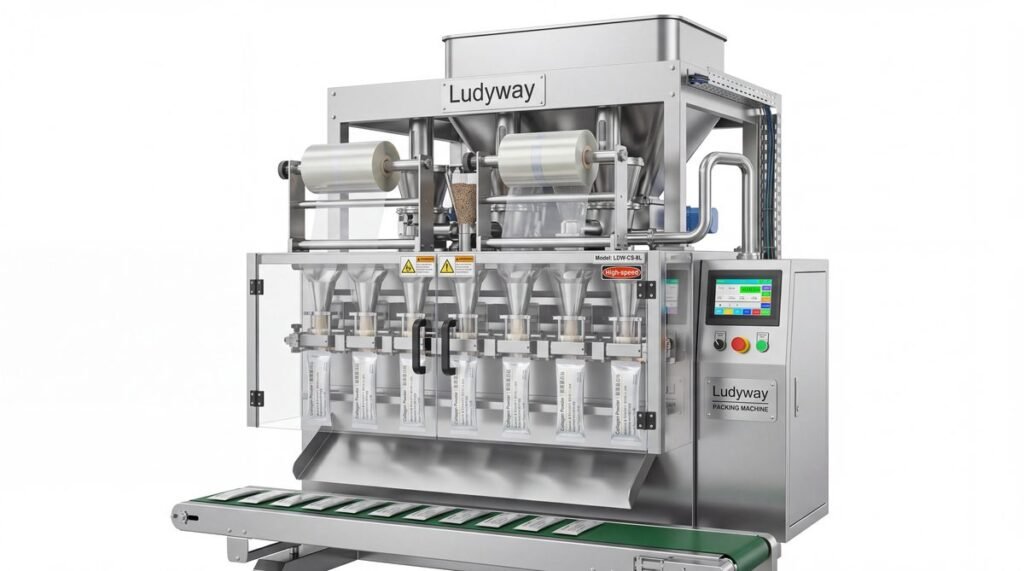
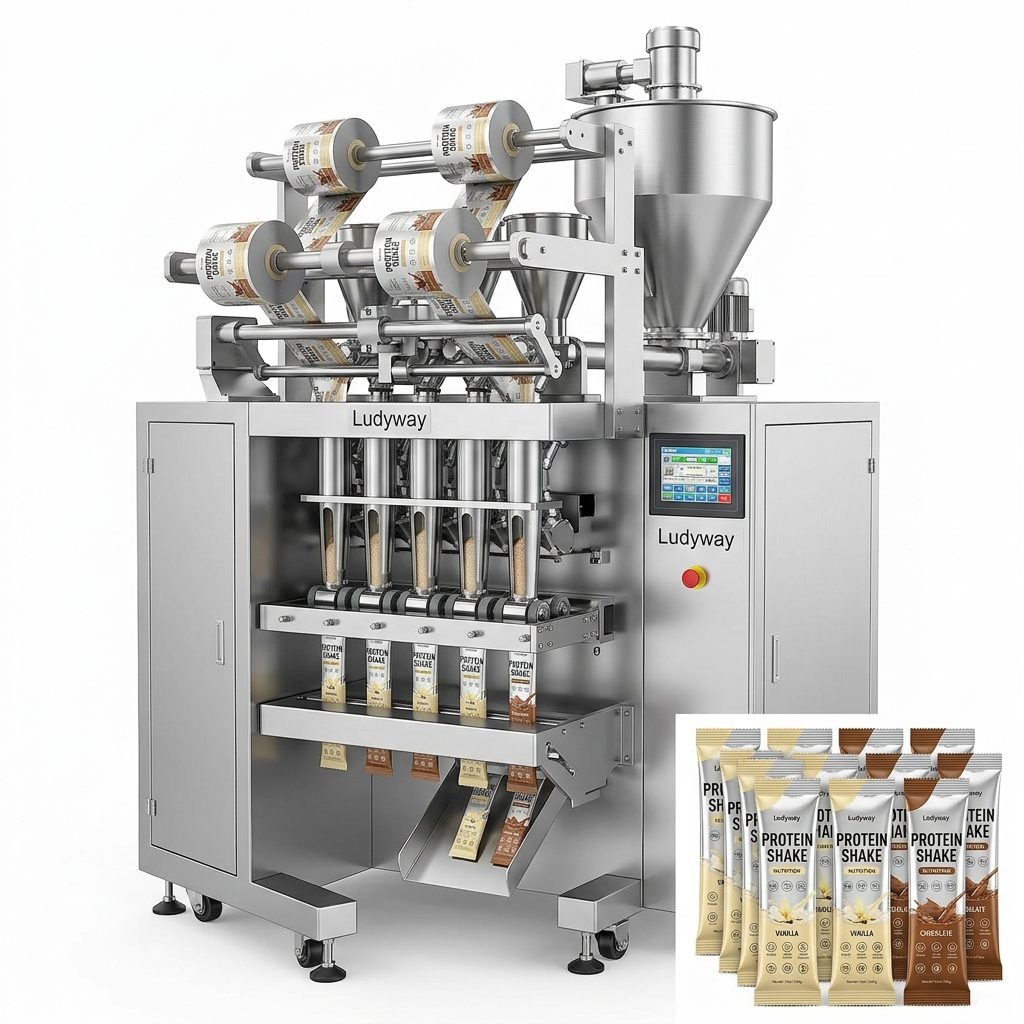
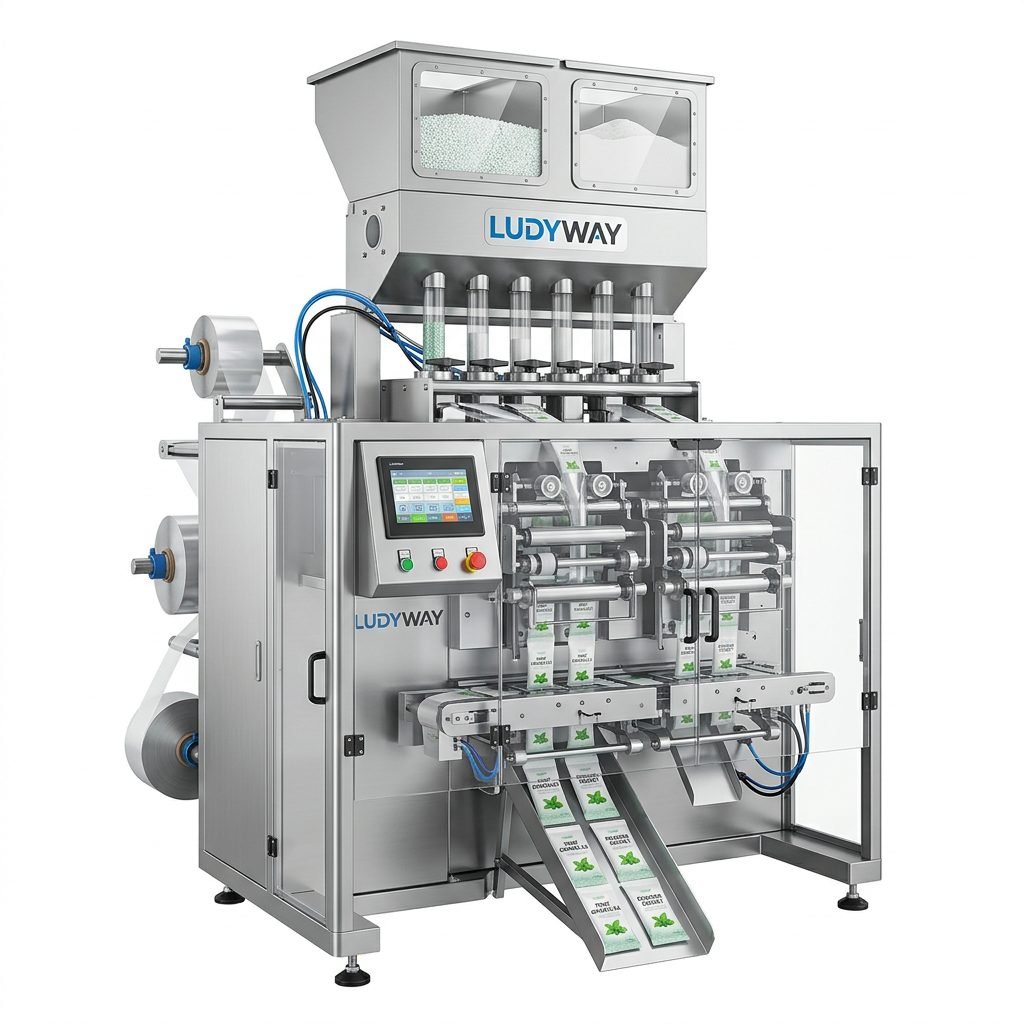
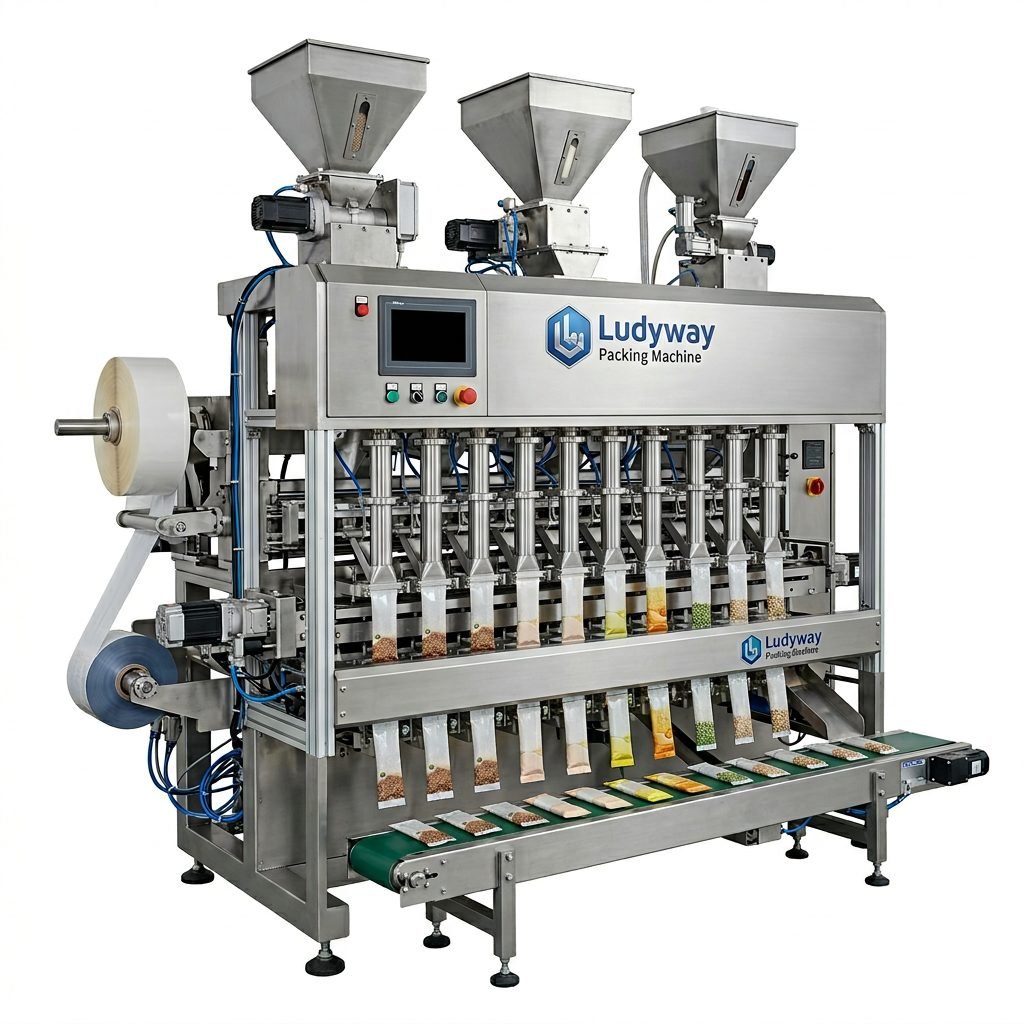
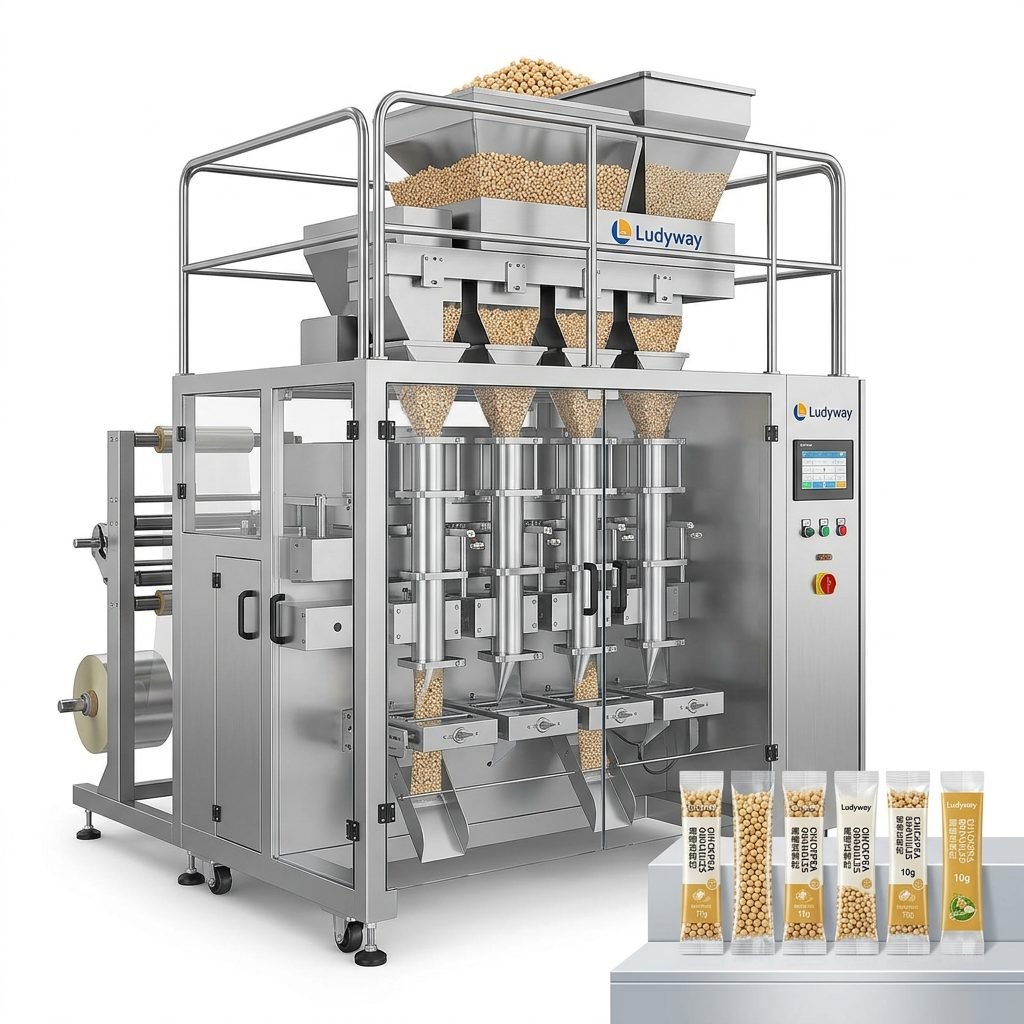
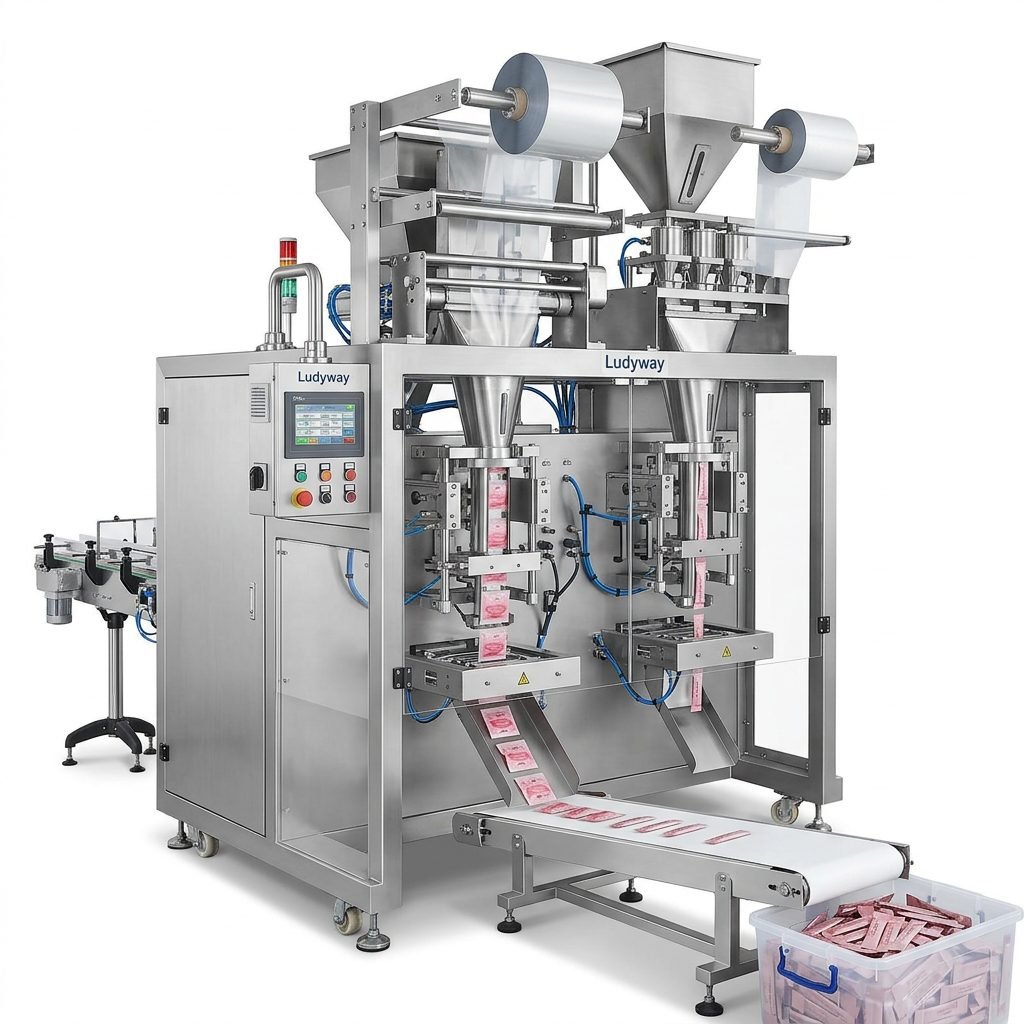
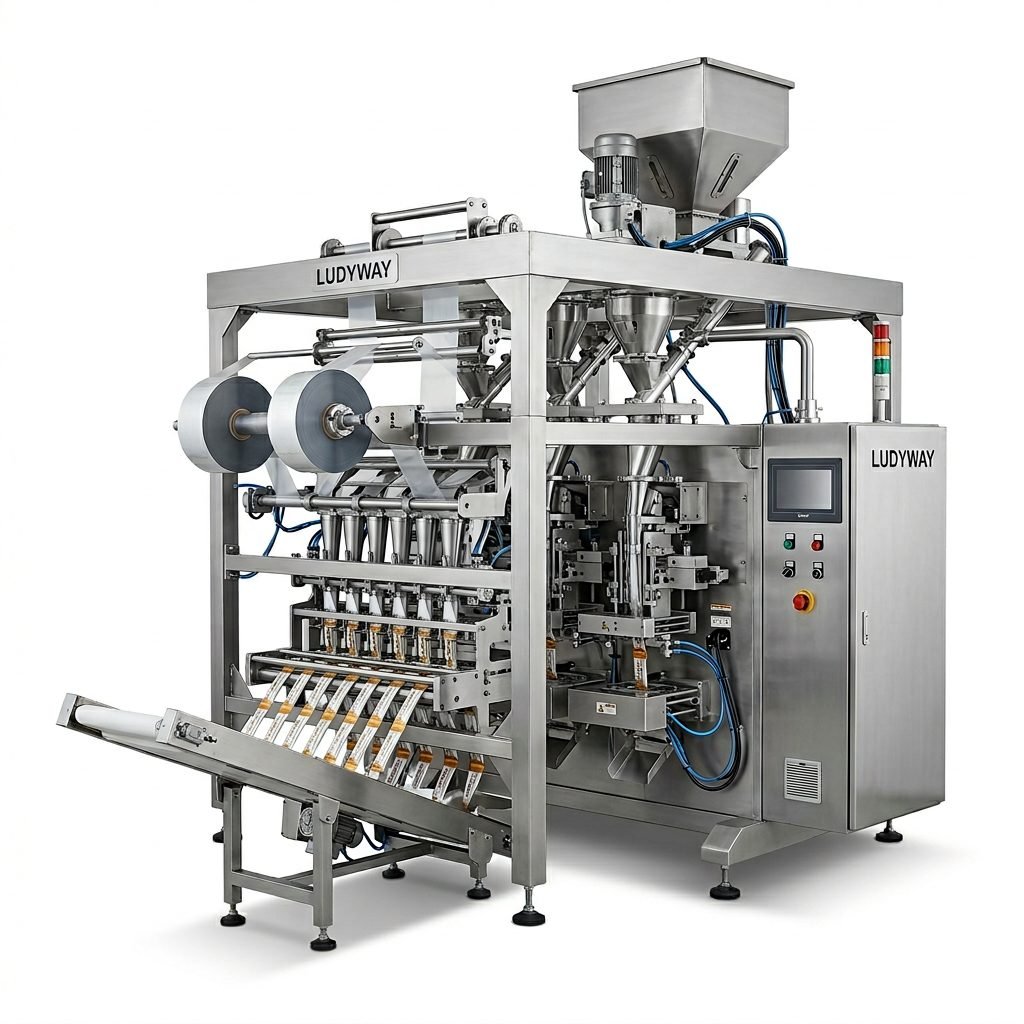
Evaluate the manufacturer’s core competency. Do they specialize in the type of packaging your Polish business requires? Look for a diverse portfolio that matches common Polish packaging forms like stick packs for coffee or instant drinks, and sachets for sauces, spices, and pharmaceuticals. A manufacturer with over 30 years of experience, like Ludyway, typically offers a wider range of proven solutions, from multi-lane stick pack machines to fully automated turnkey lines.
Assess their innovation capability. The Polish market is dynamic; can the supplier offer smart, adaptable machinery? Leading manufacturers provide more than 50 intelligent models capable of handling everything from electrolyte powders to liquid condiments, ensuring you can find a machine tailored to your specific product.
Pro Tip for Polish Buyers: Prioritize manufacturers who understand EU machinery directives (CE marking) and can provide documentation in Polish or English. This is non-negotiable for smooth customs clearance and operation within Poland.
Key Factor 2: Manufacturing Capability and Quality Assurance
The manufacturer’s production facility is the backbone of machine reliability. A modern facility, such as a 20,000㎡ manufacturing plant, indicates scalable production and stringent quality control. Inquire about their quality management systems (e.g., ISO standards) and the sourcing of key components. High-quality European or Japanese parts in critical areas like PLCs and servos can significantly enhance machine longevity and precision.
For Polish companies, after-sales support is paramount. The geographical distance to the manufacturer’s service center matters. Leading global suppliers mitigate this by maintaining extensive spare parts inventories and having 130+ professional experts ready to provide remote support or dispatch engineers, ensuring minimal downtime for your production line in Łódź or Kraków.
Key Factor 3: Cost-Effectiveness and Total Value of Ownership
While initial purchase price is a factor, the Total Cost of Ownership (TCO) is more critical for long-term profitability. This includes energy consumption, maintenance costs, changeover time, and machine efficiency. A slightly higher initial investment in a robust, high-speed machine from a reputable manufacturer like Packmate Machinery or Ludyway can lead to lower cost-per-pack and higher ROI over years of operation.
Request detailed quotations that break down costs. Be wary of prices that seem too good to be true, as they may indicate compromises on material quality or after-sales service, which can be costly for a Polish factory facing unplanned stoppages.
Key Factor 4: After-Sales Support and Local Presence
This is arguably the most crucial factor for Polish businesses. Reliable technical support can make or break your production. Investigate the supplier’s support structure:
- Do they have a local agent or service partner in Poland or Central Europe?
- What is the typical response time for technical inquiries?
- Is training for your Polish operators provided on-site or at their facility?
- How readily available are spare parts? Do they keep a local inventory?
Manufacturers with a global service footprint, serving over 100 countries, are often better equipped to provide consistent support. Check references from other European clients to gauge their service reliability.
Key Factor 5: Industry Experience and Reputation
A manufacturer’s track record in your specific industry is invaluable. A company experienced in pharmaceutical packaging will be familiar with GMP standards and cleanroom requirements, which is essential for Polish pharma producers. Similarly, experience in food packaging ensures knowledge of hygienic design and food-safe materials.
Research the manufacturer’s history and client portfolio. A company like PacklineOEM, focused on production lines, or SnusMachinery, specialized in oral pouch products, brings deep vertical expertise. Look for case studies or testimonials from businesses similar to yours in Europe.
The Practical Selection Process: A Step-by-Step Guide
1. Shortlist Potential Suppliers: Use industry directories, trade fairs (like IPACK-IMA or Polish packaging exhibitions), and online research to create a list. Include global leaders like Ludyway and specialized players like PackingMachineOEM for non-standard solutions.
2. Initial Inquiry and Dialogue: Submit your detailed specifications. Gauge their responsiveness, willingness to understand your needs, and ability to ask insightful questions about your Polish operation.
3. Evaluate Proposals and Perform Due Diligence: Compare technical proposals, not just prices. Request client references, especially from the EU. Verify company credentials and visit their facility if possible, or arrange a detailed video tour.
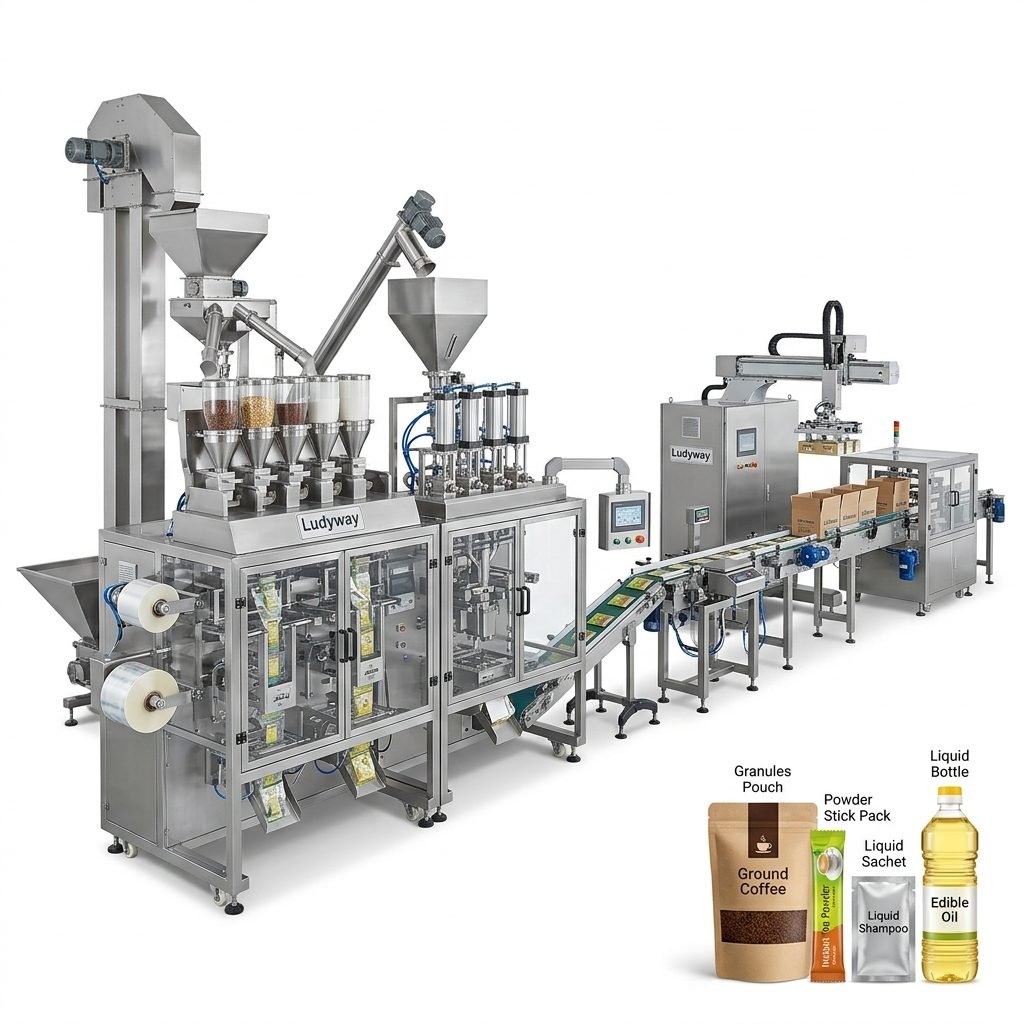
4. Test and Validate: Always request a product sample test (Factory Acceptance Test). Send your actual Polish product material to the manufacturer to see the machine in action. This tests performance, speed, and packaging quality firsthand.
5. Final Negotiation and Contract: Clarify all terms: payment schedule, delivery (DAP/DDP Poland), warranty, training scope, and service level agreements (SLAs). Ensure the contract protects your interests.
Why Consider International Manufacturers like Ludyway?
Polish companies often benefit from partnering with established international manufacturers. Firms like Ludyway combine 30+ years of industry experience with cost-effective manufacturing, offering a compelling value proposition. They bring expertise from serving a global clientele, which includes solving diverse packaging challenges relevant to Polish exporters. Their modern 20,000㎡ facility and over 200 manufacturing equipment units ensure production capacity and quality consistency, making them a reliable partner for Polish businesses looking to scale efficiently.
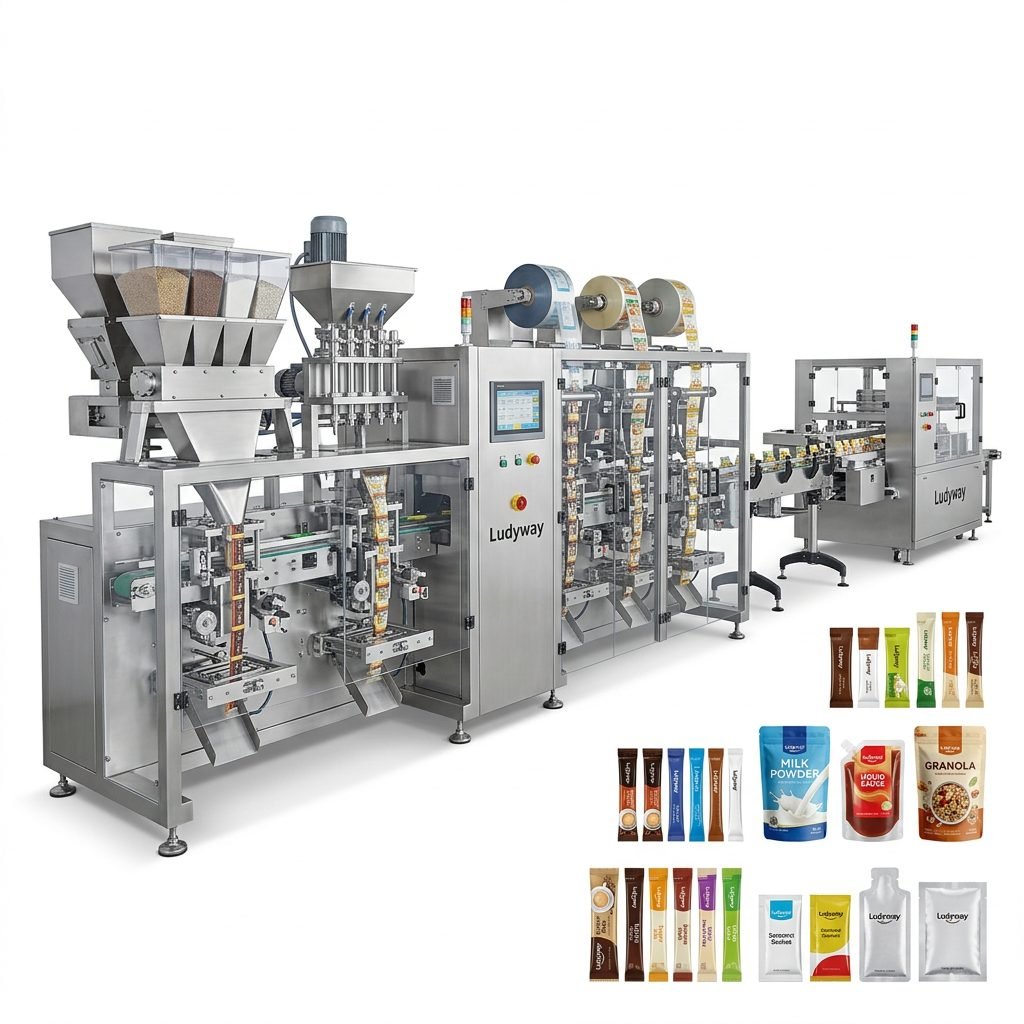
Conclusion: Building a Partnership for Growth
Choosing a packaging machine manufacturer in Poland is not merely a transaction; it’s the beginning of a long-term partnership. The right partner will provide not just a machine, but a solution that enhances your productivity, ensures product quality, and supports your business growth in the competitive Polish and European markets. By meticulously evaluating technical expertise, manufacturing quality, total value, support services, and industry reputation, Polish businesses can make an informed decision that delivers reliability and efficiency for years to come.
Frequently Asked Questions (FAQs)
What are the main advantages of sourcing packaging machines from international manufacturers like Ludyway?
International manufacturers often offer a superior combination of advanced technology, extensive experience from global projects, and competitive pricing due to scale. They provide a wide range of standardized and customizable solutions, backed by large R&D and manufacturing facilities, which can be ideal for Polish companies seeking high-performance, cost-effective equipment.
How important is it for the machine to have CE certification for use in Poland?
It is legally mandatory. CE marking indicates the machine complies with EU health, safety, and environmental protection legislation. Without it, you cannot legally operate the machine in Poland, and it will not clear EU customs. Always verify certification with the manufacturer.
Can Chinese manufacturers like Ludyway provide adequate after-sales support in Poland?
Yes, leading manufacturers have structured global support networks. This typically includes remote technical support via video call, a stock of critical spare parts in European warehouses, and the dispatch of service engineers when needed. It’s crucial to discuss and agree on specific Service Level Agreements (SLAs) before purchase.
Is it better to buy a single machine or a complete turnkey packaging line?
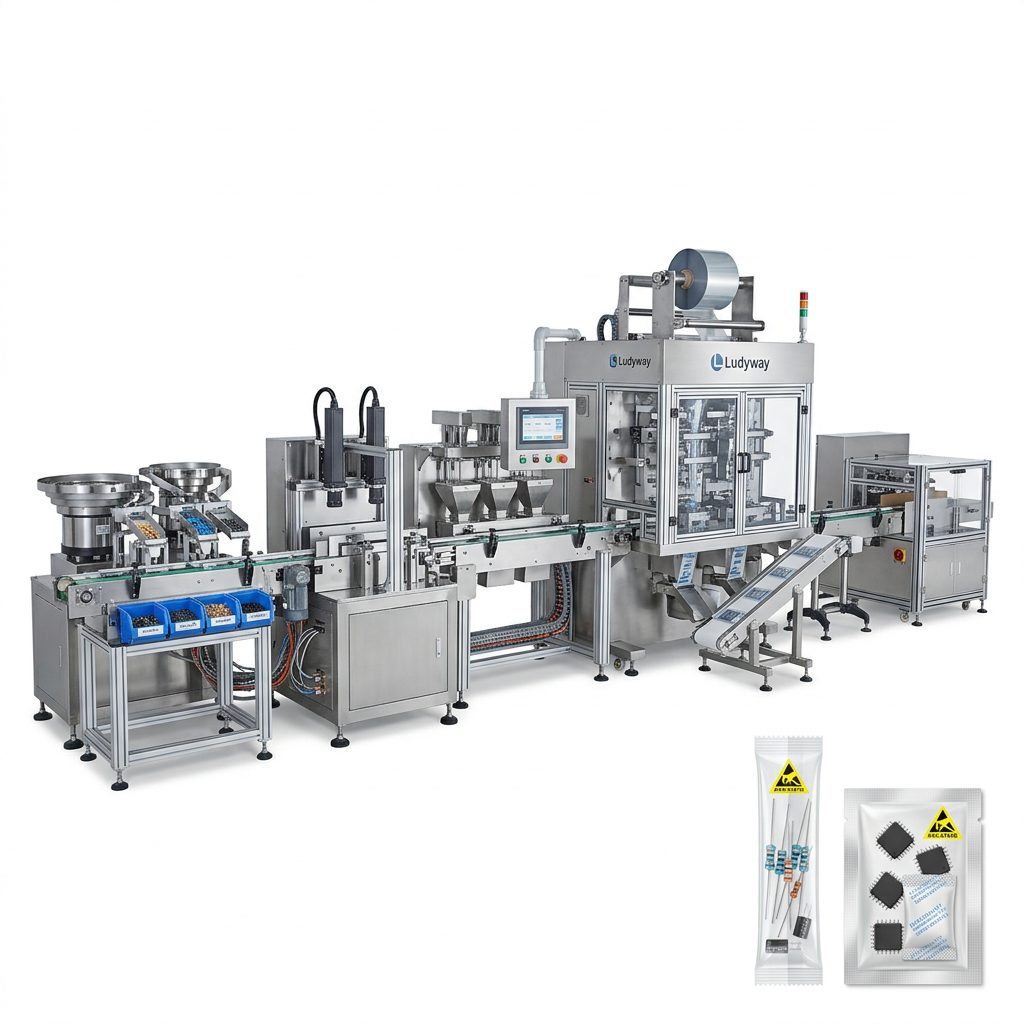
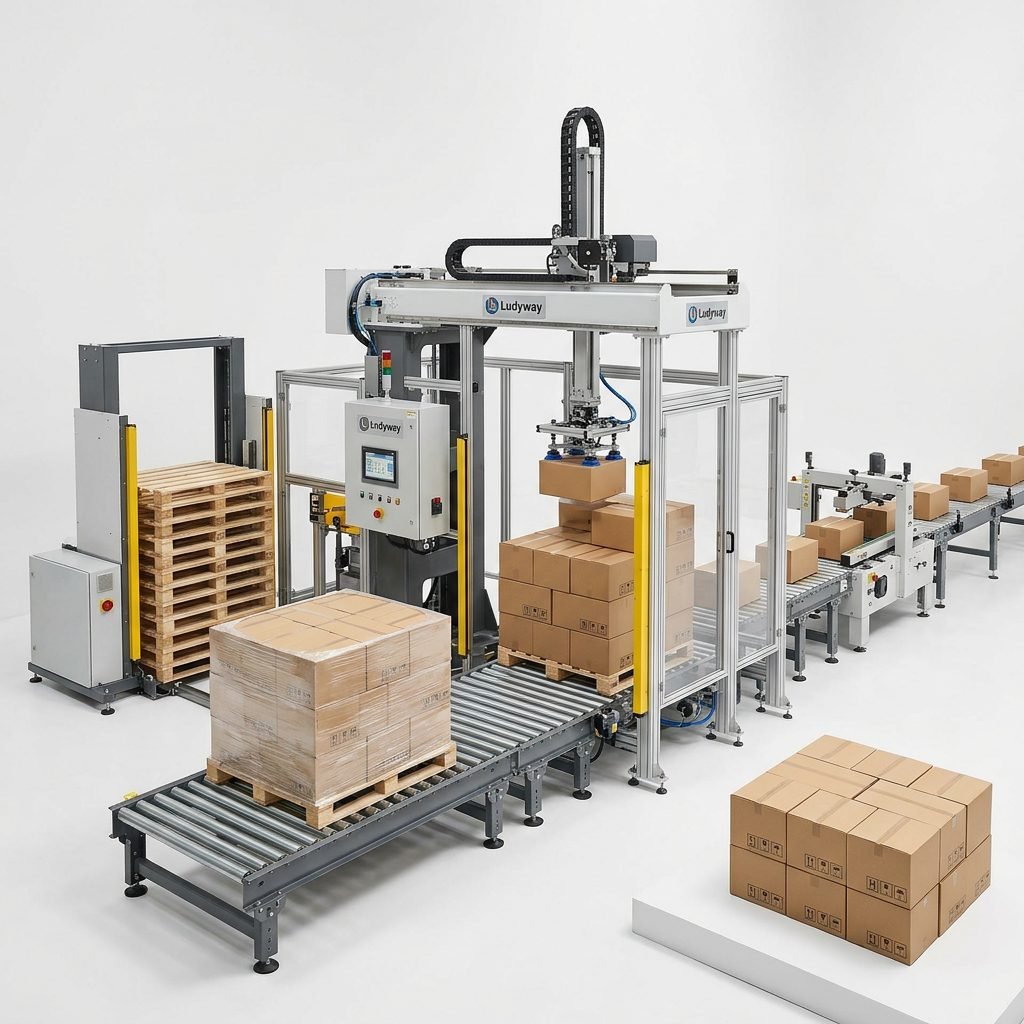
It depends on your needs and scale. A single machine integrates into an existing line. A turnkey line from suppliers like PacklineOEM or Ludyway is a fully synchronized system designed for maximum efficiency from filling to cartoning. It’s ideal for new products or major capacity expansions, ensuring all components work seamlessly together.
What should I do if my product is unique or has non-standard packaging requirements?
Many manufacturers, especially those like PackingMachineOEM who specialize in non-standard machinery, offer customization and OEM services. Provide detailed samples and specifications. A competent manufacturer will engineer a solution, from modifying an existing model to designing a completely new machine, to meet your unique needs.