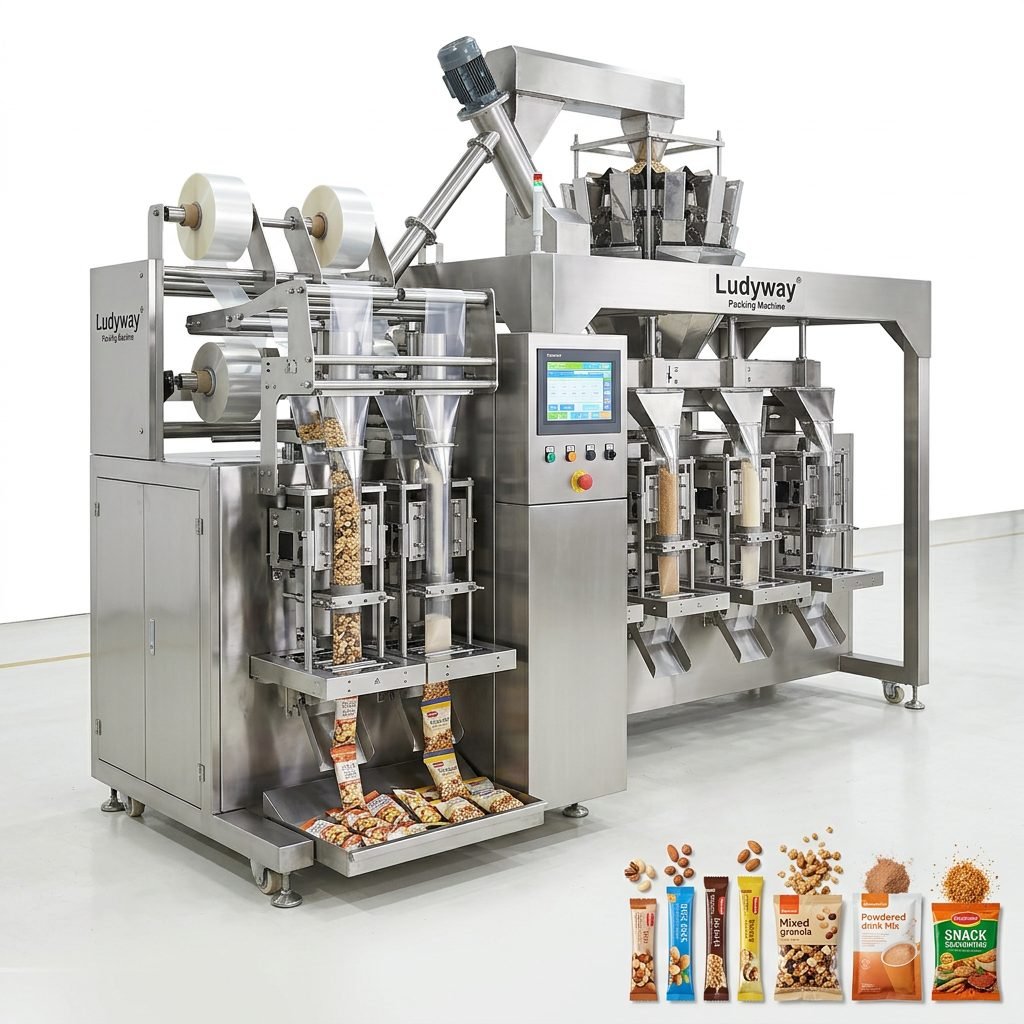
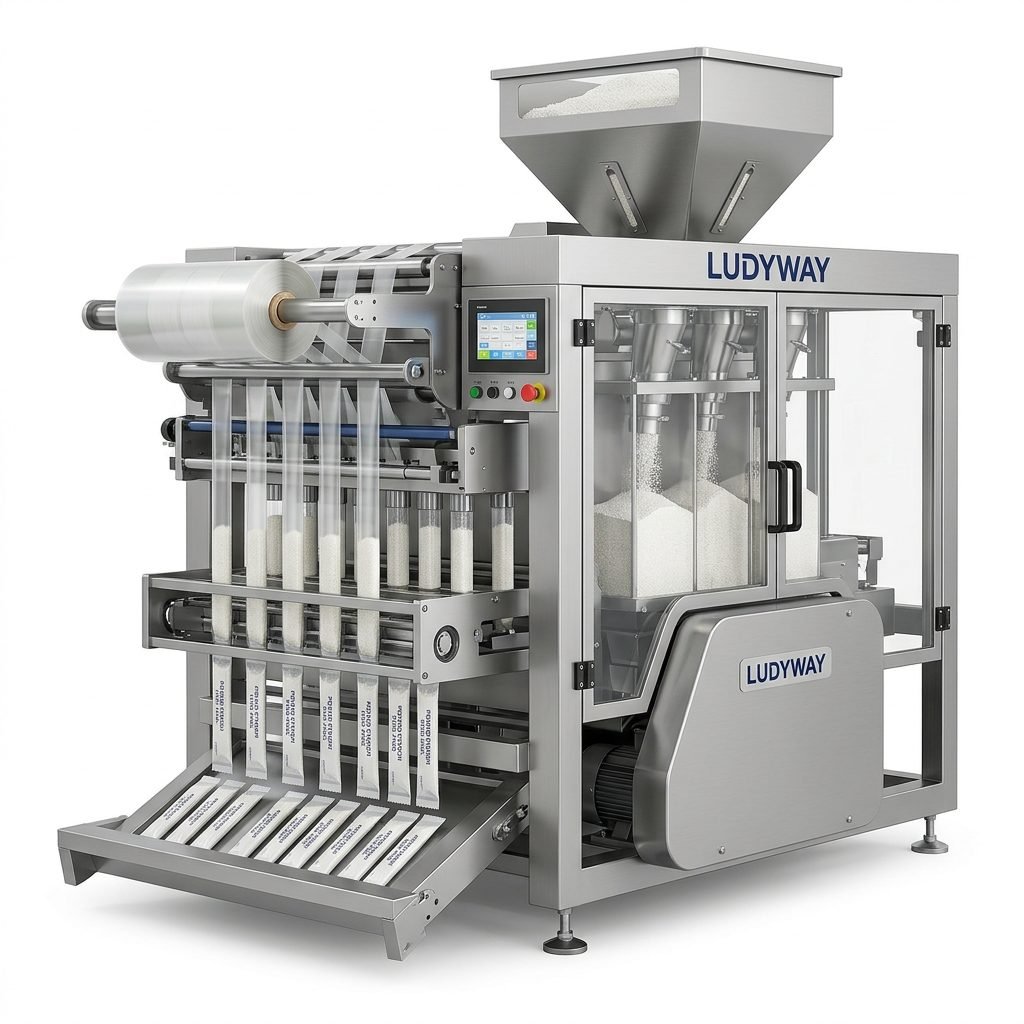
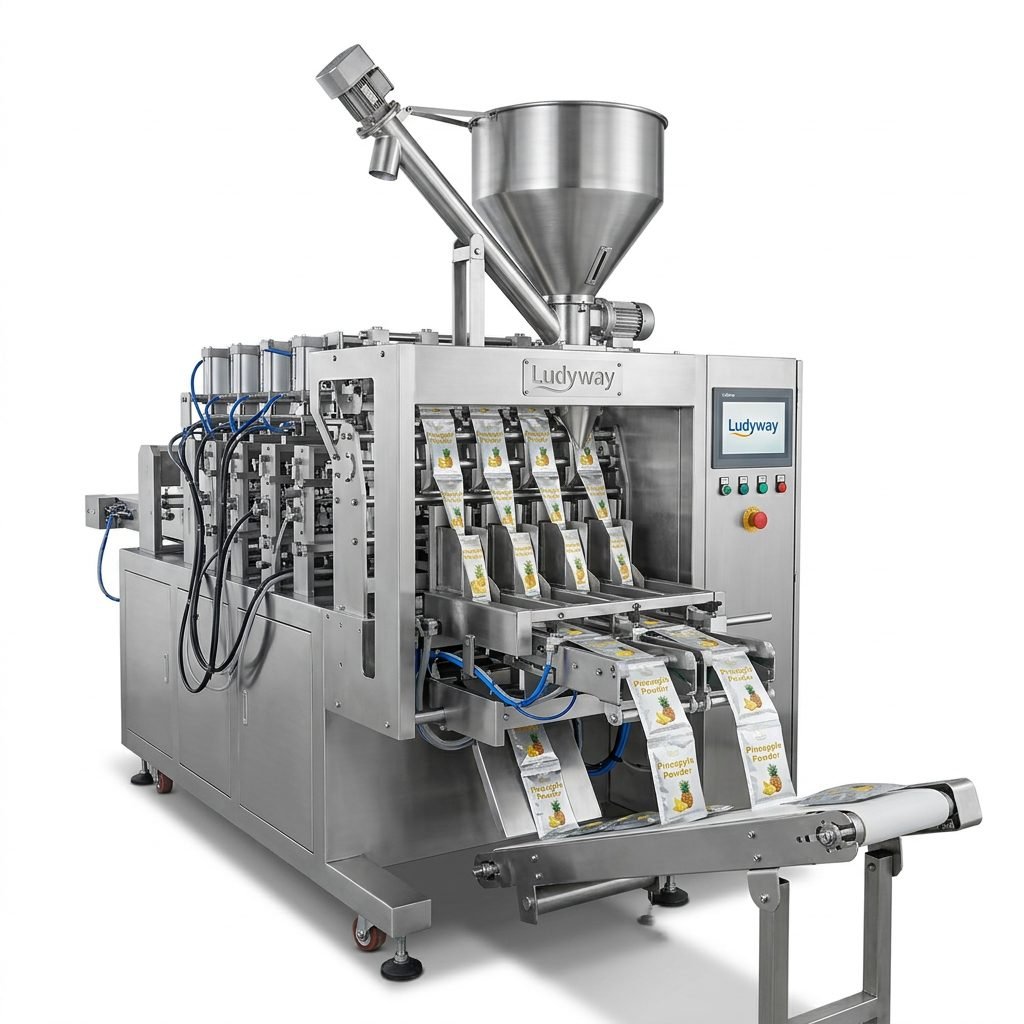
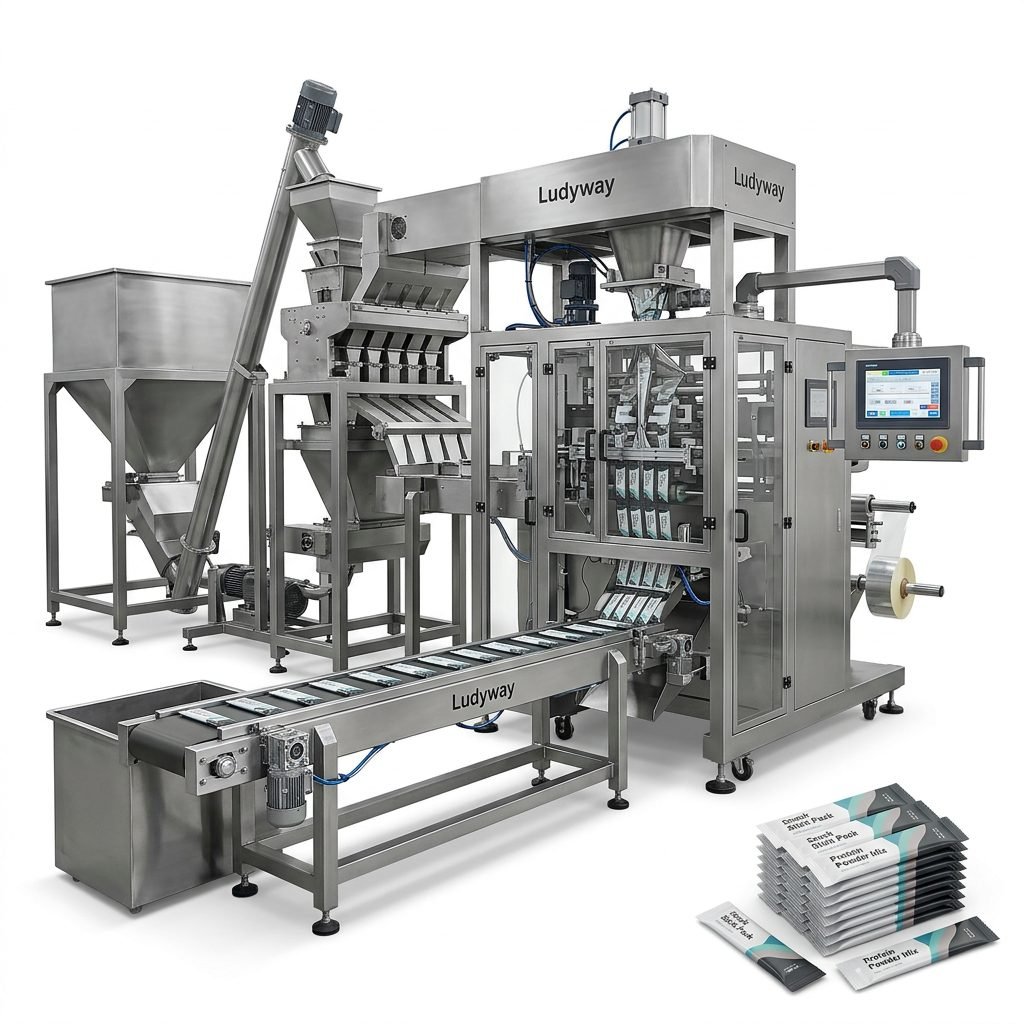
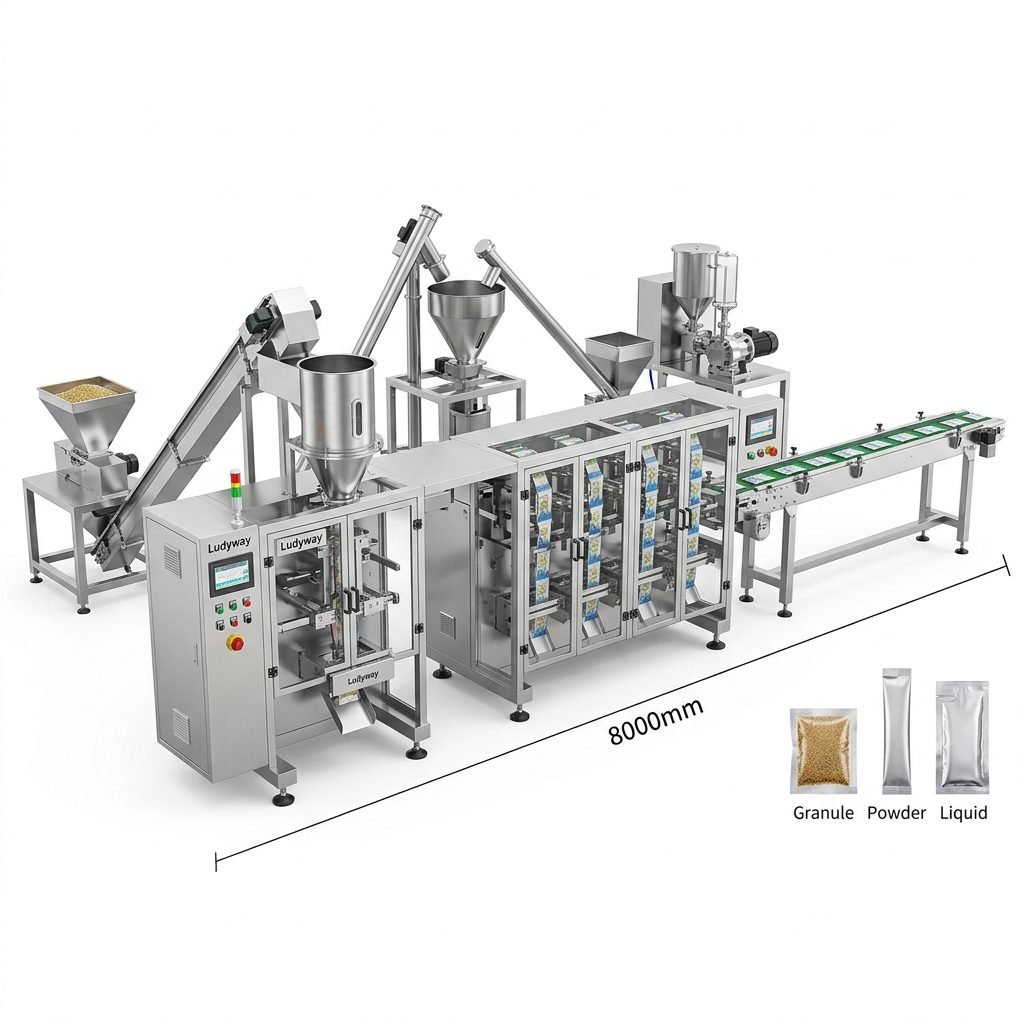
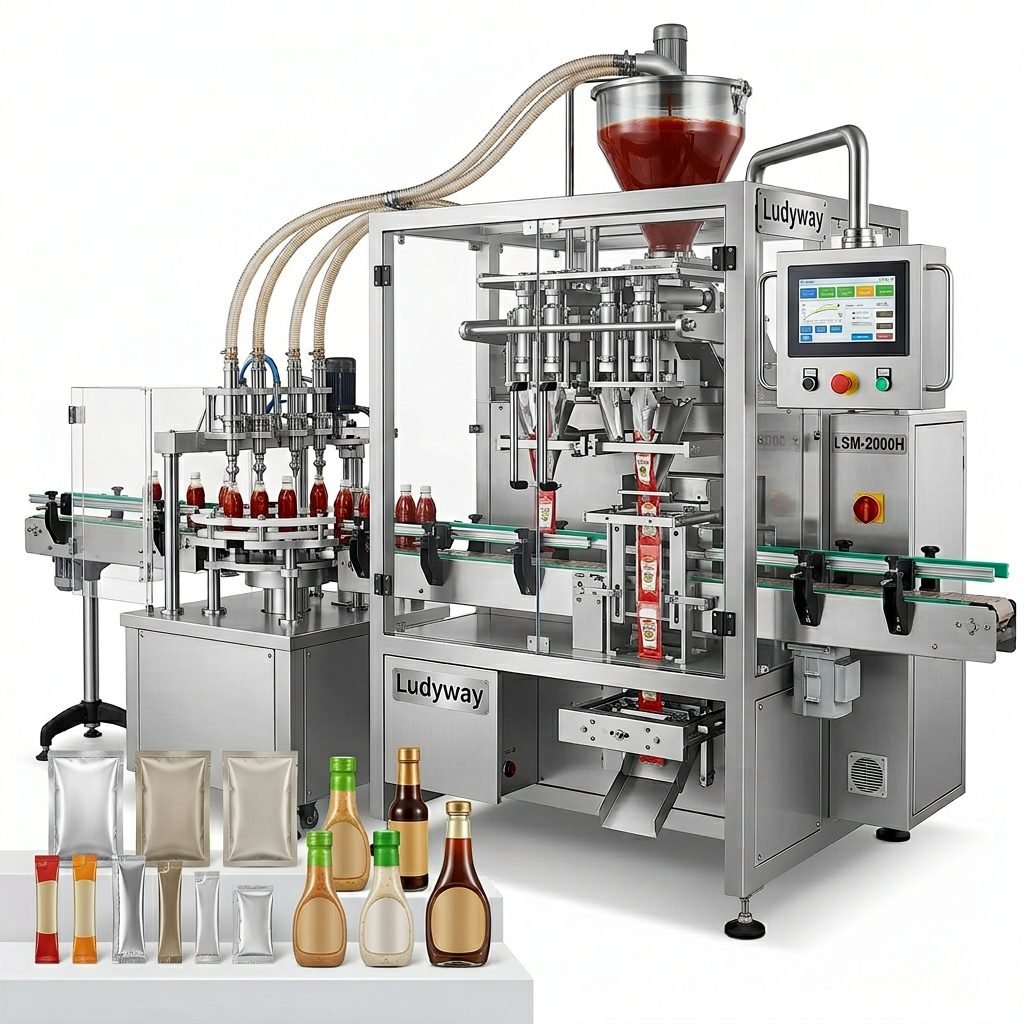
Choosing the right meat packing machine is not only about finding the lowest quote. For meat processors, butcher shops, frozen food brands, and ready-meal manufacturers, the real goal is to balance price, performance, hygiene, packaging speed, and long-term operating cost. A machine that looks affordable at first can become expensive if it causes downtime, inconsistent sealing, product waste, or difficult maintenance.
Whether you are packing fresh meat, marinated meat, frozen portions, minced meat, sausages, or meat snacks, the best buying decision starts with understanding what affects machine pricing and how those factors relate to your production needs.
What Determines the Price of a Meat Packing Machine?
The meat packing machine price can vary widely depending on machine type, automation level, material compatibility, and line integration requirements. Small semi-automatic units may cost far less than a fully automatic turnkey packaging line with weighing, filling, sealing, labeling, coding, inspection, and case packing functions.
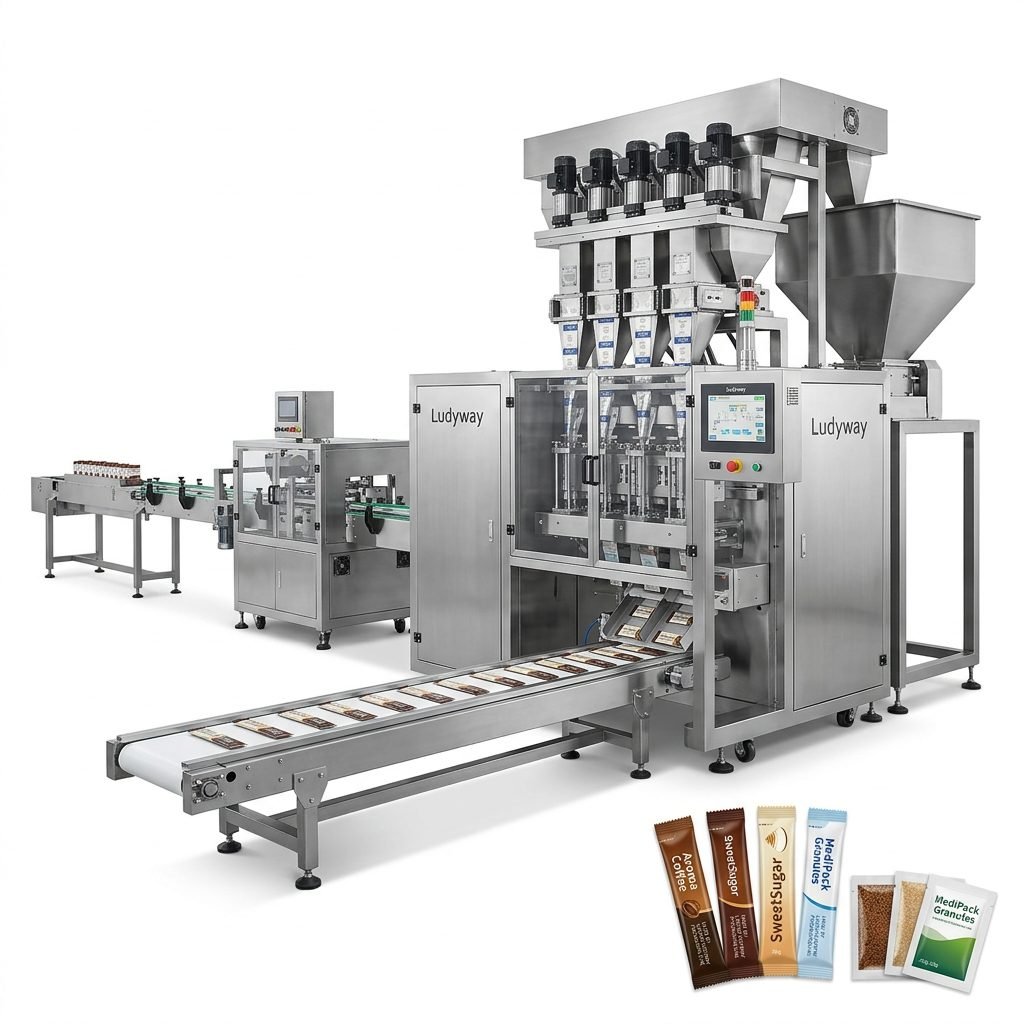
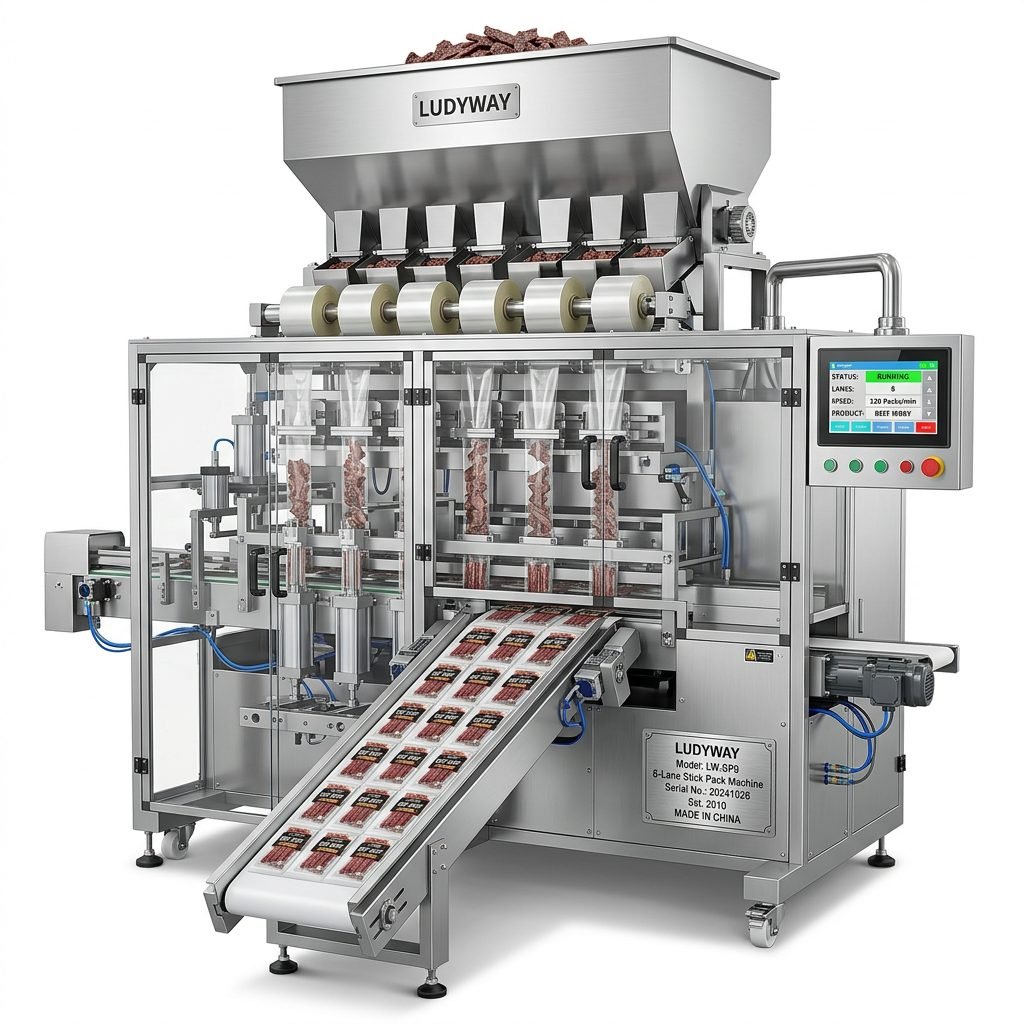
- Packaging format: vacuum bags, thermoforming packs, pouches, trays, MAP packs, shrink bags, or stick packs for meat snacks
- Product type: fresh meat, frozen meat, processed meat, jerky, sausages, patties, or sliced meat
- Automation level: manual assist, semi-automatic, or full automatic
- Output capacity: packs per minute or kilograms per hour
- Machine construction: stainless steel grade, washdown design, food-safe contact parts
- Optional systems: gas flushing, date coding, checkweighing, metal detection, labeling, cartoning
- Customization: special pack sizes, product feeding, line layout, or integration with existing equipment
| Factor | Impact on Price | Why It Matters |
|---|---|---|
| Machine type | High | Vacuum packers, tray sealers, and thermoforming machines differ greatly in cost |
| Capacity | High | Higher speed usually means more advanced controls and stronger mechanical design |
| Automation | High | Automatic feeding, weighing, and discharge reduce labor but increase initial investment |
| Material & hygiene design | Medium to High | Food-grade stainless steel and easy-clean structures are essential for meat applications |
| Customization | Medium to High | Special meat products often need custom feeding or sealing solutions |
Common Types of Meat Packing Machines
Before comparing prices, define which machine type is suitable for your product and sales channel. A frozen meat exporter has different needs from a fresh butcher or a protein snack producer.
1. Vacuum Packing Machines
These are popular for fresh and frozen meat because vacuum sealing extends shelf life and reduces oxidation. Prices range depending on chamber size, seal bar length, cycle speed, and automation level.
2. Thermoforming Packaging Machines
Best for medium to large operations that need high output and attractive retail packaging. These machines form the package from roll film, fill the product, vacuum or gas flush it, and seal it automatically. They require higher investment but offer excellent efficiency.
3. Tray Sealing Machines
Suitable for retail-ready meat packs. They can support modified atmosphere packaging and are common in supermarkets and food distribution channels.
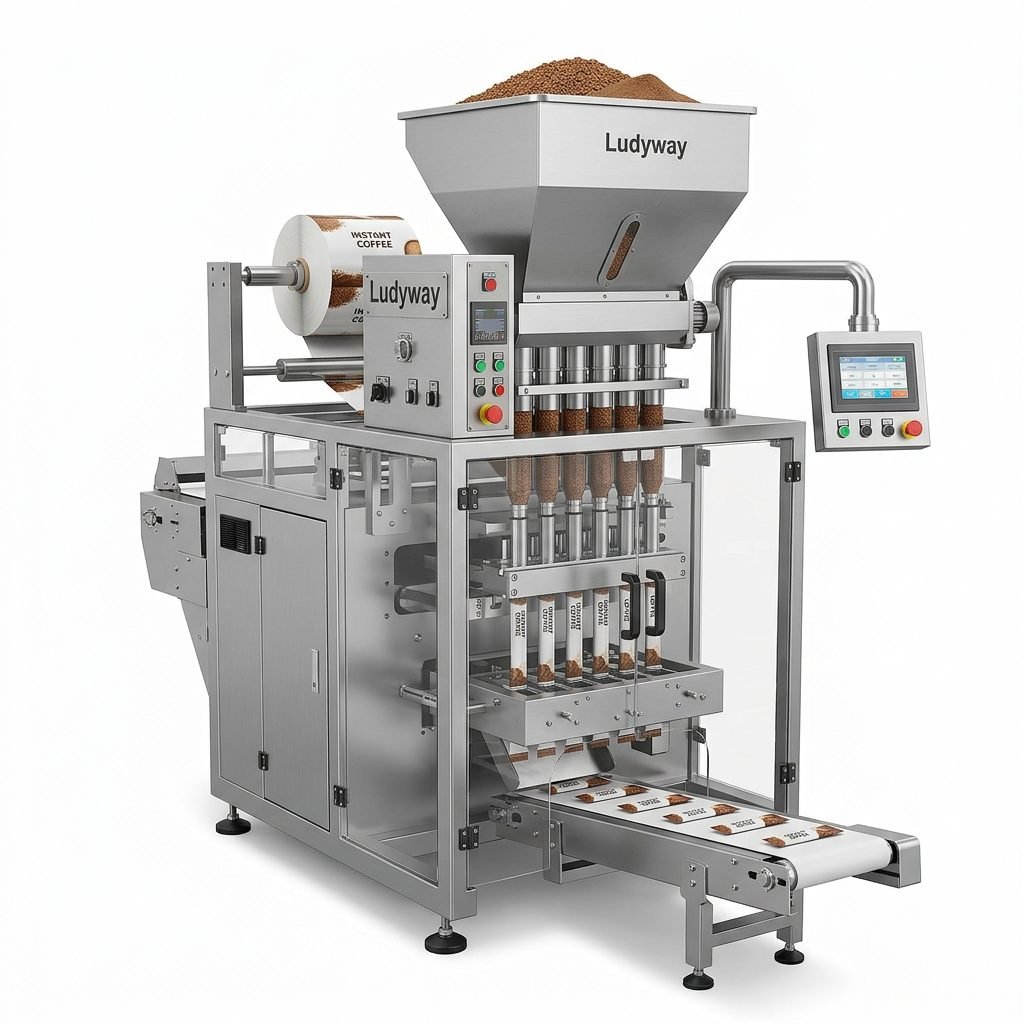
4. Vertical or Pouch Packing Machines
These are more suitable for processed meat products, meat seasoning kits, jerky pieces, or small portion items, especially when flexible packaging is preferred.
5. Complete Packaging Lines
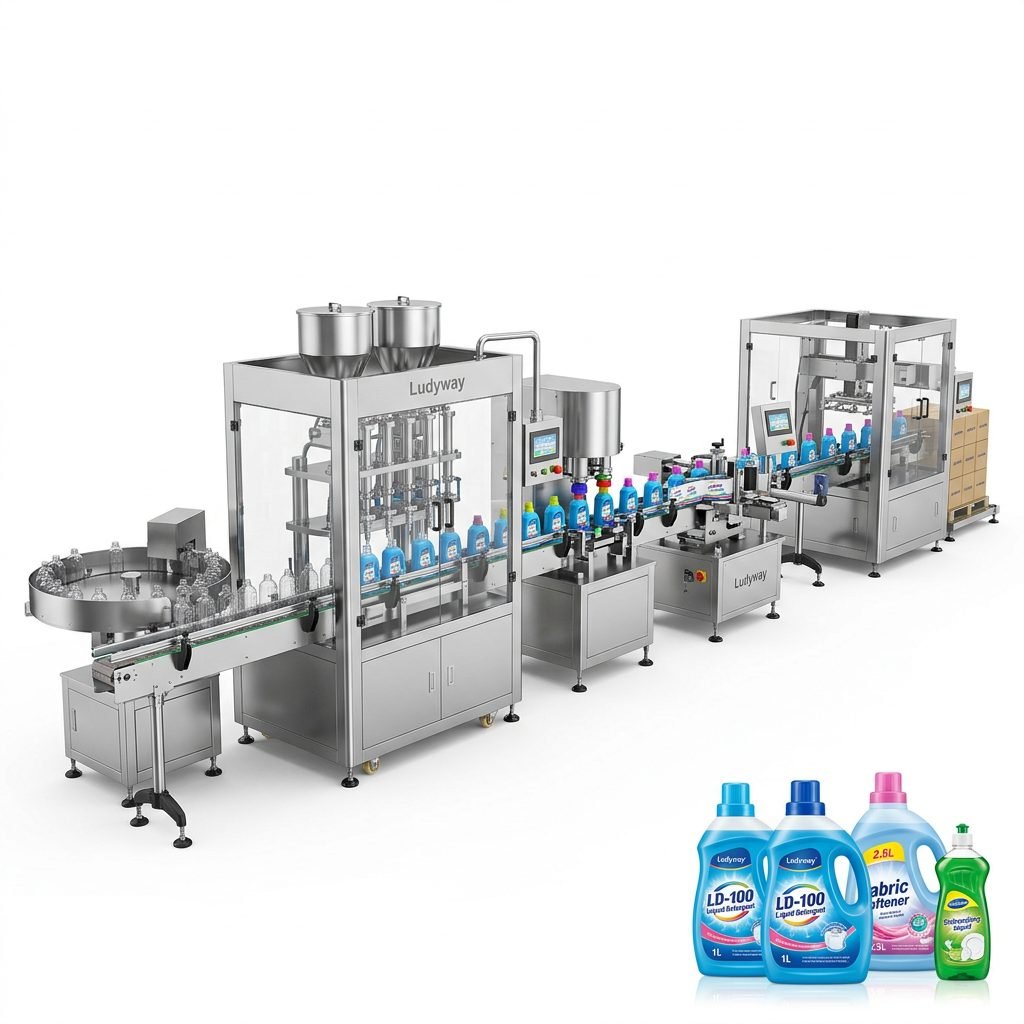
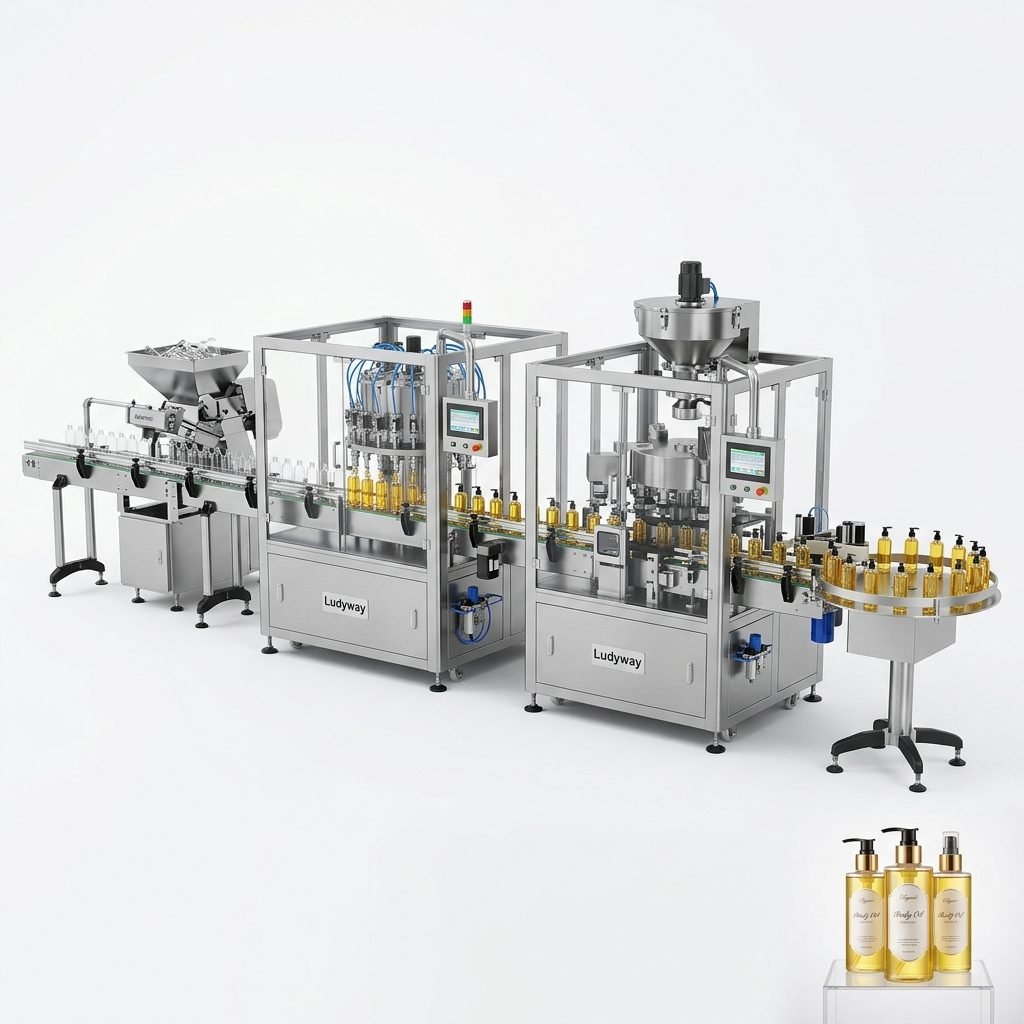
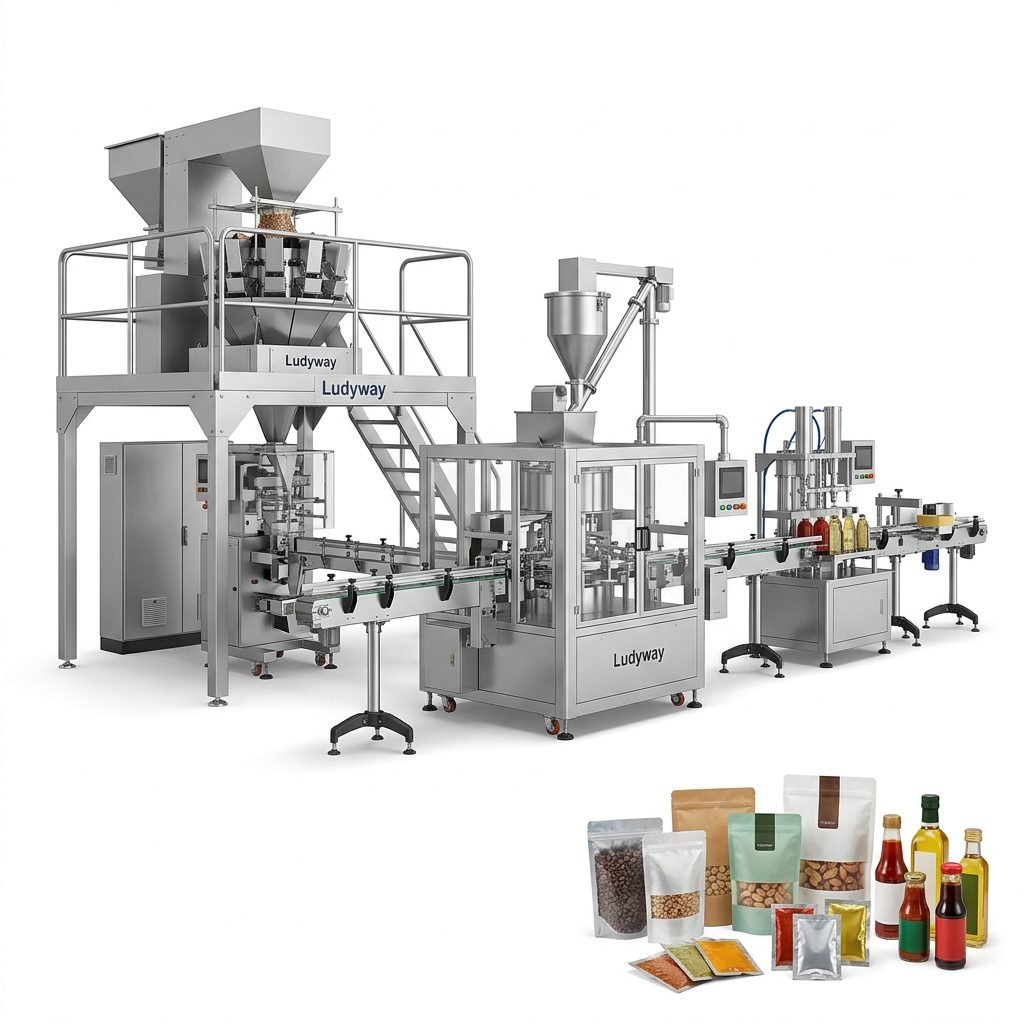
For growing factories, a full line may include conveyor feeding, weighing, packaging, coding, labeling, metal detection, checkweighing, case packing, and palletizing. While the upfront price is higher, it often lowers unit packaging cost over time.
How to Match Machine Price With Your Business Size
Not every business should buy the most advanced machine. The right investment depends on your current volume, future growth plan, labor cost, and target packaging quality.
| Business Type | Recommended Machine Level | Buying Focus |
|---|---|---|
| Small butcher shop | Semi-automatic vacuum packer | Affordable cost, easy cleaning, stable sealing |
| Local meat brand | Tray sealer or mid-range automatic machine | Retail appearance, shelf life, speed balance |
| Regional processor | Automatic line with inspection equipment | Labor reduction, consistency, food safety compliance |
| Large export factory | High-speed turnkey packaging line | Capacity, automation, traceability, long-term ROI |
Key Questions to Ask Before You Compare Quotes
Two machines may look similar in price, but their real value can be very different. Ask suppliers these practical questions before making a decision:
- What meat products can the machine handle?
- What is the actual production speed under normal operating conditions?
- Is it suitable for fresh, frozen, wet, oily, or irregular-shaped meat products?
- What packaging materials are supported?
- How easy is cleaning and sanitation?
- What spare parts are included?
- What is the warranty period?
- Is installation, training, and after-sales support available?
- Can the machine be upgraded later?
- What is the expected maintenance cost per year?
Don’t Judge by Purchase Price Alone
A low-cost machine can become expensive if it causes slow production, film waste, poor sealing, or frequent breakdowns. Smart buyers look at the total cost of ownership.
Consider These Hidden Costs
- Labor required for operation and feeding
- Energy consumption
- Packaging material waste
- Downtime and lost production
- Maintenance and spare parts
- Product recalls caused by poor sealing or contamination risk
- Inflexibility when launching new pack sizes
If a more advanced machine reduces labor, improves pack consistency, and increases throughput, it may deliver a better return even with a higher purchase price.
Features That Are Worth Paying More For
Some features directly improve safety, efficiency, and packaging quality in meat processing. These are often worth the extra investment:
- 304 or 316 stainless steel construction for hygienic food contact
- Washdown-friendly design for easier cleaning
- Servo control systems for better precision and stable operation
- Vacuum and gas flushing functions for shelf-life extension
- Accurate weighing and dosing to reduce giveaway
- Multi-format compatibility for future product expansion
- Integrated coding and labeling for traceability
- Metal detection and checkweighing for quality assurance
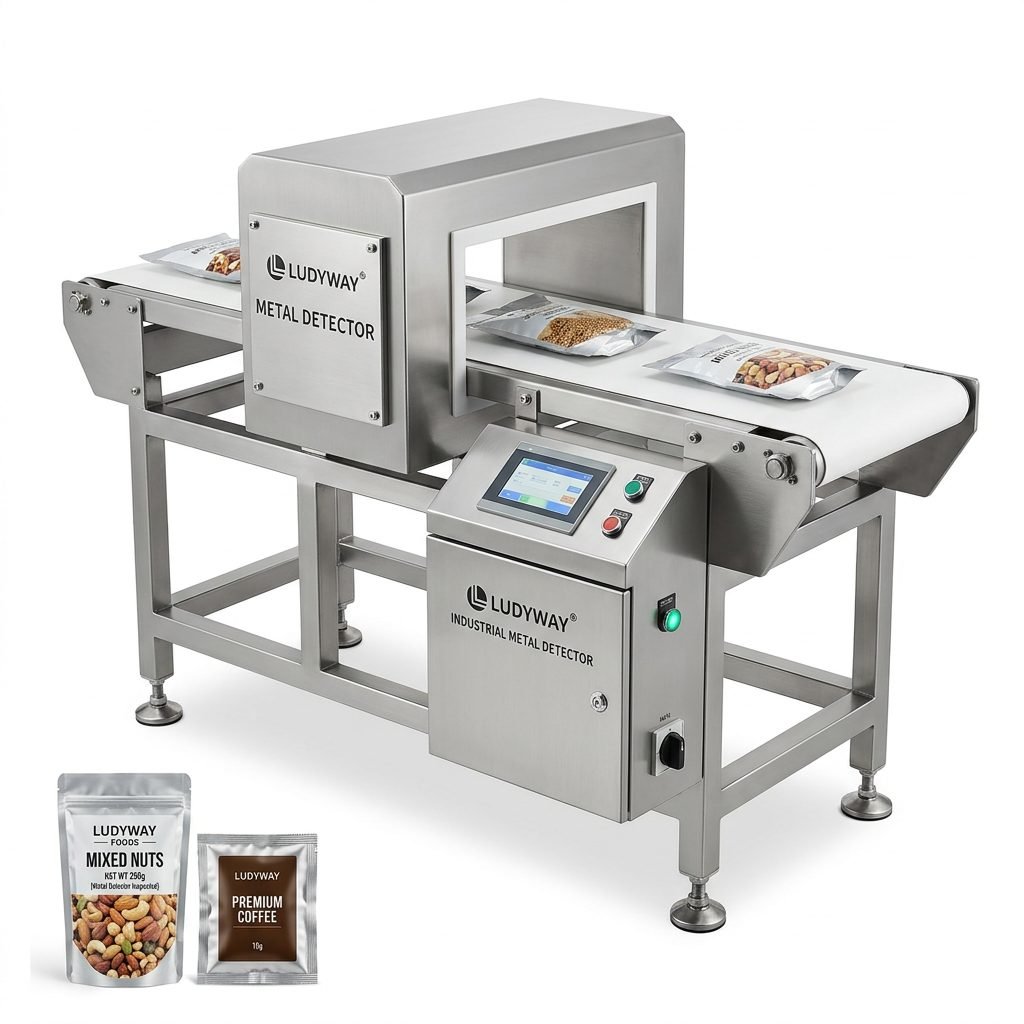
When a Turnkey Packaging Line Makes More Sense
If your operation is scaling fast, buying a standalone machine may solve only one part of the problem. A turnkey line can connect product feeding, filling, sealing, inspection, labeling, and end-of-line handling into one efficient workflow. This approach reduces manual transfer, lowers contamination risk, and improves production visibility.
For businesses planning long-term growth, working with an experienced packaging line manufacturer can help avoid future integration problems. Companies like Ludyway packaging machine manufacturer are often considered by global buyers looking for scalable automatic machines and complete packaging line solutions for food and related industries.
How to Choose the Right Supplier
The machine itself matters, but the supplier is equally important. You need a partner that understands your product, production target, and compliance needs.
Look for These Supplier Strengths
- Proven experience in food packaging machinery
- Ability to provide custom solutions
- Export experience and international support
- Factory-based manufacturing rather than trading only
- Clear technical documentation and testing process
- Reliable spare parts and after-sales service
Simple Buying Checklist for Meat Packing Machines
| Checklist Item | Why It Is Important |
|---|---|
| Product type confirmed | Ensures the machine matches fresh, frozen, processed, or snack meat formats |
| Target output defined | Prevents underbuying or overbuying |
| Packaging format selected | Affects machine type, film choice, and shelf-life performance |
| Cleaning requirements reviewed | Critical for meat safety and sanitation |
| ROI estimated | Helps compare initial price with long-term savings |
| After-sales support verified | Reduces risk of long downtime after installation |
Final Buying Advice
The best meat packing machine is not simply the cheapest or the most advanced. It is the one that fits your product characteristics, hygiene standards, production goals, labor structure, and future expansion plan. Start by defining your packaging needs clearly, then compare suppliers based on machine performance, service, customization, and total operating value.
If you choose carefully, the right machine can improve shelf life, reduce waste, strengthen product presentation, and make your meat packaging business far more competitive in the long run.