In the competitive beauty industry, packaging is far more than just a container—it’s a critical component of brand identity, product protection, and user experience. The right packaging equipment can elevate a product, ensure its integrity, and streamline production for efficiency and cost-effectiveness. This guide delves into the world of beauty packaging machinery, exploring the various types, their specific applications, and essential tips for making a smart investment.
Core Types of Beauty Packaging Equipment
The beauty sector utilizes a diverse range of packaging formats, each requiring specialized machinery. Understanding these core types is the first step in selecting the right equipment for your production line.
Liquid Filling Machines
These are indispensable for products like serums, toners, foundations, and shampoos. They precisely measure and dispense liquids into bottles, jars, or tubes. Key variants include:
Volumetric Fillers: Use pistons or pumps to fill a pre-set volume, ideal for thick creams and lotions.
Gravity Fillers: Rely on product flow by gravity, best for free-flowing, thin liquids.
Pressure Fillers: Apply pressure to push product into containers, suitable for foams or viscous gels.
Capping and Sealing Machines
Once filled, containers must be securely closed. This category includes:
Screw Cappers: Automatically place and tighten screw caps onto bottles and jars.
Induction Sealers: Create a tamper-evident, hermetic seal under a plastic cap by applying an electromagnetic field to a foil liner.
Snap Cappers: Apply pressure to secure snap-on lids, common for tubs and cosmetic cases.
Tube Filling and Sealing Machines
Essential for creams, gels, and masks packaged in laminate, plastic, or metal tubes. These machines fill the product and then seal the open end through heat sealing or folding/clamping.
Stick Pack and Sachet Packaging Machines
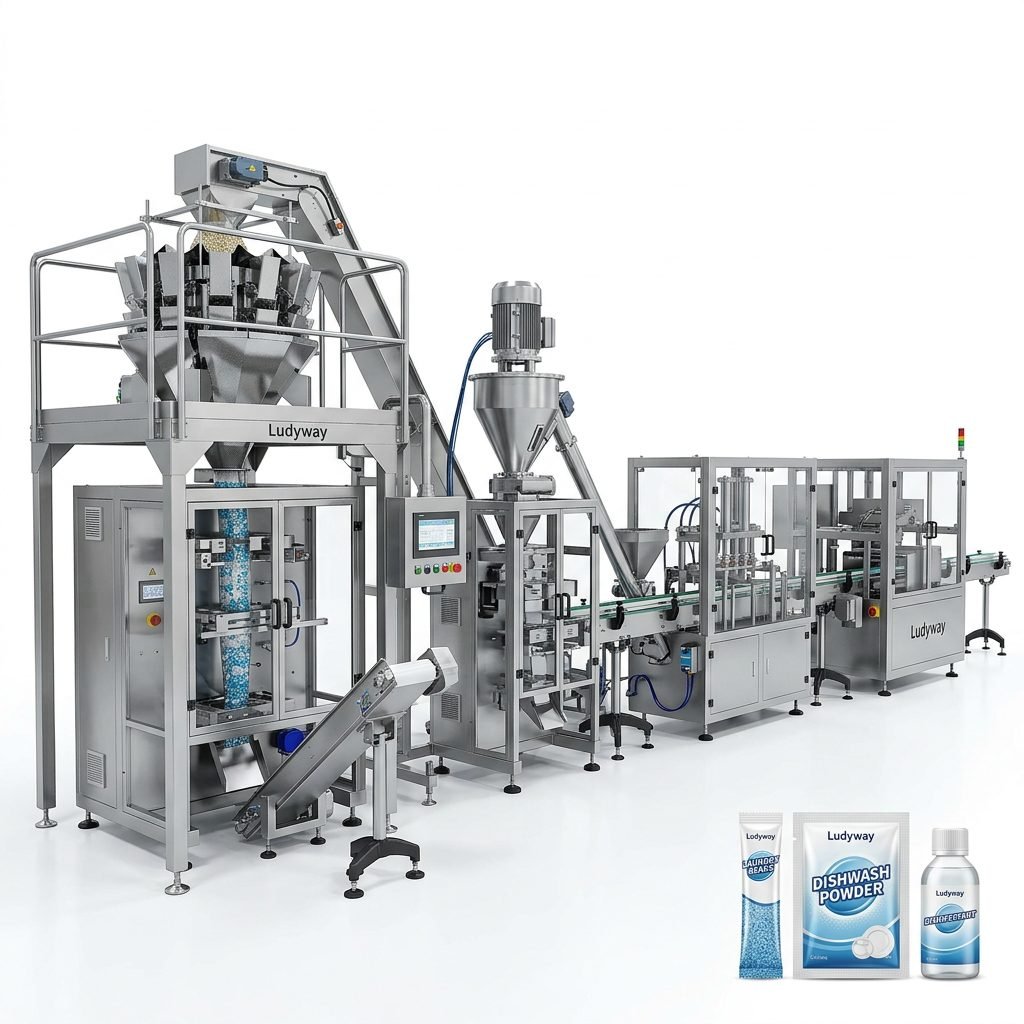
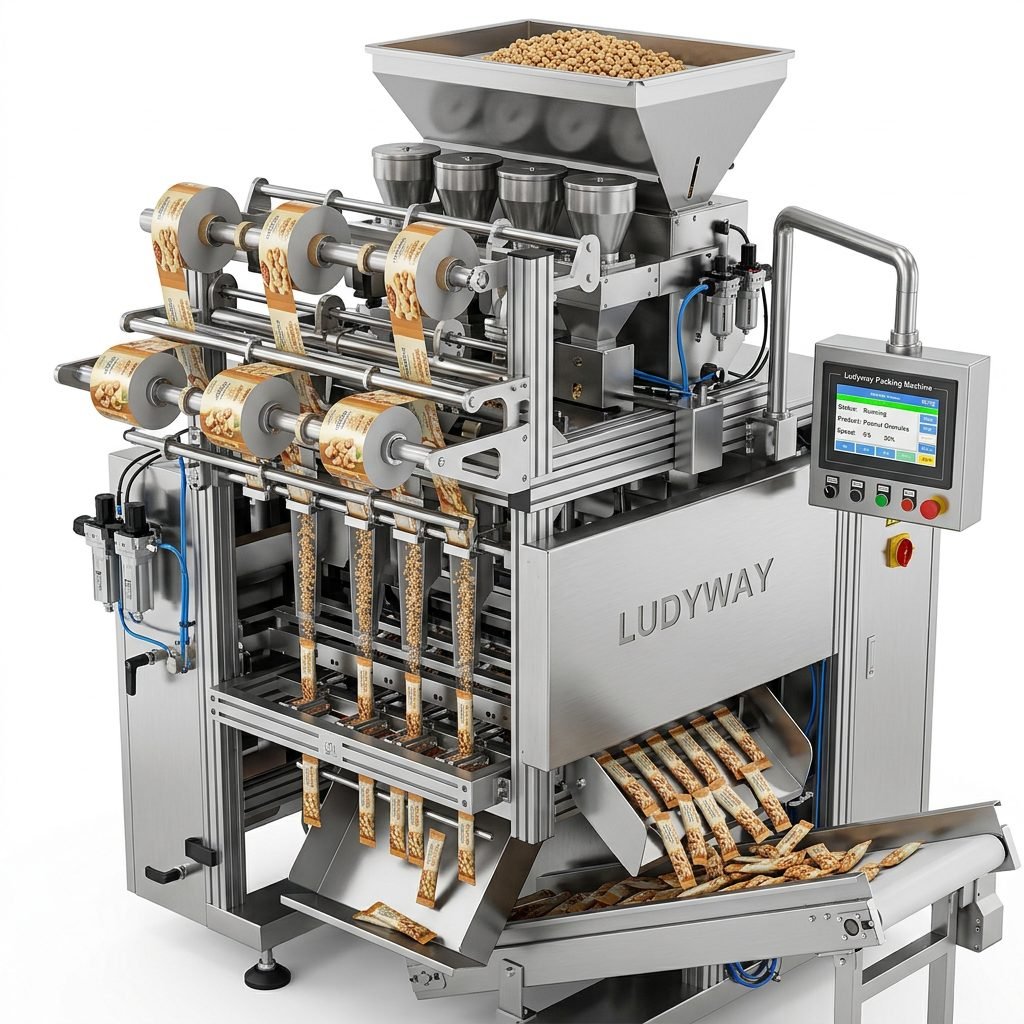
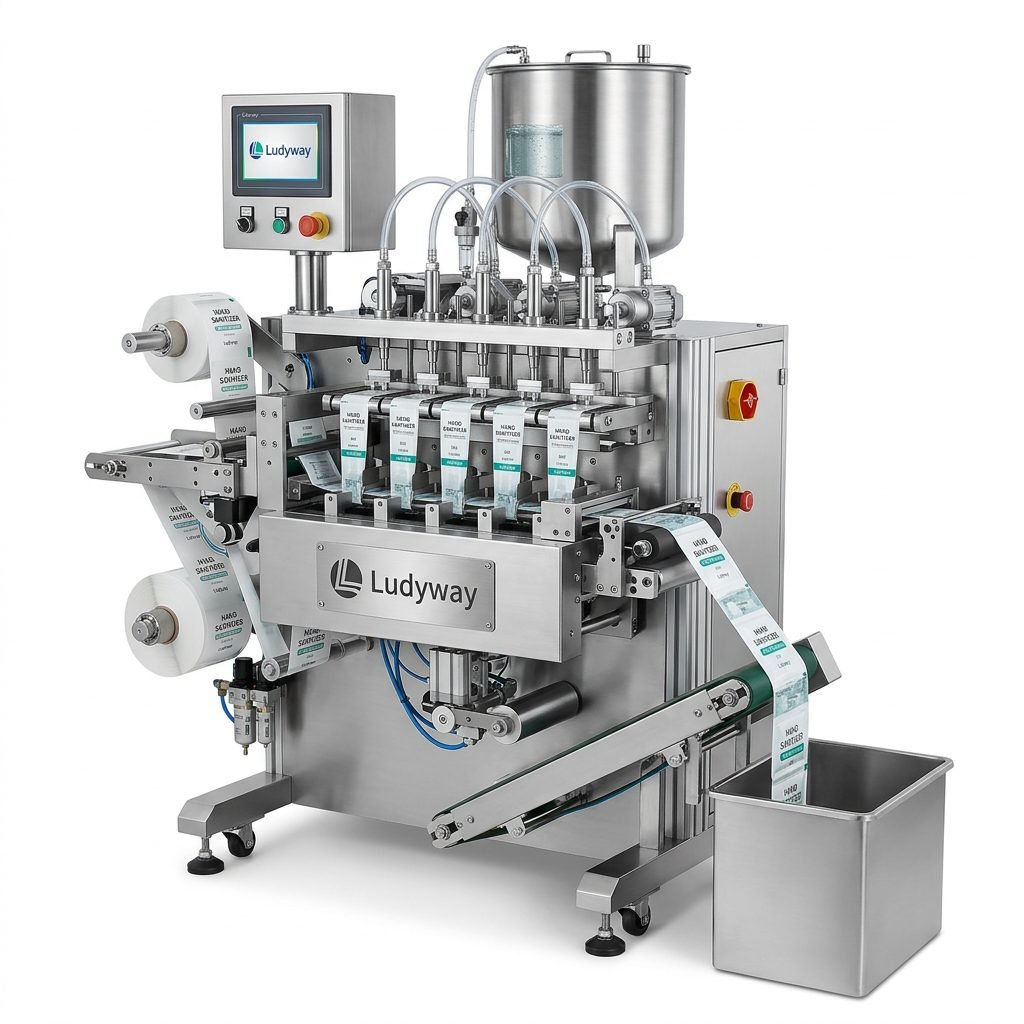
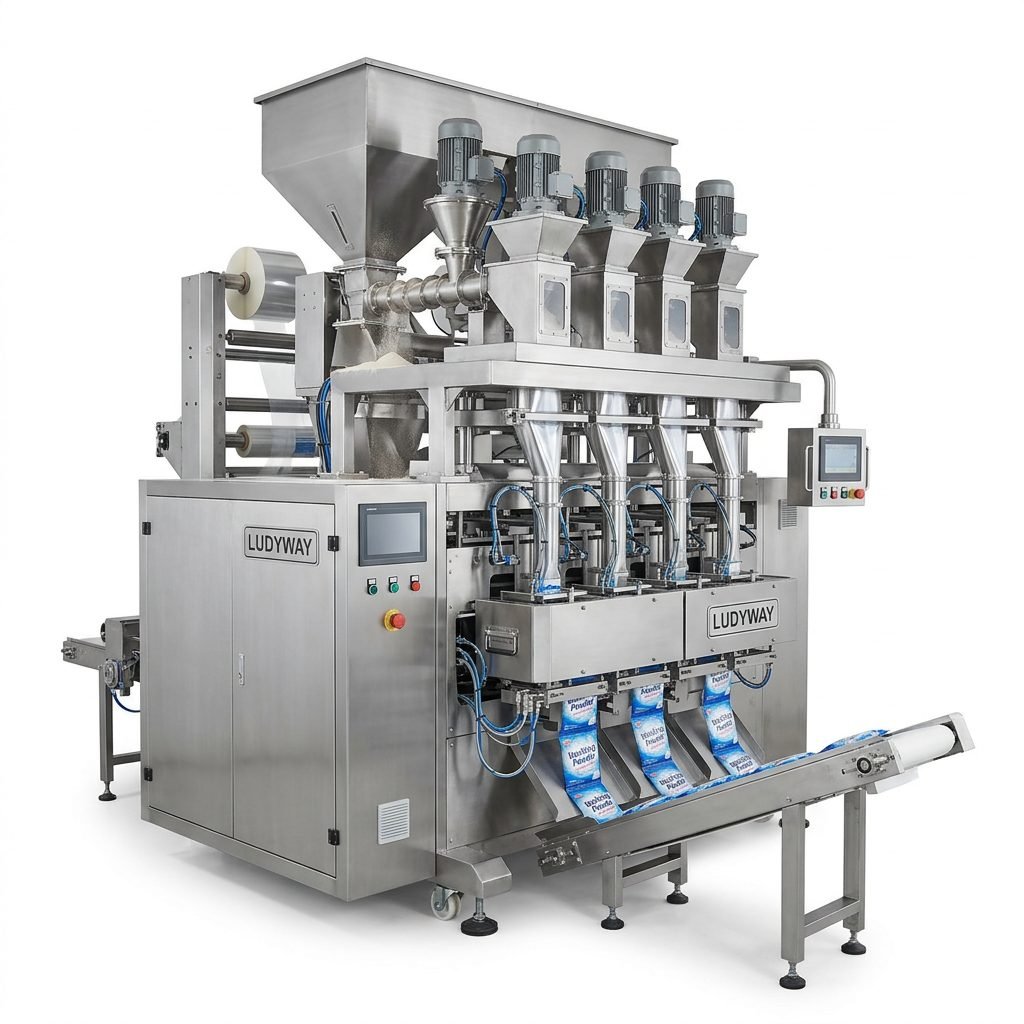
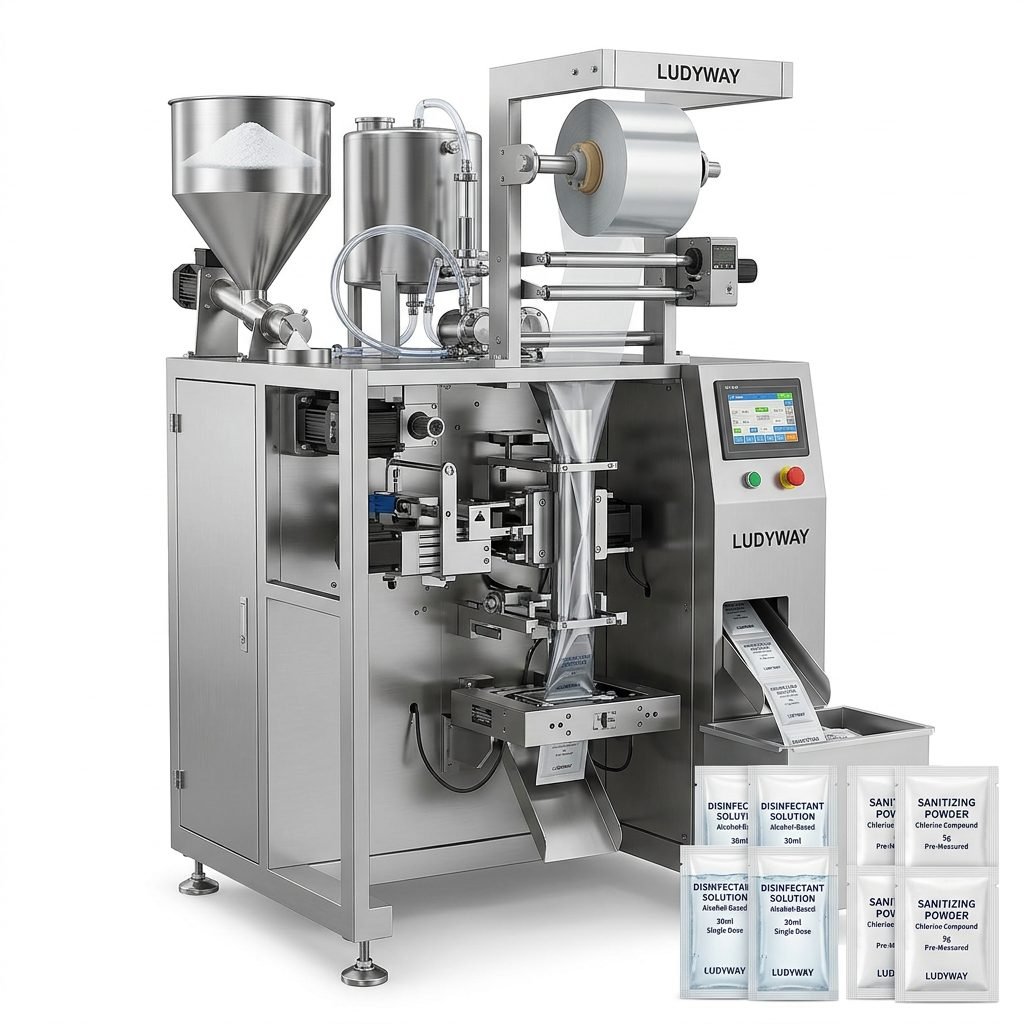
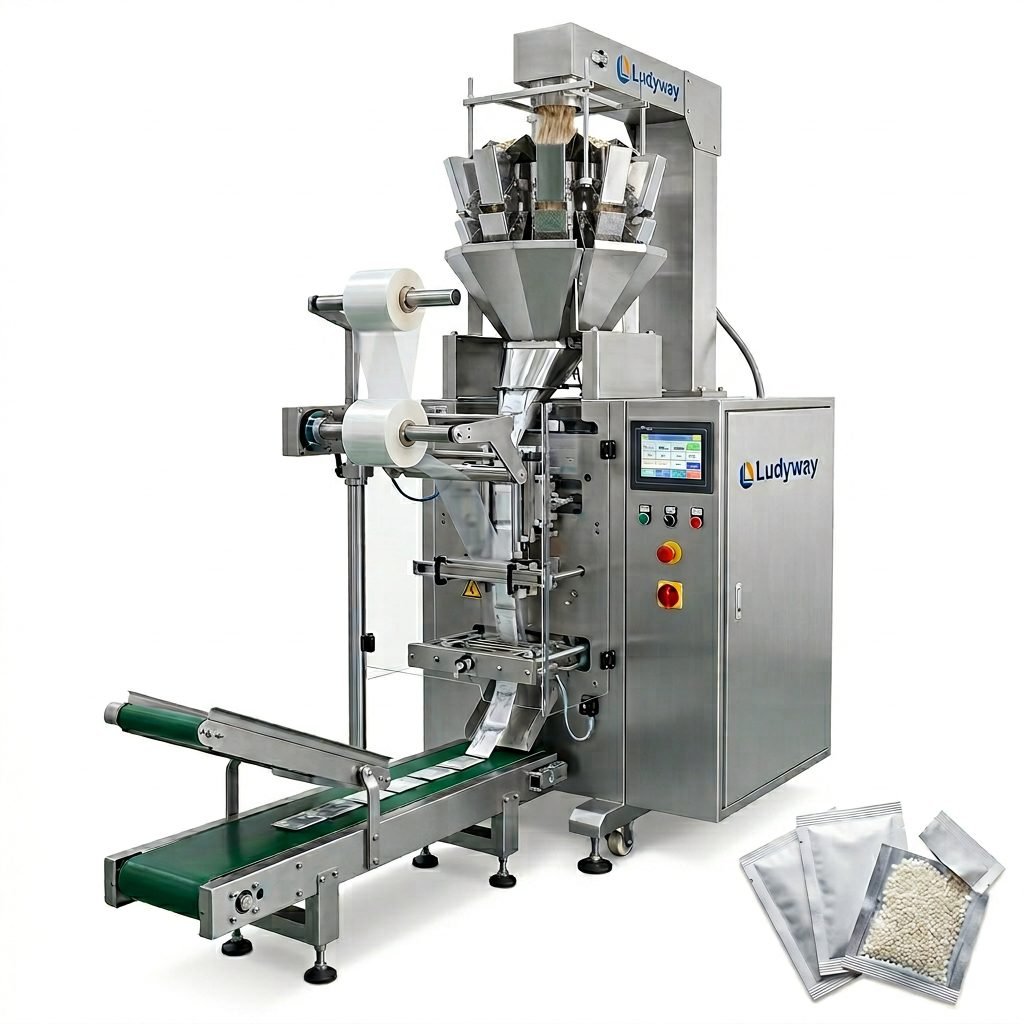
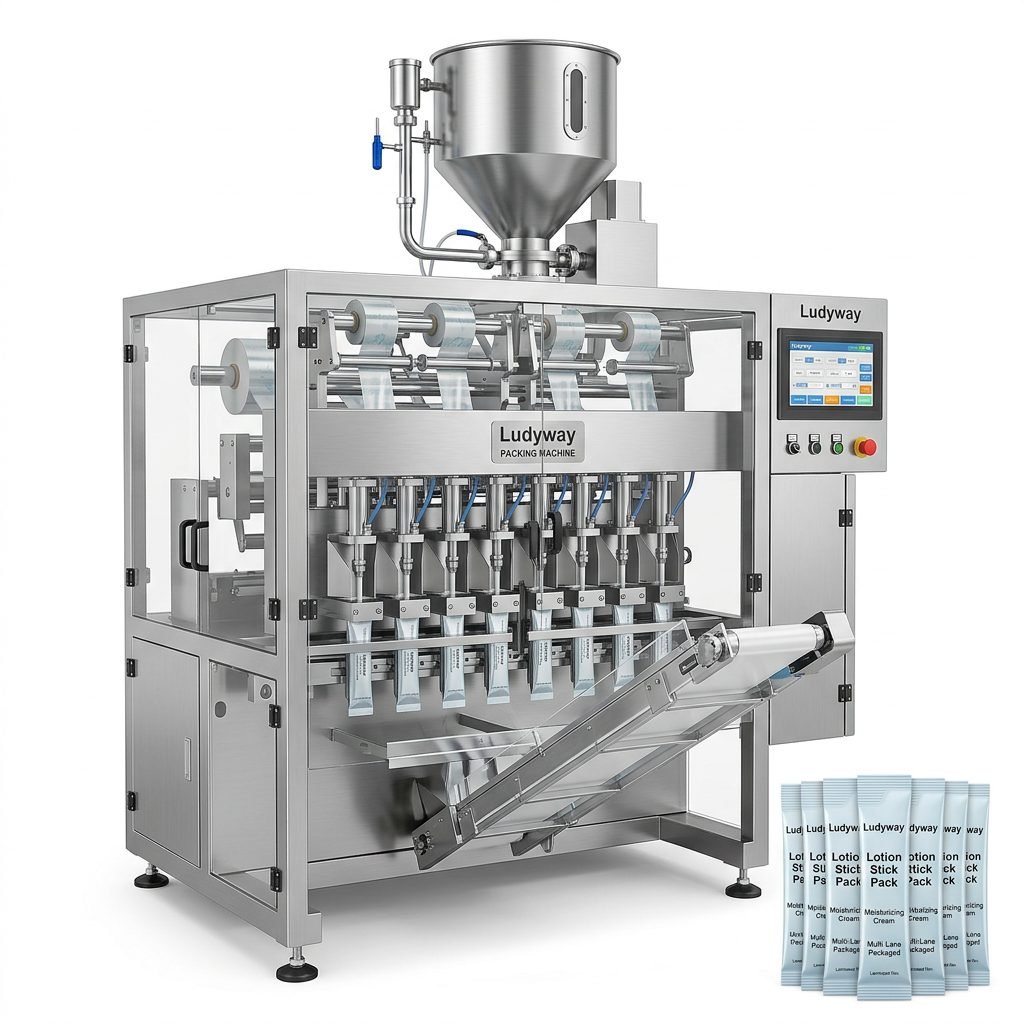
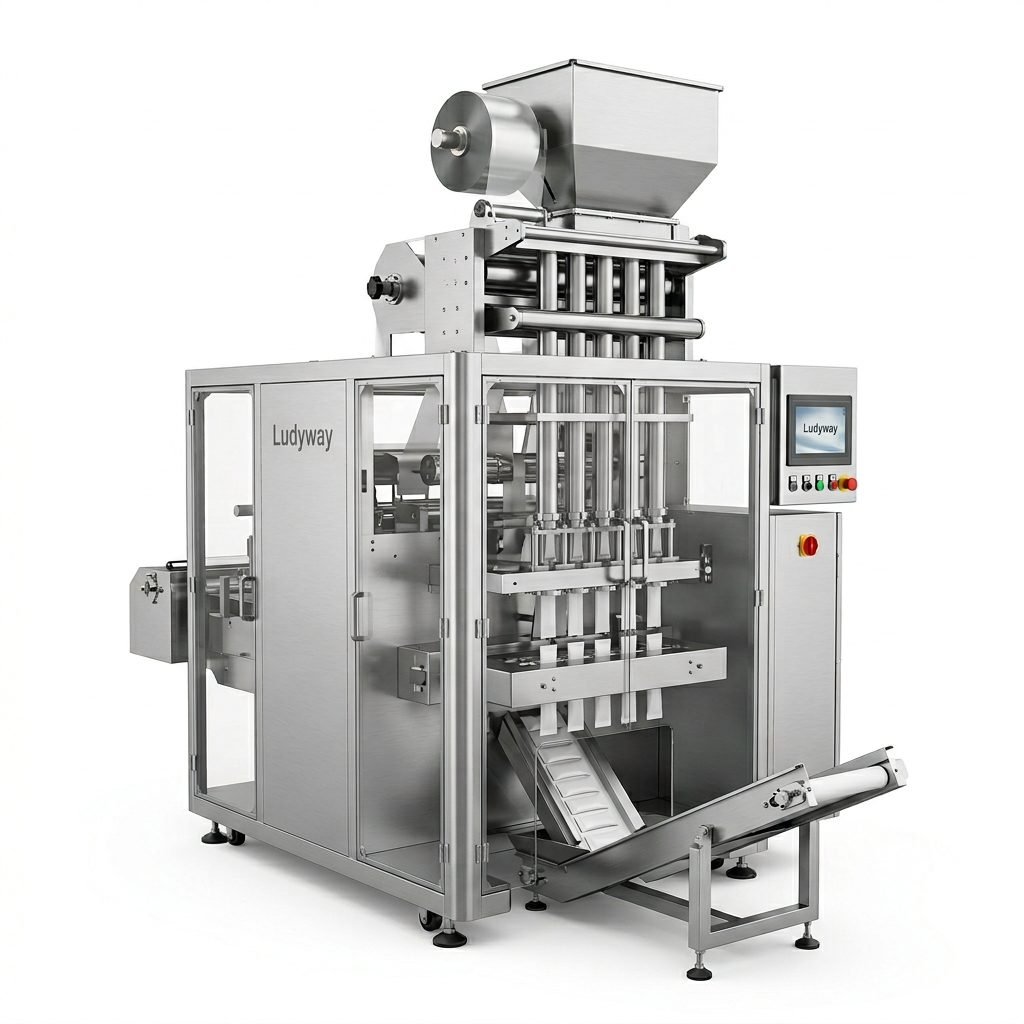
Growing in popularity for single-use or travel-size samples of powders (like face powder), granules, or liquids (like shampoo). Machines form, fill, and seal individual packets from a roll of film. Multi-lane systems from providers like Ludyway Machinery significantly boost output for high-volume sample production.
Labeling and Coding Equipment
Apply branding and essential information. This includes automatic labelers for front/back/wrap-around labels and inkjet or laser coders for printing batch numbers, expiry dates, and barcodes directly onto packaging.
Strategic Uses in the Beauty Industry
Beyond basic containment, packaging equipment serves strategic purposes that directly impact brand success and operational efficiency.
Ensuring Product Integrity and Shelf Life
Precision filling minimizes air exposure, and proper sealing prevents contamination and leakage. This is non-negotiable for preserving the efficacy of active ingredients in serums or the sterility of eye creams.
Enhancing Brand Premiumization
Consistent, high-quality packaging application—straight labels, perfectly centered caps, clean seals—communicates luxury and attention to detail, justifying a higher price point.
Enabling Flexibility and Innovation
Modern equipment allows for quick changeovers between different product sizes, shapes, and formats. This agility is key for launching limited editions, seasonal lines, or responding to market trends with new packaging types.
Driving Production Efficiency and Scalability
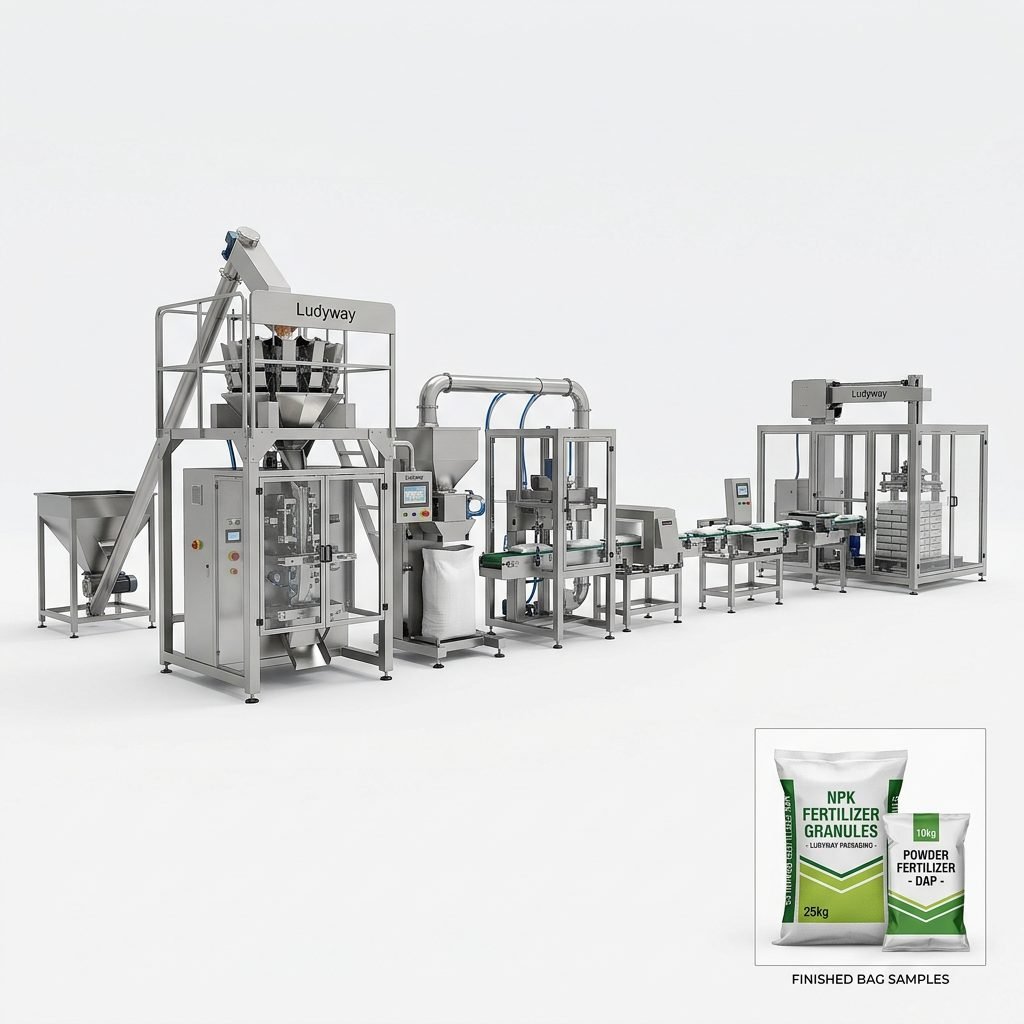
Automated lines replace slow, error-prone manual labor. A reliable turnkey packaging solution can scale with your business, handling increased volumes without a proportional increase in labor costs or errors.
Essential Buying Tips for Your Investment
Choosing the right equipment is a significant capital decision. Here are key factors to consider to ensure a worthwhile investment.
1. Precisely Define Your Needs: Analyze your current and future product portfolio. Consider viscosity, container types (bottle, jar, tube), required output speed (units per minute), and the level of automation needed (semi-auto vs. fully automatic).
2. Prioritize Precision and Hygiene: For beauty products, filling accuracy is critical to avoid underfills (customer complaints) or overfills (profit loss). Equipment should be constructed with hygiene in mind, using materials like stainless steel that are easy to clean and sanitize.
3. Evaluate Changeover Ease: If you run multiple SKUs, check how quickly and easily the machine can be adjusted for different container sizes or products. Look for features like tool-less changeovers or digital memory settings.
4. Assess Supplier Credibility and Support: Partner with a manufacturer with proven expertise in beauty packaging. Look for a strong track record, 30+ years of industry experience, and robust after-sales support including training, spare parts availability, and technical service. A supplier with a 20,000㎡ modern facility often indicates strong manufacturing capability.
5. Consider Total Cost of Ownership (TCO): Look beyond the initial purchase price. Factor in operational costs (energy, consumables), maintenance needs, potential downtime, and the machine’s expected lifespan. A slightly higher upfront cost for a more reliable, efficient machine often leads to lower TCO.
6. Request a Live Demonstration or Trial: Always test the machine with your actual product and packaging materials. This is the best way to verify performance, speed, and compatibility before purchase.
Frequently Asked Questions (FAQs)
Q1: What type of filling machine is best for a viscous face cream?
A: A volumetric piston filler is typically the best choice. It handles high-viscosity products accurately by displacing a precise volume of cream into each jar, ensuring consistent fill levels.
Q2: How can I add a tamper-evident feature to my beauty products?
A: Integrating an induction sealing machine into your line is the standard method. It seals an aluminum foil liner to the container mouth under a plastic cap, providing a hermetic seal that consumers must break upon first use.
Q3: I produce multiple serum SKUs in different bottle sizes. What should I look for?
A: Prioritize equipment with quick and simple changeover capabilities. Look for machines with adjustable filling heads, easy-to-switch parts, and possibly digital recipes that store settings for each SKU, minimizing downtime between production runs.
Q4: Are automated packaging lines only for large brands?
A: Not at all. While full linear automation suits high volume, many packaging equipment providers offer modular, semi-automatic machines that are perfect for small to medium-sized brands. These boost consistency and output without the full investment of a complete automated line, allowing for scalable growth.
Q5: What is the most important factor in maintaining my packaging equipment?
A: Regular, preventive maintenance as per the manufacturer’s schedule is crucial. This includes proper cleaning after each run, lubrication of moving parts, and timely replacement of wear items like seals and O-rings. This prevents unexpected breakdowns and extends the machine’s operational life.