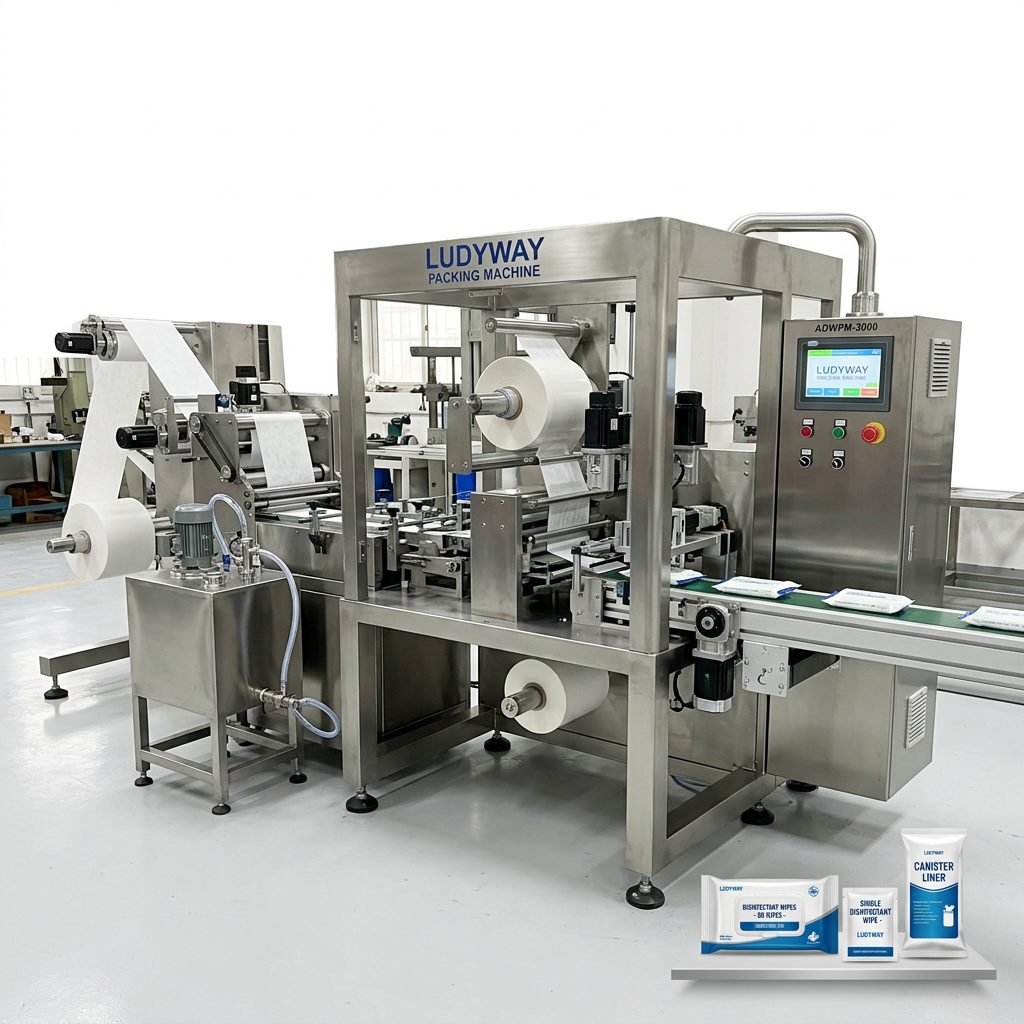
In the highly regulated and quality-critical pharmaceutical industry, packaging is far more than a final step—it’s a vital component of product integrity, safety, and compliance. Pharmaceutical packaging machinery forms the backbone of this process, ensuring that medicines, supplements, and medical devices are protected from contamination, maintain their efficacy, and reach end-users in perfect condition. This guide delves into the essential types of machinery, their specific applications, and provides a structured framework for selecting the right equipment for your production needs.
Core Types of Pharmaceutical Packaging Machinery
The packaging process for pharmaceuticals is segmented, with specialized machines handling each stage. Understanding these core types is the first step in building an efficient line.
Primary Packaging Equipment
This category involves machines that place the pharmaceutical product in its first layer of containment, which has direct contact with the product.
- Blister Packaging Machines: These are ubiquitous for solid oral dosages like tablets and capsules. They form cavities (blisters) from a roll of thermoformable film, place the product into the cavities, and seal it with a lidding material (often foil). They offer excellent product visibility, unit-dose integrity, and child resistance.
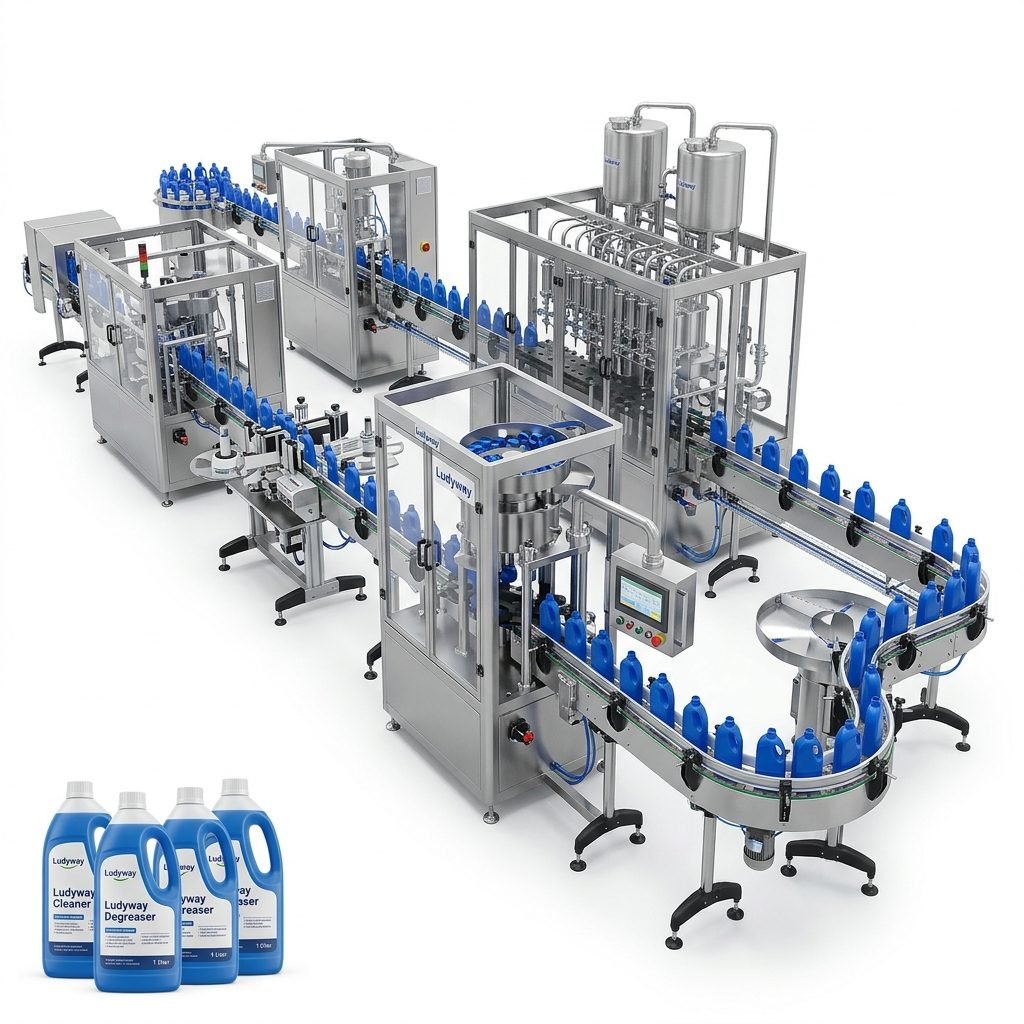
- Bottle Filling and Capping Lines: Used for liquids (syrups, suspensions), powders, and capsules/tablets in bulk. The line typically consists of a container unscrambler, filler, capper, and torque tester. Accuracy in fill volume and secure cap sealing are paramount.
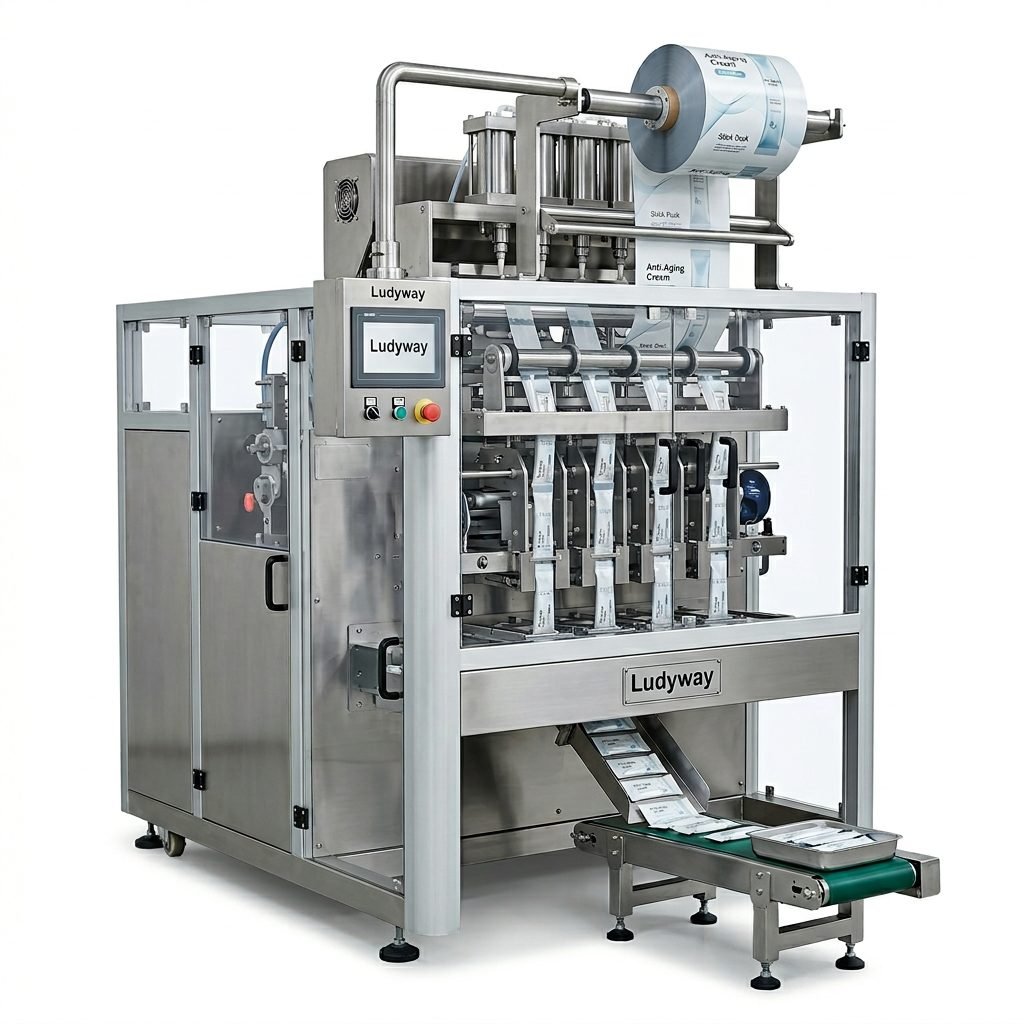
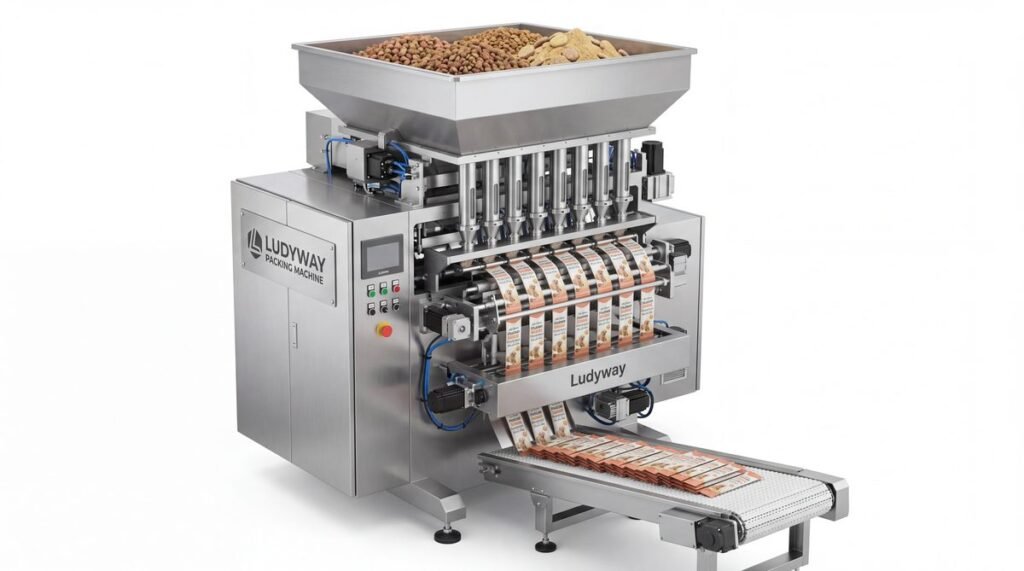
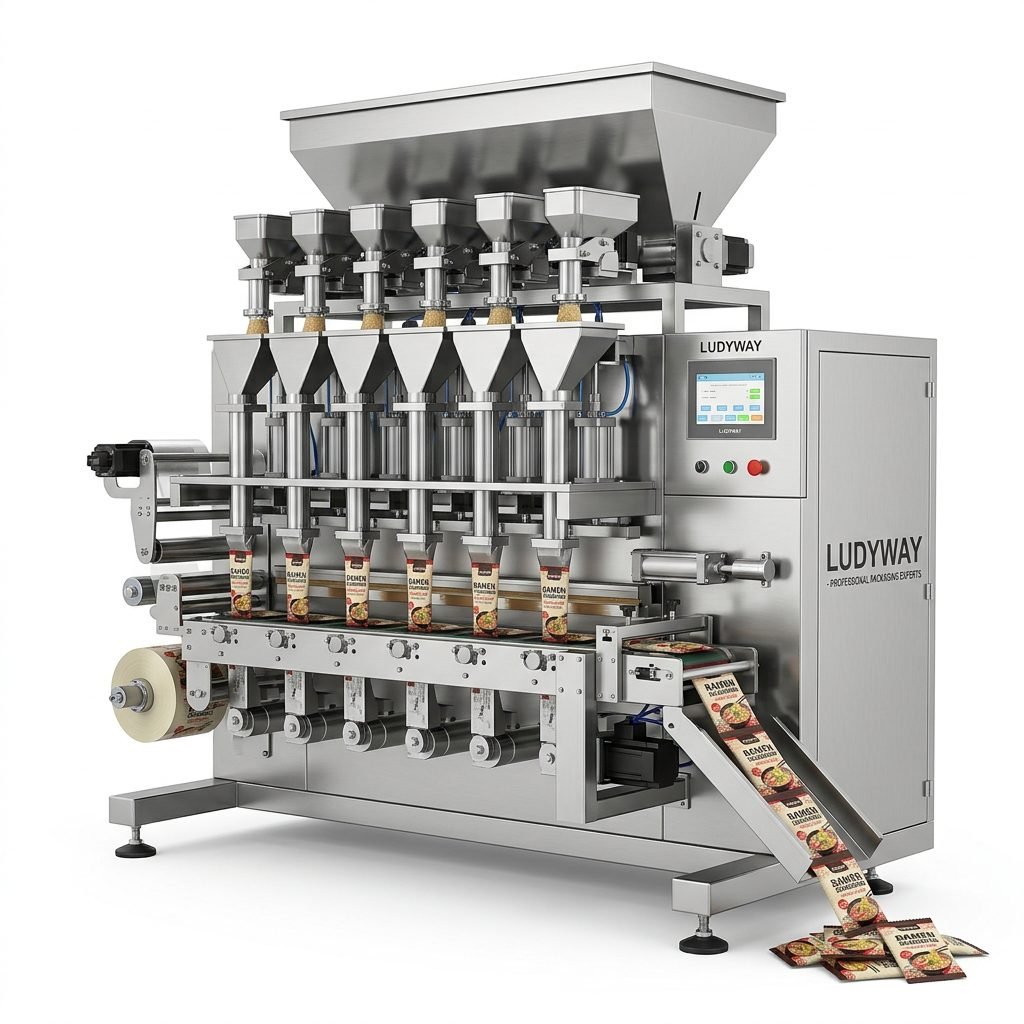
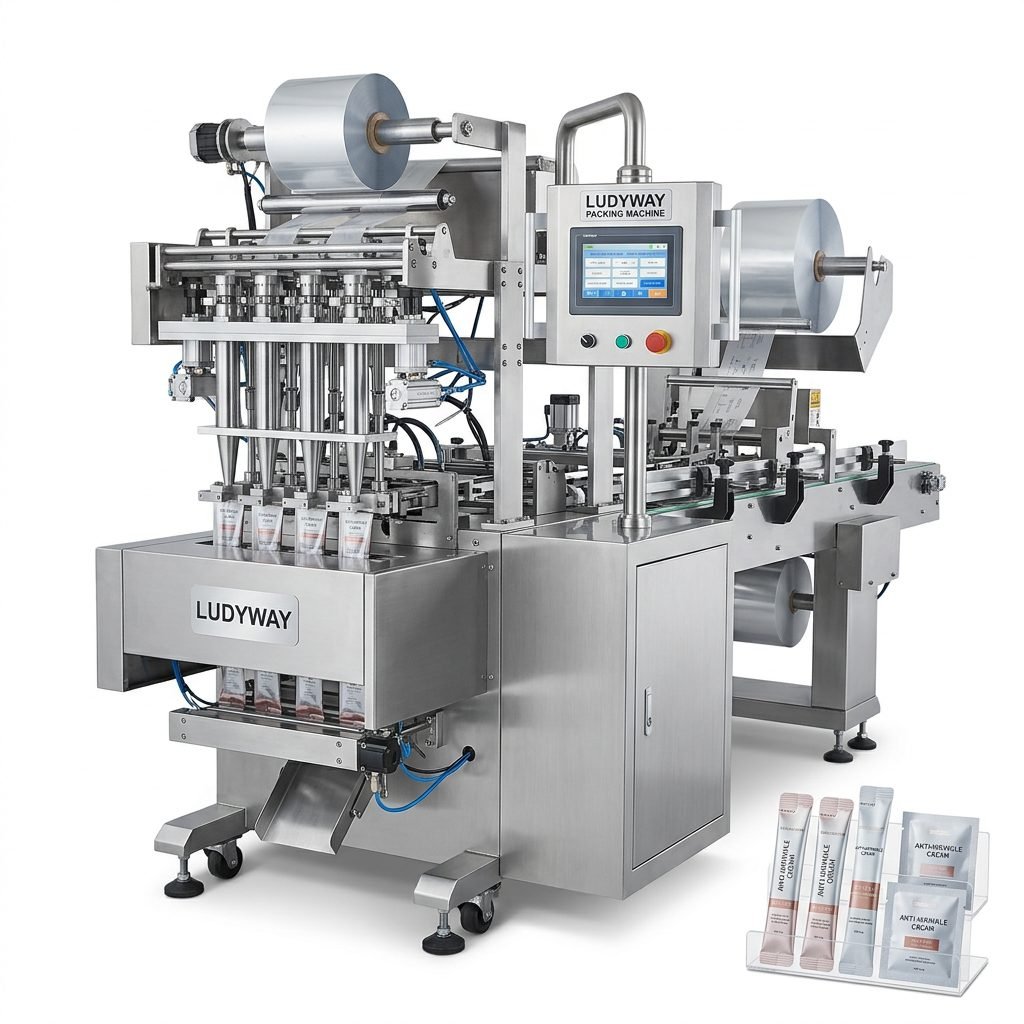
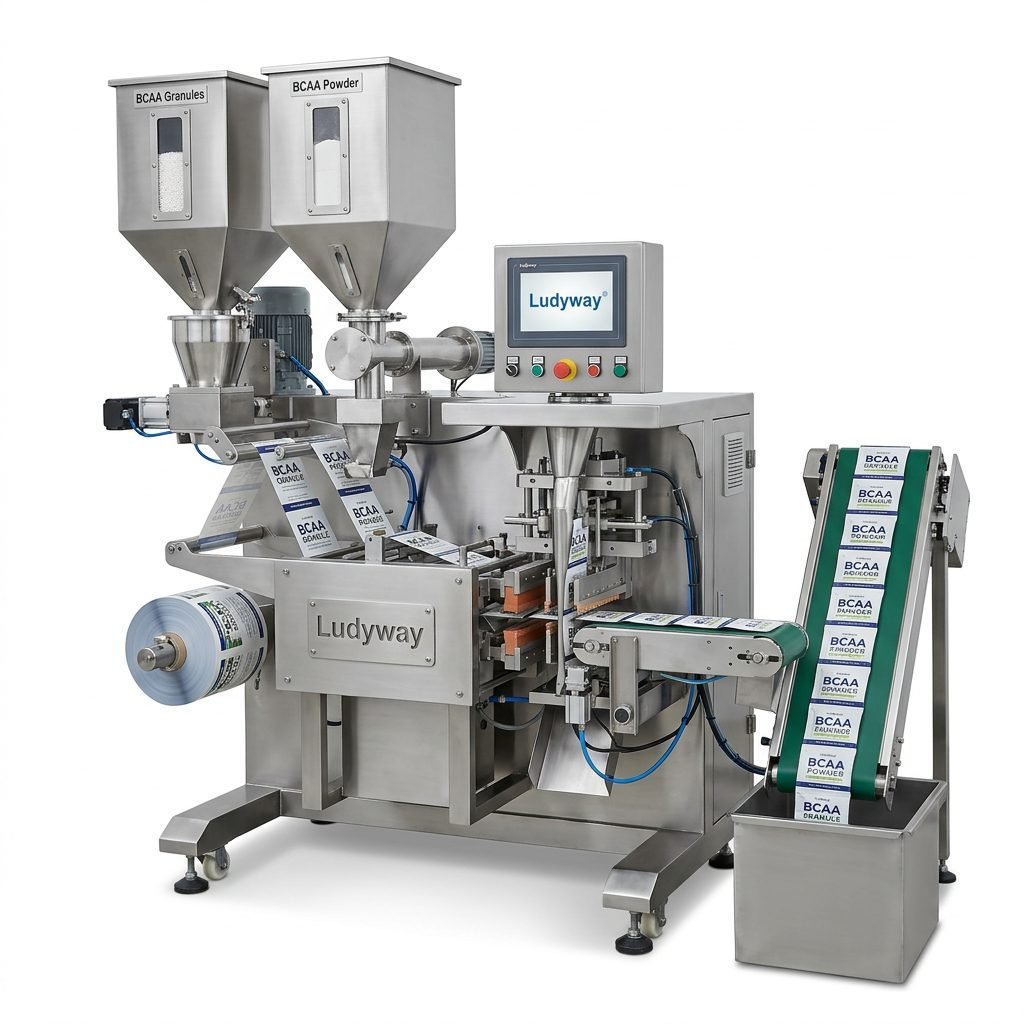
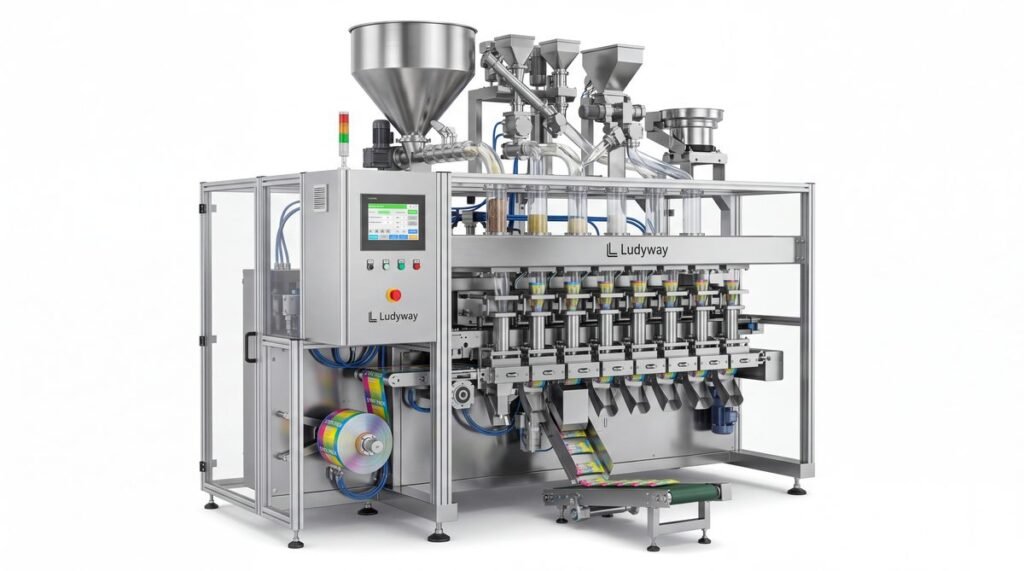
- Sachet & Stick Pack Machines: Ideal for single-dose powders, granules, or liquids (e.g., oral rehydration salts, instant drink mixes). They form, fill, and seal packets from roll stock film, offering portability and precise dosing. High-speed, multi-lane models significantly boost output.
- Ampoule, Vial, and Syringe Fillers: Critical for sterile injectables and vaccines. These operate in controlled environments (often isolators or RABS) to maintain sterility. They perform washing, sterilization, filling, and sealing with extreme precision to avoid particulate contamination.
Secondary and Tertiary Packaging Equipment
These machines handle the external packaging that contains, protects, and informs.
- Cartoning Machines: Automatically erect cartons, insert primary packages (blisters, bottles, leaflets), and close them. They can include features for serialization code printing and verification to meet track-and-trace regulations.
- Labeling Machines: Apply labels to bottles, vials, or cartons with high accuracy. Pharmaceutical labeling must comply with strict regulatory requirements regarding information placement, legibility, and adhesion.
- Bundling and Case Packing Machines: Group multiple cartons into bundles or pack them into shipping cases. They ensure secure transit and often integrate with palletizing systems.
Key Applications Across Pharmaceutical Segments
Different pharmaceutical products demand specific packaging approaches.
Solid Oral Dosages (Tablets & Capsules)
Blister packaging is the dominant method, prized for its protection against moisture and physical damage. High-speed blister lines are essential for large-volume OTC and prescription drugs. For clinical trials or low-volume specialty drugs, manual or semi-automatic tablet counters and bottle fillers provide the necessary flexibility.
Powders and Granules
This includes antibiotics, effervescent powders, and herbal supplements. Sachet and stick pack machines are perfectly suited, ensuring accurate, sealed single doses. The machinery must handle the specific flow characteristics of the powder to prevent clogging and ensure consistent fill weight.
Liquids and Semisolids
Syrups, suspensions, ointments, and creams require precise liquid filling technology. Piston fillers, peristaltic pumps, or time-pressure fillers are common. Crucial considerations include handling product viscosity, preventing foaming, and ensuring no-drip nozzles to maintain container cleanliness.
Sterile Products (Injectables)
This is the most demanding area. Packaging machinery for ampoules, vials, and pre-filled syringes must integrate seamlessly with sterilization tunnels and cleanroom protocols. The focus is on absolute sterility assurance, 100% integrity testing, and minimal human intervention.
How to Choose the Right Pharmaceutical Packaging Equipment
Selecting machinery is a strategic decision impacting compliance, efficiency, and total cost of ownership. Follow this structured approach.
1. Define Your Product and Output Requirements
Start with the basics: What are you packaging (tablets, liquid, powder)? What are the container materials and sizes? Most critically, determine your required output speed (units per minute/hour) and whether you need batch flexibility for multiple products. This defines the machine’s core capability.
2. Prioritize Regulatory Compliance and Validation
Pharmaceutical machinery must be designed for compliance with regulations like FDA 21 CFR Part 211 (cGMP), EU GMP Annex 1, and others. Key aspects include:
✅ Materials of Construction: Contact parts should be 316L stainless steel or other compliant, easy-to-clean materials.
✅ Design for Cleanability: Smooth surfaces, minimal crevices, and CIP/SIP capabilities.
✅ Documentation: The supplier must provide a detailed Factory Acceptance Test (FAT), Installation/Operational/Performance Qualification (IQ/OQ/PQ) protocols, and a comprehensive User Requirement Specification (URS).
3. Evaluate Technology and Integration Capability
Modern packaging lines are data hubs. Look for machinery with:
🔹 PLC/HMI Controls: For precise parameter setting, recipe storage, and changeover tracking.
🔹 Vision Inspection Systems: For 100% check of fill level, cap presence, label correctness, and foreign particles.
🔹 Serialization & Aggregation: Built-in capability to print and verify unique identifiers (like 2D Data Matrix codes) as mandated by global track-and-trace laws. Ensure the machine can communicate with your Level 3 and Level 4 system software.
4. Assess Supplier Expertise and Support
The machine is only as good as the company behind it. Choose a supplier with:
• Proven Industry Experience: A track record in pharmaceutical packaging, not just general packaging.
• Strong Service Network: Availability of spare parts, trained field service engineers, and remote support.
• Project Management Skill: Ability to deliver a complete, validated line on time and within budget.
5. Analyze Total Cost of Ownership (TCO)
Look beyond the initial purchase price. Consider:
• Operational Costs: Energy consumption, required consumables (like sealing jaws), and changeover downtime.
• Maintenance Costs: Predictability of spare parts pricing and recommended service intervals.
• Scalability: Can the machine be upgraded or integrated into a faster line in the future?
Frequently Asked Questions (FAQs)
What is the most important factor when choosing a blister packaging machine for pharmaceuticals?
The ability to maintain consistent seal integrity is paramount. This depends on precise temperature control, pressure application, and the quality of the forming and lidding films. The machine must also facilitate easy and thorough cleaning to prevent cross-contamination between product batches.
How can I ensure my packaging line is compliant with serialization regulations?
Select machinery that has integrated serialization modules (printers, verifiers, cameras) from the outset, rather than adding them later. Ensure the machine’s software has the capability to communicate aggregation data (e.g., which serialized bottles go into which serialized carton) to your central repository system seamlessly.
Is it better to buy a fully integrated line from one supplier or individual machines from different suppliers?
For pharmaceutical applications, a single-source, turnkey solution from an experienced supplier is generally recommended. This simplifies validation (one set of protocols), ensures seamless machine communication, and provides one point of accountability for service and support, reducing project risk and complexity.
What are the key maintenance requirements for pharmaceutical packaging equipment?
Regular preventive maintenance is crucial. This includes daily cleaning per SOPs, lubrication of moving parts as specified, calibration of checkweighers and vision systems, and inspection/replacement of wear parts like sealing jaws, gaskets, and feed screws. A robust maintenance log is a regulatory requirement.
Can existing packaging machinery be upgraded for serialization or higher speeds?
Many machines can be retrofitted with serialization stations and some speed enhancements, but there are limits. A thorough assessment by the original equipment manufacturer (OEM) or a qualified integrator is necessary. Factors like machine frame strength, control system age, and available space will determine feasibility and cost-effectiveness versus purchasing new equipment.