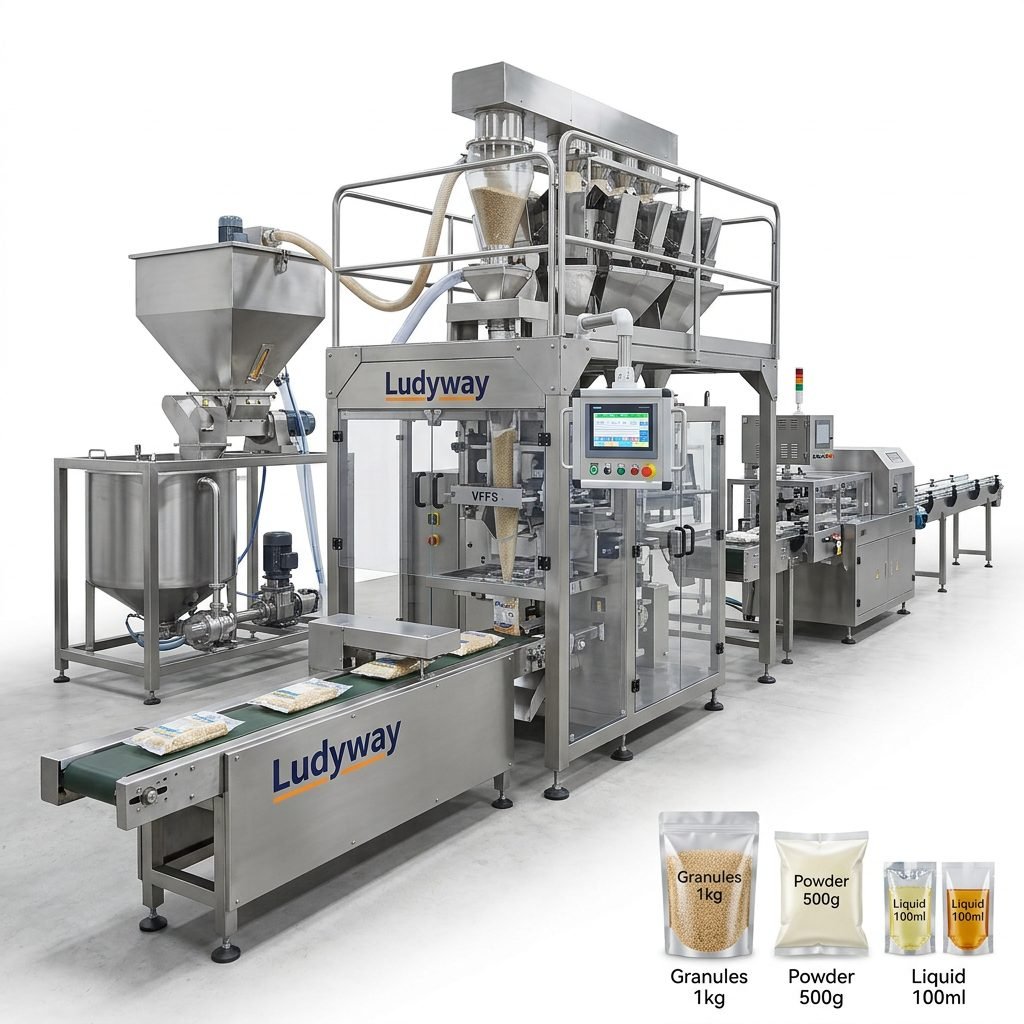
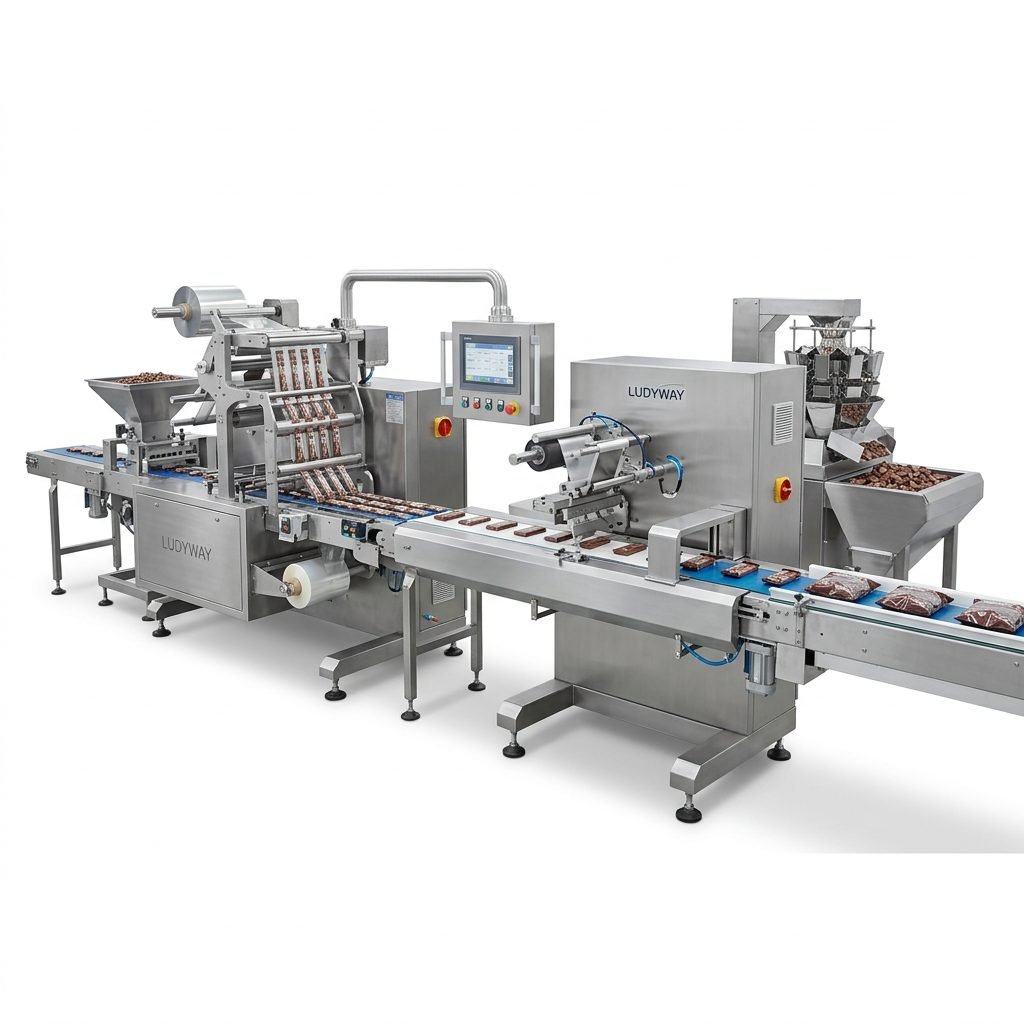
Packaging machines are the backbone of modern production. From food and pharmaceuticals to cosmetics and chemicals, the right system can improve output, reduce waste, protect product quality, and support business growth. Whether you are launching a new packaging line or upgrading manual operations, understanding the main machine types and selection criteria is essential for making a smart investment.
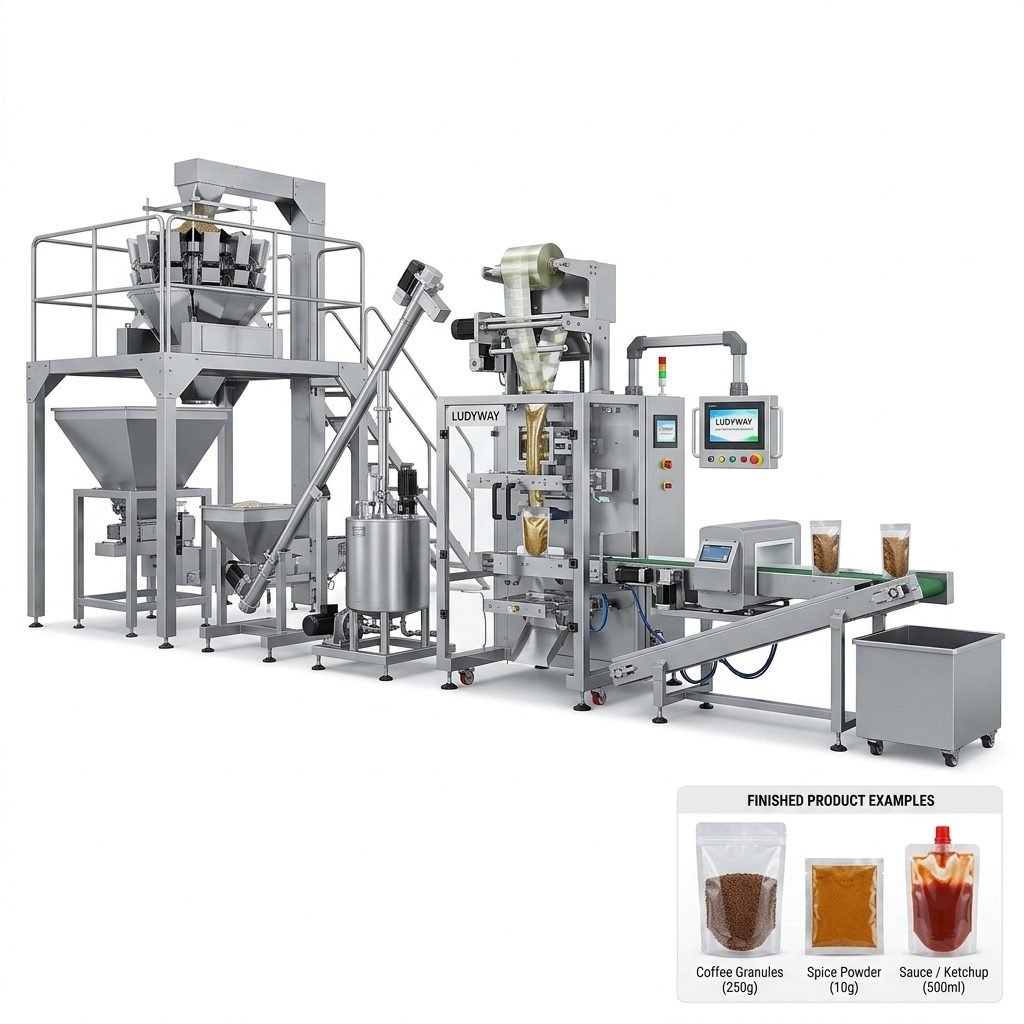
What Is a Packaging Machine?
A packaging machine is equipment designed to automate one or more packaging processes such as feeding, weighing, filling, sealing, labeling, coding, cartoning, and palletizing. These machines are used to pack products into sachets, stick packs, pouches, bottles, cartons, bags, trays, and other formats.
Depending on the application, packaging machines may handle powders, granules, liquids, pastes, tablets, capsules, wipes, or solid products. Some companies start with a single machine, while others require a complete turnkey packaging line integrating multiple stages of production.
Main Types of Packaging Machines
Packaging equipment can be classified by package format, product type, and level of automation. Below are the most common categories used across industries.
1. Vertical Form Fill Seal Machines
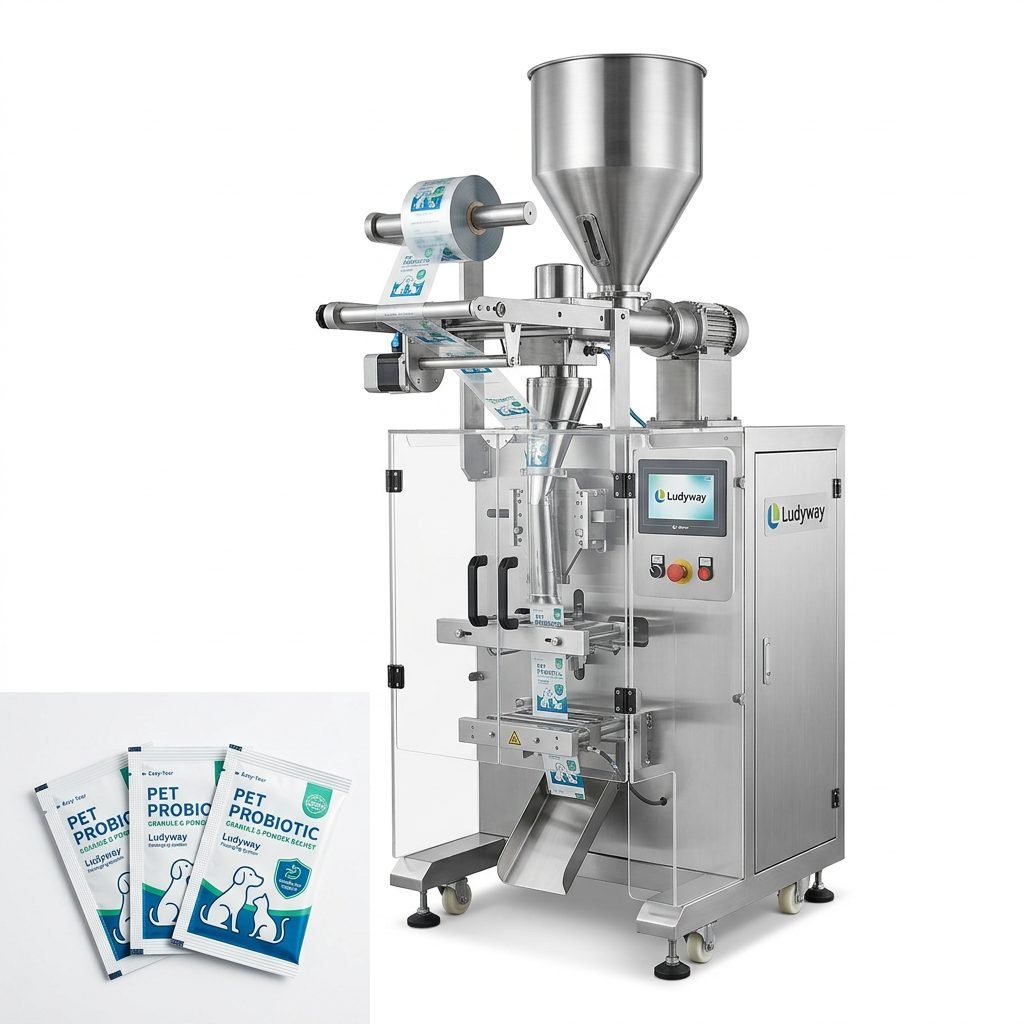
Vertical form fill seal (VFFS) machines form the bag from roll film, fill the product, and seal the package in one continuous process. They are widely used for powders, granules, snacks, coffee, sugar, seeds, and similar products.
- Suitable for pillow bags, back-seal bags, and gusset bags
- Efficient for medium- to high-speed production
- Common in food, agriculture, and chemical packaging
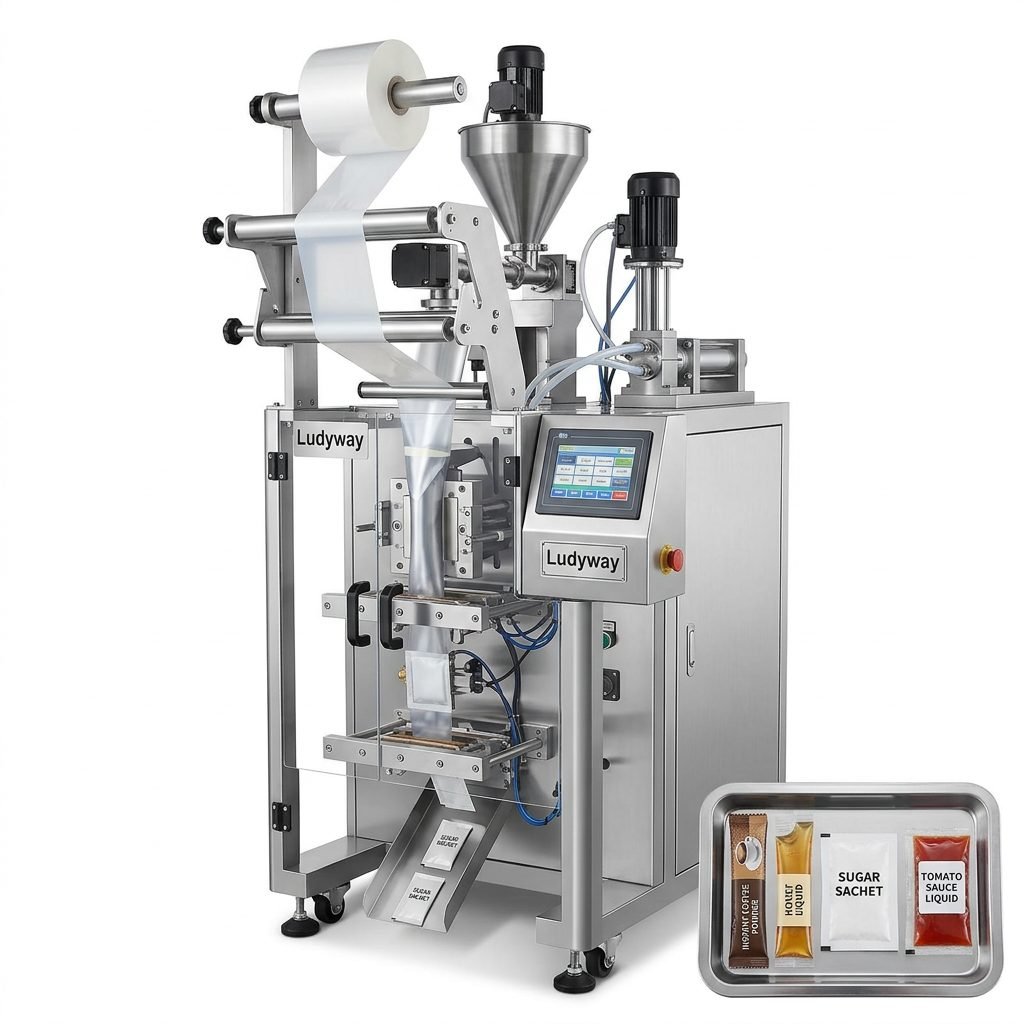
2. Sachet Packaging Machines
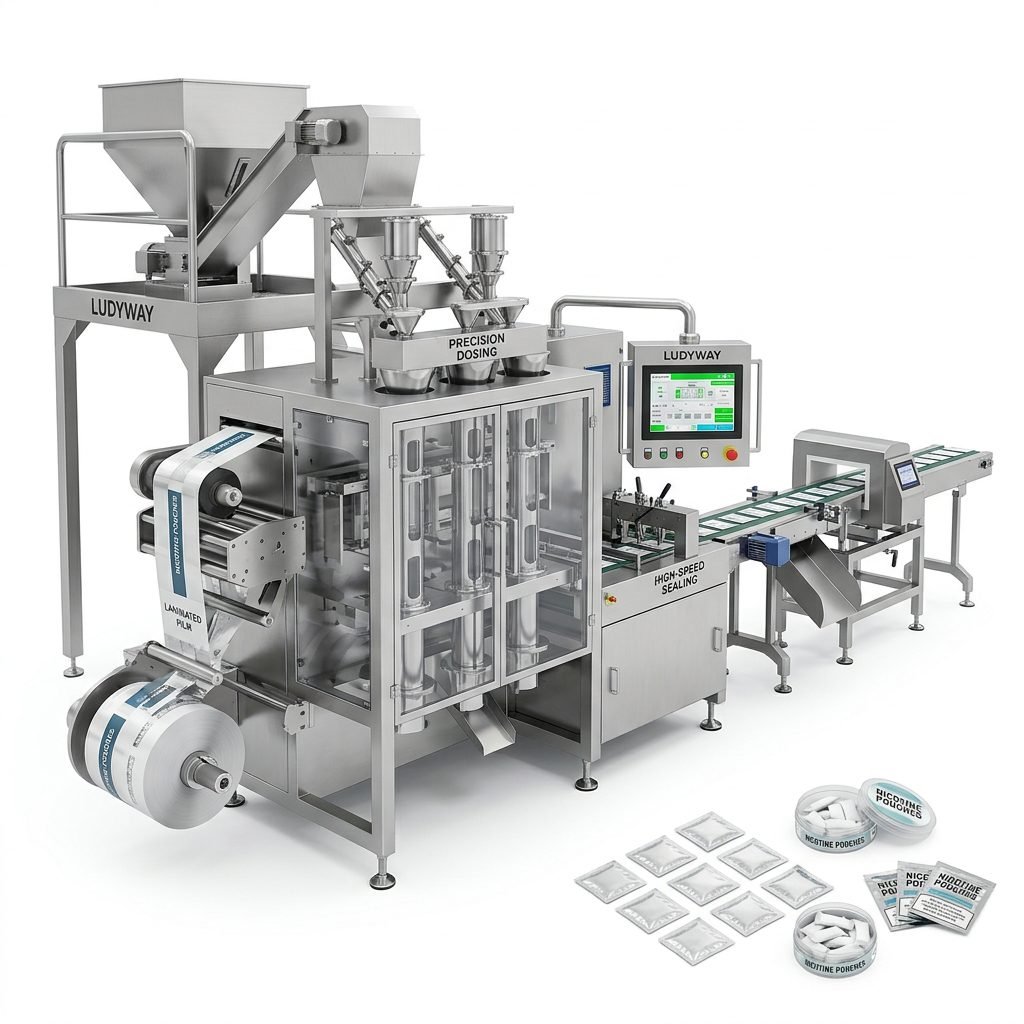
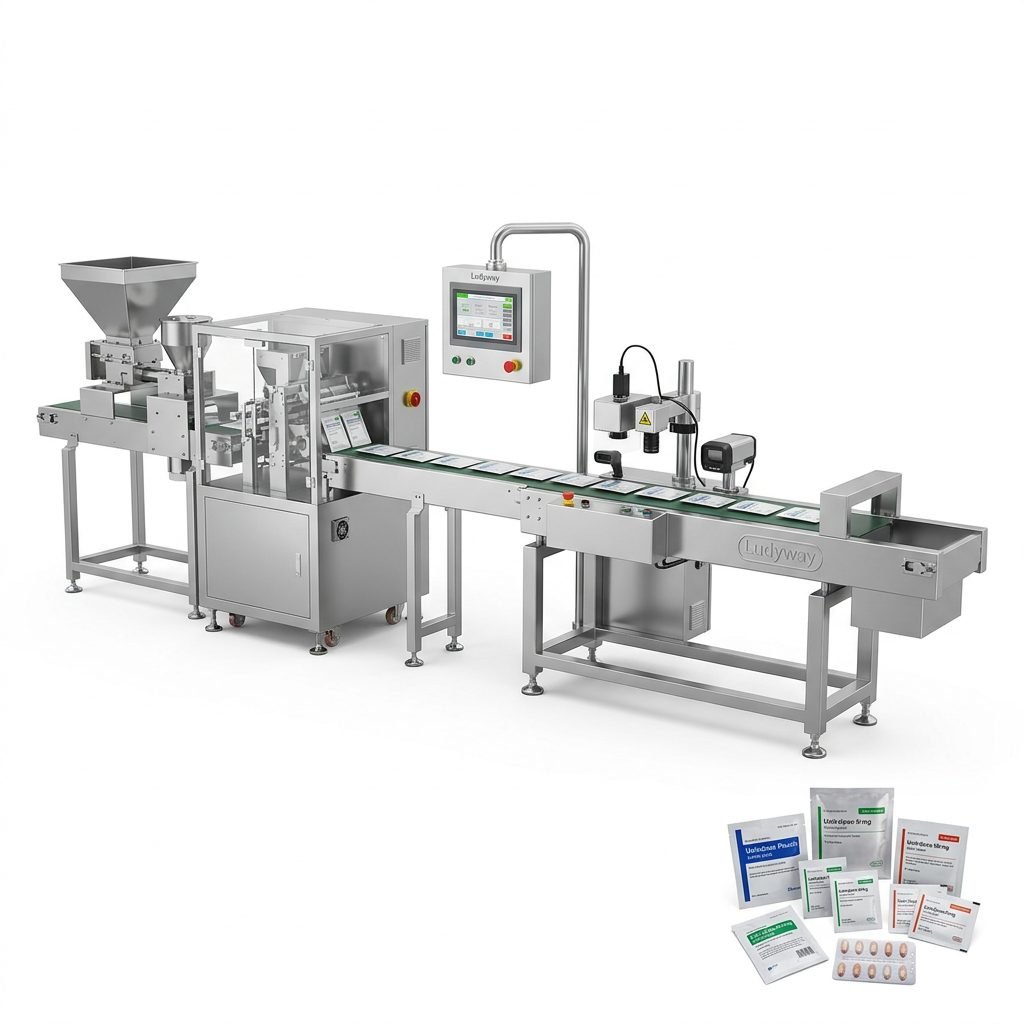
Sachet machines are designed for small-dose packaging of powders, liquids, granules, gels, and pastes. These machines are popular in food service, health supplements, pharmaceuticals, and personal care.
- Compact package size
- Ideal for single-use products
- Excellent for retail, travel-size, and sample packs
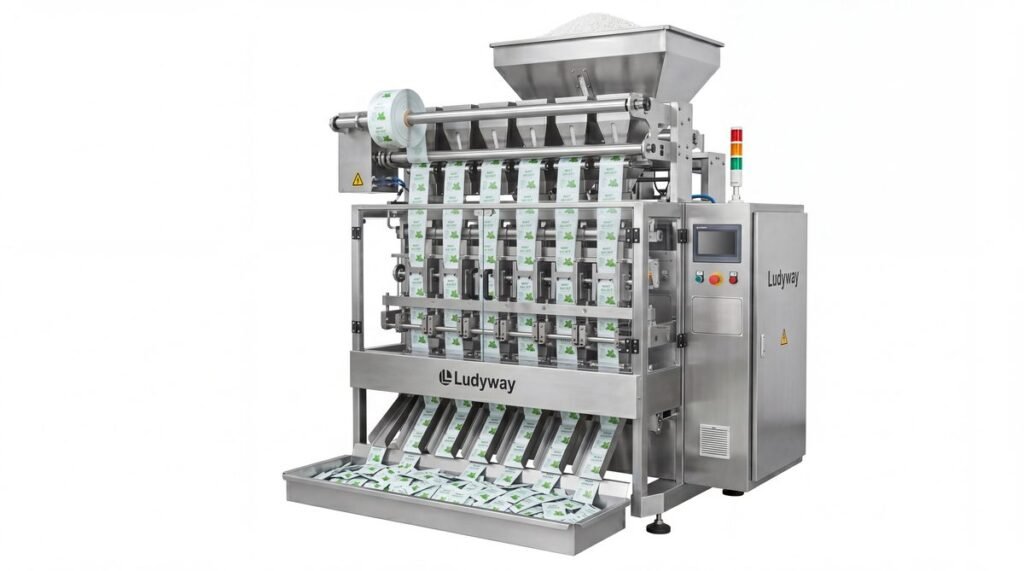
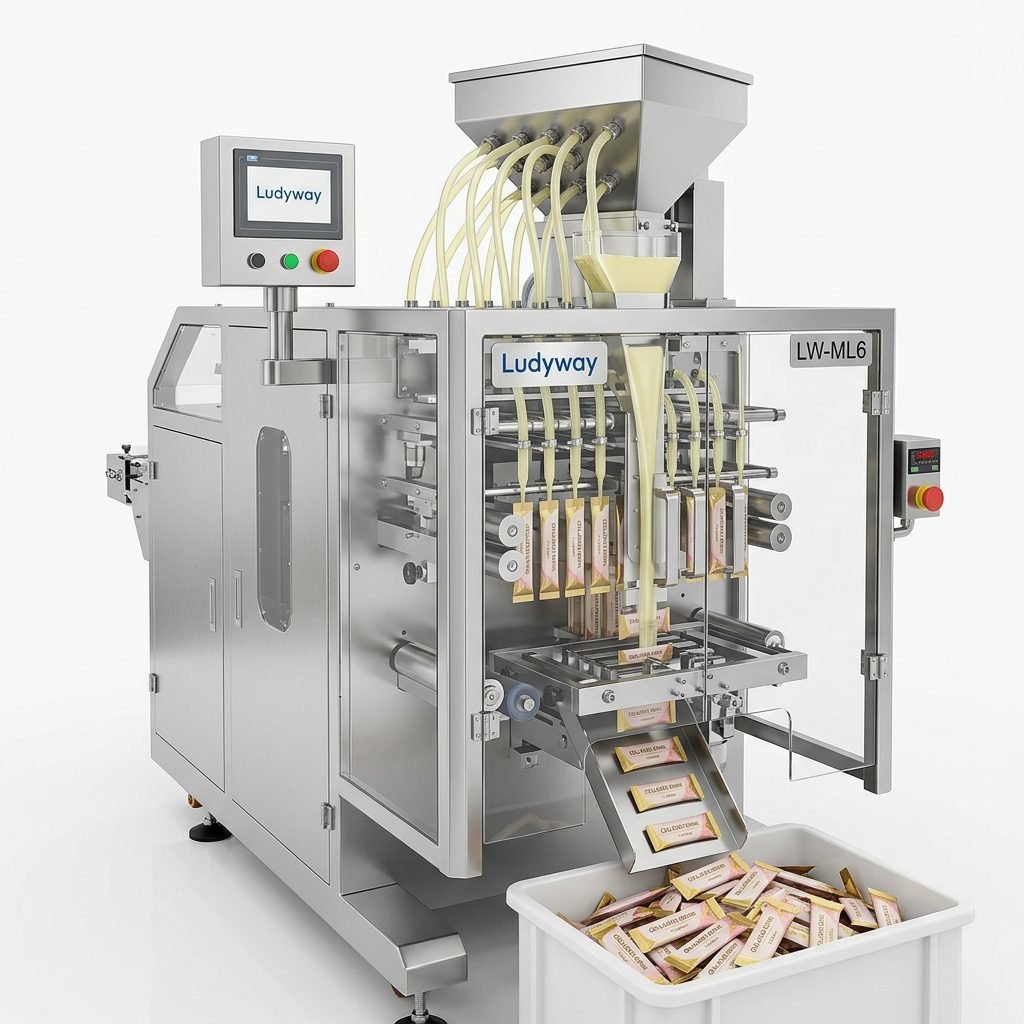
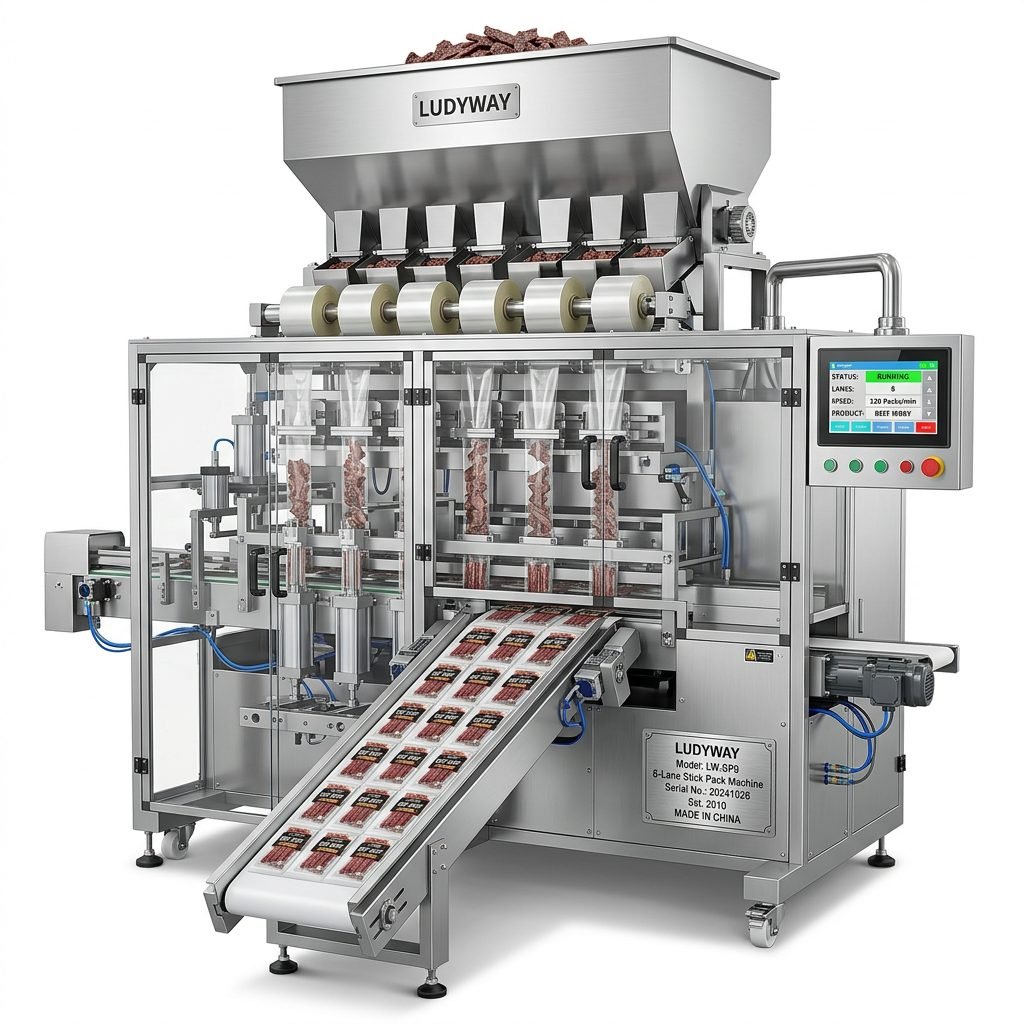
3. Stick Pack Machines
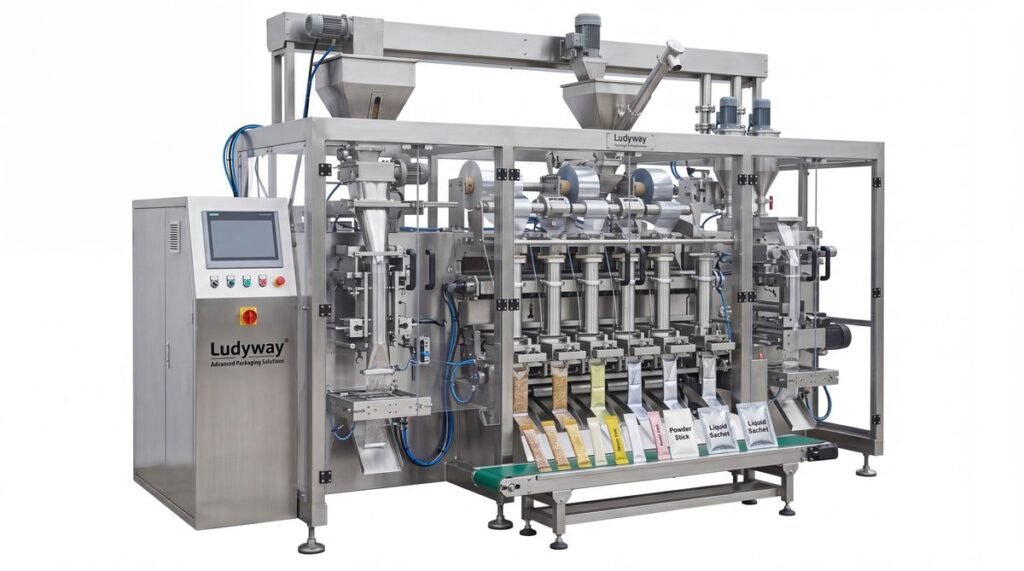
Stick pack machines produce narrow, tube-shaped packages that are highly convenient for on-the-go consumption. They are commonly used for drink powders, sweeteners, instant coffee, collagen, oral rehydration salts, and liquid supplements.
- Space-saving packaging format
- Attractive for consumer convenience
- Often built in multi-lane configurations for high output
4. Premade Pouch Packaging Machines
These machines fill and seal ready-made pouches instead of forming them from film. They are often used for stand-up pouches, zipper pouches, and specialty retail packaging.
- Premium shelf appearance
- Suitable for solids, powders, liquids, and mixed products
- Good for brands focused on presentation and convenience
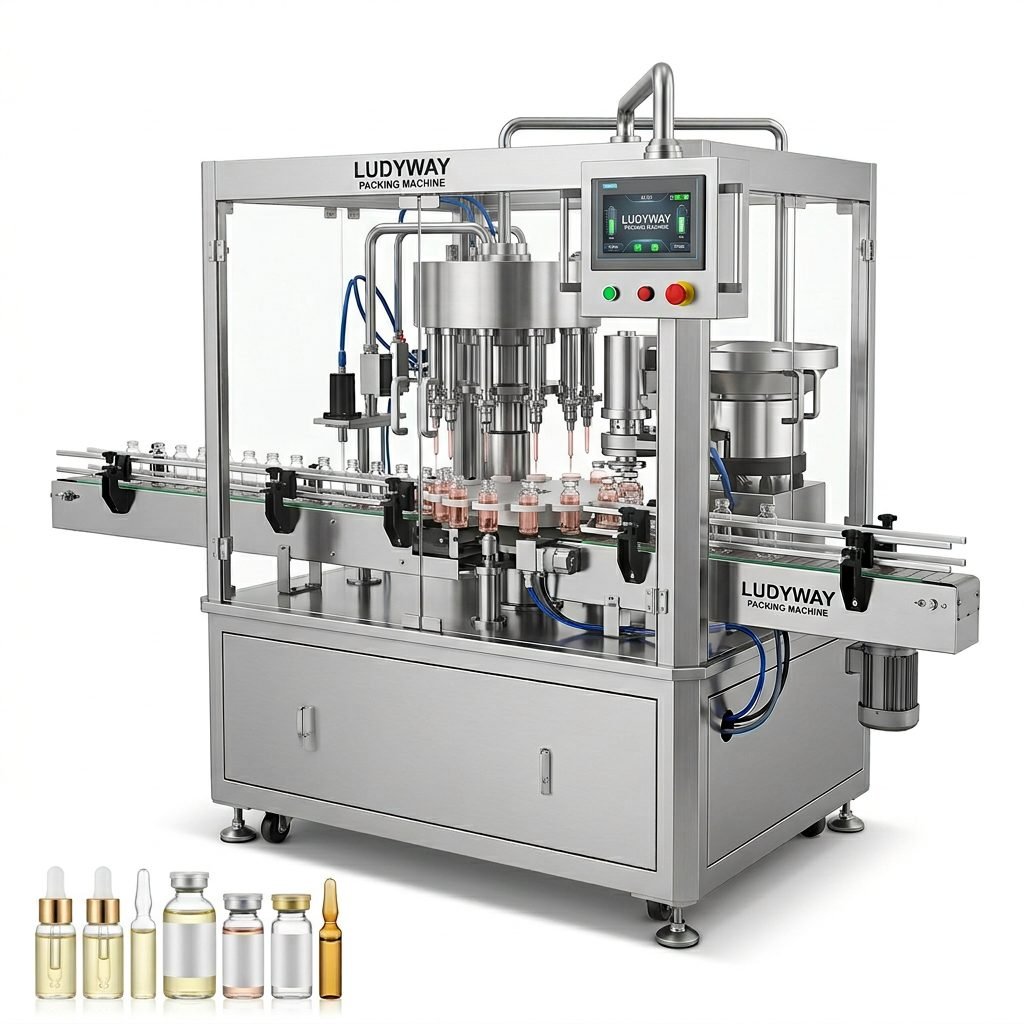
5. Liquid and Paste Filling Machines
Liquid filling equipment is used for products such as sauces, oils, beverages, detergents, shampoos, serums, and creams. The filling method may include piston, pump, gravity, or flowmeter-based systems depending on viscosity and accuracy requirements.
6. Powder Packaging Machines
Powder packaging machines are typically equipped with auger fillers or specialized dosing systems for handling products like milk powder, spice blends, supplements, pharmaceutical powders, and industrial chemicals.
7. Granule Packaging Machines
Granule systems often use cup fillers, multihead weighers, or linear weighers to handle sugar, salt, seeds, nuts, pet food, feed pellets, and seasoning mixes.
8. Cartoning, Case Packing, and Palletizing Systems
End-of-line packaging equipment is used after primary packaging. These systems improve shipping efficiency and reduce labor in secondary and tertiary packaging operations.
Packaging Machine Types at a Glance
| Machine Type | Best For | Typical Products | Key Advantage |
|---|---|---|---|
| VFFS Machine | Bag forming and filling | Snacks, powders, grains, coffee | Efficient continuous packaging |
| Sachet Machine | Small-dose packaging | Sauce, powder, serum, sanitizer | Ideal for single-use packs |
| Stick Pack Machine | Slim format packaging | Drink mix, sweetener, supplements | Convenient and high-speed |
| Premade Pouch Machine | Premium pouch filling | Pet food, snacks, powders, liquids | Strong shelf appeal |
| Liquid Filling Machine | Fluid and viscous products | Juice, oil, lotion, detergent | Accurate liquid dosing |
| Cartoning/Palletizing | End-of-line automation | Packed sachets, boxes, bags | Lower labor and smoother logistics |
Key Benefits of Using Packaging Machines
For manufacturers, packaging automation is more than a productivity upgrade. It directly affects quality control, labor planning, compliance, and cost structure.
- Higher efficiency: Machines can run faster and more consistently than manual packaging methods.
- Better accuracy: Automated dosing reduces underfilling, overfilling, and material loss.
- Improved hygiene: Enclosed filling and sealing support cleaner production, especially in food and pharma.
- Lower labor dependence: Businesses can reduce repetitive manual tasks and improve workforce allocation.
- Stronger packaging consistency: Uniform seals, weights, and coding help build brand trust.
- Scalable production: Companies can expand output without completely redesigning operations.
- Better product protection: Proper packaging extends shelf life and reduces transport damage.
Common Applications Across Industries
Food Industry
Food manufacturers use packaging machines for coffee, sugar, spices, sauces, instant beverages, dairy powders, grains, nuts, snacks, seasonings, and frozen or dried products. Fast, clean packaging helps preserve freshness and maintain batch consistency.
Pharmaceutical Industry
Pharmaceutical packaging often requires high precision, traceability, and compliance. Common applications include powder sachets, oral liquids, tablets, capsules, sterile medical products, and diagnostic kit packaging.
Health Supplement Industry
Stick packs and sachets are widely used for collagen, probiotics, protein powder, vitamin blends, hydration formulas, and botanical supplements because they are portable and consumer-friendly.
Cosmetic and Personal Care Industry
Cosmetics companies package serums, lotions, shampoos, creams, cleansers, masks, and sample-sized products using liquid and sachet packaging systems that support both retail and promotional formats.
Chemical and Industrial Industry
Detergents, cleaners, lubricants, additives, resins, fertilizers, and specialty powders often require robust machines with corrosion-resistant construction and reliable sealing performance.
How to Choose the Right Packaging Machine
Choosing the right machine means matching equipment capability with your product, output goals, packaging style, and long-term business plan. The cheapest option is rarely the best one if it limits growth or creates downtime.
1. Define Your Product Characteristics
Start by understanding whether your product is a powder, granule, liquid, paste, tablet, or irregular solid. Flowability, viscosity, particle size, moisture level, and dust generation all affect machine design.
2. Confirm the Packaging Format
Decide whether you need sachets, stick packs, pouches, bottles, jars, or bulk bags. Your preferred retail presentation will determine the machine architecture.
3. Estimate Required Output
Think in terms of packs per minute, shift hours, and future production growth. A machine that meets current demand but cannot scale may create a bottleneck later.
4. Review Filling Accuracy Requirements
Some products, especially in pharmaceutical and supplement applications, require tight tolerances. In these cases, dosing technology and control systems are critical.
5. Check Material and Hygiene Standards
For food and pharmaceutical production, stainless steel contact parts, cleanable structures, and sanitary designs are important. Regulatory compliance should never be treated as optional.
6. Evaluate Automation Level
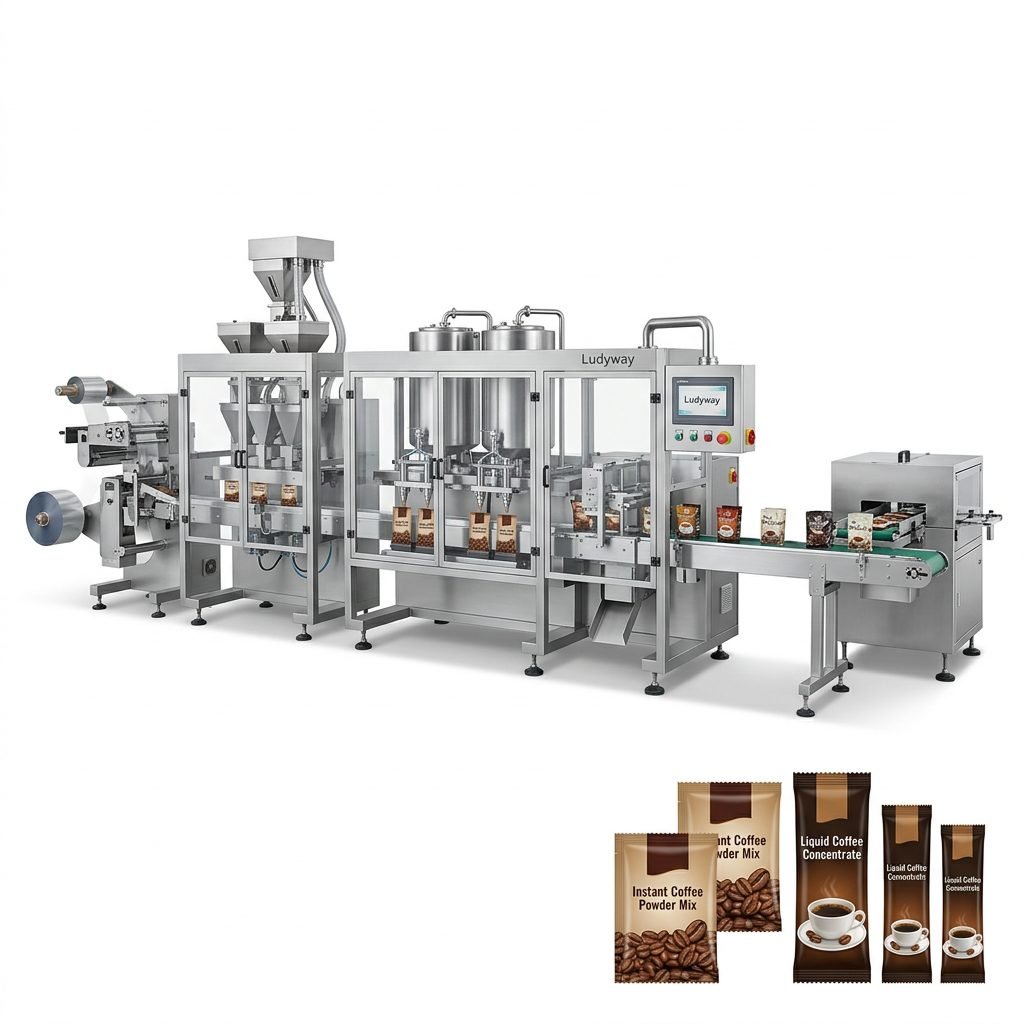
You may need a standalone machine, or you may benefit more from an integrated line that includes feeding, filling, sealing, inspection, cartoning, and palletizing.
7. Consider Changeover Flexibility
If you package different SKUs, flavors, or sizes, quick changeover can save substantial time and labor.
8. Look at After-Sales Support
Training, spare parts availability, remote support, and technical service can strongly affect total cost of ownership.
Packaging Machine Selection Checklist
| Selection Factor | What to Ask | Why It Matters |
|---|---|---|
| Product Type | Is it powder, granule, liquid, or paste? | Determines filling technology |
| Pack Format | Do you need sachets, stick packs, pouches, or bottles? | Defines machine structure |
| Speed | How many packs per minute are required? | Impacts productivity and ROI |
| Accuracy | What tolerance is acceptable? | Reduces giveaway and compliance risk |
| Automation Scope | Standalone machine or full line? | Affects labor, integration, and expansion |
| Support | Is installation and after-sales service reliable? | Protects long-term performance |
Standalone Machine or Turnkey Packaging Line?
A standalone machine is often suitable for smaller operations or companies expanding in stages. A turnkey line is usually the better choice when output, consistency, traceability, and labor efficiency are strategic priorities.
For businesses looking for broader automation capability, packaging machine manufacturer Ludyway offers a wide range of equipment and turnkey packaging line solutions for food, pharmaceutical, health supplement, cosmetic, chemical, and pouch-based applications.
Mistakes to Avoid When Buying a Packaging Machine
- Choosing only by price instead of total operating value
- Ignoring future capacity expansion
- Overlooking product behavior during filling and sealing
- Not testing packaging materials in advance
- Failing to evaluate maintenance and spare parts support
- Buying equipment without considering operator training needs
Final Buying Tips
Before making a purchase decision, prepare a clear specification sheet including product details, target bag size, packaging material, output goal, workshop layout, and voltage requirements. Ask for sample testing whenever possible. This helps confirm sealing quality, filling accuracy, and real production performance.
The right packaging machine should do more than package products. It should support consistent quality, efficient production, lower labor pressure, and long-term scalability. When chosen carefully, it becomes a reliable asset that improves both operations and brand competitiveness.