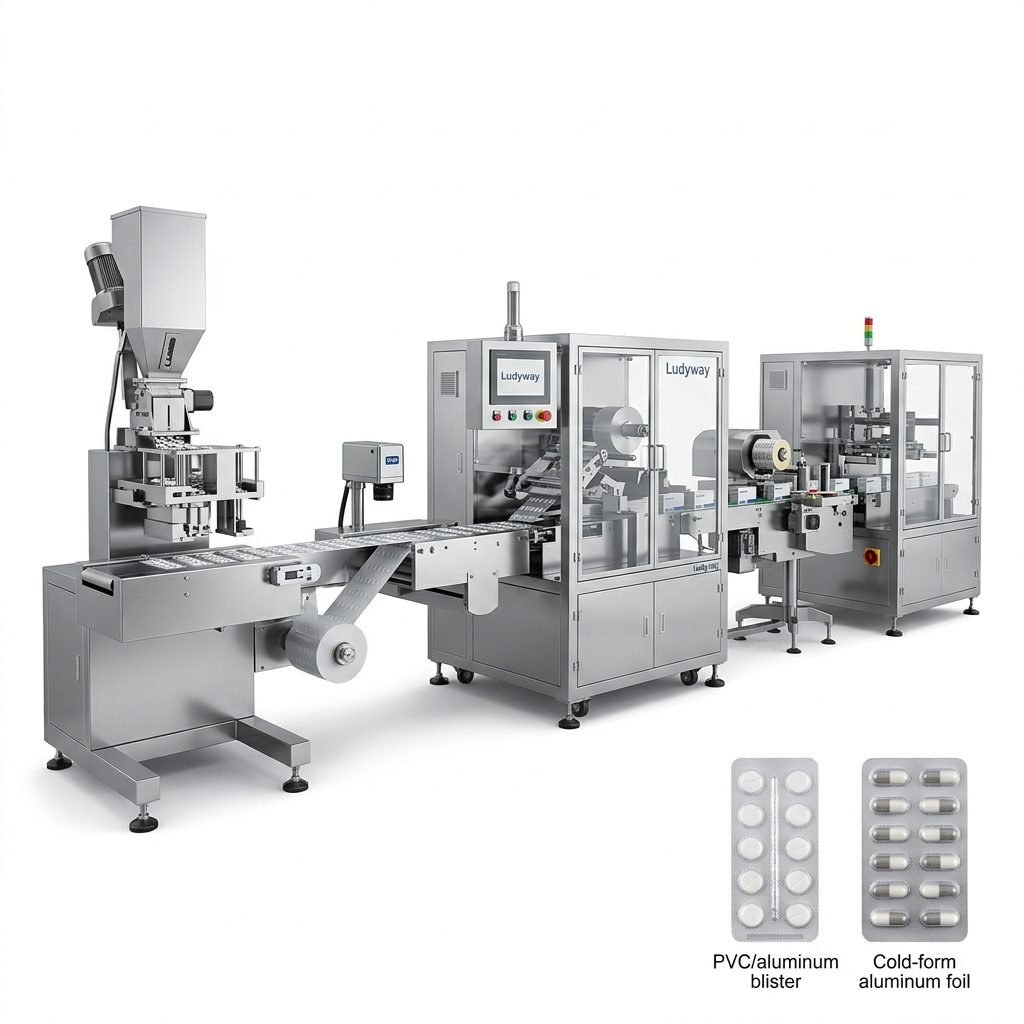
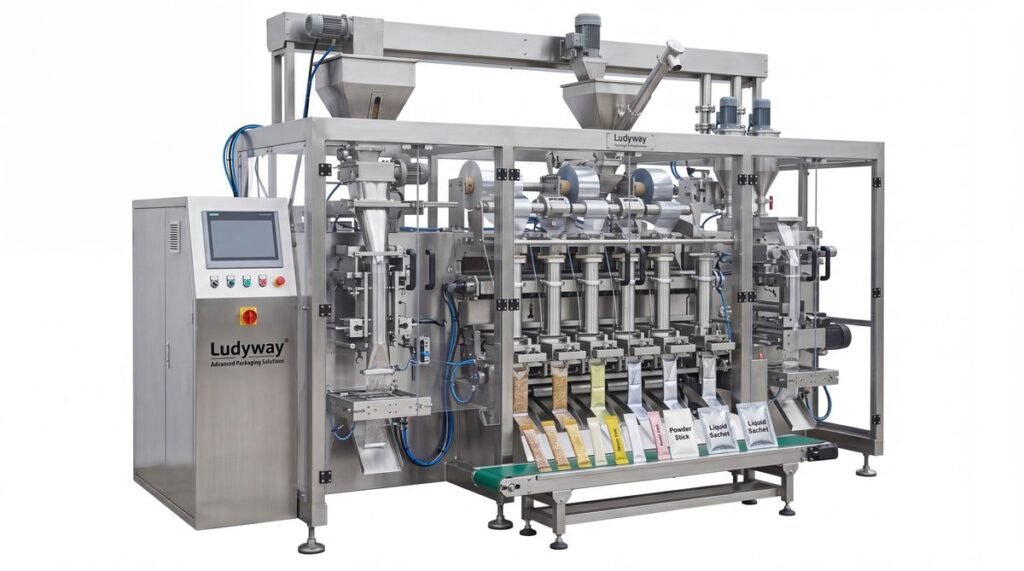
Selecting the ideal meal packaging machine is a critical decision for any food production business. The right equipment can enhance efficiency, ensure product safety, extend shelf life, and ultimately contribute to your brand’s success. This comprehensive guide will walk you through the key factors to consider when choosing a food packing solution, helping you make an informed investment that aligns with your specific production needs.
Understanding Your Packaging Requirements
Before diving into machine specifications, a thorough analysis of your own requirements is essential. This foundational step will narrow down your options and guide your search effectively.
Key Consideration: Start by defining your product type. Is it a dry granule like rice or beans, a fine powder like spice blends, a viscous liquid like sauce, or a semi-solid like yogurt? The product’s physical state directly determines the suitable filling technology.
Next, evaluate your production volume. Are you a small-scale artisan producer needing a few hundred packs per day, or a large manufacturer requiring tens of thousands? Your output dictates the required machine speed (packs per minute) and level of automation—from semi-automatic to fully automatic, high-speed lines.
Finally, consider your packaging materials and format. Do you need to create stick packs, sachets, pouches, or cups? Will you use laminated film, aluminum foil, or biodegradable materials? The machine must be compatible with your chosen material’s thickness, texture, and sealing properties.
Core Machine Types and Technologies
The food packaging machinery market offers a variety of solutions, each designed for specific applications. Understanding these core types is crucial.
Vertical Form-Fill-Seal (VFFS) Machines
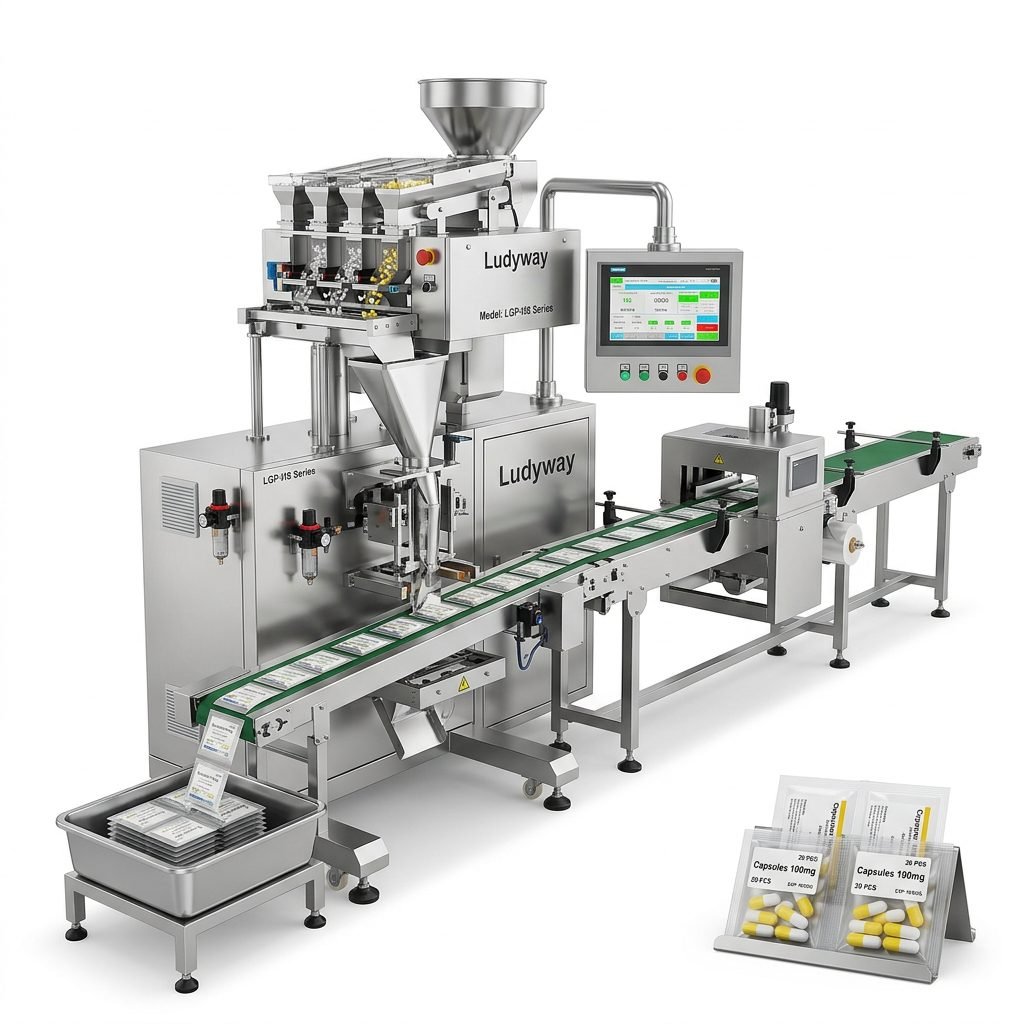
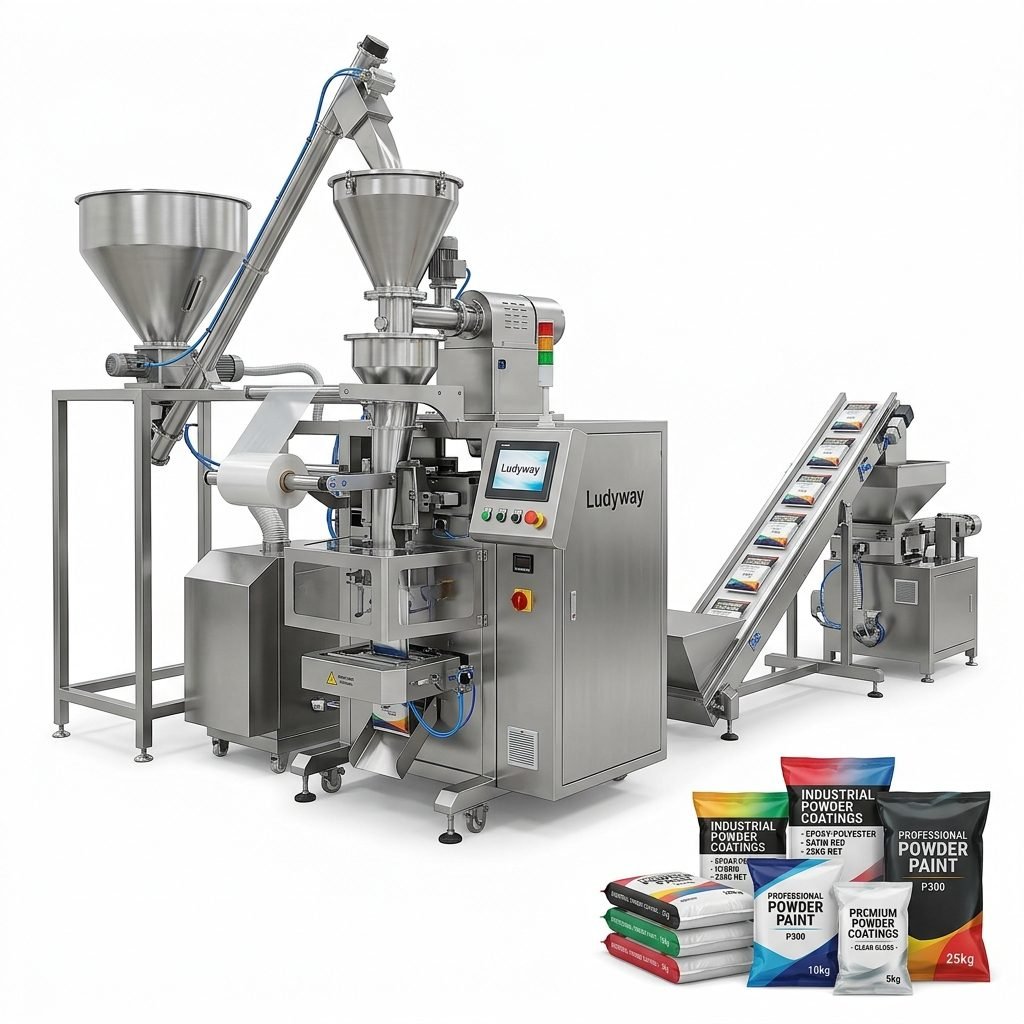
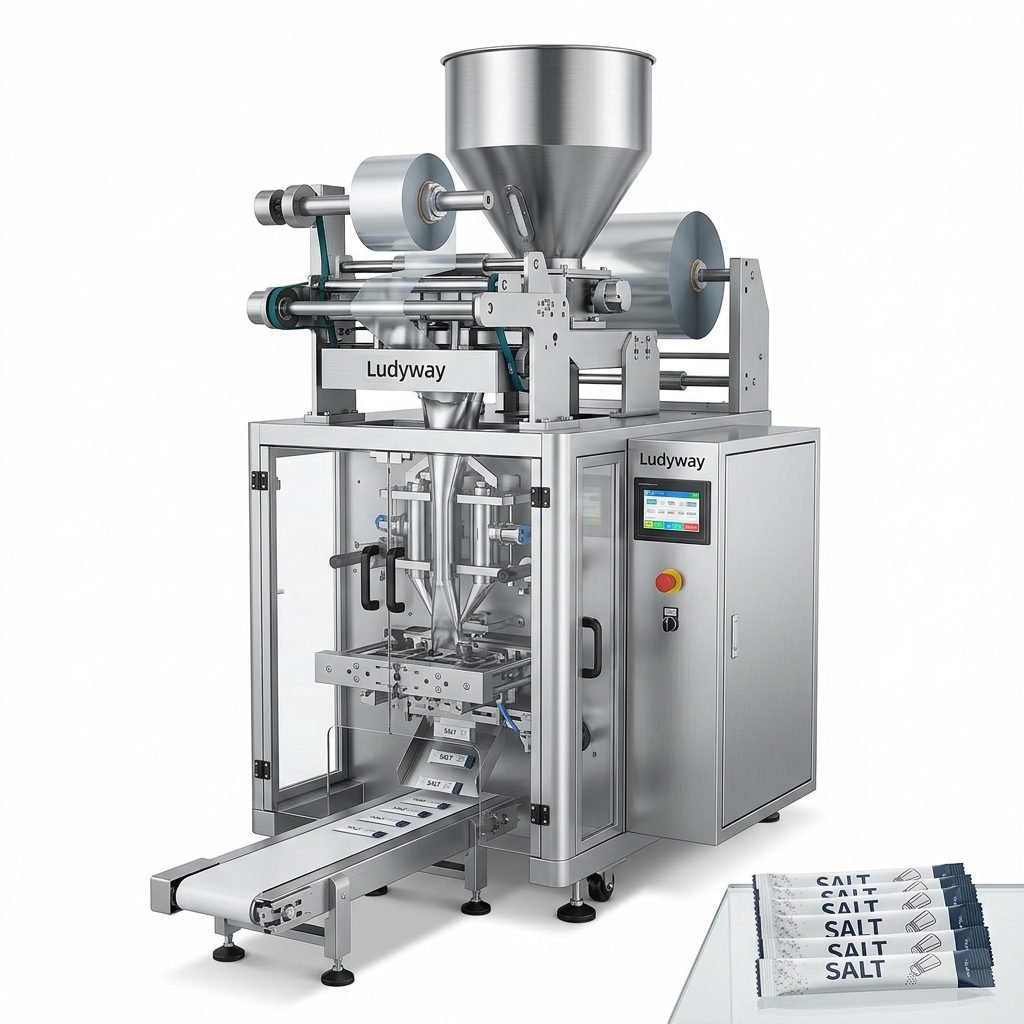
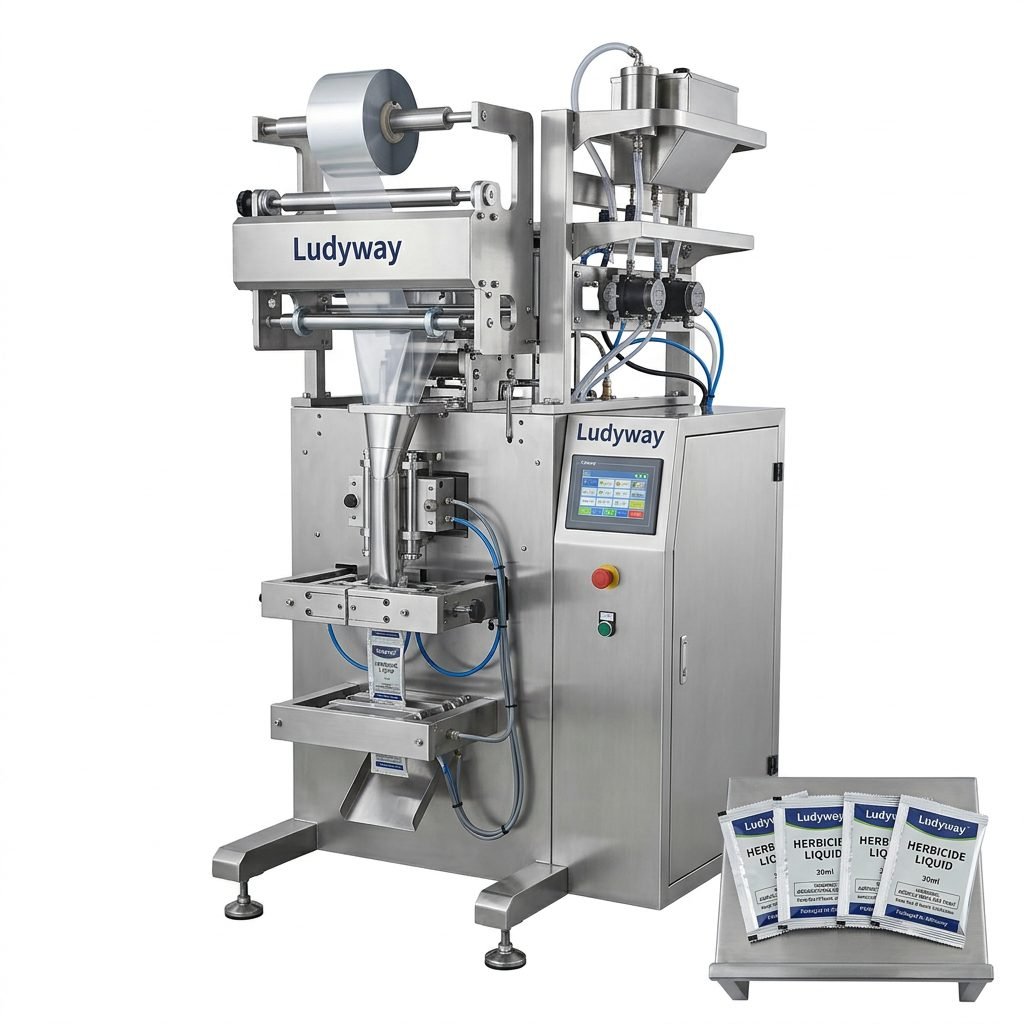
These are among the most common and versatile machines. They form a bag from a roll of flat film, fill it with the product, and then seal it—all in a continuous vertical process. VFFS machines are excellent for packaging granules, powders, snacks, and liquids into pillow bags or gusseted bags. They are highly efficient and allow for quick product changeovers.
Horizontal Form-Fill-Seal (HFFS) Machines
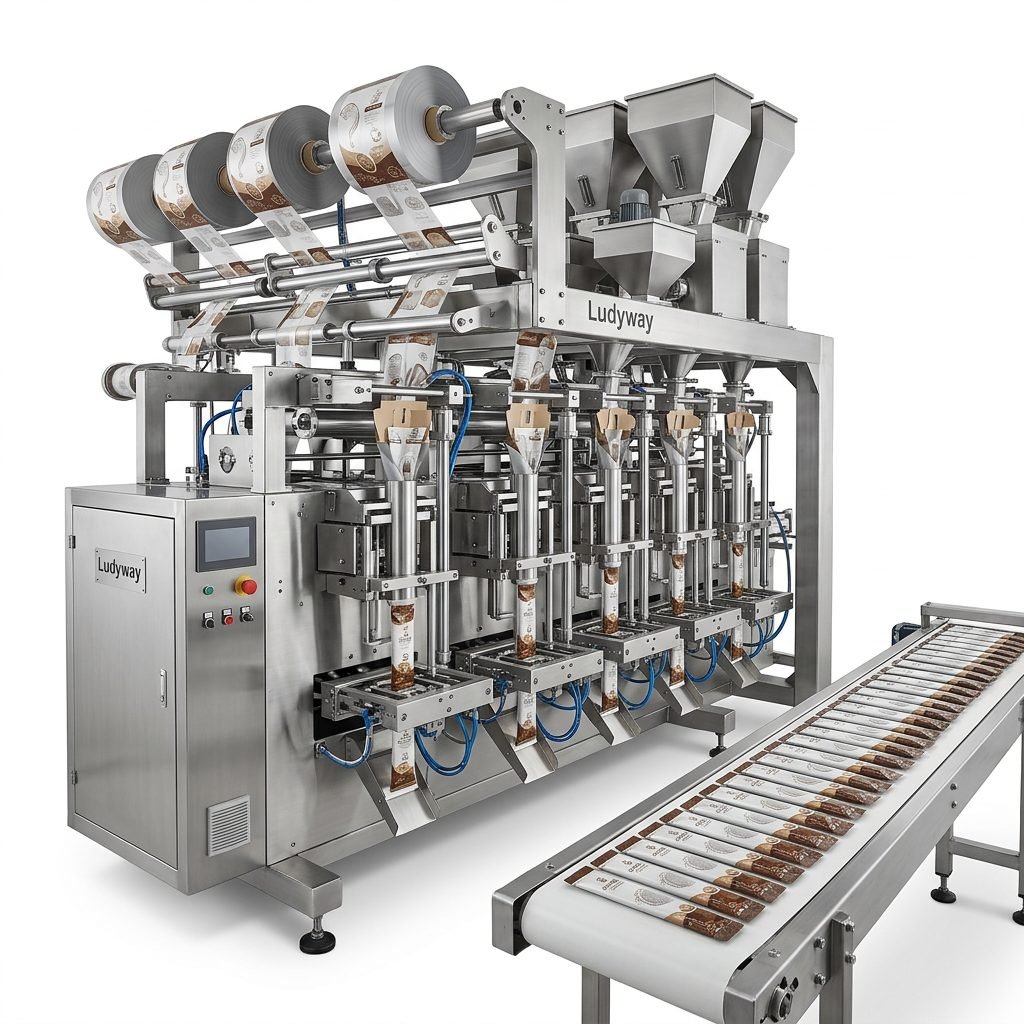
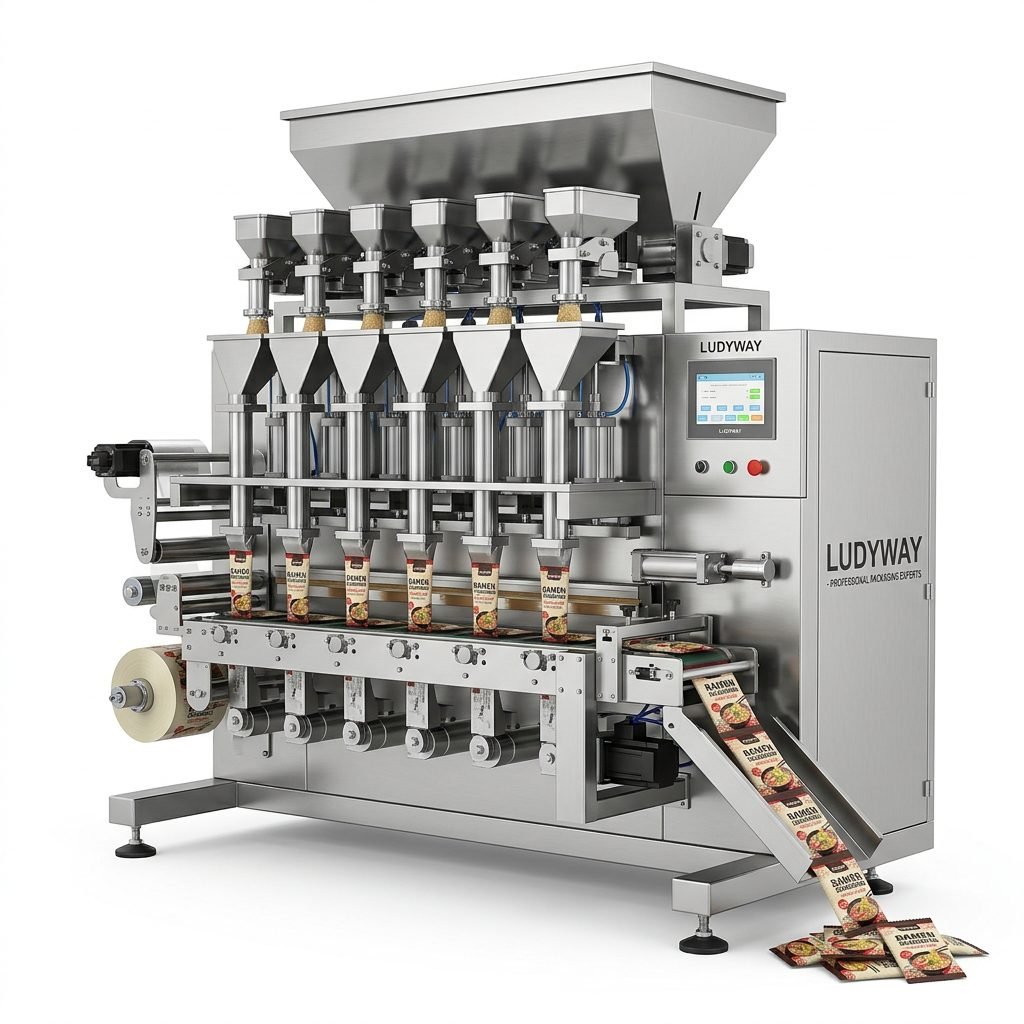
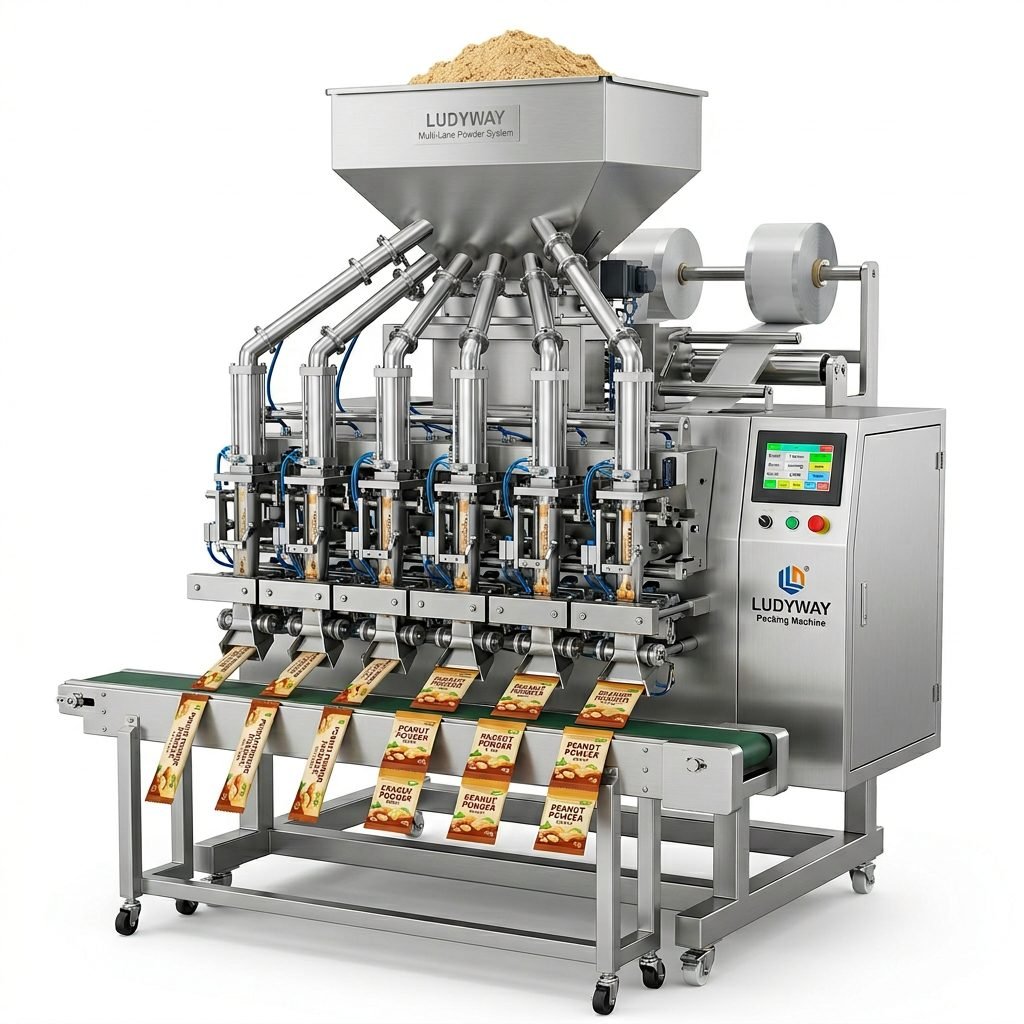
In an HFFS system, the film is formed horizontally. This type is often used for more complex packaging shapes, such as stick packs and portion-control sachets. They are ideal for products like instant coffee, sugar, ketchup, or shampoo samples. Multi-lane HFFS machines can produce several sticks or sachets simultaneously, dramatically increasing output.
Liquid Filling and Sealing Machines
Designed specifically for fluids, these machines handle tasks from filling bottles and jars to sealing cups and pouches. Technologies include piston fillers for viscous products like sauces, gravity fillers for thin liquids, and vacuum fillers for foamy liquids. Accurate fill volume and leak-proof sealing are their primary functions.
→ Pro Tip: For products prone to oxidation or spoilage, look for machines that can integrate with gas flushing (Modified Atmosphere Packaging) or vacuum sealing capabilities. This technology replaces the air inside the package with an inert gas mixture, significantly extending the product’s freshness and shelf life.
Critical Selection Criteria
With an understanding of machine types, focus on these critical operational and technical criteria.
1. Speed and Production Capacity
Machine speed, measured in packs per minute (PPM), must match your current and near-future production targets. Don’t just buy for today’s needs; consider a 20-30% growth buffer. A machine running at 80% of its max capacity is more sustainable and causes less wear than one constantly pushed to its limit.
2. Accuracy and Consistency
Precision in filling weight or volume is non-negotiable. Inconsistent fills lead to product giveaways, regulatory non-compliance, and customer dissatisfaction. Look for machines with high-precision servo motors and load cell weighing systems, which offer superior accuracy compared to traditional volumetric cup fillers, especially for valuable or variable-density products.
3. Hygiene and Construction
Food safety is paramount. The machine should have a design that facilitates easy cleaning and prevents contamination. Key features include:
- Stainless Steel Contact Parts: All surfaces touching the product should be made of food-grade stainless steel (e.g., 304 or 316L).
- Smooth, Rounded Surfaces: Minimizes crevices where product or bacteria can accumulate.
- Easy Access Panels: Allows for quick disassembly and cleaning without specialized tools.
4. Flexibility and Changeover
If you plan to package multiple product types or bag sizes, machine flexibility is vital. Evaluate the time and tools required for changeovers. Modern machines with digital controls and quick-release mechanisms can switch between products in minutes, maximizing your uptime and operational agility.
5. Reliability and After-Sales Support
The machine’s build quality and the supplier’s support network are as important as the specifications. Investigate the manufacturer’s reputation, the availability of spare parts, technical documentation, and training. A reliable partner like Ludyway Packing Machine, with decades of industry experience, provides not just equipment but peace of mind through comprehensive service and support, ensuring your production line runs smoothly for years.
Integration and Future-Proofing
Your packaging machine should not be an island. Consider how it will integrate into your existing or planned production line. Check compatibility with upstream equipment (like mixers or conveyors) and downstream systems (like cartoners or case packers).
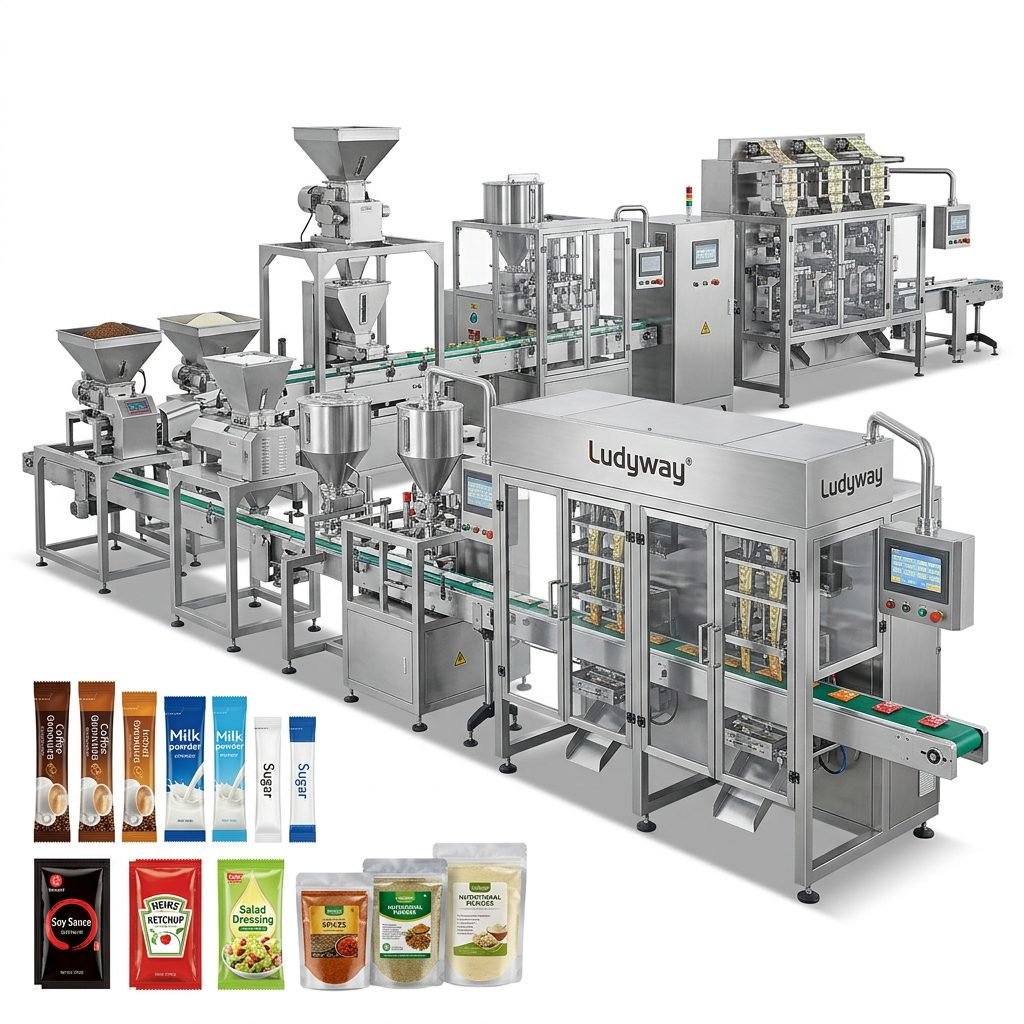
Furthermore, consider Industry 4.0 readiness. Machines with capabilities for data collection (OEE, downtime tracking), connectivity (PLC interfaces, IoT sensors), and remote diagnostics offer valuable insights for process optimization and predictive maintenance, making your operation smarter and more competitive. Exploring complete turnkey production line solutions from a single provider can simplify integration and ensure seamless communication between all line components.
Making the Final Decision
After shortlisting potential machines and suppliers, take these final steps:
- Request a Product Test: Send your actual product and packaging materials to the supplier for a live machine test. This is the best way to verify performance, speed, and seal quality.
- Evaluate Total Cost of Ownership (TCO): Look beyond the purchase price. Factor in installation, energy consumption, maintenance costs, and the price of consumables like sealing jaws or spare parts.
- Check References: Ask the supplier for contact information of current clients with similar applications. Their firsthand experience is invaluable.
Partnering with an expert who understands the nuances of food packaging, such as the team behind Ludyway’s packaging machinery, can provide tailored guidance through this entire process, from initial assessment to installation and beyond.
Frequently Asked Questions (FAQs)
Q1: What is the main difference between VFFS and HFFS machines?
A: The primary difference is the direction of bag formation. VFFS machines form bags vertically from a single roll of film, ideal for free-flowing products in standard pouch shapes. HFFS machines form bags horizontally and are typically used for creating multi-lane, smaller packages like stick packs or sachets, often from two rolls of film (one for the top web, one for the bottom).
Q2: How do I know if I need a semi-automatic or fully automatic machine?
A: This depends on your production volume and labor costs. Semi-automatic machines require an operator to manually handle tasks like bag placement or initiating the cycle. They are suitable for low to medium output. Fully automatic machines integrate with conveyors and run continuously with minimal human intervention, making them necessary for high-volume production to maximize efficiency and consistency.
Q3: Can one machine handle both powders and granules?
A: Many versatile machines, especially VFFS models with the appropriate filling system, can handle both. However, the filling mechanism may need adjustment or changeover. Powder filling often requires auger fillers for precision, while granules can use cup or weigh fillers. It’s crucial to test your specific products on the machine to confirm performance.
Q4: What maintenance does a typical food packaging machine require?
A: Regular maintenance is key to longevity. Daily tasks include cleaning and sanitizing all product contact surfaces. Weekly or monthly checks might involve lubricating moving parts (with food-grade lubricant), inspecting and cleaning sealing jaws, and checking for wear on parts like film pull belts or cutting blades. Always follow the manufacturer’s specific maintenance schedule.
Q5: How important is after-sales service when purchasing?
A: It is critically important. Even the best machinery may require technical support, spare parts, or preventative maintenance. A supplier with a strong global service network, available technical support, and comprehensive training ensures minimal downtime. This support transforms the machine from a mere purchase into a long-term, productive asset for your business.