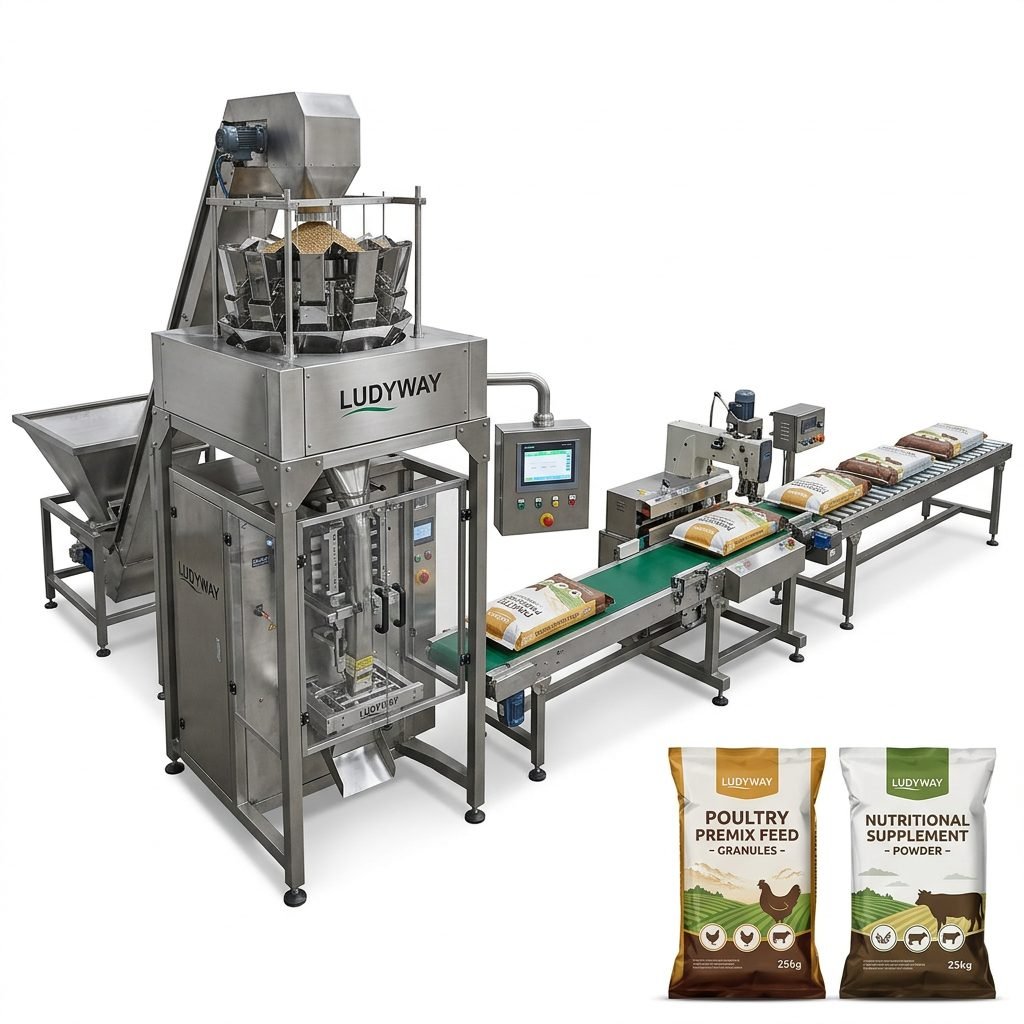
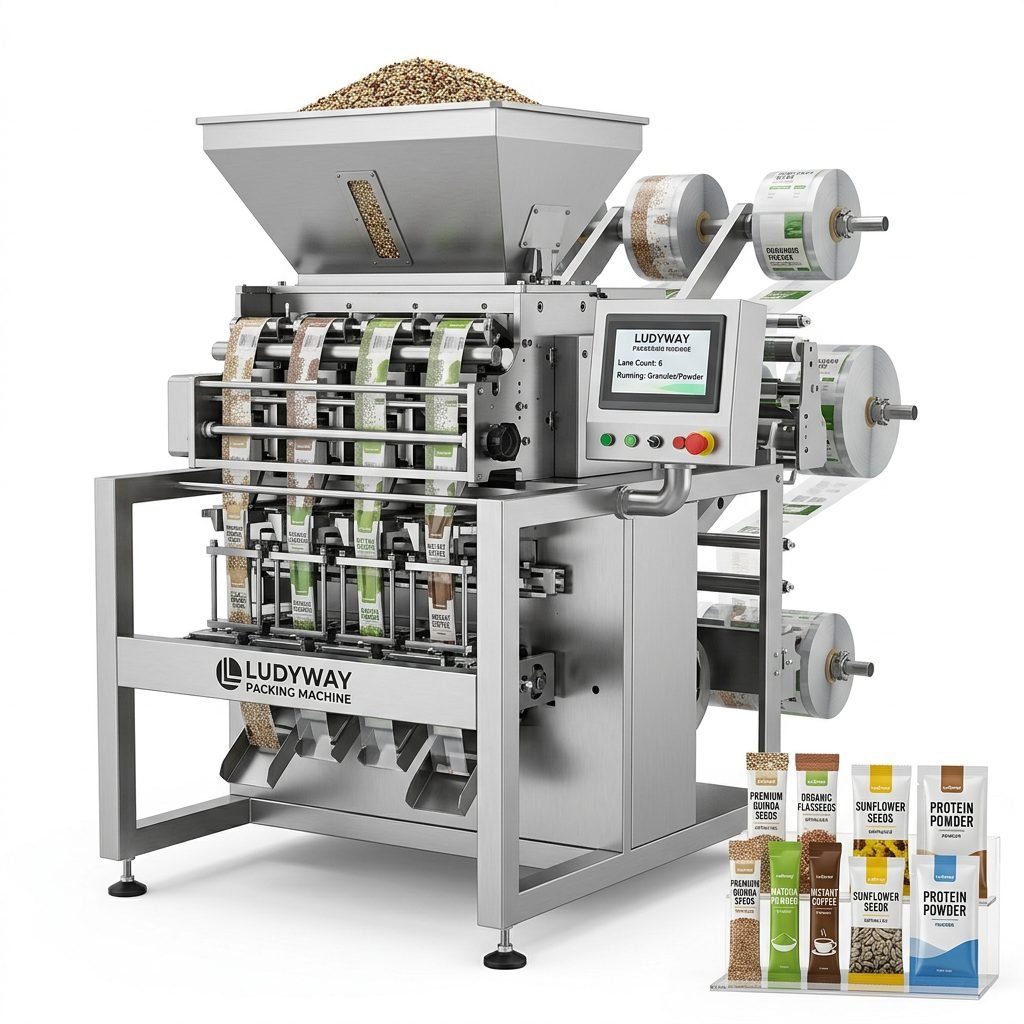
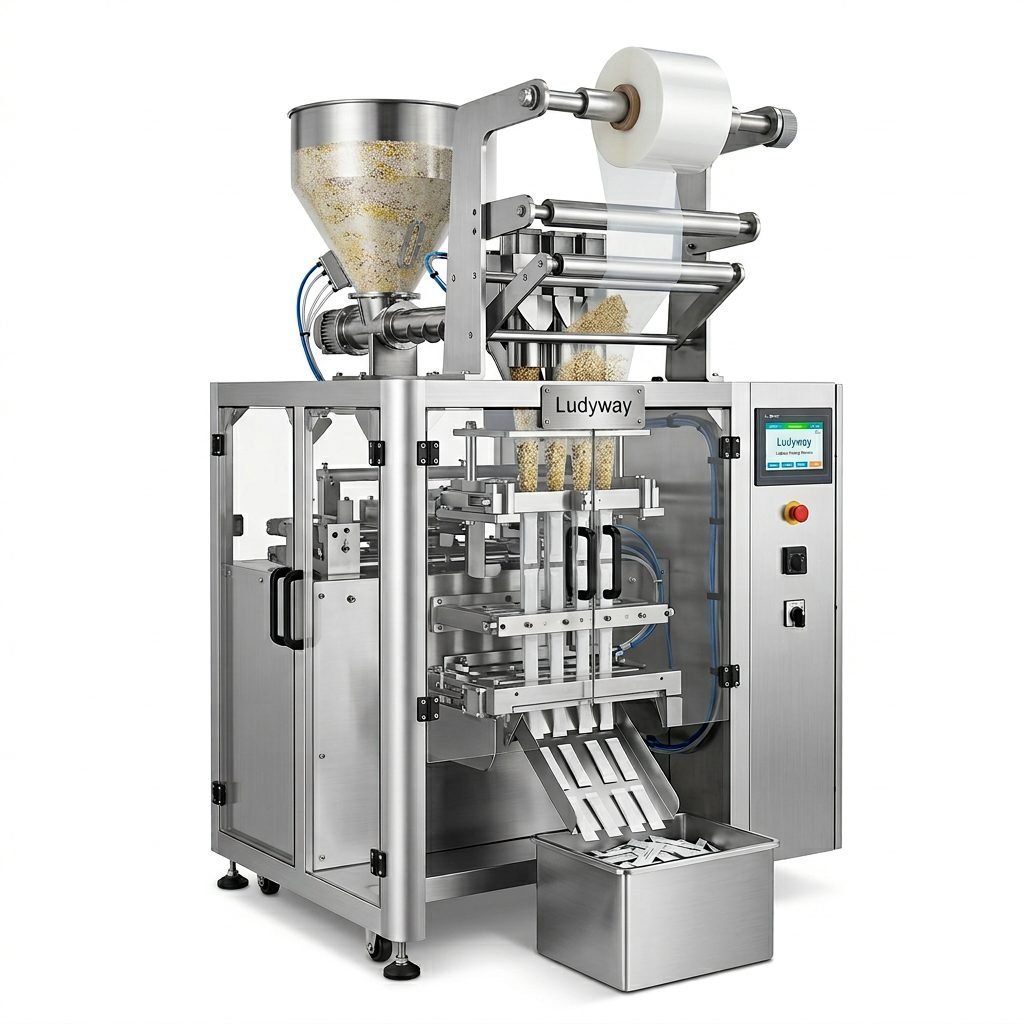
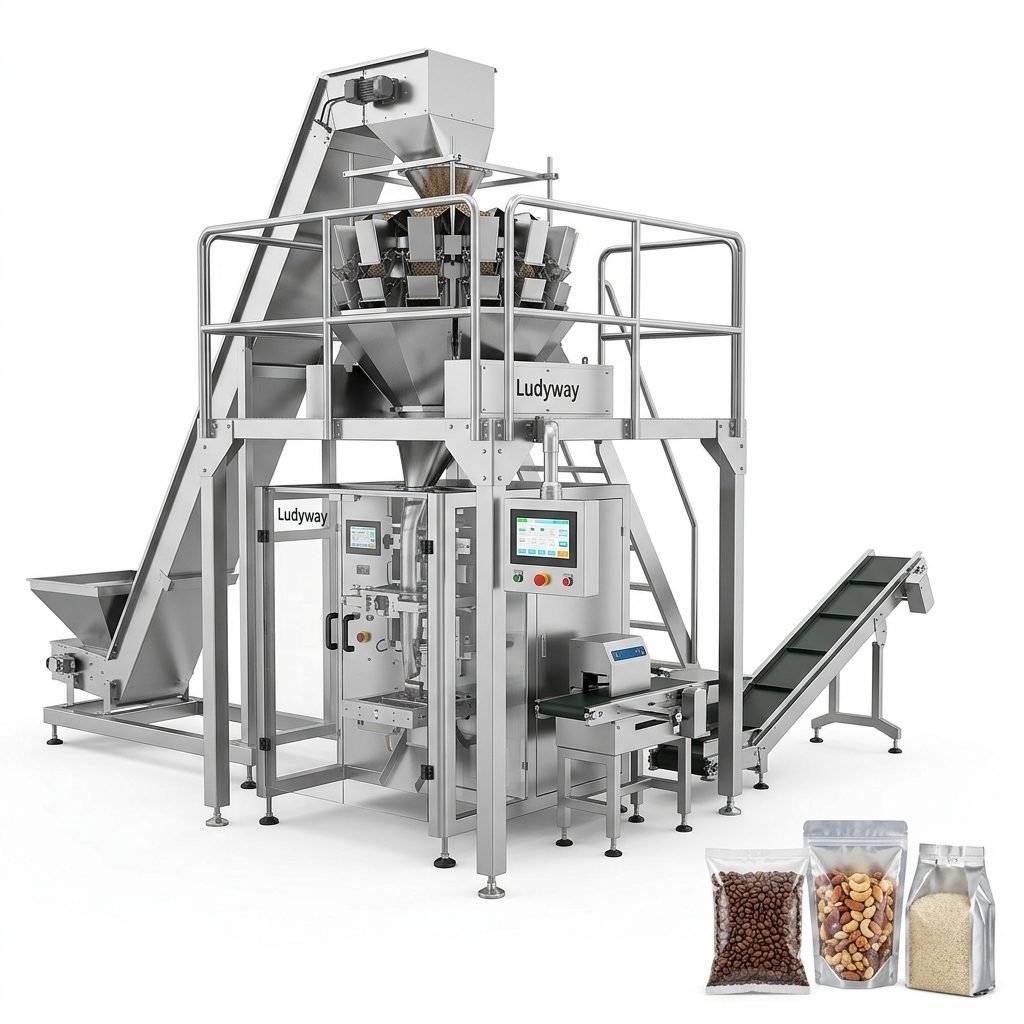
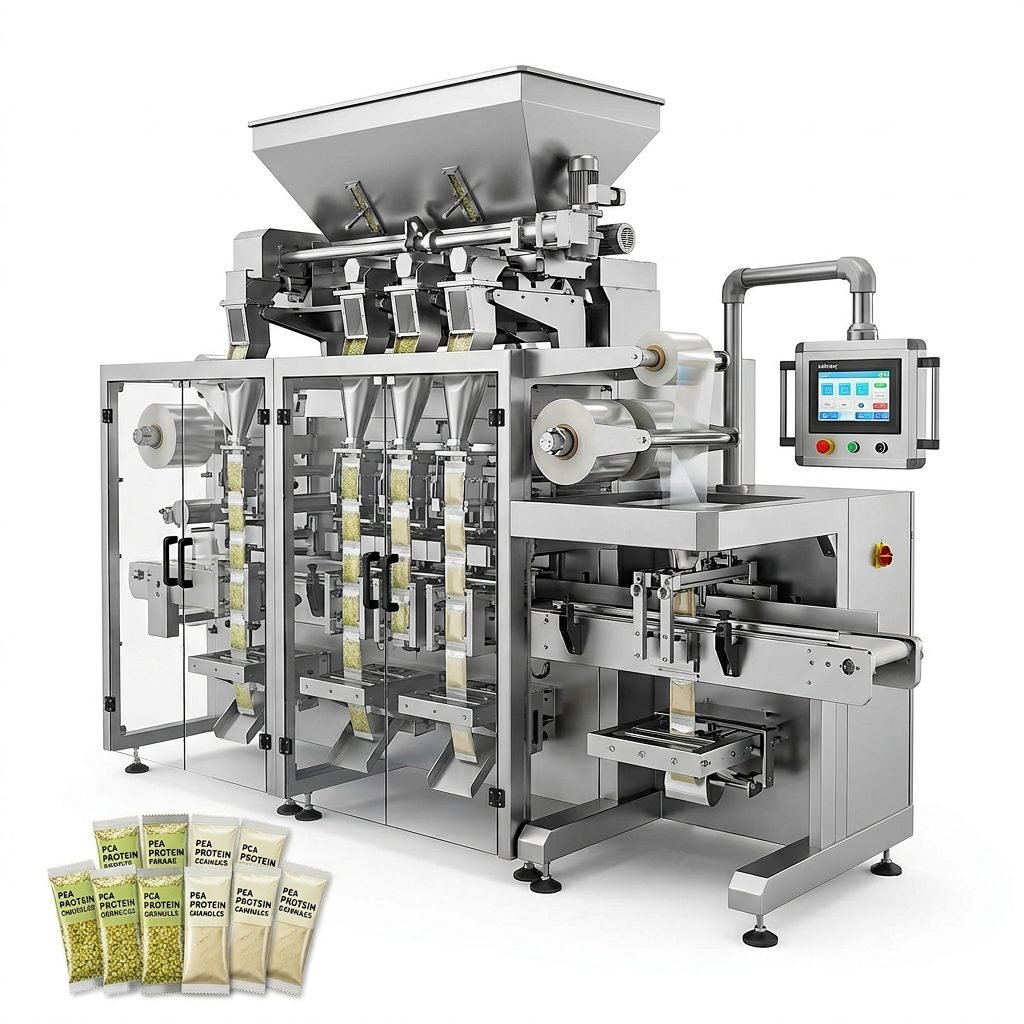
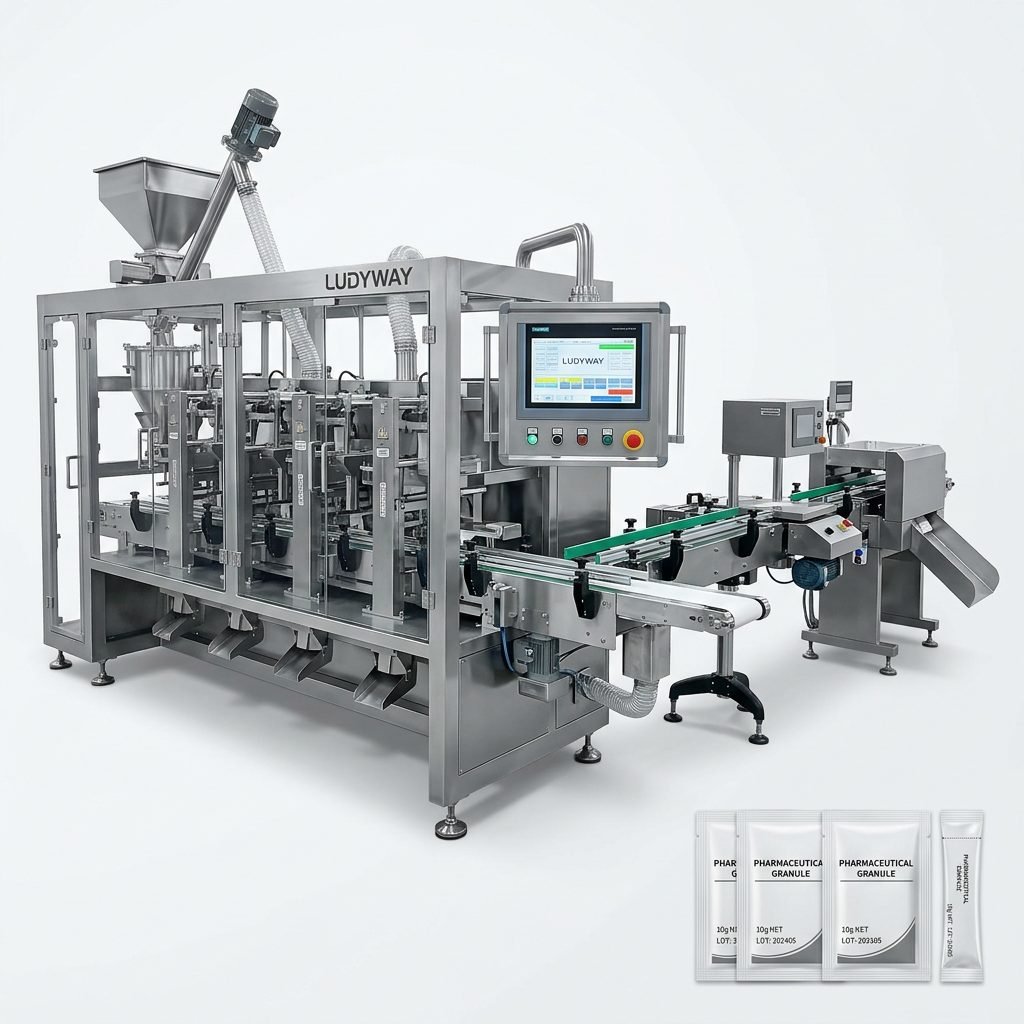
In modern production, an automatic weighing packing machine plays a critical role in delivering fast, accurate, and consistent packaging for granules, powders, tablets, pet food, chemicals, and many other products. For manufacturers facing rising labor costs, tighter quality standards, and growing output targets, automated weighing and packing systems offer a practical way to improve productivity while reducing material waste.
Whether you are packing food ingredients, nutraceutical powders, pharmaceutical products, or industrial materials, the right machine helps ensure each pack meets the target weight, seals properly, and moves smoothly through the line. This is why more factories are upgrading from semi-automatic processes to integrated automatic packaging solutions.
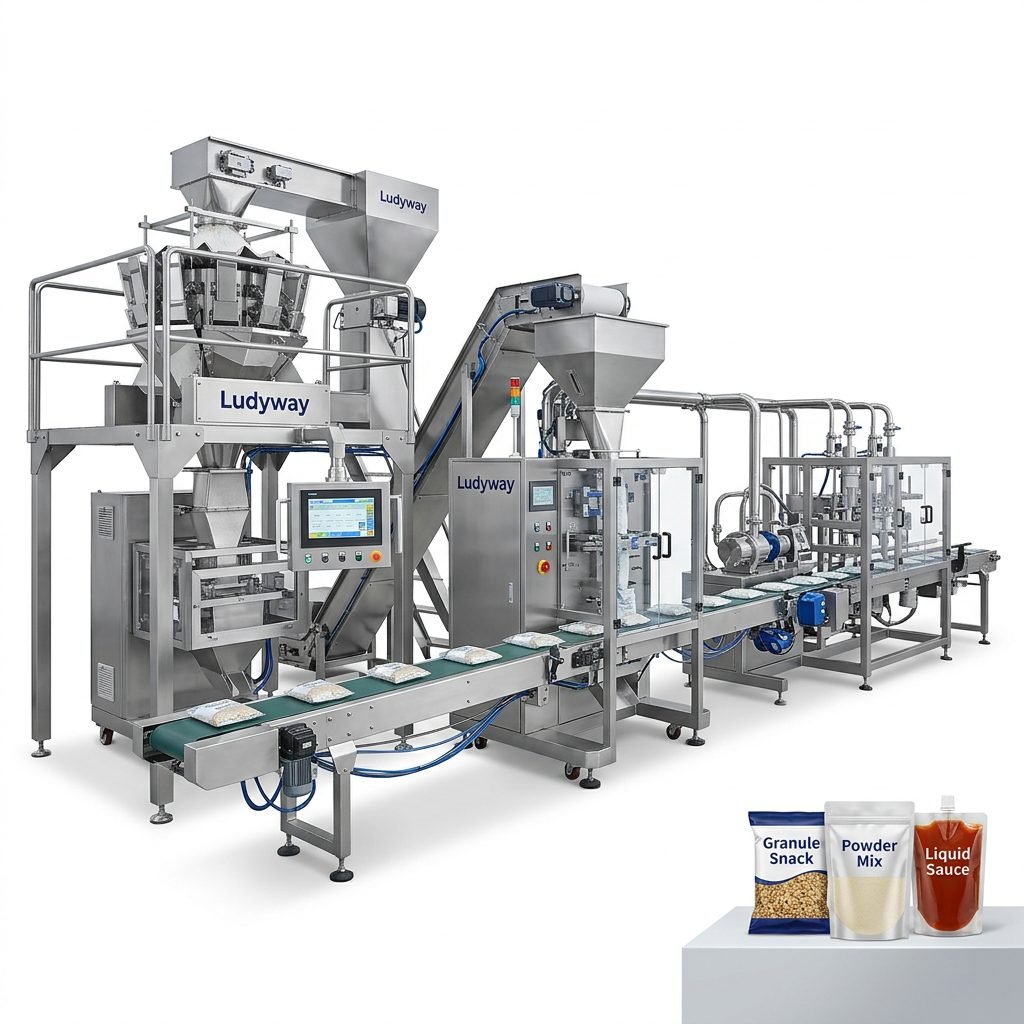
What Is an Automatic Weighing Packing Machine?
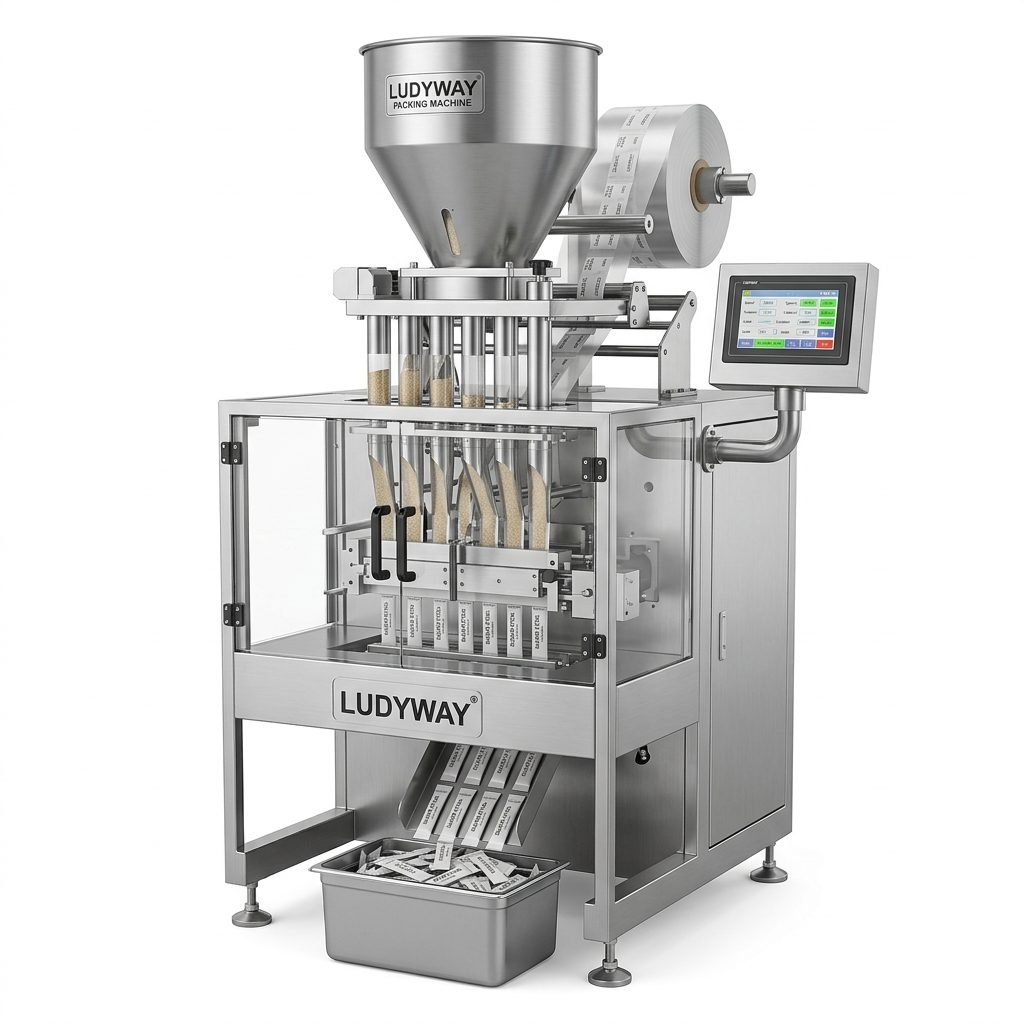
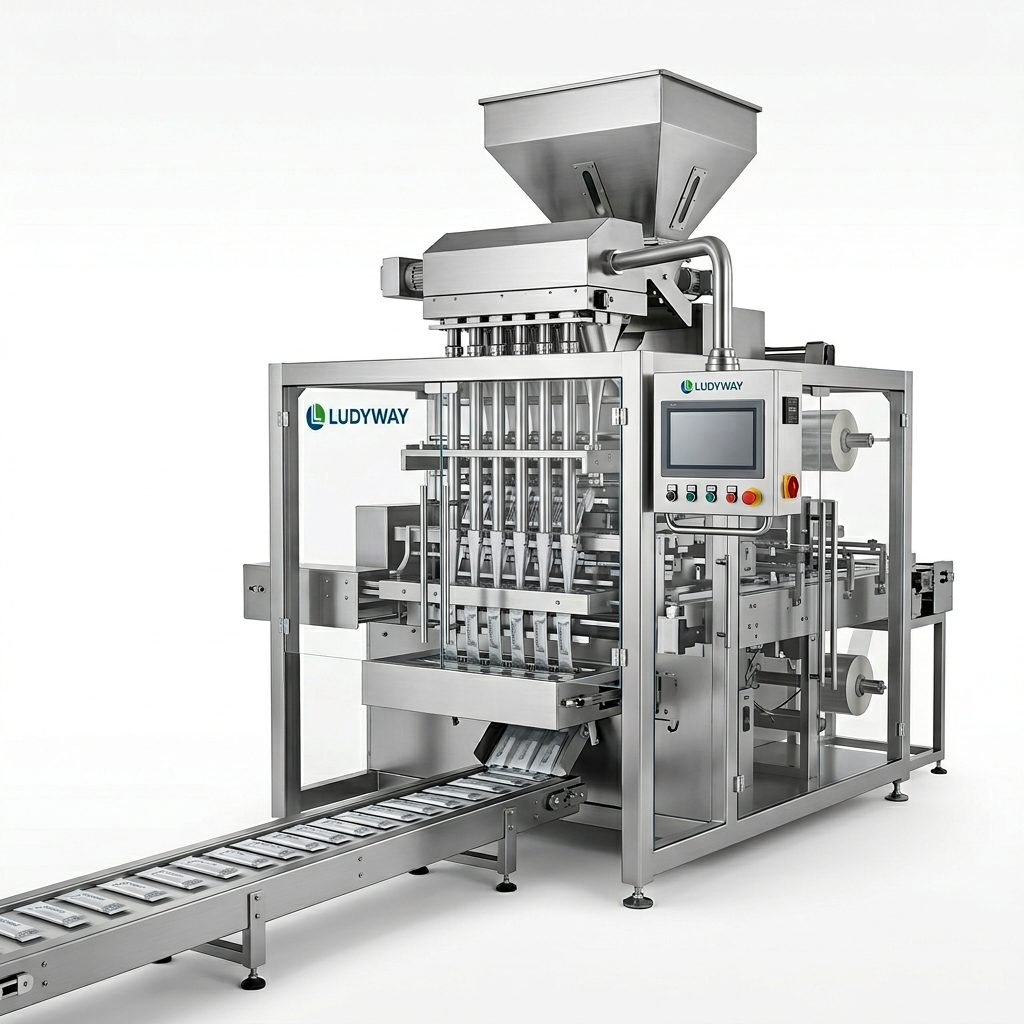
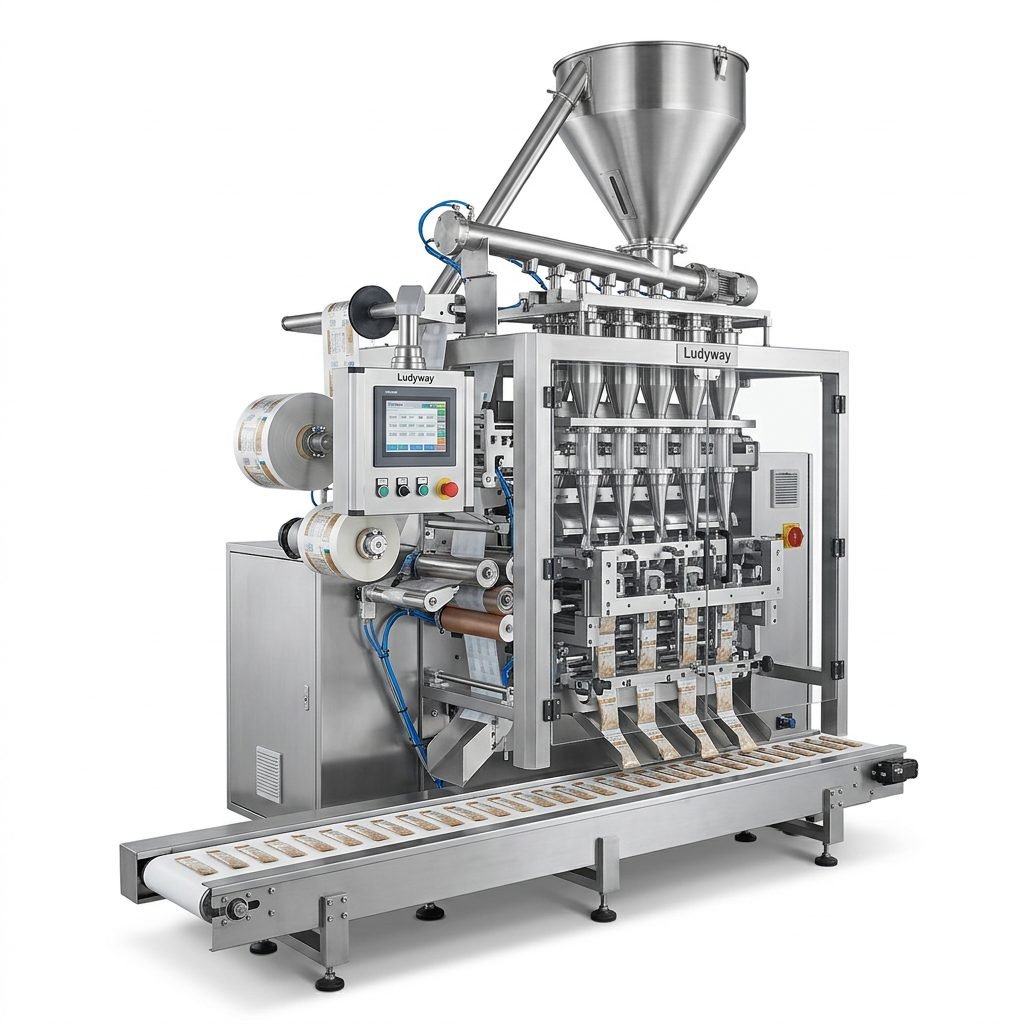
An automatic weighing packing machine is a packaging system designed to measure product weight automatically and then fill it into bags, sachets, stick packs, pouches, bottles, or other containers. It combines dosing accuracy with packaging automation, helping businesses maintain stable pack quality at higher speeds.
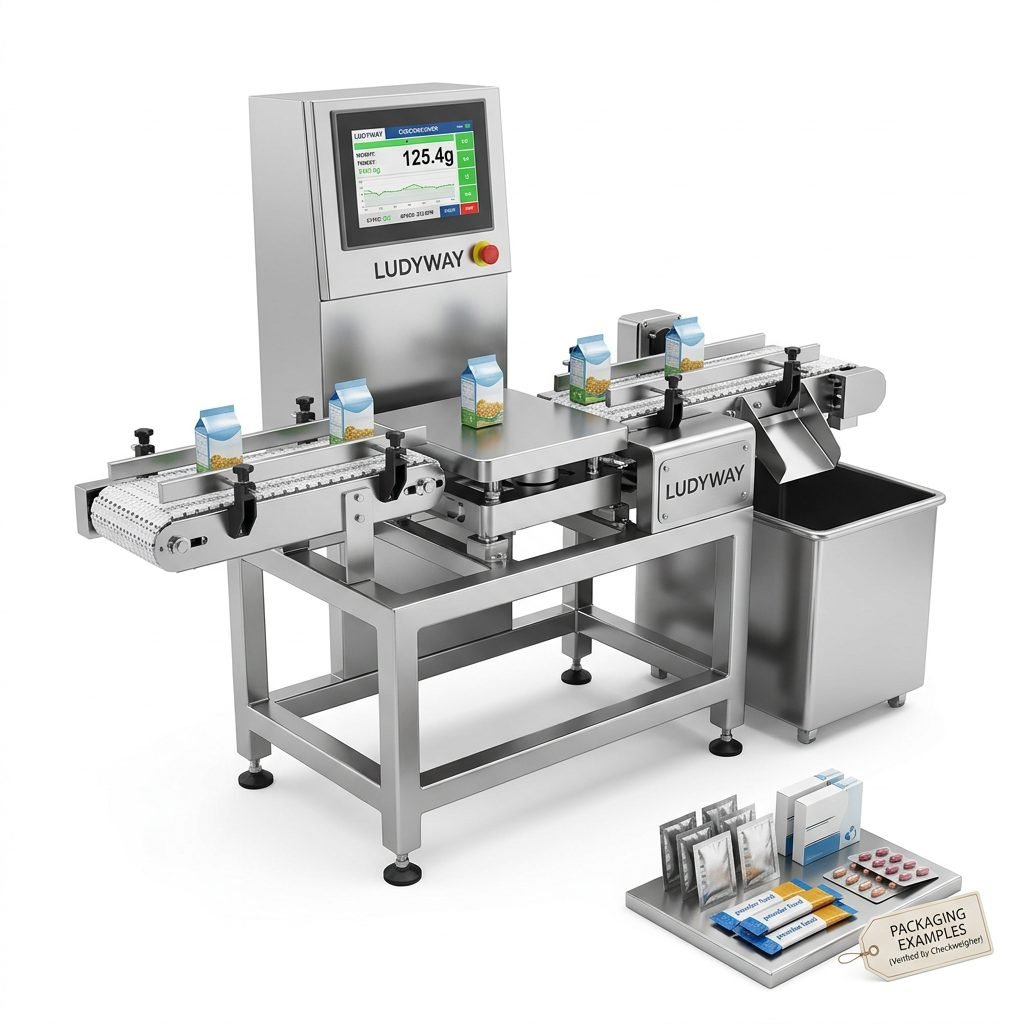
Depending on the product type, the weighing section may use multihead weighers, auger fillers, linear weighers, cup fillers, or customized dosing units. The packaging section may include vertical form fill seal systems, premade pouch machines, sachet packing machines, stick pack machines, cartoning units, coding devices, checkweighers, and conveyors.
Common products handled by these machines
- Snack foods, grains, rice, sugar, salt, coffee, spices
- Protein powder, collagen powder, supplement granules
- Tablets, capsules, pharmaceutical granules
- Detergent powder, chemicals, fertilizers, additives
- Pet food, feed pellets, veterinary nutrition products
Why Automatic Weighing Matters in Packaging
In packaging operations, weighing accuracy directly affects product cost, compliance, and customer satisfaction. Underweight packs can create complaints and legal risk, while overweight packs reduce profit over time. An advanced weighing packing machine helps maintain a narrow tolerance range and keeps output stable even during long production runs.
| Packaging Challenge | How Automation Solves It |
|---|---|
| Inconsistent fill weight | Precision weighing systems reduce variation pack to pack |
| Slow manual packing | Automatic feeding, weighing, filling, and sealing increase throughput |
| High labor dependence | Fewer manual steps improve labor efficiency |
| Material giveaway | Controlled dosing minimizes overfilling losses |
| Quality control issues | Integrated inspection, coding, and checkweighing improve consistency |
Key Benefits of an Automatic Weighing Packing Machine
1. Higher packaging efficiency
Automated systems can run continuously with less interruption, making them ideal for medium- and high-volume production. They help businesses meet larger orders and shorten lead times.
2. Better weighing accuracy
Modern control systems and precision dosing devices improve weight consistency. This is especially important for premium food, pharmaceutical, and health supplement products where tight tolerances matter.
3. Lower operating costs over time
Although the initial investment may be higher than manual or semi-automatic equipment, automation often lowers total cost through labor savings, reduced waste, fewer packaging errors, and improved output.
4. Cleaner and safer production
Automated contact reduction supports better hygiene, especially in food and pharma environments. Enclosed transfer and filling can also help control dust and contamination.
5. Easier line integration
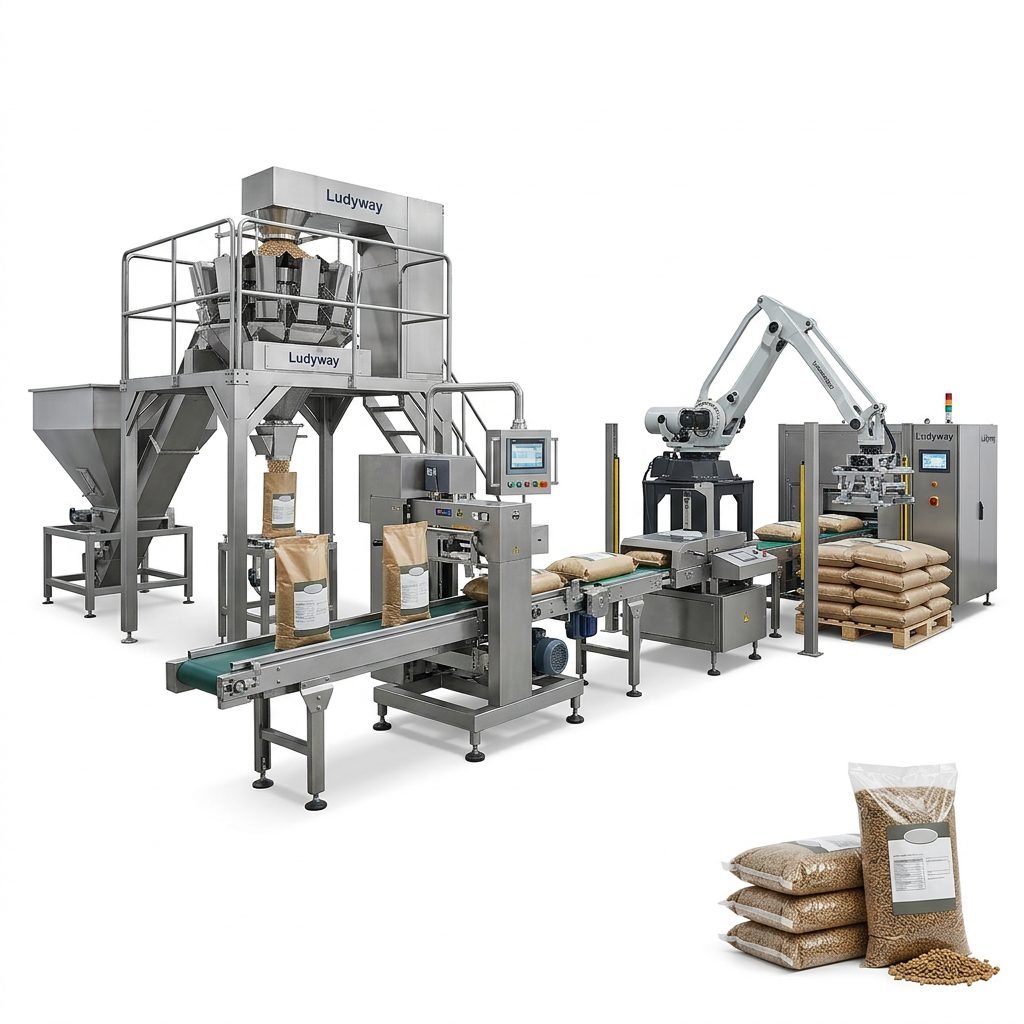
A well-designed machine can connect with feeders, conveyors, coding systems, metal detectors, checkweighers, cartoners, and palletizing systems to build a more complete packaging line.
Types of Automatic Weighing Packing Machines
Different products require different dosing and packing technologies. Choosing the right system depends on product flow characteristics, target pack size, packaging material, and desired output.
Multihead weigher packing machines
Best suited for free-flowing granules and irregular solids such as snacks, nuts, frozen foods, candy, pet treats, and hardware parts. These machines provide excellent speed and good weighing performance.
Auger weighing packing machines
Ideal for powders including milk powder, spices, coffee powder, protein powder, flour, and pharmaceutical powders. Auger systems are commonly used when fine dosing control is needed.
Linear weigher packing machines
Suitable for granules, beans, seeds, sugar, salt, and similar materials. They are often chosen for balanced performance, simple structure, and cost-effectiveness.
Counting and weighing systems for tablets or capsules
Used in pharmaceutical and nutraceutical production where products must be counted or weighed accurately before entering bottles, sachets, or blister-related secondary packaging.
Bulk bag weighing and bagging machines
Designed for larger packs such as 10kg, 20kg, 25kg, or 50kg bags for feed, fertilizer, grains, chemicals, and industrial powders.
Applications Across Industries
Food industry
Automatic weighing packing machines are widely used for coffee, sugar, rice, spices, seasonings, oatmeal, snack foods, nuts, starch, baking mixes, and beverage powders. Fast format change and stable weighing are especially valuable for brands with multiple SKUs.
Pharmaceutical and nutraceutical industry
Accuracy, hygiene, and traceability are critical in this sector. Machines may be used for tablets, capsules, granules, oral powders, electrolyte sachets, and supplement packaging with coding and inspection functions.
Chemical industry
Powders, granules, detergents, additives, water-treatment chemicals, and construction materials often require robust, dust-controlled packaging solutions that maintain weight precision and safe operation.
Pet food and feed industry
From small retail sachets to large feed bags, automatic weighing systems help ensure exact fill weights and efficient bagging for pellets, kibble, granules, and supplement powders.
| Industry | Typical Products | Recommended System Type |
|---|---|---|
| Food | Snacks, sugar, rice, coffee, spices | Multihead or linear weigher + VFFS/pouch machine |
| Pharma | Granules, tablets, powders, supplements | Precision dosing + sachet/stick pack/bottle system |
| Chemical | Detergents, additives, treatment chemicals | Auger or bulk weighing system + sealed packaging |
| Feed & Pet Food | Pellets, kibble, premix, powders | Linear/multihead weigher + bagging line |
Important Features to Look For
Not all automatic weighing packing machines are the same. Buyers should evaluate the machine based on product behavior, output goals, packaging type, and future expansion plans.
- High weighing accuracy for minimal giveaway and better compliance
- Stable running speed matched to your required output
- Easy cleaning and maintenance for daily production efficiency
- User-friendly HMI control for recipe storage and quick parameter adjustment
- Flexible packaging compatibility for bags, sachets, stick packs, or pouches
- Expandability with coding, inspection, cartoning, and end-of-line automation
- Reliable after-sales support for installation, training, and spare parts
How to Choose the Right Machine for Your Product
To select the right solution, start by clearly defining your packaging needs. A machine that works well for coffee powder may not be suitable for fragile tablets or large feed pellets.
Ask these questions before buying
- What product are you packing: powder, granule, tablet, pellet, or mixed material?
- What is the target weight range for each pack?
- What package format do you need: sachet, stick pack, pouch, bottle, or large bag?
- What speed do you expect per minute or per hour?
- Do you need coding, metal detection, checkweighing, or cartoning?
- Will the machine need to support multiple SKUs in the future?
A good supplier should analyze your material characteristics, sample packs, production environment, and capacity goals before recommending a machine configuration.
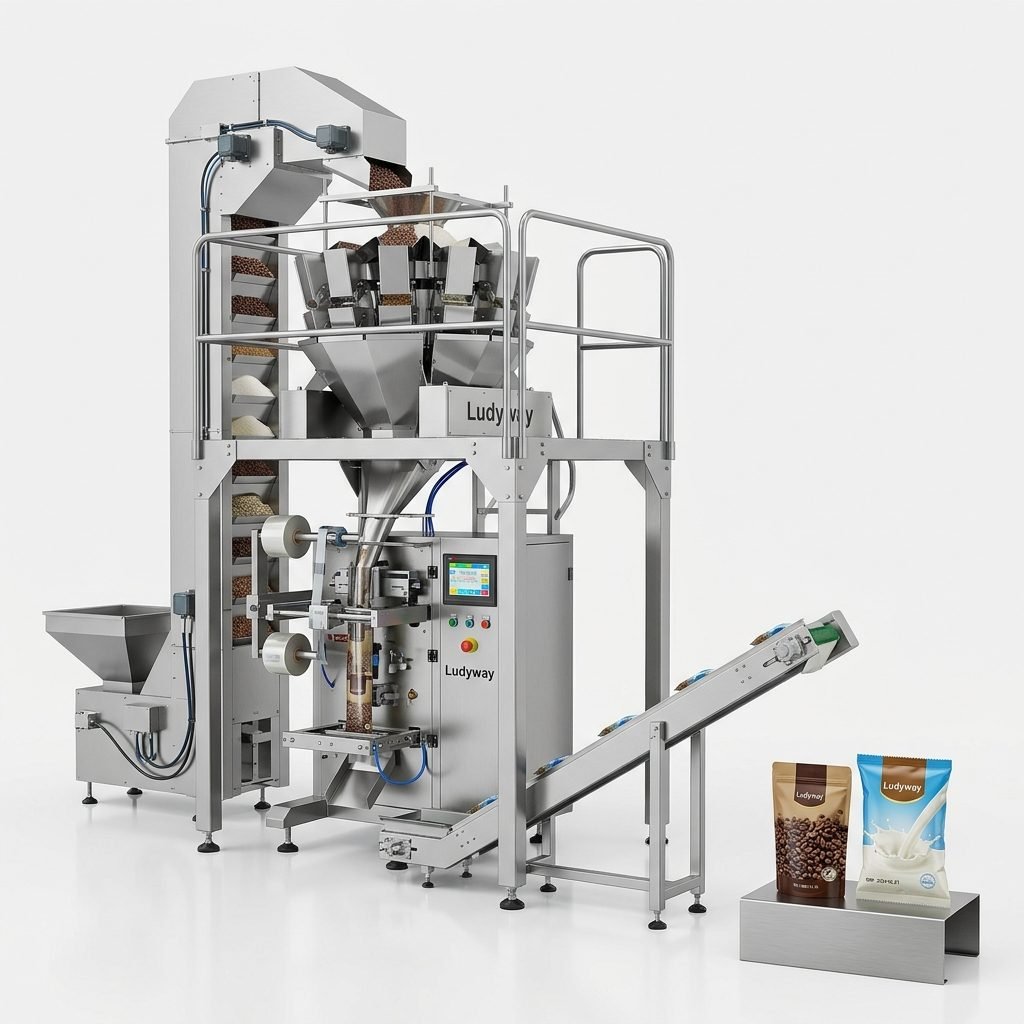
Integrated Packaging Lines vs Standalone Machines
Some manufacturers only need a standalone weighing packing machine, while others benefit more from a complete automated line. Integrated packaging lines often include feeding, weighing, filling, sealing, date coding, inspection, cartoning, case packing, and palletizing.
For growing businesses, a turnkey line can provide better workflow continuity, fewer bottlenecks, and stronger long-term ROI. It also reduces the complexity of sourcing separate machines from multiple vendors.
When a standalone machine makes sense
- Limited factory space
- Single product or low SKU count
- Moderate output target
- Existing downstream equipment already in place
When a turnkey packaging line is better
- High-volume continuous production
- Need for full automation from feeding to final packing
- Strict quality and traceability requirements
- Expansion plans across multiple product formats
Maintenance Tips for Long-Term Performance
Even the best automatic weighing packing machine requires regular maintenance to deliver stable accuracy and uptime. Preventive care reduces unexpected downtime and helps extend service life.
- Clean contact parts and sealing areas regularly
- Calibrate weighing units according to schedule
- Inspect sensors, belts, jaws, and feeders for wear
- Keep spare parts available for high-wear components
- Train operators on correct setup and changeover procedures
- Monitor machine data to detect deviations early
Why Supplier Experience Matters
Packaging machinery is a long-term investment, so supplier capability matters as much as machine specifications. An experienced manufacturer can provide more practical configuration advice, stronger customization support, and better integration across the whole line.
For businesses seeking scalable automation, Ludyway automatic weighing packing machine solutions are backed by more than 30 years of packaging industry experience, a manufacturing facility of over 20,000 square meters, and broad export service coverage across global markets.
Final Considerations Before Investment
The best automatic weighing packing machine is not simply the fastest one. It should match your product characteristics, package style, cleanliness requirements, accuracy expectations, and long-term production strategy. A properly matched system can improve output, reduce waste, support quality consistency, and strengthen your competitive position in the market.
If your business is ready to move toward smarter packaging automation, now is the right time to evaluate a solution that combines precision weighing, stable operation, and flexible integration. With the right configuration, automatic packaging can become a powerful driver of efficiency and growth.