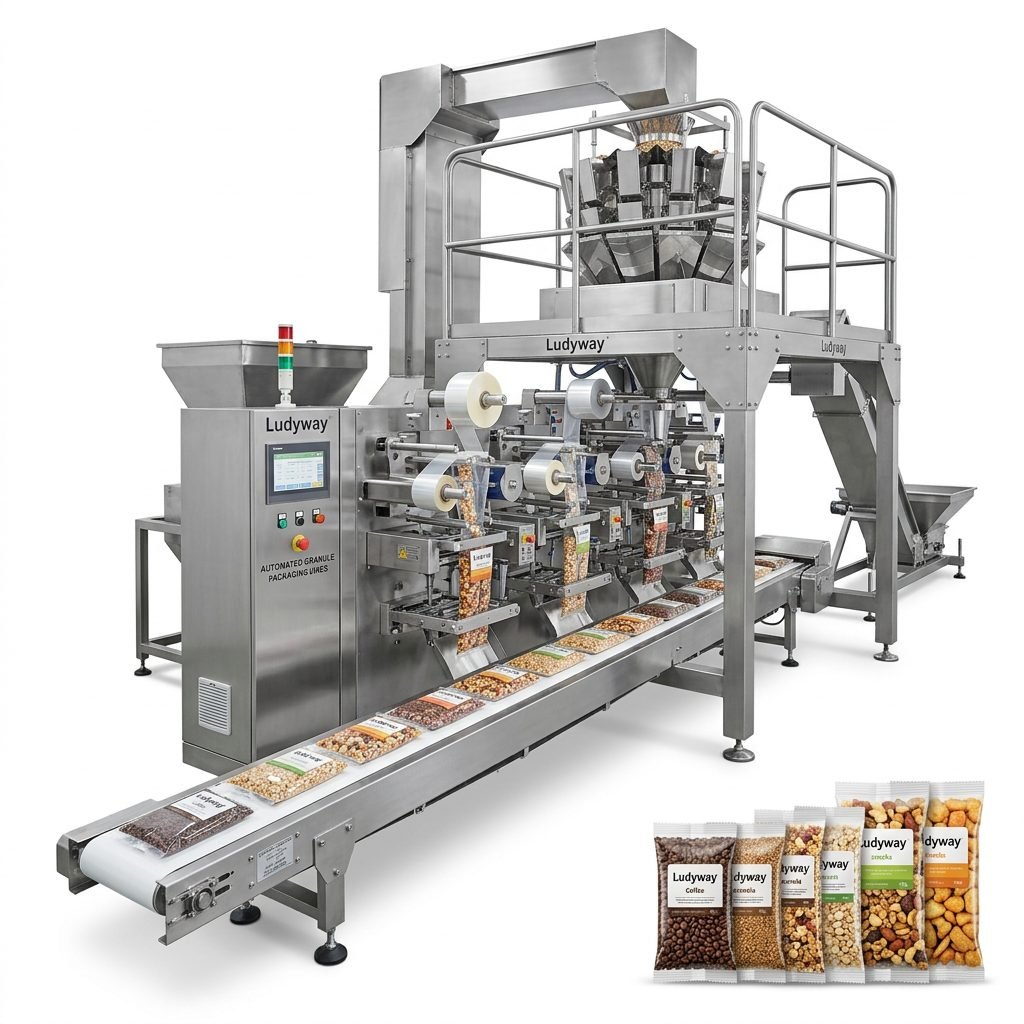
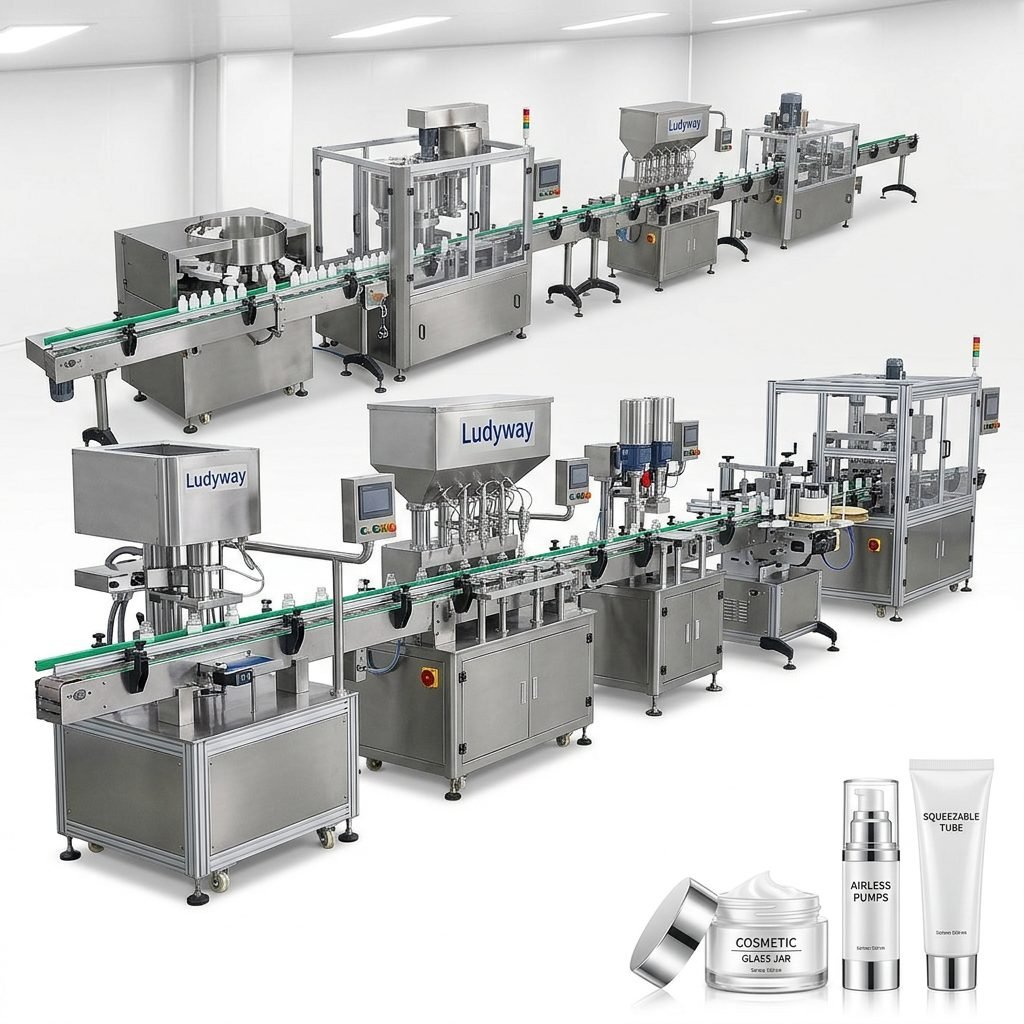
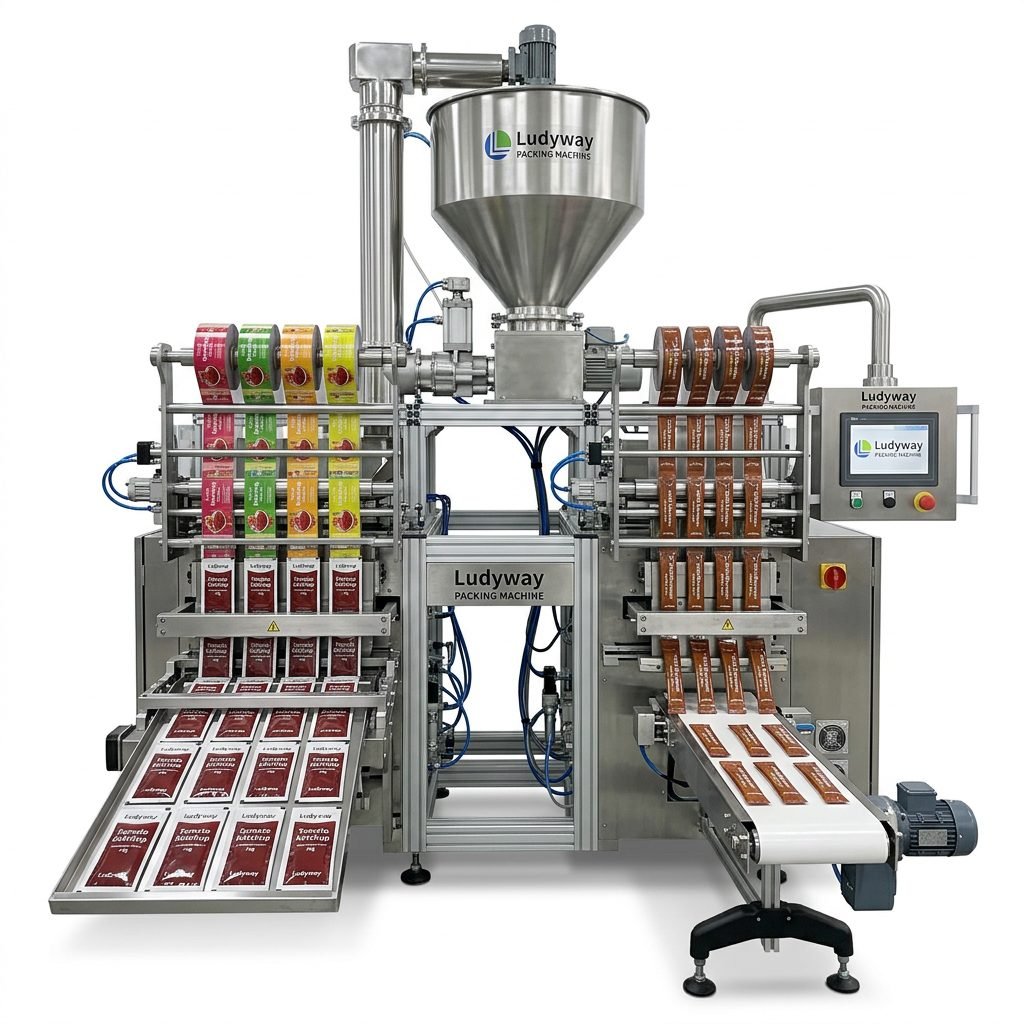
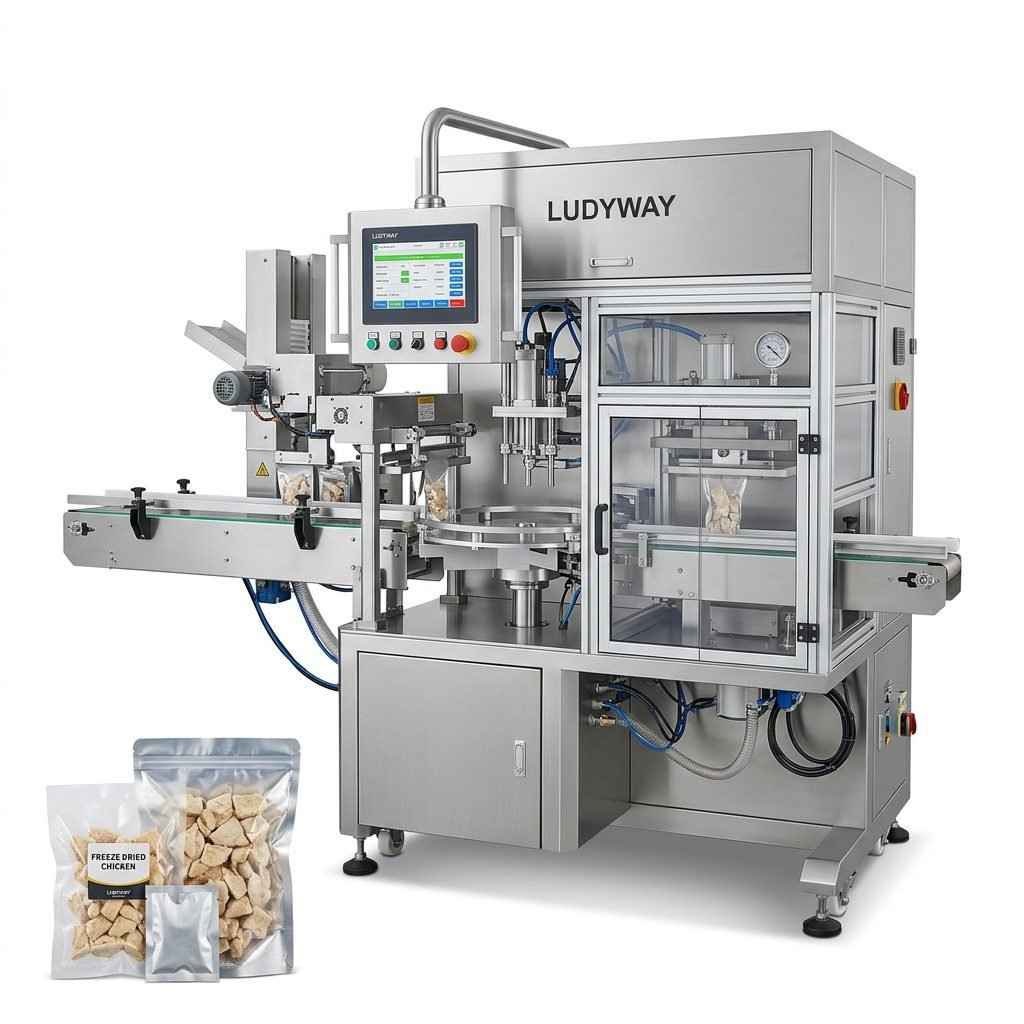
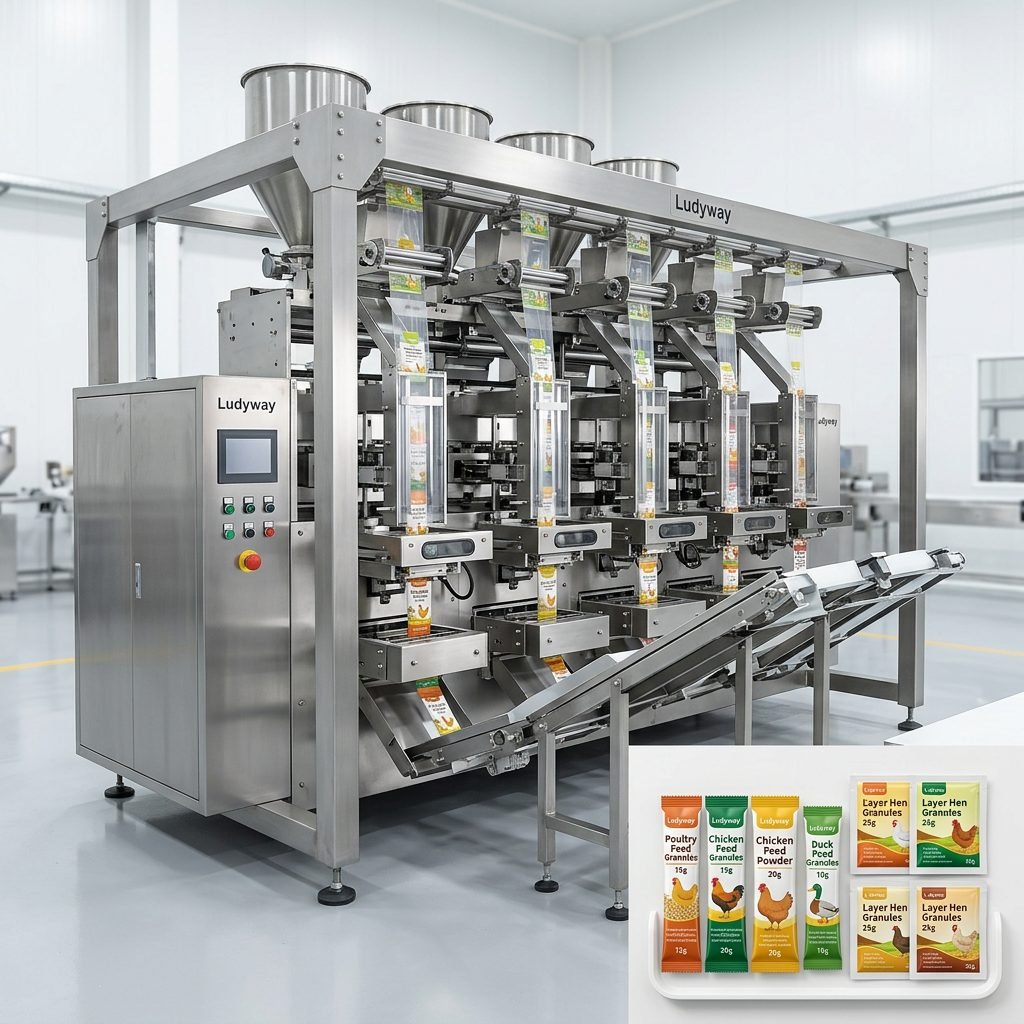
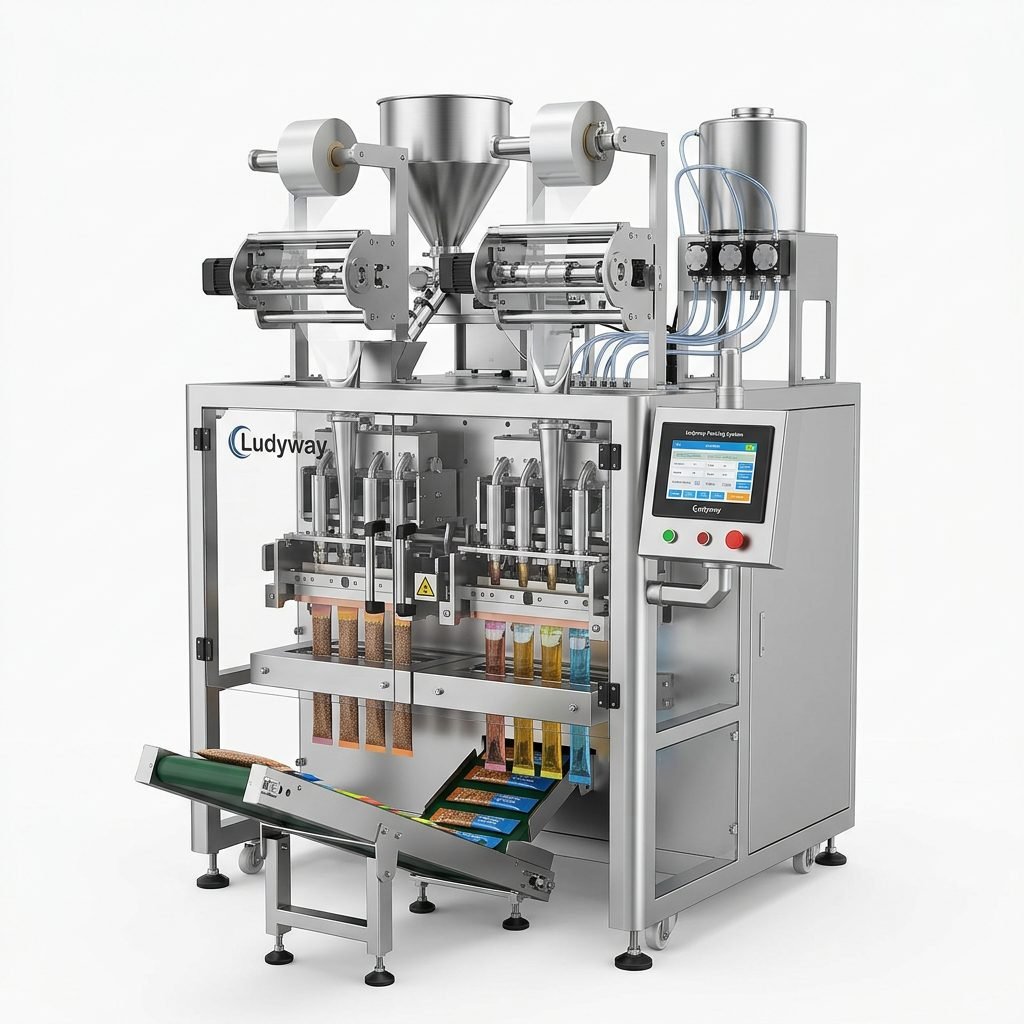
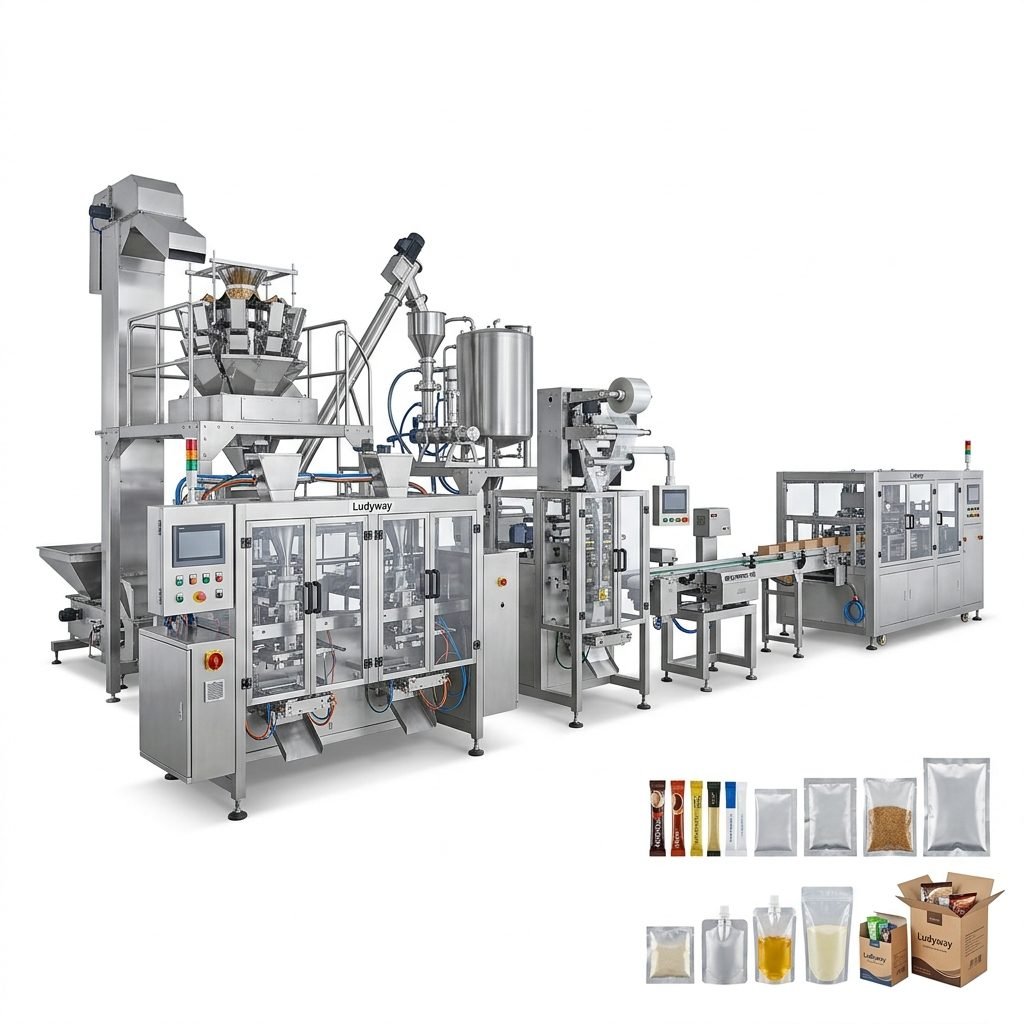
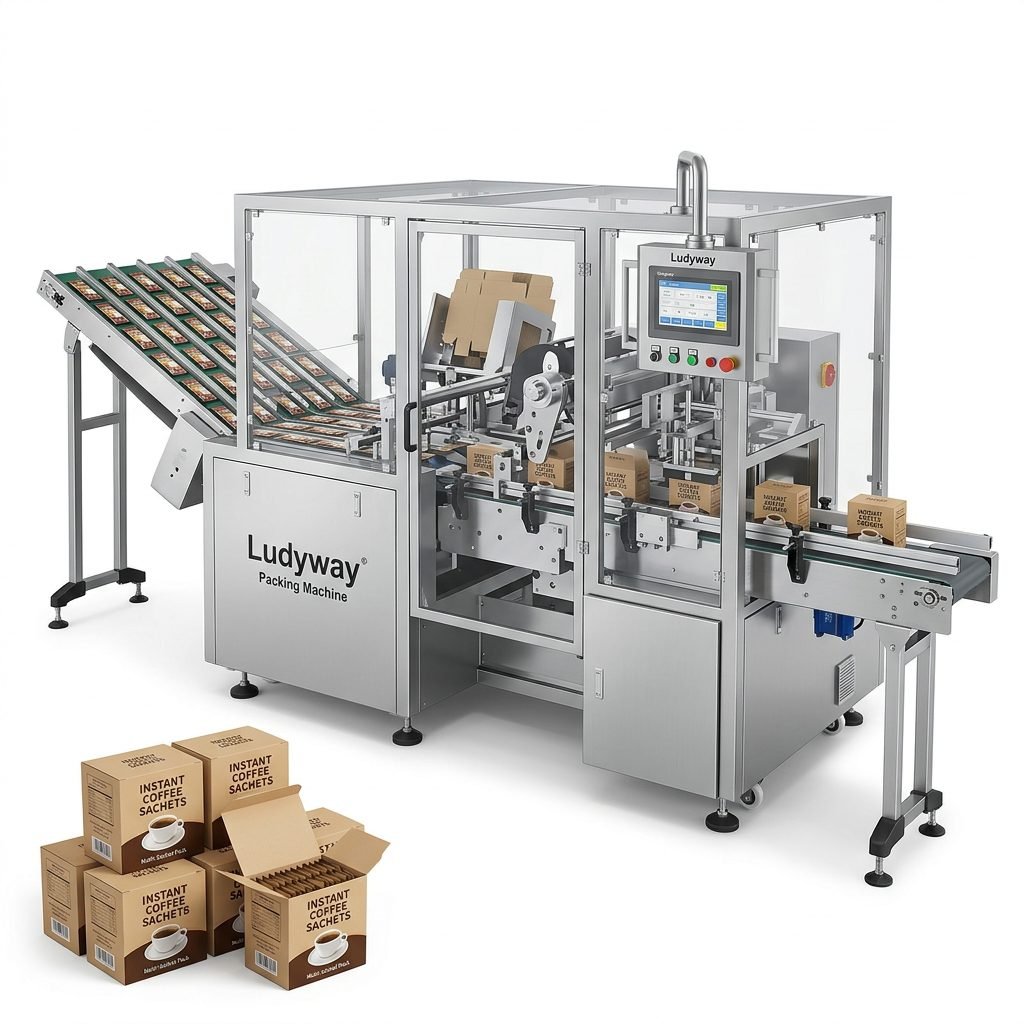
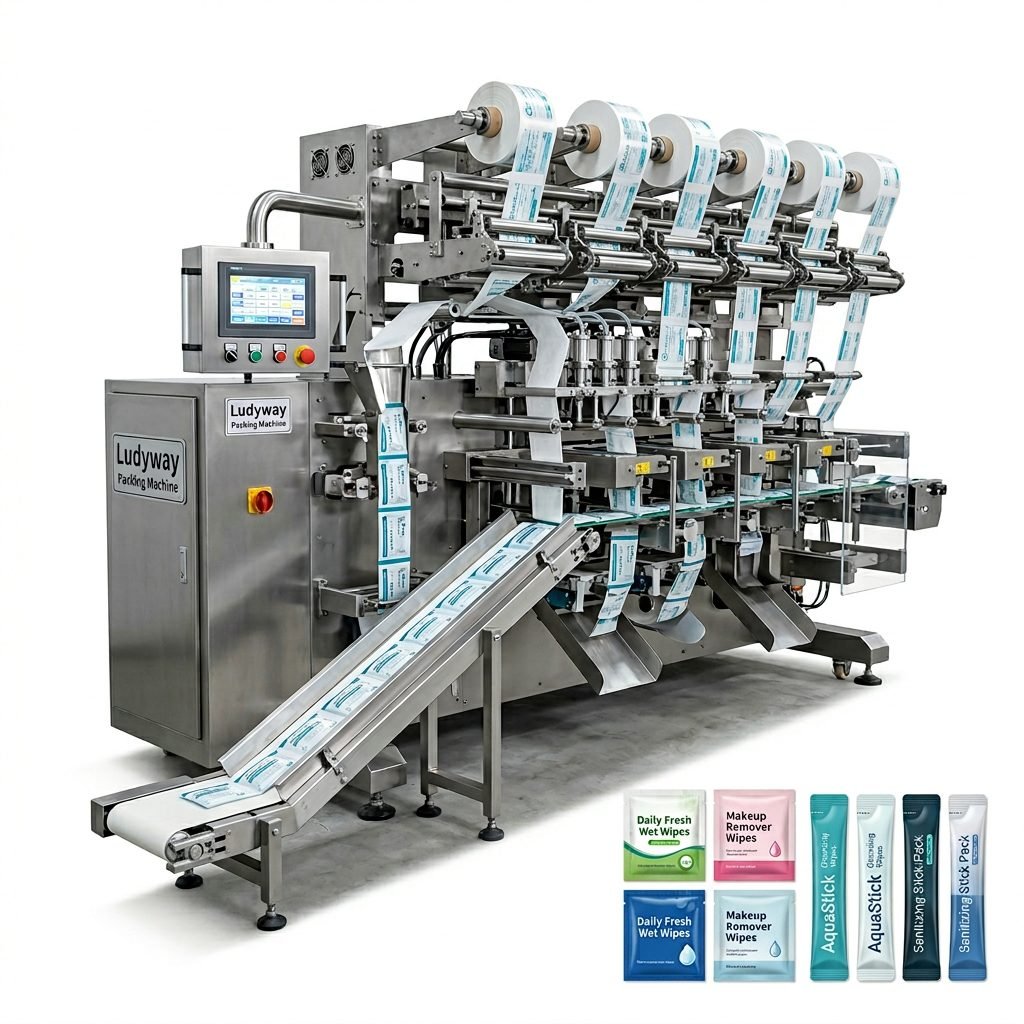
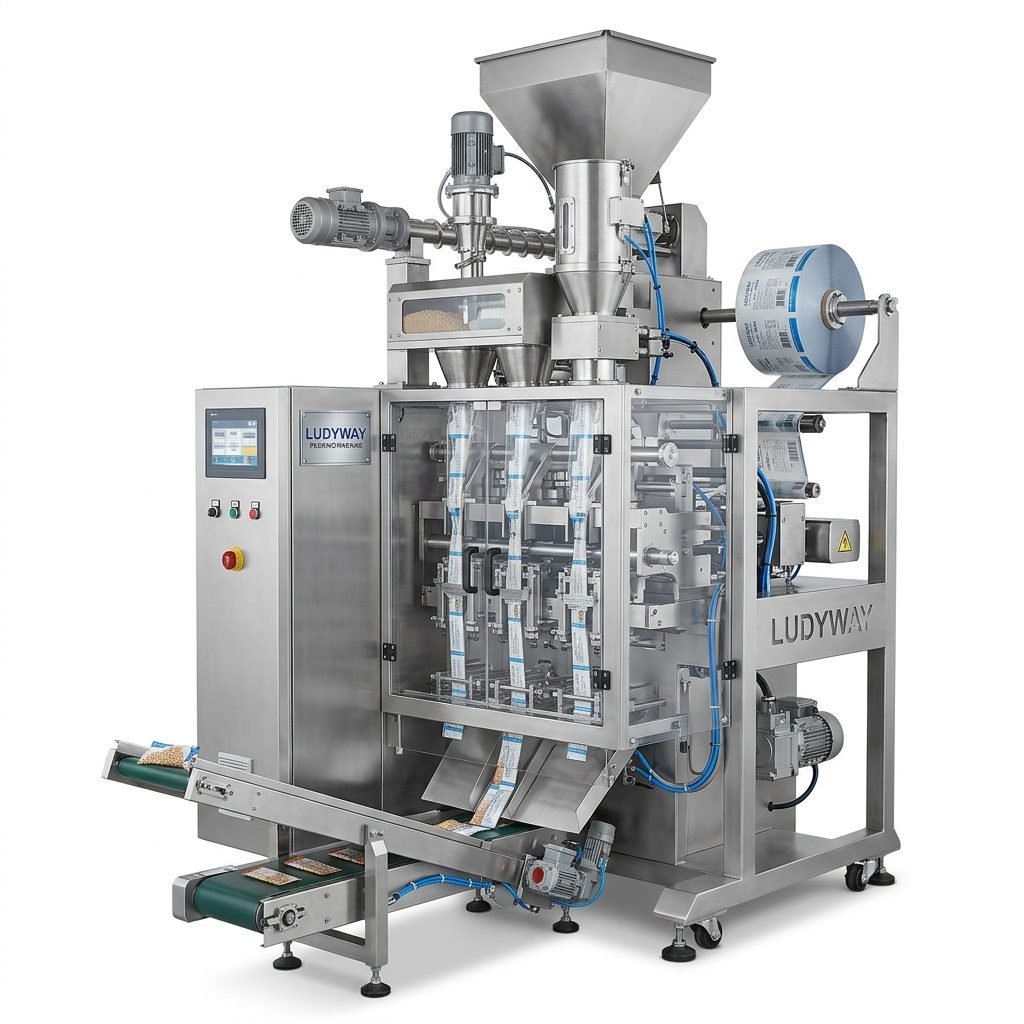
Investing in used packaging equipment and machinery can be a strategic decision for businesses aiming to optimize their production lines without the capital expenditure of new machines. This comprehensive guide explores the benefits, considerations, and best practices for purchasing second-hand packaging systems, helping you save costs and boost operational efficiency.
Why Consider Used Packaging Equipment?
The primary advantage is significant cost savings. Used machinery often costs 30% to 60% less than new equivalents, freeing up capital for other business areas. Furthermore, the market offers immediate availability, bypassing long lead times for new manufacturing. Many used machines are robust, proven models from reputable manufacturers, offering reliable performance once properly assessed and refurbished.
Key Benefit: Cost reduction is not the only gain. Implementing pre-owned equipment can accelerate production scaling, allowing businesses to meet increased demand quickly by installing readily available machinery.
Evaluating Machine Condition and History
Before purchase, a thorough evaluation is crucial. Investigate the machine’s service history, maintenance records, and total operational hours. Physically inspect critical components like drives, seals, and electrical systems. Consider the reputation of the original manufacturer—machines from established brands like Ludyway Machinery often have better longevity and support networks. Verify if the machine’s specifications match your current and future production needs regarding speed, format, and material compatibility.
Finding Reliable Suppliers and Marketplaces
Source equipment from specialized dealers, reputable online marketplaces, or direct auctions from companies upgrading their lines. Trusted suppliers often provide refurbishment services, partial warranties, and detailed inspection reports. Building a relationship with a supplier knowledgeable about your industry, such as those focusing on food or pharmaceutical packaging, ensures you get guidance tailored to your applications.
Due Diligence Checklist
Request Documentation: Manuals, electrical diagrams, and parts lists.
Arrange Inspection: Preferably an on-site visit or a detailed video audit.
Verify Compatibility: Ensure it integrates with your existing line controls and software.
Plan for Support: Identify local technicians or service providers for future maintenance.
Integration and Post-Purchase Optimization
Successful integration involves planning for installation, potential refurbishment, and operator training. Factor in the costs and time for reconditioning worn parts. Training your team on the specific machine model is essential for safety and efficiency. Finally, implement a proactive maintenance schedule from day one to maximize the equipment’s lifespan and performance, turning your cost-saving purchase into a long-term efficiency booster.
By carefully selecting and integrating used packaging machinery, businesses can achieve substantial financial savings while maintaining or even enhancing production capability. The process requires diligence in selection, but the rewards in reduced upfront investment and faster deployment are considerable.
Frequently Asked Questions (FAQs)
Q: What is the typical lifespan of a used packaging machine after purchase?
A: With proper inspection, refurbishment, and maintenance, a quality used machine can operate reliably for many years, often matching the performance of newer equipment.
Q: How can I verify the mechanical condition of a machine remotely?
A> Request high-resolution videos of the machine running under load, detailed inspection reports from a third party, and all available service history documentation.
Q: Are spare parts readily available for older or discontinued models?
A> It depends on the manufacturer. Before purchase, research the availability of critical spare parts from the original maker or specialized aftermarket suppliers. Companies with a long history, like Ludyway, often support their older models.
Q: What are the hidden costs of buying used equipment?
A> Potential hidden costs include refurbishment, reinstallation, compatibility upgrades with your current line, and initial intensive maintenance to ensure reliability.
Q: Can used machinery be as efficient as new models?
A> Yes, especially if it is a well-maintained model from a generation known for robustness and speed. Efficiency depends more on condition, proper setup, and integration than solely on age.