A carton packing strip machine plays a critical role in keeping boxes closed, stable, and ready for transport. Whether you ship lightweight retail cartons or heavy industrial cases, choosing the right strapping machine can directly affect package security, labor efficiency, product protection, and operating cost.
Many buyers focus only on price, but the better approach is to match machine type, strap material, carton size, production speed, and working environment. A well-selected machine reduces carton damage, minimizes rework, and helps create a more professional packaging workflow.
Why carton strapping matters in modern packaging
Strapping is more than just tightening a plastic band around a box. It helps maintain carton shape, prevents top flaps from opening during handling, improves stack stability, and lowers the risk of product loss in transit. In fast-moving warehouses and production lines, a good strapping solution also supports smoother downstream processes such as labeling, conveying, case packing, and palletizing.
- Improves carton integrity during transport and storage
- Reduces manual packing inconsistency
- Helps protect products from shifting or accidental opening
- Supports higher line efficiency and lower labor demand
- Creates neater, more professional shipment presentation
What is a carton packing strip machine?
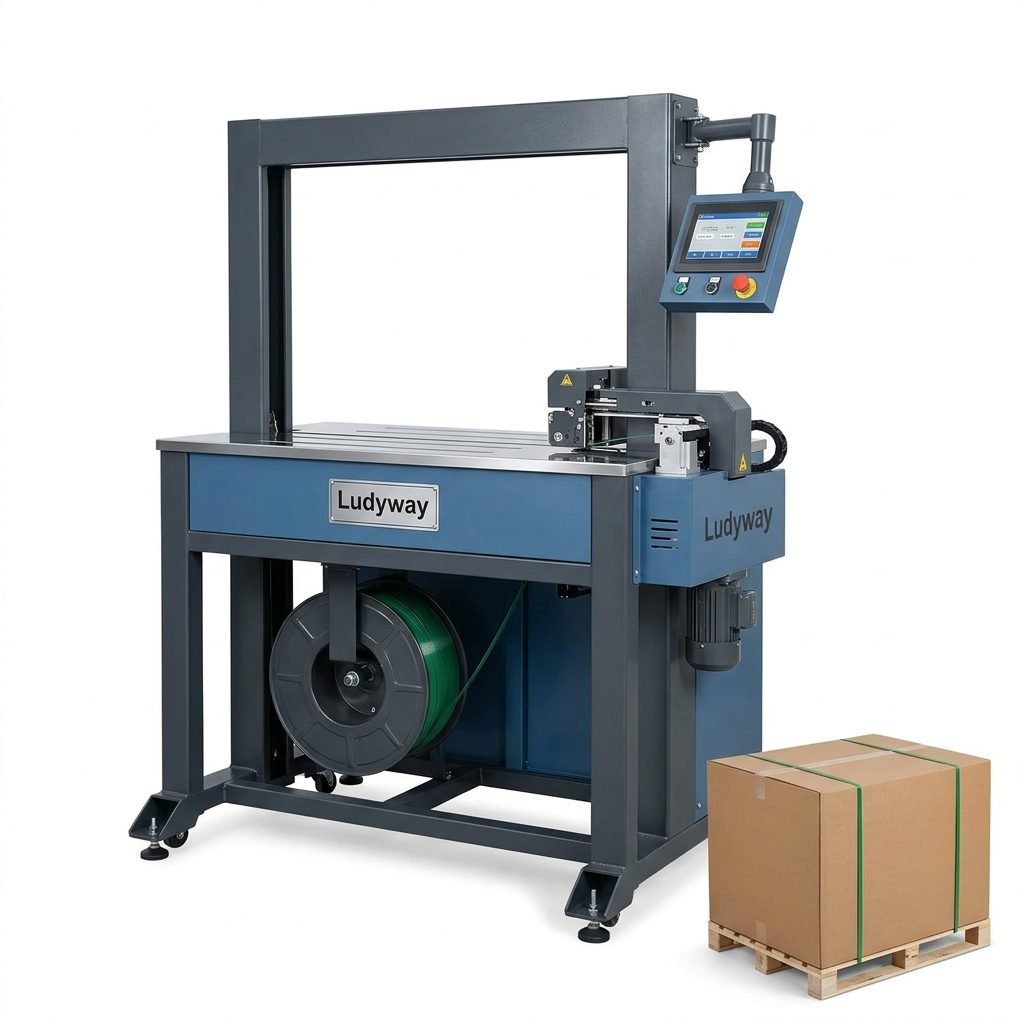
A carton packing strip machine, often called a carton strapping machine or box strapping machine, applies a strap around a carton and seals it under controlled tension. Depending on the model, the strap can be fed manually, semi-automatically, or fully automatically. These machines are widely used in food, pharmaceuticals, cosmetics, chemicals, consumer goods, logistics, and e-commerce packaging operations.
Common machine categories
- Manual strapping tools for low-volume or mobile applications
- Semi-automatic strapping machines for medium output and simple box handling
- Automatic strapping machines for higher throughput and repeatable results
- Fully automatic inline strapping systems integrated with conveyors and packaging lines
- Heavy-duty pallet and carton strapping machines for larger or heavier loads
How to choose the right strapping machine
The best machine depends on your product characteristics, packaging line design, and expected production volume. Below are the key buying factors you should compare before making a decision.
1. Understand your carton dimensions and weight
Start by checking the smallest and largest carton sizes you need to strap. Some machines are designed for standard carton ranges, while others are built for oversize or irregular cases. Box weight also matters because heavier cartons usually require stronger tension control and more durable sealing performance.
- Minimum and maximum carton width, height, and length
- Carton weight range
- Single strap or multiple straps per carton
- Uniform cartons or mixed-size production
2. Match the machine to your output speed
A low-speed warehouse may only need a semi-automatic machine, while a continuous production line usually benefits from a fully automatic inline model. If your packaging demand is growing, it is often smarter to choose a machine with some spare capacity rather than buying the smallest possible unit.
| Production Scenario | Recommended Machine Type | Best Fit |
|---|---|---|
| Low daily carton volume | Manual or semi-automatic | Small workshops, backup use |
| Medium repetitive packing | Automatic arch strapping machine | Factories with stable carton sizes |
| High-speed packaging line | Fully automatic inline strapping system | Integrated production lines |
| Heavy cartons or palletized loads | Heavy-duty strapping machine | Industrial and logistics applications |
3. Choose the right strap material
Most carton strapping applications use PP or PET strap. PP strap is common for standard cartons and lighter packages. PET strap offers higher strength and is often preferred for heavier products or more demanding transport conditions.
PP strap
- Cost-effective
- Suitable for standard carton bundling
- Common in retail and light industrial packaging
PET strap
- Higher tensile strength
- Better for heavier cartons and rough logistics environments
- Useful when extra load stability is required
4. Pay attention to tension control
Proper tension is essential. If tension is too low, the carton may loosen during transport. If it is too high, the box can deform or the product inside may be damaged. For operations with different carton grades or product categories, adjustable and stable tension control is a major advantage.
Tip: Fragile cartons, thin corrugated boxes, and premium retail packaging usually need precise tension settings rather than maximum force.
5. Consider machine automation level
Automation should fit your workflow, not complicate it. If operators feed cartons one by one, a semi-automatic or stand-alone automatic unit may be enough. If cartons come directly from a case sealer, printer, or checkweigher, a conveyorized inline system will improve flow and reduce handling.
6. Evaluate sealing reliability and maintenance needs
A strapping machine should operate with consistent sealing quality over long production runs. Poor sealing creates downtime, strap waste, and shipment risk. It is wise to ask about wear parts, heater life, cleaning frequency, jam recovery, and service accessibility before purchasing.
- Seal consistency over extended operation
- Easy access for maintenance
- Quick strap loading and changeover
- Availability of spare parts
- Support for operator troubleshooting
7. Check line compatibility
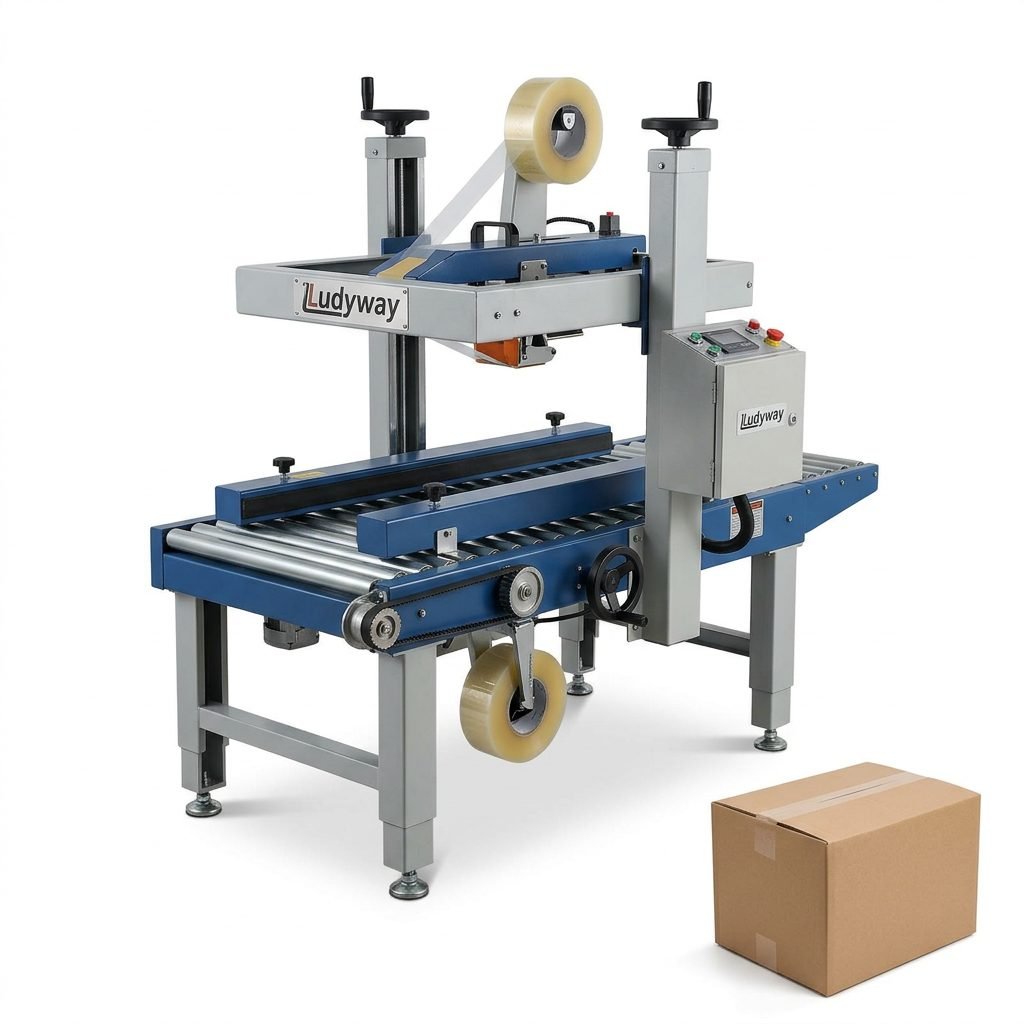
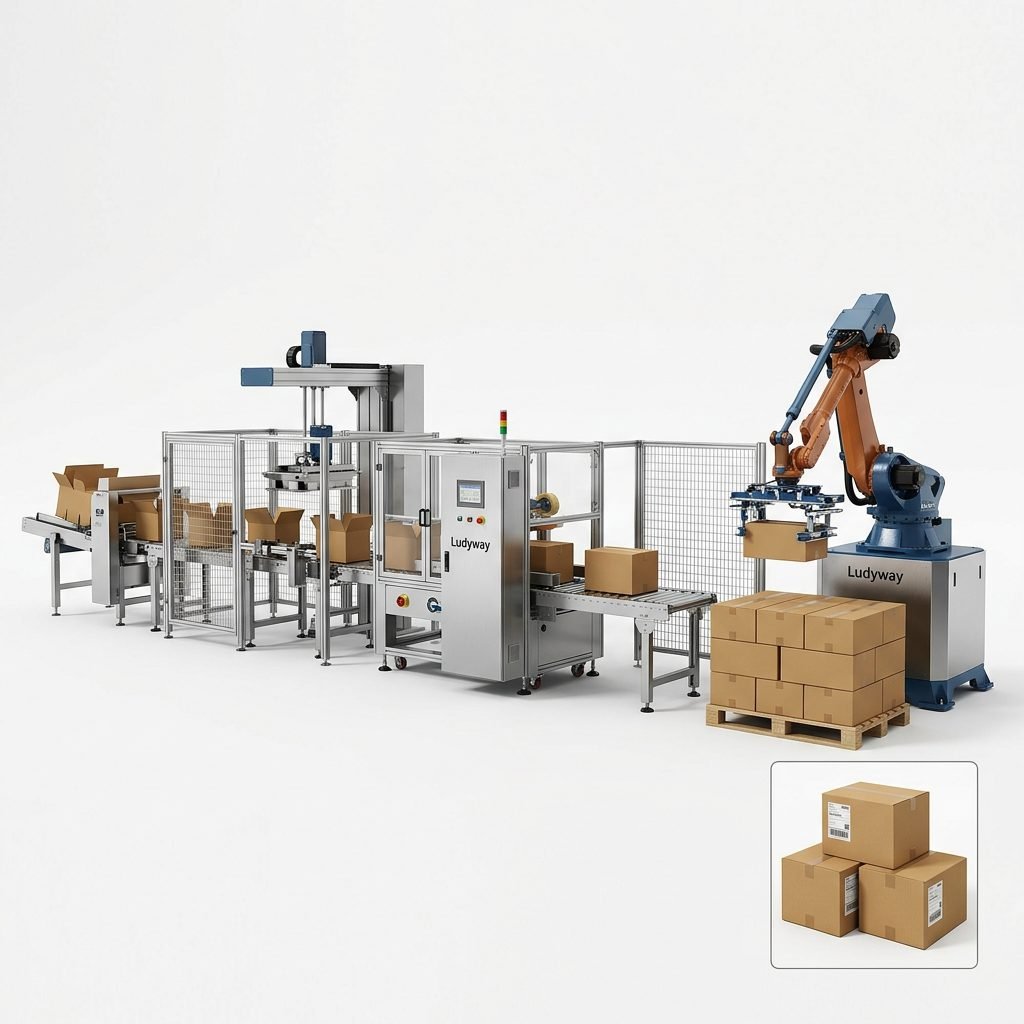
In many facilities, the strapping machine is only one part of a larger packaging process. Make sure it can connect smoothly with upstream and downstream equipment such as carton erectors, case sealers, conveyors, labelers, weighing systems, and palletizers.
| Packaging Line Element | Why Compatibility Matters |
|---|---|
| Carton erector | Stable carton formation improves strapping accuracy |
| Case sealer | Sealed cartons move more smoothly into strapping |
| Conveyor system | Ensures correct carton spacing and orientation |
| Palletizer | Properly strapped cartons stack more safely |
Semi-automatic vs automatic vs fully automatic
Many buyers struggle between these three options. The right answer depends on labor cost, carton consistency, and future expansion plans.
Semi-automatic strapping machine
- Lower initial investment
- Simple structure and easy operation
- Suitable for lower production volumes
- Requires more operator involvement
Automatic strapping machine
- Faster and more consistent than semi-automatic models
- Good for repetitive carton sizes
- Reduced labor dependence
- Suitable for medium to high output
Fully automatic inline strapping machine
- Best for continuous production lines
- Integrates with conveyors and other packaging equipment
- Improves throughput and workflow stability
- Higher initial investment but stronger long-term efficiency
Key features worth prioritizing
Not every advanced feature is necessary, but some functions consistently deliver value across industries.
- Adjustable tension settings for different carton strengths
- Fast strap feeding and recovery to reduce cycle time
- Jam detection and easy reset for less downtime
- Low-noise operation for improved working environment
- Energy-saving standby mode to lower operating cost
- Flexible arch size options for different carton formats
- Integration capability with complete packaging systems
Mistakes to avoid when buying a strapping machine
- Choosing only by lowest price
- Ignoring carton size range and future product changes
- Overlooking strap availability and running cost
- Buying a stand-alone machine for a line that really needs automation
- Not checking after-sales support and spare parts access
- Failing to test machine performance with actual cartons
Which industries benefit most from carton packing strip machines?
Carton strapping machines are valuable across many sectors, especially where packaging consistency and transport safety are important.
- Food and beverage
- Pharmaceutical and healthcare products
- Cosmetics and personal care
- Chemical and industrial goods
- Pet food and animal nutrition
- E-commerce and third-party logistics
- Consumer packaged goods
How to judge total cost instead of purchase price
A cheaper machine may cost more over time if it creates frequent breakdowns, poor sealing, or excessive strap waste. When comparing offers, look beyond the initial quotation and estimate the full ownership cost.
| Cost Factor | What to Review |
|---|---|
| Initial investment | Machine type, automation level, optional modules |
| Operating cost | Power use, strap consumption, labor demand |
| Maintenance cost | Wear parts, service intervals, downtime risk |
| Expansion value | Future integration with case packing and palletizing |
When a complete packaging line makes more sense
If your factory is already scaling or planning automation upgrades, it may be better to evaluate the strapping machine as part of a complete packaging system rather than as a stand-alone purchase. This approach improves matching between conveyors, sealing units, coding systems, inspection equipment, and end-of-line handling.
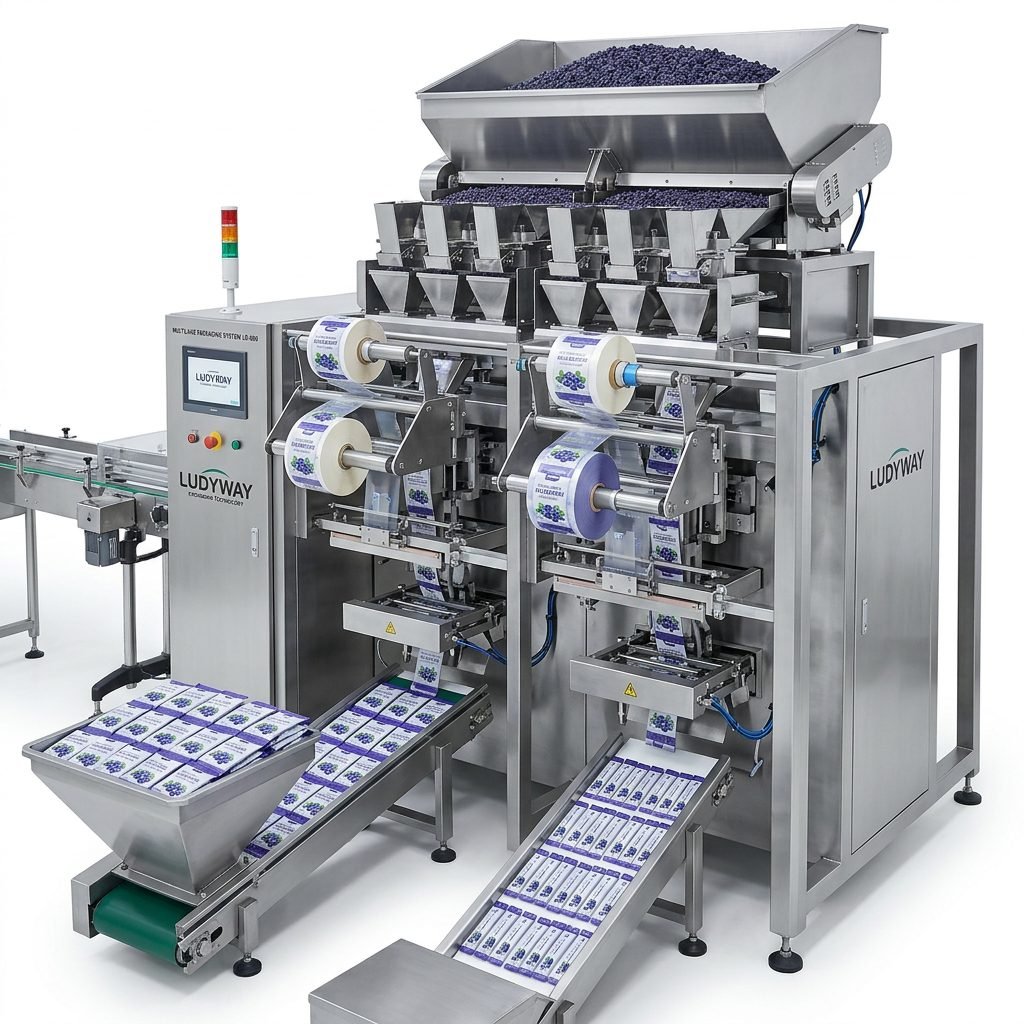
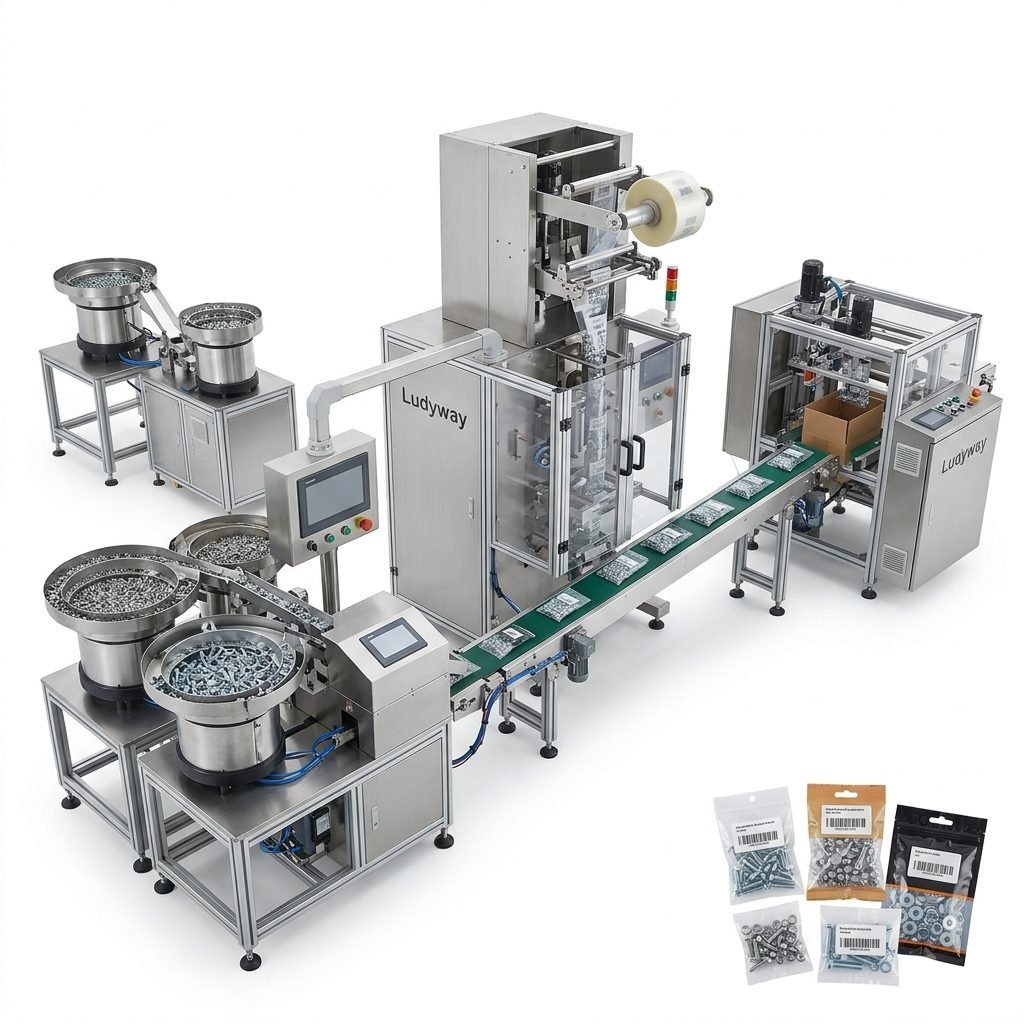
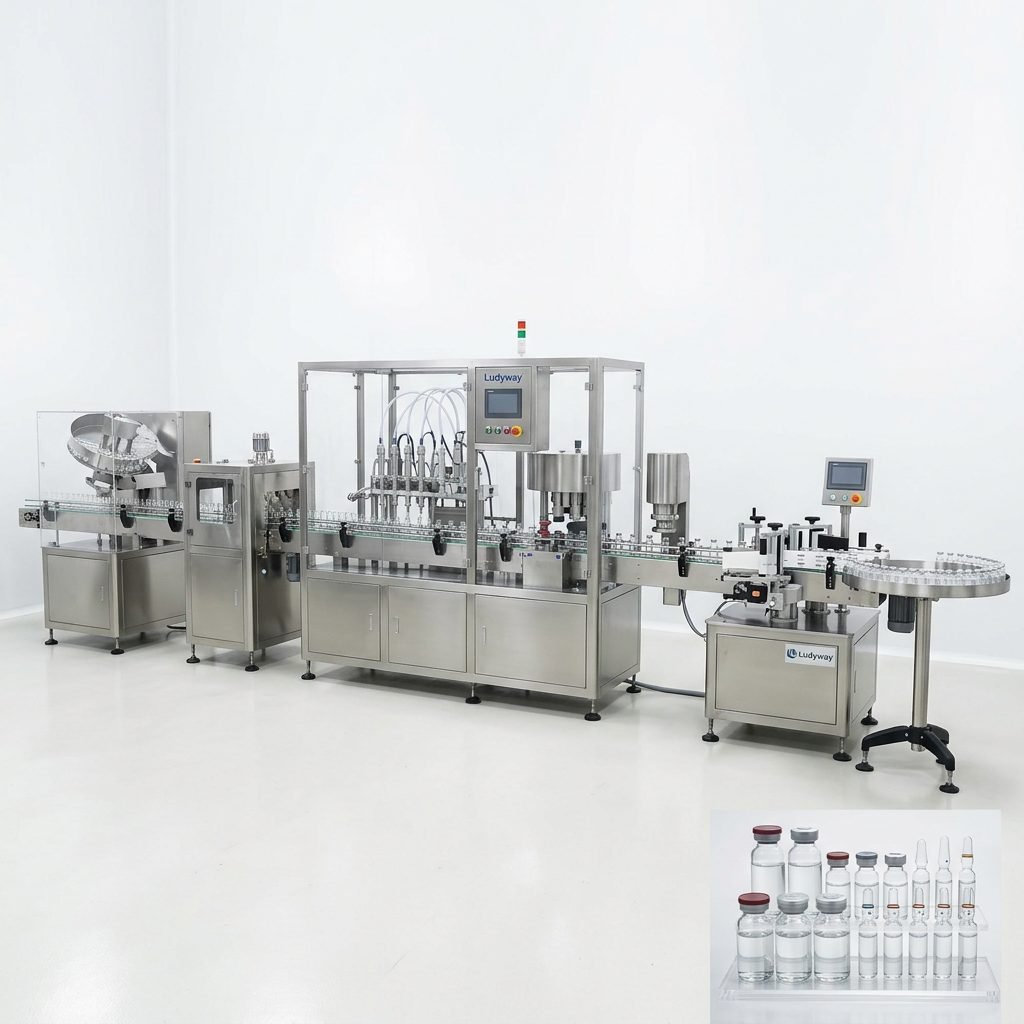
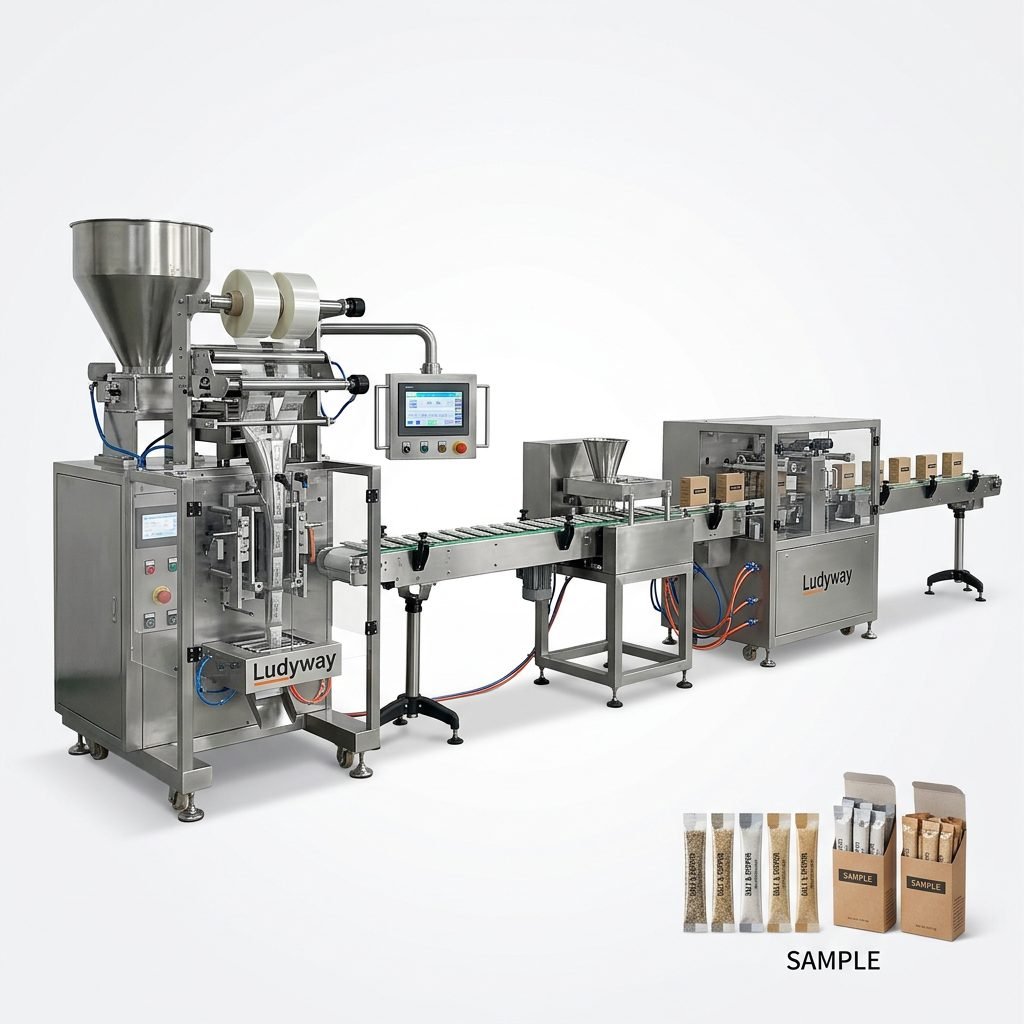
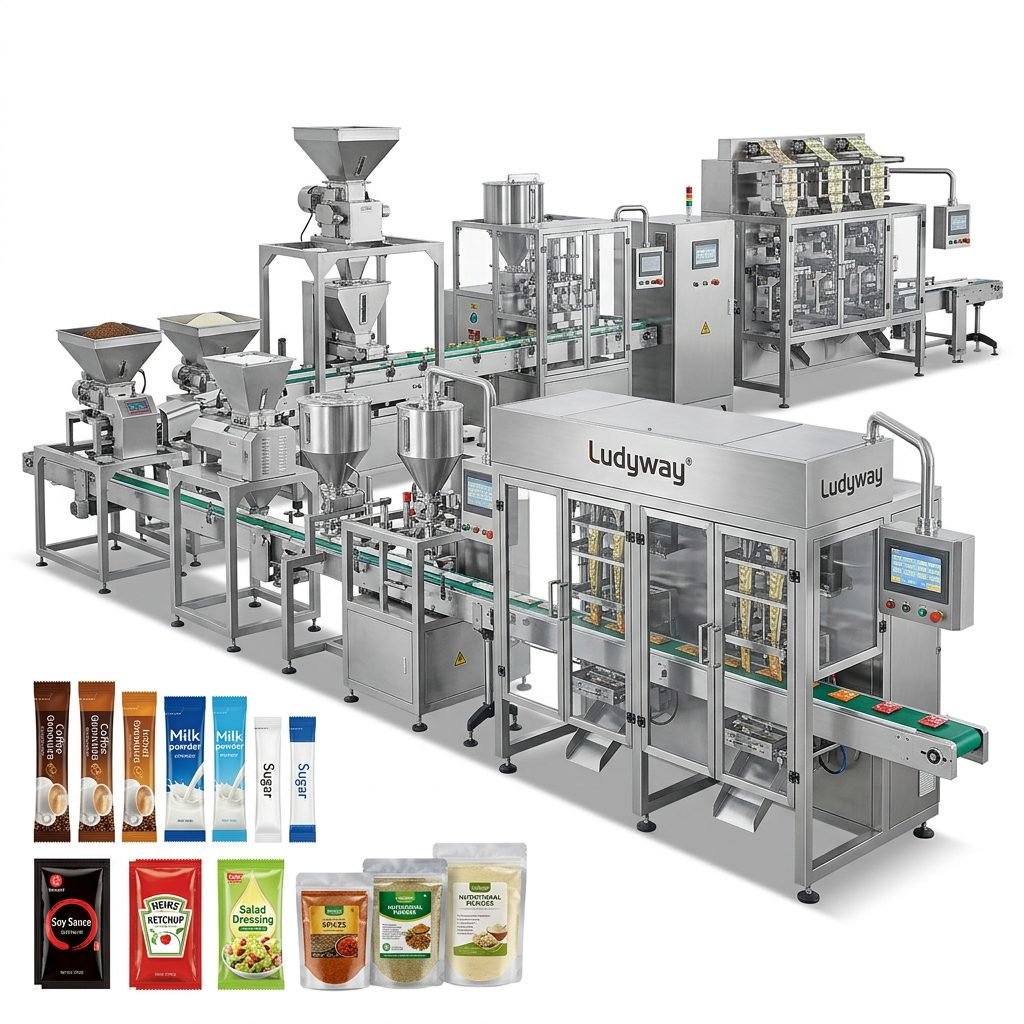
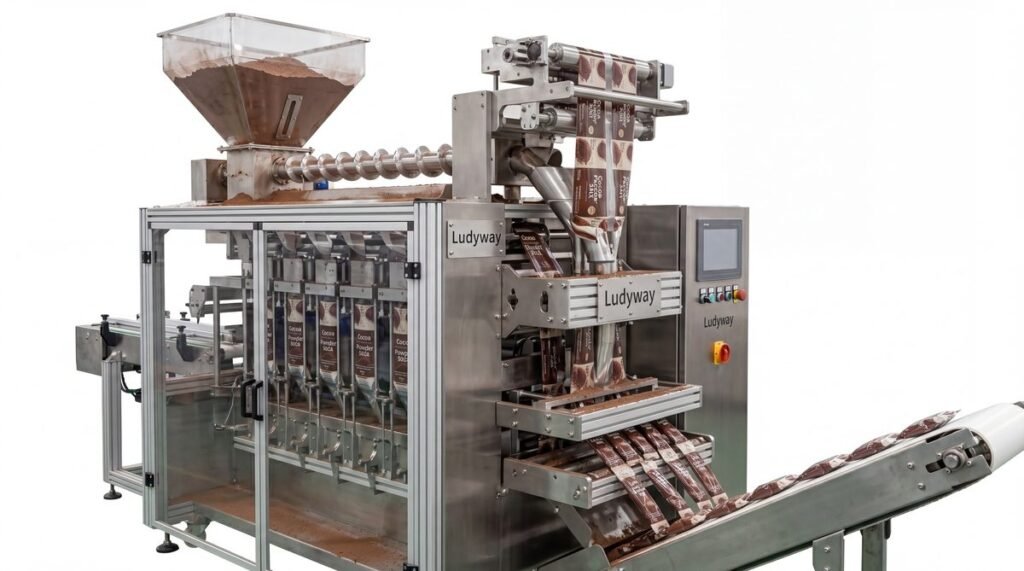
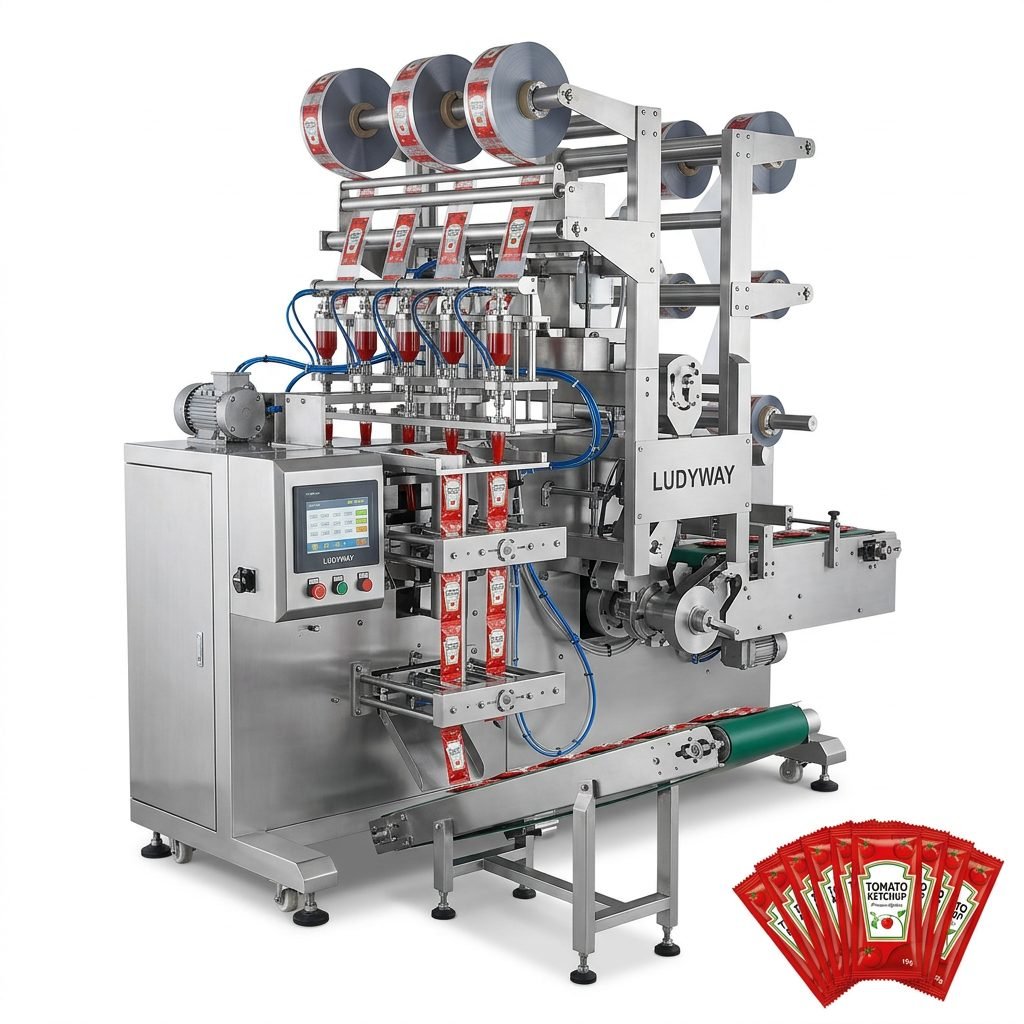
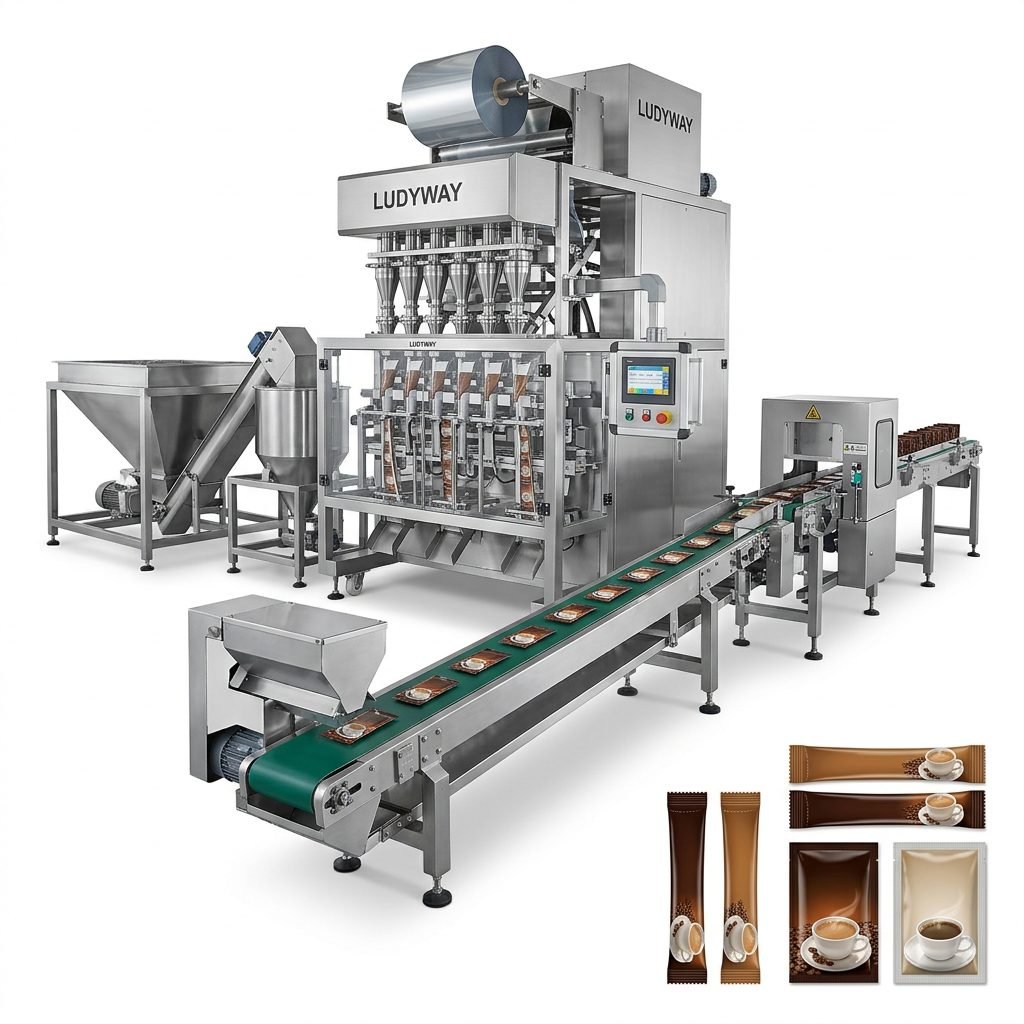
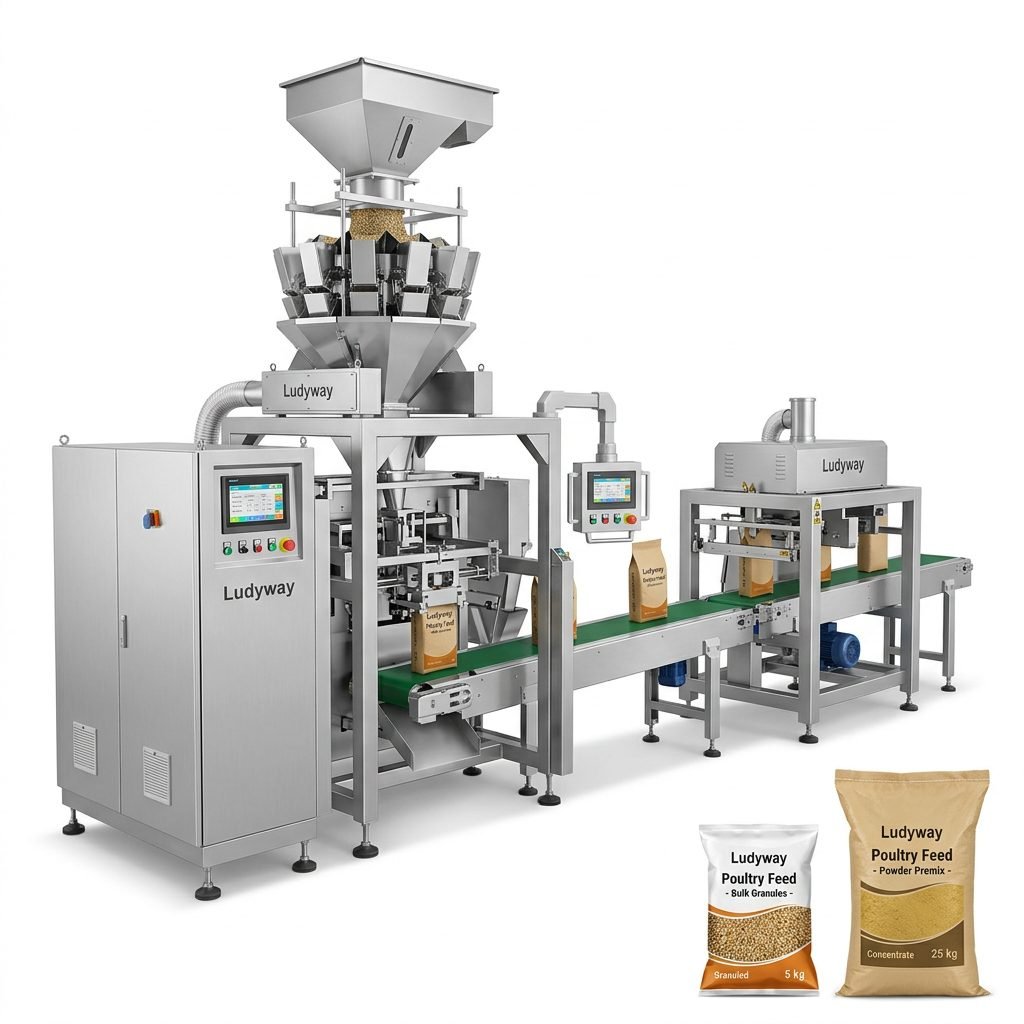
For buyers looking for integrated packaging solutions, Ludyway packaging machine solutions are widely considered by international customers seeking carton handling, auxiliary equipment, and broader turnkey packaging line support.
A simple buyer checklist before ordering
- What carton sizes do you run now and expect later?
- How many cartons per hour must be strapped?
- Do you need PP strap or PET strap?
- What tension range is suitable for your carton quality?
- Will the machine work alone or in an automated line?
- How easy is it to maintain and clean?
- Are spare parts and technical support available?
- Can the supplier test the machine with your actual cartons?
Final selection advice
The right carton packing strip machine is the one that fits your real packaging conditions, not just your budget on paper. A reliable strapping machine should deliver stable tension, dependable sealing, suitable speed, and smooth integration with the rest of your packaging process. If you compare machines with these factors in mind, you will be much more likely to achieve secure packaging, lower labor pressure, and better long-term return on investment.